Author: Mei Ling Tan

  • India, Indonesia key areas of focus for DBS in 2017

    India, Indonesia key areas of focus for DBS in 2017

    India and Indonesia will be the Development Bank of Singapore’s “big” areas of focus for this year, its chief executive officer Piyush Gupta has said. “We also remain focused on building leading regional cash management, foreign exchange, debt markets and wealth management franchises,” Gupta said here.

    “So India and Indonesia will be our big areas of focus in 2017,” Gupta was quoted. DBS leads foreign banks with expansion plans in India.

    DBS’ wealth management business has quadrupled over the past six years, and now accounts for to 13 to 14 per cent of group revenue.

    “Over the next five years, we think it could get up to 20 per cent,” he said in a report on Singapore banks’ prospects during this year.

    “The world will have to grapple with massive consequences behind technological disruption on jobs displacement, both blue-collar and white-collar workers. My own bet is that you will find a lot more entrepreneurship, or what people call the gig economy,” he said.

    “It is likely that there will be a new wave of redistributive economics. Governments may prove inadequate to do this entirely under their own steam, and the private sector will have to play a meaningful role,” said Gupta.

    DBS’s top priorities for this year is to be prepared for volatility as markets will continue to be choppy.

    An increase in US dollar rates could also create negative impact, he added.”Step up the pace on transformation of the bank that is re-imagine banking, and be a 22,000-person start-up,” stressed Gupta. “The third priority is to continue our steady business expansion,” he said.

    But he also cautioned that uncertainties over US President-elect Donald Trump’s policies will be a headache for Asian strategies and could result in heightened market volatility in the short-term. At the same time, global growth is expected to remain subdued, said Gupta.

    “To navigate these uncertain times, we need to remain watchful and vigilant, as well as disciplined about costs and the risks we take,” he advises.

  • Retail trends for 2017: AI shopping, mini stores

    Retail trends for 2017: AI shopping, mini stores

    Today’s consumers are increasingly looking for specific and engaging experiences while shopping, according to an analysis from Lotte Department Store’s research team for retail trends. The team proposed a set of guidelines to help retailers prepare next year’s business strategies.

    “For modern customers, shopping is not only about buying products, but a complex experience,” said Na Hyun-jun, head of Lotte Department Store’s retail research team. “The key would be how successfully retailers provide new shopping experiences while catering to the increasingly segmented needs of consumers.”

    The first is the trend for smaller department stores that focus on catering to tastes of specific demographics. Mini department stores are frequent in Japan. Tokyo-based retail giant Isetan Mitsukoshi has more than 120 small and midsized stores nationwide near airports and train stations. Lotte Department Store opened three “el CUBE” stores in a similar concept this year, and their contents slightly differ according to visitors’ demographics.

    Personal curation for shoppers is another target selected by the team. Item choice is becoming more difficult for consumers as new products are constantly released. In the past retailers used personal shopping assistants, but recently shoppers have been using new technology like artificial intelligence and big data. In March, KT released the app Shodoc, which recommends products according to consumer demographics.

    Lotte also pointed out that consumers are more impulsive due to the development of technology related to shopping, like easy payment methods via apps. This has helped consumers purchase items immediately after seeing them online or via smartphones. The human-less supermarket Amazon Go launched this month, marked the start of a trend of moving offline.

    Retailers are providing virtual reality services at brick-and-mortar stores. Virtual reality is a field especially favorable in the fashion industry. In May, eBay and U.S. retail brand Myer launched a VR department store that is accessible by a VR headset and an app. For luxury or high-end brands, however, expanding contact with consumers and providing the chance to experience products will become a core task in establishing brand image. In the past, companies had the image of being too difficult to relate to due to their premium images. This year, high-end car brand Bentley set up a showcase “studio” in a London mall just for brand image rather than sales.

    In terms of product category, retailers are slowly expanding their reach outside industrial goods to products they have not carried in the past. This year, Harrods Department Store in London had a pop-up store to display Emaar Properties’ real estate in Dubai.

  • Trump’s Indonesia projects proceed despite potential conflicts of interest

    Trump’s Indonesia projects proceed despite potential conflicts of interest

    One resort, planned as the largest in Bali, will overlook a spectacular Hindu temple. The other, in the verdant hills of West Java, will adjoin a theme park. The properties will be so luxurious, the Trump Organisation says, that even an impressive five-star rating will not do them justice. So it will give them six stars instead.

    Even as President-elect Donald Trump promises to end foreign business deals that could pose conflicts of interest — there will be “no new deals” while he is in office, he has said — his company is moving ahead with two Indonesian projects that illustrate how tricky that pledge might be.

    None of the construction work to build or renovate structures at the Indonesian resorts has even begun, but Mr Trump has forged relationships with powerful political figures in Indonesia, where such connections are crucial to pushing through big projects.

    That tangle of relationships includes an Indonesian business partner who aspires to high office; a powerful politician accused of trying to extort billions of dollars from a United States mining company; and Mr Trump’s new adviser on regulatory issues, Mr Carl C Icahn, a top shareholder in the mining company.

    The resort projects, which a Trump spokeswoman said last week were “binding contracts”, have created a grey area of conflicting interests that could be hard to separate from an array of issues facing the US and Indonesia, including trade and contested claims over the South China Sea.

    Mr Trump’s local partner on the resorts, Mr Hary Tanoesoedibjo, is a billionaire media mogul with his own political ambitions. He ran for vice-president of Indonesia in 2014 and is organising a political party for another possible run at national office in 2019. If Mr Tanoesoedibjo or his party wins a major role in government, the potential conflicts could escalate significantly.

    “You could have two world leaders that are business partners,” said Professor Richard W Painter, who served as a White House ethics lawyer during the George W Bush administration. “It makes it almost impossible to conduct diplomacy in an even-handed manner. That does not work.”

    Through the partnership with Mr Tanoesoedibjo, Mr Trump has gained access to some of Indonesia’s top political figures, including Mr Setya Novanto, Speaker of the House of Representatives, who was temporarily forced to surrender his leadership post because of corruption allegations in 2015. Mr Novanto was heard on an audio recording seeking a US$4 billion (S$5.8 billion) payment from the US mining giant Freeport-McMoRan.

    Months before the recording came out in December 2015, Mr Trump met Mr Novanto during the presidential campaign at Trump Tower. After their lunch, Mr Trump pulled Mr Novanto before the cameras at a news conference and called him “a great man”, adding, “We will do great things for the United States.”

    The knot of potential conflicts includes Mr Icahn, the billionaire investor who will serve as a special adviser to Mr Trump. He is one of the largest shareholders in Freeport, which does so much business in Indonesia that it is the country’s largest taxpayer and has been seeking to extend its mining contract with the Indonesian government.

    “This stuff is so murky,” said Ms Karen Hobert Flynn, president of Common Cause, a nonprofit group that has called for Mr Trump to sell off his businesses to avert conflicts of interest. “It is not going to be clean moving forward. There are going to be complications as these projects move forward.”

    Mr Trump has provided little clarity about what he means by “no new deals”, a vow made in a Twitter post he sent out in mid-December. His aides suggested in interviews last week that even if construction had not started on a project, the Trump Organisation would move ahead if it had a binding agreement.

    For Mr Trump, the Indonesian deals are licensing and management agreements in which he provides the use of his name and his company manages the resorts.

    Even though no structures were built, Mr Trump secured a considerable payout on the two deals, according to a financial disclosure report that listed payments ranging from US$1 million to US$5 million for each of the projects between January 2015 through May 2016. That is far more than the US$400,000 salary paid to the President, which Mr Trump has said he will decline.

    Mr Trump created the corporations that manage these projects — including DT Bali Hotel Manager and DT Lido Hotel Manager — in late June 2015, just a week after he declared his intention to run for President.

    His companies have operations in at least 20 countries, including the Philippines, India, Turkey and Britain, but the full extent of his foreign financial ties is unclear because he has refused to release his tax returns or disclose the identity of his lenders.

    In addition to the no-new-deals pledge, Mr Trump has said that his sons, Eric and Donald Jr, along with other executives, will manage the family’s global real estate business.

    The Trump Organisation has recently moved to resolve potential controversies, in part by closing family foundations. It has also dropped a number of its proposed projects, including Trump Office Buenos Aires in Argentina; Trump Towers Rio and Trump Hotel Rio de Janeiro, both in Brazil; Trump International Hotel & Tower Baku in Azerbaijan; Trump Tower Batumi in Georgia; and Trump Riverwalk in Pune, India, representatives from the Trump Organisation have said last week, in response to questions.

    But other projects — including some on which construction has not started or is not well underway — are moving ahead, including Trump Tower Mumbai and a Trump tower in Gurgaon, both in India; Trump Tower Punta del Este in Uruguay; Trump International Golf Club, Dubai, and Trump World Golf Club, Dubai, both in the United Arab Emirates; and Trump International Hotel & Tower Vancouver, in Canada, the Trump Organisation confirmed.

    Ms Amanda Miller, the Trump Organisation spokeswoman, said of the two Indonesian projects: “Construction is well underway and will proceed as planned.”

    In fact, construction has started only on a golf course and toll road as part of the Lido Lakes resort in West Java. Separating the enterprise from politics may also be difficult because Mr Tanoesoedibjo’s MNC Group is building the road to the site as part of a government highway project.

    No new structures have been built at Lido Lakes or at the resort near the stunning Tanah Lot temple in Bali. A 20-year-old hotel, the Pan Pacific Nirwana Bali Resort, stands on the Bali property and could be renovated to create a Trump hotel, but that work has not begun.

    The two resorts will give the Trump brand a high profile in Indonesia — which has the world’s largest Muslim population — with the Trump name adorning two luxury hotels and premier golf courses as well as high-end villas and condominiums. Yet the US President’s name on the projects could also make them potential targets. During the campaign, Mr Trump made statements about Muslims widely viewed as inflammatory. US hotels in Jakarta have been attacked by terrorists several times.

    On Wednesday, Mr Trump accused the news media of exaggerating any potential conflicts presented by his business holdings. “It’s not a big deal; you people are making it a big deal, the business,” Mr Trump said on the steps of his Mar-a-Lago resort in Florida, where he was spending the holidays. “They all knew I had big business all over the place.”

  • Use underground space to boost retail in Singapore

    Use underground space to boost retail in Singapore

    In land-scarce Singapore, land optimisation is a strategic thrust that is achieved by reclaiming land, intensifying land use upwards, and building downwards.

    However, there are limits to land reclamation and building upwards due to maritime and aviation constraints respectively.

    Therefore, unlocking underground space and synergising below and above-ground land use is the next frontier for Singapore.

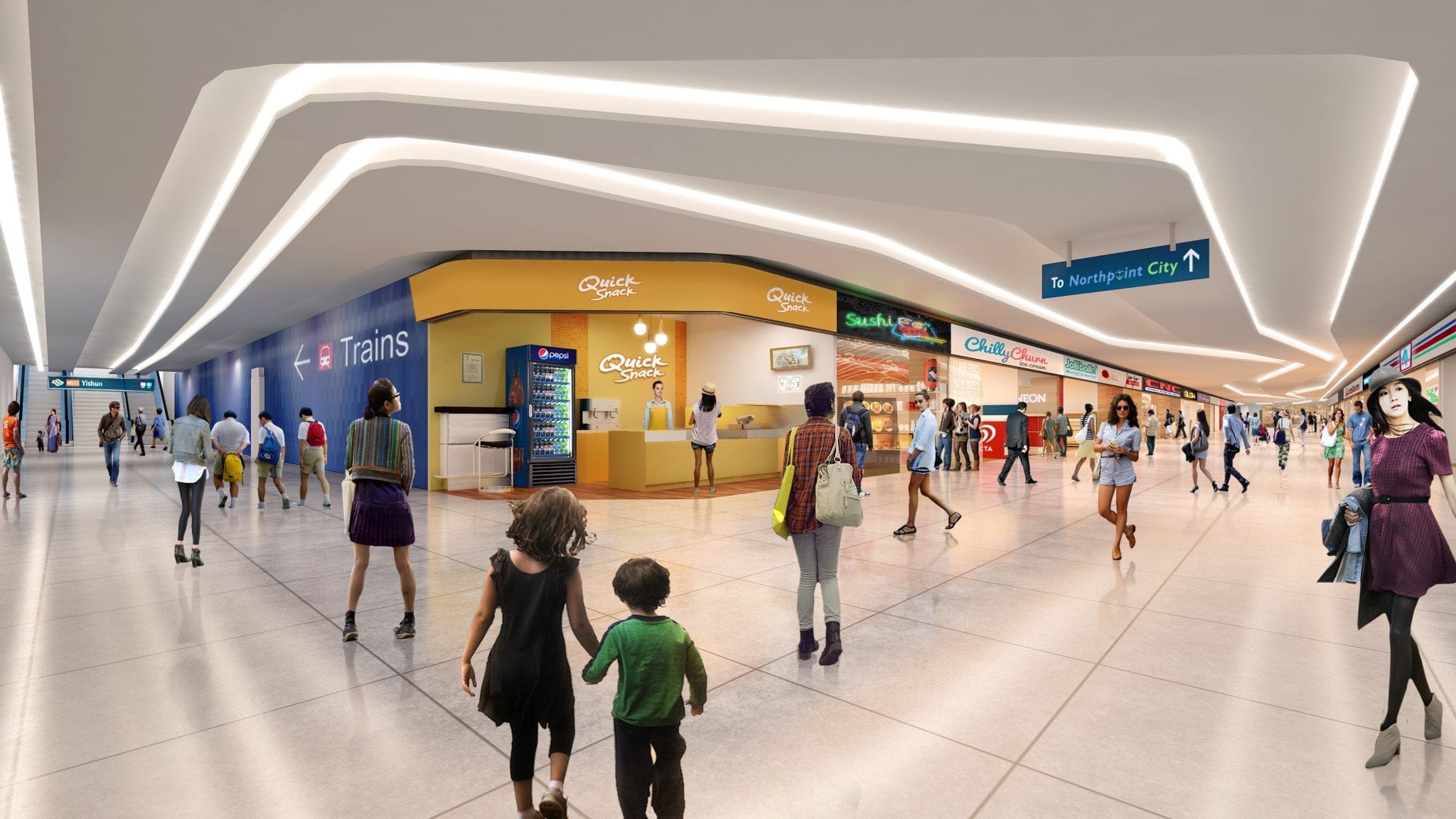
    To facilitate the growth of an extensive underground pedestrian network, the Urban Redevelopment Authority (URA) developed an Underground Master Plan to guide the construction of underground walkways in the Central Area.

    INCENTIVE SCHEME

    While the government has the ability to finance public underground development, the commercial viability of an underpass is a significant consideration for building owners and developers.

    Consequently, URA implemented an incentive scheme in 2004 to co-fund the construction of strategic underground links in the Central Region, in particular Orchard Road.

    However, no developer on Orchard Road has voluntarily capitalised on the URA incentive scheme to construct underground connections.

    This provided the key impetus for this study, which focuses on the integration of underground walkways with existing buildings on Orchard Road.

    It evaluates the feasibility of an underpass from the perspective of developers, retailers, and the public.

    PERSPECTIVES OF DEVELOPERS, RETAILERS AND THE PUBLIC

    From a developer’s perspective, there are two motivations for an underpass.

    First, an underground walkway provides a seamless, all-weather retail experience.

    Second, an underpass enhances underground connectivity which could generate higher foot traffic, resulting in higher rents for landlords.

    Furthermore, we found that there are two tiers of underpass in terms of connectivity efficiency, whereby a primary underground linkway provides a direct connection between an MRT station and shopping mall, while a secondary underpass connects two adjacent shopping malls.

    However, there are six barriers to the development of an underground walkway, namely:

    • (a) high construction cost;
    • (b) subterranean land premium;
    • (c) extensive underground infrastructure beneath public roads;
    • (d) structural building limitations;
    • (e) loss of rental revenue during construction period; and (f) diversion of pedestrian traffic to competitors’ shopping malls.

    Consequently, the total development cost – comprising high construction cost and subterranean land premium – renders an underpass commercially infeasible.

    A robust tenant mix is central to the success of an underpass, and the demand for retail space along the link depends on the rent and trade mix.

    Generally, retail rent is contingent upon the location within a shopping mall, shop size, and the building’s proximity to transportation nodes.

    The rents are highest on the ground-level retail spaces fronting Orchard Road, while rentals in the basement levels are typically lower than those of levels one through three, except in cases with direct connectivity to an MRT station.

    Our study found that the suitable tenant mix for an underground walkway includes fashion, convenience, pharmacy and healthcare, food and beverage, and accessories.

    Furthermore, the tenant mix within an underpass is distinguished from those in the basement levels of a shopping mall.

    From a shopper’s perspective, one may use an underpass to commute, shop, or do both.

    It is dependent on the visibility and connectivity efficiency of an underpass.

    For instance, the primary underpass between Orchard MRT Station and Tangs Plaza is heavily utilised because it is not only highly visible, but it also serves as an efficient linear connection between the two shopping malls.

    Conversely, the secondary underpass between Orchard Central and The Centrepoint was previously underutilised due to a lack of both visibility and awareness of its existence.

    However, the completion of Orchard Gateway provided a more seamless underground connection between Somerset MRT Station and Orchard Central, generating higher traffic flow to The Centrepoint.

    RECOMMENDATIONS

    Our study proposes four recommendations to encourage the development of new underpasses:

    First, the government could undertake the construction of an underground linkway and sell the retail spaces to investors.

    The precedent was set by the sale of Tangs Underpass, connecting ION Orchard and Tangs Plaza, to joint-venture partners CapitaLand and Sun Hung Kai Properties.

    Today, the Tangs Underpass is lined with retail spaces on both sides of the walkway.

    Second, our study proposes further enhancement to the subsidy on public pedestrian walkways and an introduction of a subsidy for retail space under the URA incentive scheme.

    These refinements significantly reduce the construction cost of an underpass, thereby making it commercially viable for building owners and developers.

    Third, the government may consider the provision of feasibility studies and infrastructure support under the URA incentive scheme, which would benefit both the state and the market.

    From the state’s perspective, this would develop the underground database to aid future planning of subterranean space.

    Furthermore, it would provide the market with clarity on the physical conditions encompassing land parcels and technical requirements of an underpass.

    Additionally, infrastructure support could be offered in the form of cash subsidies to partially offset the high construction costs of underground tunnels on Orchard Road.

    Fourth, an increase in plot ratio could incentivise developers to undertake redevelopment or major addition and alteration works, leading to the construction of an underpass which is mandated by URA.

    The 2014 URA Master Plan allows up to a 15 per cent bonus in base plot ratio for land sites above 10,000 square metres in the Orchard Planning Area.

    Furthermore, there is a variety of space and design incentive schemes to maximise a site’s development potential.

    The upcoming Orchard Boulevard MRT Station in 2021 may motivate building owners to amalgamate land parcels in West Orchard and carry out redevelopment or major addition and alteration works, giving rise to the creation of new underground walkways.

    In conclusion, an effective incentive scheme entails a delicate balance between the objectives of the state in enhancing underground connectivity and the market, where profit matters.

    Ultimately, the exploitation of underground space has limitless potential in expanding Singapore’s physical space boundary vertically downwards and optimising land use through the seamless integration of below and above-ground activities.

  • Retail sales in Japan rise by 1.7 percent

    As per industrial data released on Wednesday, Japan has witnessed economical growth after months of stagnation. The country’s industrial output increased 1.5 percent on month, and inventories fell 1.5 percent on month and 4.8 percent on-year.

    Japan’s retail sales also rose by 1.7 percent on-year in November, however, sales of large retailers were down by 0.3 percent on year. The manufacturing industry is meanwhile expected to grow 2 percent in December and 2.2 percent in January.

    The country released revised figures earlier this month, showcasing that its gross domestic product (GDP) for the July-to-September quarter grew 1.3 percent on-year.

    Izumi Devalier, Head of Japan economics at Bank of America-Merrill Lynch said, “We’re now down to levels we saw pretty much at the time of the VAT value-added tax hike. So, inventories are very lean, which means that we should some pretty strong production numbers in the months ahead.”

    “While domestic demand still lacks strength, a pick-up in exports is driving up production. Output will likely continue recovering moderately ahead,” said Takeshi Minami, Chief Economist at Norinchukin Research Institute.

    Growth in exports and factory outputs is offering the country’s economy a boost, while also encouraging policymakers to pull the country’s economy from stagnation.

    Further, the data released showed that Japan’s core consumer price index including oil products dropped 0.4 percent on-year.

    Such a drop has been recorded for the ninth straight month in November.

  • Mobile Research Starts The Purchase Cycle; 78% Buy Within The Day

    Mobile Research Starts The Purchase Cycle; 78% Buy Within The Day

    Once a consumer starts researching products on their smartphone, the actual purchase of a product is pretty close behind.

    In the U.S., the final purchase is most likely to occur in a physical store, which is not the case in some other countries.

    While different countries have varying degrees of penetration, the smartphone is considered the most important device for retail research by almost a third (30%) of all retail shoppers, according to a new report.

    The Global Mobile Path to Purchase study was conducted by xAD and Millward Brown and examined shopping behaviors in five countries (U.S., U.K., Germany, China and Japan).

    The importance of the smartphone as a research tool for retail purchase varies by country, with the device taking on more importance than desktops in China. Here’s the breakdown of where mobile is the most important device for shopping:

    • 50% — China
    • 44% — Japan
    • 32% — United Kingdom
    • 31% — United States
    • 29% — Germany

    There are a wide range of items that people are shopping for on phones. Consumers in Japan and China use phones for grocery shopping way ahead of other countries. In China, 88% of consumers use phones for grocery shopping, and 63% of consumers in Japan.

    By contrast, just over half (57%) of U.S. consumers use their phones for grocery shopping, with clothing and apparel talking the top spot. Here’s what consumers in the U.S. use their phones for when shopping:

    • 58% — Clothing and apparel
    • 57% — Grocery
    • 41% — Electronics
    • 39% — Home goods and improvement
    • 37% — Beauty and wellness
    • 31% — Games and entertainment
    • 23% — Sports and leisure

    While more consumers in Japan make purchases on their phones, U.S. shoppers head to the store for that final purchase. For example, 67% of consumers in the U.S. make a trip to the store to complement their mobile research compared to fewer than half (45%) in Japan.

    The real key in all of this is that once consumers start researching on their phones they are in the market to make a purchase relatively soon. Mobile research is the beginning of the intent to purchase cycle.

    Chinese and U.S. consumers are the quickest to convert, while Japanese consumers tend to take a bit more time. When shoppers start their mobile researching, here’s the breakdown of how many make a purchase within the day or sooner:

    • 86% — China
    • 78% — United States
    • 78% — United Kingdom
    • 73% — Germany
    • 49% — Japan

    After they begin their mobile research, more than half (54%) of U.S. consumers end up making the purchase in a physical store. In China and the U.K., more consumers make their final purchase via mobile rather than in person or via desktop.

    This may be a factor in the adoption of mobile payments, at least in stores.

    In the U.S., in-store mobile payments account for only 2% of all retail transactions, according to new research form GfK.  In China, it accounts for 24% of transactions.

    Shoppers in the U.S. may pass on mobile payments and prefer to make most of their purchases in a physical store, but that does not leave mobile out of the process.

    Smartphones are used all the way to the final purchase, for comparing products and checking prices of competitors. The consumer may end up buying at the store, but they likely used their smartphone to determine the product, the store and the timing of the buy.

  • Malaysia’s property market still resilient despite challenges

    Malaysia’s property market still resilient despite challenges

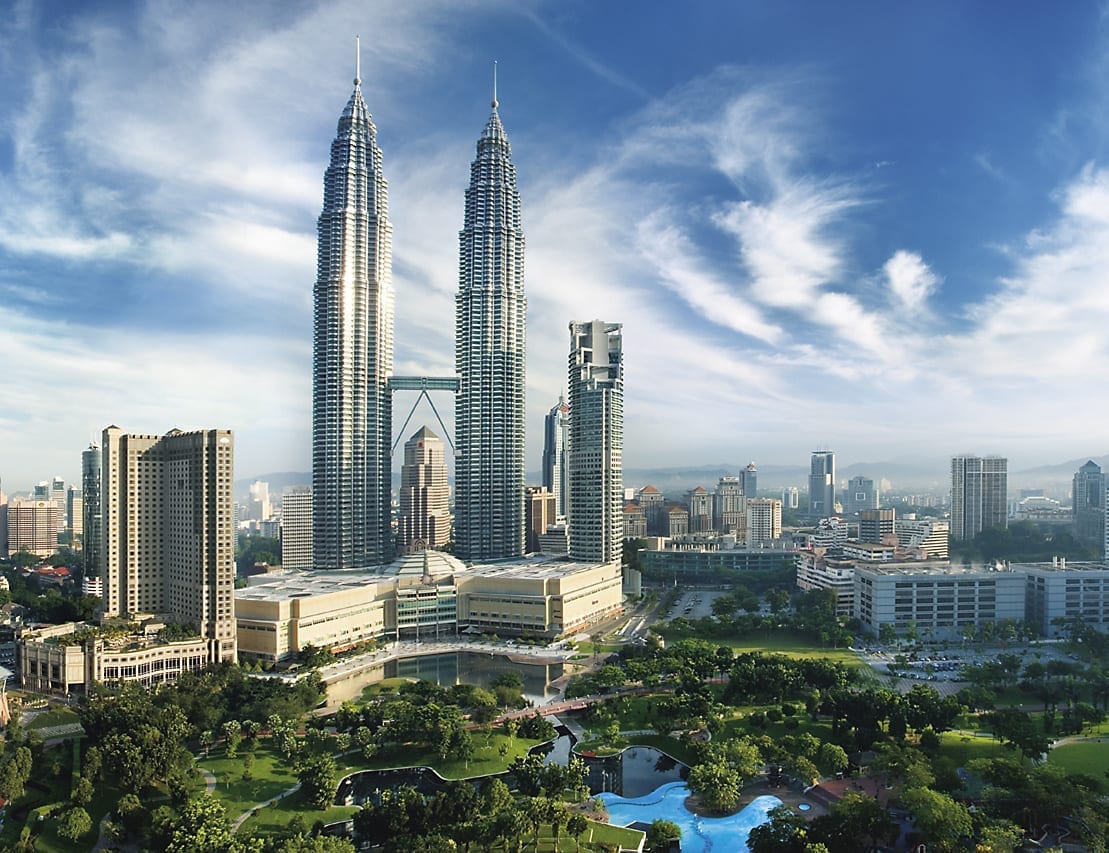
    The property market remains resilient despite of the challenging economic environment, according to observers.

    Rahim & Co Research director Sulaiman Saheh said although the number of launches and sales performance of developers have been declining, there were projects that were performing well due to the nature of the product, concept, location and marketing strategies.

    “Market fundamental is still resilient and the market has the holding power, in spite of some expectations of rising unit sales,” he said during a presentation at the Rahim & Co property research seminar recently. He said affordability is still a major concern.

    “The market is leaning towards the affordable market segment. Creative products within the affordable segment are going to be well-received,” he said, adding that there is still demand but the buyers were hindered by end-financing woes.

    “We expect a rationalisation of high-end and branded residences as the global economy remains challenging,” said Sulaiman.

    According to Knight Frank in a report on the local real estate market, the outlook for the high-end condominium segment remains lacklustre, impacted by weak sentiment as potential buyers and investors continue to adopt a “wait-and-see” approach. “With the widening gap between supply and demand as well as mismatch in product pricing and affordability in the domestic market, more developers are expanding their target catchment by marketing overseas as the weak ringgit translates into attractive pricing and low-entry level for foreigners.”

    It said the challenging property market environment had led to more strategies with developers adopting “push marketing” to boost sales of selected projects and improve revenue.

    Meanwhile, Knight Frank said the office market in the Klang Valley is expected to remain subdued and face downward pressure.

    “Amid the mismatch between supply and demand, office vacancies are expected to trend upwards due to a strong supply pipeline and lacklustre absorption as more firms cut workforce or freeze hiring to consolidate business operations.

    “Owners of newly-completed office buildings which have yet to achieve significant occupancies may offer more competitive rental package to secure tenants while those of secondary office buildings are expected to be more flexible in negotiations to retain existing tenants.”

    According to Axis REIT Managers Bhd head of investments and Malaysian Institute of Estate Agents immediate past president Siva Shanker, some 5.8 million sq ft of office space is expected to come onstream in the Klang Valley in the second half of 2016.

    He said the market would “start to level out” by 2018 or 2019 and start peaking by 2020 or 2021.

    “With additional office space expected to be completed by end-2016 in addition to the still available space in the Klang Valley, the general market will continue to be a tenant’s market.

    “Landlords or building owners have become more aggressive in marketing to attract tenants,” Siva said at Rahim & Co’s property research seminar recently.

    Knight Frank added that good grade and dual-compliant office space in good location, however, is expected to remain resilient.

    As for the retail market, Knight Frank said the projected sales growth for 2016 had been revised downwards from 4% to 3.5% following the weak performance last year.

    “Consumer spending remains a key challenge in the retail industry with many continuing to hold back on purchases due to growing concerns about rising cost of living and the weaker job prospects.

    “Moving forward, the uncertainties following the recent Brexit referendum are expected to further weigh down market sentiments globally and this will not augur well for the local retail industry. With the scheduled completion of some 3.36 million sq ft of new retail space in the second half of 2016, competition in the retail market will heighten.”

  • China’s diesel demand likely to rise ahead of Lunar New Year

    China’s diesel demand likely to rise ahead of Lunar New Year

    China’s diesel demand is likely to pick up pace ahead of the Lunar New Year as traders stock up barrels ahead of the festivities and as construction activity picks up in some areas, four trade sources said on Thursday.

    Implied diesel demand in October in China, the world’s second-largest oil user, rose to 3.4 million barrels per day, up 6.4 percent from September and 1.3 percent higher than the same time last year, according to Reuters calculations using official data.

    That is the highest level since at least March this year with implied diesel demand rising in only three months so far this year, the data showed.

    Demand for diesel in November to December is expected to be even higher, traders said.

    “China is having many policies to boost the economy now, so demand will pick up a bit, but by how much is a question,” said a source with a state-owned refiner.

    China’s economy looks set to hit its 6.5 percent to 7 percent growth target as increased government spending and increasing housing demand spur a construction boom.

    Diesel is used to power trucks for industry and for construction.

    First-quarter Chinese diesel demand may rise by 75,000 bpd from the year ago period, based on the industrial recovery, consultants JBC Energy said in a note on Thursday.

    Demand is also picking up ahead of the Lunar New Year period as traders start to stockpile the fuel and as winter consumption of the fuel has increased for heating and back-up power generation, a second source with a state-owned refiner said.

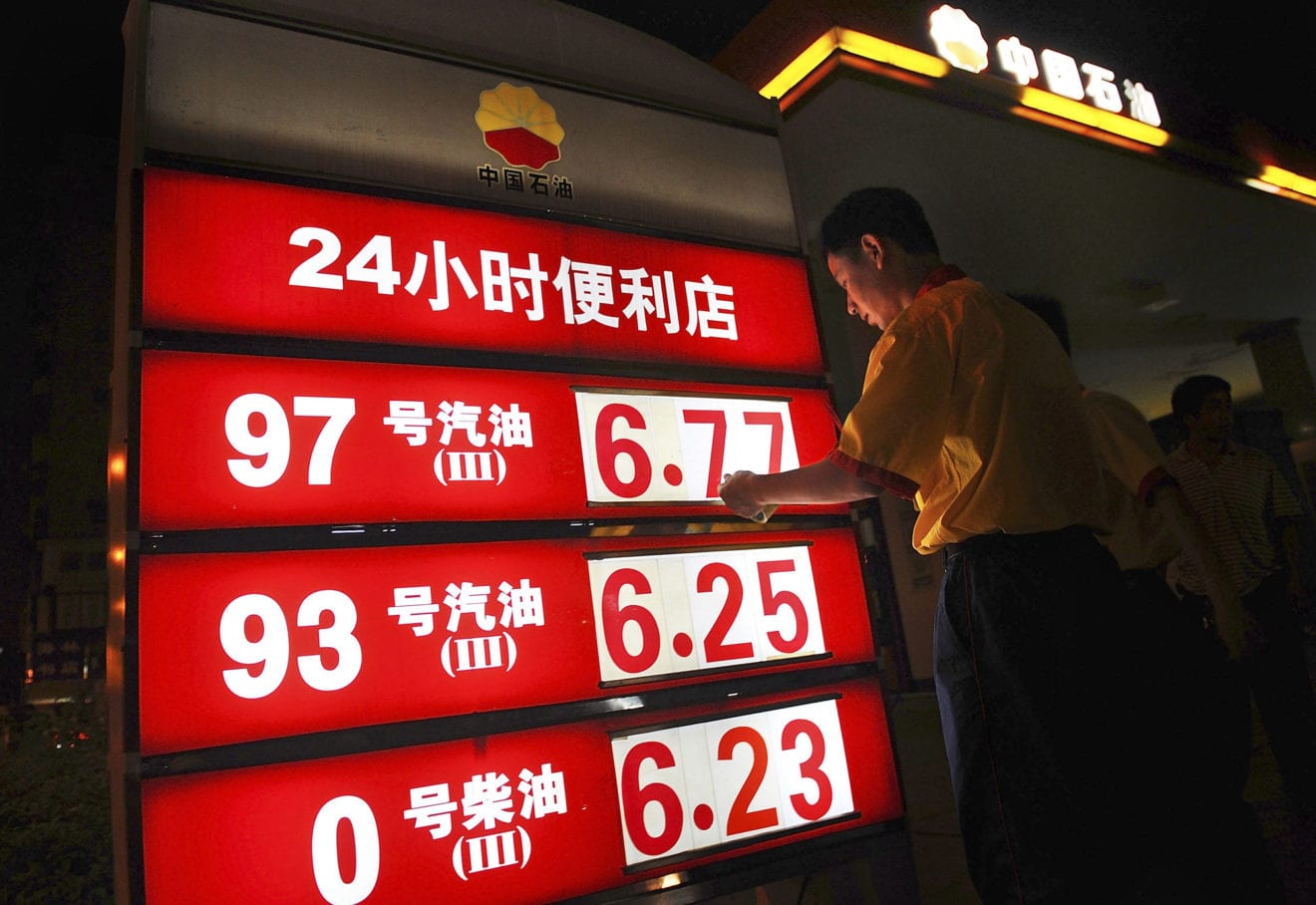
    “China has also been increasing the retail prices, so demand from traders is picking up as they start to fill up tanks,” the source added. China will raise retail diesel prices by 95 yuan ($13.66) per tonne from Thursday, its third increase since Nov. 30.

    China’s diesel stocks at the end of November fell to a record low after refineries tempered production while they upgraded facilities to produce higher-quality fuels in order to meet stricter emissions limits that the country is introducing from Jan. 1.

    Regulations introduced in September that imposed stronger penalties and ramped up inspections to prevent trucks being overloaded with goods also boosted demand for diesel, traders said.

    “The trucks have to make more trips, so this consumes more diesel,” a shipping source said.

  • AirAsia X increasing more Teheran flight

    AirAsia X increasing more Teheran flight

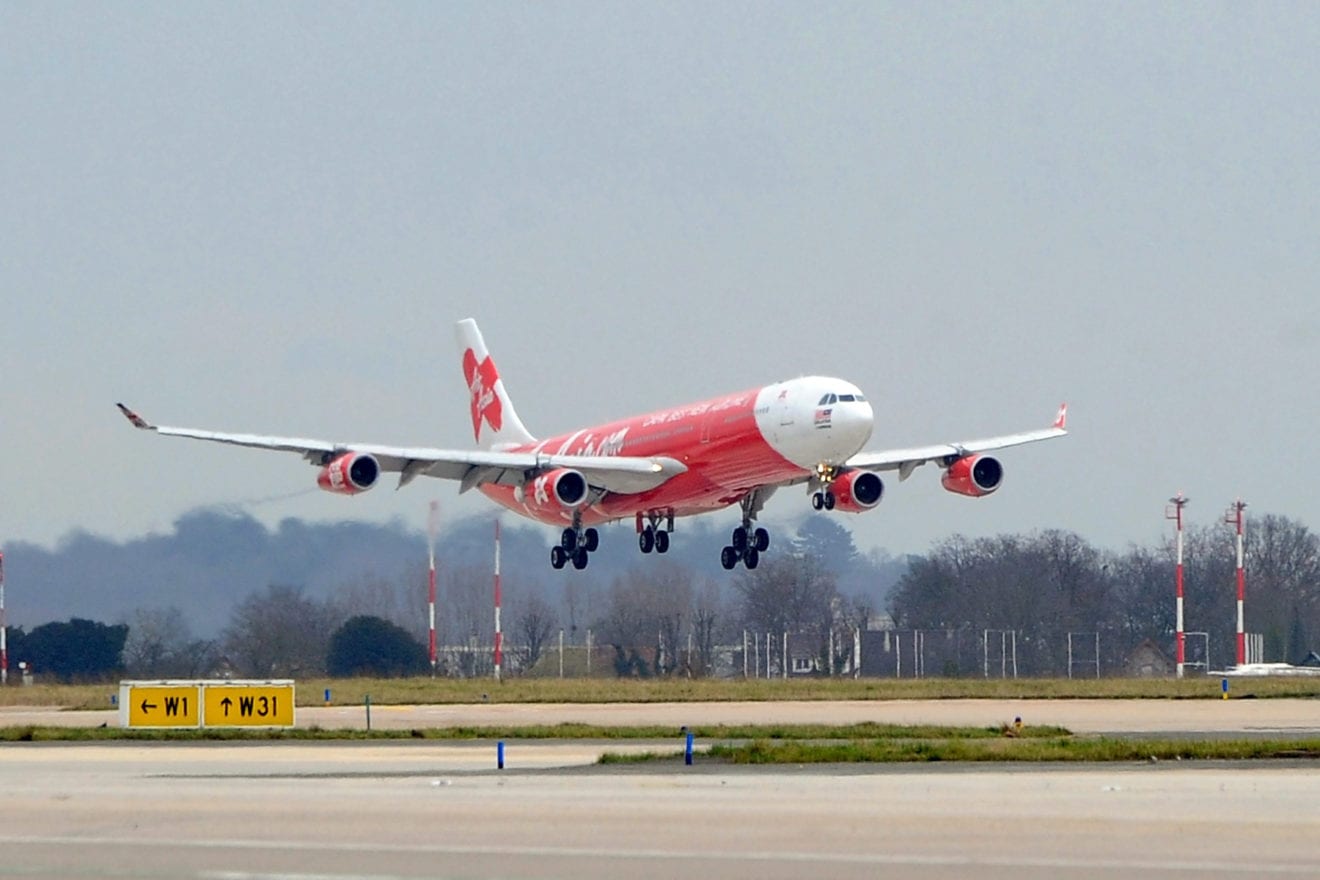
    Airasia X Bhd, the long-haul low-cost arm of budget carrier AirAsia, is adding more flights to Teheran from Kuala Lumpur six months after resuming its flight to the capital of Iran. AirAsia X’s chief commercial head Arik De said the airline had received positive response from travellers and seen a steady increase in the Kuala Lumpur-Teheran route load factor.

    He said the airline had recorded 80 per cent average load factor on the route with strong forward bookings trend, especially towards Nooruz celebration in March. “We will raise frequency starting next month onward with four times weekly direct flights to Teheran from Kuala Lumpur,” said Arik. The improved connectivity’s timing will also benefit from Malaysia’s plan to boost bilateral trade and investment ties with Iran.

    Last month, International Trade and Industry Minister Datuk Seri Mustapa Mohamed said the Cabinet had given its approval to embark on bilateral free-trade agreement talks with Iran to take advantage of the potential growth of two-way businesses since trade sanctions were lifted.

    Bilateral trade so far has been small with about US$700 million (RM3.14 billion) in 2015. Malaysia hopes to boost exports to Iran, especially palm oil. Both the governments agreed during a visit by Iranian President Dr Hassan Rouhani in October to double the trade volume. Mustapa said with a population of 80 million, Iran was one of the largest markets in the Gulf region and already businesses were making a beeline to tap potential since sanctions were lifted in January last year.

    Arik said almost a quarter of AirAsia X’s passengers travelled to Tehran via AirAsia’s FlyThru service from the airline’s long- and short-haul networks. The airline resumed its direct flight to Teheran on June 21 last year after suspending the destination in October 2012 following sanctions against Iran.

  • Lamborghini to launch its first plug-in hybrid SUV

    Lamborghini to launch its first plug-in hybrid SUV

    Italy based luxury sports car manufacturer Lamborghini is all set to launch its Urus SUV range, informed the company in an interview to a popular media publication. The company also confirmed that Urus will also feature the brand’s first plug-in hybrid, and that it will be the brand’s first and only SUV to get a plug-in hybrid system.

    Lamborghini Urus shares its platform with its cousins Audi Q7 and Bentley Bentayga and will also feature 48V-powered active anti-roll suspension. This is also the company’s first SUV since the LM002 which was on sale from 1986 to 1993.

    Lamborghini R&D chief Maurizio Reggiani has assured that there won’t be any compromise when it comes to the power of the car and all other variants of its SUV will get naturally aspirated engines.

    He added “A supersports car is completely different; you need the responsiveness of the engine, to feel the spark of every cylinder. We will keep normally aspirated engines for our other models. They are still the best choice.”

    The company also sees a strong distinction between its front-wheel-drive models and the increasing number of Rear-Wheel-drive variants in its portfolio. Lamborghini will continue to offer both the driveline systems as Reggaini explains that “a modern electronic chassis control system like that of the Huracan LP580-2 is no substitute for the ability of four-wheel drive to transfer power to the road.”

  • Vinh Foods products to be sold in Spain supermarket

    Vinh Foods products to be sold in Spain supermarket

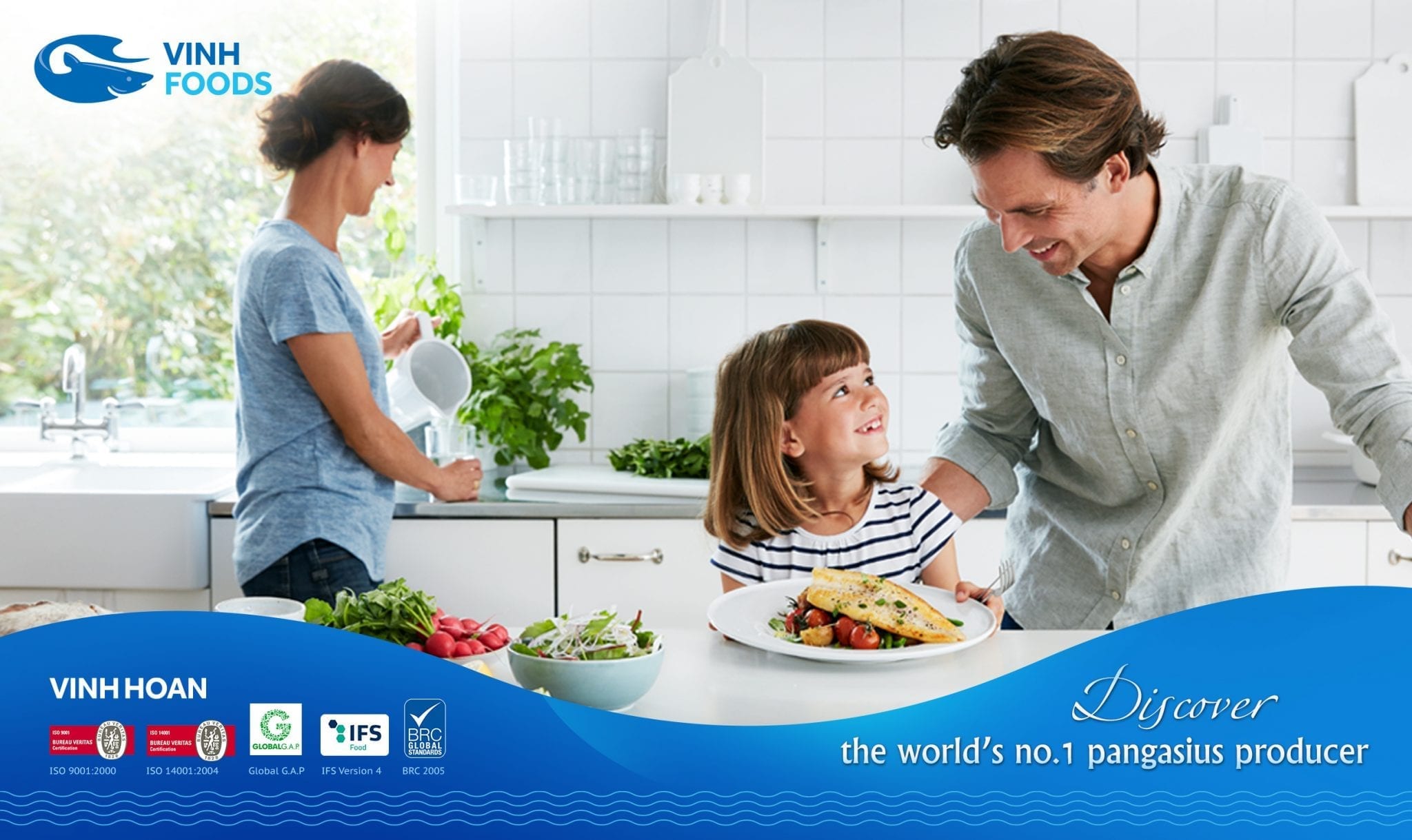
    Vinh Foods products, a brand of catfish processor Vĩnh Hoàn Corporation, have been put on the shelves of Mercadona, the largest supermarket chain in Spain, from December.

    Vĩnh Hoàn Corporation is expected to earn revenue equal to 10 million euros (US$10.5 million) from supplying tra fish to Mercadona in 2017 and 16-19 million euros in 2018-19.

    The company started negotiations with Mercadona in 2015 and the first batch was shipped this September.

    Mercadona owns a chain of 1,598 supermarkets, accounting for nearly 60 per cent of the tra fish retail market in Spain, until October.

    Vĩnh Hoàn Corporation is the largest tra fish exporter in Việt Nam. Statistics showed that in the first 10 months of this year, the company earned revenue of more than $202 million, a rise of 8 per cent over the same period last year.

    Việt Nam earned $1.67 billion from exporting tra fish this year, increasing by 7 per cent over 2015.

  • Korea braces for next industrial trends in 2017

    Korea braces for next industrial trends in 2017

    Korean businesses’ quest to step closer to future industries is expected to accelerate in the New Year, regardless of the political scandal, the ongoing investigations into dubious business-political ties and the looming presidential election.

    The year 2016 was an opportunity for general consumers to familiarize themselves with the innovative concepts of technologies. And the year 2017 is likely to see some of these technologies become reality.

    The convergence of the automotive industry with technology will speed up along with a transition to green cars, amid the growing competition in the battery market and the rising price of oil.

    Devices including smartphones and home appliances operated by artificial intelligence will come to the fore, with virtual reality and augmented reality technologies becoming mainstream in the tech world.

    The shifting technologies are also expected to affect the retail market with consumers looking for products that offer experience and value beyond a simple price benefit.
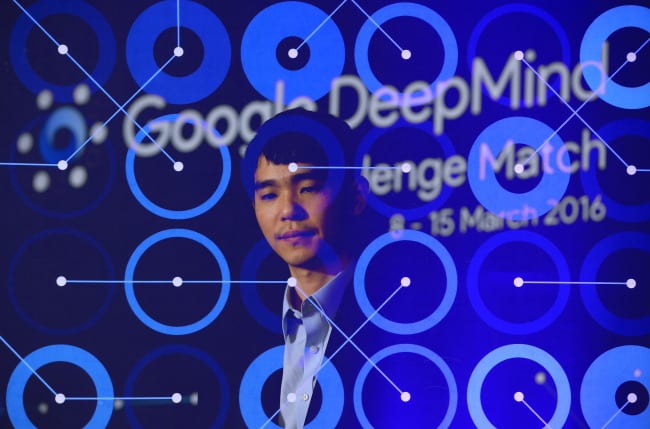
    Go player Lee Se-dol at a press conference at the Four Seasons in Seoul on March 12, 2016

    AI to be next big thing in the tech industry

    Artificial Intelligence, which astonished the world in a match with the top Go player Lee Se-dol, is expected to become the next big thing in the smart device and appliances industry in 2017.

    The nation’s largest tech company Samsung Electronics, which acquired the AI startup Viv Labs in October, seeks to recover from the note 7 debacle with its new AI-based smartphone Galaxy S8, which is set to be unveiled early this year. Viv Labs is the US tech firm set up by Apple’s Siri developers.

    Samsung Electronics’ Vice President Rhee In-jong said in October, “Galaxy S8 will be Samsung’s first platform, which adopts AI-based voice recognition technology,” adding that the technology has reached close to the level of the understanding humans.

    Korean tech firms — both smartphone makers and mobile carriers — are spurring AI development as the technology will ultimately be used to connect and control all home appliances and electronics.

    Samsung is set to unveil more advanced AI-based home appliances, which can be connected via Wi-Fi technology and controlled through smartphones, at the upcoming Consumer Electronics Show in January.

    LG Electronics is also slated to unveil AI-based home appliances, which adopt deep learning technology at the upcoming show. The deep learning technology enables products to provide customized services and functions by learning users’ habits and surroundings.

    The nation’s largest telecom carrier SK Telecom is also upgrading its AI-based speaker NUGU after first launching it in August. This device figures out users’ taste to recommend music, control home appliances and provides customized information such as weather and schedules based on their preferences.

    Market consulting firm IDC predicted that the global AI market would grow 55 percent on average annually from $8 billion in 2016 to $47 billion in 2020.
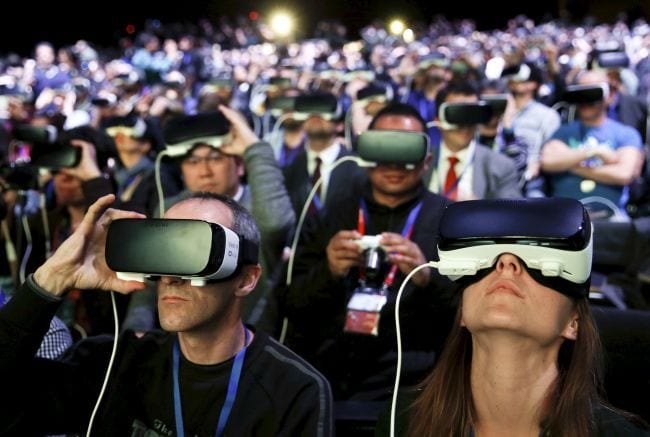
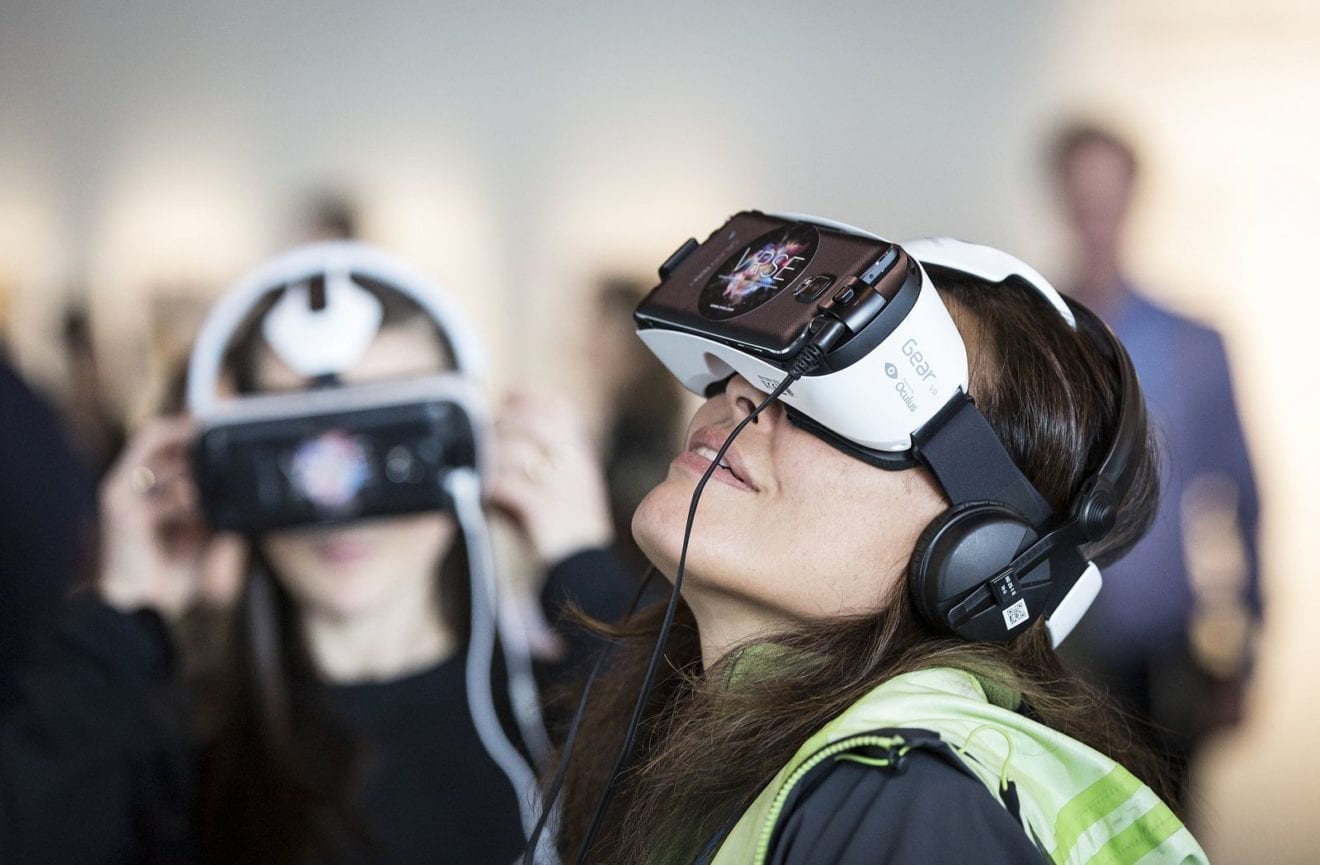
    Journalists and participants wear the Samsung Gear VR headset at the company‘s flagship Galaxy S7 launch event in Barcelona in February 2016.

    AR, VR to gain bigger presence

    Virtual reality and augmented reality technologies are geared to gain a bigger presence in the tech world in 2017, building upon the landmark developments made in 2016.

    VR is a technology that completely immerses users in computer-generated virtual worlds via a head-mounted display, while AR technology overlays, or augments, digital images onto a person’s view of the world.

    The year 2016 saw the release of next-generation VR headsets such as the HTC Vive, the Oculus Rift and Sony’s Playstation VR, which prompted the emergence of thousands of VR video games and mobile apps.

    The explosive popularity of AR-based mobile game Pokemon Go also highlighted AR’s potential to appeal to the masses on the mobile platform.

    The two cutting-edge technologies are geared to further advance and draw closer to the public in 2017 as the price of VR headsets further drop to boost the VR gaming sector, and as AR technologies are embraced by more industries.

    “After several years of hype, the operative reality behind virtual, augmented and mixed digital worlds is set to manifest more fully in 2017,” IHS Markit said in a recent outlook report.

    The firm expects AR and VR technologies will “advance significantly as Facebook, Google and Microsoft consolidate their existing technologies into more exhaustive strategies.”

    According to tech market intelligence company IDC, worldwide revenues generated by the AR and VR market will jump from just $5.2 billion in 2016 to more than $162 billion in 2020, as the two technologies expand their applications across diverse industries and services.

    IDC predicts that revenues generated by VR systems will surpass that of AR-related revenues until 2017, due to rising consumer uptake of VR-based video games and paid contents.

    After 2017, AR revenues will grow bigger as AR technology finds mass applications across areas such as healthcare delivery, product design and management tasks, it said.

    Just about every major tech company in the world has already entered the race to secure its place in the approaching era of VR and AR technologies. In the lead is Facebook-owned Oculus, Google and Microsoft, with Apple and Samsung Electronics working to catch up.

    Kia’s EV autonomous vehicle Soul

    Auto industry to face unprecedented race

    It was a tough year for the auto industry in Korea with an emissions scandal, strikes, low demand and negative growth.

    With the auto market expected to continue negative growth next year, carmakers will face unprecedented competition in the industry where automotive and technology are converging rapidly.

    South Korea’s largest automaker Hyundai Motor conducted a survey on the most anticipated technology next year. Almost 76,000 of 320,000 voters picked the autonomous driving technology. Although self-driving cars won‘t populate the road next year, most of the major carmakers and tech companies are putting all-out efforts to commercialize the self-driving technology.

    The debut of US electric automaker Tesla Motors and Chinese electric car maker BYD Auto will likely boost the EV market in South Korea, giving customers more choice in this growing segment. Tesla is set to open its flagship store in Korea and BYD officially launched its Korean office in Jeju Island in October.

    Backed by growing popularity, sport utility vehicles will remain as the silver lining for the sluggish auto market, which is expected to decline 1.2 percent on-year.

    Domestic carmakers, especially Hyundai Motor Co and Kia Motors Corp, will face fierce competition in 2017 in the Korean market as imported cars expand its market share. Currently, imported carmakers take up 13 percent of the total market.

    Outside Korea, South Korean automakers will struggle to thrive in mature markets, like the US and EU where analysts expect a zero growth next year, and in China where they saw disappointing sales figures in 2016. China’s auto market is expected to grow 4 or 5 percent in 2017 while other developing markets, like Russia and East Europe, will recover from the 2016 slump.

    China looms over Korean battery makers

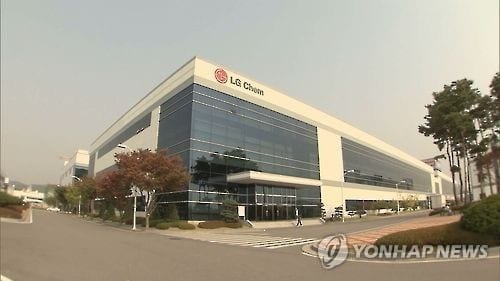
    For Korea’s major battery makers — Samsung SDI and LG Chem — concerns over their performance in the Chinese market are likely to persist next year amid the neighboring country’s stricter rules on providing battery certification.

    The two companies have been dealt with a blow after the Chinese government suspended subsidies for electric vehicles using batteries produced by the two firms earlier this year. The two were excluded from the subsidy list as they failed to acquire the battery certification amid tightened regulations in China’s alleged protectionism moves.

    Unless China changes its policies, the Korean battery makers are unlikely to see improvement in their business there, the companies said.

    “While (the company) had anticipated the EV battery certification process will resume in the third quarter, (the Chinese government) did not carry it out. It is difficult to project an accurate timing,” a Samsung SDI official said in the third quarter’s conference call.

    LG Chem shared a similar view.

    “The biggest variable for the company’s sales growth for next year is China. If the status quo continues next year, the automotive battery business growth rate will be around 30 percent. If (the certification issue) is solved, the growth rate will possibly jump up to 60 percent.”

    Amid the higher threshold to the Chinese market, Korean battery makers are seeking to sustain their top position in the global ESS market next year.
    LG Chem topped the global ESS market share with 21 percent this year, standing at No.1 for two years straight, followed by Samsung SDI with 19 percent.

    “Amid the three-party competition of LG Chem, Samsung SDI and BYD Auto in the market, Tesla has risen as the new competitor. As the supply amount of the two Korean companies is projected to surpass 2 gigawatt hours next year, the two are likely to make up half of the market in total,” SNE Research forecasted.

    LG Chem has made aggressive ESS moves with supplying ESS for California’s largest power company SCE and other European companies.
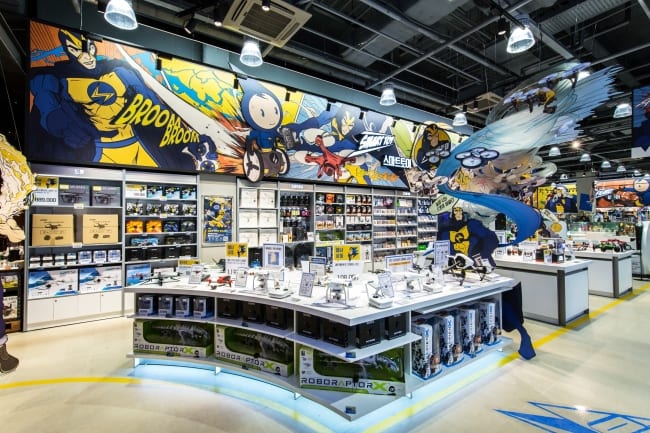
    Experience-focused electronics retailer Electromart at Starfield Hanam

    ‘YOLO’ trend to rule retail in 2017

    In 2016, the retail sector saw consumers shifting their focus to stores and products that offer value and experience, rather than simply low prices.

    Despite the stagnant economy, brands saw consumers reaching for premium and healthy products, packing newly opened malls offering experience-based stores.

    In “Trend Korea 2017,” Seoul National University consumer studies professor Kim Nan-do dubbed this the “YOLO,” or “you only live once,” trend.

    “Consumers who used to think of restraint as a virtue are now enjoying and challenging themselves each moment, and spending money on simple, clear value,” he said.

    The most notable examples of YOLO spending can be found in travel, with consumers facing record-low interest rates choosing to spend money on meaningful experiences rather than saving it away. All retail sectors, meanwhile, have seen consumers choosing to open their wallets and enjoy the “here and now.”

    For example, consumers are buying more decorative products for the home to create better surroundings for themselves. According to the online open market Auction, sales of products like sculptures and music boxes from January to November rose by over 200 percent on-year. Hobby-related products such as classical guitars and model buildings and model airplanes also nearly doubled on-year.

    The Samsung Fashion Research Institute saw “selfness,” or the importance of brands‘ personalities matching those of consumers, to be a major factor moving the fashion industry in 2017.

    Starfield Hanam, a shopping mall featuring stores that allow consumers to experience products as well as buy them, saw nearly 2 million shoppers each month since it opened in September. Starfield Hanam’s popularity during a year when department stores struggled to maintain sales indicated that consumers are visiting and spending money at places that have an element of entertainment, rather than simply shopping options.

    “In an ‘experience economy,’ it will become more important for brands to find new marketing strategies that can satisfy the now-focused experience consumption of the YOLO consumers,” Kim wrote.
  • Twelve Cupcakes sold to Indian tea company

    Twelve Cupcakes sold to Indian tea company

    Less than a month after celebrity couple Jaime Teo and Daniel Ong made their divorce public, it is now confirmed that Twelve Cupcakes, the cupcake chain they founded in 2011, has been sold to Kolkata-based Dhunseri Group, one of India’s largest tea producers, for S$2.5 million.

    Mr Mrigank Dhanuka, a member of the family that owns the Dhunseri Group, told: “We have acquired a 100 per cent stake in Twelve Cupcakes. The company, with a presence across 17 malls, helps us establish a strong footprint in the food & beverage (F&B) space in the Singapore market. We are looking at turning the business around, which is at just about cash break-even point at this juncture.”

    The sale was completed last December, following the divorce four months earlier of the former beauty queen and the radio deejay.

    The couple made the news of their divorce public on Dec 31 on their respective Instagram accounts.

    They have a six-year-old daughter, Renee, and they both said their focus is on giving her “as normal a childhood as possible”.

    “We have no comment on the story for now,” Mr Ong said in his response to queries about the sale of Twelve Cupcakes, which has expanded to more than 40 outlets across six countries in the region. Ms Teo did not respond by press time.

    The deal marks Dhunseri Group’s first foray into the F&B space in Singapore and the region. Mr Dhanuka has relocated to Singapore to head the operations locally, with plans to widen his firm’s presence in the F&B scene here. “We will be expanding our F&B portfolio under Twelve Cupcakes with new product launches in Singapore. We are also looking at expanding in the region post this acquisition. We continue to look for value deals here in the confectionery space,” he said.

    Dhunseri Group, which has been in the tea business for more than five decades, expanded its holdings to 10 estates in 2012-13 in Assam, from eight estates in 2003-04. The group also has a sizeable presence in the petrochemicals sector in India.

    The Twelve Cupcakes deal comes at a time when the retail industry in Singapore is struggling amid poor consumer sentiment, high costs, labour constraints and, above all, increased competition from e-commerce. The F&B segment has, however, remained largely resilient to the broader retail decline, and malls have increased the F&B share of their tenant mix sharply to attract footfall.

  • Reliance on China makes tourism vulnerable

    Reliance on China makes tourism vulnerable

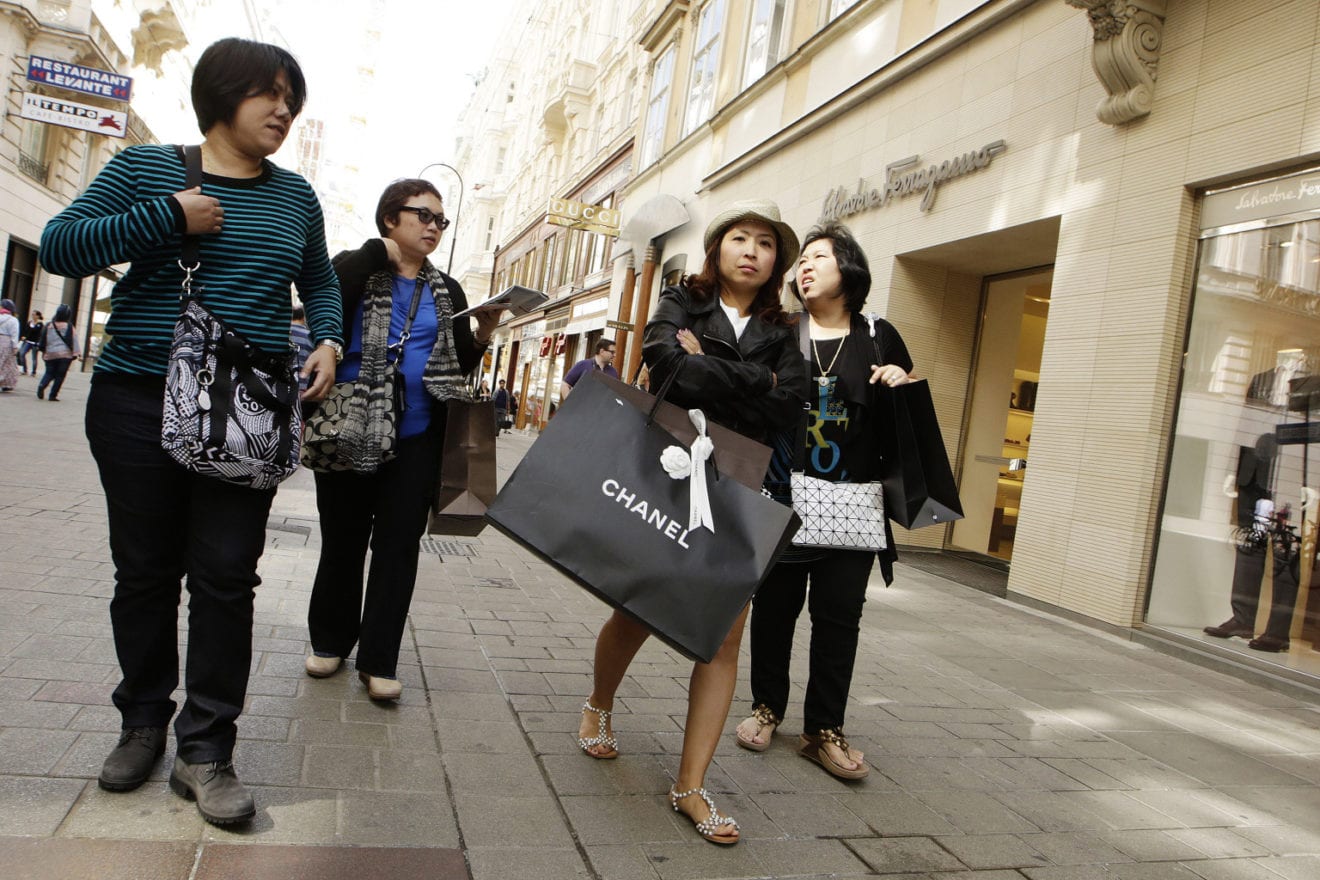
    A senior director at Lotte Duty Free said the Korean retail giant has lost customers recently. “I don’t think the situation will get any better this year,” the director said. The duty-free company saw its customers decrease by at least 10 percent in December compared to the same period last year.

    This year will be tough for Korea’s tourism industry as a whole as more youke, or Chinese tourists, are turning their backs to what was until recently one of their favorite destinations.

    The main cause is geopolitical. After Korea decided to deploy an American Terminal High Altitude Area Defense system (Thaad) missile defense system, Beijing ordered retaliation against a range of Korean businesses, particularly its entertainment exports. The Chinese government denies issuing vindictive orders to reduce tourists to Korea by 20 percent, but the numbers tell a different story.

    Mismanagement of Chinese group tours, such as forcing them to buy merchandise, is another factor.

    In November, the number of Chinese tourists coming to Korea was 520,000, a mere 1.8 percent increase year on year, according to the Korea Tourism Organization. The growth rate in August was 70.2 percent – partly due to a base effect related to the low number in August 2015 during an outbreak of Middle East respiratory syndrome. This dropped to 22.8 percent in September and 4.7 percent in October.

    For the first time in three years, the rate of Chinese tourists to all tourists in Korea fell below 40 percent to 39.5.

    One internal problem in Korea’s industry is group tours that overly emphasize shopping. The tour groups get commissions from the merchants.

    Ms. Wong, a 32-year-old office worker, was hauled to six shopping places in a single day as part of a five-day group tour to Korea in November. The guide informed the group that the stores were certified by the government, adding that all the salesperson were public officials.

    “I really doubted whether any of the stores I visited today were approved by the government,” she said. “I’ve never heard of the brands before and yet the products were all so expensive.”

    Government approval of stores does exist – a system jointly operated by the Korea Tourism Organization and the Ministry of Culture, Sports and Tourism. Three of the six stores Wang went to were not among the 1,004 certified stores. The other three were well-known duty-free stores.

    “There is no case whatsoever in which a public official works as a sales person at a commercial store,” confirmed a KTO spokesman.

    To tackle the problems with group tours, the Korean and Chinese governments have started to launch regulation on the business.

    According to local industry insiders, China’s tourism companies, who organize and send tourists to Korea, have increasingly made demands such as requesting lower fees from the Korean side or charging incentives per person in exchange for sending groups.

    “I heard of one case in which a Chinese travel agency asked for 300 yuan ($43) per person,” said a source working for a domestic travel company.

    Because the local tourism industry depends so heavily on Chinese tourists, local companies find it hard to resist such requests.

    To make up for those concessions, local tour companies try increasing their revenue by taking groups to duty free shops, where they get commissions.

    After the government issued new duty-free licenses in Seoul, competition among the stores got fiercer.

    “About 10 to 20 percent of sales are given to travel companies as commissions when their customers spend money at our branches, but after the competition heated up, I heard some even started paying up to 30 percent,” said one source.

    That’s causing a kind of race to the bottom in terms of profitability. “The competition has gotten so cut-throat,” said another duty free source, “that even with rising sales, profits are constantly going down.”

    Tourism specialists say Korea’s tourism industry has to reduce its dependence on China and shopping.

    They emphasize the importance of enhancing the cultural experiences for visitors.

    Lee Sho wen, 52, and Lee Li Mei, 47, sisters from Taiwan, spent two of their six days in Korea at a cooking class they found on the internet. The OME Cooking Class has provided Korean cooking classes in English and Chinese for foreigners since March 2015.

    Ha Wong Ming, a 27-year-old from Hong Kong, came to Korea for four days to learn K-pop dancing. He practiced the choreography of Big Bang’s “Bang Bang Bang” for two hours at Coreart, which organizes classes in K-pop dance and samulnori, a traditional percussion performance. “The objective is to offer a chance to experience Korean culture,” said CEO Jee Yoon-seong.

    “Shopping tourism has a limit,” said Lee Ki-Jong, a professor of hospitality and tourism management at Kyung Hee University. “Korea is relatively short of natural scenery so we have to focus more on cultural tourism.”

    In terms of diversifying target markets, a rising alternative to Chinese is Southeast Asians, many of whom are already familiar with Korean culture from hallyu, or the so-called Korean wave of cultural exports like K-pop and television serials.

    The number of Indonesian tourists to Korea November jumped 49.2 percent from 2015, according to the Korea Tourism Organization. Visitors from Vietnam rose 38.7 percent and from Taiwan 35.3 percent during the same period.

    Widening the spectrum of visitors can open new opportunities. For example, Taiwanese tourists have a keen interest in visiting Korea’s strawberry fields and picking fruit.

    Indonesians, many of whom have never seen snow, enjoy ski trips to Korea.

  • Soon, fly to Singapore, Bangkok, directly from Chandigarh

    Soon, fly to Singapore, Bangkok, directly from Chandigarh

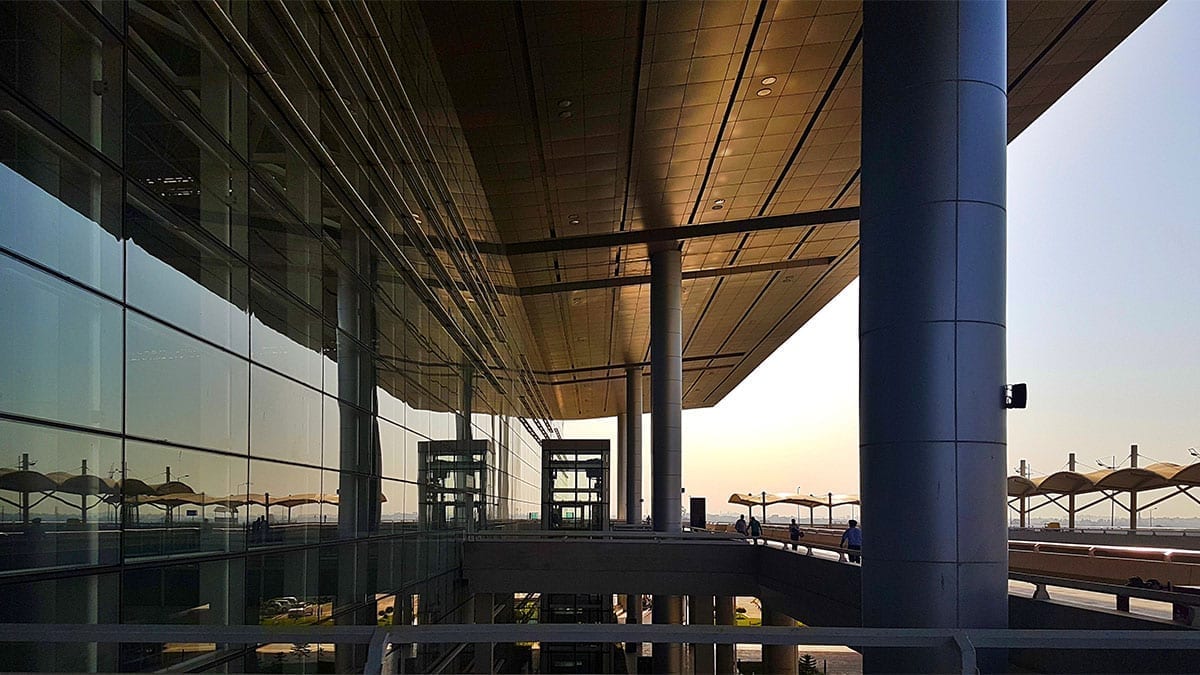
    The Chandigarh international airport in Mohali will be spreading its wings by connecting two new international destinations and four new domestic stations with direct flights from here.While two more international direct flights to two most sought-after global tourist destinations – Singapore and Bangkok— will start taking off from Chandigarh in March, the direct flights to and fro from Goa, Pune, Chennai and Hyderabad will also start taking off in February and March.

    With this, Chandigarh will have four international flights (two international direct flights to Sharjah (thrice a week) and Dubai daily are already flying since September this year), while the number of domestic flights daily will go up to 25.Today, Chandigarh was connected directly to Leh with Air India (AI), launching a flight between Leh and Chandigarh. The first flight (AI-457) departed from Leh at 08:05 hours and arrived here at 09:00 hours. In the return journey, the flight (AI-458) took off from Chandigarh at 09:40 hours and landed in Leh at 10:20 hours.

    The flight, operated by an A-319 Airbus, will fly on Tuesday, Thursday and Saturday every week.Sharing the airport expansion plans for 2017 with The Tribune here today, the airport CEO, Suneel Dutt said besides adding more international and domestic flights, as per the demand and viability, a duty-free shop and more retail shops would also open at the international terminal in the coming days. Also, the international cargo and another aerobridge, which will be the third here, would begin operations in 2017. The domestic cargo and two aerobridges are already functioning here.

    The airport CEO said there are also plans to beautify the international airport terminal further with the expansion of its green belt in the New Year.The newly-constructed integrated terminal building of Chandigarh international airport had already bagged the prestigious Vishwakarma Award for best construction project.

    The new terminal had been awarded for being the best project for well-developed landscapes and interior with art, paintings and mural works. Inaugurated on September 11, 2015, the new international airport had taken off in September, 2016, with the operation of two international flights to Sharjah and Dubai.The terminal building can handle 1,600 passengers during peak hours, with an annual capacity of 4.5 million.

    Fully air-conditioned and equipped with modern facilities, the new building has the facility of three aerobridges, four baggage carousels, 14 elevators, six escalators and 48 check-in counters. The parking area has the capacity for 500 cars and a separate provision for VIP car park and bus parking. Aircraft parking main apron and the cargo apron has a capacity of 10 C-type aircraft and one E-type aircraft at a time. The interior of the airport is decorated with art and mural works depicting the heritage and culture of Punjab, Haryana and Chandigarh.