Author: Mei Ling Tan

  • Petrol, diesel prices go up in January

    Petrol, diesel prices go up in January

    As expected, retail fuel prices will see an increase across the board as of midnight. For January, RON95 petrol will be priced at RM2.10 per litre, marking an increase of 20 sen compared to December retail price. RON97 petrol will be priced at RM2.40 per litre, up by 15 sen.

    The same applies to diesel and Euro 5 diesel, which are priced at RM2.05 per litre and RM2.15 per litre respectively – an increase of 20 sen for both. These new fuel prices were confirmed by Petrol Dealers Association of Malaysia president Datuk Khairul Annuar Abdul Aziz. “Prices are in line with global petrol prices. However, the diesel prices which exceeded the RM2 mark will be a concern for the business community,” he told.

    The country’s petrol and diesel prices have been placed on a managed float system from Dec 1, 2014 following the removal of fuel subsidies. Yesterday, Finance Ministry Strategic Communications director Datuk Lokman Noor Adam reportedly said that the retail prices of RON95 and diesel would go up in Jan due to an increase in the price of crude oil in the world market.

    He said the retail price of RON95 and diesel were set according to the average prices of fuel in the world market for a month, as well as being influenced by the ringgit’s movement against US dollar.

  • Viettel gives users free SIM before 4G launch

    Viettel gives users free SIM before 4G launch

    Viettel Telecom will provide free 4G SIM cards to its users ahead of the launch of its 4G network in the first quarter of 2017.

    From January 1 to March 1, customers can visit Viettel’s shops, supermarkets and postal offices nationwide to swap their current SIMs for 4G SIMs.

    Viettel said its infrastructure is in place for the launch of 4G services, which will allow its users to watch HD videos, do video streaming and download and upload quickly. The 4G service will be compatible with all types of mobile phones in the market.

    In Hà Nội and HCM City and other key cities, customers will be able to enjoy the 4G service as soon as Viettel completes installing its base transceiver stations.

    “We invested in equipment and started installing infrastructure to widen the 4G coverage area as soon as we got the licence. Viettel expects a mobile internet boom in Việt Nam and 4G to become hugely popular,” said Hoàng Sơn, Viettel Telecom’s General Director.

    Viettel is the only network provider in Việt Nam that has successfully launched 4G across different markets in the world, such as in Burundi, Laos, Haiti and Peru.

  • South Korea c-store launches own parcel service

    South Korea c-store launches own parcel service

    South Korean convenience store chain CU has launched BGF Post, a c-store-specific parcel delivery service unit. A Korean Economic Daily article reported that BGF Post has been set up to distinguish CU’s parcel service from other convenience store chains’.

    CU previously operated CVS Net, a joint parcel service with GS25 convenience stores. As it independently operates the new subsidiary, GS25 plans to run CVS Net on its own, says the report.

    The company will also explore new business opportunities through BGF Post amid increasing number of convenience store parcel delivery users.

    CU is a subsidiary of BGF Retail and has more than 8,000 convenience stores in the country.

  • Hong Kong less of a paradise for shoppers from China

    Hong Kong less of a paradise for shoppers from China

    It used to be widely known as the Pearl of the East, a shopping paradise beckoning residents of China.

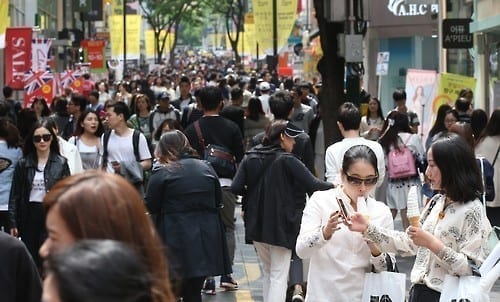
    But these days, Hong Kong has lost much of its lustre and is finding it harder to attract big spenders from China.

    Tourists from China spent an average of HK$7,105 (S$1,300) in Hong Kong in the first half of last year, down 15.8 per cent from the same period in 2015. This is also way below the corresponding figure for 2014 of more than HK$9,000.

    With three in four tourists to Hong Kong hailing from China, the decline in spending has hit Hong Kong’s retail sector badly.

    Last year, no fewer than four major luxury brands have shut at least one of their stores in Hong Kong. The latest is Prada, which closed its flagship boutique at Peninsula Hotel’s shopping arcade yesterday.

    $1,300

    Average amount tourists from China spent in Hong Kong in the first half of last year, down 15.8 per cent from the same period in 2015.

    35.4m

    Tourist arrivals to Hong Kong from China in the first 10 months of last year, down 8.2 per cent from the same period in 2015.

    The Italian fashion brand joined Ralph Lauren, Paul Smith and Tonino Lamborghini in having store closures in Hong Kong last year.

    Analysts expect more to follow. Some have already served notice of their plans to shut their stores.

    Abercrombie and Fitch will pull out of Hong Kong before the lease of its 25,600 sq ft store in Pedder Street expires in 2019. The United States fashion label suffered a 14 per cent year-on-year drop in sales from August to October last year. The company intends to open five stores in China by the end of this month.

    Another US fashion chain, Forever 21, has confirmed that it will shut its 51,188 sq ft store in Causeway Bay shopping district by August.

    Mr Pascal Martin, partner of OC&C Strategy Consultants, said: “Until recently, Hong Kong was a key part of a brand’s strategy to build brand equity with Chinese tourists in view of entering China.

    “This is still true to some extent, but now, brands rely more on building brand equity directly with Chinese visitors in their flagships in Europe and the US, as well as online, rather than in Hong Kong.”

    He added: “Most affluent Chinese tourists have now diversified their travel destinations beyond Hong Kong, to places such as Japan, Korea, Europe and the United States, where they also shop.”

    Hong Kong saw 35.4 million tourist arrivals from China for the first 10 months of last year, down 8.2 per cent from the same period in 2015.

    But things got better during the recent Christmas holiday period from Dec 23 to 26, as Chinese visitor numbers jumped 18 per cent year on year, and overall visitor numbers rose 13.8 per cent, South China Morning Post reported.

    But many tend not to spend much on shopping in Hong Kong.

    Cafe owner Lin Chang, 29, was among the Chinese tourists who visited Hong Kong over the Christmas period. Despite the attractive deals on offer, she did not buy a single item. “I plan to buy a designer handbag, but I want the novelty of getting it in Paris,” said Ms Lin, who spent only two days in Hong Kong before heading off to Paris for a week.

    The retail slump in Hong Kong may not spell bad news for all – the closure of some stores has allowed new players to take over shop space at lower rents, noted Mr Martin.

    Hong Kong still remains an attractive tourist destination, said executive director of the Travel Industry Council of Hong Kong Joseph Tung.

    Mr Tung said: “The latest statistics showed that the number of overseas visitors to Hong Kong has increased in recent months. It means that Hong Kong is still an attractive destination to tourists from other countries, not only mainland visitors.”

  • Sunsuria optimistic about 2017 outlook

    Sunsuria optimistic about 2017 outlook

    Property developer Sunsuria, which will be launching projects with total gross development value (GDV) in excess of RM1.55bil next year, is cautiously optimistic about the outlook of the market in 2017 – in spite of what the naysayers say.

    Sales and marketing director Simon Kwan says the outlook for 2017 “should be good”, which is why the company is embarking on the launches.

    “We are optimistic. Even though the market is challenging, the piece of cake will still be there – just a little smaller,” he tells.

    Among the projects in the pipeline is the first residential development of Sunsuria City, The Olive condominium, Bell Suites serviced apartments that face the main entrance of Xiamen University Malaysia and an upcoming landed residential development known as Monet Residences.

    Apart from the township projects, Sunsuria will also focus on the second-phase expansion of its mixed commercial development, dubbed The Forum, in Setia Alam.

    The company is targeting to launch phase two by the final quarter of 2017.

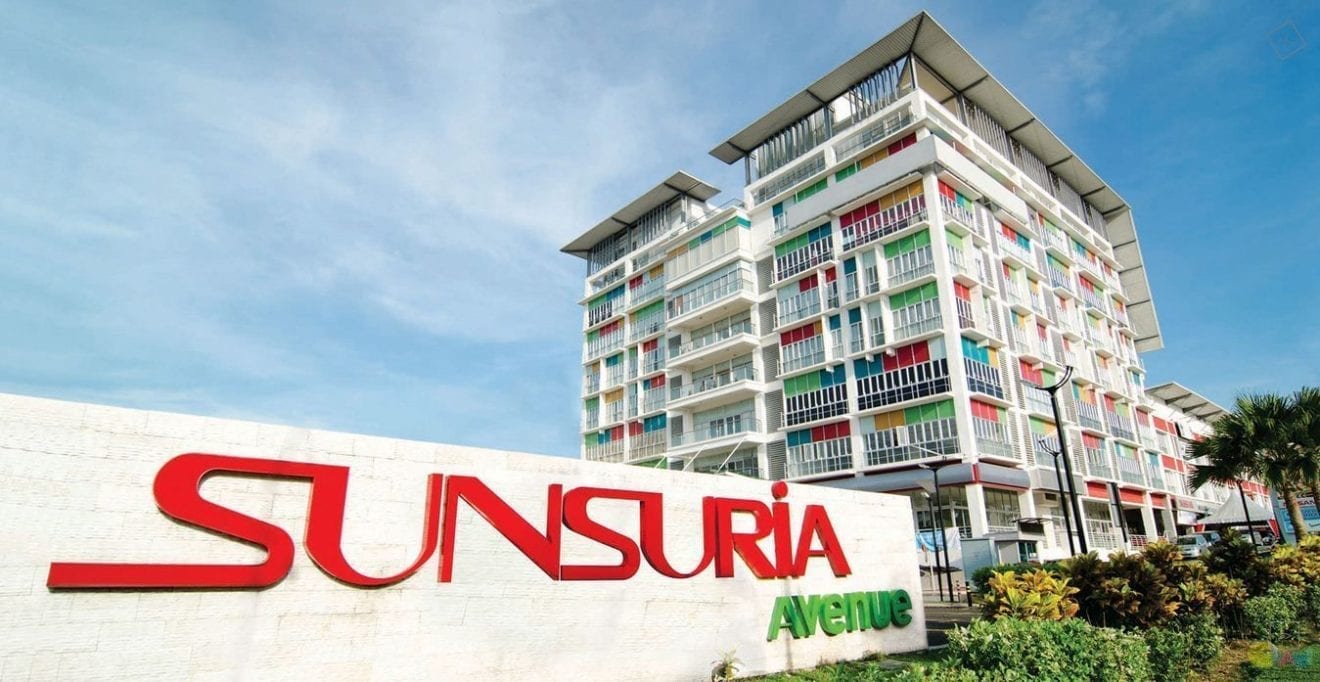
    The mixed integrated development is situated in Sunsuria Seventh Avenue, within Setia Alam. Located on 6.6 acres of freehold land, the second phase will comprise retail units, an office tower (21 storeys), SoHo service suites (33 storeys) and service apartments (41 storeys).

    “There will be 150,000 sq ft of lettable retail space in phase two. We sold the retail units in the first phase, but we’re holding the new units and will rent them out in the second phase, says Kwan.

    The first phase of The Forum, which was launched in 2015, comprised 172 units of office space and 61 units of retail space.

    “All of the office units have been sold, while about 40 units of the retail units have been snapped up,” says Kwan.

    The retail portion of the first phase has been taken up by tenants such as Village Grocer, Secret Recipe, Baskin Robbins and Focus Point.

    Kwan feels that these household names will help to attract new retail tenants in phase two of The Forum.

    He says Village Grocer, which has taken up about 25,000 sq ft in the first phase, has taken 10,000 sq ft in the second phase.

    Kwan is naturally optimistic about the prospects for The Forum.

    “Setia Alam is a mature area already and we believe it is self-sustainable. The site is strategically located within the vicinity of Setia Alam commercial hub, Sunsuria Seventh Avenue, Setia Eco Park, Klang and Shah Alam.

    “There is convenient access to major highways such as Persiaran Setia Alam, the New Klang Valley Expressway, Shapadu Highway, Elite Highway and the Federal Highway. We have 90 acres in Setia Alam and the second phase will be the last piece. So we want to do our best,” he says.

    Kwan also feels that the Malaysian retail sector will still be steady in 2017.

    “Malaysians like to go to malls. Online shopping is a new trend and, yes, it’s growing. But many families like to go to shopping centres and we believe this trend will continue.

    “It’s a favourite pastime for Malaysians. A lot of us go to malls – we won’t necessarily shop but may spend the day at food and beverage or entertainment outlets.”

    The Olive

    Another highly-anticipated project for the Sunsuria group in 2017 is the company’s high-rise development, The Olive.

    Initially slated for a 2016 launch, a delay in obtaining the advertising permit and developer’s licence has forced the company to push the launch to next year.

    Located at Sunsuria City at Putrajaya South, Salak Tinggi, Kwan says the project, which comprises three blocks, is already open for booking and has been well received.

    “Block A has been fully taken up, while Block C has achieved a take-up rate of about 75%. We will launch Block B next year,” Kwan says, adding that The Olive will comprise 21-, 19- and 18-storey blocks, housing a total of 240, 216 and 207 units respectively.

    The units come with a built-up of 818 sq ft and each floor houses 12 units. The space within each unit has been carefully planned so as to construct living space that can be utilised effectively. Kwan says the non-bumiputra lots start from RM420,000.

    “The take-up rate has been quite fast. We initially targeted the units to be fully taken up by September next year. But looking at the rate of acceptance, we expect it to be fully sold by the first quarter of 2017,” he says.

    Kwan explains that the name “The Olive” was inspired by Ceferí Olivé, a Spanish watercolor painter.

    “The Olive is the first high-rise residential development in Sunsuria City,” he says, adding that the company is targeting students and residents from within the Putrajaya and Cyberjaya areas for the high-rise project.

    “We’d also like to target upgraders,” says Kwan.

    It’s no coincidence that Sunsuria City envelops the G2G-initiated Xiamen University Malaysia campus, the first Chinese university campus on foreign soil.

    Sunsuria posted a 137% growth in revenue of RM202.4mil and a 230% increase in net profit to RM43.8mil compared to the previous financial year.

    This was attributed to the company’s strong sales force, customer-centric practice and the ability to deliver quality projects and developments, namely the upcoming Suria Residence in Bukit Jelutong, commercial development The Forum in Setia Alam and several new commercial projects situated in Sunsuria City, such as Bell Avenue and Jasper Square.

    The roots of the Sunsuria group dates back to 1989, when its founder and owner, Datuk Ter Leong Yap, started to develop various residential, commercial and industrial property projects in the Klang Valley.


  • Convenience Stores Boom as Korea’s Households Change

    Convenience Stores Boom as Korea’s Households Change

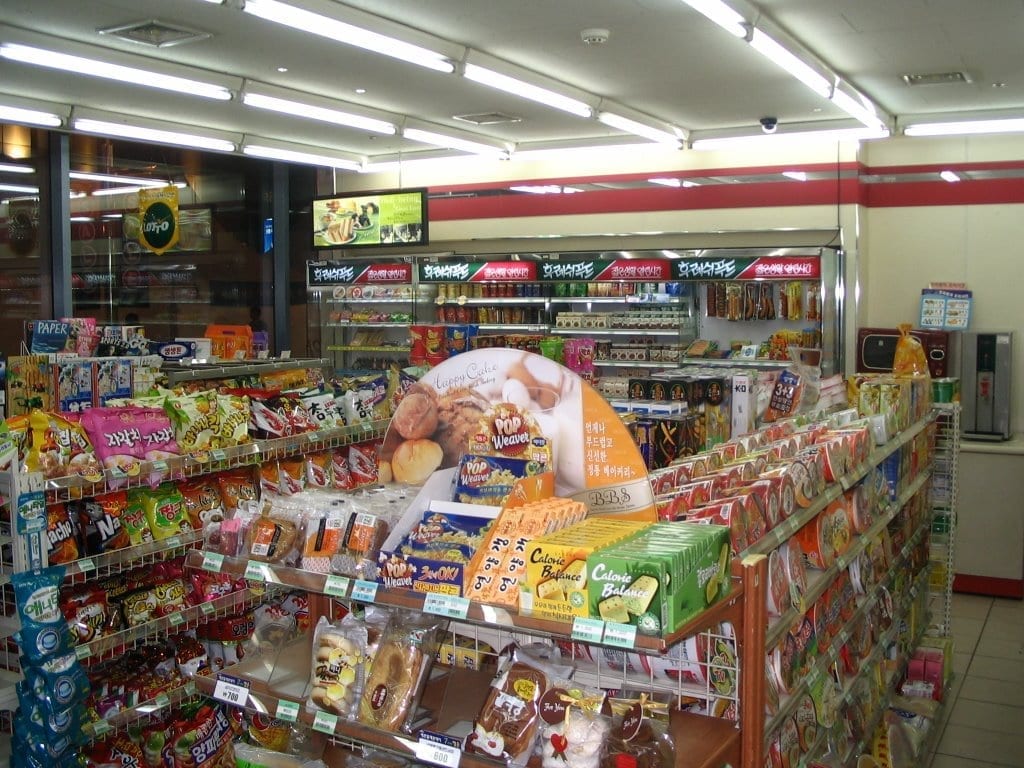
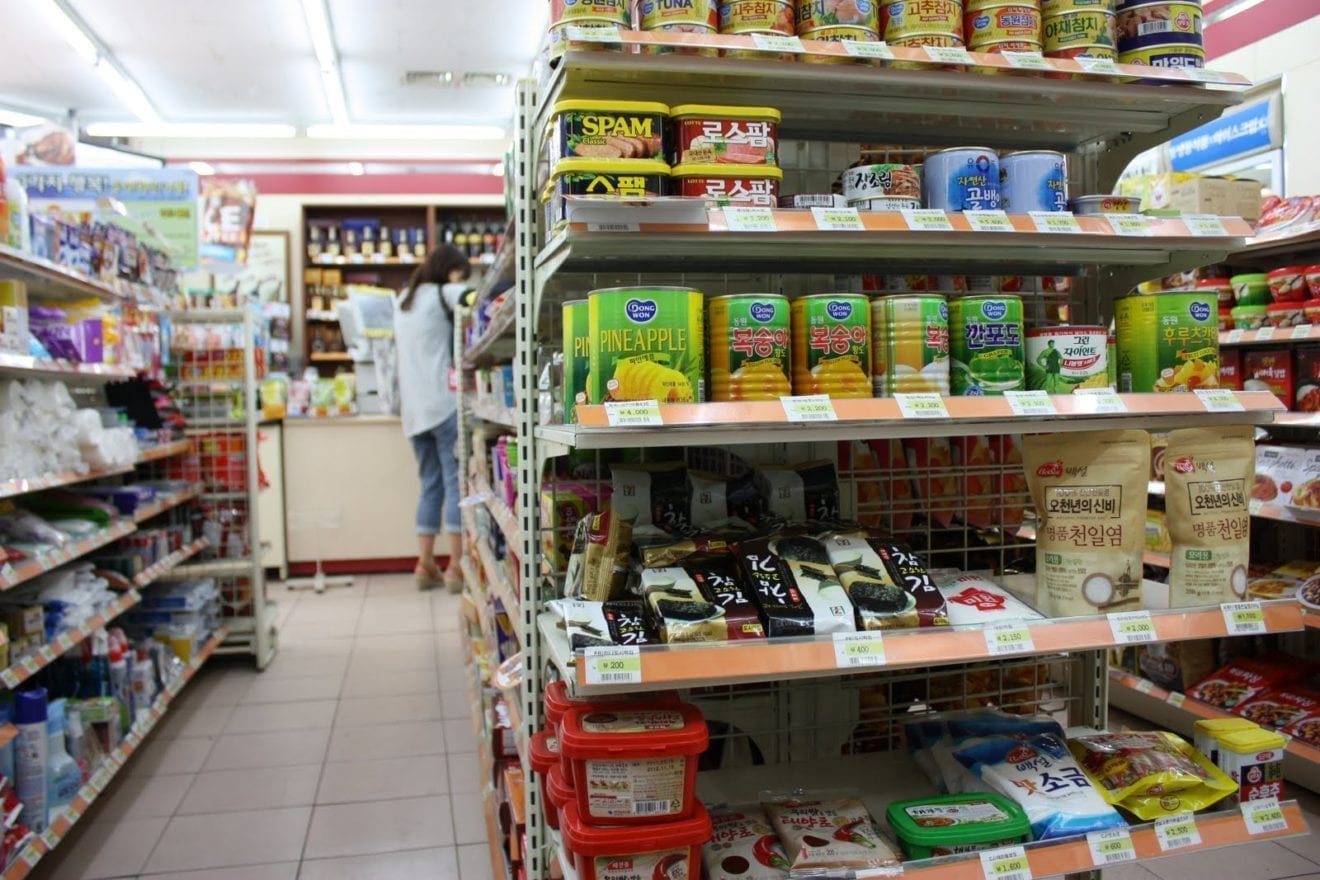
    The rising number of single-person households in South Korea is helping to fuel a boom in neighborhood convenience stores, one of the few bright spots in the nation’s sluggish economy.

    The number of convenience stores has jumped by more than half over the past five years, to 32,000 this year, according to the Korea Association of Convenience Store Industry.

    Analysts point to single-person households, which are expected to account for about a third of Korean households by 2030, up from 20% in 2005, according to the official Statistics Korea.

    “Convenience stores have more appeal to single households compared to other local businesses such as supermarkets and drug stores,” said Kim Moon-tae, a senior researcher at the Hana Institute of Finance. Goods at supermarkets are a bit too big for small households and drug stores focus on beauty products, Kim said.

    The trend has been great for BGF Retail Co., the largest convenience store chain in Korea, which is likely to surpass 5 trillion won $4.3 billion in revenue in 2016, according to a Bloomberg survey of analysts. That would be up 16% from 4.3 trillion in 2015. Its stock price has more than doubled since it was listed in 2014, according to data compiled by Bloomberg.

    “Single households can buy as much as they need at the closest convenience store without feeling restrained, wearing anything they’d like, 24 hours a day, and I think this is one of the factors helping convenience stores grow,” said Kim Chulsik, a researcher at Yonsei University’s Institute of East and West Studies.

    Convenience stores are adapting to the needs of single people, said Park Byung-su, who runs a 66-square-meter store in Seoul’s Sageun neighborhood where the number of those living alone rose 39 percent from 2010 to 2015, according to Statistics Korea.

    Park said he and his brother expanded the store’s offerings five years ago when hardware shops around the neighborhood started to disappear and people began dropping by in search of electric supplies. “Before then, most of our goods were just snacks,” he said.

    Now Park’s store sells nail clippers, garbage bags, brewed coffee, light bulbs, hair gels, wet wipes, towels and electric alarm clocks. At other convenience stores, shoppers can pay bills, drop off or pick up a parcel and even rent a car.

    Kim Young-kyu, 33, who lives alone near Seoul’s Hongdae neighborhood, said he visits the same convenience store almost every day for breakfast.

    “I’d rather go to a convenience store than a nearby gimbap restaurant,” Kim said, referring to small restaurants that sell rice wrapped in seaweed. “There is much more to choose from. They have lunch boxes, bread, ramen and a lot more.”

  • An iPhone’s journey, from the factory floor to the retail store

    An iPhone’s journey, from the factory floor to the retail store

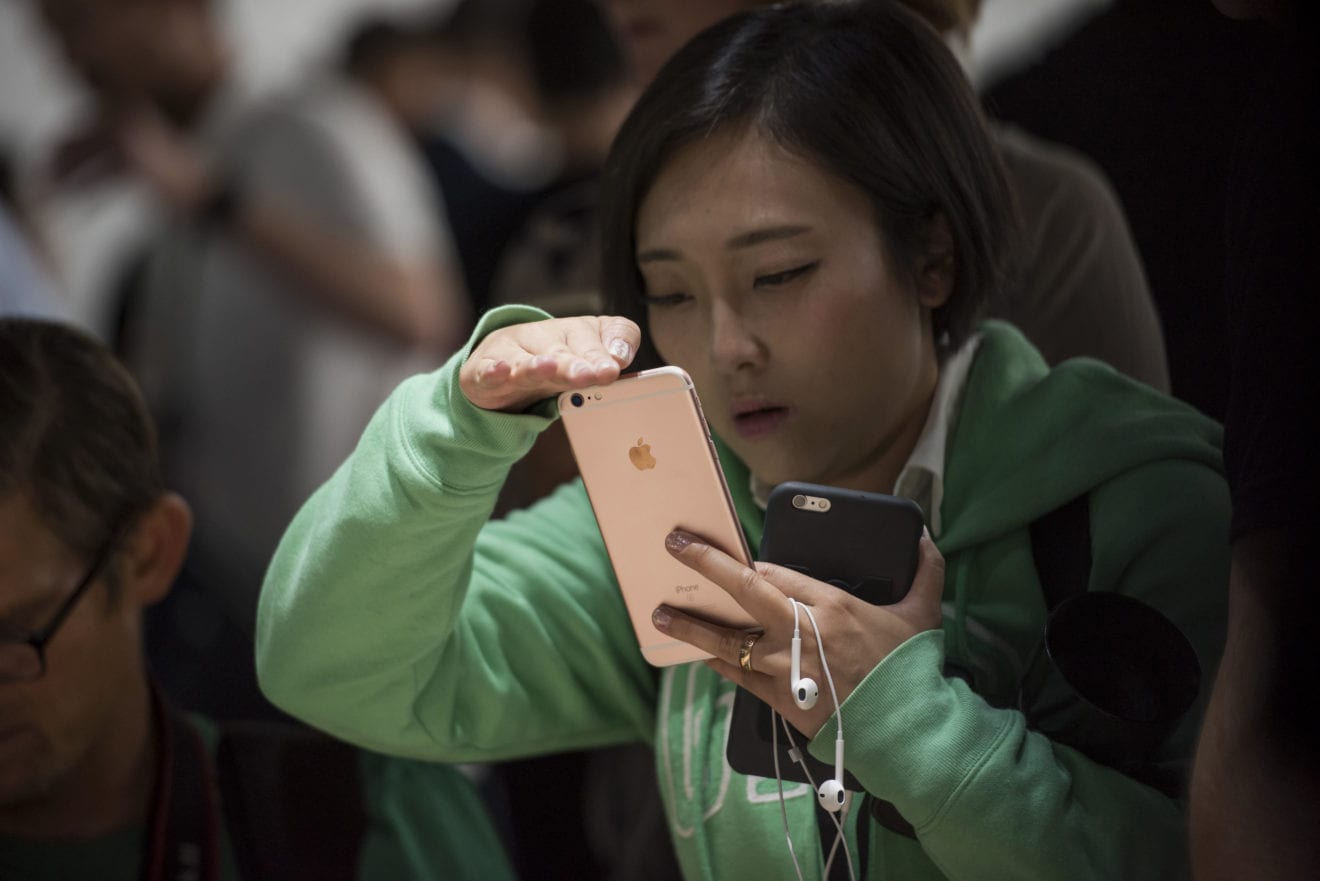
    Apple buys many of the components for iPhones — like the memory chip, the modem, the camera module, the microphone and the touch-screen controller — from more than 200 suppliers around the world. Foxconn, the Taiwanese company that runs the Zhengzhou facility, even produces some smaller parts, such as metal casings.

    Apple orders many of the components from global suppliers and then sells them, en masse, to one of its contract manufacturers in China. In Zhengzhou, that means Foxconn.

    Foxconn’s facilities in Zhengzhou cover 2.2 square miles and can employ up to 350,000 workers, many of whom earn about $1.90 an hour. The operation does final assembly, testing and packaging.

    There are 94 production lines at the Zhengzhou manufacturing site, and it takes about 400 steps to assemble the iPhone, including polishing, soldering, drilling and fitting screws. The facility can produce 500,000 iPhones a day, or roughly 350 a minute. After the iPhone rolls off the assembly line, it is placed in a sleek white fiberboard box, wrapped and put on a wooden pallet, and then wheeled out to waiting trucks.

    The newly assembled iPhone is transported a few hundred yards beyond the factory gate, where China built a large customs facility. The customs operation sits in a bonded zone, which allows Apple to sell the iPhones more easily to Chinese consumers.

    As the final point of assembly for the iPhone, China also serves as a starting point for Apple’s global tax strategy. In Zhengzhou, often in the customs facility, Foxconn sells the completed iPhones to Apple, which in turn resells them to Apple affiliates around the world.

    The process, most of which takes place electronically, allows Apple to assign a portion of its profits to an affiliate in Ireland, a tax-advantageous locale. The system is not unique to China.

    IPhones bound for the United States and other parts of the world leave customs by truck and are transported three miles to the Zhengzhou airport. The airport has been significantly expanded in recent years, as production of the iPhone has increased.

    Some years ago, personal computers that were made in China were transported to the United States by container ship, with a trip lasting about a month. Smartphones are small enough to be shipped by plane in huge quantities — and cost-effectively. A single wide-body Boeing 747 can easily carry 150,000 iPhones tucked into its aluminum canisters.

    From Zhengzhou, UPS, FedEx and other freight carriers typically fly U.S.-bound iPhones to Anchorage, Alaska. There, they refuel, before going on to Louisville, Ky., a major logistics hub, or other points.

    For an iPhone headed for the China market, customs officials use an electronic system to virtually stamp the goods as “exports” and then restamp them as “imports.” In Zhengzhou, the process happens in the same customs facility just outside the factory.

    Once the products are declared an import, customs can collect a 17 percent value-added tax, a kind of national tax, based on the import price. Afterward, the goods are approved for transport around China. Domestic-bound iPhones are typically loaded onto a large truck and taken on an 18-hour drive from Zhengzhou to Shanghai, in eastern China, where Apple has set up its national distribution center. A single tractor-trailer holds up to 36,000 iPhones. Because the vehicles have about $27 million worth of freight on board, they are equipped with cameras and sometimes accompanied by armed security guards.

    After the iPhone leaves the Foxconn factory in Zhengzhou, it takes two days, on average, to get to a store in Shanghai, a 590-mile trip. It takes three days, on average, to get to a store in San Francisco, some 6,300 miles away.

    IPhones can sell for nearly 20 percent more in China than in the United States.

    Chinese customers pay much higher prices, because of currency fluctuations and the country’s hefty value-added tax.

    A 32-gigabyte iPhone 7 sells for about $776 at the Apple Store in Shanghai. In New York, it goes for $649.

  • Maybank launches mobile money transfer service in Malaysia with Western Union

    Maybank launches mobile money transfer service in Malaysia with Western Union

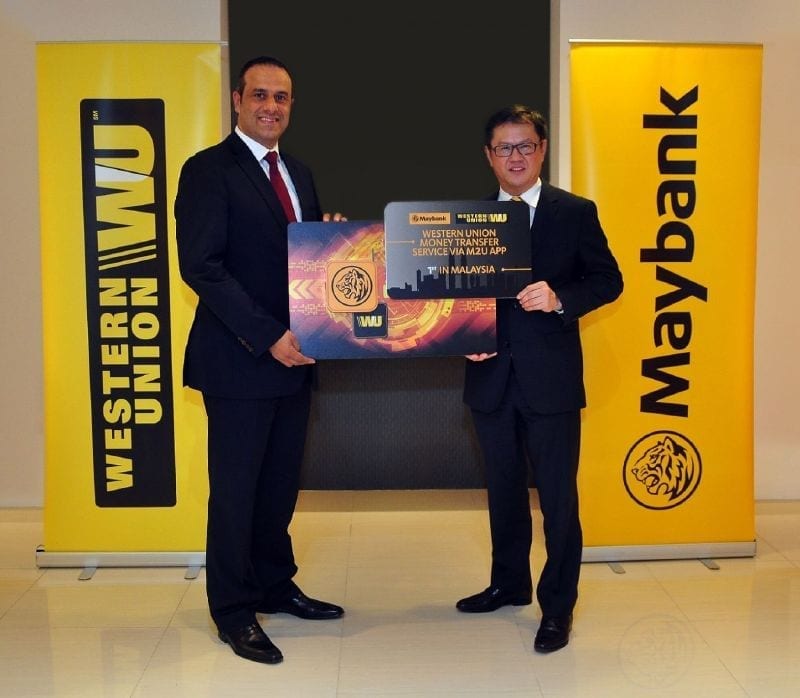
    Maybank and Western Union have launched a digital remittance service in Malaysia via the Maybank2u (“M2u”) mobile banking app and Maybank’s website.

    The service enables Maybank customers to transfer money to more than 500,000 Western Union® Agent locations in over 200 countries and territories. The money transfer service is available 24 hours a day and customers to transfer up to RM10,000 daily. Recipients will be able to receive money quickly after it is wired by the sender.

    “This new service reflects the same commitment we have as Western Union in providing consumers the best in cross-border financial services. Maybank customers are now able to enjoy fast, convenient and reliable cross-border remittance transfer services digitally around the world,” said Maybank Group Head, Community Financial Services, Datuk Lim Hong Tat.

    “We have revolutionised the money transfer processes for Maybank customers when comparing with current practice where they need to visit a Western Union Agent location in order to transfer money. Now, all they need to do is log in to the M2u App and select the Western Union service, and they are good to go,” added Lim.

    Lim added that new service will help the bank to grow its digital transactions business.

    Bassem Awada, Western Union Vice President for Key Initiatives, Middle East, Africa, Asia Pacific, Eastern Europe and CIS, said, “This mobile banking app not only grows our relationship with Maybank, but also strengthens our position in Malaysia’s cross-border money transfer market. The combination of Maybank’s strong presence in digital banking and Western Union’s growing digital network, geographic reach and ability to exchange in 130 currencies enables us to move money quickly and reliably.”

  • Chinese retail is obsessed with Donald Trump

    Chinese retail is obsessed with Donald Trump

    Despite all his contentious campaign rhetoric, Chinese retail has embraced Donald Trump in a big way.

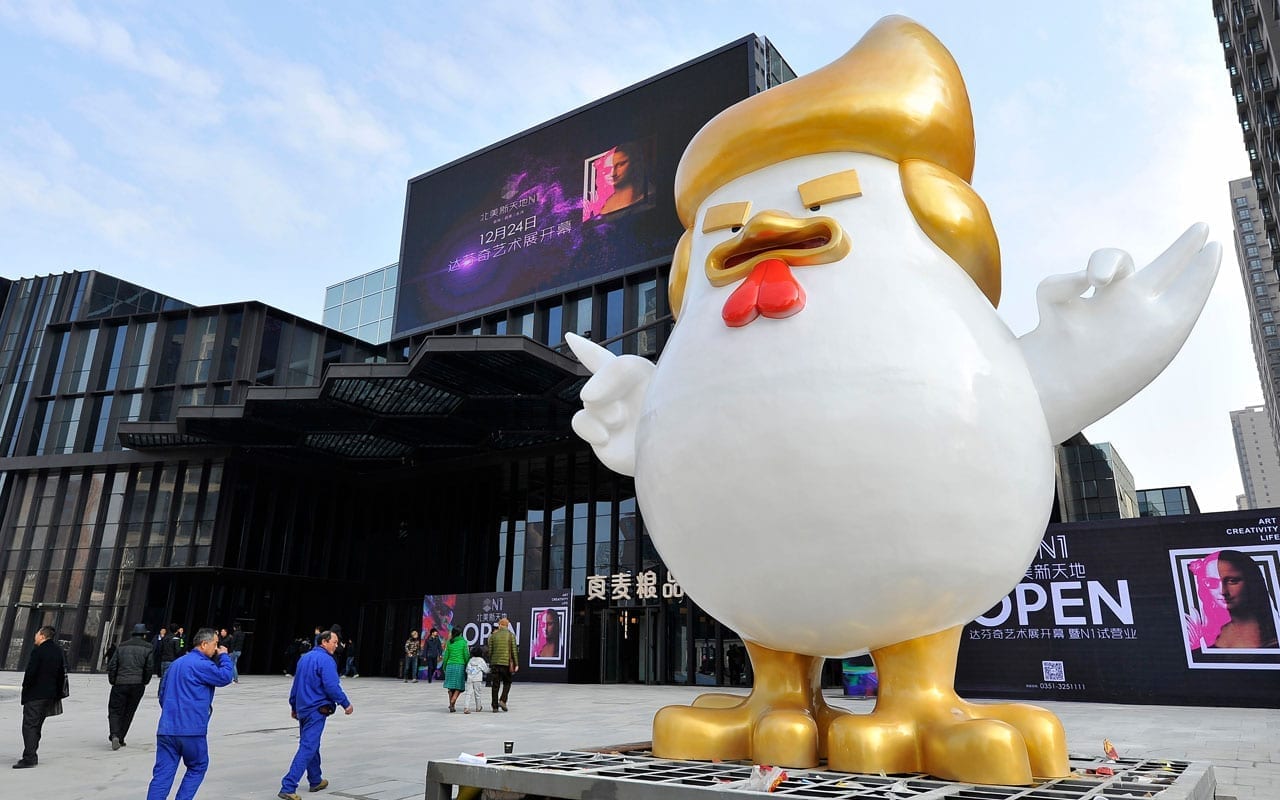
    Take the Trump-rooster statue just erected at a shopping mall in Taiyuan, the capital city of China’s Shanxi province, for example. The enormous effigy —  to celebrate 2017, the Chinese Year of the Rooster — stands 32 feet tall, complete with the president-elect’s unmistakable quiff and hand gestures. In fact, Chinese retailers incorporate Trump’s “look” or name into their products frequently, including caricatured figurines, skincare items, condoms, and more.

    “This is the first time we’ve had a president who is a brand, and it’s not unusual to see various markets try to co-opt brands for their own success,” said Greg Portell, lead partner for consumer industries and retail practice at global consulting firm A.T. Kearney. “But China, in particular, is trying to capitalize on the Trump brand.”

    Without hard data, it’s unclear whether Chinese consumers have bought into the push. But retailers are betting they will.

    Halloween was a good indication. The Jinua Partytime Latex Art and Crafts Factory, among others, started churning out masks of then-candidate Trump. While the company also produced other political masks, including one depicting Democratic presidential candidate Hillary Clinton, workers stockpiled Trump’s, expecting them to sell out in 2016, as reported.

    Now, just weeks before Trump’s inauguration, multiple Chinese retailers have started selling scaled-down versions of that gigantic rooster statue, including Taobao, a large e-commerce site owned by Alibaba. And of course, Alibaba hasn’t missed out on the Trump trend either, offering a multitude of bobbleheads as well as Trump’s iconic red “Make America Great Again” baseball caps — although Amazon, the U.S. equivalent, sells its fair share of paraphernalia too.

    “If you go back to what retailers are looking for in general, they’re looking to drive traffic and drive conversation. Selling products is almost secondary,” Portell noted. “In China, they’re achieving all the above.”

    But China’s Trumpmania isn’t entirely new. In the past decade, Trump has filed 126 trademark applications in China for products from pet care to lingerie, according to data from the Trademark Office of the State Administration for Industry and Commerce, reported by the Washington Post. And the president-elect wouldn’t be filing them if they didn’t make him money.

    But his next battle lies in fighting off other people trying to use his brand. Registered trademarks already exist in China for Trump condoms, paint, and even toilets.

    “It is just a psychological effect,” Zhong Jiye, founder of Shenzhen Trump Industrial Co., told the Washington Post. “They are interested because they want to sit on a toilet or use a urinal that has the name of a U.S. president.”

  • Jobless Filipino wins car, cash in DSF raffle

    Jobless Filipino wins car, cash in DSF raffle

    Filipino expatriate Joel Gutierrez receives his prize during the awarding ceremony hosted by Dubai Shopping Festival.

    Dubai: When news came that his employer would be terminating his services in February, Joel Gutierrez, an expatriate from the Philippines, was devastated. He was saddened by the fact that he had an unemployed wife and two children, ages 10 and 3, to support back home and an Dh80,000 loan in Dubai to pay.

    But even with the prospect of being jobless after 16 years of working in UAE and having no money coming in, Joel didn’t lose hope that everything will turn for the better.  “Although my budget is really tight, I still bought a ticket for the Dubai Shopping Festival (DSF) raffle. In fact, I bought four this month,” he recalled. It seemed like it was the only hope for Joel to get out of his “painful” situation. And he was right.

    Joel, 43, has just been informed that he won a luxury Infiniti car on the first day of DSF, plus a Dh150,000 cash. “I had prayed so hard for this. Actually, I prayed for it every day, when I was out walking on the street, taking the Metro, or anywhere,” Gutierrez said.

    The Filipino expatriate, who works as a salesman at a clothing shop in Dubai, opted to get the cash equivalent of the luxury car, so he is expecting to bring home a total of Dh300,000 cash, or nearly 4 million pesos. For him, the money would be enough to start a new life in the Philippines and pay off his personal loan in Dubai.

    “This will now help me build a new and happy life for me and my family. I will use the money to invest in a grocery store back home.”

    Joel credited his strong belief for the great fortune.  He has been buying DSF raffle tickets for years now and it’s only when he was told he would be terminated from his job when luck came his way.  “I would buy ten tickets in a year and it’s the first time I’ve won,” he said.

    “When they told me I would be laid off, it was really painful. But that didn’t make me lose hope. I wish to thank Dubai and DSF for this unexpected fortune,” he added

    Since its inception in 1996, DSF has been offering life-changing prizes, and the festival’s 22nd edition, which started on 26 December, is no different with daily raffle draws offering shoppers the opportunity to win incredible prizes.

    The Infiniti Mega Raffle offers one lucky shopper the opportunity to drive home an Infiniti QX70 plus Dh150,000 in cash daily upon purchase of a raffle ticket for Dh200. In the daily Nissan Grand Raffle, customers have the chance to win one of eight Nissan models  – Micra, Sunny, Sentra, Tiida Hatchback, X-Trail, Juke, Pathfinder and Patrol. Customers will receive a raffle coupon upon purchase of non-fuel products worth Dh20 at any EPPCO and ENOC petrol stations, as well as Zoom shops in Dubai.

  • S. Korea’s retail sales rise 6.5 pct in Nov.

    S. Korea’s retail sales rise 6.5 pct in Nov.

    Sales of major South Korean retailers including department stores and Internet shopping malls rose in November from a year earlier on brisk online purchases, government data showed Thursday.

    The combined sales of department stores, large outlets and Internet shops increased 6.5 percent on-year last month, with cumulative sales of the January-November period jumping 10.6 percent, according to the data by the Ministry of Trade, Industry and Energy.

    The ministry said the on-year gain is led by online sales which soared 20.2 percent on the back of rising overseas purchases through global sale events including Black Friday in the U.S.

    Sales of offline stores, however, edged up 0.3 percent as a 15.3-percent gain at convenience stores was offset by a 2.8-percent drop at department stores and a 6.1-percent fall at large discount chains.

    Decreased holidays and shoppers after the nationwide shopping festival Korea Sale Festa that ended in October dragged down sales at department stores, added the ministry.


  • Hong Kong Shopping Festival 2017: Things You Need To Know

    Hong Kong Shopping Festival 2017: Things You Need To Know

    During July to August, Hong Kong conducts special events and stores have special sales for the festival. One can get quality products and prices. During this time, there will be more sales than usual. Many stores will be also open longer than usual. Major discounts will be made available. Customer service will also make available coupons for the sale.

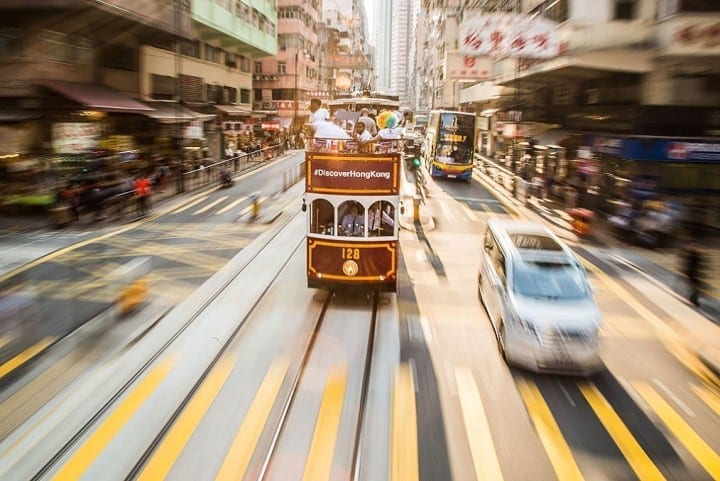
    Hong Kong has always been considered as a world class shopping center. They have the highest in retail rental for stores. In 2015, the Global Shopper Index named Hong Kong as the best to place to shop in Asia. This is based on characteristics such as variety, price, ease of travel, enjoyment and entertainment.

    In fact, it was rated as substantially better than the next city in Asia. One can usually find bargains on most products better than elsewhere in Asia while at the same time enjoying the place. One will also find about the widest variety of products in Asia.

    Hong Kong can be quite warm in July and August, but this is no problem because all malls in Hong Kong have air conditioning. It is not recommended to go out too early the street markets because of the warm weather. It is better after sundown, then one can try the street food and eat outside when it is cooler. There are luxury malls, and there are middle priced malls. One can find some of Asia’s best restaurants in these malls, as rated by the Michelin Guide.

    Access to Central District is a breeze via the Star Ferry terminal in Central or the Central MTR station. On the island, there are also hiking areas, parks, natural parks and beaches, good free zoos, and the vast and renovated Ocean Park amusement park. Much of the island is covered by public forest land that makes the island scenery beautiful and that makes for good and safe natural hiking areas. From Chinese noodle restaurants to gourmet French and Cantonese restaurants in the Landmark or the IFC Towers, one has a wide range of places to eat in Central and Admiralty.

    If you venture out and around the Mong Kok area in Kowloon, there is the The Ladies Market, Fa Yuen Street, Tung Choi Street, Ladies Market’s Sai Yeung Choi Street, or Temple Street. For electronics, the latest is always available. You can get bargains on Chinese-made electronics. There is Golden Computer Center which is a large electronics market. For photography equipment, Stanley Street on Hong Kong Island and Sai Yeung Choi Street on the Kowloon side are where the professional photographers prefer to go for new lenses or cameras. The large Apple stores in Hong Kong sell the latest versions about 10 percent cheaper than in the mainland.

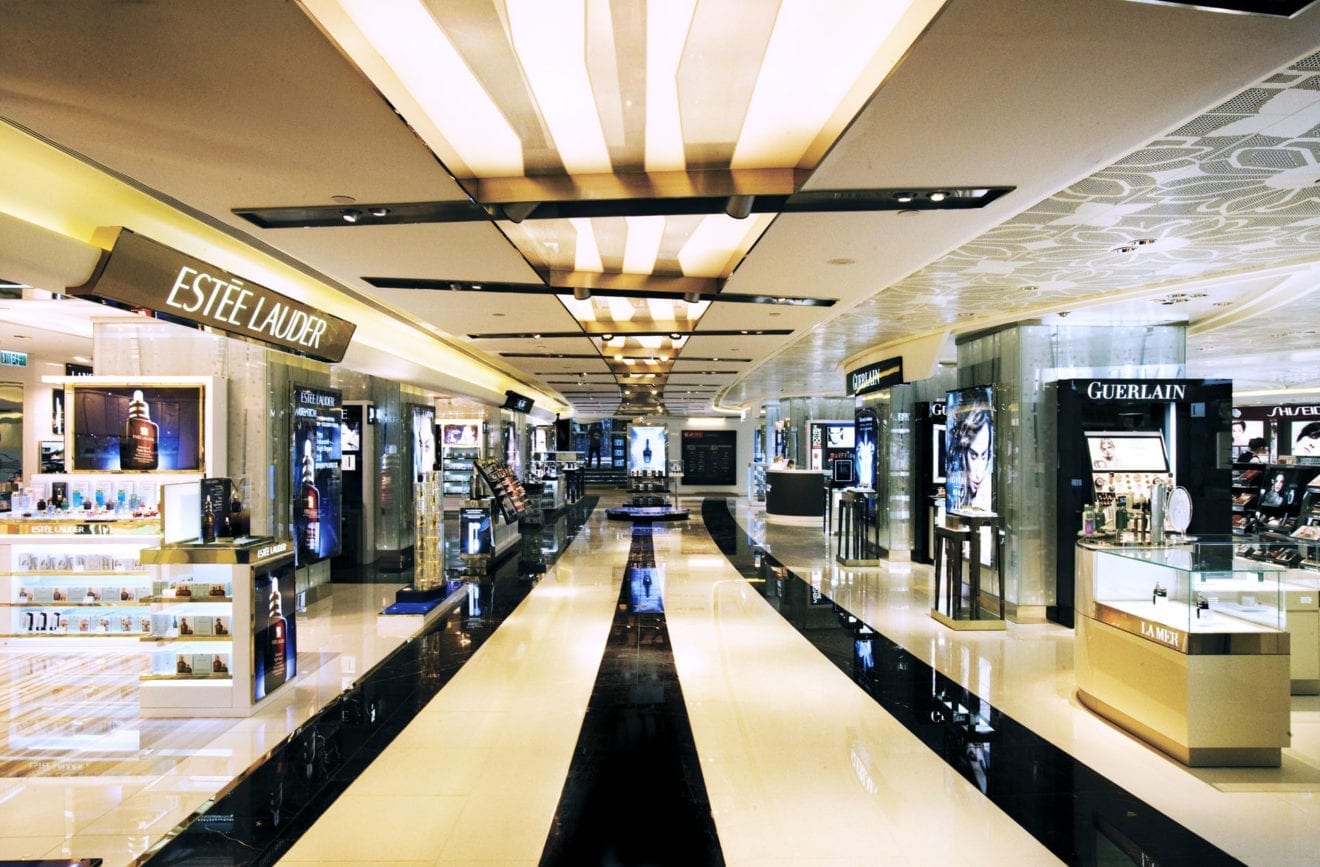
    For cosmetics, in the bigger shopping malls in Central in Hong Kong, you can find most brands of cosmetics. For outlet stores, Hong Kong has several outlet stores. One of them is Citygate that is conveniently located in Tung Chung on Lantau Island and is only 5 minutes from the airport.

  • Dasin Retail Trust seeks Singapore IPO to raise at least $122.5m

    Dasin Retail Trust seeks Singapore IPO to raise at least $122.5m

    Dasin Retail Trust is seeking to raise at least 586.4 million yuan (S$122.5 million) through a Singapore initial public offering, according to a preliminary prospectus lodged with the Monetary Authority of Singapore on Wednesday (Dec 28).

    The trust, sponsored by Zhongshan Dasin Real Estate Co, will have an indicative market cap of S$439.7 million, based on its offer price which was not disclosed in the document.

    Dasin Retail Trust’s key investment mandate is to invest in, own or develop land, uncompleted developments and income-producing real estate in Greater China, mainly for retail use.

    The trust’s initial portfolio will comprise three retail malls in Zhongshan City – Xiaolan Metro Mall, Ocean Metro Mall and Dasin E-Colour – which have a total gross floor area of about 314,884.9 square metres. The portfolio was valued at 4.6 billion yuan as at June 30, 2016.

    Units will be offered to institutional investors under a placement tranche as well as a public offering here, subject to over-allotment options, said the trust manager Dasin Retail Trust Management in the preliminary prospectus.

    It added that Dasin Retail Trust will benefit in terms of acquisition growth in the Pearl River Delta region where the sponsor has an “active real estate presence”.

    The sponsor has been granted right of first refusal (ROFR) to the trust manager for 14 completed and uncompleted properties.

    In addition, the trust has also secured 120.8 million yuan (S$25 million) from two cornertone investors – China Orient Asset Management (International) Holding and Haitong International Investment Fund SPC.

    The sole financial adviser, global coordinator and issue manager for the offering is DBS Bank, which is also the joint bookrunners and underwriters, alongside Bank of China and Haitong International Securities.

  • If You Think Sports Retail in Singapore is Dead, Read This.

    If You Think Sports Retail in Singapore is Dead, Read This.

    The great debate — about whether or not eCommerce will nail the coffin on bricks and mortar retail shops — has droned on for as long as the Internet began cannibalizing sales.

    So asking a pertinent question — If retail stores are disappearing from the Singapore scene, why do new sports stores keep popping up? — is a logical one, particularly from the perspective of runners on ever-present searches for the latest gear and fashion.

    Can history unravel the mystery?

    The evolution of retail stores began when markets sprung up thousands of years ago across Asia, Europe and Africa. Ultimately open-stall, outside markets morphed into enclosed shops.

    As competition exerted influence, stores carrying a wide range of merchandise replaced speciality stores, though today, innovative small boutiques have managed to survive, and no niche is healthier than sporting goods stores kept alive by Singaporeans who are deeply invested in the nation’s fitness movement.

    Then, along came the Internet. Even chain and big-box stores suffered as eCommerce gobbled up shoppers. Even “Store-within-a-store” concepts, pioneered by Asian retailers could not stop the steady, ever-present incursion of online retail marketing, and nothing has prompted consumer dependency more than an ability to shop using smartphones and devices.

    Forrester Research reports that 56-percent of consumers use smartphones to shop.

    If You Think Sports Retail in Singapore is Dead, Read This.

    Specialty stores remain viable

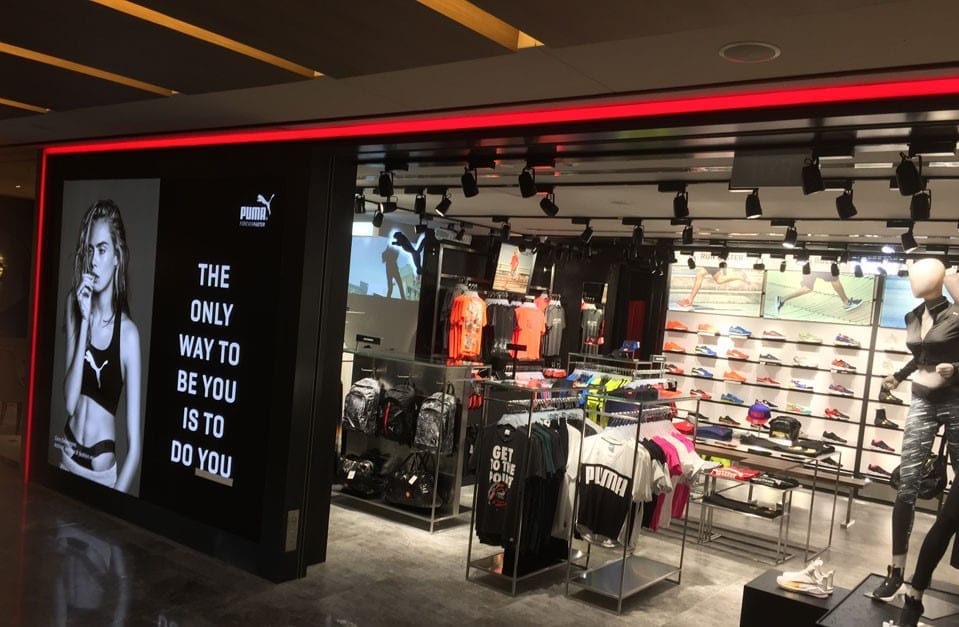
    PUMA recently opened two concept stores at Paragon and Bugis+, hoping to lure runners and sports enthusiasts away from their mobiles and computers.

    PUMA believes that dedicated store sections have the power to bring shoppers to these new locations because they’re strategically located within concentrated shopping areas that attract a youth market eager to find deals and promotions.

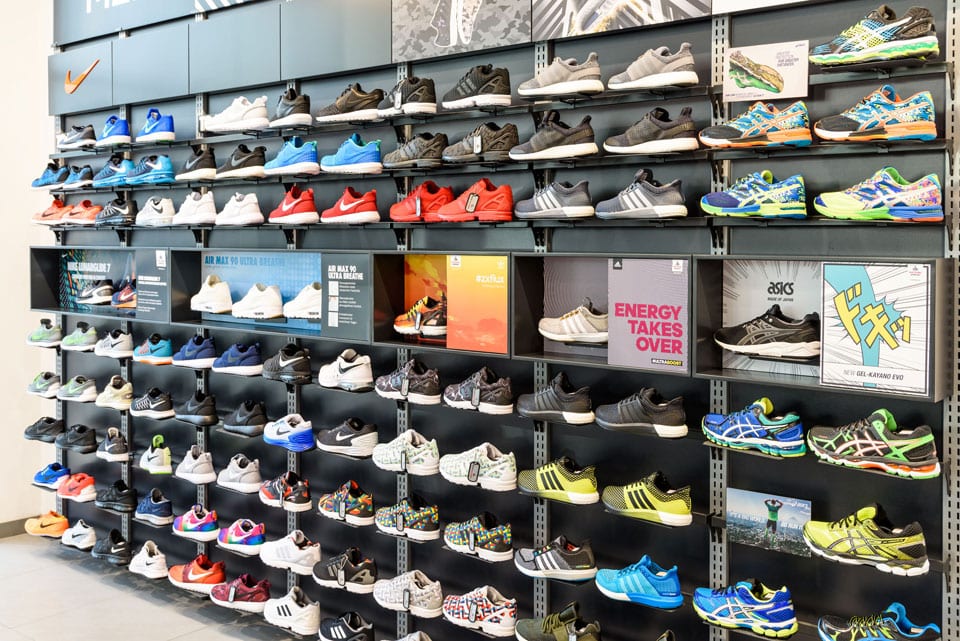
    Not to be outdone, ASICS saw an untapped market in northeastern Singapore and launched a stand-alone shop at the NEX shopping mall recently.

    ASICS believes that identifying an under-served populace is the key to in-person shopping. Their spacious new location is thoughtfully merchandised to encourage avid runners to browse the latest in ASICS innovations.

    Further, the new Under Armour presence at Vivo City Brings UA’s Singapore stores to five, including their new retail presence sprawling across 1,980 square feet of product display area and trendy décor touches.

    Under Armour has become an expansive presence throughout Southeast Asia and it’s considered by many athletes to be the coolest brand on the planet, even when measured against big dogs like Nike and adidas.

    Why is UA so cool? Because everything about their products is superior, starting with the brand’s quirky tagline: “It’s what you do in the dark that puts you in the light.”

    That light, of course, is a spotlight shining on the impeccable taste of runners who prefer to be seen wearing the UA logo on everything they own!

    Non-branded stores continue to open, too

    The space-age design of Running Lab’s two new locations — Marina Square and Tampines Mall — is reason enough for passionate runners to browse the retailer’s unique enclaves which are sorted by brand and gender, and there is no shortage of signature brands on display that are beloved by running enthusiasts and athletes.

    To drive traffic, Running Lab organises free runs throughout Singapore on Tuesdays and Thursdays, but they’re not the only show in town.

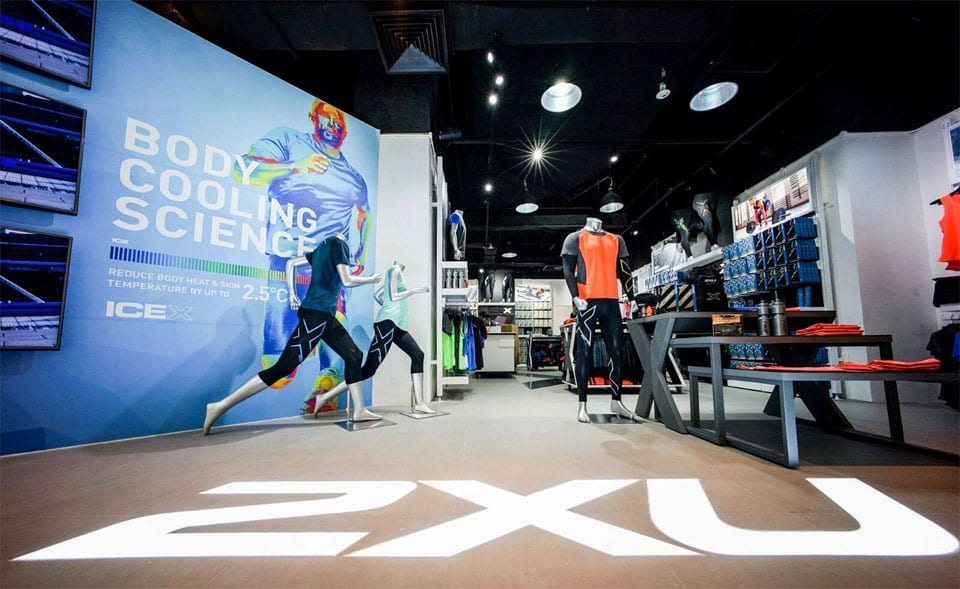
    The first 2XU Performance Centre opened just weeks ago at Suntec City Tower Three. Their ambitious marketing plan — to become the epicentre of performance compression wear — sets it apart from competitors because the niche alone has the potential to drive traffic into the store.

    If You Think Sports Retail in Singapore is Dead, Read This.

    Always a trendsetter, we toss the iconic Uniqlo into the mix. Uniqlo’s Orchard Central grand opening recently introduced Singapore to what can only be described as a sensory playground filled with wall-to-wall digital displays and rotating mannequins, while there’s a nice balance of innovative activity-related products, ideas and wares and the prestigious brands to which runners remain loyal.

    For Uniqlo, size matters. This 29,000-foot retail spot has become a destination unto itself, catering to sports-minded Singaporeans of every age group.

    It’s not all good news

    Common sense would lead one to believe that the opening of new sporting goods stores in Singapore portends good news for the future of retail, but business writers warn that, “what you see isn’t necessarily what you can believe.”

    In fact, a steady stream of popular stores continue to close because they have become unprofitable.

    Singapore economics played some part in this exodus, but not all blame-placing can be ascribed to fiscal decline due to online shopping and tech-savvy consumers continuing to find favour with cyber shopping.

    But the reality is this: retailers start every day in the red, supporting rental space, salaries, power bills, taxes and marketing expenses. Further, brands and stores refusing to track changing shopper behaviours aren’t likely to survive.

    What are solutions to this mystery?

    Absent a crystal ball, it’s obvious that Singapore retailers won’t survive without retooling their business models and no niche is worthier of emulation that the nation’s sports boutiques because the folks that run and manage them keep a pulse on Singapore’s vibrant fitness movement and watch trends like hawks.

    Further, a mindful balance of retail and online business practices keep shops afloat in addition to taking advantage of trend-tracking.

    Here’s why we think sporting goods stores have an advantage over other retailers:

    1. A shared retail/online presence has been the secret that has helped many sporting goods stores stay afloat.
    2. Management understands that athletes aren’t particularly crazy about the idea of having to return merchandise bought online and aren’t shy about using promotions and specials to a bring them in.
    3. More runners frequent sports stores for social reasons than analysts report. In-person shopping beats scrolling through screens of merchandise says TANGS Assistant Vice President of Communications Ms. Jocelyn Teo.
    4. Sporting goods shoppers are a different breed. Their performance depends upon the right shoe fit and gear choices, and while time-crunched athletes may turn to online shops for some purchases, retailers give athletes more reasons to show up in person, including incentives, promotions and deals.
    5. A CBRE Asia Pacific research study asked 11,000 Singapore consumers (ages 18 to 64) to weigh in on the online/in-person shopping debate, concluding: “… consumers are more comfortable with the traditional shopping format where they can touch and feel the products before purchasing.”
    6. Integrated shopping patterns are the wave of the future and savvy sporting goods retailers know this. The ability to switch back and forth between store and website drives traffic since returns, purchases, exchanges apply equally.
    7. Look for a more dynamic retailer consortium to cooperate on shared functions like integrated warehousing, shipping and order-fulfillment that can lower overheads resulting in merchandise price reductions.
    8. Common-sense changes — staying open more hours, sponsoring in-store events, offering a fully-integrated online/in-store experience and making sure employees behave more like concierges and less like clerks are but a few of the ways sporting goods stores will not only survive, but thrive.

    If you were forced to choose between online and in-store shopping and were required to pick just one, which would it be and why?

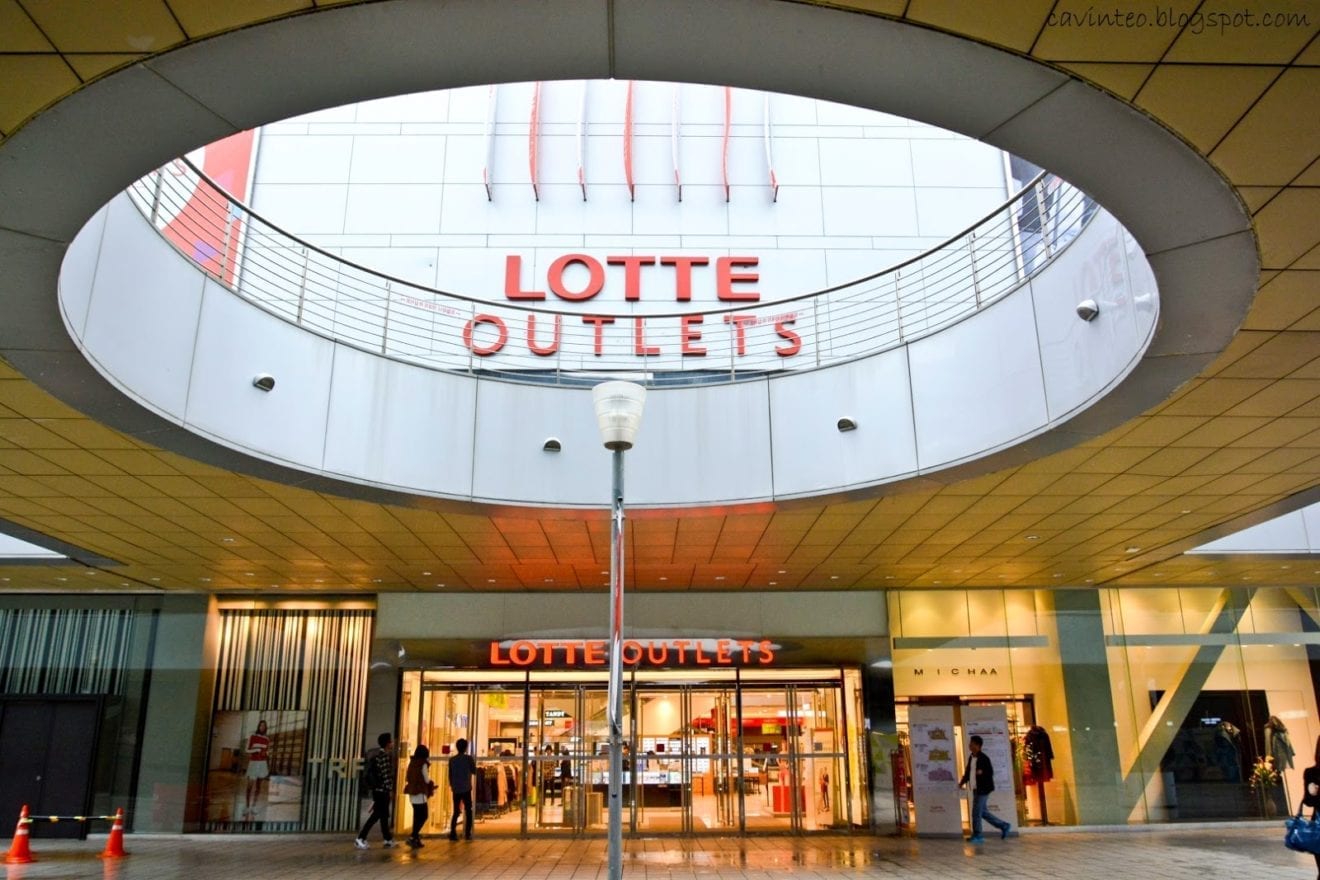
  • Lotte agrees to leverage IBM’s Watson for retail

    Lotte agrees to leverage IBM’s Watson for retail

    IBM has signed an agreement with the Lotte Group to provide cloud-based IBM Watson solutions to help the Group deliver innovation across the business and become a world-class retail company.

    Lotte Group represents the country´s largest retailer in a highly competitive retail market and is one of Korea´s top five companies, providing products and services to its customers through online channels, mobile services and offline department stores, marts, convenience stores and duty-free shops.

    Lotte Group will use Watson technologies to maximize insights from the huge amount of structured and unstructured customer data collected through its various channels, including the Lotte Members program, deriving valuable learnings about customer preferences and product feedback. With a deeper understanding of its data, Lotte will be enabled to offer more personalized services to customers, consistent product information and expert advice tailored to individual customer needs.

    This agreement prioritizes two “Artificial Intelligence Innovation Themes” for which to apply Watson. Lotte and IBM will team to create an ´Intelligent Shopping Advisor´ for customers and an internal employee ´Cognitive Business Decision Advisor´ for the Group´s retail affiliates.

    The ´Intelligent Shopping Adviser´ will be first introduced to Lotte´s department stores. Customers will have their own virtual personal assistant offering help from product recommendations, shop location guidance, to support for online pickup service. Customers will benefit from greater convenience and an enhanced customer experience as they interact, in natural language, with a service that understands the questions asked, in the context of the individual shopper´s needs.

    IBM will collaborate with teams from the Lotte Information & Communications and the Lotte Members affiliates for IT system support services, data integration and data analysis. Within the next five years, Lotte plans to build and upgrade its artificial intelligence-based application for business innovation to support personalized services throughout the customer life cycle. These initiatives are part of Lotte Group´s technology roadmap to expand the introduction of IBM Watson to all affiliates from retail to food, chemical, tourism and finance.

    Lotte is based in Korea and has nine affiliates and 120,000 employees.

    Watson represents a new era in computing called cognitive computing, where systems understand the world in a way more similar to humans: through senses, learning, and experience.