Author: Mei Ling Tan

  • Sun Group’s resort property projects come with special gifts, privileges

    Sun Group’s resort property projects come with special gifts, privileges

    Sun Group will launch 20 resort villas and condotels next week and buyers will be given valuable gifts and have a chance of winning up to VND1 billion ($44,000).

    The two resort projects, Premier Village Phu Quoc Resort and Condotel Premier Residences Phu Quoc Emerald Bay, will be unveiled at the launch event at JW Marriott Phu Quoc Emerald Bay Resort & Spa between Wednesday and Sunday next week.

    polyad

    Sun Group will launch 20 resort villas and condotels next week.

    Buyers of the Premier Village Phu Quoc Resort project will receive 2.5 ounces of gold worth around VND90 million ($4,000) and a lucky draw ticket for a $44,000 prize.

    Meanwhile, buyers of Premier Residences Phu Quoc Emerald Bay condotels will receive VND50 million and a chance to win five ounces of gold. The promotions are available for deposits made in the first quarter of 2017.

    Customers of the projects will also benefit from attractive perks and benefits.

    polyad

    Customers of the projects will benefit from many attractive perks and benefits.

    Sun Group, in collaboration with Techcombank, offers financing of up to 70 percent, zero-percent interest loans, and a grace period of up to 24 months on the principle. Loans will have terms of 15 years for the Premier Village Phu Quoc Resort and 25 years for the Phu Quoc Emerald Bay. The bank also provides support if customers repay their debt early.

    Real estate experts estimated that thanks to the preferential credit support, people will only need to have around VND1 billion to start living at the luxury Premier Residences Phu Quoc Emerald Bay at Khem Beach. And with the initial investment of just around VND6-7 billion ($270,000), they can own a Premier Village Phu Quoc Resort villa worth as much as $1 million at Ong Doi Cape, facing the sea on both sides.

    A Techcombank representative said it adopts flexible measures to assess customers’ financial capacity. Properties, saving books, stocks and other assets can all be used as collateral.

    polyad

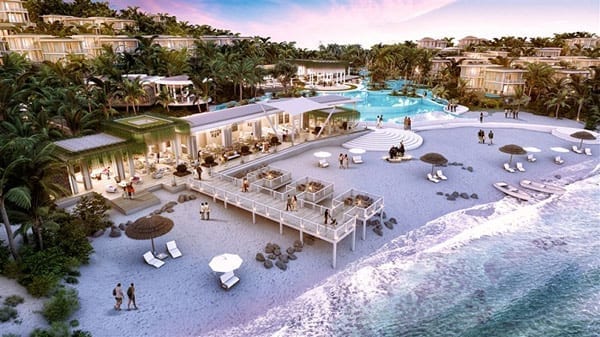
    The projects are developed on prime locations with beautiful scenery.

    According to the developer, customers can expect a profit rate of 9 percent a year in nine years at Premier Residences Phu Quoc Emerald Bay and 10 years at Premier Village Phu Quoc Resort from leasing back the condotels and villas.

    They will receive 15 free night stays during the lease time at the very projects they invest in, or one of many Sun Group hotels or resorts around Vietnam, including InterContinental Danang Sun Peninsula Resort, which is the only resort to have won the prestigious World’s Most Luxury Resort from the World Travel Awards for the past three years.

    Other resorts on the list are Premier Village Danang Resort, one of the most beautiful beachside resorts in the world, Novotel Danang Premier Han River and JW Marriott Phu Quoc Emerald Bay Resort & Spa. They also have the chance to become a member of SOL Club to receive privileges at Sun Group’s parks and golf courses.

    polyad
  • Shares of world’s largest footwear maker plunge on false sales data

    Shares of world’s largest footwear maker plunge on false sales data

    Pou Sheng International Ltd, a unit of the world’s largest producer of branded footwear, recorded the largest intraday plunge in its stock price since 2008, after firing its chief financial officer for publishing inaccurate sales figures, and announced the departure of its chief executive.

    Shares of the company tumbled as much as 37 per cent to an intraday low of HK$1.30 in Hong Kong, wiping out HK$4.1 billion of its value. Share prices of Yue Yuen Industrial Holdings, the 62 per cent shareholder of Pou Sheng, fell as much as 9.8 per cent.

    “The Company discovered on 6 January 2017 certain incorrect sales records in the month of December 2016, which could potentially lead to recognition of revenue for sales transactions that did not take place before end of year 2016,” Pou Sheng said in its filing to the Hong Kong stock exchange.

    “The incident revealed weakness over the financial controls,”the Hong Kong-based company said, even though the relevant figures were not significant compared with the group’s overall revenue and did not materially affect any financial information published prior to the announcement.

    The retailer said it has sacked CFO Chen Luo-leng, while CEO Kwan Heh-Der has resigned.

    Pou Sheng is a spin off of Taiwan’s apparel and footwear maker Yue Yuen, which owns factories in mainland China, Vietnam and Indonesia, producing 300 million pairs of shoes every year for Nike, Adidas, Reebok, New Balance, Puma and Timberland.

    Deloitte has been hired by the Hong Kong-based retailer to carry out a check on accounting records of the company, Pou Sheng said.

    Pou Sheng has been in a tight financial spot for the past few quarters, as same store sales growth — a crucial gauge on a retailer’ s business well-being — slowed to 4.6 per cent for the first three quarters of the year from 6.7 per cent for the first half, spurring investor concerns over its long-term prospects.

    The incident has triggered a series of downgrades by research houses on Pousheng and Yue Yuen’s shares.

    “We are worried that a slowdown in Yue Yuen’s retail arm will only be more severe than what the market had feared, and the resignation of the CEO could lead to near term disruption of the company, indirectly affecting Yue Yuen’s financial performance,”a UBS report issued Monday said.

    Credit Suisse cut Yue Yuen’s rating to Underperform from Neutral, as it reckoned its earnings will be weighed down by a projected decline in Pou Sheng’s net profits, according to a Monday note. “This should significantly affect operations and financials of Pou Sheng in the near-term,”the investment bank suggested.

    However, Hugo Suen, an analyst with Sunwah Kingsway, painted a slightly rosier picture for Pou Sheng.

    “After all, this company has the best international sports brands [as its business partners], and the swift action by the board should be able to rescue its reputation in the long term,” Suen said.

    Pou Sheng closed Monday trading at HK$1.61, down 22.22 per cent while Yue Yuen erased some of the earlier losses to settle 6.88 per cent down from the previous close at HK$27.05.

  • Tata Motors” arm reports 12% rise in December retail sales

    Tata Motors” arm reports 12% rise in December retail sales

    Tata Motors’ subsidiary — Jaguar Land Rover (JLR) has achieved its best ever December sales performance in 2016, with total retail sales of 55,375 vehicles, up 12% on the prior year, primarily driven by the ongoing success of the Jaguar F-PACE, Land Rover Discovery Sport and the Range Rover Sport as well as strong demand for the long wheel base Jaguar XFL in China. JLR total retail sales for the full 2016 calendar year also reached record levels with sales of 583,312 units, up 20% compared to 2015.

    JLR’s global retail sales performance for December shows strong growth in China (up 36%), North America (up 30%) and Europe (up 8%) but softer sales in the UK (down 3%) and in other overseas markets (down 16%).

    Jaguar retail sales were up 95% in December 2016, retailing 16,349 vehicles driven by the ongoing success of the F-PACE and strong demand for the long wheel base XFL in China. Jaguar retail sales for the full 2016 calendar year reached 148,730, up 77% compared to 2015.

    Land Rover retailed 39,026 vehicles in December 2016, down 5% compared to December 2015 as strong retail sales of the Discovery Sport and Range Rover Sport were offset by lower sales of the discontinued Defender and Discovery models. Land Rover retail sales for the full 2016 calendar year reached 434,582, up 8% compared to 2015.

  • S4M sets new target in travel retail

    S4M sets new target in travel retail

    Mobile advertising tech company S4M has launched a service to target more than 30 million airport travellers each week.

    Using enriched geo-localised user behavioural and contextual data, the company wants to help brands boost their presence in 30 global airports.

    “Airports are more than just transit areas – they present a huge opportunity for brands to engage with consumers,” says S4M VP of APAC sales Gavin Buxton.

    “The smartphone is an extension of the individual, so it is a must-have touchpoint when creating fully integrated brand experiences. Advertisers should be combining the omnipresence of the mobile medium with real-time geolocation at airports to deliver seamless customer journeys.”

    S4M’s “geofencing” technology helps advertisers analyse and understand mobile user profiles at airports. The company combines anonymous mobile device identifiers with GPS co-ordinates, device language settings and online periods. This mix provides advertisers with more insights into consumer behaviours and offers a new opportunity to engage with travellers at airports.

    “Consumers break away from their daily behaviours when travelling, and the only constant is their smartphones,” says S4M CEO Christophe Collet. “Our goal is to reach people in transit, whether tourists or business travellers, when they are away from their everyday routines. Brands that can deliver tailored messages to their customers, even when they are hundreds of kilometres from home, are truly transforming mobile advertising into a valuable service”.

    About 1 million people a day travel through the Skytrax-rated top five airports in Asia: Singapore Changi, Incheon, Tokyo Haneda, Hong Kong and Beijing.

    More than two-thirds of air travellers are from middle- to high-income groups, according to figures from the World Bank.

    Demographics such as luxury-brand shoppers, digital high-tech users, high-end car buyers and business travellers can be reached in a duty-free setting via mobile. Luxury brands such as L’Oreal have already used S4M’s technology for cross-country campaigns.

    S4M (Success for Mobile) is an innovative advertising technology company that transforms mobile ads into personalised content for individual users. Founded in 2011 by mobile marketing pioneers, it now services more than 350 advertisers internationally. S4M has its headquarters in Paris with more than 95 employees and five offices covering Asia Pacific, Europe, Latin America and the US.

  • CapitaLand to manage La Botanica mall

    CapitaLand to manage La Botanica mall

    CapitaLand Mall Asia has signed its second management contract within five months, to manage the shopping mall in La Botanica, a township in Xi’an’s Chan-Ba Ecological District.

    The mall is being developed by (Xi’an) Property Development, a JV between CapitaLand and Hong Kong-based Henderson Land.

    The deal follow CapitaLand’s announcement in August that it is managing the retail component of Fortune Finance Center in Changsha, China, for Changsha Pilot Investment Holdings. It also follows the acquisition of CapitaMall Xinnan (formerly Galleria, Chengdu) by CapitaLand Retail China Trust in September.

    “We are fast-tracking the growth of our shopping-mall network in western China to capitalise on the region’s favourable economic prospects, which have been boosted by the Chinese government’s Western China development program One Belt, One Road economic initiative as well as the Sino-Singapore Chongqing Connectivity Initiative,” says CapitaLand Mall Asia CEO Jason Leow.

    “CapitaLand’s asset-light expansion strategy through management contracts will continue to gather momentum with this deal in Xi’an, and complement our core strategy of developing, owning and managing malls.”

    Under the contract, CapitaLand will oversee asset planning, pre-opening and retail management for a five-storey mall – four levels above ground and a basement level – with a gross floor area (GFA), excluding car park, of about 50,000 sqm.

    Expected to open in 2019, the mall will double CapitaLand’s retail presence in Xi’an, where it owns and manages CapitaMall Xindicheng, a 60,000 sqm one-stop shopping mall, about 10km south of La Botanica.

    Flagship developments

    Including the mall in La Botanica, CapitaLand manages a portfolio of 14 malls in western China with a combined retail GFA of about 1.13 million sqm. The region is also home to two CapitaLand flagship Raffles City integrated developments – Raffles City Chengdu, which opened in 2012; and Raffles City Chongqing, Singapore’s single largest investment in China at RMB24 billion (about US$3.4 billion) that will be opening in phases from next year.

    Leow says CapitaLand is preparing to open eight more malls this year, six of which will be in China. “As we continue to enhance our retail scale and network through acquisitions and management contracts, we will also look at reconstituting our portfolio to achieve an optimal asset mix to provide us with stability and a strong recurring income stream. ”

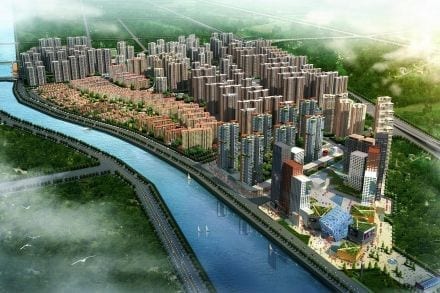
    CapitaLand-Henderson (Xi’an) Property Development GM Wu Xianyue says La Botanica is envisioned as a world-class garden city. It is in the heart of Chan-Ba Ecological District, a planned urban area integrating ecological, commercial, residential and cultural components. Targeted for completion in 2023, the township spans 3 million sqm, of which about 87 per cent is pegged for residential use. There is a commercial zone of more than 310,000 sqm, plus a 50,000 sqm central park, seven community schools and a general hospital.

    The shopping mall is at the heart of La Botanica’s commercial zone and will be served by arterial roads, 20 bus routes and a metro line. It is expected to serve an estimated 600,000 residents and working professionals living within a 5km radius. The population catchment is projected to reach about 1 million in the next four years.

  • Apple’s 10th anniversary

    Apple’s 10th anniversary

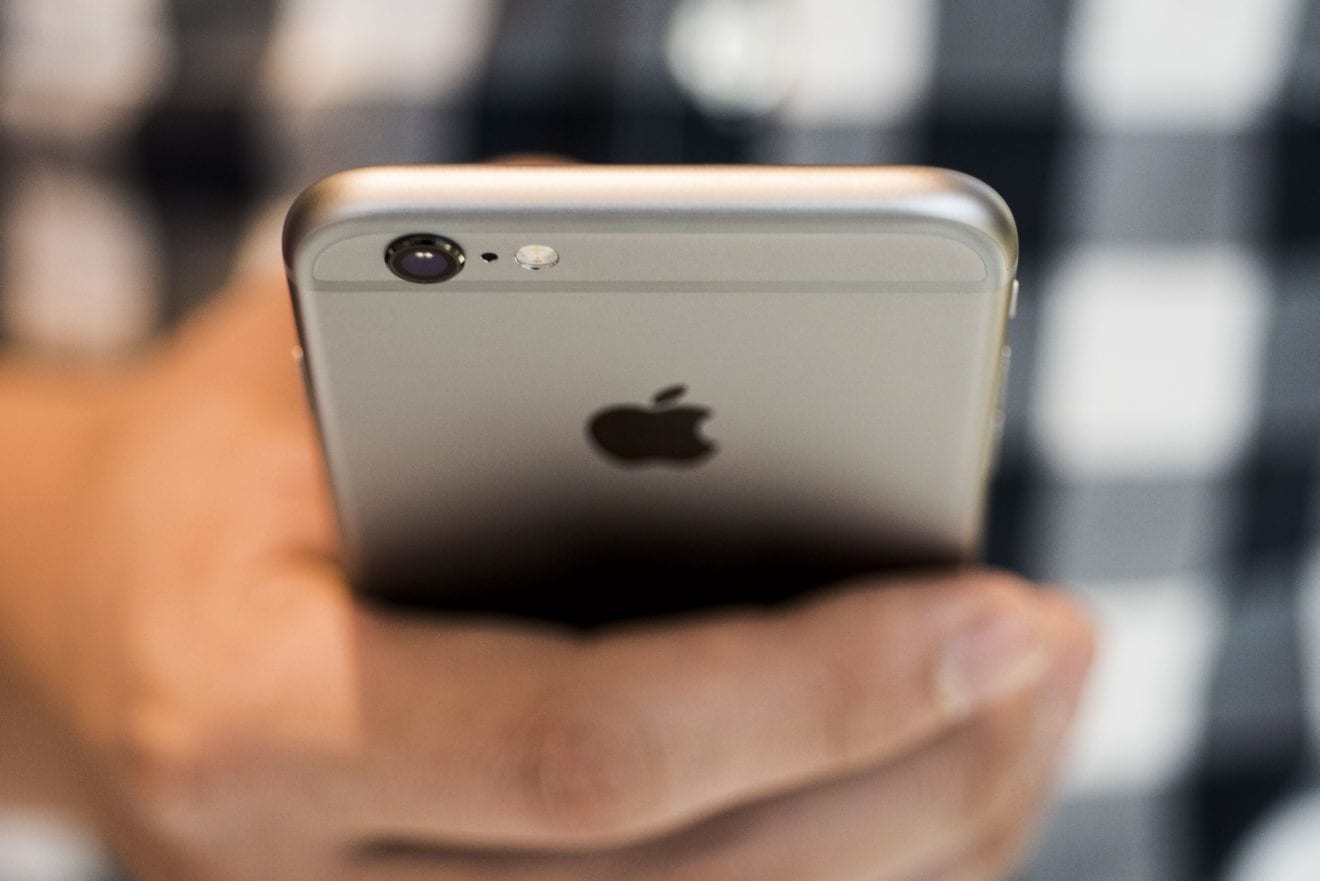
    As the late Apple boss Steve Jobs appeared on Macworld conference stage on January 9, 2007, attendees were already expecting the premiere of an Apple smartphone. But Jobs first sought to sow a little confusion.

    “Today we are introducing three revolutionary products,” Jobs said. “The first one is a wide-screen iPod with touch controls. The second is a revolutionary mobile phone. And the third is a breakthrough internet communications device.” Was he really introducing three new devices?

    Soon everyone in San Francisco’s Moscone Centre knew what he meant: “These are not three separate devices, this is one device. And we are calling it iPhone.”

    Apple had reinvented the phone, Jobs said. As it turned out Apple had invented far more: a way to comfortably carry a fully functioning computer in one’s pocket.

    Mike Lazaridis, at the time co-head of smartphone pioneer Blackberry, watched the Jobs announcement in his fitness room and began to ponder. A smartphone that can download music, videos and maps? How could they do it without overwhelming mobile networks?

    Indeed, some of the first iPhone users complained of clogged networks. A year later Apple provided the iPhone with a faster 3G wireless connection. With the iPhone 3GS in 2009, Apple started the tradition of denoting small model alterations with the letter “S.”

    With the iPhone 4, Apple in 2010 again took a big step forward. The radical new design impressed customers with its the high-resolution screen.

    The iPhone went on to become a mega-seller and led to Apple becoming the most valuable company in the world. More than one billion iPhones have been sold in the product’s 10-year history.

    In the process Jobs reversed the power dynamic in telecommunications, forcing network providers to dance to his tune, rather than the opposite.

    The iPhone’s influence was challenged only by Google’s Android operating system, used by Samsung and many others.

    At the premiere a decade ago, Jobs referred to how the iPhone and its software were protected by patents. But these did not prove especially effective in a bitterly fought patent war.

    Apple saw only small legal success against Samsung, but could not stop Android. While the Google system runs on more than 80 per cent of all smartphones, Apple still takes the dominant share of profits in the industry. In 2014, current Apple boss Tim Cook and Google co-founder Larry Page ended the patent war.

    The enormous economic success of the iPhone led to environmentalists and human rights activists making Apple responsible for many of the industry’s woes. Greenpeace charged in 2007 that the iPhone was made with dangerous chemicals. Also, Apple above all was blamed for poor working conditions at Chinese subcontractor Foxconn – not other customers like Hewlett-Packard, Dell, Microsoft or Sony.

    And every September, when Apple unveils a new model, consumer watchdogs debate if it is really necessary to purchase a new iPhone.

    Jobs’ successor Cook has emphasised that environmental protection principles be respected and, if possible, only conflict-free raw materials used. He also pushed for better conditions in Chinese factories.

    The debate around Apple has become less about politics and more about whether the company is still capable of innovation after Jobs’ death. Jobs died on October 5, 2011, a day after Cook introduced the iPhone 4S.

    Cook’s performance can be considered in pure economic terms. The iPhone 6 launch in 2014 was especially successful, with holiday season purchases of the larger model driving up iPhone sales 46 per cent to about 74.5 million units sold.

    In the last year, iPhone sales fell for the first time since entering the market. Critics doubt if the iPhone 7, with few new features, can reverse the trend.

  • Alibaba moves to privatise Intime Retail Group

    Alibaba moves to privatise Intime Retail Group

    Alibaba has announced a proposal to privatise the Intime Retail Group, an investment-holding company that manages department stores and shopping malls in China.

    Alibaba Investment, a wholly owned subsidiary of Alibaba Group Holding, together with an entity wholly owned by Shen Guo Jun, the founder of Intime Retail, have asked the board of directors of Intime to put forward to shareholders a proposal to privatise the company by way of a scheme of arrangement.

    Under the proposal, shares in Intime would be cancelled in exchange for a payment by the joint offerors at HK$10 (US$1.29) a share, representing a premium of about 53.59 per cent over the average closing price of Intime shares over the past 60 days, and 42.25 per cent over the closing price of HK$7.03 before trading was suspended on December 28.

    Intime runs 29 department stores and 17 shopping malls, mainly in first- and second-tier cities in China. It has a particularly strong footprint in Zhejiang province, where Alibaba Group is headquartered. Alibaba owns about 28 per cent of the equity interests in Intime pursuant to an initial investment in July 2014 and a conversion into equity of convertible debt securities in June last.

    Under the proposed transaction, Alibaba would become the controlling shareholder of Intime, and it is expected its shareholding in the company would increase to about 74 per cent. This reflects Alibaba Group’s strategy to transform conventional retail by leveraging its substantial consumer reach, rich data and technology.

    Dynamic shift

    The dynamic shift to mobile in China has enabled Alibaba Group to work with brick-and-mortar retailers to integrate online and offline customer data, enhance consumers’ in-store experiences as well as achieve improvements in inventory efficiency and sales turnover.

    As of the quarter ended September, 78 per cent of the gross merchandise volume on Alibaba Group’s China retail marketplaces was generated from mobile, and monthly active mobile users reached 450 million in September.

    “China’s total retail sector is a US$4.5 trillion economy and is growing at 10.7 per cent a year,” says Alibaba Group CEO Daniel Zhang. “Alibaba is working with offline retailers to transform conventional approach, create new consumer shopping experiences and use actions to embrace future opportunities under the new retail model.

    “We don’t divide the world into real or virtual economies, only the old and the new. Those who cling on to the old ways of retailing will be disrupted, and brick-and-mortar businesses will be able to create value for consumers if they are integrated with the power of mobile reach, real-time consumer insights, and technology capability to improve operating efficiency. Our combination with Intime will enable us to tap into the long-term growth potential of a new form of retail in China powered by internet technology and data.”

    Alibaba says the maximum amount of cash needed for the Intime proposal is expected to be about HK$19.8 billion. The two companies are financing the transaction through internal cash resources and/or external debt financing.

    The proposed transaction is subject to customary closing conditions, including approval from Intime’s independent shareholders and the sanction of the Grand Court of the Cayman Islands where the company is registered.

  • Marikina-made shoes a hit in Indonesia

    Marikina-made shoes a hit in Indonesia

    Filipino fashion retail brand Rusty Lopez recently opened its newest store in Jakarta featuring comfortable sandals and casuals made from Marikina, the Philippines’ shoe capital known for producing durable and high-quality footwear.

    According to a recent report of the Department of Trade and Industry’s Philippine Trade and Investment Center – Jakarta, the store in Sogo Lippo Mall Puri located in the St. Moritz Central Business District is the brand’s 9th outlet following the opening of stores in Seibu Grand Indonesia, Sogo Emporium Pluit, Sogo Central Park, Sogo Alam Sutera, Lotte Shopping Avenue, Metro Plaza Senayan, Metro Gandaria City, Metro Taman Anggrek.

    In a statement, Philippine Commercial Attaché to Indonesia Alma Argayoso said the sales of the newest collection during the opening were brisk. The other stores also received positive feedback.

    “It is exciting to bring to the Indonesian market the Philippines’ world-famous Marikina-made shoes. This affirms our belief on the potential of fashion retail products in Indonesia, Southeast Asia’s biggest economy,” Argayoso said.

    The first overseas store of Rusty Lopez opened in Jakarta on March 6, 2016 at the Seibu Department Store of Grand Indonesia Mall and featured carefully selected designs suited to the Indonesian market.

    DTI noted that increased interest in Philippine-made shoes abroad helps revive the local shoe industry and is expected to open more opportunities for small enterprises to generate employment within their communities.

    As part of the DTI’s Industry Promotion Group, the Philippine Trade and Investment Center (PTIC) in Jakarta will continue to support and assist Filipino homegrown brands in globalizing their products and accessing regional markets by continuously looking for potential partnerships.

    Aside from Rusty Lopez, other Filipino fashion retail brands in Indonesia include Karimadon, Penshoppe, Gingersnaps and Ann Ong Jewelry.

  • Indonesia seeks to boost tourist visits from Europe

    Indonesia seeks to boost tourist visits from Europe

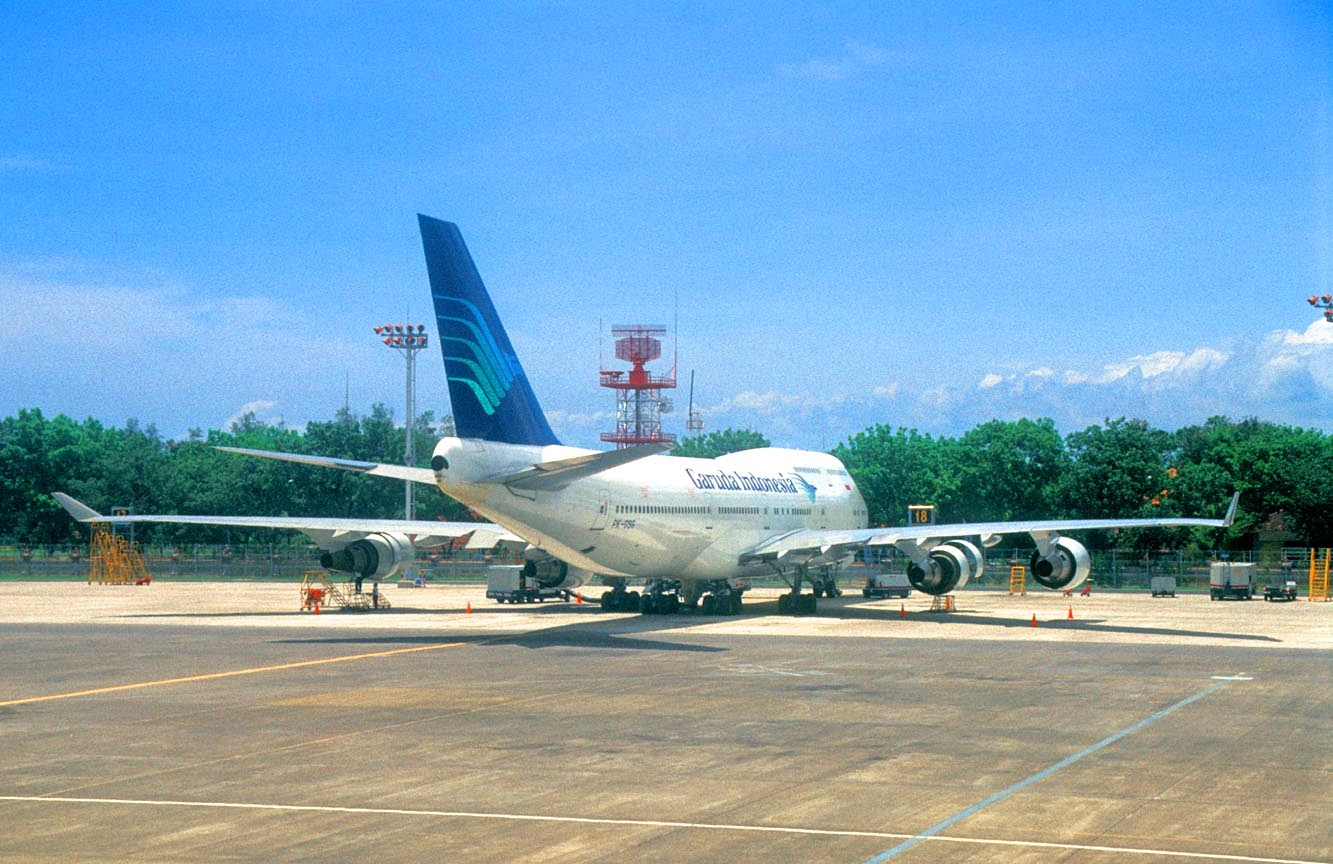
    Indonesia is seeking to lure more European tourists to visit the country by promoting its national tourism industry in the Matka-Nordic Travel Fair 2017 that will be held from January 19-22 in Messukeskus, Helsinki, Finland.

    “Indonesia has set the target of attracting at least 2.1 million European tourists to Indonesia,” Deputy Assistant of Europe, Middle East, America and Africa Market Development of the Tourism Ministry Nia Niscaya said here Monday.

    Pointing out that the travel fair will be held in Finland, Niscaya stated the Nordic countries, including Denmark, Finland, Iceland, Norway and Sweden, offered great potentials for the countrys tourism industry.

    In 2015, the official data showed that as many as 98,960 tourists from the Nordic countries had visited Indonesia.

    “The number is predicted to be more in 2016, as until October itself, the number of tourists from the Nordic nations visiting Indonesia had reached 95,196,” Niscaya revealed.

    During the largest travel exhibition in Northern Europe, Indonesia will showcase several industries that will present and promote the countrys tourism potential at the Pavilion Indonesia booth.

    Several Indonesian traditional dances will also be performed during the travel fair. Visitors would also be invited to taste Indonesias traditional drink in the exhibition booth, Niscaya mentioned.

    “Using the tagline Wonderful Indonesia Explore Further, we want to showcase its biodiversity, unique handicrafts, music, variety of culinary delights, tourism destinations and most importantly, its diversity and the hospitality of the people,” Niscaya explained.

    The government of Indonesia has set a target of increasing the number of tourist visits from 9.5 million in 2014 to 20 million in 2019.

    The country has also developed 10 prioritized destinations, namely Lake Toba in North Sumatra, Tanjung Kelayang in Belitung, Mandalika in South Lombok, Wakatobi in Southeast Sulawesi, Morotai in North Maluku, Seribu Islands in Jakarta, Tanjung Lesung in Banten, Borobudur Temple in Central Java, Mount Bromo in East Java, and Labuan Bajo in East Nusa Tenggara.

    The government has also provided short stay free visa on arrival for tourists from 169 countries, including Finland, to increase the number of tourist visits.

  • Taco Bell China launches in Shanghai

    Taco Bell China launches in Shanghai

    Mexican-inspired restaurant chain Taco Bell has opened its first outlet in China, near Shanghai’s landmark Oriental Pearl Tower in the Lujiazui business district.

    The restaurant has opened in conjunction with Yum China Holdings, which is the licensee of Yum! Brands in Mainland China.

    “Leveraging our deep insights into Chinese consumer preferences, developed from close to 30 years working in this market, we researched and fine-tuned the Taco Bell menu for China, and the initial response from customers is very encouraging,” says Yum China CEO Micky Pant.

    Favourite items on the brand’s menu have been adapted to local tastes, plus sauces have been developed. Items such as the Shrimp and Avocado Burrito will be offered only in China Taco Bells, and the Crunchy Taco Supreme now has Taco Bell’s signature nacho cheese sauce while the Volcano Chicken Burrito features spicy Sriracha sauce.

    Customers can order shared plates featuring seasoned nacho chips, spicy fried chicken and Mexican fries. Drinks available include cold draft beer and specialty cocktails such as the Margarita and the Mojito.

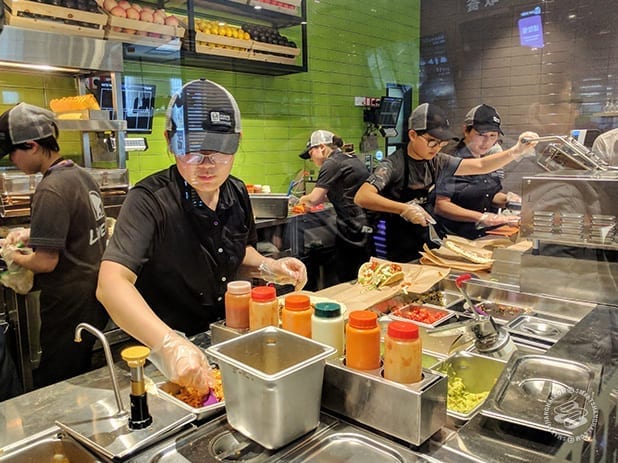
    There is an open kitchen so customers can see their food being made to order. There are also self-order kiosks.

    The restaurant has been officially launched following a soft opening during which customers have been sharing their experience of the brand through social-media posts, blogs and videos. More than 1000 people took part in a selfie soft-opening promotion.

    taco-bell-shanghai-inside

    California inspiration

    “Built around the concept of ‘Live Mas’, which literally means ‘Live More’, Taco Bell encourages its customers to try new things,” says Pant. “I look forward to creating experiences that surprise and delight people as we expand the Taco Bell brand in China.”

    The Shanghai restaurant showcases Taco Bell’s classic California-inspired look and design. It features surfboards hanging from the ceiling as well as guitars and graffiti art. It also integrates advanced technology throughout, including free Wi-Fi, digital ordering kiosks, digital menu boards and a range of payment options.

    “Building restaurants in new international markets is a key component to the overall growth and evolution of Taco Bell, and we’ve just scratched the surface of our global unit expansion potential,” says CEO Brian Niccol. “The opening of this restaurant in China is an exciting milestone for the brand, as this market holds tremendous growth potential.”

    Taco Bell has more than 7000 restaurants, more than 300 of them in 26 countries outside of the US. It aims to reach 1000 restaurants internationally by 2022.

    Yum China Holdings, with executive offices in Shanghai, has exclusive rights in mainland China to KFC and Pizza Hut as well as Taco Bell. Yum China also owns the East Dawning and Little Sheep concepts. With more than 7300 restaurants and 400,000-plus employees in more than 1100 cities, Yum China generated more than $8 billion in system sales in 2015.

    Taco Bell, a subsidiary of Yum! Brands, was the first quick-service restaurant to offer American Vegetarian Association (AVA) certified menu items. Taco Bell’s 350-plus franchise organisations serve more than 42 million customers each week through 7000 restaurants across the US, as well as through its mobile, desktop and delivery ordering services.

    Based in Louisville, Kentucky, Yum! Brands has nearly 43,000 restaurants in 135 countries and territories. Worldwide, it opens more than six new restaurants a day on average.

  • AI to fuel smartphone sales rebound in 2017

    AI to fuel smartphone sales rebound in 2017

    Consumer purchases of smartphones dropped to a three-year low in 2016, but Accenture believes sales will rebound this year, fueled by demand for new capabilities including AI-driven digital assistants.

    A new global Accenture survey finds that the expected resurgence will be also fueled by the introduction of better security, new functions, improved performance and device refresh schedules.

    Accenture polled 26,000 consumers in 26 countries. Results show that more than half (54%) of consumers surveyed said they plan to buy a smartphone in the next year, up from 48% in last year’s survey.

    Chinese consumers are the main drivers of this upturn, with three-quarters (74%) of respondents in China saying they intend to purchase a smartphone in the coming 12 months, up from less than two-thirds (61%) in last year’s survey.

    The number of respondents in India and the United States who said they plan to buy a smartphone in the coming 12 months also increased by double digits over last year, to 79% in India (from 68% last year) and 52% in the United States (from 38% last year).

    Among all consumers surveyed, the leading driver of purchase intent is the ability to access the newest and most innovative features and functions, cited by 51% of respondents in this year’s survey, compared with only 41% last year.

    Another reason consumers are opting to buy new smartphones is the inadequate performance of their existing devices, cited by 45% of customers this year – up from 33% last year.

    “Improved features and falling prices are key reasons consumers around the world are signaling a desire to buy new smartphones,” said David Sovie, global managing director for Accenture’s Electronics and High-Tech business.

    “Growing acceptance of services powered by artificial intelligence, such as voice assistants, is also fueling this market upswing. 2017 will be the year when artificial intelligence goes mainstream in consumer devices.”

    For the first time, the annual survey polled consumers about their intentions to buy digital voice-enabled assistants such as Amazon Echo and Google Home. Powered by artificial intelligence, the products recognize a human’s voice commands, such as ‘Turn on the light’ and ‘Play music’ and answer questions such as ‘What time is it?’ and ‘What is the temperature outside?’

    While only 4% of the respondents said they own such a device today, two-thirds (65%) of these said they use their device on a regular basis, showing strong acceptance of this new technology.

    Voice assistants on smartphones are also becoming increasingly popular as the AI technology powering these services has improved dramatically. Younger consumers are leading the adoption, with more than four in five (84%) of 14-to-17-year-olds saying they either use this technology today or are interested in doing so.

    Consumers are also willing to embrace a wide array of potential AI-powered, personalized services, with a majority of respondents saying they are interested in personal health assistants (cited by 60%), smart trip assistants (59%) and entertainment advisors (51%).

  • Samsung-Apple battle: the gap is closing

    Samsung-Apple battle: the gap is closing

    Samsung’s surprise surge in 2016 fourth quarter profit may further close the gap with its US competitor Apple.

    As the high-profile Samsung-Apple battle continues, the Korean company reported sales revenue of 53 trillion won (US$44 billion) with an operating profit of 9.2 trillion won, for an impressive operating margin of 17.36 per cent. The margin rose from 16.2 per cent in the second quarter of 2016 and represented its best result during the past two years.

    Apple has always led the Korean tech giant in terms of operating margin. In Q1 2015, the difference between the two companies was 18.82 percentage points, with Apple and Samsung reporting 31.51 per cent and 12.69 per cent, respectively. In Q4 of same year, the gap further widened with Apple reporting 31.86 per cent, and Samsung, 11.52 per cent.

    However, Samsung started catching up in 2016.

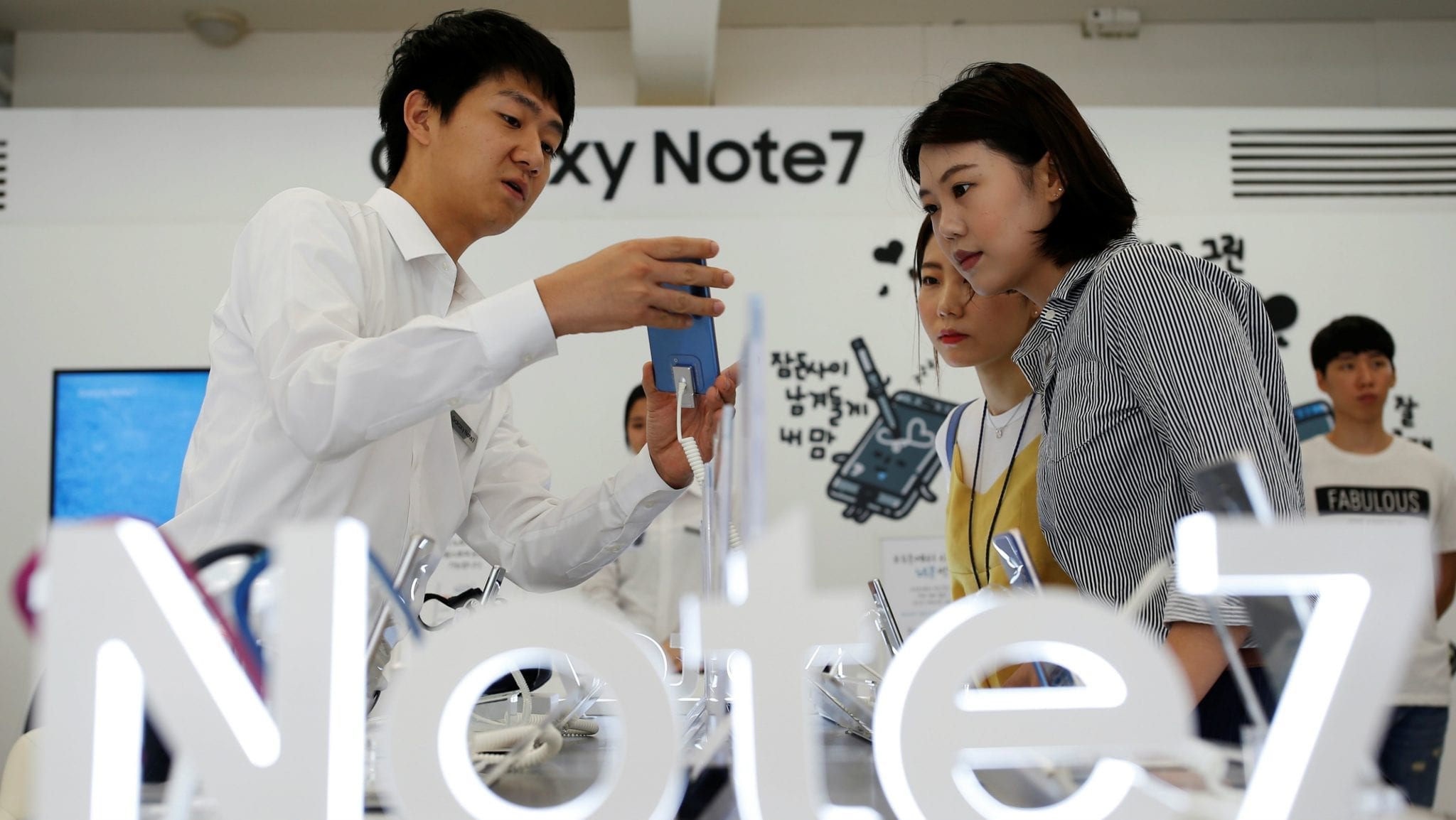
    Apple saw a continuous drop in its operating margin from 27.67 per cent in Q1 to 23.82 per cent in Q2 and 19.19 per cent in Q3, while Samsung saw its rate increase from 13.42 per cent in Q1 to 16. 2 per cent in Q2 and 17.36 per cent in the last quarter, although it did plummet in Q3 to 10.87 per cent as a result of the Note 7 crisis.

    Samsung’s prosperity in Q4 2016 was driven by a boom in its semiconductor business, improvement in display sales, and the success of its Galaxy S7 series, sources said.

    Apple has yet to disclose its financial results for the last quarter, but it is estimated that the company’s profit margin will come in around 20 per cent, with a slight improvement from the previous quarter, which will bring down the gap between the two tech giants to a record low of 3 per cent.

  • Indonesia to import 1.5 million tons of sugar in first half

    Indonesia to import 1.5 million tons of sugar in first half

    The government has decided to allow imports of 1.5 million tons of raw sugar to meet domestic demand in the first half of the year.

    Trade Minister Enggartiasto Lukita said 11 companies had been appointed to import the commodity, adding that it was not yet known when the sugar would arrive in Indonesia.

    He said his ministry would change the distribution of sugar to prevent oversupplies in the market.

    Enggar said one of the requirements for firms to import raw sugar was to demonstrate a commitment to develop sugarcane plantations.

    The regulation to develop sugarcane had existed for a long time, and the government would monitor the commitment of each company, he added.

    “The government will always remind the companies to show their commitment. If they fail to meet their commitment, we will not allow them to import raw sugar,” said the minister.

  • India could become cashless by 2020

    India could become cashless by 2020

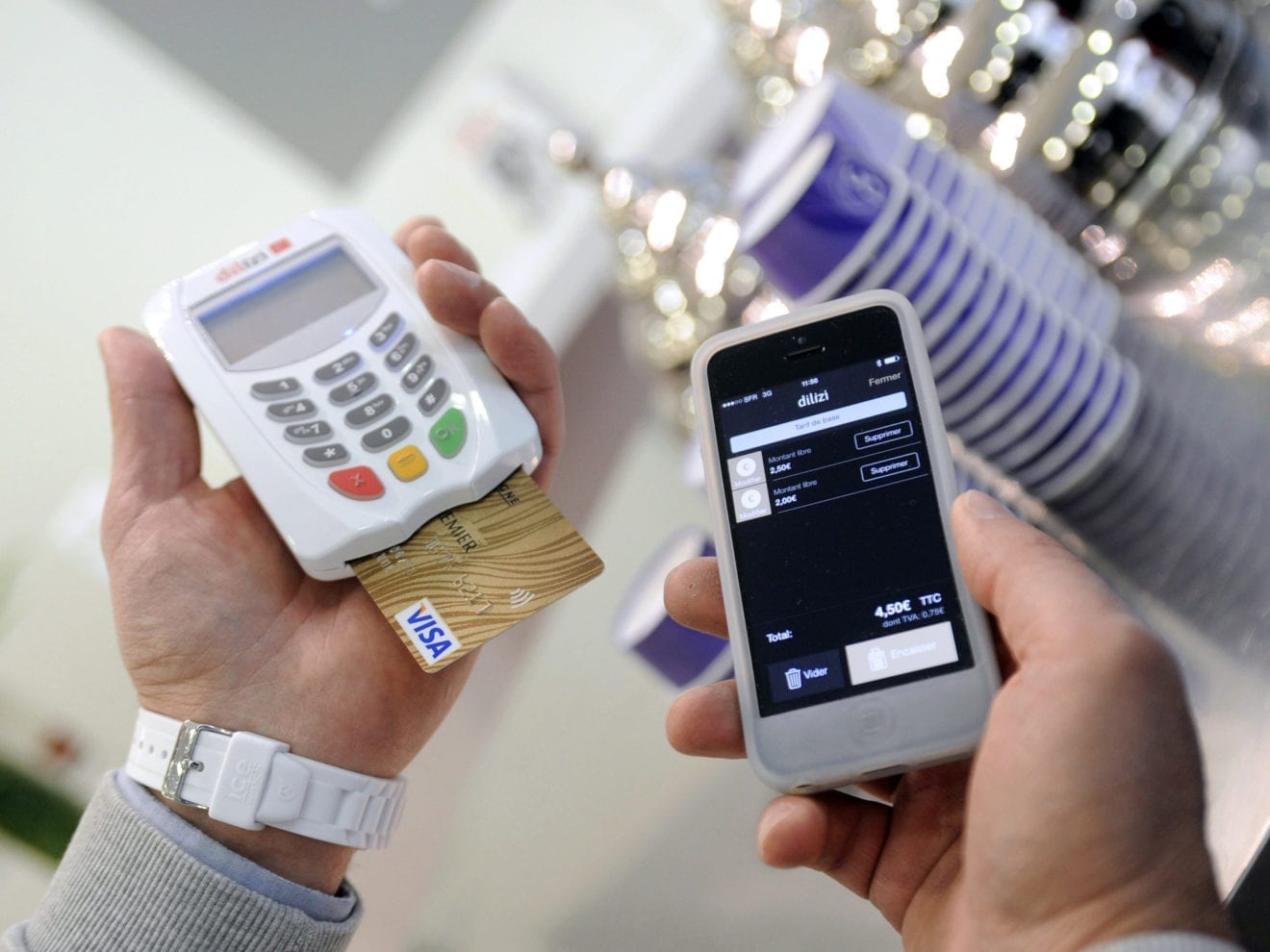
    After the demonetisation of India’s 500 and 1,000 rupee banknotes, the Indian government is stressing the importance of digital transactions in a bid to help the country transform into a cashless economy.

    Government policy think-tank Niti Aayog CEO Amitabh Kant has predicted that that cards, ATMs and POS machines would become redundant in the country by 2020.

    “India is in the midst of huge disruption in the world of both financial technology and in terms of social innovation (there is) huge innovation and this disruption will enable India to leapfrog and by 2020 my view is that in the next two-and-a-half years, India will make all its debit cards, credit cards, all ATM machines and POS machines totally irrelevant,” explained Kant.

    Kant was addressing a session on ‘Startups and innovations which have social impact in India’ at Pravasi Bharatiya Divas 2017, a three-day mega event involving Indian diaspora.

    “They will all become redundant in India, and India will make this jump because every Indian will be doing his transaction just by using his thumb in thirty seconds.”

    Kant added that the government was pushing for digital payments in a big way and this was a huge disruption with several innovative methods. “India has created a back end in terms of biometric which will enable India,” he said, highlighting recently launched BHIM app and Aadhar enabled payment system initiatives.

    BHIM (Bharat Interface for Money) is a mobile app developed by National Payments Corporation of India (NPCI) based on Unified Payment Interface (UPI) launched by Prime Minister Narendra Modi to faciliate e-payments directly through banks. It was launched as part of the 2016 Indian banknote demonetisation and cashless transaction drive. With the Aadhaar Payment App, another initiative of the government, allows users to make cashless transactions through multiple bank accounts.

    While India is the only country with a billion mobile and billion biometric, it is largely a cash driven economy.

    Kant added that despite demonetisation and focus on digital payments, only 2% to 2.5% of Indians pay taxes, so India needs to move from a non-formal to a formal economy.

  • Free trade deal boosts South Korea’s exports to Vietnam

    Free trade deal boosts South Korea’s exports to Vietnam

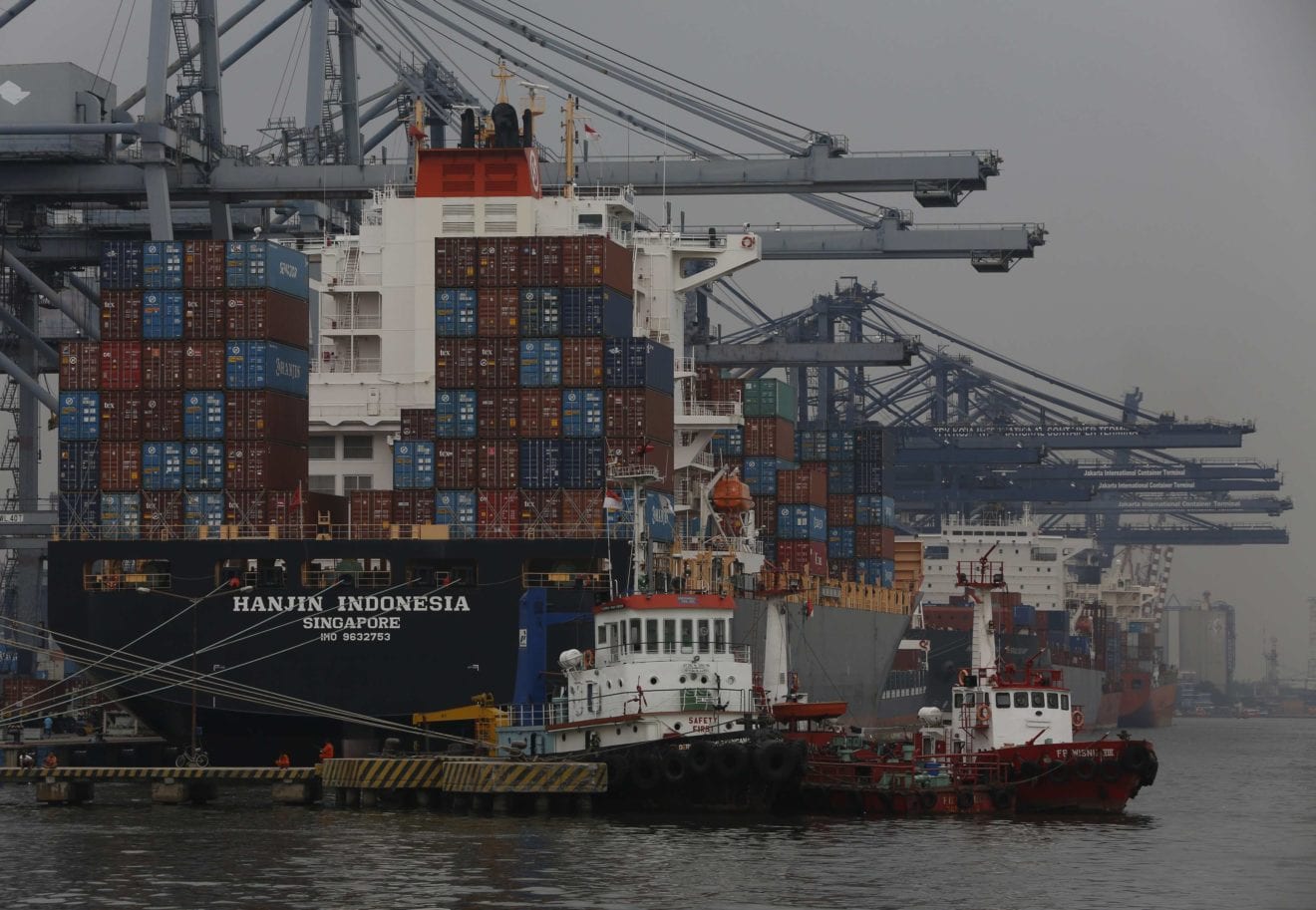
    Vietnam was the world’s third largest importer of South Korean products during January-October, data show. The Korea-Vietnam Free Trade Agreement, which took effect a year ago, has largely expanded exports from South Korea to Vietnam.

    South Korea’s shipments to Vietnam in the first 10 months climbed 12 percent from the same period last year to $26.4 billion, citing reports from the trade ministry and the Korea Trade-Investment Promotion Agency.

    South Korea’s trade ministry said the rising exports made Vietnam the world’s third-largest importer of South Korean products during the January-October period, after China and the U.S.

    Vietnam’s General Statistics Office on Friday released trade data for the first 11 months, putting South Korea among the top exporters to Vietnam in a wide range of products from iron and steel and garment materials to phones and consumer goods.

    In particular South Korea was the biggest seller of computers and electronics to Vietnam, with a total value of $7.94 billion, up 26.3 percent from the year-ago period. It was also the second biggest supplier of machinery to Vietnam, with exports of $5.12 billion, up 9.5 percent.

    Fuel shipments from South Korea increased fivefold to 1.6 million tons, the biggest expansion from all suppliers.

    Statistics showed that Vietnam has been recording a larger trade deficit with South Korea since 2010. The decifit hit nearly $19 billion last year.

    A survey by the Korea investment promotion agency found 42 percent of 60 South Korean exporters increased their shipments to Vietnam following the enactment of the Korea-Vietnam FTA in December 2015. A majority expected the free trade deal to continue helping their business in 2017.

    For years, South Korea has been the biggest foreign investor in Vietnam, driven by major projects of electronics giants LG and Samsung.