Author: Mei Ling Tan

  • No-grow period for Tesco Asia

    No-grow period for Tesco Asia

    Tesco Asia’s sales growth stalled in the third quarter as Thais stopped spending during the mourning period for their late king.

    First quarter growth was 3.3 per cent and second quarter growth 3 per cent. But during the third quarter, according to results released it shrank to an underwhelming 0.4 per cent.

    Tesco CEO David Lewis said the slowdown reflected “a particularly strong step up in the comparative” period. “Our sales performance in Asia also reflects some weakening in consumer spending in Thailand during the Christmas period. We are proud that our colleagues have continued to serve our customers so well during such a sad time for the nation, following the death of King Bhumibol Adulyadej.”

    International like-for-like sales grew 1.2 per cent reflecting a strong seasonal performance last year. While there was little sales growth in Thailand, Lewis says the company managed to expand its market share there during the quarter.

    Globally, the UK-headquartered retailer continues to improve under Lewis’ stewardship with the company winning back market share and sales growth returning. UK like-for-like sales grew 1.8 per cent.

    “We are very encouraged by the sustained strong progress that we are making across the group. In the UK, we saw our eighth consecutive quarter of volume growth and delivered a third successful Christmas.

    Our fresh food ranges proved particularly popular, outperforming the market with great quality, innovative new products and even more affordable prices. Internationally, we have continued to focus on improving our offer for customers in challenging market conditions,” he said in a statement.

    “We are well-placed against the plans we shared in October to become more competitive for customers, simpler for colleagues, and an even better partner for our suppliers, whilst creating long-term value for our shareholders.”

    David Alexander, senior analyst with Verdict Retail, says Lewis’ pragmatic approach to steering the Tesco ship out of choppy waters looks more assured with each passing update.

    ‘The numbers from third quarter and Christmas trading are hardly spectacular, but they represent a further positive step in the steady progress the ex-Unilever boss has made since taking charge.”

    Alexander says simplifying the offer has been at the heart of Tesco’s turnaround strategy.

    “On a broader level, this has resulted in the dismantling of the Phil Clarke legacy; trimming the fat from Tesco’s balance sheet with the sales of Giraffe, Blinkbox, Euphorium and HomePlus. At its heart though, it is about delivering an improved experience for the people that can make the difference for Tesco: staff and customers. Poor product availability and customer service had been issues plaguing the troubled Tesco of old, so store ordering systems have been improved, stock is now replenished earlier on in the day and deliveries to large stores are now more likely to arrive on time. What’s more, this year Tesco recruited an extra 15,000 seasonal staff to assist over the Christmas period, up from 4000 last year, making for a smoother process for customers in-store.”

    Alexander says while these changes are not revolutionary, they have been critical in reshaping Tesco.

    “Time and again, Lewis has displayed an unflinching willingness to make the tough calls – witness the highly public standoff with Unilever over supplier pricing in the wake of the weaker pound and the recent announcement that 1000 staff are to be made redundant in its distribution network, again to “run its business more simply and in a way that best serves customers”.”

    Although the numbers coming from both Tesco and rival Sainsbury’s are left in the shade by the festive performances of Aldi, Lidl and a resurgent Morrisons, both can take considerable heart from what appears to have been a very strong end to the year in grocery, believes Alexander.

    “With tougher times predicted to be just around the corner, Tesco cannot afford to take its foot off the pedal.”

  • Ministry terminates Australia`s Tiger Air charter flight operations

    Ministry terminates Australia`s Tiger Air charter flight operations

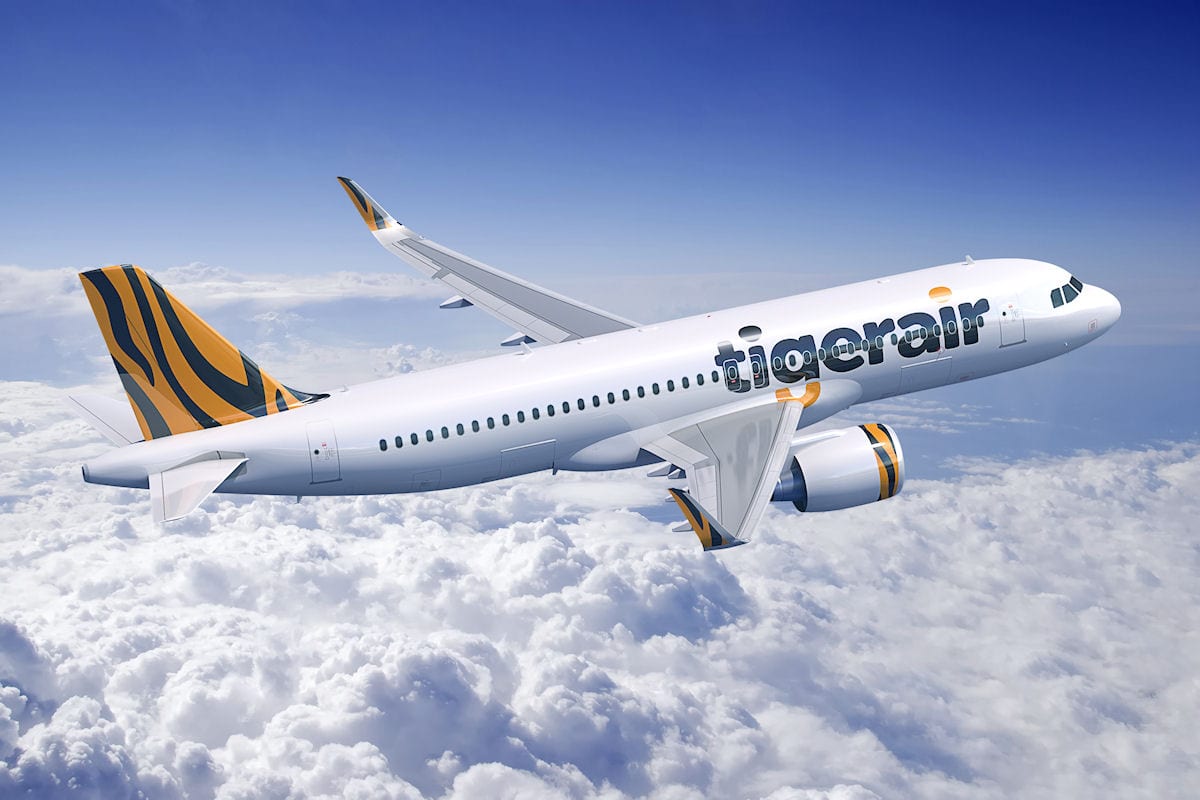
    The Airport Authority of the Transportation Ministry has terminated the operations of the Tiger Air charter flight from Bali to Australia for failure to abide by regulations.

    The decision to terminate the Tiger Air charter flight from Bali to Australia was made by the Airport Authority (OBU), Region VI of the Directorate General of Air Transportation, Wednesday, January 11, 2017.

    Spokesman of the Directorate General of Air Transportation Agoes Soebagio, in a written statement in Jakarta, Wednesday, said the OBU Region IV had also terminated, as of Wednesday (January 11), the operations of charter flights of the Tiger Airways Australia from Melbourne, Perth and Adelaide in Australia to Denpasar, Bali.

    The examinations by the OBU Region IV revealed that Tiger Airways Australia (TT) did not abide by the regulations contained in the charter flight permit provided by the Directorate General of Air Transportation.

    The Tiger Airways Australia did not comply with regulations as contained in the KM 25/2008 and PM 66/2015, which has been amended to PM 109/2016.

  • Insurer Sun Life Indonesia values qualified agents

    Insurer Sun Life Indonesia values qualified agents

    Life insurer Sun Life Indonesia aims to have more qualified agents to market their products rather than just make the numbers, the company top executive has said.

    The firm gathered on Friday 1,000 of its most high-achieving agents for the annual “Year Start” event in Jakarta to brief them of the insurer’s vision this year and to ensure them to be ready to face a more competitive insurance industry.

    “We are launching several new initiatives in 2017, which are designed to improve our marketing agents’ productivity and to also encourage them to develop their skills and capacity,” Sun Life president director Elin Waty said.

    She added that the agency’s contribution reached around 55 percent of the firm’s insurance distribution last year and the company planned to have a similar share this year.

    The insurer uses a contract maintenance system, which obliges its agents to achieve certain targets or their contracts will be terminated to ensure the company has capable agents.

    “If this contract maintenance system wasn’t implemented, my agents would probably number 100,000,” Elin said.

    Currently, Sun Life has around 10,100 agents nationwide, a steady increase from its 9,000 agents in 2015.

    “We aim to do better in 2017 by focusing on our human resources, technology and brand,” said Sun Life Asia president Kevin Strain.

  • Indonesian game developers wake a sleeping giant

    Indonesian game developers wake a sleeping giant

    Avid gamer Alwin Daniel, 24, likes to drift off into his cell phone during his tight daily schedule.

    The Jakarta-based business analyst is intrigued, for example, by the meme-worthy Tahu Bulat, a locally made mobile game.

    “What got me hooked on the game is the fact that the more you play it, the more you can get upgrades and the more money you can collect. It’s an addictive cycle,” Alwin told.

    Tahu Bulat, literally “round tofu”, is the invention of Bandungbased game developer Own Games. Soon after its launch, it leaped onto Google Play Store’s “hit games” list in May last year, even beating Android’s top game Clash of Clans with more than 1 million downloads.

    Without Tahu Bulat’s popularity, not many people would realize what is going on in the local gaming industry, something that could be described as a sleeping giant.

    With little policy support or infrastructure, a number of skillful developers have so far managed to drive up the industry’s impact on the domestic economy through continuous creation and surging credibility.

    Indonesia has about 400 developers who have produced over 1,000 games, according to research by game engine company Unity3D.

    The country had the world’s fastest growing number of mobile game players as of August 2015.

    Indonesia is also the country with the largest amount of mobile game downloads in the world. Some 96 percent of mobile internet users play these games.

    Revenues from the local gaming industry jumped significantly by 77 percent to US$321 million in 2016.

    The skill and the potential of Indonesian game developers has transcended borders as more collaborations with foreign developers are now taking place.

    One such example is the collaboration between Indonesian developer True Digital Plus Indonesia (TDPI), a local unit of Bangkok-based PC and mobile games developer True Digital Plus (TDP) and South Korean developer Supreme Games, which created a mobile strategy game called Triumph Over Pain.

    “Through this game, TDP and Supreme Games will continue to be active in developing the local creative industry by providing the proper benchmark for how local mobile games should be and how skilled our local developers are,” said TDPI’s country director Sofian Martineau, claiming that Triumph Over Pain was the first Action-Based Role Playing Game (RPG) to be released on a mobile platform in Indonesia.

    Several globally well-known action RPG titles include The Elder Scrolls series, the Diablo series and the Dark Souls series, but these titles have yet to make the crossover to the mobile platform.

    Despite its tremendous potential, the gaming industry, which is a subsector of Indonesia’s creative economy, is still largely ignored by the government, a reality acknowledged by the Communications and Information Ministry’s informatics application director general Semuel Abrijani Pangerapan.

    “Right now, local game developers only control 10 percent of the local market share. This could even shrink to 3 percent if the government doesn’t realize the industry’s potential to contribute to economic growth,” he recently said.

    With help from the government, local developers might be able to control 50 percent of the local market by 2020, Semuel said.

    Being a country with the fifth largest number of smartphone users in the world, Indonesia has an immense cell phone user base, and therefore the potential for developing a prominent mobile games industry was significant, he added.

    At present, regulations affecting the gaming industry are minimal and among the few is a decree from the communications and information minister on the Indonesian game rating system (IGRS), which divides games into five different age categories, namely all ages, 3 years and above, 7 years and above, 13 years and above and 18 years and above.

  • Singapore Airlines Cargo Achieves CEIV Pharma Certification

    Singapore Airlines Cargo Achieves CEIV Pharma Certification

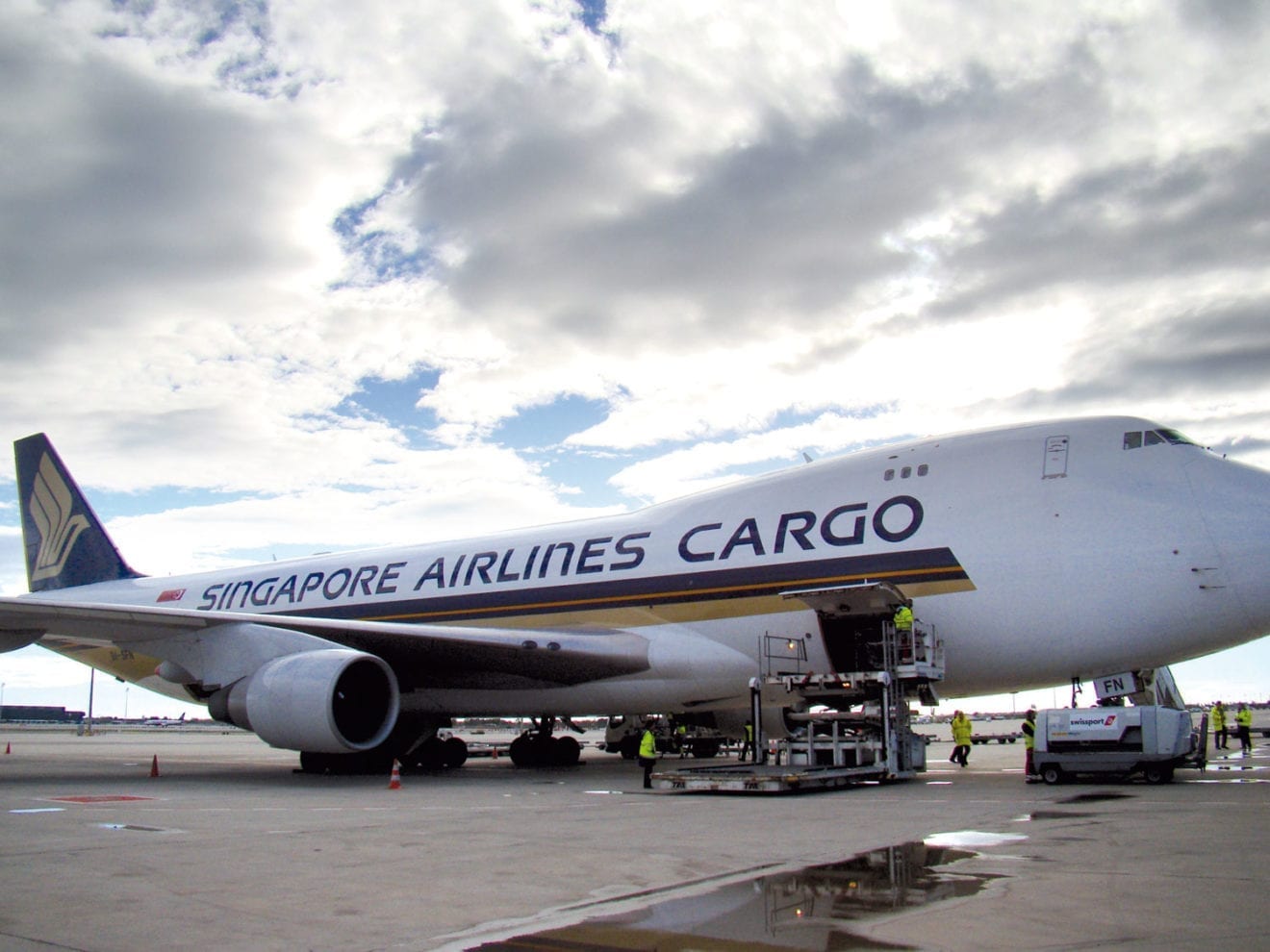
    We are honoured to have been awarded the IATA CEIV Pharma certification, which reinforces our commitment to our customers from the pharmaceutical sector to deliver the highest standards of care and professionalism in handling their time- and temperature-sensitive shipments,” said Yau Seng Chin, president of SIA Cargo. “We are acutely aware of the important role that these shipments play in serving the broader community, and hope that this certification will give our ultimate customers additional assurance and comfort that these shipments, which are often life-saving, are in good hands.”

    According to SIA Cargo, the networks of Singapore Airlines, SilkAir and Scoot, covering more than 100 destinations, are included in the certification.

    The CEIV Pharma certification assesses an airline’s operations, processes and training to ensure that they comply with international good practices and standards.

    “The Asia-Pacific freight market is the largest in the world, accounting for close to 40% of total global trade,” said Glyn Hughes, global head of cargo at IATA. “Having SIA Cargo, one of the region’s largest operators, achieve CEIV Pharma certification is a significant boost not only for the airline’s customers but also the region. We congratulate them on their achievement and for taking the industry one step closer to having a global standard for transporting pharmaceuticals in place.”

    SIA Cargo is one of six companies that form Singapore Changi Airport’s cargo community, which Changi Airport Group is supporting to undergo the CEIV Pharma certification process.

    SIA Cargo and CAG are also members of Pharma.Aero, a new independent organization formed in October 2016 which aims to improve the quality of pharma handling by promoting collaboration between CEIV Pharma-certified airport communities.

    SIA Cargo is the eighth carrier in the world to be awarded the CEIV Pharma certification, joining AirBridgeCargo, Air France, CAL Cargo Airlines, Finnair, KLM, Lufthansa and Turkish Airlines.

  • Tender for retail space in Shanghai Pudong airport

    Tender for retail space in Shanghai Pudong airport

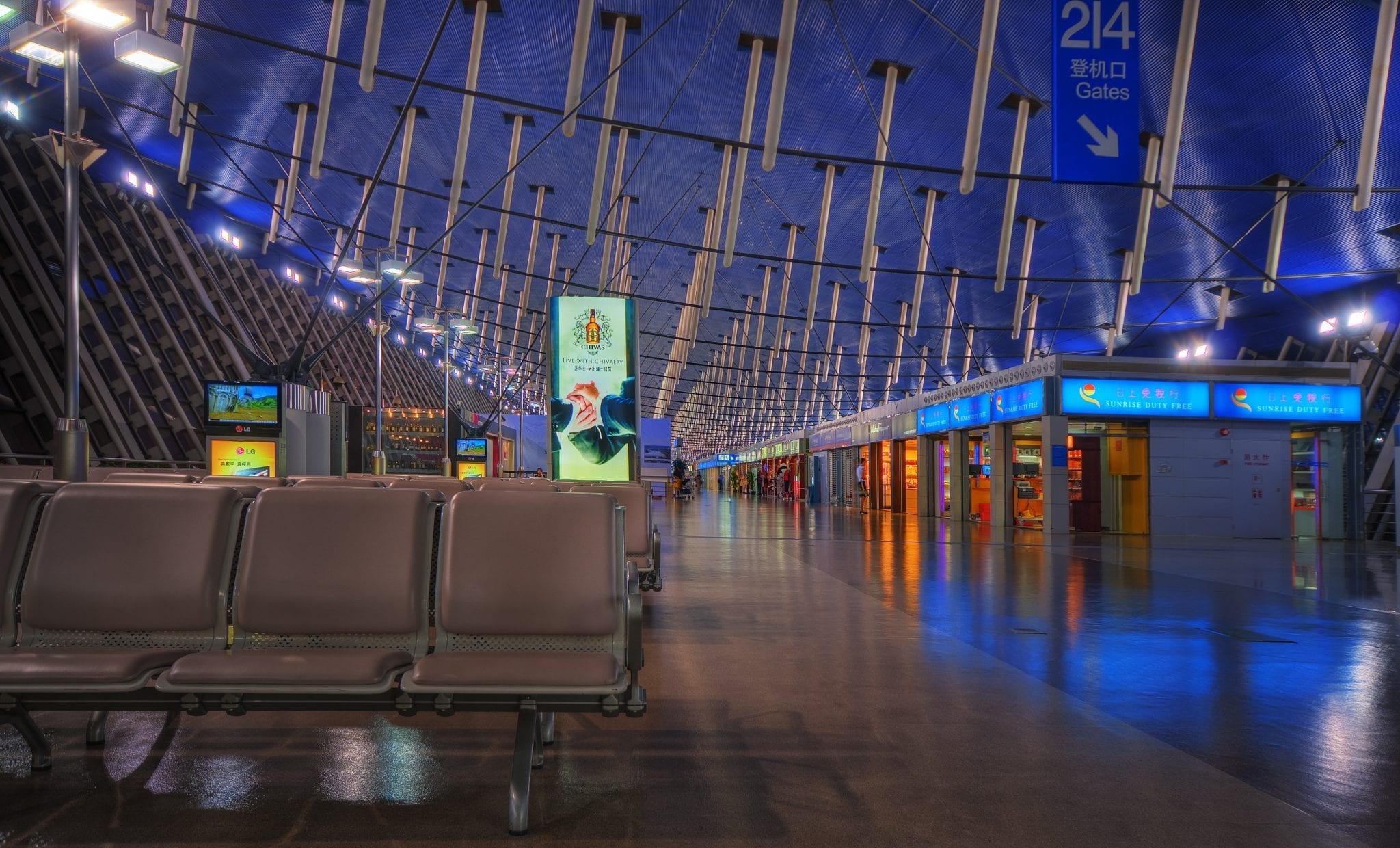
    Shanghai Airport Authority is seeking bidders for retail concessions at Shanghai Pudong International Airport Terminal 2 (domestic).

    It has 38 stores available covering a total of 3300 sqm, with multiple product categories up for tender.

    Likely bidders include Orient King Power, a subsidiary of the Antares Cheng-owned King Power Group (Hong Kong), which expanded its business at Shanghai Pudong Airport last year with fashion and luxury stores, reports The Moodie Davitt Report.

    Saying Orient King Power will target the concessions, GM Mackintosh Feng says it will give it space to introduce more brands into the domestic airside area of Pudong. “In T1 we mainly have China Eastern Airlines and Shanghai Airlines, and in T2 we’ll have Air China and China Southern Airlines.”
    Tenders must be submitted by January 22.

  • Amazon gains patent for drone ‘Mothership’

    Amazon gains patent for drone ‘Mothership’

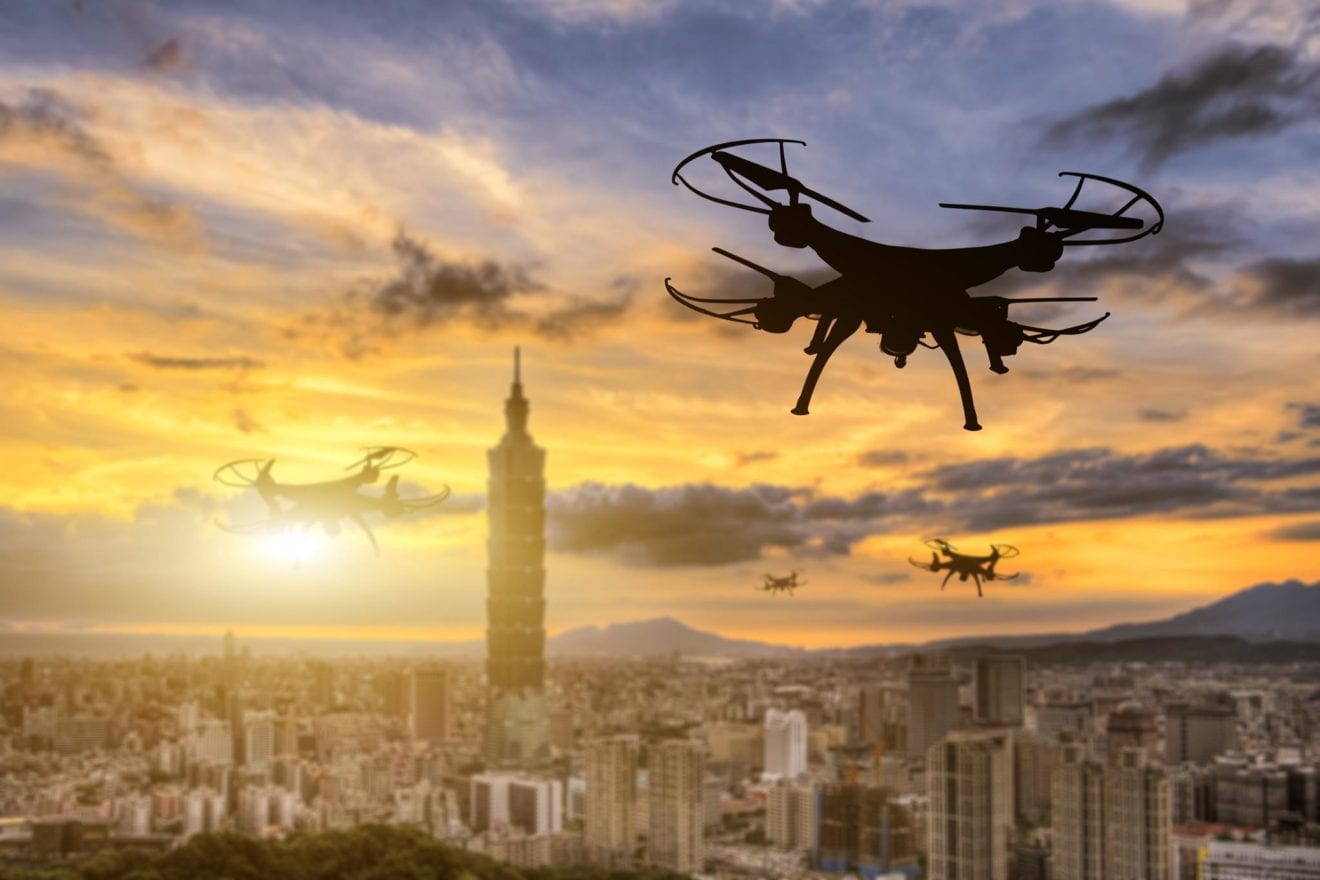
    Amazon continues to push the envelope as a supply chain and logistics disrupter with the granting of a patent in late December for what has been dubbed a giant ‘flying warehouse’.

    The Amazon Technologies Inc. filing describes ‘airborne fulfillment centers’ (AFCs) comprised of large and robust flying drone made up of numerous smaller drones, designed to make long-distance flights or to carry heavy packages. By comparison, the average quadcopter drone — a design that incorporates four propellers — can typically fly continuously for up to 30 minutes and transport up to 4.5 kg.

    It also describes the use of unmanned aerial vehicles (UAV) to deliver items from the AFCs to users.

    According to the patent, filed 19 February 2015 and granted 29 December 2016, individual modules could detach from the collective drone body once they were no longer required, and operate independently to deliver smaller burdens.

    The filing stated: “For example, the AFC may be an airship that remains at a high altitude (for example, 45,000 feet) and UAVs with ordered items may be deployed from the AFC to deliver ordered items to user designated delivery locations.

    “As the UAVs descend, they can navigate horizontally toward a user specified delivery location using little to no power, other than to stabilize the UAV and/or guide the direction of descent. Shuttles (smaller airships) may be used to replenish the AFC with inventory, UAVs, supplies, fuel, etc. Likewise, the shuttles may be utilized to transport workers to and from the AFC.”

    The filing continued: “An AFC may navigate to an area based on various positioning factors. For example, a temporal event (e.g., a football game) may be expected to produce a demand for certain types of items (for example, sporting paraphernalia, food products, etc.).

    “In advance of the event, the items may be delivered to the AFC in a quantity sufficient to satisfy the expected demand and the AFC may navigate to a position such that UAVs deployed from the AFC can safely navigate to the location of the event and deliver the items, thereby satisfying the demand.

    “In some implementations, the AFC may navigate to a lower altitude and provide advertising for the temporal event or for other occasions (e.g., product announcements, product releases, sales).”

    In a separate patent filing, Amazon was granted a new patent at the end of last month to protect its drones from possible threats and attackers with drawings detailing the possibility of a drone being fired upon by a bow and arrow.

  • Pilot shortage puts Vietnamese airlines on standby

    Pilot shortage puts Vietnamese airlines on standby

    Big bonuses are being offered by airlines to woo more pilots. Vietnamese airlines are grappling with what they believe to be a serious shortage of professional pilots, so to keep the pilots they currently have on their payrolls and to lure new ones, they are offering hefty bonuses.

    “Vietnam’s airline market is growing rapidly, so there’s a huge demand for qualified professional pilots,” Lai Xuan Thanh, the director of the Civil Aviation Administration of Vietnam, said at a recent meeting of transport authorities.

    He added although salaries in the airline industry have increased significantly in recent years and many airlines have even offered fat bonuses to attract and retain professionals, the supply remains below the demand. According to the aviation administration, that demand is growing at 5 percent per year.

    The CAAV has mainly blamed the shortage on the fast-growing airline market.

    Vietnam’s airline industry is growing at the third-fastest pace in the Asia-Pacific region with the number people traveling by air in 2016 jumping by 29 percent from 2015 to about 52 million.

    To meet the demand, local carriers have expanded in recent years, buying more planes, opening new routes and increasing the number of flights.

    “At present, the shortage of pilots is endemic throughout the airline industry,” Thanh said. “For example, only 30 percent of national flagship Vietnam Airlines’ pilots are Vietnamese. The figures at low-cost carriers Vietjet Air and Jetstar are much lower.” he said, implying that domestic airlines are having difficulties hiring enough pilots to replace retirees and to support expansion.

    The aviation administration suggested that airlines could offer more bonuses and even set up partnerships with flight centers.

    “The CAAV will not issue executive orders to help ease the shortage. Airlines will have to transform themselves to retain workers,” said Thanh.

  • LG U+ deploys Korea’s first NFV routing system

    LG U+ deploys Korea’s first NFV routing system

    South Korea’s LG U+ has deployed the nation’s first carrier-grade virtual routing system using technology from Juniper Networks, as part of efforts to prepare its network for the 5G evolution.

    LG U+ is deploying Juniper Networks’ Ethernet switches and its vMX virtual router for the upgrade project.

    The operator selected Juniper due to its prior experience with the vendor’s routing equipment, as well as the vendor’s support for OpenStack-based NFV orchestration and expertise in the NFV segment.

    Juniper was also able to meet the operator’s resiliency requirements with its virtual routing solution’s  auto recovery and auto healing functions.

    Juniper worked closely with LG U+ on the integration of the system with existing infrastructure and devices. The operator also enabled IPv6 routing, anti-hacking and anti-DDoS attack services in LG U+’s NFV infrastructure, and additional features may be aadded in the future.

    “We are very excited about Korea’s first commercial launch of a carrier-grade NFV-based router,” LG U+ GM for transport platform development Jae-ho Choi said.

    “I believe this will enable us to not only drastically improve our routing performance, but provide greater stability and a more diverse range of services for our customers. As a leader of the 5G era, LG U+ plans to expand the adoption of NFV equipment in close, continued cooperation alongside Juniper Networks.”

  • Electrolux names DHL as top logistics partner after 13 years of outstanding services

    Electrolux names DHL as top logistics partner after 13 years of outstanding services

    When assessing its relationship with DHL, Electrolux found 13 years of excellent service, competitive costs, and a willingness to go beyond the call of duty in even the most urgent logistics emergencies.

    Those factors led to Electrolux naming DHL Global Forwarding as its Global Logistics Supplier of the Year – making the leading international provider of air, sea and road freight services the first ever third party logistics provider to receive the award, now in its 4th year. DHL Global Forwarding supplies every Electrolux business sector worldwide with a range of services including Less-than-Container Load (LCL) ocean freight, air freight, customs brokerage, and freight consolidation.

    “DHL has truly distinguished themselves in supporting Electrolux’s global growth, bringing not only exceptional service quality but a true spirit of collaboration to our supply chain operations in more than 45 countries for 13 years running,” said Bjorn Vang Jensen, VP of Global Logistics, Electrolux. “The breadth and flexibility of the forwarding network under DHL have helped us maintain consistent and cost-effective shipping all over the world, and have also helped us manage through numerous logistics-related crisis situations over the years.”

    “DHL has proven its commitment through all seasons, no matter how complex or urgent the logistics situations we may face: this award highlights the immense value they have delivered for Electrolux over more than a decade of service.”

    The emergency shipments undertaken by DHL Global Forwarding have helped Electrolux maintain continuous production in even the most pressing of circumstances, ranging from major sales events to sudden changes in government regulation standards. Apart from standard air, ocean, and multimodal freight, Electrolux also uses LCL services from DHL Global Forwarding to deliver special high-value cargo in a cost-effective manner, including made-to-measure kitchen appliances and other bespoke orders.

    “Coordinating the numerous parts, part sizes, and supplier locations involved in the home appliance manufacturing process is no mean feat,” said Kelvin Leung, CEO, DHL Global Forwarding Asia Pacific. “We have been extremely privileged to work with Electrolux across its entire supply chain, combining fast and cost-effective services with customs clearance, order consolidation, and even last-mile solutions to make the entire process as smooth and durable as the appliances we ship.”

    “This award truly honors our team’s commitment to supporting Electrolux in even the most extraordinary circumstances – not to mention 13 years of enthusiastic collaboration which shows no sign of waning.”

  • Chinese tourists visiting Bali up 41.28 percent in number

    Chinese tourists visiting Bali up 41.28 percent in number

    The number of visits by Chinese tourists to Bali rose 41.28 percent to 907,028 in the first 11 months of 2016 from 642,000 in the same period in 2015.

    “Most of them flew directly to Bali via the Denpasar International Airport of Ngurah Rai with only 886 of the visits by sea as passengers of tourist boats, head of the Provincial Central Bureau of Statistics (BPS) Adi Nugroho said here on Thursday.

    He said Chinese made up 20.22 percent of the total number of 4.48 million visits by foreign tourists to Bali in the January-November period of 2016.

    China is now the second largest country of origin of foreign tourists to Bali after Australia.

    Adi Nugroho said the number of visits by Australian tourists to Bali in the same period totaled 1.04 million, up 19.46 percent from 876,748 visits in the same period in the previous year.

    Australia accounted for 23.35 percent of the total number of visits by foreign tourists to Bali topping other countries, he added.

    Meanwhile, tourism observer Tjokorda Gde Agung said Chinese, who had come in throngs for holidaying in Bali could soon overtake Australians in number.

    “It is very likely especially with the growing number of direct flights between Denpasar and Chinese cities,” Tjokorda said.

    The nations flag carrier Garuda Indonesia itself already served regular flights directly between Bali and China, he said.

    “The direct flights would certainly contribute greatly to growing number of Chinese tourists to Bali,” he said.

    The 41.28 percent increase was the second highest after a 60.59 percent increase recorded in the number of Indian visitors to Bali in the same period.

    The number of visits from 10 largest countries of origin all increased excepting from Malaysia and South Korea.

    With the trend , the target of 5.5 million visitors to Bali set for 2017 is expected to be easily reached.

    Indonesia hopes to draw more Chinese tourists to meet its target of 20 million visits by foreign tourists in 2019 from the target of 12 million in 2016.

    China has become a potential tourism market. A record high of 133 million Chinese tourists were estimated to make outbound trips by the end of 2016, according to the report released by the China Tourism Academy and the financial services company UnionPay International.

    The figure would mark an 11.5 per cent rise from 2015.

    Hong Kong, Macau and Taiwan remain the top choices for mainland tourists, according to a report.

    Chinese tourists are increasingly getting involved in leisure activities and learning about local lifestyles when traveling overseas rather than just shopping, according to the report.

    Chinese tourists spent US$104.5 billion overseas in 2015, up 16.6 per cent from 2014, and a growing number of foreign countries including Indonesia are relaxing their visa requirements for Chinese tourists to tap their purchasing power.

    Tourists from China along with many other countries are offered visa free travel by Indonesia.

  • Spotify launches programmatic audio campaigns in APAC

    Spotify launches programmatic audio campaigns in APAC

    Spotify and Rubicon Project have launched programmatic audio advertising campaigns in APAC for the Australia, New Zealand, Hong Kong and Singapore markets following the music streaming service’s foray into global programmatic audio solution earlier this year. With the launch of the campaigns, brands will be able to target audiences based on Spotify “moments” such as commute, party and workout.

    Spotify users do not just browse for music by genres or artists, but also playlists that express the moods of those moments. Programmatic audio advertising allows buyers to target those moments based on users’ age and gender in real time. Its audio inventory is traded programmatically via private marketplaces on Rubicon Project’s platform.  In a statement, Joanna Wong, head of business marketing at Spotify for APAC, said the campaign presents advertisers with a new channel to reach consumers.

    “Since the launch of our programmatic audio campaign in August we have seen an incredible response in APAC,” said Wong. “Programmatic audio advertising means that buyers can reach individuals at scale based on not just the usual age, gender and geographical identifiers, but on a whole new data trove–their taste in music,” she added.  “Spotify’s programmatic audio proposition demonstrates the future of all media going programmatic.

    Our recent ventures into out of home, TV and now audio are all a part of this broader automation trend, and we look forward to continuing to collaborate with innovative partners like Spotify to offer buyers innovative ways to engage with consumers,” said Rick Mulia, managing director of JAPAC at Rubicon Project. A Tech Navio report mentioned that APAC will be the fastest-growing region in the music streaming market with around 21 percent compound annual growth rate by 2020.

    Widespread smartphone penetration and high speed data connectivity are expected to further augment the growth of the music streaming market in APAC over the next four years.

  • Habeco to debut on Hose in Jan

    Habeco to debut on Hose in Jan

    Hà Nội Beer Alcohol and Beverage Joint Stock Corporation (Habeco) will start trading with code BHN on the HCM Stock Exchange (HOSE) on January 19, the southern bourse announced on Wednesday.

    Habeco will list its entire 231.8 million shares, equivalent to the total listing value of nearly VNĐ2.32 trillion (US$103 million), at the reference price of VNĐ127,600 ($5.65) per share, the bourse said in a statement. The share price is allowed to fluctuate +/-20 per cent on the first trading day.

    Shares of the North’s largest brewer are trading at some VNĐ128,000 per share on the Unlisted Public Company Market (UPCoM), which is under the management of the Hà Nội Stock Exchange.

    HCM City’s exchange on December 30, 2016, approved the company’s filing to move its listing from the UPCoM to HOSE.

    By changing its listing to HOSE, which is the main bourse in Việt Nam, with total market capitalisation of some $68 billion, Habeco is expected to improve its reputation and draw more investments.

    The company has become a ‘phenomenon’ on the UPCoM since its debut on October 28 last year, when its price shot from an initial VNĐ39,000 per share to a peak of VNĐ225,800 per share on December 16.

    Headquartered in Hà Nội, it is the largest beer producer in the North and the third-largest beer company in Việt Nam, with popular brands such as Hanoi Beer and Truc Bach Beer. It owns 17 subsidiaries and six affiliated companies, with total production capacity of over 800 million litres of beer per year.

    Ending September 2016, Habeco reported total combined revenues of nearly VNĐ7.65 trillion, down 5 per cent year-on-year. Its net profit declined by a steeper 23.5 per cent year-on-year to VNĐ960.5 trillion.

    The company has not increased its charter capital from the 2008 initial public offering, which remains at over VND2.3 trillion. Its cumulative annual profits are mainly distributed to its investment and development fund, which amounted to VNĐ2.54 trillion until September 30, 2016.

  • Apple may produce original TV and movie content

    Apple may produce original TV and movie content

    Apple has reportedly become the latest technology company to plan a foray into producing original television and movie content.

    Sources told that Apple is preparing to produce original content for its $10 per month music streaming service, to help it better compete against Spotify.

    Apple Music has been testing the water with some documentary content about musicians but now plans to make the jump into premium programming.

    According to the report, Apple hopes its content could prove to be as internationally popular and critically loved as programming such as Netflix’s Stranger Things.

    But the company does not appear to be planning to spend the vast sums that would be required to become a direct competitor to Netflix and comparable services or premium cable networks such as HBO. Instead, Apple has firmly set its sights on Spotify, which currently has around twice the paying subscribers as Apple Music, at around 40 million to around 20 million.

    Apple has been exploring directly entering the entertainment business for years, but nothing has yet eventuated, the report states.

    But with the smartphone market rapidly maturing and competition intensifying in key markets such as China, the company needs to find replacement revenue streams to compensate.

  • AirAsia to list in Hong Kong

    AirAsia to list in Hong Kong

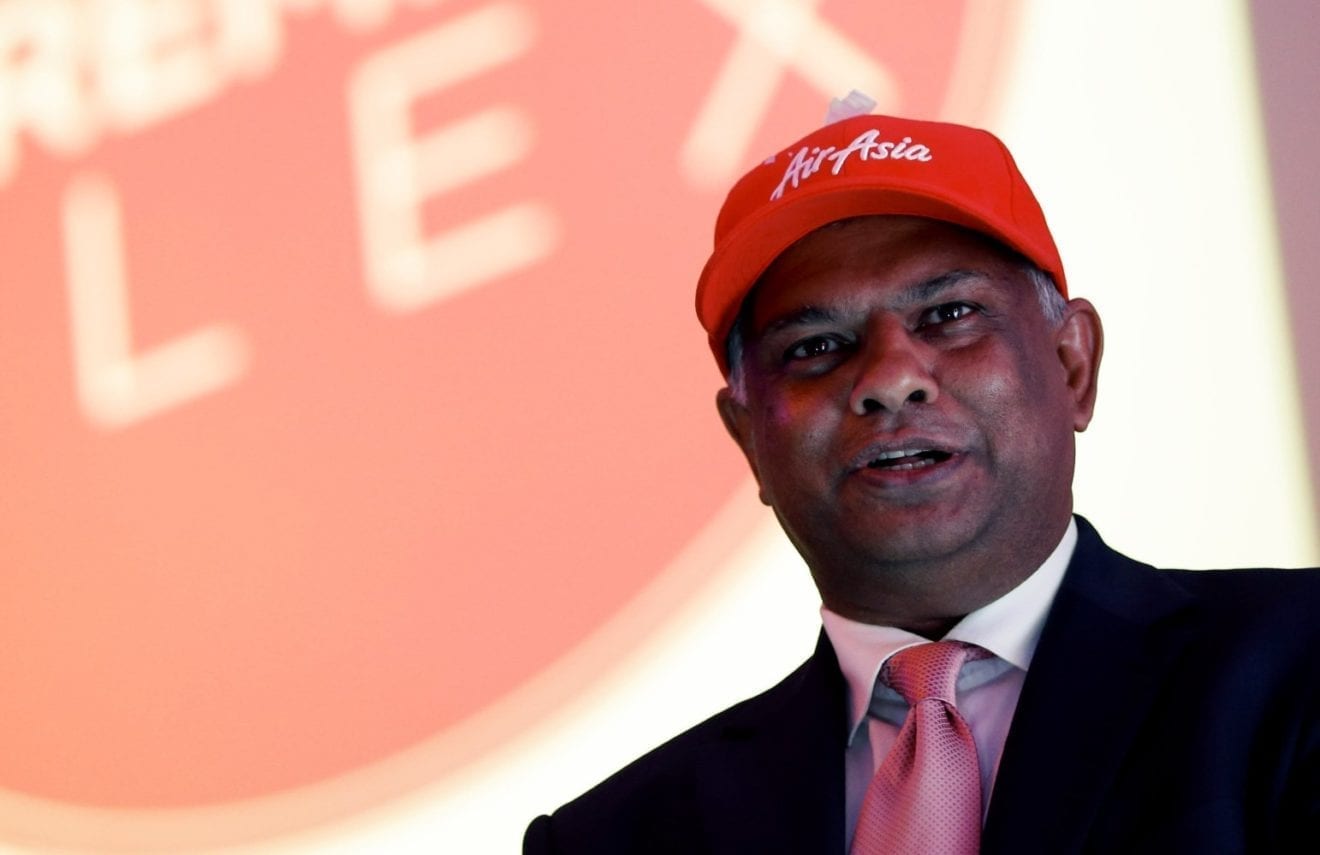
    AirAsia Group is looking at a secondary listing of the airline, AirAsia Bhd, on the Hong Kong Stock Exchange (HKSE) and hopes that it can take place before the middle of this year.

    Towards this end, it is believed that China Merchants Bank, an investment bank from China, is likely to get the job to advise and make the relevant submissions for the dual listing.

    Tan Sri Tony Fernandes, when contacted, confirmed that there are plans to seek a listing on the HKSE.

    “The plan is to list a portion of AirAsia Bhd shares in our Hong Kong-listed vehicle. This provides us access to new capital if required.

    “We have a large pool of investors in North Asia, while China is a large part of our market. So, we decided on a dual listing in Hong Kong.

    “I am hoping the listing will be in April or May this year … It would be a great day if it can get listed on April 30, as it is also my birthday,” he said.

    Fernandes said that AirAsia was working towards listing a holding company for all its airline operations that span the region.

    “However, Hong Kong (exchange) will presently not be the vehicle used for this purpose,” he said. “I have spent the week meeting the various leaders of Asean and the overall response has been positive (towards setting a holding company).”

    Apart from a dual listing in Hong Kong, AirAsia’s other units, especially in Indonesia and the Philippines, are slated to be listed this year. Thai AirAsia is already listed on the Thailand Stock Exchange.

    “I am confident these units in the Philippines and Indonesia will be listed this year,” Fernandes said.

    The listing in Hong Kong is designed to give AirAsia more depth and flexibility in raising capital if required, while at the same time allowing investors an option to benefit from being invested in the vibrant Hong Kong exchange. It also allows investors to arbitrage their investments.

    “The exact form is not decided yet, as it has to go to the board. But the bankers have been appointed, they will present the details to the board soon and then we will make the announcement,” Fernandes said.

    Dual listings are preferred for companies with cross-border businesses and AirAsia has operations in several countries in Asia, including Japan and India.

    How much AirAsia will fetch in valuations for the dual listing is not clear, but locally, its stock closed 13 sen higher to RM2.51 a share, giving it a market capitalisation of RM6.99bil.

    Last year, the world’s largest glove maker, Top Glove Corp Bhd, made its debut on the Singapore Exchange Securities Trading Ltd (SGX-ST) with a secondary listing, but it did not involve any issuance of new shares.

    Its rationale was to create liquidity and trading activity, enhance investor reach and diversify its investor base, and enable the company to tap into a new platform for potential future fund-raising.

    Others on the SGX-ST include IHH Healthcare Bhd and Malaysia Smelting Corp Bhd, while Media Chinese International Ltd is listed in Hong Kong.