Author: Mei Ling Tan

  • Usher in the Auspicious Year of the Golden Rooster with an Exclusive Promotion for Tourists

    Usher in the Auspicious Year of the Golden Rooster with an Exclusive Promotion for Tourists

    Chinese New Year is one of the best chances for traveling as this festival provides the week-long national holidays and a unique vibe of traditional and colorful festivities. As Chinese community in Thailand is one of the largest in the world, the capital city of Bangkok is lit up in colorful festive ambiance and known as one of the most attractive places to visit during this Chinese holiday. Come experience the Thai version of Chinese New Year celebration at “Siam Magnificent Chinese New Year 2017” to be arranged at Siam Paragon, Siam Center and Siam Discovery and bring home a hassle-free, enjoyable memory of a lifetime while enjoying exceptional offers available only at this a must-visit “One Siam” destination.

    BRING IN A GLIMPSE OF CHINATOWN

    Marking the grandest event for Chinese people and expressing the appreciation of Chinese art and culture, we bring in a glimpse of Bangkok’s Chinatown to the all-in-one-place shopping destination as follows:

    • Siam Paragon is set to host “The Marvelous Music Harmonizing Two Realms” between 26 – 29 January in order to demonstrate the good relationship between Thailand – China using music as the links between the two countries’ art & culture. On the opening ceremony, there will be for the very first time music performance by Guzheng & Erhu, traditional Chinese music instrumentals played by Master Li Yang; the Guzheng teacher of Her Royal Highness Princess Chulabhorn Walailak and Master Li Hui, together with traditional Thai music instrumentals played by Korphai Ensemble and the Bangkok Symphony Orchestra (BSO) from 5.00 – 6.30 pm at Parc Paragon. Moreover, other interesting activities include the Chunlian and Duilian calligraphy (a form of auspicious greeting couplets expressing a prosperous year ahead), Chinese paper-cutting, traditional Chinese knotting, and Chinese auspicious painting are the highlights not to be missed at Hall of Fame, M Floor, Siam Paragon
    • Siam Center schedules to host “12 Lucky Shades 2017” exhibition updating 12 auspicious colors suitable for 12 zodiac signs by famous fortuneteller. By boosting more confidence in choosing the right clothing and accessories, the 4 renowned stylists will also give you helpful tips and tricks on how to mix and match your auspicious color with your style in the year of an energetic rooster. The exhibition will take place at 1st Floor, Siam Center from 26 January – 12 March 2017 with an opening ceremony and a Zodiac Sign Mini Fashion Show to be held on 26 January 2017 at 4.00 – 5.30 pm. Siam Center customers can also present their receipts to redeem for a Lucky Pouch with auspicious zodiac signs designed by Mr. Somnuek Klangnok (Kru Parn), a renowned Thai artist.
    • Siam Discovery introduces a “DIY Ceramic Bowl Screen Printing in Siam Discovery Style” workshop aiming to please customers with DIY favors. Those interested can choose their preferred bowl in 2 different sizes then have them screened with a lucky rooster pattern or an auspicious Chinese calligraphy text of their choice, making this DIY Ceramic bowl a limited, one-of-a-kind item in the world. The workshop will run from 26-31 January 2017 at Siam Discovery.

    CHINESE NEW YEAR SPECIAL FOR TOURISTS

    A trip can’t be completed without shopping, especially in Bangkok where shopping is a must activity. Siam Paragon, Siam Center and Siam Discovery offer unrivaled shopping experience suitable for travelers who love varieties and uniqueness. Dropping by this shopping landmark trio during the Chinese New Year 2017, holiday makers and souvenir hunters can rest assured that your splurge will worth every penny.

    Siam Paragon, Siam Center and Siam Discovery offer Tourist Privilege Card for tourists to shop across these three shopping centers with a discount from 5-20%. Tourists also enjoy a welcome package and a birthday privilege upon registration. The welcome package includes Thann Facial Sunscreen and Angbao vouchers valued more than 10,000 Baht from participating brands.

    Enjoy a lot of exclusive tourist offers from 23 January – 9 February 2017 including limited special gifts and promotions as follows:

    • NaRaYa Chinese New Year Collection when spending from 5,000 Baht
    • Thann Body Care Set and Siam Discovery Discount voucher when spending from 10,000 Baht

    Redemption points are available at Tourist Lounge, G floor of Siam Paragon and VIZ Counter, G floor of Siam Center and Siam Discovery.

    Additionally, keep your eyes peeled for a Golden Dragon Parade as they may approach you while shopping during 27-29 January 2017 with ranges of Angbaos, discounted vouchers and many more privilege cards to be enjoyed at more than 100 participating brands throughout Siam Paragon, Siam Center and Siam Discovery!

    DELIGHTFUL GASTRONOMIC JOURNEY

    After taking in these authentic cultural festivities, it is probably the perfect hour for a sumptuous meal. If you are thinking that Chinese New Year is all about a hearty meal with your loved ones, this shopping trio is the right destination to drop by especially during this Chinese New Year. Visa Card offers an exclusive privilege for its cardholders. Dine at participated restaurant using Visa Card and receive special discount and dishes.

    • Siam Paragon reinvents the whole new dining pleasure, with more than 30 globally-renowned restaurants and dessert outlets at The Gourmet Garden, G Floor.
    • Siam Discovery serves the need of Jamie Oliver’s fan anticipating a chance to try out his recipe by introducing the first restaurant of globally-renowned Jamie’s Italian in Thailand at Siam Discovery, G Floor. What’s more, experience the new dining excitement at My Kitchen on the 4th floor where 5 premium restaurants and a dessert outlet are ready to serve their signature dishes.
    • Siam Center offers limitless local and international dining selections at the Food Factory located on the 4th floor for people who love being among a bustling, vibrant surrounding while enjoying a wide variety of delicious food.

    As a must-visit “One Siam” destination, Siam Paragon, Siam Center and Siam Discovery welcome all travelers in the heart of Bangkok during this long holiday and all year round. If one visit is not enough to breathe in all these fulfilling excitements, the shopping landmark trio wholeheartedly welcome you back with a lot more adventures waiting out there.
  • Mitsui Sumitomo Insurance Welfare Foundation awards research grants to 4 projects

    Mitsui Sumitomo Insurance Welfare Foundation awards research grants to 4 projects

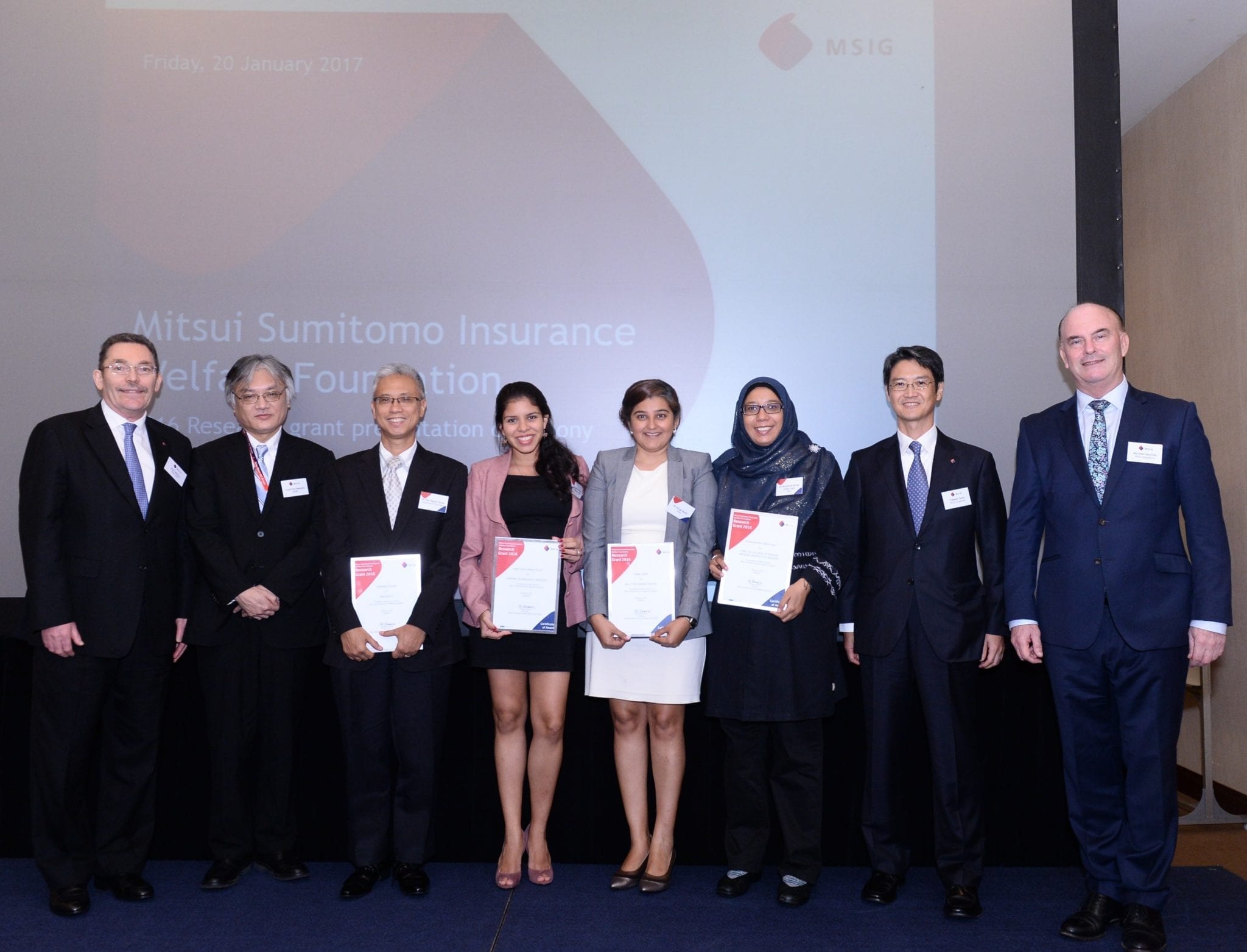
    This year’s winners of the Mitsui Sumitomo Insurance Welfare Foundation (MSIWF) research grant, awarded for exceptional insight and potential, comprised of some of Singapore’s leading researchers that aim to make a difference by solving Singapore’s key traffic and healthcare issues for the nation’s ageing population.

    The 2016 winners are:

    • Ms Maria Cecilia Rojas Lopez, PhD candidate at the School of Civil and Environment Engineering at Nanyang Technological University, for her research that will lead to the development of traffic schemes and policies for the safety of cyclists and pedestrians on footpaths. For this project, Rojas Lopez will study cyclists’ behaviour and their interaction with other path users, which is a potential issue since bicycles have been allowed on footpaths in Singapore since March 2016.
    • Dr Tan Ngiap Chuan is a Family Physician, Senior Consultant and Director, Research at SingHealth Polyclinics. His proposed study aims to find out how common is the age-related loss of muscle mass and muscle function, known as “sarcopenia” among elderly patients. Sarcopenia has been shown to be worse amongst the elderly with diabetes. Muscle weakness resulting from the reduced muscle bulk and strength will subject the elderly to increased risks of frailty, falls, fractures, hospitalisations and even premature deaths. The findings from this study will allow doctors, nurses and other healthcare professionals to identify the reasons leading to sarcopenia, so that solutions can be developed and assessed if they are effective in reducing the muscle bulk loss, in maintaining or even strengthening their muscle functions.
    • Dr Kinjal Doshi, principal clinical psychologist at Singapore General Hospital, aims to create a better tool for use in identifying loss of functional abilities among the elderly. 
    • Dr Rufaihah Binte Abdul Jalil, assistant professor at the NUS Yong Loo Lin School of Medicine, will design a diagnostic tool for atherosclerosis, a main illness known to harden the arteries usually affecting the elderly.
    • MSIWF is a non-profit organisation that is part of the Mitsui Sumitomo Insurance Company, Limited, and supports researchers in Japan, Singapore and Thailand for practicable research in two key areas: senior citizen welfare and traffic safety. The MSIWF research grant is unique compared to others, as it supports interdisciplinary research at its early stages, where it is generally tougher for researchers to obtain funding elsewhere. 

    This year marks the 10th anniversary of MSIWF grant support in Singapore, which was introduced in 2007 for the first time outside of Japan. Since then, MSWIF has supported 38 research projects and has disbursed grants worth more than about S$363,000.

    “At MSIG, our focus goes beyond financial profits. It is our mission to help secure a sustainable future for the communities at large. With a growing ageing demographic in Singapore, solutions for improving the quality of life are critical for sustainable growth. This grant from Mitsui Sumitomo Insurance Welfare Foundation aims to empower talented researchers to do just that,” said Mr Alan J. Wilson, Regional CEO of MSIG Holdings (Asia) Pte Ltd. 

    The call for the 2016 grants was launched in June last year, and a total of 246 applications were received globally. The winning projects will conduct their research over the next 12 months and their findings will be published in scientific journals as well as shared with the Foundation during next year’s presentation ceremony in 2018.

  • AirAsia India to connect Srinagar, Bagdogra, Pune with Delhi

    AirAsia India to connect Srinagar, Bagdogra, Pune with Delhi

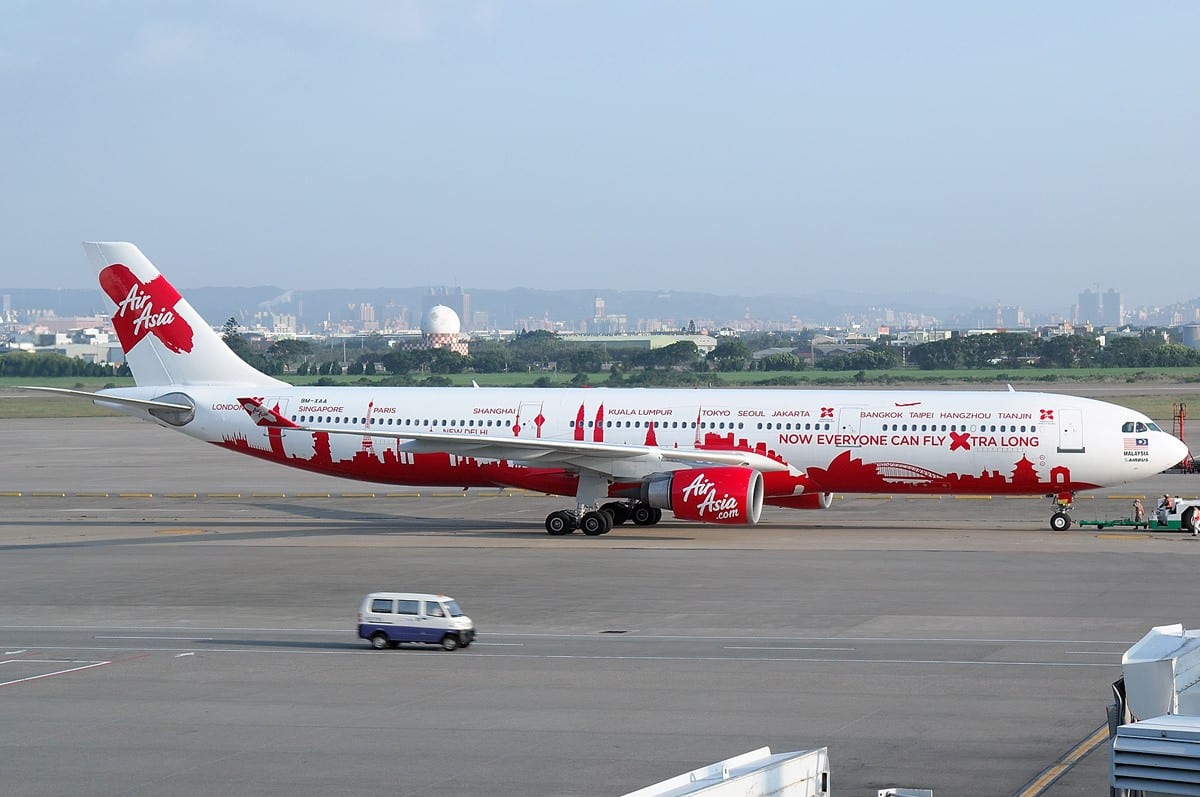
    No-frills carrier AirAsia India today announced the launch of its services to Srinagar and Bagdogra from the national capital, commencing next month.

    The Bengaluru-based airline would also start a direct flight on Delhi-Pune route.

    The launch of two new destinations and one new route is aimed at improving regional connectivity and increasing the airline’s footprint in the country, AirAsia India said in a release.

    The new services will be rolled out from February 19, it said.

    “AirAsia India is consistently growing and is on a rapid business expansion mode. We ended 2016 on a highly positive note and are delighted to continue the same momentum in 2017 with the launch of two new sectors and an additional route,” AirAsia India chief executive officer Amar Abrol said.

    With the launch of these services, AirAsia India would now fly to 13 destinations through its hubs –Bengaluru and New Delhi — covering Chandigarh, Jaipur, Guwahati, Imphal, Goa, Pune, Vizag, Kochi, Hyderabad, Srinagar and Bagdogra.

    The airline also announced special fares from as low as Rs 1,999 for the New Delhi-Srinagar flights and Rs 2,499 and Rs 2999 for Bagdogra and Pune flights from New Delhi.

    AirAsia as a group strongly believes in enhancing connectivity and making air travel affordable for all, Abrol said, adding Bagdogra and Srinagar are key sectors for the airline’s further growth in the domestic market.

  • Naver AI platform recommends travel options

    Naver AI platform recommends travel options

    South Korean internet giant Naver has launched Context Recognition AI (ConA), an artificial intelligence platform that automatically recommends travel destinations overseas.

    According to Naver, parent of messaging app Line, amongst other things, ConA uses ‘deep-learning technology’ and makes use of big data from online tour sites or restaurant information to come up with travel themes and ideas based on different travel purposes.

    For instance, if one were to search for tour packages in Singapore, the Naver AI technology would suggest themes like “travelling with family,” “best nightscapes,” or “exotic”.

    ConA has the ability to read data on the web to extract the most useful information, hence the name context recognition, said a company spokesperson.

    The new Naver AI platform is based on some 12.2 million travel-related posts from Naver’s massive online communities, and it even provides ratings based on traveler reviews, in addition to other essential travel information including the time and total distance of travel required for recommended routes.

    “ConA can analyse travel data written in other languages as well, including English and Chinese, and it has potential to be developed into a global service platform,” the Naver spokesperson said.

    “We’re also considering its implementation in Naver Place (a recommendation platform for domestic news and activities), so it can automatically recommend things like festivals, attractions, and cultural events (in Korea).”

  • Lingerie Maker Victoria’s Secret Looks to Uncover Supply Chain Issues in Indonesia

    Lingerie Maker Victoria’s Secret Looks to Uncover Supply Chain Issues in Indonesia

    Lingerie giant Victoria’s Secret, famed for its racy bras and thongs, has pledged to trace the sources of its wood-based fabrics, joining the ranks of fashion companies addressing human rights and deforestation, its parent company said. In a new policy statement, parent company L Brands said it aimed to eliminate sources of wood pulp, used to make rayon, viscose and modal, that contribute to rainforest destruction or violate the rights of local people.
    L Brands is the latest in a growing number of US fashion companies to commit to investigate its supply chain for products from destructive regions and stop using those sources by the end of 2017, according to Rainforest Action Network (RAN). Ralph Lauren, whose designs are popular on Hollywood’s red carpets, adopted a similar policy earlier this month. “Our Forest Products Procurement Policy is written to reduce threats to ancient and endangered forests and to avoid products that contribute to deforestation or human rights abuses,” said L Brands’ policy statement published on its website.
    “We will report on our progress publicly.” Production of wood pulp can involve clearing forests to build eucalyptus plantations and taking land traditionally used by indigenous communities, campaigners say. The issue is particularly acute in Indonesia, a major producer of wood pulp. The Victoria’s Secret catalog features voluptuous models clad in tiny thongs, push-up bras and “cheekini” panties, and its top models who appear in its popular fashion shows are known as its Angels. It is one of several companies owned by L Brands. Its other well-known brands include Henri Bendel, Pink and Bath & Body Works. L Brands did not respond to a request for comment.
    RAN said the new policy was posted on the company website late on Wednesday. RAN, which helped develop the sourcing policies for L Brands and Ralph Lauren, has been waging an “Out of Fashion” campaign to publicize the impact of forest-based fabrics and call on major US brands to adopt stringent sourcing systems. “It’s encouraging to see brands beginning to take responsibility for their supply chains,” said Brihannala Morgan, senior forest campaigner with RAN. “
    L Brands’ commitments and actions, following right behind Ralph Lauren and among more than 60 other brands who have developed policies, can have a real positive impact for forests and the people that depend on them.” H&M, Zara, Levi Strauss & Co and British fashion designer Stella McCartney have adopted similar policies, RAN said. Last year Stella McCartney partnered with environmental non-profit Canopy to encourage clothing companies to stop sourcing fabric from ancient and endangered forests.
  • UCWeb to invest R200 cr in India, Indonesia over 2 yrs

    UCWeb to invest R200 cr in India, Indonesia over 2 yrs

    UCWeb, part of Alibaba Mobile Business Group, plans to invest R200 crore over the next two years in India and Indonesia. The funds will primarily be used to make use of user-generated content in India via its news distribution and content platform, UC News.

    Jack Huang, president of overseas business, Alibaba Mobile Business Group said, “India is the most critical overseas market for UCWeb and this investment will help bring in the global mobile internet to an era of ‘GUF’ (Google, UCWeb, and Facebook).” UC News, a product of UCWeb Inc is a content distributor of trending and curated news content covering all kinds categories including news, cricket, technology, entertainment, movies, lifestyle, health, humor, etc.

    UCWeb plans to add more than 30,000 self-publishers, bloggers and key opinion leaders to its platform in 2017.

  • Alpecin Opens Official Retail Channel in China

    Alpecin Opens Official Retail Channel in China

    The power of Chinese overseas retail shoppers has again caught the attention of international media. This time several German media channels have covered the story “First milk powder, now shampoo – Chinese consumers, again, go crazy for our products” — now Chinese cross border shoppers have discovered the German anti-hair loss caffeine shampoo brand “Alpecin”.

    Germany’s biggest business newspaper FAZ reports that the massive interest of Chinese importers, especially for the well-known anti-hair loss product “Alpecin” has led to a situation where some major German retailers have run out of stock due to increased demand.

    Dr Wolff and the retailers are considering to limit sales quantities for Alpecin in Germany to avoid further stock shortages.

    Price increases and stock shortages in China are not be expected.

    Many Chinese consumers are searching for new ways and channels to purchase Alpecin products from abroad, not knowing if the products are real or fake. There is, however, a safer and quicker way to purchase the Caffeine Shampoo Brand as the company entered the Chinese market in April 2016.

    Alpecin’s 3 best selling products are available in over 2,000 Watsons stores in Shanghai, Beijing, Guangzhou etc., and the brand has also initiated online distribution via the online platform Tmall. The brand pledges to its Chinese customers that all its products, whether sold in Germany or China, preserve the same quality standard.

    “We are very happy about the trust of the Chinese customers in our products. We know that this trust is mainly based on the ideal of quality ‘Made in Germany’,” says CEO of Dr. Wolff Mr Eduard Doerrenberg. Knowing that this massive demand for infant formula in Germany led to a massive price increase in Asia “We are not willing to allow any such price surge. We have a regional stable pricing strategy and will not take advantage out of the current situation.”

    Alpecin, a product developed by the scientific research team of the German company Dr. Wolff in the year 1930, is a product that prevents hereditary hair loss. According to studies, 80% of men that suffer from hair loss are prone to that problem due to genetic reasons. Alpecin’s main ingredient that battles this kind of hereditary hair loss is “caffeine”. It penetrates the hair root and promotes longer hair growth phases and therefore prevents hair from falling out early.

  • Indonesia’s CT launches cinema blitz to boost retail chain

    Indonesia’s CT launches cinema blitz to boost retail chain

    Indonesia’s CT Corp. is partnering with cinema operators to open movie theaters in its commercial complexes. The retail and media conglomerate hopes to tap growing demand for entertainment and gain an edge over other retailers.

    On Wednesday, CT retail arm Trans Retail announced a partnership with Graha Layar Prima, operator of the CGV cinema chain (formerly known as Blitz Megaplex), to develop cinemas at CT’s Transmart Carrefour stores across Indonesia.

    CT officially launched its Transmart centers, which feature restaurants, apparel stores and supermarkets, in 2016 and currently operates 13 outlets across the archipelago. It plans to invest $3 billion to expand the number to 100 by 2019.

    “For the next three years, we will deliver [a] minimum of 500 [cinema] screens” to Transmart centers, CT founder and Chairman Chairul Tanjung told the Nikkei Asian Review on the sidelines of a recent business conference in Hong Kong.

    GLP will open CGV cinemas in four Transmart centers in Java and Sumatra in May, with plans to add four more by the end of the year. Each cinema will have five screens. CGV theaters stand out for their 4-D entertainment systems, sofa-type seating for couples and VIP spaces that serve drinks and snacks. CT is targeting the country’s growing middle class, which is expected to account for nearly half the population by 2030, compared with 19% in 2010, according to a 2012 report by McKinsey Global Institute.

    Mall operators have been keen to invest in the growing entertainment market to set themselves apart amid stiff competition from convenience stores and online retailers. Lippo Group, the largest mall operator in Indonesia, is aggressively expanding its own cinema business, with plans to have 2,000 screens across 85 cities by 2024.

    The relative scarcity of entertainment facilities and scorching temperatures in Indonesia have made movie theaters an increasingly popular destination there. GLP said its cinemas attracted over 10 million visitors in 2016, up 150% from 2012. The top-grossing domestic film this year raked in a record 205 billion rupiah ($15.3 million), according to local media.

    GLP aims expand its network of cinemas to 40 from the current 27. The partnership with CT provides it a major retail platform for increasing its footprint at a time when cinema operators are bracing for fiercer competition amid a wave of deregulation. In 2016, the government removed film projection, production and distribution from its list of businesses with foreign investment caps. In December, Singaporean sovereign wealth fund GIC announced that it will acquire an undisclosed stake in Nusantara Sejahtera Raya, Indonesia’s largest cinema operator, for 3.5 trillion rupiah.

    Satria Hamid, a spokesperson for Trans Retail told that the company signed a deal in December to install NSR’s Cinema XXI movie theaters in at least four Transmart stores in 2017.

    Even as cinema and mall operators take steps to gain an edge over traditional and online retailers, a new wave of competition is emerging in the form of online streaming services, such as Netflix.

  • Cambodia’s new airline prepares to launch

    Cambodia’s new airline prepares to launch

    JC International Airlines expects to take delivery of its first aircraft in the coming weeks, ahead of the start of commercial operations from Phnom Penh in February 2017. The carrier has acquired two Airbus A320s from airberlin.

    Part-owned by China’s Yunnan Jingcheng Group, which also operates Kunming-based Ruili Airlines, JC International Airlines is planning to serve domestic and international routes to countries including Malaysia, Singapore and China.

    Cambodia was without an airline for several years until the launch of Cambodia Angkor Air in 2009. Since then a further four airlines have started operating in the country, including Apsara International Air, Bassaka Air, Cambodia Bayon Airlines and Sky Angkor Airlines.

    As such, JC International Airlines will become Cambodia’s sixth commercial airline.

  • Vietjet to list on HoSE

    Vietjet to list on HoSE

    HoSE has announced that it received full registration documents from Vietjet Air on January 16. The airline would conduct an initial public offering (IPO) worth $200 million at the end of 2016 with 44.7 million shares on offer at an IPO.

    The 44.7 million shares are equivalent to 14.9 per cent of its existing charter capital of $132 million and will earn it $200 million at a share price of VND84,400 ($3.8) for organizations and VND86,500 ($4) for individuals.

    The total capital raised from the IPO, Reuters noted, will be VND3.8 trillion ($170 million), which would consequently put its value at $1.2 billion.

    The airline’s CEO Nguyen Thi Phuong Thao told local media recently that pre-tax profit reached $101.9 million in 2016, up 91.6 per cent. The airline expects net revenue to increase 30 per cent this year.

    In 2016 it placed orders for 100 Boeing 737 and 20 Airbus A321 aircraft. It posted year-on-year growth of 205 per cent in 2015, with revenue of VND10.9 trillion ($490.7 million), fulfilling its annual target.

    The budget carrier targeted transporting 15 million passengers in 2016 with an on time performance (OTP) rate of 85 per cent and growth of 60 per cent year-on-year. Its revenue was expected to double compared to the VND11 trillion ($484 million) recorded in 2015.

    The airline will continue to expand its domestic network and strengthen its international operations while improving service quality, especially its SkyBoss and in-flight services. It also aims to achieve a passenger satisfaction rate of 99 per cent and a return-customer rate of 95 per cent.

    Vietjet Air currently boasts a fleet of 40 aircraft, including A320s and A321s, and operates 350 flights each day. It has opened 53 routes in Vietnam and across the region to international destinations such as Thailand, Singapore, South Korea, Taiwan, Malaysia, China and Myanmar and has carried nearly 30 million passengers to date.

    Looking ahead, Vietjet plans to expand its network across the Asia-Pacific region and has signed agreements to purchase more brand-new modern aircraft.

  • CB Bank in Myanmar rolls out cardless cash withdrawal and P2P payment services

    CB Bank in Myanmar rolls out cardless cash withdrawal and P2P payment services

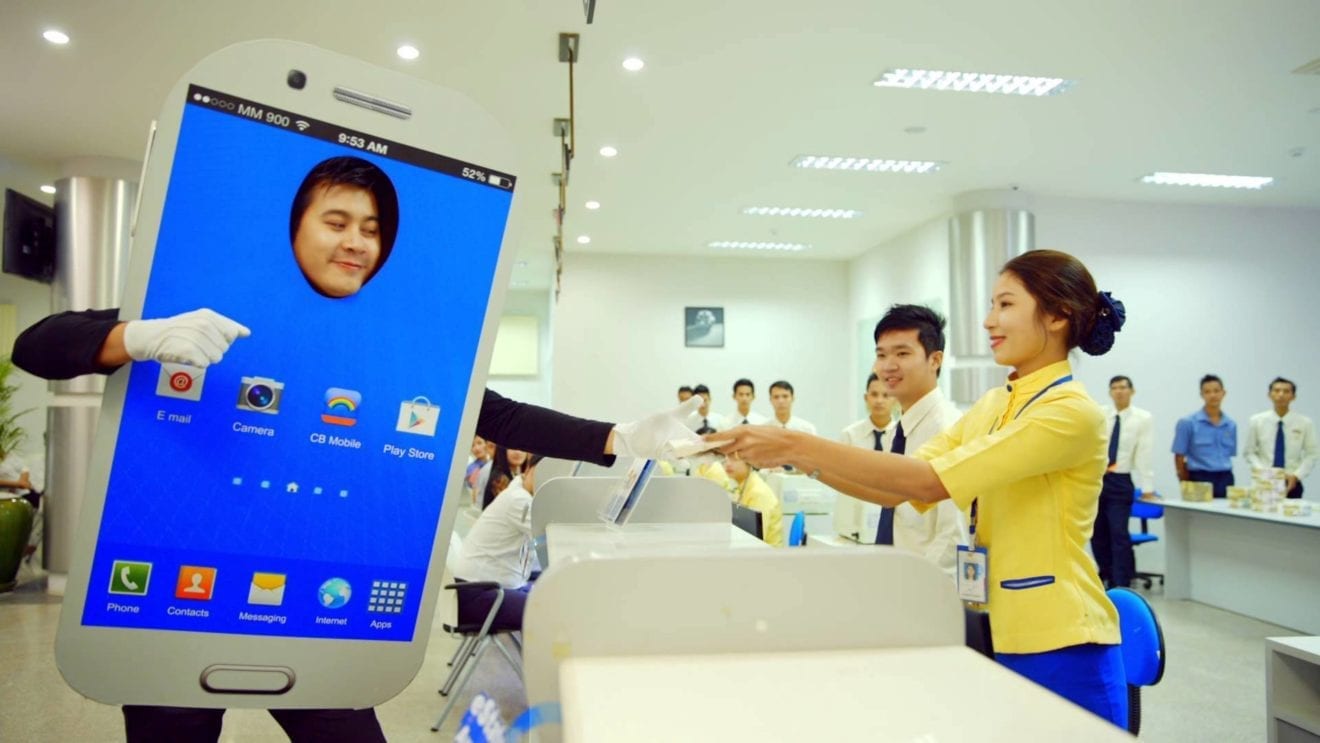
    Recently, Diebold Nixdorf helped CB Bank migrate all its ATMs to more secure EMV chip card technology and obtain EMV certification with both VISA and MasterCard. EMV is a technical standard for smart payment cards introduced by Europay, Mastercard and VISA.

    Diebold Nixdorf is also assisting CB Bank with the implementation of cardless cash withdrawals at ATMs. The solution allows bank customers to use their mobile devices to generate a one-time PIN to activate a withdrawal at an ATM either for themselves or for a third party without requiring a bankcard. The technology provides an innovative person-to-person payment service to consumers especially in developing markets, and underscores Diebold Nixdorf’s commitment to drive connected commerce and help bridge the digital and physical worlds.

    “Diebold Nixdorf was awarded the contract due to its superior product quality, flexible software and ability to offer field service for both hardware and software within the country,” said U Kyaw Lynn, CEO and Executive Vice Chairman, at CB Bank. “With the help of their advanced technology and services provided, we aim to become one of Myanmar’s top banks offering secure, innovative and convenient cash services across our branch, online and mobile channels.”

    Diebold Nixdorf’s Myanmar partner, Kaytumadi iSolutions, will localize product features and begin installing the new systems at the start of next year. The rollout is scheduled for completion by the end of 2017.

    Diebold Nixdorf will service the entire 1,000-strong fleet of advanced cash systems in CB Bank’s network of 180 branches.

    “Together with our local partner, we are enabling CB Bank to extend the reach of its self-service offerings and win a greater share of Myanmar’s growing market for cash services,” said Neil Emerson, Senior Vice President & Managing Director, Asia Pacific, at Diebold Nixdorf.

    Demand for cash is strong in Myanmar. Cash is the main mode of payment in the southeastern Asia country of more than 53 million people. Competition to provide cash services is also fierce. CB Bank already operates one of the largest ATM networks in the country and aims to expand its market position even further by doubling the number of terminals in its self-service network.

    CB Bank benefits from its IT partner’s wealth of local experience in Myanmar. Diebold Nixdorf, which has been delivering solutions to CB Bank since 2012, is a major supplier of cash-handling technology and services to all major banks in the country and across the Asia-Pacific region.

  • Mobile app usage growth shows signs of slowing

    Mobile app usage growth shows signs of slowing

    The mobile apps industry managed to achieve growth throughout last year, but signs suggest that usage growth is slowing down, according to Yahoo unit Flurry.

    Over the last year, the Flurry footprint grew to track more than 940,000 applications, across 2.1 billion devices, in 3.2 trillion sessions. In this context, app usage is defined as a user opening an app and recording what Flurry calls a “session”, as well as the amount of time spent in the application.

    Compared to the year prior, overall app usage grew by 11% and time-spent in apps grew by 69%. In previous years, all app categories had grown in tandem. However, this year the story is different.

    Mobile apps started eating their own, with session and time-spent growth in some app categories occurring at the expense of others. While Messaging and Social applications drove year-over-year session grow at 44%, the Personalization category gave up a staggering 46% in session usage. This steep decline in usage can be attributed to diminishing value for users of these products.

    In 2016, time spent in Social and Messaging apps grew by a strong 394% over the previous year, proving to be the driver that helped mobile achieve its year-over-year time-spent growth of 69%.

    This is a result of consumers using their social and messaging apps as their voice and video calling utilities, as well as the phenomenon Flurry calls Communitainment. With news and magazines sessions down 5% and Music, Media and Entertainment up only 1%, it’s safe to say that Social has absorbed the media industry.

    Business and Finance (up 43% in time-spent) and Sports (up 25% in time-spent) categories were immune to growth decay because they are intrinsically centered around mobile activities and rely on real time data.

    Gaming, the app category formerly known as “the darling of the mobile industry” saw time-spent decline by 4% year-over-year. Users are increasingly comfortable paying their way through games, with the mobile gaming industry seeing a strong increase in revenues according to Apple’s latest App Store report. Additionally, gaming remains a hit-driven industry.

    This year’s first “hit”, Pokémon Go, faded relatively fast, as consumers lost interest in the game, only returning for marquee holiday events. Another notable hit, Super Mario Run, was released too late in the year to make a difference for the overall engagement numbers.

  • Gazpromneft-Aero starts refuelling Thai Airways in Moscow under long-term contract

    Gazpromneft-Aero starts refuelling Thai Airways in Moscow under long-term contract

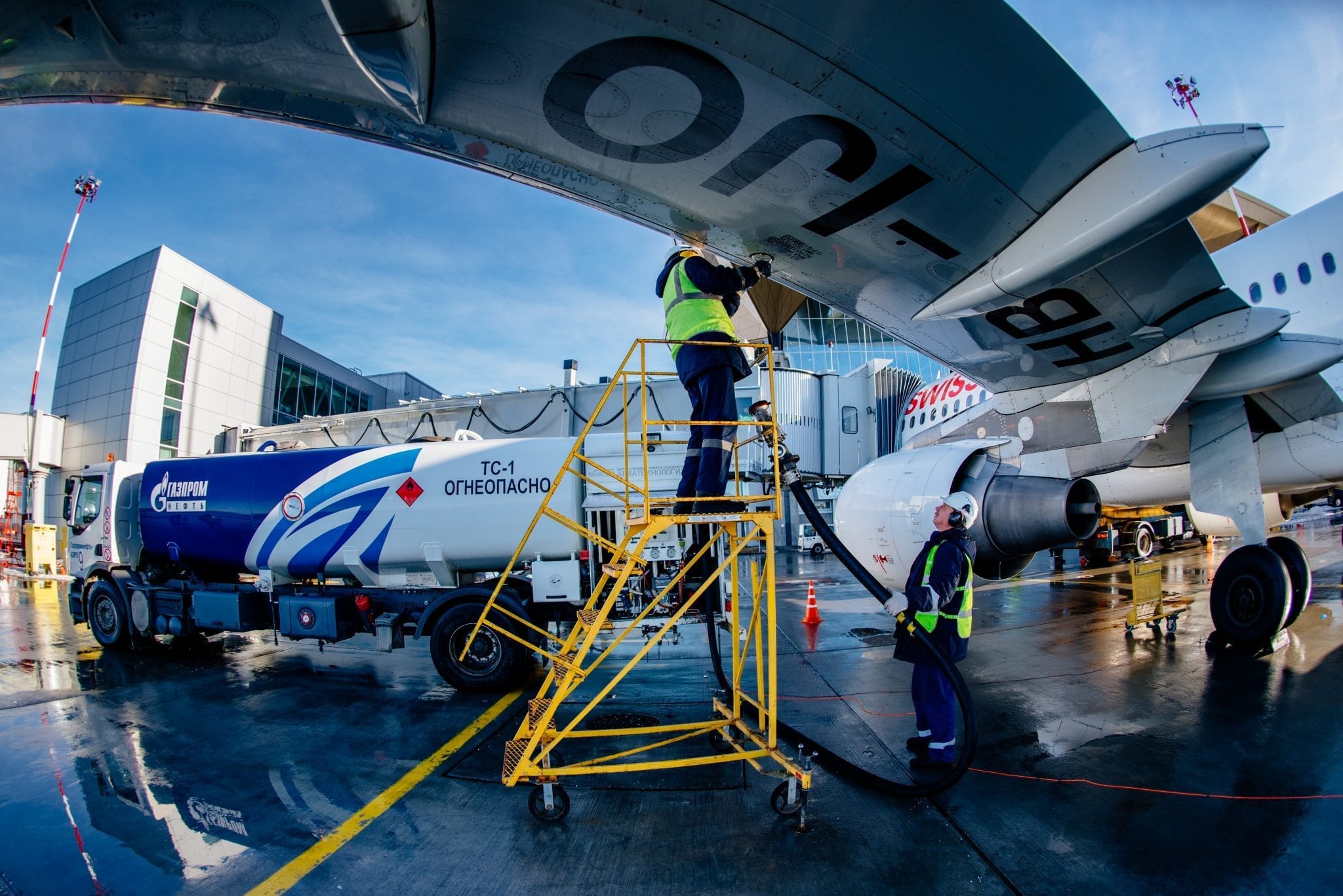
    Gazpromneft-Aero, the operator of Gazprom Neft’s aviation refuelling business, has entered into a new contract for refuelling scheduled flights of the Thai national carrier, Thai Airways, at Moscow Domodedovo Airport. Gazpromneft-Aero will supply aviation fuel for four weekly Thai Airways flights from Moscow to Bangkok. Total refuelling volumes will exceed 18,000 tonnes per year.

    Refuelling of the Thai Airways fleet will be carried out under an existing long-term agreement between Gazpromneft-Aero and Thai oil company PTT Public Company Limited. The agreement on collaboration, signed in 2012, envisages the reciprocal use of those airports at which both companies operate. The agreement provides for the refuelling of Gazpromneft-Aero’s Russian clients at Thai airports as well as the servicing of PTT clients at airports at which Gazpromneft-Aero has a presence, throughout Russia and CIS.

    Gazpromneft-Aero Director General Vladimir Egorov commented: “Gazpromneft-Aero is keen to develop partnerships with national aviation fuel suppliers throughout countries with high volumes of tourist traffic. Together with PTT we have put in place the most convenient and reliable refuelling processes possible for Russian and foreign airlines throughout those airports at which both companies operate. This new contract with Thai Airways demonstrates our partners’ confidence and the strengthening of our company’s position in the global aviation fuel supply market. The Thai national carrier’s flights from Moscow will provide our tourists with additional opportunities for connecting flights via Bangkok to resorts in Thailand, Malaysia, Philippines and Australia. We plan to further expand cooperation with Thai Airways, in the future.”

    Mr Songpon Thepnumsommanus, Vice President PTT, Aviation and Marine Marketing Department, added: “In working with Gazpromneft-Aero we have expanded our western market in aviation fuels. PTT is completely satisfied with Gazprom Neft’s international service standards in supplying aviation fuel for Thai Airways aircraft at Domodedovo. This agreement establishes a firm basis for further joint projects and initiatives.”

    Gazpromneft-Aero is a subsidiary of Gazprom Neft. The company has been providing aircraft refuelling services and selling aviation fuel at airports since January 1, 2008. Since December 2008, Gazpromneft-Aero has been a strategic partner of the International Air Transport Association (IATA) in the field of aviation fuel supply. Gazpromneft-Aero is the leading aviation fuel supplier on the Russian market in terms of its retail sales. The company’s operational activities are fully compliant with the highest safety standards in fuelling operations — “Green”.

  • Standard Chartered makes CEO appointment for Hong Kong

    Standard Chartered makes CEO appointment for Hong Kong

    Standard Chartered Bank (Hong Kong) Limited (SCBHK) announces the appointment of May Tan as the Bank’s Chief Executive Officer for Hong Kong, with effect from 1 July 2014.

    May joined SCBHK in January 2009 as Global Head, Equity Corporate Finance and also as a board member of SCBHK Ltd, and has since become the Bank’s Vice Chair, Asia. With over 30 years of experience in the financial industry, May has been instrumental in deepening the Bank’s client relationships and in enhancing its equities capability, providing a comprehensive suite of services for clients.

    Before joining Standard Chartered, May was the CEO of Cazenove Asia Limited since 1993, and was a partner of Cazenove and Co. Cazenove Asia Limited became part of SCBHK in January 2009.

    With international banking experience covering Europe, Asia and Hong Kong, May has made significant contributions to Hong Kong through numerous public roles she has held. May is a member of the Listing Committee of the Hong Kong Stock Exchange and was also a member in the Takeovers and Mergers Panel and the Takeovers Appeal Committee of the Securities and Futures Commission from 2001-2013. She is also an Independent Non-Executive Director of The Link Management Limited since February 2013.

    As an advocate of gender diversity and a champion in supporting charitable causes, May is the Executive Sponsor of the Women’s Internal Network of Standard Chartered Bank (Hong Kong), and Vice Chairman of Oxfam (HK) as well as a member of the charity’s Finance and Audit Committee.

    In her new role, May will report to Benjamin Hung, Chief Executive Officer for Greater China. Commenting on the appointment, Ben says, “I am excited to see May taking the helm of Standard Chartered Hong Kong. A well-respected veteran in the banking and finance industry, May has immensely strengthened our franchise through her extensive client relationships. I very much look forward to working with May closely in her new role.”

  • Capacity and demand grows on Asia routes from Spain

    Capacity and demand grows on Asia routes from Spain

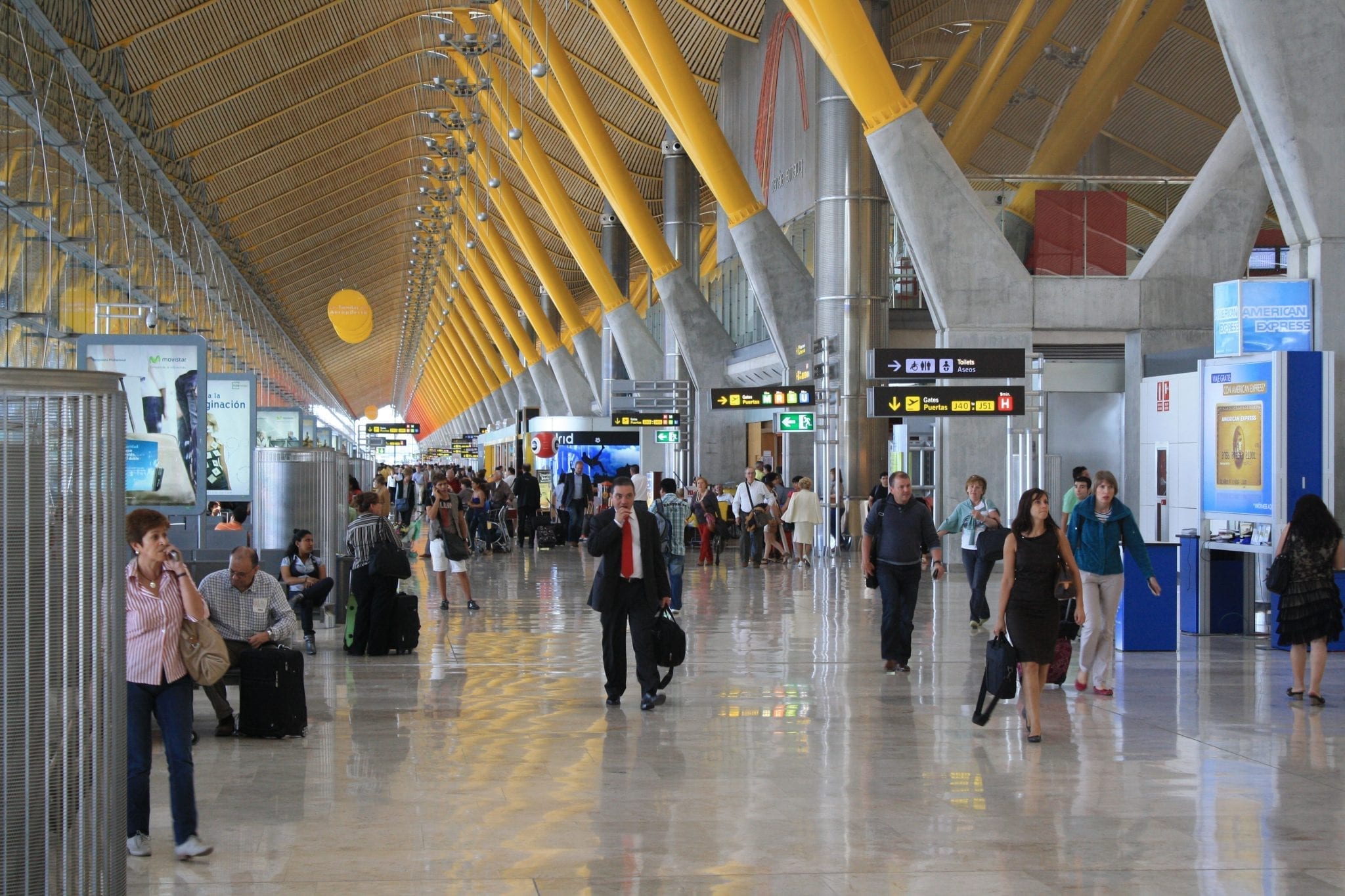
    International outbound flights from Spain were up by 2.7% last year with the biggest increase seen from countries in Asia Pacific; a trend that looks like it will continue in 2017, says travel analyst ForwardKeys.

    Passengers to Asia Pacific destinations were up by 15.7% on the previous year with many countries seeing double-digit growth, including China (up 13%), Japan (+16%), India (+17%) and Vietnam (+32%). This is clearly good news for the dominant travel retailer at Spanish airports, Dufry (World Duty Free). 

    Much of the increase can be attributed to certain airlines dramatically increasing their capacity to the region (up 38%) in 2016.

    “The growth in capacity is partly due to the Chinese seeing Spain as a safe and attractive destination and as a result creating capacity on return flights, creating the opportunity for Spanish consumers to travel on new direct routes to Asia,” says the travel analyst.

    Growth started in the second half of last year helped by Cathay Pacific (Hong Kong – Madrid), Iberia (connecting Madrid with Shanghai and Tokyo) and China Eastern (Madrid –Shanghai). However, it is important to note that Singapore Airlines and Thai Airways dropped routes.