Author: Mei Ling Tan

  • BHG department stores posting solid growth

    BHG department stores posting solid growth

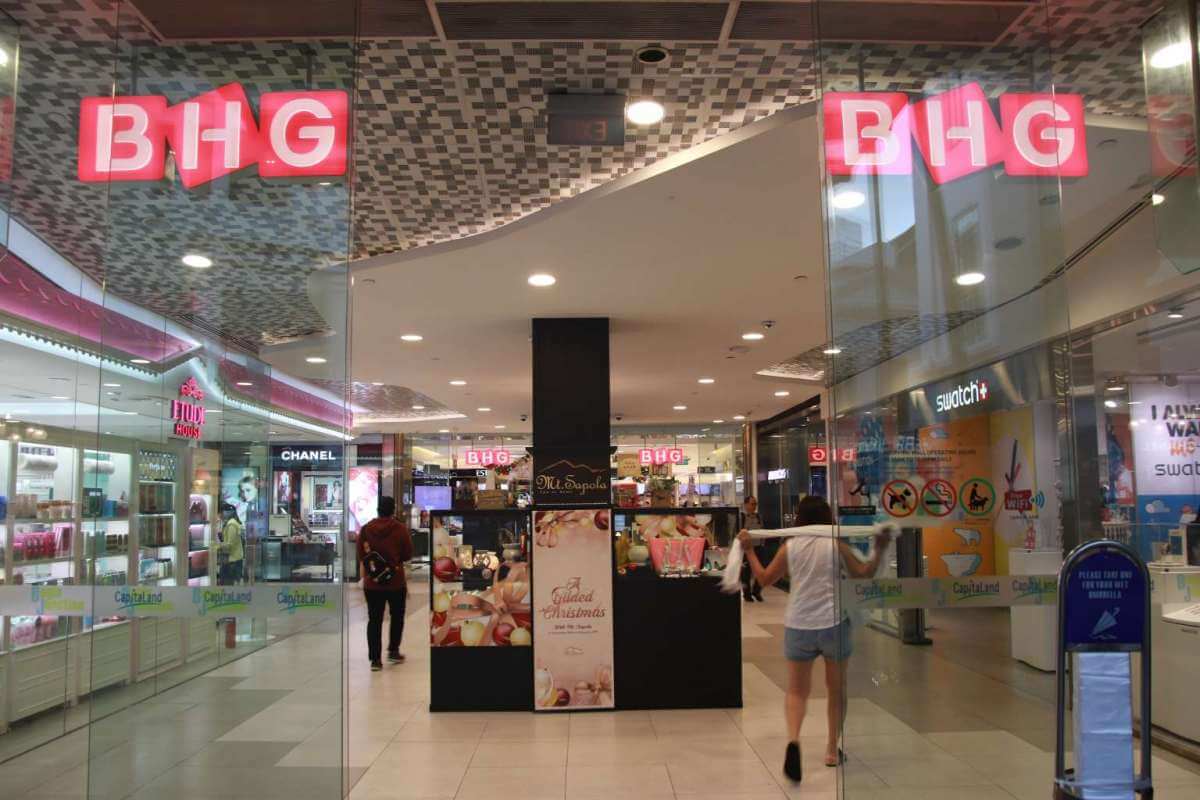
    Singapore’s BHG department store group has opened its seventh outlet as it trumpets sold sales growth across its network.

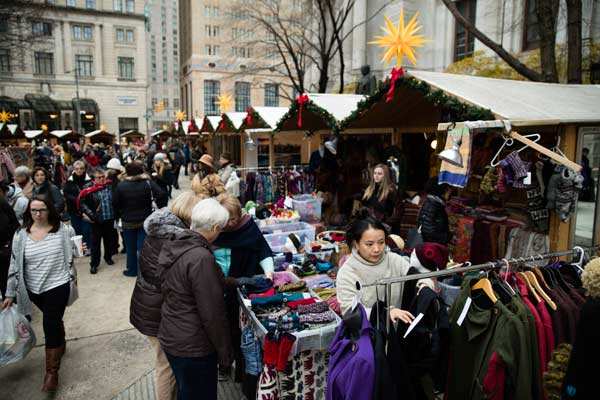
    Photo: Straitstimes

    Apparently defying the city state’s widely publicised retail downturn, BHG is achieving solid growth through a focus on refreshing its merchandise mix every six months, running regular in-store promotions and other activities designed to stay “fresh and relevant”, MD Katsuharu Inamoto told the Straits Times in an interview.

    “If we maintain the same merchandise for three years, we will die. Shoppers here are concerned about quality and price. They have the eye to judge and they know what’s in trend.”

    He says BHG has maintained a “low single-digit” sales growth since last year.

    In line with its merchandise focus, the retailer has just introduced two new brands to its line-up: Korea’s Ladykin beauty products and US backpack maker Mi-Pac.

    The new Jurong East store which opened at the weekend, comprises 49,000 sqft over three levels. Two of those floors were previously occupied by rival department store John Little, which had traded in Jurong for 20 years, the third by electronics and furniture retailer Harvey Norman.

    Inamoto said his company had been seeking a suitable space in the city’s west for a long time and was quick to take the opportunity provided by John Little’s departure.

    “The mall has a unique tenant mix and lots of families go there.”

    BHG’s history dates back to 1995 when it opened as Seiyu Wing On, a joint venture between Hong Kong’s Wing On and Japan’s Seiyu department store group. Seiyu later bought out its partner and the business was sold to China’s Beijing Hualian Group in 1995 and renamed.

  • Dsptch Japan opens store in Tokyo

    Dsptch Japan opens store in Tokyo

    US label Dsptch Japan has opened a store in Tokyo, at Crest Omotesando in Shibuya-ku.

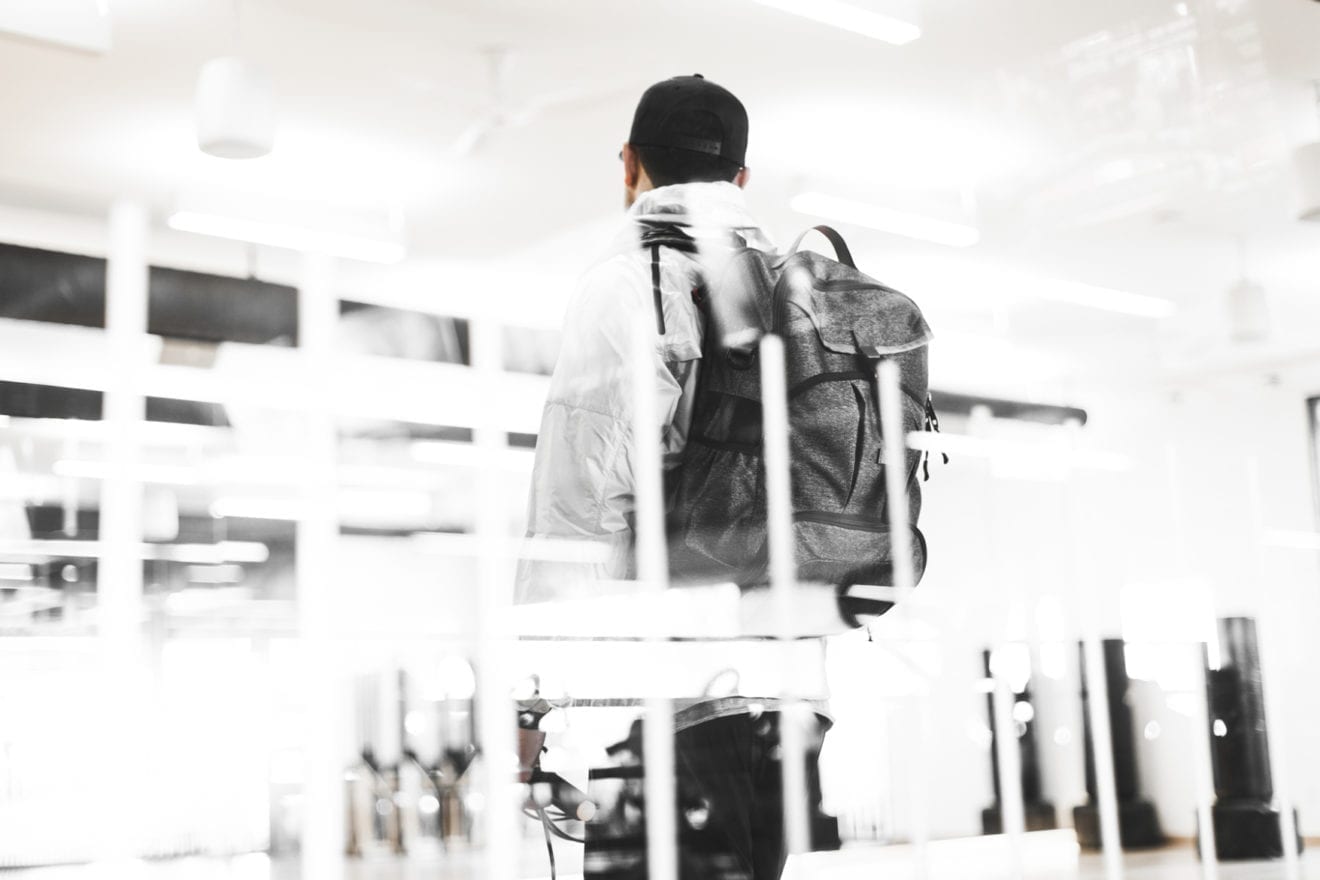
    Dsptch is a San Francisco design company that specialises in backpacks, tech cases and camera straps. It focuses on combining practicality with sleek, stylish design. Each piece is fabricated in the US.

    The new store will carry the brand’s full line, as well as complementary clothing and footwear by Descent Allterrain, Isaora and Reigning Champ.

  • The world’s largest ‘hands-on’ interactive product launch

    The world’s largest ‘hands-on’ interactive product launch

    Ksubaka today revealed the results of the world’s largest hands-on experiential product launch for Milka chocolate brand. In just one month more than 12.4 million consumers had a physical interaction with Milka, learning about the product, its ethos and forming an emotional connection.

    As part of its launch Mondelez China appointed Ksubaka to devise, create and execute a campaign that would get noticed on a scale never seen before. Ksubaka’s media network of 7000+ touch screen playSpots located in over 130 cities across China were used to deliver an in store interactive branded mini game. Consumers were encouraged to learn about the key attributes and history of Milka chocolate through the power of play. To complete the experience shoppers were invited to interlock fingers with a friend (or stranger) to make a Milka chocolate bar, this created a special moment of ‘Tenderness’. Consumers were then encouraged to take a picture and share their moment of tenderness through social channels (and 5,700 did on Weibo) for a chance to visit the origin of Milka – The Alps.

    In just 30 days (October 1st 2016 – October 31st 2016), the campaign has delivered astonishing results;

    • 12.4 Million Shoppers Engaged with the game
    • 299 Million Milka Brand Exposures
    • 81,309 WeChat/Weibo codes scans and shares

    “Ksubaka’s unique experiential campaign, at massive scale, has delivered amazing brand emotion and physical interaction, perfectly fitting with Milka’s brand ethos, that Tenderness is Inside,” said, Stephen Maher, President of Mondelez, China.

    “Brands have always struggled to engage with consumers at the point of purchase, combine that with the pressure online advertising faces to justify its self administered metrics and the opportunity for a new platform that addresses these issues is vast. Our rapidly growing media network is the first to deliver real-time results at the point of purchase at massive scale. Working with Mondelez we have significantly moved the bar to what is expected from a consumer experiential engagement campaign – in just one month millions of consumers have had a physical interaction with Milka, this is the benchmark!” said Julian Corbett, CEO and founder, Ksubaka.

    As one of the billion dollar brands of the Mondelēz International family, Milka chocolate, which originated in the European Alpine area in 1901, is widely popular among customers in more than 30 countries. It is Milka’s insistence on using pure milk sourced from the Alpine areas that has enabled Milka chocolate’s tender taste to last for over a hundred years. Mondelēz China has attached great importance to Milka chocolate as a brand new category in the China market.

  • Titan Launches Thai Commemorative EDGE Wristwatch

    Titan Launches Thai Commemorative EDGE Wristwatch

    Titan Company Limited, the world’s fifth largest watchmaker and part of the Indian conglomerate giant TATA Group, is releasing a limited edition timepiece in Thailand created especially for the Thai market.

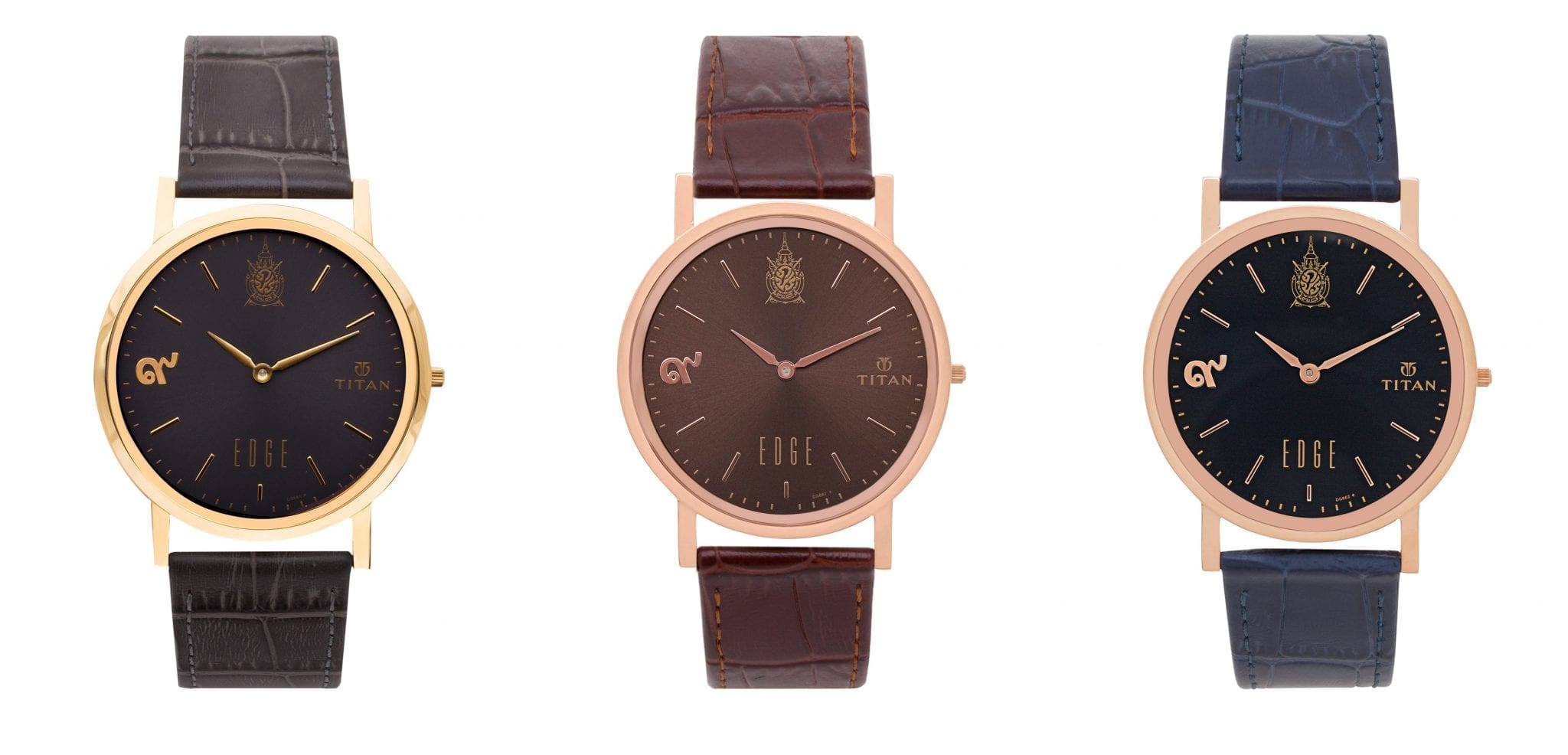
    Titan selected its Red Dot award-winning EDGE, the world’s slimmest wristwatch in the universe, to create the exclusive wristwatch, commemorating the timeless respect and honor for His Majesty the late King Bhumibol Adulyadej.

    The royal emblem marking the 70th Anniversary Celebrations of King Bhumibol Adulyadej’s Accession to the Throne is placed at 12 o’clock and the Thai numeral for nine at 9 o’clock. 

    The Titan Thai Commemorative EDGE wristwatch is available with a black, blue and brown dial and color-matched leather strap. The blue and brown dial watches are set in rose gold plated case while the black dial watch is set in a gold plated case, both of which gives this exclusive wristwatch an extra-special elegance and sophisticated quality. 

    With a total slimness of just 3.6 mm and a wafer-thin movement of 1.15mm, the Titan EDGE is a technological marvel. It is water resistant up to a depth of 30 meters. The classic hallmarks of the EDGE design include a scratch-resistant sapphire crystal glass front, stainless steel case and specially designed slim battery. 

    The inscription, “In Honor of His Majesty the King”, is engraved on the watch back as a tribute to the King, creating a wonderful memento for owners to treasure for years to come.

     “The intricate craftsmanship of the Titan EDGE, its timeless design and incredible innovation resonate with the Thai market,” said Sonia Yamdagni, Managing Director of Omni Co., Ltd., the sole distributor of Titan watches in Thailand. 

    “A sense of  tradition and appreciation for quality are valued and passed along from one generation to the next whilst moving toward a future of hope and success for the country and the Thai people; a symbol of the importance of finding time to give back to the nation and to others,” added Sonia.

    Titan watches are retailed in 32 countries worldwide. The Titan Thai Commemorative EDGE wristwatch, presented in an attractive velvet-lined wooden box, retails at THB 8,900 and is currently available at Central, Robinson and The Mall Group department stores nationwide, including Siam Paragon and Emporium in Bangkok.

  • Express, Uber team up to tap opportunities in Indonesian market

    Express, Uber team up to tap opportunities in Indonesian market

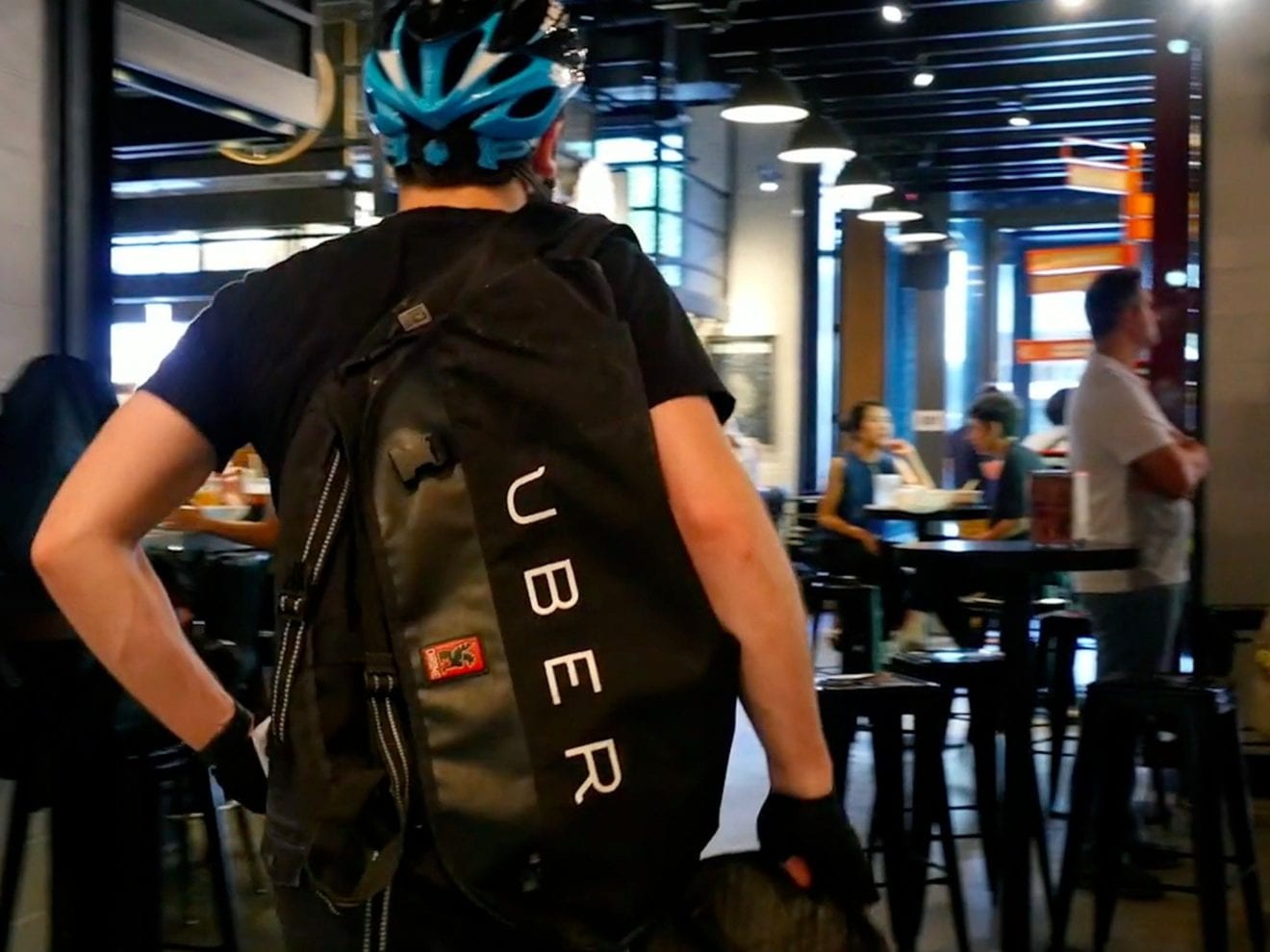
    Despite its roller coaster relationship with new competitors, publicly listed taxi operator Express Transindo Utama announced on Monday it would team up with ride-hailing application Uber for a ride-sharing integration in hope to improve services and increase revenue.

    Under the collaboration, Express drivers will be able to use Uber’s application to take uberX orders apart from running conventional services.

    “Through collaboration with Uber, we expect to improve the utilization of our fleet,” Express Group chief operating officer Benny Setiawan said in a statement.

    Express, Benny went on, was also developing a scheme that would allow Uber partner drivers to purchase cars from Express through an installment scheme.

    Uber also shared enthusiasm about its partnership with Express.

    “We are enthusiastic that Express Group, a prominent taxi operator in Indonesia, now uses ride-sharing and technology to expand its market,” Uber Asia Pacific head of business Eric Alexander said.

    On March 22, over 10,000 conventional transportation drivers—mostly Express and Blue Bird taxi drivers, as well as drivers of angkot (public minivans), buses and bajaj (three-wheeled vehicles)—took to several thoroughfares in Jakarta to stage a protest.

    The protesters accused the government of failing to regulate increasingly popular app-based transportation services, such as Grab, Uber and Go-Jek, which they say were eroding their incomes.

    During the protest, conventional taxi drivers initially targeted Go-Jek and Grab drivers, though groups of ojek (motorcycle taxi) drivers later retaliated, smashing cab windows.

  • Lotte, Hyundai, Shinsegae get duty free licenses

    Lotte, Hyundai, Shinsegae get duty free licenses

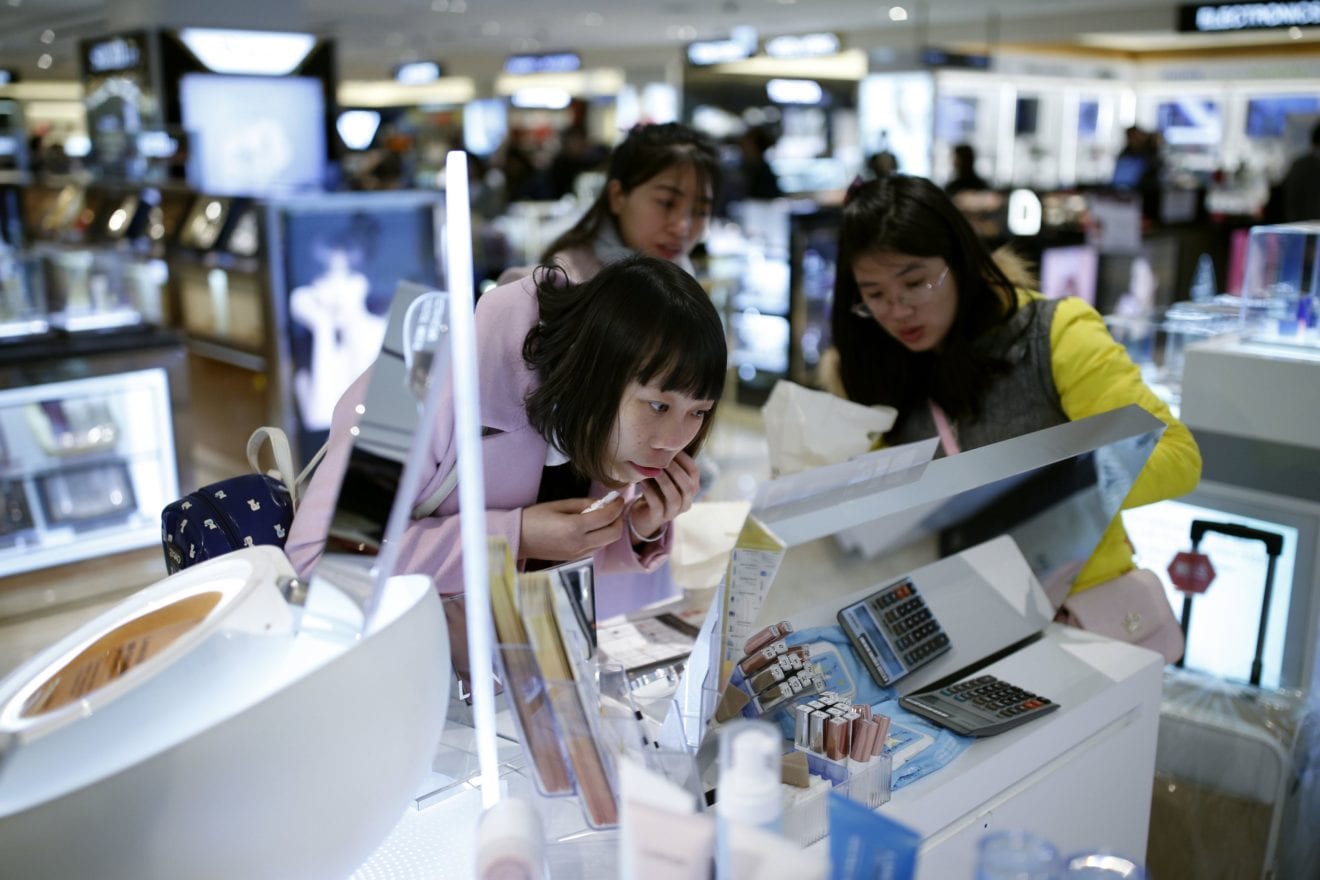
    Lotte Duty Free, Hyundai Duty Free and Shinsegae DF have snatched licenses for new duty free shops in Seoul, showing that retail specialists will have the upper hand over non-retail firms struggling in the market.

    However, the big three firms still have to brace for harsh competition in the already saturated market, as well as lingering questions about the fairness of the selection process due to possible ties to a corruption scandal engulfing President Park Geun-hye and her confidant Choi Soon-sil.

    The Korea Customs Service (KCS), Saturday, named the three firms as operators for three Seoul-based duty free outlets. Also, it said a fourth license for the city, reserved for small and medium-sized firms (SMEs), was taken by Top City Corp. Busan Duty Free and Alpensia won licenses for outlets in Busan and Gangwon Province, respectively.

    The three conglomerates are retail giants that run department stores in the country. Market watchers say their experience and expertise in attracting luxury brands as well as managing and running their stores worked favorably for them in the KCS evaluation.

    All three conglomerate-run shops will be based in southern Seoul. Hyundai, which earned the highest score in the KCS evaluation, will open an outlet near COEX in Samseong-dong. Lotte will reopen an outlet in its landmark Lotte World Tower in Jamsil. Shinsegae will have one in Central City in Seocho-gu.

    So far, most of the large duty free stores have been located north of the Han River. Top-seller Lotte Duty Free’s main store is located in Sogong-dong, while Shilla Duty Free is in Jangchung-dong and Dongwha Duty Free is in Sajik-dong. The combined earnings of the three outlets last year reached 3.85 trillion won.

    Market observers expect the fresh selection will create an opportunity to draw more tourists to southern Seoul and meet the growing demand for duty free shops in the region. According to the Korea Tourism Organization, the number of foreign tourists in those regions grew an average 19 percent annually from 2012 to 2015.

    With the new selections, however, more competitors are added to the already saturated duty free market in Seoul. Currently, nine duty free outlets are in operation in the city and the four companies will open their new stores next year.

    Data shows that the market is displaying signs of a widening gap between firms. Five duty free outlets that began operation after the government granted licenses last year have posted billions of won in operating losses.

    In the first three quarters this year, a Shinsegae shop in Myeongdong posted an operating loss of 37.2 billion won. Galleria Duty Free 63 on Yeouido and HDC Shilla Duty Free in Yongsan each recorded 30.5 billion won and 16.7 billion won in operating loss.

    SM Duty Free in Jongno-gu, which opened as an SME shop, also suffered a 20.6 billion won operating loss in the same period. Doota Duty Free in Dongdaemun did not disclose its data, but reportedly it posted an operating loss of 27 billion won in five months after opening in May.

    Another factor casting concern is the ongoing controversy that the selection was allegedly affected by Choi Soon-sil. Lotte and SK, which were among the candidates for the fresh selection, donated money to two nonprofit foundations controlled by Choi and the prosecution is suspecting the money worked in favor of the two companies.

    With Lotte winning one of the licenses, the controversy is likely to grow.

    The main opposition Democratic Party of Korea (DPK) said Sunday it is “suspicious of the KCS decision to press on with the selection process even though a special inspection over the scandal is ongoing regarding the matter.”

    The KCS said last December there would be no more selection for duty free operators but suddenly decided to offer more licenses in April.

    “There have been suspicions that SK Group head and President Park met privately over the duty free shops,” said DPK spokeswoman Park Kyung-mee.
  • Indonesia, Michelin Cooperate in Tire Exports

    Indonesia, Michelin Cooperate in Tire Exports

    The Indonesian government has joined hands with French tire company Michelin to open market access to Europe and the United States. The plan was proposed in a meeting between Industry Minister Airlangga Hartarto and Vice President Public Affairs of Michelin East-Asia and Oceania Segsarn Trai-Ukos in Jakarta last week.

    According to Airlangga, the government and Michelin will also cooperate in aircraft tire retreading. “Michelin has developed tire retreading in Thailand,” he said yesterday.

    He said that Michelin technology can help develop aircraft tire retreading in Indonesia and reduce negative perception of retreaded tires. High-tech retreaded tires can help lower airline costs and boost growth of air transport industry.

    Indonesia and Michelin will also collaborate in utilizing used tires. According to Airlangga, Michelin is expected to process used tires into raw material for asphalt. He pointed to the example of 80 million units of two-wheeled vehicles with 160 million tires. “With an average lifespan of 1.5 to 2 years, abundant supply of used tires will be available to be utilized.”

    The Minister also discussed business opportunities with French Ambassador to Indonesia Jean-Charles Berthonnet. Airlangga said that France can become Indonesia’s export gateway to the non-traditional European market.

    He sees France as an important trade partner. In 2015, Indonesia’s import value from France hit US$1.3 billion for aircraft components, vehicles, machinery, milk, and pharmaceutical. Whereas, Indonesia’s export to France worth US$972 million, which include footwear, rubber, furniture, clothing, and coffee.

  • Bank Indonesia releases new notes, coins

    Bank Indonesia releases new notes, coins

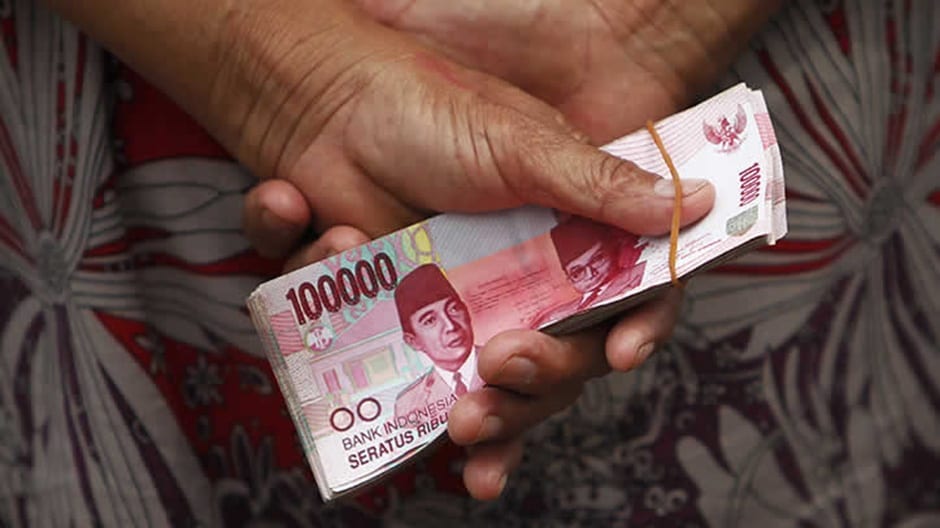
    Bank Indonesia released on Monday seven new banknotes and four coins bearing the pictures of 12 national heroes. The launch of the new notes and coins was attended by President Joko “Jokowi” Widodo and Bank Indonesia governor Agus Martowardojo in Jakarta, Antara news agency reported.

    The new notes are the Rp100,000, Rp50,000, Rp20,000, Rp10,000, Rp5,000, Rp2,000 and Rp1,000, while the new coins are Rp1,000, Rp500, Rp200, and Rp100.

    Indonesia’s founding fathers, Soekarno and Mohammad Hatta, will be featured on the Rp100,000 note, while Djuanda Kartawidjaja and Sam Ratulangi are on the Rp50,000 and Rp20,000 notes, respectively.

    Other national heroes featured are Frans Kaisepo, Idham Chalid, Mohammad Hoesni Thamrin, Tjut Meutia, I Gusti Ketut Pudja, TB Simatupang,  Tjiptomangunkusumo and Herman Johannes.

  • Toyota Indonesia to see exports down by 5 percent this year

    Toyota Indonesia to see exports down by 5 percent this year

    Car manufacturer PT Toyota Motor Manufacturing Indonesia (TMMIN) expects to see its exports fall by 5 percent this year mainly due to low demand in the Middle East.

    TMMIN vice president director Warih Andang Tjahjono said, a protracted security crisis in the Middle East and global oil price decline had impacted car demand in the region. Thus, the company will see its car exports down to 165,000 units this year from 176,000 units last year.

    Car exports to Saudi Arabia, which makes up 50 percent of the company’s exports to the Middle East, saw a 30 percent decline this year, the biggest in the region. The Middle East and Asia are the biggest markets for Toyota cars, contributing more than 50 percent to the company’s exports, Warih said.

    While demand in the export market declined, domestic demand for Toyota cars has grown above the industry’s average.
    As of November, Toyota car sales had risen by 19 percent year-on-year compared to the corresponding period last year, Toyota Astra Motor vice president director Henry Tanoto said.
    “We predict our domestic car sales will reach between 375,000 and 380,000 units by year-end,” he said

  • India to start screening of imported telecoms gear in April

    India to start screening of imported telecoms gear in April

    The Indian government is reportedly planning to start screening imported telecoms equipment used in mobile networks and handsets from April 1, 2017, following several implementation delays over the last three and a half years.

    The government has assigned labs under a state-owned quality control agency, Standardisation Testing & Quality Certification (STQC), to undertake the screening of imported mobile network gears, feature phones and smartphones in the interest of national security, the Economic Times reported.

    Initially, local screening will be conducted in phases by identifying network gear deemed most vulnerable, the Economic Times cited a senior official at Department of Telecom (DoT) as saying.

    The government’s immediate objective is to also ensure that local screening does not create supply-chain bottlenecks or disrupt mobile network rollouts or expansions, according to another source familiar with the matter.

    Accordingly, the DoT plans to invite companies from the private sector to set up more accredited labs to screen imported network gear, and develop a full-blown local testing ecosystem.

    However, the government has received a lukewarm response from the private sector due to the lack of a viable funding mechanism.

  • Stores push deals in bid to lure holiday shoppers

    Stores push deals in bid to lure holiday shoppers

    Nearly 156 million people — or 66 percent of Americans — plan to or are considering taking advantage of Saturday sales to complete their holiday gift lists, according to a survey released Friday by the National Retail Federation and Prosper Insights & Analytics. The survey found that more people said they planned to shop on Saturday than those who aimed to shop over Thanksgiving weekend in an earlier survey.

    Still, given the quirk in the calendar that makes this weekend the last full weekend before Christmas, retailers including Best Buy, Gap and J.C. Penney, have set an earlier deadline to order holiday gifts this year, according to StellaService, which tracks online services at retailers. Wal-Mart, along with others, is encouraging online shoppers to pick up their merchandise at the store.

    Target will be offering last-minute shoppers deals that are good only for a day on certain in-demand products like children’s sleepwear and fragrance sets.

    Still, plenty of shoppers plan to take their time.

    Christine Bunker Tobia of Queens says she mostly shops at Macy’s but likes to wait to get the best deals. She’s been stopping by Macy’s New York Herald Square store often to check the prices.

    “I’m looking for a special sale,” she said last weekend. “I may wait another week.”

  • Qualcomm to support Google’s Android Thing IoT platform

    Qualcomm to support Google’s Android Thing IoT platform

    Qualcomm announced that it plans to work with Google to add support for the search giant’s new IoT operating system, Android Things, in its Snapdragon processors.

    In a statement released Wednesday, Qualcomm said the collaboration with Google will focus on developing both “consumer and industrial applications” and the initiative would help a vast number of developers participate in the IoT opportunity.

    “We anticipate Android Things running on Snapdragon processors will offer developers familiar connectivity environments, including cellular, Wi-Fi, and Bluetooth; support for a wide array of sensors; camera, graphics, multimedia, and rich UI capabilities; hardware-based security; Google services and cloud integration; test and optimization tools, and more – allowing for rapid development of scalable, cost-effective and security-focused IoT solutions,” Qualcomm said.

    Although Android Things is currently in a developer preview stage, Qualcomm noted the platform is expected to be released more broadly on Snapdragon processors next year.

    Qualcomm’s announcement came a day after Google launched a preview of the new IoT platform which it said would enable developers to quickly build smart devices using Android APIs and Google services.

    In a blog post on the Android Developers’ Blog, Google said Android Things incorporates feedback received on its Project Brillo IoT OS and will include tools such as Android Studio, the Android Software Development Kit, Google Play Services, and Google Cloud Platform.

    Google will also offer Developer Preview updates in the coming months to provide the infrastructure necessary to securely push OS patches, security fixes, a developer’s own updates, built-in Weave connectivity and more, the search giant added.

    Google is also updating its IoT communication platform Weave to help facilitate cloud connectivity for all types of devices so they can interact with services like Google’s Assistant.

    “This is just the beginning of the IoT ecosystem we want to build with you,” Google developer advocate Wayne Piekarski wrote in the blog post.

  • More Singapore Airlines flights for Sydney, Melbourne, Brisbane

    More Singapore Airlines flights for Sydney, Melbourne, Brisbane

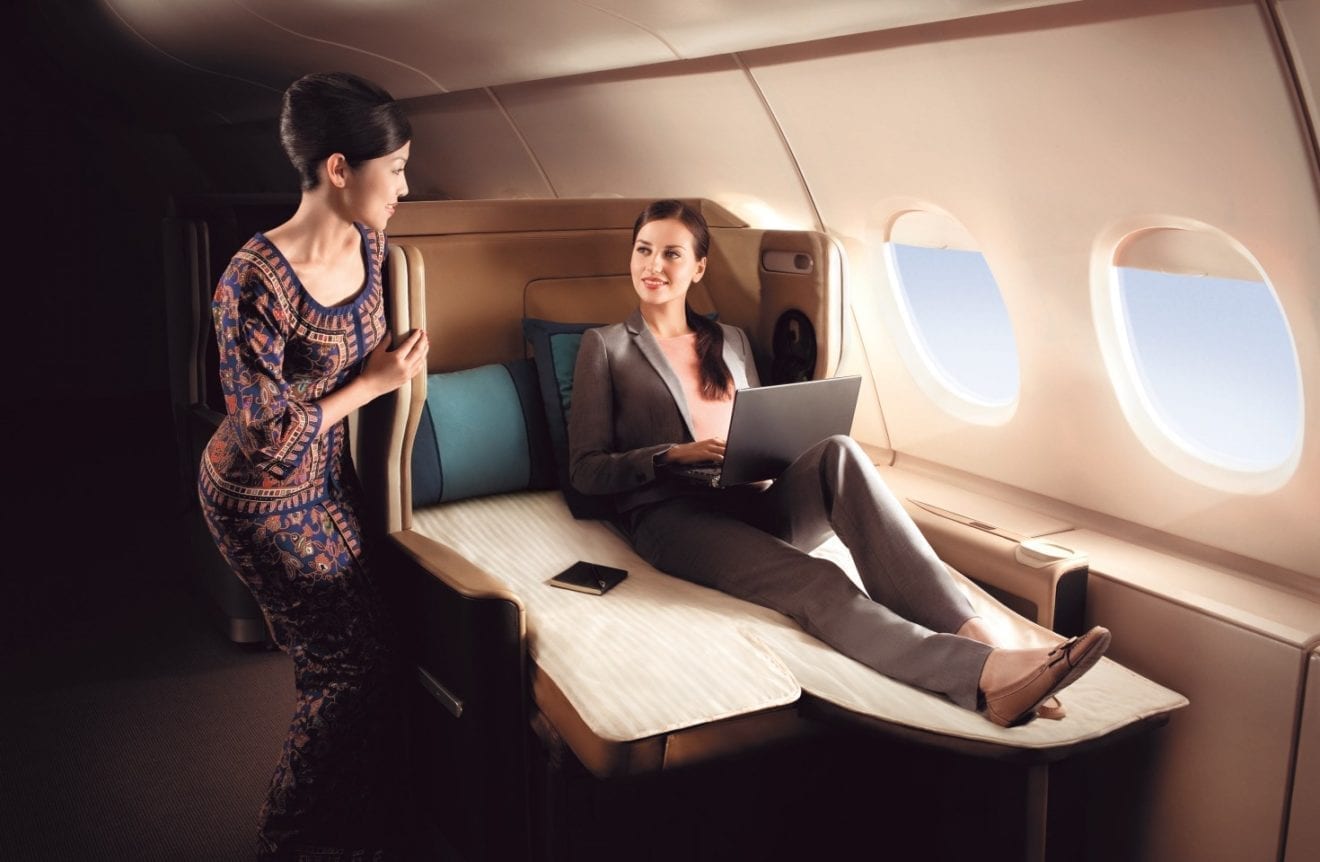
    Singapore Airlines is ramping up flights to Sydney, Melbourne and Brisbane in 2017, a year which marks the airline’s 50th anniversary in Australian skies.

    Melbourne will see a fifth flight appear on the schedule from 17 July 2017, with the new SQ247/248 operating on Monday, Friday and Saturday.

    The SQ247 Airbus A330 service will depart Singapore at 2am and arrive in Melbourne at 11.25am; SQ248 leaves Melbourne at 12.40pm to reach Singapore at 6.30pm.

    In addition, from January Melbourne’s SQ227/228 will step up to a four-class Boeing 777-300ER with the Star Alliance member’s new premium economy class.

    Brisbane will see SQ265/266 tick over to a daily frequency from 22 August 2017, up from the current four flights a week; it’ll stay on a Boeing 777-200ER aircraft with a fully-flat business class bed for the overnight flight between Brisbane and Singapore.

    Sydney is also gaining extra flights. Beginning 4 June 2017, SQ251/252 will be bumped up from three times weekly to five times weekly, while SQ231/222 will continue as a four-class Airbus A380 from 18 June to 30 September 2017.

    2017 will also see Singapore Airlines boost flights to popular cities in Europe and Asia – including Rome, Moscow and Bangkok – with a new via Moscow route to Stockholm.

  • BlackBerry, TCL sign smartphone licensing agreement

    BlackBerry, TCL sign smartphone licensing agreement

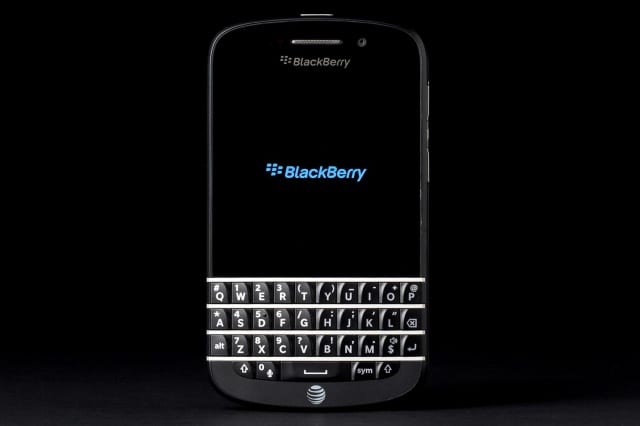
    BlackBerry has agreed to license its brand to China-based handset manufacturer TCL Communications.

    The companies entered a licensing agreement last week which will allow TCL to design, manufacture and distribute BlackBerry-branded phones globally going forward. The devices made by TCL will be coupled with BlackBerry’s security software and service suite.

    “BlackBerry will continue to control and develop its security and software solutions, serve its customers and maintain trusted BlackBerry security software, while TCL will manage all sales and distribution and serve as a global distributor of new BlackBerry-branded mobile devices along with dedicated sales teams,” the company said on Thursday.

    The agreement is the struggling Canadian smartphone maker’s first licensing deal since its announcement to transition to a software company.

    BlackBerry said in September that it would stop producing its smartphone hardware and concentrate on software, a decision which followed a year-long review of the potential profitability of the company’s hardware business by CEO John Chen.

    The new agreement will give TCL, the fourth-largest handset maker in North America, the right to make and sell BlackBerry-branded smartphones in all countries except India, Sri Lanka, Nepal, Bangladesh and Indonesia, where BlackBerry has already struck local licensing deals.

    Prior to this licensing deal, BlackBerry launched two smartphones – the Android-based DTEK50 and DTEK60 – in September and November respectively, which were made under an agreement with TCL.

    Industry watchers said this deal might be a boost for BlackBerry from a short-term financial standpoint by reducing BlackBerry’s operating risk, working capital requirements and potential R&D spend which would have otherwise gone into designing new phones.

    While the deal has an upside, it also exposes BlackBerry to a different kind of a security risk that might drive security-conscious consumers away from the brand and eventually hurt sales.

  • Luxury goods feature in UK accord for South Korea trade talks

    Luxury goods feature in UK accord for South Korea trade talks

    The pending talks with South Korea follow similar dialogues the UK has opened with Australia, China, the Gulf Cooperation Council, India, New Zealand and Norway

    London: The UK and South Korea are set to to begin regular trade talks, with luxury brands a particularly promising topic, as Britain prepares to expand its commercial reach once it has left the European Union.

    A formal working group of ministers from the two countries will meet as many as four times a year to discuss removing barriers to commerce and prospects for “future, ambitious trade opportunities” after the UK exits the EU, the British government said in an statement on Sunday.

    Prime Minister Theresa May has promised to make the UK a leader in liberalising trade around the world after Brexit. Yet Britain is unable to strike its own free-trade deals — or even being formal negotiations — while still a member of the EU.

    “We want to take advantage of all the opportunities available to us to ensure that Britain becomes a global leader in free trade,” UK International Trade Secretary Liam Fox said in an emailed statement. “The agreement of this latest trade dialogue shows that government is preparing for Brexit, not prevaricating.”

    The pending talks with South Korea follow similar dialogues the UK has opened with Australia, China, the Gulf Cooperation Council, India, New Zealand and Norway in the six months since voters chose in a referendum to leave the EU. Trade and investment between the UK and South Korea is worth about 10.9 billion pounds ($13.6 billion) a year, according to British estimates. The UK is the fifth-largest foreign direct investor in South Korea.

    The UK government said in its statement that South Korea is an especially promising market for luxury brands such as Burberry Group Plc, which has 70 stores in the country, and high-end automakers Jaguar Land Rover and Bentley. Other sectors with strong potential include renewable energy and nuclear decommissioning.

    “What we’re doing is putting in place plans to ensure the UK remains open for business and trade links continue to strengthen,” Fox said. “Important like-minded free trading partners like Korea and others are telling us they’ve heard that message loud and clear. Korea itself is a prime example to the world of how free and open trade can lift countries out of poverty to prosperity.”