Author: Mei Ling Tan

  • Retail sector key in attracting tourists

    Retail sector key in attracting tourists

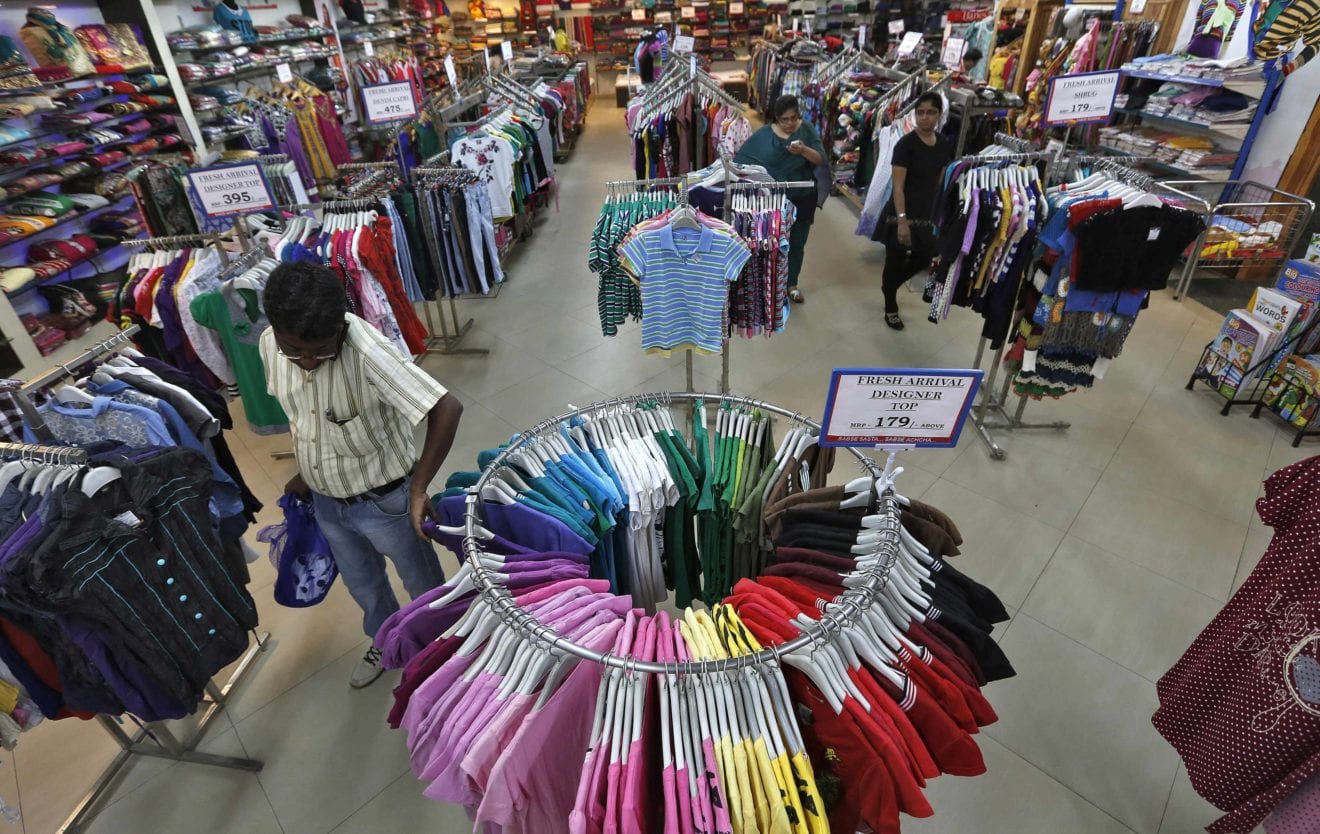
    It is the most wonderful time of the year as far as the retail scene is concerned. Shopping malls are busy once again, cash tills are ringing ever merrily and, perhaps more important, Singapore’s tourist numbers are rising. Despite the threat of online shopping to the domestic market and poor footfall numbers at certain malls, the Singapore retail scene has been a star performer in wooing the tourist dollar.

    A report reveals that for the first time since 2012, shopping has overtaken gambling as the biggest earner in Singapore’s tourism industry. Higher-spending visitors helped boost tourism receipts in the first half of this year. The readiness of tourists to spend more on shopping, accommodation, and food and beverage contributed, in fact, to offsetting a fall in sightseeing, entertainment and gaming. The Chinese, Indian and Indonesian markets played a strong role, with visitors from secondary cities such as Chongqing and Fuzhou attesting to the the vitality of the Singapore Tourism Board’s marketing efforts.

    Clearly, more attention could be paid to such markets within the broader imperative of attracting Asian visitors, given that more than one in four travellers at Changi Airport are either going to or coming from Jakarta, Bangkok, Kuala Lumpur or Hong Kong.

    Unavoidably, Singapore is running out of novelty factors to attract tourists: The integrated resorts and Gardens by the Bay, for example, are no longer new. The challenge for the tourism authorities, therefore, is to constantly create fresh reasons for visiting Singapore. The imaginative reworking of the retail scene could be useful here. As an indication of what is possible, this year’s Great Singapore Sale was held to coincide with China’s summer holidays. Livening up the retail scene is one way for Singapore to remain nimble in meeting the demands of tourists.
  • SoftBank launches cloud videoconferencing service

    SoftBank launches cloud videoconferencing service

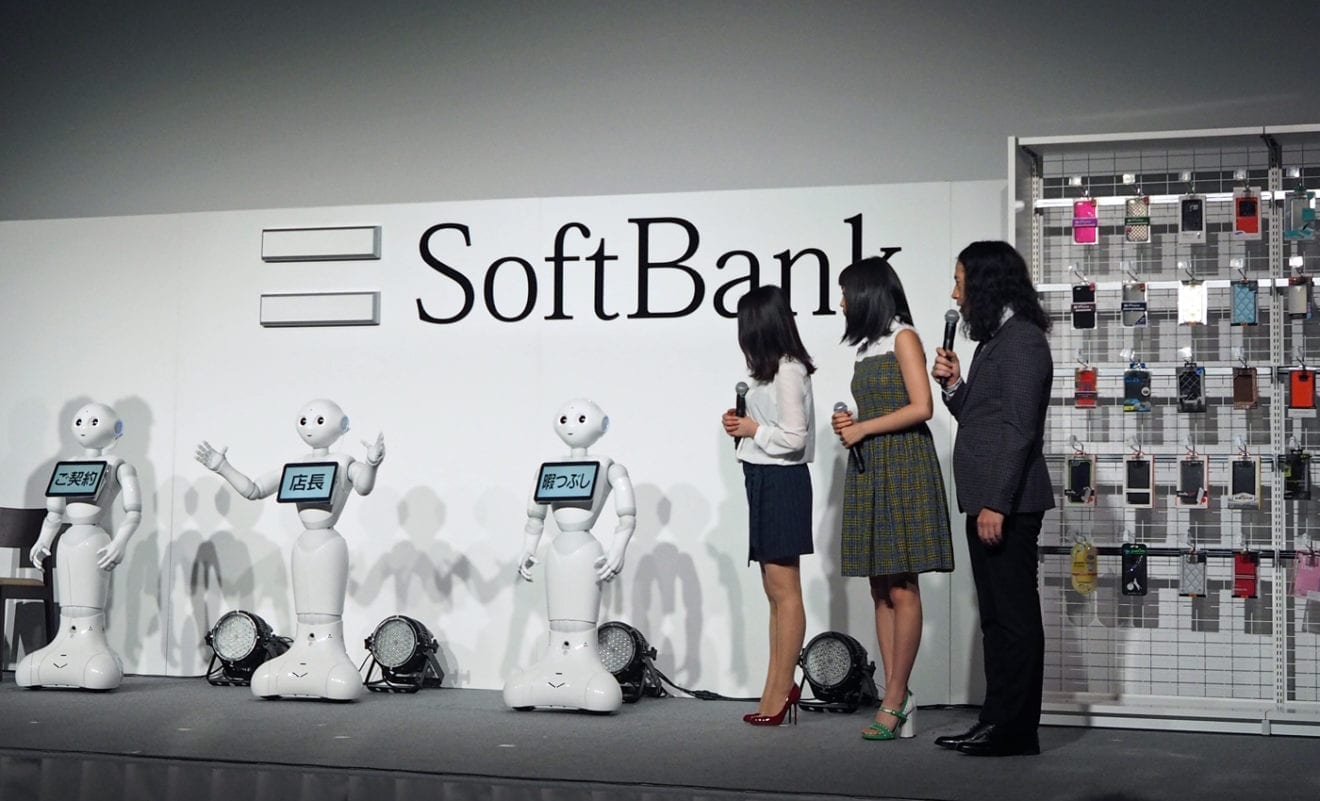
    Japan’s SoftBank  has launched a new cloud-based videoconferencing service using PolyCom’s RealPresence Clariti infrastructure software.

    SoftBank’s new PrimeMeeting service will strengthen the company’s offerings to customers looking for a flexible video collaboration solution that is simple to purchase and implement.

    The service is built on RealPresence Clarity as well as SoftBank’s White Cloud ASPIRE Infrastructure-as-a-Service (IaaS) platform.

    As well as enabling collaboration from anywhere on any device, the service will support integration with Microsoft’s Skype for Business and traditional video conferencing systems.

    “We are happy to announce the launch of our cloud videoconferencing service, PrimeMeeting, provided in collaboration with Polycom. Customers who previously could not use a video conferencing service due to cost, location, or device issues will now be able to easily adopt this service,” SoftBank ICT innovation division director Sadahiro Sato said.

    “By combining Polycom’s strong market share and brand value in the video conferencing market together with our new cloud service, we can enable more flexible and richer communication options to more of our customers.”

  • Bally first step in India

    Bally first step in India

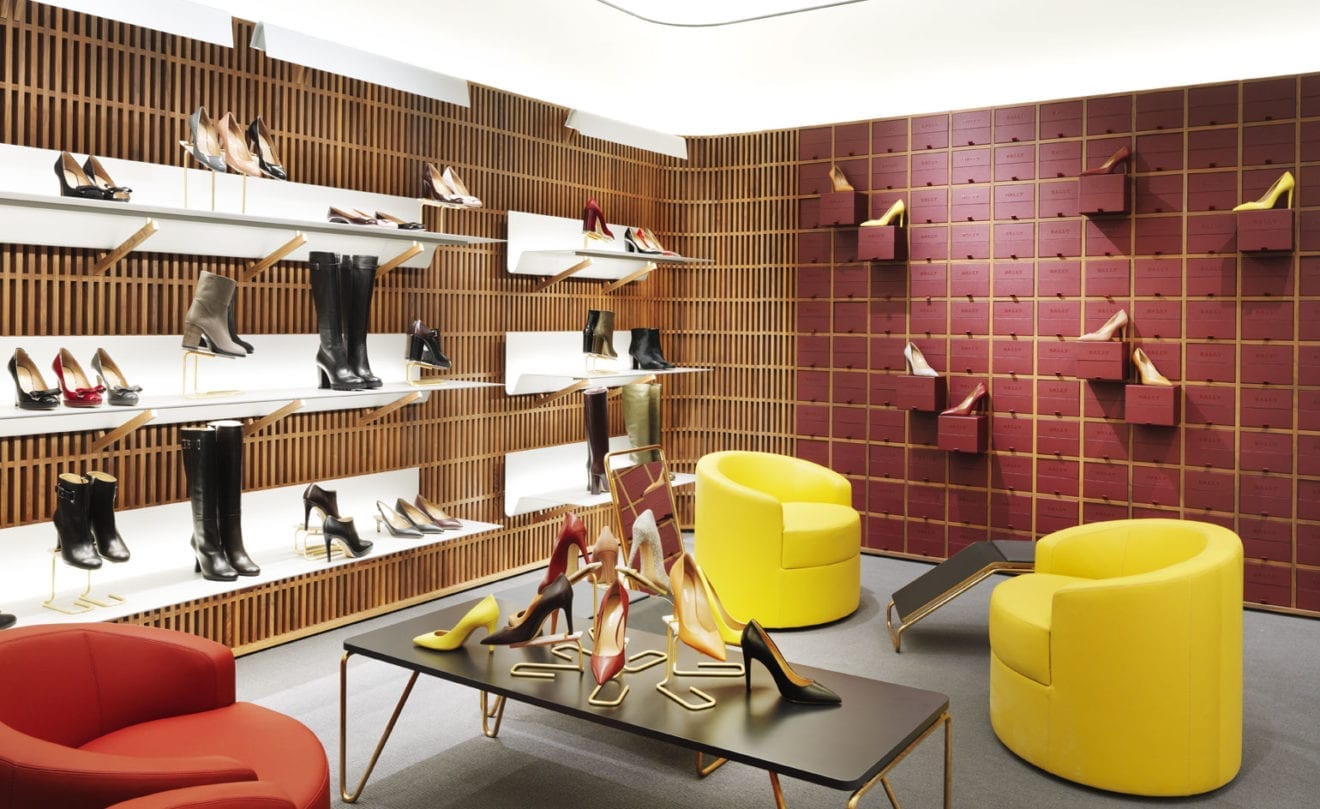
    Reliance Brands will launch Bally India after signing an exclusive distribution and marketing rights agreement with the Swiss luxury brand.

    Bally and Reliance plan to open a store in New Delhi next year and will look at further expansion afterwards in Chennai, Kolkata and Mumbai.

    “In collaboration with Reliance, we have identified a roadmap to develop the brand in proven retail locations,” says Bally CEO Frederic de Narp.

    Bally has embarked on a global expansion program, including the opening of two concept flagship stores in Tokyo’s Ginza and Los Angeles Rodeo Drive this year. Next year it will add two flagship stores – on New York’s Madison Avenue and in Beijing’s China World Mall.

  • First CIMBT 7-Eleven sub-branch opens

    First CIMBT 7-Eleven sub-branch opens

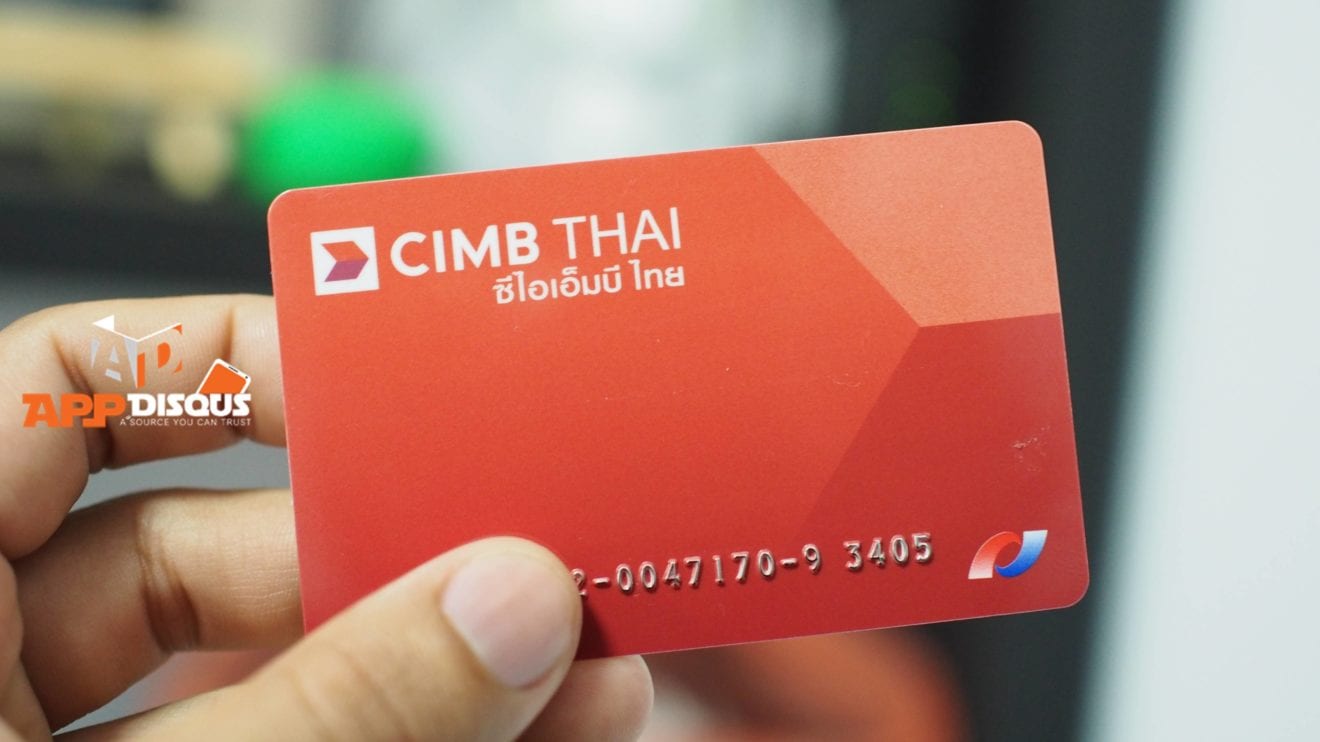
    Thai bank CIMB says it will open between 20 and 30 sub-branches inside 7-Eleven convenience stores within the next 12 months.

    The CIMB 7-Eleven branches are aimed at providing extra accessibility to bank services by co-locating in areas where a full-scale bank branch is not warranted.

    All of the new branches will open in the broader Metropolitan Bangkok area.

    The first sub-branch opened this week, on Rama I.

    Adisorn Sermchaiwong, senior executive vice-president of CIMBT’s Consumer Banking Group, says it marks the first time a Thai commercial bank has opened a sub-branch in a convenience store of any brand.

    Customers can use the branch to open and close accounts, deposit cash and exchange foreign currency as well as apply for loans or leasing. Cash withdrawals will not be permitted, however, with customers invited to use co-located ATMs.

    The branches will be open from 10.30am to 5.30pm daily.

    “Right now our lives are greatly linked with convenience stores from the start until the end of the day, and that’s why we chose to open our sub-branch in a convenience store,” said Sermchaiwong.

  • 2nd anniversary for IKEA Korea and how it grows

    2nd anniversary for IKEA Korea and how it grows

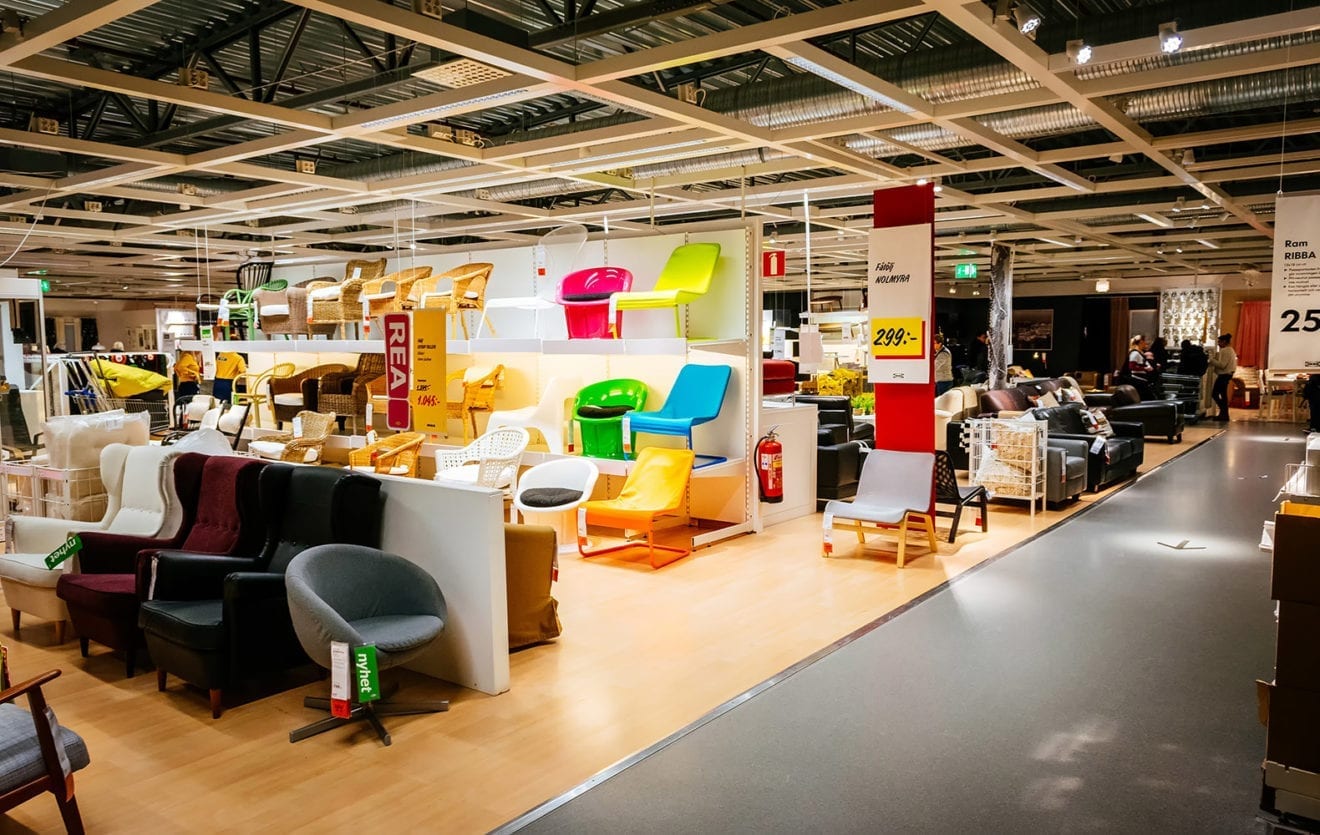
    December 18 will mark the second anniversary of Ikea Korea’s launch.

    According to Ikea’s Swedish head office, its Korean operations have been a success so far. Annual turnover for the 2016 fiscal year to August 2016 was 345 billion won (US$292.3 million), while this year’s sales from January to August, saw a 17 per cent year-on-year increase.

    Although the furniture giant was faced with a few setbacks, namely the controversial recall of its Malm dresser that was blamed in the deaths of at least six children (although none in Korea), Ikea has successfully established itself as a key player in the local market.

    “We’ve made fast progress since the launch of our first outlet here in Gwangmyeong on December 18, 2014,” a spokesman said.

    Ikea’s arrival brought about some positive changes too, particularly for medium to higher-priced furniture businesses.

    The store helped reignite consumer interest in what had been a stagnant Korean furniture market, helping to revitalise the industry, and considering the fact that Ikea targets consumers mainly with budget-friendly items, existing key players selling mid-priced or premium products didn’t have to compete so much with the Swedish giant.

    In fact, local furniture makers Hanssem and Iloom both saw positive growth, with sales for Hanssem, in particular, increasing by roughly 10 per cent as of the third quarter of 2016 to over $1.16 billion, compared to the first three quarters in 2015.

    “The target consumer group for Hanssem, which provides assembled furniture, differs from that of Ikea,” said a Hanssem spokesman, who admitted the company “did benefit a great deal from Ikea’s launch.”

    The Korean retail furniture market was worth $4.24 billion in 2015, a 7 per cent increase from the previous year, and the biggest jump since 2006. The unprecedented growth was viewed as exceptional by industry watchers, who pointed out that the industry appeared to reach its maturity after the 1990s.

    However, Ikea was bad news for furniture merchants at local markets and smaller businesses, who have now lost their biggest competitive advantage – low pricing.

    Over the past five years, the number of furniture companies operating in Korea – the majority of which are smaller enterprises – dropped by almost half, from 21,000 in February 2011 to 13,000 in February 2016.

    Retailers selling kitchen utensils and soft furnishings were also affected by Ikea’s entry, especially for stores in Gwangmyeong, 55 per cent of which said they experienced negative growth since December 2014.

    “There needs to be a way for smaller businesses to coexist alongside bigger players like Ikea and Hanssem,” said an industry official.

    “Given that non-branded furniture businesses make up about 70 per cent of the total Korean industry, small retailers are more than capable of making decent profits. But it seems necessary to implement some kind of official measures in order to help them differentiate themselves and  to better target consumers.”

    Ikea plans to establish five more outlets across the country by 2020, investing 1.2 trillion won ($1 billion).

  • How to grow for Luxury brands

    How to grow for Luxury brands

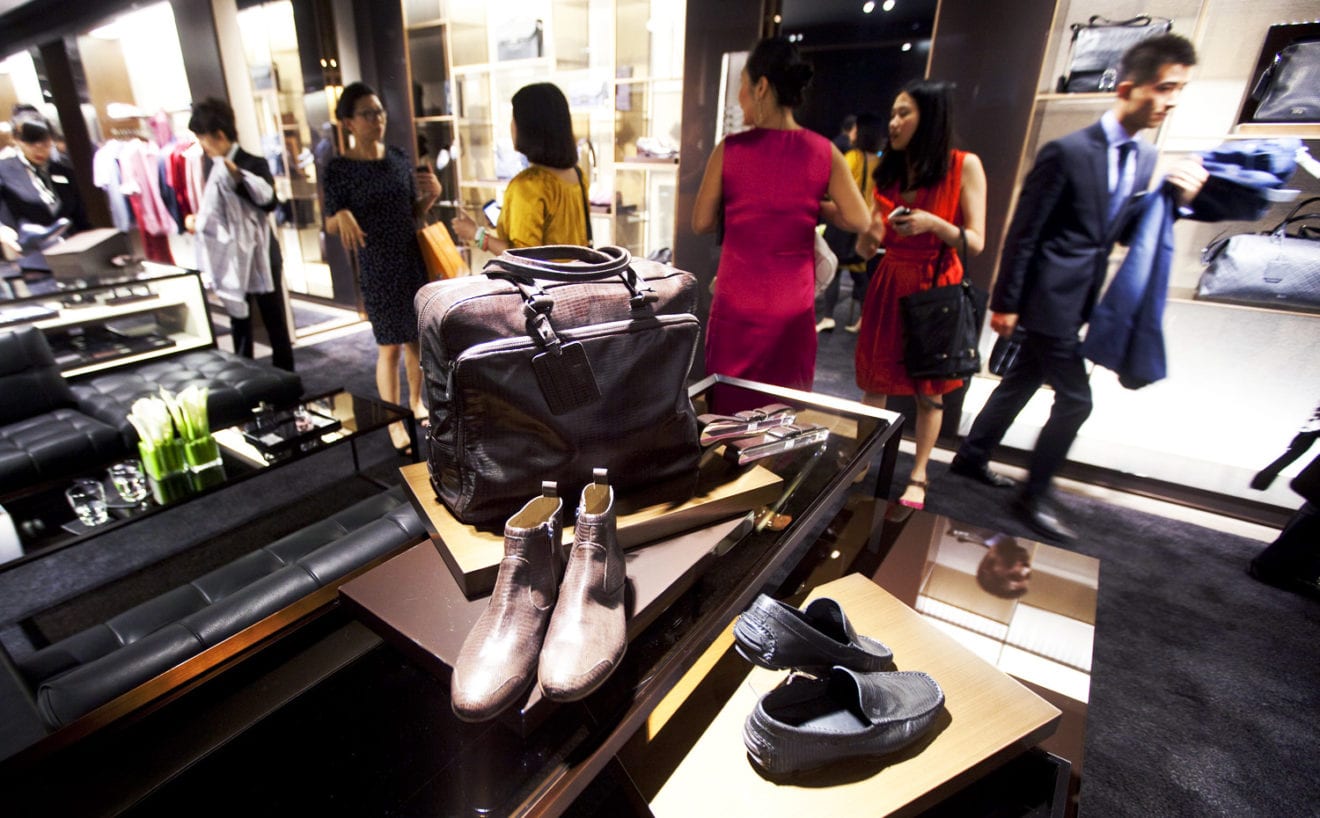
    Luxury brands need to use new technologies and offer experiences for their customers, the second Luxury Society keynote event in Shanghai has been told.

    UCO Cosmetics CEO Arthur Zhang told the event that the early-stage eCommerce model of simply providing a platform for selling products online is dead.

    He said key technologies being experimented and improved upon in China include augmented reality, virtual reality and live-streaming.

    “The millennial generation in China, which already numbers about 300 million people, seeks experiences and emotional connection – they are not just bystanders,” DLG China partner/MD Pablo Mauron told the audience of more than 150 luxury-industry brand executives. “As a result, live-streaming has become a medium for them to express themselves.”

    He told how brands such as Maybelline, Montblanc and Swarovski are taking advantage of these new opportunities.

    Underlining the key message of the event that eCommerce is changing, CEO Thibault Villet of luxury fashion eCommerce platform Mei.com told how a live-streamed show in collaboration with TMall resulted in 65 per cent of the products featured quickly selling out.

    Meaningful data

    Social customer-relationship management (CRM) makes highly targeted messaging and engagement possible, the event was told by Four Seasons Hotels Asia Pacific director of marketing communications John Hamilton. He said the luxury hotel chain has been gaining meaningful data about its customers, which in turn has driven growth. In the past year, through trial-and-error and optimisation, the group has defined a CRM-led content strategy on WeChat.

    Celebrity and key-opinion-leader partnerships can make a big impact in China, said East Entertainment commercial director Qing Dai, who spoke of her experience of partnering luxury brands with appropriate celebrities. One of Easy Entertainment’s most successful was in linking up Cartier with singer/actor Lu Han.

    Baidu GM for East China Wan (Grace) Zhang said Cartier was the most-searched luxury watch brand among the generation born between 1990 and 2000, linked to Cartier’s collaboration with Lu Han.

    Other speakers at the event included Four Seasons Hotel Pudong (Shanghai) GM Arthur Ho, writer Casey Hall of Women’s Wear Daily, Digital Luxury Group founder/CEO David Sadigh and MD for China Pablo Mauron, Baidu senior project manager Di Fu and Sephora China digital manager Vanessa Qian.

    Attendees included representatives of Alexandre de Paris, Baume & Mercier, Bottega Veneta, Bulgari, Cartier, Chanel, Chaumet, Conde Nast, De Beers, Dior, Hublot, Loewe, LVMH, Marc Jacobs, Massimo Dutti, Michael Kors, Montblanc, Nars, Net-a-Porter, Nike, Sephora, Shiseido, Swarovski, TAG Heuer, Tiffany & Co and Vacheron Constantin.

    Luxury Society, published by Digital Luxury Group, is an online destination for luxury-brand executives covering digital and technology matters and with more than 40,000 members across 150 countries.

  • HKT urges reforms to spectrum policy

    HKT urges reforms to spectrum policy

    HKT has publicly criticized the Hong Kong government over its handling of spectrum-related matters, asserting that the region risks becoming “a third-class citizen in mobile service development.”

    In an open letter to the government, HKT expressed concern over a range of issues, including a belief that the government is not doing enough to release more spectrum to the market, the failure to follow up on a pledge to introduce spectrum trading and insufficient public engagement over a planned spectrum reassignment exercise.

    HKT also expressed concern over the fact that spectrum prices have “increased astronomically over the years [to the extent that] Hong Kong spectrum prices are now the most expensive in the world.”

    Such high prices aren’t necessary when the government already has a huge budget surplus, HKT said. The charges are also inevitably passed on to consumers, who could see prices go up by more than HK$12 per month if the government sticks to its current pricing proposals.

    “What Hong Kong needs is a forward-looking, accommodating and holistic approach to spectrum policy, not a simplistic spectrum auction that is purely designed to maximize government revenues at the expense of the spectrum policy objectives,” HKT concluded.

  • Global average connection speed grows 2.3% in Q3

    Global average connection speed grows 2.3% in Q3

    The global average connection speed increased 2.3% sequentially and 21% year on year to 6.3 Mbps in the third quarter of 2016, Akamai’s latest State of the Internet report shows.

    South Korea maintained its lead with the highest average connection speed at 26.3 Mbps in the third quarter, but this was down from 27Mbps in Q2, which was itself down 7.2% compared to the first quarter.

    The global average peak connection speed increased 3.4% sequentially and 16% year-on-year to 37.2 Mbps in the third quarter, rising 16% year over year. Singapore continued to have the highest average peak connection speed, at 162 Mbps in the third quarter.

    Meanwhile, global 10 Mbps broadband adoption rose 5.4% quarter over quarter, and 15 Mbps and 25 Mbps broadband adoption rates increased 6.5% and 5.3%, respectively.

    Asia-Pacific region continued to lead the world in average peak connection speeds in the third quarter. Four of the Top 10 countries in average peak connection speeds were from the region.

    Singapore, Hong Kong and South Korea all had average peak connection speeds above 100 Mbps again, with Indonesia close behind at 99.3 Mbps.

    Eleven of the 14 qualifying surveyed Asia Pacific countries/regions posted increases in 15 Mbps adoption, ranging from 3.7% in Singapore to 94% in Vietnam.

    Global average mobile connection speeds meanwhile ranged from a high of 23.7 Mbps in the United Kingdom to a low of 2.2 Mbps in Venezuela.

    “The holiday season serves as one of the true tests of internet connectivity as consumers activate slews of connected devices at the same time and more families are at home collectively pushing their broadband capabilities to the limit,” said David Belson, editor of the State of the Internet Report.

    “The good news is those limits are getting higher as we have continued to observe positive long-term trends in both average and average peak connection speeds around the world. While ‘batteries not included’ may still cause unwelcome surprises, we’re optimistic that connection speeds won’t spoil the holidays this year.”

  • MOP$38,888,888 to Win at Galaxy Macau’s Golden CNY Celebration

    MOP$38,888,888 to Win at Galaxy Macau’s Golden CNY Celebration

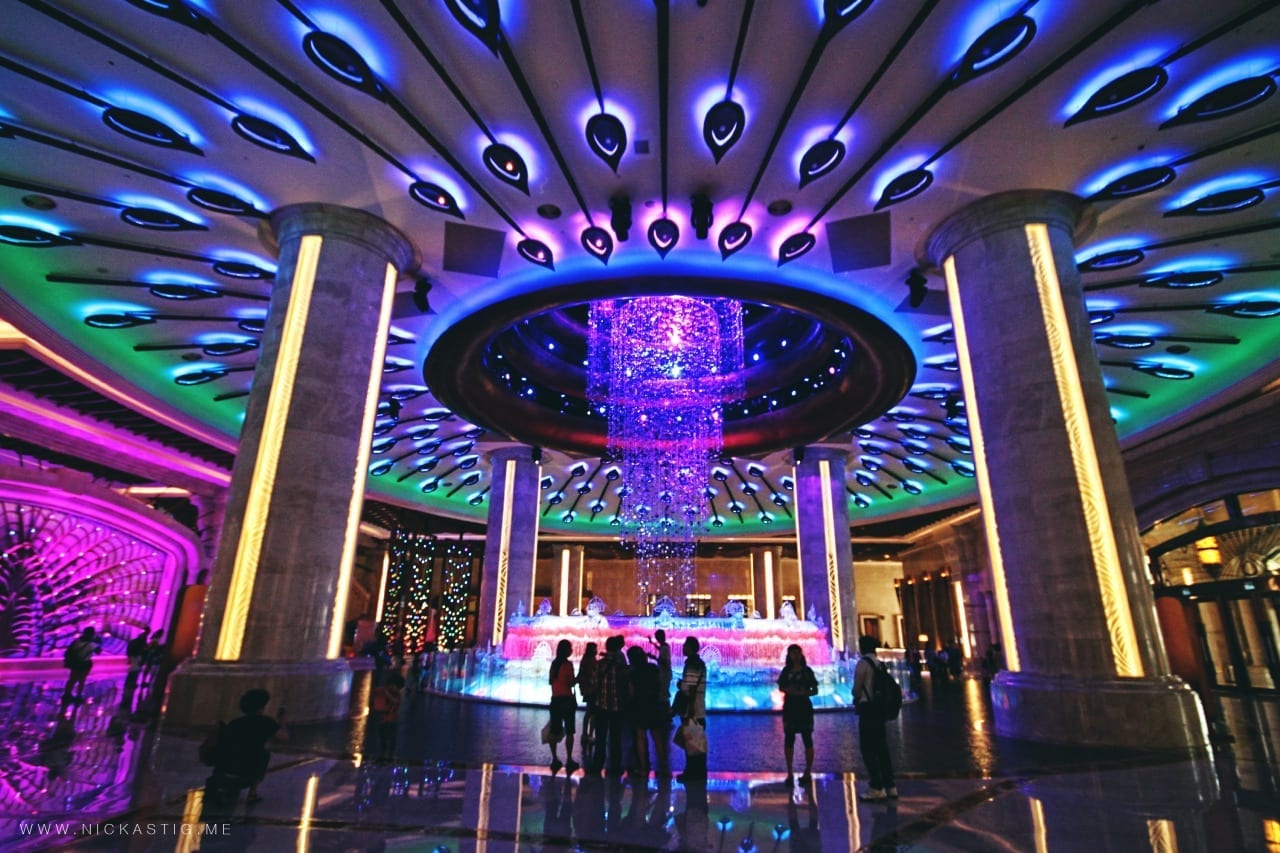
    This Chinese New Year, join a golden celebration that’s positively dripping with luck and fortunate, only at The Promenade Shops at Galaxy Macau™. From 9 January to 26 February 2017, Macau’s luxury shopping destination is hosting the “Love My Fortune” Chinese New Year Promotion, offering shoppers the resplendent opportunity to win instant shopping rewards across Galaxy Macau’s integrated resort offerings. What’s more, seven shoppers will receive the Lucky Draw glittering grand prize – MOP$88,888 to spend at The Promenade Shops, for a total prize value up to MOP$38,888,888.

    During the “Love My Fortune” promotion, every shopper who reaches the designated minimum spend will receive an instant reward! Instant rewards include food and beverage vouchers to Galaxy Macau’s vast collection of casual eateries, stylish cafes and Michelin-starred restaurants; gift certificates to The Promenade Shops; and a one-night stay in a Deluxe Room at the JW Marriott Hotel Macau and Galaxy Hotel.

    Simply shop MOP$8,000 or more across a maximum of two retail transactions at The Promenade Shops, then spin the fortune wheel to claim your prize. Shoppers are also automatically entered into the weekly Lucky Draw! Seven lucky draw winners will receive MOP$88,888 gift certificates to spend at The Promenade Shops.

    Kevin Clayton, Chief Marketing Officer of Galaxy Entertainment Group, said, Galaxy Macau is ringing in the New Year with a festive promotion bringing luck and fortune to all! Weve designed this gilded campaign with the knowledge that shoppers seek more than great deals and exclusive items, although of course The Promenade Shops has those too, shoppers also seek opportunities to indulge in the aspirational lifestyle, entertainment and culinary experiences of Galaxy Macau. In addition to the MOP$38,888,888 in total rewards up for grabs, including seven Lucky Draw winners each receiving MOP$88,888 gift certificates, The Promenade Shops also welcomes Cha Bei lifestyle cafe and The Apron oyster bar and grill. The Promenade is certainly shining bright with prosperity and joy this Chinese New Year.

    The Promenade Shops will present the exclusive Chinese New Year fashion items and fashion lovers will radiate charm in the coming festival. At The Promenade Shops, visitors will find over 200 luxury and lifestyle brands, including top-name flagships, boutique designers and high-street favorites. Committed to delivering on the wants and needs of Macau’s most exclusive shoppers, The Promenade Shops has also brought a wide array of brands to Macau for the very first time. These first-to-Macau shops include the Korean art and fashion brand Youk Shim Won and the newly opened kp (new york) inc., showcasing beautifully crafted exotic leather goods at the brand’s first stand-alone store in the Greater China region.

  • Australia’s Thinxtra to launch IoT network in HK

    Australia’s Thinxtra to launch IoT network in HK

    Australia-based pure-play IoT infrastructure provider Thinxtra has expanded into Hong Kong, with plans to launch Sigfox low-power wide area (LPWA) network in the market early next year.

    The company is deploying a territory-wide open IoT LPWA network that connects to other networks based on Sigfox’s network technology in 28 countries.

    Ahead of the launch, Thinxtra has been working with Hong Kong’s Science Park on IoT R&D efforts as well as the design of devices, sensors and services for the network.

    Thinxtra is the exclusive Sigfox network operator for Australia, New Zealand and now Hong Kong, and also has LPWA networks covering 62% of the population in Australia and 73% in New Zealand.  Now the company is pursuing expansion into the APAC region.

    “We’re bringing our expertise and experience to Hong Kong to support its ongoing transformation into a smart city and a leader in IoT adoption and development,” Thinxtra Asia managing director Murray Hankinson said.

    “We also see great potential for Hong Kong to be a world-leading design and manufacturing hub for IoT innovation, and we’re investing here to support this growth.”

    Sigfox is working with partners to roll out a global LPWA network dedicated to the IoT, designed to meet the low energy consumption and long range requirements for IoT devices.

  • AirAsia injects RM1b into Indonesia ops

    AirAsia injects RM1b into Indonesia ops

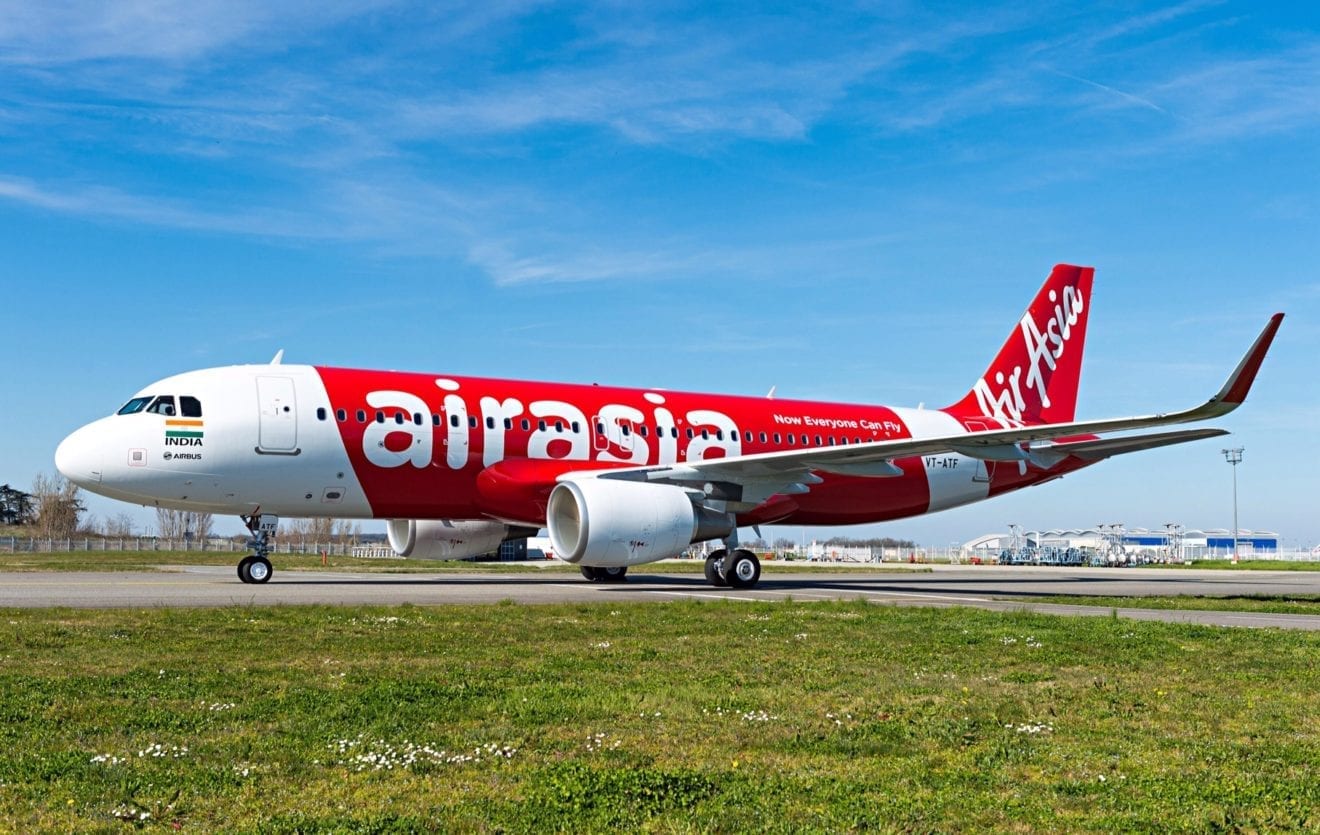
    AirAsia Bhd has injected US$227mil or RM1.01bil into its associate PT Indonesia AirAsia (IAA) to address the latter’s negative equity position.

    The low-cost carrier said  its board had approved the subscription of the US$227mil or 3.042 trillion nominal value of perpetual capital securities issued by its 49% owned Indonesian operations.

    AirAsia had on Friday entered into a perpetual security purchase agreement with IAA to formalise the issuance and terms and conditions between IAA and AirAsia for the subscription.

    To recap, on Sept 29, 2015, AirAsia had subscribed to 2.058 trillion rupiah nominal value, which was 49% of the perpetual capital securities issued by IAA.

    The move then was to comply with the directive received from the Directorate General of Civil Aviation (DGCA) of the Republic of Indonesia to resolve the negative equity position for financial year 2014.

    On May 10, 2016, the Indonesian DGCA had again instructed IAA to increase its capital to address the negative equity balance.

    Subsequently, IAA offered to issue 3.042 trillion rupiah of new perpetual capital securities to AirAsia.

    “The subscription is to enable IAA to attain positive equity position as directed by the DGCA in compliance with the directive.

    “Failure to address the capital shortfall carries the risk that the Minister of Transportation of the Republic of Indonesia would deny IAA’s requests for new route approvals or even impose a suspension of operations,” it explained.

    AirAsia said the Subscription would help reduce IAA’s gearing without any need for AirAsia to inject further funding or capital to IAA as it entailed converting the amount owed to the company into equity of IAA.

    “Indonesia is a crucial market for AirAsia. International Air Transport Association forecasted that Indonesia is expected to be the sixth largest market for air travel by 2034 with 270 million passengers.

    “The risk of suspension of IAA would not only affect the AirAsia brand but also affect the network and future growth of AirAsia Group,” it said.

    AirAsia said the perpetual capital securities carry an initial periodic distribution rate of 2% per annum for the first 12 months and subsequently 8% per annum on outstanding principal amount to the perpetual capital securities until the first call date.

    It will then be stepped up to 13% per annum on outstanding principal amount of the perpetual capital securities post the first call date thereafter.

    “Perpetual in tenure with no fixed maturity date, with IAA having a call option to redeem the perpetual capital securities at the first call date, which is at the end of the seventh year from date of issuance and on each subsequent periodic distribution date thereafter at their principal amount.

    “The periodic distribution rate will step-up by 5% if the perpetual capital securities are not redeemed at the first call date,” it added.

  • DoCoMo joins CAICT’s 5G Promotion Group

    DoCoMo joins CAICT’s 5G Promotion Group

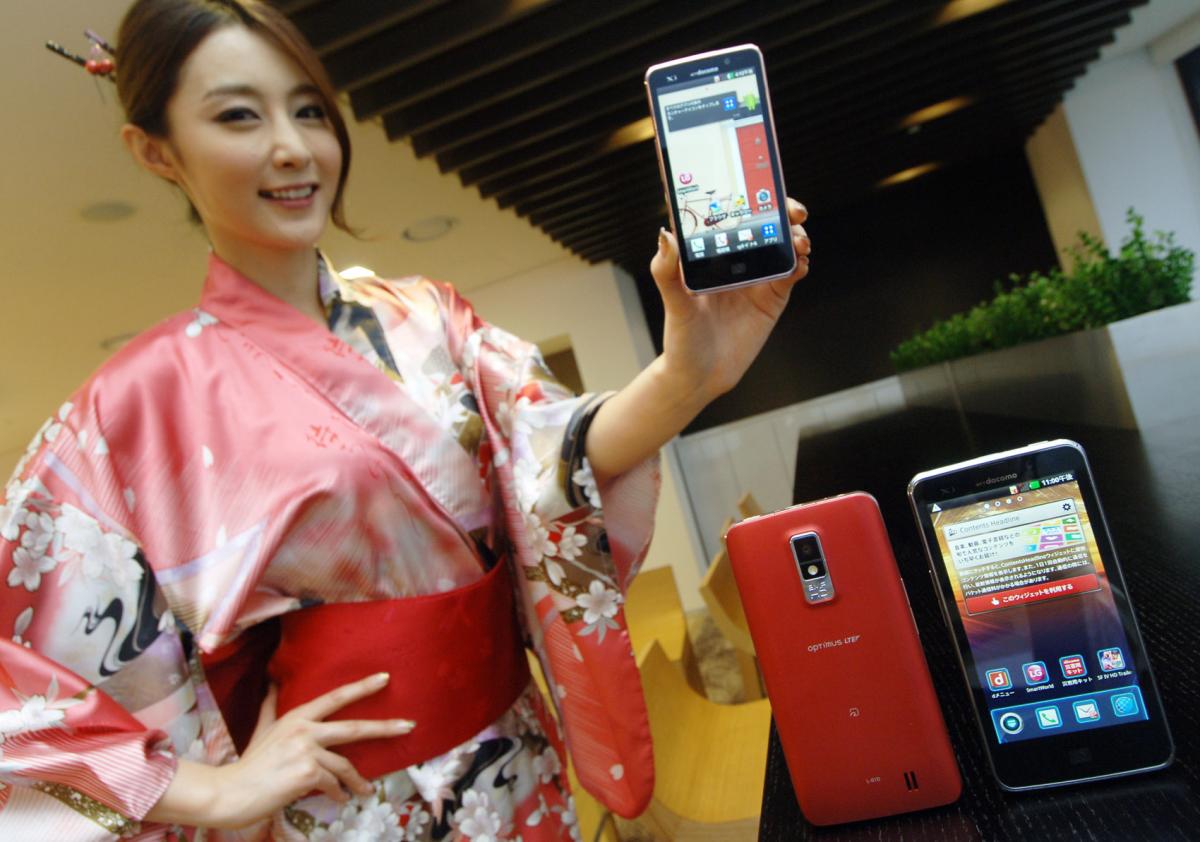
    Japan’s NTT DoCoMo has teamed up with the China Academy of Information and Communication Technology (CAICT) on research and development into potential 5G standards.

    As part of the collaboration, DoCoMo will join the CAICT-initiated IMT-2020 Promotion Group 5G trial. DoCoMo and CAICT will also evaluate possible frequency bands for future 5G networks.

    DoCoMo joined the IMT-2020 promotion group in August to co-operate with major mobile operators and vendors on 5G R&D and standardization.

    The operator has also been conducting joint 5G R&D with vendors including Ericsson, Huawei and others.

    The IMT-2020 Promotion Group was jointly established by three Chinese ministries in early 2013, based on the original IMT-Advanced Promotion Group. It is the major platform to promote research into 5G in China.

    The group is divided into dedicated units covering areas including technology, spectrum, intellectual property and network asrchitectures.

  • Japanese denim brand EVISU Buys Back the Retailing Rights in China for US$40 Million

    Japanese denim brand EVISU Buys Back the Retailing Rights in China for US$40 Million

    Japanese premium denim brand EVISU Group Limited announced the buy-back of the retailing and franchising rights for the China market.

    EVISU Group Limited, the parent company, has reinvested alongside Cassia Investments, a consumer-focused private equity fund, to buy back the interest from New Elegant Trading (Shanghai) Co. Ltd, the joint venture partner in China financially supported by IDG Capital. Acquisition consideration is US$40 Million. David Pun, Chairman and CEO of EVISU Group Limited, will remain the majority shareholder.

    David Pun expressed his excitement about this latest development, “The company made concerted efforts with its China joint venture partner over the past few years to establish brand awareness and secure a footing in China. We think this is an ideal time for the company to integrate its regional China business with headquarters to pursuit the brand’s global objectives in the coming years.”

    In the meantime, EVISU is seeking business expansion globally by forging distribution partnerships for the U.S. and Europe markets. The brand will step up product extensions like EVISUKURO, the latest athleisure collection, and maintain product exclusivity through focused management of wholesale distributors.

  • Lazada’s 12.12 sale nets $40.5 million

    Lazada’s 12.12 sale nets $40.5 million

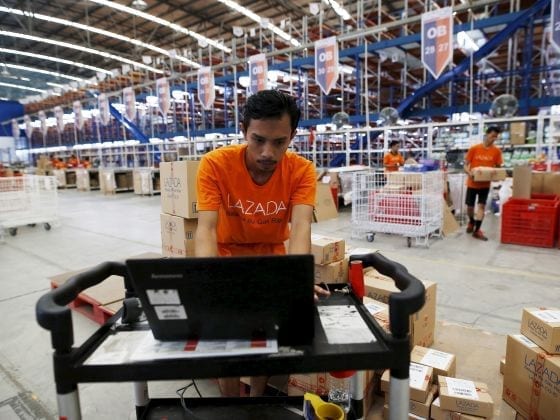
    Lazada Group’s Online Revolution, also known as 12.12, has again proven to be the biggest online shopping event in Southeast Asia, ringing up US$40.5 million in sales.

    About 60 per cent of the gross merchandise value (GMV) of the December 12 event came from mobile, with shoppers spending an average of 12 minutes on Lazada apps browsing deals from international and local brands and sellers.

    With the theme “Brands for All”, the 12.12 event featured more than 500,000 offers and flash sales from more than 1000 brands and 55,000 sellers. Best-sellers included shower gels and mascaras, tote bags and bracelets, vacuum cleaners and tableware, and virtual-reality headsets and speakers.

    Lazada Group CEO Maximilian Bittner says the sale has become highly anticipated among more consumers in Southeast Asia, who are no longer just from large cities, but also from small cities and rural areas.

    “This year, the difference was consumers clearly shopping for everyday products such diapers and groceries, as well as higher-value items from trusted brands.”

    Lazada has a presence in Indonesia, Malaysia, the Philippines, Singapore, Thailand and Vietnam.

  • Brace yourself for Dr Martens expansion

    Brace yourself for Dr Martens expansion

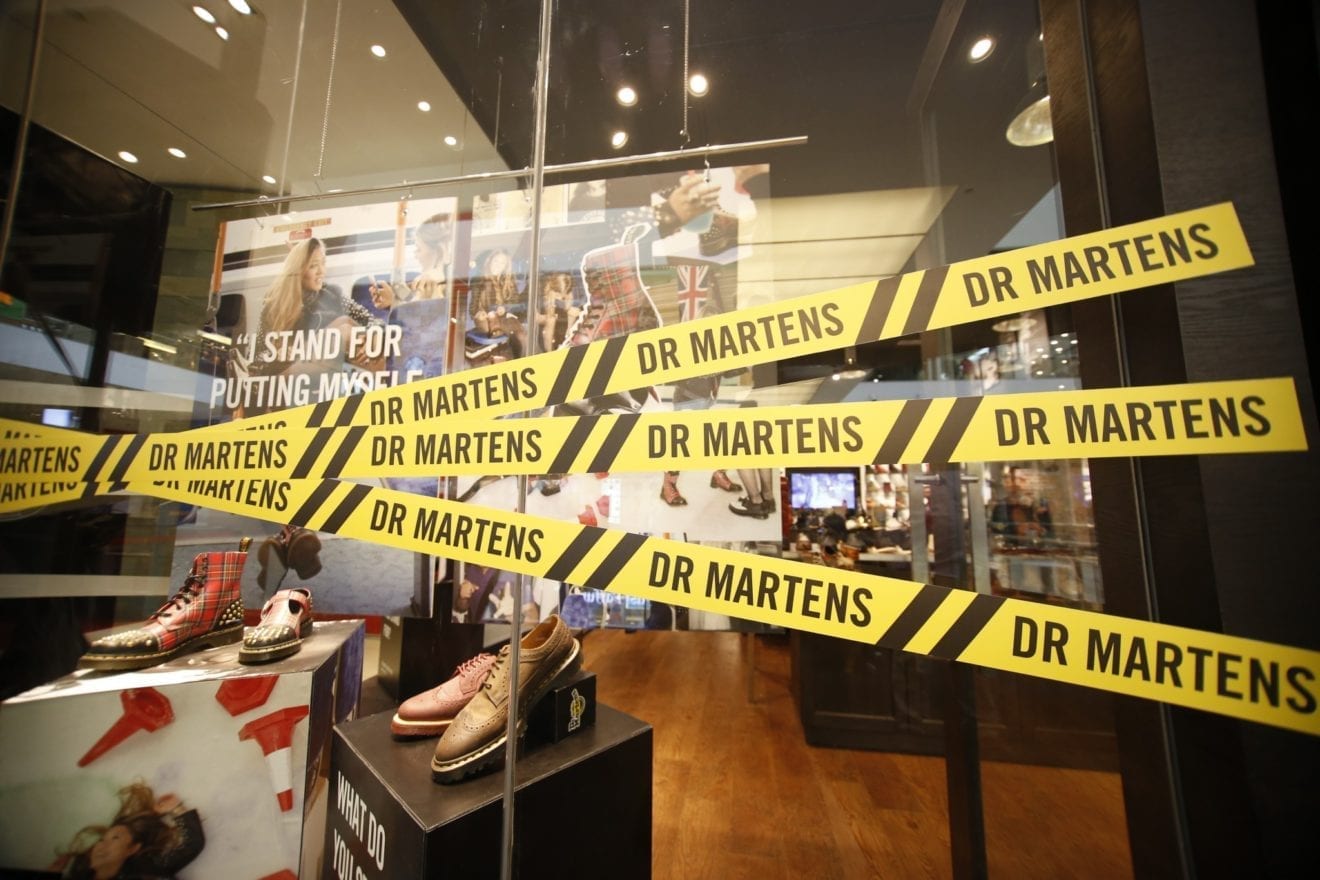
    The global Dr Martens store network is set to double, despite lower revenue and profits in its latest trading year.

    Owned by European private-equity firm Permira, Dr Martens saw its revenue and profits drop as it closed wholesale accounts and invested in stores and online capacity. However, its revenues in Asia rose 19 per cent.

    That in part is inspiring the brand to mount an aggressive expansion strategy not only in Asia but worldwide.

    The company says its total revenue fell 4 per cent to £232.4 million (US$291.6 million) after it closed several “non-strategic” wholesale accounts to refocus its wholesale and export channels. Those wholesale cuts added up to as many as 250 accounts, resulting in a 14 per cent reduction in wholesale revenues to £160.2 million.

    Earnings before interest, tax, depreciation and amortisation (EBITDA) in the year to March 31 fell to £29.6 million from £39.1 million the previous year. This is attributed to “significant” investment in product, new stores and online capability”, while the company has seen “excellent performance” in key growth areas, such as a 24 per cent rise in direct-to-consumer revenue to reach £72.2 million, plus 25 per cent growth in retail sales to £51.2 million, with comparable sales up 5 per cent.

    Its eCommerce sales grew 20 per cent to £21 million, while in Asia there was 19 per cent growth to £46.3 million.
    During the year Dr Martens opened 11 stores and nine concessions, while online sales reached 9 per cent of total revenue. By year-end, its store base was 100 (including 44 concessions), and it plans to double that by 2021.

    The company says that 30 per cent of its sales now come from new product, compared to 14 per cent a year ago, while 79 per cent of sales come from outside the UK. With its international growth, it has set up regional president roles for the Americas, EMEA and Asia, plus global heads of product, IT, logistics, legal and eCommerce.