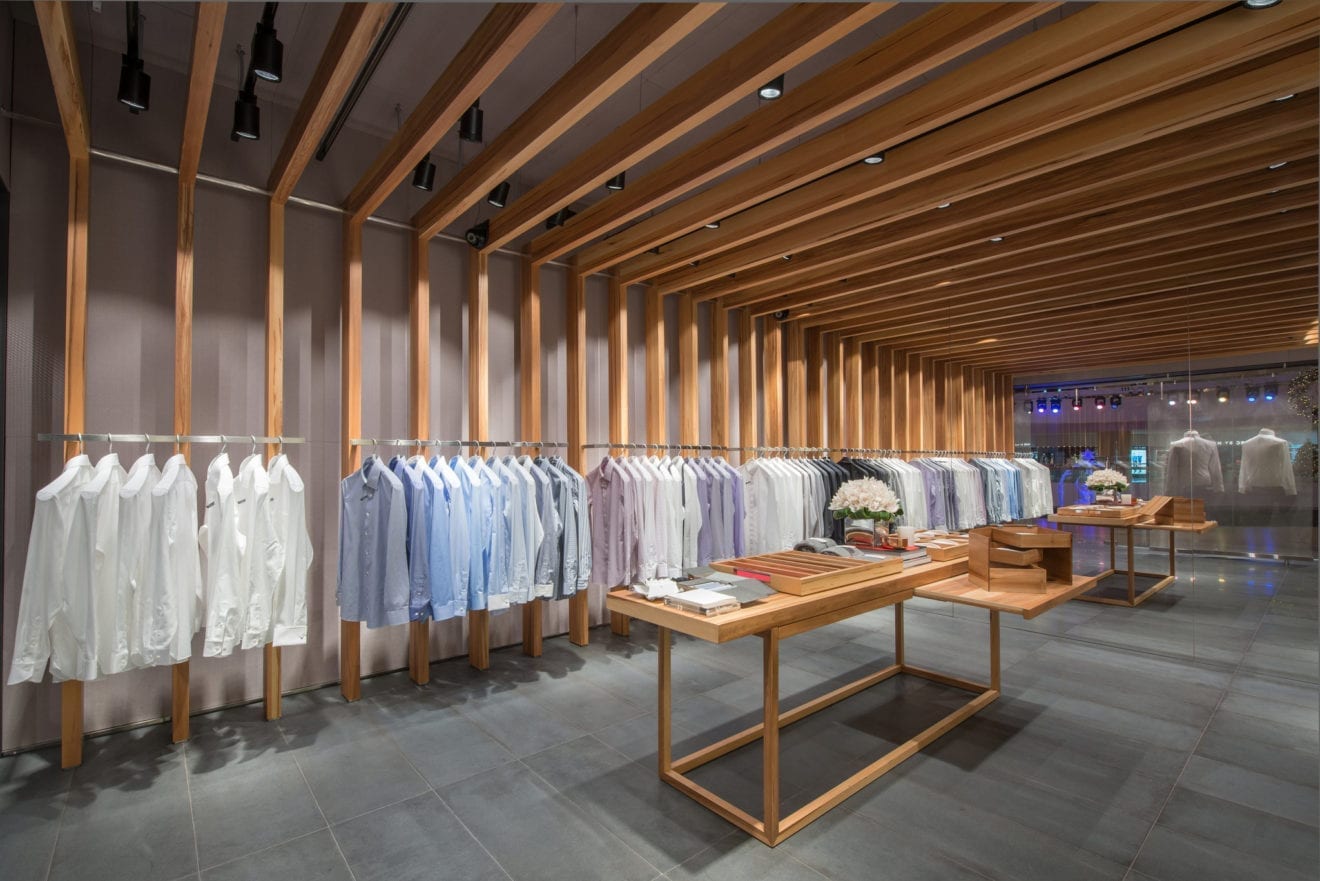
Why is selling white shirts a good business in China? It’s because the world’s second largest economy is seeing an increasing number of youngsters taking white collar jobs, according to John Cheh, vice-chairman and chief executive of Esquel Group.
Esquel, the world’s largest woven shirt manufacturer, last month launch a new retail brand called Determinant which sells mainly white shirts costing about HK$300 each for the mass market of mainland youngsters.
“The new generation of youngsters in mainland China are white collar employees who need to dress decently to go to work. There are millions of youngsters who have graduated from universities in China every year. They all need a white shirt for their job interview or for their work,” Cheh said.
He said Determinant would target these youngsters so it could sell the shirts online at an affordable price for the mass market.
White shirts are not just for junior staff. When they climb up the corporate ladder, they also need a shirt to wear to work and when meeting with their clients. The quality and price tag of the shirts they buy may well move up along with their promotions.
Cheh is wearing a white shirt during the interview with the Post but as chief executive of the group, he wears one from the company’s deluxe retail brand called Pye.
Pye, headed by Dee Poon, managing director of Esquel Brands and Distribution and granddaughter of the founder of Esquel, has six shops in Hong Kong and mainland China. It sells more high quality shirts at a minimum of HK$1,000 each.
Cheh said the company invested in the retail business to diversify its income source but added that manufacturing remains its core business.
“We plan to only focus the retail business on what we are good at – shirts. China has an increasing number of middle class who can afford to buy good quality shirts and clothes. A simple white shirt may not be fancy fashion but it is suitable for many occasions. It is always a best seller,” he said.
About 17 per cent of discounts offered during China’s multi-billion-dollar Singles’ Day online sale event were not real, claims a state-backed consumer group.
It is calling on the government to intervene and punish platforms and merchants for promoting fake Singles’ Day discounts.
Alibaba and Amazon are among companies the Chinese Consumers Association (CCA) alleges are guilty of hiking prices before the annual November 11 shopping festival in an effort to lure customers with sharp “discounts”.
“There is a large number of false discounts and other misleading behaviour about prices,” says the CCA, which has referred the cases to relevant government departments, recommending “severe punishment for price violations and price dishonesty”.
Ahead of the shopping event, China’s top business regulator last month warned firms including Alibaba, Amazon and JD.com against falsifying figures and selling counterfeit goods.
Alibaba recorded 120.7 billion yuan ($US17.4 billion) in Singles’ Day sales this year, and is being investigated by the US Securities and Exchange Commission over accounting practices related to its figures for the event last year. The US-listed firm has denied any wrongdoing.
“We have strict measures in place to crack down on false sales discounting,” says an Alibaba spokeswoman. She claims the company penalises merchants, depending on the severity of the falsified discount.
The CCA study recorded price changes on 12 platforms between October 20 and November 25. Of all the “discounted” products surveyed, 35 per cent of them on Amazon still cost more than regular retail prices, the highest of any platform. JD.com followed at 26.8 per cent, then Alibaba’s Tmall at nearly 19 per cent.
Ikea India is launching its pop-up store format Hej Homes in cities where it plans to open brand stores.
The local branch of the Swedish home furnishings and furniture retailer plans to have 50 of the outlets by 2025, with a typical Hej House store being between 4000 and 7000 sqft (650 sqm), housing a cafe and usually in malls.
The idea of the stores is to give consumers a taste of the Ikea brand, says country marketing manager Ulf Smedberg.
The first pop-up will be unveiled in Hyderabad, where construction has started on the brand’s first store. Its second store is expected to be in Navi Mumbai, with plans to start 25 Ikea stores by 2025. Also launching in the first phase will be stores in Bengaluru, Delhi and Mumbai.
Smedberg says the retailer will be introducing catalogues as part of its branding strategy.
Real Singapore retail sales rose in October month-on-month – but slipped year-on-year.
According to official Statistics Singapore data released Thursday, seasonally adjusted retail sales rose 1.5 per cent (excluding motor vehicles) on September’s figures. But while the headline figure showed a 2.2 per cent increase on October 2015, after removing motor vehicles, the real result was a drop of 0.3 per cent.
Month-on-month, the performing categories were watches & jewellery, medical goods & toiletries, by department stores, food & beverages, apparel, footwear, supermarkets and recreational goods which increased between 0.3 per cent and 7.1 per cent. But sales of furniture & household equipment, and through mini-marts & convenience stores, optical goods and books decreased between 0.1 per cent and 4.6 per cent.
Compared to October 2015, retail sales of recreational goods, watches & jewellery, food & beverages, by department stores, supermarkets and medical goods & toiletries rose between 0.3 per cent and 5.6 per cent.
In contrast, retail sales of computer & telecommunications equipment, apparel & footwear, furniture & household equipment and optical goods & books decreased between 1.8 per cent and 8.1 per cent..
Food & beverage sales
In the food and beverage sector, (for consumption outside home), sales of fast food outlets, restaurants and other eating places, such as cafes, decreased by between 3.5 per cent and 5.6 per cent in October 2016 over September. Turnover of food caterers, other eating places and fast food outlets increased between 2.6 per cent and 5.8 per cent year-on-year, while restaurant sales declined 4.9 per cent.
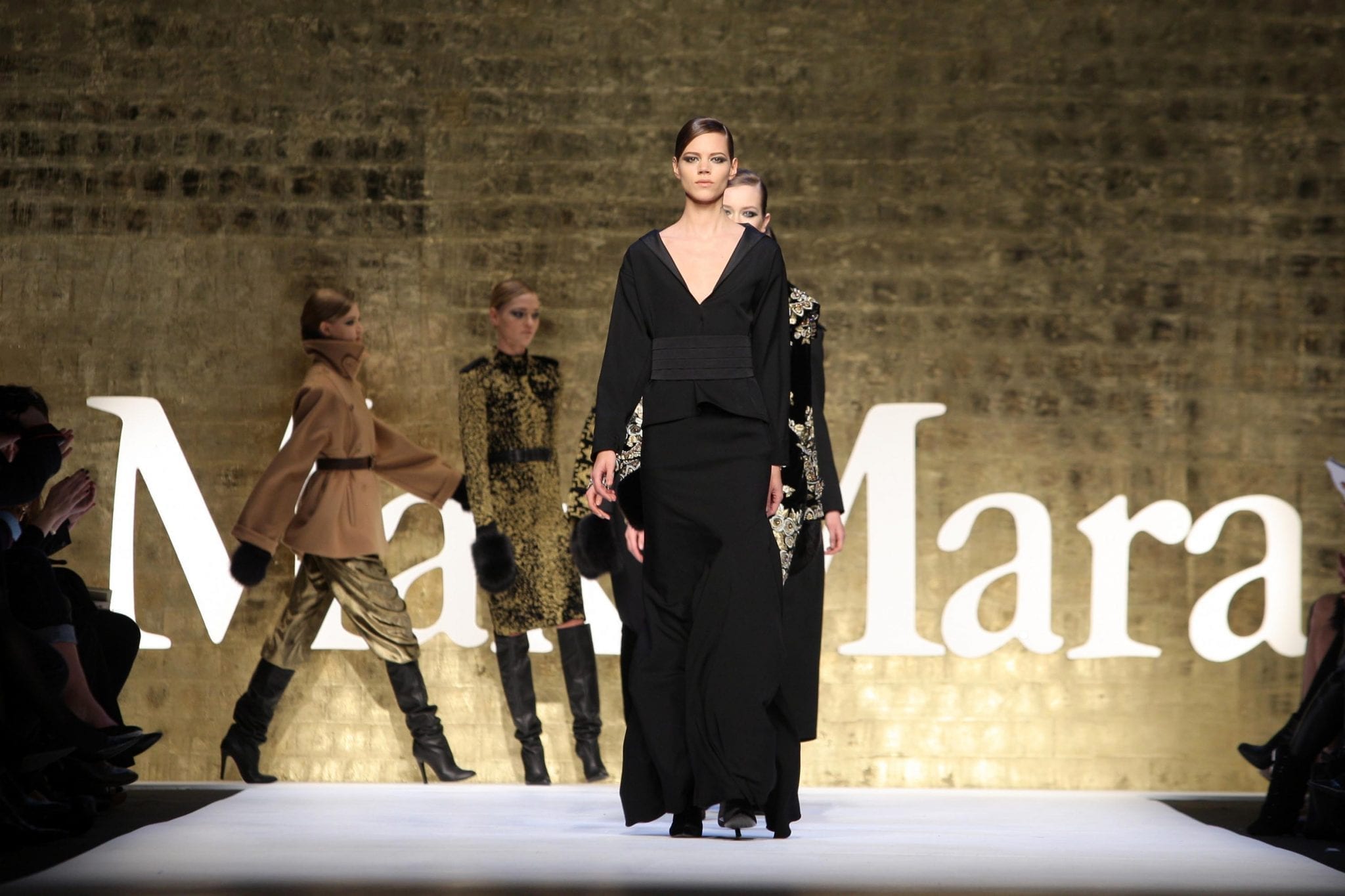
Luxury Italian fashion house Max Mara hosted its first runway show in Shanghai yesterday.
It is presenting its pre-collection for fall 2017, as well as a capsule collection conceived in collaboration with Chinese artist Liu Wei, who also created the set for the runway show.
With the capsule collection, the label is test driving its “see now, buy now” strategy. The collection comprises 11 pieces in upmarket fabrics, inspired by dense urban landscapes. The items will be available from tomorrow in a selection of Max Mara boutiques worldwide, including Paris, and on the label’s website.
Max Mara opened its first store in China in 1993 and now has 414 boutiques there, including 35 in Shanghai.
The Italian group has 19 apparel brands, led by Max Mara and Max Sport. It achieved sales of €1.38 billion (US$1.45 billion) last year, with 60 per cent coming from abroad. The company employs 5692 people and has 2668 locations in more than 100 countries.
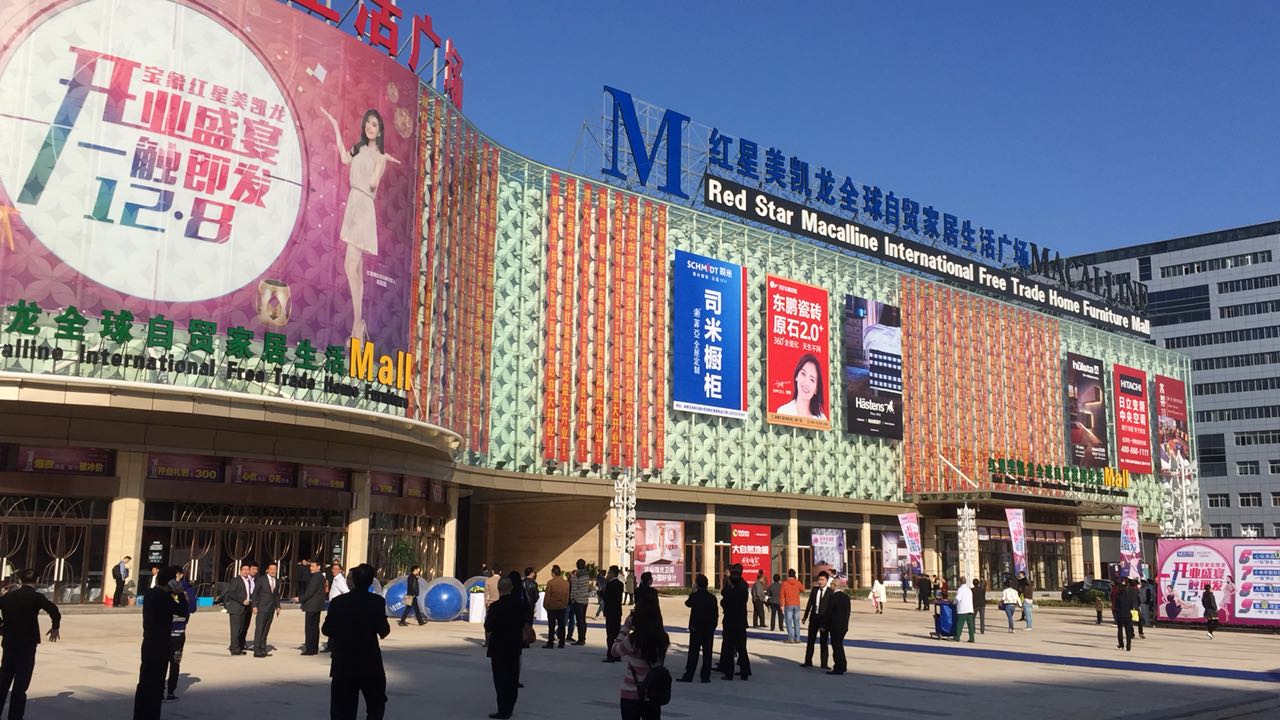
The four-storey mall aims to cater to the burgeoning Chinese retail scene while strengthening the Xiamen’s status as one of China’s most popular tourist destinations.
YCH Group — an integrated end-to-end supply chain management and logistics company in Asia Pacific — has launched its retail hub in Xiamen, China in an effort to support the Pilot Free Trade Zone project in the city.
To be fully operational from today (15 December 2016), the four-storey facility aims to cater to the burgeoning Chinese retail scene. According to eMarketer’s latest findings, China has overtaken the U.S. to become the world’s largest retail market, with total sales of US$4.886 trillion this year.
The retail hub will also play a key role to strengthen the status of Xiamen as one of the most popular tourist destinations in China. Xiamen Tourism Bureau revealed on 7 October 2015 that Xiamen received 1.63 million tourists from home and abroad, and raked in 1.853 billion RMB in tourism revenue last year.
“With the dynamic and growing retail sector in the country, we want to equip retailers with game-changing capabilities that help them simplify processes and optimise costs. This will enable them to remain competitive while simultaneously boosting trade and facilities investment for China with the Pilot Free Trade Zone,” said Koh Yong Seng, Operations Director of North Asia, YCH Group.
The mall, which used to be Xiamen Port Development- YCH Logistics’ warehouse, is strategically located within the Pilot Free Trade Zone. It is in close proximity to both air and sea ports, as well as numerous famous hotels.
Sam’s Club and Red Star Macalline will be the mall’s first two anchor tenants, occupying about 85 percent of the facility.
Sam’s Club is a division of Wal-Mart, which offers an extensive inventory with exceptional value on famous-brand merchandise at “member only” prices for both business and personal use.
Meanwhile, Red Star Macalline targets the rapidly growing middle class in China through the operation of malls that offer home improvement and furniture materials, including flooring, bathroom and kitchen fixtures, with approximately 18,000 well-known brands.
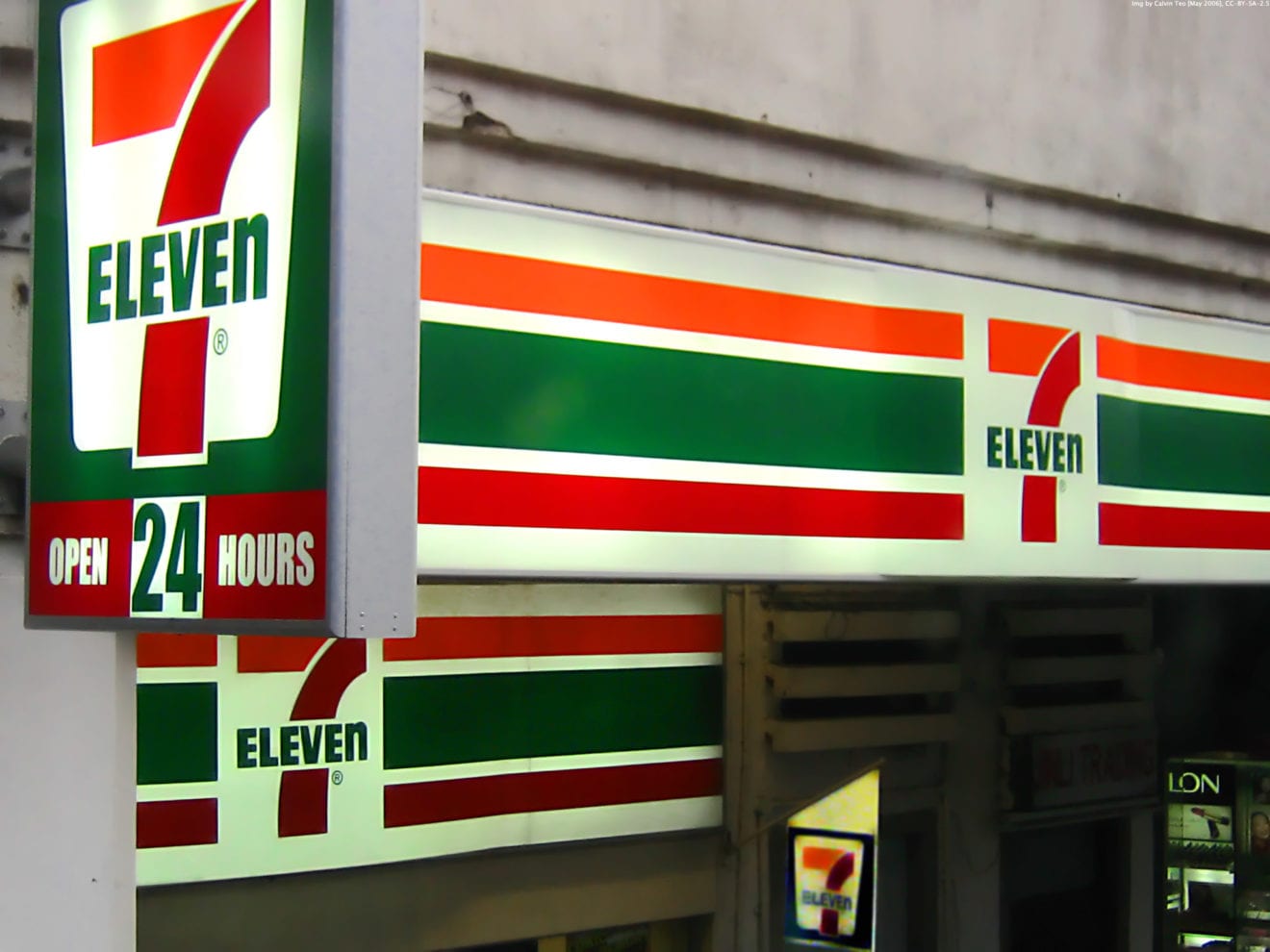
Convenience-store giant 7-Eleven plans to enter Vietnam by taking over VinGroup’s VinMart+ chain, marketplace sources say.
In a statement from the US last year, 7-Eleven said it would build stores as well as convert “existing locations”. Now industry insiders are saying the group will swallow VinMart+, but there has been silence from both brands.
The 7-Eleven Vietnam franchise is a partnership between IFB Vietnam, which owns Pizza Hut Vietnam, and Seven System Vietnam. The chain has announced plans to establish 100 stores in its first three years, with 1000 outlets within a decade. Its initial store will be in Ho Chi Minh City, scheduled for early next year.
VinMart+ is Vietnam’s largest c-store chain with more than 700 outlets. It has plans to expand to 10,000 stores in next 10 years.
Vietnam is 7-Eleven’s second Pacific Rim market after Indonesia, where it launched in 2009. It also has stores in Australia, China, Japan, Malaysia, Singapore, South Korea, Taiwan, Thailand and the Philippines.
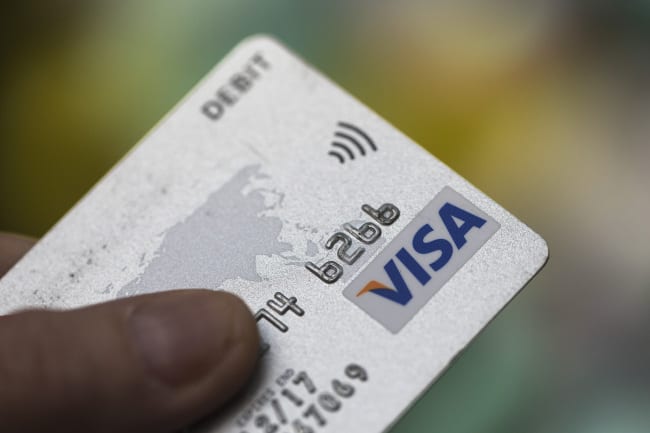
Demand for innovative payment solutions is on the rise in Thailand, according to global payments technology company Visa, as the value of transactions made by Thai cardholders continues its high-growth trajectory.
Total payment volume for all Visa cards rose by 9.3 percent last financial year, with growth coming from Visa debit cards at 18 percent and Visa credit cards at 8.6 percent. Meanwhile, the value of eCommerce transactions conducted on Visa cards rose by 24 percent.
“While such growth is not new to the payments industry, we are at a tipping point of innovation. New forms of commerce in the digital and hyper-connected world are emerging. When our clients issue Visa cards, they are issuing more than a card, they are issuing a Visa account that enables their customers to use Visa anywhere, anytime, with any connected device,” said Suripong Tantiyanon, Visa Country Manager, Thailand.
To support payments innovation in Thailand, Visa has launched the Visa Developer platform, transforming VisaNet, the world’s largest retail payment network, into an open platform for payments and commerce.
Developers at merchants, financial institutions, technology companies and startups will have self-serve access to some of Visa’s most popular payment capabilities available through APIs, SDKs, and relevant documentation.
One example of a solution developed and launched in Thailand is a global loyalty mobile application, using the Visa Direct API to provide real-time payment services. The product allows direct transfer of reward points to users’ Visa cards.
The Visa Tokens Service (VTS), is another API that enables financial institutions to issue tokens – essentially digital accounts that enhance the security and simplify the consumer purchasing experience when shopping on a mobile phone, tablet, personal computer or other smart device.
Visa is also expanding the acceptance of electronic payments across the country. The number of merchant outlets that accept Visa cards has grown to almost half a million in 2016, particularly outside of Bangkok. The number of active mobile point of sale (mPOS) devices is almost close to fifty thousand, buoyed by insurance sales.
“Enormous potential exists for technology to transform the entire payments experience. Many businesses are still relying on legacy systems in a world where customers want everything now – and, customer experience matters. Visa strives to extend the reach and value of electronic payments in ways that can power these changes,” added Mr. Suripong.
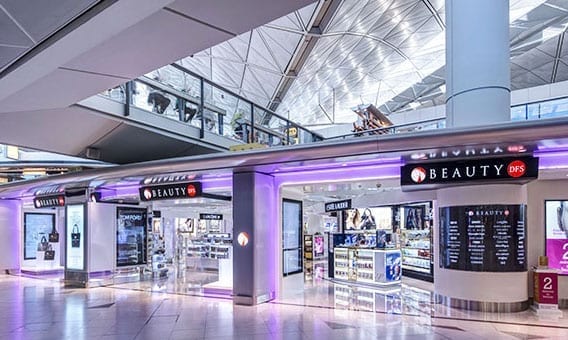
DFS Group, the world’s leading luxury travel retailer, introduces four newly upgraded shopping spaces inside Hong Kong International Airport. Building on DFS’ promise to deliver innovation and newness, travelers can now discover an expanded assortment of brands and exclusive products at DFS boutiques in the Departures East Hall North and Departures East Hall South, showcasing DFS’ unparalleled expertise in providing new ways to delight travelers to Hong Kong.
The remodeled area spans over 30,000 square feet, creating greater circulation space across General Merchandise, Beauty and Spirits, Wines and Tobacco categories. A range of first-in-HKIA product lines including Make Up For Ever, Fresh, Innisfree, Sekkisei, GLAMGLOW and Diptyque have been added to the airport stores’ Beauty sectors, while branded kiosks such as Montblanc, Casio, Samsonite and LeSportsac will present customers with new experiences including customized personalization in the General Merchandise section.
DFS’ remodeled shopping areas also unveil unique new concepts in the Spirits and Wines sector, introducing one of only 15 Johnnie Walker Houses in the world in tandem with The Whiskey House, an experiential destination with certified Sales Associates delivering a luxurious shopping experience. New additions to the extensive brand list include Bache-Gabrielsen, Janneau and Moutai. Customers can explore more than 250 whiskies across 50 brands and enjoy DFS-exclusive offers including William Grant & Sons’ ‘Rare Cask Reserve’, as well as Araid 18 Year Old, 21 Year Old and 25 Year Old.
Benjamin Vuchot, DFS Group’s Region President, Asia North said, “DFS is committed to continuously enhancing the traveler’s shopping experience at Hong Kong International Airport, gateway to one of the most important destinations in the world. We are very proud to offer these new brands, exclusive products and world-class concepts to travelers to HKIA.”
The much-anticipated completion of the remodeled stores provides travelers with more space, visibility and better ease of shopping. The new layout marks the beginning of an enhanced shopping experience that will give travelers reason to spend more time relaxing before their flight at Hong Kong International Airport. The remodel builds on a number of exciting activations for travelers including the 12.12 Alipay promotion and recent Whiskey Festival at the newly launched The Whiskey House.
Be sure to visit the East Hall Departures at DFS, Hong Kong International Airport and experience effortless shopping filled with new discoveries and exclusive offers.
Apple fans who have been looking forward to the tech giant’s first brick-and-mortar store in Singapore may have to wait a while longer, with the completion date of construction work at its expected location along Orchard Road apparently pushed back.
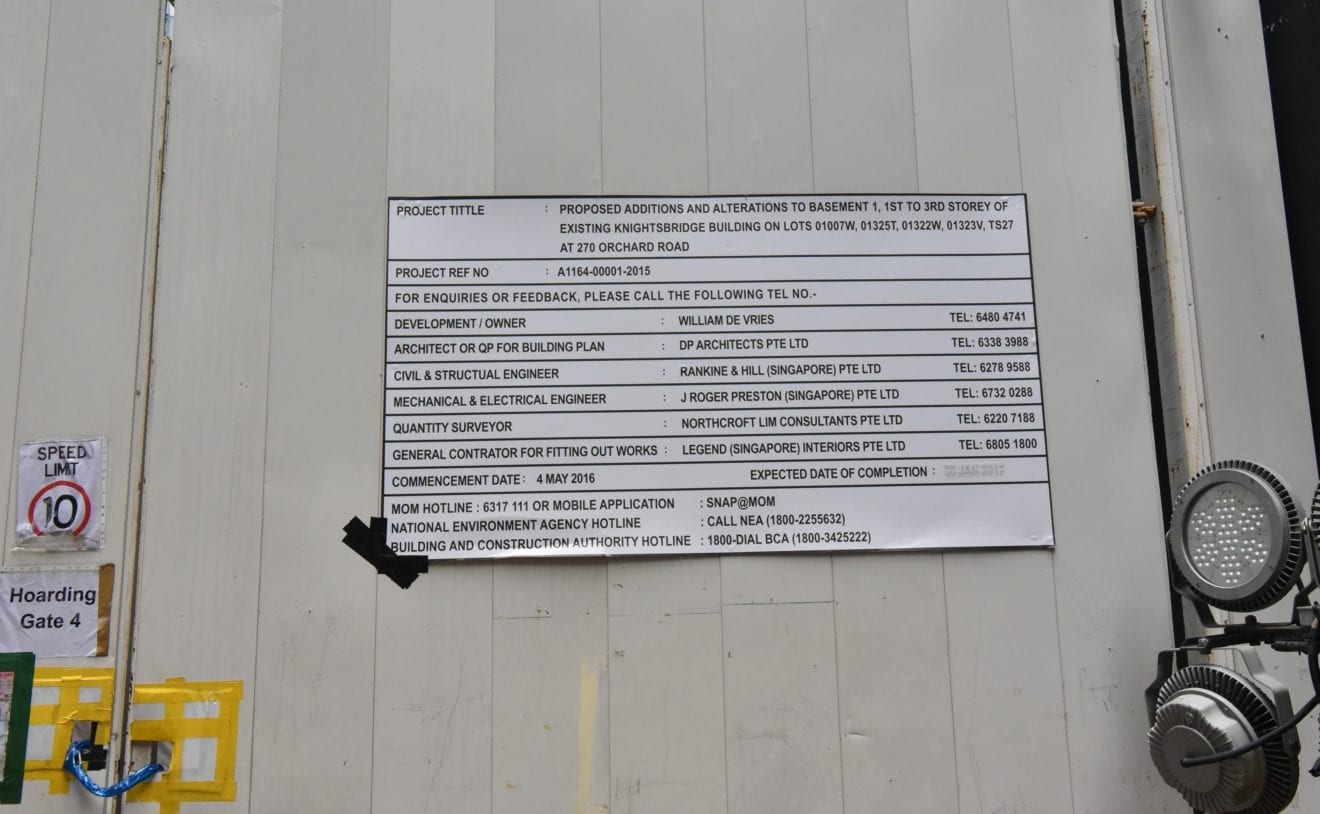
According to an information board put up outside the construction site at Knightsbridge mall, the latest expected completion date of Jan 30, 2017 – already a three-month postponement from the previous date of Oct 31, 2016 – was covered up, with no new date provided.
The information board with details on the expected completion date seen outside the construction site at Knightsbridge mall on Dec 9, 2016.
A check with workers and security guards at the site noted that the ongoing construction work is unlikely to wrap up by next month. One construction worker said that delays were unavoidable after the site was issued with a three-week stop-work order in late October.
In response, a spokesperson from the Ministry of Manpower (MOM) confirmed that it did issue a full stop-work order to the work site’s contractor on Oct 24, citing “unsafe conditions relating to work at height, traffic management, scaffolding, electrical installation and lifting operations that were observed during an inspection at the worksite”. A separate check on MOM’s website showed that the stop-work order was issued against Legend (Singapore) Interiors Pte Ltd.
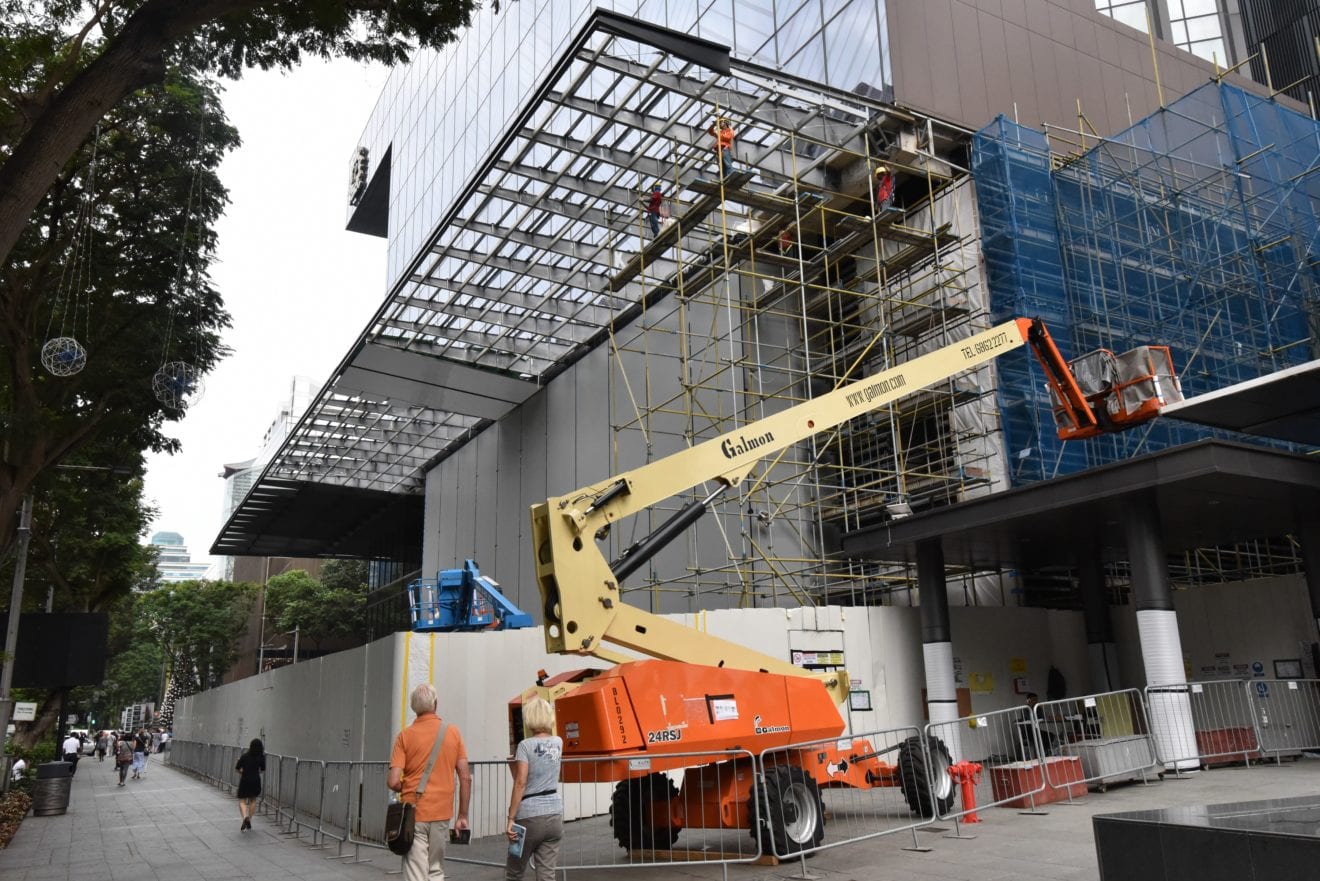
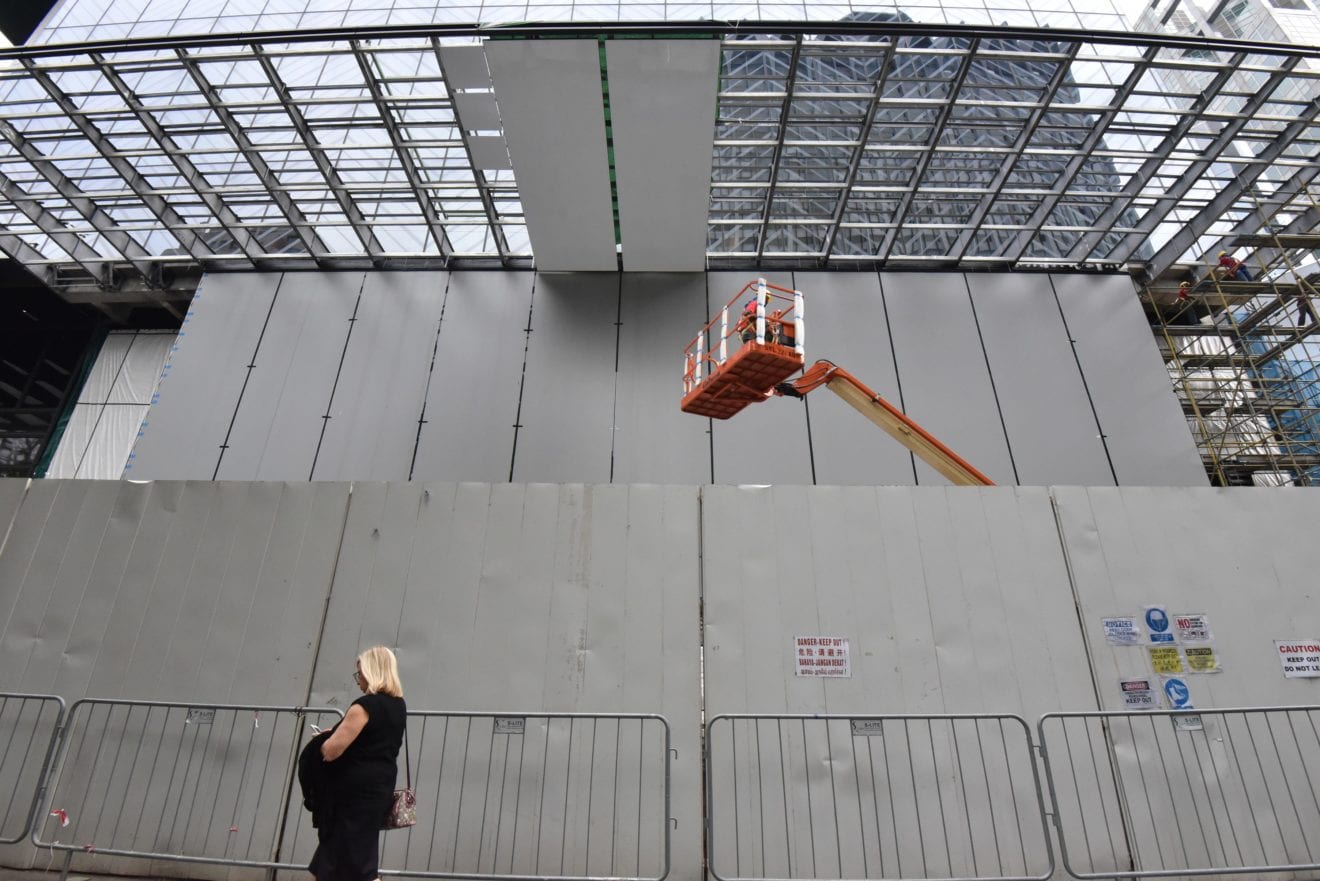
MOM said the order has since been lifted, and when this reporter visited the site on Dec 9 and Dec 13, workers could be seen working on the sides of a three-storey-high facade covered up by grey-coloured boards.
Apple declined to comment. It also declined to reveal an official opening date for the store or provide an update for the number of employees it is hiring locally.
Its senior vice president of retail and online stores, Angela Ahrendts, confirmed last November that the tech giant had begun hiring staff for its retail store in Singapore.
The store, which is expected to take up four levels at Knightsbridge mall, will be Apple’s first physical retail presence in Singapore, as well as Southeast Asia. Apart from an online store, Apple currently sells its products via authorised premium resellers such as EpiCentre and Nubox in Singapore.
Speculation about the Singapore’s first Apple store emerged in October last year, when fitness club Pure Fitness informed its members that it would be shuttering its four-storey gym facility at Knightsbridge mall to make way for a “future Apple store”.
So far, there have been few details about the retail outlet apart from a statement released last November noting that the Apple Store will be powered by solar energy from developer Sunseap Group.
As for the exterior, a previous post by local blog My Apple Singapore wrote that wooden crates bearing the logo of German glassmaker Seele were placed outside the construction site in July. Given that Seele has been providing Apple with the glass panels for its overseas stores, the upcoming store in Singapore could be fitted with a similar glass facade, according to the blog, which began tracking developments at the construction site since last November.
Ongoing construction work seen at the site of Apple’s first retail store in Singapore at Knightsbridge mall on Dec 9, 2016
Construction work for the store commenced in May this year, according to the information board, and was initially expected to be completed by Oct 31.
SUCH DELAYS “NOT UNCOMMON”
However, industry observers said that such delays are not uncommon given the work required to fit out a huge space and Apple’s emphasis on customer experience in its flagship stores.
“For a huge flagship store occupying 30,000 sqft of prime space along Orchard Road, some degree of fit-out delay is not uncommon given the complexity of the design and layout,” said Cushman & Wakefield’s research director Christine Li.
“Plus, we are talking about the world’s most valuable brand – a brand that pays a lot of attention to detail and strives to be perfect. So, I think they want to make sure they don’t rush into things and that everything is in order,” she added.
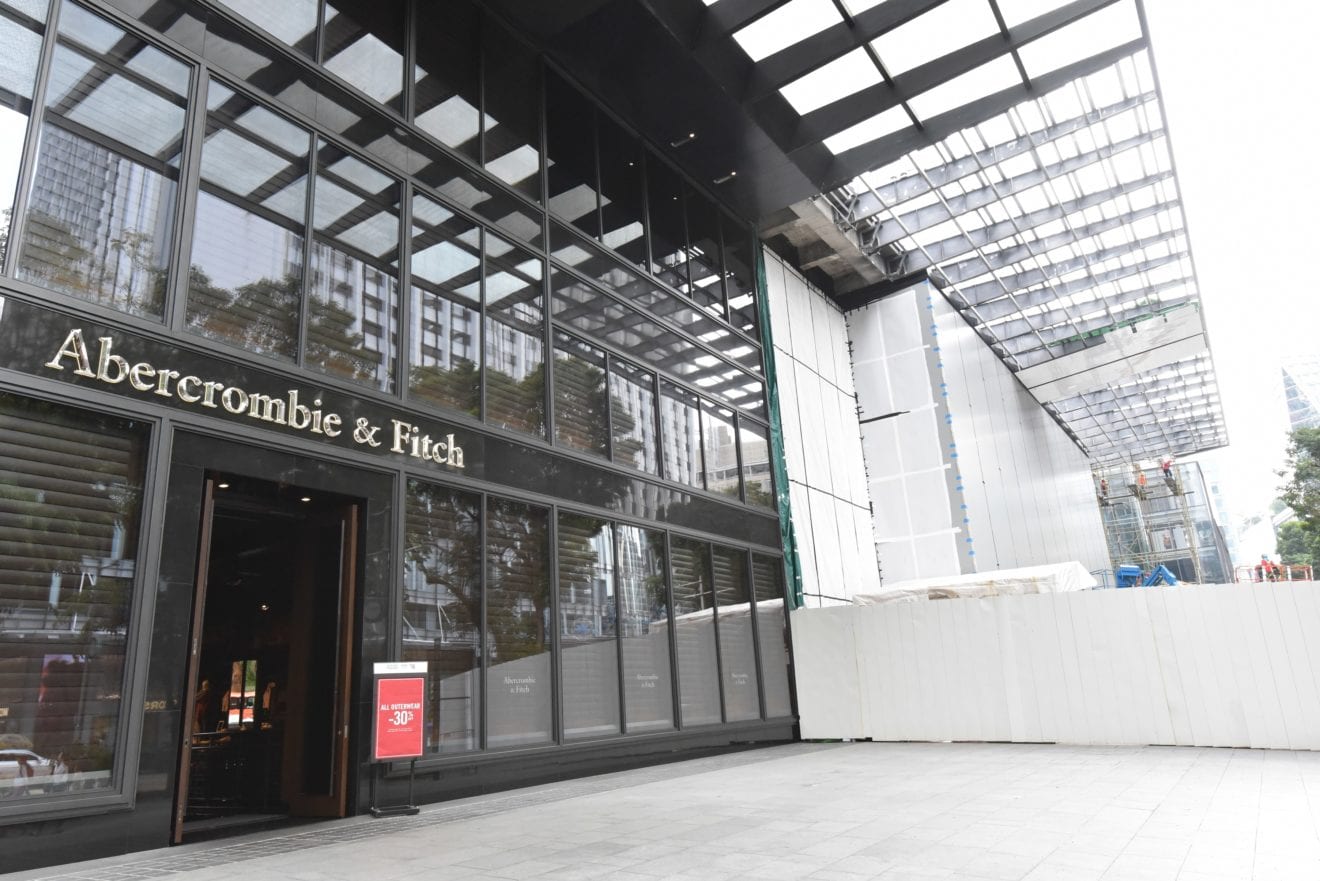
Industry observers say retailers who are staying put at Knightsbridge mall, such as Abercrombie & Fitch, may get a boost from the extra shoppers that the Apple Store will bring in.
While it remains unclear when the Apple Store will officially open its doors, Ms Li said that it will be a boost for Singapore’s prime shopping belt, as well as neighbouring stores such as casual wear chain Abercrombie & Fitch, when it does.
“It will be good news given that so far we’ve been hearing so much negative news such as store closures at Orchard Road. Crowds attracted to the Apple Store will also benefit surrounding stores,” she explained.
Ms Li cited the example of Japanese retail brand Uniqlo, which launched a sprawling flagship store at Orchard Central in September. “Definitely, we saw more shoppers at the new flagship store that helped auxiliary stores like the F&B outlets nearby as there will usually be some spillover effect from the high traffic.”
“The divestment is part of the company’s intention to concentrate its resources on businesses with greater potential,” Jollibee said in its statement, essentially admitting the business was not performing to expectation.
The company will now focus on “larger businesses in China”.
SPW has grown from 34 stores to 71 under Jollibee ownership, mostly located in Nanning in Guangxi province in China’s south. The Philippine company expects to raise US$13 million from the sale, with installments staggered over two years.
China has reported November was its strongest month of retail sales growth for the whole year.
While official government figures are usually greeted with a degree of scepticism by retail company executives, they are the only data available to build any sort of picture on the giant’s market’s trading fortunes.
According to the latest data, total retail sales climbed 10.8 per cent representing the fastest pace since December 2015 and exceeding expectations of a 10.1 per cent rise.
According to Reuters news agency, the figures were boosted by a higher than usual number of motor vehicle sales (During Alibaba’s 11.11 promotion, 100,000 new cars were sold) along with home appliances and cosmetics.
Luxury retailers like Kering Burberry and TIffany are among those reporting improved fortunes in the mainland this year after a three-year long decline.
“Part of that is due to the falling value of the yuan, which diminishes the appeal of spending abroad and encourages more domestic spending,” Wang Jianhui, an economist with Capital Securities in Beijing, told Reuters.
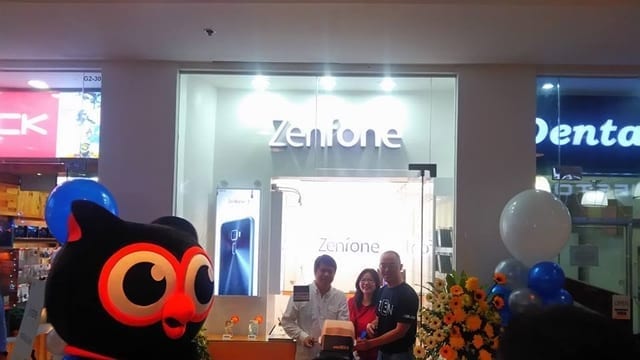
Asus has chosen the Philippines to launch its Zenfone Concept Store, in Glorietta 2, Makati City.
Tech brand Asus has chosen the Philippines to launch its Zenfone Concept Store, in Glorietta 2, Makati City.
More Zenfone concept stores will follow throughout the Philippines next year.
“Zenfone has become a game changer in the smartphone landscape in the Philippines since being introduced in August 2014,” says Asus Philippines system group country manager George Su.
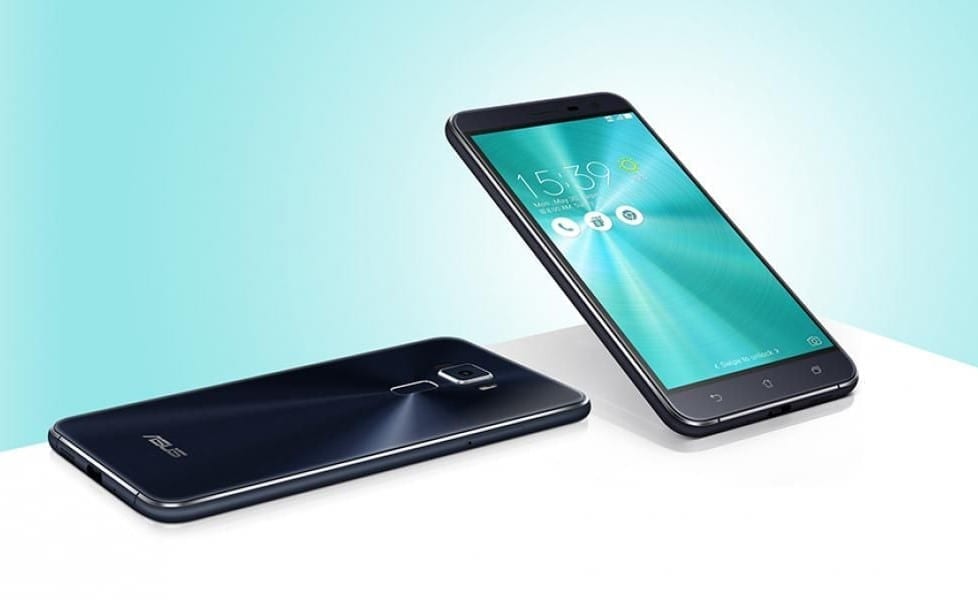
The new store features all the latest smartphone releases from the Taiwanese company as well as accessories.
Mancunians will be able to sample Singapore Airlines (SIA) latest A350 from January 17. SIA’s new three-class (business, premium economy and economy) twin-jet enters enters service on the Singapore-Manchester-Houston route. It will replace the larger B777-300ER which currently plies the route.
But the B777-300ER had the advantage of providing first class which will be unavailable with the A350.
I cannot talk about Houston, but in the case of the UK regions there is not the same demand for a top premium cabin as there would be from London.
Mancunians now have non-stop access both to Singapore and Houston. (Previously the Manchester-Singapore service was one-stop service via Munich. Singapore-Houston previously operated via Moscow).
Both are hub airports so the canny traveller can fly onwards to Asia/Australasia (in the case of the former) and Texas and the Southern US in the case of the latter.
Interestingly, for Mancunians seeking fast flights to Perth/Australia, what SIA is offering out of Manchester takes away the advantage of Qantas’ non-stop London-Perth service which launches in 2018.
Why fly Manchester-London-Perth with British Airways/Qantas (with a Heathrow terminal change) when SIA can take you Manchester-Singapore-Perth ?
Schedules are daily except Monday and Thursday.
Flight SQ052 will depart Singapore at 0215 arriving into Manchester the same morning at 0840. Its flight continues to Houston at 1010 arriving in the Texas city at 1430.
Return flight SQ051 departs Houston at 1850 to arrive into Manchester the following morning at 0840. It then departs at 1110 and, after another overnight aloft, it arrives into Singapore at 0755.
The Korea Customs Service will begin evaluations for the much coveted duty-free licenses today, and the winners will be announced Saturday.
Despite the political scandal surrounding the process, five bidders have been competitively releasing their plans for investment to gain favor in the selection process.
Three out of four of the new licenses are allocated for conglomerates, for which five retail giants – Lotte Duty Free, HDC Shilla Duty Free, Shinsegae Duty Free, SK Networks and Hyundai Department Store – submitted bids in early October.
Lotte Duty Free, which seeks to reopen a store at the Lotte World Tower in Jamsil, said it would invest 2.3 trillion won ($1.97 billion) over five years to establish tourism infrastructure in southern Seoul. The company intends to use the Seokchon River and Olympic Stadium nearby to organize a cherry blossom festival in April and a fall festival in November. The Lotte Duty Free in Jamsil would be the largest duty-free store in Korea.
SK Networks wants to revive the Walkerhill Duty Free in Gwangjin District, near Seoul’s eastern end. One of the company’s grand plans is to open a resort spa that would add to the area’s scarce tourist sites. It was the only bidder to propose tourism development outside of Seoul in Gapyeong, Gyeonggi, which is popular with domestic tourists with venues such as Namiseom Island and Petit France.
Shinsegae Duty Free promised to invest 350 billion won to expand the tourism infrastructure around Seocho and Gangnam District, near where it hopes to build its second branch. The company’s strength is in its location, Banpo-dong, in Seoul’s center. Its plans for tourism and cultural development are focused on promoting infrastructure in the area, such as pedestrian passages around landmarks like the Seoul Arts Center in Seocho-dong or the Floating Island, and a premium gourmet festival in Itaewon.
HDC Shilla Duty Free, run by Hotel Shilla and Hyundai Development Company, has focused on IT and Korean culture, to attract young tourists to a second branch at Samseong-dong in Gangnam, southern Seoul. HDC Shilla’s focus is to collaborate with small and midsize shops in its second branch, particularly in cosmetics, accessories and food.
Hyundai Duty Free is going for another shot to open in COEX. Its initial plan submitted in October said the company would invest 30 billion won in Gangnam’s tourism in the next five years. Hyundai’s plan focuses on Korean pop culture, including an idol theme park beside COEX. Last month, it said its 50 billion won plan includes support for Gangnam’s cultural development and donations to the needy.
Meanwhile, 61 independent and opposition party lawmakers released a statement Tuesday requesting that KCS postpone selecting duty-free operators until suspicions about Lotte and SK Group are resolved. The companies are being investigated for promising licenses in return for donations this year to K-Sports Foundation, a nonprofit linked to President Park Geun-hye’s confidante Choi Soon-sil.
However, the Korea Customs Service said that many companies have been awaiting a decision, which cannot be delayed over political matters. The office said Wednesday it would rather take back licenses afterward from companies found to have conducted illegal practices for the selection.
It also said it will release detailed evaluations of companies selected as winners. In November 2015, the office was criticized after Lotte and SK lost their licenses without clearly being informed why, raising doubts on the procedure’s fairness.



 In the food and beverage sector, (for consumption outside home), sales of fast food outlets, restaurants and other eating places, such as cafes, decreased by between 3.5 per cent and 5.6 per cent in October 2016 over September. Turnover of food caterers, other eating places and fast food outlets increased between 2.6 per cent and 5.8 per cent year-on-year, while restaurant sales declined 4.9 per cent.