Author: Mei Ling Tan

  • Sunlight returns to retail

    Sunlight returns to retail

    Chief executive of Sunlight Real Estate Investment Trust (0435) Keith Wu Shiu- kee said the volatile period in the retail market at the start of the year has passed.

    Wu said though the local retail market was not performing well over the past two to three years but its impact on rents for shops in shopping malls was limited. He pointed out that rents for shops extending their rental contract in the REIT’s shopping malls went up 6.5 percent during the three months ended September 30. A slowdown in the retail market had not affected shops selling daily necessities, he said. He expected the retail market to continue to improve next year. Commenting on increasing demand for Hong Kong’s office spaces from mainland companies, Wu said it might increase the cost for purchasing offices.

    Meanwhile, he said the revamp of Sheung Shui Centre is nearing completion but admitted that the occupancies was not 100 percent.

    Retail spaces occupied by food and beverages shops in the mall has gone down following revamp, he said, but rents from the food and beverages shops have gone up by a double digit. Seperately, Lifestyle International (1212) said the total investment cost for its Kai Tak commercial project is expected to be about HK$13 billion.

    Lifestyle, operator of Sogo department store, acquired the first commercial site in Kai Tak development zone in November for HK$7.39 billion.

    The company said it intend to develop the site into two blocks of commercial buildings to provide spaces for both retailing and office use.

    Lifestyle planned to house a department store and other facilities which are complementary to the department store operations in the retailing portion, while the office space will be held partly for self-use and partly for leasing out.

    It expected the development to be completed before 2022.

  • Hong Kong electronics pricing losing edge

    Hong Kong electronics pricing losing edge

    Hong Kong’s reputation as a go-to destination for cheap electronics prices is under threat.

    According to a survey of 72 global markets by South American eCommerce vendor Linio.com, Hong Kong electronics are not the cheapest in the world – in fact in the case of some products, Hong Kong ranks in the middle to most expensive.

    hong-kong-ranking

    Venezuela proved the most expensive market for every one of the 14 products compared, due to out-of-control inflation

    Linio.com’s 2016-17 Technology Price Index takes into account the cost of smartphones, laptops, games consoles, tablets, smart devices, and other gadgets, ranking the countries on the average cost of all products researched.

    The entire table can be viewed online.

    second-most-expensive-countries

    To conduct the research Linio looked at the costs of all products in the study from several brick-and-mortar chain stores and smaller retailers in all major cities in each country. The study also took into account average costs from at least three reputable online outlets in each country. Taxes and other associated purchasing costs, minus delivery, were also accounted for.

    The results, which were ranked in order of average cost of all products researched, reveal that Hong Kong has an overall ranking of 12. Hong Kong also ranks in the top 10 most affordable countries for iPad Mini, Apple Watches, and External Hard Drives.

    “At Linio, we place a high value on transparency with our customers, and we hope that our index helps people more confidently interpret variations in tech price around the world,” said Andreas Mjelde Linio’s CEO. “Increasingly, the average citizen is a global one, and with a better understanding of global markets comes empowerment to travel, shop, and live smarter.”

    most-affordable-countries

  • Tesla settles Norway lawsuit over car’s performance

    Tesla settles Norway lawsuit over car’s performance

    Electric carmaker Tesla Motors Inc has reached an out-of-court settlement with 126 Norwegian customers who claimed their cars’ performance did not match promises made in the firm’s marketing.

    Lawyers for the owners and the company told the Oslo District Court in a joint letter they wanted to withdraw the case which had been due to start on Monday, a court spokeswoman said.

    Kaspar Nygaard Thommessen of Oslo-based law firm Wikborg Rein, who represented the car owners, told Reuters a settlement had been reached in recent days and the case had been resolved.

    He declined to provide details of the settlement.

    Norwegian business newspaper Dagens Naeringsliv (DN) said on Sunday Tesla had agreed to pay 65,000 Norwegian crowns ($7,700) to each car owner, about half of what they demanded, or allow them to choose from alternative options, including car upgrades.

    The case involved Tesla’s Model S P85D, which the car owners said had a lower horsepower than stated by Tesla. The company has denied misleading the buyers.

    While the Model S PD85 is no longer offered in Norway, similar Tesla Model S cars range from $95,000 for the 90D version to $135,000 for the P100D, according to the company’s Norwegian price website. Most buyers will also pay for add-ons that raise the price further.

    Norway is among the world’s top markets for electric cars thanks to generous government subsidies aimed at increasing the electrification of transport.

    The registration of new Tesla cars in Norway fell by 24 percent in the first 11 months of 2016 compared with 2015, according to data from lobby group Road Traffic Information Council (OFV).

  • Harbolnas Boosts Online Shop Sales

    Harbolnas Boosts Online Shop Sales

    Hundreds of online stores are taking part in the online shopping national day (Harbolnas) held from December 12 until December 14, 2016. The Harbolnas brings profit not only to customers, but also online shop administrators.

    For example, Bukalapak.com booked a total of 400,000 transactions during the two days of Harbolnas.

    Bukalapak Brand Manager Ambrosia Tyas, said that most of the customers are attracted by the discounts and special offers presented during the Harbolnas. “The number of transactions are five times higher compared to the 2015 Harbolnas,” Ambrosia said on Wednesday, December 14, 2016.

    Not only massive discounts, Bukalapak also provided customers with chances to bargain for their goods. Products highly sought after by customers are smartphones, laptops, and cameras. “Customers are attracted to a different shopping experience,” Ambrosia said.

    In addition to Bukalapak, Lazada Indonesia also recorded massive Rp 143.4 billion revenue on the first day of Harbolnas. Most customers bought fashion items, household appliances, and health and beauty products.

  • Shop online better with upgraded Triumph e-commerce

    Shop online better with upgraded Triumph e-commerce

    Singapore Post subsidiary SP eCommerce has worked with lingerie brand Triumph to launch two optimised online stores, for Singapore and Malaysia.

    The online stores have been redesigned and enhanced in areas such as product categorisation and recommendation to improve the shopping experience.

    Triumph launched online shops two years ago, with the latest updates integrating the online stores with Instagram so buyers can share photos via on-site social feeds.

    With custom extensions designed by SP eCommerce – including zip-code validation, redesigned navigation and SingPost PopStation deliveries – the revamped web stores make browsing of more than 5000 styles easier and faster.

    Further improvements are about to be rolled out for the online stores’ product recommendation engine, including a wish list.

    “Customer experience is our top priority,” says Triumph International Singapore/Malaysia commercial director Sheryl Wong. “Serving up a great brand experience has always been at the core of what we do, and that is only possible with a holistic focus on our shoppers’ experience.

    “With SP eCommerce, we are pleased we are able to stay abreast with the latest digital trends, enabling us to provide our customers with an ever-enhancing online shopping experience.”

    SP eCommerce offers end-to-end services covering enterprise-grade eCommerce technology, warehousing, delivery and returns management, web-store operations, and customer-care and performance marketing.

  • Indonesia sees jump in October palm oil exports

    Indonesia sees jump in October palm oil exports

    Indonesia saw the exports of its palm oil products, which include crude palm oil (CPO), biodiesel and oleochemical, increase by 34 percent month-on-month to 2.45 million tons in October, thanks to rising demand from major export destinations.

    In September, the world’s largest producer of palm oil shipped 1.89 million tons of products overseas.

    Indonesian Palm Oil Producers Association (GAPKI) executive director Fadhil Hasan said exports to India had increased by 31.64 percent month-on-month (mom) in October to 608,510 tons, while exports to China were slightly up by 2.17 percent to 316,450 tons.

    Exports to the European Union (EU) market, meanwhile, increased by 75.51 percent mom to 380,150 tons, not long after France revoked their CPO multiple taxes plan.

    “The traders took the chance to buy at cheaper prices, as they were anticipating a possible price hike in November amid increasing demand ahead of Christmas and New Year,” Fadhil said in a statement on Wednesday.

  • Spar China franchisor launches IPO

    Spar China franchisor launches IPO

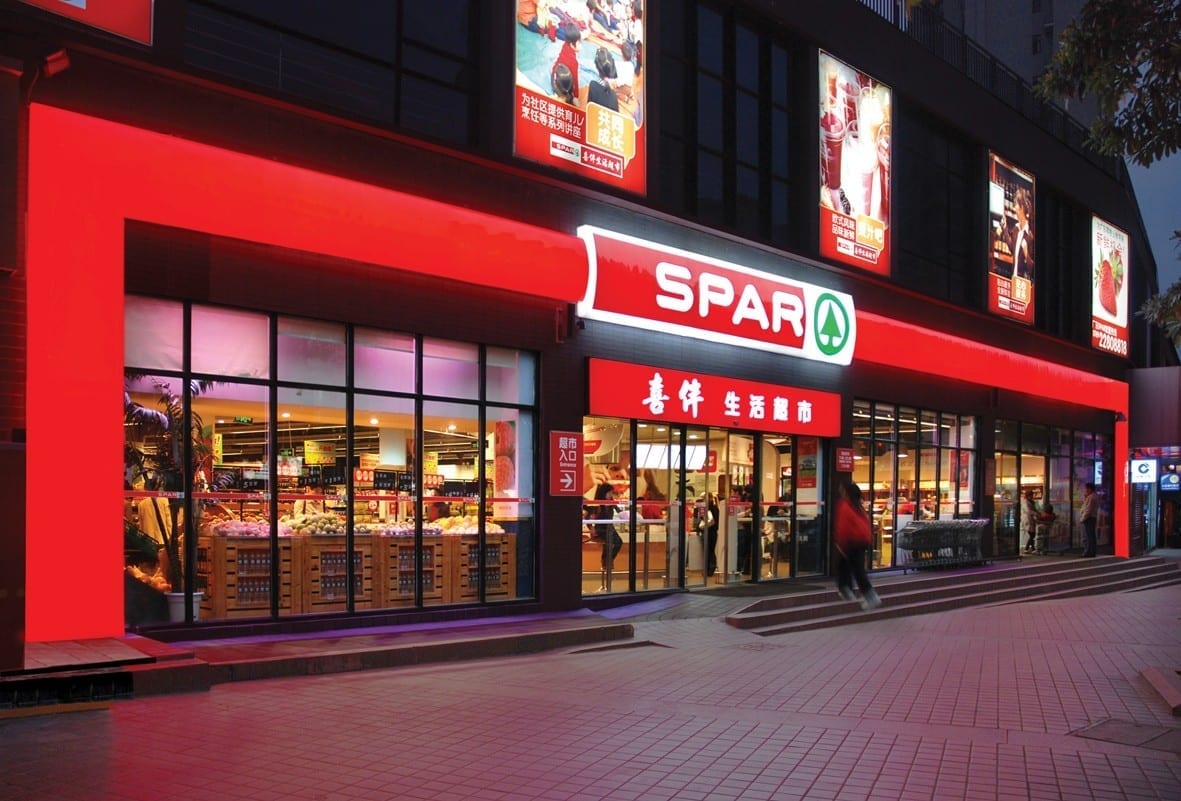
    Jijiayue Group, the parent of Spar China franchisor Spar Shandong, has launched an IPO.

    Spar Shandong became Spar International’s first retail partner in China in 2004, and opened its first store in 2005 in the city of Weihai, north east China. Since then, Spar China has opened 360 stores with nearly 1 million sqm of selling space in eight provinces, employing over 30,000 people. It also operates eight distribution centres delivering across 50 cities.

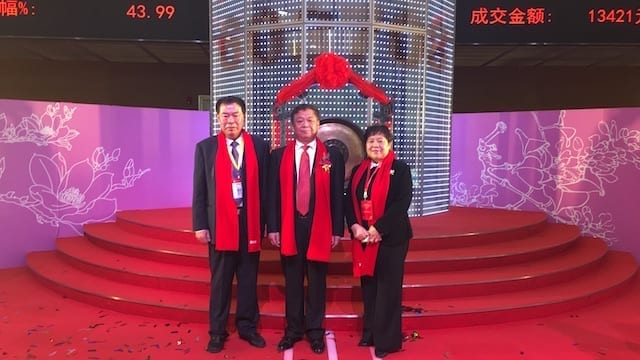
    Jiajiayue issued 90 million shares, listing on the Shanghai Stock Exchange. Late last month, interest from investors saw the online portion of the IPO oversubscribed 4407 times and the share price rose 43 per cent on its first day of trading.

    The funds raised will be used to finance new store openings and upgrades of existing stores, developing distribution centres and logistics infrastructure and enhancing the existing technology and IT infrastructure.

    spar-china-ipo-image-2
    From left to right: Mr Ding Mingbo – Vice General Manager of SPAR Shandong Jiajiayue Group, Ms Fu Yuanhui – Executive Vice General Manager, Mr. Wang Peihuan – Chairman SPAR Shandong, Mr. Tobias Wasmuht – Managing Director SPAR International, Yoep Man – Managing Director SPAR China and Mr Zhang Aiguo – Vice General Manager.


    Tobias Wasmuht, MD of Spar International described the IPO as a significant milestone, not just for Spar Shandong, but for the wider Spar China family as well.

    “All at Spar are delighted to have contributed to the success of Jiajiayue. Over the last 12 years the company has continued to lead the way, working closely with the growing list of Spar Partners in China to grow and enhance the brand. Investor interest in today’s IPO is testament to the strength and vision of the company and its management team.”

    In addition to its partnership with Spar, Jiajiayue Group is involved in food processing, thye wholesaling of agricultural products and foreign trade business. In total it operates over 400 stores with a selling space of 900,000 sqm in 34 cities within Shandong province such as Weihai, Yantai, Jinan, Weifang, Qingdao, Linyi, Laiwu and Zaozhuang.

    The store formats cover hypermarket, supermarket, department store, neighbourhood store and discount store. The company has been recognised with a number of awards, including top 100 China FMCG Chain, Customer Satisfied Company in Shandong Province and Top Employer of China Retailing.


  • Gold Star Line Enhances Asia Chennai Service

    Gold Star Line Enhances Asia Chennai Service

    Gold Star Line has upgraded its Asia Chennai Service connecting East Asia with the East Coast of India.

    According to the company, the enhanced ACS will be operated in conjunction with Hyundai Merchant Marine and will begin on January 21, 2017.

    The port rotation will be: Busan – Shanghai – Hong Kong – Yantian – Singapore – Port Kelang – Chennai – Kattupalli – Port Kelang – Singapore – Manila – Busan.

    The service will offer a mid-week window for Central China and a weekend window for South Korea, according to Gold Star Line.

  • Greyhound Cafe expands to Singapore

    Greyhound Cafe expands to Singapore

    Thailand’s Greyhound Cafe has opened its 13th international outlet, marking its debut in Singapore.

    It has 14 cafes in Bangkok plus outlets in Beijing, Hong Kong, Kuala Lumpur and Shanghai.

    For Greyhound, the cafe was actually an afterthought to complement to brand’s fashion line. In 1997, founder Bhanu Inkawat was offered an empty unit next to Greyhound’s store at Emporium shopping complex in Bangkok to sell coffee and food.

    greyhound-cafe-paragon-singapore-1

    “We had no knowledge about food, but we thought, ‘Let’s just do it’,” says Inkawat, who is also Greyhound’s executive creative director. “We served a full food menu from the beginning. Yes, we were ambitious.”

    Now the cafe chain is more successful and recognisable than the brand’s fashion business.

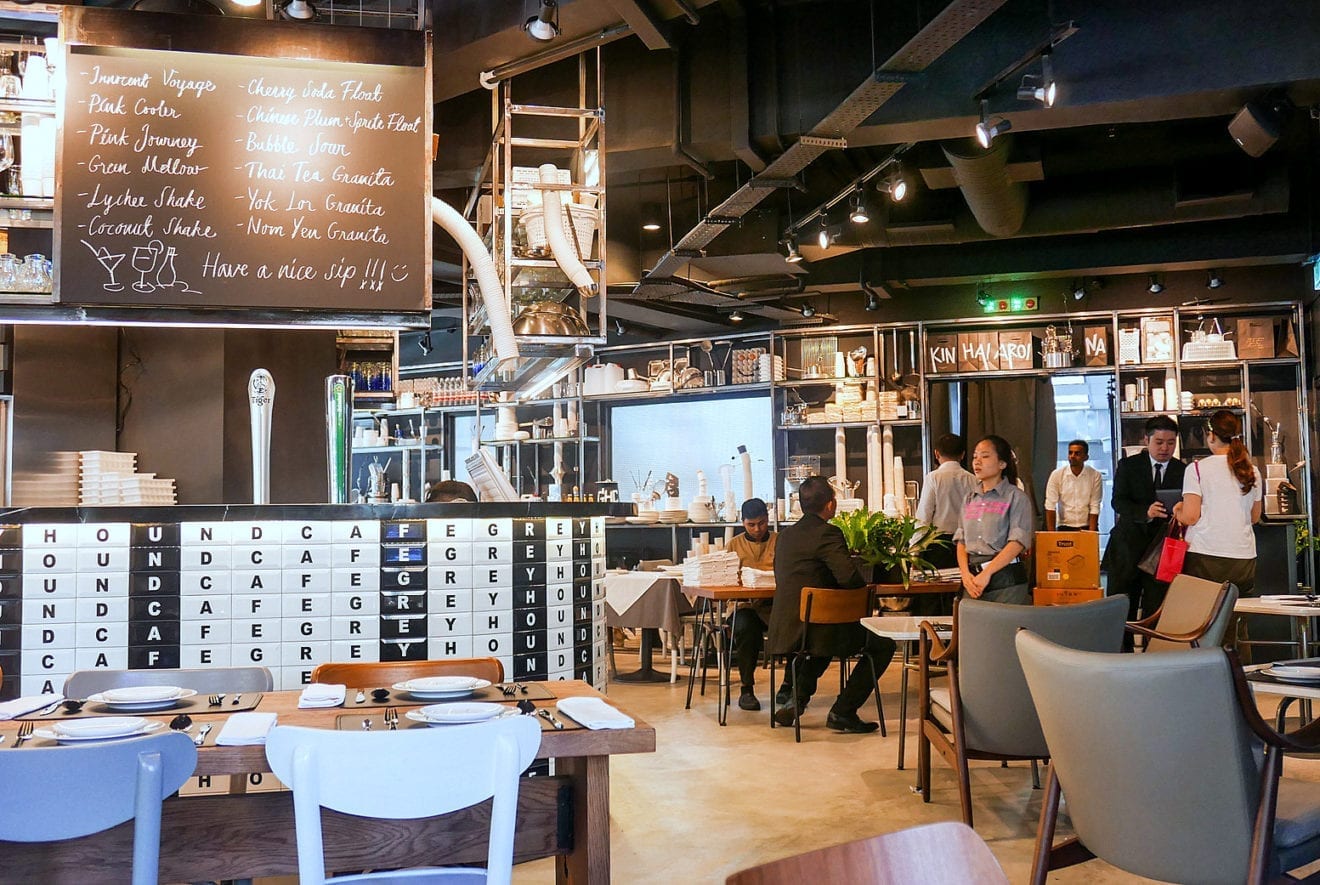
    Inkawat and his Thai team attended the opening of the 100-seat Greyhound Cafe at Paragon in Orchard Road, introduced by Singapore F&B company JC Global Concepts.

    Greyhound’s menu is a collection of the childhood memories and travel experiences of the founders, based on old Thai recipes and ingredients. For example, Inkawat grew up eating the cafe’s Complicated Noodle, which involves diners wrapping minced pork and chilli sauce with noodle sheets and lettuce. The other signature item, Greyhound Famous Fried Chicken Wings, is based on a recipe from the grandmother of Greyhound Cafe’s MD Pornsiri Rojmeta.

    greyhound-cafe-paragon-singapore

    Street food twist

    “We know that no matter how beautiful your restaurant is, the food is important,” says Inkawat.

    “In Bangkok we are known as a trendy cafe, so it doesn’t really matter what we serve as long as it is trendy. But when you open outside of Thailand and people know we are from Bangkok, they think we are a typical Thai restaurant. So we present Thai street food in a hip way, but it’s not your traditional Thai food.”

    An exclusive dish to Singapore is the Crispy Pork Leg with Surprisingly Curry Paste, a German- style crispy pork leg marinated with Thai herbs and served with tamarind chilli paste, Jaew sauce (dipping sauce from northeast Thailand) and sticky rice.

    Another four or five Greyhound Cafes will be opened in Singapore within the next five years, including a stand-alone. Hong Kong will gain a seventh outlet, and the company is considering new markets – Indonesia, Taiwan and London.

    For now, there are no plans to expand Greyhound’s sister brands – Sweet Hound, Another Hound, and EverythingHound – beyond Bangkok.

  • Potential seen in Myanmar retail

    Potential seen in Myanmar retail

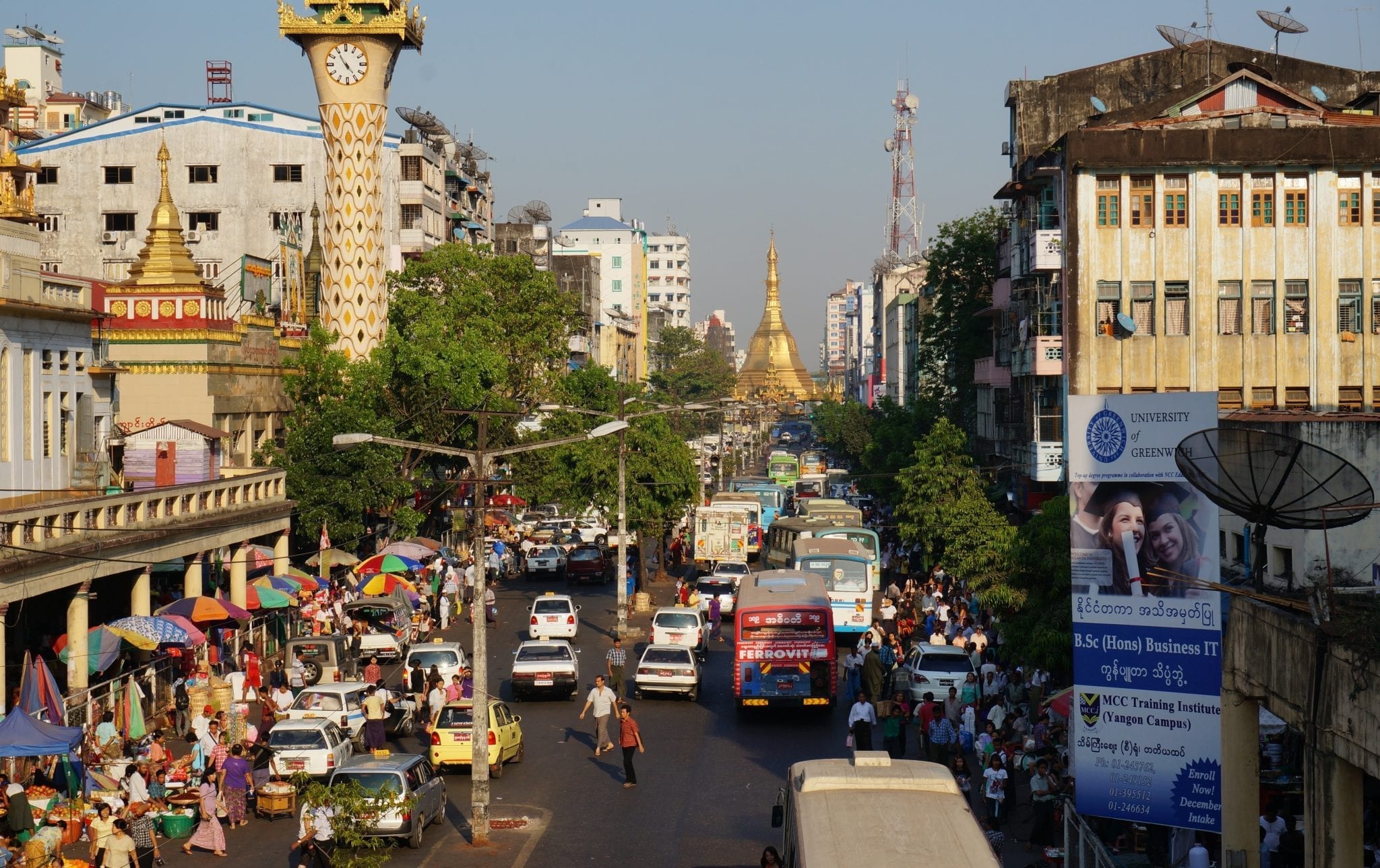
    With significant potential seen for the Myanmar retail sector, a new survey shows that most businesses there, both local and international, plan to expand in the coming year.

    Meanwhile, details have yet to be finalised for a new law that aims to make it easier to invest in Myanmar.
    Surveying nearly 200 senior executives at companies working in Myanmar, the Roland Berger consultancy found that 70 per cent of local businesses and 80 per cent of international ones are aiming for growth over the next 12 months.

    “I don’t know any other country right now where you’d get that statistic,” says Roland Berger Southeast Asia managing partner Thomas Klotz. “No-one is really scaling back, though some are in the waiting period.”

    There is “huge potential” in the retail sector, according to the Myanmar Times. One of the country’s largest modern retailers, City Mart, has announced plans to double the number of its supermarkets, treble the number of its convenience stores and enter the eCommerce sector with a click-and-collect service.

    “If we look at the distribution of basic commodities, such as soap and detergent, the distribution may be 100 per cent,” says City Mart Holding MD Win Win Tint. “But for more advanced products like fabric softener and hair conditioner, distribution is limited to big cities – maybe only 20 per cent of the country. There is so much opportunity to grow.”

    She says the main hurdles are finding sites to develop or convert into shops – “the cost is very high” – and finding a suitable platform for its eCommerce business that can withstand the emerging challenge of Facebook Shop.

  • Muji next expansion plan

    Muji next expansion plan

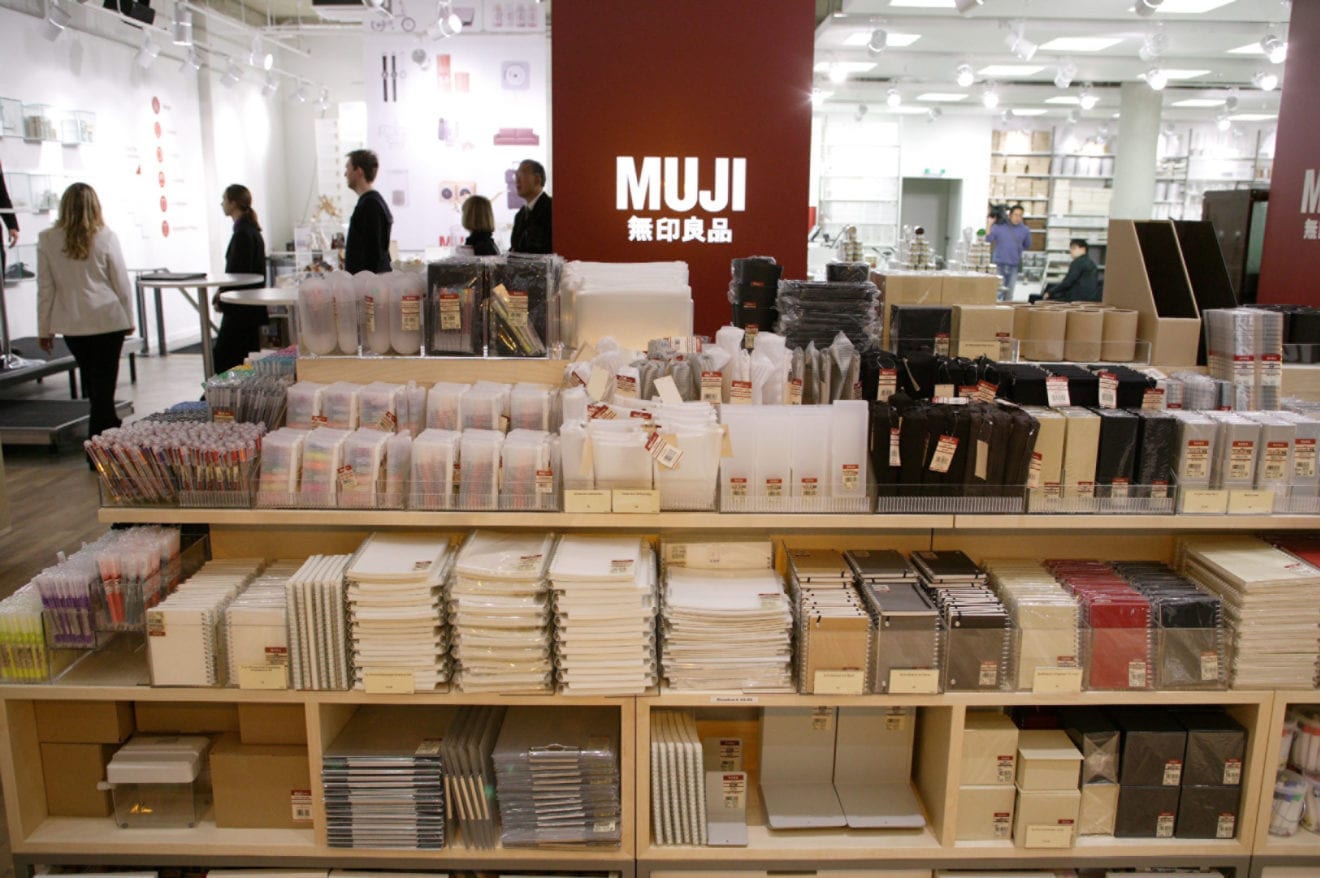
    Japanese lifestyle clothing and accessories brand Muji Canada is expected to expand to Vancouver next year.

    Known for its minimalist approach, Muji already has three stores in Toronto. It has about 300 stores outside Japan.

    Vancouver’s retail sector continues to outperform other Canadian markets with annual sales-per-square-foot at more than C$1000 (US$762). Toronto is second at about C$860.

    “Vancouver is a very young retail market and many brands have not yet opened street stores,” says real-estate group CBRE executive VP for retail in Vancouver Mario Negris. “We anticipate a vast number of new entrants into the downtown retail landscape.”

    Most brands entering Canada have their first outlets at Toronto’s Yorkdale Shopping Centre and Eaton Centre, says the Vancouver Sun. This is because of Vancouver’s relative lack of space.

    Brands such as Forever 21 and Victoria’s Secret actually made their Canadian debut in Alberta, while Vancouver is the preferred entry point for luxury brands such as Berluti, Jaeger-LeCoultre, Rolex and St Laurent.

    Other brands reportedly lining up to open in Vancouver next year include coffee boutique Nespresso and H&M’s Cos brand.

  • Datacloud Asia 2017 Conference & Exhibition Launches Feb 23 in Singapore

    Datacloud Asia 2017 Conference & Exhibition Launches Feb 23 in Singapore

    Having established Datacloud as Europe’s foremost networking and deal-making forum for data center and cloud players, the widely acclaimed event is now scheduled to take place in the growth markets of Asia on February 23, 2017. BroadGroup, the consulting, publishing and professional events firm has announced the early programme for Datacloud Asia 2017, which includes experts from Asia, the US and Europe.

    Set to be the first deal-making forum in the region, the event offers a valuable return on investment for attendees, uniquely bringing together data center operators with IT infrastructure leaders looking to deploy assets across the Asian region; colocation, hosting, cloud services, data center and vendor solution sales are all transacted at the event. Datacloud provides powerful content with an impressive line-up of guest speakers – and is the only event in Asia that attracts top leadership from operating companies.

    The forum concludes with a celebration of the nominees for Asia’s inaugural Data Center & Cloud Awards. Seeking genuine innovation as well as on-going evolution and transformation already underway in Asia, the Datacloud Asia 2017 Awards* will be presented in a refreshing format with all-new award categories at a combined reception hosted by Digital Realty and awards dinner at the prestigious Capella Hotel & Conference Center on Sentosa Island, minutes from Singapore’s business district.

    “Datacloud is unique,” commented Philip Low, chairman of BroadGroup. “You will not find a trade show, but you will find a highly structured networking forum for senior executives complemented by a far reaching programme covering hot topics such as China, blockchain, enterprise cloud strategies, agile infrastructure, finance and investment, location for data centers and more. With the addition of the Awards it makes for an exceptional event.”

    “Asia hubs will be a central theme of this new event with a strong focus on investors, enterprises and doing deals. It also aims to offer inspiring insights for companies seeking a better way of hosting and colocating in the new reality of a data-driven and cloud-connected world,” says Low. “The forum promises to highlight the value of outsourcing data centre, cloud and IT infrastructure across the fast growing Asia region, and is designed to appeal to both users and outsourcers.”

    Sponsors for the event include Schneider Electric, Digital Realty, Telin Singapore, Kingsland Data Center, Datwyler, Lamda Hellix Data Centers, and has a range of industry and media partners including Globeron, Asia Cloud Computing Association, iMiller Public Relations, techUK, European Data Centre Association (EUDCA), BICSI and WiredRE. Lead Media Partner is Data Economy (www.data-economy.com) and Intelligence Partner is Colocation Markets Quarterly (CMQ).

  • Accuris, iPass to offer Wi-Fi solution for cellcos

    Accuris, iPass to offer Wi-Fi solution for cellcos

    Wi-Fi roaming, interworking and service policy enablement provider Accuris Networks has entered a partnership with global Wi-Fi operator iPass to offer mobile operators and MVNOs the ability to integrate carrier Wi-Fi into their service offerings.

    The companies will offer a combined solution enabling mobile operators to access the global iPass Wi-Fi footprint for service delivery and traffic offloading.

    The solution will integrate iPass’ SmartConnect technology into the Accuris Networks Wi-Fi e-client to enable client connection analytics. The solution will support integration with pre-paid service plans and existing billing systems.

    “Not only will this partnership offer our connectivity services to a billion potential end users, but it will also enable MNOs and MVNOs to dramatically accelerate the introduction of cutting-edge Wi-Fi solutions to the market,” iPass CEO Gary Griffiths said.

    “In particular, we see this partnership as integral in delivering on our strategy to connect users seamlessly and intelligently on Wi-Fi and cellular networks.”

    “Mobile operators increasingly see the value in Wi-Fi as a central pillar to their connectivity and mobile broadband strategy, “ Accuris Networks CEO Jeff Brown added.

    “Accuris Networks has proven capability in combining controlled Wi-Fi service to their core service portfolio. Now, by teaming with iPass, which boasts an unparalleled global Wi-Fi footprint and Wi-Fi analytics technology, we can offer our customers a complete mobile-centric Wi-Fi solution.”

  • Korean label Blanc & Eclare opening in NYC

    Korean label Blanc & Eclare opening in NYC

    At only two years old, Korean-based label Blanc & Eclare has decided on New York City for its first North American venture.

    Launched by Korean pop superstar Jessica Jung, the label will open in a brick-façade store along SoHo’s Spring Street Jung left the chart-topping Korean group Girls’ Generation in 2014 after seven years to create her own fashion brand. It started as sunglasses (the inaugural line sold out in four hours), with denim, coats, ready-to-wear and skincare products being added along the way.

    blanc-eclare-opening-in-nyc

    Jung has opened 40 Blanc & Eclare stores around Asia, including China, Macau, Singapore and Thailand.
    Prices for the collection range from US$145 for a turtleneck sweater to US$505 for a double-breasted blazer. Cosmetics start at $16 for lip balm, $22 for a face mask and $60 for a night cream.

  • OCBC Trials Blockchain for Interbank Payments

    OCBC Trials Blockchain for Interbank Payments

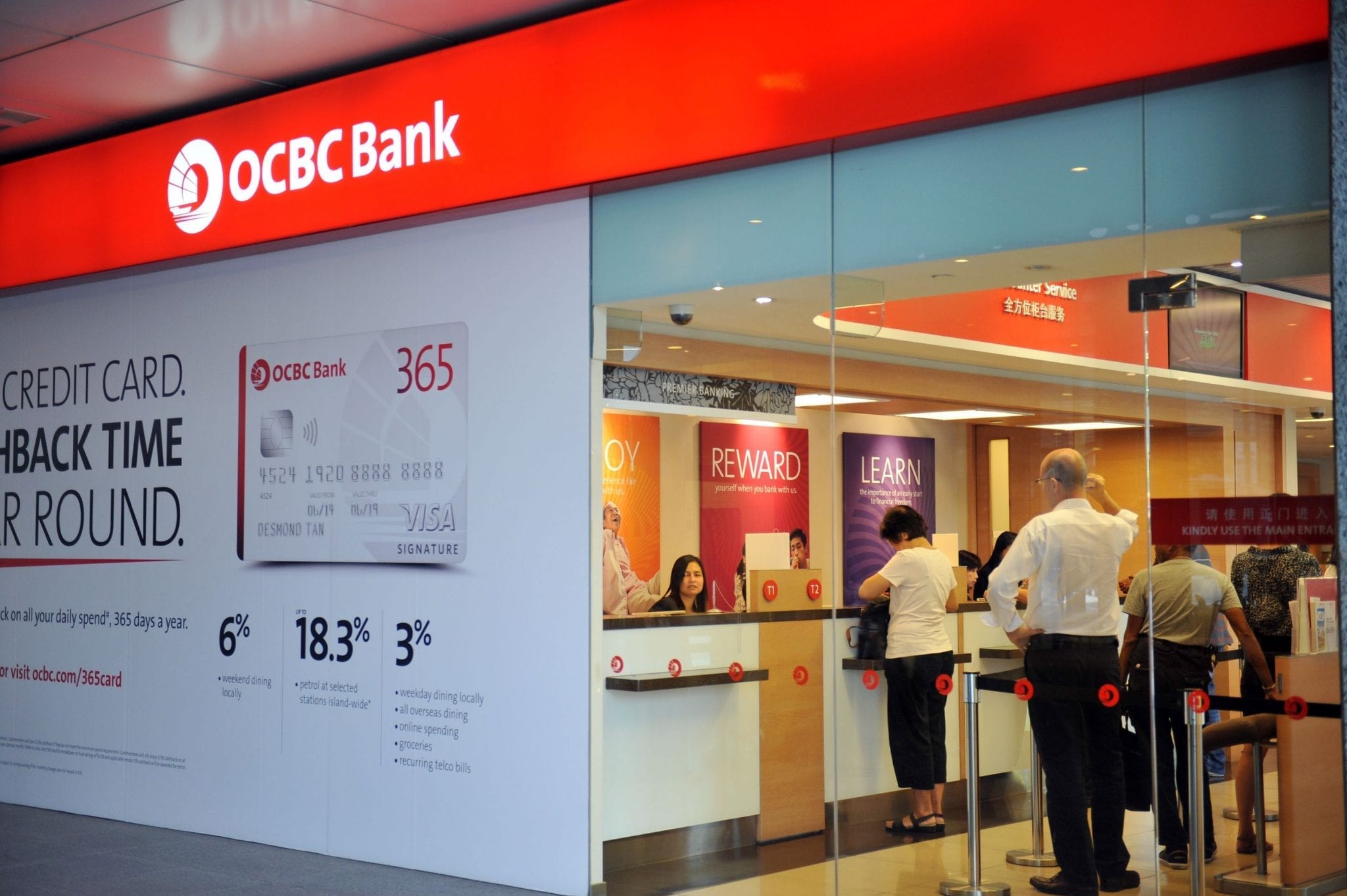
    One of the five largest banks in Singapore has tested a blockchain-based payment service, with an eye to develop commercial products around the tech.

    OCBC Bank used the tech to send funds between its operations in Singapore and Malaysia, as well as transmit money to the Bank of Singapore, a private banking business it owns. The bank said it worked with BCS Information Services, a local payments firm, to develop the prototype.

    The test is the latest for Asia’s banking sector, the members of which have spent much of the past two years investigating use cases, investing in startups and pursuing commercial applications.

    Praveen Raina, OCBC senior vice president, was quoted as saying:

    “We hope this will be a catalyst for more banks to adopt the blockchain technology so that, together, we can achieve efficiency and cost effectiveness while delivering more high-value financial services to our consumers.”

    Though the bank announced its move on its official group website, the details of that announcement appear to have been removed at press time.

    The move comes as the Monetary Authority of Singapore (MAS), the city-state’s central bank, has moved to create a pro-fintech environment within the domestic finance sector. Earlier this month, MAS has forged relationships with regional interests on the tech, coming more than a year after the institution began developing and investing in projects of its own.