Author: Mei Ling Tan

  • Bank Mandiri eyes more disabled employees

    Bank Mandiri eyes more disabled employees

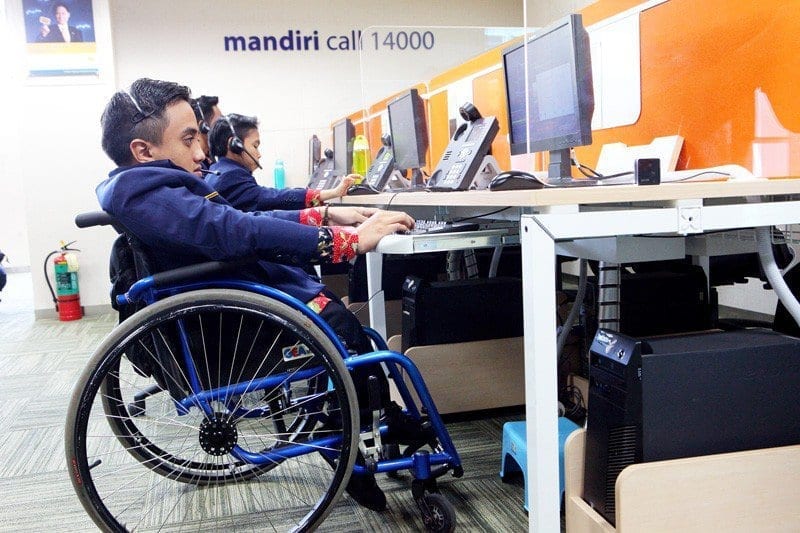
    The family of Rezky Yami Putri, 27, born with an imperfect three-fingered left hand half the size of a normal hand, was skeptical when she landed a job at Indonesia’s largest lender Bank Mandiri.

    They thought she was deceived, because such an achievement would be too good to be true for someone with “my condition”, said Rezky, now a call center officer at the state-owned lender. Her family finally believed her job was legit when she received her first salary last year.

    “Even though it has been a year, it is still like a dream for me, a lengthy dream, which occurs while I am awake,” said the Jakarta resident, who has a bachelor’s degree in public health but has never worked in her field of study.

    “As someone with a disability, we are always underestimated but it turns out that we also can make money for ourselves and for our parents, even though it is not that much,” she added.

    Rezky is among 41 disabled workers employed by Bank Mandiri, which is among over 100 state-owned enterprises in Indonesia, which, following a 2016 law on people with disabilities, are required to have disabled people account for at least 2 percent of their staff.

    “Our target is to hire 120 people and we’ll keep recruiting depending on the availability of the applicants,” Bank Mandiri human capital engagement senior vice president Aminarti Widiati said. The lender started recruiting disabled employees last year.

    Bank Mandiri, which has five branch offices in Jakarta and Semarang, Central Java, employing disabled people currently has a total of 38,376 employees nationwide with 2,505 branch offices spread across the country.

    Disabled people in the lender work on three-year contracts and are reviewed each year. They also have the chance to become permanent employees, Aminarti said.

    Tri Handayani, diagnosed mute when she was only 10 months old, was eager to advance at Bank Mandiri. The back-office worker used to work at a supermarket, checking and replacing price tags on products.

    “This new job makes me feel more enthusiastic about working and being more successful in the future,” said Tri, who graduated
    with a computerized accounting degree.

    To communicate, the 27-year-old tries to speak as much as she can or writes the sentences down if they are too complicated. She is able to understand her interlocutors by reading their lips.

    Her colleague Kuntum Mukminin, 24, who is also deaf-mute, works at the same division at Bank Mandiri in the back office.

    “I might be deaf but I work hard and keep improving myself. I have to do my best to be a success,” said Kuntum, a high school graduate who used to work at a supermarket bakery.

    The Social Affairs Ministry has pledged to oversee the implementation of the 2016 law that requires disabled people account for at least 2 percent of state firms’ staff. There are around 6 million disabled people in Indonesia, according to 2012 ministry data.

    “However, we won’t impose sanctions on companies that cannot meet the minimum requirement because we know that sometimes it cannot be fulfilled because of a lack of competency,” the ministry’s director of social rehabilitation Bambang Sugeng said.
  • Cebu Pacific adds Masbate, Tablas to route network

    Cebu Pacific adds Masbate, Tablas to route network

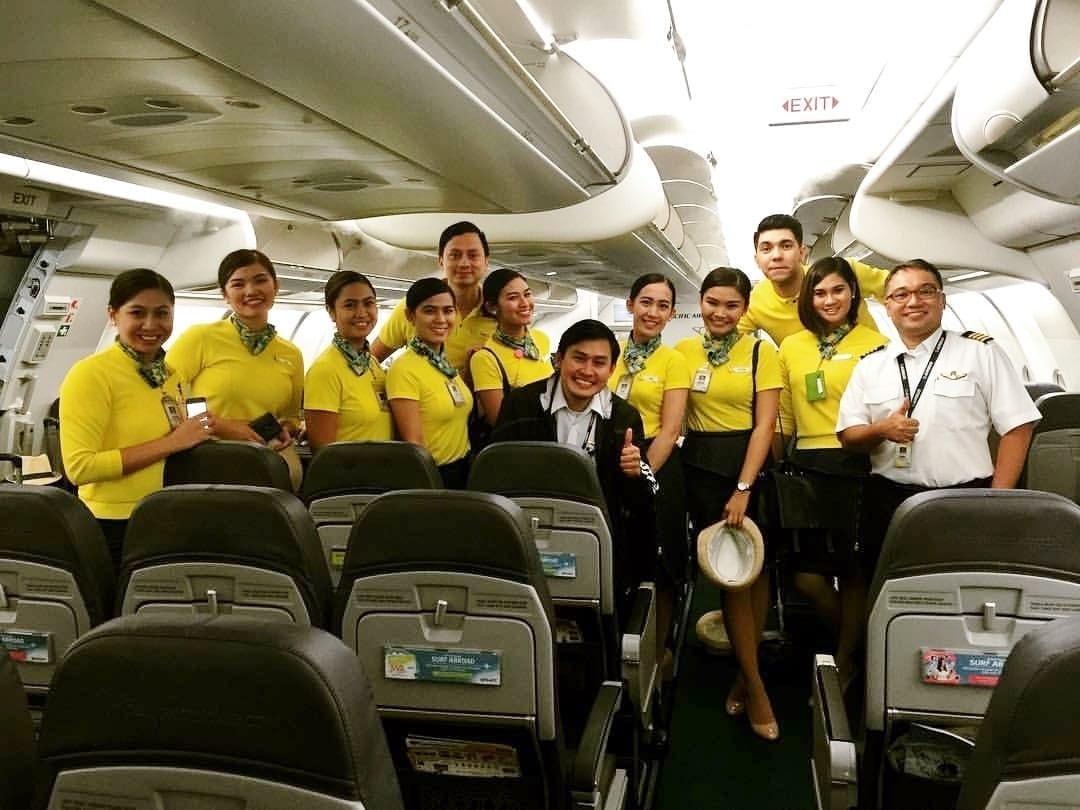
    Airliner Cebu Pacific (CEB) further builds its presence in the MIMAROPA and Bicol regions with the launch of two more routes.
    Starting February 15, 2017, CEB’s wholly owned subsidiary, Cebgo, will launch daily flights between Manila and Masbate; and four times weekly (Monday, Wednesday, Friday and Sunday) between Manila and Tablas using the newly-acquired ATR 72-600 aircraft.

    The addition of these new routes will allow our passengers to easily visit these fast-rising areas in Luzon, both known for its white-sand beaches, waterfalls and diving spots.

    “We remain firm in bringing people together through safe, affordable, reliable, and fun-filled air travel. With these additional routes, travelers will now be able to visit these destinations faster while enjoying CEB’s trademark low fares. Rest assured, we will continue expanding our network to reach more passengers in and out the Philippines,” says Alexander Lao, Cebgo President and CEO.

    CEB holds an introductory P799 all-in seat sale for flights from both Masbate to Manila and Tablas to Manila from December 12-14, 2016, or until seats last. Travel period is from February 15, 2017 to March 31, 2017.

    Cargo services will also be made available in these areas together with passenger services, contributing to growth of the more than 2,000 accounts we currently hold.

    Guests may also download the Cebu Pacific official mobile app on the App Store and Google Play.

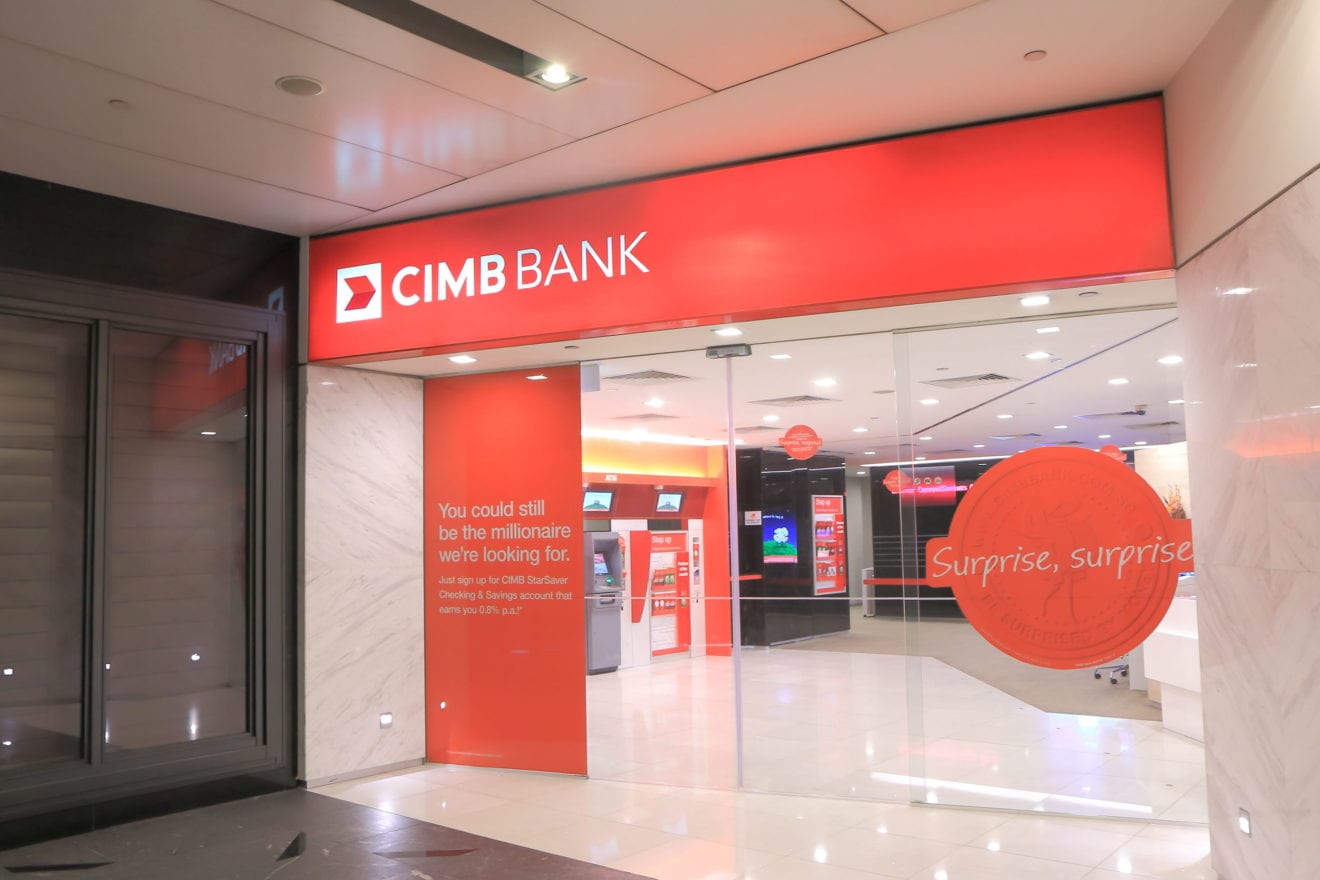
  • CIMB launches mobile wallet app for cashless payments

    CIMB launches mobile wallet app for cashless payments

    CIMB Bank Bhd has launched a lifestyle mobile application, CIMB Pay that provides combine secure cashless payments with deals and offers.

    This enables the bank’s seven million customers to experience faster, easier and more secure payments at over 1,800 contactless terminal-enabled merchants nationwide as well as search nearby location-based real-time deals.

    Group consumer banking chief executive officer Samir Gupta said the launch of CIMB Pay further strengthens its suite of digital offering, reaffirming CIMB’s position as a customer-centric bank with cutting-edge technology in the region.

    “We are proud that CIMB Pay is the first mobile wallet app that enables consumers to not only make cashless payments, but also allows them to take advantage of lifestyle deals.

    “Combined with the ability to store cards issued by both Mastercard and Visa, CIMB Pay is the leader among similar apps,” Gupta said in a statement, adding the initiative also supports Bank Negara’s move to go cashless.

    On the app’s security features, Gupta noted that security and privacy are at the core of CIMB Pay and that all card details were tokenised with no information stored on the devices.

    “Users will also be required to authenticate transactions either using the mobile fingerprint or a six digit PIN,” he added.

    In the meantime, Gupta said more functionalities will be added onto CIMB Pay in the first quarter of 2017, including simplified online payment and express checkout solutions powered by Mastercard’s Masterpass.

    With Masterpass, shoppers will be able to use their CIMB Mastercard debit or credit card along with the shipping information saved on the mobile app to complete online transactions.

    Customers can make payments by simply tapping their phone on any contactless terminal based on Near Field Communication technology.

    The app also has an in-built notification system that alerts customers on nearby contactless terminals and flash deals.

    CIMB Pay can be downloaded on Google Play for NFC-enabled smartphones running on Android 4.4 and above.

  • APT nearing 100% 4G take-up

    APT nearing 100% 4G take-up

    Taiwan’s Asia Pacific Telecom (APT) is nearing 100% take-up of 4G services among existing customers, and expects nearly all its subscribers to have migrated to 4G by the end of Q1.

    APT only has around 100,000 3G users left to migrate to 4G, around 6% of the operator’s total subscriber base. The remaining users are expected to upgrade in the next few months.

    In order to encourage migration and boost interest in the operator’s 4G services among new customers, APT has introduced a new line of plans that offer unlimited broadband and free domestic voice calls even to subscribers of Taiwan’s other mobile operators. The plan starts at TW$999 ($31.39).

    APT chairman Lu Fang-ming told the Taipei Times that the operator has reached the subscriber migration target set when the operator launched 4G two years ago.

    As the operator moves to the next phase, it plans to focus on expanding its customer base to improve ARPU.

    APT also recently announced a new home OTT video service to be delivered to Taiwanese customers in collaboration with Netflix, China’s iQiyi, movie distributor Catchplay and Taiwan Mobile’s myVideo, the report adds.

  • Martell to unveil heated taste across Asia travel-retail

    Martell to unveil heated taste across Asia travel-retail

    The House of Martell is to release a limited-edition expression across Asia travel-retail in time for Chinese New Year, defined as its “most ground-breaking cognac to date”, the Martell Cordon Bleu Intense Heat Cask Finish.

    The new listing, which will be available at key travel-retail outlets in Hong Kong International airport (on January 1 2017), Hong Kong borders, Singapore, Taiwan, Shanghai, Beijing, Thailand and Malaysia at $229, is an iconic blend  matured for six months, in casks subjected to intense heat, in a method known as “chauffe crocodile”. The process in making this cognac has never been used before at Martell, which uses a much more intense flame to “burn” the oak.

    “Martell Cordon Bleu Intense Heat Cask Finish was created with the House of Martell’s core pillars of elegance, complexity and balance in mind,” said Martell Cognac Cellar Master Christophe Valtaud. “It celebrates the daring spirit of Martell Cordon Bleu, the most emblematic of all Martell cognacs, created in 1912 by Edouard Martell, the great-grandson and 10th descendent of the House’s founder. This carefully crafted cognac which is also the embodiment of our House’s spirit of curiosity, is set to again redefine the conventions of cognac and offers connoisseurs in Asia yet another truly unique taste experience,” he noted.

    The cognac releases roasted notes of mocha coffee and toasted almonds, characteristic of Martell Cordon Bleu, with sweet spicy notes – candied orange, cinnamon and honey – unleashed on the palate with unexpected intensity.

    The Martell Cordon Bleu Intense Heat Cask Finish is packaged in a deep blue box artfully embossed to replicate the crocodile leather-like pattern (charred wood effect) on the oak casks that results from the chauffe crocodile toasting method.

  • Singapore shoppers want cross-channel options more than new-age services

    Singapore shoppers want cross-channel options more than new-age services


    When it comes to Christmas shopping, Singaporeans prefer retailers with a physical store, coupled with both e-commerce and mobile app. Singapore shoppers want cross channel options more than new age services like digital wallets and augmented reality store experiences, according to the SAP Hybris Singapore Christmas Shopper survey.

    More than 1,000 consumers in Singapore were surveyed to uncover their Christmas shopping habits.

    When it comes to Christmas shopping, 68 percent of respondents said they prefer retailers with a physical store coupled with both e-commerce and mobile app, enterprise application software provider SAP said in a press statement on 8 December 2016.

    In addition, 54 percent prefer those who offer self-pickup services at a physical store.

    According to the results, 65 percent of respondents stated that retailers can improve their Christmas shopping experience by offering free shipping.

    “Singaporeans are amongst the most tech-savvy spenders in Asia, and no strangers to e-commerce,” said Nicholas Kontopoulos, Global Vice President of Fast Growth Markets for SAP Hybris in the Asia Pacific region. “Despite that and reports of Singapore’s continuously challenging retail landscape, the brick and mortar stores are definitely not dead.

    “In fact, the SAP Hybris survey found that 39 percent of Singaporeans still enjoy browsing through stores. This [shows that] Singapore is a truly multi-channel market, where most consumers are using a combination of devices in their online and offline shopping. In the future, offline and online shopping are no longer two separate business models. Singaporeans are demanding a seamless omnichannel shopping experience,” Kontopoulos concluded.

  • Huawei to supply network for PyeongChang 2018

    Huawei to supply network for PyeongChang 2018

    Huawei announced it has been selected as an official network equipment supplier for the 2018 Winter Olympic and Paralympic Games in PyeongChang.

    As an official supplier, Huawei will deliver a comprehensive network system covering a games, administration and facility network.

    The vendor facilitate the delivery of services including real-time competition data transmission, broadband certification for audiences and stadium security protection.

    A network equipment supply and sponsorship agreement was signed in Seoul yesterday by the PyeongChang Organizing Committee’s (POCOG) president and CEO Lee Hee-beom and Huawei’s enterprise business group president Yan Lida.

    “We are honored to be selected as the Official Network Equipment Supplier of the PyeongChang 2018 Olympic Winter Games,” Lida said at the ceremony.

    “With a wealth of expertise in network construction for large-scale sports events and stadiums, Huawei will provide full support to POCOG in building a cutting-edge network for the Games.”

  • Qantas To Launch 787 with Melbourne – LA Route

    Qantas To Launch 787 with Melbourne – LA Route

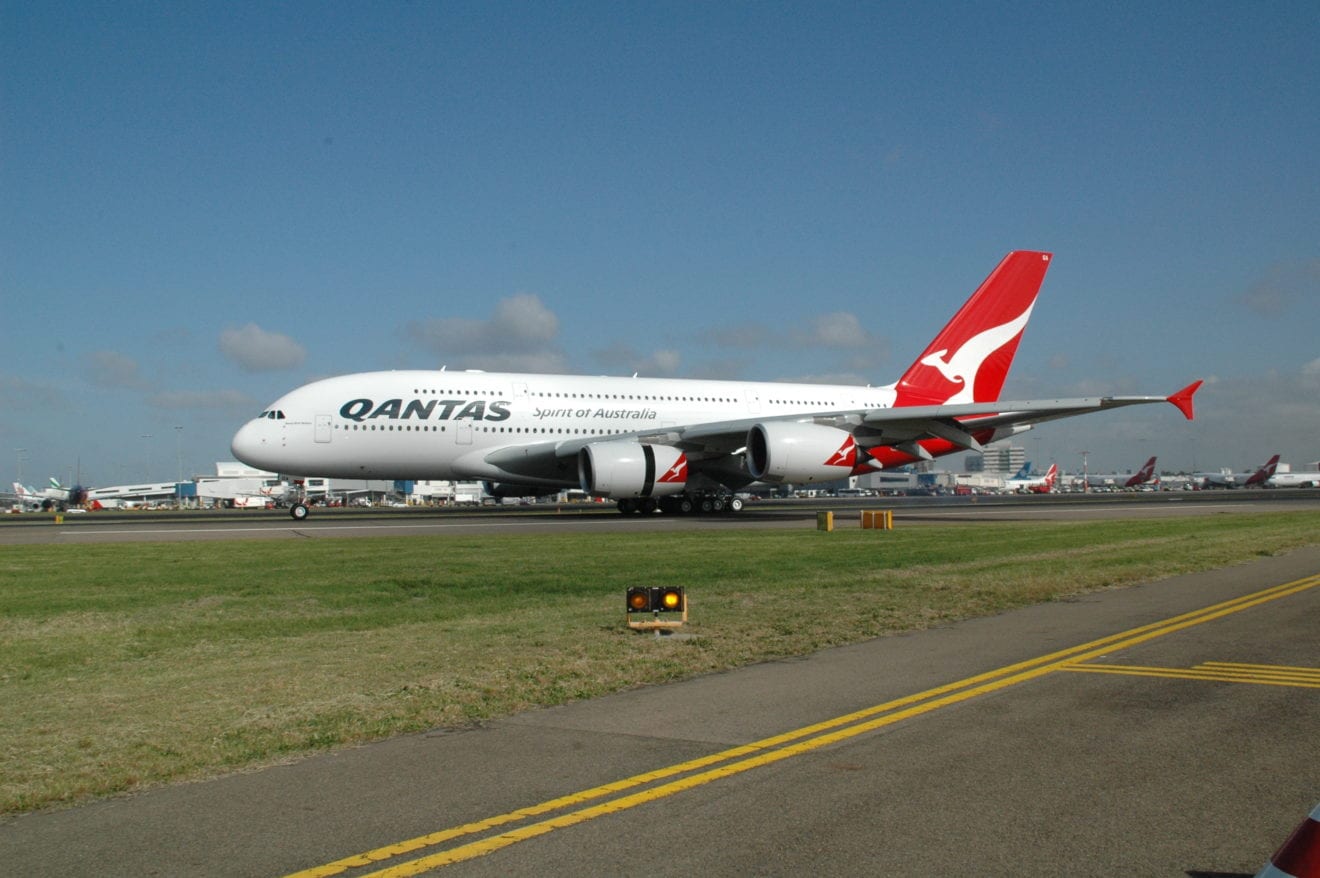
    Qantas will inaugurate long-haul flights with its new Boeing 787-9s by flying them between Melbourne and Los Angeles from December 15, 2017.

    The flight will be operated six times a week, replacing the current twice-weekly flight operated by a 747-400.

    Qantas also operates a daily Airbus A380 flight between Melbourne and Los Angeles.

    The carrier recently announced that it would fly its 787s non-stop between Perth and London from March 2018.

    Qantas has eight 787-9s on firm order.

  • The sectors expected to hire in Singapore Q1 2017

    The sectors expected to hire in Singapore Q1 2017

    A challenging employment outlook persists into the first three months of 2017 (Q1) as Singapore’s net employment outlook stands at a modest +9%, after the data is adjusted for seasonal variation.

    Of the 620 employers surveyed in the latest ManpowerGroup Employment Outlook Survey, 15% expect to increase staffing levels while 7% anticipate a decrease, and 71% foresee no change.

    Linda Teo, country manager of ManpowerGroup Singapore, commented that while hiring prospects remain relatively stable, there is a growing mismatch between jobs and skills, expected to worsen if not addressed by workers and employers.

    She added: “Lower skilled workers and PMETs with out-of-date skills will face the brunt of the recession – if it happens. With the slowing economy, unemployment figures for these groups of workers are likely to rise as employers put into action cost-saving measures.”

    Domestic hiring sentiment by sector

    Employers in six of the seven industry sectors surveyed expect to grow staffing levels during the first three months of 2017 [figure below]. The finance, insurance and real estate sector reports the strongest hiring sentiment with an outlook of +19%.

    Employers in the transportation and utilities sector forecast steady hiring activity with an outlook of +11% while employers in the manufacturing sector disclose an outlook of +9%.

    Elsewhere, employers in the public administration and education sector, and the services sector report outlooks of +8%. However, a decline in payroll for the wholesale trade and retail sector is foreseen as the outlook stands at -2%.

    manpower group - sectors hiring intentions

    Asia Pacific hiring outlook for Q1 2017

    Taiwan reports the region’s most robust Q1 hiring intentions with one of every four employers expect to add to their workforce. Opportunities for job seekers in Japan remain strong, with a quarter of all employers anticipate adding to their payrolls in the first quarter of 2017.

    Despite an overall slowdown in retail and tourism activity in Hong Kong, services sector employers report the first quarter’s strongest outlook, and steady hiring in the mining and construction sector.

    Employers in China remain cautiously optimistic with some payroll growth estimated in all industry sectors and regions.

    Meanwhile in India, the hiring pace is projected to decelerate for the fourth consecutive quarter. However, an active labour market is expected to continue, with more than one in five Indian employers intending to add to their payrolls through the next three months.

    ManpowerGroup global net employment outlook Q1 2017

    Over in Australia, efforts to emphasise non-mining sectors of the economy seem to be maintaining traction. Employers across all sectors and regions expect varying degrees of payroll gains. Employer hiring plans are also uniformly positive in New Zealand, with the most activity forecast in the transportation and utilities, and mining and construction sectors.


  • Apple Korea targets 15pc market share

    Apple Korea targets 15pc market share

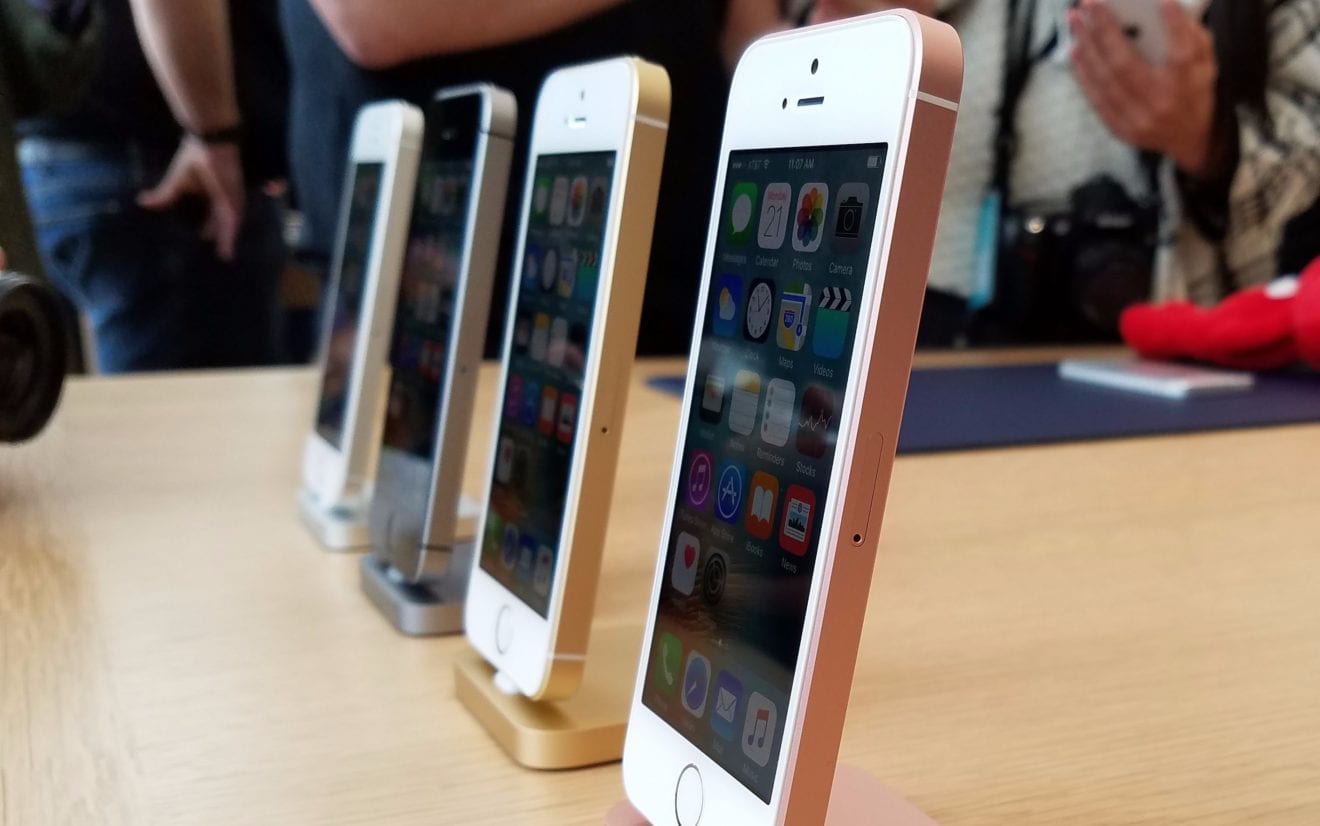
    Apple Korea is going head on to Samsung on its home turf, on target to sell 2.9 million iPhones in South Korea this year, giving it a market share of about 15 per cent.

    At the end of last month it had sold 2.6 million iPhones, and is forecasting improved results for the year. Its operating profit has reached more than KRW800 billion (US$684 million) on revenue of KRW3 trillion, according to Yonhap News Agency.

    Sales of iPhones account for more than 75 per cent of Apple’s revenue in Korea, sources say. It launched the iPhone 7 in October with the opportunity to take share from market leader Samsung after its Galaxy Note 7 debacle.

    On top of that, the Cupertino-based tech company is building its first flagship retail store in Seoul, expected to be completed next November, right across the street from Samsung’s headquarters.

    Apple’s market share in Korea peaked at 33 per cent in the fourth quarter of 2014 following the launch of the iPhone 6, according to Counterpoint. Samsung and LG now have a combined market share of more than 80 per cent. LG had a 19 per cent market share in the second quarter of this year.

    South Korea and Japan, where the iPhone had more than a 50 per share for the three-month period ending October 30, are rare growth markets in Asia for Apple. Its iPhone shipments in China plunged 31 per cent to 7.5 million units in the third quarter, with market share falling to 6.2 from 10.3 per cent, according to Strategy Analytics.

    Apple reportedly reduced orders from component suppliers for its iPhone 7 models early this month because of demand being weaker than expected in many markets, including China.

  • Significant investor interest as SPAR Shandong introduces initial public offering

    Significant investor interest as SPAR Shandong introduces initial public offering

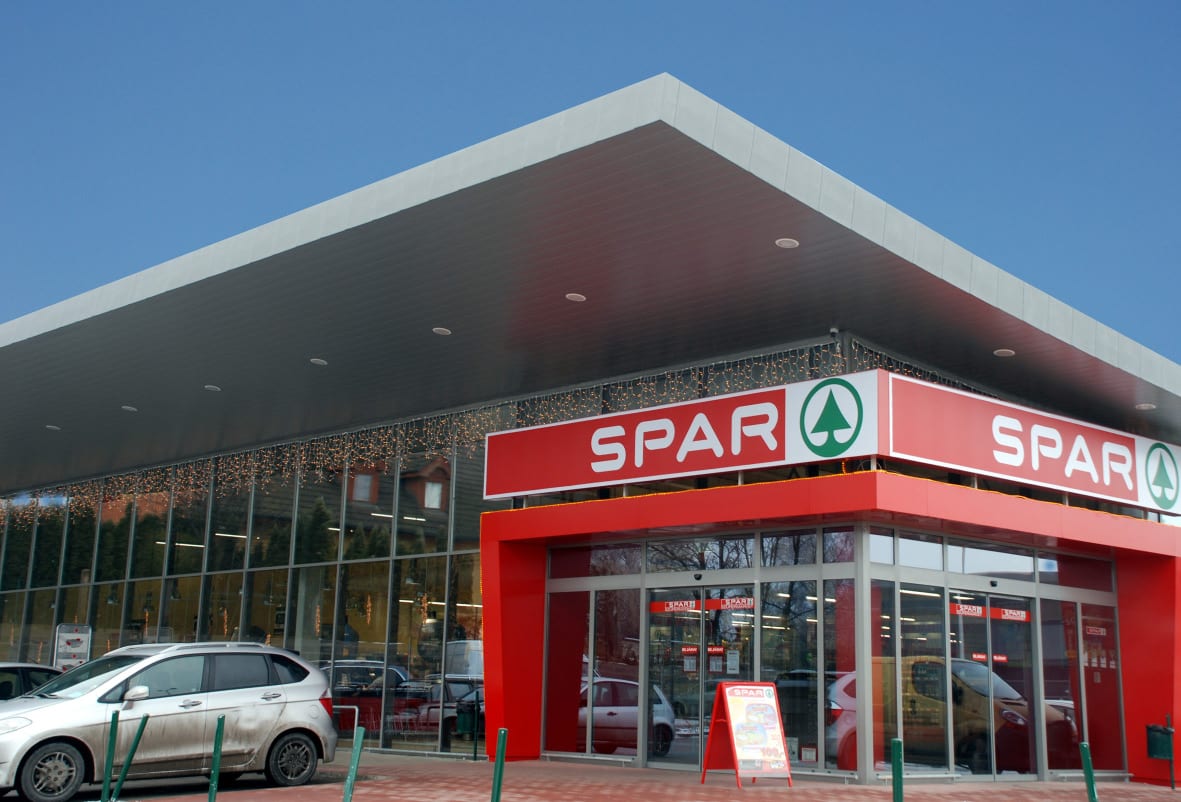
    SPAR Shandong operators, Jiajiayue Group, who became SPAR International’s first retail partner in China in 2004, have launched an initial public offering (IPO) which saw the company listed on the Shanghai Stock Exchange. 

    Jiajiayue issued 90 million shares priced at 13,64 yuan per share to raise 1,23 billion yuan ($178,12 million). In late November, interest from investors saw the online portion of the IPO oversubscribed 4,407 times. The listing on the main A-Share exchange in China saw trading activity begin immediately after the opening on Tuesday ending 43% up on the first day of trading.

    The market funding will be used to strengthen the business further by financing new store openings and existing store upgrades, developing distribution centres and logistics infrastructure and enhancing the existing technology and IT infrastructure. 

    Jiajiayue was the first SPAR partner in China and opened its first store in 2005 in the city of Weihai, north east China. Since then, SPAR China has opened 360 stores with nearly 1,000,000 sqm of selling space in eight provinces, employing over 30,000 people. It also operates eight distribution centres delivering across 50 cities.

    Speaking at the launch, Tobias Wasmuht, Managing Director of SPAR International said: “Today is a significant milestone, not just for SPAR Shandong, but also for the wider SPAR China family. All at SPAR are delighted to have contributed to the success of Jiajiayue, our founding partner of SPAR in China. Over the last 12 years the company has continued to lead the way, working closely with the growing list of SPAR Partners in China to grow and enhance the brand. Investor interest in today’s IPO is testament to the strength and vision of the company and its management team. This partnership embodies the values of SPAR and we look forward to growing together the scale of our retail network in Shandong and China as a whole.”   

    In addition to its partnership with SPAR, Jiajiayue Group Co. Ltd is involved in food processing, wholesale of agricultural products and foreign trade business. In total it operates over 400 stores with a selling space of 900,000 sqm in 34 cities within Shandong province such as Weihai, Yantai, Jinan, Weifang, Qingdao, Linyi, Laiwu and Zaozhuang.

    The store formats cover hypermarket, supermarket, department store, neighbourhood store and discount store. The company has been recognised with a number of awards, including top 100 China FMCG Chain, Customer Satisfied Company in Shandong Province and Top Employer of China Retailing.

    SPAR is the world’s largest voluntary retail chain with retail sales of €33 billion in 2015. With a presence now in 44 markets around the world, SPAR continues to be the partner of choice for independent retail partners keen to embrace retail best practice and fast-track their development in the face of international competition. SPAR International’s multi-format strategy sees its Partners operate over 12,100 hypermarket, supermarket, neighbourhood and convenience stores serving the needs of 13 million customers daily.

  • 3 in 4 shoppers demand loyalty rewards from retailers

    3 in 4 shoppers demand loyalty rewards from retailers

    They want more personalised reward programmes, not just the traditional point-based ones. Amidst Singapore’s retail doldrums, more than 75% of Singapore consumers indicate that the will buy more from retailers if they are better rewarded for their loyalty.

    According to a study by ICLP, this is despite the fact that many consumers are currently lukewarm about their relationships with brands and retailers, giving average to low scores in terms of passion, commitment, and intimacy.

    The study noted that only 3% of consumers considered themselves to be devoted to their preferred brands.

    The research suggested that in order for retailers to take their relationships with customers to the next level, they have to go beyond just giving traditional-points based reward programmes.

    “Much like in a relationship with friends and loved ones, they would engage more when they receive genuine gestures that surprise and delight them,” the study explains.

    ICLP country manager Bruno Tay said many Singaporean consumers still relate to brands and retailers at a transactional level, so when times are uncertain, they easily resort to the myriad of choices that are at their disposal.

    “It’s not too late to turn things around, though. In fact, retailers now have a chance to truly stand out if they appeal to the heart too – by approaching communication, reliability, consistency, reward and recognition from a human perspective,” he noted.

  • Lotte promises +$2bn in World Tower support

    Lotte promises +$2bn in World Tower support

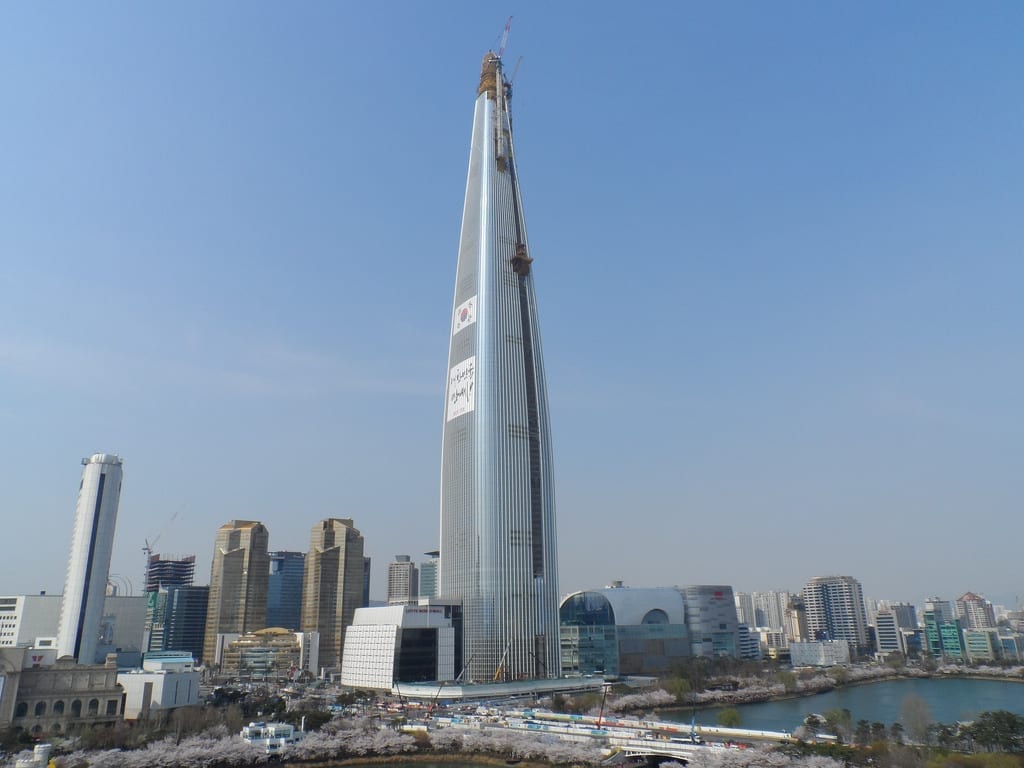
    Ahead of this Saturday’s highly anticipated downtown duty free license awards in Seoul, South Korea, Lotte Duty Free has promised to invest Won2.3 trillion ($1.97bn) on tourist-related investments in the upmarket Gangnam quarter of Seoul between 2017 to 2021.

    It has also pledged to include support for small and medium-sized business partners while finding ways to attract more than 17m foreign tourists.

    This unprecedented offering from South Korea’s biggest duty free operator also includes an undertaking to create 34,000 direct and indirect jobs, while creating substantial foreign exchange income.

    UNPRECEDENTED SUPPORT PACKAGE FROM LOTTE

    Lotte has also promised to contribute substantially to social needs, while offering ‘win-win management’ arrangements and solutions for small and medium business partners.

    In a lengthy communication, Lotte Duty Free adds that all of these promises and much more are ‘included’ within the business plan it has already submitted to the Korea Customs Service on October 4.

    As such, it is obviously hoping this will be enough to secure one of the Seoul downtown duty free store licenses which now comprise 10 years in length, rather than five.

    SK GROUP ALSO HOPES FOR A LICENSE ‘REPRIEVE’

    Needless to say, Lotte is not the only company looking to secure a downtown license since there are three on offer in the capital Seoul, with SK Networks also hopeful that it will win a license and be able to restore its duty free offer at the WalkerHill casino and hotel in Seoul.

    Another three licenses are also expected to be offered to retailers operating in smaller South Korean cities, including Busan.

    SK Networks (part of the SK Group) lost its Seoul license last November at the same time as Lotte Duty Free, although Lotte holds other licenses in downtown Seoul and at Incheon Airport.

  • 70 companies honoured at Hong Kong Awards for Industries

    70 companies honoured at Hong Kong Awards for Industries

    Seventy companies were honoured today (December 13) at the 2016 Hong Kong Awards for Industries (HKAI) presentation ceremony, at which the Chief Executive, Mr C Y Leung, officiated.

    The Grand Award winners were WowWee Group Limited (consumer product design), the Hong Kong Research Institute of Textiles and Apparel (equipment and machinery design), Sidefame Limited – Anteprima Wirebag (customer service), Gammon Construction Limited (innovation and creativity), Chow Tai Fook Jewellery Group Limited (productivity and quality), Comba Telecom Systems Holdings Limited (technological achievement) and Sinomax Group Limited (upgrading and transformation).

    A total of 234 entries were received at the 2016 HKAI. The winners were decided by the final judging panels chaired by Professor Joseph Sung.

    The HKAI was launched in 2005 by merging the former Hong Kong Awards for Industry and the former Hong Kong Awards for Services, established in 1989 and 1997 respectively. The HKAI aims to recognise the outstanding achievements of Hong Kong enterprises in pursuit of high technology and high value-added activities, and to commend excellence in various aspects of their performance.

    The 2016 HKAI covered seven categories, namely the consumer product design category organised by the Federation of Hong Kong Industries; the equipment and machinery design category organised by the Chinese Manufacturers’ Association of Hong Kong; the customer service category organised by the Hong Kong Retail Management Association; the innovation and creativity category organised by the Hong Kong General Chamber of Commerce; the productivity and quality category organised by the Hong Kong Productivity Council; the technological achievement category organised by the Hong Kong Science and Technology Parks Corporation, and the upgrading and transformation category organised by the Hong Kong Young Industrialists Council.

    The 2016 HKAI media partners were Hong Kong Economic Times and Metro Finance.


  • Giant Zara Barcelona store opens

    Giant Zara Barcelona store opens

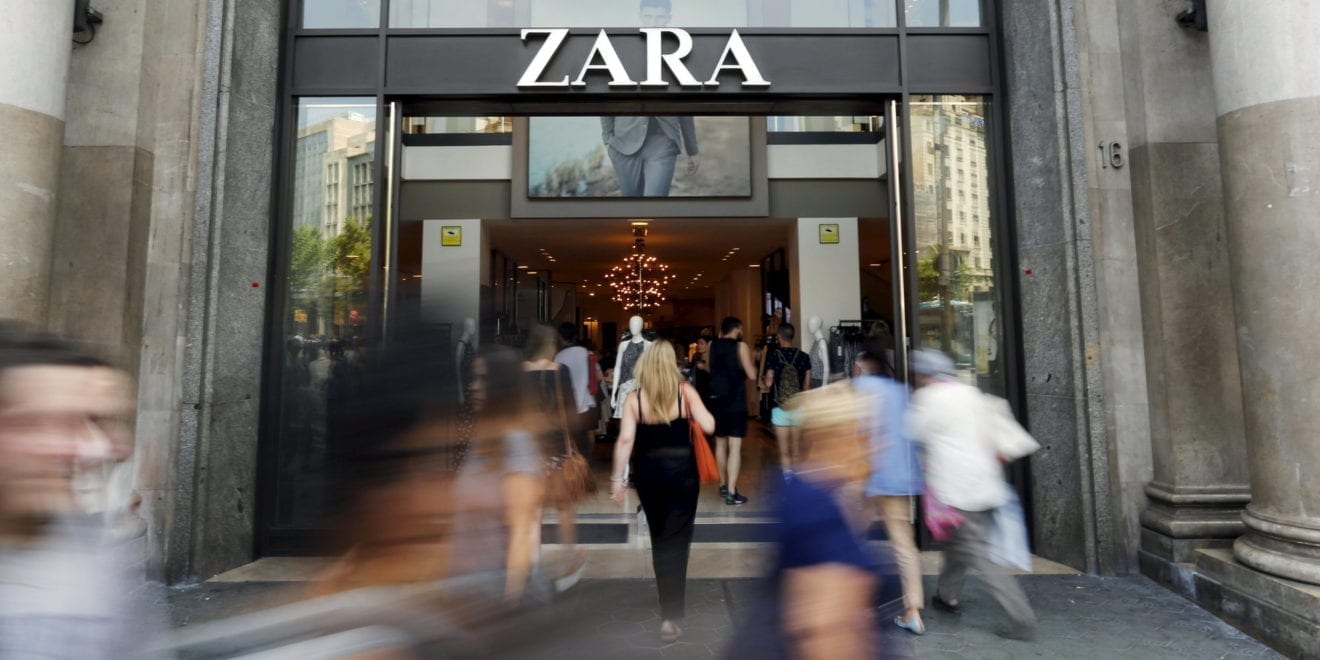
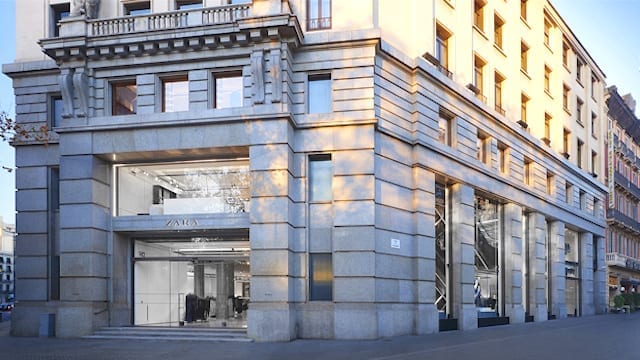
    A giant Zara Barcelona flagship store has opened its doors at Number 5, Plaça de Catalunya, Barcelona’s tourist and commercial epicentre.

    Zara describes the store as one of its “most emblematic”, housed in a 1930s property which has been fully refurbished and recovered for the city. It has more than 3600 sqm of space spread over three floors, housing the Zara Woman, Man and Kids collections.

    The new Zara Barcelona shop occupies a building designed in 1931 as the Barcelona head office of Banco de Bilbao by Basque architect Eugenio Pedro Cendoya, also responsible for the Montjuïc National Palace, built to accommodate the World Fair celebrated in the city in 1929.

    The architectural plans devised for this new store, spearheaded by Coruña-based architect Elsa Urquijo, focused on preserving the former bank’s original architectural treasures such as its impressive glass dome, the atrium flanked by columns and decked with the marble floors characteristic of the public buildings of the time and the murals decorating the pedestrian staircase. The interior is dominated by a pale colour palette and textures that tone down the spaces. The layout of the store fittings was articulated around free-standing units in neutral tones that place the spotlight on the brand’s collections and the building’s impressiveness.

    “The result is a diaphanous and uncluttered retail space with a ground floor open to the city and two upper floors demarcated by the majestic central space that is visible from anywhere in the store, bathed at all times by the daylight filtered in through its glass dome,” says Zara parent Inditex.

    In keeping with Inditex’s Environmental Plan, the new store has been built to stringent green building standards, sustainability criteria applying to its actual construction as well as ongoing operation and usage. Over half of Inditex’s worldwide stores are now eco-efficient, implying electricity and water savings of 30 per cent and 40 per cent respectively compared with conventional stores.