Author: Mei Ling Tan

  • Visa buys payment authentication company

    Visa buys payment authentication company

    Visa has arranged to to acquire e-commerce payment authentication provider CardinalCommerce to improve the company’s cross-platform payments security capabilities.

    The transaction, which is subject to the customary closing conditions, is expected to close in Visa’s second fiscal quarter 2017. Financial terms have not been disclosed.

    Visa already provides Cardinal’s services to merchants and acquirers through its CyberSource merchant and acquirer enablement platform. Additionally, Visa will draw upon its global relationships and presence to drive international expansion of Cardinal’s products and services.

    As Visa plans to integrate tokenization into Visa Checkout over the next 18 months, the addition of Cardinal is expected to allow closer integration of 3-D Secure and delivery of new fraud mitigation capabilities to merchants.

    Cardinal will continue to operate and serve all of its clients as a wholly-owned subsidiary of Visa, and its authentication platform will continue to support a broad range of payment brands and partners across the industry. Co-founders Tim Sherwin and Chandra Balasubramanian will stay on as leaders of the Cardinal team.

    “This strategic acquisition combines Visa’s industry expertise and Cardinal’s critical role in payment authentication to bring added security to online transactions, reduce fraud and support digital commerce, which is the fastest growing commerce segment today,” Visa SVP of risk and authentication products Mark Nelsen said.

    “By helping merchants, acquirers, and issuers better distinguish between good and bad transactions, Visa is in an even better position to strengthen consumer trust in digital payments, help merchants grow their businesses, and accelerate innovation in commerce.”

  • Le Saunda sales dips 8pct y-o-y in Q3

    Le Saunda sales dips 8pct y-o-y in Q3

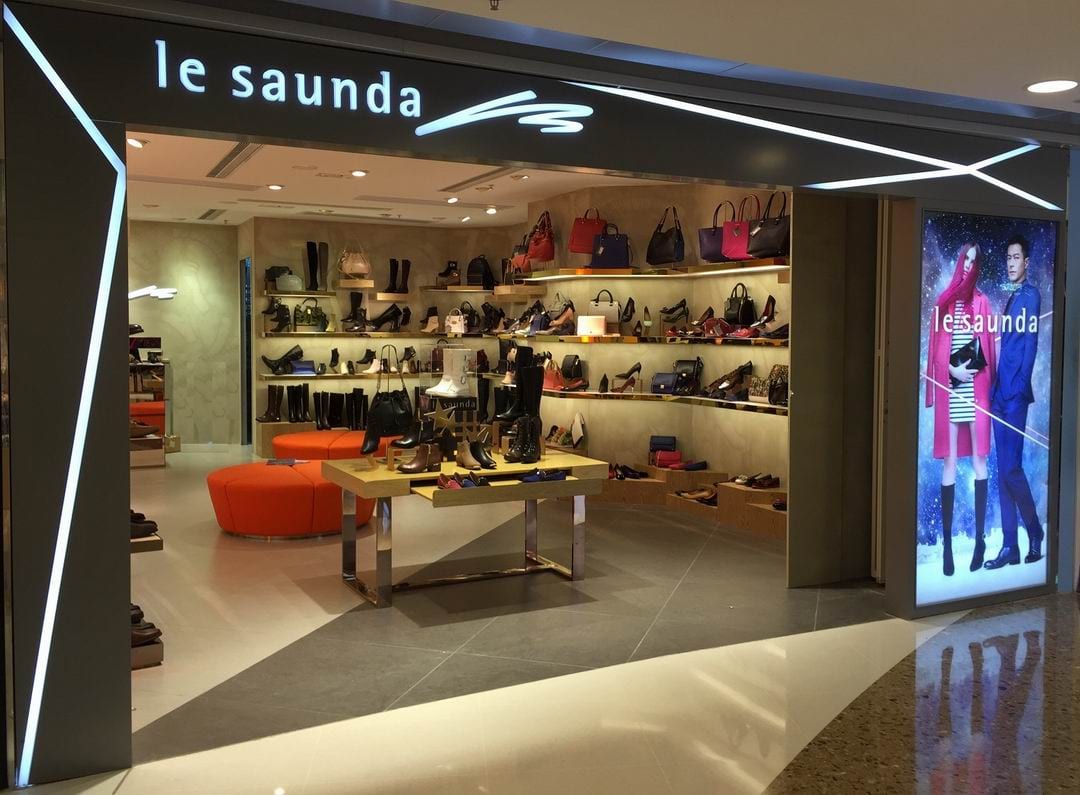
    Footwear manufacturer and retail company Le Saunda Holdings announced a decrease of 8 per cent in its total retail sales year-on-year for the third quarter of its 2016/2017 financial year, according to a filing with the Hong Kong Stock Exchange.
    Same store sales of the retailer also saw a 7.1 per cent drop year-on-year for the quarter, which when coupled with a 40.5 per cent year-on-year drop in the Group’s e-commerce business sales led the group’s diminished performance during the period compared to last year.

    As at the end of the group’s financial quarter, November 30, Le Saunda had a total retail network comprised of 822 outlets spread throughout Mainland China, Hong Kong and Macau. However, on the back of the declines in sales, the Group has closed 75 outlets compared to the same period of last year.

    Of the total outlets, 737 are in self-owned and in operation in Mainland China, Hong Kong and Macau while 85 outlets are operated under franchising agreements in Mainland China.

    According to the Group’s previously launched interim financial report, its total revenue for the first six months of fiscal 2016/2017, from March to August of this year, showed a decline of 13.8 per cent year-on-year to RMB651.2 million (US$94 million) from RMB756 million during the same period of the previous fiscal year.

    In addition, the Group’s profit dropped 24 per cent year-on-year to RMB45.6 million during the first half of the fiscal year.
    The Group is also engaged in the design and development of handbags and fashion accessories in Mainland China, Hong Kong and Macau.

  • TPG wins auction to be Singapore’s fourth cellco

    TPG wins auction to be Singapore’s fourth cellco

    Australian fixed line operator TPG Telecom has won the new entrant spectrum auction to become Singapore’s fourth mobile network operator.

    TPG submitted the winning bid of S$105 million ($72.8 million) for a provisional allocation of 60 MHz of spectrum in the 900-MHz and 2.3-GHz spectrum bands.

    TPG outbid MyRepublic to secure the new license and spectrum.

    Final allocation of the spectrum will require payment of the relevant spectrum fees, and the commencement date of spectrum rights will be scheduled after the planned general spectrum auction to be held in the first quarter.

    Regulator IMDA said the new spectrum rights are expected to commence on April 1 at the earliest. TPG will also be eligible to compete in the general spectrum auction if the operator so chooses.

    As a condition of its bid, TPG will need to provide nationwide street level 4G coverage within 18 months of the new spectrum rights commencing, road tunnels and in-building coverage within 30 months and coverage of MRT underground stations and lines within 54 months.

    Singapore MVNO Circles.Life, which launched earlier this year as the market’s fourth postpaid mobile service provider, has welcomed the move.

    “Circles.Life welcomes IMDA’s on-going efforts to support competition and look forward to TPG Telecom’s entry into the telco space in Singapore… We hope TPG Telecom will continue to support our ambition to bring more innovation and choice to the market,” the company’s co-founder and director Rameez Ansar said.

    “In the short-term, the impact may be limited until TPG Telecom enters the market in about two years from now after building the required infrastructure. Meanwhile, we are focusing on targeting the data savvy segment.”

  • SM founder Sy receives lifetime achievement award

    SM founder Sy receives lifetime achievement award

    Enterprise Asia, a non-governmental organization based in Malaysia that organizes the Asia Pacific Entrepreneurship Awards (APEA), honored retail pioneer Henry Sy, Sr. with a Lifetime Achievement Award last Dec. 1 at a ceremony held at the Dusit Thani Manila. Sy is the first and only Filipino to receive the Lifetime Achievement Award from Enterprise Asia, which is on its third year of organizing the awards in the Philippines.

    The APEA recognizes and honors business leaders who have shown outstanding performance and tenacity in developing successful businesses within the Asian region. The awards also aim to gather leading entrepreneurs across Asia to spur greater innovation, fair practices and growth in entrepreneurship. Today, the award covers Malaysia, Indonesia, Brunei, Singapore, Hong Kong, Thailand, India, China and the Philippines.

    “On behalf of Mr. Henry Sy, Sr. and his family, we thank Enterprise Asia for this honor and prestigious Lifetime Achievement Award,” Mr. Jose T. Sio, SM Investments Corporation (SM) executive vice president and chief finance officer said. Among the notable recipients of the Lifetime Achievement Award for the past 10 years were: Yeoh Tiong Lay, the founder of YTL Corporation, the largest conglomerate in Malaysia;Teh Hong Piow, the founder of Public Bank Berhad, one of the largest banks in Malaysia; Food magnate Sam Goi, chairman of Tee Yih Jia Group of Singapore; Ciputra of PT. Ciputra Group, one of the leading property developers in Indonesia;Mokhtar Riady, founder of the Lippo Group of Indonesia; and real estate magnate Hui Wing Mau of the Shimao Group of Hong Kong to name a few.

    Sy is the founding Chairman of SM. To many, he is the Father of Philippine Retail, having successfully built SM into a dominant player in the country’s retail industry with its highly progressive and innovative approach. Like his Chinese name predicted and with his vision, passion and hard work, Mr. Sy transformed Shoemart, from a humble shoe store, into SM, now a highly recognizable brand and icon with interests and presence in retail, banking, and property development. Enterprise Asia is a non-governmental organization dedicated to recognizing entrepreneurship development across the region.

  • Swarovski nail salons returning to DFS Group stores

    Swarovski nail salons returning to DFS Group stores

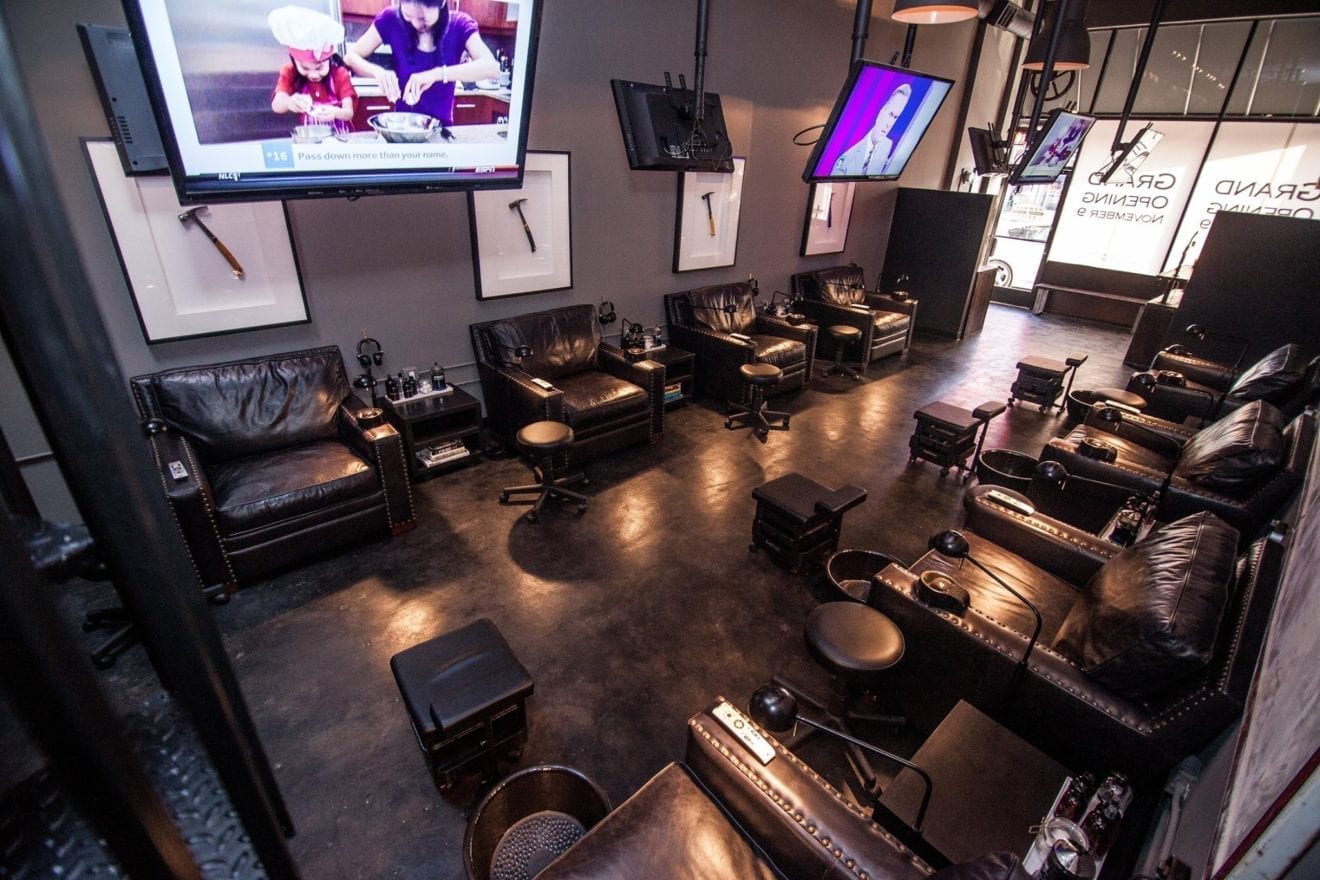
    This Christmas Swarovski is offering a nail treatment service to shoppers at DFS Group stores. The jewellery brand is returning to the T Galleria by DFS stores to offer its nail service for free to shoppers who have spent a certain amount.

    The service, which is available on select dates across December, will take place in T Galleria by DFS stores in Canton Road, Hong Kong, City of Dreams and Shoppes at Four Seasons in Macau.  The pop-up nail salons will offer the Swarovski “sparkling nail service” along with a Star Ornament crystal for shoppers.

    Director of Travel Retail Asia Pacific at Swarovski, Karen Tse, said: “Female shoppers at Swarovski have traditionally taken a more subtle approach by opting for our classic crystal jewelry and iconic pieces. However, over the past year, we’ve observed the trend in Travel Retail shifting towards a desire for customization and personal styling.

    “Our customers now want to create their own style so as to express their identity in a bold new way, and seeking a sales assistant’s advice has become an important step in the purchasing process.  We’re thrilled that our partnership with T Galleria by DFS has empowered them to fulfill this aspiration.”

    Swarovski is set to unveil a new fall/winter 2016 collection from brand ambassador Karlie Kloss, which features stars and icicle motifs.

  • Fitness trackers still dominate wearables market

    Fitness trackers still dominate wearables market

    Basic wearables, primarily comprised of fitness bands, accounted for 85% of the wearables market in the third quarter of 2016, IDC estimates.

    The total market grew 3.1% year-over-year during the quarter, with wearables shipments reaching 23 million.

    IDC said much of the increase in shipments for fitness trackers was attributed to the launch of newer models, an expanding user base, and an enticing summer season that allowed people to step out of their homes.

    The research firm expects the momentum for basic wearables to continue for the remainder of 2016 as the holiday season is now in full swing. However, it said smart wearables capable of running third party apps will likely continue to struggle in the near term.

    “It’s still early days, but we’re already seeing a notable shift in the market,” commented Jitesh Ubrani, senior research analyst for IDC Mobile Device Trackers.

    “Where smart watches were once expected to take the lead, basic wearables now reign supreme. Simplicity is a driving factor and this is well reflected in the top vendor list as four out of five offer a simple, dedicated fitness device. Meanwhile, from a design perspective, many devices are focusing on fashion first while allowing the technology to blend in with the background.”

    Ramon Llamas, research manager for IDC’s Wearables team, also noted that user tastes change, so will their needs.

    “That’s the opportunity for smart wearables with multi-functionality and third-party applications, both for consumers and business users. To get there, we need to see more intuitive user interfaces, seamless user experiences, standalone connectivity, and applications that go beyond health and fitness and into personal and professional productivity,” he said.

    During the quarter, Fitbit once again led the market. IDC expects Fitbit to continue leading the pack in the near term and said that the acquisition of Coin and the potential to expand into the smartwatch category present an opportunity for the company to be more than just a fitness brand.

    Xiaomi’s new Mi Band, on the other hand, includes heart rate tracking and is priced well below any competition, making it more suitable for impulse buying than any other fitness band. Garmin captured the third position as the company with one of the widest portfolios among all the vendors in this market.

    While Apple’s decision to launch its second-generation watches in mid-September did contribute to its year-over-year decline in 3Q16, IDC said the primary reasons for the downturn were an aging lineup and an unintuitive user interface.

    During the quarter, Samsung released two new models, Gear Fit 2 and the Icon X. Around the globe, the company was able to move large volumes of its latest wearables thanks to bundles offered with the Note 7 and other Samsung smartphones.

  • BMW November sales up 5.9 percent, Mercedes poised to overtake

    BMW November sales up 5.9 percent, Mercedes poised to overtake

    Daimler’s Mercedes-Benz is on track to overtake rival BMW to take the title of the world’s biggest luxury carmaker, sales figures for November released on Monday showed.

    November sales of BMW branded luxury cars were up 5.9 percent to 177,740 taking year-to-date sales to 1,824,490. By contrast Mercedes-Benz passenger car sales were up 12.7 percent to 182,602 increasing year-to-date sales to 1,893,619.

    Sales of BMW’s core brand reached 1.91 million in 2015 on strong demand for sports utility vehicles like the X5, the 11th year in a row the Munich-based carmaker clinched the title in 2005.

    Mercedes sold to 1.87 million cars in 2015, compared with 1.80 million luxury vehicles sold by Volkswagen’s Audi

  • Quest for franchisee for Focus Brands

    Quest for franchisee for Focus Brands

    Focus Brands is seeking franchisees to develop its Cinnabon and Auntie Anne’s brands in China as part of its international growth strategy.

    Founded in 1985, Cinnabon is a cinnamon roll bakery with 580 outlets in 52 countries. Auntie Anne’s, founded in 1988, is a soft-pretzel chain with more than 530 locations in 29 countries.“China is a priority market for us based on consumer insight research that shows our freshly baked products have a broad appeal,” says Focus Brands International president Nicolas Boudet.

    “Both brands have received numerous industry accolades, with Cinnabon being named a top-five quick-service brand in Technomic’s Millennials’ Favorite Chains report. Auntie Anne’s was recognised as a Top 50 limited-service restaurant brand by QSR Magazine.

    This year Cinnabon has opened 64 international locations with plans to add more than 70 next year. Auntie Anne’s has opened 89 international outlets this year and aims for 100 more next year.

    Other Focus Brands franchises include Carvel, McAlister’s Deli, Moe’s Southwest Grill and Schlotzsky’s.

    Based in Atlanta, Focus Brands runs more than 1300 franchised ice-cream shops, bakeries, restaurants, and cafes outside the US. It grew its total international system-wide sales by 10.5 per cent last year.

    Founded in Seattle, Cinnabon has more than 1200 franchised locations worldwide, primarily in high-traffic venues such as shopping malls, airports, train stations, travel plazas, entertainment centres and military establishments.

    At its more than 1600 locations internationally, Auntie Anne’s mixes, twists and bakes pretzels all day long in full view of guests.

  • Telstra excluded from Australian 700-MHz auction

    Telstra excluded from Australian 700-MHz auction

    The Australian government will exclude the market’s largest operator Telstra from taking part in a digital dividend auction of 700-MHz spectrum, on the advice of telecoms regulator ACMA.

    ACMA held that because Telstra already owns more than 50% of available low-band spectrum, a victory in the auction would only increase its dominance.

    Communications minister Mitch Fifield has instructed ACMA to set a reserve price for the auction of $1.25 ($0.93) per MHz per head of population covered.

    The terms of the auction will stipulate that no operator can own more than two 20 MHz blocks of spectrum in the 700 MHz band.

    Setting such a cap could allow both Telstra rivals Optus and Vodafone Australia to secure more spectrum to compete against the incumbent. If major fixed line operator TPG chooses to participate the operator would also be better positioned to roll out a fourth 4G network in Australia.

    TPG spent A$13.5 million ($10 million) for 2×10 MHz of 2.5-GHz spectrum in 2013. The operator also recently won the auction to become Singapore’s fourth mobile network operator after securing 60 MHz of 4G spectrum.

    The digital dividend auction will involve 2×15 MHz of the 700-MHz spectrum freed up from the migration from analog to digital broadcasting, but left unsold during the initial digital dividend auction in 2013.

  • Housing credit interest rate predicted to decline in 2017

    Housing credit interest rate predicted to decline in 2017

    Bank Indonesia predicted that the interest rate of consumer credits including housing credits(KPR) would decline in 2017 as a result of the relaxation of its monetary policy.

    Director of Macro prudential Policy of the Central Bank Dwityapoetra S. Besar, said here on Wednesday relaxation already began in the central bank monetary policy in 2016 though not very significant.

    Currently the KPR interest rates average 10.3 percent per year, he said.

    “If the interest rate on KPR at 10.3 percent , the average lending rate would be 11 percent. That shows the transmission,” he said.

    However, a cutback in KPR interest rate would depend much on the ability of each bank to keep the cost of fund down, he said.

    The central bank has issued a stimulus in monetary policy in a bid to push down bank lending rate with a 150 basis point cut in its benchmark interest rate (BI 7-Day Reverse Repo Rate) to 4.75 percent.

    Meanwhile, the Financial Service Authority (OJK) cut the Minimum Reserve Requirement by 150 basis point to 6.5 percent in December, 2015 to help bank in improving their liquidity.

    Dwitya , however, said banks have yet to face many hurdles in cutting the lending rate . One of the hurdles is potential increase in inflation as a result of the increase in the electricity tariff for 900 VA subscribers.

    “Yes, we have to see that it will depend also on the macro economic condition,” he said.

  • Cebu Pacific launches Cebu-Ormoc daily flights

    Cebu Pacific launches Cebu-Ormoc daily flights

    The long wait has been over for travelers from this northwestern part of Leyte going to Cebu, following the opening of daily flights.

    The 35-minute Cebu-Ormoc-Cebu flight had its inaugural flight on Saturday and carried 54 passengers from Ormoc City.

    ATR-72-500 aircraft of Cebu Pacific arrived in Ormoc at past 8 a.m. from Cebu on its initial trip carrying 31 passengers, including Ormoc Mayor Richard Gomez. Minutes later, it left for Cebu with 54 commuters.

    Cebu Pacific’s 72-seater plane serves daily flights with scheduled departure at 8:42 a.m.

    This development opens doors towards boosting the city’s economic endeavors and benefits its tourism industry. The city government has been very vocal of the mayor’s vision, making tourism as his priority.

    Gracing the opening program were city Vice Mayor Leo Carmelo Locsin Jr., Trina Dacuycuy of the Department of Tourism regional office, Cebu Pacific Vice President for Visayas Alex Reyes, and Civil Aviation Authority of the Philippines Eastern Visayas area manager Danilo Abareta.

    Abareta said the daily air trip from Ormoc to Cebu is a better and faster alternative.

    “The faster delivery of cargo will surely boost the economic activities of the city, including nearby towns,” he added.

    Abareta lauded the city council, which vowed to rehabilitate the road access going to the airport and improve the airport parking.

    The terminal building is likewise up for improvement for which he encouraged the authorities to expedite.

    Locsin, who read the message of Mayor Gomez, said “the city thanked Cebu Pacific for placing trust and confidence in the city wherein part of the vision is to promote tourism.”

    The city formed the Philippine National Police Aviation Security Group (AvSegroup) for vital security at the airport.

    On its inaugural flight, Cebu Pacific offered promo fare at PHP599, inclusive with PHP500 terminal fee at Ormoc airport.

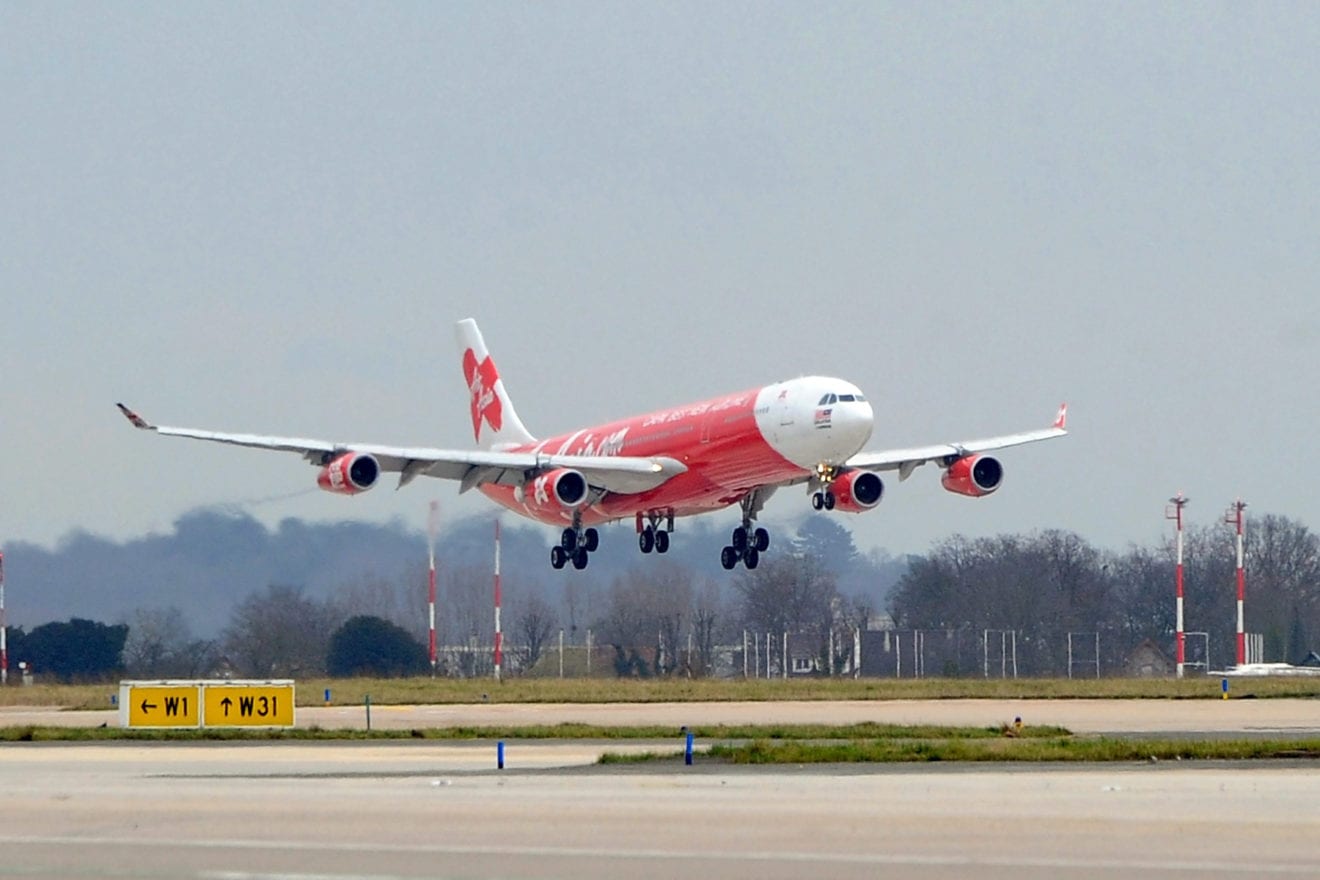
  • AirAsia targets to launch IPO in 2017

    AirAsia targets to launch IPO in 2017

    AirAsia Philippines, the local arm of Asia’s biggest budget carrier AirAsia Berhad, is ramping up plans to launch an initial public offering in 2017, its chief executive officer Tony Fernandes said.

    AirAsia Philippines continues to enjoy strong demand despite seeing a net operating loss of P915 million in the third quarter of this year, Fernandes said.

    Bulk of the company’s loss in the period was due to extraordinary costs.

    Fernandes aims to move a planned equity sale to raise as much as $200 million from an IPO.

    Most proceeds will finance expansion to increase the local unit’s current fleet of 15 Airbus 320s.

  • Asian postal services adapt to post-mail era

    Asian postal services adapt to post-mail era

    With the pre-Christmas rush at its peak, a serpentine network of conveyor belts at Singapore Post’s new logistics centre moves parcels destined for addresses across the world in time for the festive season.

    It is a scene repeated in sorting offices around the globe in December, the busiest time of the year for postal firms with armies of workers toiling to get presents delivered on time.

    But times are changing and the explosion of online shopping is forcing traditional delivery companies such as SingPost to adapt or be damned.

    The growth of websites such as Amazon and Alibaba means customers can avoid crowded high streets and buy anything from mobile phones to sports equipment online and send them straight to loved ones.

    US-based research firm eMarketer said online sales are expected to reach $1.9 trillion this year and top $4.0 trillion by 2020.

    And traditional firms are making moves to keep up.

    The nearly 200-year-old SingPost, which is partly owned by China’s Alibaba, last month inaugurated its ecommerce sorting office capable of handling up to 100,000 parcels a day.

    It also now provides a service setting up retail websites for clients and allows for online payments while it has teamed up with brands including Adidas, Timberland and Xiaomi to help expand their online retail sales in the region.

    And last year it expanded its US and European presence by buying ecommerce technology provider Jagged Peak and ecommerce firm TradeGlobal.

    – ‘Change or die’ –

    “In this new digital age, the lives of the traditional postal companies are coming to a turning point: change or die,” said Cris Tran, an analyst with consultancy Frost & Sullivan.

    With traditional mail volumes dropping dramatically, ecommerce offers hope for national postal firms in Asia if they adapt quickly enough and do battle with giants like FedEx and DHL.

    This year’s “Singles Day” ecommerce promotion by Alibaba on November 11 grossed 120.7 billion yuan ($17.8 billion), smashing last year’s sales record of 91.2 billion yuan.

    Asian postal firms “are doing some very innovative things to take advantage of ecommerce”, said Brody Buhler, global managing director for post and parcel at consultancy Accenture.

    Japan Post has partnered with convenience stores to provide 24-hour delivery, while Pos Malaysia is boosting its warehousing, logistics and other other capabilities in a bid to become a full-service ecommerce provider, Buhler said.

    “Pos Indonesia investments in capabilities such as lockers and faster fulfillment from China are great examples of postal organisations investing to take full advantage of the opportunity ecommerce provides for growth,” he added.

    In the year ended March 2016, ecommerce-related revenues accounted for 35.8 percent of SingPost’s turnover which crossed Sg$1.0 billion ($707 million) for the first time, and that is tipped to rise further.

    Teo Chung Piaw from the National University of Singapore’s Business School said Asian postal firms must also compete with domestic startups and delivery specialists such as Japan’s Ta-Q-Bin and China’s SF Express.

    Regulation of state-owned postal firms is also slowing crucial reforms that will allow them to compete better, he added.

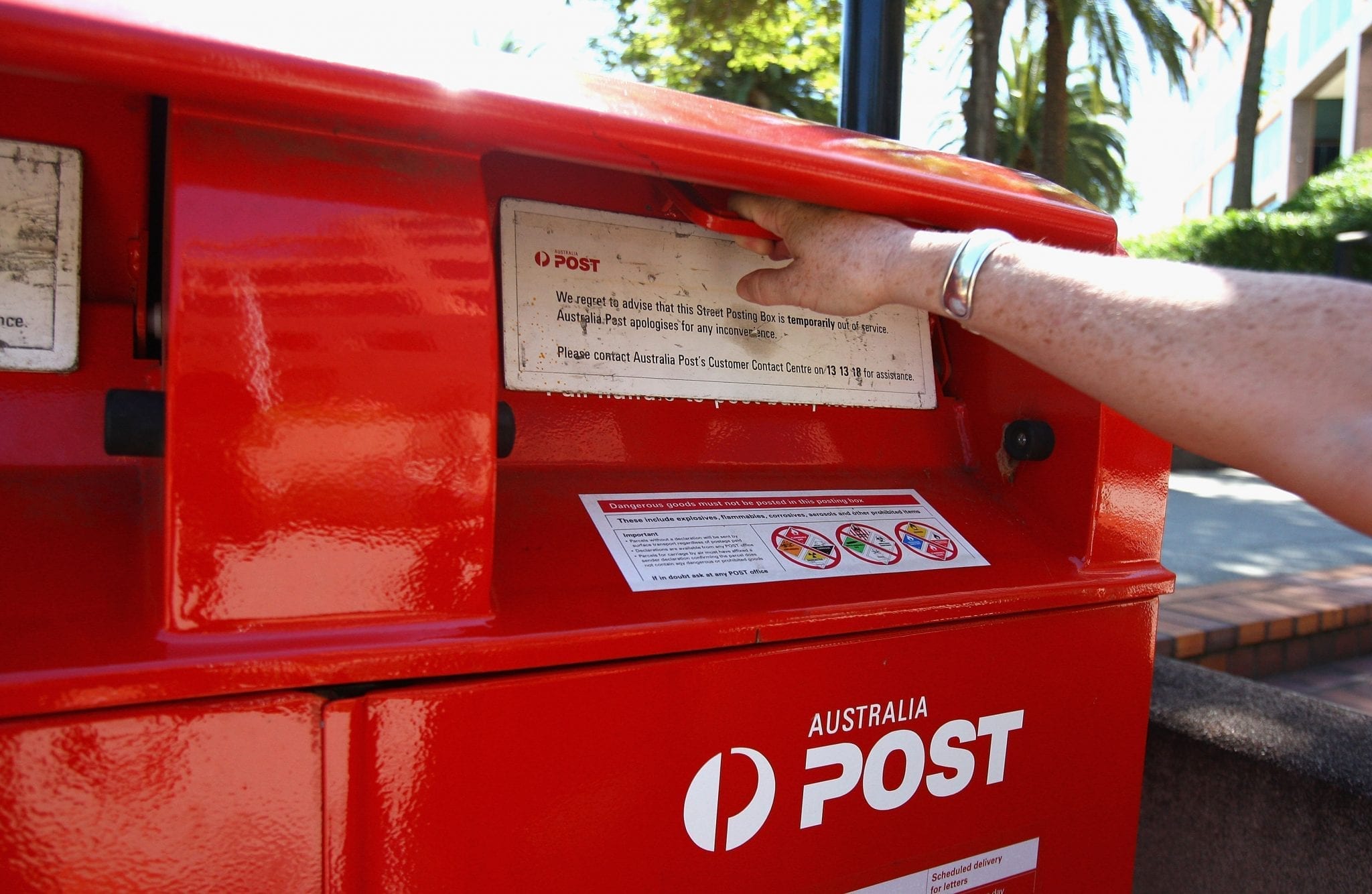
    Government-owned Australia Post needed regulatory approval to raise the cost of a basic postage stamp, a move it said was necessary to ease losses in its traditional letter business.

  • AIS to invest $1.1b in 4G expansion

    AIS to invest $1.1b in 4G expansion

    Thai mobile market leader AIS plans to invest at least 40 billion baht ($1.12 billion) to expand its 4G network to improve take-up and performance.

    AIS has been spending heavily to deploy its 4G network and now expects to achieve 98% population coverage by the end of the year.

    But only around 25% of AIS’ 39.9 million strong subscriber base are 4G users, compared to 25.2 million for 3G.

    AIS aims to increase the percentage of 4G subscribers to 40% by the end of 2017. Take-up has been faster than initially expected, prompting the operator to raise its target.

    AIS launched 4G two years later than key rival TrueMove, but due to it 4G investment strategy has exceeded True’s 4G subscriptions and coverage, the report states.

    The operator is shoring up its network to be able to cope with heavy data usage and the ongoing erosion of voice and SMS usage. Roughly 22% of the company’s 60,000 base stations have been upgraded to 4G.

    This move forms part of a wider strategy aimed at transforming AIS into a fully integrated digital services provider by 2019.

  • Prada to close boutique at Peninsula hotel as Hong Kong’s retail slump bites

    Prada to close boutique at Peninsula hotel as Hong Kong’s retail slump bites

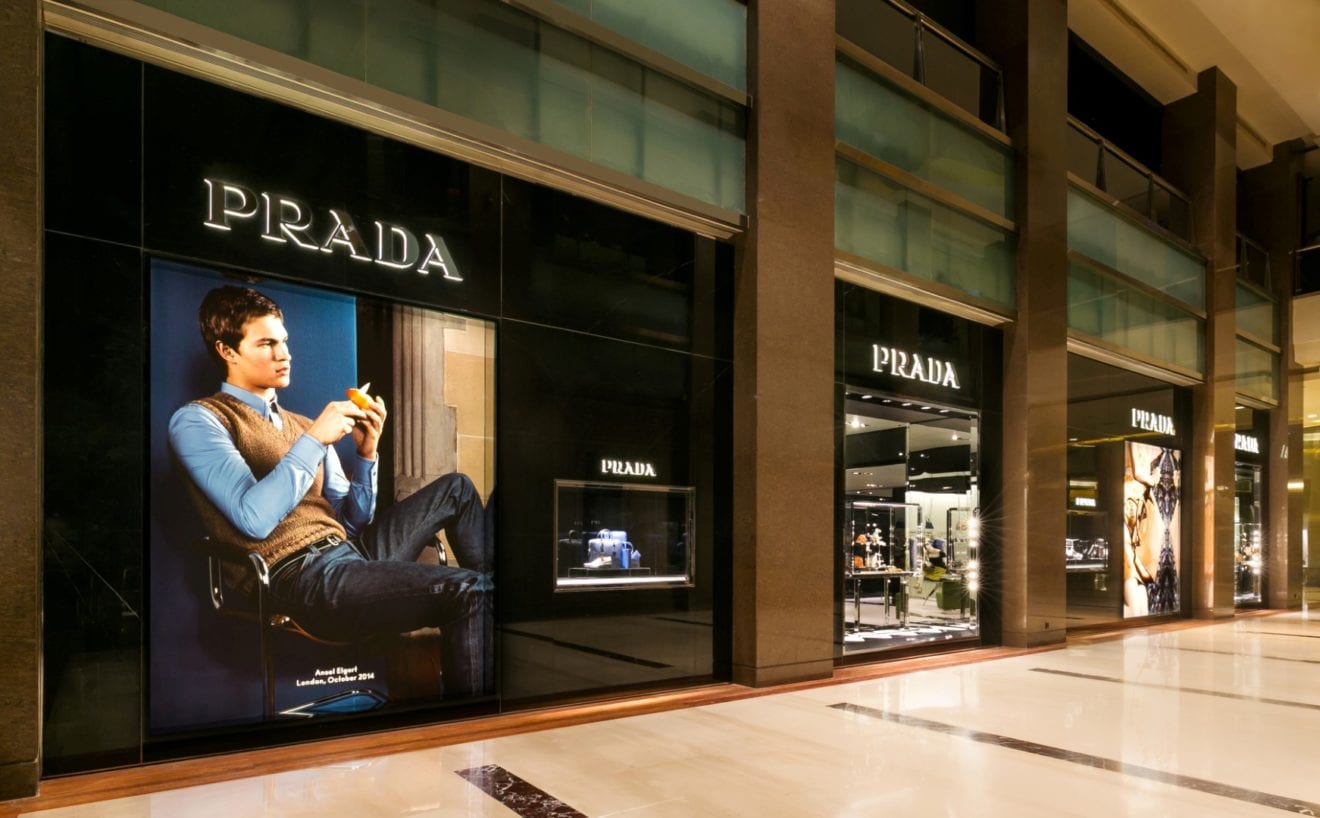
    Prada will shut its boutique at the Peninsula hotel shopping centre on December 31 in the latest sign that the retail slump is hurting high-end brands. The Italian luxury fashion label made its debut in the city with its 3,091 sq ft outlet at the landmark Tsim Sha Tsui address in 1986.

    But with fewer rich mainland Chinese shoppers visiting the city, analysts warn more luxury stores could fold after expanding too rapidly in the past decade.

    “The tenancy contract between The Peninsula Arcade and Prada will conclude on 31 December 2016,” a hotel spokeswoman said via email.

    A shop assistant at the boutique told the Post that some sales personnel had already left and others would be relocated to the brand’s other shops.

    A Prada spokeswoman said the company had “no comment” on the closure. It currently has 11 stores in the city.

    Prada’s total sales in Greater China tumbled 24.4 per cent in the first six months of the year on a yearly basis, as “Hong Kong and Macau continued to weigh heavily on the region’s contraction”, the company’s latest interim report said.

    Premium lifestyle brand Ralph Lauren quietly closed its 20,000 sq ft store in the Causeway Bay shopping hub overnight earlier this month, and British fashion house Burberry is to cut the size of its biggest Hong Kong flagship store in Pacific Place by 50 per cent within the next financial year.

    Retail sales of luxury items in the city such as jewellery, watches and clocks, and valuable gifts slumped 19.7 per cent in the first 10 months of the year.

    Helen Mak, head of retail service at property consultant Knight Frank, said more luxury brands would have to cut store numbers in the city, which she considered “a healthy adjustment”, after an aggressive expansion in recent years.

    “The store numbers of many luxury brands have doubled in the past decade,” Mak said.

    International high-end labels were eager to increase their presence to lure rich mainland shoppers who began to flood into the city from 2003 when Beijing eased travel restrictions.

    As Hong Kong recovered from severe acute respiratory syndrome – which struck the mainland in late 2002 and Hong Kong in 2003, killing 299 in the city – mainland residents from 49 cities were allowed in as individual travellers rather than having to join tour groups.

    But average spending by mainland visitors has dropped to about HK$7,000 per person this year, compared with HK$9,000 two years ago.

    “For luxury brands, it is a question of whether Hong Kong is still a place worth investing in,” Mak said, adding that some brands preferred to put resources directly into mainland cities.

    This article appeared in the South China Morning Post print edition as:

    prada ends its 30-year run at THE peninsula