Author: Mei Ling Tan

  • Asahi Shuzo sake collaborating with chef

    Asahi Shuzo sake collaborating with chef

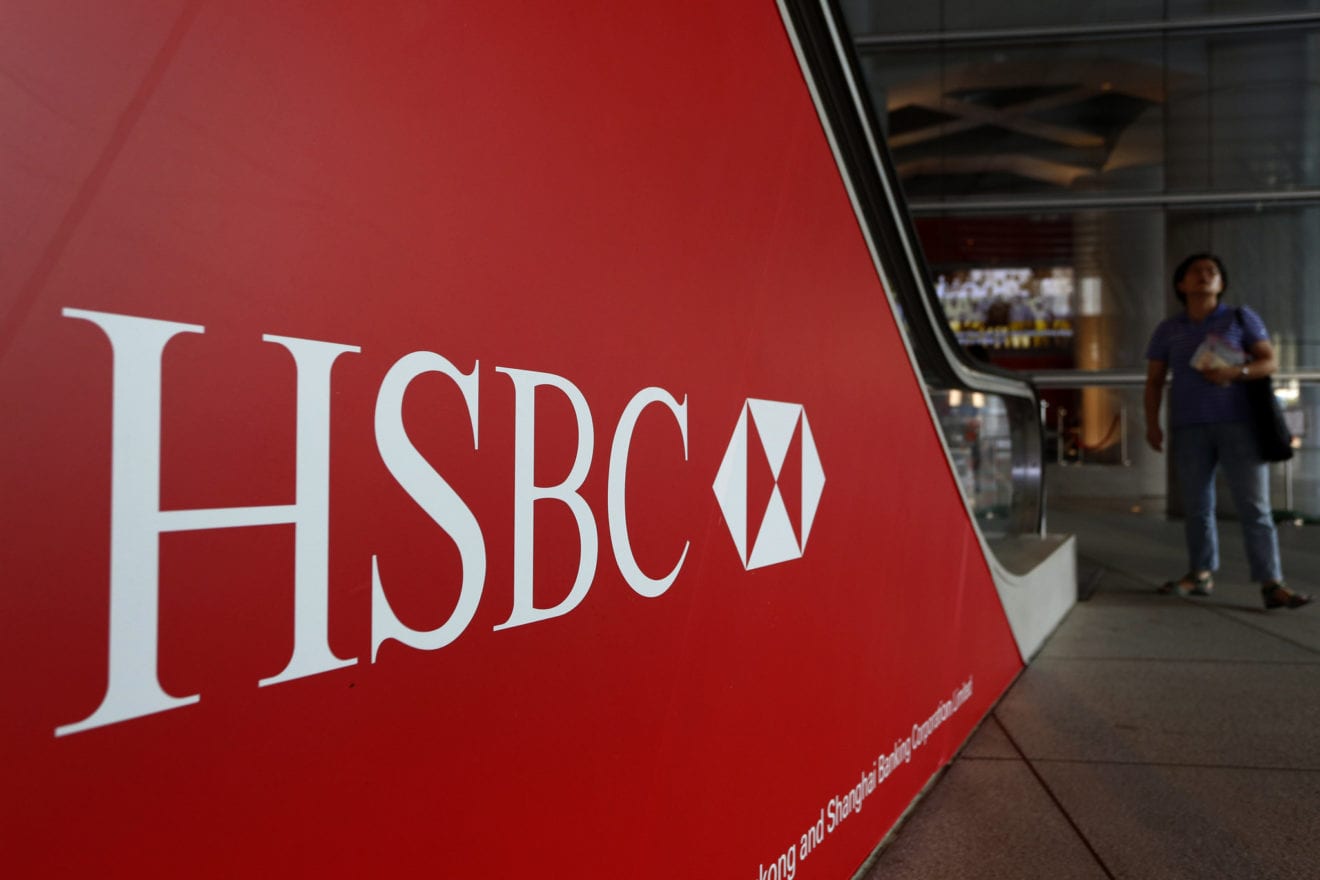
    Japanese sake maker Asahi Shuzo plans to open a shop in Paris next year in collaboration with French chef Joel Robuchon.

    It will have a bar featuring Dassai sake, with Robuchon overseeing a restaurant that will pair the rice wine with French cuisine.

    It is rare for a domestic sake brewery to open a shop overseas.
    Visiting Tokyo, Robuchon said that Dassai – made in Iwakuni, Yamaguchi prefecture – goes well with his dishes.

    “We want to attract people who do not have any particular interest in Japan,” says Asahi Shuzo president Kazuhiro Sakurai about the restaurant venture. ‘We hope to expand the scope of Japanese food and blend it with local culture.”

    Asahi Shuzo and Robuchon will jointly manage the Paris restaurant. The sake maker originally planned to open an outlet in the French capital two years ago.

  • Crown brings back Snyder’s of Hanover pretzels to Korea

    Crown brings back Snyder’s of Hanover pretzels to Korea

    America’s all-time favorite pretzel brand Snyder’s of Hanover will re-enter South Korean snack market via local snack maker Crown Confectionery Co., with the salty and buttery biscuit gaining popularity as a tidbit among beer and wine lovers in Korea.

    A pretzel is a type of snack made from sourdough most commonly shaped into a twisted knot and has a salty taste. It remains as an all-time favorite snack in the U.S. and Europe.

    Crown Confectionery on Tuesday said it inked an agreement with Snyder`s-Lance Inc., U.S-based snack maker that owns Snyder’s of Hanover brand along with many other snack labels, to form a strategic partnership. Under the agreement, the Korean snack maker will have exclusive rights on pretzel supplies to sell and distribute the Snyder’s of Hanover pretzels in Korea. The Korean snack maker also plans to gradually increase the volume of cross-selling products with Snyder`s-Lance.

    Snyder`s-Lance first entered Korean snack market with its pretzels in 2007 through a bakery company as its reseller but it was forced to exit the market last year after failing to penetrate into Korea’s bigger retail shops. The America’s number one pretzel brand suffered a disgrace in its first attempt due to the marketing strategy of positioning itself as an assortment of bakery products when it actually is a type of snack, industry experts said.

    The American snack maker posted $1.66 billion in net revenue for the full year 2015 and accounts for a 35 percent of pretzel market in the U.S.

    The demand for pretzels is rising sharply, especially among beer lovers, said an unnamed Crown Confectionery official. The estimated size of pretzel market in Korea is around 40 billion won a year, according to local snack makers.

    The pretzel assortments will hit the shelves in near future through Crown Confectionery’s sales network throughout the country, the official added.

  • Cebu Pacific eyes new jets for possible US flights

    Cebu Pacific eyes new jets for possible US flights

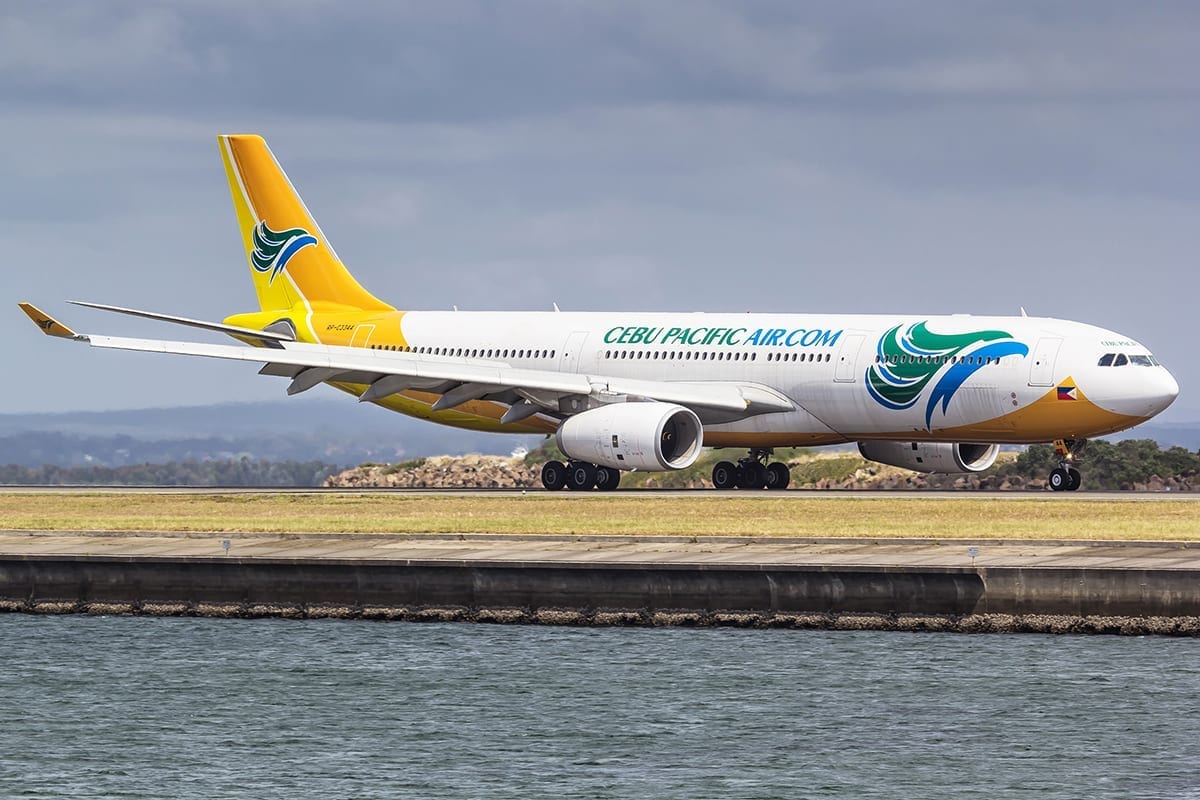
    Cebu Pacific, the country’s largest carrier, said Wednesday it was considering acquiring wide-body jets for possible flights to the United States.

    While “no formal decisions” have been made, Cebu Pacific said studying the acquisition of new aircraft is part of its long-term planning.

    In a disclosure to the stock exchange, the company said it was “evaluating new generation wide body aircraft that would enable it to enter new markets such as the United States.”

    The clarification was issued after The Standard newspaper, quoting an aviation think-tank, said Cebu Pacific was planning to acquire new planes for trips to the US West Coast.

    Cebu Pacific currently flies to the US territory of Guam. It also operates long-haul flights to the Middle East and Australia.

  • Citibank sets conservative loan growth target

    Citibank sets conservative loan growth target

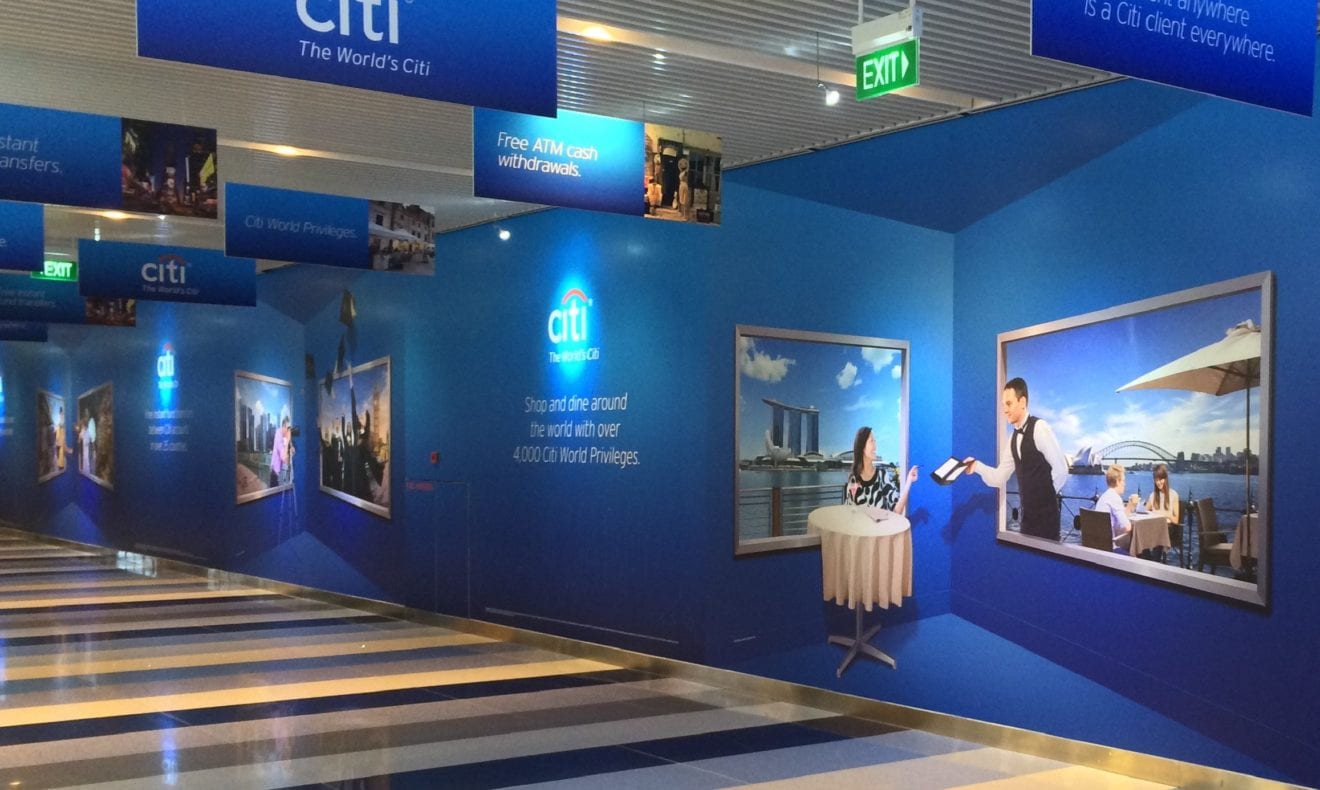
    Lender Citibank Indonesia expects to book single-digit loan growth next year although it believes lending will pick up speed in the second half of 2017, the company’s top management said on Wednesday.

    “For Citibank, we expect single-digit [lending growth]. It is better to be a bit conservative because we expect that lending will start to pick up in the third quarter,” Citibank’s CEO Batara Sianturi said.

    He said Citibank was confident that the economy would improve next year, partly because it expects the funds released from the tax amnesty to flow into Indonesia’s real sector.

    More liquid assets entering the country’s economy could be used to fund various projects, which would increase demand for loans, he said.

    Batara said the company would focus on pushing loan growth in all segments, which include institutional banking and retail banking.

    The lender’s financial report for the January-to-September period recorded that the bank’s loans decreased by 7.3 percent annually to Rp 39.07 trillion (US$2.9 billion) from Rp 42 trillion year-on-year.

  • Huawei opens new concept store

    Huawei opens new concept store

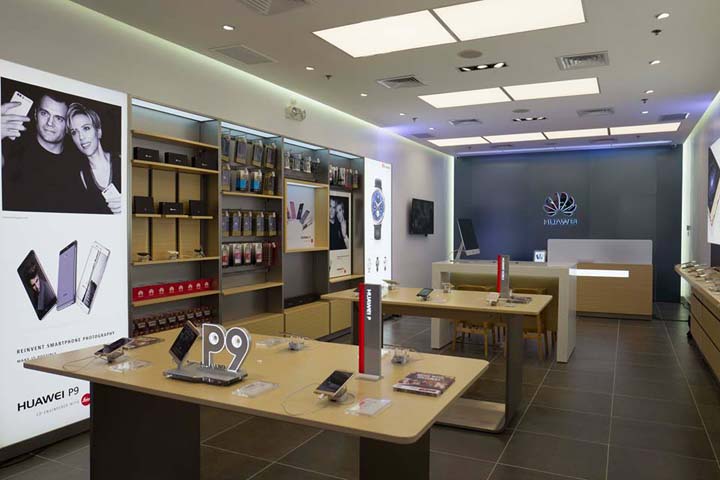
    Huawei introduced a new retail concept in its line-up of experience stores during a recent opening at SM City San Lazaro, Manila. The newly opened branch is the first in the city of Manila and the 44th in the country.

    SI 3.0, the design blueprint of the Huawei SM San Lazaro store is guided by four traits – simple, premium, warm, and comfortable. Relative to its predecessor, the SI 2.0, the new design is marked with wider spaces and lighter ventilation promising an enhanced and more welcoming customer experience.

    “Huawei continues to prove to be a game changer in the smartphone industry this year, and we have big plans to take advantage of this momentum. Our high-end premium phones such as the P9 and Mate 8 have been the drivers of this smashing success. As such, we would like to extend this premium, high-quality identity to consumer experience at our stores,” said Andy Fang, Country Head at Huawei Philippines.

  • Nissin joins up with Final Fantasy XV for awesome “Cup Noodle XV” promotion

    Nissin joins up with Final Fantasy XV for awesome “Cup Noodle XV” promotion

    Put together by the XV development team, this is being billed by its producers as the first-ever official mashup TV commercial in the history of Final Fantasy.

    It was just a few days ago that we heard news of a possible collaboration between Final Fantasy XV and Nissin, the maker of Cup Noodles. After the developers of XV, Square Enix, received a delivery of ramen to congratulate their hard-working team on the game’s release, they responded by promising to return the favour with a special collaborative commercial. We didn’t have to wait long to find out what type of ad they had in mind, because the “CUP NOODLE XV” PR team have now revealed all the details of the collaboration, with the arrival of the special commercial below.

    The first half of the clip, endorsed with the Square Enix logo, shows the current ad for the game, while the second half, which opens with the noodle maker’s name, Nissin Shokuhin, shows Cup Noodles “bringing chaos” to the ad, which features some of the game’s famous scenes. In this part of the video, characters like Ardyn and Luna are pictured holding the well-known instant snack.

    final-fantasy-nissin-4

    final-fantasy-nissin-2

    Regis can now be seen telling an oversized cup of noodles to stand tall.

    final-fantasy-nissin-5

    While Noctis is surrounded by forks with the noodles on his head.

    final-fantasy-nissin-1

    In a particularly dramatic moment, our heroes defend Cup Noodles against the flames.

    final-fantasy-nissin-6

    Could the mystery meat in Cup Noodles actually be made from Leviathan?

    final-fantasy-nissin-3

    To coincide with the release of the new commercial, Nissin will be offering a box of 15 different Cup Noodle varieties to 150 lucky customers who enter a competition on the newly created Cup Noodle XV website.

    final-fantasy-nissin-10

    While the noodles don’t appear with any special limited-edition packaging, unfortunately, the 15 “characters” to be won still look delicious.

    final-fantasy-nissin-11

    Nissin and Square Enix enjoy a close relationship both professionally and geographically, given that the two companies are located a short four-minute walk from each other in Tokyo’s Shinjuku neighbourhood. This new collaboration is actually said to have been created out of their “neighbourly friendship” for each other.

    What started as an in-game collaboration featuring Cup Noodles looks set to grow even stronger now, given this latest promotion. The campaign website even reveals that another 30-second “Special Edition” commercial will be arriving soon, so there’s still more to look forward to from these two iconic Japanese companies!

  • Nokia intros open templating system for virtual networks

    Nokia intros open templating system for virtual networks

    Nokia has published the industry’s first complete templating system for VNF lifecycle management, designed to streamline and automate VNF onboarding, integration and lifecycle management processes.

    The company said  today’s methods for managing VNF lifecycles – instantiating, monitoring, repairing, scaling, updating and backing-up – are costly, cumbersome and time-consuming.

    To address this, Nokia said it has developed an open templating system, aligned with the latest industry standards and open-source tools, to streamline these processes.

    The template specifications allow service providers and VNF suppliers to take advantage of the automated lifecycle management capabilities of the Nokia CloudBand Application Manager, enabling them to integrate more VNFs faster while reducing the cost and time required to manage VNFs in the cloud.

    Nokia’s open templating system builds upon the ETSI NFV specifications (IFA011 and IFA014), Topology and Orchestration Specification for Cloud Applications (TOSCA) specifications and OpenStack tools. It provides key functionality to service providers, including VNF definitions for better integration and added support of complex structures, and eliminates the need for customization when providing VNF information to a generic VNF Manager and NFV Orchestrator.

    By supporting both Nokia and third-party VNFs, the system gives service providers a much wider selection of virtualized network services they can offer subscribers.

    Nokia is currently collaborating with fellow members of ETSI and TOSCA to complete development of VNF templating standards to benefit the entire industry.

    Ron Haberman, head of Nokia’s CloudBand product unit, said, ”One of the goals of NFV has been to foster an open ecosystem of VNF suppliers to give service providers maximum choice in the capabilities they integrate, and to offer subscribers the best available services.”

  • KB duplicates its success in global markets

    KB duplicates its success in global markets

    KB Kookmin Bank, one of the country’s leading lenders, is striving to duplicate its notable success here in the global market through briskly tapping into lucrative businesses across the world.

    Such efforts have started to bear fruit and the most recent example is its work of jointly arranging a 750 billion won ($660 million) project financing deal for a power plant in the United States.

    Earlier this month, the Seoul-based lender said that it joined forces with global banks Mitsubishi and ING Bank to finance the 790 megawatt gas-fired power plant construction.

    They attracted investors who purchased senior debt worth $660 million and of that amount, KB Kookmin arranged $200 million that is composed of a direct investment of $50 million and $150 million from other Korean firms.

    In overseas project financing in which Korean constructors are not directly involved, domestic financial firms have played limited roles. But the recent feats showcase KB’s capacity, according to experts.

    In retail banking, KB Kookmin has also been a pioneer in making a foray into offshore markets. As of the end of last year, it had 12 subsidiaries, branches and offices outside the country.

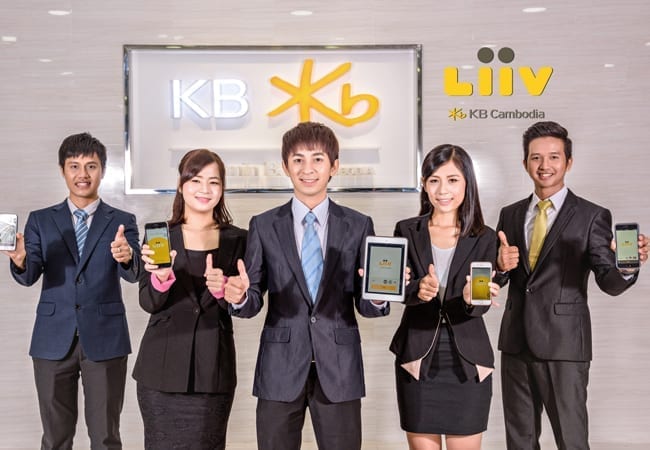
    One of its latest initiatives in the overseas retail market took place in Cambodia where KB Kookmin opened a mobile-oriented bank, Liiv KB Cambodia, this September.

    The digital bank offers various services such as account transfers, cross-border remittances and mobile payment services as well as various non-banking features like letting people top up their handsets.

    A KB Kookmin official said that the new-concept bank has been accepted well and for further growth momentum, it plans to enable its customers to withdraw money at automatic teller machines by forming business alliances with Cambodia’s top-tier banks.

    Observers point out that many successful firms tend to forget about management principles such as putting existing customers first and respecting business ethics but KB Kookmin appears to be different.

    Its CEO Yoon Jong-kyoo has stressed globalization to secure new cash cows for the lender, but at the same time he reiterates that the bank should stick to principles.

    “In an effort to become the most respected bank in the nation and to solidify its role as the leader of the Korean financial services industry, KB Kookmin Bank is committed to paying close attention to every one of our customers while providing the best customer-oriented services,” Yoon said.

    “Upholding high moral standards and work ethics as bankers, KB Kookmin Bank’s entire staff and management will keep striving to fulfill our responsibilities to our customers and society, making it the most dependable and socially responsible bank.”

  • Amazon Go aims to change retail by eliminating check-out lines

    Amazon Go aims to change retail by eliminating check-out lines

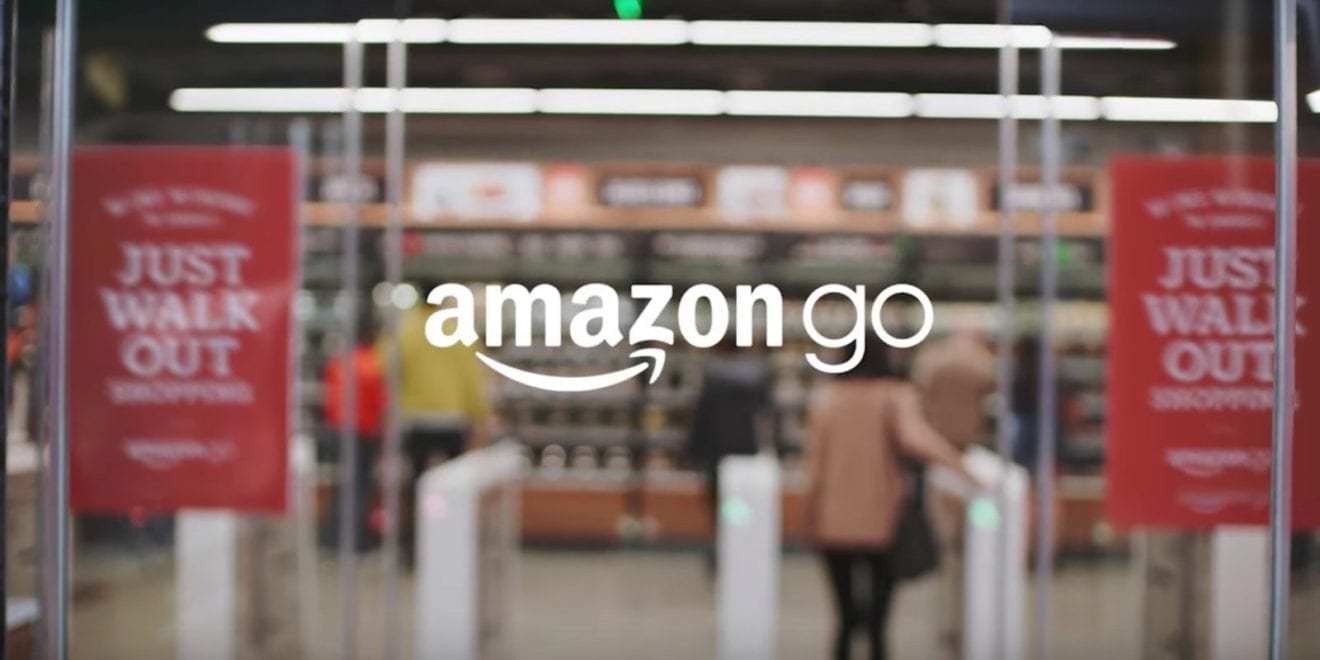
    Amazon.com is using machine learning to try to change the shopping experience and the retail industry in general. Amazon employees are testing a new brick-and-mortar store, called Amazon Go, in Seattle that lets customers using an app bypass the checkout line.

    Using a combination of machine learning, computer vision, sensors and deep learning, the smart store is designed to keep track of what users take off and return to shelves so it can track their purchases in a virtual cart. When they’re done, customers can just leave the store with their purchases; Amazon will charge their account and send them a receipt.

    “We created the world’s most advanced shopping technology so you never have to wait in line,” the company said on its site. “With our Just Walk Out Shopping experience, simply use the Amazon Go app to enter the store, take the products you want, and go! No lines, no checkout. (No, seriously.)”

    The 1,800-square-foot store, located at 2131 7th Ave. in Seattle, is in beta testing now so only Amazon employees are able to use it. The company expects it to be open to the general public in early 2017.

    The store sells pre-made meals for breakfast, lunch and dinner and snacks made by on-site chefs and local bakeries. It also stocks milk and bread, along with meal kits, local chocolates and artisan cheese.

    Customers only need an Amazon account, a smartphone and the Amazon Go app.

    “Four years ago we asked ourselves: what if we could create a shopping experience with no lines and no checkout?,” Amazon said in its statement. “Could we push the boundaries of computer vision and machine learning to create a store where customers could simply take what they want and go? Our answer to those questions is Amazon Go and Just Walk Out Shopping.”

    Patrick Moorhead, an analyst with Moor Insights & Strategy, said he’s intrigued by the concept and a bit surprised that a major retail brand already ensconced in brick-and-mortar stores didn’t come up with it first.

    “Automatic checkout is absolutely a characteristic of the store of the future,” said Moorhead. “But I can see Amazon doing this to drive even more growth by going brick-and-mortar. The only way to be successful in brick-and-mortar is to change the game, and in this case, changing the game with checkout.”

    He also noted that this is a good use of smart technology.

    “This is the ultimate way to use this technology in retail,” said Moorhead. “The challenge with all technology like this is accuracy. What if the system charges you for something you didn’t take? That could be the big challenge to the system.”

  • Internet freedom shrinks globally in 2016

    Internet freedom shrinks globally in 2016

    Internet freedom around the world declined for the sixth consecutive year, according to the Freedom on the Net 2016 report released recently by Freedom House.

    The US government-funded advocacy group has published Freedom on the Net 2016, which assesses internet freedom in 65 countries, accounting for 88% of internet users worldwide.

    For the second consecutive year, China was the world’s worst abuser of internet freedom, followed by Syria and Iran, the report asserts.

    An amendment to Chinese criminal law added seven-year prison terms for spreading rumors on social media (a charge often used to imprison political activists). Some users in China belonging to minority religious groups were imprisoned for watching religious videos on mobile phones.

    Globally, the study found that two-thirds of all internet users (67 percent) live in countries where criticism of the government, military, or ruling family was subject to censorship. Governments in 24 countries also impeded access to social media and communication tools, up from 15 in the previous year. Moreover, authoritarian countries most frequently blocked access to these tools during political protests.

    “Popular social media sites like Facebook and Twitter have been subject to growing censorship for several years, but governments are now increasingly going after messaging apps like WhatsApp and Telegram. Messaging apps are able to spread information quickly and securely — and some governments find this threatening,” said Sanja Kelly, director for Freedom on the Net.

    “Jailing of internet users led to a significant chilling effect in many countries under study. When authorities sentence users to long prison terms for simply criticizing government policies online, almost everyone becomes much more reluctant to post anything that could get them in similar trouble.”

    Meanwhile, digital petitions or calls for protests were censored in more countries than before, as were the views of political opposition groups and the LGBTI community. Nearly half (47%) of internet users live in countries where alleged insults to religion can lead to censorship or arrest.

    Image-sharing platforms were blocked, and world leaders took strong action when their photos were mocked on social media. In Egypt, a photo depicting President Abdel Fattah al-Sisi with Mickey Mouse ears resulted in a three-year prison term for the 22-year-old student who posted it on Facebook.

    “When faced with humorous memes and cartoons of themselves, some world leaders are thin-skinned and lash out” said Kelly. “Instead of enjoying a good laugh, they try to remove the images and imprison anyone posting them online.”

  • Spark deploys 200G OTN technology

    Spark deploys 200G OTN technology

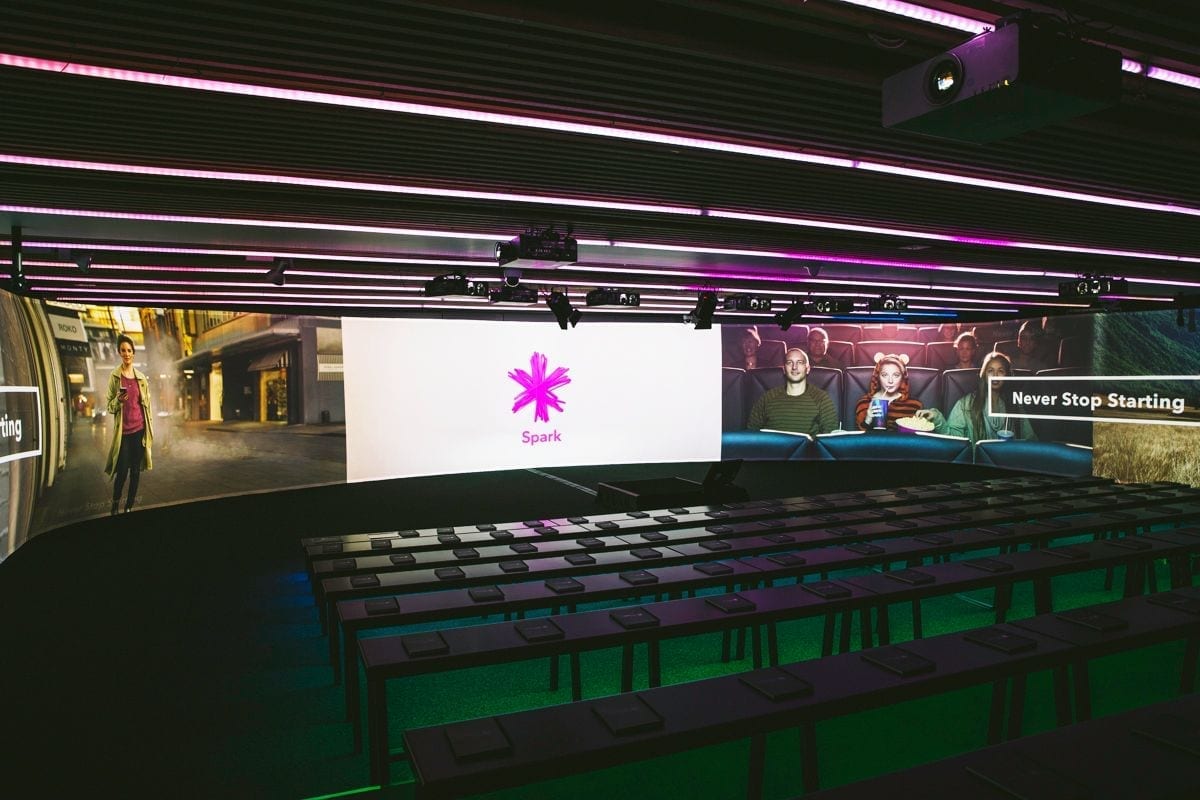
    New Zealand’s largest operator Spark has deployed the market’s first 200G per wavelength production fiber link using equipment from Nokia.

    The operator’s new 200Gbps network link connects its core network with the global gateway, and will co-exist with Spark’s existing 10G and 100G channels.

    Spark general manager of networks Colin Brown said the upgrade is aimed at meeting massive growth in demand for bandwidth in an increasingly digital world.

    “Nokia has helped Spark NZ reach a new milestone with our world-class optical transport network, achieving our vision of a data-driven future for New Zealand and underpinning an integrated network including fiber, 3G, 4G, 4.5G, wireless broadband and Wi-Fi,” he said.

    Spark is using Nokia’s optical transport network technology. The vendor said it has now shipped its 200G solution to more than 88 customers worldwide, and demand is growing rapidly as operators see the benefits of 200G 8x quadrature amplitude modulation (8QAM).

    “Like many operators, Spark has faced relentless growth in bandwidth demand, largely driven by an increase in video streaming by business and consumer users,” Nokia head of Oceania Ray Owen said.

    “By taking a flexible approach to this challenge with New Zealand’s first 200Gbps fiber link, together with Nokia, Spark is well placed to meet continued demand growth while meeting existing user expectations.”

  • Apple Pay for HSBC Cardholders in Singapore

    Apple Pay for HSBC Cardholders in Singapore

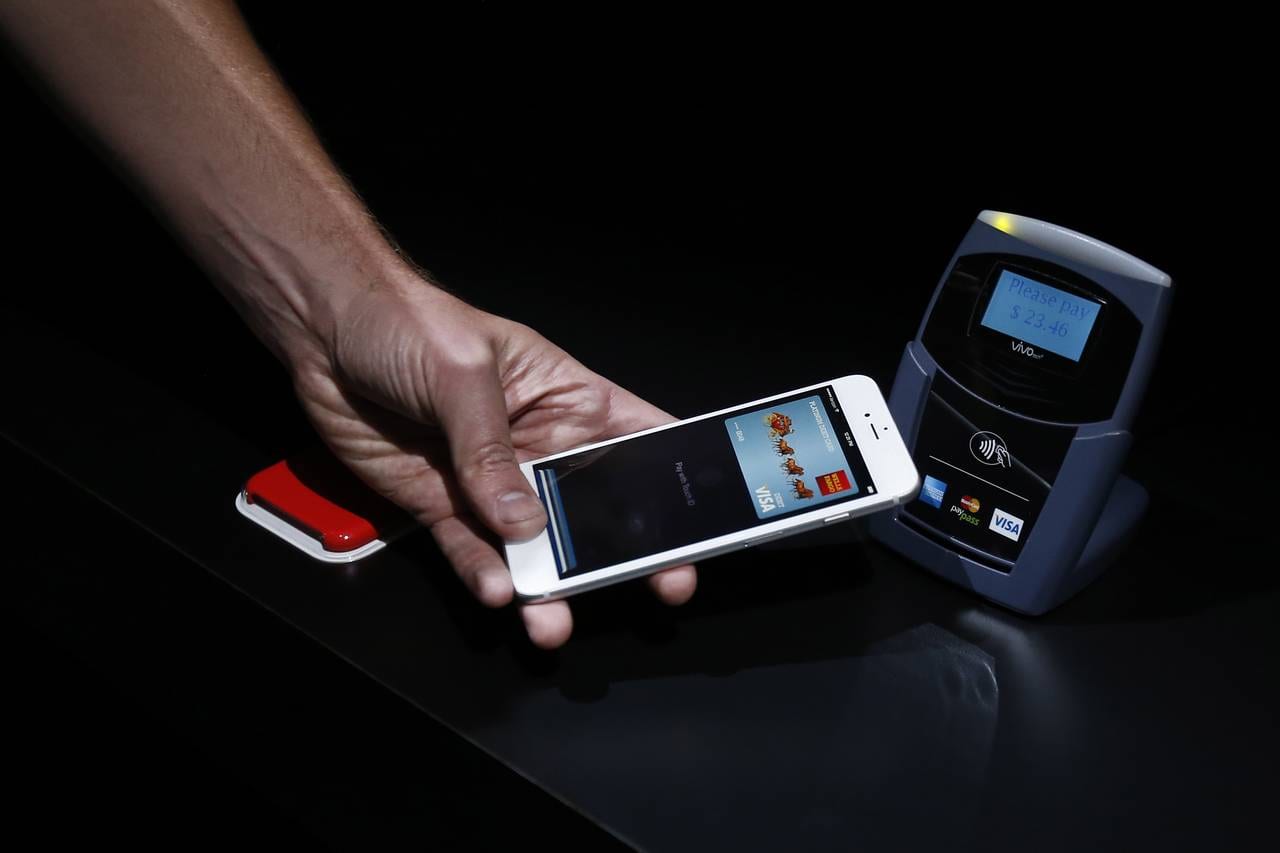
    HSBC Singapore is treating its HSBC Visa and MasterCard credit cardholders with Apple Pay, according to a statement sent on Monday. Customers using iPhone SE, iPhone 6 to higher versions, and Apple Watch can use Apple Pay in stores with Visa payWave or MasterCard contactless payment terminals in Singapore and overseas.

    As a kick off treat, HSBC customers will be given $5 off for every Apple Pay transaction with their HSBC credit cards, with a minimum spend of $10 per transaction. This promo will be on until January 15 next year.

    «Our findings show that awareness of contactless mobile payment is high amongst Singapore consumers (89 percent) and over half indicated interest to try this new payment method. We believe the security, privacy and convenience Apple Pay brings will appeal to all our customers, especially those who are also active users of our digital banking services,» Anurag Mathur, HSBC Singapore head of retail banking and wealth management said.

  • Starbucks Vietnam And The Asia Foundation To Prepare Disadvantaged People to Work

    Starbucks Vietnam And The Asia Foundation To Prepare Disadvantaged People to Work

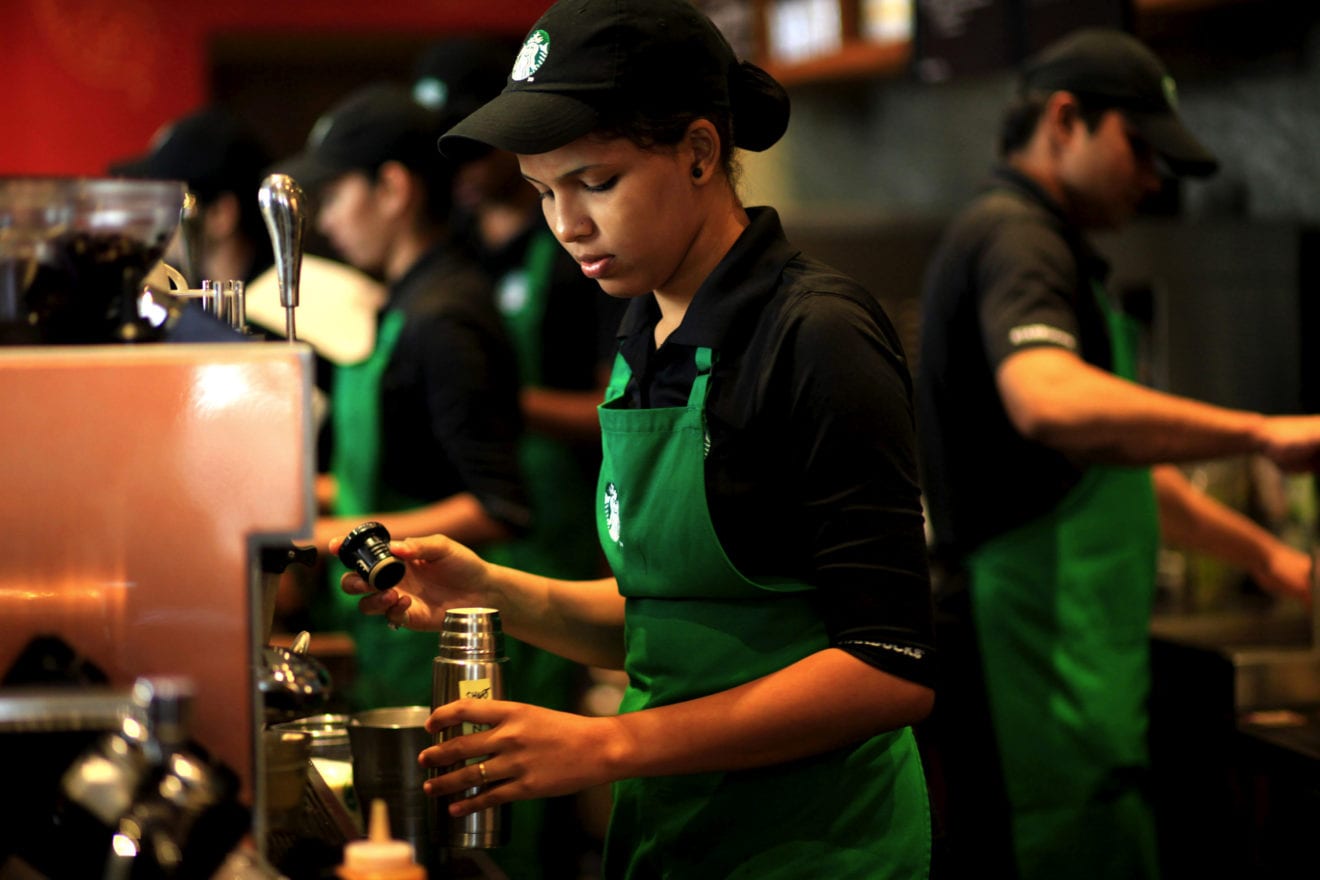
    Starbucks Vietnam and The Asia Foundation, a nonprofit international development organization, today announced a one-year vocational training program in Hanoi to prepare young people from disadvantaged backgrounds for careers in Vietnam’s fast-growing food and beverage industry. The Starbucks Vocational Training program will engage 50 youth between the ages of 18 and 24, including those who have been affected by family violence, human trafficking, and poverty, in a training program where they will acquire the professional and life skills required to succeed in the retail sector.

    As part of the program, youth will receive both classroom instruction focused on subjects such as customer service, English language learning, financial literacy, and work readiness, as well as on-the-job training. Starbucks partners (employees) will actively engage in the program, providing seminars and in store experience. Upon completion of the program, youth will receive six months of follow-up assistance to help them secure full-time employment.

    “Being an active part of the communities we serve in is intrinsic to who we are as a company,” said Mark Ring, president of Starbucks Asia Pacific. “As Starbucks continues to grow in Vietnam and across Asia, so too does our aspiration to build a different kind of company – one committed to performance that is driven through the lens of humanity – and being a positive force in building the future success of young people.”

    “We are proud to partner with The Asia Foundation and REACH to provide lifelong experiences and skills for disadvantaged young people,” said Patricia Marques, general manager for Starbucks Vietnam.

    “Youth in Vietnam represent a huge pool of talent for this dynamic country, but at the same time there are also challenges for many young people to gain access to work. We have created this project to build confidence, self-esteem and training, which will help them to succeed in the economy.”

    Figures from the General Statistics Office in 2015 indicate that the unemployment rate among youth is more than triple the overall unemployment rate, standing at 6.75%. While well-educated workers are able to access expanding opportunities in the private sector, for less educated workers, and particularly those from rural areas, it is much more challenging due to their lack of education, skills and business connections. This leaves them with fewer options and makes them more vulnerable to exploitation.

    “The gap between supply and demand in Vietnam’s fast-growing industries is an opportunity to provide disadvantaged youth with market-driven, practical vocational training. And by providing employers with skilled young people, we are proud to partner with Starbucks Vietnam to contribute to the development of a workforce that can help to meet the demands of Vietnam’s rapidly changing economy, while empowering some of the country’s most disadvantaged communities,” said Dinh Thi Kieu Nhung, The Asia Foundation’s project manager.

    Starbucks Vietnam and The Asia Foundation will implement this program in partnership with REACH, a local non-governmental organization specializing in providing vocational training, career advice, and job placement to some of Vietnam’s most disadvantaged youth. Funding for the project is supported by The Starbucks Foundation.

  • HSBC to step up hiring in China

    HSBC to step up hiring in China

    HSBC Holdings plans to step up hiring in China for its retail and wealth business next year. The London-based lender is persisting with its expansion in China despite Britain’s economic slowdown and measures to stem capital outflows.

    The bank increased the number of retail bank employees in China’s Pearl River Delta by 57 per cent in the 12 months to September, according to Mr Kevin Martin, the firm’s Asia-Pacific head of retail banking and wealth management.

    The pace of hiring may accelerate next year as HSBC Holdings expands in areas like mortgages, credit cards, personal lending and wealth services in the Pearl River Delta, he said.

    “We’re exactly where we expected to be,” Mr Martin said in an interview in Hong Kong last Friday, referring to his unit’s growth in the region.

    “Historically, our customers in Shenzhen were Shenzhen-Hong Kong customers. Now the Shenzhen customers stay in Shenzhen because we’re building our local business as well as our cross-border business.”

    HSBC started its credit card business in China yesterday after it received regulatory approval to issue cards by itself. It had previously partnered Bank of Communications to do so. HSBC is seeking to issue more than 3 million cards in the short to medium term and add “a handful more” branches across China next year, Mr Martin said.

    HSBC is trying to capture business from China’s swelling ranks of affluent individuals even as economic growth slows and the authorities take steps to curb outflows of yuan from the country and cool the property market.

    Chief executive officer Stuart Gulliver said in February that HSBC will hire 4,000 employees mainly in the Pearl River Delta over five years instead of three, as a result of the economic downturn. Retail banking and wealth management accounted for 36 per cent of the bank’s Asian pretax profit in the third quarter.

    Mr Martin said: “Despite everything that’s happened, we’ve done everything we said we would. Retail business is a long-term business. We don’t make decisions based on changing regulations on the day. It’s the honest answer.”

  • Hong Kong’s Ocean Park sees record deficit, announces entry fee hike

    Hong Kong’s Ocean Park sees record deficit, announces entry fee hike

    Iconic Hong Kong theme park Ocean Park announced an entrance fee hike after recording its first deficit since 2003, local media reported on Wednesday.

    The park recorded a deficit of HK$241.1 million (S$44.2 million), its largest since 1987 according to the South China Morning Post. It announced that entrance fees would be raised to HK$438 for adults and HK$219 for children from Jan 1 next year, a 13.8 per cent increase.

    “The 2015/2016 fiscal year has been challenging for both the tourism and retail sectors in Hong Kong, and Ocean Park has not been immune,” Ocean Park chairperson Leo Kung told the South China Morning Post.

    He blamed a drop in tourism to Hong Kong and slowing economic growth in mainland China. In Ocean Park’s Annual Report for 2015-2016, Kung said that the drop in tourist arrivals to Hong Kong resulted in a 18.8 per cent drop in attendance to six million guests.

    “The number of inbound tourists to Hong Kong has dropped due to a combination of factors,” said Kung to the South China Morning Post. “These include intensified competition from other regional destinations, the strengthening Hong Kong dollar against the renminbi and other currencies, and slowing economic growth in China, which has affected mainland visitor flows to the city.”

    He added that there would be no redundancies or pay cuts to full-time staff.

    The park will launch a new entertainment and dining area at the entrance to woo visitors, Ocean Park executive director of sales and marketing Vivian Lee told the South China Morning Post. She added that the park would boost efforts to attract regional visitors from markets such as South Korea, Indonesia and Taiwan.