
More than 100 textile industry stakeholders, among them apparel brands, NGOs, trade union representatives and suppliers, recently attended H&M’s Fair and Equal conference in Yangon, Myanmar. Key note speeches from the ILO’s development partner relations coordinator Peter Rademaker, Impact’s founder and director Rosey Hurst and H&M Group’s head of sustainability Anna Gedda, were followed by a panel discussion and several break-out sessions about social topics such as fair living wages.
Author: Mei Ling Tan
-

Australia may revamp telecoms USO
Australia’s Productivity Commission has called for the current telecommunications universal service obligation (TUSO) scheme to be scrapped and replaced with a more future-proof regime.
Currently the government has a deal to provide former state-owned operator and fixed line market leader Telstra $300 million per year to ensure fixed voice and payphone services are available to every Australian.
Nearly $3 billion of the 20-year TUSO contract is provided by tax payers, with the remaining $3 billion provided by Telstra and rival operators. But these rivals have often complained about issues including a lack of transparency from Telstra over how it is spending the money.
As with all other markets, fixed voice services have also been declining in popularity as mobile adoption reaches a saturation point.
In a new report, recommended that the current TUSO scheme be replaced with a version that seeks to ensure all Australians have access to a baseline broadband connection including a voice service.
The responsibility for meeting TUSO obligations would also shift from Telstra to the state-owned national broadband network (NBN), which is expected to be fully rolled out by 2020.
“In a digital age, the current obligation — requiring Telstra to provide all Australians with access to basic fixed line telephones and payphones — is anachronistic and needs to change,” commissioner Paul Lindwall said.
“Once rolled out to all Australians, the NBN will be the foundation on which a future broadband based telecommunications universal service policy should be built. A completed NBN, which provides broadband and voice services to all Australians, will make the current TUSO obsolete.”
But the commission has acknowledged that there could be difficulties ensuring a basic broadband service is provided in areas only due to be served by the wireless and satellite component of the NBN.
-

App makers not ready for Apple’s new ATS rules
A month before Apple is expected to enforce stricter security requirements for app communications in iOS, enterprise developers are not ready for the changes, a new study indicates.
The study was performed by security firm Appthority on the most common 200 apps installed on iOS devices being used within enterprise environments. The researchers looked at how well these apps conform to Apple’s App Transport Security (ATS) requirements.
The researchers found that 97% of the analyzed apps — 193 out of 200 — used exceptions and other settings that weakened the default ATS configuration.
ATS was first introduced and was enabled by default in iOS 9. The standard forces all apps to communicate with internet servers using encrypted HTTPS (HTTP over SSL/TLS) connections and ensures that only industry-standard encryption protocols and ciphers without known weaknesses are used. For example, SSL version 3 is not allowed and neither is the RC4 stream cipher, due to known vulnerabilities.
Before ATS, app developers implemented HTTPS using third-party frameworks, but configuring SSL/TLS properly is hard so implementation errors were common. These weakened the protection that the protocol is supposed to provide against traffic snooping and other man-in-the-middle attacks.
Currently iOS provides a method for apps to opt out of ATS entirely or to use it only for specific connections, but Apple wants to change that. At its Worldwide Developers’ Conference in June, the company announced that it will require all apps published on the App Store to turn on ATS by the end of this year.
The requirement won’t be enforced at the OS level, but through the App Store review process. Using some of the ATS exceptions will still be possible, but developers will have to provide a “reasonable justification” for using them if they want their apps to be approved.
“Among the top 200 iOS apps that we analyzed, 166 apps (83%) bypass at least some ATS requirements by setting ‘NSAllowsArbitraryLoads’ attribute to ‘true’ in their Info.plist files,” the Appthority researchers said in their report.
“However, not all of them bypass ATS requirements for all network connections. For instance, a company can still support ATS requirements for network connections with its domain, while allowing ATS to bypass all other connections.”
Apps that didn’t use HTTPS for all of their connections include Facebook, Twitter, LinkedIn, Facebook Messenger, Skype, Viber, WhatsApp, Fox News, CNN, BBC, Netflix, ESPN, Hulu, Pandora, Amazon Cloud Player, Word, Excel, PowerPoint, and OneNote, but also utility apps like Flashlight, QR code readers and games.
-
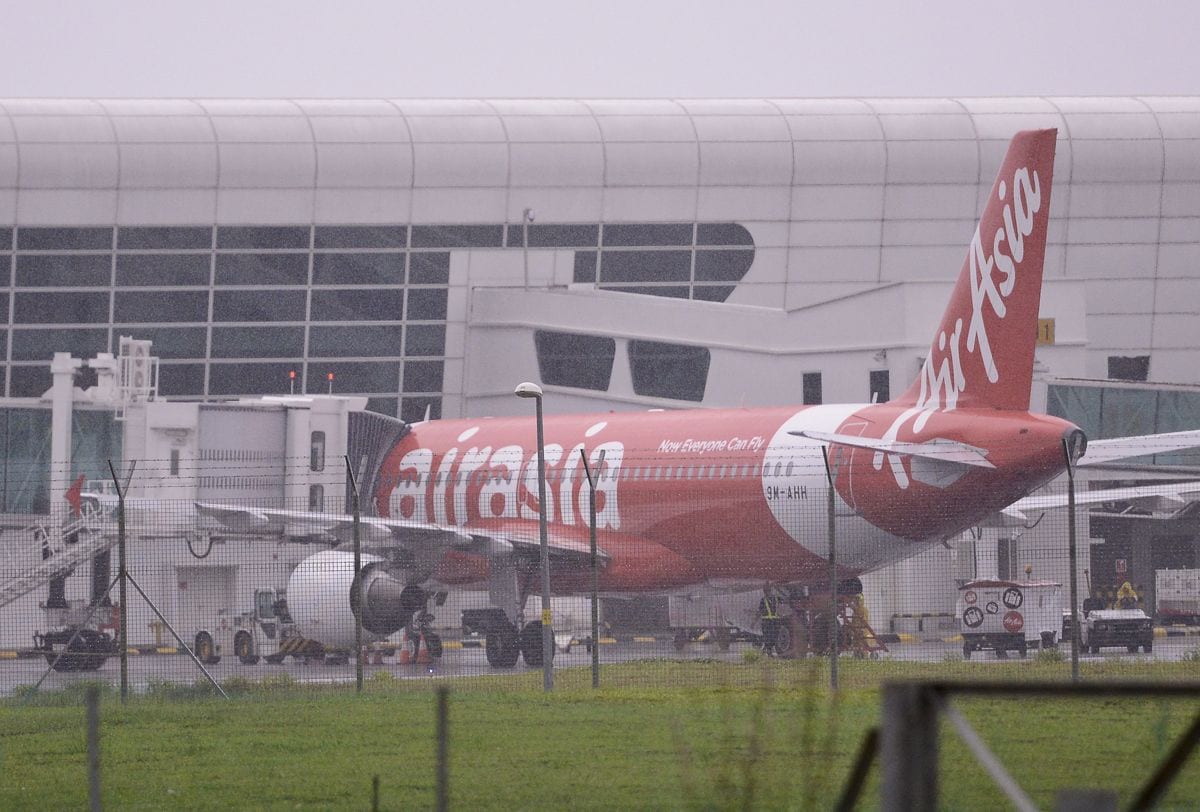
AirAsia India adds more direct flights connecting Bengaluru to Goa and Pune
AirAsia India has announced an additional flight connecting Bengaluru to Goa and Pune starting December 18. The airline currently operates one daily flight between Bengaluru and Pune, and with this additional flight, the airline will operate two daily flights connecting the two cities.
AirAsia India will also operate its fourth daily connection between Bengaluru and Goa starting December 18. Speaking about the additional frequency, AirAsia CEO and MD Amar Abrol said, “Our flights from Bengaluru to Pune are doing extremely well, and so are our three existing connections to the party city of India. We see immense demand in this sector. We are constantly working towards providing our guests the most convenient options for them to pick from. We are confident that this new connection is going to be well received by our guests.”
AirAsia India currently flies to 11 destinations with its two hubs in Bengaluru New Delhi covering Chandigarh, Jaipur, Guwahati, Imphal, Pune, Goa, Vizag, Kochi and Hyderabad.
AirAsia (India) Ltd is a joint venture between Tata Sons Limited and AirAsia, with AirAsia Investment Limited holding 49%, Tata Sons Limited holding 49% and Mr. S. Ramadorai (Chairman) and Mr. R. Venkataramanan, two directors of the company in their individual capacity holding 0.5% and 1.5% shareholding respectively in the airline. -
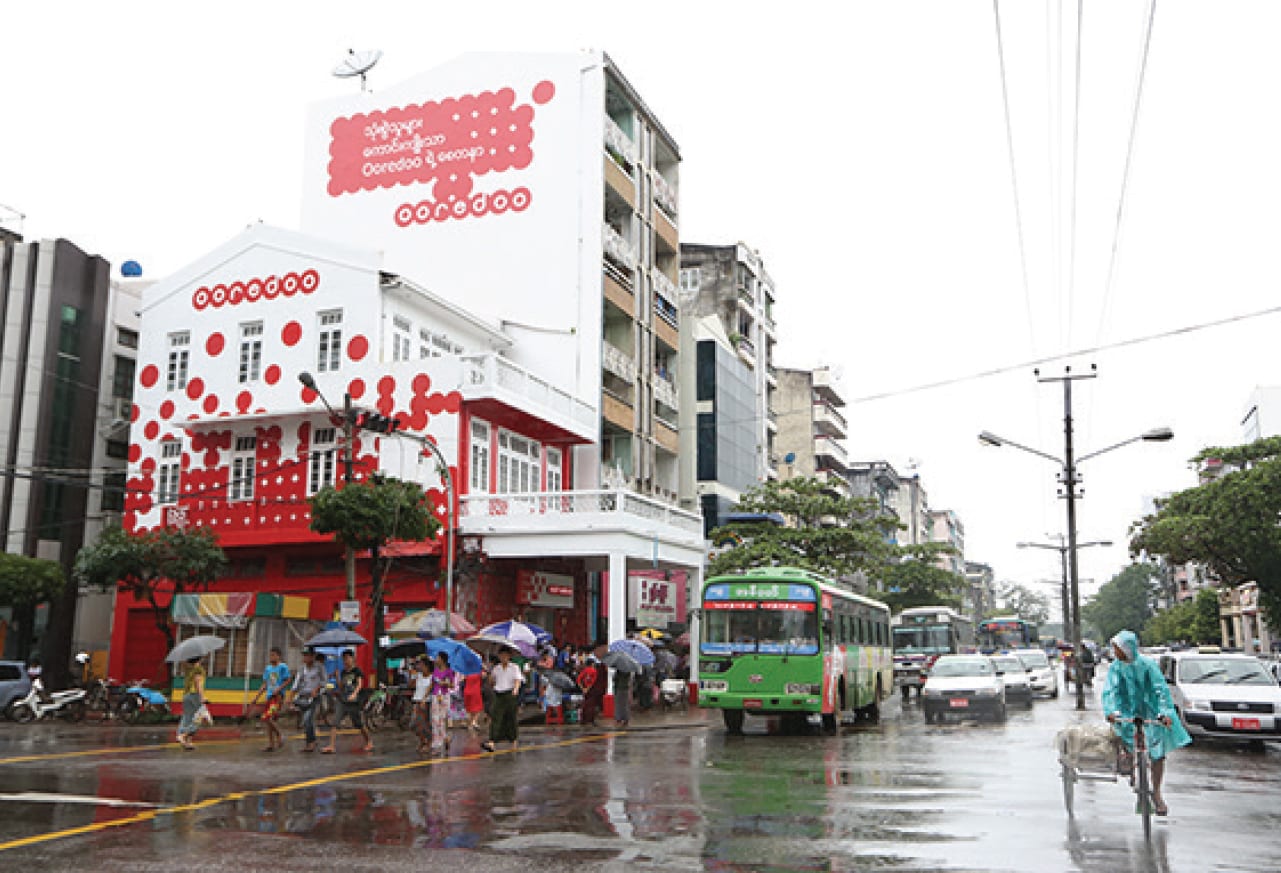
Ooredoo Myanmar expands SIM registration channels
Ooredoo Myanmar has added new channels for its subscribers to use to self-register, in line with a government directive that all SIMs in use in the nation be registered by next year.
Customers now have four options for self-registering their SIMs.
The four options involve dialing a dedicated hotline, downloading an application, using a call center with interactive voice response functionality or registering online via the Ooredoo website.
Subscribers will also be able to visit an Ooredoo store and complete a registration with the assistance of a sales agent. They will need an NRC card, student ID or drivers’ license.
Under a new mandate from the Ministry of Transport and Communications, all mobile SIM cards will need to be registered by the end of March. Any remaining unregistered SIMs will need to be deactivated after this date.
The order brings Myanmar in line with a number of its peers in the Asian region also introducing mandatory SIM registration schemes, including Cambodia, Thailand and Pakistan.
Thailand’s National Broadcasting and Telecommunications Commission is also calling for the introduction of a common regional SIM registration platform covering prepaid services in Thailand, Cambodia, Laos and Myanmar as a counter-crime measure.
-

CTG, Nepal Telecom to offer IP services in Nepal
China Telecom Global has teamed up with Nepal’s largest operator Nepal Telecom to jointly offer IP services to the Nepalese market.
The companies will use the newly-launched Jilong-Rasuwa Gateway terrestrial cable linking China and Nepal to provide services to Nepal as well as transit services from India.
The new China-Nepal route offers a new direct alternative route for traffic generated from Nepal and can provide low-latency connectivity for end-users in the market. In addition, the system could help improve Nepal’s internet connection speeds away from the capital Kathmandu.
“China Telecom is dedicated to expanding our footprint by connecting with neighbouring countries,” China Telecom Global EVP Ou Yan said.
“China Telecom has put tremendous effort into building the route through the Himalayas. We are committed to delivering a state of the art route for Nepal Telecom.”
Nepal Telecom and China Telecom Global completed a project to lay fiber to the Nepal-China border in the first half of the year, setting the stage for an interconnection to China Telecom’s network.
China Telecom Global has been aggressively pursuing international expansion this year. The operator also recently selected a data center to serve as a new hub in East Africa, connecting to its subsea cable network including the SEA-ME-WE 5.
-

More collection in newest Forever 21 store Philippines
Fast-fashion retailer Forever 21 Philippines has opened its 13th location, at SM City Bacolod.

Based in California, the brand first opened in the Philippines in 2010. As well as fashionwear, it usually offers shoes, bags and accessories. However, its new 800 sqm store also includes its other brands such as Forever 21 Contemporary, Forever 21 Men and Forever 21 Plus.

The first 200 customers each received a PP500 (US$10) gift card.
Forever 21 is on the ground floor in the mall’s north wing.
-

Burger King sets up second store at new domestic terminal
Myanmar is getting its first ever publicly-accessible Burger King outlet, although whopper-enthusiasts will have to make their way to Yangon International Airport’s new domestic terminal to slake their hunger.
The new Asia World-built domestic terminal – T3 – opened yesterday, with the first flights scheduled to take off later this week, according to Asia World.
T3 spans some 44,000 square metres, boasts 38 check-in counters and will offer domestic passengers a “well-curated mix of world-renowned and local retail outlets and food and beverage options”, the firm said.
Among the food options is the country’s “first public Burger King outlet”, according to Asia World. The new international terminal, T2, which opened earlier this year, hosts the country’s first Burger King. But that store is only accessible after going through passport control and customs.
Thai firm Minor Food Group (MFG) has the franchise rights for Burger King in Myanmar, but could not be reached for comment on the new store. Asia World was also unavailable for comment on whether the new outlet was already up and running.
Prapat Siangjan, MFG’s general manager for Burger King Thailand, told in August that MFG was considering a second outlet in the domestic terminal. That store would have prices denominated in kyat, and help MFG better gauge public demand, he said.
Prices at the international terminal restaurant are dollar-denominated and geared towards international tourists, with a standard value whopper meal going for US$8.50.
The new domestic terminal will also boast international brands including Gloria Jean, Coffee Bean and KFC. The latter chain, operated by Yoma Strategic, is well established in Myanmar, with seven outlets in Yangon and a new store in Mandalay scheduled for 2017.
T3 opens just a few months after T2 – also Asia World-built – started operations. Passenger numbers at Yangon International Airport terminals have risen three-fold over the past five years, according to Asia World. Yangon’s airport handled 4.68 million passengers in 2015, the firm said.
All domestic airlines are expected to move their operations to the new terminal, Department of Civil Aviation deputy director general U Ye Htut Aung previously told us. Asia World said the first domestic flights are scheduled to take place from December 9.
Myanmar has 10 airlines operating domestic flights to 26 local destinations, according to Asia World.
-

Huawei forges 5G research partnership with BT
Huawei has announced a partnership with UK-based operator BT to conduct joint research into potential new 5G applications.
The companies will work at the BT Labs in Ipswich and other locations in the UK to explore aspects of 5G including future network architecture, a new air interface between devices and base stations, network slicing to proportion resources for specific services, 5G IoT applications and security technologies.
The partners said they hope that the research will drive the development and industry-wide standardization of 5G technologies.
“[Working with BT] we can explore the potential of 5G networks and analyze how this vital technology can best be delivered,” Huawei rotating CEO Ken Hu said.
“The partnership also demonstrates Huawei’s continued commitment to partnering with world-leading business and academic organizations in the UK to further research and development. We have operated in the UK for 15 years and we look forward to continuing to help build a better connected UK in partnership with BT.”
Huawei and BT have been collaborating on telecommunications R&D for 11 years. Most recently, the companies announced breakthroughs including a 3Tbps data transfer over BT’s core network, as well as research into 40Gbps speeds on the Openreach access network.
-
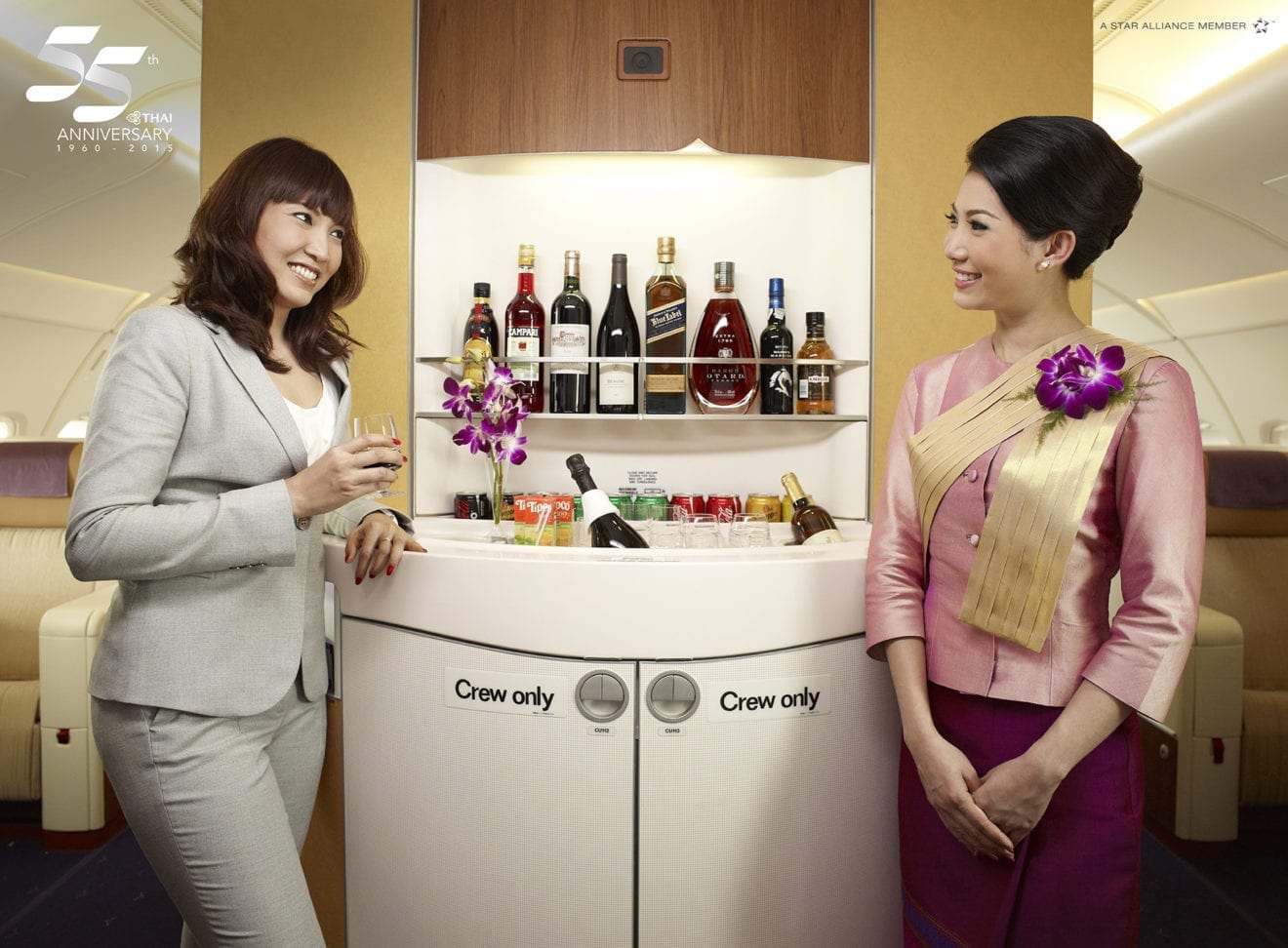
Asian Airlines May Be Forced To Cut Free In-flight Booze
An OPEC deal has put the squeeze on airlines’ already slim profit margins. Rising fuel prices stemming from last week’s OPEC production cuts could heap pressure on Asia’s already overburdened aviation sector and force its biggest carriers to nix the giveaways that have long been integral to their service.
And the first ballast to be cast off might be free alcohol and in-flight entertainment, which has been standard on most of the continent’s long-haul carriers for decades.
Asia’s marquee airlines such as Cathay Pacific and Singapore Airlines have so far resisted the U.S. low cost model wherein carriers charge for services ranging from inflight meals to alcohol to baggage check-in.
But this might be about to change.
“More full-service airlines in Asia Pacific might consider doing the same,” Mathieu De Marchi, a Bangkok-based aviation consultant at Landrum & Brown told Bloomberg, referencing carriers such as Delta Air Lines that have successfully consolidated their service offering.
Fierce competition has pushed Asian carriers’ profit margins down to about half that of their U.S. counterparts and they are already struggling against excess capacity and a fall in premium traffic.
The Organization of Petroleum Exporting Countries (OPEC) finalized a deal to cut oil output on Nov. 30. The bid to kick some life into dreary oil prices seems to have paid off—at least in the short term. But that’s bad news for aviation sector, whose long haulers guzzle the black stuff.
Dispensing with free services is not the only option available for airlines feeling the pinch. They could opt to raise prices, or for more environmentally progressive measures such as taking inefficient planes out of service and cutting unprofitable routes.
-
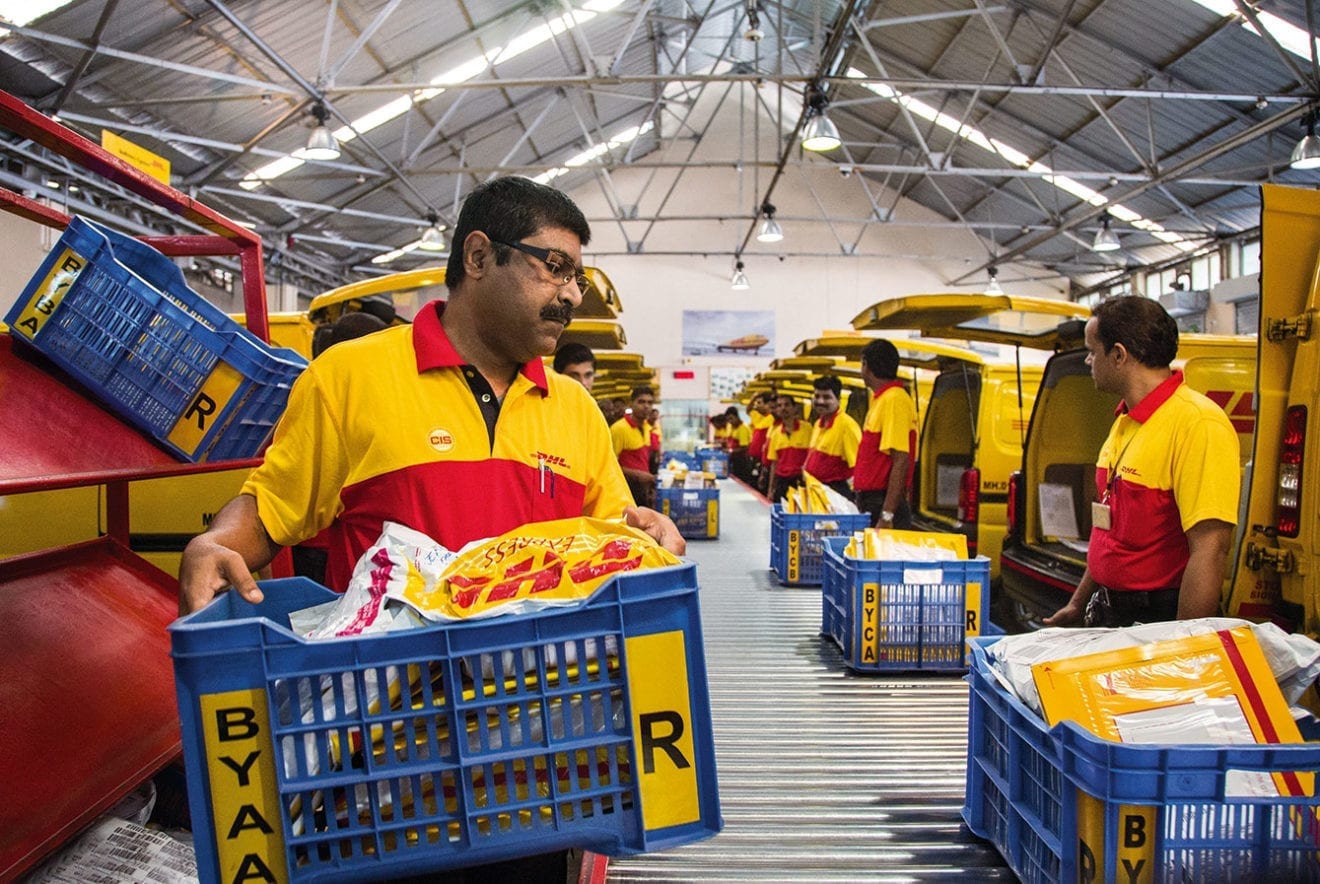
DHL eCommerce invests in India to tap surging demand
DHL eCommerce, a division of Deutsche Post DHL Group, is investing €70 million to strengthen its operations to meet the fast-growing demand for e-commerce logistics services in India.
Through its subsidiary Blue Dart Express, this investment will go into the expansion of its air hubs in Delhi and Mumbai, which are part of its network of 13 air hubs in India. The latest investment supports the growth of B2C e-commerce in India, and is part of the company’s broader plan to aggressively expand across Asia Pacific.
“The US and Asia Pacific are the two largest B2C e-commerce markets in the world, and the opening of these new facilities will be another milestone in the expansion of DHL eCommerce logistics network,” said Charles Brewer, CEO, DHL eCommerce.
“India is a really important market for us and is one of the fastest-growing, with B2C e-commerce expected to grow from €9.6 billion in 2016 to €30-40 billion in 2020,” he said.
“Recognising the tremendous potential in Asia Pacific, we are making aggressive steps to ensure that our customers are well supported to tap into the growing e-commerce market,” added Malcolm Monteiro, CEO, Asia Pacific, DHL eCommerce.
In June 2016, DHL eCommerce announced that it will expand its overall presence in China by 50 per cent, with the expansion of the distribution centres in Shenzhen, Shanghai and Hong Kong. Earlier in January 2016, DHL eCommerce launched domestic delivery operations in Thailand and announced plans to double its fleet and number of depots by 20
The company is also planning to introduce its newly-developed drone, Parcelcopter, for last-mile delivery services in India after getting necessary clearance, Brewer said. “In terms of using the Parcelcopter in India, we would love to do so, but of course is predicated on the local legislation. So whilst you may not see a Blue Dart Parcelcopter flying around India anytime soon, we will as soon as allowed to do so,” he added. The Parcelcopter has successfully completed its trial run in Germany.
-

Telstra names Robyn Denholm COO
Telstra has named Robyn Denholm as its new chief operations officer, replacing Kate McKenzie, who retired in July after working with the Australian incumbent for 12 years.
Denholm will assume her new role in early 2017, and will be based in Sydney. Acting COO Brendon Riley will return as group executive global enterprise and services while acting GES group executive David Burns will return as group MD network applications and services, Telstra said in filing Monday.
“Robyn has been a senior executive and director in a range of complex technology environments which make her ideally qualified for the role, leading a highly capable team within Telstra,” Telstra CEO Andrew Penn said. “She also brings strong understanding of the Australian market and Telstra as the leading network provider, as Juniper has been a valued partner of Telstra.”
Australian-born Denholm was most recently EVP, CFO and COO of Juniper Networks. She is a board member of renewable energy and electric vehicle company Tesla Motors and the Swiss robotics, power and automation technology company ABB.
Denholm served at Juniper Networks from 2007 to mid-2016. She joined Juniper after 11 years with Sun Microsystems most recently as senior vice president of corporate strategic planning.
Hutchison Telecom HK appoints Cliff Woo as CEO, replacing Peter Wong
Hutchison Telecommunications Hong Kong Holdings Limited (HTHKH) has appointed Cliff Woo Chiu-man (pictured) as new chief executive and executive director, with effect from January 1, 2017.
Woo, 62, will succeed Peter Wong King-fai, who will retire from his position on the same day, after working for the company for over 20 years.
A 30-year telecoms veteran, Woo is currently serving as chief technology officer of Hutchison Asia Telecom Limited and director of Hutchison Telecommunications (Australia) Limited.
-
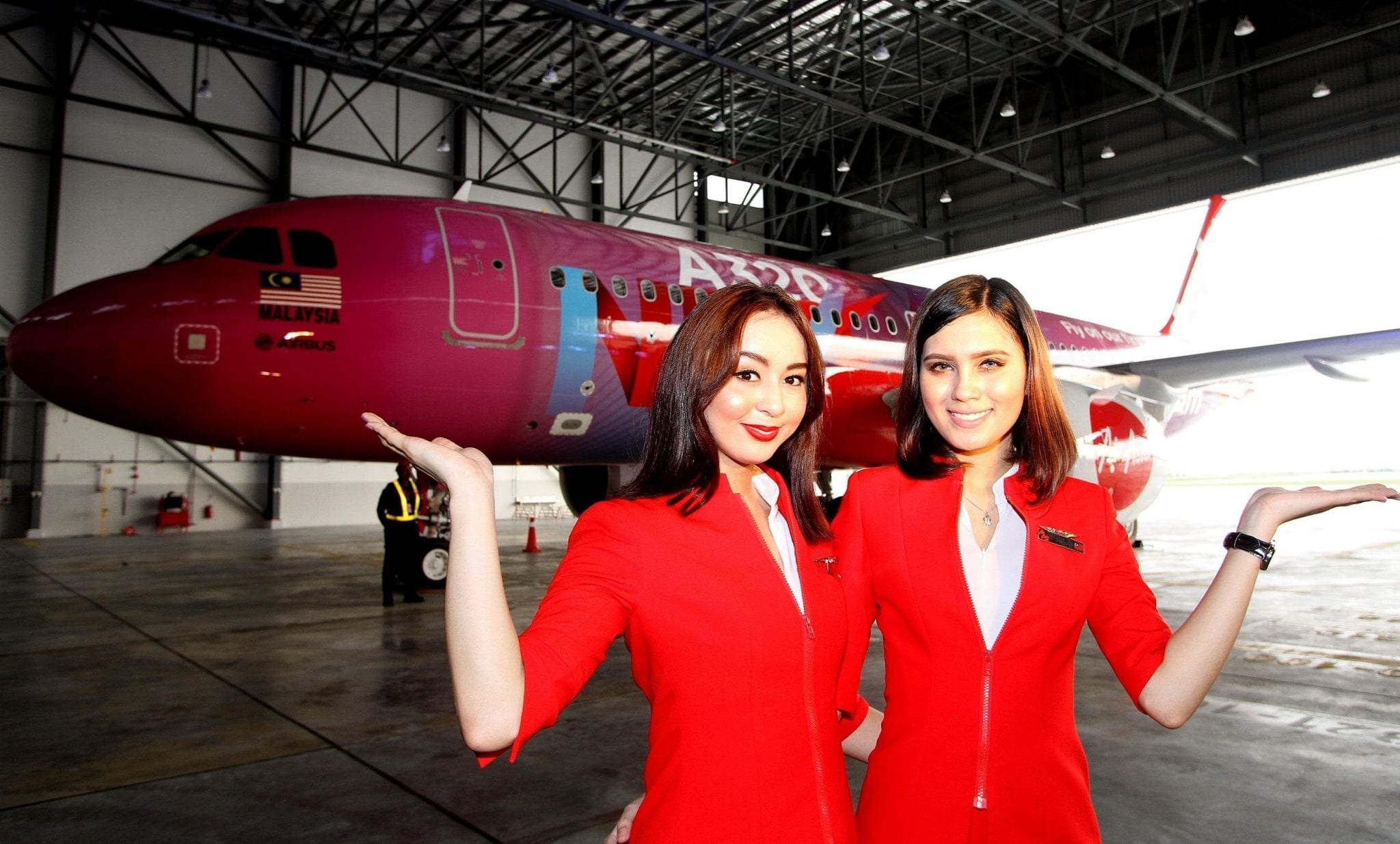
AirAsia signs component support deal for A320neo jets
AirAsia and Air France Industries KLM Engineering & Maintenance (AFI KLM E&M) has inked a component support agreement for the airline’s fleet of Airbus A320neo passenger jets, which is ultimately scheduled to number 304 aircraft.
AirAsia took delivery of its first A320neo on Sept 7 this year in Hamburg.
The contract between the two groups includes component repair services and solutions designed to maximise aircraft availability.
“We are delighted to find a strong partner in AFI KLM E&M and one that is as dynamic as us. Operating a new-generation aircraft at such a large scale requires adaptive, world-class support, and we have the utmost confidence that AFI KLM E&M will be able to provide us with the responsiveness, reliability and performance needed,” said AirAsia Group CEO Tony Fernandes in a statement yesterday.
AFI KLM E&M came up with an ultra-competitive support offer which is specially tailored for the carrier.With its experience of large-scale support, AFI KLM E&M is able to offer maintenance solutions for large fleets like that operated by AirAsia.
“We are very honoured that AirAsia is extending its trust to us by awarding AFI KLM E&M with the support of its brand new A320neo fleet,” said Air France CEO Franck Terner.
AFI KLM E&M currently provides component support for AirAsia’s A330 fleet operated by AirAsia X, its budget long-haul subsidiary.
That support agreement was signed in 2009 and was extended in 2013.
-
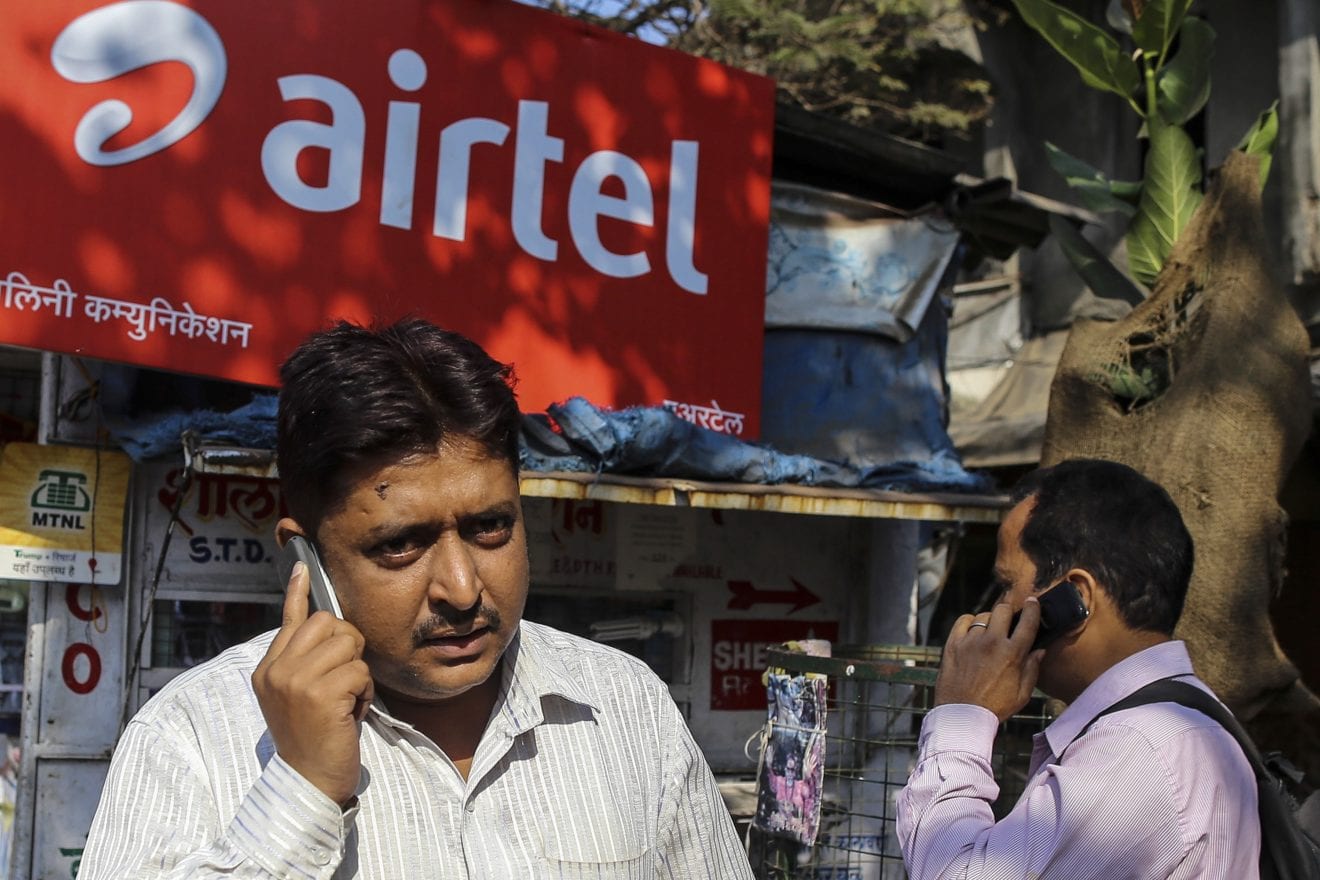
Airtel investing in cable to Myanmar
India’s largest mobile operator Bharti Airtel has announced it is investing in a new fiber cable between India and Myanmar.
The operator plans to use the new fiber asset to offer end-to-end connectivity solutions in the Myanmar market.
The 6,500km terrestrial cable will connect to Airtel’s landing stations in Chennai on the east coast and Mumbai on the west.
Bharti Airtel CEO for global voice and data Ajay Chitkara told the publication that Myanmar is experiencing strong uptake of digital services as one of the last major growth frontiers in Asia, and the company aims to take advantage of that growth by introducing new connectivity services.
Myanmar liberalized its telecoms sector in 2011, resulting in a rush of foreign entrants into the market and strong subscriber growth and development.
But Telenor Myanmar, which launched services in September 2014 after securing one of two mobile licenses allocated through a tender process following the opening up of the sector, believes that the market’s hyper growth era has now ended.
News of the terrestrial cable project came as China Telecom Global and Nepal Telecom announced they have linked China and Nepal through the Himalayas and plan to use the new terrestrial cable to offer IP services to the Nepalese market.
-

Mulberry expansion plan in Asia
Mulberry Asia, a new joint venture between the British fashion brand and Challice Limited, has announced plans to open four stores in Hong Kong, China and Taiwan and a Chinese language eCommerce site.
The move was announced along with the company’s half year results which saw sales rise 10 per cent, but the company posting a loss due to investments, mainly in a new collection.
Mulberry will cease its current distribution agreement with Club 21, although its new partner Challice shares the same ultimate ownership.
Mulberry Asia will locate its head office in Hong Kong from where it will manage all retail, digital fulfillment and wholesale distribution for the region. Challice will hold a stake of about 40 per cent in the new business.
The company says it expects to post losses for two years during its establishment phase, moving into profit in year three.
Mulberry CEO Thierry Andretta said the new venture would progress the group’s international strategy of developing its retail and omnichannel model “in a key luxury market where we see significant growth opportunity”.
Subject to a number of practical issues, including obtaining Chinese trading licenses, Mulberry Asia is expected to be operational from Spring 2017.
Analyst said Mulberry Asia was an impressive direction to take.
“It will allow the brand to better serve its customers in North Asia and provide it with a solid foundation to further grow its business in this region. However, investment in product design and creativeness must continue so that Mulberry stands out in the increasingly difficult and crowded Asian market.”
Footfall rises
Meanwhile, while investment to create the new collection has had a negative impact on gross margin, down 2.4 percentage points to 59.1 per cent, it has successfully driven footfall into stores and turned its wholesale business around. Revenue was up 10 per cent in the half year, compared with an 11 per cent decline in the same period last year.
Strachan says modern totes and bucket bags have improved the desirability of Mulberry’s offer, appealing to a new, younger shopper demanding more on-trend innovative pieces but with the craftsmanship and quality credentials that the brand continues to leverage and showcase.
“Mulberry has achieved impressive UK like-for-like growth, despite tough 2015/16 comparatives, benefiting from international visitors taking advantage of the weak pound and high demand for British heritage brands. The opening of its new Covent Garden store was fortunate timing to showcase its new collections to this influx of lucrative shoppers,” said Strachan.
“Conversely, the devaluation of the pound has hit the sales performance in some of its tourism-driven stores in Europe and the US, and has led to higher UK production costs and running costs of overseas subsidiaries.”