Author: Mei Ling Tan

  • Easyship raises more funding

    Easyship raises more funding

    Hong Kong logistics startup Easyship has raised an undisclosed amount of pre-series A funding from 500 Durians, a fund managed by Silicon Valley’s venture capital major 500 Startups.

    Easyship is an online platform providing crossborder logistics services for eCommerce companies, claiming to have access to more than 80 shipping companies and offering visibility on delivery time, cost breakdown, reliability and tracking.

    To date, it has raised aggregate funding estimated at US$2.5 million. The latest round will help it expand into Southeast Asia via Singapore, following the validation of its business model and building of traction in the Hong Kong market.

    Its expansion to Singapore provides strategic access to Southeast Asia and leverages off the city-state’s logistics infrastructure and networks – just as US eCommerce giant Amazon is establishing a presence there.

    The venture originates from problems with international shipping encountered by co-founders Tommaso Tamburnotti and Augustin Ceyrac when they were trying to build the crossborder business of Rocket Internet’s Lazada, as reported. At the time, Lazada was trying to attract more vendors to its platform in China and Hong Kong selling into Malaysia, Singapore, Thailand, and the Philippines.

    However, Lazada’s rapid sales growth was inhibited by a “very unstructured and fragmented” logistics industry. Easyship streamlines this process, providing an end-to-end process for packaging, labelling and tracking goods with couriers. It charges no fees for these services, with sellers paying the couriers. Revenue is generated from courier commissions.

    Easyship claims its saves its 1000-plus clients in Hong Kong up to $20,000 a month on shipping fees.

  • South Korea worries about growing economic risks, amid impeachment push for President Park

    South Korea worries about growing economic risks, amid impeachment push for President Park

    South Korea’ finance ministry said on Thursday it is concerned about further risks to the economy from “domestic issues”, as parliament prepares to hold an impeachment vote on South Korean President Park Geun-hye.

    The ministry did not explicitly point to the deepening political scandal surrounding Park in its monthly assessment of the economy, but said it was concerned domestic issues may result in weaker consumption and investment at a time when many global uncertainties persist.

    That would put more pressure on an economy that is grappling with record household debt, dozens of zombie companies under restructuring and weak exports, which have been further dampened by Samsung Electronics Co’s decision to scrap its fire-prone flagship smartphone Galaxy Note 7 and a strike at Hyundai Motor Co.

    South Korea is bracing for another possible hit to trade if President-elect Donald Trump follows through on his protectionism rhetoric once he takes office in January, while its financial markets – like other emerging economies – have been roiled by expectations of more U.S. interest rate hikes starting as soon as next week.

    South Korea’s manufacturing activity shrank for the fourth straight month in November and export orders also fell, albeit at a slower pace than in October, a private survey showed last week.

    “We’re seeing a pause in investment and policymaking in general due to political uncertainties,” said Jung Kyu-chul, an economist at state-run Korea Development Institute.

    While the think tank forecasts the economy will grow 2.4 percent next year, down from 2.6 percent estimated for 2016, “it could easily be cut to just above 2 percent in 2017 if this scandal drags on and takes steam out of everything from consumption to investment to job market,” he said.

    The ministry report came a day after Finance Minister Yoo Il-ho cited the uncertain outlook for leadership in Asia’s fourth-largest economy as a risk to growth.

    Consumers already have turned the glummest since the global financial crisis.

    A Bank of Korea survey showed consumer sentiment last month fell to its lowest since April 2009, on the same week that Park’s approval rating sank to an all-time low of 4 percent.

    Park’s embattled presidency faces a critical juncture, with parliament expected to hold an impeachment vote on Friday.

    But even if the motion is passed, it must be upheld by the Constitutional Court, a process that could mean the political crisis will drag on for months.

    Park is accused of colluding with a friend and a former aide to pressure big business owners to pay into two foundations set up to back policy initiatives. She has denied wrongdoing but apologized for carelessness in her ties with the friend, Choi Soon-sil.

    Kwon Young-sun, a Hong Kong-based economist with Nomura Securities, sees the Bank of Korea cutting interest rates only once in 2017 if an early election is held.

    “We now expect only one 25 basis point policy rate cut to 1 percent in the fourth quarter of 2017, after a likely early presidential election in the first half of 2017,” Kwon said in a report released on Thursday.

    Previously, he had expected the bank to make two cuts to 0.75 percent, but said the country isn’t likely to see “any significant macro policy changes in the first half of 2017 until after the election,” he said.

    The ministry said private consumption has rebounded in recent months but largely due to government-led retail promotions.

  • Charging-device producer Anker aims to tap Indonesian market

    Charging-device producer Anker aims to tap Indonesian market

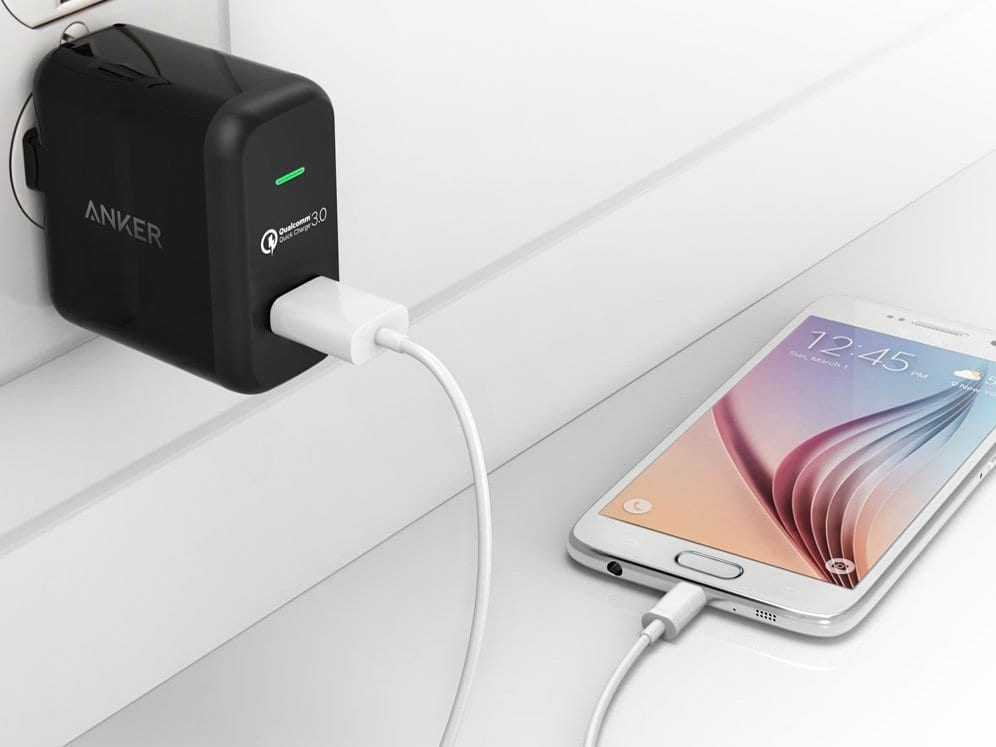
    Anker, a company based in Seattle, the US, and which specializes in USB charging products, has opened an official store in Jakarta, its first in Southeast Asia, in the hope of reaping benefits from the Indonesian market, the largest economy in the region.

    Anker’s regional sales head for Asia Pacific Romeo Luo told that the company had sold more than 300 million products globally this year and hoped to expand its leverage in Indonesia, particularly “with those people who are concerned about quality and safety, not just price.”

    “We are sure that our products can guarantee safety for smartphone users in Indonesia, particularly for high-end brands,” he said in Jakarta on Thursday.

    He said that opening the official store in Indonesia, home to around 250 million people, would be the first step by the brand before penetrating further into other countries in Southeast Asia.

    “I know the speed of the mobile phone sales growth here. The quantity is huge and most of those users will need power banks when stuck in traffic,” he said.

    He said he was confident that the brand could gain popularity in Indonesia, mainly as a result of the lack of similar competitors that exclusively specialized in power-charging products and consumer trends toward accessing social media, which is power consuming.

    Romeo added that by the end of 2017, the firm established in 2011 by former employees of search engine giant Google, expected to open 50 new outlets spread across major cities in Indonesia.

  • MasterCard eyes Indonesians craving exclusivity

    MasterCard eyes Indonesians craving exclusivity

    Global payments and technology company MasterCard is intensifying efforts to tap opportunities in the Indonesian premium market segments by offering a variety of exclusive rewards and services for its premium card holders.

    Among the select opportunities are wine privileges for the holders of MasterCard Platinum cards, access to passenger lounges at 750 airports for MasterCard World card holders and concierge services and exclusive dining for holders of MasterCard World Elite cards.

    “Premium customers currently want payment solutions that provide exclusivity and special access, and can be accepted globally and providing a variety of special services,” MasterCard’s president for Indonesia, Malaysia and Brunei, Safdar Khan, said recently.

    MasterCard is aiming for double-digit growth in debit and credit cards users in Indonesia next year, amid low credit card penetration in the country.

    Data from Bank Indonesia show that, as of September, there were around 123 million active ATM cards and debit cards in Indonesia. The number of credit card holders, meanwhile, reached 17.22 million in October, up 2.85 percent on the year.

    MasterCard has also recently sealed collaboration with domestic lender Bank Negara Indonesia (BNI) Syariah to provide ATM cards for the bank’s customers who go on the haj and umrah. They have cooperated with a private bank in Saudi Arabia to provide special ATMs to better assist Indonesian pilgrims.

    As the country with the largest Muslim population, Indonesia sees nearly 200,000 people go on the haj every year.

  • McDonald’s trims plans to sell parts of Asian operations

    McDonald’s trims plans to sell parts of Asian operations

    McDonald’s has downsized plans to sell parts of its Asia franchise after failing to find a suitable buyer in South Korea. The world’s largest fast-food retailer has a stringent list of terms for the deal, including keeping management and existing suppliers in place for a period of time in the hope of protecting the brand.

    Potential buyers balked at those demands, and prompted the decision to cut the country out of the current deal, said two people close to the matter.

    McDonald’s also plans to take a minority stake in the sale of the franchise in China and Hong Kong of up to 25 per cent, in an attempt to exercise greater control over the business that has in the past suffered from food safety scandals.

    The changes to the deal, which is near closing, with China’s Citic Group Corp and US private equity house Carlyle as the buyers, would reduce the size of the transaction to between $1bn and $2bn from what was originally expected to be as much as $3bn.

    The deal could close by the end of the month, said one of the people close to the deal.

    The sale of the 20-year franchise of 2,400 stores in China and Hong Kong has forced McDonald’s to strike a balance between reducing its exposure to China while also protecting its brand in the region.

    The deal attracted several Chinese bidders but people close to the process said the company turned many of them away because they were not deemed suitable to run the operation. The list of bidders included Sanpower Group, the owner of UK retailer House of Fraser, as well as Cinda Asset Management, a state-run bad-debt investor.

    The terms of the deal were unappealing to some of the private equity funds that originally were interested because McDonald’s has insisted the franchise not be publicly listed. Some private equity investors hoping to squeeze value out of the franchise considered terms such as maintaining management and suppliers for two years oppressive.

    US private equity house TPG, which partnered with Chinese retailer Wumart Stores, dropped out of the process at an early stage, followed later by Bain Capital and Shanghai-based partner GreenTree Hospitality.

    Yum Brands, which is nearly double McDonald’s presence in China, struggled with similar problems earlier this year.

    Yum Brands spun off its China business in a New York Stock Exchange listing in October with China-based private equity fund Primavera Capital and Ant Financial Services, an affiliate of Alibaba, taking a $460m stake in the operation.

    One investor has raised concerns about McDonald’s Latin American partner’s performance and whether McDonald’s would face similar issues in Asia by stepping back from operations on the ground.

    CtW Investment Group, which has a 0.2 per cent stake in McDonald’s and is affiliated to a federation of unions representing more than $250bn in assets, wrote to McDonald’s earlier this year citing worries over corporate governance at the fast-food chain’s master franchiser in Latin America, Arcos Dorados, which it says is hampering the chain’s performance in the market.

  • WCA launches e-commerce logistics network

    WCA launches e-commerce logistics network

    WCA Ltd has launched the world’s first dedicated eCommerce logistics network in response to the changing global economy and a marked shift towards online consumerism. The network is open to all players in the cross-border eCommerce supply chain, according to WCA.

    By 2020 it is projected that freight forwarding will be 20 per cent eCommerce driven,” said David Yokeum, founder and chairman of WCA. “Our decision to become involved in eCommerce is a direct result of these projections. Our utmost concern is that network members are supported, and provided with the tools and opportunities necessary for them to become leaders in eCommerce logistics.”

    Launched in mid-October, the network has already seen over 100 logistics companies apply for membership and has attracted the interest of a wide range of companies within the supply chain. “The response has been phenomenal,” said Dan March, WCA chief executive officer. “We have been approached by a number of the world’s largest internet retailers and online marketplaces, all wishing to employ the network to meet their ambitious international expansion plans for B2B, B2C, and C2C business.”

    The WCA eCommerce network is open to all independent freight forwarders regardless of their knowledge or experience in the sector. Companies first join at the eMember level where valuable resources – such as webinars, training sessions and expert consulting – can be utilised to help them become proficient in eCommerce logistics. Once accomplished, eMembers may apply for certified eVendor status, allowing them to trade directly and build volumes and business with fellow eCommerce partners and eTailers.

    “To become a certified eVendor a member must undergo a comprehensive eCommerce capabilities audit,” said Alex Allen, WCA eCommerce’s managing director. “As an eVendor, the company is free to offer logistics services back to the network. The beauty for eVendors is that they are also fully covered by WCA’s industry-leading financial protection programme.”

    WCA eCommerce is the world’s only neutral platform; promoting product development, new partnerships, and business growth in the eCommerce sector. In 2017 WCA eCommerce plans to launch a range of additional benefits, including comprehensive eCommerce shipment insurance, a range of innovative eCommerce-specific IT solutions, preferred rates on global and domestic last-mile and courier deliveries, and regional eCommerce consolidation programmes.

  • IMDA to ban 2G-only device sales from Jan 1

    IMDA to ban 2G-only device sales from Jan 1

    Singapore’s Infocomm and Media development Authority (IMDA) has announced it will ban the sale of 2G-only mobile devices from January 1.

    After this time, retailers and equipment suppliers will not be allowed to sell 2G handsets for use in Singapore, the regulator said.

    Suppliers with a dealer’s individual license will be able to continue selling the devices, but only for export purposes or overseas use.

    The order applies to devices in the GSM900 and GSM1800 frequency bands, and covers other cellular devices besides handsets including POS terminals and M2M equipment. Retailers and suppliers found to be in violation of the new rules could face financial penalties.

    Singapore’s mobile operators will shut down their 2G networks from April 1 to allow IMDA to re-allocate spectrum for more advanced mobile services.

    IMDA is working with operators to facilitate the migration of remaining 2G users to 3G or 4G networks, allowing subscribers to upgrade their devices while maintaining their plans and monthly subscription costs.

    Singapore is on track to introducing a fourth mobile network operator. Last month, local fiber ISP MyRepublic and Australian fixed line operator TPG Telecom were pre-qualified to take part in a special auction for the fourth mobile license.

  • Garuda Indonesia now flies from Surabaya to Medina

    Garuda Indonesia now flies from Surabaya to Medina

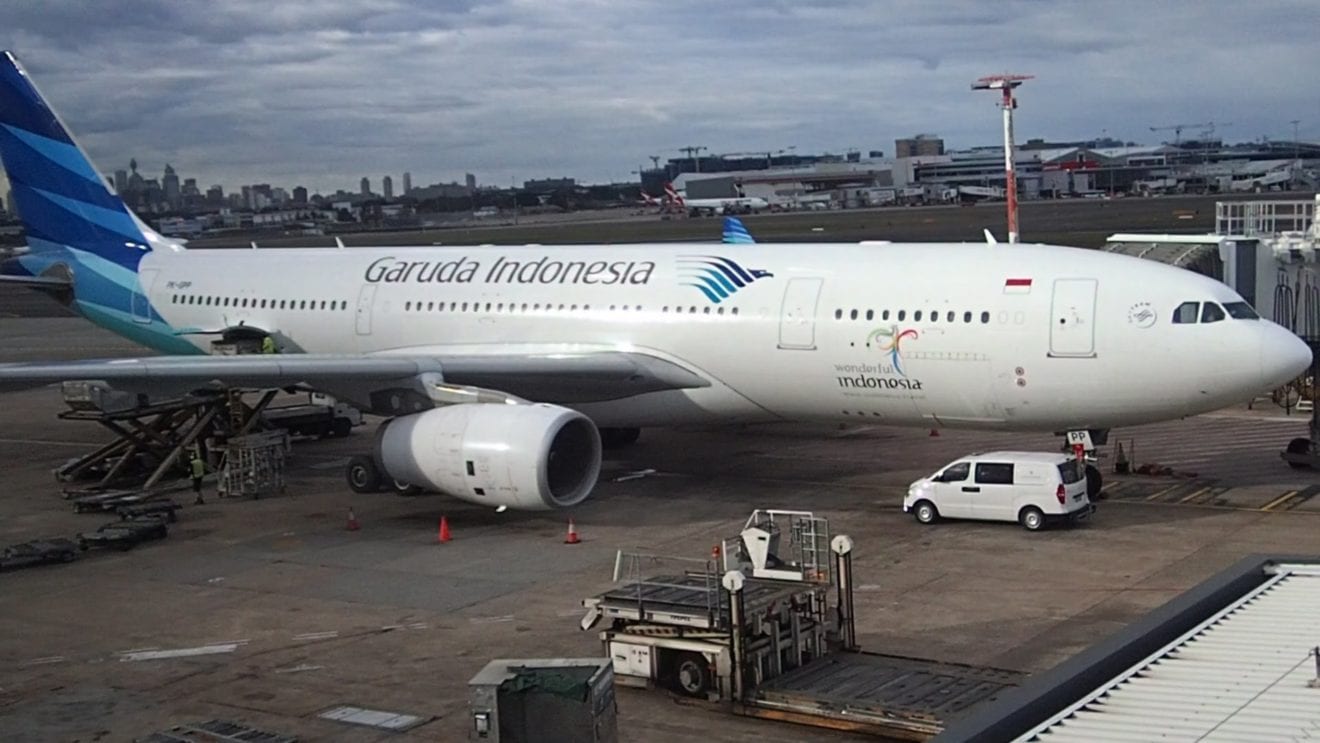
    Garuda Indonesia has opened a new route to connect Surabaya in East Java to Medina in Saudi Arabia in a bid to expand its flight network in the Middle East and tap into the potential umroh (minor haj) market.

    Introduced on Tuesday at Surabaya’s Juanda International Airport, the all economy class flight will be available once a week on Tuesday using Airbus A330-300 that can accommodate 360 passengers.

    “Hopefully we can provide ease and comfort to East Javanese residents and others who are traveling on a pilgrimage since this direct flight will help save time and money,” said Garuda Indonesia Cargo Director Sigit Muhartono in a press release.

    The national flag carrier currently operates two direct international routes from Surabaya, to Singapore and Jeddah.

    Following the opening of the Surabaya-Medina route, Garuda Indonesia now operates a total of 34 flights to the Middle East from major cities in Indonesia.

  • DHL invests in new e-commerce distribution centre at Narita, Japan

    DHL invests in new e-commerce distribution centre at Narita, Japan

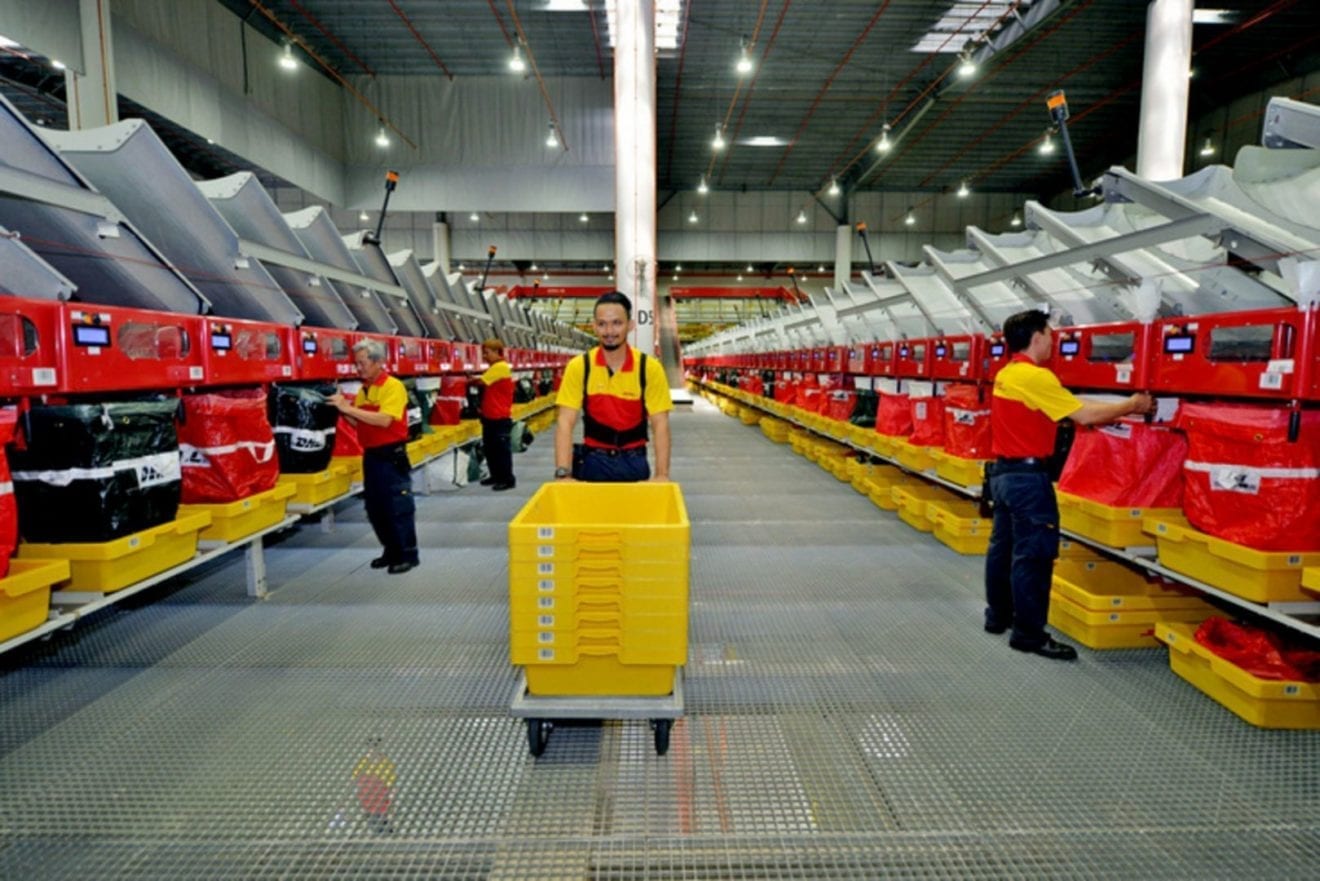
    DHL eCommerce has announced plans to build an Outbound Cross-Border eCommerce Distribution Center in Narita, Japan. The facility, expected to be completed by by April 2017, will broaden the range of e-commerce logistics services available to e-tailers and marketplaces operating in the country.

    New shipping products specifically designed for e-tailers will offer greater choices to reach consumers in Europe, the US and the UK, DHL said. Focused on reliability and value-for-money, the services are tailored according to the unique needs of e-tailers and marketplaces in the Japanese market. This latest development by DHL eCommerce will help drive Japan’s booming cross-border e-commerce market, which is growing at a CAGR of 16 per cent and estimated to hit over €1.1 billion in 2018.

    DHL Parcel International Direct, a cross-border shipping product, will offer affordable deliveries from Japan to the US and the UK, DHL said, adding that this product promises transit times of 4-6 business days, a game changer in the current Japanese logistics landscape. Another cross-border shipping product, DHL GlobalMail Packet Plus will offer the best rates for Japan – Europedeliveries, with transit times of 5 to 10 business days and a high degree of visibility into the status of packages.

    These products will help Japanese e-tailers handle the increasing pressure when it comes to servicing more overseas customers, making timely deliveries, and keeping operating costs low. Major marketplaces will also be better equipped to handle rising volumes of e-commerce deliveries and offer Japanese e-tailers a global reach and value-added services.

    With an estimated cross-border e-commerce value of €38.5 billion, the US is one the top export destinations for Japan’s e-commerce products. Roughly 25 per cent of digital shoppers in the country have made a cross-border purchase in the past 12 months. Europe also presents a tremendous opportunity for Japanese e-tailers. There are currently 303.1 million digital buyers in the region and total e-commerce sales volume has hit €349.4 billion.

    “We are seeing incredible growth in the Japanese cross-border e-commerce market and look forward to helping local players surmount their challenges. Our solutions offer easy one-stop gateway services for e-tailers, enabling them to deliver greater customer experiences while remaining in control of their costs. In addition, we will help them connect with overseas markets by partnering with popular marketplaces to deliver reliable services with a global reach,” said Yoshihiko Sasaki , managing director, DHL eCommerce Japan.

    The distribution centre will be co-located with the Japan Global Distribution Center in Narita established by one of DHL’s divisions. Leveraging a cross-divisional approach, this will help bring Japanese e-tailers to more customers overseas, and enable them to also tap into comprehensive supply chain solutions. This means that customers who utilise the new DHL eCommerce offerings will get access to more in-depth supply chain expertise and an extensive logistics network that serves over 220 countries and territories globally.

    “The power of e-commerce lies in its ability to break physical barriers. E-commerce companies are not limited by geographical borders and have the flexibility to offer services and products to customers in other countries. By combining the deep understanding of the Japanese market which DHL eCommerce has, with the warehousing and transport management capabilities of our sister division, we will be able to explore operations such as fulfilment as part of a global partnership for our customers,” added Sasaki.

    The expansion plans in Japan are part of a larger Asia Pacific strategy by DHL eCommerce. The company also recently revealed its €70 million investment in India to boost the capabilities of the Delhi and Mumbai air hubs to enhance B2C e-commerce delivery in India .

    In June 2016 , DHL eCommerce announced that it will grow its overall presence in China by 50 per cent, with the expansion of the distribution centres in Shenzhen, Shanghai and Hong Kong. Along with the huge growth of e-commerce in China , the distribution centres will enable maximum volumes of over 130 million shipments a year combined.

    Earlier in January 2016 , DHL eCommerce launched domestic delivery operations in Thailand and announced plans to double its fleet and number of depots by 2017. Thailand, with its tremendous growth potential, fast e-commerce adoption, and high smartphone penetration rates, was identified as the first Southeast Asian country to launch the DHL eCommerce domestic delivery service – in line with the Group’s Strategy 2020.

  • Tesla Motors to get semiconductors from Samsung Electronics

    Tesla Motors to get semiconductors from Samsung Electronics

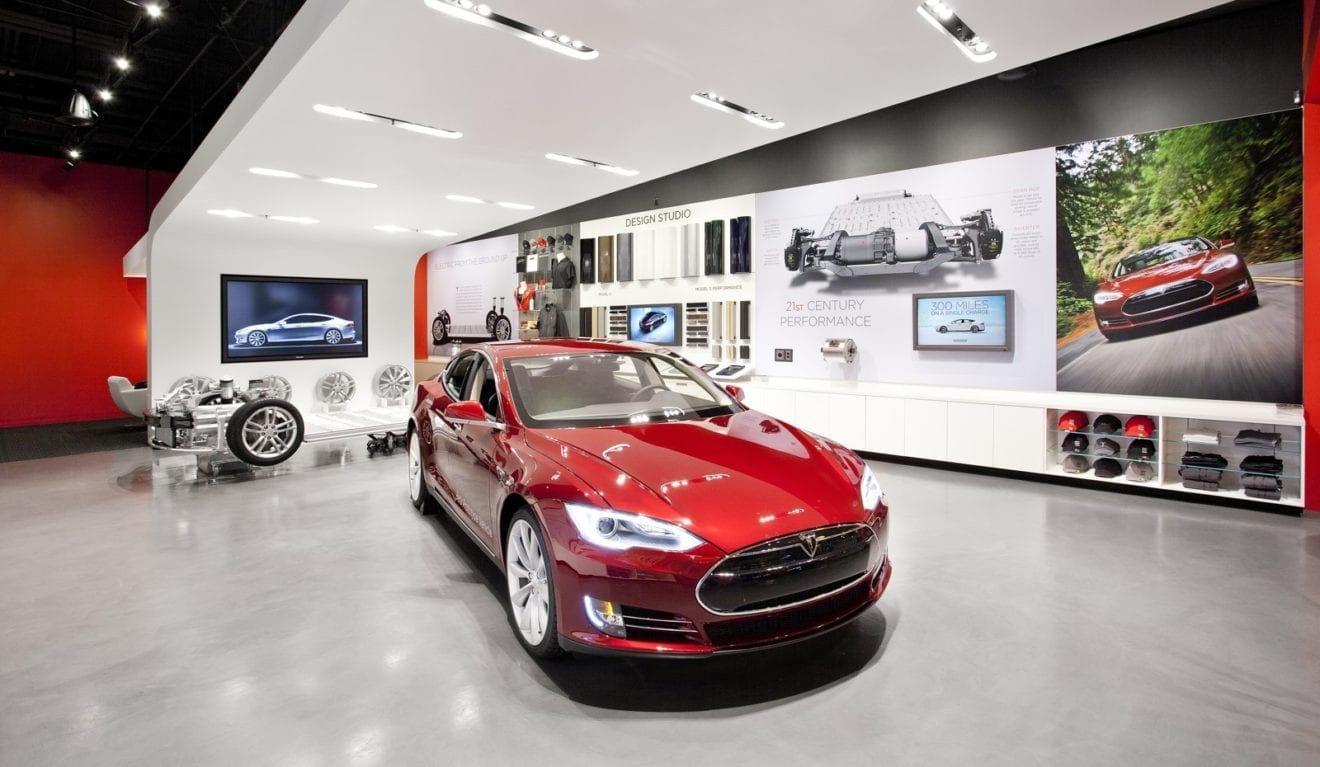
    Samsung Electronics will supply semiconductors to US electric car maker Tesla Motors, South Korea’s Electronic Times reported on Friday citing unnamed sources.

    Samsung would contract manufacture chips for self-driving features in Tesla vehicles, the paper reported, without putting a value on the order.

    The South Korean firm has been trying to build auto-related sales for components such as semiconductors and displays in a push to develop a new growth engine.

    Samsung in November said it would acquire Harman International Industries for $8 billion in a bid to grow quickly in the automotive market.

    Samsung did not immediately comment on the report, while Tesla could not be immediately reached for comment.

  • Carrefour China expands to Suzhou, Wuxi

    Carrefour China expands to Suzhou, Wuxi

    French retailer Carrefour has expanded its eCommerce access in China by launching online shops and apps for Suzhou and Wuxi.

    It already covers Beijing, Chengdu, Kunming and Shanghai with plans for further expansion. Wuhan is next on the list, expected to come on line before the end of this month.

    Carrefour has rolled out its eCommerce offerings internationally, going up against such rivals as Amazon in Spain.

  • Connected vending machines to pass 10m this year

    Connected vending machines to pass 10m this year

    ABI Research estimates that there will be more than 10 million network connections to vending machines by the end of this year, ABI Research estimates.

    The install base is expected to reach nearly 24 million connections in 2021 for a compound annual growth rate of 17%.

    The research firm said the vending machine ecosystem is evolving and companies like Coca-Cola, PepsiCo, and VE Global Vending are looking to expand distribution offerings and connect their machines to the internet to increase operational efficiencies.

    These newly connected machines also allow operators to gain new insight into metrics on inventory management, foot traffic and automatic maintenance requests.

    “The vending machine isn’t dead — it’s just reinventing itself,” said Jeff Orr, Research Director at ABI Research. “There is a point in the near future where the physical and digital worlds will blend to create new experiences. And it’s vendors that optimize their supply chains that will best succeed in this market.”

    VE Global Vending is one company that continuously adapts its strategy to keep pace with evolving technologies, refurbishing used vending machines into digitized versions that include touchscreens, sensor technologies and flexible payment methods.

    ABI Research suggests in a report that there remains room in this market for new players that mirror this methodology and optimize the supply chain to focus on everything from machine manufacturing, placement, and payment solutions to restocking and service.

    “New market entrants have to be creative so that they do not become immediate acquisition targets for brands with broader ecosystem investments,” continued Orr.

    “For instance, the simplest method to connect a vending machine is to use an Ethernet cable to connect it to the building. But new players would be wise to take advantage of the abundance of wireless technology on the market. The question of which party pays for the recurring mobile service costs would still need answering, though.”

    As the connected machines continue to automate services that humans historically addressed, such as key duplication, opportunities will emerge for enterprises to become involved in customized manufacturing and 3D-printing on a small scale.

    “In the coming years, as manufacturers perfect 3D-printing and small-scale machining operations, new services will be possible for producing custom items through a vending and fulfillment experience. The physical and digital worlds are converging—and it’s only a matter of time before their intersection leads to new experiences and opportunities for businesses,” Orr said.

  • DJI Opens Its Second China Flagship Store In Shanghai

    DJI Opens Its Second China Flagship Store In Shanghai

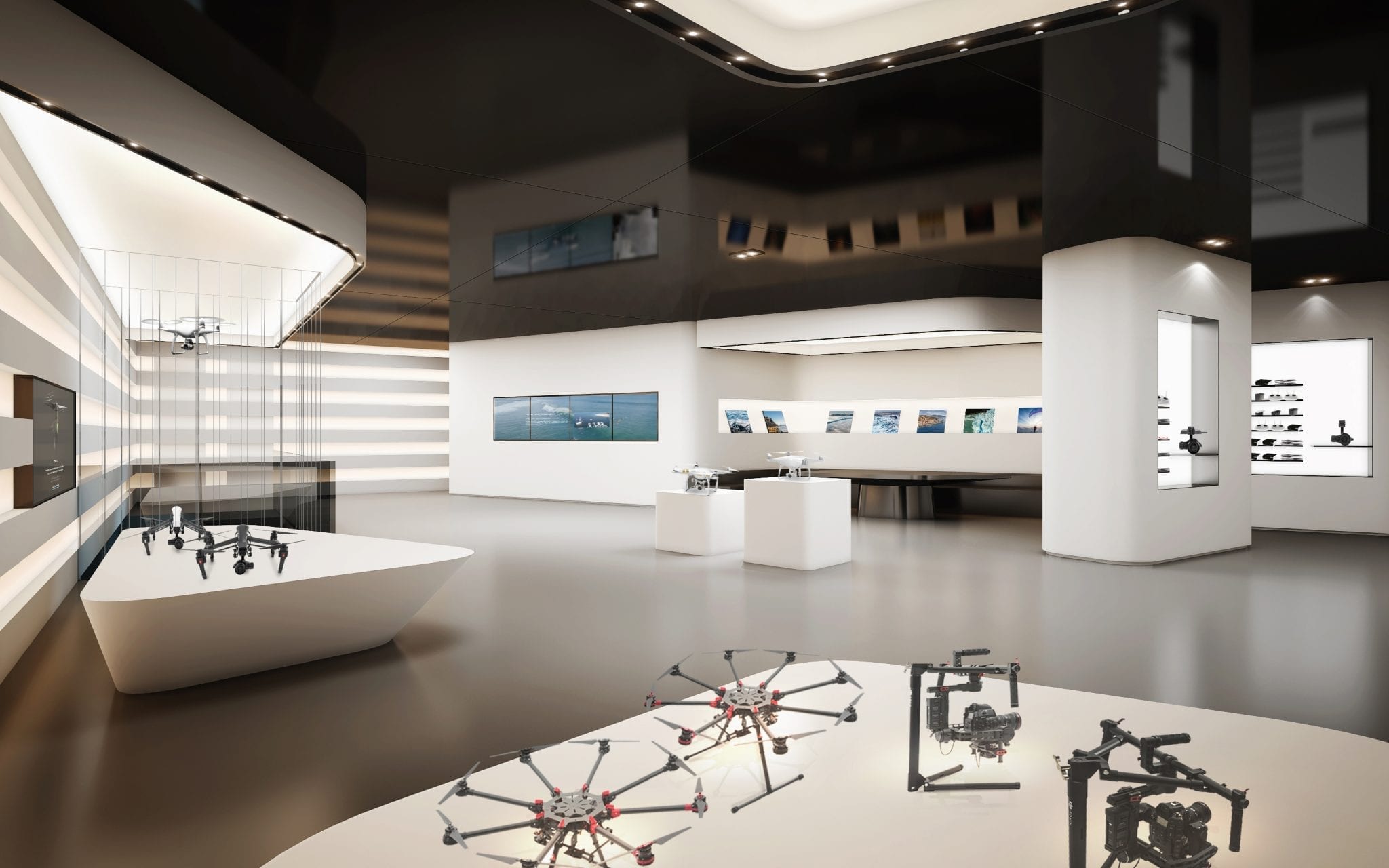
    DJI, the world leader in unmanned aerial vehicle technology, will open the doors of its Shanghai flagship store to the public on December 10, giving residents of China’s largest city the opportunity to explore the creative and professional possibilities that drone technology has brought to the world. 

    Located at the center of Shanghai’s busiest shopping, dining and entertainment district in Xintiandi (aka “New Heaven and Earth”), the two-story, 500-square-meters flagship store will display DJI’s full range of aerial platforms and camera products. Drone enthusiasts and novices alike can get hands-on experience with DJI’s market-leading technology, from the foldable yet powerful Mavic Pro personal drone to the latest professional products such as the Phantom 4 Pro and Inspire 2 drones. 

    “2016 is a milestone year for DJI as we celebrate 10 years of imagination, inspiration and innovation,” said Paul Xu, DJI Vice President. “We’ve expanded creative possibilities for professionals, and we’ve made it easier for general consumers to experience the fun and excitement of flight. Our flagship stores have become important touch points for people to discover, learn and be inspired. Our newest Shanghai flagship store will allow us to continue on this path and provide more people the opportunity to experience our aerial technology first hand.”

    The Shanghai flagship store’s building retains traditional Shanghainese architectural elements, combining Western and Chinese design concepts. The outdoor cafes, art galleries and lifestyle boutiques in the surrounding Xintiandi neighborhood also create a vibrant cultural backdrop for the new flagship store.

     The first floor of the DJI Shanghai flagship store will house a 20-square-meters flight cage demonstrating DJI drones in flight, which can also be seen by pedestrians outside the store. Also on the first floor is the Technical Support Center and the DJI Story Corner where visitors can see creative use cases and the evolution of the DJI Story on a curved surface projection screen. The SkyPixel Gallery on the second floor will showcase breathtaking aerial images by photographers from around the world. A dedicated space is also set aside for future customer workshops, photography seminars and special events.

    The DJI Shanghai flagship store will officially open its doors to the public at 12 noon on Saturday, December 10. The first 300 customers can enjoy special discounts when purchasing selected DJI products or bundles on opening day. The first 100 visitors to the store will also receive a limited edition DJI t-shirt.

    In celebration of the store opening, there will be a series of activities and programs throughout the day around the Xintiandi area. Life-size DJI Phantom and Osmo mascots will kickstart the opening celebration with a street parade, flight simulators and virtual reality goggles will be set up for people to experience the thrill of being in the pilot’s seat, and those who want to play the role of a movie director can try out the Osmo+ and Osmo Mobile handheld stabilized gimbals.

    The Shanghai flagship store is DJI’s fourth foray into retail after opening its first flagship store in Shenzhen, China in December 2015, followed by the Seoul, Korea flagship store opening in March and the Hong Kong flagship store opening in September.

    The DJI Shanghai flagship store is located at No. 222 Madang Road, Xintiandi, Shanghai, China. Opening hours of the store are Mon – Sun, 10 am to 10 pm. The Technical Support Center will begin operations the following Monday, December 12, and is opened Mon – Sun, 10 am to 10 pm.

  • Gucci owner meets Korea’s retail giants

    Gucci owner meets Korea’s retail giants

    Kering CEO Francois-Henri Pinault came to Korea, Wednesday, to meet owners and CEOs of retail giants here, according to industry sources. Kering, which changed its name from PPR in 2013, is the French luxury goods holding company owner of more than 20 luxury sport and lifestyle brands including Gucci, Bottega Veneta, Saint Laurent Paris, Balenciaga, Brioni and Puma, which are sold worldwide,.

    Pinault reportedly visited Hyundai Department Store in Apgujeong, southeastern Seoul, Wednesday, and was shown around by CEO Park Dong-woon. Chairman Chung Ji-sun did not meet Pinault, due to a scheduling conflict.

    The sources said Pinault also met Shinsegae Department Store President Chung Yoo-kyung and Lotte Group Chairman Shin Dong-bin on Thursday.

    Pinault is also reportedly scheduled to meet Hotel Shilla President Lee Bu-jin. In 2012, Pinault visited Korea as PPR chairman and met Shin and Lee. At that time, he looked around Lotte Department Store, Lotte Duty Free, Hanwha Galleria Department Store, Shinsegae Department Store and Shilla Duty Free over three days.

    Observers are paying attention to Pinault’s visit, which is only a week before new duty-free store operators are named, Dec. 17. Some sources anticipate Pinault and Korean retailers will discuss offering Kering’s luxury brands at the stores.

    However, candidates for duty free store cannot name what was not included in their business proposals submitted in October, during their final presentations. Other observers therefore believe Pinault’s visit is not related to duty free stores.

    Those observers say Pinault was here to talk with Korean retailers, so Kering’s brands can expand their presence here and in other Asian countries, especially China.

    With rapid sales growth, Asia has recently been in the limelight among global luxury brand retailers.

    In April, Moet Hennessy Louis Vuitton SE (LVMH) Chairman Bernard Arnault visited Korea and met Hotel Shilla’s Lee and Shinsegae’s Chung.

    Arnault also came to Korea last year for the opening celebration of The House of Dior, a flagship store in Apgujeong.

  • Corporate-issued mobile device adoption still low

    Corporate-issued mobile device adoption still low

    Mobile device adoption in the workplace is not yet mature, research from Gartner indicates. Although 80% of workers surveyed by the analyst company received one or more corporate-issued devices, desktops are still the most popular corporate device among businesses, with more than half of workers receiving corporate-issued desktop PCs.

    The survey findings are based on the 2016 Gartner Personal Technologies Study, which was conducted from June to August 2016 among 9,592 respondents in the US, the UK and Australia.

    Thirty-six percent of workers received laptops, including convertible laptops. Adoption of convertible laptops as a corporate-issued device is still very low, but has been gradually increasing.

    Gartner analysts expect that more employees will receive convertible laptops in the next three years, driven by the Windows 10 refresh that can enhance the user experience with touch-based input. Adding desktops and laptops (including convertible laptops) together, 75% of workers will receive at least one PC-type device in mature countries.

    In contrast to the high numbers of corporate-issued PCs in the workplace, relatively few workers receive mobile devices. The majority of smartphones used in the workplace are personally owned devices — only 23% of employees surveyed are given corporate-issued smartphones.

    “The low adoption of corporate-issued mobile devices underlines the fact that large numbers of personally owned mobile devices are used in the workplace,” said Mikako Kitagawa, principal research analyst at Gartner. “In fact, more than half of employees who used smartphones at work rely solely on their personally owned smartphones.”

    The usage rate of personally owned tablets lags behind that of personally owned smartphones. Only 21% of employees use tablets — regardless of whether they are corporate issued or personally owned.

    “In the era of mobility, it comes as something of a surprise that corporate usage of smartphones and tablets is not as high as PCs, even when the use of personally owned devices is taken into account,” said Kitagawa. “While it’s true that the cost of providing mobile devices can quickly escalate, proper usage of mobile devices can increase productivity, which can easily justify the extra costs.”

    When employees are provided with corporate-issued devices, they are generally happy with the devices that they receive. Less than 20% of respondents said they were dissatisfied with their employer-provided devices. The satisfaction level is higher with tablets and smartphones compared with desktop and laptops.

    “Usage of personally owned devices in the workplace is nothing new, but the survey results confirm that this trend has become a new workplace standard. Two-thirds of survey respondents said that they use a personally owned device or devices for work,” said Kitagawa.

    “Smartphones and phablets are the most popular personally owned devices used for work, with 39% of employees using them, compared with just 10% who are only using corporate-issued smartphones and phablets.”