Author: Mei Ling Tan

  • K-Market to expand network with VinGroup

    K-Market to expand network with VinGroup

    Korean chain K-Market is in talks with VinGroup to expand its network.

    K&K, the owner of K-Market supermarket chain and K-Food, wants to expand by opening inside VinGroup’s commercial centres.

    K-Market currently locates its retail stores inside Lotte Mart and Fivimart outlets.

    The retail operators plans to expand its network to 100 supermarkets by 2020, and eyes a turnover of  more than US$100 million in 2017.

    Ko Sang Goo, chairman of K&K, said the company has been researching the Vietnam retail market carefully.

    The group aims to add more services to its chain such as laundry and eateries and to import more Korean products to serve local needs.

    K-Market currently has four stores in Hanoi and nine in Ho Chi Minh City.

  • Over half of APAC connected consumers use m-payment

    Over half of APAC connected consumers use m-payment

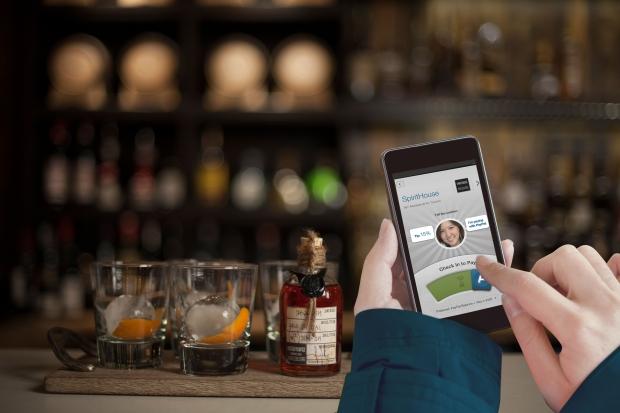
    The Asia Pacific region is leading the world in mobile payment adoption, with over half of connected consumers in the region using their mobiles to pay for goods or services at point of sale via apps.

    This is among the key findings of a survey of more than 70,000 consumers, conducted by consultancy Kantar TNS. The study pegged mobile payment penetration for Asia Pacific at 53%, compared to 33% in North America and 35% in Europe.

    With smartphone users across Asia Pacific numbering over a billion, one key driver behind this trend would be the significant mobile penetration here. Moreover, the evolution of Asian chat apps to include payment options and the lack of legacy banking structures has only served to accelerate adoption.

    Chat apps such as WeChat and LINE have developed numerous payment services such as WeChat Pay, Line Pay, Alipay and O! ePay to facilitate everything from taxi bookings to e-commerce sales.

    Mobile payment options within these apps allow consumers to complete their purchase journey seamlessly, and also serve to help to establish these behaviors.

    Many mobile-first markets such as India, Malaysia and Indonesia are also taking up the behavior, fueled by the lack of legacy banking structures. The study noted that this makes that mobile payment an especially attractive solution for connected consumers in these countries.

    China, Hong Kong and South Korea are the top three mobile payment markets globally for weekly use, while Singapore is in the fourth position with the use of mobile payment identified as most prevalent among middle-aged consumers.

    In Singapore, 57% of connected consumers have used mobile payment, with more than a quarter (27%) doing so on a weekly basis. This number rises among younger Singaporeans ages 16-30, where 31% use mobile payment weekly, but is highest (33%) amongst middle-aged consumers in the 31-45 age group.

    Only 11% of those ages 46-65 use mobile payment on a weekly basis, however, 37% have tried it in the past, showing that they are open to sampling this kind of new technology.

  • VMware, Taiwan’s III join Broadband Forum

    VMware, Taiwan’s III join Broadband Forum

    VMware, Taiwan’s Institute for Information Industry (III) and the USA’s Methode Electronics have become the latest members of the Broadband Forum.

    The latest additions highlight recent developments within the Broadband Forum to address the constantly changing technological landscape and increase the focus of its work.

    The industry body is also working to collaborate more with open source communities and increase the amount of work it does in the software space.

    VMware, III and Methode Electronics will complement this, with all three companies having backgrounds in virtualization, electronics and R&D.

    The new members are already playing an active part in the Forum, with representatives attending the Forum’s most recent Quarterly Meeting, held in Berlin. Moving forward, they will continue to play a full role in activities and Working Groups.

    III believes its membership will enhance the prosperous development of industries and incubate new industries, as well as promote links between local industries and the rest of the world.

    “Actively participating with an international organization like the Broadband Forum is just the beginning for III,” commented Dr Ko-Yang Wang, director general of the III’s Industry Development Augmentation Division (IDAD).

    “Looking into the future, III fully supports the Forum’s new Broadband 20/20 vision and we are fully confident that its realization will be the next big thing for broadband.”

    The developments in Berlin – including the publication of the landmark Network Enhanced Residential Gateway (NERG) Virtualization Technical Report (TR-317), the first finished project in the Forum’s NFV realm – followed on from the Forum’s Special Meeting in Atlanta, where Service Providers gave their views and visions on how the network needs to develop.

    “We’re delighted to welcome VMware, III and Methode Electronics into the Broadband Forum family,” Broadband Forum CEO Robin Mersh said.

    “Our recent meetings have illustrated our ability to keep up with the rapid pace of change within the industry and work together to create a faster and highly relevant Broadband Forum. Welcoming exciting, progressive new members such as these three companies means that we will continue to be the voice of broadband for the industry.”

  • World’s First Japan Rail Cafe Now In Singapore

    World’s First Japan Rail Cafe Now In Singapore

    After encountering a slew of character cafes this year, it was particularly refreshing to discover the travel-themed Japan Rail Cafe. The first of its kind in the world, the cafe is East Japan Railway Company (JR East)’s first overseas venture.

    For the uninitiated, JR East primarily serves the Kanto and Tohoku regions in Japan. Those who’ve been to the Land of the Rising Sun should be pretty familiar with it!

    With its overarching aim to promote Japan travel in Singapore, the cafe is primed to be a one-stop-shop for travelers and hungry cafe hoppers alike.

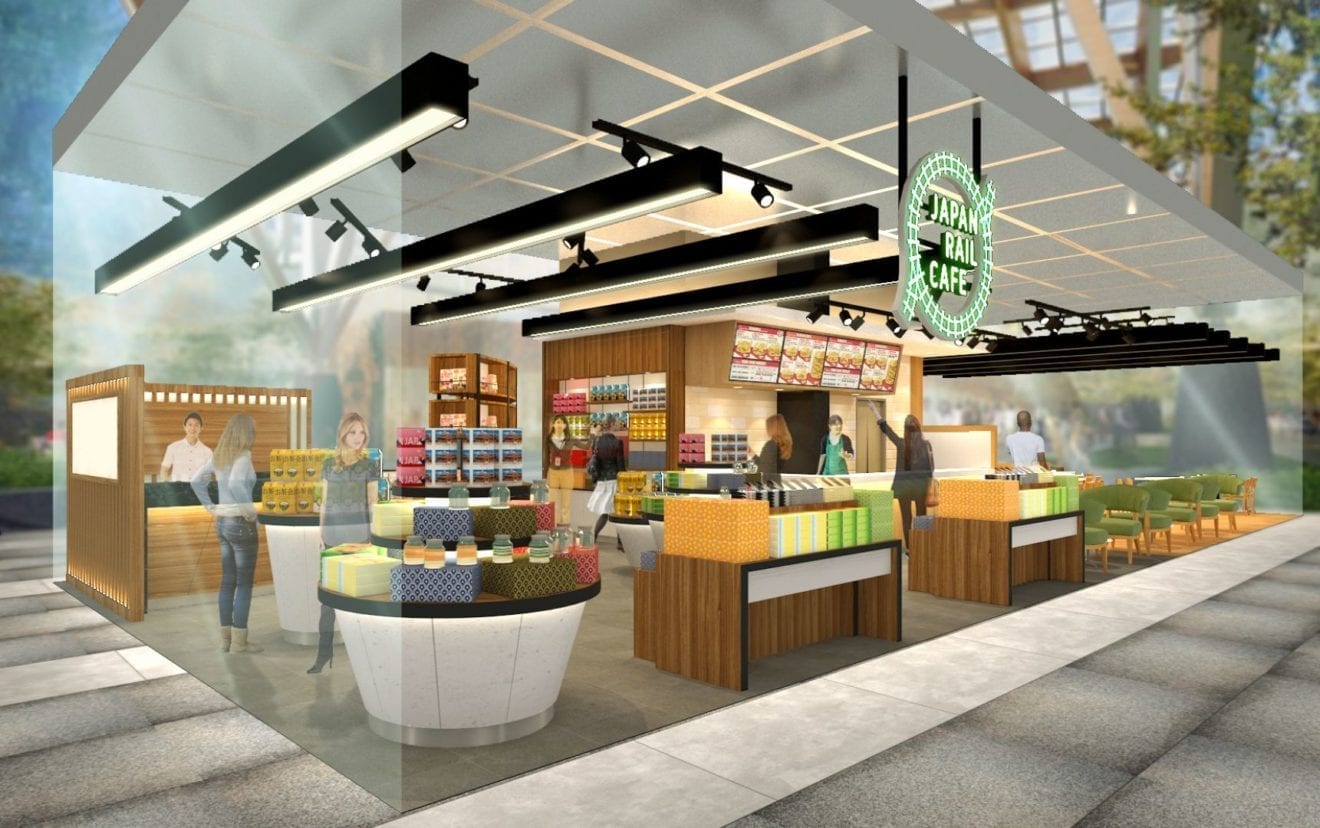
    The spacious cafe is decked out in warm shades of wood and bright pops of teal. Rail tracks also run all around the cafe, from the walls to the ceilings — a quirky nod to its theme.

    Buy your rail passes here

    Upon entering, a Japan Rail Pass Counter greets you with its huge sign. Here, customers can purchase exchange orders for JR passes before their trips at the instore rail pass ticketing counter operated by JTB Pte Ltd.

    Best of all, the range of rail passes covers not only JR East but all other passes issued by the five other Japan Railway companies, namely JR Kyushu, JR West, JR Shikoku, JR Central and JR Hokkaido. This covers almost all regions in Japan!

    The menu comes in the form of a well-designed newsletter, which currently highlights the Tohoku region of Japan.

    Foodies will be delighted to know that a special menu will be launched each month, where representative dishes of a region will be featured, alongside regular items.kaisen-avocado-don

    Regional delights

    The dishes, though simple, are fuss-free, well-thought out and delicious. In fact, the variety is reminiscent of the quick-service eateries so often found near the rail stations in Japan.

    Their signature Ultimate ABC Burger ($19) is a treat for the palette.

    ABC stands for the key ingredients that make up the burger — avocado, bacon and cheddar cheese, which complements the juicy wagyu beef patty within. The slightly sweet and soft buns make the perfect vessel for these hearty fillings.

    In light of the Tohoku region showcase, diners will also be able to savour the Kaisen Avocado Don.

    The donburi (rice bowl) bursts with the freshness of ingredients like sashimi, ikura (fish roe) and aomori scallops. Topped with mentaiko, sesame and seaweed, the dish is equal parts hearty and healthy.

    watashino-curry-riceIf you’re a fan of Japanese curry, be sure to try the Watashino Curry Rice ($18).

    The satisfying combination of the black pepper-based curry and 10 grain rice is elevated by the fact that you can customise the dish with various mains. Pick from the likes of crispy chicken cutlet, fried oyster and crab cream korokke.

    Retail and workshops

    After you’ve eaten your fill, check out the retail corner at the cafe, lovingly curated by Oishii Japan. Each month, the retail corner will feature various food items from the featured region.

    Plus, there’ll be a range of products from JR East’s retail stores and shopping malls inside JR East train stations — a manifestation of Japan’s new lifestyle phenomenon “Eki Naka”, which means “in-station shopping”.

    And if you’re planning a trip to Japan, the monthly seminars and workshops held at the cafe will be exceptionally useful to attend.

    The cafe looks set to collaborate with partners including Japan National Tourism Organization (JNTO), Japanese local governments and Japanese corporations.

    Looks like the Japan Rail Cafe isn’t just for train otakus!

  • B2LiNK eyes global K-beauty market beyond China

    B2LiNK eyes global K-beauty market beyond China

    The Group of Two’s recent protectionists policies followed by Donald Trump’s victory in the U.S. presidential election and China’s economic retaliation against Korea over the deployment of a Terminal High Altitude Area Defense system seem to be serious risks for Korean exporters.

    B2LiNK CEO Lee So-hyung, however, confidently said no government can interfere with macro-trends in the market. The 33-year-old is one of the co-founders of the IT-based business-to-business startup which distributes Korean beauty brands to global retail channels in the most effective way possible.

    “The U.S. will not restrict small areas. It may impose anti-dumping tariffs on steel, but consumer goods ― especially Korean cosmetics ― will not be regulated as they are not in the majority of the market,” Lee said in an interview with The Korea Times on Friday.

    “Most people fear that trade with China will be threatened, but local Chinese firms actually earn more money than Korean businesses through the cosmetics trade. Chinese authorities will be unlikely to regulate the trade, as most Chinese consumers purchase Korean cosmetics via their local online platforms.”

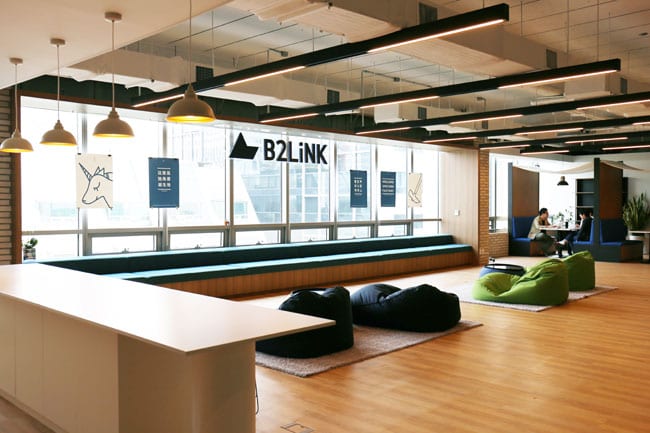
    An inside view of B2LiNK office in Gangnam

    After working in many industries in several countries as a consultant of McKinsey & Company for four years, Lee decided to operate a business that introduces Korean consumer goods to the world. He said, “The industry in which Korea has an advantage over other countries is in consumer goods.”

    His company initially targeted the Chinese market and has expanded its presence there. The Seoul-based company established local offices in Tianjin and Shanghai. It also signed supply contracts with China’s top commerce firms including Watsons China and RuHnn.

    “When I began to run my business in 2014, China’s economy was growing rapidly with its e-commerce market which was growing much faster,” Lee said. “The rate of cosmetics consumption, on the other hand, was still low at that time, so I thought there might be a chance for a success.”

    However, B2LiNK is drawing up a blueprint to globally expand the presence of K-beauty beyond China. Lee said, “Korean consumer goods have depended too much on China so far, and we want to help the firms gain competitiveness in the global market. Demand for Korean consumer goods is rising in the U.S., Europe, Africa and the Middle East.”

    B2LiNK began to supply Korean cosmetics to retail channels in Southeast Asia this May and posts more than 100 million won ($85,000) in monthly sales there. It plans to establish an office in the U.S. next year, which will be the company’s first base camp toward the developed market.

    “We are actively recruiting employees in the U.S. and Southeast Asia,” Lee said. “We will hire local people to lead our subsidiary companies there.”

    Lee said B2LiNK wants employees who can build their careers in the company, rather than those who already have experiences in similar industries. “Our basic concept is to develop less advanced industries. Expertise is an old-fashioned concept in B2LiNK,” he said.

    Among young “B2LiNKers” whose average age is 29, B2LiNK posted more than 11 billion won in sales last year. The company estimates its sales will be over 30 billion won this year.

  • Singapore Airlines: year-round Airbus A380 flights for Melbourne

    Singapore Airlines: year-round Airbus A380 flights for Melbourne

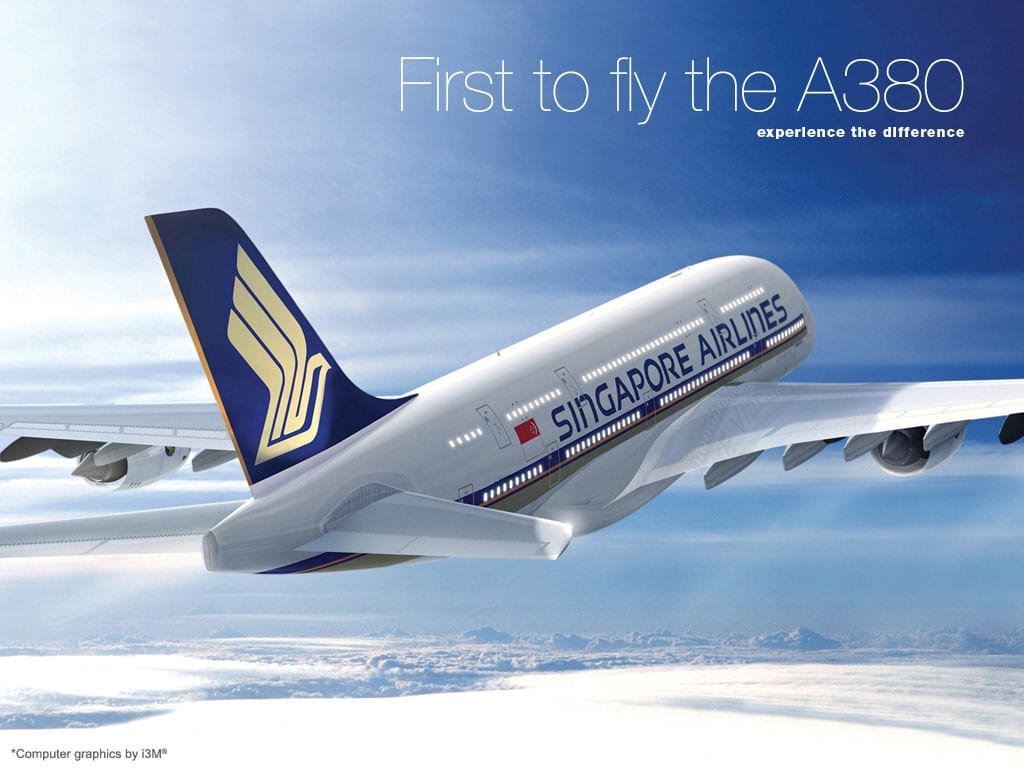
    Singapore Airlines is bringing its flagship Airbus A380 back to Melbourne on a year-round basis, extending the airline’s temporary superjumbo service to the Victorian capital: previously due to end in March 2017 before reverting to a Boeing 777.

    Instead, SQ’s A380s will continue gracing Melbourne’s skies, a Singapore Airlines spokesperson confirmed with the jet now appearing daily on flight SQ217 from Singapore and SQ218 from Melbourne.

    The world’s largest passenger aircraft offers travellers a choice between Suites Class, business class, premium economy and economy.

    ‘Suites Class’ is Singapore parlance for ‘A380 first class’, with these passengers gaining access to a dedicated Singapore Airlines first class lounge in Melbourne or The Private Room in Singapore before their flight, after which, they’ll fly in style and privacy with all suites featuring closing doors:

    Business class too provides fully-flat beds with direct aisle access courtesy of the 1-2-1 cabin layout, with plenty of space to work and relax during the day as well.

    Premium economy instead comes in a 2-4-2 arrangement, with reclining seats offering 38 inches of total space – known as ‘pitch’ – plus a padded leg rest and swing-down foot rest:

    Melbournians can catch the A380 on flight SQ218 – departing the Coffee Capital at 1:05am daily to reach Singapore at 5:45am – and aboard SQ217 on the return: wheels-up at 10:45am for a 9:10pm touchdown later that evening.

    In recent times, Singapore Airlines has also upgraded selected Brisbane-Singapore flights from Airbus A330s to the Boeing 777-200ER aircraft, complete with A380-style fully-flat beds in place of the less-appealing ‘sloping sleepers’ found on the A330s.

  • Tech boost for Asia’s rice sector

    Tech boost for Asia’s rice sector

    A new initiative to provide rice breeders across the Asia Pacific region with advanced technologies is expected to help improve crop yields, sustainability and profitability in the vital agricultural sector.

    ‘Rice Action Agenda,’ introduced by the The International Rice Research Institute (IRRI) for the 16-member countries of the Council for Partnership on Rice Research in Asia, calls on parties to share germplasm, collaborate on investments, and exchange rice-breeding techniques.

    Bruce Tolentino, deputy director-general of the Philippine-based IRRI, says the new agenda is “crucial to developing the rice sectors” of the participating countries. He says the new agenda was a response to concerns about diminishing rice stocks in India and Thailand — the two top global exporters.

    IRRI noted in February that the combined rice stocks of India and Thailand were set to decline by almost three-quarters by the third quarter of 2016 as compared to 2013 numbers, mostly due to environmental reasons such as droughts.

    “Fears of another rice crisis early this year was the impetus for the Rice Action Agenda,” Tolentino said.

    Under a 10-point action plan the agenda will introduce superior, higher yield rice varieties; upgrade rice research and breeding pipelines; increase research into global rice varieties; invest in rice education and increase the sustainability of rice cultivation systems.

    The plan also calls for reducing crop losses using mechanised technologies; reforming policies to increase production efficiency; increasing investments in agricultural infrastructure; strengthening food security for consumers and working to implement the ASEAN Rice Breeding Initiative.

    IRRI proposes that participants take advantage of three programmes — the CGIAR Research Programme on Rice, the Sustainable Rice Platform, and the ASEAN+3 Rice Genetics and Breeding Platform. The last includes a suite of tools for fast-tracking germplasm development, including genotyping and molecular markers, high-throughput phenotyping, and breeding informatics.

    Tolentino notes that participating countries are expected to carry out the new Rice Action Agenda using internal funding sources. “The goal is for each of the member countries to adopt the recommendations into each of their own national rice-sector strategies and fund implementation from their own fiscal budgets.”

    Rajeev Varshney, a geneticist at the International Crops Research Institute for the Semi-Arid Tropics, Patancheru, India, tells SciDev.Net that rice is the “most important crop for food as well as nutrition security in Asian countries.”

    According to Varshney, the agenda is a “great opportunity to bring the entire value chain of actors together.” By combining the various programmes proposed in the plan, participants should be able to “make the rice sector stronger.”

  • FL Technics Opens for Business in Jakarta

    FL Technics Opens for Business in Jakarta

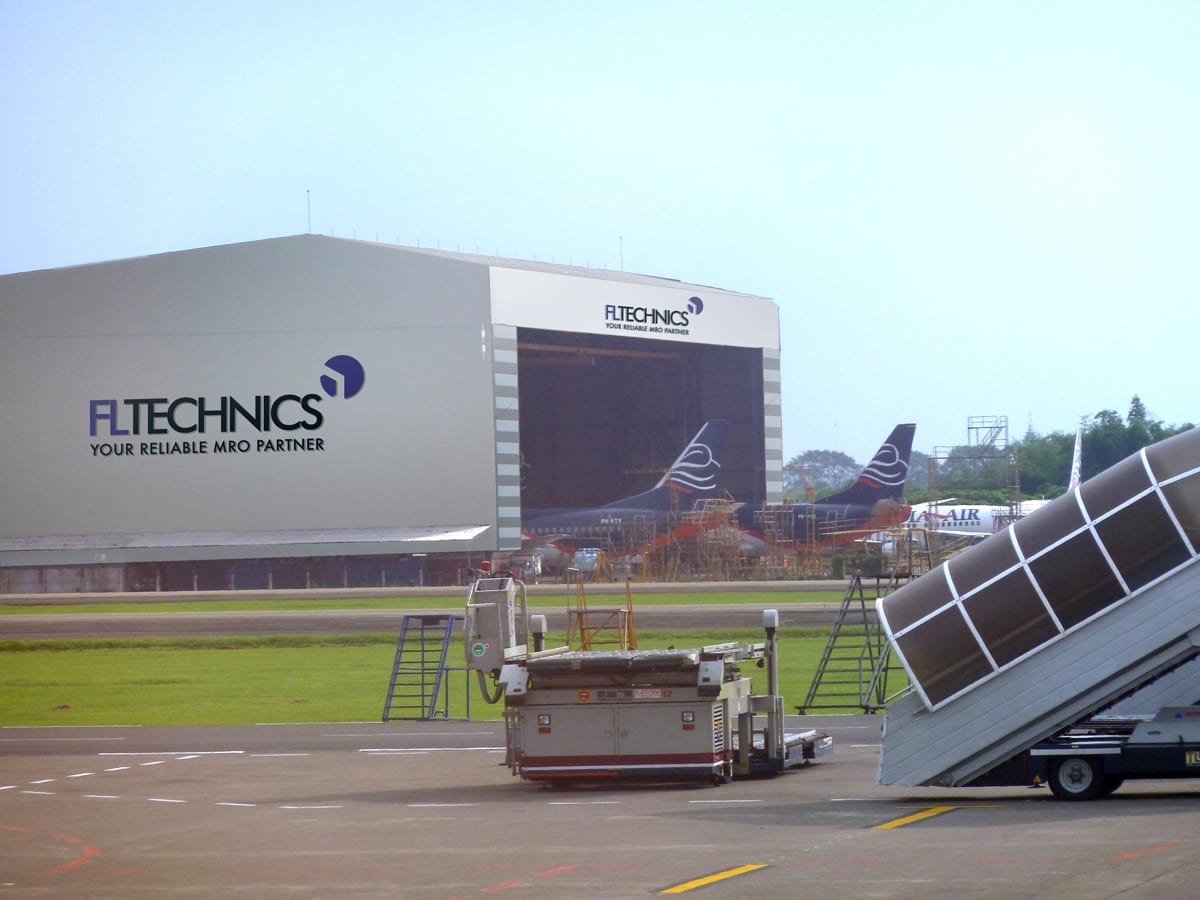
    FL Technics has opened its MRO hangar at Soekarno-Hatta International Airport, Jakarta, Indonesia, and reached cooperation agreements with ten Asian airlines.

    The 9,000-square-meter facility accommodates up to three narrowbodies and is certified to serve 737NGs and CLs, A319s, A320s and A321s.

    Line maintenance has started and base maintenance will begin in 2017.

    Zilvinas Lapinskas, CEO of Lithuania-headquartered FL Technics, said: “After renovating and upgrading the facilities according to European standards, we finally have a modern MRO centre, located in the heart of Indonesia.”

    The unveiling of the facility follows FL Technics Indonesia passing audits by Indonesia’s Directorate General of Civil Aviation and the Thai Department of Civil Aviation.

    The ten airline customers are comprised of NAM Air, Sriwijaya Air, K-Mile Air, Lion Air, Batik Air, Kalstar Aviation, Airfast Indonesia, Trigana Air Service, Tri-MG Intra Asia Airlines and Travira Air.

  • Delphi, Mobileye to use Intel chip for self-driving car system

    Delphi, Mobileye to use Intel chip for self-driving car system

    Auto parts maker Delphi Automotive and Israeli technology firm Mobileye NV will put an Intel Corp chip at the heart of their joint effort to produce self-driving vehicles by 2019, the companies said on Tuesday.

    The move is a boost for the world’s largest semiconductor maker, which is also working with German luxury car maker BMW AG and Mobileye on self-driving technology, but has not been able to extend its broader chip dominance into the fast-emerging autonomous vehicle market.

    Companies from Alphabet Inc’s Google to Uber Technologies and Tesla Motors are vying to put autonomous vehicles on U.S. roads, which could radically reshape transportation across the country.

    Intel will provide a “system on chip” for autonomous vehicle systems that Delphi and Mobileye are developing together, Glen De Vos, Delphi’s vice president of engineering, told Reuters.

    UK-based Delphi is talking with established automakers and new or niche vehicle companies, such as manufacturers of commercial vehicles, interested in automating vehicles, De Vos said.

    The system Delphi and Mobileye are developing would likely come to market first in a commercial vehicle operating in a limited area, such as an airport shuttle or a ride-hailing service, DeVos said.

    Delphi is testing autonomous driving technology in vehicles in Singapore. By the end of this year, Delphi hopes to choose a city in the United States to launch a test fleet of self-driving cars during 2017, De Vos said. The company is also looking for test site in a European city.

    “We are looking at Pittsburgh and Boston and a couple of others,” De Vos said. Pittsburgh is where ride services company Uber is testing its own self-driving vehicles.

    Delphi and Mobileye will stage a demonstration of their self-driving vehicle system at the Consumer Electronics Show in Las Vegas in January, De Vos said. That system will use current, electromechanical laser imaging technology, or LIDAR, that is too expensive for use in consumer vehicles, he said.

    Delphi is also working with Quanergy Systems, a maker of solid-state LIDAR systems, De Vos said.

  • David Beckham shares Story of his life with Biotherm & L’Oreal

    David Beckham shares Story of his life with Biotherm & L’Oreal

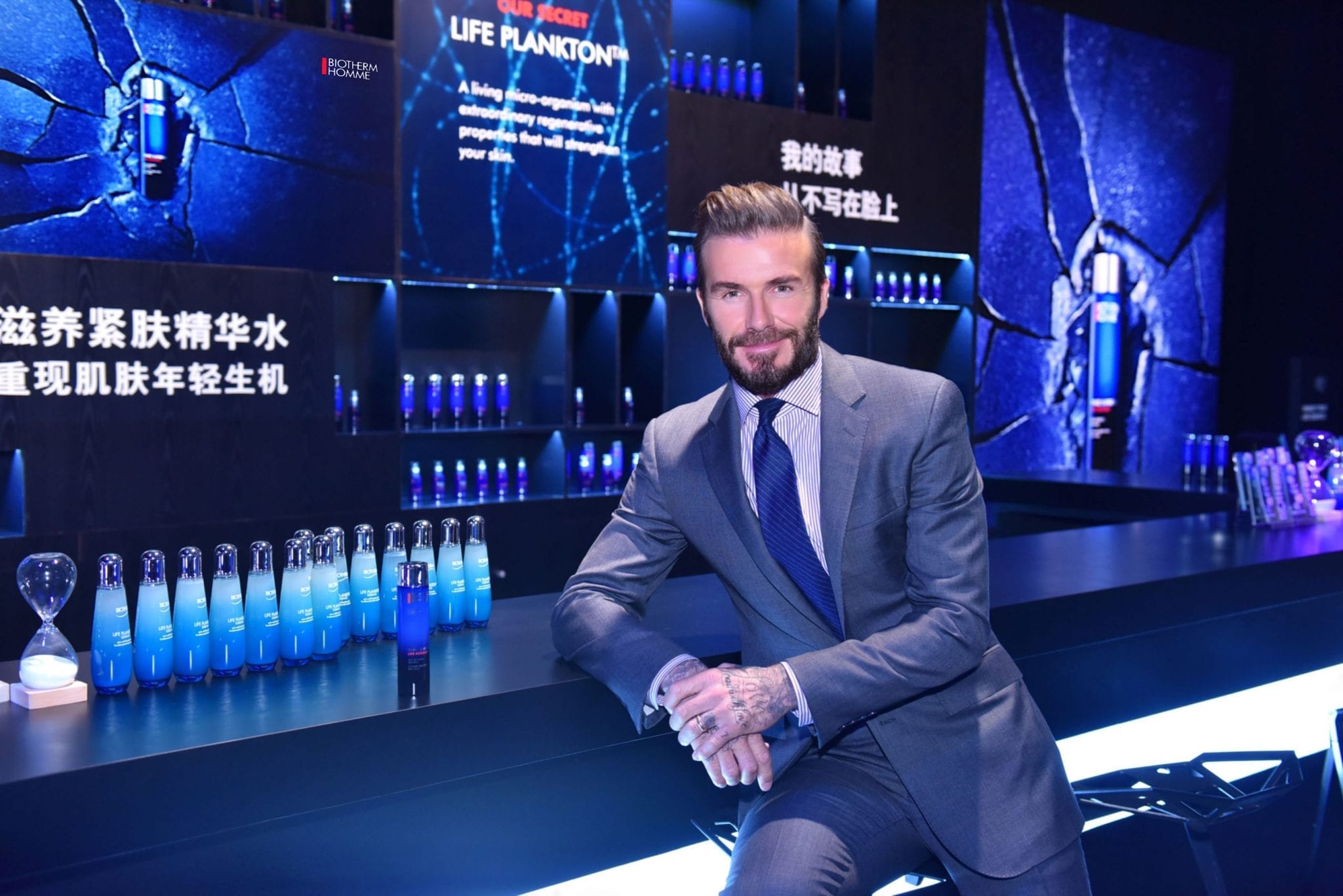
    On 9 November, two days before the ‘Chinese Double 11’ or ‘Singles’ Day’ shopping holiday, Biotherm Homme invited David Beckham to Shanghai to launch the brand’s #StoryOfMyLife campaign in tandem with the New Force Supreme Life Essence; a ‘revolution in men’s skincare, which responds to the multiple needs of men’s aging skin’.

    The L’Oréal Travel Retail Asia Pacific Biotherm team invited two Duty Free retailers, Sunrise Duty Free represented by Mrs Wiling Yang, and Korea’s Lotte Duty Free, represented by Mr Jeffrey Davis to attend the event.

    Journalists and ‘influencers’ were also invited to the Waterhouse hotel in Shanghai to create and share their experiences with the L’Oréal-owned men’s skincare brand.

    “Continuing a shared heritage of disruption in men’s grooming, the #StoryOfMyLife campaign film, starring Beckham, turns skincare into a life celebration, powering the message: ‘The story of my life is written on my skin. But don’t expect to read it on my face’,” says L’Oréal.

    The event was linked with the new ‘Force Supreme Life Essence’ from Biotherm Homme which is said to offer ‘every active and successful man a daily solution not to show the signs of time on their face’.

    Joining the campaign’s leading man, who revealed some of his skincare and life stories on-stage, guests shared theirs inside a private animation box.

    In a celebration of the campaign’s ink element, a Tattoo Bar invited them to interpret a life-altering experience in ink, having sneakers, iPhone cases, or even skin temporarily, customized on the spot by four leading artists in China.

    “We’re bringing the height of skincare tech together with digital-goes-real experience, to turn around the age-old concept that your life story is written on your face,” commented David Fridlevski, Biotherm General Manager.

    On 9 November, two days before the ‘Chinese Double 11’ or ‘Singles’ Day’ shopping holiday, Biotherm Homme invited David Beckham to Shanghai to launch the brand’s #StoryOfMyLife campaign.

    Life Plankton Essence, now made for men, is Biotherm Homme’s ‘most intensely concentrated treatment in skin-coach Life Plankton’ in a liquid essence for aging skin.

    “I recently discovered the new Force Supreme Life Essence which is really a booster in the morning. I feel like my skin is transformed,” said David Beckham.

  • Jio extends free services offer to March 31

    Jio extends free services offer to March 31

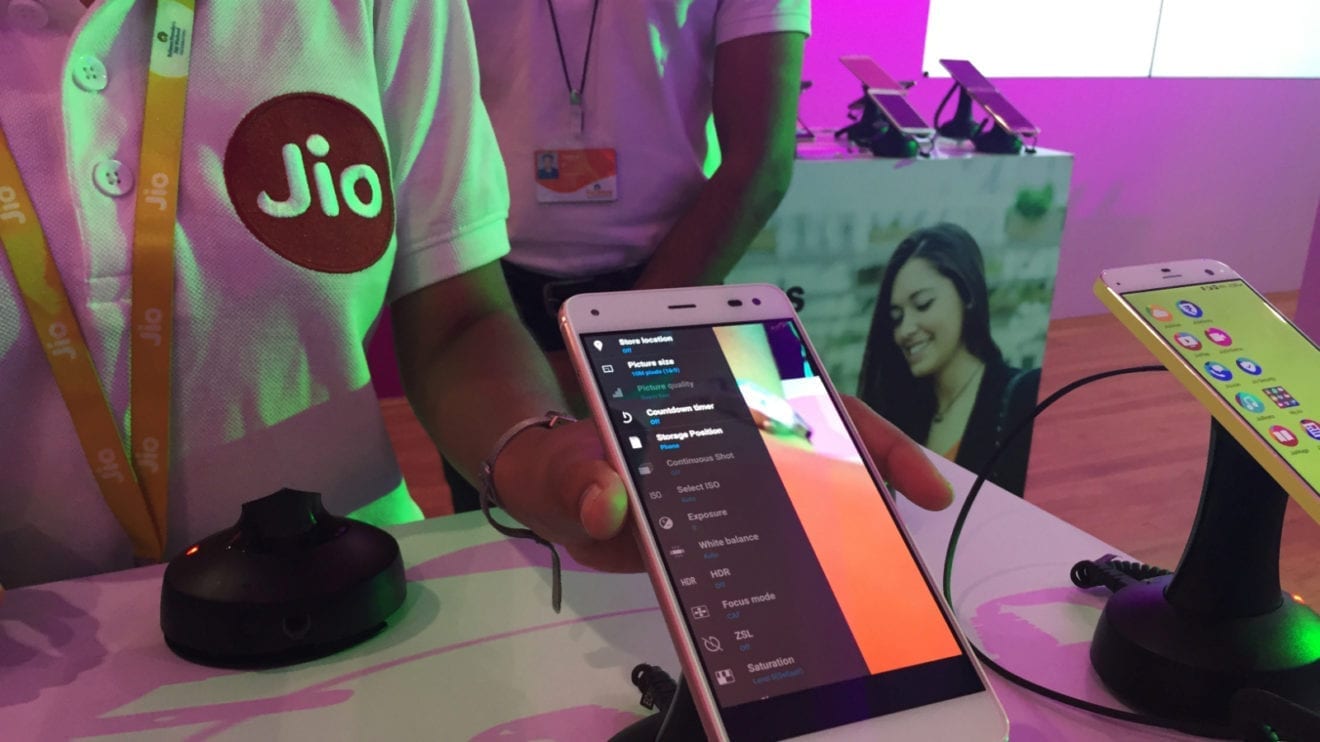
    Disruptive Indian 4G operator Reliance Jio has extended its free services offer until March 31, and announced it has already achieved 52 million customers.

    The operator has announced a new “Happy New Year” offer involving the supply of free voice, data and Jio apps to both new and existing customers until March 31.

    Existing customers will automatically be signed up to the Happy New Year offer, without having to buy a new SIM.

    But the new offer comes with a daily fair-use limit of 1GB, with broadband speeds shaped if this is exceeded.

    According to the report, only 20% of users of the earlier Welcome Offer free services consumed over 1GB per day, and their heavy usage resulted in network congestion. The earlier offer had a fair-use limit of 4GB per day.

    The new offer has come under scrutiny from the Telecommunications Regulatory Authority of India (Trai), which is investigating the deal to determine whether it falls afoul of regulatory limits on promotions.

    India only allows telecoms promotional offers to run for three months, but Jio has asserted that it is an entirely new campaign. The company has also argued that it would be unfair to charge customers while the operator is still dealing with congestion issues.

    Jio also revealed it had reached over 52 million customers in 83 days, and has been signing up  600,000 customers per day over this time. Jio soft-launched 4G services for its employees and those of its partners months before the launch to the public, so the company already had a subscriber base.

    This rate of growth makes Jio the fastest growing technology company in the world, according to parent company Reliance Industries’ owner Mukesh Ambani.

  • Myanmar opens talks with Thailand on reciprocal banking access

    Myanmar opens talks with Thailand on reciprocal banking access

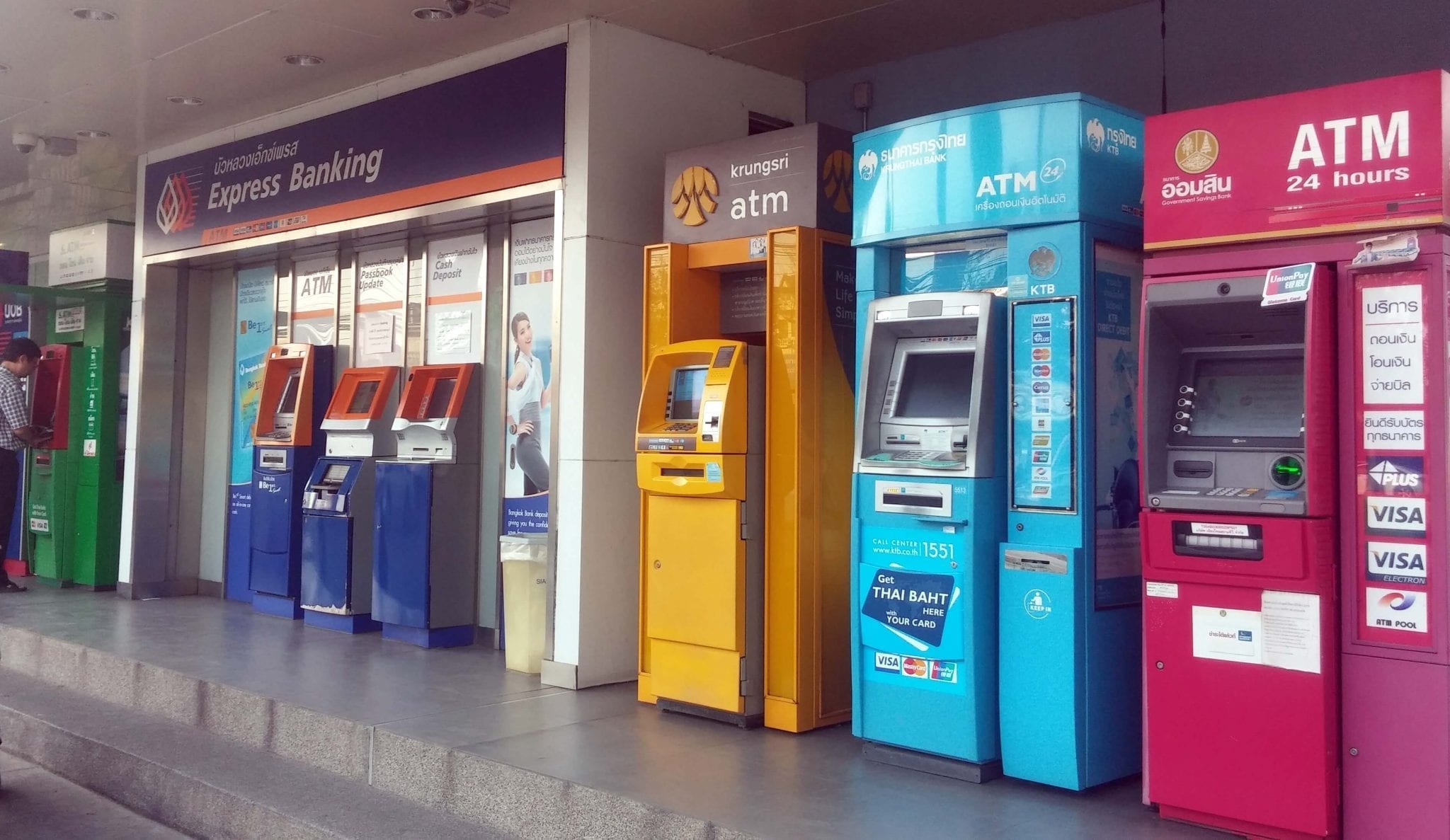
    The central banks of Thailand and Myanmar agreed Sunday to start talks on granting access to designated banks in each other’s markets, marking a small step forward in the financial integration of the Association of Southeast Asian Nations.

    For Thailand, Myanmar is the third country to enter bilateral discussions on bank access, following Malaysia and Indonesia; for Myanmar it is a first.

    Under the ASEAN Banking Integration Framework, countries can enter into bilateral deals allowing banks that meet certain criteria to become “Qualified ASEAN Banks” that operate in each other’s markets on the same terms as local banks.

    “The expansion of a banking presence through QAB will enable greater efficiency and reduce costs for bankers and customers alike,” Bank of Thailand Gov. Veerathai Santiprabhob told bankers who were in Bangkok for the 21st ASEAN Banking Conference on Monday.

    With Myanmar opening up its economy after nearly 50 years of isolation and the ASEAN Economic Community kicking off last year, banks in  Thailand and Myanmar have been growing more active in each other’s markets.

    Myanmar’s largest lender, Kanbawza Bank, opened a representative office in Bangkok in August, becoming the first Myanmar bank to venture abroad.

    Last year, Thailand’s Bangkok Bank was among the first of nine banks to be granted a foreign banking license in Myanmar. Other big Thai banks were not granted licenses in the first round, but have opened representative offices in Myanmar in anticipation of the next opportunity.

    “It’s good that the Bank of Thailand signed the QAB agreement with Myanmar,” said Predee Daochai, president of Kasikornbank, which now has a representative office in Myanmar. “We would like to open a bank there,” he said.

    The time frame for the negotiations and details such as the number of banks to be designated QABs have yet to be decided.

    While trade and investment have been increasing in the region in the wake of deregulation and elimination of tariffs, “much work remains with regards to financial connectivity” in the region, Veerathai said.

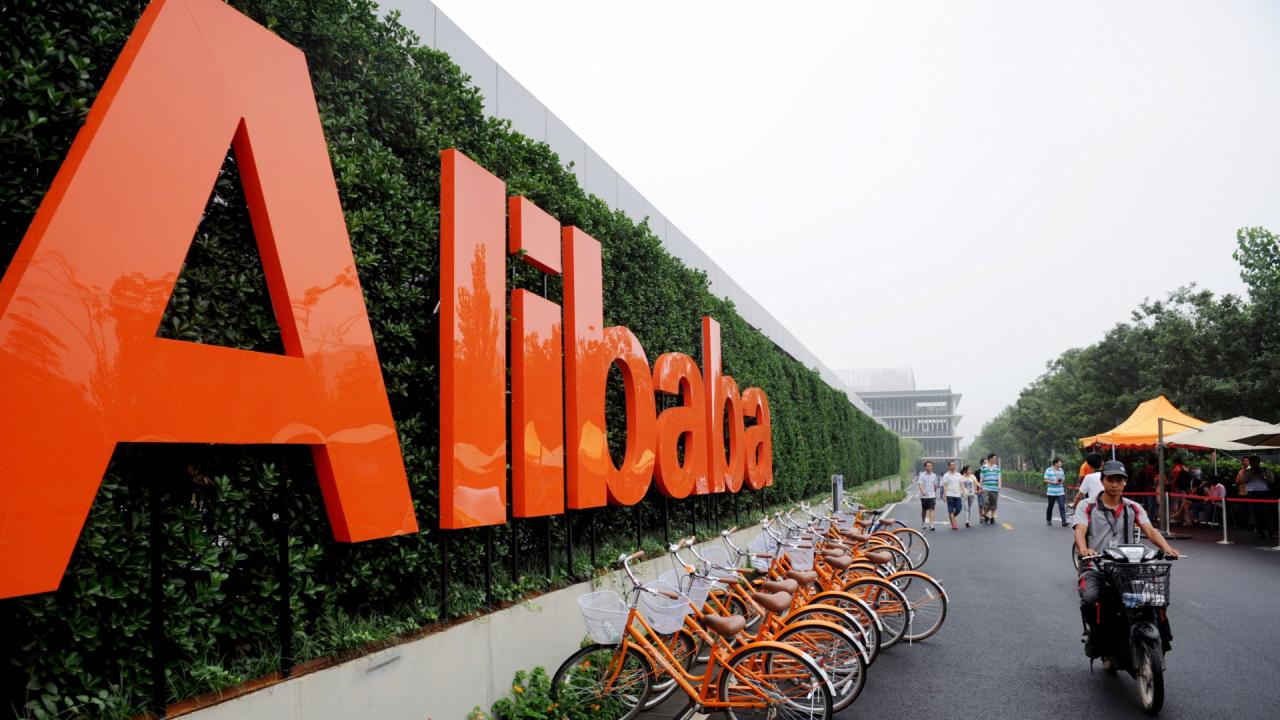
  • Alibaba and ecommerce festivals: Europe’s gateway to China

    Alibaba and ecommerce festivals: Europe’s gateway to China

    This year China has moved closer to becoming the world’s largest retail market, with the total retail sales of consumer goods in the country reaching 30.1 trillion yuan (£3.39 trillion) in 2015, as cited by China Internet Watch.

    To put that into perspective, according to Retail Economics the UK’s total retail sales reached £339 billion in the same year – just 10 per cent of China’s retail figures.

    One important factor stimulating this growth has been the ability of brands outside of mainland China to connect with consumers in what is the world’s most populous country. Businesses around the globe are responding to the increasing demand for foreign brands by Chinese consumers. Indeed, in 2015 alone the number of overseas companies operating in China’s free trade zones doubled.

    In today’s highly competitive global market, the ability of a brand to gain exposure in new regions is invaluable and more essential than ever before.

    This constant search for international expansion options is why shopping festivals in China have become so important to a brand’s success in the country. Not only do the festivals expose consumers to new products and allow them to experience new brands, but they provide businesses with the ideal platform to increase trade within a new market. They are gateways to the exciting, high-potential parts of this constantly evolving country that brands want to work, and compete, within.

    One example is Tmall Global’s annual 8.8 Shopping Festival in China, focused on showcasing top-selling products from global brands to Chinese consumers. The platform, which is a subsidiary of e-commerce company Alibaba Group, offers foreign brands access to 434 million Chinese consumers. The recent 2016 event featured more than 2,000 quality products from a variety of overseas markets and include fashion, cosmetics and even nutrition supplements. A series of live broadcasts also ran to connect consumers with the brands in real-time while they were watching from home and on the Tmall mobile app.

    Major British retailer Sainsbury’s was just one of more than 100 brands to exploit the 8.8 opportunity, following an announcement earlier in the month that the British retailer was expanding its offering of branded products on the Tmall platform to over 100. A variety of new products were introduced such as their mixed nuts, Fairtrade Italian-style coffee and chargrilled vegetable pasta sauce

    Looking at the level of interaction Sainsbury’s experienced on the day clearly shows the benefits of the 8.8 festival. For example, its live stream during the day received over the 50K Weibo ‘likes’, whilst the number of customers with Sainsbury’s bookmarked in their Twitter favourites rose from 110k to 155k.

    Brands should always be exploring new growth opportunities beyond their borders. Research is just the first step – appropriately leveraging an opportunity is the key.

    Shopping days provide an ideal virtual shop window and best way to do just that, giving brands the chance to start leaving their mark on new places in the world. The growing appreciation of their modern relevance can be understood further by acknowledging the general breadth of major shopping festivals that now exist; from the Korea Grand Sale, to Black Friday and Cyber Monday in the UK and US, as well as the USA Outlet Shopping Festival.

    Take Alibaba’s 11.11, or ‘Singles’ Day’, for example – the biggest shopping festival in the world, four times the size of Black Friday and cyber Monday combined. During Singles’ Day 2015, a third (33 per cent) of all purchases were international products, with consumers from 232 regions and countries completing transactions.

    The benefits of shopping festivals are twofold – product accessibility for consumers and massive exposure for brands, enabling them to expand into previously unknown territories to grow and improve brands need new territories. Shopping festivals offer them exactly that.

  • DHL Express launches Rp-17-billion service center and gateway

    DHL Express launches Rp-17-billion service center and gateway

    International logistics company DHL Express, part of Deutsche Post’s DHL Group, launched a service center and a gateway worth Rp 17 billion (US$1.26 million) to support its business operations in and out of Batam, Riau Islands, on Monday.

    DHL Express decided to expand its business in Batam given its potential as the third-largest city in Sumatra, well known as an industrial area, an emerging transport hub, and part of the Indonesia-Malaysia-Singapore golden triangle.

    “This new investment could improve our network in Indonesia that consists of gateways in Balikpapan, Batam, Denpasar, Jakarta, Medan and Surabaya,” Sean Wall, executive vice president of network operations and aviation of DHL Express Asia-Pacific said.

    The new facility has the capacity to handle 2.4 million kilograms of cargo and process up to 150,000 shipments per year. About 26 people work in the 972-square-meter facility, with three certified employees for handling dangerous goods.

    The company claimed that the facility was launched at the right time because the government is considering whether to make Batam a special economic zone for companies that are involved in aircraft maintenance, repair and overhaul.

    “With the potential of Batam being opened as a special economic zone for the aviation industry, DHL’s investment will be able to support the growth of the aviation industry in Indonesia,” Ahmad Mohamad, senior technical advisor of DHL Express Indonesia, said.

  • Apple Criticized by Korean Game Developers for its App Store Refund Policy

    Apple Criticized by Korean Game Developers for its App Store Refund Policy

    It took me a while to figure out what the big deal was. It’s not that people buy a $1.99 game, then get a refund and keep playing.It’s that people buy $100 in in-game “currency” using an in-app purchase, then get a refund, and keep the $100 of in-game “currency”. Then do this again. And again. And again.

    Oh, you want to have the best fort in Clash of Clans? $100 in in-game gold, and you can do it quickly! Then get a refund on that in-game gold. Want to get good Pokemon faster? $100 in in-game gold and you can lure more Pokemon to you (for a long time.) Then get a refund on that in-game gold.

    It took me a while to figure out what the big deal was.

    It’s not that people buy a $1.99 game, then get a refund and keep playing.

    It’s that people buy $100 in in-game “currency” using an in-app purchase, then get a refund, and keep the $100 of in-game “currency”. Then do this again. And again. And again.

    Oh, you want to have the best fort in Clash of Clans? $100 in in-game gold, and you can do it quickly! Then get a refund on that in-game gold. Want to get good Pokemon faster? $100 in in-game gold and you can lure more Pokemon to you (for a long time.) Then get a refund on that in-game gold.

    Not quite true. In clash of clans, if you request a refund in $100 worth of gems, the game takes the gems spent from you and you end up with thousands of gems in debt. You can still earn gems the normal way but it goes to offset that negative gem count.

    Don’t know how clash of clans can do this but Koreans can’t figure out what the refund was for…

    So… Commenters, we don’t need to be specifying “Korean developers” or calling them out by their nationality. This is a problem to *ALL* nationality of developers, it just happens that this article was in a Korean newspaper, so the developers they interviewed are Korean. Saying things like “These Korean developers whining about…” or “I wish these Korean companies would…” is unnecessarily adding nationality (and by proxy race) in to a complaint. Would you have made the same comment if the developers had been from California? Or Texas? Would you have specified “These Californian developers…” or “I wish these Texan companies…”?If not, then leave “Korean” off the description you post. Their “Koreanness” has nothing to do with the issue.

    I hate in app purchases. I disable them from my settings.So pretty simple. Get rid of in app purchases. Than they wouldn’t have an issue tracking down people who ask for refund. One time fee payment for full game.

    A non issue really. The developer has access to the receipt for each purchase and can check if it is still valid at any point in time.
    They just need to keep track of the receipts, basic in-app programming ffs.
    To be consistent Apple should have the same policy for their stores – so I can buy an iPhone/MacBook then call to request a refund without returning it. I’m sure there’ll only be a “small” number of people abusing it 😉

    And what exactly are people “stealing” by “returning” 100 gold coins in an app – a couple bytes of database space?

    I operate my own small business, a small hardware device with an online system connected – getting in on the “smart home” craze. Manufacturing is outsourced, so we don’t have to deal with manufacturing shrink, we just pay a per-unit contracted cost. The online service, as with any of these games, is practically zero cost-per-unit. If someone cancels a service, or asks for a refund (which we always offer). Yes, hardware space and bandwidth cost money, but there is no “direct cost” per-user.

    Hardware-wise, in the past month, we’ve had $2388 which I’d classify as shrink at retail price, $912 at cost price. That includes:

    – 1 unit damaged in warehouse
    – 3 units lost by couriers shipping to customer
    – 4 “change of mind” hardware returns that couldn’t be re-sold
    – 1 unit that was bought via PayPal with a stolen credit card (we had to swallow the cost)
    – 3 units that were returned as being faulty, which we determined was fraudulent – 1 had a smashed screen which couldn’t have happened during qa/shipping (impact mark), one which was obviously dropped and cracked but otherwise seemed to work fine, and 1 which was returned because apparently only the accessories were in the box, not the unit itself (even though we could see the unit was online, and connected to our service – not for long though!)

    At cost price, for us that was around 0.9% shrink vs revenue, and around 1.4% vs per-item profit margins (not taking into account operating costs here). That’s something we have to budget for – we *know* it’s going to happen, and we take that into account. 100% of our shrink costs come from hardware, not software. Out of that, only a third of shrink was down to “fraud”.

    Saying shrink can’t happen with a digital product is silly. Of course it’s going to happen. If you’re dealing with people, at some point you’re going to deal with fraud. Fact of life. The only difference is the physical cost behind it doesn’t scale the same way as with physical products.

    Here’s two examples:

    1. Company A sells a video streaming service for $10/month. Someone purchases a subscription uses a stolen credit card, and watches 50 films. The credit card company (rightfully) does a chargeback 14 days later, and the company cancels the service. A movie averages at 1.5GB, using 75GB bandwidth. They pay AWS $0.06/GB for bandwidth, which equates to $4.50. They also have to pay the rights holders $0.10 per viewing as part of their agreement. That’s $5, meaning that the total cost of the fraud is $9.50 – that’s $9.50 worth of shrink.

    2. Company B offers a mobile video game for free on the App Store, and sells packs of “100 gold coins” for $5. When a user buys coins, they can use them to buy items in the store – the transaction is purely in the game, and the only result of buying the coins is a database entry to tell the game “hey, user X bought 100 coins”. Somebody buys 100 packs of coins for $500, buying all sorts of virtual items for their character, again, all database entries. The user claims their child accidentally bought the coins, and Apple refunds the $500. Company B hasn’t lost money, other than perhaps a couple of cent in bandwidth costs. Shrink is effectively 0.

    That’s why I don’t understand them chasing so much – unless there is a physical per-unit cost behind it, it’s really not worth it. So what if someone buys a game or coins and returns them, they’ve lost a sale, sure, but they haven’t lost money.

    you work for company A and i’m another customer. i don’t give a flying f*** if Fred next door can or can’t watch the latest Star Wars movie because of his fraudulent dealings with you. it literally has no material affect on the outside world.

    you work for company B and i’m a customer on the same server as Fred. While you haven’t lost money, what you’ve done is enabled Fred to gain an unfair advantage over me and many others who have not bought the coins and got the stuff for free. of course, we don’t know that he hasn’t paid for them – perhaps he’s just a mr moneybags. but word gets out, the big spenders get upset that people competing with them are doing so by fraud and a ********* goes down on the game’s message boards. shrink isn’t measurable in terms of lost sales – yet – but is high in terms of lost reputation and goodwill. it could well have a material effect an order of magnitude higher than company A’s issues going forward.

    comparing a video streaming service which serves one end user at a time, to a MMO game where the actions of one gamer affect the others is silly.

    But you can’t *not* have a refund policy. I have, myself, gotten a refund for a game, when the game stopped working after upgrading from iOS 6 to iOS 7. The app was still installed and could still run (well, as far as it ever did after upgrading), but couldn’t be updated or re-downloaded.IMO, the amount of money they’re going to spend chasing down and suing the small % of customers who abuse it isn’t worth it. All businesses have to deal with a small % of fraud – how many retail places have had TVs returned as faulty when a new one comes out, or people had “left” their laptop in the trunk of their stolen car, or had their iPhone suddenly develop an intermittent fault just after a small scratch appears on the screen.

    It’s a cost of doing business.

    But you can’t *not* have a refund policy.
    It’s a cost of doing business.

    Very true. I wish these Korean companies would get a life and wake up. They are probably losing far more money from employee theft and laziness than a few app users.

    Every business has shrink built into their monthly costs. Shrink is everything from stuff people return that they cannot get credit for, employee theft, customer theft, stuff that gets broken on the floor, etc. You have to expect these things to occur and build it into your costs.

    I always assumed that Apple was able to remotely delete refunded apps.