Author: Mei Ling Tan

  • Bata Philippines opens at SM Megamall

    Bata Philippines opens at SM Megamall

    Partnering with the SM Group, Bata Philippines has opened its first store at SM Megamall in Manila.

    Bata PH 2

    “We never hesitated,” says Thomas Archer Bata, who attended the launch, referring to the brand’s linking up with the Sy family, which grew a shoe outlet into supermarket development conglomerate SM Group. “Also, we have had a friendship with the SM Group and the Sy family for some time.”

    Bata Shoe Co originated in Zlin, in what is now the Czech Republic, in 1894. It was founded by Tomás Bat’a, whose grandson, Thomas George, is on the management board along with his sisters Christine, Monica and Rosemarie. Thomas Archer, the chief marketing officer, is a fourth-generation cousin.

    Bata 1

    Bata 2

    Bata 3

    Bata has 5000 retail outlets in 70 countries, with a strong presence in India and a factory in Thailand since the 1970s. The company would have entered the Philippines earlier, but there were legal complications related to its trademark, says Thomas Bata. “It took many, many years to resolve. Fortunately, with the help of SM, we managed to resolve it.”

    He says the brand is going to “tread cautiously” in the Philippines with plans to open between eight and 15 stores in SM malls in Metro Manila.

    He says the company follows a “responsible capitalism moral testament” formulated by its founder: it should not be treated as a source of private wealth but, rather, as a public trust, a means of improving living standards within the community and providing customers with good value for their money.

    “We are very environment-friendly. Our factories are audited on a yearly basis for their sustainability,” says Bata. “Our founder more than 100 years ago believed in sustainability, in producing as little waste as possible, and that is still the case. We always use environment-friendly materials and suppliers.”

    Meanwhile, Bata says the company is talking to potential partners in the Philippines to work on some collaborative projects, and is planning with SM how to roll out a rural education program for young girls.

  • JD Sports Malaysia opens first flagship

    JD Sports Malaysia opens first flagship

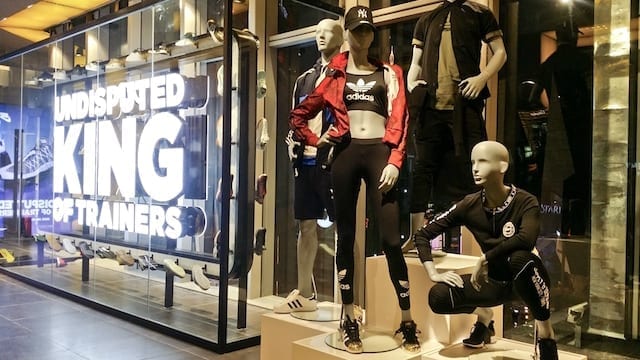
    JD Sports Malaysia has opened its first flagship store – on level 5 of Pavilion shopping centre in Kuala Lumpur.

    It is the British sportswear retailer’s largest store in Southeast Asia with a floor area of 13,590 sqft and opens following the success of the company’s Sunway Pyramid store.

    The biggest pure for customers is expected to be the extensive range of sneakers from multiple brands, including special editions.

    jd-sports-pavilion-kl-inside


    “Sneaker culture is growing across the world, and JD Sports has been at the forefront of providing customers with exclusive, hard-to-get and desirable trainers in all of the markets we service,” said Peter Cowgill, chairman of JD Sports Fashion.

    “JD Sports carries large number of brands, which means we have something for everyone, from Nike to Adidas to Reebok, to our own in-house brands such Pink Soda, Supply and Demand and Sonnetti,” added Jaclyn Tan, senior manager brand marketing with JD Sports Malaysia.

    jd-sports-pavilion-kl

    The company says it plans to add more stores in the country and has this month organised recruiting days for prospective staff to join the team.

  • Mainland role for Hong Kong retail

    Mainland role for Hong Kong retail

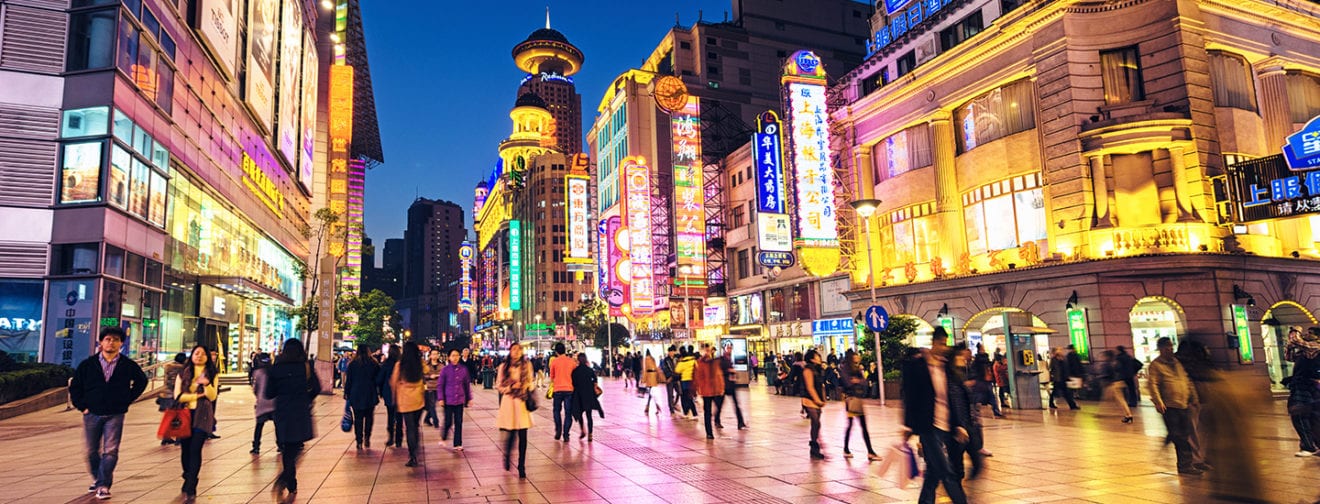
    While there are fewer of them, visitors from Mainland China are still vital to Hong Kong retail, says a new report from analyst Nielsen.

    It says Hong Kong has 42.8 million mainland visitors every year, representing 75 per cent of its total tourists and generating 35 per cent of retail sales.

    In the past 12 months, according to the 2016 Mainland Tourists Syndicated Report, 17 million mainland tourists stayed overnight in Hong Kong, with 80 per cent of them taking two trips a year on average and spending HK$20,000 (US$2578).

    Nielsen says that while the figures show Hong Kong businesses “still have a big chance to win if they find the right way to attract mainland travellers”, cross-border eCommerce opportunities offer them cheaper, easier access.

    “The incidence of buying foreign goods via a Chinese cross-border eCommerce platform is higher than overseas platforms and physical visits,” says Nielsen Hong Kong MD Angel Young.

    “Those overnight visitors, who are short in number but stronger in buying power compared with the day-trippers, is a key group to watch,” Nielsen’s report says business owners in Hong Kong might need to adapt their advertising and feedback mechanisms to create better customer experiences for digital-savvy mainland travellers.

    “They should focus more on the pre-travel period as more and more mainlanders are planning independent tours to Hong Kong, with 95 per cent gaining the necessary information from online travel agencies and 49 per cent from social media. Many can’t wait to post pictures on social websites when they are still shopping, to share both positive and negative comments and discount information.

    “Business owners also have to improve in-store customer service, as the research shows that 80 per cent of the mainlanders’ purchases in Hong Kong are for their own use rather than for friends.”

    The report recommends targeting two specific groups: so-called “super mainlanders” and culture seekers.

    The super mainlanders have a “huge shopping thirst”, says the report. They make up only 23 per cent of tourists from the mainland but account for 54 per cent of total mainlander sales, spending an average CNY46,902 (US$6810) each per visit.

    Culture seekers travel to Hong Kong for concerts, the food, sightseeing and exploring places they have seen on television shows. While not shopping-oriented, they still spend 10 per cent more than other mainland tourists.

  • InterContinental Vientiane to Open 2021 in Laos

    InterContinental Vientiane to Open 2021 in Laos

    Set to open in 2021, the new-build InterContinental Vientiane will become the company’s second hotel in Southeast Asian country, following the existing Crowne Plaza Vientiane. It will also become one of the Lao capital’s largest hotels, with more than 400 rooms.

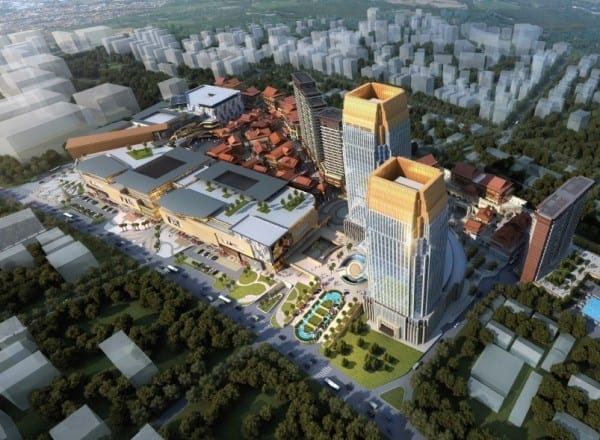
    Built by Lao International Development, the hotel will form part of the new World Trade Centre complex – a mixed-use development that will include a large retail mall, medical centre, conference centre, office tower and residential towers.

    “Laos is currently one of the region’s fastest growing nations with close to five million international arrivals each year and future infrastructural and industrial developments underway to continue boosting economic growth and attract foreign investment,” explained Leanne Harwood, IHG’s vice president of operations for Southeast Asia & Korea. “It’s a great time to be bringing the InterContinental brand into the country to tap on this potential.

    “InterContinental Vientiane is… set to be positioned as one of the city’s most prominent hotels which will welcome distinguished guests such as visiting dignitaries and heads of states as key government meetings are planned to take place in the adjoining conference centre,” she added.

    Among its 400+ rooms, InterContinental Vientiane will feature a range of club rooms and suites which provide access to the hotel’s club lounge. Other facilities will include several F&B outlets, a swimming pool, spa and fitness centre.

    “It’s an exciting time to be investing in Laos as the country sees improved intra-regional connectivity through the completed Kunming-Vientiane-Bangkok highway connecting China, Laos and Thailand and the upcoming high-speed rail project that will link China to Laos,” said Xiao Long, CEO of Lao International Development. “We are confident these infrastructural developments will boost tourist arrivals, especially from surrounding nations, and the opening of InterContinental Vientiane will cater to the influx of travellers.

    “We are very pleased to partner IHG to develop what we are confident will be one of the most highly sought-after hotels in Vientiane,” he added.

    Across Southeast Asia, IHG now operates 14 InterContinental hotels and resorts, with 10 more due to open in the next five years. There are several international hotel brands currently present in Vientiane, including ibis, Best Western and Crowne Plaza, but InterContinental will be one of the first international luxury brands to enter the city.

  • Thai Kasikornbank Eyes Regional Expansion, Plans 2nd Branch in Laos

    Thai Kasikornbank Eyes Regional Expansion, Plans 2nd Branch in Laos

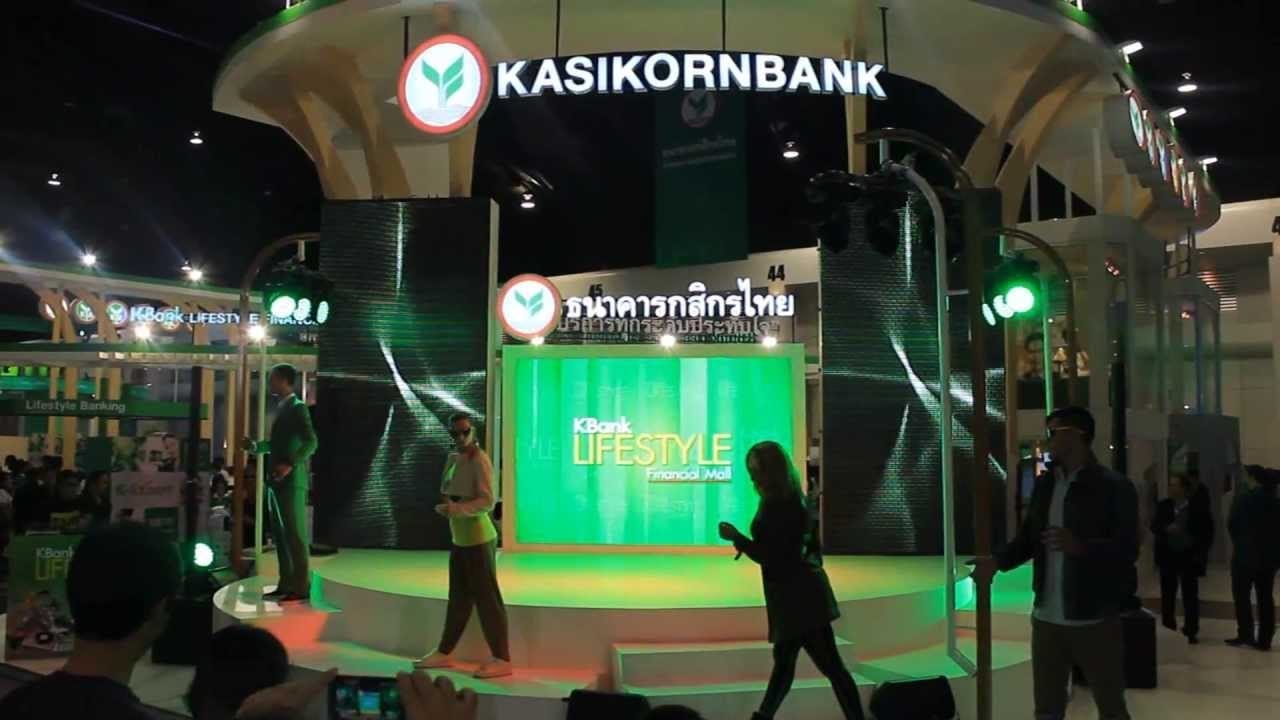
    Thailand’s Kasikornbank said on Tuesday (29/11) it plans to open a second branch in Laos and upgrade the status of its local bank in China in 2017 as part of a regional expansion.

    With assets of $68 billion, Thailand’s fourth-largest lender by assets is looking to open branches in Vietnam, Indonesia and Myanmar by 2018, Kasikornbank president Kattiya Indaravijaya said in a news conference.

    Loans and assets from foreign operations accounted for less than 5 percent of the bank’s current total loan portfolio, and the proportion is expected to gradually increase over the next few years, she added.

    Like other major Thai banks, Kasikornbank is looking to expand its business in fast-growing economies in Southeast Asia to help offset a slowdown in the domestic market.

    Kasikornbank is aiming at a loan growth of 4-6 percent in 2017 — assuming the Thai economy would grow 3.3 percent next year — and expected its non-performing loans to make up 3.3-3.4 percent of total loans, Kattiya said.

    In the first nine months, the bank’s loans grew 5 percent, versus a target of 6-7 percent for the whole of 2016, she said.

    The bank targets loan growth from retail clients at 5-7 percent next year when the number of it retail customers is expected to rise to 14.1 million, up 5-6 percent on year, the bank’s president said.

    Loan growth for large companies and small to medium sized firms is targeted at 4-6 percent next year, she said.

    Kasikornbank aimed to spend 4 billion baht on developing information technology (IT) next year to maintain its leading position in digital banking, the bank’s president in charge of IT, Teeranun Srihong, said.

  • Shilla Duty Free opens 25,000sq m Phuket store

    Shilla Duty Free opens 25,000sq m Phuket store

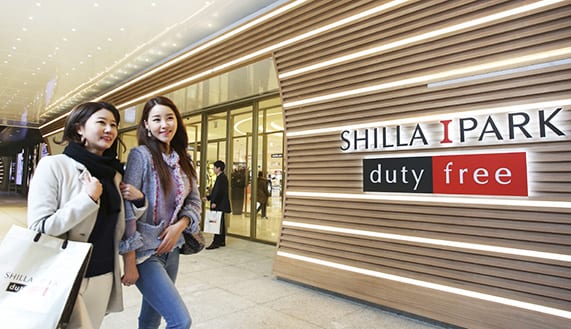
    The Shilla Duty Free conducted a soft opening of its new downtown store in Phuket, Thailand at the weekend, which has allowed it to take the next step in its ‘diverse global expansion strategy’, it says.

    As reported, the store was slated to open originally in August, but the South Korean TR operator was actually able to officially add the Kathu district store to its growing international store network on 19 November. The retailer first opened a store outside Thailand in 2012 with its Changi Airport concession in Singapore. Since then Shilla has opened in Macau also.

    This time Shilla has partnered with two local companies (Gems Gallery and The Mall) to operate the store under a ‘GMS Duty Free’ joint venture first agreed in 2013. However the store fascia with carry ‘The Shilla Duty Free’ company name.

    Shilla says it is in charge of ‘general operation of the store including MD and store operation’.

    TWO-STOREY 25,000SQ M STORE

    “Gems Gallery, sole market leader of Phuket’s jewellery market, and The Mall, operator of top-of-the-class department stores and shopping malls in Thailand, are in charge of sourcing of Thailand local goods and marketing,” reveals Shilla.

  • Expansion plan for FamilyMart Malaysia

    Expansion plan for FamilyMart Malaysia

    Convenience store chain FamilyMart Malaysia is aiming to open up to 1000 stores by 2020.

    Out of Japan, the group is using a franchise business model in its newest market in partnership with agro-food company QL Resources, with which it has signed a 20-year agreement. As master franchisee, QL plans to have four stores open by year-end.

    “The offer of fresh food is our main differentiation,” says QL executive director Chia Li Khai. Its first FamilyMart launched in Wisma Lim Foo Yong in Kuala Lumpur through its wholly owned subsidiary Maxincome Resources, with a second just opened in the Mid Valley Megamall south of Kuala Lumpur.

    These will be followed this month by stores at the Taman Tun Dr Ismail (TTDI) station of the Sungai Buloh-Kajang MRT line and KLIA2.

    It is setting itself apart from competitors with its “konbini” convenience-store concept from Japan. Of the nearly 2000 items on sale in each store, about 5 per cent are developed by the company using ingredients sourced by QL.
    Health, beauty and personal-care products are part of konbini offerings.

    Malaysia’s stores will have a counter offering oden steamed fishcakes served on a stick in broth. Other hot snacks available include fried karaage chicken, frankfurters and bento lunchboxes, as well as onigiri rice balls in seaweed plus puddings, mousses and ice cream.

    Its ready-to-eat food range also includes Malay favourites such as nasi biryani and mee siam, plus salads and sandwiches and fresh coffee.

    “Partnering with QL in developing halal products will be our biggest advantage,” says FamilyMart president Takashi Sawada.

    He says the group is constantly studying emerging markets in the region, including Cambodia and Myanmar. The chain also has a presence in China, Indonesia, the Philippines, Taiwan, Thailand and Vietnam.

    “We want to learn from Japan by offering amenities such as recycle bins and toilets equipped with bidet,” says Chia, who is the son of QL founder and group MD Chia Song Kun.

    Malaysia’s outlets will also offer courier services and bill-payment services, says Chia, noting the group has earmarked up to 20 million ringgit (US$4.5 million) annually for store expansion.

    Competitor 7-Eleven has about 2000 outlets in Malaysia, adding 113 this year.

  • SM Prime Holdings opens 60th mall

    SM Prime Holdings opens 60th mall

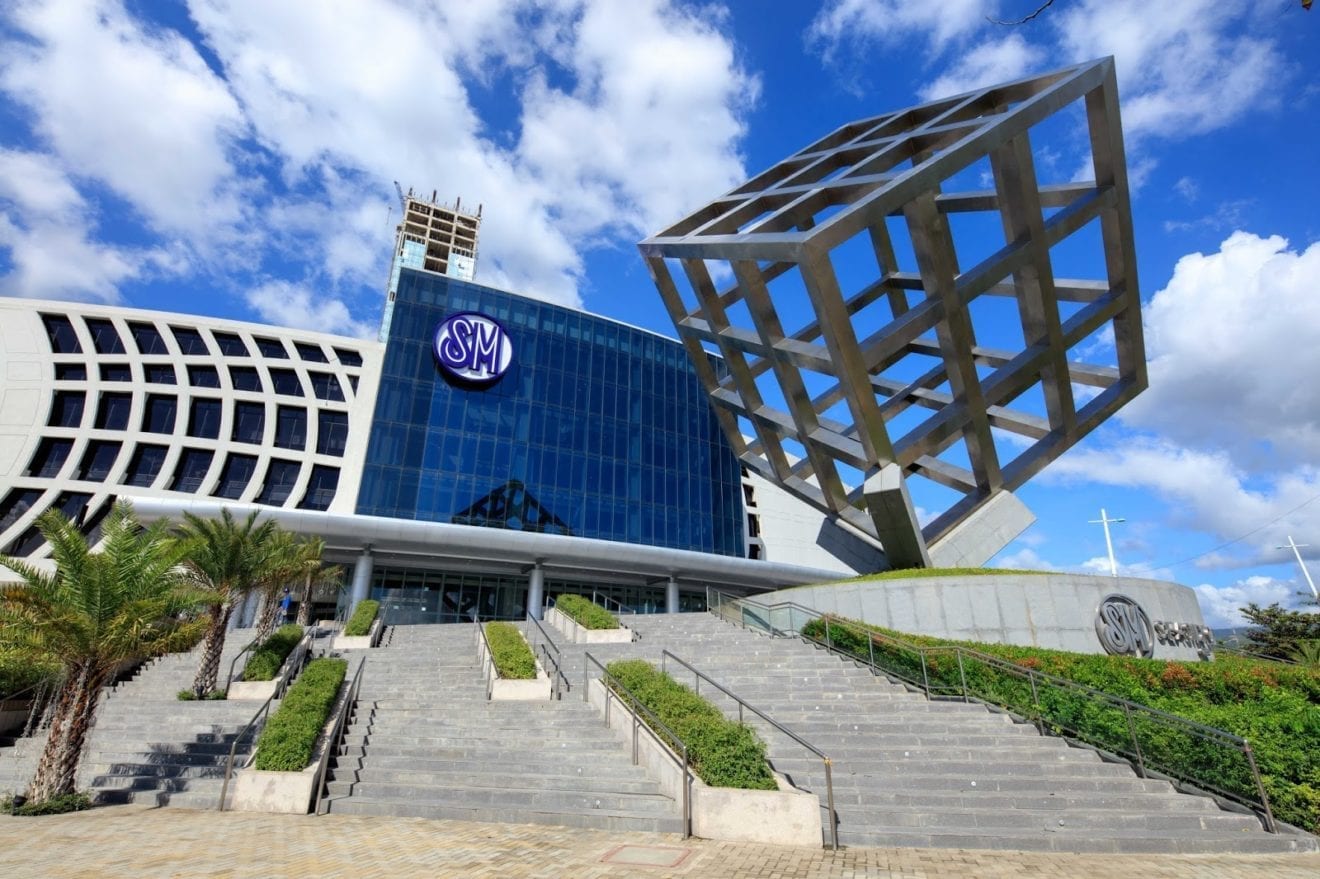
    An 80,000 sqm mall has been opened in eastern Metro Manila by Southeast Asian integrated property company SM Prime Holdings.

    As its 60th mall in the Philippines, SM City East Ortigas reinforces its commitment to continue expanding there given the economy’s strong performance, says SM Prime president Jeffrey C Lim.

    SM Prime’s malls in eastern Metro Manila include SM Megamall in Mandaluyong, SM Marikina and SM Center Pasig. It also has SM Angono, SM Masinag, SM San Mateo and SM Taytay in Rizal Province.

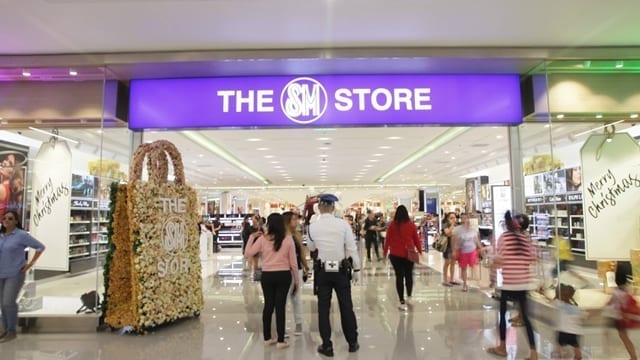
    sm-store

    SM City East Ortigas has opened with almost 80 per cent of its space leased out. The two-level mall houses SM’s flagship retail brands The SM Store and SM Supermarket, plus its specialty stores such as Ace Hardware, SM Appliance Center, Uniqlo and Watsons. It will also have a Cyberzone, wellness tenants, four digital cinemas and four Director’s Club cinemas, as well as dining destinations. There are 650 parking slots.

    SM Prime opened SM Cherry Congressional a year ago in Quezon City, as well as SM City San Jose Del Monte in Bulacan in April and SM City Trece Martires in Cavite in May.

    Of its 60 malls in the Philippines, 22 are in Metro Manila, 29 in Luzon, five in the Visayas and four in Mindanao. SM Prime also has six malls in China. SM Prime is also involved in residential development, leisure properties and hotels.

  • Ministry tells Indonesian airliners to hire 900 jobless local pilots

    Ministry tells Indonesian airliners to hire 900 jobless local pilots

    The Transportation Ministry has said as over 900 Indonesian pilots having not been able to gain employment with local airliners, the ministry is planning to impose a new obligation to ensure higher absorption of local pilots by the airline industry.

    “This is a big problem. At least 900 local pilots have no jobs. This will be our homework, to create opportunities for them,” Transportation Minister Budi Karya Sumadi said on the sidelines of the Air Transportation Safety Campaign at the ministry’s office on Sunday.

    Budi said his ministry would require local airliners to employ local pilots, while promising that the ministry would also help improve the competence of the pilots through further training.

    “There has to be an obligation for local airliners to take on local pilots,” he added.

    In addition, the ministry would give impose stricter requirements to foreign pilots working at local airliners.

    “We should impose certain requirements for foreign pilots working in Indonesia,” he added.

    Reportedly, 564 foreign pilots are currently working in the country.

  • Six Flags is Blazing a Trail to Vietnam

    Six Flags is Blazing a Trail to Vietnam

    John Odum is President of the company’s international division. He believes the country’s growing tourist market and rising middle-class make it a land of opportunity for Six Flags. “The dynamics fit nicely with what we bring to a market,” he says. Odum embodies the American dream – he joined Six Flags Over Georgia as a costumed character when he was just sixteen.

    He knows the business inside out, having worked his way through the ranks in a number of departments including operations, finance and retail. Among his many roles, he has been President of Six Flags St. Louis and Six Flags San Antonio before a stint in the corporate world, overseeing lesser parks from an operational perspective.

    “And then, a couple of years ago, Jim Reid Anderson, our CEO at the time, came to me and asked me if I’d be interested in starting up the international division of Six Flags,” he says.

    “We felt that, domestically, we were very strong and solid. We had found a good business model that had been working well for several years, and we were ready to take that step internationally.

    “That brings me to where I am today. In my role as the President of our international division, we are really leading the charge in finding new markets and building new parks and bringing Six Flags to the world.

    “In the 43 years that I’ve been with Six Flags I’ve experienced a lot of different things. It’s been quite exciting. It’s great to be able to take that depth of experience and spread it throughout the world.”

    Lands of Opportunity

    Asia’s theme park industry, while growing quickly in certain regions, is broadly still very much in its infancy.  This is particularly true of Vietnam, which has so far escaped the attention of any of the big-hitters.

    Yet, despite being under the radar, Odum believes it is ripe for theme park development.

    “It has a growing middle class with an increasing propensity to spend. It also has a travel market that’s starting to feed Vietnam. We really think the dynamics fit nicely with what we bring to a market.”

    What’s more, detailed psychographic research in the area has revealed that, despite what one might expect, people already ‘get’ the Six Flags brand.

    “What we’ve found is our brand is so well-known, much more so than any of us had anticipated it might be. People know exactly what we are: we are all about thrill.

    “People tell us they’re eager to see the biggest and best rides. Some say ‘I’m not sure I’m ready to get on the largest and the best – but I love seeing other people do it.’

    “We’ve got such a diversity of rides that it really gives a thrill to all ages. We feel we’re a good fit for a region that’s really growing very quickly.”

    The Six Flags Franchise Model

    “The business model that has been found to be optimal for Six Flags and its partners is a franchise-type model. With this, the chosen partners take on all capital investment in the park, while Six Flags charges a fee for bringing the brand name and licenced IP.

    “We will bring the management expertise to the park. The right people that understand the safety that is so critical to our business, and understand how to operate a strong financial model while protecting that safety. Nobody does safety better than we do.”

    “Six Flags will also bring the design and project services, helping design the park, its layout, overseeing construction and procuring the rides.

    “They will gain the value of all of our negotiating clout – we buy rides so much more cheaply than anybody else; they get the benefit of our buying power.”

    Because Six Flags does not invest any money, it costs them nothing to enter these partnerships. It also gives the new operators the flexibility to run things in a way that suits their particular market.

    “Most of our partners are interested in a bigger resort development.  They may be adding hotels, they may be adding retail, dining and entertainment and all of the other resort amenities,” explains Odum.

    “What this model allows them to do is to operate a little differently from the way we would. If they want to put heads in beds in the hotels, they might discount the park a little bit more, or run ‘specials’ at times that we might not normally be open.

    “There are no operating encumbrances on the way they can operate the park when we go in with a franchise-type model like this.

    “We think it’s the best for both partners. It seems to be working really well so far.”

    The First Six Flags Theme Park in China

    Six Flags has already announced its first theme park in China. It will be located in Haiyan on the coast of Hangzhou Bay in Zhejiang province.

    China is already well-served by big name brands such as Wanda, DreamWorks and Disney. However, Odum insists the market is a long way from reaching anywhere close to saturation point.

    “In the US, we have about 300 theme parks the size of a Six Flags park or larger. These serve 320 million people. In China, there are around 150 parks of this size or larger, serving 1.2 billion people.

    “When we look at the sheer numbers, we feel there’s tremendous untapped potential for growth and development of this market set. Especially as we see this growing middle class. We also see the family size growing from the single child to the multi child family and as we see the middle income growth and prosperity that is developing in China.”

    “In fact, I would say the Chinese theme park industry is probably where the North American theme park industry was 20 or 30 years ago. We feel like we’re moving in at the right time and there are tremendous opportunities for this market.”

    Chinese Love the Regional and the Thrill

    Odum dismisses the generally-held belief that China is less interested in thrill rides than other markets. He cites data from recent psychographic research:

    “What that market told us is. We love thrills in all different forms. And, with Six Flags, while we’re known best for our world record roller coasters and the larger rides, it comes in all forms. There are a lot of smaller types of rides that are unique to Six Flags.

    “The ability to match up that different level of thrill to the different components of a family, we believe, is really a thing that will help us grow and prosper in the market.”

    “The Chinese know Six Flags. They are very eager for Six Flags to come to China,” he says. “One of the things they have also told us they especially like about Six Flags is the fact that we are a regional theme park. Each of our parks is different and built to focus on that region of the country.”

    Unlike the giant brands that reproduce the same model time and again, each Six Flags park will be customised to a particular region, taking on the local culture, the local foods.

    “Yet, we will also offer enough Western experience that they will get a sense of the best of both worlds,” says Odum.

    Relevant Storytelling

    Odum believes that storytelling relevant to the local market will be crucial to each park’s success.

    “One of the first things we do when we go into a region is send in a team to study the history and culture. They talk to the people of the area and try to understand the types of things that they hold important in their history; the things that they like to honour.”

    “What we have done for our first theme park in Haiyan is to take a section of our park and replicate the local ancient tale of a sailor who went off to sea while his girlfriend stayed behind waiting on him.  There’s this whole story of how he went through battles and adventures then came back to meet her and they lived happily ever after.

    “We’ve replicated the entire story. Everything from the big ships and the sailing town, and all those things that make that story come to life.”

    But, he says, it is still very much a Six Flags park:

    “There are sections of the park that reflect much of the Western culture. There are things the Chinese might enjoy learning about North America.”

    Rising Customer Expectations in a Tech-Savvy Market

    Customer expectations are constantly changing in the light of developing technology. This is particularly true, Odum says, across much of Asia, where the market is innovative and tech-savvy.

    “This is another reason why they really like Six Flags. It is because they see us as being on the cutting-edge of technology,” he says.

    “We were the first in the entire industry to introduce VR in our rides. We went into our roller coasters and partnered with Samsung and RealD 3-D and Oculus. Then we put together an experience that cannot be replicated anywhere else.”

    “We took some of the older rides intentionally. They weren’t quite as popular. We created storylines, and we created these virtual worlds. In some you’re a fighter pilot, and some we’re adapting to our Hallowe’en experiences and you’re fighting gargoyles.

    “As we get towards the holiday in the park you’ll be flying in Santa’s sleigh. There are a lot of ways that we can use VR. We can really take some of the older rides and bring them into a new world.”

    VR – Lifting Existing Rides to the Next Level

    Technology has also been used to take some of the newer rides to another level.

    “The Superman ride is popular. We have been able, through VR, to create an opportunity for people on the Superman ride to literally fly with Superman.”


    “We were pitching this concept to the head of the licensing with Warner Brothers. After we had taken him through it, he sat back and said: ‘You know what? The reason I joined DC Comics and Warner Brothers was because as a little kid I had always wanted to fly with Superman.’ He was one of the first ones on the ride when we introduced it.

    “VR is one of the many different things that we are doing to really take the entertainment of the theme park industry into this new world.”

    Dubai Parks and Resorts

    A Six Flag theme park is currently in development at the UAE’s mammoth leisure destination, Dubai Parks and Resorts.

    “It’s just an unbelievable market,” says Odum. “When I first visited seven or so years back it had tremendous potential. I was amazed at what the city was. And then, when we came back a second time. I was blown away at how far it had come in those few years.

    “We had studied the market early on. I think we realised this is a burgeoning market that is just growing like none other in the world.”

    The economy has largely recovered from the effects of the global recession. This had put ambitious developments such as Dubailand on hold.

    “I think, in that earlier phase, they were growing so very rapidly so it probably hit them harder,” he says.

    “When things settled to a more positive economic climate and we went back in, it is just unbelievable what they are doing to develop that market.  I’m especially excited about the resort that DPR is creating. We will be one of four major theme parks in this resort. There will be tremendous retail, dining and entertainment, a world-class resort and many other amenities including a large upscale outlet mall that really fills this out as an entertainment mecca.

    “Dubai is bound in intent to be the Orlando of the Middle East. They are well on their way to doing just that.

    “We’re going in with some of our biggest and best; we’re excited in that development because each of the parks fills a unique niche.

    “As long as there’s a unique niche filled, instead of dividing the pie into more pieces, you just make the pie bigger,” says Odum.

    “And, a rising tide raises all ships.”

  • Retail e-commerce small but growing in Vietnam

    Retail e-commerce small but growing in Vietnam

    However, growth is expected over the next few years as increasing numbers of young consumers go online for the first time, largely through smartphones, said speakers at the conference.

    Deputy Minister Ho Thi Kim Thoa of the Ministry of Industry and Trade (MOIT) told the conference participants he has set a target to grow e-commerce to reach 5% of the nation’s total retail sales by 2020.

    Which, he said, in absolute dollars equates to US$10 billion for 2020.

    Tran Thi Phuong Lan, deputy director of the Municipal Department of Industry and Trade, in turn said he estimated that retail e-commerce revenue in the capital city of Hanoi registered US$1.16 billion last year.

    Mr Lan also predicted that the e-commerce retail sector would see strong growth over the next few years.

    However, despite all the optimism and the strong growth forecasted, retail ecommerce would still account for just 5% of total retail sales by 2020, if the target were to be reached, which puts Vietnam well behind Western countries.

    Most notably Vietnam lags far behind China, where retail ecommerce has been estimated to reach 18.4% of total sales in 2016 and is anticipated to grow in the double digits through the end of 2020.

    Lai Viet Anh, deputy head of the MOITs E-commerce and Information Technology Department, said she believes the country’s population with its relatively young median age would help expand the e-commerce consumer class.

    Vietnamese youth are learning to access the internet via smartphones at a very young age, said Ms Anh, and consequently have shown much more of a willingness to make purchases on their mobile devices than the older generations.

    Ms Anh opined that the number of digital shoppers—those who browse or research products online but who haven’t necessarily completed a purchase transaction would also see their ranks grow over the coming years.

    Though Ms Anh is sanguine for the prospects of e-commerce in Vietnam she openly acknowledged that the country lags far behind others in the region in e-commerce (including m-commerce) development.

    If one just looks at the absolute dollar value of e-commerce revenue the disparity is obvious, she said, noting that while online sales reached just US$4 billion in Vietnam for 2015— in China it was US$617 billion, the Republic of Korea (US$39 billion) and India (US$14 billion).

    The growth of m-commerce over the next few years should make the US$10 billion of revenue by 2020 target readily attainable, noted Ms Anh.

    Nguyen Thanh Hung, president of the Vietnam E-Commerce Association, said most urban residents are familiar with e-commerce with the number of rural residents using it is climbing steadily.

    This, he noted would also help strengthen e-commerce usage over the next few years.

    The implementation of robust 4G networks by mobile carriers (which is already underway) would also help drive increasing digital purchases made via smartphone, particularly from the rural areas.

    In addition, the declining costs of 4G devices and service plans would make it much easier for consumers to research, browse and buy via smartphones noted Mr Hung, making the targeted US$10 billion by 2020 a realistic and achievable target.

  • Japanese food products flood Vietnam market

    Japanese food products flood Vietnam market

    Takimoto Koji, chief representative of the Japan External Trade Organization (Jetro) in HCMC, said Vietnam is a market with rapid growth, where consumers easily accept new products.

    According to Jetro, Japanese food exports were bringing $7.5 billion a year, while the Japanese government strives for an annual 30 percent growth rate by 2019.

    In November 2016, Jetro, joining forces with Ministop, FamilyMart and Aeon, the retail chain with 200 shops, will begin selling food products in a program called Japan Fair.

    After Japan Fair runs in Vietnam, it will be organized in Singapore, slated for April 2017.

    The representative of Jetro said Vietnamese people think Japanese products are expensive. However, there are products that fit Vietnamese pockets, though the selling prices in Vietnam are estimated as twice as much the prices in Japan because of additional expenses.

    Jetro has also decided to introduce products in high demand and short supply which have never been sold in Vietnam.

    Of the 78 items to be displayed at Japan Fair, the lowest price will be VND10,000, for candy, and the highest VND359,000, for a package of cookies.

    According to Yamanouchi Hirohisa from Family Mart Vietnam, soft pies (VND53,000-60,000 per box) and ice cream have been selling well.

    Meanwhile, Akihiko Maeda from Ministop Vietnam, said at his retail chain, 30 percent of Japan Fair’s products have been selling well. Ice cream is the best seller despite the high price of VND33,000-47,000, which is three times higher than the average price in Vietnam.

    In HCMC, many shops specialize in distributing Japanese products, such as Daso, Hachi Hachi and Tokyo Mart. Tokyo Mart sells the rice imported from Japan at the price of VND140,000 per kilo, 10 times higher than the average price in Vietnam and 5 times higher than high quality Vietnamese rice.

    Nguyen Van Ngai from the HCMC Agriculture & Forestry University said that many types of food and farm produce can be made or grown in Vietnam, but Vietnamese consumers believe Japanese products are safer. Vietnamese consumers, with improved living standards, are willing to pay higher prices to get safe products.

    Zing News quoted analysts as reporting that Japanese products have for many years been preparing the infrastructure and learning the market thoroughly.

    Not all Japanese products will be brought to Vietnam immediately, but will penetrate the market gradually. Food, cosmetics and fashion products will come to Vietnam first through retail channels, especially convenience stores.

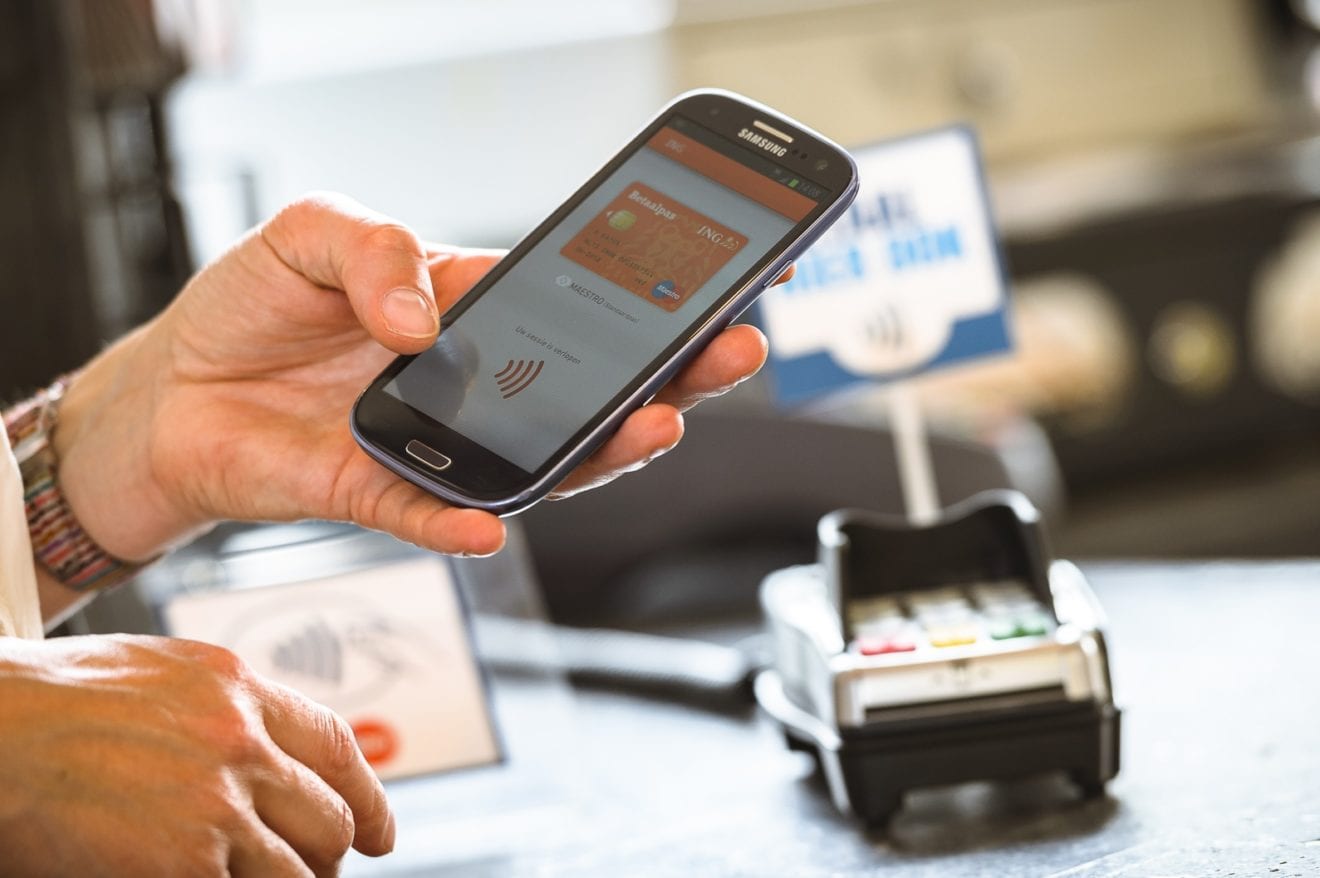
  • Samsung Pay, partner banks launch offers for Thai customers

    Samsung Pay, partner banks launch offers for Thai customers

    Samsung Pay and its financial partners have introduced exclusive offers for customers who make payments using a partnered credit card via Samsung Pay, The Nation reports. The offers are provide in partnership with Citibank, Kasikornbank, KTC, and SCB.

    Citibank card owners will have access to 5-fold reward point increase for every payment transaction of THB 1,000 or more. Kasikornbank card users will receive THB 100 cash back on every payment of THB 100. KTC card holders will receive 5 percent cash back with special privileges from participating shops, while SCB users will get THB 100 cash back for payments of THB 200.

    Samsung Pay went live in Thailand on 27 October. The platform enables customers to use their smartphone as credit cards. Supported payment gateways and credit cards for Thai users are Visa and MasterCard issued by six financial institutions namely Bank of Ayudhya, Citibank, KasikornBank, KTC, Siam Commercial Bank, and soon Bangkok Bank.

    In Thailand, Samsung Pay is compatible with the Galaxy S7, Galaxy S7 edge, Galaxy S6 edge+, Galaxy Note 5, Galaxy A7 (2016) and Galaxy A5 (2016) smartphones.

  • In Singapore, Credit Cards Set to Collapse by Nearly a Quarter

    In Singapore, Credit Cards Set to Collapse by Nearly a Quarter

    Credit card use in Singapore is set to fall 24% in less than five years, according to new research from Worldpay, the leader in global payments.

    For its Global Payments Report 2016, Worldpay analysed 30 eCommerce markets around the world, including Singapore, China, India, Hong Kong, Taiwan, South Korea, Malaysia and Australia in Asia. In Singapore, Worldpay found that although credit cards are the most popular payment method at the moment, taking a 60% share of the payments market, credit cards are set to collapse by 24 percentage points in 2020.

    Phil Pomford, General Manager Asia Pacific, Global eCom at Worldpay, said: “Our projections show that by 2020, credit cards will account for just 36% of the payment market in Singapore, which represents a significant drop in usage. This growing credit-wariness could be symptomatic of a wider political push to help consumers avoid debt. The government’s Total Debt Servicing Ratio (TDSR) rules, implemented in 2013, were designed to ensure that monthly debt payments don’t exceed 60% of the debtor’s monthly income. This public focus on the issue of debt helps explain why credit card use is predicted to fall nearly a quarter in less than five years, while debit card use is expected to rise.”

    At the moment, debit cards, cash on delivery and bank transfers each account for 9% of the total payments market in Singapore. However, according to Worldpay’s research, all of these non-credit payment options will double or nearly double by 2020. Debit card use is expected to rise by 9 percentage points to cover 18% of the total payments market by 2020, while cash on delivery and bank transfers will represent 18% and 17% of the market, respectively. E-wallet growth is likely to remain relatively flat, growing from 9% market share in 2016 to 10% share by 2020.

    Consumer debt has been a growing topic in Singapore over the past few years, leading the government to create new regulations in order to help borrowers pay down their debts and to prevent further debt from accumulating[1]. Three years ago, the government introduced the TDSR rules to prevent any Singaporean from taking out a loan if the resulting monthly payments would equate to 60% or more of his or her salary. Although those regulations were recently loosened to help people with long-standing loans refinance more flexibly, Worldpay’s recent research still indicates that the government’s programme to increase credit awareness and discourage too much borrowing is resonating with consumers. They are aware of and concerned about rising household debt[2] and now want easier access to non-credit payment options.

    Pomford added: “Our research strongly suggests that Singaporeans will start using a wider range of payment methods in the next five years, possibly influenced by the government’s work to reduce consumer debt and encourage Singaporeans to think more carefully before they shop on credit. Therefore, online merchants that want to win the hearts and wallets of shoppers in Singapore must offer a range of traditional and alternative payment methods – from debit cards, to cash on delivery and bank transfers – because credit cards alone just aren’t enough. Companies that sell online can also partner with a knowledgeable payment provider in order to ensure that they continue to offer the right payment experience and keep gaining customers in Singapore’s thriving eCommerce market, which is set to grow by 11% to US$5.8 billion by 2020.”

  • A new modern lifestyle luxury fashion event comes to Hong Kong

    A new modern lifestyle luxury fashion event comes to Hong Kong

    We are proud to present the inaugural evening of “FELICIA”, a trendy new fashion evening in collaboration with Marc Jacobs and Moët & Chandon taking place  between PLAY and STUDIO clubs Hong Kong.

    “FELICIA” will be working in collaboration with Marc Jacobs for the launch of his new Resort 2017 collection in Hong Kong at a standout event. Conceived for local and visiting fashionistas, Felicia is specifically geared to these discerning customers needs providing a trendy, light hearted yet stylish evening.

    Generously sponsored by Moët & Chandon, who will be using this event as a showcase for their latest Moët Rosé Impérial Limited Edition With Flamingos, a  daring departure from their iconic bottle design. The evening is sure to dazzle as much as their new bottle.

    “FELICIA” was conceived to cater to the ever growing crowd of young trendy professionals working across the fashion, design and creative industries in Hong Kong. A place to meet, socialise and network “FELICIA” represents what it means to be a trendsetter in a modern age, uniquely positioned to attract the right crowd, we aim to please. Toungue-in-Cheek.

    As the first collaboration of many more to follow, we will celebrate the evening with smooth sounds from DJ Miya and DJ Patrick Rizarri, starting the evening off in the intimate STUDIO serving their signature cocktails before moving on as the party grows into the larger PLAY, which will be lavishly decorated by Marc Jacobs, inspired by their 2017 collection. Exclusive special edition Marc Jacobs gift bags will be given away to distinguished guests with table sales.

    Marc Jacobs is a well known international fashion designer originating from New York City, creating trendy wearable mens and womens clothes and accessories that often feature bright colours or fun motifs. #marcthenight

    Moët & Chandon is a french fine winery and a co owner of the luxury goods company LVMH. Creating some of the world finest champagnes since 1743, the company has  a rich history of heritage and luxury. #openthenow

    PLAY and STUDIO are two prestigious clubs and event spaces in Hong Kong with a focus on good music and the finest drinks the venues feature state of the art Matrix lighting and D&B sound equipment. #hifelicia