Author: Mei Ling Tan

  • AirAsia now flies to Taipei and Singapore from Cebu

    AirAsia now flies to Taipei and Singapore from Cebu

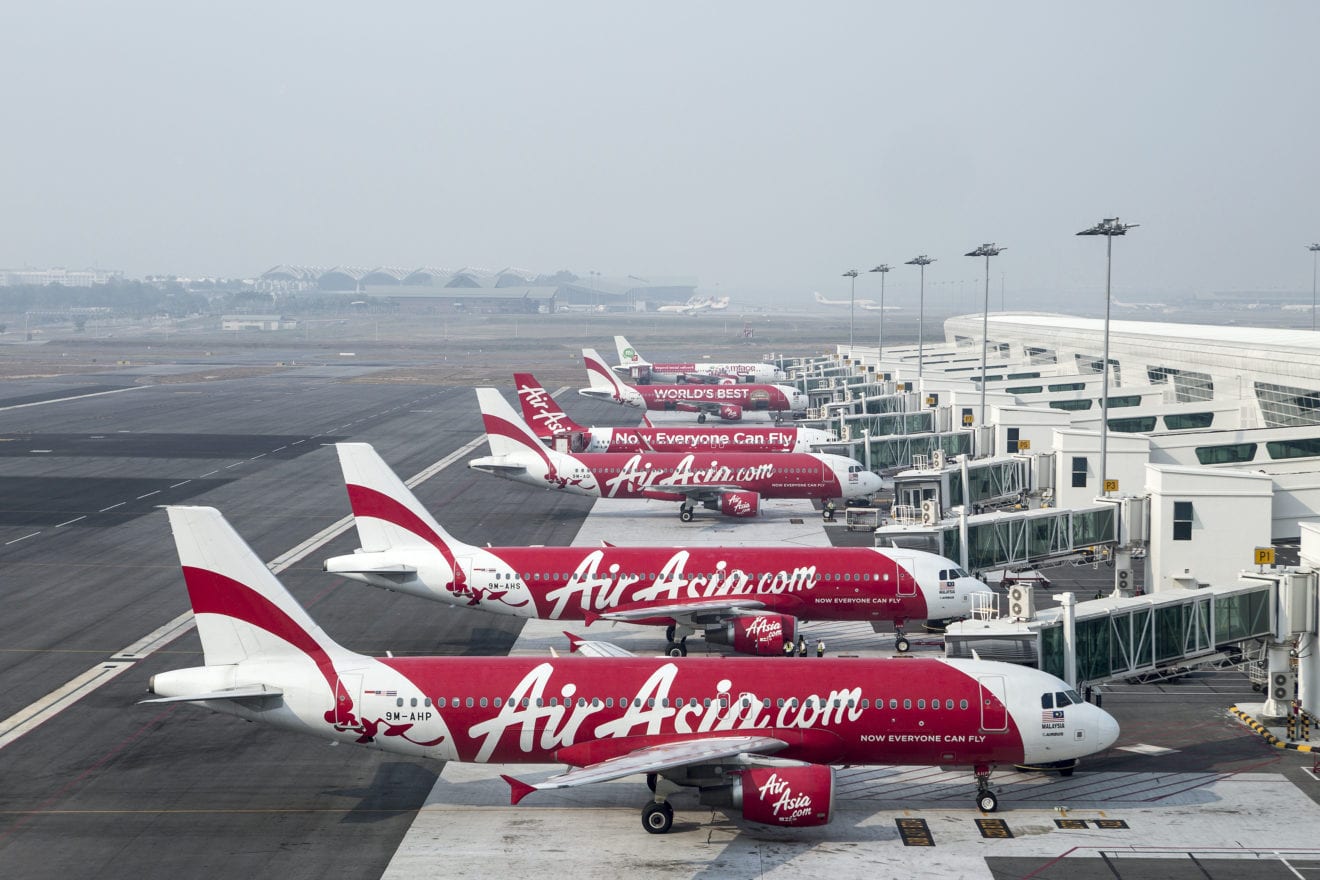
    Cebu skies are painted red with the twin launch of AirAsia flights to Taipei and Singapore from Mactan-Cebu International Airport (MCIA). AirAsia Flight Z2 7124 to Taipei departed at 6:10 a.m. while flight Z2 7236 to Singapore left Cebu at 4:55 p.m. Both flights last Nov. 25 were given a water salute upon departure.

    Philippines AirAsia’s director for flight operations Captain Monreal Gomer said at the send-off ceremonies held at the airport: “AirAsia’s twin launches today herald brighter, bigger and better opportunities for travel, business and tourism. It also means more job opportunities, more income for families, more food on the table and more economic activities.”

    “As a Filipino low cost carrier and member of the AirAsia Group which is the leading and largest low cost carrier in Asia, we feel strongly about supporting the growth and development of cities outside Metro Manila by connecting Cebu to international destinations like Singapore, Taipei, Korea, Malaysia and onto AirAsia’s over 120 destinations across Asean, Asia, India, Australia, New Zealand, the Middle East and Africa via fly-thru service,” Gomer said.

    AirAsia’s Cebu-Singapore flights operate four times weekly while Cebu-Taipei is scheduled three times weekly. Aside from these new routes, the world’s best low-cost airline is also servicing direct flights to Incheon/Seoul in Korea and Kuala Lumpur.

    All guests on board AirAsia’s maiden flights to Taipei and Singapore received an early Christmas gift wrapped in iconic red paper from AirAsia flight crew as soon as they boarded their flights. Sinulog dancers also welcomed arriving and departing guests with send-off ceremonies led by executives from MCIA, the Department of Tourism, Singapore Tourism Board and AirAsia.

  • Singapore banks lose up to 40 per cent of new product sales to competitors

    Singapore banks lose up to 40 per cent of new product sales to competitors

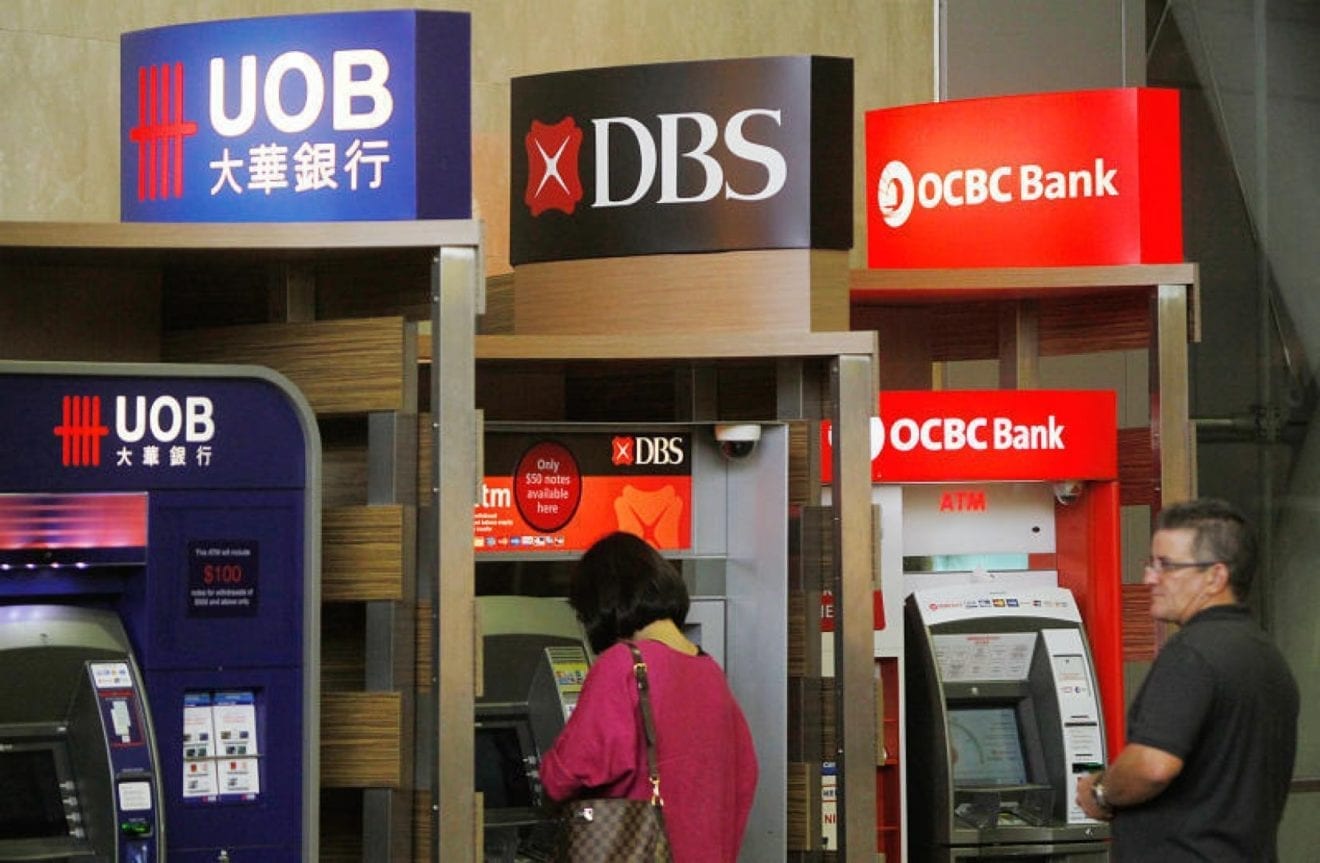
    The latest survey by management consulting firm Bain & Company found that Singapore retail banks lose up to 40 per cent of new product sales to competitors that are better at digital marketing, sales and service.

    In its seventh annual report on consumer banking behaviours, the consultancy said such “hidden defection” of consumers – purchasing a new banking product from a competing bank or financial technology firm – could get worse.

    “There are a lot of customers who frankly consider themselves prisoners in their own banks. They don’t switch their primary bank because it’s too much hassle to do so. But they’re going to go elsewhere for any new needs,” said Ms Chew Seow-Chien, partner and head of Bain’s Financial Services practice in Southeast Asia.

    The survey polled more than 137,000 consumers in 21 countries, including Singapore.

    The Singaporean customers polled indicated that they would buy new banking products from a competitor rather than their primary bank up to 40 percent of the time.

    About 30 per cent of them said they would switch their primary bank if it were easy to do so, the research showed.

    Bain noted that fintechs and technology companies are siphoning off customers seeking high-value products and services, such as credit cards, loans, insurance and investments.

    In its research, the consultancy found that deposits made up about 50 per cent of purchases from primary banks in Singapore over the last 12 months, versus just 22 per cent at competing banks.

    Meanwhile, insurance were the most purchased product at competing banks – 31 per cent of purchases – followed closely by credit cards.

    As younger, more plugged-in generations learn how to bank, their purchases of banking products through digital channels, especially online, will rise – making it important for banks to improve their digital offerings, simplify products lines and streamline user experiences.

    “By now, the digital disruption in banking should come as no surprise, and most banks clearly understand the importance of digital migration,” said Ms Chew.

    “The bigger challenge lies in how to organise the transition and instill the necessary changes, both at the frontline and in the back office, to improve how consumers do their banking.”

  • Singapore’s new tallest building a ‘vertical city’

    Singapore’s new tallest building a ‘vertical city’

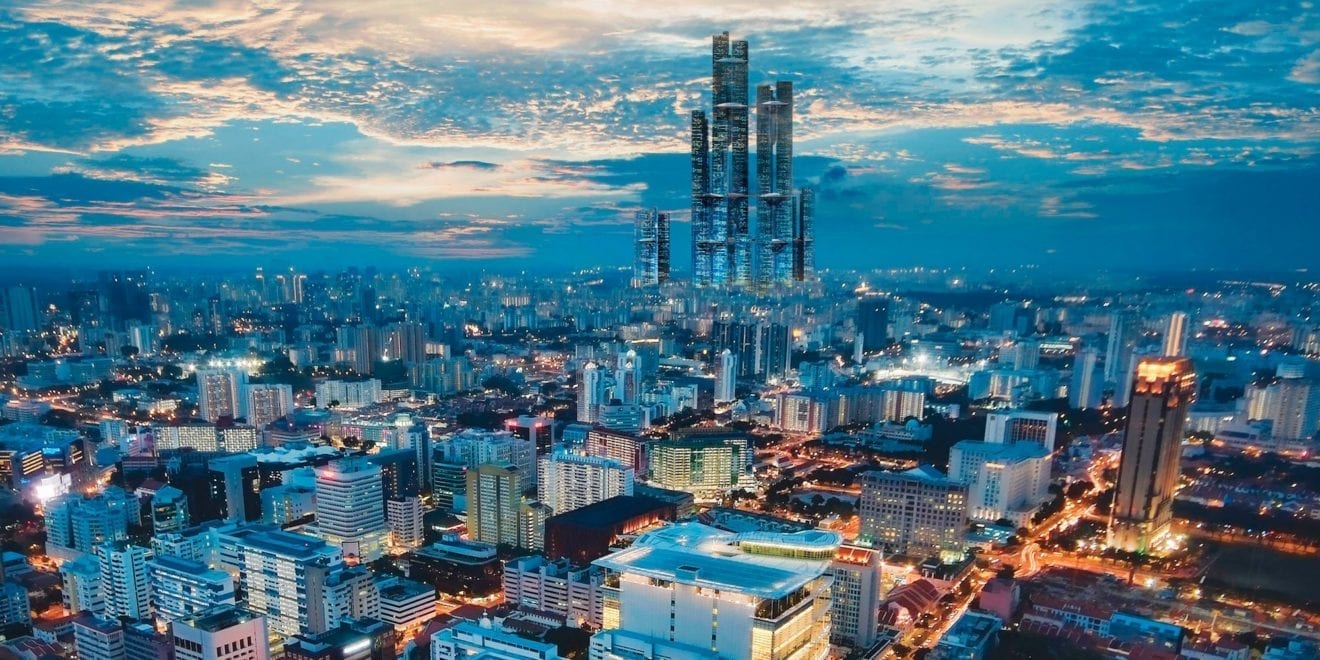
    Singapore’s canyon of skyscrapers has a new peak with the opening of the Tanjong Pagar Centre on the fringes of the central business district, sitting atop one of the wealth city state’s busiest train stations.

    The complex, dubbed a “vertical city”, marks the revival for an area of the business core of Singapore, about a kilometre away from the three soaring burnt-glass coloured towers at the Marina Bay Financial Centre (MBFC) complex built on land reclaimed from the sea and adjacent to the Marina Bay Sands hotel and casino.

    With office, retail, residence, hotel, fitness, and even an urban park, the new complex will be home to more than 150,000 square feet of green community space. The Tanjong Pagar site at 290 metres high pips its nearest rivals by just 10 metres, with three other building in Singapore at 280 metres high, One Raffles Place, UOB Plaza One and Republic Plaza.

    But it comes at a time that Singapore’s office and retail vacancy rates are rising and online shopping gathers pace with the arrival of a Singapore-based unit of China’s massive e-commerce firm Alibaba and the expected launch of new services by U.S.-based Amazon.

    “The approach of an integrated development solves the congestion problem so that we minimise travels. It also helps people do more things within the same location,” Cheng Hsing Yah, Managing Director of GuocoLand Singapore told CNBC Asia during a tour of the property.

    The towers promise 32-per cent in energy savings compared to similar code-compliant buildings by using glazing and directional shading which reduces the sun’s glare from Singapore’s year-round tropical climate.

    The project – which includes nearly 30 floors of office space–comes to market at a time when Singapore’s office vacancies has hit its highest levels in more than four years and been on its longest stretch of declines since the financial crisis.

    “The market has been challenging in terms of the leasing, because of the economic situation as well as the supply, but we’re quire fortunate to experience a very strong tick up rate of our office as well as our retail and f-and-b (food and beverage)space,” Cheng said.

    Guoco says office space for Tanjong Pagar Centre is already more than 85-per cent leased and the retail space is more than 90-per cent. Still, there are no signs of inventory slowing down.

    Next year, Marina One, adjacent to MBFC, is expected to open, which will bring nearly 2-million square feet of space to market, and Singapore’s government is reportedly selling prime land in the Marina Bay financial district, making it the first such sale in nine years.

    Follow CNBC International on Twitter and Facebook.

  • Global SPA brands draw fire for using ‘Sea of Japan’

    Global SPA brands draw fire for using ‘Sea of Japan’

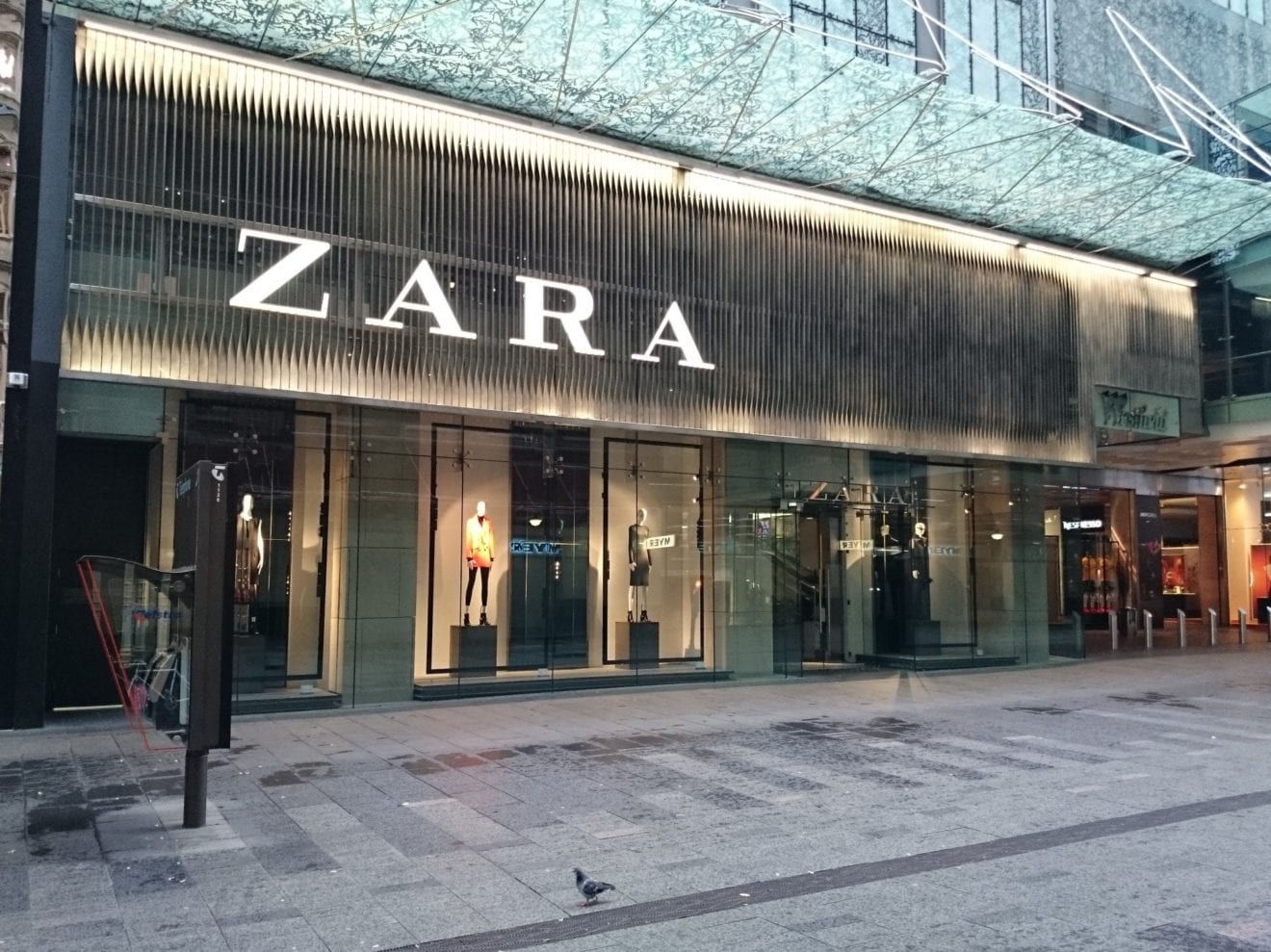
    ZARA, H&M, GAP, Forever 21, MANGO and other SPA brands here have come under fire for using a Google Map that refers to the East Sea as the “Sea of Japan,” and Dokdo as “Liancourt Rocks.”

    Critics say ZARA Retail Korea is using an online map which shows Japanese place names in the Korean language. The map has been provided for customers to search for locations of ZARA stores.

    The company declined to clarify its own opinion to the media, saying the Korean branch should follow the global policies of ZARA headquarter in Spain.

    The company’s response angered Korean customers, who have already been irritated by the chief of ZARA Korea making statements ridiculing the candlelit rally participants.

    However, The Korea Times found out that other Korean branches of SPA are using the same map as ZARA, which may enrage Korean customers even more.

    On the map, Sea of Japan is shown as East Sea in parentheses, only if a user zooms in on the map. Moreover, Dokdo is shown as Liancourt Rocks, even if the user zooms in.

    At the bottom of the map three firms are credited ― Google, SK Telecom and Zenrin. They are headquartered in the U.S., Korea and Japan, respectively. Zenrin is a Japan-based map publisher.

    An SK Telecom official said that “It seems Google received detailed data of streets and buildings from our T map and received overall geographical data from Zenrin.”

    Google currently offers online maps following cultural and historical emotions of each country. After a series of disputes, the map’s Korean version (maps.google.co.kr) shows Dokdo and East Sea as they are in Korea.

    Most global firms are using different versions in each country as well. However, global SPA brands have used the Zenrin-based global version.

    UNIQLO alone could avoid the controversies as it is using Naver Map on its official website of its Korean branch, even though the brand is headquartered in Japan.

    Meanwhile, ZARA Korea seems to face a larger boycott of its products because of the map matter.

    The company chief Lee Bong-jin has come under criticism after he said during a public lecture, “When you took to the streets (to protest), 49 million people who didn’t join the rally were doing something for themselves. Your future will be shaped based upon what you do now,” referring to the mass anti-Park rally in Seoul. His statements have gone viral as one of the lecture attendants posted his words on social media.

    “My intention was, that in this chaotic situation, we should be more dedicated to what we are supposed to do ― studying for students and working for workers,” Lee apologized. However, Korean customers likened his apology to the warning about the 1919 Independence Movement made by a infamous pro-Japanese collaborator Lee Wan-yong.

    Customers have begun an online boycott against ZARA and some of them sent emails of complaints to its headquarters Inditex Group, in Spain.

  • McDonald’s near deal to sell China stores

    McDonald’s near deal to sell China stores

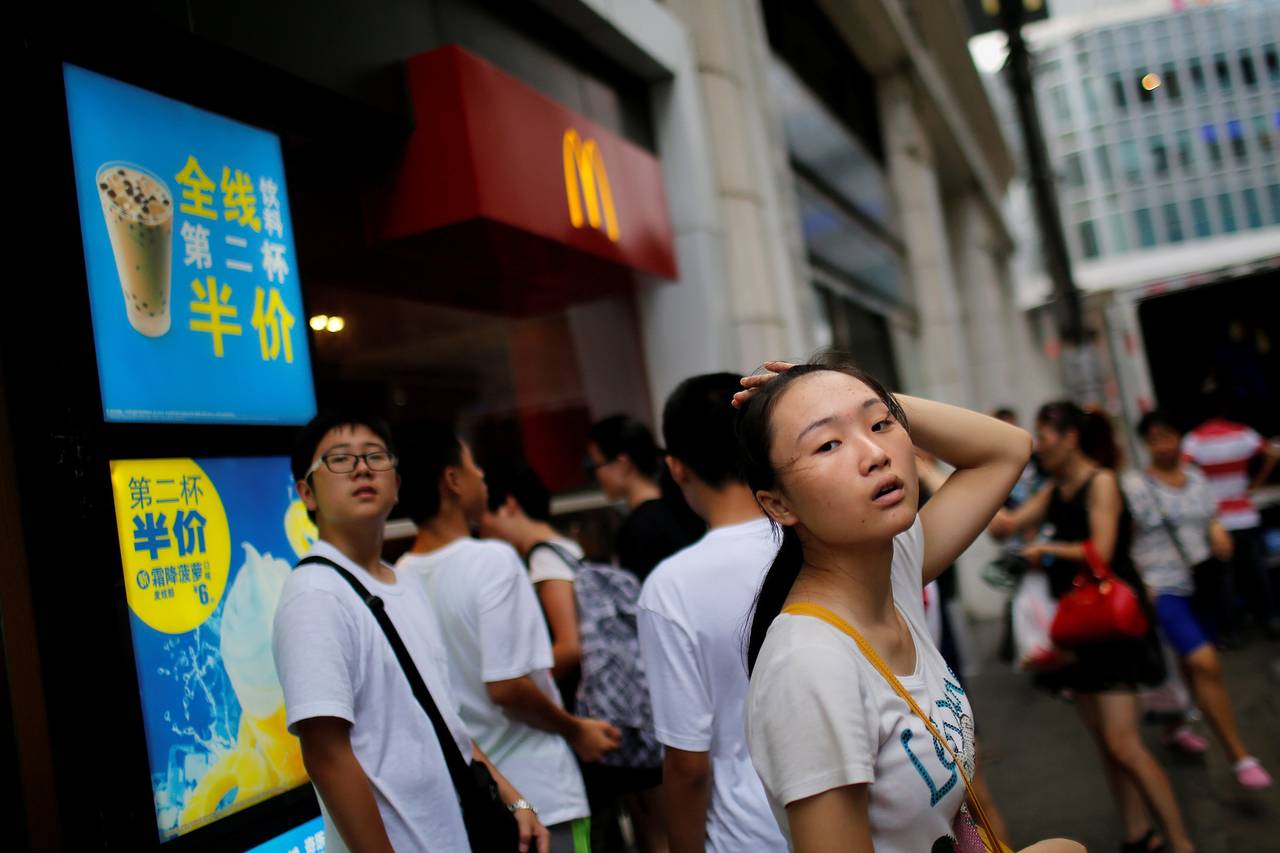
    A consortium led by private-equity firm Carlyle Group and Chinese conglomerate Citic Group Corp has neared a deal to buy McDonald’s stores in China and Hong Kong for up to $3 billion, a source with direct knowledge of the matter said.

    The deal is likely to be signed before Christmas, the source said.

    Reuters had reported in October that U.S. buyout firms Carlyle and Bain Capital LLC had been the front runners among the bidders for the fast-food giant’s China assets.

    McDonald’s in March said it was reorganizing operations in Asia, bringing in partners as it switches to a less capital-intensive franchise model.

    The company hired Morgan Stanley to run the sale of about 2,400 restaurants in China and Hong Kong.

    Financial Times reported earlier on Wednesday that Bain Capital had dropped out of the race, and that a group led by Citic Group and Carlyle were the front runners to the deal.

    Carlyle declined to comment, while McDonald’s was not immediately available for a comment.

  • New technologies to enable greater supply chain efficiencies in Singapore

    New technologies to enable greater supply chain efficiencies in Singapore


    Singapore is set to enjoy greater supply chain efficiencies in near future, thanks to the Urban Logistics technology roadmap for 2020 that was unveiled by the Infocomm Media Development Authority (IMDA) on 28 November 2016.

    The roadmap includes the testing and implementation of new technologies in 12 additional retail malls in Singapore next year.

    The Urban Logistics programme is dedicated to analysing challenges in the logistics sector, identify technologies that can significantly improve Singapore’s supply chain processes, and improve efficiencies.

    2020’s gameplan will address different stages of the urban logistics process, outlining requirements that ensure the Urban Logistics solutions, systems and processes are interoperable, and remain open for interested industry players to adopt and/or adapt.

    This will also help optimise resources, as well as improve turnaround times and process efficiencies.

    Dynamic scheduling

    IMDA’s technology roadmap also includes steps that enable dynamic scheduling to accommodate early or late arrivals as well as complex algorithms to manage increasingly larger volumes of deliveries.

    A unique In-Mall Distribution model of delivery management establishes an in-mall operator to receive goods at the mall unloading bay. This model is designed to improve current delivery/acceptance processes and reduce congestion of delivery vehicles leading to the unloading bay.

    Moreover, this model also enables Singapore’s malls to have extended hours of delivery/acceptance operations, and foster greater automation, professionalism and security of such services.

    “Since the implementation of the In-Mall Distribution solution at Tampines Mall and Bedok Mall in June and September respectively, we have noticed an easing of road congestion around our malls as the queuing time for delivery trucks reduces,” said Teresa Teow, head of Retail Management, Singapore, CapitaLand Mall Asia. “This has resulted in greater efficiency for the different parties along the delivery chain and a better experience for all visitors who drive to our malls, including shoppers.”

  • Spar to open 300 stores in Thailand

    Spar to open 300 stores in Thailand

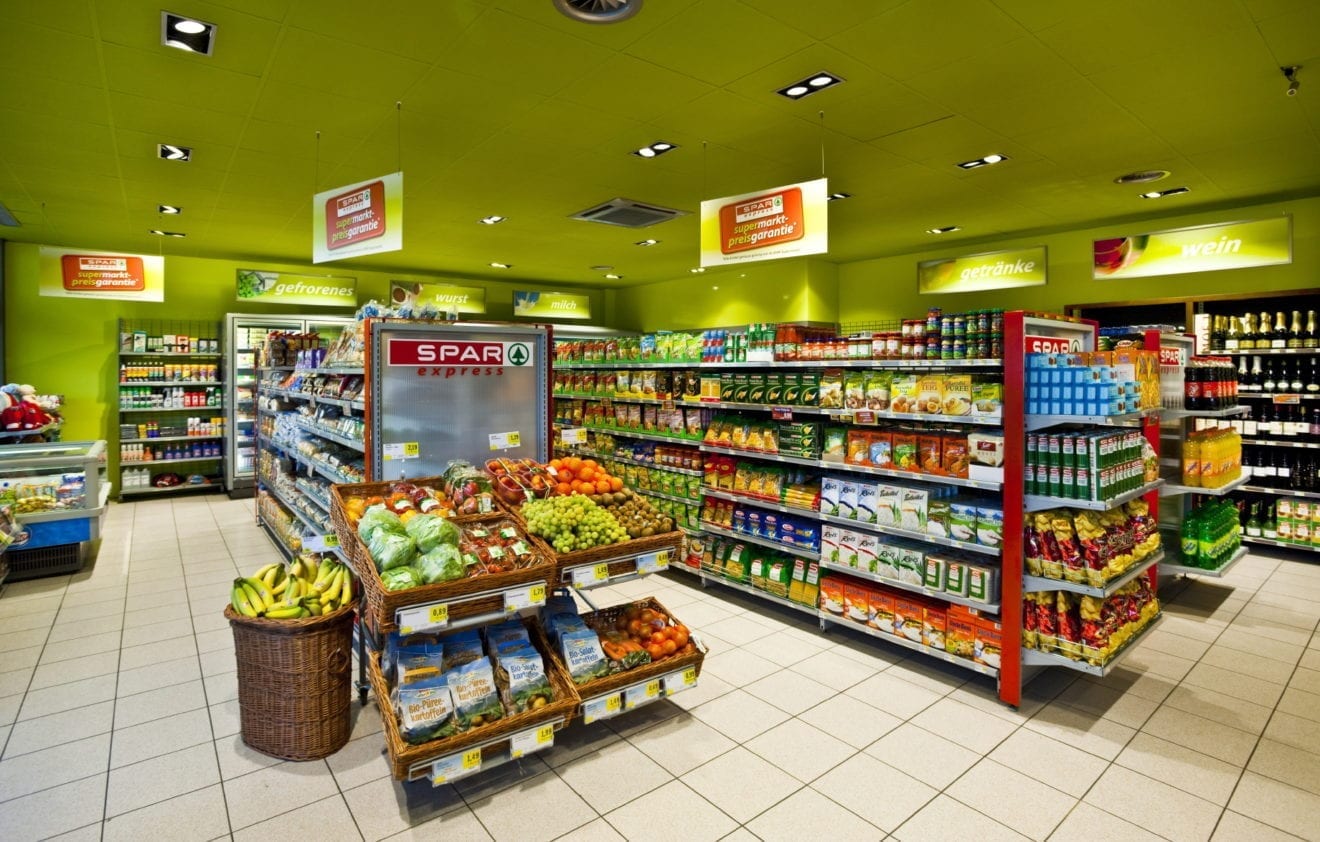
    Spar International and Bangchak Retail Company (BCR) have announced a new partnership to open 300 Spar stores in Thailand by 2020.

    The US$78.9m investment was announced on 28 November, with BCR to open seven new stores in 2016, and 50-80 new stores each year from 2017.

    “The launch of Spar in Thailand in partnership with BCR represents a significant and important step forward in Spar’s ongoing expansion into Asian markets,” Tobias Wasmuht, managing director of Spar International said at the official announcement of the new partnership. “It brings together our internationally tried and tested retail expertise particularly in convenience and supermarket formats with the extensive knowledge of the Thai market. The partnership is a true example of the Spar ethos in which through working together all shall benefit.”

    BCR managing director Viboon Wongsakul said the Thai company was exciting about the new offering for customers in Thailand.

    “We plan to bring local retailing to the next level and will dedicate the resources necessary to have a significant presence in the market in the shortest possible time-frame,” he said.

    The partnership will see both Spar and BCR focus on sourcing produce locally, with Spar International working on developing its own brand of products.

  • On-Yasai hotpot chain launches in Vietnam

    On-Yasai hotpot chain launches in Vietnam

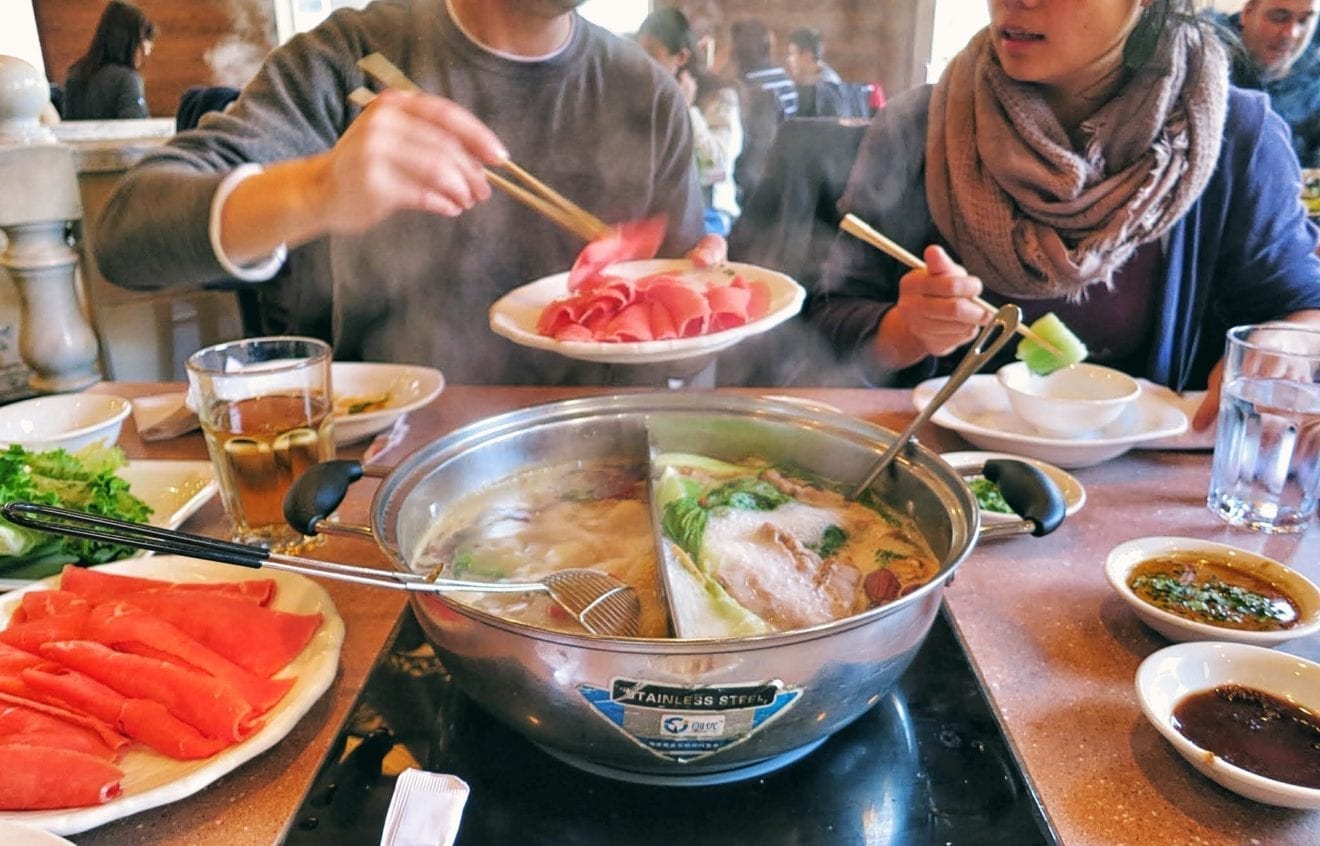
    Japanese restaurant group Colowide is introducing its shabu-shabu hot-pot chain to Vietnam via a franchise network.

    Its first On-Yasai hot pot location opens at Vincom Mega Mall in Hanoi this month, being run by affiliate Colowide Vietnam.

    The 260 sqm outlet seats 128 diners, and the monthly sales target is about US$80,000.

    Colowide already runs Gyu-Kaku yakiniku (grilled meat) restaurants and Japanese-style pubs in Vietnam. Through franchising, it hopes to open 30 On-Yasai locations in Vietnam over the next five years.

    Colowide is also set to acquire Japanese hamburger chain Freshness, and plans to take control of Gyu-Kaku’s North American network this month.

  • Yogibo bean bags to launch in Korea

    Yogibo bean bags to launch in Korea

    Yogibo bean bags, which started in a Nashua, USA, basement in 2009, is about to launch in Korea.

    The brand has proven a hit in Japan, where 20 of its 50 global stores are located, and now the company has opened a pop-up store in Seoul after appointing a local partner. Yogibo has some 26 stores in the US and others in Jordan and Canada.

    Eyal Levy, founder and CEO of Yogibo, described the response to the pop-up, which opened on November 1, as “incredible”.

    “We are so excited to get into this market and to partner with the founders of Yogibo Korea,” he said.

    Yogibo Korea co-founder David Park is a close friend of Levy. “I knew David prior to this opportunity, and I couldn’t be happier to do this with him. It’s always fun and awesome to create partnerships with people that you know, like, and trust,” said Park.

    The first permanent South Korean store will open at the beginning of 2017. Yogibo is confident South Korea will be a perfect fit due to its overwhelming success in Japan.

    Yogibo stores are known for their bright colors, fun decor, and friendly staff. The stores feature multiple seating areas featuring the company’s line of bean bag chairs and pillows, as well as a variety of the company’s large bean bag furniture, home decor product, and accessories. Each store uses Yogibo’s flagship product, the Yogibo Max, which is a portable, versatile piece of furniture that can be used as a chair, recliner, bed or couch.

    “The word ‘Yogibo’ has meaning in Korean, something we didn’t know when we started the company. It means ‘Look here.’ We think it’ll be a great fit,” said Levy.

    Yogibo opened its first concept store in the Natick Mall in Natick, Massachusetts, in 2010.

  • Decathlon China building biggest flagship yet

    Decathlon China building biggest flagship yet

    French sports goods retailer Decathlon will open its first two-story flagship in Luoyang as it expands its Greater China footprint.

    When complete, it will be the sports retailer’s second store in the city, located in the province of Henan – and its largest store yet in China.

    The new Decathlon China store will be located at the intersection of Huashan Road and Hangong Road in Xigong district. It boasts 13,000 sqm of retail floor space and include a playground for children.

    Decathlon, which opened its first two stores in Singapore this year as part of a new Asia-wide focus, is a full-line sports supplies retailer which also designs, manufactures and wholesales products. It has more than 1300 stores in 32 countries and plans to have 220 stores trading in 100 Chinese cities by the end of this year.

  • Grab launches e-money service GrabPay Credits

    Grab launches e-money service GrabPay Credits

    Ride-hailing app operator Grab has expanded into the e-money business in Southeast Asia.

    Singapore-based Grab this week unveiled a cashless mobile payment service called GrabPay Credits, which lets consumers store cash credits on its smartphone app.

    Singapore and Indonesia will be the initial test markets before the concept is rolled out in Malaysia, Thailand, Vietnam and the Philippines where Grabn operates its ride hailing app.

    Users will be able to top up their accounts at convenience stores or using ATMs by partner banks.

    “Working with local banks, payment providers and merchants, Grab is building one of the region’s largest cashless payment solutions for people with limited access to the banking system,” said Tan Hooi Ling, co-founder of the startup.

    GrabPay considers the move into finance as a natural extension of its ride-hailing service, making it easier and safer for customers to pay for rides and eliminating cash.

  • L’Occitane International profit jumps

    L’Occitane International profit jumps

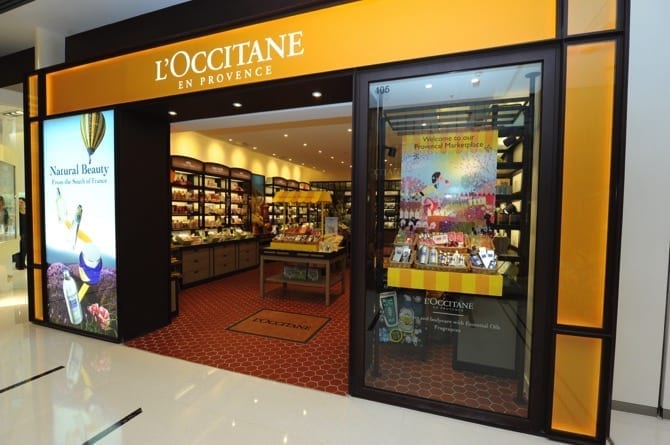
    French skincare brand L’Occitane International’s interim net profit has jumped 33.9 per cent for its latest six months.

    Earnings for the period to September 30 climbed to €25.99 million (US$27.5 million) from €19.41 million year-on-year, while net sales edged up by 1.3 per cent to €551.7 million.

    Emerging economies Brazil, China and Russia were singled out as the top performing markets for the Provence-based company.

    “We are seeing accelerating store traffic in China and a tremendous growth in our sales on the Tmall market platform,” says L’Occitane Asia-Pacific president Andre Hoffmann.

    The mainland has become the company’s second-largest market after the US in terms of the number of outlets. Eight locations were launched in China in the first nine months of the year – the largest number across the brand’s nine major markets.

    Total sales from the mainland gained 5.4 per cent to €50.8 million from a year ago, accounting for 9.2 per cent of L’Occitane’s net revenue.

    More shops were opened in Japan and South Korea, but in Hong Kong sales plunged by as much as 11.2 per cent.

    Same-store sales overall fell 2.5 per cent, which the company blames on global economic political uncertainties. However, more positive signs included a strong performance on Tmall, as well as in the Black Friday sale, says CFO Thomas Levilion.

    L’Occitane eCommerce business grew by 6.8 per cent during the first half, making up 10 per cent of global retail sales.

  • SingPost strengthens collaboration with Alibaba in eCommerce logistics

    SingPost strengthens collaboration with Alibaba in eCommerce logistics

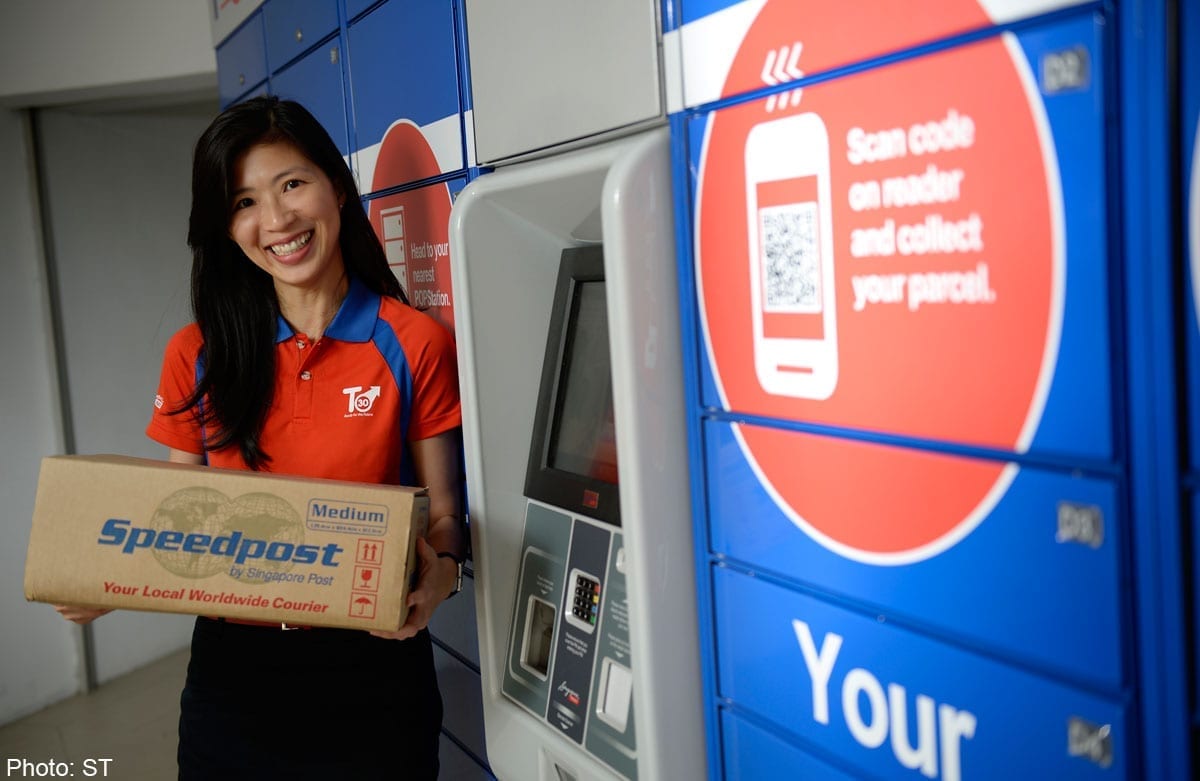
    Singapore Post Limited’s (SingPost) eCommerce logistics collaboration with Alibaba Group Holding Limited (Alibaba) was strengthened as Alibaba’s S$86.2 million investment in SingPost’s logistics subsidiary Quantium Solutions International (QSI) was completed, and regulatory approval for Alibaba’s second investment in SingPost was obtained.

    Joint venture to strengthen eCommerce logistics network

    SingPost completed the joint venture with Alibaba in which Alibaba has invested S$86.2 million for new QSI shares making up 34 per cent of QSI, with SingPost owning the remaining 66 per cent.

    First announced on 8 July 2015, the joint venture is the culmination of deepening business ties between SingPost and Alibaba. Beginning as a customer of SingPost, Alibaba became a SingPost shareholder in 2014, and today, SingPost is a strategic logistics partner for Alibaba.

    QSI, the joint venture between SingPost and Alibaba, will be a common platform to grow and enhance eCommerce logistics capabilities in Southeast Asia and Oceania, to better serve the region’s rapidly growing online retail markets.

    The collaboration will focus on strengthening QSI’s end-to-end eCommerce logistics network, building scale for future profitability. QSI currently operates in 11 markets, providing a full suite of end-to-end eCommerce solutions that includes warehousing, fulfilment, and last mile delivery.

    Mr Simon Israel, Chairman of SingPost said, “The completion of the QSI joint venture underscores the deepening relationship and commitment between both companies to build a leading eCommerce logistics platform together across the region. Both Alibaba and SingPost are confident in the long-term value of collaborating to serve the region’s fast rising eCommerce logistics needs.”

    Mr Daniel Zhang, Chief Executive Officer of Alibaba Group, said, “Our enhanced collaboration with SingPost is another strategic step towards strengthening the fundamental infrastructure for digital commerce that will empower brands and retailers to sell globally through the Alibaba ecosystem. A robust logistics network is vital to helping our merchants successfully serve the vast population across Southeast Asia and Oceania, and realise Alibaba’s vision to ultimately serve two billion consumers worldwide.”

    Update on second share placement

    Approval from the Info-communications Media Development Authority (“IMDA”) has been obtained for Alibaba to increase its interest in SingPost to 14.4 per cent, from 10.2 per cent currently. Alibaba’s further investment of S$187.1 million into SingPost is targeted to be completed by 28 February 2017, in light of the timeline required to obtain the remaining approvals from SingPost’s shareholders at an Extraordinary General Meeting and from the Singapore Exchange for the listing, quotation and trading of new shares on the Main Board of the SGX-ST.

  • Twin SME Fairs Open Today in Hong Kong

    Twin SME Fairs Open Today in Hong Kong

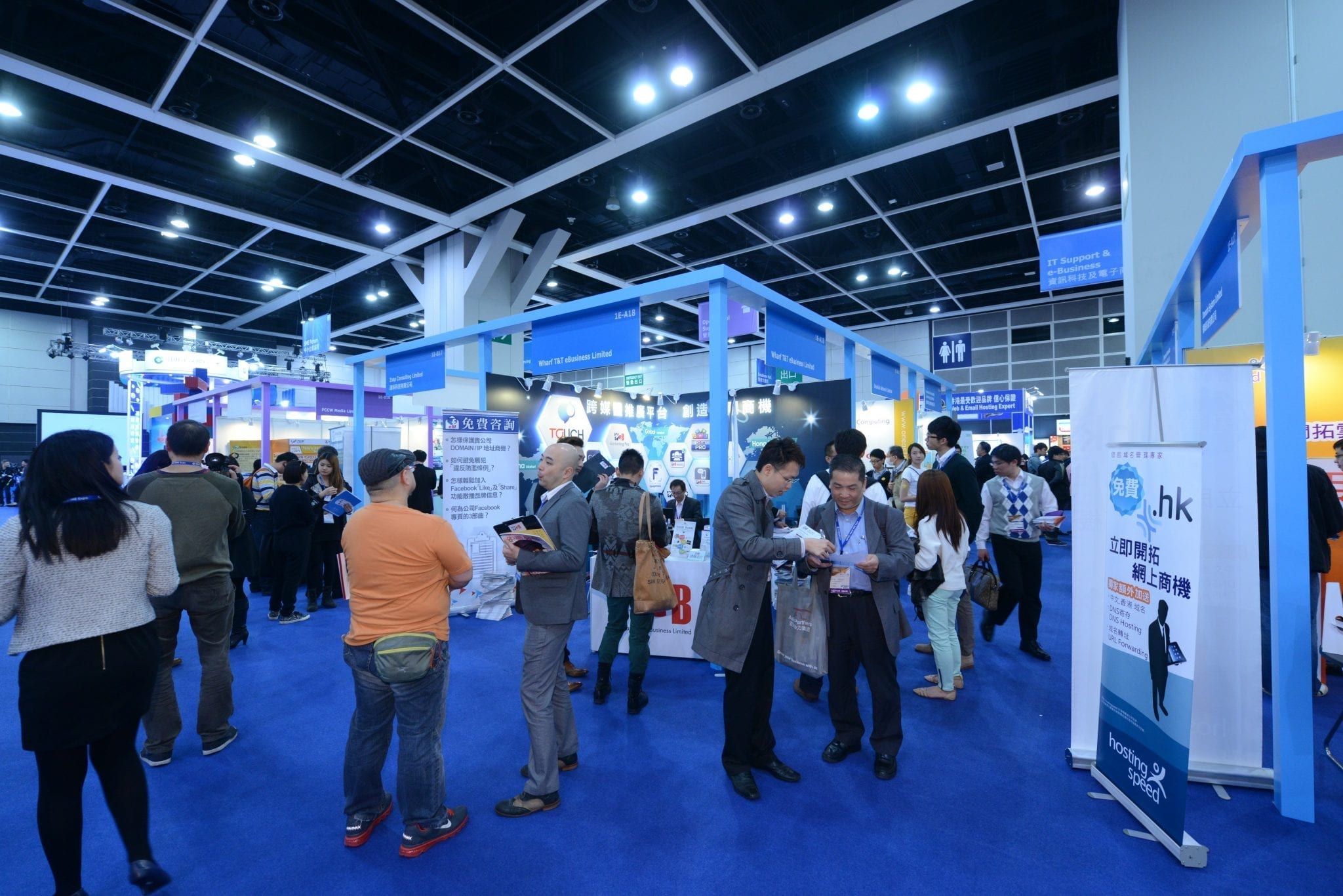
    Amid global economic challenges and intense competition, small and medium-sized enterprises (SMEs) need to upgrade and add value to their products and services to stay ahead. To provide SMEs with a range of supporting services and business opportunities and help them capture global opportunities, the Hong Kong Trade Development Council (HKTDC) is staging the 16th World SME Expo and the second edition of the Hong Kong International Franchising Show. The concurrent events opened today and continue through 3 December at the Hong Kong Convention and Exhibition Centre.

    “This year is the HKTDC’s 50th anniversary. Over the past half-century the HKTDC has always strived to create business opportunities for Hong Kong’s SMEs,” said Raymond Yip, Deputy Executive Director of the HKTDC. “As the finale events of the Council’s Golden Jubilee, the World SME Expo and the Hong Kong International Franchising Show are continuing the HKTDC’s tradition by providing a highly effective one-stop business platform for SMEs to capture worldwide opportunities. The International Franchising Show, in particular, is featuring more well-known brands and franchising concepts in its much-anticipated second edition.”

    Belt and Road Zone

    This year’s World SME Expo features more than 400 exhibitors from 35 countries and regions, many of whom are keen to learn more about the Belt and Road Initiative and the unprecedented opportunities that are set to emerge along the Belt and Road routes for companies around the globe. To help Hong Kong SMEs seize opportunities arising from the Initiative, the Opportunities Hall of the World SME Expo features a dedicated “Belt and Road Zone”. The zone has gathered more than 40 exhibitors from 19 Belt and Road countries, including those from Southeast Asia, South Asia, the Middle East, Africa and Central and Eastern Europe, to showcase their respective developments and partnership opportunities. It also spotlights the economic and trade cooperation zones and industrial parks in Malaysia, Laos, Indonesia and Belarus that have been set up with investment from the Chinese mainland. Visitors can learn about the investment environment, conditions and latest developments of these cooperation zones and industrial parks and identify new opportunities.

    At the event’s Solutions Hall, SMEs can find a range of practical business solutions, including m-commerce and e-tailing services, which are among the consumer trends shaping business models worldwide. Government departments and business chambers are also showcasing supporting services for different types of businesses.

    Close to 70 speakers share their business experience

    This year, the World SME Expo is organising more than 30 seminars and workshops. The “Innovation & Branding – The New Breed of SMEs” seminar series, co-organised with the Trade and Industry Department, features leading entrepreneurs discussing ways to develop products and services, adjust business operation models and forge successful brand transformation. Speakers include Eric Sun, Managing Director of Kinox Trading Limited, who is an expert in branding through O2O marketing, and Dr Alfred Ng, Chief Technology Officer of Suga International Holdings Ltd, who will speak about ways to harness the power of Internet of Things (IoT) technology to develop industrial ecosystems.

    The seminar series “Embracing The Latest Trend of E-Commerce”, gathers industry experts from Google, LinkedIn and Baidu to share insights into mobile apps, social media trends and digital marketing strategies.

    The HKTDC has also invited renowned entrepreneurs to share their business experience at the expo. Speakers include Quincy Wong, Chairman of Convoy Global Holdings Ltd; Vincent Tsui, Chief Marketing Officer of Next Digital Ltd; and Skye Chan, Founder of e-tailing shop Gift-ing.

    Hong Kong International Franchising Show

    Franchising is an established model of business expansion that is particularly common in the food and beverage, retail and other services sectors. With a growing number of middle class brand-savvy consumers, brands are choosing franchising as a way to expand their business. To cater to this trend, the HKTDC debuted the Hong Kong International Franchising Show last year to provide a one-stop platform for companies and entrepreneurs to find franchising opportunities, business partners and get expert tips on franchising.

    This year, the fair has gathered more than 100 exhibitors from Hong Kong, the Chinese mainland, Korea, Taiwan, the ASEAN region and Australia as well as Europe and the United States to showcase franchising opportunities in food and beverage, retail, education, health and beauty, and other personal and business services in three thematic zones: “Catering”, “Non-Catering” and “International”.

    Various well-known franchising brands have returned to the show, including Papa John’s Pizza, a US pizza chain; Trendyland Studio, which specialises in selling Disney products and providing Disney-themed photography services; and KamCha, a local Hong Kong food and beverage brand. New exhibitors include Sunshine 24, Hong Kong’s first 24-hour self-serve laundry chain; Cafe Cafe, a Canadian specialty coffee brand; Coerver Coaching, a football training system; InXpress, an international courier intermediary company; and Hong Kong’s School of Creativity.

    “Advice from the Wise” seminar series

    This year, the HKTDC has launched a new seminar series called “Advice from the Wise”. The series features industry experts from the US, Japan, Malaysia, Australia and the Chinese mainland sharing advice on how to enter the mainland market, new operating ideas for the catering sector and how to develop domestic services into franchises.

    At the “Round Table Meeting”, representatives from franchising associations in the Asia-Pacific region are set to analyse the latest franchising trends, including those in Singapore, Australia, Korea, Indonesia, the Philippines, the Chinese mainland, Taiwan and Hong Kong.

    Business matching services and networking events are arranged during the event to help visitors expand their networks. There is also a series of Brand Briefing Sessions for visitors to explore cooperation opportunities.

    Alongside the World SME Expo and Hong Kong International Franchising Show, two other concurrent events are underway, further enhancing business synergy for visitors. These events are the Business of Intellectual Property Asia Forum and InnoDesignTech Expo. Together, the four events provide a highly-effective one-stop value-adding platform for SMEs to capture global opportunities.
  • Bonia to close more stores

    Bonia to close more stores

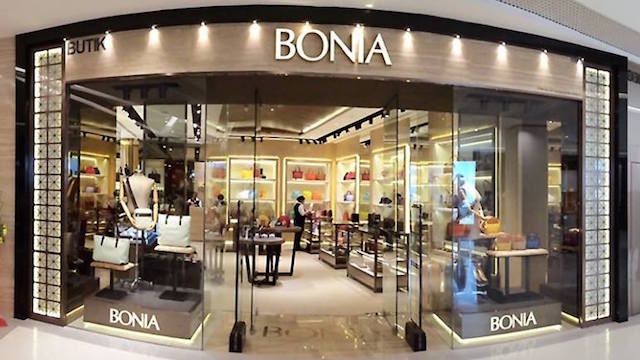
    Malaysian fashion retailer Bonia will close more of its loss-making outlets next year.

    But despite weak earnings, the boutique brand known for its leather goods and footwear plans to increase its advertising and promotional spending.

    Pretax profit fell nearly RM26.7 million (US$6 million) for its latest financial to June 30 to RM45.93 million. Bonia cites the slowing economy in Malaysia and Singapore as the core reason.

    About 10 Bonia outlets have been closed internationally this year, and group MD Albert Chiang says the group is undertaking “prudent measures” and being selective about store openings.

    Bonia owns the Bonia, Carlo Rimo and Sembonia brands and has a presence in Cambodia, Indonesia, Malaysia, Myanmar, Singapore and Vietnam.

    The group also owns distribution rights to Braun Buffel, Jeep, Pierre Cardin, Santa Barbara Polo and Racquet Club.