Author: Mei Ling Tan

  • Hong Kong still suffering a retail slump, despite signs of recovery

    Hong Kong still suffering a retail slump, despite signs of recovery

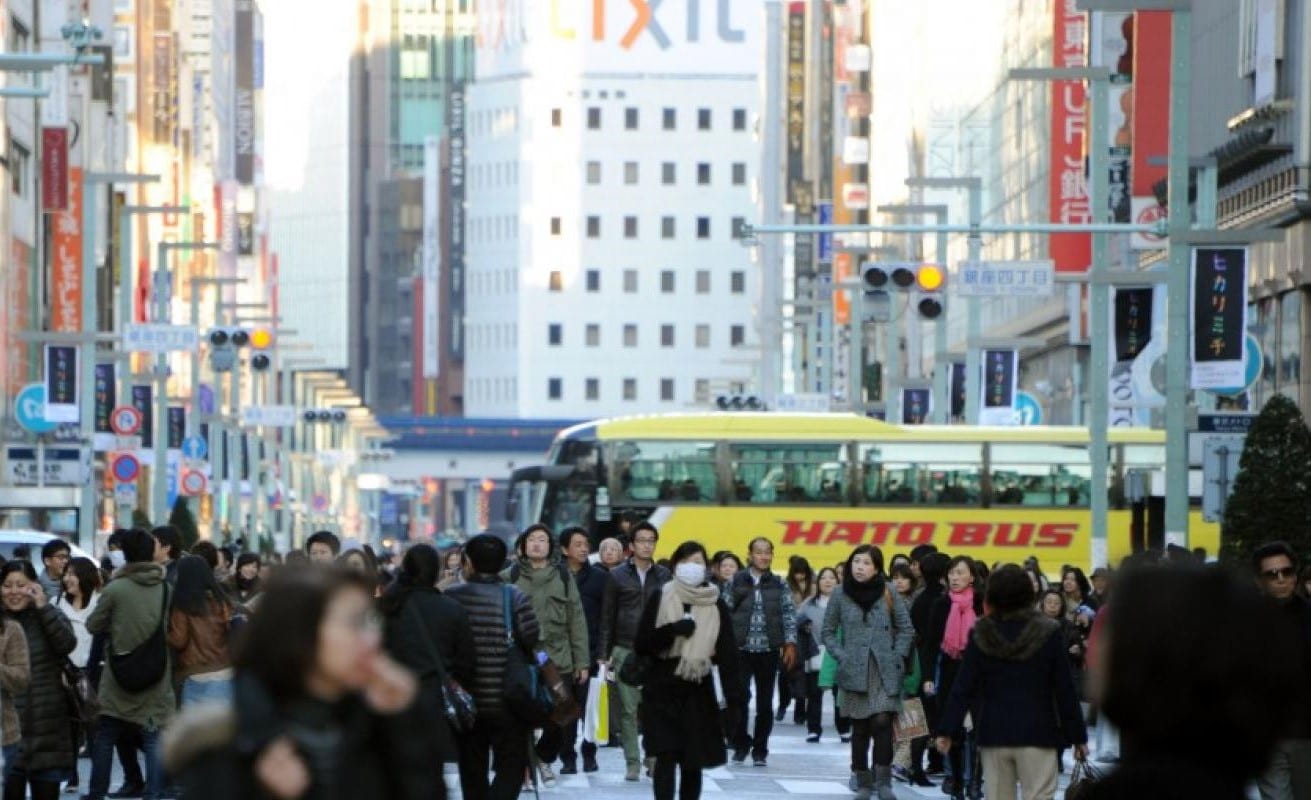
    The retail downturn here is showing signs of recovery ahead of the holiday shopping season, but a further weakening of the Chinese yuan against the dollar could return to haunt the industry.

    Retail sales fell for 20 months in a row to reach 36.1 billion Hong Kong dollars ($4.65 billion) in October. However, the contraction in retail sales narrowed to 2.9% year on year, marking the smallest drop since July last year.

    Leading the decline were sales of electrical goods and photographic equipment, which plunged 21.7% on the year. Sales of luxury items such as watches and jewelry — popular among wealthy mainland spenders — edged down 0.1%, ending a streak of double-digit declines since September last year.

    Some brighter spots include supermarket sales, which were up 3.5% on the year, helped by stronger local consumption. But sales of clothing, as well as cosmetics and medicine, both dived back into negative territory, shrinking 5.1% and 1.8%, respectively.

    The government attributed the better-than-expected retail sales to improving tourist traffic. The number of mainland Chinese visitors to Hong Kong declined 3.5% year-on-year in October, against a 5% decline a month before. Overall tourist arrivals were down 2.4%, according to official statistics. “The stable job market and increasing household incomes also rendered support to local consumer sentiment,” a government spokesperson said on Thursday.

    Describing the October figures as “rays of hope” for the industry, Retail Management Association Chairman Thomson Cheng Wai-hung expected sales in the next three months to stabilize with the coming of high-spending holiday seasons such as Christmas and the Chinese New Year in late January.

    But Cheng said February will be a more critical time for the industry, referring to the impact of the yuan, which recently slid to an 8.5-year low. With the Hong Kong dollar’s peg to the stronger greenback, after the anticipated hikes in U.S. interest rates, “our goods would be more expensive for the mainlanders,” Cheng added. “It’s a big negative for us.”

    A positive dimension is that Hong Kong retailers that do sourcing in Asia are likely to benefit from the region’s weaker currencies resulting from the rate hikes, leaving them “more room” to counteract the currency impact with promotional discounts, Cheng said.

    Nonetheless, a turnaround might seem unlikely for some retailers. Hong Kong-listed French premium beauty brand L’Occitane saw Hong Kong as its worst-performing market across Asia-Pacific. Sales in the territory declined 11% on the year from April to September, little improved from the 12% slump reported in the same period in 2015.

    “Our Hong Kong business remains challenging, with a continued drop in mainland Chinese tourist traffic and heavy discounts offered by competitors,” said Chief Financial Officer Thomas Levilion on Tuesday, following L’Occitane’s announcement of a modest 1% increase in overall sales, which were helped by growth markets such as Brazil and Russia. With a net opening of 17 stores in Asia, the group shut down two stores in Hong Kong in the April to September period.

    Hong Kong mid-tier fashion retailer Bauhaus also closed four of its 80 stores at home and in Macau in the period, citing “stiff headwinds” in the retail market. Its net loss more than doubled to HK$60 million in the half year ended in September, dragged lower by an 18.5% fall in Hong Kong sales. The group slashed its headcount by nearly 14%, with the biggest reduction in Hong Kong.

    Bauhaus may also consider relocating some of its stores away from the prime shopping districts to trim costs. “More seriously, intensive discount-driven retail dynamics in recent years have gradually diminished the effectiveness of certain traditional promotional campaigns,” said Chairman Wong Yui-lam in a statement on Nov. 25, adding that there has yet to be “any significant indicator of a rebound in the near term.”
  • China’s Shang Xia reveals five-year travel retail plans

    China’s Shang Xia reveals five-year travel retail plans

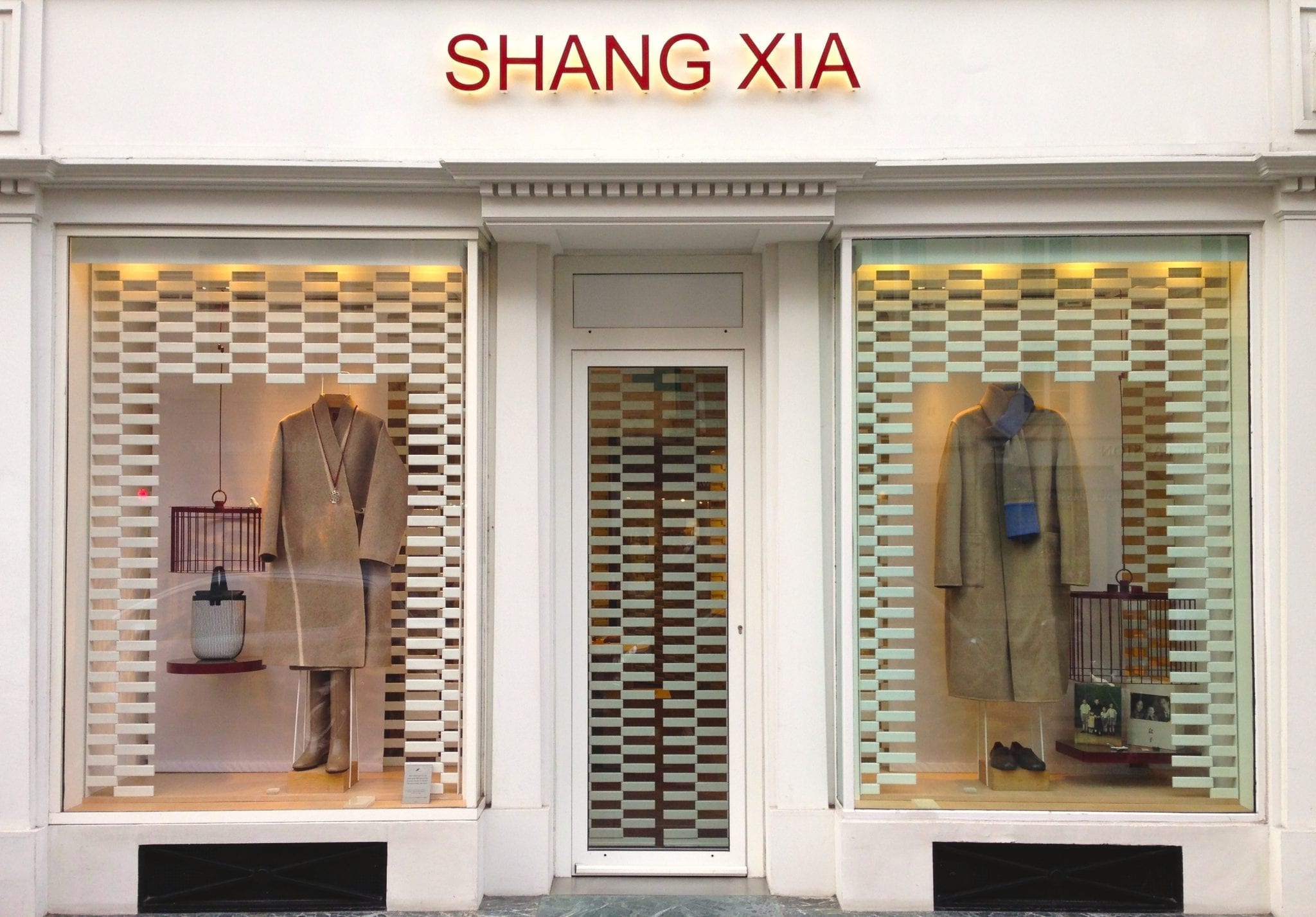
    Chinese lifestyle, home and fashion brand backed by Hermès, Shang Xia has confirmed that it has big ambitions for the travel retail channel and hopes to open new standalone boutiques at Beijing, Heathrow and Hong Kong international airports in the next five years.

    Tina Priscilla Tam, the brand’s Vice President, Travel Retail and Wholesale Business for Asia Pacific told TRBusiness that she believes that travel retail is the ideal channel to communicate the brand’s message to travellers ‘who value and appreciate the beauty of the culture’.

    “Shang Xia’s strives to preserve China’s fading traditions of craftsmanship and re-evaluates the tradition in the context of contemporary lifestyles,” says Tam. “China’s great heritage of technical ingenuity shimmers with potential.

    “Wooden furniture; bamboo woven on porcelain; cashmere felt; eggshell porcelain…These remarkable materials are transformed by the CEO and creative designer – Qionger Jiang. Her inspiration embodies both beauty and utility.

    BRIDGING EAST AND WEST

    “’As above, so below’; the translation of Shang Xia is simple, but profound. It speaks of heritage and construction; of intangible bridges, which link tradition and the present; east and west; art and lifestyle; human and nature.”

    Shang Xia has confirmed that it has big ambitions for the travel retail channel.

    Tam believes that Hong Kong Airport is a perfect location for the brand to open a standalone boutique. “Hong Kong is one of the most popular destinations for international tourists,” identifies Tam.

    “A place where ‘east meets west’, reflecting the cultural mix of the territory’s Chinese roots with influence of foreign cultures. A good standpoint for the brand to transmit the message of beautiful Chinese heritage and tradition to the world.”

    Shang-Xia-Hongqiao-Airport

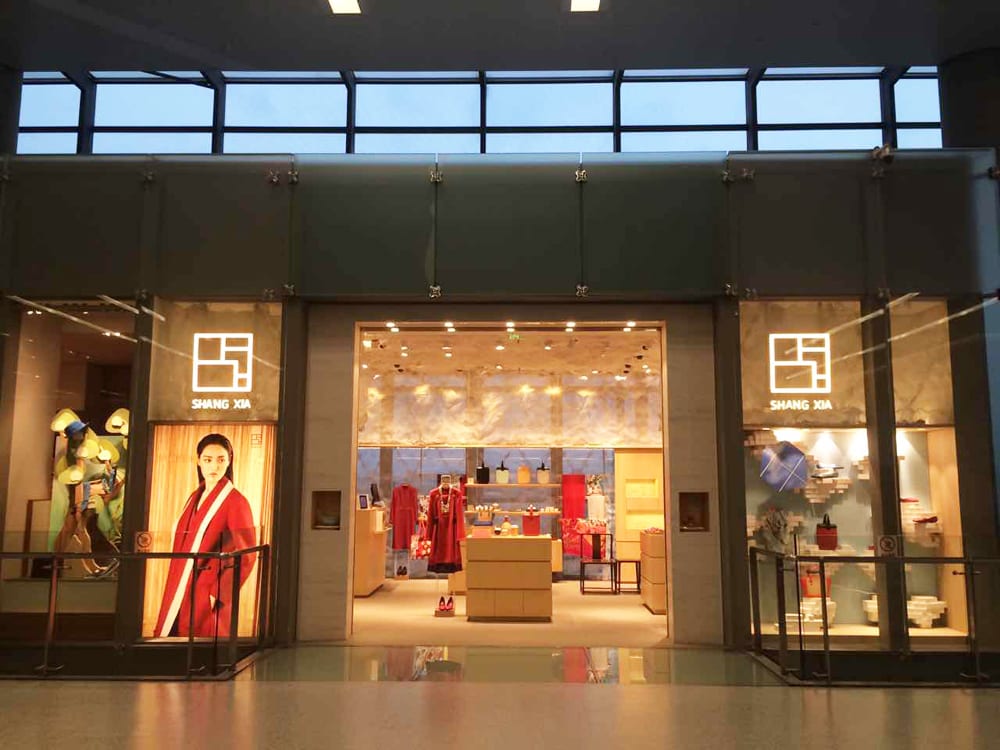
    Shang Xia boutique at Hongqiao Airport.

    Shang-Xia-Shanghai-flagship

    The flagship Shang Xia store in Shanghai.

    London Heathrow is also on the wish list. “Travel retail is a window to the world. With the dynamics of the channel, it is true that some brands consider it as a sixth continent.

    “They have regular travellers who enjoy discovering new and inspired ideas and culture.”

    GLOBAL APPEAL?

    The brand is keen to relay that just because it was born in China, does not mean that it only appeals to one market, but can appeal to those of all nationalities ‘inspired by the preservation of beauty’.

    Shang-Xia-Taiwan-3

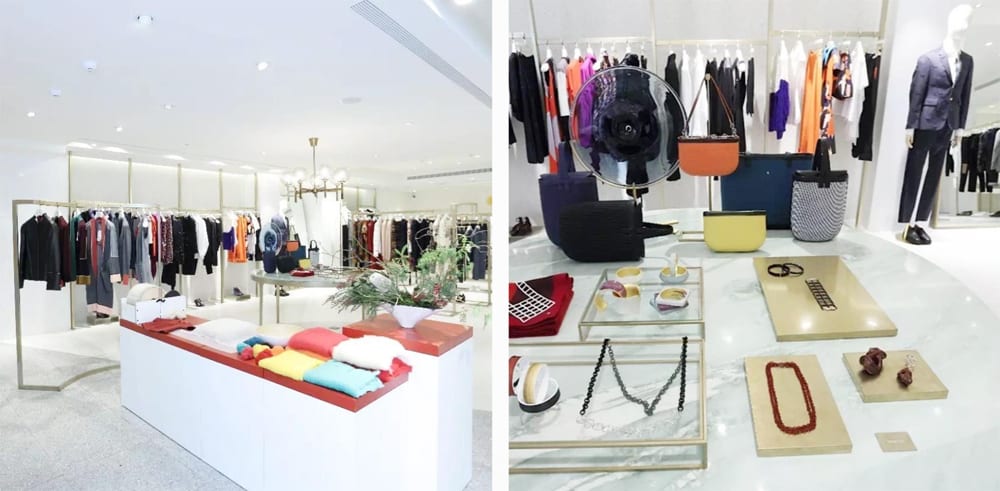
    The brand offers cross-category merchandise from homeware, to clothing and jewellery.

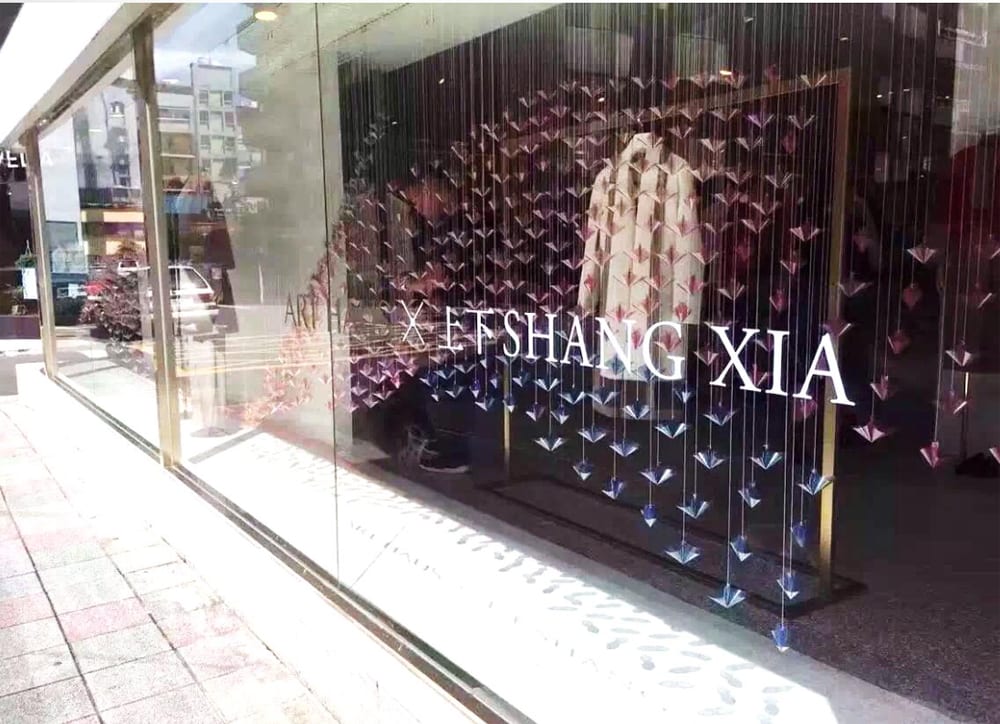
    The brand already boasts boutiques in Paris, Shanghai and Beijing (domestic). “Apart from the above locations, Shang Xia has a partnership in Taiwan where it has already opened two shop-in-shop concept stores in August [with the Shankong group],” says Tam. “The next step will be Hong Kong in January 2017.

    “We focus not only on destinations for Chinese travellers. We review destinations and partners who understand the brand and share the same core values.”

    The brand will open a new standalone store at Beijing Airport’s Terminal 2 in Q2 2017, building on its success Hongqiao Airport.

    TRUST IN TRAVEL RETAIL

    “The successful story gives us the confidence and trust in travel retail; a channel that allows us to share the values of the brand to a wider population and other nationalities,” adds Tam.

    Shang-Xia-Taiwan

    Shang Xia ‘Art Haus’ boutique in Taipei, Taiwan.

    “We believe Beijing Airport T2 is the next important step for us to open in the capital city’s main travel gateway. Of course, we will explore other Chinese airports.”

    The Beijing store will carry Ready to Wear, costume jewellery, tea-ware, and home ware. Although the company doesn’t currently merchandise these categories in separate boutiques it is open to new concepts.

    “We are not limiting ourselves and we are happy to explore new concepts to better serve our customers.”

  • Five apply for Philippines’ new entrant auction

    Five apply for Philippines’ new entrant auction

    Five different companies have reportedly expressed an interest in bidding to become the Philippines’ third operator during next year’s planned new entrant spectrum auction.

    Companies including Philippines TMT company Now Corporation and ISP Converge ICT Solutions have declared their interest in participating. The three other companies have not been named.

    Now Corp secured a CMTS license in 2006, and plans to find a foreign partner for its bid to become the market’s third mobile operator, the report states.

    Both Now Corp and Converge ICT Solutions offer broadband services to corporate clients, with the latter also offering home and SME broadband services.

    Last month, the NBTC announced plans to hold the planned third entrant auctionin mid-2017.

    Spectrum in the 700-MHz, 2500-MHz, 800-MHz and 3500-MHz bands, surrendered as a condition of the $1.5 billion acquisition of San Miguel Corp’s telecoms assets by incumbents Globe and PLDT, will be put on the block.

    But any new entrant to the market will face an uphill battle disrupting the Globe-PLDT duopoly. The report cites Edgardo Cabarios, deputy commissioner of telecoms regulator NTC, as stating that a thrid entrant should invest at least 30 billion pesos ($604.1 million) over the first two years of operation on a nationwide rollout.

  • Ericsson launches Accelerated Network Build

    Ericsson launches Accelerated Network Build

    Ericsson has launched a new solution the company said will allow operators to cut network build time in half.

    The new Accelerated Network Build process incorporates a series of technical innovations, including a cloud-based toolkit with automation functionality, to streamline the rollout process.

    Pilots with operators in developed and emerging markets indicate that Accelerated Network Build can cut build time by 50%, reduce the number of required site visits by 70% and offer 99% first-time-right delivery, Ericsson said.

    With 5G uptake expected to significantly outpace previous generations, operators will be under pressure to rapidly deploy networks to meet demand. Ericsson’s Mobility Report predicts that there will be over 500 million 5G subscriptions by the end of 2022.

    “”Fast time to revenue and reduced cost is a must have right now – it’s a pain point for operators that needs to be solved with innovation, Technology Business Research executive analyst Michael Sullivan-Trainor said.

    “New technologies are going to make things even more complex and it’s very timely that Ericsson is addressing how to fix the infrastructure deployment model now, both for today and for tomorrow when 5G and the Internet of Things will come.”

  • Revenue grows for Fairwood Holdings

    Revenue grows for Fairwood Holdings

    Revenue grew 6.8 per cent for fast-food company Fairwood Holdings in its six months to the end of September.

    Fairwood’s positive result coincides with a strong performance from rival corporate restaurateur Cafe de Coral reported earlier this week.

    Fairwood’s interim results show revenue reaching HK$1.257 billion (US$162 million) compared with HK$1.176 billion for the corresponding period last year. Profit attributable to equity shareholders increased by 1.8 per cent to HK$103.8 million.

    Executive chairman Dennis Lo says the company has focussed on “elevating every aspect of the customer experience” while maintaining a happy culture for its staff members.

    “All of these have been the key in fuelling our satisfactory organic growth and driving the dynamism of our brand.”

    He says the Hong Kong restaurant business performed exceptionally, with revenue growing by 8.7 per cent. In response to customer support, the group opened seven more stores in Hong Kong during the review period.

    The group has also enhanced its signature products, launched new and seasonal dishes, and offered table service for dinner in all stores. “The service has set a new standard for the fast-food industry, and has been very well-received by the public,” says Lo.
    There are also plans to expand its specialty restaurant segment, including a second branch of its new Japanese-Western restaurant ASAP.

    Automation expanded

    To manage costs and improve efficiency the group has engaged in global sourcing, menu and production planning, and flexible work scheduling. It has also expanded the automation of its central food-processing plant.

    Despite a challenging business environment, profitability was maintained in China, with a store opening in Guangzhou during the first half. Expansion will be focussed on the residential districts of Guangzhou and Shenzhen.

    “Connecting to senior citizens has always been an integral part of our corporate culture,” says Lo. “To show our appreciation toward senior citizens for their past contribution to society, we have issued more than 50,000 discount cards since 2014 as part of our Care for Seniors program, together with many other initiatives.”

    To address the needs of senior citizens as well as the physically challenged, Fairwood has created stores that address their needs by offering priority seating, stick hooks, handrails in toilets and non-glare menu boards.

    “Aside from treating customers well, Fairwood believes it is equally important to foster a happy work environment,” says Lo. The group has established focus groups to collect staff members’ opinions and feedback, and offered customer-centric training programs, advancement opportunities and team-building activities. “Such efforts have contributed toward achieving higher staff retention across all levels.”

    At the end of September, the group had 128 stores in Hong Kong, including 121 fast-food outlets and seven specialty restaurants, plus 10 stores in China.

  • Japanese retail sales barely changed in October

    Japanese retail sales barely changed in October

    Japanese retail sales fell 0.1 per cent year-on-year in October, according to the Ministry of Economy, Trade and Industry.

    But while sales were down, the figures were much better than the 1.6 per cent fall analysts expected, after September’s 1.7 per cent decline.

    Seasonally adjusted monthly sales rose 2.5 per cent – also exceeding analysts’ forecasts of 1.1 per cent and representing a big leap on September’s 0.3 per cent rise.

    Larger retailers, such as hypermarkets and department stores, recorded a 1 per cent year-on-year decline, following September’s 3.2 per cent decline.

  • Tiffany progress more technical than strategic

    Tiffany progress more technical than strategic

    Following on from a very weak second quarter, it is pleasing to see Tiffany nudge back into growth on a total sales basis.

    The 1 per cent uplift is modest, but it is far better than the string of poor numbers the company has been posting for well over a year. That said, the figures do not show that all the problems at Tiffany have been resolved. Indeed, part of the increase is attributable to the very easy comparatives from the prior year; and part is down to the strength of the yen against the dollar, which aided performance in Japan. These are rather technical gains, and are not growth produced by a sound underlying strategy.

    That Tiffany still has issues is demonstrated by the Americas figures, where sales declined by 2 per cent on both a total and comparable basis. This comes off the back of a 7 per cent and 9 per cent decline in total and same store sales in the prior year.

    Notably, the impact of the strong dollar on sales to tourists at Tiffany’s flagship stores now seems to have dissipated and annualised out; if anything, the company noted that tourist sales were relatively strong over the quarter.

    This dynamic means the blame for the dip comes, primarily, from domestic demand. Here, Conlumino’s data shows that Tiffany continues to suffer from a decline in both the number of American consumers who consider it for jewellery purchases as well as the proportion who end up buying from it. In a category like jewellery, where purchases are relatively infrequent, not being firmly on the consumer radar is an issue as it gives Tiffany little opportunity to recapture ‘lost’ spending.

    There is an argument to be made that as US department stores see customer traffic weaken, Tiffany should be picking up some trade – at least for mid to higher end purchases. However, this does not seem to be happening. Instead, consumers are migrating to more contemporary premium brands, as well as to custom and direct-to market-players like Blue Nile – which was recently acquired by Bain Capital.

    These represent the new growth spots of consumer demand in jewellery – spots to which Tiffany, with its ‘old world’ image do not have immediate and ready access.

    Thankfully for Tiffany, its weak performance in the US was not replicated elsewhere this quarter. Sales in Asia-Pacific rose by 4 per cent, after a better performance in China. However, comparable sales in the region are still in decline, not helped by continued slides in Hong Kong and Australia. Japan also saw some strong uplifts, with a 13 per cent increase in total sales. However, these were a function of the strong yen and once this impact is removed sales dipped by 4 per cent on a constant currency basis.

    While sales in Japan benefitted from a favorable exchange rate, Europe had no such tailwind. The depreciation of sterling and the euro saw sales decline by 10 per cent on a total basis and by 14 per cent on a same-store basis. Even so, underlying demand in the region – like in the US – remains soft.

    Tiffany has a lot more work to do before it gets into sustainable growth.

  • Japan home to seventh NikeLab flagship

    Japan home to seventh NikeLab flagship

    Japan is to be home to the seventh NikeLab flagship, a premium sub-branch of the sports-shoe brand launched in 2014.

    The other flagship locations are in New York, London, Paris, Milan, Shanghai and Hong Kong.

    Opening this week, Tokyo’s NikeLab MA5 offers a retail experience with a thematic focus on uniting nature and technology, as well as exploring sustainable materials. The store aims to engage the senses with directional sound systems both inside and outside, plus an exclusive scent and soft track-flooring material made using Nike Grind, a palette of recycled and regenerated materials.

    The entrance of NIKELAB MA5 featuring the Holiday 2016 ACG collection, which has advanced weather protection, seamless integration with past and future ACG apparel and adaptable elements like interior strap systems and adjustable collars.

    The entrance of NIKELAB MA5 featuring the Holiday 2016 ACG collection, which has advanced weather protection, seamless integration with past and future ACG apparel and adaptable elements like interior strap systems and adjustable collars.

    Display benches made with Nike Grind, a palette of premium recycled and regenerated materials.

    Display benches made with Nike Grind, a palette of premium recycled and regenerated materials.

    Digitally-powered fitting rooms featuring tatami mat floors and locally sourced wood walls.

    Digitally-powered fitting rooms featuring tatami mat floors and locally sourced wood walls.

    Display cubes made with locally sourced wood for the NikeLab Gyakusou LunarEpic Flyknit.

    Display cubes made with locally sourced wood for the NikeLab Gyakusou LunarEpic Flyknit.

    Also, Nike designers have been working with long-term engineering partner Arthur Huang, the founder of design firm Miniwiz, to incorporate Japanese culture and traditions into the store. Tatami-mat floors pair with walls of locally sourced wood in the digitally powered fitting rooms. The same timber is used on modular display cubes alongside Nike Grind display benches.

  • Taiwan’s SheenHo finds partner for Myanmar

    Taiwan’s SheenHo finds partner for Myanmar

    Taiwanese restaurant chain SheenHo has awarded a master franchise to Myanmar company Creation Strength to open outlets in the frontier market.

    About K1.3 billion (US$995,000) will be invested in opening up to 20 branches over five years, starting in Yangon.

    Chefs from Myanmar will be flown to Taiwan to learn how to prepare the restaurant’s cuisine.
    Meanwhile, Singapore Myanmar Investco (SMI) has partnered with Japanese ramen chain Ippudo to open a branch in Myanmar. SMI has also signed an agreement with Singapore’s Crystal Jade Group to open Chinese restaurants in Myanmar.

  • Jamie’s Italian expands to Thailand

    Jamie’s Italian expands to Thailand

    Thailand’s first Jamie’s Italian restaurant has opened at the newly ­renovated Siam Discovery in Bangkok.

    It is being run by Hotel Properties in partnership with the mall operator, Siam Piwat.

    Jamie’s Italian began as a joint venture between UK celebrity chef Jamie Oliver and his mentor, Italian chef and restaurateur Gennaro Contaldo. The first restaurant opened in Oxford in 2008 and there are now 42 outlets in the UK and more than 25 internationally, including in Australia and Singapore.

    Jamie's Italian Stratfor

    As with all Jamie’s Italian outlets, the Siam Discovery restaurant is committed to sourcing free-range, higher-welfare meat, and sustainable and ethically produced ingredients. All the recipes are Italian classics with a Jamie Oliver twist, including pasta made on site every day.

    The restaurant is working with Thai farmers and suppliers.

    Meat Plank, recommended menu

    Menu highlights at Jamie’s Italian Siam Discovery include antipasti planks, a sharing dish served on wooden boards supported by tins of tomatoes and offering a selection of meats, cheeses, vegetables and pickles.

    The Jamie's Italian Burger, a signature main dish

    Oliver’s cook books and the restaurant’s signature napkins are on sale, as well as gifts.

    Jamie's Italian Spring Summer App Menu Shoot

    Jamie’s Italian Spring Summer App Menu Shoot

    With 184 covers, the restaurant features rustic, reclaimed timber refectory tables, zinc tables and vintage upholstered lounge chairs, with monochromatic and hand­-painted floral tile flooring. The dining area is illuminated with brass spotlights, vintage enamel shades and a textured-glass chandelier.

    Guests can view the open kitchen, watch their antipasti planks being made at the antipasti counter in the main dining room, or relax at Jamie’s Bar.

    Jamie’s Italian Siam Discovery_Interior Design 4

    Jamie’s Italian Siam Discovery_Interior Design 3

    Jamie’s Italian Siam Discovery_Interior Design 1

    Jamie’s Italian Siam Discovery_Interior Design 2

  • Tory Burch Malaysia opens second KL store

    Tory Burch Malaysia opens second KL store

    Fashion brand Tory Burch Malaysia has opened its second store following the success of its inaugural boutique at Pavilion Kuala Lumpur.

    On the ground floor of The Gardens Mall Kuala Lumpur, the store has a facade distinguished by a green awning and brass accents, signature design elements for the American brand. Inside there is a mix of furnishings in a vibrant palette including seafoam silk drapes, blue embroidered pillows and a teal mohair banquette.

    tory-burch-pavilion-kuala-lumpur

    Oak-panelled walls, travertine basketweave floors and white gesso chandeliers set the tone for the boutique. The brand’s signature Reva ballet shoes and high-end handbags are displayed on brass étagères, and there are dedicated spaces for scarves and eyewear.

    The Tory Burch collection includes ready-to-wear, watches, accessories and shoes.
    To mark the opening, a round, navy-blue python bag made from authentic snakeskin is available exclusively from the boutique.

  • Grana pop-up for Fashion Walk

    Grana pop-up for Fashion Walk

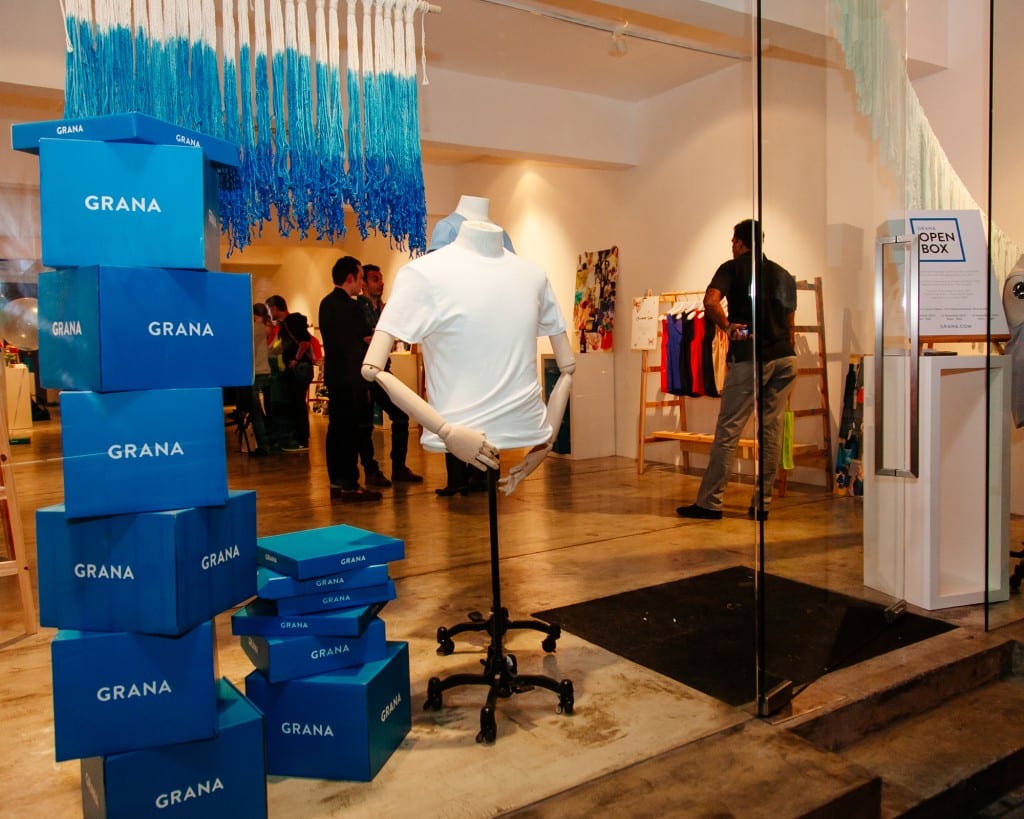
    Online fashion disruptor Grana will open a new pop-up store at Fashion Walk on December 9.

    The new Grana pop-up will be different to its Fitting Room by Grana store in Sheung Wan. The Causeway Bay store will target millennials with what founder Luke Grana describes as a “more personal brand experience” enticing customers to ‘see, feel and try’ before making their purchases in-store for later delivery.

    Described as “The Soft Spot – #granaworld experience”, the three key elements to the store are:

    • The See Wall, a gallery displaying how Grana’s luxury garments are made straight from the original source to the final construction of its Winter Collection & #ShowMeWhere images.
    • A Feel Bar, a sensory experience with different types of soft fabrics and textures;
    • A Try Space where shoppers can find the right fit and fabric offline before buying online.

    The eCommerce retailer has partnered with design and architecture brand Alt-254, to renovate its new 1668 sqft showroom to build the Grana experience and bring the online-to-offline concept to Fashion Walk. Grana will use the showroom space to introduce new fabric origin stories as a creative way to engage fashion conscious consumers on the story behind its new collections over the next four months.

    The new Grana pop-up on Paterson Street, is the brand’s sixth in Hong Kong.

    “With the increasing demand from consumers for quality basics in Hong Kong, the new showroom space is an opportunity for us to create a different retail experience for shoppers to have the Grana experience, learn about our minimalist collection, unique fabric stories and honest pricing model,” said Luke Grana

    “I’m very grateful for the support from Hang Lung Properties to pop-up in such an iconic location”, he said.

    Grana is a direct-to-consumer eCommerce fashion brand designing wardrobe essentials in-house, using the finest fabrics from around the world. Grana offers global shipping directly to 12 countries within two days.

    Headquartered in Hong Kong, Grana was founded by Luke Grana and Pieter Paul Wittgen in October 2014. To date, the startup has raised US$16 million in funding from 500 Startups, Alibaba’s Hong Kong Entrepreneurs Fund, Golden Gate Ventures and MindWorks Ventures.

  • Forum explores securing APAC cashless payments

    Forum explores securing APAC cashless payments

    The rapid growth of cashless payments are growing rapidly in Asia-Pacific is triggering a corresponding rise in cybercrime, which is costing the region an estimated $81 billion annually.

    With new combinations of malware customized for local markets, phishing and social engineering attacks as well increasing e-commerce and ATM fraud, businesses are increasingly at risk for payment data theft.

    Singapore’s cards and payments market is one of the most competitive and attractive in the Asia-Pacific region. In fact, 69% percent of consumer spending in Singapore is made through electronic payments.

    It’s against this backdrop that global payment and cybersecurity experts met at the PCI Asia-Pacific Community Meeting last week in Singapore to collaborate on helping businesses prevent, detect and respond to cyberattacks that can lead to payment data breaches and fraud.

    “We simply must work together to advance payment security,” PCI Security Standards Council (PCI SSC) international director Jeremy King told attendees.

    “New technologies are driving adoption of cashless, mobile and digital commerce in Singapore and the Asia-Pacific region, and it’s critical that we ensure consumers remain confident in the security of their financial information with every payment transaction. As payments evolve, businesses must prioritize data protection with robust security standards and practices.”

    The PCI SSC, meeting in Singapore, reinforced its mission to foster secure transactions globally and emphasized that as new cyber threats emerge, and advances in technology change the way payments are conducted, PCI Standards will evolve to protect the next generation of payments.

    Regional and industry experts speaking at the event included representatives from the PCI Security Standards Council, INTERPOL, Verizon, Diners Club Singapore, Foregenix, Beijing Information Technology and Pen Test Partners. Presentations and discussions addressed a mix of regional and global topics ranging from new threats via the Internet of Things; cybersecurity trends in Asia-Pacific; Point-to-Point Encryption for protecting payment data throughout the entire processing environment; preventing skimming at ATMs and the future of mobile and digital commerce.

  • Thai univeristy opens Alibaba e-commerce training center

    Thai univeristy opens Alibaba e-commerce training center

    The University of the Thai Chamber of Commerce (UTCC) has become an authorized Alibaba e-commerce training center in Thailand.

    Both organizations said they will work to accelerate e-commerce growth in Thailand and help Thai SMEs position themselves in the global market.

    Several collaborative programs, including training the trainers, have already been implemented. A team of Alibaba personnel has coached UTCC faculty members in the School of Business and the School of Science and Technology, among others, to become certified Alibaba trainers.

    These trainers, in turn, are now ready to train Thai SMEs, entrepreneurs and UTCC students to run businesses on Alibaba.com.

    UTCC said it can train more than 5,000 individuals per year, which would help create more e-commerce-minded entrepreneurs and allow more SMEs to expand their businesses internationally.

    “Thai SMEs can potentially drive Thailand’s economy. They just need opportunities to do so. UTCC is now taking the lead to open the door of opportunities for those who aim to take their B2B businesses to another level,” said UTCC President and Associate Professor Dr. Sauwanee Thairungroj.

    Jerry Wu, Alibaba’s country manager in Thailand, said the company sees great potential in products from Thailand and hopes to train Thai SMEs to compete effectively on the global stage through e-commerce.

  • Optus offers bonus data for viewing ads

    Optus offers bonus data for viewing ads

    Australia’s second largest mobile operator Optus has introduced a new ad-supported offer allowing customers to be allocated extra data or credit by agreeing to have marketing messages displayed on their device’s lock screen.

    The Singtel subsidiary has announced Optus Xtra, which gives prepaid customers the option to earn 1GB of bonus data on eligible monthly plans or $2 of extra credit on daily plans every 28 days.

    Optus has developed the service in partnership with New Zealand based mobile advertising start-up Postr. The company has developed a technical platform for lock screen advertising and has similar operator partnerships in New Zealand and Southeast Asia.

    As well as static ads, the platform can give customers the option of viewing a video version of the ad or visiting an advertiser’s website. Users can nominate interests across eight categories – beauty, employment, fashion, government and politics, health, money, technology and travel.

    Singtel’s digital marketing subsidiary Amobee manages advertising for the service.

    “Optus Xtra is a mobile advertising solution that puts mobile first and allows advertisers to reach audiences who have opted-in to see ads that are highly relevant to their interests and preferences,” Amobee managing director for Australia and New Zealand Liam Walsh said.

    “The Optus Xtra lock screen format lets brand advertisers target highly engaged audiences, where they are guaranteed a full screen creative canvas and 100% viewability.”