Author: Mei Ling Tan

  • Thailand to adopt fingerprint registration for SIMs

    Thailand to adopt fingerprint registration for SIMs

    Thailand’s National Broadcasting and Telecommunications Commission (NBTC) has revealed plans to require all mobile operators to introduce an online fingerprint ID system for prepaid and postpaid mobile SIM registrations.

    The regulator has given a tentative deadline of February for operators to support mandatory fingerprint ID registration.

    NBTC officials told the publication that the system is designed to ensure greater security in mobile banking and reduce the risk of fraud as Thailand continues to transition to a cashless society.

    Around 14 million of Thailand’s 103 million mobile subscribers are already using mobile banking services, according to the report.

    According to the report, while the operators will be required to implement a fingerprint registration system to complement their existing mandatory SIM registration systems, mobile customers will not be required to submit their fingerprints. The fingerprints will be stored on an NBTC database server.

    The fingerprint system was developed by the Engineering Faculty of Kasetsart University, which won a tender to supply the system for 15 million baht ($421,000).

    Operators will be able to deduct the costs of implementing the system from their annual universal service obligation fee, which amounts to around 3.5% of operators’ total revenue.

  • AirAsia India mulls A320 aircraft option for UDAN

    AirAsia India mulls A320 aircraft option for UDAN

    Keen to expand its domestic presence, AirAsia India is evaluating the proposition of operating regional flights with A320 planes under the government’s UDAN scheme. The ambitious UDAN (Ude Desh Ka Aam Naagrik) scheme aims to connect unserved and under-served airports in the country while participating airlines would get various incentives, including viability gap funding and other financial concessions.

    AirAsia India, which currently has eight A320 planes, expects to have a fleet of 10 aircraft by end of this fiscal. According to a senior airline official, options of participating in UDAN are being evaluated and a decision would be taken depending on the commercial viability of the regional routes.

    “We are evaluating which routes can be served by A320. If it is viable, we will certainly look into it,” the official told PTI. Manufactured by Airbus, A320s are single-aisle planes that can have up to 180 seats depending on the configuration opted for by the carriers.

    Fares would be capped at Rs 2,500 for one-hour flights under UDAN and the first flight under the scheme is expected to take off in January 2017. Along with increasing its fleet size to 10 planes, AirAsia India also expects to have a headcount of around 1,000 by the end of March next year.

    In the three months ended September 2016, the budget carrier saw its loss marginally narrow to Rs 62.18 crore from Rs 63.14 crore in the year-ago period. However, revenues increased 31 per cent to Rs 175.11 crore in the latest September quarter. The same stood at Rs 132.95 crore in the same period a year ago.

    AirAsia India, now a joint venture between Tatas and Malaysia’s AirAsia Berhad, began operations in June 2014. Tata Sons owns 49 per cent stake while two of the airline’s directors — S Ramadorai and R Venkataramanan –have 2 per cent shareholding, and the remaining is with AirAsia Berhad.

    Meanwhile, Malaysia’s AirAsia Berhad has invested additional funds to the tune of Rs 115 crore in AirAsia India.

  • Meitu’s Hong Kong IPO to value China photo app maker at up to $4.5 billion

    Meitu’s Hong Kong IPO to value China photo app maker at up to $4.5 billion

    Chinese photo app and mobile phone maker Meitu Inc is set to launch an up to $735 million initial public offering in Hong Kong, IFR reported on Monday, citing people close to the deal. Meitu, better known for its apps that let users retouch and beautify selfies and other photos, is offering shares in an indicative range of HK$8.50 to HK$9.60 ($1.10-$1.24) each, added IFR, a Thomson Reuters publication. The IPO is slated to be priced on Dec 8.

    Meitu did not immediately reply to a Reuters request for comment on the IPO terms. The deal will value Meitu, which counts venture capital investors Qiming Venture Partners, IDG-Accel China and Tiger Global among its backers, at up to $4.5 billion, IFR said.

    The IPO will be a rare technology sector IPO in Hong Kong. Between one-quarter to one-third of the shares will be sold to cornerstone investors, IFR said. That would be much lower than some of the large new listings in the city, including the $7.6 billion IPO of Postal Savings Bank of China (PSBC) in September that had 77 percent of its deal bought by cornerstones.

    Large investments by cornerstone investors hurt liquidity for IPOs once the shares start trading, as the stock is locked up for a minimum of six months. The cornerstone money can also pressure the stock as the expiration of the lock-up period nears. China Merchants Securities, Credit Suisse and Morgan Stanley were hired as sponsors of the IPO.

  • Malaysia’s Online Hiring Activity Declines By 12%

    Malaysia’s Online Hiring Activity Declines By 12%

    Online hiring activity across various industries in Malaysia declined by 12% in October when compared to the same month of last year.

    However, the production and manufacturing, automotive and ancillary industries were the only ones to not register a decline with flat growth between October 2015 and 2016.

    According to the Monster Employment Index (MEI) by Monster.com, the retail sector continued to record slower growth for online hiring.

    It chalked up a 23% year-on-year decline in online hiring activity in October.

    Monster.com Asia Pacific and Middle East managing director Sanjay Modi said hiring activity remained sluggish as companies were still very wary of possible economic headwinds brought about by external factors.

    “Other companies are watchful of their budget, laying off workers, cutting salaries and reducing costs all around. But, the government is making great efforts to get more foreign direct investments, which will create better job opportunities,” he said in a statement.

    The MEI also revealed that the retail sector’s online hiring improved by 3% from a decline of 26% recorded between September 2015 and 2016.

    The sector is followed closely by the hospitality industry, which posted a 21% year-on-year decline.

    When looking at specific jobs in Malaysia, sales and business development talent continued to witness the strongest year-on-year demand at 20%.

    Customer service professionals, on the other hand, fared the worst in online hiring in October, exhibiting a 55% annual decline from the 49% recorded in September.

  • Asia’s premium restaurant festival returns to Hong Kong Central Harbourfront

    Asia’s premium restaurant festival returns to Hong Kong Central Harbourfront

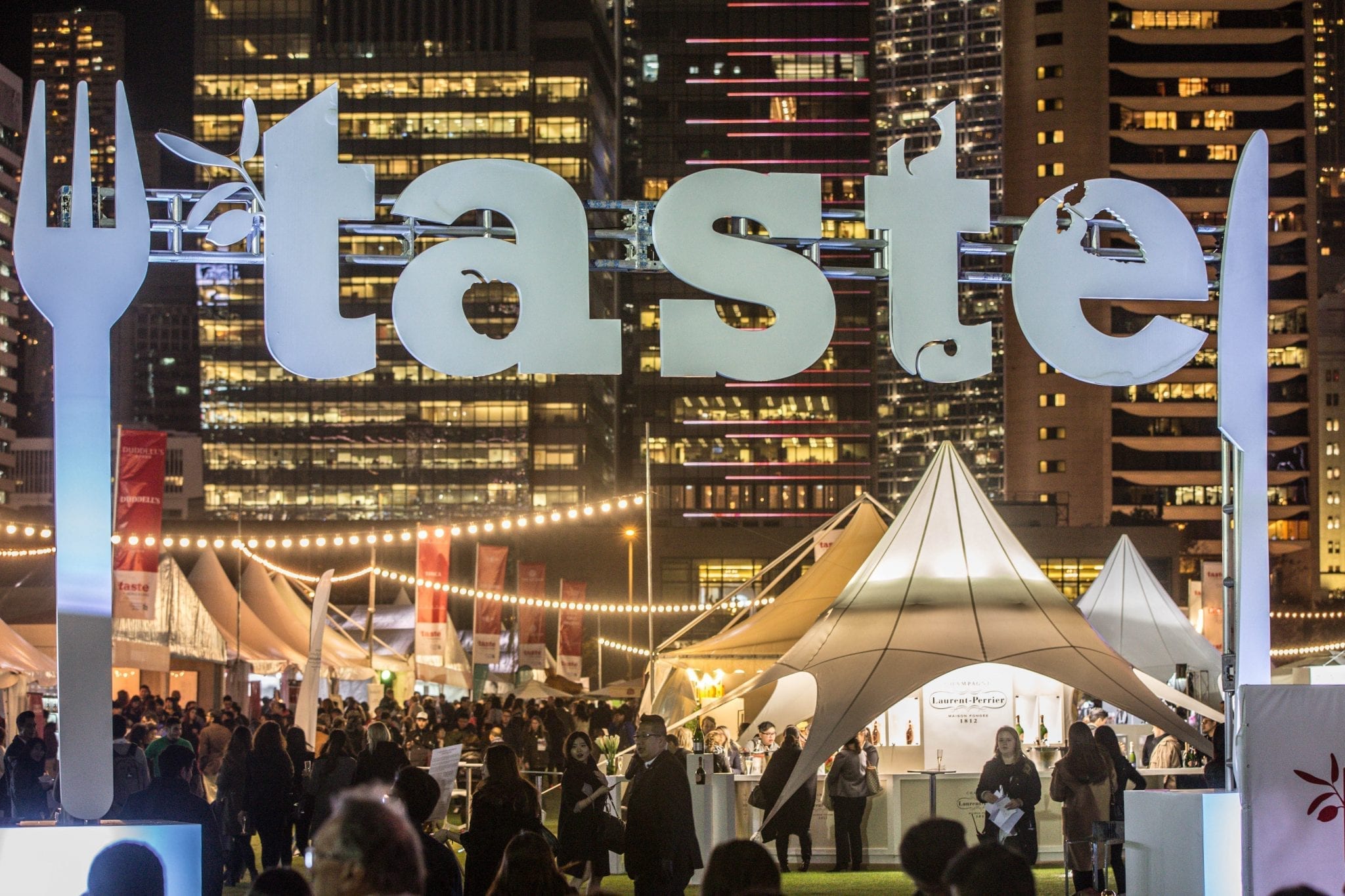
    This second edition of Taste of Hong Kong is set to be even bigger and better with more restaurants, dishes, artisan producers and culinary experiences to savor.

    “It was no question for us that Hong Kong should be the home of Taste Festival’s first Asian location – the city’s exceptional food culture and wealth of culinary talent is internationally recognized as some of the world’s best. The success of the inaugural event, which attracted around 15,000 visitors, solidified Hong Kong’s position and status as one of the world’s top food capitals, proving the city’s impressive appetite and knowledge for top tables and world class cuisine. Seeing Hong Kongers embrace the festival with such a high level of excitement, we decided to make the second edition 25% bigger. Taste of Hong Kong 2017 will be raising the bar once again, bringing some popular favourites and introducing the latest and greatest local and international culinary talent and trends with more premium dishes, exclusive offerings and culinary experiences for taste buds to discover,” says Simon Wilson, Head of IMG Culinary Asia.

    “Many of our Standard Chartered clients enjoyed the 2016 gastronomic festival and we recognise that gourmet food is the way to the hearts of our clients. This is why we want to continue to bring this experience to them and are proud to celebrate our 2nd year of collaboration with IMG,” said Samir Subberwal, Managing Director & Head, Retail Banking, Hong Kong.

    A not-to-be-missed highlight in the social calendar for all Hong Kongers, the world’s greatest restaurant festival will bring Hong Kong’s most celebrated restaurants together to serve a premium menu of more than 50 signature dishes on tasting plates and iconic one-off festival creations. Hong Kong has no shortage of food variety with a significant number of openings every year, building a community of fine hospitality in the industry. New additions to the Taste of Hong Kong 2017 menu include dishes from Kaum at Potato Head, Mercato, Okra, Rhoda and ZUMA. Culinary stars who have had a taste and are returning for more this year are Amber, Arcane, Café Gray Deluxe, CHINO, Duddell’s, Tin Lung Heen, Tosca and Yardbird.

    Discerning Hong Kongers will enjoy access to world class cuisine across the festival as well as the opportunity to shop at The Gourmet Market and the chance to learn a couple of tricks at the Taste Theatre from the region’s finest chefs over the weekend. Festival-goers can take a break and mingle with like-minded foodies while listening to a line-up of live entertainment in one of the many lounge areas at the festival.

    No party is complete without the best champagne. After more than 15 years of work, Laurent-Perrier will unveil the quintessence of its own style at Taste of Hong Kong 2017. This is the first time the La Cuvée will be seen in Asia, chilled and ready for oenophiles to enjoy with the finest Hong Kong cuisine.

    Etihad Airways, the official Airline partner of Taste Festivals will be running their “Taste the world” competition between restaurants at the event. They will send one Hong Kong chef to compete alongside 12 other world-class chef’s in the final of the ‘Taste the World’ competition at Taste of Abu Dhabi in 2017.

    Taste Festivals is celebrated in 22 destinations including Paris, London, Rome, Dubai, Sydney and Sau Paulo.

  • China’s consumers may teach the world how to shop

    China’s consumers may teach the world how to shop

    China’s consumers are by no means the wealthiest in the world. But they are years ahead of their counterparts in many developed economies in terms of how they shop and pay for what they buy. In this, they are revolutionising the way consumer finance is conducted in the world’s second-biggest economy.

    Like so many of the changes sweeping China, the uptake of internet and digital technologies has happened with head-spinning speed.

    As recently as 2000, a mere 1.7 per cent of mainland Chinese were online. Now, the country has more than 700m internet users – a penetration rate of more than 50 per cent.

    Visit any Chinese city these days, and you will find pretty much everyone toting a smartphone or tablet – or both. China’s e-commerce sales have soared from practically zero in 2003 to nearly $600bn last year, and now top those in the United States. Alibaba’s annual “Singles Day” shopping event generated a massive $17.8bn-worth of sales on its online marketplaces earlier this month, up 32 per cent from a year earlier.

    Put another way, mainland China’s consumers – like those in many other Asian nations – have gone from (nearly) no-tech to high-tech within just a few years, largely bypassing clunky fixed-line telephony to leap into a world where and online shopping smartphone ownership have become the norm.

    This transformation is explained by a powerful combination of factors.

    First, mainland China’s retail and telecommunications networks – again, like those in other developing economies – were for decades underdeveloped and inconvenient. So China’s consumers eagerly embraced the speed and choice that the internet and mobile phones brought to buying clothes, hotel stays or movie tickets, and swapping shopping tips with their friends.

    By now, a generation of Chinese has grown up with a different concept of “convenience”: Residents of, say, Shenzhen or Guangzhou are perfectly likely to buy items via the smartphone in their pocket, rather than walk one block to the store that stocks them.

    This is the world that anyone doing business in China needs to adapt to: an e-commerce environment that is one of the most developed in the world, and that is growing rapidly. Research company eMarketer estimates that China e-commerce sales will hit nearly $900bn this year – nearly half the global total – and more than $2.4tn by 2020. Already, 55.5 per cent of that is done via mobile devices; by 2020, that will have risen to 68 per cent, according to eMarketer.

    Meanwhile, the mainland authorities want to continue to develop the Chinese economy, and have supported the build-out of internet-related technologies.

    China’s internet and mobile revolution is perhaps most visible in the increasingly affluent and vibrant Pearl River Delta, which is home to high-tech corporate giants like Huawei Technologies and Tencent. Internet penetration in Guangdong province, where the Delta is located, is well above the national average. For example: there are 78m internet users in Guangdong, nearly three-quarters of the population.

    All this has massive implications for the financial and e-commerce sectors in China, which have raced to adapt to Chinese consumers’ ravenous appetite for digital innovation.

    Just as buying behaviour has changed from traditional over-the-counter to online/mobile, so too financial interaction is rapidly becoming paperless, wired and digital.

    Alibaba, for instance, has capitalised on the popularity of its own online marketplaces by creating its own payment system, Alipay. In 2015, Alipay had 451m active users conducting on average 153m transactions per day. By comparison, PayPal’s 180m active users conducted just 16 million transactions a day.

    And Tencent in 2014 set up an electronic wallet – which allows people-to-people payments via mobile phones – for users of its massively popular social messaging apps.

    The uptake of such technologies has been immense.

    Within just 72 hours of ApplePay’s launch in mainland China in February, 3m payment cards had been registered to the service. That’s three times the total registered in the US.

    More than 410m Chinese now regularly use e-payment methods – nearly 90 per cent of them via mobile devices – according to official data.

    Traditional banks also are responding to China’s e-commerce/e-payment ecosystem, and are rushing to introduce new digital tools for their customers.

    Virtual teller machines, for example, allow customers to interact with bank staff by video, scan documents and provide e-signatures, meaning that things like opening an account becomes simpler and quicker.

    Mobile apps are increasingly common and making it easier for customers to check their accounts or make transactions, wherever they happen to be.

    Thumbprint ID and voice-recognition technologies are already available and will before long be commonplace, adding an extra layer of security and convenience for online and mobile customers.

    “Bricks and mortar” bank branches and people-to-people interaction is still highly valued, although their role is rapidly changing to focus on meeting customers’ wealth management and more complex needs. Paperless, branch-less “clicks and apps” banking allows banks to service most of their customers’ transactional needsmore efficiently and quickly, around the clock – whether they are in Shenzhen, Shanghai, rural Sichuan, or on holiday in Thailand.

    Few people could have imagined the changes sweeping China’s retail and banking scene just five years ago. The next five years are sure to bring still more change. Banks and retailers will need to be nimble, and anticipate the future needs and preferences of China’s 1.37bn shoppers. Those who get it right will find the size of the prize is immense.

  • Uncertainty Marks The Year End For Thailand

    Uncertainty Marks The Year End For Thailand

    The non-ceasing political disturbance and reigning uncertainty is dominating every aspect of life in Thailand since the King Bhumibol Adulyadej’s death on October 13. The Crown Prince Maha Vajiralongkorn is supposed to appear for an audition as a heir to the throne after he had been invited to become the next King by the parliament. The deeply divided society, depressed under the rule of the military junta, needs reconciliation.

    The macro view from the long-term perspective for Thailand is rather worrying, notwithstanding the country’s status of oil and gas producer. Its own natural resources are not proving to be large enough to count on to satisfy the growing domestic demand. The oil reserves are on the way to extinction, and the capacities of the robust gas production are not sufficient to compensate for overtaking consumption. Thailand has turned into a net gas importer and faces increasing reliance on oil imports as well.

    The import curve reflects an intermittent character of oil cargo inflows, it remains unclear they are at all affected by the event of the King’s passing followed by the mourning period.

    More than a half the crude shipments are originated in the Middle East, with zero contribution by Iran. Although it is predictable that in not so remote a future the once rogue member of OPEC will find its way to squeeze into the Thai market anyway.

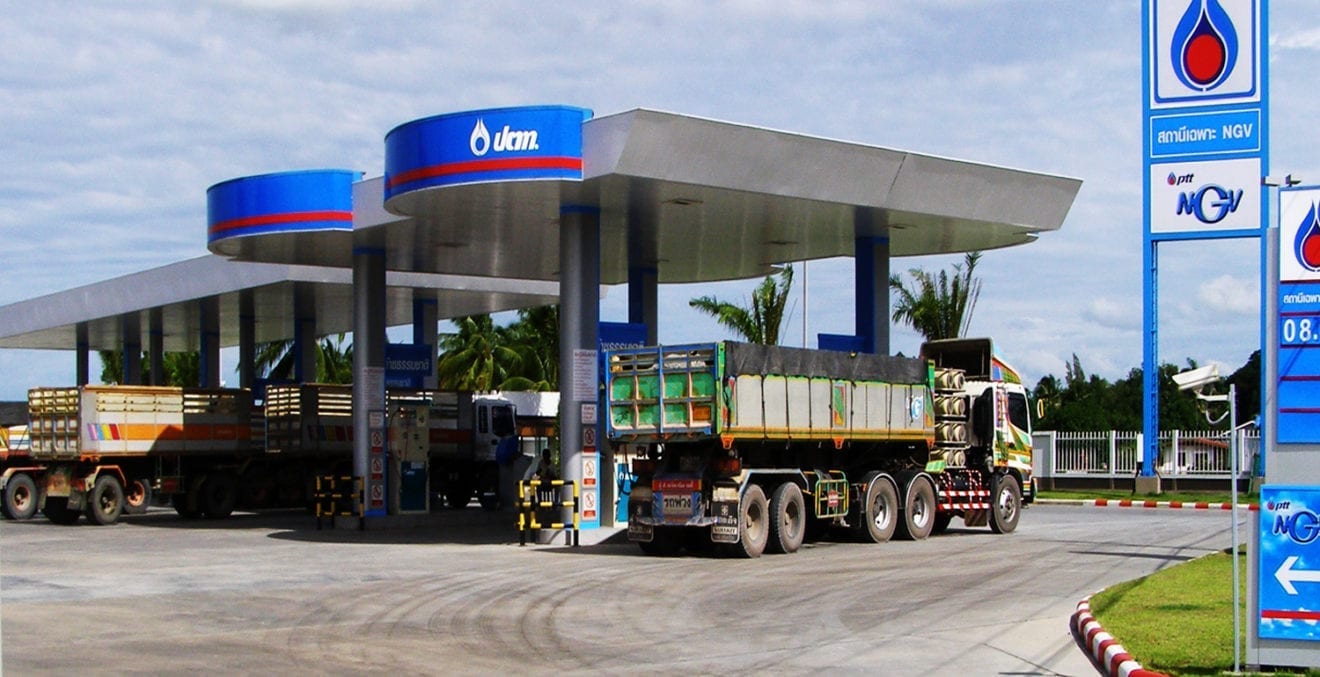
    The state-owned PTT and its refining unit Thai Oil have reported strong 3rd quarter profits, overshadowing the forecasts. Forex gains and favourable refining margins helped to reverse losses suffered in 2015.

    PTT is currently undergoing some restructuring splitting off its retail business unit, which is due to be renamed as PTT Oil and Retail Business Co Ltd (PTTTOR) to be listed eventually on the Stock Exchange of Thailand. The move is aimed to react to shrinking tolerance of fluent markets to inflexibility typical for inert government-controlled institutions.

    In the 1st quarter of 2017, Thai authorities were supposed to open for bids 29 onshore and offshore concessions for gas and oil production. But the first auction since 2007 was postponed again, and will be only completed in 2018. The existing contracts held by Chevron Corp and PTT Exploration and Production are due in 2022 and 2023, respectively.

    Previously, PTT announced plans to sign 15-year contracts with Royal Dutch Shell and BP to secure supplies of liquefied natural gas. The 5 million tons capacity of Map Ta Put LNG import terminal in the Gulf of Thailand will be doubled by March 2017. The current long-term deal with Qatar is ensuring some 2 million tons a year.

    More gas is being pumped in via the ASEAN pipeline from Thai-Malaysia joint offshore development area. This type of cooperation sets an example to follow in a region where territorial disputes have long been the cause of dormancy for many downstream projects.

    However, the Thai authorities will have to lose sleep over the challenging task to pursue the investors’ money. Any wrongdoing might provoke the capital outflow, then it will take a lot of effort to make the country attractive for investment again. To be updated soon.

  • Co-Operative Bank to issue JCB Debit Card in Myanmar

    Co-Operative Bank to issue JCB Debit Card in Myanmar

    Co-Operative Bank (CB Bank), a major commercial bank in the Republic of the Union of Myanmar (Myanmar), Myanmar Payment Union Public Co.,Ltd (MPU), and JCB International Co. Ltd. (JCBI), the international operations subsidiary of JCB Co., Ltd., today announced that CB Bank will start to issue JCB debit card in December 2016.

    The CB MPU-JCB Co-Brand Card combines the MPU brand and JCB brand. Cardmembers can use MPU’s nation-wide merchant network in Myanmar and JCB’s international merchant network with over 31 million locations globally.

    The Card offers 3 different card types, Platinum debit card, Gold debit card, Standard debit card. All the cardmembers can enjoy JCB privileges such as JCB Plaza, staffed service counters for JCB cardmembers located around the world. Also cash back and discounts at selected CB merchants will be offered to Platinum and Gold CB MPU-JCB Co-Brand Cardmembers. JCB offers Platinum cardmembers exclusive JCB Platinum services, such as JCB Platinum airport lounge service, JCB Platinum Concierge Desk, and Special JCB Platinum Hotel Services.

    Kimihisa Imada, Deputy President of JCB International said, “I am delighted to have a partnership with CB Bank as the second JCB card issuer in Myanmar. JCBI entered into the market in 2012, and we have been committed to providing support to the expansion of the Myanmar payment market in cooperation with MPU. I am confident that the issuance of CB MPU/JCB Co-badged Card will grow the market even further and will contribute to the financial inclusion.”

    U Kyaw Lynn, Executive Vice Chairman & CEO of CB Bank commented, “On behalf of Co-operative bank, I am very pleased to announce that we are issuing CB-JCB debit card. This partnership between CB and JCB will strengthen ties between our business and our countries. Our customers here in Myanmar can enjoy all the benefits developed by CB and JCB when using in Myanmar and using in oversea countries.”

  • Luk Fook announces interim results

    Luk Fook announces interim results

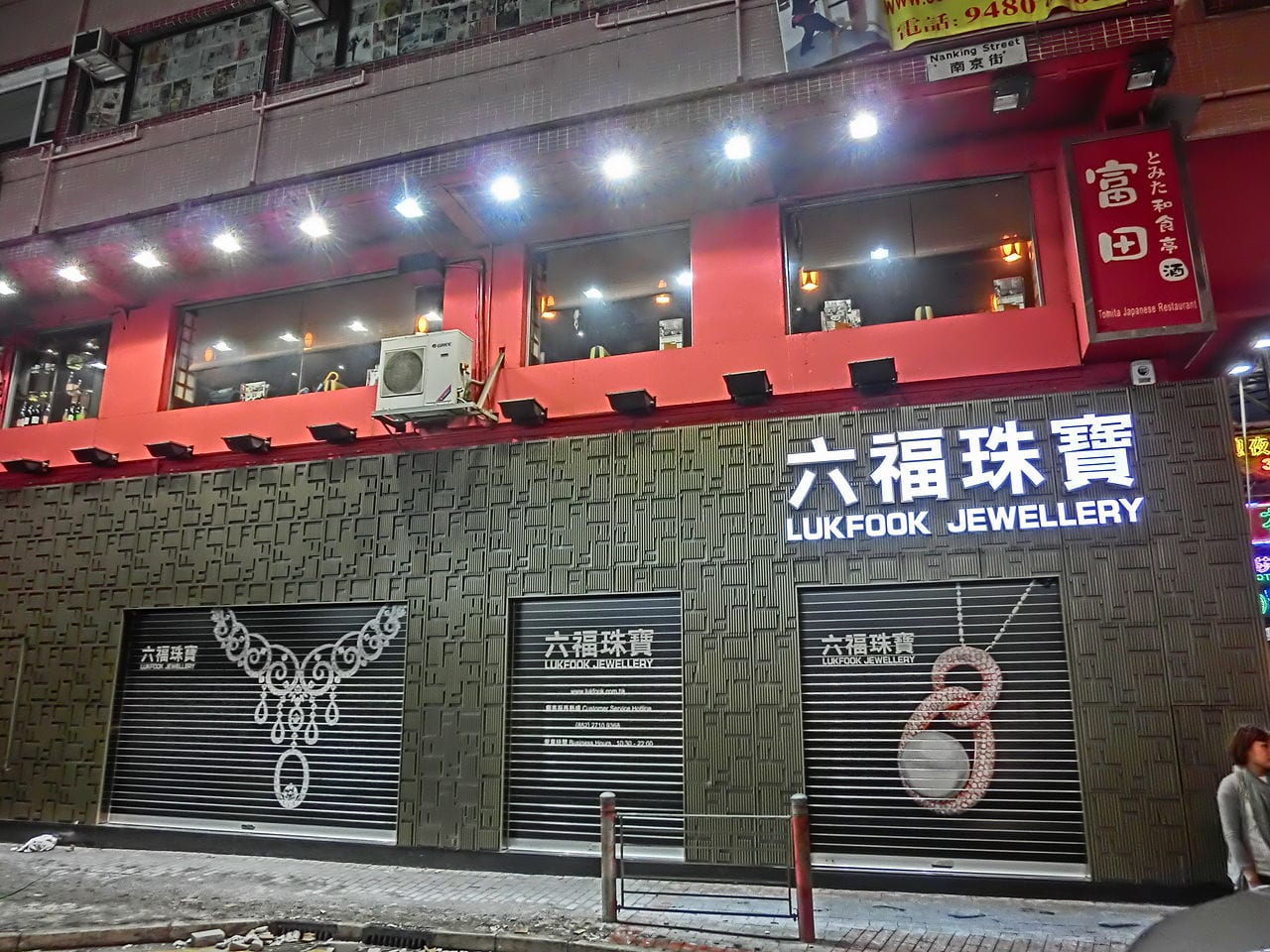
    The Board of Directors of Luk Fook Limited announced the unaudited consolidated interim results of the company and its subsidiaries for the six months ended 30 September 2016.

    During the Period under review, the Group’s revenue dropped 21.5 percent to HK$5,469,124,000. The continuing weak retail sentiment, together with the relatively high gold price and a relatively high base due to the small scale gold rush in certain months last year, resulted in gold sales falling more than expected.

    Overall gross margin improved by 5.3 p.p. to 28.0% as a result of relatively high gold price and higher gem-set jewellery sales mix. Gross profit therefore decreased by only 3.0 percent to HK$1.5 billion.

    Operating profit decreased by 6.0% to HK$558 million. Profit attributable to equity holders amounted to HK$429 million, a decrease of 7.4 percent. The Group’s overall gross margin significantly improved by 5.3 p.p. to 28.0 percent, as it concentrated on sales mix of gem-set jewellery products driven by a slowdown in demand for gold products and the improved gross margin of gold products as a result of the gold price rise.

    Mr. Wong Wai Sheung, Chairman and Chief Executive of Lukfook Group said, “During the Period under review, the slowdown in economic growth in Mainland China, the changes to the Individual Visit Scheme and the growing popularity of other tourist destinations as a result of currency devaluation, Mainland tourists tended to stay shorter period of time. Consumption expenditure per capita continued to fall with the poor macro-economic conditions and decreased spending power of consumers. ”

    The retail business continued to be the primary revenue source for the Group with its revenue declined year-on-year by 27 percent to HK$4,028,721,000, accounting for 73.7 percent (2015: 79.3 percent) of the Group’s total revenue. With a much improved gross margin, segmental profit in the retail business dropped by 6.7% only to HK$338,921,000 (2015: HK$363,235,000), representing 55.8% (2015: 53.9%) of the total.

    The overall same store sales growth of the Group was down 31.5 percent.

    The Hong Kong market remained to be the key source of revenue for the Group, which the revenue generated decreased by 28.6 percent to HK$3,003,443,000, contributing approximately 54.9 percent (2015: 60.4 percent) of the Group’s total revenue. The Group’s revenue generated from the Macau market decreased by 27.7 percent to HK$665,528,000. Revenue from the Mainland China market decreased by 2.7 percent to HK$1,722,787,000, and accounted for 31.5 percent (2015: 25.4 percent) of the Group’s total revenue.

    During the Period under review, the Group added a net total of 27 Lukfook shops worldwide of which 24 new stores were opened in Mainland China. This raises the global network of Lukfook shops to 1,455. Mr. Wong Wai Sheung, Chairman and Chief Executive of the Group said, “Looking ahead, the Group will maintain its pragmatic and prudent strategies, proactive response to challenges, thereby strengthening our leading position in the jewellery retail market.”

  • Alfamart Philippines plans 120 stores

    Alfamart Philippines plans 120 stores

    Alfamart Philippines is set for major expansion with funding secured for as many as 120 new stores.

    Alfamart Philippines is set for major expansion with funding secured for as many as 120 new convenience stores.

    Minority parent company Sumber Alfaria Trijaya already operates 44 stores in the Philippines in a joint venture with SM Retail, through its local subsidiary Alfamart Retail Asia. That company has secured local financing to fund the expansion, which will cost an estimated US$3.8 million.

    The Philippine roll-out is part of  a broader expansion plan for Sumber Alfaria Trijaya which will open 1200 stores in Indonesia this year. Currently, it has 10,086 stores in its home market, including 2958 which are franchised.

  • New York milestones for Japanese jeweller Tasaki

    New York milestones for Japanese jeweller Tasaki

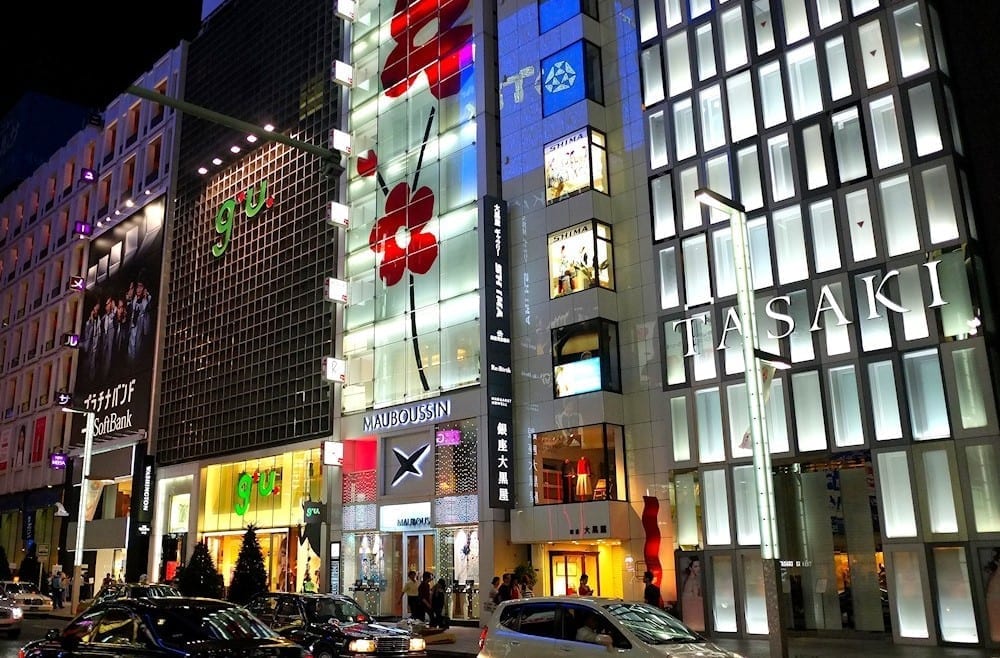
    Japanese luxury jewellery Tasaki plans to open its first US standalone store in New York City next year.

    It will also be the retailer’s first directly run store in the US.

    tasaki

    Tasaki also has a directly run store in London, plus an outlet at Hong Kong’s Lee Garden. The brand is already available at Barneys New York and Dover Street Market in New York City, Ikram in Chicago, The Webster in Miami and Capitol in North Carolina.

    Founded in 1954, Tasaki began producing and selling pearls domestically before opening a design office in 1962 to create other jewellery designs. In 2009, the company hired New York City-based designer Thakoon Panichgul as creative director.

    Tasaki jewellery is available in nine countries including China, Japan, Korea, Malaysia and Taiwan.

  • Moiselle International losses mount

    Moiselle International losses mount

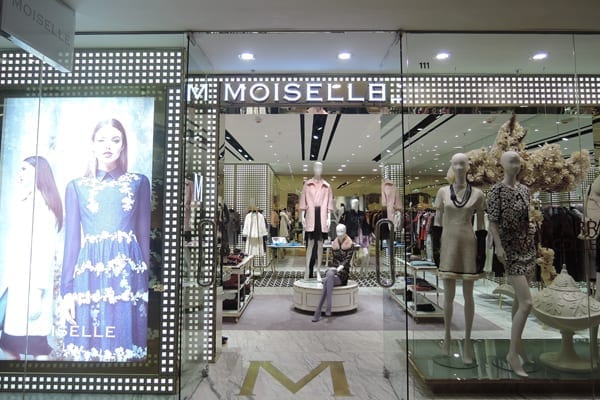
    Fashion group Moiselle International has strengthened its margins but still posted a loss in the last half year.

    While its loss of about HK$35 million (US$4.5 million) was about 10 per cent more than its loss of about HK$32 million for the same period last year, Moiselle International had a healthier gross profit margin of 79 per cent, up from 76 per cent.

    Revenue declined 18 per cent to $132 million, its unaudited interim results to the end of September show.

    Moiselle says it was hit hard by the harsh operating environment as it derived about 55 per cent of its revenue from Hong Kong and 18 per cent from China. Its retail sales in Hong Kong were affected by the fall in the number of mainland tourists as well as exorbitant rents. In China, the economic slowdown dampened the consumer sentiment.

    The remaining 27 per cent of the revenue was made up by sales in Macau, Singapore and Taiwan.

    To cope with the difficult market, the group rationalised its retail network, introduced stringent cost-control measures, continued cost-effective sales and marketing initiatives such as adopting an online-to-offline business model, introduced exclusive services for high-end customers with a VIP club, and introduced products of a wider price range to broaden its customer base and cater for young Hong Kong customers.

    Meanwhile, the group stepped up its multi-brand strategy by launching fashionable loungewear under a new brand, promoted in the group’s two fashion shows in Hong Kong and Beijing.

    Hong Kong sales fell 18 per cent year-on-year to about $72.3 million. The group continued to negotiate for lower rents for shop spaces, opened shops at prime locations with reasonable rents and closed down underperforming outlets.

    Online initiatives

    Sales in China fell by 31 per cent to about $23.4 million. The group closed some shops and relocated others. It also stepped up its initiatives in eCommerce, such as opening an online store under the Moiselle brand at Tmall this month.

    To reinforce its online marketing efforts, the group worked with key opinion leaders on social media such as WeChat and Weibo.

    China’s measures to advocate frugality spilled over into Macau’s retail market. The group continued to run five shops at the Venetian Macao Resort Hotel and opened a store at the Parisian Macao Hotel. It had two concept stores and four other outlets in the city which generated a combined revenue of about $17.97 million, or about 14 per cent of the group’s revenue.

    Taiwan’s 20 retail stores generated about $13.7 million, about 10 per cent of the group’s total revenue. It opened three more outlets and counters during the half-year.

    Operations in Singapore

    In Singapore, sales fell 22 per cent to about $4.14 million. The group has retained seven stores there.

    At the end of September, the group had 84 stores and counters in China (first- and
    second-tier cities), Hong Kong, Macau, Singapore and Taiwan, down from 90 at the end of March.

  • Spar Thailand launching 300 stores

    Spar Thailand launching 300 stores

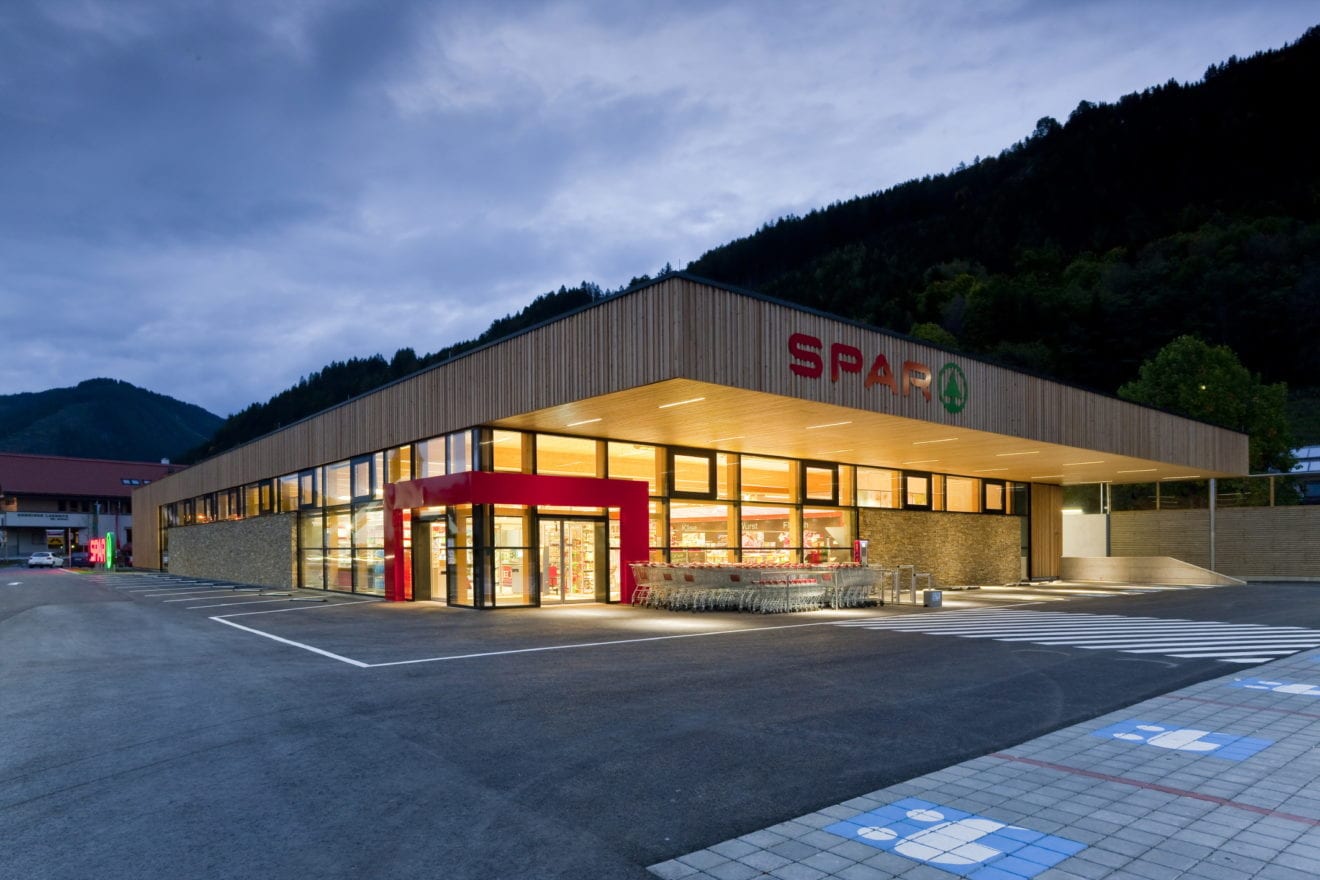
    An agreement has just been signed that will lead to more than 300 Spar Thailand food retail stores opening over the next four years.

    It is part of a €102 million (US$108 million) investment by Netherlands-based Spar International, which has partnered with Bangchak Retail Company (BCR).

    spar-thai
    Spar International has more than 12,100 stores worldwide and had global retail sales of €33 billion last year. It works in partnership with independent retailers to share global scale and expertise.

    BCR plans to open seven stores this year, comprising key flagship convenience stores and neighbourhood developments. From next year the company plans to open 50 to 80 stores annually, creating up to 2500 jobs.

    Under the partnership, Spar is sharing industry expertise including best practice across supply chain, staff training, retail design and brand development strategy.

    “The launch of Spar in Thailand in partnership with BCR represents a significant and important step forward in our ongoing expansion into Asian markets,” says Spar International MD Tobias Wasmuht. “Today, we have a significant multi-format presence including hypermarkets, supermarkets, convenience and online in China, India and Indonesia.”

    BCR MD Viboon Wongsakul says Spar and BCR share many key values “such as a dedication to growth, a commitment to local suppliers, supporting communities and offering diverse retail solutions”.

    As a shared core value, BCR and Spar focus on supporting the communities in which they have a presence. During the development of the flagship stores, special focus is being given to the ability to source produce and product locally.

    Spar International has been working with BCR on the development and launch of a national range of own-brand products.

    Formed this year, BCR is affiliated with energy company The Bangchak Petroleum Public Company. As well as the Spar portfolio, BCR will expand its Inthanin Coffee and Lemon Kitchen brands.

  • Good time for Samsonite

    Good time for Samsonite

    Buoyed by its Tumi acquisition, Samsonite sales soared in the last quarter in every market, even in its weakest link, Asia.

    The world’s largest luggage maker and retailer achieved a net sales boost of 22.8 per cent in the three months to September 30. Its strongest performance was the US where net sales increased by 22.7 per cent to US$765.3 million.

    In Asia, sales rose 13.4 per cent – although excluding figures for Tumi, acquired on August 1 and contributing to two months of sales, only by 3.7 per cent.

    North America sales rose 39.1 per cent, or by 9.8 per cent excluding Tumi, and in Europe by 16.5 per cent, or 9.4 per cent excluding Tumi. And in Latin America it was ahead by 26.2 per cent including and excluding Tumi.

    CEO Ramesh Tainwala said there is no doubt that the global trading environment continued to be challenging, yet despite the headwinds, all of Samsonite’s regions delivered positive constant currency net sales growth during the third quarter of 2016.

    “It is especially encouraging to see organic sales growth picking up in both the US and China, our two largest markets, while Europe and Latin America have maintained their growth momentum.”

    Gross profit increased by 26.5 per cent year-on-year to $419.8 million and gross profit margin increased to 54.9 per cent, from 53.2 per cent.

    On the negative side, operating profit decreased by 16.4 per cent year-on-year to US$71.7 million for the quarter, largely due to acquisition costs. Excluding those, operating profit increased by 23.7 per cent.

    Asia performance

    After a relatively lacklustre first half, both China and India saw net sales growth improve to 8.1 per cent year-on-year in the third quarter of 2016. Net sales in Hong Kong (including Macau) increased by 73.6 per cent, driven primarily by the addition of the Tumi brand. Excluding Tumi, net sales in Hong Kong (including Macau) decreased by 11.5 per cent. The decline was driven primarily by fewer Chinese shoppers visiting from the mainland.

    Japan and Australia continued to record strong year-on-year net sales growth of 29.7 per cent and 13 per cent, respectively. Excluding Tumi, net sales in Japan increased by 7.4 per cent. Also, the group continued to penetrate the emerging markets within the region with notable net sales growth in Thailand and Indonesia of 7.6 per cent and 3.1 per cent, respectively, year-on-year. Net sales in South Korea were up slightly year-on-year on a constant currency basis due to weak consumer sentiment.

    Growth by brand

    Globally, excluding Tumi, sales were driven by the Samsonite (up 10.2 per cent) and Kamiliant (up 576.1 per cent). Other brands including Hartmann (up 58.8 per cent), Lipault (up 342.8 per cent) and Gregory (up 20.4 per cent) also experienced solid net sales growth. The increase was partially offset by an 11.3 per cent decrease in net sales of the American Tourister brand.

  • Groupon Malaysia sold to local startup

    Groupon Malaysia sold to local startup

    Ever-shrinking deal site Groupon has exited another market – this time selling its Malaysia business to KFit Group.

    KFit, in which Groupon is an investor, had already acquired the Groupon Indonesia business.

    “With our Indonesian business achieving nearly double growth since our acquisition, we are confident that the same growth principles will bring an exciting new local commerce offering to Malaysia,” said Joel Neoh, founder of KFit Group, announcing the deal.

    The almost terminally flawed Groupon business model was founded in the US and was floated in late 2011 in one of the dot com industry’s most over-valued business IPOs in history. Since its float, Groupon has reported a loss almost every quarter. Last year, it attempted to streamline its business model across its various international markets, another strategy which failed to recuse the brand tainted by dodgy deals, dissatisfied customers and retail partners who lost small fortunes supplying unsustainable promotions sold online. Last month it was even caught selling counterfeit products in the UK.

    As reported in September last year, the business closed its doors in Thailand, the Philippines and Taiwan. Outside Asia it had already exited Greece, Turkey, Panama, Morocco, Puerto Rico and Uruguay. Indonesia followed.

    Last year, Groupon lost US$27.6 million on revenues which continued to fall.

    In Indonesia, KFit retained the Groupon branding, but in Malaysia it will be rolled into its similar local concept Fave early next year, expanding that service into new categories such as restaurants, beauty, wellness, gyms, studios, hotels, holidays, leisure, entertainment and professional services.

    One of the underlying failures of the Groupon model is to convert consumers buying deals into long-term loyal customers for the retailers which use the platform. Ellia Pikri says Fave seems to have learned from Groupon’s failure.

    “Coded into Fave’s system are loyalty solutions and flexible offer structures utilising the tried-and-true model of offering deals to loyal customers that Groupon seemingly lacked before.

    “Fave is also a mobile-first platform. It aims to provide a seamless experience for customers to find, share and enjoy a wide variety of special offers from local businesses, all while customers are able to easily experience what the app has to offer straight from their handheld devices.”

    Pikri argues the mobile-first approach helps offer a clean and streamlined layout for users to browse on their handhelds. “Plus, reservations are made directly on the app, which cuts out the additional step of having to call a vendor (like via Groupon).”

    Face has more than 3200 businesses on its customer database across three countries.

    “While they do have some stiff competition, the combined expertise of Joel’s experience and Malaysia’s growth of online purchasing might just be the push Fave needs to see success where Groupon didn’t,” says Pikri.

    Michel Piestun, president of APAC for Groupon, said it expected KFit Group would steer Groupon Malaysia “to even greater heights”.

    “With Joel’s experience in leading Groupon Asia Pacific in the past, we are confident that KFit Group will be able to grow the business. As a strategic partner in KFit Group, we look forward to seeing the company take big strides in the coming months,” said Piestun.