Author: Mei Ling Tan

  • Globe deploys Amdocs’ Revenue Guard

    Globe deploys Amdocs’ Revenue Guard

    The Philippines’ Globe Telecom will deploy a revenue assurance platform from Amdocs to help minimize revenue leakage risks.

    Globe has selected the Amdocs Revenue Guard service, which provides automated and analytics-driven revenue assurance.

    The service uses technology developed by cVidya, which Amdocs acquired for $30 million earlier this year. It combines revenue assurance and fraud management software tools with professional services including risk analysis consulting, business analytics, training and IT operations.

    Globe will use the service across its line of business, and plans to take advantage of the consulting and training services provided.

    Revenue Guard can be deployed on-premise or as a cloud services under a variety of operating models, including SaaS, revenue share and KPI models.

    “The entry of a company of Amdocs’ magnitude to the revenue assurance space with its acquisition of cVidya is yet another proof of the increased importance of this domain for the industry as the world becomes increasingly digital,” Globe CFO Rizza Maniego-Eala commented.

    “By integrating the Amdocs Revenue Guard service into our data lake, we will be able to centrally analyze and effectively share data across the different parts of our business, optimizing revenue while keeping operational costs to the absolute minimum. We see this as an additional milestone in our transformation to become a digital service provider.”

  • Best seats in business class: Singapore Airlines Boeing 777-200ER

    Best seats in business class: Singapore Airlines Boeing 777-200ER

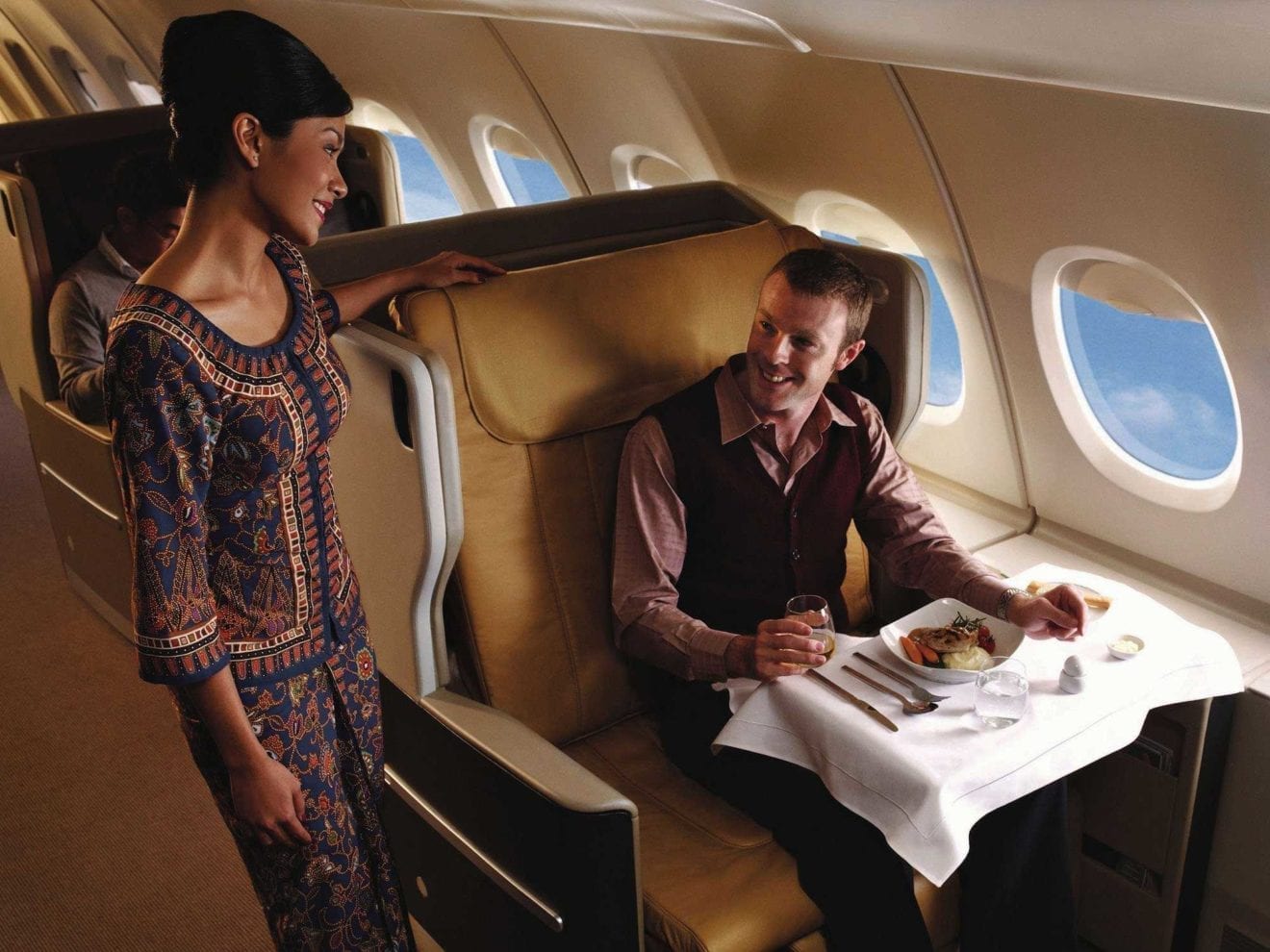
    Business class on Singapore Airlines’ refitted Boeing 777-200ERs proves almost identical to what you’ll get aboard the airline’s flagship Airbus A380s, but with a few tweaks and touches to maximise your space for sleeping and working.

    Now gracing Australian skies on overnight flights from Brisbane to Singapore – and planned also for flights between Sydney and Jakarta – here are our top seating picks in business class, whether you’re aiming to work through the flight, catch some shut-eye or chat with your partner.

    Singapore Airlines refitted Boeing 777-200ER business class: the basics

    Singapore Airlines spreads 26 business class seats across the first seven rows of its refitted Boeing 777-200ERs, configured in a 1-2-1 layout that places the ‘A’ and ‘K’ seats by the windows and the ‘D’ and ‘F’ seats in the centre:

    Even though there’s no first class cabin, business class begins at row 11 and also skips the ‘unlucky’ row 13, with all seats found together within a single ‘zone’ of the aircraft.

    Note that Singapore Airlines’ other, non-refitted Boeing 777-200ERs instead feature a different type of business class seat and use a different layout also, for which this guide does not apply.

    Singapore Airlines refitted Boeing 777-200ER business class: best seats

    For sleeping – 11A, 11K: While every business class seat here transforms into a fully-flat bed, the window seats in the first row provide considerably more space both beside and in front of you, as there’s no narrow ‘foot cubby’ to contend with.

    Instead, you can spread out as you wish, which taller travellers will particularly appreciate:

    If 11A and 11K are already taken or otherwise unavailable, look to 11D or 11F instead – also with extra foot space, but not as roomy:

    Also note that 11A & 11K double as bassinet seats, so if there’s a baby-toting traveller on your flight and you’ve perched yourself here, there’s a chance you may be moved to accommodate them.

    For productivity – other A, K seats: Those bulkhead seats above certainly are spacious, although they lack many of the storage nooks afforded to passengers in the other rows.

    On daytime flights when you’re planning to work, we’re sure you’ll appreciate this extra storage bin – handily located near the USB and power outlets for convenient charging of your devices…

    … as opposed to your only at-seat storage option in those bulkhead seats: a literature pocket that already comes filled with literature:

    For couples – the D + F pairs: When travelling with your significant other, aim for one of the seven centre pairs.

    You’ll need to lean forward slightly to see each other when sitting upright, although with each seat measuring 30 inches wide, one traveller could certainly visit the other’s seat while enjoying a movie – there’s even a second headphone outlet at these seats to make this easy.

    If you’re a solo traveller and can’t snag a window seat, don’t fret – there are two sturdy privacy dividers which can be opened in between, so that even if one passenger retracts theirs, the other can remain in place.

    Avoid 18D, 18F: Found in the very back row of business class, these seats are practically next to the main aircraft door used for boarding economy passengers (18D even more so than 18F), and what’s more, the two business class restrooms are located directly behind.

    That severely limits your privacy both on the ground and in the air with so many passengers passing by these seats, not to mention the extra noise from the lavatories.

    Instead, as there are no restrooms ahead of business class – only rearward, behind these seats – you’ll find greater privacy in a row further forward instead.

  • Singtel appoints Mark Chong group CTO

    Singtel appoints Mark Chong group CTO

    Singtel has made two key appointments to strengthen its management team as the Singapore-based telco continues its multi-year transformation.

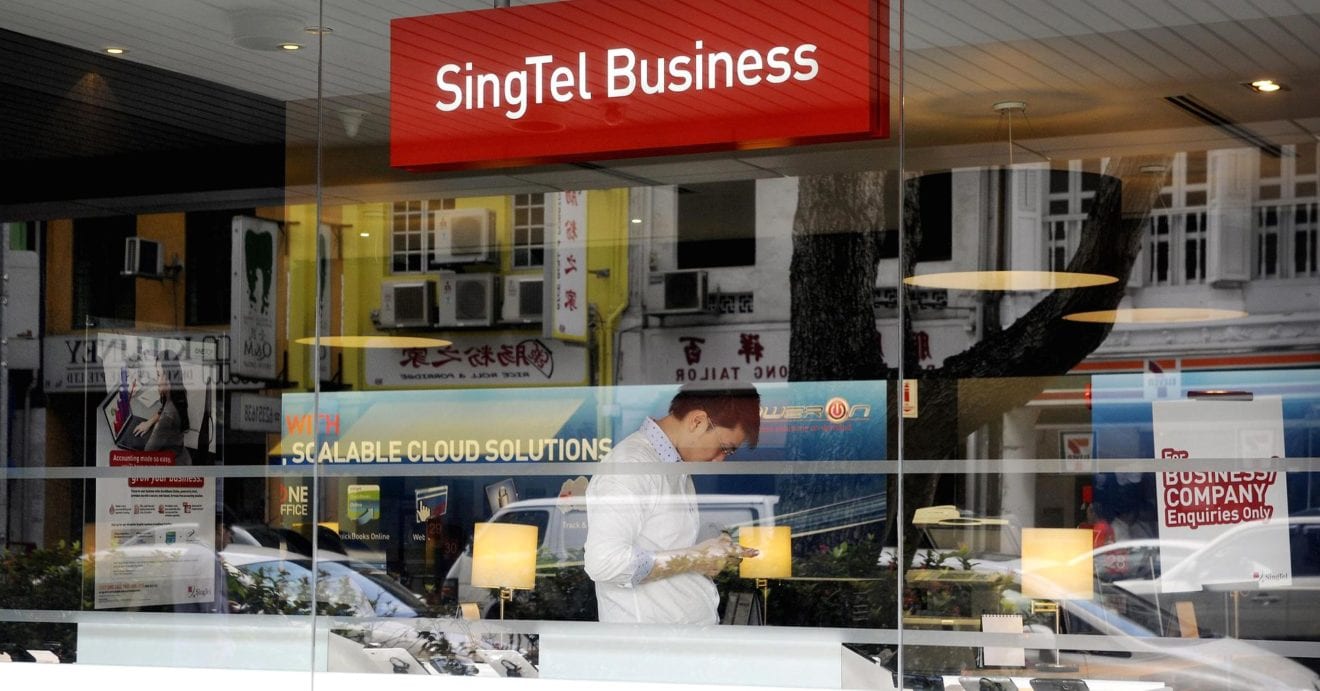
    Current CEO International Mark Chong (pictured) will take up the role of group chief technology officer, with Arthur Lang taking over his role, effective April 1, 2017.

    Chong will replace Tay Soo Meng, who is set to retire at the end of the financial year after serving Singtel for almost 50 years. Tay will take on an advisory role, the company said.

    In his new role, Chong will lead technology strategy and innovations across the group. Chong, a Singtel veteran of over 20 years, has held various key leadership positions, most notably EVP Networks in Singapore and COO of AIS in Thailand.

    Lang joins Singtel from CapitaLand Limited, where he was group chief financial officer for more than five years.  He will join the group in January with the task of growing Singtel’s regional associates across India, Indonesia, the Philippines and Thailand.

    Commenting on the appointments, Singtel Group CEO Chua Sock Koong said, “Given our global aspirations and a fast evolving business and technology landscape, we are reinforcing our leadership team as we prime our enterprise for our next phase of growth.”

    Both Chong and Lang, together with Samba Natarajan, CEO Group Digital Life, will join Singtel’s management committee, which oversees strategic direction and execution for the group.

  • AirAsia X chasing Europe; open to other aircraft types

    AirAsia X chasing Europe; open to other aircraft types

    AirAsia X wants to relaunch services to Europe “as quick as possible”, and is looking at aircraft other than Airbus A330s to get there.

    Speaking to FlightGlobal,the chief executive of AirAsia X‘s core Malaysian operation, Benyamin Ismail, says that its fleet plans have changed.

    The carrier had not planned to take delivery of any aircraft in 2017, but is now speaking with “some parties to see what aircraft are available”.

    “If we can get the aircraft we need… when the A330neos arrive, the focus for them will be to grow frequencies in our current markets, like China and North Asia,”

    Earlier in the year, Benyamin said that the carrier would not re-enter the European market until it starts receiving the A330-900s from the second half of 2018 onwards.

    On the A330-900 seat configuration, AirAsia X expects to confirm the details “in the next couple of months”, but could install more business class seats on those units initially planned to take on European routes.

    “We are working with Airbus to get the assurance that the A330neos can get us direct to Europe (from Kuala Lumpur).”

    Asked whether AirAsia X might take on A350s that may be available in the short-term, Benyamin re-iterates that the carrier “is open and has various options”, but would not confirm if it has held talks with lessors.

    Flight Fleets Analyzer shows that AirAsia X has 66 A330-900 and 10 A350-900s on order. It currently operates 22 A330-300s.

  • Huawei announces mobile app X Labs

    Huawei announces mobile app X Labs

    Huawei has announced a new research platform that aims to bring together operators, technology providers and vertical industry partners to explore future use cases for mobile applications.

    The X Labs initiative will aim to encourage mobile operators to build application-centric networks and help establish an open industry ecosystem.

    The research platform is designed to explore three areas of mobile communications – people, verticals and the household, Huawei said. The mLab focuses on creating immersive user experiences for emerging mobile applications including live video, VR and AR.

    A second lab, vLab, focuses on ways mobile technology can enable digital transformation across all industries. The third is hLab, which will concentrate on connecting more households with smart home applications utilizing broadband connections.

    During a keynote speech announcing the initiative, Huawei rotating CEO Ken Hu said mobile applications are reshaping everything in the world.

    “I firmly believe that in the future, all services will be delivered through mobile applications,” he said. “I would say that we are living in a wild world of mobile applications.”

    Hu noted that when Apple’s App Store launched eight years ago, it had just 500 apps. It took just six years for that number to reach 1 million, and this figure doubled in another two years. Android app stores have even more apps – around 5 million.

    “At Huawei, we aim to support and enable the mobile ecosystem. We have made a lot of progress, and we want to do more,” he said.

  • Axiata Group 9M16 revenue grows 8.6%

    Axiata Group 9M16 revenue grows 8.6%

    Malaysia-based Axiata Group has reported an 8.6% growth in revenue for the first nine months of the year, due in part to strong growth from the South Asia region.

    Total revenue reached 15.8 billion ringgit ($3.55 billion), with ebitda up 13.4% to 6 billion ringgit. But net profit slumped 55.7% to 929 million ringgit due to one-off gains in the previous year, higher financing costs and increased forex losses from the weaker ringgit.

    For the third quarter, total revenue grew 2.8% quarter-on-quarter and 8.6% year-on-year to a record 5.5 billion ringgit, due largely to the performance of its newest acquisition, Nepal’s Ncell. Q3 represented the first full quarter of contribution from Ncell.

    Net profit reached 296 million ringgit, up 27.3% quarter-on-quarter but down significantly from 955 million a year earlier.

    Across Axiata’s operation, improvements were seen at domestic mobile unit Celcom and Indonesia’s XL for the third quarter, with service revenue at Celcom returning to growth after three consecutive quarters of declines.

    XL revenue grew 1.6% quarter-on-quarter and year-to-date net profit grew by over 100% mainly due to forex gains associated with the refinancing of XL’s US dollar debt to Indonesian rupiah.

    In South Asian markets, Ncell reported a 16.9% year-to-date profit growth, Sri Lanka’s Dialog posted a profit growth of 18.7% over the same nine-month period, but Bangladesh’s Robi reported a 1% decrease in normalized profit.

    “We are pleased with the improvements in revenue and EBITDA, although the Group performance continues to be affected by the weaker operating environment and increased competitive pressures across our markets,” Axiata chairman Tan Sri Azman Hj Mokhtar said.

    “We remain especially focused on management’s plans for recovery and turnaround strategies at XL and Celcom.”

    Axiata group CEO Tan Sri Jamaludin Ibrahim added that 2016 “2016 remains challenging for the group across most of our markets – particularly in Malaysia, Indonesia, Singapore and India where fiercer competition and rising capex have weighed in on overall performance and profitability.”

  • BMW to offer new version of i3 electric car in 2017

    BMW to offer new version of i3 electric car in 2017

    German luxury carmaker BMW plans to launch a new version of its i3 electric car next year with a longer range and revamped design, German weekly Welt am Sonntag reported, citing company sources.

    BMW will rework the front and rear of the i3 and equip the car with a new battery to increase its range substantially beyond the current 300 km maximum, the paper said, adding that the increase would be below 50 percent.

    BMW has been torn about whether to accelerate development of new electric cars given its expensive early investment has only resulted in lacklustre sales, with 25,000 i3s delivered last year.

    To help improve sales, BMW has already increased the battery range of its i3 city car by 50 percent this year.

    BMW was not immediately available for comment on the newspaper report.

  • MManila 53rd most expensive retail property location in the world

    MManila 53rd most expensive retail property location in the world

    The Philippines has slipped by a notch on the list of most expensive retail property locations this world due to lower-than-expected sales volume so far in the year, a global real estate services firm said.

    In a report, Cushman and Wakefield said in Metro Manila dropped from the 52nd spot last year. It cited a slowdown in the sales of luxury properties.

    “The luxury segment experienced a slowdown as lower-than-expected sales volumes in existing stores led to upscale brands re-evaluating expansion plans,” the report said.

    In spite of the slowdown, Cushman and Wakefield noted the Philippine market continues to enjoy the support of international brands.

    “International brands continue to drive the Philippine retail sector, supported by the rising disposable income of a growing middle class population,” the report noted.

    Global mid-tier brands accounted for a significant volume of leasing activity in recent quarters.

    “In particular, fast fashion retailers and F&B operators are leading the growth of the segment as brands such as Uniqlo and H&M continue to aggressively expand their footprints within and outside Metro Manila,” Cushman and Wakefield said.

    Growing competition among mall developers has led to the formation of new retail concepts as a way of expanding market share.

    “There is also a shift in the tenant mix, where mall operators are increasing the share of F&B in their retail developments,” the report said.

    By region, the Asia Pacific retail market has been seeing a cautious 2016.

    “Overall, retailers continued to be cautious in their store expansion across the region due to a number of concerns including continued global economic instability, and we see this trend continuing well into 2017, said Cushman and Wakefield Asia Pacific Head of Retail Theodore Knipfing.

    Once retailers start expanding, the focus would be on high-performing malls and high streets with strong pedestrian traffic, Knipfing noted.

    “All in all, despite the cautious outlook across the region, major international and regional retailers will have to eye overseas growth, as their respective domestic markets reach saturation point and investors demand results,” Knipfing said.

    Moreover, Upper 5th Avenue encompassing 49th—60th Streets in New York, USA remains number one on the list of most expensive shopping locations in the world at $3,000 per square feet.

    This is followed by Causeway Bay in Hong Kong at $2,878 per square feet and Avenue des Champs Élysée in Paris France at $1,368.

    Retail rent in Philippines, particularly Rockwell and Century City in Makati, is at $57 dollars per square feet.

  • HP’s Elite x3 now available in Hong Kong

    HP’s Elite x3 now available in Hong Kong

    Back in September, Hewlett-Packard launched its Elite x3 in Hong Kong. The company detailed some of the most important features of the device at the event in Hong Kong back in September. Today, it’s available for purchase from its official online store. Along with the device itself, HP is also selling a bundle and some accessories. Here’s a breakdown:

    • HP Elite x3 for HK$6499
    • HP Elite x3 Monitor Bundle (Elite x3, Desk Dock, HP Pro Display P222va 21.5-inch Monitor) for HK$6,499
    • HP Elite x3 with Desk Dock for HK$7698
    • Elite x3 Lap Dock for HK$4899
    • Elite x3 Desk Dock for HK$1199
    • Elite x3 Anti-Fingerprint Screen Protector for HK$240
    • Elite x3 Wireless Charger for HK$490
    • Elite x3 Rugged Case for HK$199
    • Elite x3 Wallet Folio Case for HK$179
    • Elite x3 Lap Dock Privacy Screen HK$300
    • Elite x3 Silicon Case for HK$159
    • Elite x3 Anti-Shatter Glass Screen protector for HK$119
    • Elite x3 Privacy Screen for HK$240

    The Elite x3, for those unfamiliar, features a Qualcomm Snapdragon 820, a 5.96-inch WQHD AMOLED display, 4GB RAM, 64GB of internal storage, and a 4150mAh battery. As for the cameras, HP has included a 16MP sensor on the back of the Elite x3, and there’s an 8MP front-facing camera. For security, HP has included a fingerprint scanner and an Iris scanner on the Elite x3. Lastly, it is worth noting that the HP Elite x3 also supports Continuum for phones which users can use with the HP Desk Dock.

    If you live in Hong Kong, you can get the device and its other accessories from the official HP store here.

  • Rupiah continues to fall to Rp13,529 per dollar on Friday evening

    Rupiah continues to fall to Rp13,529 per dollar on Friday evening

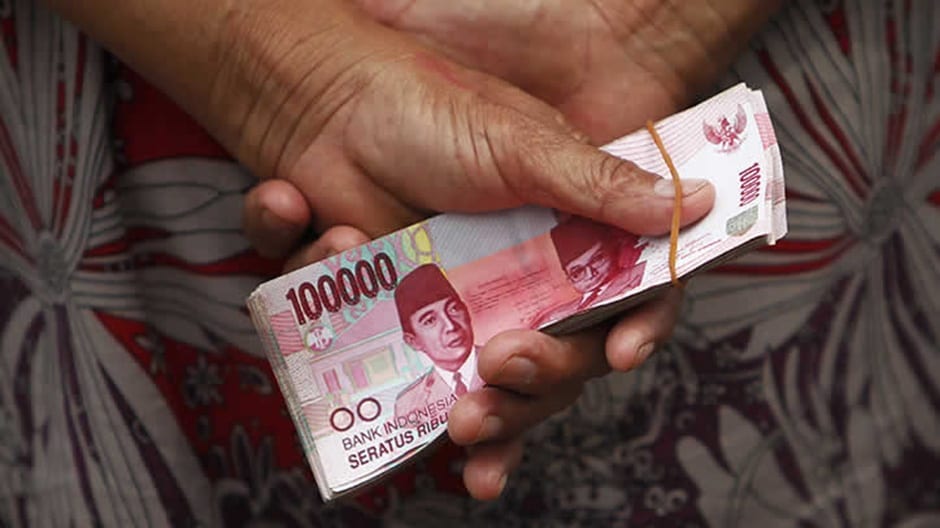
    The Indonesian rupiah fell 20 points to close at Rp13,529 per dollar in the Jakarta interbank spot market on Friday evening, compared to the previous close of Rp13,509 per dollar.

    “The US dollar continued its rally against the majority of the main global currencies, including rupiah, along with investors optimism about the looming Fed rate hike in December 2016,” chief researcher Ariston Tjjendra of Monex Investindo Futures said here on Friday.

    The US dollars appreciation was also supported by US president-elect Donald Trumps plan to raise fiscal budget and slash taxes to boost economic growth and curb inflation rate.

    “The faster-than-expected US economic growth will lead to an increase in the inflation rate, which may encourage the Fed to tighten its monetary policy in 2017,” he stated.

    Under these circumstances, funds parked abroad in developing nations will move to the US, which will automatically cause the dollar to appreciate against other currencies, he noted.

    On the other hand, the prices of global crude which dropped this weekend also influenced commodity currencies, including rupiah.

    On Friday evening, WTI Crude fell by 0.88 percent to US$47.54 per barrel, while Brent Crude dropped 1.18 percent to touch US$48.42 per barrel.

  • 90% of retail space at upcoming Bukit Panjang mall taken up

    90% of retail space at upcoming Bukit Panjang mall taken up

    Retail space is filling up at Bukit Panjang’s upcoming shopping centre called Hillion Mall, announced Sim Lian Group on Friday.

    It said in a press release that 90 percent of the approximately 174,730 sq ft of lettable area has been taken up by about 100 retail as well as food and beverage (F&B) tenants.

    There are five anchor tenants – NTUC FairPrice, PCF Sparkletots Preschool, Amore Fitness and Boutique Spa, Kopitiam and Best Denki.

    The mall along Petir Road, which is slated to open in the first quarter of 2017, is part of Bukit Panjang’s upcoming integrated transport hub. The Land Transport Authority (LTA) had announced that the hub will seamlessly connect the existing Bukit Panjang LRT station and the future Bukit Panjang MRT station with retail, F&B and residential developments at the same site.

    Basement 2 of Hillion Mall will be directly linked to the MRT station via an underpass, said Sim Lian Group.


    Above the mall is the 546-unit Hillion Residences. It is expected to receive its Temporary Occupation Permit (TOP) by September 2018.

    This is Sim Lian Group’s first mixed-use development in Singapore. When complete, the mall will serve more than 220,000 residents and 760,000 commuters, it said.

  • More retailers open doors for Black Friday sales

    More retailers open doors for Black Friday sales

    If the downtown area seemed like it was more crowded at the weekend, it was because the usual end-of-year sale season came earlier this year for some retailers.

    More brick-and-mortar shops jumped on the Black Friday bandwagon this year in a bid to attract more customers.

    Stores like Robinsons, Courts, Topshop, Topman, Harvey Norman and H&M were out in full force to roll out promotions for what is known in the United States as Black Friday – the day after Thanksgiving.

    All three Robinsons stores slashed their prices by up to 80 per cent. The retailer also brought forward its opening time from 10.30am to 7am.

    Furniture, IT and electronics retailer Courts, which has taken part in Black Friday sales since 2013, offered a priority pass for the first time this year – 280 shoppers who pre-registered could skip the queue and get access to exclusive discounts. The chain also offered discounts of up to 80 per cent at all its 14 outlets and online store.

    Meanwhile, Swedish fashion chain H&M launched a Black Friday collection for the first time, with black as the key colour palette – selected items went on sale from $10.

    Retailers said Black Friday sales helped to increase footfall and sales amid a soft retail climate.

    Wing Tai Retail executive director Helen Khoo said the crowd at some of its stores doubled, compared with normal weekends and Fridays, while sales were between two and four times better than usual.

    A Robinsons spokesman said the turnout was “overwhelming”, adding that some shoppers queued for hours before its stores opened at 7am on Friday. Highly sought-after items included home and electrical appliances, tableware, kitchenware and bedding products.

    Courts Singapore country chief executive Stan Kim said mattresses, TVs, action cameras and smart watches were among the popular items. Black Friday, he added, is gaining momentum as there is growing awareness among consumers with the rise of online shopping.

    He said: “Courts’ online store showed a significantly stronger performance against last year, and our offline stores also benefited from the Black Friday campaign, a testament to the fact that shoppers look to both online and offline platforms alike for great deals.”

    Administrative executive Janet Neo, 29, and her 30-year-old husband spent about four hours in Orchard Road on Friday evening.

    The couple dropped by outlets such as Sephora, Fred Perry and Robinsons for clothes, make-up and bedding material, and saved about $500, thanks to the discounts. Ms Neo said: “The discounts were really worth it. If it wasn’t so crowded, I would have bought more things.”

    Black Friday, an annual American tradition, was coined to describe the day retailers turned in profits and went “into the black”.

    It is usually immediately followed by Cyber Monday, where stores offer further deals online. Some retailers in Singapore, including Robinsons, are expected to take part.

  • Lendlease shifts its focus back to Asia

    Lendlease shifts its focus back to Asia

    Australian developer Lendlease – in a new global strategy to shift its focus from its home ground to Asia, Europe and America – has refreshed its targets for the region for the next five years.

    In his first media interview since being appointed Asia CEO in May, Tony Lombardo says he wants to grow Lendlease’s portfolio of urban regeneration projects of around S$6 billion to over S$10 billion in the next five years by adding 3-5 such projects in the region.

    Urban regeneration projects involve revitalising places that have fallen into disuse.

    For instance, in Barangaroo South in Sydney, Lendlease has turned a former container wharf into a vibrant new waterfront financial district with not just office towers but also retail outlets, an integrated hotel resort, and apartments.

    The Paya Lebar Quarter is a local equivalent, currently under construction in what used to be an industrial area. Lendlease is building a massive S$3.2 billion mixed development comprising offices, shops and private homes next to the MRT station.

    Another of Lendlease’s targets is to export its senior-living expertise in Australia to Asia – particularly China, capitalising on the country’s rapidly ageing population.

    Mr Lombardo says: “In Australia, we are the No 1 senior-living owner and operator. We are using that expertise to export that to China and hopefully build the business around senior living. We hope to secure and deliver about 5,000 units over the next five years.”

    Lendlease is also planning to build more telecommunication towers in Japan. On the property investment side, it is planning to grow its funds under management of S$5.6 billion to S$15 billion over the next five years.

    In Asia, its fund management business makes up about a significant 60 per cent of its profits, mostly because the development profits of its ongoing projects will be booked only upon completion. It has five funds under management and one single-investor joint-venture mandate in Asia.

    Lendlease says it is one of the few large developers to secure investors at the development stage, versus others whose investors participate mostly in asset purchases.

    Lendlease has raised A$8.2 billion (S$8.7 billion) in third-party equity in the last five years to support the growth of its investment management platform and development pipeline.

    This strategy also allows the developer to capture profits at every step of the process – from development to construction to fund management.

    Mr Lombardo expects Asia to turn in a better performance going forward. In its FY16 ended June, the group’s revenue from the Asia region of A$406 million made up a mere 3 per cent of the total pie, while losses after tax were A$20 million.

    Mr Lombardo says the negative earnings for FY16 was mainly due to the downward revaluation of 313@somerset, of which Lendlease owns 25 per cent, as the retail environment in Singapore softened and rentals fell.

    Its Asian performance was not always so poor, he says. “Asia at one point in 2012 and 2013 was delivering about 20 per cent of the group’s profits. But it has sort of gone through a restocking process in the last couple of years.

    “We have got new projects in development, and these projects won’t be completed till 2019-20. Therefore, the Asia contribution will start to increase again only then.”

    Paya Lebar Quarter, together with the Tun Razak Exchange (TRX) Lifestyle Quarter in Kuala Lumpur – an RM8 billion (S$2.6 billion) project – made up more than a fifth of its FY16 development pipeline. Paya Lebar Quarter is expected to complete in phases in 2018 and 2019, and TRX in stages over the next 3-8 years.

    Explaining the drive to diversify back into Asia, Mr Lombardo says the group has been adjusting its domestic-to-international share of projects in tandem with the global macroeconomic environment.

    Pre-financial crisis, about 65 per cent of Lendlease’s earnings came from offshore, and 35 per cent from Australia. During the financial crisis, a concerted effort was made to switch the portfolio mix to mostly domestic. The group sold off assets in Europe and the US, and reinvested capital back Down Under. In FY16, 70 per cent of its earnings came from Australia and 30 per cent from international markets.

    But high GDP and population growth in Asia has now caused Lendlease to sit up to look at the region again.

    “At the moment, I’m focusing on Singapore, Malaysia, China and Japan – the four core markets we are already present in,” Mr Lombardo says. “We will try to scale up each of the businesses so that we can have a sustainable profit line and don’t see the losses that we saw years back.”

    Last year, the group also generated A$853 million of operating cash, compared to its net profit of A$698 million, as a commercial tower at Barangaroo and a number of apartment projects were finished.

    “So now, we are looking to deploy that cash back in other markets around new investments,” he says.

    In Singapore, that would mean acquiring more land. But this has its challenges, illustrated none more clearly than the recent record bid put in by Malaysia’s IOI Properties of S$2.57 billion for a white site on Central Boulevard.

    “There was S$13 billion of capital bidding for that one site,” Mr Lombardo says. “There is a scarcity value to property in Singapore, and there always will be.”

    But he adds that it shows there are people who take a long-term view of property investment here, despite the subdued commercial property market right now.

    “They don’t look at the cycles, and it’s the same for us,” Mr Lombardo says. “There will be up-and-down cycles and you just have to manage your business through those cycles.”

  • Sa Sa International Holdings reports drop in profits

    Sa Sa International Holdings reports drop in profits

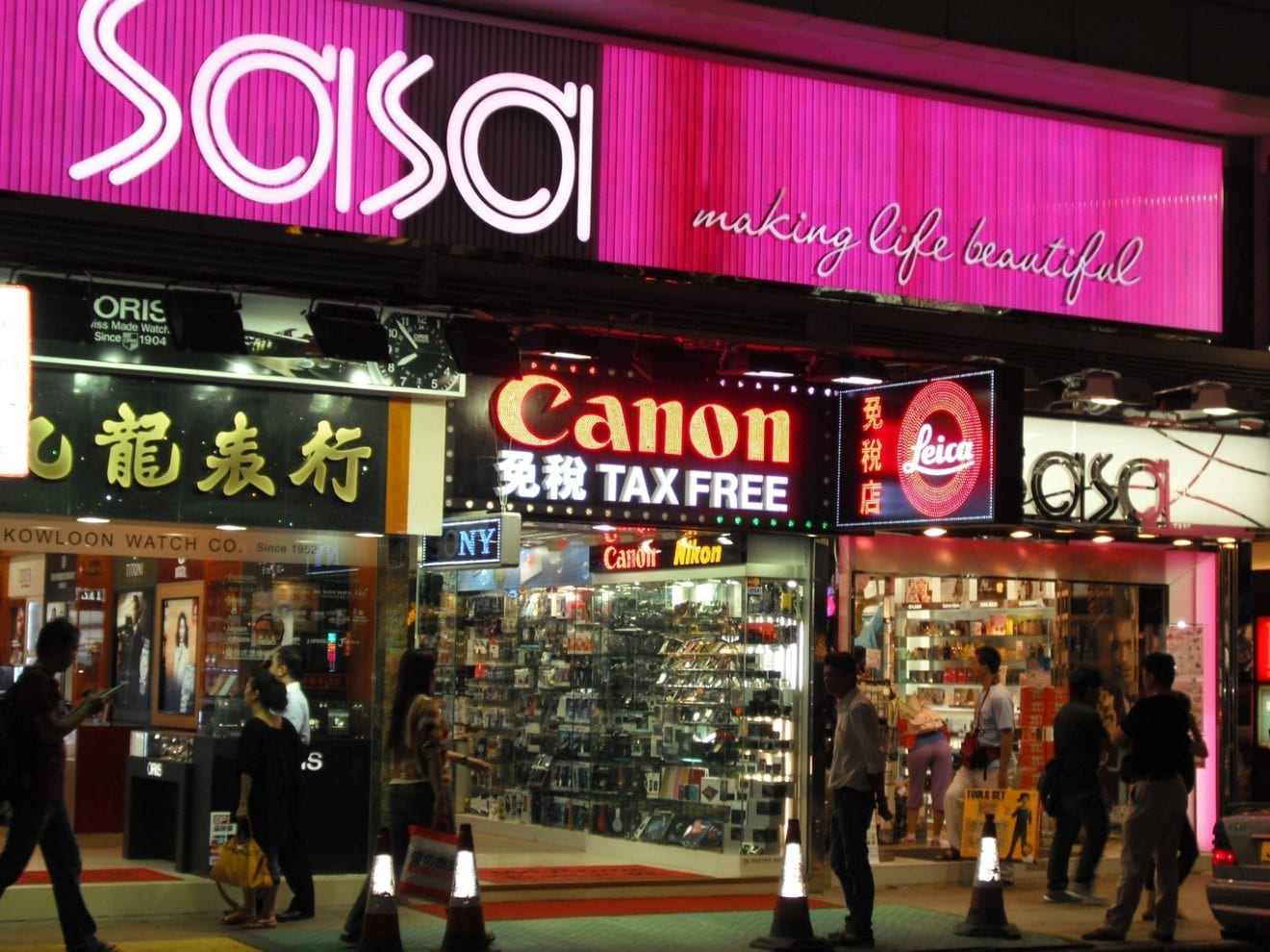
    Hong Kong-based Sa Sa International Holdings has reported a drop in profits of 37.3 percent for the first six months, due to a poor retail environment in the mainland with a poor tourist footfall.

    Profits fell to HK$96 million as retail sales dropped by 3.6 percent in Hong Kong and Macau, which attributes 80 percent to the company’s turnover.

    Turnover fell 4 percent to HK$3.63 billion year on year while total sales transactions grew 2.3 percent after six quarters of decreasing transaction volume.

    Guy Look, Chief Financial Officer and Executive Director, said, “Obviously it could be better. In Hong Kong, we have tried for the last 15 months or so to gain market share, to increase competitiveness. I think what has been important in the first half of this year is that we feel we are moving in the right direction in terms of providing what the market wants.”

    Sales in Taiwan and Singapore fell 22.8 percent and 11 percent respectively, which is said to have hindered profits. The company is said to be downsizing in the markets and will be making rental cuts in Hong Kong and Macau of 40 to 50 percent.

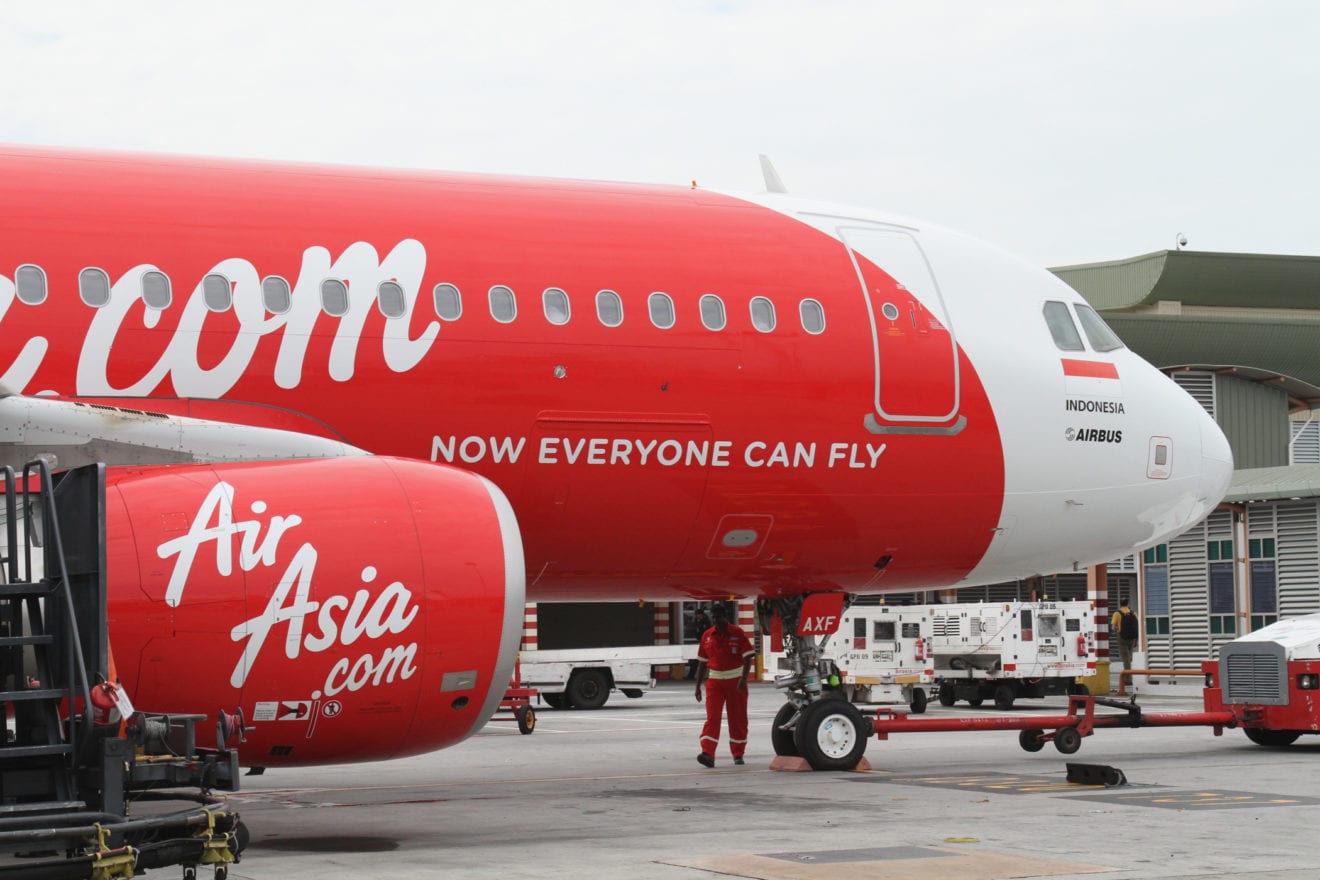
  • Air Asia Philippines cuts net loss to P1.2b

    Air Asia Philippines cuts net loss to P1.2b

    The Philippine unit of Southeast Asia’s largest budget airline said it reduced  net loss by 12 percent in the third quarter on higher passenger traffic.

    Air Asia Philippines said net loss amounted to P1.2 billion in July to September, down from the P1.4-billion loss it reported a year ago.

    Revenues increased 24 percent to P2.57 billion in the third quarter from P2.07 billion in the same period last year.

    “The increase in revenue can be attributed to higher passenger volumes which increased by 8 percent year-on-year and the increase in average fare by 21 percent year-on-year,” Air Asia Philippines said.

    Passengers carried by AirAsia Philippines increased 8 percent to 976,765 from last year’s 901,957, while load factor went down by 1 percentage point to 83 percent from 84 percent.