Author: Mei Ling Tan

  • Malaysia’s AirAsia and AirAsia X fly back into profit in third quarter

    Malaysia’s AirAsia and AirAsia X fly back into profit in third quarter

    Malaysia’s AirAsia swung to a profit in the third quarter from a net loss a year earlier, mainly driven by an increase in aircraft operating lease income that boosted revenue during the quarter.

    A 22 per cent tumble in the average fuel price to Us$62 per barrel from $79 per barrel a year earlier also contributed, the airline said.

    Net profit for the three months ended September 30 was 353.9 million ringgit (Dh292.4m), versus a net loss of 405.7m ringgit a year earlier. Revenue rose 11.2 per cent to 1.69m ringgit, the company said.

    The results were underpinned by a seat load factor of 89 per cent, a measure of how full planes are, up 7 percentage points from the same period last year.

    The number of passengers carried rose 5 per cent, although capacity fell 3 per cent year-on-year, AirAsia said.

    AirAsia X Berhad, AirAsia’s long-haul budget sister carrier, also recorded a net profit in the third quarter versus a year-ago loss as more capacity on flight routes led to a higher number of passengers for the airline.

    AirAsia X, which is expected to report a profit for this year after two straight annual losses, embarked on a business and organisational restructuring in 2015. It has been adding capacity in Australia and increasing frequency on selected existing routes where demand is high to shore up its results.

    For the third quarter ended September, it reported net profit of 11.03m ringgit, versus a net loss of 288.2m ringgit a year ago.

    Revenue climbed 23.9 percent to 982.4 million ringgit, driven by increases in seat capacity, ancillary revenue, aircraft operating lease income and freight and cargo revenue, the company said in a statement.

    Operations are benefiting from a weaker ringgit that has prompted customers to look at Malaysia “as a value-for-money holiday destination”, said the chief executive Benyamin Ismail.

    The company recorded a passenger load factor of 78 per cent in the third quarter, 3 percentage points higher year on year, AirAsia X earlier said.

    The airline increased its passenger carrying capacity by 34 per cent year on year over July to September.

    “Strong demand from North Asia prompted AirAsia X to add frequencies to Beijing, Shanghai and Osaka while the Australian sector continued to improve with additions warranted for Gold Coast and Sydney,” MIDF Research said.

    The company’s capacity expansion primes the airline for the peak travel season at the end of the year, it added.

    “Based on the current forward booking trend, the expected number of passengers to be carried in the fourth quarter remains promising. Forward loads and average fares are trending better than the previous year,” AirAsia X said.

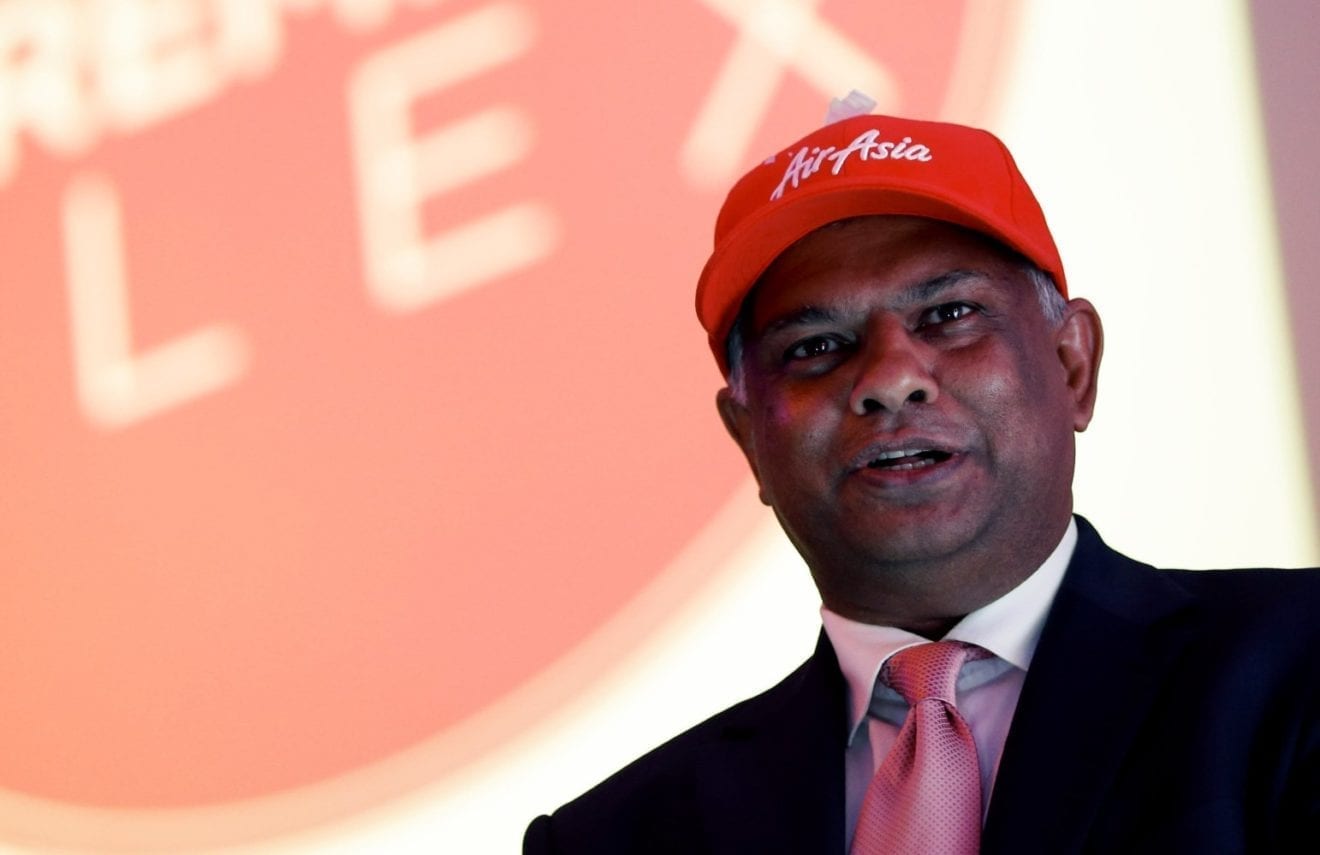
    Parent AirAsia Group’s chief executive, Tony Fernandes, has said he wants AirAsia X to expand into new destinations in Europe, the United States and Africa.

  • GEOX Launches Men’s Footwear Collection Autumn/Winter 2016-2017

    GEOX Launches Men’s Footwear Collection Autumn/Winter 2016-2017

    Well-being is the first and foremost inspiration behind the new GEOX winter season, where technological development always reflects the tastes and trends of contemporary design. The breathing shoe becomes a “Comfort Cool” accessory combining creativity, lightness and flexibility, to make life easier and distinguish every step in its functionality and appearance, quality and style, in all weather conditions and anywhere, from the city streets to outdoor activities.

    Comfort is cool

    The unmistakable breathability, heat-regulation, waterproofing, resistance and seal guaranteed by the continual innovation of the GEOX membrane and sole amplify the value of the patents, with a focus on the design and the patterns, the materials and details and the colour and material combinations, combining elegance, versatility and refinement with the philosophy of easy walking.

    The principles of uniqueness and top performance every single day are behind the extensive development of the SNEAKERS, designed for a wide variety of uses and ideal for the most casual and carefree looks: from the slim-runners in wax-coated technical fabrics to the city-active lines combining mesh with leather. Manufactured with the ultra-light EVA soles, guaranteeing an extra-cushioning and ultra-flexible effect, which is amplified by the flex grooves on the sole and the shaped rubber tread, ensuring an optimal grip on all surfaces.

    NEBULA, in contrast, is an all-season model, characterised by the iconic ergonomic slip-on shape, which reconfirms the primary values of a dynamic fit and freedom of movement, in a classier shoe, designed and manufactured for walking anywhere in the world. A symbol of GEOX excellence, combining the Inner Breathing System and the 3D Performance Unit: wider openings at critical points of the sole are combined with the structure calibrated to the natural points of contact of the foot, enhancing breathability, flexibility, lightness and stability. They are available in both casual shades and the contrasting colour-blocks of the fluorescent or camouflage soles, and the clean and essential silhouettes have easy-entry and totally water-repellent uppers, in technical fabric and soft suede, with totally hidden stitching. 

    The water, wind and damp proof AMPHIBIOX technology continues to be a cornerstone in the Fall/Winter season. Totally, waterproof and really comfortable. The rubber soles include the peerless Amphibiox technology which will keep rain, wind, snow and dampness at bay: the breathable and waterproof inner membrane protects both sole and upper, stopping water from getting inside the shoes whilst ensuring amazing breathability – meaning your stay feet warm and dry and can breathe naturally.

    Lastly, the CUOIO patent revolutionises the elegant footwear of the modern gentleman looking for totally waterproof models: the breathing membrane is combined with the leather sole, allowing damp to pass from the inside outwards and ensuring the foot is always completely dry. A combination of a “new classic” spirit and an “old-school” refinement, the authentic Made in Italy style is extremely sophisticated and attractive, as represented by the formal range in vintage feel.

  • Spar International Expands in Thailand

    Spar International Expands in Thailand

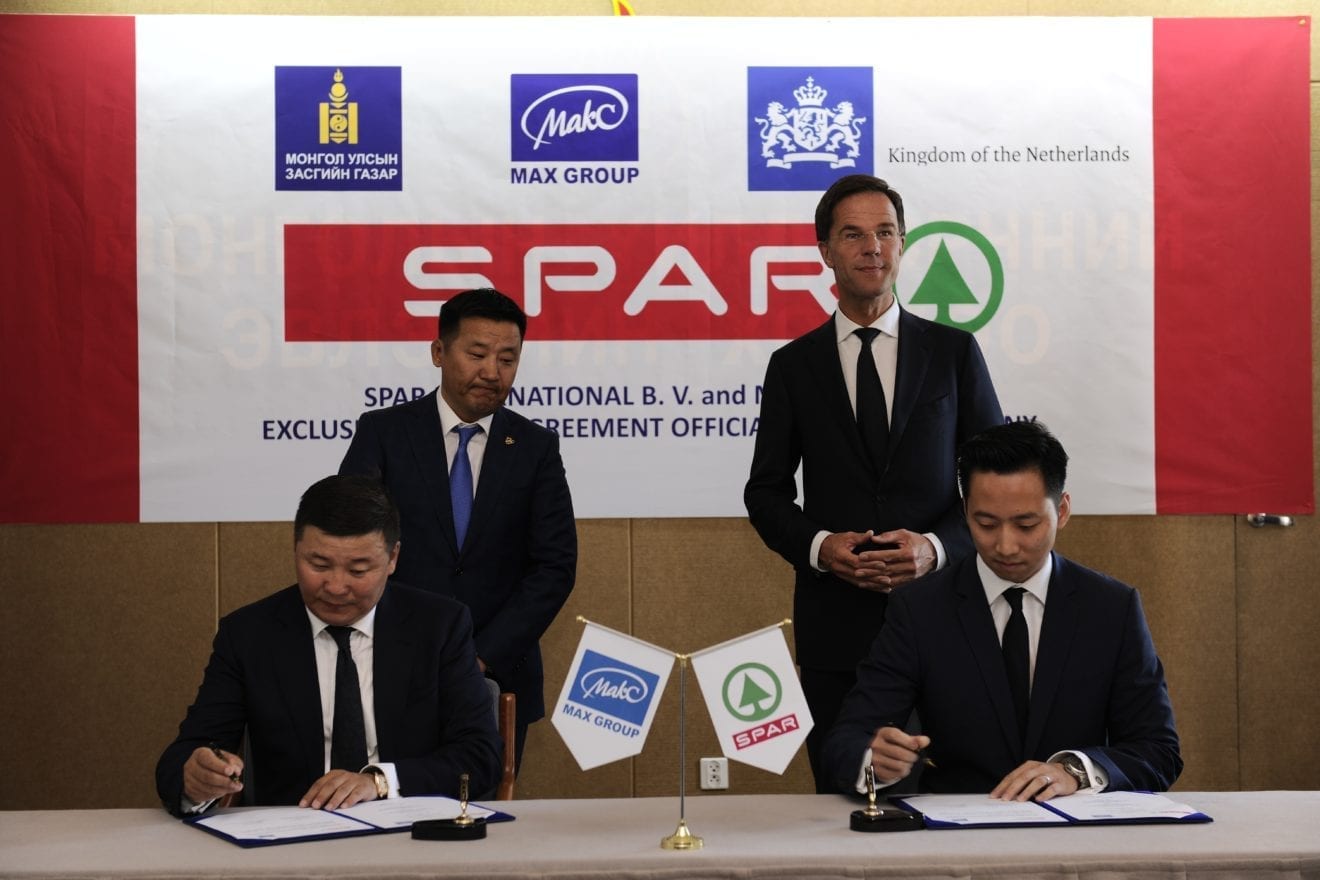
    SPAR International (“SPAR”) and Bangchak Retail Company Limited (“BCR”), today announced a significant new partnership agreement which will see up to 300 new SPAR stores opening in Thailand by the end of 2020, as part of a €102 million investment 

    SPAR International is the world’s largest food retail voluntary chain with over 12,100 stores worldwide and global retail sales of €33 billion in 2015. SPAR presence in Asia continues to grow with the brand attracting independent partners.

    BCR plan to open 7 new stores during 2016, comprising key flagship convenience and neighbourhood developments. From 2017 the company plans to open 50-80 stores each year for the next five years with up to 2,500 jobs created in the process. BCR’s retail strategy meets customer needs, with strong market growth in the neighbourhood grocery sector in Thailand; the company anticipates retail sales of €260 million by 2020.

    The partnership with BCR will see SPAR share industry expertise with its new partner including the sharing of best practice across its supply chain, retail operations, staff training, retail design and brand development strategy. SPAR Thailand is expanding forecourt retailing stores around food purchasing moments and to achieve this initiative SPAR International worked with BCR to generate detailed store designs and layouts. Ahead of the opening of the first store, SPAR International also supported the formation of the requisite supply chain capability, introduced the SPAR culture to the teams in the stores and central office, given advice about equipment suppliers and assisted with secondments to other SPAR Partners by key team members to expand their knowledge of the SPAR Brand.

    Speaking at the official announcement of the new partnership Tobias Wasmuht, Managing Director of SPAR International said “In the last decade, SPAR International has grown from strength to strength in key strategic markets of Asia. Today, we have a significant multi-format presence including hypermarkets, supermarkets, convenience and online in China, India, and Indonesia. The launch of SPAR in Thailand in partnership with BCR represents a significant and important step forward in SPAR’s ongoing expansion into Asian markets.  It brings together our internationally tried and tested retail expertise particularly in convenience and supermarket formats with the extensive knowledge of the Thai market. The partnership is a true example of the SPAR ethos in which through working together all shall benefit.”

    The new venture is being lead on the BCR side by Mr. Viboon Wongsakul, Managing Director of Bangchak Retail Company Limited. Speaking about the partnership Mr. Wongsakul said “BCR is excited to bring this new offering to customers in Thailand. SPAR and BCR share many key values such as a dedication to growth, a commitment to local suppliers, supporting communities and offering diverse retail solutions. We plan to bring local retailing to the next level and will dedicate the resources necessary to have a significant presence in the market in the shorted possible timeframe.” 

    As a shared core value, SPAR and BCR focus on supporting the communities in which they operate. During the development of the flagship stores in 2016, special focus will be given to the ability to source produce and product locally. SPAR International has a process in place for the development of own brand products by a Partner and has worked with BCR on the development and launch of a national range of own brand products.

  • Mothercare recovery hits a bump

    Mothercare recovery hits a bump

    Mothercare is in the process of a much needed turnaround strategy for its UK business that aims to bring the UK side of its proposition back to profit.

    After a reasonable first quarter result, the retailer has felt the effects of a tougher economic climate in the second, with like-for-likes dipping into negatives for the combined first half year.

    From March onwards expect to see Mothercare increase its prices, given that close to half its products are sourced in US dollars, which will likely be another blow to UK profits.

    Mothercare continues to focus on its digital business, with online sales now 40 per cent of total UK retail sales, compared to 36 per cent this time last year. However, a significant 44 per cent of online sales come from instore orders on staff iPads – which suggests consumers are visiting stores but due to limited floor space there’s poor product availability. Mothercare’s ‘online’ sales don’t look quite so impressive.

    Mothercare has other issues to contend with. While the retailer is popular for newborns, in the next couple of years, the business will need to focus on retaining these consumers with celebrity and fashion-led ranges as fast fashion retailers such as H&M, Zara and Next draw this customer base from its stores.

    International remains an area of success for Mothercare, boasting profits of £20.8 million. However, the volatile international market means the retailer must not rely on its international success to soften the losses it continues to make in the UK.

  • Le Pain Quotidien Hong Kong on par with New York City

    Le Pain Quotidien Hong Kong on par with New York City

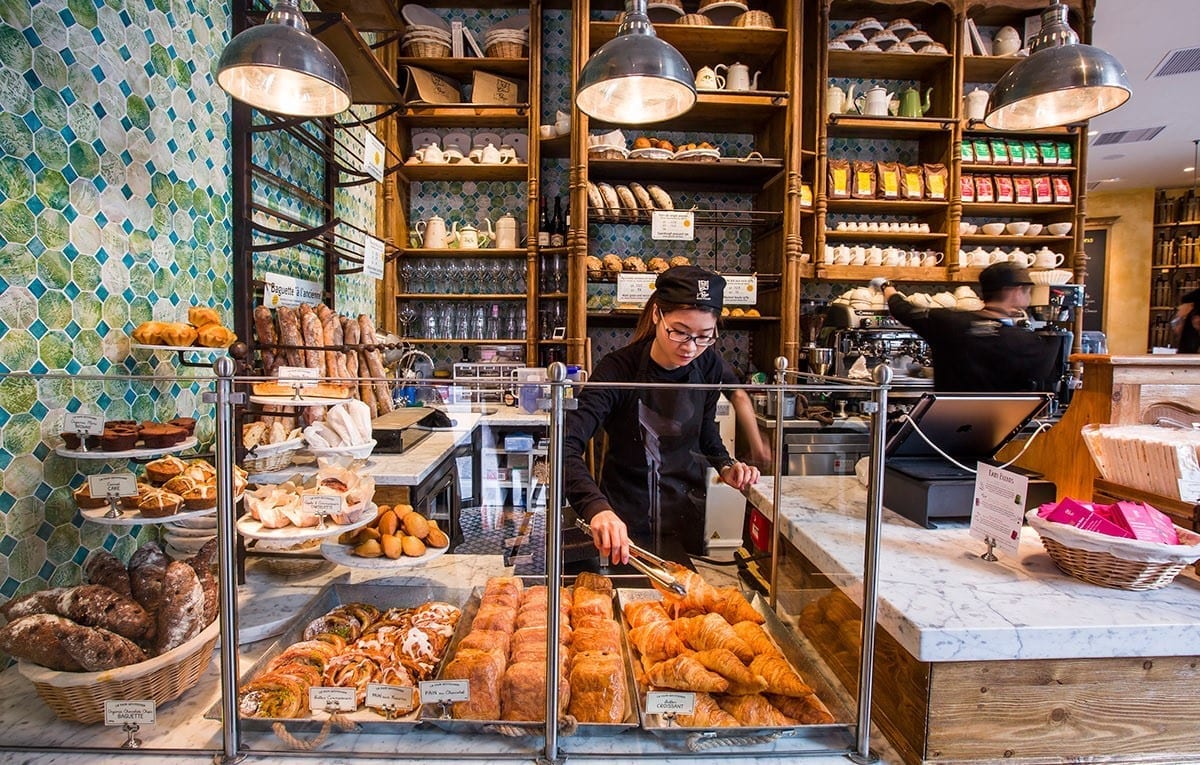
    Belgian-founded bakery Le Pain Quotidien’s Hong Kong outlet is trading as well as the chain’s best stores, surprising the founder.

    “We knew we would make it [in Hong Kong] but we did not expect sales to be so high, comparable to our best stores in New York,” the bakery’s founder Alain Coumont divulged in an interview with the ‘Hungry Lawyer’ Marc Rubinstein.

    Le Pain Quotidien Hong Kong  was brought to the city by Dining Concepts, and recently opened its second store at Pacific Place. The city is the 18th market for the brand which now numbers 235 stores globally.

    “There are plans for a third store in Central but I can’t say where because it’s still a secret,” Coumont said. “The idea is to have at least four or five shops in Hong Kong by the end of 2017. We are also thinking of expanding to other parts of the Asia Pacific region with Dining Concepts like Singapore or Malaysia, as well as China. We are expanding naturally as we make money, not because we must.”

    He said the core of the menu was the same in Hong Kong as elsewhere in the world.

    “We have some local dishes on the menu. Originally, we had congee on the breakfast menu. We update the menu seasonally so now we have a tofu scramble instead, but the basic structure of the menu is the same as in other markets.”

    Le Pain Quotidien, which means “daily bread”, was founded in 1990 when Coumont, working as a chef, was dissatisfied  with the bread served before meals.

    le-pain-quotidien-pacific-palace-hk

    “So I decided to start making it myself as a hobby. I didn’t have space for the equipment so I rented 36 sqm next to the stock exchange in Belgium, bought a big table at a flea market, started baking two kinds of bread, and added coffee and sandwiches to help pay the rent. With the big communal table leaving nowhere for customers to hide and our two kilo sourdough loafs, the shop looked like the dining room of a monastery. Then the magic happened.”

    He had no idea his ‘hobby’ would evolve into a global brand.

    “There was no business plan. It was a hobby. I started with US$10,000 that I didn’t have, but it was an overnight success.”

    Coumont said rent was key in Hong Kong, as in New York and London – “and you need a great location”.

    “High rent creates opportunity for expensive mistakes if you pick the wrong location. But, like London and New York, Hong Kong is also a diverse city which means our staff and our customers are diverse and include cosmopolitan travellers and business people. We could just as easily be in Dubai or New York except that Hong Kong is less hot than Dubai and warmer than New York.”

    In the interview, Coumont also talks about his experiences launching the brand in New York, his passion for Chinese food and his thoughts on Hong Kong as a city.

  • Jaeger-LeCoultre Japan opens flagship

    Jaeger-LeCoultre Japan opens flagship

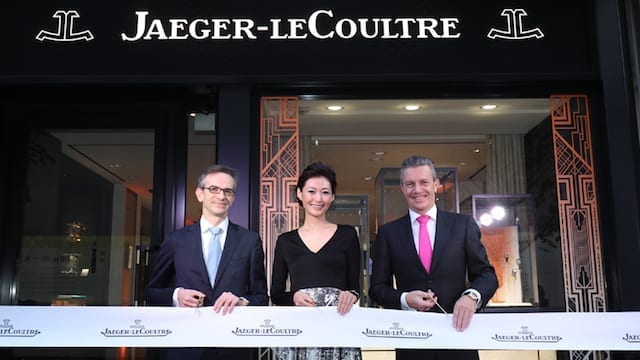
    Luxury watch brand Jaeger-LeCoultre Japan has staged a grand opening for its first flagship boutique, in Tokyo.

    Jaeger-LeCoultre CEO Daniel Riedo and brand manager for Japan Stefano Bossi welcomed 150 guests for the official launch of the store, on Ginza Namiki Street. Actress/model Maki Tamaru was a special guest, wearing a Reverso by Christian Louboutin from the Atelier Reverso.

    jaeger-lecoultre

    Exclusive watches were on display including a 101 Joaillerie with the smallest calibre in the world, invented by Jaeger-LeCoultre. Also featured are Atmos clocks.

    Covering 100 sqm, the store spotlights Jaeger-LeCoultre artistry and craftsmanship, two themes that have been at the heart of the brand since 1833. Grand complications and high jewellery pieces are showcased, epitomising the crafts mastered by the manufacturer – gem setting, enamelling, engraving and horological complications.

    A special area is reserved for a watchmaker who handles maintenance and repairs.

  • H&M Taiwan opens Ximen flagship

    H&M Taiwan opens Ximen flagship

    H&M Taiwan held a high-profile fashion party to launch its new Ximen flagship store, gathering Taiwanese fashion’s finest.

    Yoga Lin, Nick Chou, Gemma Wu, Nikki Hsieh, Puff Kuo, Jasper Liu, Jian Man Shu and Lien Yu Han were amongst the stars joining this week’s celebration. At the party, Yoga Lin mesmerised the fashion crowd with a surprise performance.

    hm-ximen-flagship-yoga


    hm-ximen-flagship-yoga-lin


    In celebration of unveiling H&M’s Ximen flagship store, singer Yoga Lin walked the red carpet sharply dressed in an exclusive capsule collection by H&M Design Award-winner Hannah Jinkins. Inside H&M’s largest flagship store in Asia, Yoga Lin performed three of his biggest hits, rolling out a night of entertainment, fashion and perfection. The performance was followed by Nick Chou (NickTheReal) appearing as the guest DJ of the night.

    hm-ximen-flagship-dj

    hm-ximen-flagship-nickthereal-chou


    The H&M Ximen flagship store formally opened today, November 25.

    “Ximending is a fashion conscious area of Taipei City, and I am excited to be a celebrating the opening of H&M’s flagship store. Tonight is an unforgettable night; I hope H&M will inspire this area with its up-to-date fashion,” said Yoga Lin.

    hm-ximen-flagship-billie

    hm-ximen-flagship-nikki-hsieh

    “I am a big fan of H&M. The performances were impeccable, and the store looks fantastic. This is surely the fashion event of the year,” said Puff Kuo.

  • South Korean department stores set to smash sales record

    South Korean department stores set to smash sales record

    South Korean department stores are tipped to chalk up sales of more than 30 trillion won (US$25.6 billion) for the first time this year.

    That would make if 86 years since the country’s first department store opened in 1930.

    Industry commentators say the figure reflects the retail category’s emergence from “years of stagnation” to return to growth as they pursue new alliances, an expanded food offer and eCommerce.

    Lotte, Hyundai and Shinsegae account for 80 per cent of the Korean department stores market with Galleria, AK Plaza and smaller brands hold the remainder.

    Just seven years ago, department store sales surpassed the 20 trillion won barrier – this year’s projection is 31 trillion, a remarkable growth rate by any measure, especially considering sales stagnated at 29 trillion won for the last four years.

    “Despite the prolonged economic slowdown and changing consumption trend, the domestic department store market is expected to post growth this year thanks to new concept stores and the expansion of online channels,” a Shinsegae Department Store official said.

  • Rakuten drone delivery system launched

    Rakuten drone delivery system launched

    Japanese eCommerce giant Rakuten and its two partners – Docomo and Autonomous Control Laboratory – have trialled a drone-based delivery system.

    The Rakuten drone delivery system uses Docomo’s LTE mobile network when a customer places an order via a smartphone.

    The last experiment in the National Strategic Special Zone of Chiba city saw the cargo carried from the Inage Seaside Park to the adjacent seaside area.

    The new version is upgraded with an ordering app for users and the drone dashboard for drone controlling.

    Rakuten says the new “Tenku” delivery drone features a number of performance enhancements such as water-resistant. Tenku’s base is an airframe called “PF1”, developed by Autonomous Control Laboratory. The airframe helps the drone go long-distance and over the sea as well as over populated areas. A parachute is also equipped to slow the speed in case of emergency fall.

    With its technologies, the operator also maps out flight routes with stable communication, and also monitors the connectivity of airborne cell phones with the mobile network at the ground level.

    The new Rakuten drone-based delivery system is set to be used in urban areas after talks with the Chiba City Drone Delivery Subcommittee.

  • Chimes Boutiques opens ‘world class’ flagship

    Chimes Boutiques opens ‘world class’ flagship

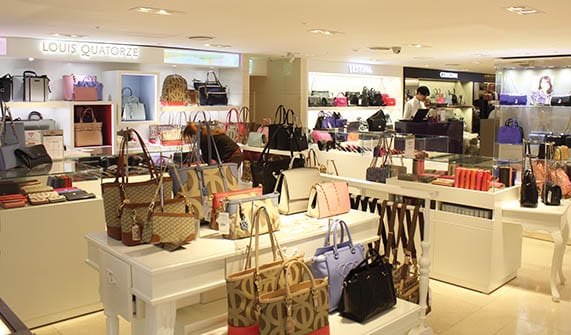
    Chimes Boutiques has opened a new flagship store in its home town Davao city.

    “I never imagined 12 years ago that we would be able to deliver a truly world-class experience to our humble shores,” observed Chimes Boutiques CEO and SVP of Felcris Group, Cindy Yap at the store’s unveiling.

    Chimes was originally founded by the second generation siblings of the Yap family – founders of hypermarkets and convenience stores in Mindanao – who saw an opening for a channel selling luxury retail brands in Davao. With such a store, she figured,  Mindanao’s well heeled would no longer have to travel to Manila, or overseas, for fine fashion.

    chimes-chic-mb3

    “Change is a constant element in everyone’s life and [after 12 years] that moment came for us, as well. We decided to develop a selling strategy that would meet the wishes of our client – passionate travelers always on the lookout for something new,” she said.

    The 37,000 sqft Governor Sales Street store was completely refurbished – all the way to the new logo – in a project led by retail designers Cyndi and Happy Fernandez of Moss Manila.

    Chimes stocks more than 100 brands spanning beauty, accessories, ladies ready-to-wear, menswear, home and children. Among the labels: local brands Aranaz, Happy Skin, Rajo Laurel, Vania Romoff, Renegade Folk and Sunnies Studios.

  • FedEx Trade Networks expands Into Malaysia with Penang office

    FedEx Trade Networks expands Into Malaysia with Penang office

    FedEx Trade Networks, a subsidiary of FedEx Corp. and a premier international freight forwarder, today announced the opening of a new office in Malaysia. Based in Penang, the additional facility highlights the continued expansion of FedEx Trade Networks to meet the growing market demand.

    “With our network stretching into Malaysia, we are well positioned to proactively respond to customer needs and support them in simplifying the complexities of international shipping,” said Udo Lange, executive vice president and COO, FedEx Trade Networks.

    The new FedEx Trade Networks office is strategically located in Penang’s central business district, with close proximity to the airport and the seaport as well as the city’s key infrastructure facilities. FedEx Trade Networks offers a comprehensive portfolio of services, covering e-commerce, international air and ocean freight forwarding, surface transportation (domestic and cross-border), customs brokerage, trade and customs advisory services as well as other value-added services, including My Global Trade Data, the company’s online suite of information management tools.

    “The world requires a new type of freight forwarder that understands how to turn global logistics into strategic advantages,” said Lange. “FedEx Trade Networks makes the complexities of global shipping simple, striving to provide customers with unparalleled supply chain visibility and logistics transparency to help move their businesses forward.”

    Penang is one of the most urbanised and industrialised states in Malaysia with a high concentration of key industries and sectors, including high tech, electronics and electrical products, industrial goods as

  • Cebu Pacific plans Legazpi night flights

    Cebu Pacific plans Legazpi night flights

    Cebu Pacific said the upgrade of the Legazpi International Airport as a night-capable facility has allowed the budget carrier to operate flights even in the evening.

    In a statement, Cebu Pacific said it is the first carrier to operate night flights out of the Legazpi International Airport after being upgraded by the Civil Aviation Authority of the Philippines (CAAP) with necessary facilities and declared ready to accommodate evening flights.

    The upgrade allows airlines to offer more flights for passengers to choose from.

    At present, Cebu Pacific operates six daily flights to and from Legazpi via Manila and Cebu.

    Evening flights operated by Cebu Pacific’s wholly-owned subsidiary Cebgo, depart Manila at 6:15 p.m. and 7:20 p.m, and arrive in Legazpi at 7:40 p.m. and 8:45 p.m., respectively.

    The return flights meanwhile, leave Legazpi at 8:20 p.m. and 9:35 p.m., and land in Manila at 9:40 p.m. and 10:55 p.m., respectively.

    The upgrade is likewise seen to give a further boost to tourism in Legazpi which serves as a regional hub for business, education and government.

    Legazpi International Airport is the main airport of the Bicol region, serving provinces such as Albay and Sorsogon.

    As early as 2012, Cebu Pacific has been calling for the upgrade of airports to have night capability to allow airlines to offer flights in the evening and in effect, help ease congestion at the Ninoy Aquino International Airport (NAIA) runway during the peak

  • 7-Eleven Malaysia committed to store expansion

    7-Eleven Malaysia committed to store expansion

    7-Eleven Malaysia is committed to further store network expansion despite the economic headwinds in the nation.

    Releasing the company’s third quarter results, CEO Gary Brown said the network now numbering 2057 stores achieved sales growth of 5.5 per cent in the three months to September 30, despite a sluggish retail market.

    However there was a “significant negative impact” from the increase in the minimum wage from July 1 on third-quarter profit.

    “The third quarter of 2016 highlights the tough retail market in which we have operated since the introduction of GST coupled with low consumer sentiment and spending.

    “[However] we remain confident that continuous store expansion, refurbishment, promotional activity, improved merchandise mix and expanded in-store services will continue to deliver positive results despite the challenging headwinds.”

    Brown noted that average spend per customer increased by about 4 per cent during the third quarter, compared with the same period last year.

    Group revenue for the quarter totalled RM547.8 million (US$23.31 million) driven by new stores, improved merchandise mix and consumer promotion activity.

    Gross profit of RM169 million improved by 5.8 per cent, mainly attributed to the 5.5 per cent revenue growth.

    Selling and distribution expenses for the quarter increased by RM14.8 million or 10.4 per cent, mainly caused by new store expansion resulting in higher staff cost, rental cost, store depreciation expense and utility costs. The increase in the minimum wage caused store staff costs to rise by approximately 10 per cent in the current quarter.

    The pre-tax profit of RM15.5 million decreased by RM7.0 million or 31.2 per cent, despite positive sales growth – and due to higher selling and distribution expenses caused by new store expansion and the impact of minimum wage increase.

    For the nine months to September 30, the group’s revenue grew by 4.9 per cent against the corresponding nine months’ revenue.

  • Mercedes bets on SUV next year

    Mercedes bets on SUV next year

    In a sluggish automobile market, German automaker Mercedes-Benz aims to push up sales of sports utility vehicles (SUVs) in 2017, which may see strong demand from young and successful people.

    SUVs accounted for 35 percent of Mercedes’ total sales of 2,724 cars in the first 10 months of this year, almost unchanged from the same period last year. Sixty five percent of the company’s sales derived from sedans and other models.

    The contribution of SUV sales surged by 7 percent as of October, up from only 28 percent last year, Kariyanto Hardjosoemarto, deputy director of sales operations and product management at Mercedes-Benz Indonesia (MBI), said on Wednesday.

    “According to market trends, SUV sales will increase higher than sedans next year,” he said on the sidelines of the 2016 Mercedes-Benz Star Expo.

    Many customers preferred buying SUVs due to poor road conditions in the country, triggered by a number of ongoing infrastructure projects, while some also considered the risk of flood, Kariyanto said.

    Despite the continuing domination of multi-purpose vehicles (MPVs) in Indonesia, the SUV market is expanding rapidly as seen by tighter competition among car manufacturers.

    Major automakers like Toyota and Honda rolled out new models to tap into this potential market throughout this year.

    In the premium SUV market, Mercedes has made a similar play, introducing its GLC model, along with its rival BMW, which launched the X3.

    Although he declined to specify the firm’s sales target for next year, Kariyanto said Mercedes’ top-selling SUV models so far were the GLC, with prices ranging from Rp 899 million (US$66,494) to Rp 1.23 billion, and the GLE, sold for between Rp 1.09 billion and Rp 1.56 billion.

    Behind the growth of Mercedes’ SUV segment are female customers, who apparently choose the model for reasons of safety combined with the comfort that resembles a sedan, according to MBI deputy director of marketing communication Hari Arifianto.

    “Women accounted for 20 percent of our SUV buyers,” he told.

    Amid a persistent economic slowdown that has squeezed people’s purchasing power, the domestic automotive market has gone through a bleak few years of late.

    Car sales, an indicator of consumption in Southeast Asia’s largest economy, only rose by 2.55 percent to 874,847 cars in the January-October period from last year, according to data from the Indonesian Automotive Manufacturers Association (Gaikindo). Sales in October alone went up by just 3.8 percent to 91,846 cars.

    Citing data from Gaikindo, Kariyanto said premium car sales had increased by 0.3 percent year-to-date.

    Despite the flat growth, the firm is optimistic that the luxury car market will recover next year on the back of Indonesia’s demographic bonus, which is marked by a large pool of productive people.

    This outlook underpins the company’s plan to focus on selling cars to young and successful people.

    “CEOs of online marketplaces or owners of app-based startups are all our targets,” Hari said.

    The company hopes that the so-called new generation compact cars, which consist of the A-Class, the CLA and the GLA, will attract younger buyers.

    Comprising sedans and SUVs, the cars are sold at more affordable prices, starting from around Rp 600 million.

    Mercedes launched more than 10 product line-ups this year. On Wednesday, the company unveiled its two latest models, namely the Mercedes-Benz AMG S 63 Coupe and the Mercedes-Benz SL 400, sold for around Rp 6 billion and Rp 2 billion, respectively.

  • DHL Express launches On Demand Delivery

    DHL Express launches On Demand Delivery

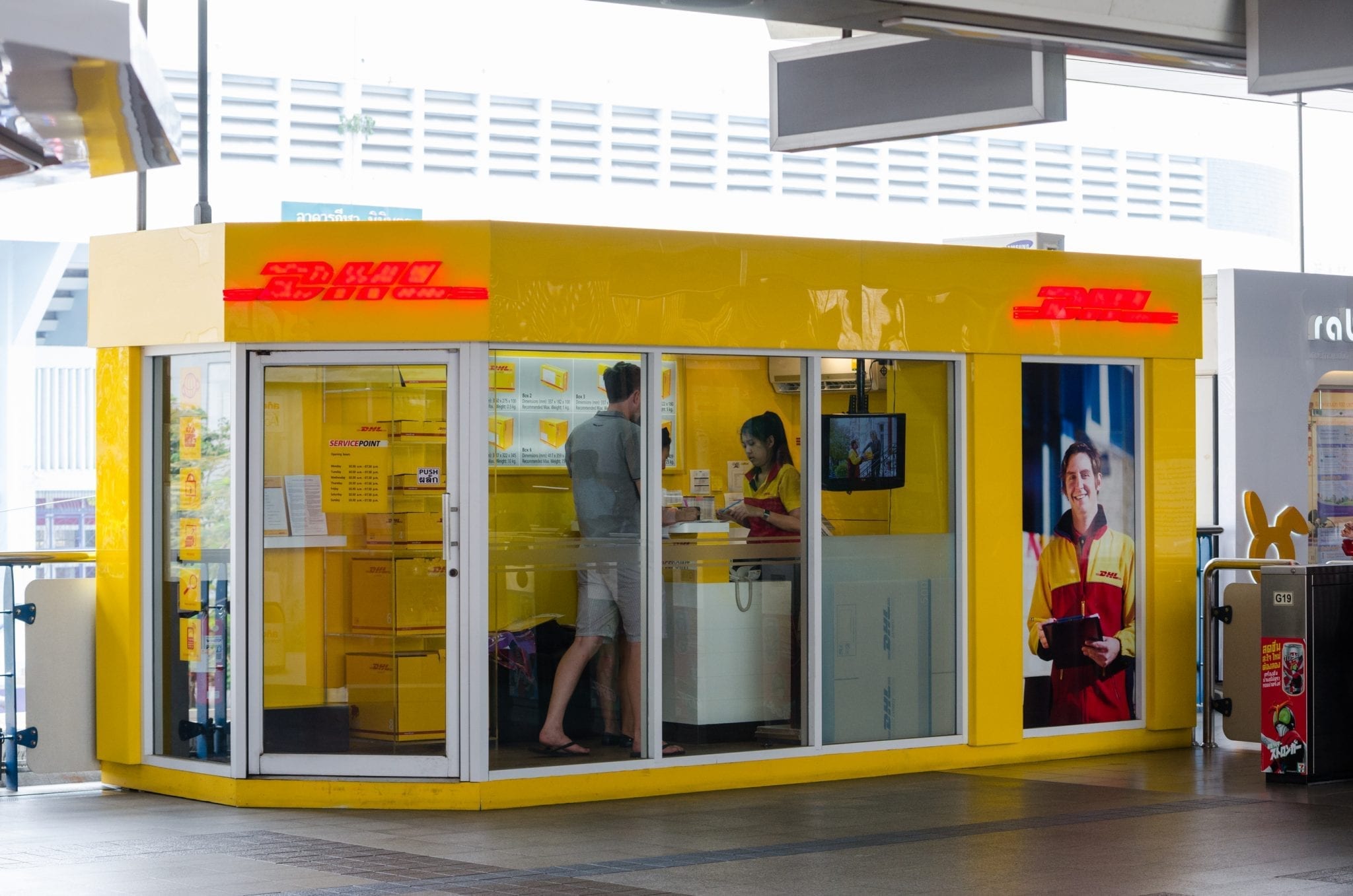
    DHL Express has launched a new “On Demand Delivery”, which it says has been developed in response to significant growth in premium cross-border e-commerce volumes.

    With On Demand Delivery, shippers can choose to activate specific delivery options and have DHL Express notify their customers via email or SMS about a shipment’s progress. The customers can then select the delivery option that best suits their requirements via the On Demand Delivery website.

    DHL said that the service is “specifically tailored” to the demands of international e-commerce deliveries, where the majority of shipments are addressed to residential addresses and customers crave flexibility and convenience.

    “We have seen the share of e-commerce deliveries grow from about 10% in 2013 to more than 20% of the international volumes of DHL Express in 2016,” said John Pearson, CEO Europe and Global Head of Commercial, DHL Express Europe.

    “This has primarily been driven by the strong demand for high-value and premium goods in the global marketplace, as well as the emergence of start-up retailers who are expanding opportunistically to new overseas markets and therefore require a worldwide door-to-door delivery service. In response to the dynamic growth and to ensure that our services continue to exceed customer expectations, we have launched On Demand Delivery.”

    Charlie Dobbie, Executive Vice President, Network Operations, Aviation and IT, DHL Express, said: “On Demand Delivery isn’t just a new customer interface – it also represents an enhancement of our worldwide network, as we have tailored our last-mile operations to meet the specific demands of cross-border e-commerce deliveries.

    “Thanks to On Demand Delivery, we can support the service offering of online shippers and improve the delivery experience for their customers, while improving our own efficiency, particularly for last-mile deliveries.”

    The  On Demand Delivery site can be accessed from smartphones, tablets and PCs, and offers receivers up to six delivery options. Shippers can incorporate their own branding into customer notifications.

    Receivers can schedule a delivery, arrange delivery to a nearby DHL Service Point or their own alternate address, and request that a shipment is put on hold during a vacation.

    DHL Express plans to roll out the On Demand Delivery to more than 100 countries through 2016 and 2017.