Author: Mei Ling Tan

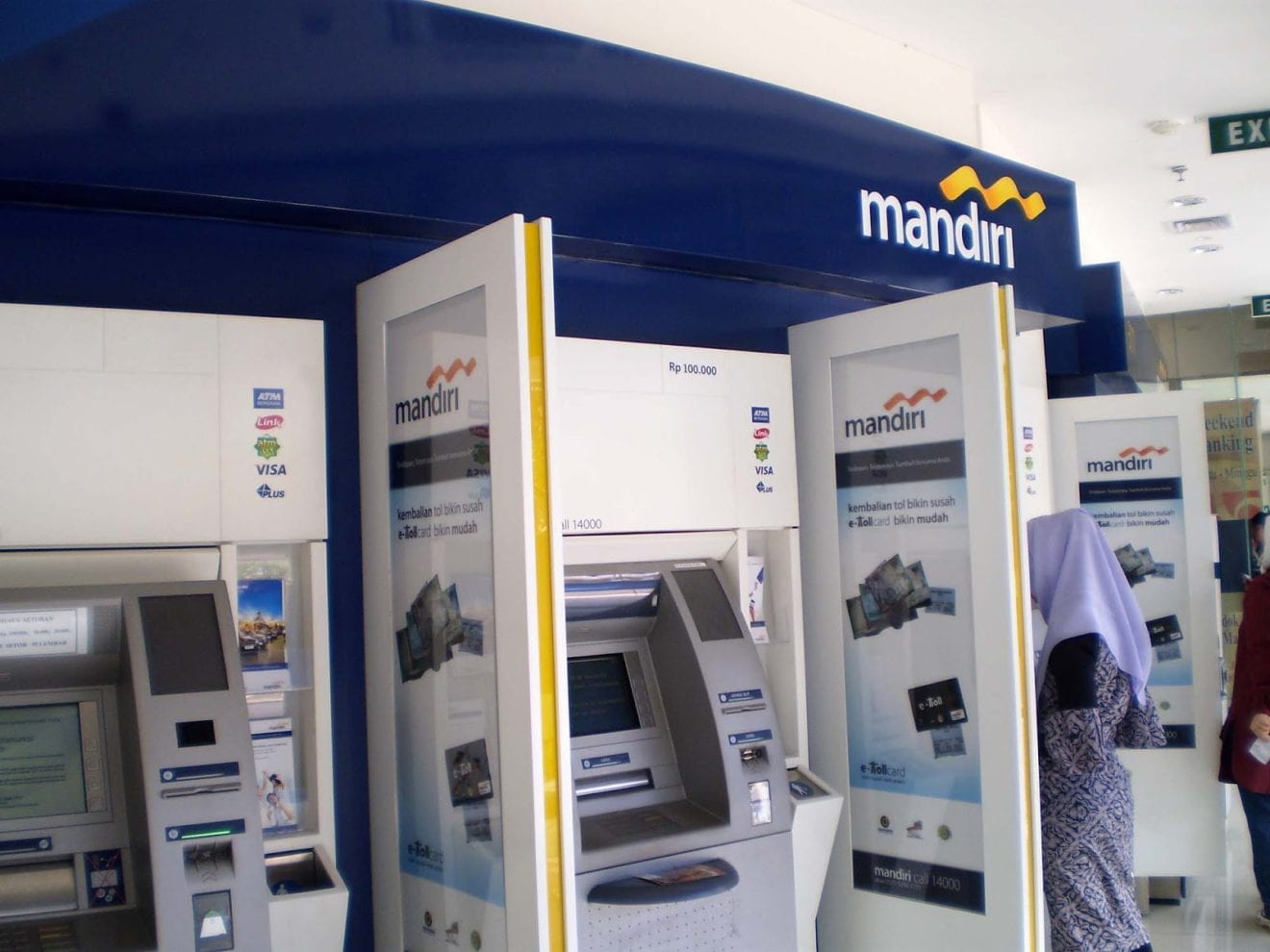
  • Bank Mandiri Partners with LINE for E-transactions

    Bank Mandiri Partners with LINE for E-transactions

    State-owned lender Bank Mandiri has joined hands with chat app operator LINE Indonesia to integrate its Mandiri e-cash product with LINE pay service. The partnership is aimed at facilitating LINE users in carrying out electronic transactions.

    “E-cash transfer can now be done as easy as sending a text in chat app LINE,” Director for Banking & Technology Bank Mandiri Rico U. Frans said in a written statement on Monday.

    Rico claimed that the service can be enjoyed by both Mandiri customers and non-customers. For Mandiri e-case users, the service can be accessed by integrating their Mandiri e-cash number with LINE Pay. Whereas those who do not have Mandiri e-cash, may create an account in LINE Pay menu.

    “The collaboration is based on shared market target, i.e. youth with digital lifestyle,” he said. LINE Pay e-cash would enable Bank Mandiri to provide easy service to over 90 million LINE users in Indonesia.

    Meanwhile, LINE Indonesia Managing Director Ongki Kurniawan said that the cooperation will help develop financial technology and a cashless society. As well as to help unbanked users to be able to carry out transactions.

    LINE Pay e-cash, Ongki said, is the easiest way to open a bank account. People can download LINE app in Google Play Store and Apple Store and register their phone number in LINE Pay e-cash account to do bank transactions.

    “It can be used to buy phone credit, electricity tokens, bank transfers, as well as online and offline shopping as easy as chatting on LINE,” he said.

  • Qantas Freight has been appointed as the carrier to transport milk

    Qantas Freight has been appointed as the carrier to transport milk

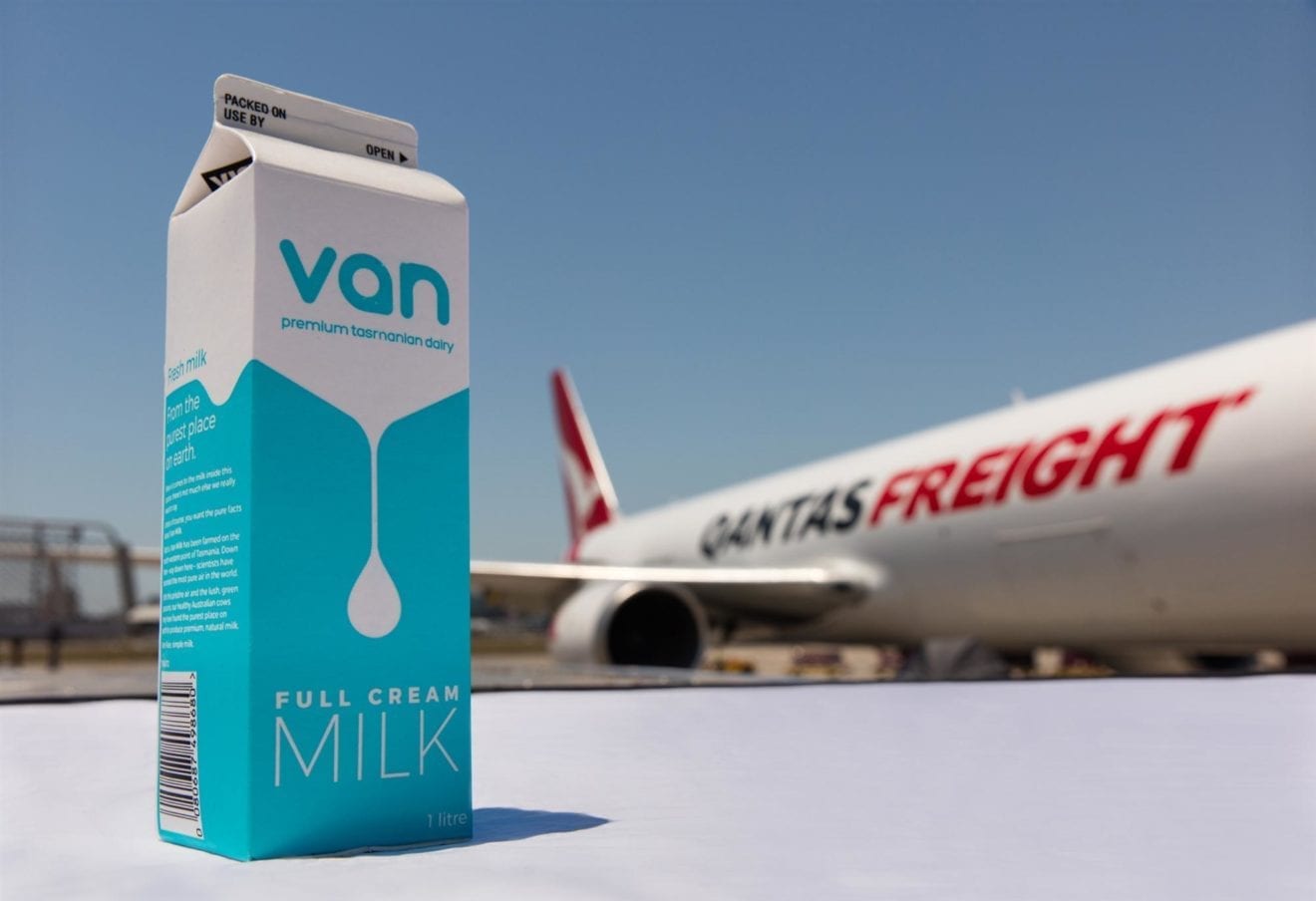
    Qantas Freight has been appointed as the exclusive carrier to transport Van Dairy’s Tasmanian milk to Ningbo, China.

    Starting in the first half of 2017, Qantas Freight will operate a weekly Boeing 767-300 freighter flight from Hobart to Ningbo, carrying more than 50,000 litres of fresh milk. Qantas will look at increasing the frequency if there is additional demand.

    “There is a huge demand for fresh milk in China and the key to satisfying that demand is having a reliable freight partner with an established freighter network, infrastructure and support in China and expertise in handling fresh produce – Qantas provides that,” said Sean Shwe, managing director of Moon Lake Investments, parent company of Van Dairy. “Establishing this trade bridge is an exciting venture for our dairy company, Van Dairy who produce Van milk, and opens the door for access for other Tasmanian producers of fresh perishables such as seafood, fruit and vegetables to air freight their produce on this direct flight to China. It will be a game changer for Tasmania, and we are proud to be leading the charge.”

    According to Qantas, local distributors will truck the milk to supermarkets and convenience stores in Ningbo and Beijing. Moon Lake Investments has plans to extend the dairy’s market reach to Shanghai, Hangzhou and other Chinese cities after the product is established.

    “We’ve been flying freight between Australia and Greater China for more than 30 years, and currently offer freight capacity on 40 flights a week,” said Alison Webster, executive manager of Qantas Freight and Qantas Catering Group. “This includes five dedicated freighter aircraft services, carrying a mix of perishables such as chilled meat, seafood, dairy, fruit and vegetables as well as general cargo. Over the past three years Qantas Freight has developed particularly strong capabilities in dairy export which, with its short-life, requires close collaboration to ensure on-time delivery and quality control throughout the supply chain. We’re really pleased to partner with Van Dairy to help meet the booming demand for fresh Tasmanian milk in China – it’s the ultimate milk run.”

    Qantas currently operates passenger flights from Brisbane, Melbourne and Sydney to Hong Kong, as well as from Sydney to Shanghai. It is also scheduled to launch a flight between Sydney and Beijing in January 2017.

  • Singtel launches Hooq OTT movie and TV services

    Singtel launches Hooq OTT movie and TV services

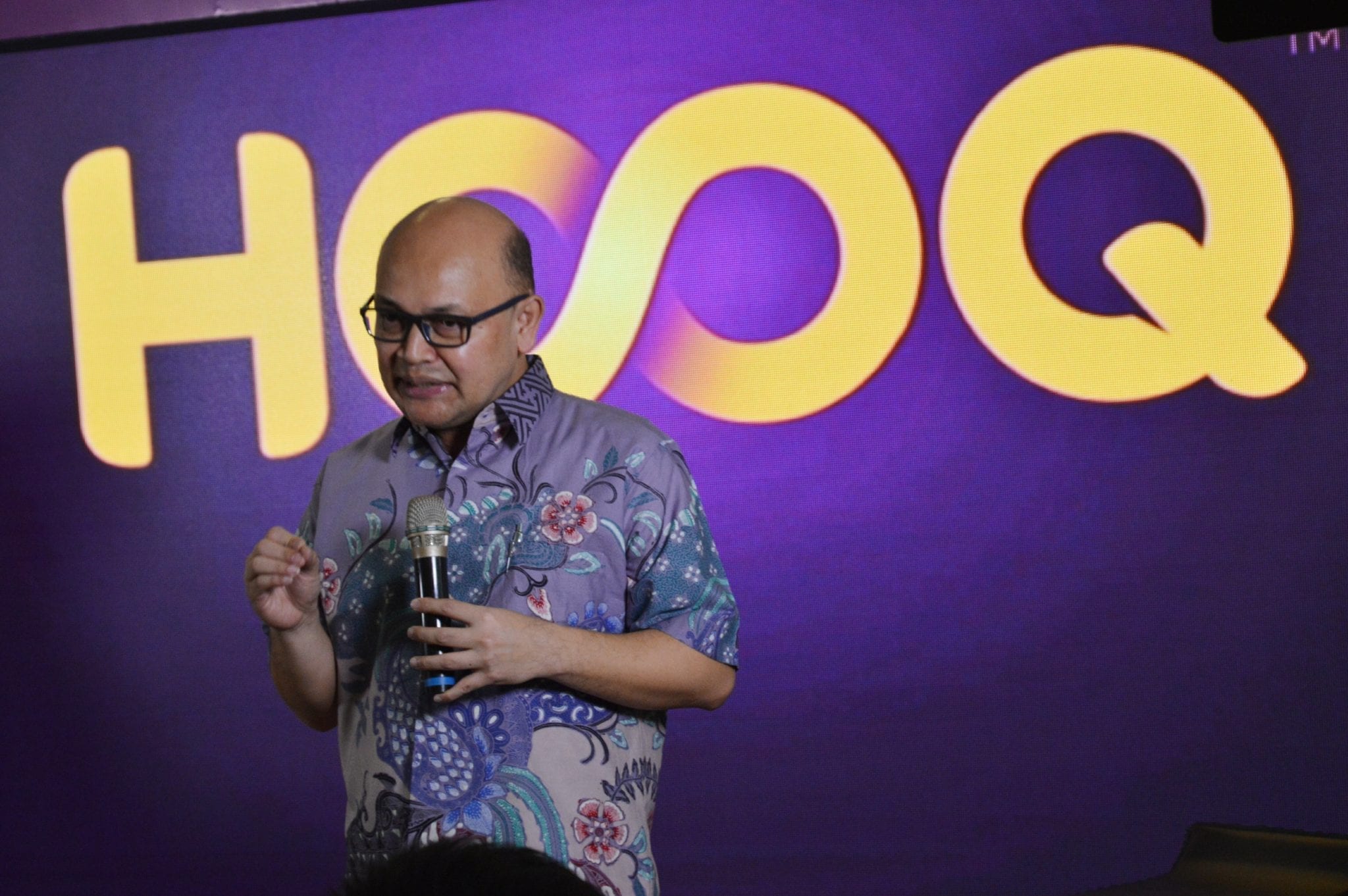
    Singtel has launched over-the-top (OTT) movie and TV service Hooq to its customers in Singapore, 22 months after the company announced the joint venture with Sony and Warner Bros.

    Hooq has been available for some time as a rival to Netflix via Singtel associates in the Philippines, Thailand, India and Indonesia, but it is now being launched in Singapore to Singtel’s prepaid, postpaid and broadband customers as part of bundled service packages.

    Hooq CEO Peter Bithos said that the service would provide an “ad-free freemium video-on-demand service with the largest catalogue of Hollywood, Asian and kids’ content”. The service has over 20,000 titles in its catalogue, available in Singapore for S$8.98 (US $6.29) a month, “the price of a movie ticket”, said Bithos.

    This is about twice the rate that Hooq charges customers of Globe Telecom in the Philippines, Telkomsel in Indonesia, AIS in Thailand or Airtel in India, where prices range from the local equivalent of $2.99 a month to $3.63.

    Hooq announced in March 2016, the first anniversary of its service launch in the Philippines, that it then reached 100,000 customers. No further figures are available. The five countries where the service is available now have a combined population of 1.6 billion, though the service can only be bought via packages through Airtel, AIS, Globe, Singtel and Telkomsel.

    Goh Seow Eng, Singtel’s managing director of home, consumer, said: “Singtel is always keen to expand our content offerings to enhance our customers’ entertainment experience. They will be pleased with Hooq’s vast selection of Hollywood hits, as well as ethnic movies and TV dramas. As an OTT video service, Hooq is a good complement to our pay TV product, as it allows us to offer an even wider breadth of content over multiple screens – mobile devices, computers and televisions.”

    Hooq does not offer live streaming TV services. At launch, Hooq said that it planned to offer movies such as Spider-Man and Harry Potter and TV series such as Friends and Gossip Girl, as well as Indian, Chinese, Thai, Filipino, Indonesian, Korean and Japanese movies and TV series.

    Singtel is a significant shareholder in Airtel, AIS, Globe and Telkomsel. Hooq is not available via Singtel’s Optus subsidiary in Australia, nor via Airtel’s African operations. Singtel and Airtel are increasingly working together on enterprise services.


  • President calls for serious effort to attract 10 million Chinese tourists

    President calls for serious effort to attract 10 million Chinese tourists

    President Joko Widodo (Jokowi) has called for a serious effort to attract at least 10 million Chinese tourists to visit Indonesia per year.

    “Some 150 million Chinese citizens travel abroad every year. Most of them travel to the US and Europe. I want some 10 million Chinese tourists to visit Indonesia,” he said at a function to familiarize the public with the second phase of tax amnesty program here on Friday night.

    The president said he has signed an agreement with the Chinese government related to Chinese tourists visit to Indonesia.

    “The agreement has been in place. We only prepare flights from China to Indonesia. If the flights are already there, the target of attracting 20 million tourists can be achieved in 2019,” he said.

    The government is developing 10 key tourist destinations expected to attract more tourists, he said.

    “The target of tourist arrivals two years ago was 9 million. We want to increase the target to 20 million in 2019 by all available means including improving our positioning, diversifying products, and building brands,” he said.

    To achieve the target, the government continued to carry out tourism promotion in major cities abroad, he said.

  • Cebu Pacific opens office in Seoul

    Cebu Pacific opens office in Seoul

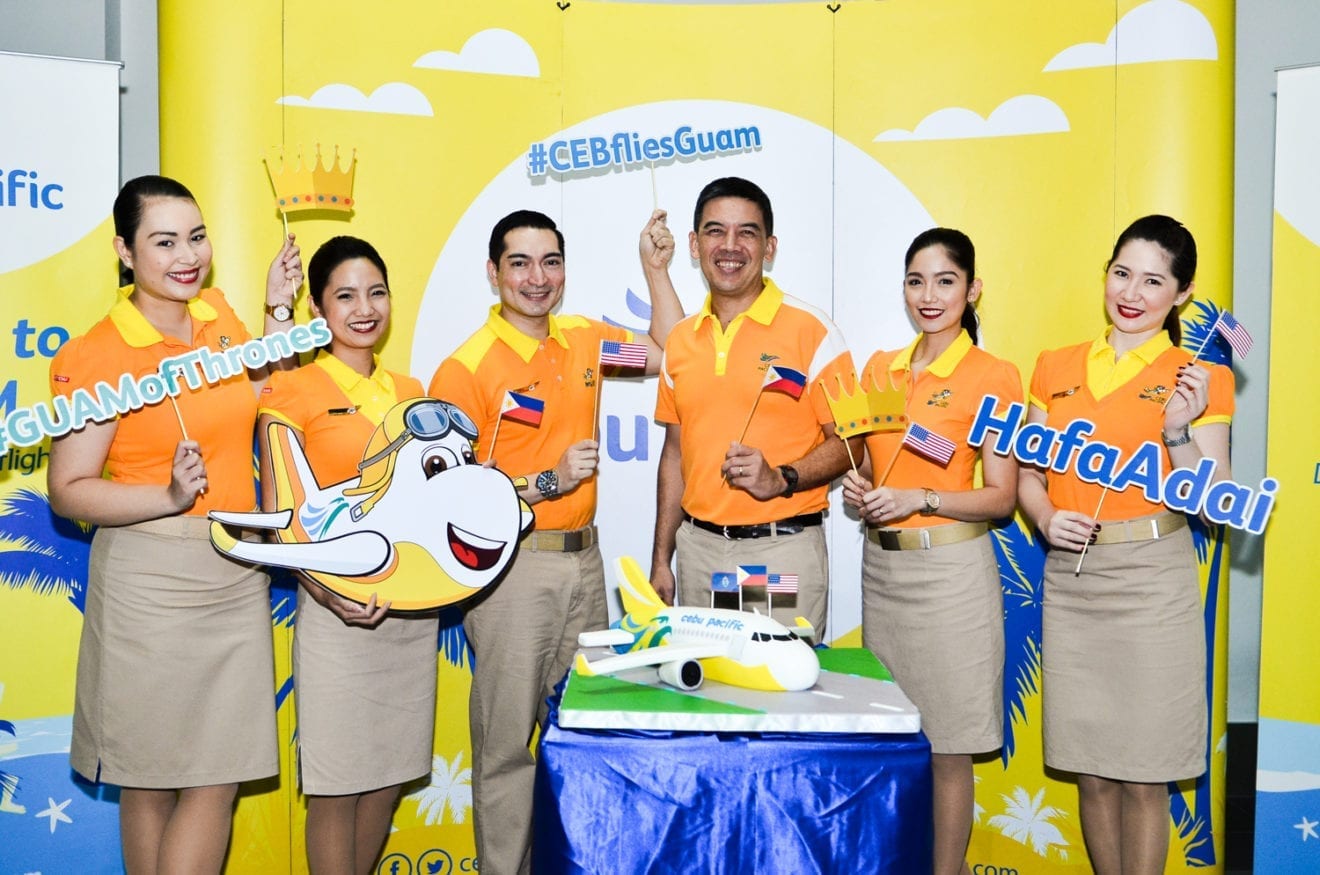
    Local carrier Cebu Pacific opened Tuesday its regional office in South Korea as part of its regional promotion and expansion.

    In a statement, CEB said its office is located at 7th floor, Section B, Sesomunro 106, Jung-Gu, Seoul, Korea.

    CEB’s Korea branch office will provide tickets sales, reservations services and customer support. It will aid in boosting the airline’s promotion and marketing strategies in Korea.

    “CEB continuously looks for opportunities to expand services and target markets in the most convenient way. With the opening of CEB’s Korea branch office, we make ticket purchase and reservations more accessible to travelers while cultivating Cebu Pacific’s operations in the region. We remain committed to offering the most affordable air fares between the Philippines and Korea, and to contributing to the trade and tourism agendas of the communities we cater to,” said Michael Szucs, CEB Chief Executive Adviser.

    Currently, CEB operates daily to and from Incheon-Manila/Kalibo/Cebu, and twice weekly to and from Busan-Manila utilizing 180-seater Airbus A320 aircraft. The A320 is a proven and reliable aircraft with low operating costs, which means lower fares for our customers.

    CEB flew over 250,000 passengers between the Philippines and Korea from January and September 2016. Passengers from Korea can use CEB’s extensive network to visit the Philippines’ popular domestic destinations such as Boracay, Coron, Davao and Puerto Princesa via easy flight connections through Manila.

    CEB currently offers flights to a total of 36 domestic and 30 international destinations, operating an extensive network across Asia, Australia, the Middle East, and USA. Its 57-strong fleet is comprised of six Airbus A319, 36 Airbus A320, six Airbus A330, eight ATR 72-500, and one ATR 72-600 aircraft. Between 2016 and 2021, CEB expects delivery of 32 Airbus A321neo, two Airbus A330, and 15 ATR 72-600 aircraft

  • Huawei demos 5G-LTE dual connectivity for 4K VOD

    Huawei demos 5G-LTE dual connectivity for 4K VOD

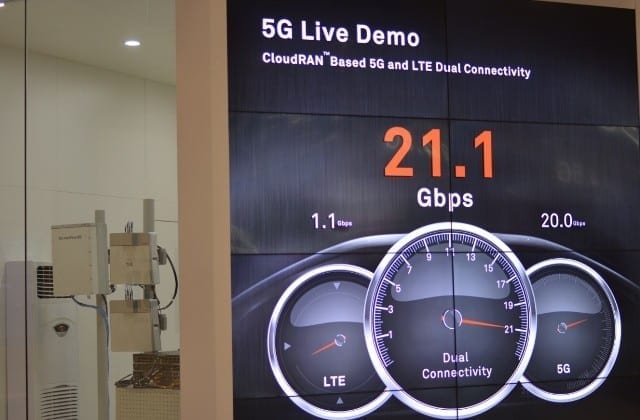
    Huawei has conducted a live demonstration involving 5G and LTE dual connectivity for a 4K video-on-demand service, achieving single user peak throughput of 21.1Gbps.

    At last week’s Global Mobile Broadband Forum, Huawei conducted a demonstration based on its CloudRAN architecture.

    With the development of new high-bandwidth services such as AR/VR and 4K video streaming and cloud-based services, Huawei said 5G new radio technologies will need to be deployed in central hotspots first to deliver the required capacity.

    LTE networks are meanwhile continuing to evolve with the introduction of new technologies including 3D Massive MIMO.

    Combining 5G and 4G networks has the potential to help operators protect their existing investments while improving network capacity, spectrum efficiency and coverage in urban areas.

    “It is of vital importance to guarantee end users with a ubiquitous high data rate experience in densely populated urban city areas with high buildings and complex roadways,” Huawei CMO of wireless network products Dr Yuefeng Zhou said.

    “Recently, 3GPP standardization has made significant progress in 5G and LTE dual connectivity. We expect to strengthen our cooperation with industry partners on 5G innovations based on these real application scenarios.”

  • Polycom extends use of Skype for Business UI

    Polycom extends use of Skype for Business UI

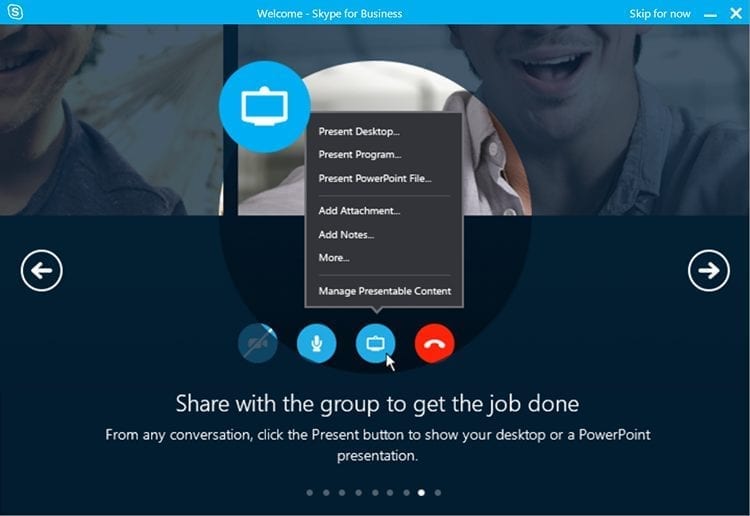
    Polycom has announced that the Polycom Group Series video endpoints and several of its voice solutions will include the Skype for Business UI.

    Many organizations are wanting to move to one interface for collaboration tools to make it easy for users to join calls from any endpoint or software application. Consistency of scheduling, joining and managing a collaboration session is critical to driving user adoption.

    In response to this demand, Polycom extending the Skype for Business experience beyond the desktop and mobile applications to voice and video solutions used in conference rooms and offices of all sizes.

    Customers can now schedule, dial and join a Skype for Business call from a greater number of endpoints, providing one extended Skype for Business experience.

    “Many organizations across the globe are moving toward consolidating their UC environments into a single interface to drive a consistent user experience and ease of use,” says Irwin Lazar, Vice President and Service Director, Nemertes Research.

    “The desire to enable a consistent method of scheduling collaboration sessions and a single-click to join meetings from any application and any location is a top priority.”

    In addition, Polycom has officially become a Skype Operations Framework partner and will assist customers with all facets of the Skype for Business lifecycle, including planning, deployment, adoption, and operations.

  • Singapore becomes test bed for Citi Pay ewallet

    Singapore becomes test bed for Citi Pay ewallet

    MarketandResearch pegged the growth of the Singaporean payment cards market at CAGR of 3.3% during the period 2012 -2014, and projects it to grow at a CAGR of 2.7% over the period 2015 – 2020. In Singapore, debit cards dominate the payment card market in terms of number of cards in circulation. In 2014, the debit cards accounted for 53% of the total number of cards in circulation in Singapore.

    This growth however is due for a change as Worldpay predicts credit card usage in the city-state to decline over the next few years falling by over 10% of market share to 69%, as alternative payment methods become more established. One alternative payment platform expected to grab share of the growing e-commerce business opportunity which a joint-report by Temasek and Google predicts to reach US$5.4 billion by 2025.

    Consumers prefer to use credit cards to make payments at POS terminals for retail purchases. The MarketandResearch report “Singapore Cards and Payments Market – Growth and Forecast to 2020” estimate the value of transactions at POS terminals accounted for 95.7% of total credit card transactions in Singapore.

    Entering the already crowded ewallet marketplace is Citi with the official launch of Citi Pay, a digital wallet developed by the bank. It says Singapore is the first country in the world to have Citi customers have access to its new ewallet facilities. Citi customers can use their Android mobile device to tap any Near Field Communication (NFC)-enabled point-of-sale terminal.

    According to the KPMG Report “Singapore Payments Roadmap – Enabling the future of payments 2020 and beyond”, 51% of payment cards used by consumers in Singapore are now contactless. In addition, data supplied by the Infocomm Media Development Authority suggests that the total number of mobile subscriptions for 4G has increased by close to 500% from 2013 – an increase that has facilitated the move to mobile payments by consumers in the country.

    The bank claims onboarding process for Citi Pay is seamless and very easy. Customers will be able to use the same Citibank online user ID and password that they currently use to manage their existing online relationship with the bank to log in to Citi Pay, which will automatically populate their card details.

    Australia and Mexico are expected to have Citi Pay available before end of 2016. Additional markets to follow in 2017.

  • AirAsia to launch end-of-year promo fares

    AirAsia to launch end-of-year promo fares

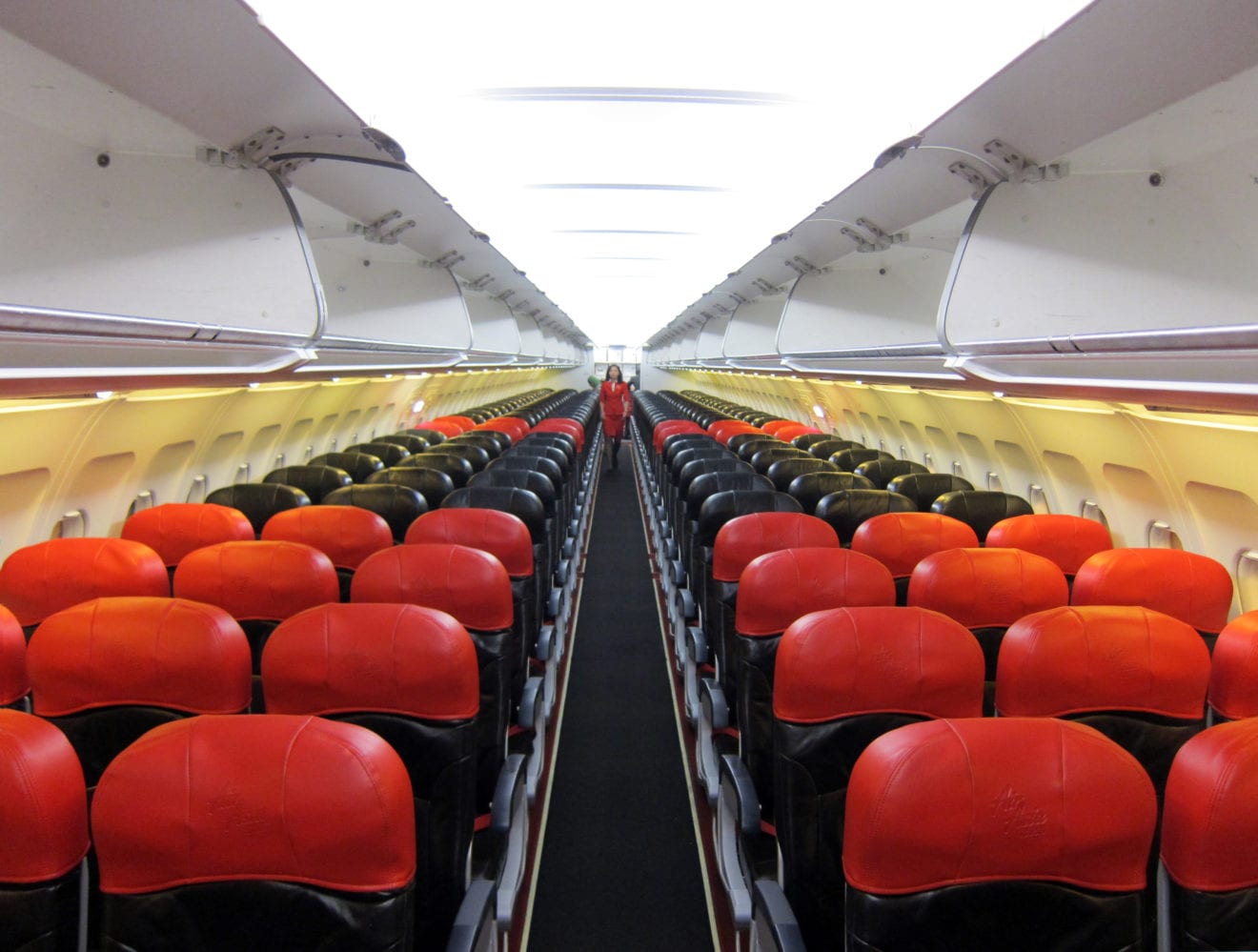
    AirAsia is set to hold its last “free seats” promo for the year with almost 3 million seats up for grabs.

    Starting Monday until November 20, customers can book all-in, one-way fares for as low as P202 for trips between May 1, 2017 until February 6, 2018.

    The promo covers local trips and international destinations like Shanghai, Taipei, Singapore, Hong Kong, Macau, Korea and Malaysia.

    It also extends as far as Mauritius, Maldives, and Delhi via Fly-Thru.

    On Sunday, members of AirAsia BIG as well as BIG Prepaid Mastercard and AirAsia-Citi Credit Card holders will be given priority access to the promo seats.

    Bookings can be made on airasia.com and the AirAsia mobile app.

  • Fast food industry in Singapore braves slump

    Fast food industry in Singapore braves slump

    The food and beverage industry is in a pickle with the slowing economy, but the fast-food industry appears to be staying ahead.

    The latest official figures show that sales at fast food outlets were better than those at restaurants this year until September, except for June.

    Fast food sales in September are estimated to have risen 2.6% over the same period last year.

    But sales at restaurants rose more modestly at 0.9%.

    Still, sales in both the restaurant and fast food categories have slowed down compared with five years ago. The fast-food industry grew just 1% last year, a significant drop from the 10% growth in 2011.

    High rental rates and a manpower crunch have contributed to the sector’s misery, as has a slowing economy. The fast food industry is doing better because of lower prices and promotions. The industry is also a lot more nimble in responding to food trends, said observers.

    “It has speed and convenience, and even the ambience is getting better at the outlets. They keep having new products, which people get on to social media and talk about,” said Singapore Polytechnic senior retail lecturer Sarah Lim.

    Fast food is also more attractive when times are bad, said Associate Professor Prem Shamdasani, from the National University of Singapore Business School.

    Texas Chicken, which opened two new outlets in Singapore in the second half of this year, said it has seen a 6% growth in same-store sales in the first nine months this year, compared with the same period last year.

    Popeyes, also a fried-chicken chain, reported the same amount of growth in sales.

    Besides the introduction of new products, the chains said sales are up because of higher productivity, which leads to lower costs, and more efficiency.

    International chains like McDonald’s and Popeyes as well as local chain BurgerUp have invested in technology such as self-ordering food kiosks that help streamline services and reduce the dependence on staff.

    “We offer burger customisation, so it is essential to have the ordering kiosk for diners to do it without hogging the order counter,” said Charlie Tan, BurgerUp’s director of strategic planning and marketing.

    He said this has led to 20% savings in manpower.

    Burger King is expected to adopt a similar system next year, said a spokesman. Texas Chicken is exploring the option.

    The use of such technology has translated into better sales.

    Dickson Low, chief operating officer of Revenue Valley Group, which runs the Popeyes chain in Singapore, said staff have noticed more customers ordering side dishes and getting bigger portions of food.

    He said this may be because the self-ordering kiosks allow them to view the images of all items on the menu.

    “For restaurants that use self-ordering kiosks, the orders for add-on and top-up items are higher by 15% (than at restaurants) without kiosks.”

    The firm has invested S$150,000 to S$200,000 (RM465,975 to RM621,632) on these kiosks for each of its five outlets.

    Prof Shamdasani said fast-food outlets find it more cost-efficient to invest because of the number of outlets they operate.

    On the other hand, restaurants outside the industry may operate fewer branches and struggle to afford the technology.

    Besides technology, the fast-food industry has also turned to the local palate to attract customers.

    McDonald’s, for example, introduced salted egg burgers in June this year. Texas Chicken introduced flavours such as sambal chicken, as well as herb and garlic chicken.

    “Singapore is the hotbed of innovation and creativity when it comes to flavour profiles. It is a trend leader,” said Amarpal S. Sandhu, Texas Chicken’s general manager for the Asia-Pacific region.
  • Vodafone India introduces cash out for M-Pesa

    Vodafone India introduces cash out for M-Pesa

    Vodafone India has introduced the ability for users of its M-Pesa digital wallet service to withdraw cash at any of over 120,000 Vodafone M-Pesa outlets nationwide.

    The company said its network of M-Pesa outlets is roughly equivalent to the number of bank branches in India. Over half (56%) of the outlets are located in rural India.

    Customers will need to provide proof of identity to withdraw cash at a branch. Withdrawals will be subject to availability and Reserve Bank of India guidelines.

    “Our customers can visit any of these outlets and use the unique cash out feature of Vodafone M-Pesa to withdraw cash from their digital wallet at their convenience,” Vodafone M-Pesa business head Suresh Sethi said.

    Vodafone’s M-Pesa service is available to both Vodafone and non-Vodafone customers, supports recharges using credit or debit cards via mobile or fixed broadband, and can be used to shop online or pay bills, send funds to family or friends and now withdraw cash.

    The operator has attracted over 8.4 million Vodafone M-Pesa customers since the service’s launch in India in 2011.

  • Barclays raises less than expected from Asia wealth unit sale

    Barclays raises less than expected from Asia wealth unit sale

    Barclays has raised almost a third less than expected from the $225m sale of its wealth and investment management business in Singapore and Hong Kong to Singapore’s Oversea-Chinese Banking Corp (OCBC).

    When the deal was announced in April, Barclays had indicated it could fetch $320m from selling the business, which had $18.3bn of assets under management at the end of last year and was initially valued at about $500m.

    However, when its Asian wealth management clients were given the choice of whether to join OCBC, some of them decided to either stay at Barclays or to join another bank, reducing the overall price of the deal, which was fixed at 1.75 per cent of assets under management.

    Jes Staley, Barclays chief executive, said: “This is another example of the great progress we have made this year in Barclays non-core, as we aim to reduce risk weighted assets to £23bn in 2017 and reintegrate the remainder of the unit back into the group.”

    The bank said it remained committed to Asia, where it still has offices in Singapore, Hong Kong, China, India and Japan after cutting jobs and pulling out of several smaller markets in the region.

    Barclays said the deal would reduce its risk-weighted assets by about £800m. It follows the sale of the bank’s US wealth management business and of several retail banking and credit card operations in Spain, Portugal and Italy.

    Last month, the British bank called time on 150 years in Egypt by selling operations in the north African country in a $500m deal, and it is in the process of selling down its 50 per cent stake in its larger South African-listed operation.

    Singapore-based banks have been busy acquiring several of the Asian wealth management businesses that have been sold in recent years by foreign banks that decided to sell up having struggled to achieve sufficient scale.

    ANZ Banking Group said earlier this year it was selling its wealth management and retail business in Singapore, Hong Kong and three other Asian markets to DBS, the Singapore-based bank that also bought Société Générale’s Asian private bank in 2014.

    But some big western banks, such as UBS, Credit Suisse, HSBC and Standard Chartered, are still seeking to expand in Asian private banking and wealth management, betting on continued rapid growth in the number of millionaires and billionaires in the region.

    DBS last year became the fifth largest private bank in the Asia-Pacific region, after UBS, Citi, Credit Suisse and HSBC, according to a ranking of assets under management for rich clients published by Private Banker International. It is the first time a Singapore bank has broken into the top five in Asian wealth management.

  • China becomes top iOS App Store market in Q3

    China becomes top iOS App Store market in Q3

    China set new record in the third quarter for the highest iOS App Store revenue to date for any country, according to App Annie’s Market Index Report for the period.

    With total revenues of $1.7 billion, China overtook the United States by over 15% and its growth is projected to climb further by 2020.

    The Q3 2016 Market Index Report also showed that China maintained its spot as No. 1 for Games category as it accounted for the majority of the generated revenue.

    Other prominent categories making strides are Entertainment and Social Networking, which have more than tripled in the past year. Video streaming apps (like iQIYI, Tencent Video and Youku) in China have had a major impact on the Entertainment category as a whole.

    Pokemon Go was cited as the stand-out app of the year, racking up $600 million in customer spend faster than any app to date. It also outpaced the extremely successful Clash of Clans by more than 6.2 times in under three months.

    Pokemon Go has also converted a massive amount of a user’s non-mobile time to mobile time as its innovative AO gameplay and iconic IP were compelling enough to convince users to spend more time overall on their mobile devices. It has altered the playing field as it introduced augmented reality to the masses and paved the way for future AR and VR opportunities in the app stores.

    The revenue of Entertainment apps strengthened in the third quarter and it has grown substantially in both iOS App Store and Google Play. This is largely due to the popularization of in-app subscriptions as a monetization method driven by video streaming.

    With revenue more than tripling since the third quarter of 2014, people are not only using their mobile devices to stream content but also as a common form of payment.

    This represents a significant shift from traditional broadcasting and television structures where users typically enter into a contract with a cable provider.

  • Myanmar plans 1800-MHz auction in March

    Myanmar plans 1800-MHz auction in March

    Myanmar plans to hold an auction for 1800-MHz spectrum in March next year, some three months later than initially expected.

    The Ministry of Transport and Communications will allocate spectrum to allow operators Telenor Myanmar, Ooredoo Myanmar and MPT to expand their 4G networks.

    The report cites the ministry’s deputy director of posts and telecommunications U Myo Swe as stating that spectrum will be made available to all operators equally.

    But it is unclear whether the planned fourth entrant into the market, the consortium between Vietnam’s military-run Viettel and a group of local ICT and other companies, will be included in the process.

    Myanmar’s mobile operators have been constrained in their efforts to roll out 4G services by a shortage of spectrum, and have been eagerly anticipating the release of 1800-MHz spectrum.

    Telenor and MPT had initially applied to take part in an auction of 2600-MHz spectrum,  but later decided to withdraw from the running and wait for the 1800-MHz allocation instead.

  • Thai Kasikornbank, IBM join forces on blockchain network

    Thai Kasikornbank, IBM join forces on blockchain network

    Thailand’s Kasikornbank Pcl has joined with the Thai unit of International Business Machines Corp to develop blockchain services in a bid to save costs and speed up transaction process, the companies said on Thursday.

    Kasikornbank will be the first Thai bank to apply the blockchain technology and aims to start the services in the first half of 2017, Somkid Jiranuntarat, vice chairman of Kasikornbank’s technology group, told reporters.

    Kasikornbank is also in talks with other Thai banks to share the blockchain network, he said.

    Blockchain is a web-based transaction-processing and settlement system whose efficiency banks say could slash costs. It creates a “golden record” of any given set of data that is automatically replicated for all parties in a secure network, eliminating any need for third-party verification.

    Financial services companies around the world have been focusing on developing blockchain technology, with advocates saying it has the potential to save billions of dollars in costs and speed up transaction times.

    The technology will be used to certify original documents by using IBM’s Hyperledger infrastructure. At the initial stage, a system called OriginCert API is used to certify letters of guarantee (LG), which helps simplify and speed up the LG issuance process for customers, according to a joint statement.

    Kasikornbank, Thailand’s fourth-largest lender by assets, is the leader in digital banking with a market share of almost 40 percent. It aimed to spend 5 billion baht ($143 million) to develop information technology, it said in April.