Author: Mei Ling Tan

  • Footwear, leather promotion conference scheduled this week

    Footwear, leather promotion conference scheduled this week

    A footwear and leather export promotion conference will be held in HCM City next week. In 2016, the sector earned an export revenue of US$16.2 billion, representing an year-on-year increase of 8.8 per cent.

    The information was released on Friday by the Viet Nam Leather, Footwear and Handbag Association (Lefaso), which said this would be an opportunity for the Vietnamese footwear sector in general and Lefaso in particular to promote images and improve prestige and positions in the Asian region and the world.

    The conference will also give an opportunity for local businesses to meet and share experiences with local partners, approach foreign importers and investors and seek co-operation agreements.

    Some 300 firms manufacturing footwear and materials for the industry inside and outside Viet Nam are expected to participate in the conference, which will focus on issues such as footwear planning and related policies, investment environment, impact of free trade deal on the sector, labour relationship management in the labour-intensive sector, and supply chain optimisation to boost competition and sustainable development.

    They will also discuss the state of the industry in Viet Nam in the context of integration, market demand and technical requirements for the industry to benefit from free trade deals.

    Viet Nam’s leather and footwear industry expects to reach a total export value of US$18 billion this year, up 10 per cent from last year, the association said.

    In 2016, the sector earned an export revenue of $16.2 billion, representing an year-on-year increase of 8.8 per cent.

    Of which, $13 billion came from footwear and the remaining was from handbags and leather items, marking respective annual rises of 8.2 per cent and 11.1 per cent.

  • Grab launches carpool services & GrabShare in Indonesia

    Grab launches carpool services & GrabShare in Indonesia

    GRAB on March 13 launched GrabShare in Indonesia, making it the fourth Asean country to offer the service after Singapore, Malaysia, and the Philippines. It was launched in the three countries in December 2016.

    GrabShare will pair two different passenger orders with similar routes in a single trip. This feature allows for a maximum two stops and each passenger may only bring one person with them. There will then be four people in one car and drivers will wait up to three minutes for each passenger at pick-up points.

    “We seek the chance to optimise the use of cars to address Indonesia’s heavy traffic congestion. After it was launched in Singapore, Malaysia, and the Philippines, GrabShare has been effective in attracting more new riders to the Grab platform. We tailored GrabShare to suit drivers and passengers’ needs and made it a seamless and responsive experiences,” says Grab Indonesia managing director Ridzki Kramadibrata.

    Conceptualised, designed and engineered across Grab’s three research and development centres in Singapore, Seattle and Beijing, GrabShare’s matching algorithm ensures that passengers get to their destinations in the shortest possible time.

    The algorithm calculates and determines a match by factoring in the closest available drivers, travel time, overlap of trip routes, detour distance and current traffic conditions before intuitively sequencing pick-ups and drop-offs.

    “Commuters in Jakarta indicated that they are open to carpooling as it offers a more pocket-friendly fare and enables them to socialise with new friends. Drivers had the same feedback and wanted the option of taking short breaks between trips,” adds Ridzki.

    This launch in Indonesia will impact Grab users and drivers. For drivers, GrabShare has the potential to double their income since they will earn the fare for two trips at one go as well as saving on costs and time.

    For passengers, GrabShare will be priced up to 50% cheaper than GrabCar Economy fares and users can bring a friend on the rides at no additional cost, as long as both share the same pick-up and drop-off locations. Grab also provides insurance for drivers and users.

    Local market strategy

    Every city’s traffic conditions and transportation patterns are different. Grab came up with a strategy where all their features have to provide specific solutions for particular cities.

    “At Grab, we embrace and implement a hyperlocal approach to every single aspect of our business. We value the genuine meaning behind local Indonesian words therefore the name of our service, GrabShare, comes from careful consideration as the word ‘share’ holds a deep cultural meaning for Indonesians.

    “Indonesians are known to be very sociable and friendly with smiley greetings and mutual assistance as part of their core values and identity, as well as common etiquette. Through this campaign, we want to rejuvenate this cultural value and evoke the simple joy of sharing stories as well as rides with others,” explains Grab Indonesia marketing director Mediko Azwar.

    GrabShare is currently available in Jakarta, Bogor, Depok, Tangerang and Bekasi.

  • President Jokowi receives Toyota Motor executives

    President Jokowi receives Toyota Motor executives

    President Joko Widodo (Jokowi) received Toyota Motor Corporation executives led by the companys president, Akio Toyoda, at Merdeka State Palace here on Monday.

    “In 2015, Jokowi visited Toyota in Japan, and today we have presented a report on the several commitments of Toyota in Indonesia,” PT Toyota Motor Manufacturing Indonesias (TMMIN) deputy president director Warih Andang Tjahjono said after the meeting.

    He stated that Toyota has expressed its commitment to continue to participate and contribute to the development of automotive industry in Indonesia through investment, exports, manpower, and human resource development.

    Tjahjono was introduced to the president as the new president director of TMMIN. He would replace Masahiro Nonami starting from April 1, 2017.

    Warih would be the first local person to be in the top position of the affiliation company of Toyota Manufacturing in the Asia-Pacific region.

    Nonami, who had held the post as TMMIN president director since 2010, would take over a new position in TMMIN.

    The meeting between the president and Toyota Motor Corporation executives lasted around 30 minutes from 9.35am to 10.15am

  • Garuda Indonesia Travel Fair 2017 Records IDR457 Tln in Transactions

    Garuda Indonesia Travel Fair 2017 Records IDR457 Tln in Transactions

    The first phase of Garuda Indonesia Travel Fair (GATF) 2017 which is held on March 10-12, 2017 in 24 cities generates positive results by achieving a total transaction amounting to IDR457 billion, surpassing the target set at IDR380 billion. The largest revenue contributors come from the city of Jakarta, Lombok and Denpasar.

    VP Corporate Communications of Garuda Indonesia Tbk (GIAA), Benny S Butarbutar, in remarks, Monday (3/13/2017), said successful implementation of the GATF 2017 phase-1 shows public enthusiasm in traveling needs at an affordable price is still very high.

    “In addition, successful implementation of the ninth GATF is certainly not without the support and hard work of all fellow employees of Garuda Indonesia Group. We wished that the implementation of the next 2017 GATF will be more successful,” he added.

    The cities which become favorite destinations for visitors are Singapore, Hong Kong, Tokyo and Seoul for international routes; for domestic destination are Bali, Jogjakarta, Surabaya and Lombok.

    Implementation of GATF in Jakarta this time also showed an increase, reaching 74 thousand visitors, compared to the same period last year of 60 thousand visitors.

    Sporting the theme ‘Digital Experience’, Garuda Indonesia in 2017 GATF Phase 1 introduced LINE ID ‘Official Garuda Indonesia’, which is the only LINE ID for Indonesian airlines at this time.

    “By adding official account of Garuda Indonesia in LINE, users of Garuda Indonesia’s services can enjoy various promotional programs from Garuda Indonesia throughout the year,” he said.

  • Vietnamese start-ups receive a $250-mln boost last year

    Vietnamese start-ups receive a $250-mln boost last year

    Fledging startups are concerned most over a lack of funding to get their idea off the ground. Total venture capital investments into Vietnamese start-ups soared 78 percent to about $240 million last year, an official from start-up accelerator program Topica Founder Institute said Friday.

    The Southeast Asian country has an ambitious plan to transform itself from an offshore manufacturing hub for foreign companies into a major player in the global digital economy.

    The government has started adjusting business policies to pivot around small and medium-sized companies and encouraged a start-up bloom.

    Vietnam launched a project last year to support fledging local companies, under which the government will help fund about 2,000 start-ups by 2025.

    Topica Founder Institute statistics showed that as many as 60 percent of investment deals that Vietnamese start-ups managed to seal last year came from venture capitalists.

    Meanwhile mergers and acquisitions accounted for 30 percent of start-ups’ funding and the remaining were financed by private equity firms.

    Just six years ago, Vietnam recorded only 10 start-up investments. The number of successful deals increased seven-fold to 67 deals in 2015, according to Topica Founder Institute.

    Among the most notable investments was South Korea’s UTC Investment’s $38-million acquisition of a controlling stake in VNPT EPay, marking the biggest deal last year, the program said.

    Momo, a local payments and online wallet company, has raised an unprecedented $28 million from Standard Chartered and Goldman Sachs.

    A lack of funding to help start-ups get their idea off the ground is their most concern, startup experts have said.

    Some argued that institutions like the stock market or commercial banks are either not designed to financially support idea-stage companies or have insufficient resources to do so.

    Although there are banks that focus on small and medium-sized companies, they really are not able to offer financing to early-stage companies which often don’t have a track record of reliable annual revenues or a history of good credit.

    Hence start-ups are more likely to seek funds from other resources like venture capital investors and private equity firms.

  • NEC updates postal automation system for Hongkong Post

    NEC updates postal automation system for Hongkong Post

    In recent years, Hong Kong has witnessed a rise in the number of postal items addressed in traditional Chinese characters. This has in turn boosted the need for automated sorting and processing of addresses written in traditional Chinese characters in addition to those handwritten or printed in English.

    This new function has been introduced to 15 systems delivered to Hongkong Post by NEC on several occasions since 2008 that are currently in operation at the Central Mail Centre in Kowloon Bay. The introduction of this function enables the automatic sorting and processing of up to 564,000 postal items with addresses written in traditional Chinese characters per hour, thereby contributing to the improvement of Hongkong Post’s operational efficiency.

    NEC has been doing business with Hongkong Post for approximately 30 years since the postal operator’s introduction of a postal automation system in the latter half of the 1980s. The introduction of this function was made possible by the high acclaim NEC has received over the years for its achievements and technological capabilities.

    NEC began developing its postal automation system business in 1961, and has since then delivered systems to postal operators in more than 50 countries around the world. In Japan, domestic postal operators have utilized a function for reading and sorting addresses written in Chinese characters as part of postal automation processing since the 1980s. The introduction of this function by Hongkong Post was made possible by applying the wealth of knowhow NEC has developed in Japan over the years in reading and sorting addresses written in Chinese characters. Moreover, it has resulted in increased efficiency and a reduction in the amount of time needed for processing.

  • Hong Kong government to boost cinema numbers through land lease terms

    Hong Kong government to boost cinema numbers through land lease terms

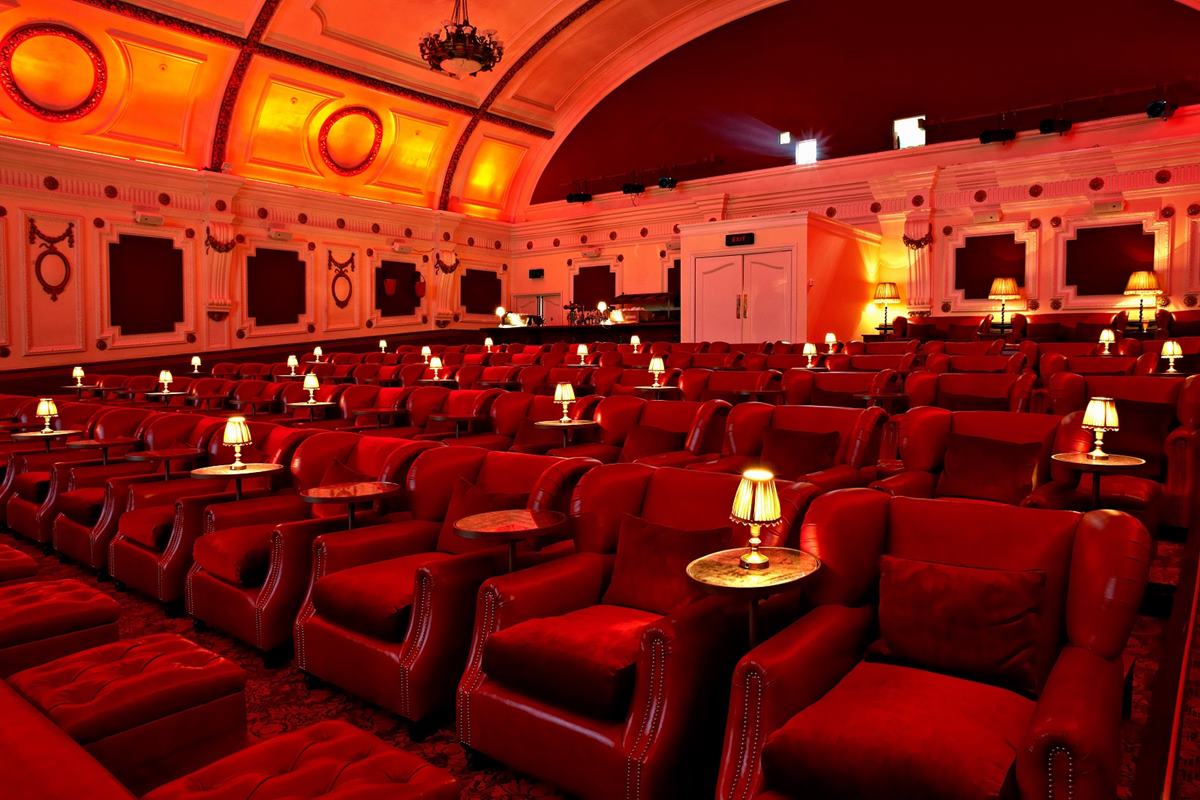
    It will be mandatory for two commercial sites earmarked for sale in Kai Tak and Sha Tin to include cinemas in their land leases, as the government attempts to shore up the creative industries amid soaring rents.

    Rules set a fixed number of seats for cinemas, while also stating that future modifications can only be made after seven years, and must be vetted by the government.

    Industry insiders welcomed the move, but a property advisor questioned if the market should be left to adjust on its own.

    Three years in a row, Chief Executive Leung Chun-ying has promised in his annual policy address to back creative industries by “facilitating cinema development through land sales and planning”.

    The idea came to a head on Monday when two sites planned for sale in Kai Tak and Sha Tin will make the inclusion of cinemas mandatory.

    “In identifying suitable land for the development, we believe that it will be more synergetic if we can find places where there are, for example, restaurants and cafes, together with shopping facilities,” Secretary for Commerce and Economic Development Greg So Kam-leung said.

    The exact locations of the sites were not known, but So added that the two plots of land would be up for sale in a few years “if everything went smoothly”.

    Asked how many cinema seats the government planned to impose in the land lease clause, the minister said studies remained at a preliminary stage and the final proposal would depend on the prevailing business environment.

    According to the Census and Statistics Department, revenue from cinemas doubled from HK$950 million in 2005 to HK$1.9 billion in 2015.

    The government would also look into the feasibility of a cinema complex at the Tourism Node in the Kai Tak development – a 5.9-hectare hub for retail, hotel and office purposes – as well as the West Kowloon Cultural District.

    Norman Chan Hok-yan, film director and lecturer at Baptist University’s academy of film, welcomed the move, saying cinema operations in Hong Kong have become increasingly difficult due to high rents.

    “The high land price policy undertaken by the government in recent years contributed to the falling cinema numbers,” he said.

    While there were now cinemas in 17 of Hong Kong’s 18 districts, Chan said most cinemas were smaller in size compared to the golden age of Hong Kong films in the 1970s and 1980s.

    “Back then there were seven to eight cinemas in Mong Kok alone, each accommodating 500 to 600 guests. Now most cinemas can hold 200 to 300 people only,” Chan added.

    But Helen Mak, head of retail services at property adviser Knight Frank, questioned if such a rigid requirement should be imposed.

    “Developers can always do the math and work out the best business model … the retail industry is always rapidly changing. Who knows what the market condition would be by the time these plots come up for sale?” she said.

    Asked about the recent closure of a cinema in Tung Chung, Mak said: “If it was popular, I’m sure the mall’s operator would not drive it out.”

  • Indonesia’s BCA posts record annual profit, buoyed by tax amnesty

    Indonesia’s BCA posts record annual profit, buoyed by tax amnesty

    Bank Central Asia (BCA) on Monday reported an all-time high annual net profit, as Indonesia’s key tax amnesty programme helped to lower cost of funds for the country’s biggest lender by market value.

    BCA posted a 2016 net profit of 20.6 trillion rupiah (S$2.17 billion), up 14.4 per cent from a year ago. This was a record high and also slightly above an average estimate of 20.0 trillion rupiah from 21 analysts.

    Indonesia’s tax amnesty scheme, launched last July and aimed at bringing back billions of dollars stashed abroad by citizens, boosted the funds at BCA’s current accounts and saving accounts (CASA) in the second half of 2016, the bank said in a statement.

    “Tax amnesty funds were parked at CASA,” BCA President Director Jahja Setiaatmadja told reporters. “What’s positive is that our cost of funds is low because our interest rate is low.”

    However, some of those funds were only “transitioning” at BCA and would likely be placed eventually in assets including property and government bonds, Mr Setiaatmadja said.

    At the end of 2016, BCA’s gross non-performing loans (NPL) stood at 1.3 per cent, one of the lowest in Indonesia’s banking sector.

    BCA’s rival, Bank Mandiri, last month reported its lowest annual net profit in five years due to an increase in provisions. Mandiri’s gross NPL of 4.0 per cent was the highest since 2008.

  • Wonderful Indonesia wins best exhibitor title in Berlin

    Wonderful Indonesia wins best exhibitor title in Berlin

    Indonesias tourism brand “Wonderful Indonesia” won “The Best Exhibitor 2017” title at the worlds biggest tourism exhibition in Berlin, Germany.

    Indonesias tourism minister Arief Yahya hailed the award announced at around 2.30am on March 12.

    “This is a pride achievement. ITB (International Tourismus Borse) Berling is the worlds biggest tourism exhibition attended by 187 countries, 10,000 exhibitors, 180,000 visitors in Messe, Berlin. All tourism industries, tour and travel agencies, airlines, cruise service, hotels, resorts, attractions, governments, associations gathered at ITB Berlin. Wonderful Indonesia has shown its class at the world level,” he said.

    This is the second title after the one Indonesia won in 2016 when Wonderful Indonesia successfully came out as the Best Exhibitor 2016 beating “Imagine” of South Korea which was placed second, “Incredible of India at the third place, followed by Maldives, Sri Lanka and the Philippines.

    This year Wonderful Indonesia topped South Koreas “Imagine” and Thailands “Imagine”.

    Malaysia was ranked 10th out of 75 countries and 1,466 exhibitors taking part in the event.

    Indonesias participation along with a number of delegations in the event from year to year has proven able to increase transactions significantly.

    In 2015 Indonesia was able to record transactions worth Rp4.2 trillion and in 2016 it increased to Rp6.5 trillion. “The target for 2017 was set at Rp10 trillion,” the minister said.

    Next year he wished Indonesia would be able to win the Best of the Best title and become the champion of five continents.

    This year Indonesia set up a 487 square meter pavilion to present various art exhibitions including dances from Papua, Bali, Betawi and Aceh.

    At the event Indonesia raised the theme of maritime and cultural diversity which was expected to be able to give the public in Europe a full picture of Indonesia.

    Deputy for overseas tourism marketing I Gde Pitana said he had promoted Wonderful Indonesia more intensively at ITB Berlin by cooperating with Indonesian industry players.

    “We brought a delegation consisting of 135 travel agencies, hotel and regional tourism service representatives,” he said.

    The Indonesian pavilion at Hall 26 A Number 120 was storied in the form of a traditional Phinisi ship and Wae Rebo traditional house of Flores.

    He said the two icons represented the theme of Wonderful Indonesia which was “Maritime and Cultural Diversity.”

    Pitana hoped Indonesias tourism brand Wonderful Indonesia would become more popular following the participation in ITB Berlin to make more foreign tourists to come to the country.

  • Vietnam requests Australia roll back ban on shrimp imports

    Vietnam requests Australia roll back ban on shrimp imports

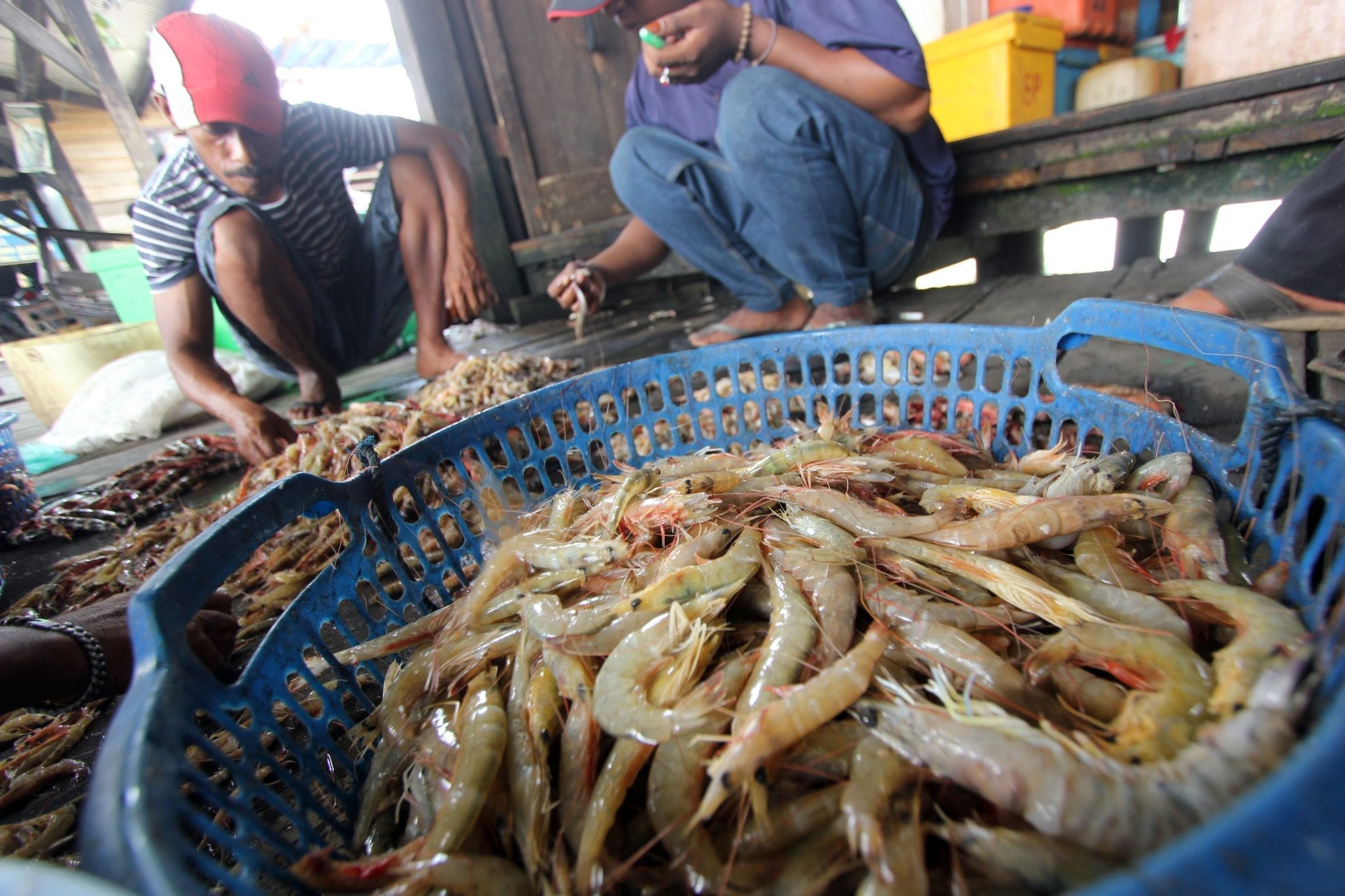
    The Vietnam government contends the ban by the Australian Department of Agriculture on raw imports is ‘causing serious damage’ to the country’s shrimp farmers and exporters, and has requested it be reversed.

    Australian Agriculture Minister Barnaby Joyce announced a six-month suspension on the import of raw shrimp this past January, following an outbreak of white spot disease in the northeast state of Queensland.

    Vietnam Deputy Minister of Industry and Trade, Tran Quoc Khanh, has now asserted the ban has damaged the country’s shrimp farming industry that on average exports roughly US$55 million worth of raw product to Australia annually.

    Deputy Minister Tran recently told Australian ABC news that the ban is not in line with common practices and the spirit of nurturing and enhancing the existing good trade relationship between the two countries.

    The Deputy Minister pointed out that the temporary ban on uncooked shrimp was issued with no advance warning for Vietnamese shrimp exporters to take needed actions to avoid large economic losses.

    In addition, Deputy Minister Tran noted there is no hard evidence as to the cause of the breakout of white spot disease in Queensland and maintained that it is premature to blame Vietnamese exports.

    Ban could contradict WTO rules

    Absent evidence of a causal relationship between Vietnamese shrimp exports and the breakout of the disease, Mr Tran suggested the ban may be in contravention of certain World Trade Organization agreements.

    Australian ABC news reports that the Seafood Importers Association of Australia has taken a position that favours lifting the ban, saying it damages the international trade reputation of Australia.

    Biosecurity failures

    The Australian Department of Agriculture defended the move, saying it was necessary for biosecurity protection of the farm raised fish and seafood industry.

    A spokesperson insisted the ban complied with the provisions of WTO agreements that allow a member to temporarily suspend imports in certain circumstances.

    The spokesperson also argued the decision to suspend shrimp imports would not be in place any longer than necessary to ensure the protection of the domestic aquaculture industry.

    Deputy Minister Tran noted he respected the sovereignty of Australia and the biosecurity concerns, but nonetheless asked the Australian Department of Agriculture to reconsider the propriety of the ban.

    Vietnamese uncooked shrimp products have been exported to many countries around the globe, said the Deputy Minister, without any reports of white spot disease or other biosecurity concerns having arisen.

  • Ford’s Lincoln plans to produce new luxury SUV in China by late 2019

    Ford’s Lincoln plans to produce new luxury SUV in China by late 2019

    Ford Motor Co’s luxury unit Lincoln on Monday said it plans to produce a new luxury SUV in China by late 2019.

    “The new luxury SUV will be built in partnership with its joint venture partner Changan in Chongqing,” Lincoln China said in a press release.

  • AirAsia looking at 90% load factor this year with new flights

    AirAsia looking at 90% load factor this year with new flights

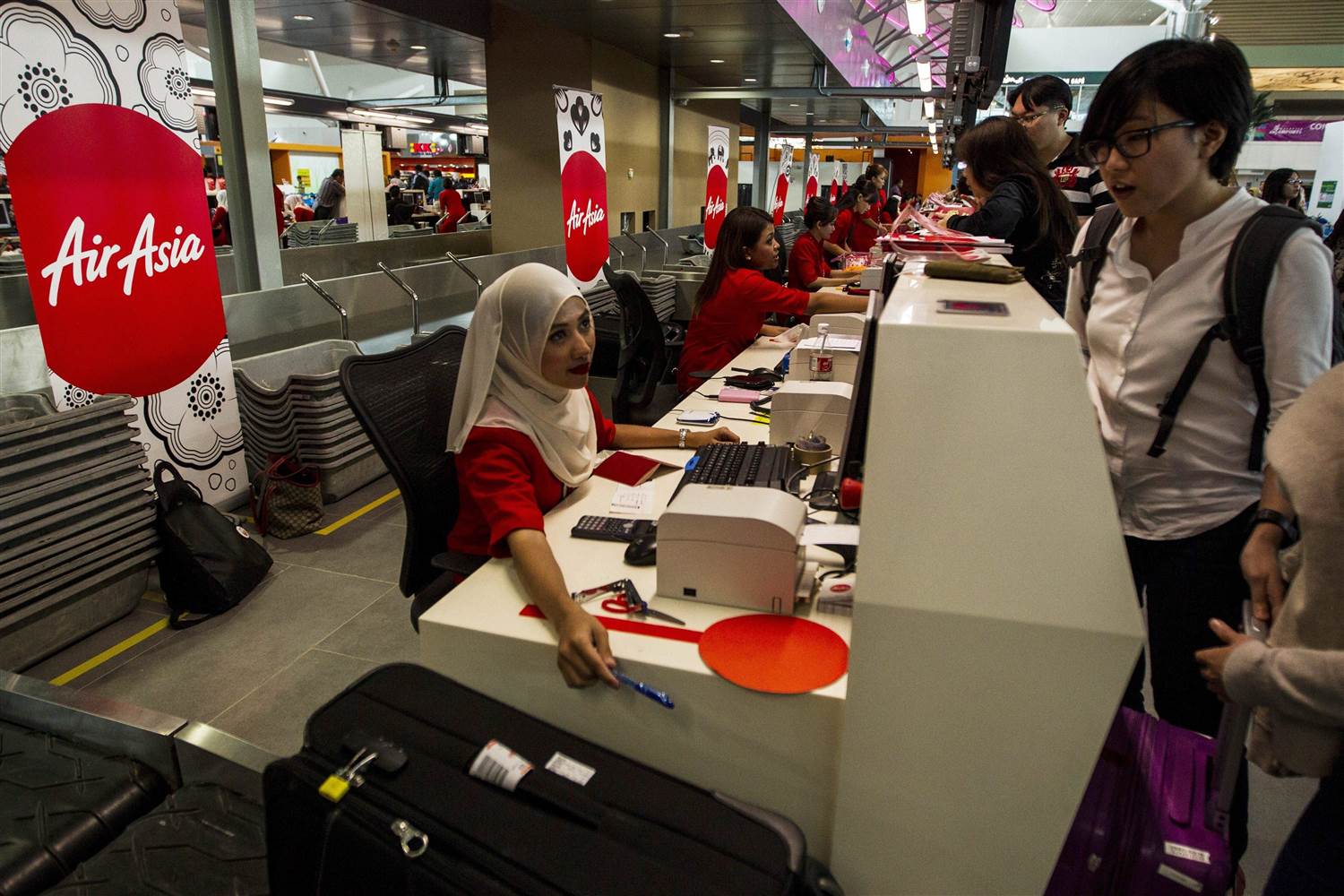
    In an interview, Dexter M. Comendador, Philippines AirAsia chief executive officer, said the parent firm is bringing in more aircraft for the expanded Philippine operations.

    “We’re one of the best performers in the group right now. Last year, we targeted 80-82% load factor and we were able to go over it… Our performance is giving us more planes, that is why we’re expanding,” Mr. Comendador said during the launch of the new Davao routes last Friday.

    While he did not specify how many aircraft will be added, he said AirAsia currently uses 14 for its Philippine local and international routes.

    The new flights starting April 22 using Airbus A320s are: twice a day between Davao and Cebu; daily Davao-Caticlan (Boracay); thrice a week Davao-Puerto Princesa; and four times a week Davao-Clark.

    With these flights, Philippines AirAsia now considers the Francisco Bangoy International Airport in Davao City as another one of its hubs.

    “Davao has so much potentials to be the next ‘wonder’ or the emerging tourism giant for the Philippines and the ongoing development will bear more fruit and contribute significantly to benefit our economy,” Mr. Comendador said.

    “Foreign tourists arriving in Cebu can skip the crowded airport of Manila and fly straight to Davao. With our newest routes, AirAsia would like to provide the much needed connections and tap the unserved markets, tourism and business, in Visayas and Mindanao,” he added.

    Meanwhile, Department of Tourism (DoT)-Davao Region Director Roberto P. Alabado III told the additional flights and routes are a very welcome development.

    “We need new routes that must be served for us to lure more visitors to the region,” said Mr. Alabado.

    DoT-Davao through Mr. Alabado, Mr. Comendador, and Visit Davao Fun Sale Executive Committee Chair Benjamin A. Lizada signed a memorandum of agreement last Friday for the annual summer event promoting the Davao Region.

  • CIMB Niaga Syariah reports 165.5 percent rise in profit

    CIMB Niaga Syariah reports 165.5 percent rise in profit

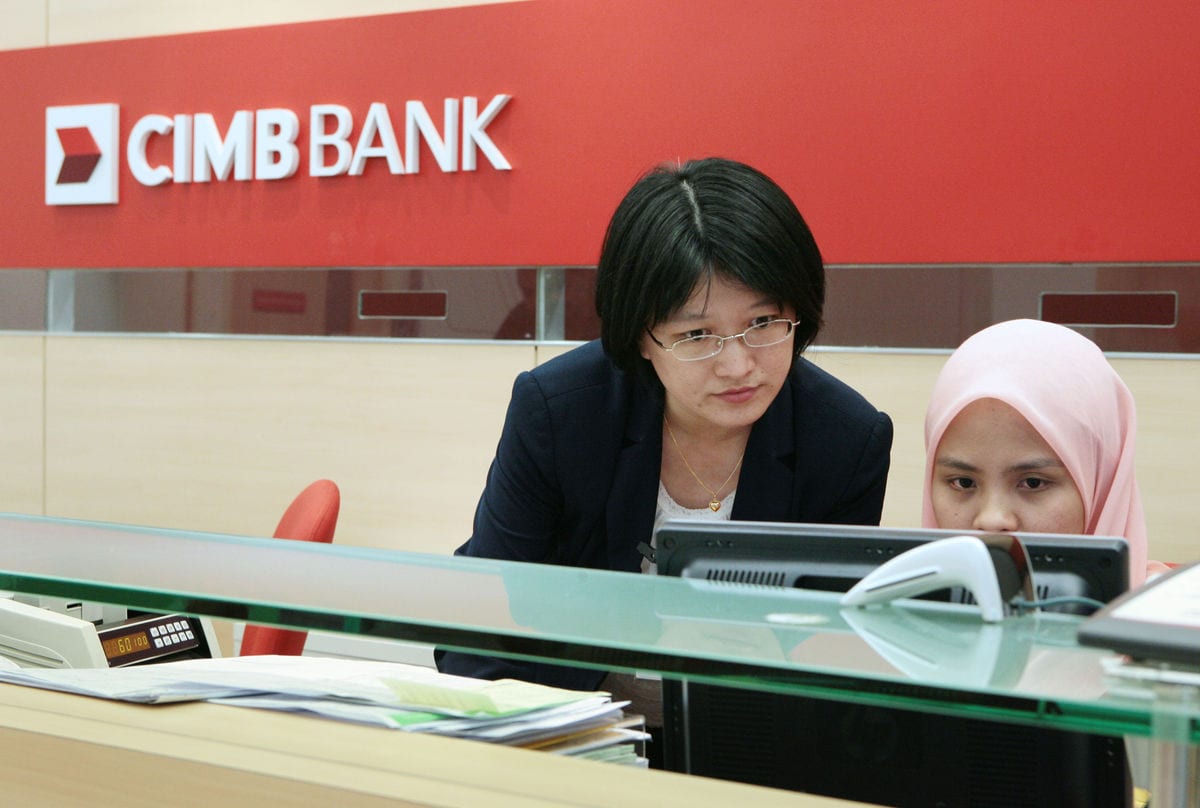
    CIMB Niaga Syariah, the sharia unit of PT Bank CIMB Niaga Tbk recorded a 165.5 percent increase in its net profit to Rp305.43 billion in 2016 from Rp115.03 billion in the previous year.

    Director of the sharia unit of CIMB Pandji P. Djajanegara attributed the surge in profit to 40.2 percent rise in sharia financing to Rp10.21 trillion in 2016 from Rp7.28 trillion in 2015.

    “An increase was recorded in all business segments,” Pandji said here on Monday.

    He said the non performing financing (NPF) of the sharia unit of the bank dropped to 1.15 percent from 1.86 percent despite the surge in financing.

    “The performance of the sharia unit was in line with the management adoption of prudential banking principle while expanding its financing portfolio,” he said.

    In 2017, apart from expanding consumer financing, CIMB Niaga Syariah wanted to increase financing of business segment including corporation, micro, small and medium enterprises (UMKM) and commercial financing, he said.

    He said the sharia business is expected to account for 10 percent of the credits to be provided by PT. CIMB Niaga Tbk.

    The third party fund held by CIMB Niaga Syariah rose 40.2 percent to Rp10.63 trillion in 2016 from Rp7.58 trillion in 2015.

    Pandji attributed the increase in the third party fund partly to the status of the unit as a recipient of hajj pilgrimage payments including regular hajj and special hajj pilgrimage.

    CIMB Niaga Syariah has a product of hajj saving that includes hajj plan saving, and hajj pahala (merit) saving and iB Mapan Wakaf saving.

    With the financing and the third party funds , the assets of CIMB Niaga Syariah rose 40.34 percent to Rp12.78 trillion in 2016 from Rp9.11 trillion in 2015.

    The sharia unit contributed 5.45 percent to the total assets of Bank CIMB Niaga in 2016 , up from 3.90 percent in 2015.

    PT CIMB Niaga is the countrys fifth largest bank in assets controlled by the CIMB Group of Malaysia.

  • Bali to intensify tourism promotion in Saudi Arabia

    Bali to intensify tourism promotion in Saudi Arabia

    The Bali provincial administration will intensify tourism promotion in Saudi Arabia following a vacation of King Salman bin Abdulazis al-Saudi on the island.

    “Logically, when their King came here, his people would also like to visit. Moreover, the royal family seemed to very much enjoy their vacation in Bali,” Cokorda Bagus Pemayun, secretary of the Bali tourism office, said here, Sunday.

    The Kings visit was fresh air for Balis tourism because there had been a difficulty in attracting Middle Eastern tourists to Bali so far, he said.

    He believed the Kings visit has changed a perception of the Saudi people about Bali, and therefore it would be a golden opportunity for Bali to explore the Saudi market.

    The fact that the King and his family decided to extend their visit to Bali showed that King Salman al-Saud and his family felt happy with their vacation in Bali, he added.

    King Salman bin Abdulaziz al-Saud left Bali for Japan on Sunday at 11:15 a.m. local time after enjoying an eight-day holiday on the island.

    The Saudi King was holidaying in Bali from March 4 to 12, after paying a state visit to Jakarta on March 1-3, which is considered to be historical as a Saudi king had lasted visited Indonesia 47 years ago.

    The Bali tourism official has seen the Kings visit as a major tourism promotion for Bali.

    Middle Eastern tourists are in general high spender, with an average spending of US$ 1,800 per person per visit, compared to US$1,2000 per visit by other foreign tourists.

    The Arabs usually spend 10.08 days per visit, which is also much longer than other foreign tourists.

    “They usually come during Hajj pilgrimage season and summer,” he noted.

    Over the last five years, the number of Middle Eastern tourists visiting Bali, has increased by an average of 38.7 percent a year, he remarked.

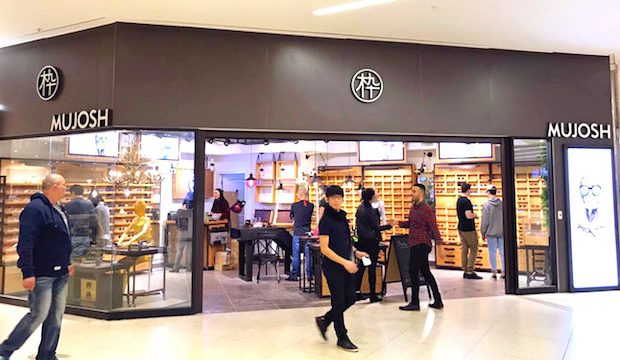
  • Mujosh eyewear to open in Vietnam

    Mujosh eyewear to open in Vietnam

    Hong Kong-headquartered Mujosh eyewear is about to open its first store in Vietnam.

    The edgy brand, which made its international debut in Malaysia just last year, will open a store inside Saigon Center in Ho Chi Minh City. The mall houses the Takashimaya department store along with the first Japanese-headquartered Owndays shop in Vietnam.

    The store is undergoing fitout with a billboard promising an opening in “mid-March”.

    Established in 2010, Mujosh describes itself as “an innovative fashion eyewear brand” which combines unique elements and styles into frame designs.

    “Appreciating creative ideas, valuing the value of handicraft, cherishing the original touch of materials, Mujosh is deeply loved by fashion icons and wearers.”

    The brand also has stores in Singapore (on Haji Lane), Thailand and Australia. It plans to open 1000 stores globally within five years.

    Owned by Photosynthesis Group Co, Mujosh is the company’s first brand to go international since it started its international business expansion at the beginning of 2015.

    Edmonton marks Canadian debut

    Meanwhile, Mujosh opened its first store in Canada, a flagship in West Edmonton Mall, the largest shopping centre in North America. The mall hosts about 32 million visitors per year; between 90,000 and 200,000 daily.

    Among early customers was one who said she had become familiar with the brand while travelling in Shanghai and Singapore.