Author: Mei Ling Tan

  • Industry risks startup bubble

    Industry risks startup bubble

    Kaskus co-founder Ken Dean Lawadinata has broken his silence after marching out of one of Indonesia’s most prominent technology platforms, citing higher “risk” in the industry and even “a little bit of a bubble”.

    “I think right now the IT market is in a bit of a bubble in Indonesia, with everyone asking ridiculous valuations without any signs of profit in the near future,” local media quoted the 30-year-old, who brought Kaskus to fame in 2008 with his cousin Andrew Darwis.

    This — just days after Go-Jek co-founder Michaelangelo Moran also announced he had quit his popular company — has generated concerns over the state of Indonesia’s young and thriving startups, companies that have seen many investments flow in with little details and no guarantees about their revenues and profitability.

    “There is a marginal bubble forming because of the involvement of foreign investors, hence the global nature of the industry’s fears,” says Naveen Menon, head of communications, media and technology practice at A.T. Kearney.

    Foreign investors are flocking into startups operating in the country, with the biggest funding ever for a local startup rounded up by Go-Jek in August worth US$550 million from American private equity firms KKR and Warburg Pincus.

    “Indonesia’s startup scene is starting to look crowded, but compared to other markets such as India or the USA, it’s relatively small and still generating huge interest among investors,” he added.

    There are over 2,000 startups in Indonesia, most of which are valued at less than $10 million, according to a Google-Temasek report. The middle-income segment of the country is flourishing and internet users are expected to double by 2020 from over 100 million users at present, the world’s fifth largest figure.

    Even if startup investors are running higher risks, Naveen explained that it was very common for them to invest in unprofitable companies due to a scale effect, or a network effect.

    “Basically, investors in the startup system are giving up short-term gains for massive long-term gains. They just need one of their invested startups to become successful in order for them to say that they have succeeded,” he said.

    Startups and venture capitalists (VCs) have told that they see no bubble bursting in the near future as they are banking on the growth potential of the young industry.

    “I would see it not as a bubble, but more of a challenge of market and price adjustment,” said Sebastian Togelang, founding partner of Kejora, a local VC firm that focuses on building companies.

    The technology industry is well prepared to prevent bubbles from bursting because of lessons learned from the 2000 dotcom bubble burst, when tech firms in developed countries crashed and burned after going public based on unrealistic valuations, he said.

    “Everyone is being cautious and that’s a good thing for both parties,” Sebastian added.

    These days, fewer tech companies are going for initial public offerings (IPOs) and when they do, it takes more time and more maturity to do so, according to data from McKinsey Indonesia.

    Over 50 companies in the US are targeting IPOs in 2014, versus 371 in 1999, while median years to IPO stood at 11 years in 2014 from four years in 1999. In terms of networks, there are now 14 billion connected devices worldwide from half a billion in 1999.

    Metra Digital Innovation (MDI) Ventures CEO Nicko Widjaja said Indonesia was far from a bubble because many startups were funded by corporate ventures with big scales that had yet to reach their optimum levels.

    Local corporate ventures into the digital startup sector include those operated by Bank Mandiri and Bank Sinarmas, along with Telkom Indonesia’s Indigo Accelerator program, which Nicko and MDI are aligned with.

    The concerns over a bubble burst in the tech scene may have emerged in the first place because of a perceived “winter” for venture capital in Indonesia. For almost a year, fundraising has been more difficult due to a more cautious approach taken by both investors and startups in seeking profitability, VCs said.

    Startups admit that their focus is indeed on growth and eventual profitability, but the main aspect of their operations revolves around the effects of their business in changing the way people shop, travel, transact and use a wide range of services online.

    “From the start, one of our main focuses has always been on growth,” Go-Jek’s chief marketing officer Piotr Jakubowski said, admitting that satisfying investor returns on investment remained a “process”.

    “Our best takeaway is the fact that we continue to inspire new businesses and we are also innovating and growing in a way that’s beneficial for consumers.”

    E-commerce firm Blibli.com is of the view that the startup scene will continue to grow so long as enterprises serve to benefit the public.

    “In the end, it’s about educating the market, especially in e-commerce, which is something relatively new. It’s teaching people to try online shopping,” Blibli.com senior marketing manager Deny Agsana said.
  • Apollo Tyres setting up around Rs 3,460 cr greenfield plant in Hungary

    Apollo Tyres setting up around Rs 3,460 cr greenfield plant in Hungary

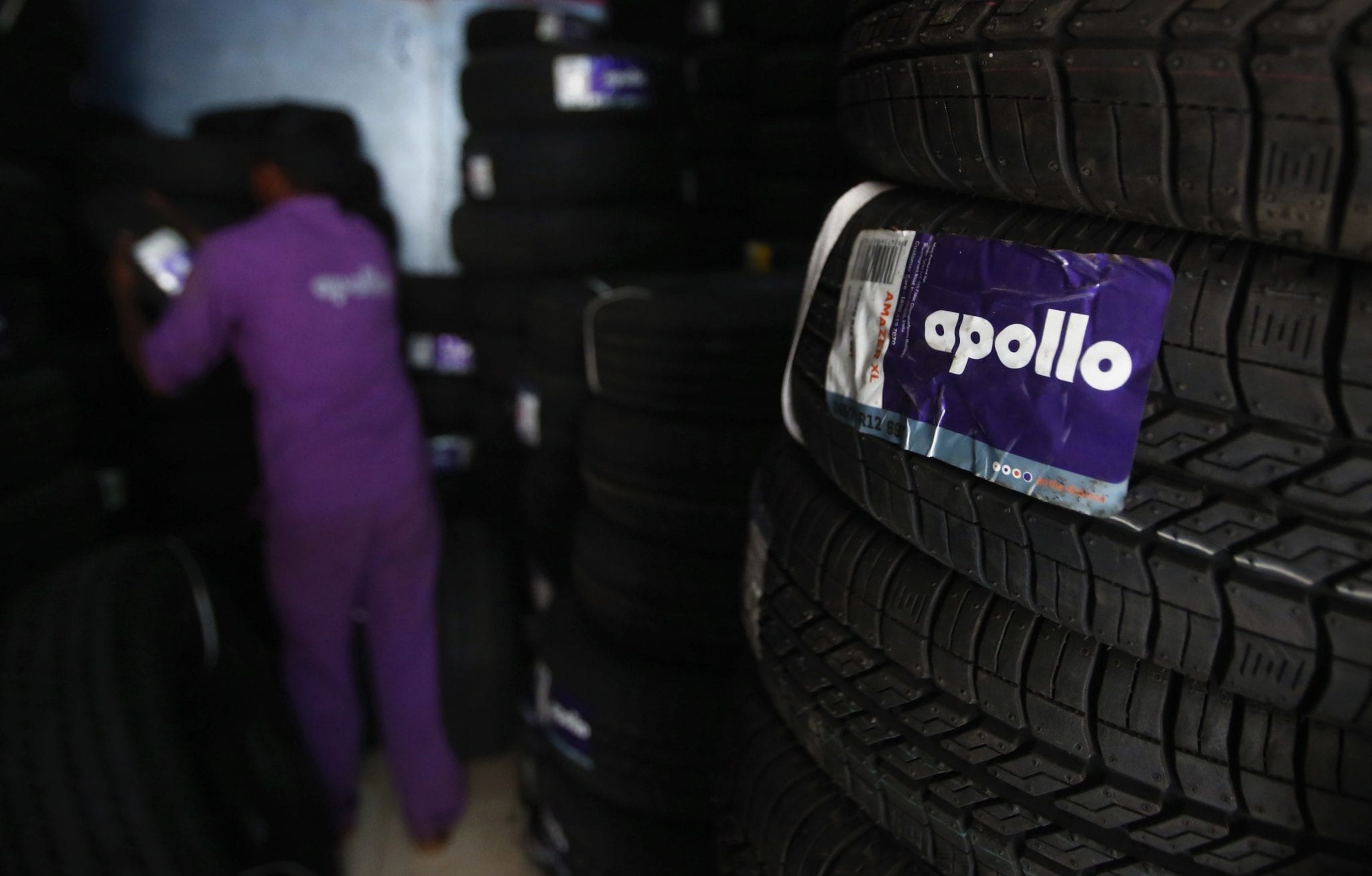
    Apollo Tyres is setting up Europe’s largest greenfield plant in Hungary with an investment of 475 million euros to produce nearly 62 lakh tyres for passenger cars and heavy commercial vehicles per annum.

    The facility at Gyongyoshalasz, located less than 100 km from here, will start production early next year and it will produce tyres to cater to the entire European market.

    “Construction of Apollo Tyres’ first European greenfield plant at Gyongyoshalasz has started on April 10, 2015 and we will start production in early 2017. It will be Europe’s largest greenfield tyres plant,” Apollo Tyres (Hungary) KFT, Head – Project Controller, Amitabh Arya told .

    The Hungarian facility will be a state-of-the-art plant and once completed it will have a capacity to produce 5.5 million (55 lakh) passenger car and light truck (PCLT) tyres and 6,75,000 heavy commercial vehicle (HCV) tyres per annum.

    The total investment in the facility will be 475 million euro (about Rs 3,460 crore) and the Hungarian government was very excited about the investment from a leading Indian company.

    Hungarian Prime Minister Viktor Orban, at a joint press conference with visiting Indian Vice President Hamid Ansari last week, had specifically mentioned about the Apollo Tyres plant saying it was one of the largest foreign investments in Hungary.

    The Gyongyoshalasz facility will produce both Apollo and Vredestein branded tyres and will cater to the entire European market.

    Apollo Vredestein B.V. is part of Apollo Tyres Ltd and has its head office in Enschede, the Netherlands. It designs, manufactures and sells high-quality tyres under the Apollo and Vredestein brands in Europe and North America.

    Onkar S Kanwar headed Apollo Tyres Ltd, with its corporate headquarters in Gurgaon, is in the business of manufacture and sale of tyres since its inception in 1972.

    The company has grown manifold, establishing its footprint across the globe. It has manufacturing units in India and The Netherlands.

    The company markets its products under its two global brands – Apollo and Vredestein, and its products are available in over 100 countries through a vast network of branded, exclusive and multi-product outlets.

    At the end of its financial year on March 31, 2016, Apollo Tyres had clocked a turnover of USD 1.8 billion, backed by a global workforce of around 16,000 employees.

  • Apple, Deloitte enter mobile business tie-up

    Apple, Deloitte enter mobile business tie-up

    Apple and Deloitte has entered into a partnership to help companies transform the way they work by taking advantage of the iOS platform.

    As part of the joint effort, Deloitte is creating a first-of-its-kind Apple practice with over 5,000 strategic advisors who are solely focused on helping businesses change the way they work across their entire enterprise.

    Apple and Deloitte will also collaborate on the development of a new service offering from Deloitte Consulting called EnterpriseNext, designed to help clients fully take advantage of the iOS ecosystem of hardware, software, and services in the workplace.

    The new offering will help customers discover the highest impact possibilities within their industries and quickly develop custom solutions through rapid prototyping.

    “We know that iOS is the best mobile platform for business because we’ve experienced the benefit ourselves with over 100,000 iOS devices in use by Deloitte’s workforce, running 75 custom apps,” said Punit Renjen, CEO of Deloitte Global.

    “Our dedicated Apple practice will give global businesses the expertise and resources they need to empower their mobile workforce to take advantage of the powerful ecosystem iOS, iPhone, and iPad offer, and help them achieve their ambitions, while driving efficiency and productivity.”

  • GM to add SUV production line at China JV in 2017

    GM to add SUV production line at China JV in 2017

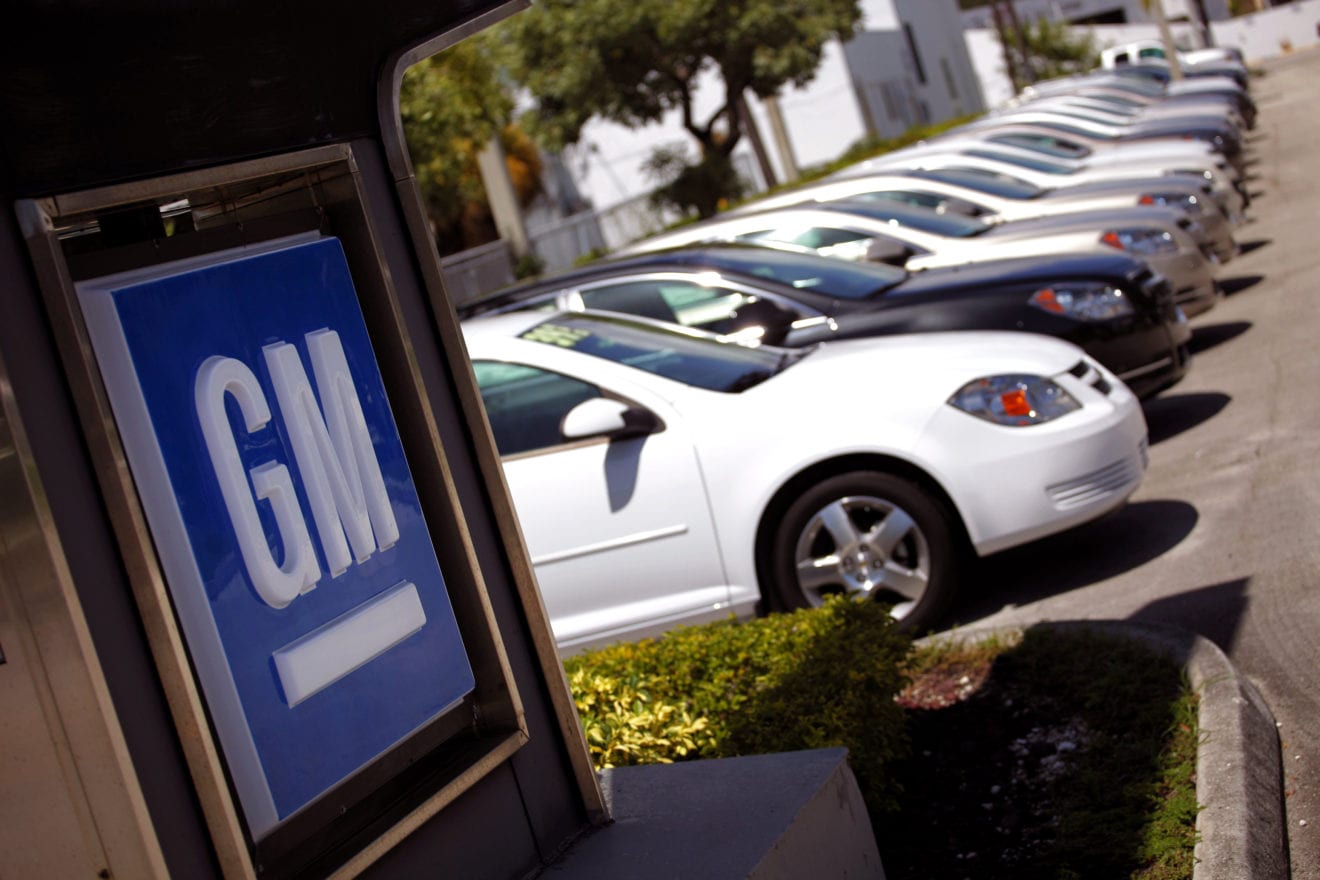
    General Motors Co (GM.N) plans to launch a new SUV production line at its joint venture factory in the Chinese central city of Wuhan during the first half of 2017, the official Xinhua News Agency reported on Sunday, citing company sources.

    SAIC General Motors (SGM), a joint venture between China’s SAIC and General Motors, started operations at the Wuhan plant last year. The new production line will be able to produce 360,000 vehicles a year, bringing the combined capacity to 600,000, Xinhua said.

    SGM said it has invested 7.5 billion yuan ($1.1 billion) for the new production line, which has been under construction since January 2015, the news agency reported. It will manufacture a new generation of GM Chevrolet Equinox SUVs.

    The plant generated revenue of nearly 23 billion yuan ($3.4 billion) in the first nine months of this year, Xinhua said.

    GM’s China chief Matt Tsien told a press conference in March that Wuhan plant was operating at maximum utilization, and a planned second phase is being added there that will double capacity.

    He said that sport-utility vehicles, multi-purpose vehicles and luxury cars will continue to be hot segments in China going forward, with SUVs and MPVs accounting for 40 percent of firm’s overall China growth to 2020.

  • Multi-device use on the rise in Asia

    Multi-device use on the rise in Asia

    Multi-device usage is on the rise in Asia, and users in the region interacting with their screens in increasingly complex ways. according to a new report from marketing company Appier.

    The report is based on an analysis of Appier-run campaigns and websites embedded with Appier site tag in Japan and across the region, and entails the company analyzing over one trillion campaign data points.

    According to the report, multi-device use is accelerating in Asia, and the number of multi-device users using more than four screens have increased by 40% compared to the second half of 2015.The number of users on more than four screens increased at a faster rate than those using three in markets such as Hong Kong (+16%), Japan (+11%), Malaysia (+17%) and Singapore (+15%). Moreover, cross screen campaigns outperform single screen campaigns to the tune of 67% in North Asia, 10% in developed markets and 16% in developing markets.For marketers, the evidence is that Asian users are ‘cross screening’ more than ever, and is an area that is crucial for marketers here. Moreover, the report also noted that the high number of devices in use also lends itself to usage patterns that will only get more complex and interconnected.

    Indeed, a wide variation in the final converting device among cross screen conversions paths across Asia was observed, with PCs and smartphones playing the greatest role in both driving awareness and conversions.

    “This latest report shows that cross screen is key in Asia, as users move between a growing number of screens in increasingly complex ways. One size does not fit all, and businesses need to consider how different messages and formats can help them connect with their audience across all screens,” said Caroline Hsu, the CMO of Appier.

    “Understanding these interconnections will allow marketers in the region to reach their users at various touch points in their journey, leading to more meaningful engagement throughout,” she said.

    PCs and tablets still relevant

    Smartphones are driving the greatest number of cross screen conversions at place like Hong Kong, Philippines, Malaysia, South Korea and Vietnam, though countries such as India and Singapore are seeing conversions on PC that outweigh those on smartphones.

    But while smartphones generate a greater number of page views and non-purchase actions taken on websites, PCs dominate in Asia when it comes to actual purchases. And with PC and tablet accounting for nearly a quarter and a fifth of conversions, respectively, there is no question that they are still relevant.

    Moreover, an examination of usage patterns also highlights the continuing significance of PCs and tablets in the region. Despite representing only about a third to a fifth of reachable devices, PCs generate 70% more volume of web usage than smartphones.

  • SmarTone deploying 4G at two new HK rail lines

    SmarTone deploying 4G at two new HK rail lines

    Hong Kong mobile operator SmarTone is extending its 4G coverage to two new MTR rail network extensions.

    The operator announced it has provided full turnkey multi-operator integrated radio systems to the new Kwun Tong Line Extension, covering the Whampoa and Ho Man Tin stations, under contract from MTR Corporation (MTRC).

    By the end of the year SmarTone also plans to extend 4G coverage on all South Island Line (East) stations.

    The mobile systems will incorporate the latest LTE-Advanced technologies including tri-band carrier aggregation.

    “With the extension of our 4G coverage, SmarTone customers enjoy an outstanding mobile experience on the new MTR Kwun Tong Line Extension. We have also been working closely with MTRC to upgrade and expand the capacity of the existing MTR urban lines, which include the high-traffic stations on the Island Line, Kwun Tong Line and Tsuen Wan Line,” SmarTone CEO Stephen Chau said.

    “SmarTone will continue to invest in spectrum and LTE-Advanced Pro / pre-5G technologies within the next few years to provide a superior customer experience and to evolve SmarTone’s network into an advanced, dynamic and cloud-based network architecture.”

  • China’s garment retail sales grow 7.2% in Jan-Sept ’16

    China’s garment retail sales grow 7.2% in Jan-Sept ’16

    Retail sales of garments, footwear, hats and knitwear of Chinese enterprises above designated size increased 7.2 per cent year-on-year during the first nine months of 2016. The total value of retail sales of these goods was 1,002 billion yuan ($148.121 billion). However, the growth rate was lower compared to total retail sales of consumer goods.

    During January-September 2016, the total retail sales of consumer goods reached 23,848.2 billion yuan, up by 10.4 per cent year-on-year. Of the total, the retail sales of consumer goods of units above designated size was 10,834.4 billion yuan, up 7.8 per cent, according to the National Bureau of Statistics of China.

    The national online retail sales of goods and services during the nine-month period was 3,465.1 billion yuan, up 26.1 per cent year-on-year. Of this, the online retail sales of physical goods was 2,795.0 billion yuan, growing at 25.1 per cent and accounting for 11.7 per cent of the total retail sales of consumer goods. Of the online retail sales of physical goods, clothing sales went up by 16.3 per cent.

    The Bureau also released its preliminary estimate of the Chinese economy during the first three quarters of 2016. According to the estimate, the gross domestic product (GDP) of China in the first three quarters of this year was 52,997.1 billion yuan, a year-on-year increase of 6.7 per cent at comparable prices.

    The value added of the primary industry was 4,066.6 billion yuan, up by 3.5 per cent year-on-year; that of the secondary industry was 20,941.5 billion yuan, up by 6.1 per cent; and that of the tertiary industry was 27,989.0 billion yuan, up by 7.6 per cent.

    In terms of external trade, the total value of imports and exports in the first three quarters of 2016 was 17,531.8 billion yuan, a decrease of 1.9 per cent year-on-year. The total value of exports was 10,058.5 billion yuan, registering a drop of 1.6 per cent. The value of imports was 7,473.3 billion yuan, down by 2.3 per cent. The trade surplus was 2,585.2 billion yuan.

  • This Retail Tycoon Wants to Open 500 Stores in China in Three Years

    This Retail Tycoon Wants to Open 500 Stores in China in Three Years

    As Europe’s fashion giants brace for what could be the toughest leg of their expansion in China, a South African retail tycoon has launched a bold assault on the world’s most populous nation.

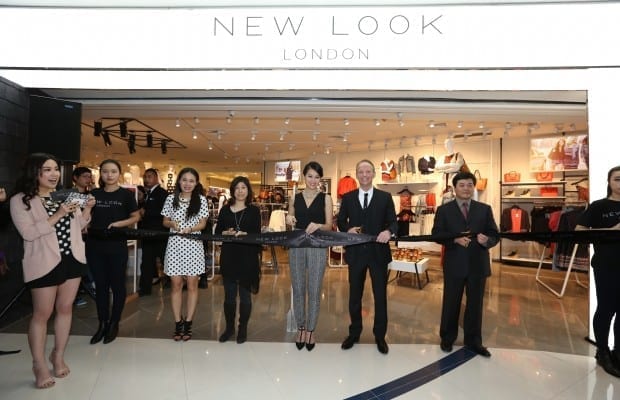
    Christo Wiese is promising to open 500 of his New Look stores in just three years, catapulting the British brand into the same league in China as the world’s top fashion chains – Spain’s Inditex and Sweden’s H&M.

    His plan is to make most of the clothes in China to ensure they cater to local tastes and can get to stores quickly – a strategy similar to the one successfully pursued in Europe by Zara-owner Inditex.

    The arrival of New Look – and its local sourcing strategy – poses a new risk for the likes of H&M and Inditex, already suffering from slower growth in China, fierce competition for real estate and the cost of investing in ecommerce.

    H&M is opening more stores in China this year than anywhere else in the world and the country is already the second biggest market for Inditex outside Spain.

    China is a big draw for retailers who hope to tap the aspirations of a fast-growing middle class, with mid-range names benefiting as consumers trade down from luxury brands since Beijing’s clampdown on corruption and conspicuous spending.

    But recent history offers plenty of examples of failure. Western brands that have struggled in China include Gap Inc , Abercrombie & Fitch and Marks and Spencer , which decided last year to close five stores in smaller cities to focus on flagship stores in large cities and online.

    “Most of the Western fashion labels that are mid-range fail in China. A large part of it is that the styles and the fit are so completely different,” said Shaun Rein, founder of market intelligence firm China Market Research.

    LOCAL TASTES, LOCAL SOURCING

    New Look, a chain founded in 1969 and bought last year by Wiese’s investment vehicle Brait SE, does not want to make the same mistake. It now runs 94 stores in China, out of a global total of 852, and hopes to have up to 150 by next March.

    “I will definitely give it a try if it is a foreign brand and as long as I like it,” said Chen Jie, a 32-year-old businessman from Shenzhen who was carrying an H&M bag in a shopping district in Hong Kong. “Price is not an issue but the design and quality must be good.”

    While New Look is cashing in on the popularity in China of British style – it is adding the “London” tag to its logo for its Chinese stores and website – it is also catering for local tastes.

    Sven Gaede, managing director of New Look’s international business, says the firm has an advantage over many European rivals as 85% of what it sells in China is sourced locally and more than a third is designed exclusively for China.

    That has allowed New Look to tap into the current popularity in Asia of culottes – flared, three-quarter length trousers. Gaede said they account for 12% of the firm’s sales in China, though they are not popular in its European markets.

    “South Korea and Japan drive a lot of the trends that the Chinese customer seeks, so our ability to be able to identify those trends, source them locally and get them into our stores quickly is key,” said Gaede.

    That helps explain the success of the Uniqlo chain of Japan’s Fast Retailing in China, which already has almost 500 stores in the country and is aiming for 1,000 stores in about five years – more than in Japan.

    “It’s pretty hard for the foreign fast brands to do the localisation that Uniqlo does in China as it was born with the Asian gene,” said Violet Shen, a marketing executive in Shanghai.

    The “fast fashion” model was pioneered by Inditex, which can bring new styles from the catwalk to stores in Europe within days from factories mostly in Spain and North Africa. However, Inditex does not have the same advantage in China.

    Inditex plans to add 60 stores in the next few years to the 582 it already runs in China, but it serves them from its logistics centres in Spain.

    “As their proportion of sales increases in the East, it challenges this model. You can’t hub out of Spain,” said Dominic Jephcott, chief executive of supply chain experts Vendigital.

    New Look is not the first Western retailer to try to bring the Inditex model to China.

    Denmark’s Bestseller, which runs brands like Vero Moda and Jack & Jones, says over 90% of its products sold in China are also produced in China and most of the designs for the Chinese market are adjusted to local tastes.

    That has helped the family-owned firm to become the clear leader in China, with more than 6,800 stores in over 300 cities, to give it a 2% share of the fragmented market, according to market research firm Euromonitor.

    Anders Kristiansen ran the China business of Bestseller before taking over as New Look chief executive in 2013. Gaede said Kristiansen’s experience in Asia is one of the reasons behind the group’s aggressive expansion strategy.

    H&M also buys many of its garments in China – the country accounts for about a quarter of its global sourcing.

    But the Swedish firm does not make a big point of adjusting its ranges for China, where it has opened 47 stores in the last nine months, taking its total to 400.

    “We see that fashion becomes more and more global and that China doesn’t differ much from the rest of the world regarding trends and fashion,” said investor relations head Nils Vinge.

    “There are of course local differences but that is true for every market. H&M has a business model that can adapt to this,” Vinge said, declining to elaborate.

    Rein of China Market Research says Western brands must strike a delicate balance.

    “You have to keep your global brand image and you can’t be that creatively different in China than other markets. The Chinese travel around the world,” he said. “It is good to localise. But it hard to localise an aspiration.”

    STORES VS ECOMMERCE

    A bigger challenge for New Look may be to secure the right locations, especially as rivals also seek to add hundreds of stores in the coming years.

    “To find 500 stores of real estate and roll that out in the right way … I think it is virtually impossible,” said Franklin Yao, managing partner at strategy consultants Smith Street.

    But the more established New Look’s brand becomes in China, Gaede said, the better the locations and terms it will be offered, adding that the firm was now pushing into smaller cities.

    “We are less wedded to the number each year and we are more wedded to getting quality locations,” he said.

    Meeting soaring Chinese demand for buying clothes online is also tough.

    Most international brands initially launch on Chinese ecommerce sites like JD.com and Alibaba’s Tmall and Taobao, but are keen to build up their own online operations to protect margins and integrate ecommerce and store services.

    New Look is currently available on Tmall and JD.com, but plans its own transactional site in the next 12 to 18 months.

    Partnering with Chinese sites and local payment and delivery service providers is essential to reach consumers across such a vast country, said Vendigital’s Jephcott.

    “It is a hard physical push and a very hard digital push, all premised on a strong relationship with the logistics partner like Taobao,” Jephcott said, noting that Taobao has established a delivery network of micro-stores even in small towns.

  • Sri Lanka Telecom to build government fiber network

    Sri Lanka Telecom has secured a contract to build a fiber network connecting government offices in the nation.

    The operator has been selected to build the LGN2.0 (Lanka government network 2.0).

    As well as connecting government agencies and public institutions, the network will be used to provide free public Wi-Fi to citizens.

    The LGN2.0 project is being overseen by the Information and Communication Technology Agency of Sri Lanka (ICTA). It has a total budget of 12.7 billion rupees ($86.1 million) over the next two years.

    Sri Lanka’s Minister of Mass Media Gayantha Karunathilaka has stated that the project aims to address concerns that the existing LGN is not fast enough to support Sri Lanka’s ambitions to digitize the national economy.

    The original LGN was deployed between 2007 and 2012. It is managed by the government-owned entity Lanka Government Information Infrastructure (LGII).

  • Walmart makes another big move in China

    Walmart makes another big move in China

    Walmart has made another big e-commerce investment in China.
    On the heels of launching three major e-commerce initiatives in China, Walmart will invest $50 million in New Dada — China’s largest local on-demand logistics and grocery online-to-offline (O2O) e-commerce platform.
    Walmart’s newest investment further extends its agreement with JD.com, which uses New Dada’s network to offer customers two-hour delivery on groceries ordered from Walmart stores through the JD Daojia Dada app.
    New Dada, an independent joint venture between Walmart’s Chinese partner JD.com and Dada, has more than 25 million registered customers. Providing local on-demand delivery capabilities with 2.5 million crowd-sourced deliverers across more than 300 cities in China, this new service complements the 426 stores that Walmart operates in nearly 170 cities.
    Overall, Walmart’s investment in New Dada will help the retailer target Chinese shoppers with faster delivery times in a popular, fiercely competitive online grocery market, according to a company statement.
    “All around the world, we’re creating seamless shopping experiences that bring together our stores, sites and apps to make shopping faster and easier,” said Walmart CEO Doug McMillon. “Our alliance with JD and cooperation with New Dada will enable seamless shopping to millions of customers across China.”
    Specifically, the business partners expect the combination of New Dada’s delivery network with Walmart stores to give “consumers convenient access to a wide range of high-quality goods delivered to their homes and offices in record time,” said Philip Kuai, CEO of New Dada. “We look forward to deepening our cooperation with Walmart as China’s O2O retail industry continues to evolve and grow.”
    Walmart’s next move is to double the number of its stores that offer two-hour delivery by the end of the year, the statement said.
  • Chinese Investors Consider GNC Acquisition

    Chinese Investors Consider GNC Acquisition

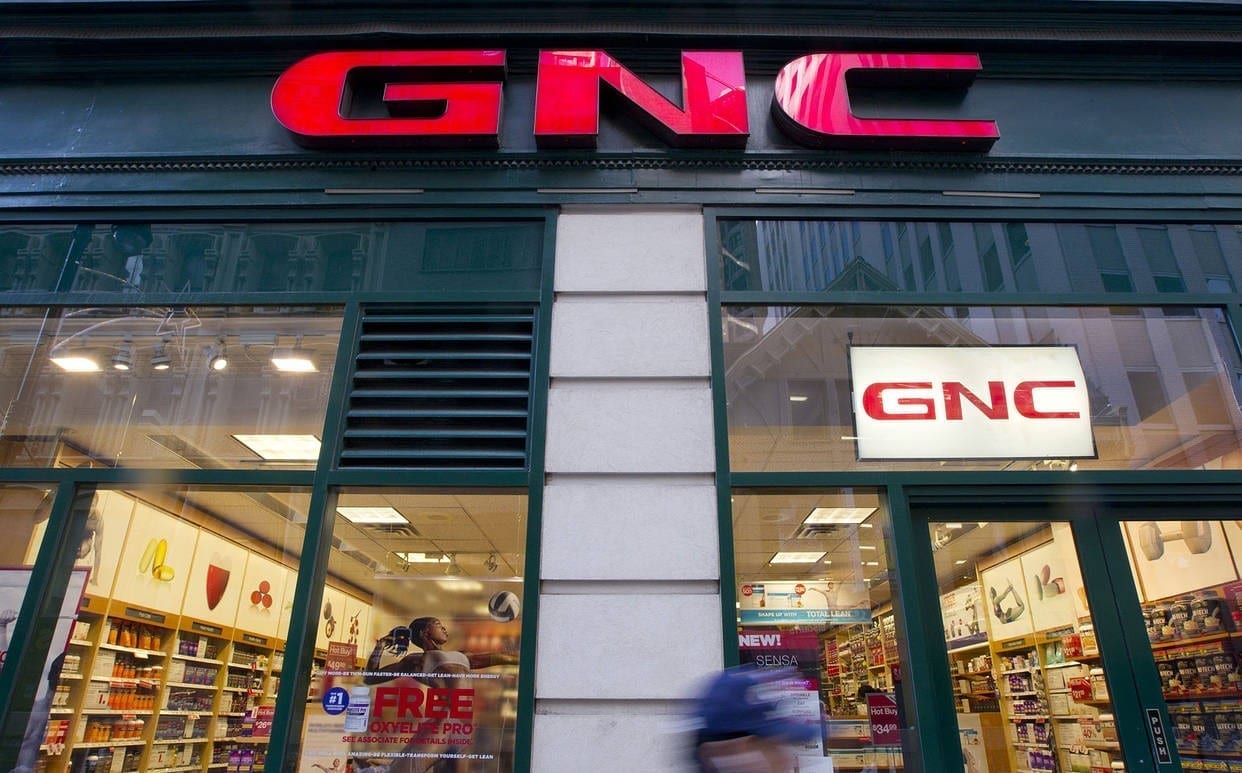
    GNC first popped up in Chinese towns and cities in 2011, with small stores within grocery stores, and now rumors are swirling the giant dietary supplement retailer might end up with a Chinese owner.

    The Wall Street Journal broke the news that GNC is up for sale and a pair of Chinese equity firms are among the interested parties. The journal reported any such acquisition could be worth US$4 billion, including debt—GNC’s market value is around $1.3 billion, with outstanding debt of around $1.4 billion.

    One of the prospective buyers named is Fosun Group, a Shanghai-based investment firm with holdings across insurance, financial, retail and other industries. Its motto is “Combining China’s Growth Momentum with Global Resources.” Fosun most recently bought the English football club Wolverhampton Wanderers and, through Fosun Pharmaceutical, acquired Indian pharmaceutical company Gland Pharma—a number of Chinese pharmaceutical firms are also interested in GNC.

    The other named suitor is Zhongzhi Capital (ZZ Capital), a Beijing- and Hong Kong-based asset management firm focused on media/entertainment, internet, high-end manufacturing, healthcare, financial, IT and logistics. Among its goals is to help overseas companies better penetrate the Chinese market.

    Speculation on the motivation of such firms interested in GNC to a Chinese buyer has centered on the growing trend of Chinese investors purchasing overseas vitamin and sports supplement companies to satisfy Chinese consumer demand for foreign nutrition brands in lieu of quality-challenged Chinese brands.

    Beijing-based Primavera Capital Group paid $238 million to purchase Australian nutrition contract manufacturer Vitaco Holdings in August 2016, and Binzhou, China-based Xiwang Foodstuffs Co. acquired Canadian supplement maker Iovate Health Sciences for $730 million in June 2016.

    GNC has opened around 60 store-within-store locations throughout China involving eight grocery chains. According to its 2015 annual report, released in February 2016, it had five locations  in China, including standalone franchise stores and a small regional retail office.

  • Ericsson swings to $22.4m Q3 loss

    Ericsson swings to $22.4m Q3 loss

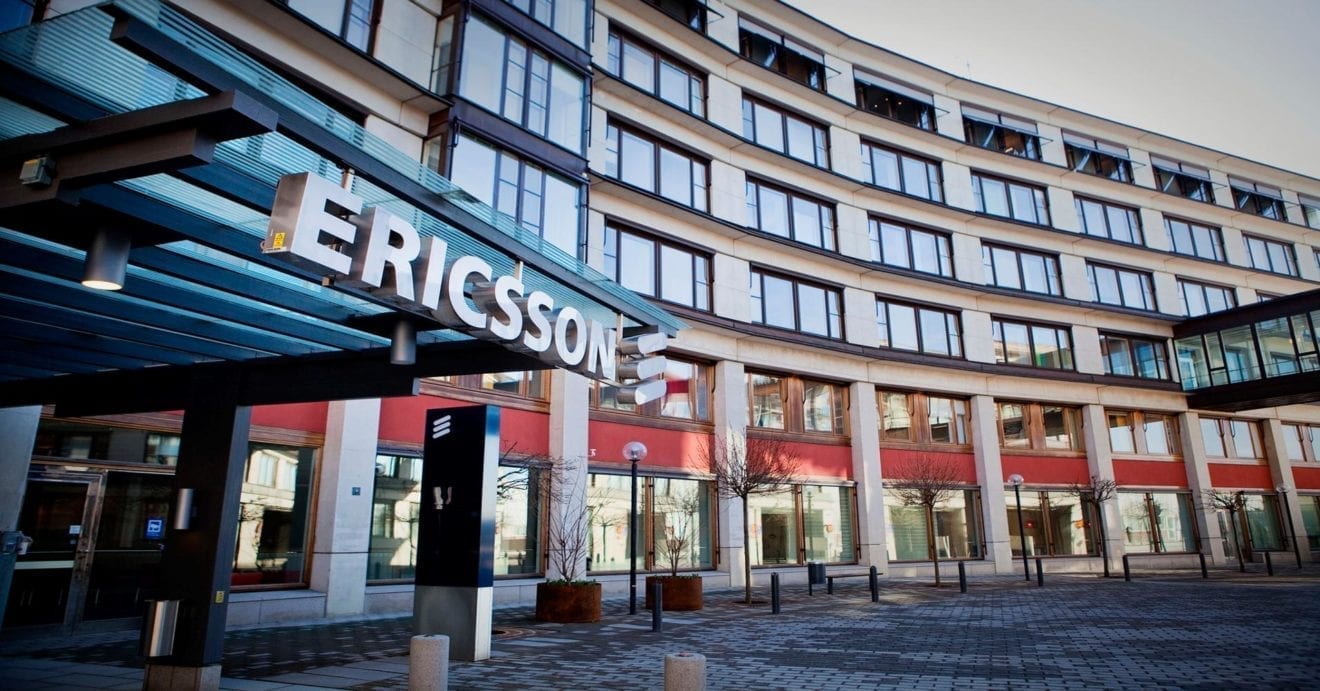
    Ericsson swung to a loss of 200 million kronor ($22.4 million) in the third quarter as a result of weaker sales, particularly in the networks segment.

    The net loss – which marked a reversal from a 3.1 billion kronor net income in the third quarter – can be attributed to a number of negative industry trends impacting demand, according to Ericsson.

    Reported sales declined 14% year-on-year to 51.1 billion kronor, with network segment revenues down 19% due to weaker demand for mobile broadband.

    Gross margins also shrank significantly – from 33.9% to 28.3% – as a result of the decline in demand for network equipment in comparison to the lower-margin services segment.

    “The negative industry trends from the first half of 2016 have further accelerated, impacting Q3 sales, primarily relating to mobile broadband…The current industry trends indicate a somewhat weaker than normal seasonal sales growth between the third and fourth quarters,” Ericsson president and CEO Jan Frykhammar said.

    “In addition a renewed managed services contract in North America, with reduced scope, will impact sales negatively. The current business mix of coverage and capacity sales in mobile broadband is anticipated to prevail in the short term.”

  • China’s Geely shows global ambitions, launching new compact SUV

    China’s Geely shows global ambitions, launching new compact SUV

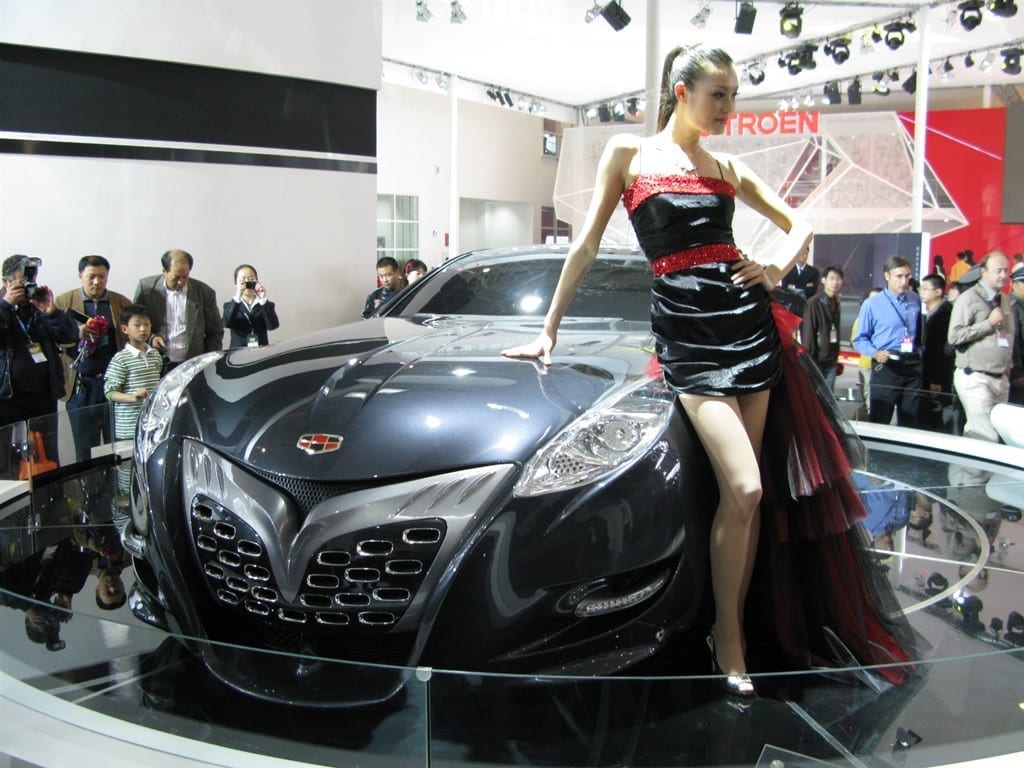
    Chinese automaker Geely, the owner of Volvo cars, showed off the first model of its new Lynk & Co brand in Germany on Thursday, a compact SUV aimed at taking on the likes of BMW and Mercedes-Benz, as well as ride-hailing service Uber, across the world.

    The Lynk, made in China, will go on sale at home in 2017, followed by Europe and the United States in 2018, and marks one of the first attempts by a Chinese carmaker to create a global brand that makes use of European design and technology know-how.

    Chinese companies have been snapping up cutting-edge German technology to push upmarket and gain a global footprint. This year alone, Chinese home appliances maker Midea has agreed to buy German robotics firm Kuka and Fujian Grand Chip Investment Fund LP is taking over semiconductor equipment maker Aixtron.

    Long seen as a cheap, no-frills brand in China and unheard of in Europe, Zhejiang Geely Holding Group purchased struggling Swedish carmaker Volvo from Ford in 2010 to help it leapfrog a decade of research and development.

    While Volvo will continue to focus on premium vehicles, Lynk is an attempt to grab a slice of the mid market. It will initially take on foreign carmakers’ joint ventures in China, but – as shown by the global launch in Berlin – it also aims to challenge the world’s biggest automakers in their own markets.

    ‘SMARTPHONE ON WHEELS’

    At the launch of the ’01’ model at a former railway station in Berlin that now frequently hosts start-up conventions, Alain Visser, senior vice president at Lynk & Co, described the SUV as “our first smartphone on wheels.”

    It is targeting tech-savvy consumers that may have prioritized flexibility over car ownership in the past. “We are looking very much at millennial consumers all over the world who are very much concentrated around bigger cities,” he said.

    Each car will be permanently connected to the Internet and have a “share” button, enabling owners to rent out their car to other motorists via a smartphone app.

    “That becomes a source of income, which some of the consumers may use, a bit like an Airbnb vehicle,” said Visser, referring to the home rental company.

    Lynk has more models in its line-up, which the carmaker plans to launch over the next 3-5 years, but Visser declined to give details on body styles or launch dates apart from the name of the next car: ’02’.

    Once the full line-up is launched, Lynk aims to sell more than 500,000 vehicles a year by 2021, he said.

    EUROPEAN KNOW-HOW

    Geely’s design has been refined by British designer Peter Horbury, who headed up design at Volvo in the 1990s and oversaw it for Jaguar, Aston Martin and Ford’s other brands from 2002.

    In doing so, Geely is upping the competitive pressure on established global carmakers, which have long accused Chinese rivals of merely ripping off their designs.

    Jaguar Land Rover (JLR), for example, has sued China’s Jiangling Motor after it released the Landwind X7 SUV in 2014, a car that JLR says copies its Land Rover Evoque while costing around the third of a price.

    The car will be a hybrid powered by a 1.5-litre three cylinder petrol engine combined with a lithium-ion battery and electric motor, and will be the first based on the Complex Modular Architecture platform developed by Geely and Volvo.

    Mercedes-owner Daimler and BMW are also investing heavily in hybrid vehicles and will be watching closely to see how the ’01’ fares with European consumers.

    Geely said the car would be priced competitively and said it would be fixed across all markets, but declined to give details. It plans to keep down costs by selling the car online only and limiting the number of configurations available.

  • Seatrade has placed an order with Maersk Container for 4,000 containers

    Seatrade has placed an order with Maersk Container for 4,000 containers

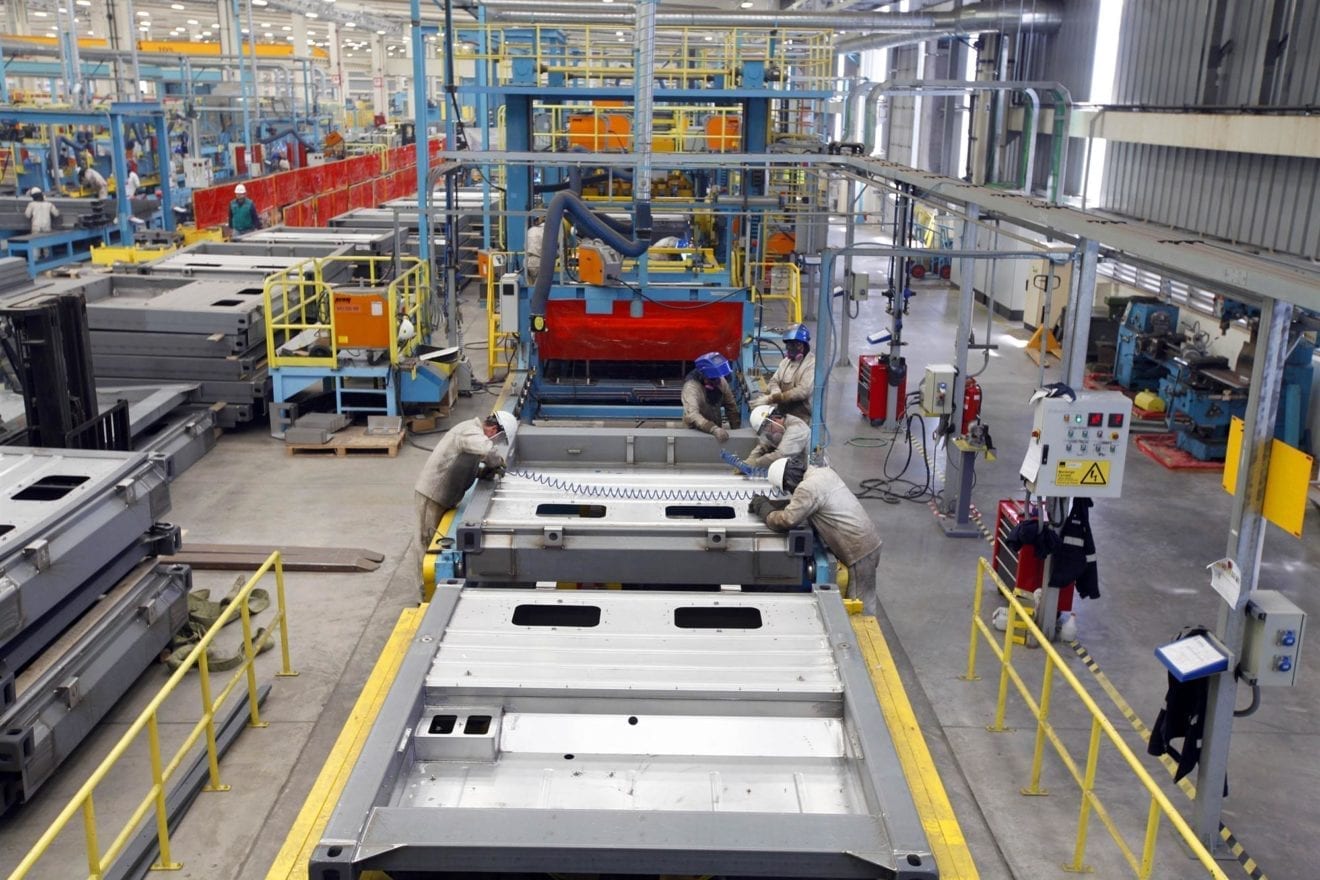
    According to MCI, the containers will be Star Cool Integrated reefers that are equipped with an automatic ventilation system. A large number of the reefers will also be equipped with a controlled atmosphere system. Delivery is expected to be completed by December 2016.

    “We are delighted to have been chosen by Seatrade to support their strong market position with reefer containers as a complement to their specialized reefer services,” said Stig Hoffmeyer, CEO of Maersk Container Industry. “The results of their thorough testing confirmed that a reefer container is not a commodity. Innovation and cutting-edge technology is key to ensuring optimal cargo care and low energy consumption throughout the operational life of the reefer.”

    Before choosing Star Cool Integrated, Seatrade carried out live trials of every relevant refrigeration unit by shipping chilled bananas from Ecuador to Germany, monitoring energy consumption and cargo condition.

    “It is essential that our reefer container equipment supports our Fast, Direct and Dedicated concept,” said Yntze Buitenwerf, president and chairman of Seatrade. “Besides timely delivery, our customers need the longest possible shelf life for their produce. The vast majority of our cargo is perishable fruit and vegetables requiring chilled mode transportation with narrow variations in temperature and monitoring of food preservation. In addition, energy efficiency, whole-life costs and long-term operational value are critical to our operations.”

    Some of the units will be manufactured by MCI’s new factory in San Antonio, Chile, while the remainder will be made by the Qingdao factory, according to MCI.

  • Loyalty Program Pointo Aims to Manage Points Across Region

    Loyalty Program Pointo Aims to Manage Points Across Region

    “For points issuers, the Pointo system will help them limit their budget on marketing and add more value to its customers. Meanwhile for point receivers, it would help them generate more revenue as it would increase transactions,” Pointo Point Exchange chief executive Ari Stefanus said on Wednesday.

    Pointo now registers issuers including grocery stores Ranch Market and Farmers Market, home appliances retailer Electronic Solutions, national flag carrier Garuda Indonesia, Lippo Group’s theater chain Cinemaxx, ice cream shop Haagen-Dazs and many more.

    In the near future, Pointo targets to have at least 150 brands collaborate with them, including merchants in Asia, such as Universal Studios and Gardens by the Bay in Singapore, Ocean Park and Disneyland in Hong Kong and Japan.

    The company also wants financial companies, such as banks, flight carriers and telecommunication operators to join Pointo.

    Loyalty Program Indonesia is an information technology developer established in 2008. It built expertise on customer loyalty programs, serving clients from the retail sector, including convenience store chain operator Indomaret, retailer Centro Department Store, as well as shopping malls Grand Indonesia and Pacific Place.