Author: Mei Ling Tan

  • Mazda to leave Indonesia, hands distribution to Eurokars

    Mazda to leave Indonesia, hands distribution to Eurokars

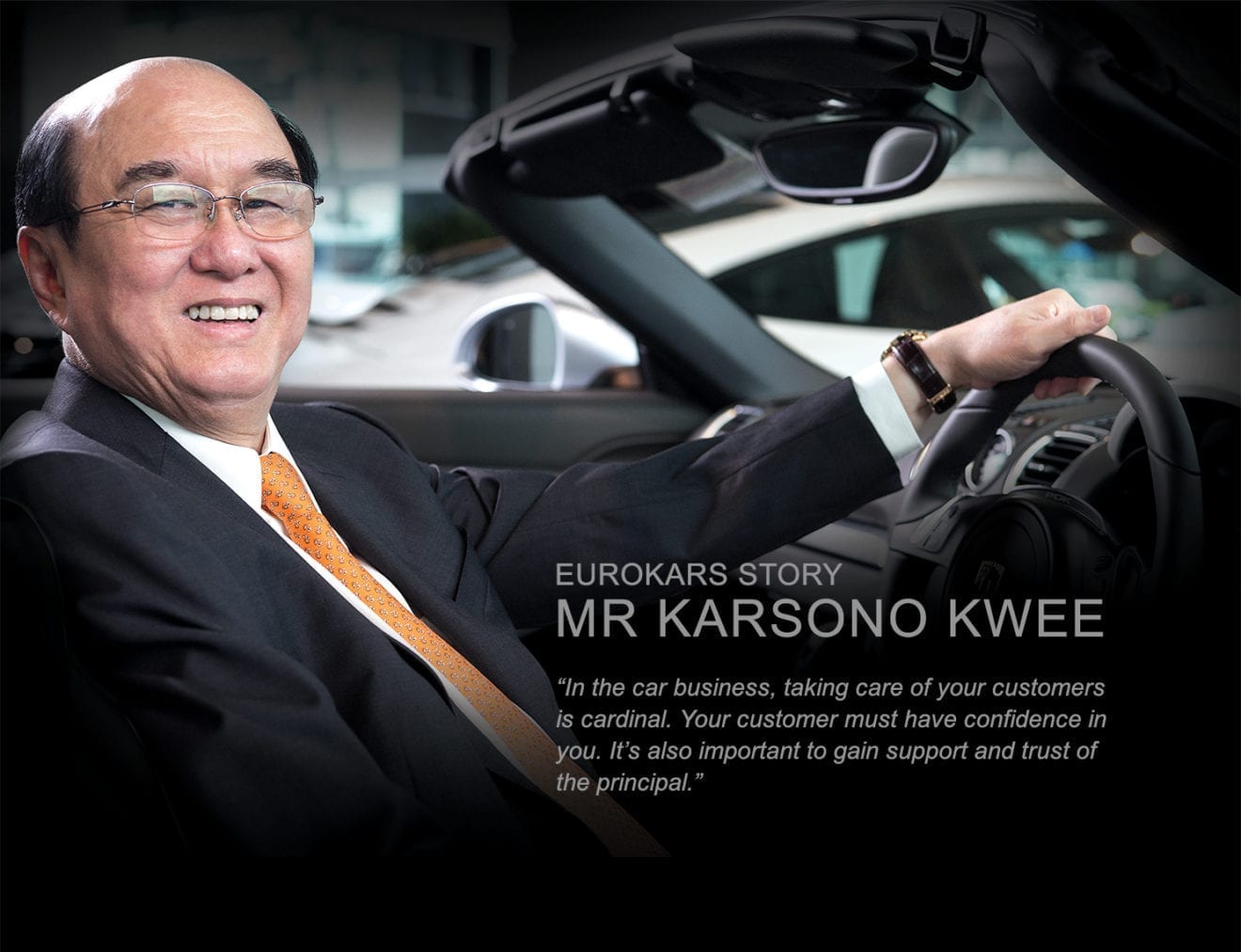
    Mazda Motor Corporation has appointed Eurokars Motor Indonesia, a member of Eurokars Group, as the distributor of Mazda vehicles in Indonesia following its decision to leave the country.

    Eurokars Group spokesperson Angeline Tan said Mazda’s distribution network of 45 dealers would be officially transferred from Mazda Motor Indonesia to Eurokars Indonesia in February.

    “This appointment represents a significant milestone for Eurokars Group. It also reflects the synergistic partnership between Mazda Motor Corporation and Eurokars Group, which is well-positioned to run the distributorship,” she said in a press statement in Jakarta on Friday.

    Following the official transfer, she added, Eurokars would take over existing staff members and dealers currently under Mazda Indonesia. It will also be responsible for after-sales including the warranties of all Mazda vehicles sold by Mazda Indonesia prior to the transfer.

    Founded in 1985, Eurokars was a dealer for Mazda cars in Indonesia in 2007 and took over the distribution of Mazda vehicles in Singapore in 2011.

    From November, Mazda Indonesia’s business entity will be changed from a sole distributor to an importer of the Japan-based Mazda Motor Corporation’s products in related to the business decision.

  • Creative Industries Contribute to Economic Growth

    Creative Industries Contribute to Economic Growth

    Indonesia`s creative industry is considered to have the potentials to contribute to national economic growth, according to  Head of Research and Industry Development of Industry Ministry Haris Munandar.

    “Currently, the contribution of t creative industries is still relatively small, which is 7 percent of the national industrial growth of 18-20 per cent, but they have great potentials,” Haris said in Jakarta, Friday, October 14, 2016.

    Haris added that the potential can be seen from the various opportunities to develop creative industries in Indonesia, among them an increasing number of middle class Indonesia as potential consumers of creative products.

    “In recent years, the middle class is growing rapidly. This becomes a great opportunity,” said Haris.

    In addition, socio-cultural diversity and natural resources of Indonesia can inspire creative industries to continue to innovate.

  • Garuda Indonesia and Angkasa Pura II Sign Agreement for Air Cargo Business

    Garuda Indonesia and Angkasa Pura II Sign Agreement for Air Cargo Business

    Air carrier Garuda Indonesia signed an agreement with state-owned airport operator Angkasa Pura II at the Soekarno-Hatta airport on Thursday (13/10) to support the creation of a commercial cargo area.

    Both companies agreed to develop AP II’s commercial area in the airport’s cargo warehouse as Garuda Indonesia’s cargo operational service area. According to Garuda’s official statement, there will be revenue sharing between Garuda and AP II from the air cargo business.

    Garuda Indonesia was represented by cargo director Sigit Muhartono, while commercial and business development director Daan Achmad signed on behalf of AP II.

    “In line with Garuda’s target to obtain $269 million of cargo profit share in 2016, the utilization of this facility will significantly support the company’s cargo business,” Sigit said.

    He added he is optimistic in developing the business, particularly as the deal will span 23,000 meters squared.

    Daan shared Sigit’s optimism, saying the cooperation will “give a positive contribution to improving Indonesia’s cargo industry, given that Soekarno-Hatta is one of the largest bases for air cargo business in Indonesia.”

    Currently Garuda Indonesia has 70 Cargo Service Centers (CSC) all over Indonesia. Of all service centers, 46 CSCs are located in airports and 24 are in city centers. Garuda Indonesia Cargo provides shipping from City to Door and City to Port where CSCs serve as Drop and Pick-up Points.

    Garuda hopes to expand its cargo business to remote corners of Indonesia to support the rapid growth of domestic and international cargo shipping.

  • Kaskus founder leaves company, says IT sector becoming too risky

    Kaskus founder leaves company, says IT sector becoming too risky

    Kaskus founder Ken Dean Lawadinata has resigned from his position as chairman of PT Darta Media Indonesia, the operator of the Kaskus online community. Ken plans to invest in property and commodities instead of Information Technology (IT).

    Ken released his shares in Kaskus to GDP Ventures.

    “That’s right, I have left Kaskus. I released all my shares to GDP,” he said on Saturday as quoted by kompas.com.

    Ken was one of the founders of Kaskus and elevated Kaskus to its current status as the biggest online community in Indonesia.

    Ken said that after Kaskus, he was not interested in the IT industry anymore. He has his eyes on property and commodity investments such as mining and timber.

    He said the IT industry in Indonesia was still growing and demand was healthy and new ideas kept emerging. However, Ken said the risks in IT were now too high.

    “IT was a sector with low-risk, high-return, but it has now become a high-risk, high-return sector. In this industry, US$10 million is now meaningless,” Ken said.

    Ken also founded Smartmama, a media company for mothers, and Tororo, an online baby products shop. He plans to hold on to these companies.

    “In IT, I will focus on Smartmama and Tororo,” Ken went on to say.

    Another Kaskus founder, Andrew Darwis, who is still chief commercial officer of Kaskus, offered his thanks to Ken for Ken’s dedication in growing Kaskus. He stated that Ken’s resignation would not disturb the company’s performance.

    “Kaskus is focusing on its mission to become the biggest social commerce platform in Indonesia,” Andrew said.

    Kaskus was founded in 1999 by Andrew, Ken and two other friends.

  • OJK to Expand Banking Industry, Aims for Thailand

    OJK to Expand Banking Industry, Aims for Thailand

    Financial Services Authority (OJK) Chairman Muliaman D. Hadad said that the OJK is in the process of exploring the possibilities of expanding Indonesian banking industry overseas.

    “The most possible [cooperation] is with Thailand, because there have been two or three meetings,” Muliaman said.

    Muliaman said that similar cooperation will also be established with other countries. Muliaman explained that Thailand serves as an important stepping stone to establish cooperation with Cambodia, Vietnam, Laos, and Myanmar. “Why Thailand? Because Thailand has dominant business [partnership] with its neighbouring countries,” Muliaman added.

    Muliaman said that there are lots of possibilities for Indonesia to expand its financial industry to Thailand. Moreover, several of Indonesian business sectors have started to expand to Thailand, including property and trade.

    Aviliani, an economist from the Institute for Development of Economics and Finance (Indef) praised OJK’s plan to integrate the national banking industry with ASEAN. Aviliani said that the integration is important to allow Indonesian banks to open branch offices and conduct business activities in neighbouring countries. However, Aviliani asserted that the policy may not always favour the banking industry. “Banks will always reflect on market potential,” Aviliani said.

    Aviliani added that the potential for overseas banking market is not quite as large as the domestic market. “Opening [branch offices] overseas will be difficult if [banks] cannot profit. But when foreign banks expand to Indonesia they will reap benefits because [Indonesia] has a large market potential,” Aviliani said.

  • Astra named best Indonesian company of past decades

    Astra named best Indonesian company of past decades

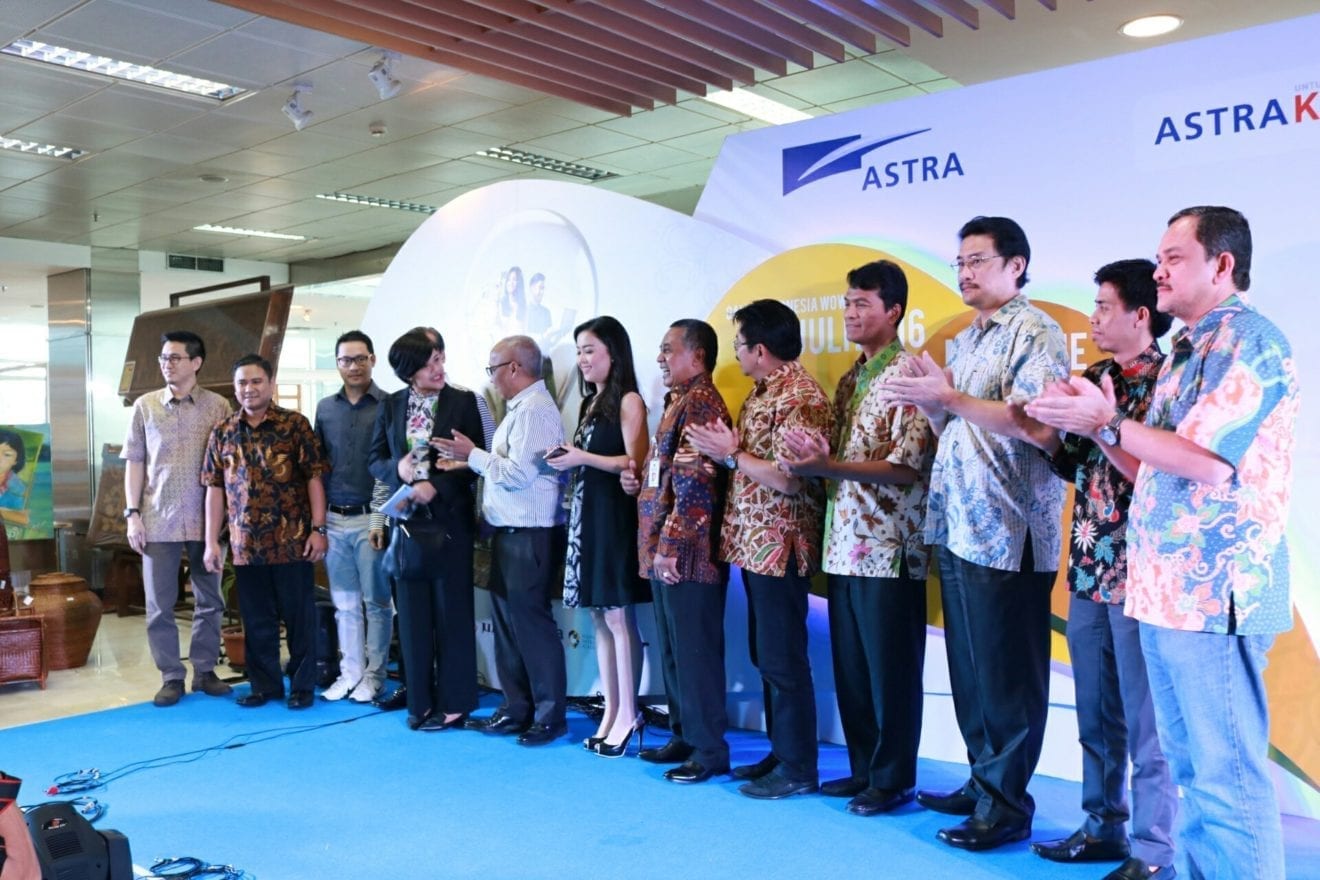
    PT Astra International has added one more award to its collection after Hong Kong-based magazine FinanceAsia named the widely diversified business group the best non-financial company in Indonesia for the past two decades.

    The magazine’s publisher, Jonathan Hirst, presented the award to Astra International president director Prijono Sugiarto at a ceremony in Hong Kong on Thursday evening.

    The award was based on polls conducted annually on the company’s performance over the past 20 years. As many as 115 financial and non-financial companies in Asia received such awards this year.

    Other large corporations named as best non-financial companies in their respective countries include Samsung Electronics of South Korea, China Telecom of China, PTT of Thailand and SingTel of Singapore.

    Meanwhile, in the Indonesian financial sector, five companies won similar awards. They include Bank Mandiri, which was named the best domestic bank, Mandiri Sekuritas as the best domestic investment bank and as the best domestic bond house, Danareksa Sekuritas as the best domestic equity house, HSBC as the best foreign bank and Credit Suisse as the best foreign investment bank.

    “On behalf of the Astra management, we thank all the stakeholders who have participated in the survey for their support for Astra during its 59 years of operations,” Prijono said after receiving the award.

    “Obviously, we hope that this achievement also brings pride to the Indonesian people, “ he added.

    According Prijono, as a national asset, Astra wants to continue to contribute to economic and social development for the Indonesian people through its 202 subsidiaries and affiliated companies, which employed more than 200,000 people. The business group was working with at least 2,500 vendors employing more than one million employees, he said.

    Astra is engaged in six business lines, namely automotive, financial services, heavy equipment and mining, agribusiness, infrastructure, logistics and IT.

    Astra was listed on the Indonesian Stock Exchange in April 1990 and has become a blue chip stock with a market capitalization of about Rp 337 trillion (US$25.8 billion) as of Oct. 12.

    FinanceAsia has presented awards to leading Asian companies every year since its establishment 20 years ago. Winners are determined by surveys among investors and analysts in Asia on a range of criteria, such as corporate performance, corporate governance, investor relations, corporate social responsibility (CSR) and leadership.

    Astra has received at least 13 awards from the magazine, in addition to numerous awards from other organizations. Unlike in previous years, this year’s award was given for the achievement over a 20-year period.

    In 2010, Astra management under the leadership of Prijono adopted a comprehensive business strategy it calls the Triple P Roadmap, according to which the company’s portfolio, people and public contribution should all ensure sustainable growth.

    Prijono attributed the success of the business group in maintaining sustainable growth to the company’s long-term business concept.

    Based on that concept, Astra had implemented concrete programs that clearly highlight the position of Astra in the long-term, including by creating new opportunities to diversify sources of revenue, to improve the competency of human resources and to expand the reach of the company’s corporate social responsibility (CSR) activities.

    Prijono explained that Astra carried out CSR activities through all of its subsidiaries and nine foundations, which include the foundation of Toyota and Astra, the foundation of Dharma Bhakti Astra, the foundation of Astra Bina Science, the foundation of Astra Honda Motor, the foundation of Amaliah Astra, the educational foundation of Michael D. Ruslim, the foundation of Karya Bhakti UT, the foundation of Astra Agro Lestari and the foundation of Insan Mulia Pama.

  • Government Proposes Business Travel Card for Indian Ocean Countries

    Government Proposes Business Travel Card for Indian Ocean Countries

    The Chairman of the Indian Ocean Rim Business Forum (IORBF), who is also the Deputy Head of Maritime Affairs and Fisheries Division at the Indonesian Chamber of Commerce, Yugi Prayanto, has proposed to introduce a business travel card for all members of the Indian Ocean Rim Association (IORA).

    “The IORBF needs to come up with a concrete initiative to improve economic cooperation and business in the Indian Ocean region,” Yugi said here on Friday.

    He pointed out that the IORBF meeting, led by Indonesia and South Africa, aims to improve interaction and cooperation among IORAs businessmen and its dialogue partners in order to develop cooperation in economy, trade and investment in the Indian Ocean region.

    “The IORBF agrees that economic cooperation opportunities need to be explored further and these include the IORA Comprehensive Economic Partnership Agreement (IORA-CEPA ) and IORA Business Travel Card (IBTC),” Yugi noted.

    These initiatives are supported by IORA member countries, among others, South Africa, Australia, India, Indonesia, Kenya and Mauritius.

    According to him, the forum agrees that the establishment of IORA-CEPA is very important to improve economic cooperation, trade and investment in the Indian Ocean region.

    The IORA-CEPA, Yugi pointed out, is expected to become an umbrella for IORA economic cooperation in order to increase trade and investment, open market access, develop industry as well as strengthen regional value chain and structural reforms.

    Meanwhile, the IBTC, he underlined, is expected to ensure mobility of entrepreneurs and facilitate business interaction among the IORA member states.

    “The IBTC in time will strengthen people-to-people contact, including business-to-business links among IORA member nations,” Yugi stressed, adding that the IORBF really hopes these two initiatives will be discussed at the 20th Anniversary Commemorative Summit of IORA meeting in March 2017.

    He added that the agreements reached at this meeting will be reported to the Committee of Senior Officials on October 25-26, 2016 and to the Council of Ministers on October 27, 2016.

    Forty businessmen from various IORA member countries are participating in this 22nd IORBF meeting.The IORA focuses on economic, trade and investment cooperation. It comprises 21 countries, namely, South Africa, Australia, Bangladesh, India, Indonesia, Iran, Kenya, Madagascar, Malaysia, Mauritius, Mozambique, Oman, the United Arab Emirates, Singapore, Seychelles, Somalia, Sri Lanka, Tanzania, Thailand, Comoros and Yemen.Australia passed on the chairmanship of IORA to Indonesia in 2015. Indonesia is the IORA Chairman for 2015-2017.

  • Indonesia fishery sector losing its bite

    Indonesia fishery sector losing its bite

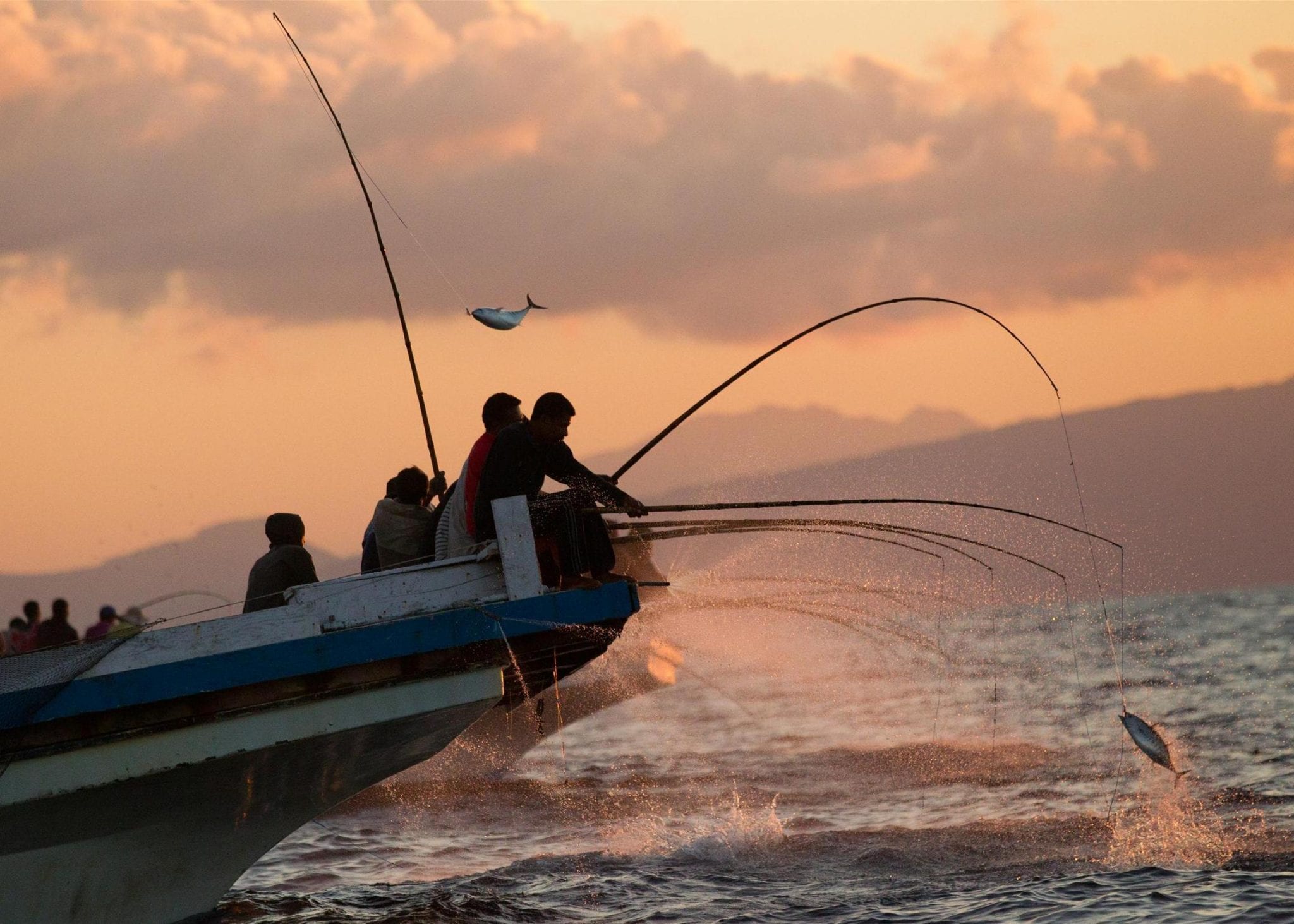
    Fishing captain Wahyu Sumantri used to helm a 700-tonne vessel that sailed the Celebes Sea from North Sulawesi. These days, he can be found peddling mie ayam, or chicken noodles, from a push cart in his home town of Kerawang, in West Java, about two hours from Jakarta.

    “Hopefully, this is just like a long break for me and I will land a job at sea again soon,” he told The Sunday Times. The 38-year-old, who has a degree in fishery technology, lost his job last year after the government deemed his vessel illegal because it was not locally built.

    The move was among a series of tough measures introduced by Maritime Affairs and Fisheries Minister Susi Pudjiastuti in late 2014 to tackle illegal fishing across Indonesia.

    It is also a key plank in President Joko Widodo’s bid to transform Indonesia into a maritime power and also improve the livelihoods of its 2.4 million fishermen.

    Pudjiastuti also banned fishermen from unloading their catch out at sea because the other boat, especially if it is a foreign vessel, often bypassed local ports and port controls by taking the fish elsewhere.

    This practice is known as at-sea trans-shipment, but illegal trans-shipment has reportedly caused annual losses of US$20 billion to Indonesia’s fishery sector.

    Sumantri’s fishing boat is now one of the many such vessels lying idle in Bitung, North Sulawesi. Similar scenes can be seen in nearby Ambon, Maluku.

    Bitung is home to the country’s largest fish processing firms, which include tuna canneries and processing plants, employing tens of thousands of locals.

    Industry players there, however, say they have been hit hard by Pudjiastuti’s tough policies against illegal, unreported and unregulated (IUU) fishing. The ban on trans-shipment and use of foreign fishing boats, in particular, has led to a severe cut in fishing resources for these firms.

    What this means is that they do not have enough boats to bring in sufficient fish stocks for export.

    The utilization of total tuna cannery capacity in Bitung, for instance, has fallen to just 6 percent — or 90 tons a day — from 50 percent two years ago, said Bitung’s fish processing firms’ association chief Basmi Said.

  • President Jokowi opens Sail Karimata 2016 main event

    President Jokowi opens Sail Karimata 2016 main event

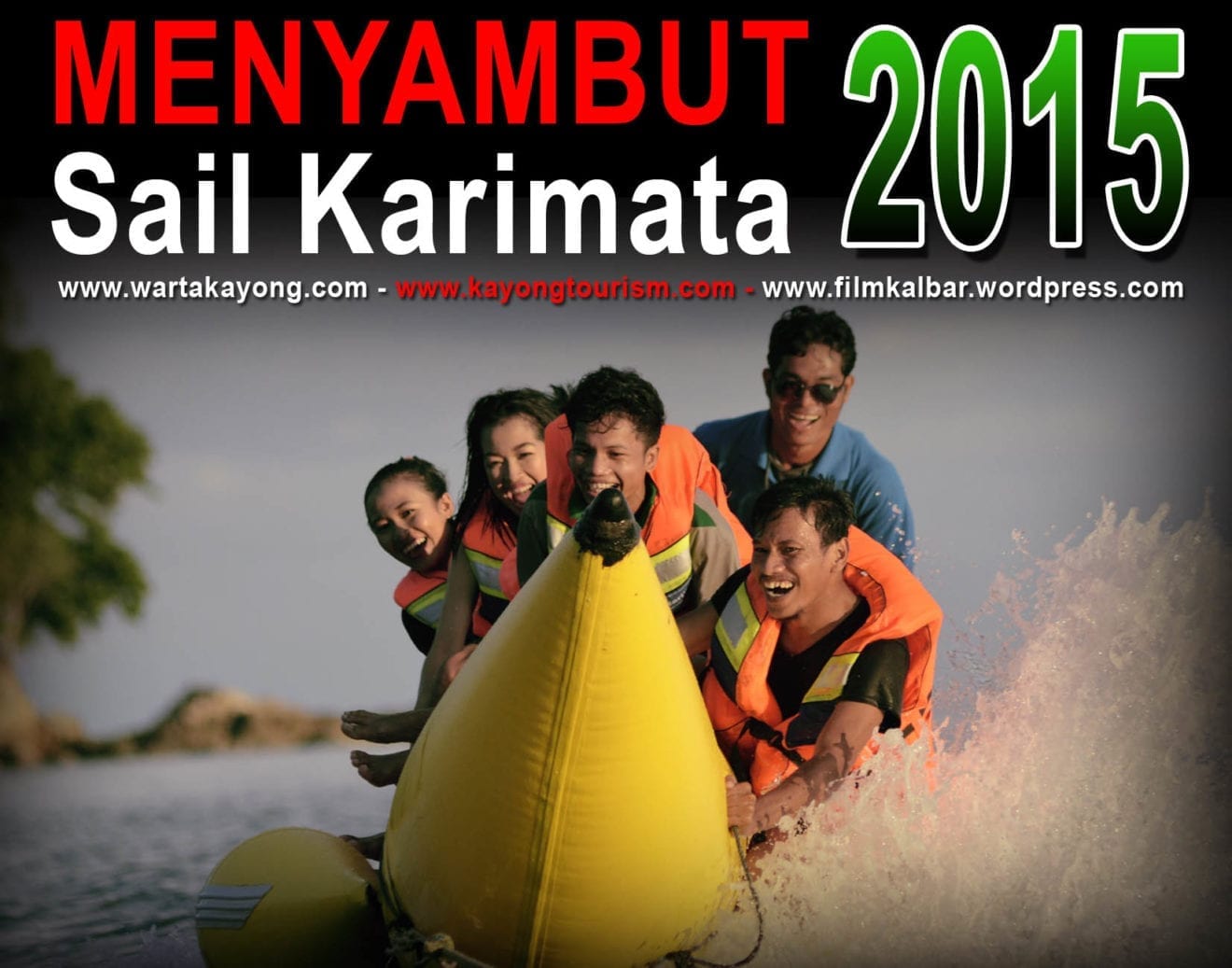
    President Joko Widodo (Jokowi) on Saturday opened the main event of Sail Karimata 2016 which took place at Pulau Datuk beach in Sukadana, North Kayong District, West Kalimantan.

    “I want to remind that 71 percent of Indonesian territory is made up of sea water which serves not only for our feature but also to hold more than 17 thousand islands in our country. In addition, the sea does not separate us but unites us together,” President Jokowi remarked in his opening address.

    In the company of among others Coordinating Minister of Maritime Affairs Luhut Binsar Panjaitan as the chairman of Sail Karimata national committee, Tourism Minister Arif Yahya, and West Kalimantan Governor Cornelis, the head of state opened the Sail Karimata main event by pressing a siren.

    On the occation, Jokowi conveyed a sense of joy and gratitude to friendly countries, participating in such an international maritime event which is organized every year.

    “This international maritime event should not be stopped or restricted with a mere ceremony, but I want it to continue to be organized to properly keep our marine resources and to return our maritime culture,” Jokowi said.

    He mentioned that the ocean must be protected from illegal fishing and pollution because it is the driver of national economy.

    “We are currently developing our marine tourism such as that of Bunaken Marine Park, Tomini Bay, Karimata Strait, Raja Ampat, and many more. We are building marine tourism supporting infrastructure and facilities with intensive promotion to introduce beautiful places in Indonesia worldwide,” the president noted.

    In the meantime, Maritime Affairs Minister Panjaitan explained that eight provinces in Indonesia took part in the Sail Karimata international maritime event 2016.

    “It aims to encourage and accelerate the development of disadvantaged areas. We will evaluate and try to make it a sustainable program,” Panjaitan said.

    The maritime affairs minister added that to encourage the tourism sector, numerous supporting infrastructure and facilities such as public toilets have been built.

    “In addition, some 200 units of houses have been built for fishermen, and we will continue to follow it up,” the minister said, adding that Sail Karimata 2016 is also participated in by 36 participants from foreign countries and most of them are from the United States.

  • ACCC likely to continue regulating ADSL access

    ACCC likely to continue regulating ADSL access

    Australian competition regulator the ACCC has made a draft decision to continue regulating access to Telstra’s wholesale ADSL network for a further five years.

    Former government monopoly Telstra is required to provide access to its ADSL network to competitors due to its dominant position in both the wholesale and retail ADSL markets. When a commercial agreement cannot be reached, Telstra must provide access at regulated prices.

    The ACCC had been investigating whether regulated access was still necessary given the progress of the rollout of the national broadband network (NBN).

    “Telstra retains its dominant position in both the wholesale and retail markets for the supply of ADSL fixed-line broadband services on a national level,” ACCC commissioner Cristina Cifuentes said.

    “Continuing regulation will ensure network providers continue to have access to Telstra’s copper network at reasonable prices. This will encourage them to continue competing in the retail market to develop and offer different ADSL broadband products to meet the needs of customers as they prepare to shift to the NBN.”

    A final decision on the matter is expected in early 2017, before the current access declaration expires.

  • Myanmar’s Trunk Roads in Poor Condition

    Myanmar’s Trunk Roads in Poor Condition

    The Asian Development Bank (ADB) is urging Myanmar to make big investments in its infrastructure and significant policy changes to help it tap its full economic potential. The ADB recommendations were made in a recent Transport Sector Policy Note.

    Decades of underinvestment and isolation have ensured the Southeast Asian country’s roads, rails, ports and airports lag well behind the infrastructure in other countries in the region, the note said.

    “Myanmar has not been investing enough in transport,” the note says baldly, before going on to describe just how debilitating the lack of investment has been.

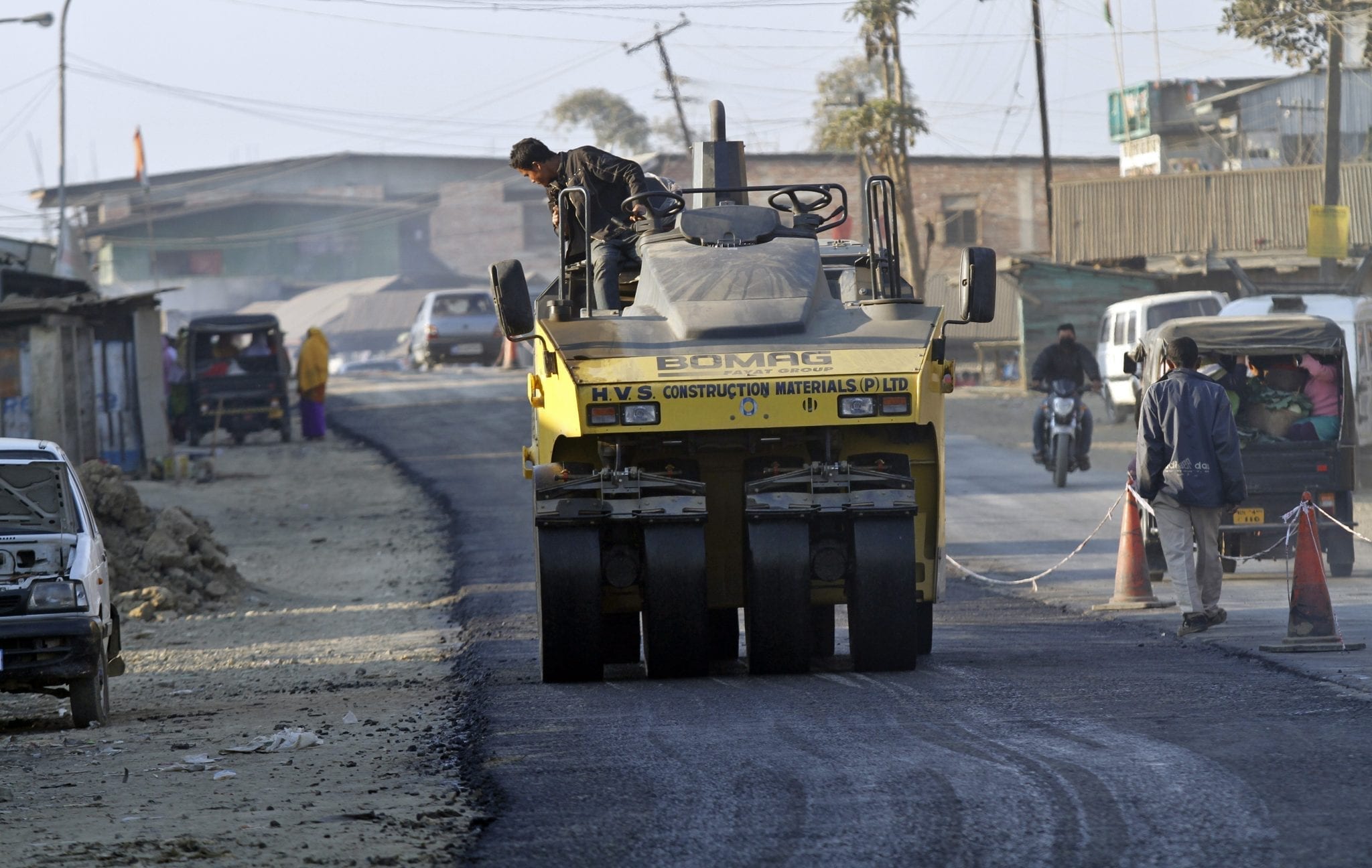
    Sixty percent of the trunk road network is in poor or bad condition, requiring urgent maintenance or rehabilitation. On top of this, poor track conditions means Myanma Railways is forced to operate at 50% of its potential speed.

    “Myanmar’s road network needs better trunk highways and more rural roads. The network is three times less dense than neighboring Thailand’s. It is also of lower quality – only 20% of the roads are paved, against 53% in Thailand – and the roads are narrower,” the note said in elaboration.

    The note offers a more muted but no less critical view of the rail network.

    “Myanmar’s trunk rail lines need modernization, but the tertiary network should be scaled down. The country’s rail network is by far the longest in Southeast Asia, but part of it is unproductive. Neither the current design standards nor the potential demand for over half the network suffices to make commercial operation viable,” the note said.

    While the ADB is critical of the quality of Myanmar’s existing infrastructure, what is really run up the flag pole is the other big problem – that of what is not there at all.

    Roads figure prominently in Myanmar. Twenty million people, including half of the rural population and a key consumer market, lack access to basic roads. More tellingly still in a country which is essentially a delta, the main waterways cannot be used for transport for three months a year because they are too shallow, the note added.

    The ADB, which worked with the Myanmar government to write the note, makes clear what it thinks the lead response should be: investment, and large amounts of it, although it also outlines some significant policy changes to go with the suggested investment.

    Indeed, one of the problems with the ADB’s scheme is not so much the money needed for infrastructure investment but in persuading a national bureaucracy to adopt both lots of restructuring work, such as the corporatization of some services, and what the organization refers to as “deep cultural change.”

    Between 2005 and 2015, Myanmar has spent just 1.0% to 1.5% of GDP on infrastructure, the ADB said. Making this low figure even less productive was a spate of badly-targeted projects: “Few investments have been effective and efficient,” the note said. Compared to other nearby countries, which typically invest 3% to 5% of their GDPs in transport infrastructure, Myanmar’s meagre investment is simply inadequate. (Those other countries include regional peers China, Thailand and Vietnam.)

    Here, the ADB does not pull its punches, and acknowledges a need for some US$60 billion to be spent over the next 15 years. Funding, it says, should come from “from new sources, including development partner loans, bond finance, private sector investment, and investment by state-owned enterprises (once they become financially self-sustainable).” The ADB also urges a broad application of the user-pays principle with levies on fuel and tolls on roads.

    Money spent needs to focus on key national corridors, Yangon and infrastructure maintenance, the bank added, with short-term priorities, besides public transport in Yangon, being highways and railways.

    For the former, the ADB suggests allowing trucks on the Yangon-Mandalay Expressway and upgrading to Class II Asian Highway Standards the international highways to Muse and Myawaddy, which carry most of Myanmar’s border trade but are substandard and in poor condition.

    “A systematic Program of Highway Pavement Maintenance and Improvements could, within five years, bring all major highways to good condition,” the note said, adding the Department of Highways could consider increasing the legal axle load of trucks on main corridors.

    For the railways, the ADB urges a change of priorities for the national railway away from passengers and to goods, which would signal a significant reversal of priorities.

    “Myanma Railways should reallocate assets, staff, and resources to developing long-distance rail freight. Myanma Railways has prioritized passenger transport. However, freight trains are much more profitable. With limited investments and some market development, Myanma Railways could double its share of a growing market,” the note said.

    In a nod to Myanmar’s rivers as potential cargo carriers, the ADB urges development of the Irrawaddy River with the implementation of low-cost navigation aids, channel works, and ports up to Mandalay. It also advocates dredging to ensure a minimum depth of between 1.5 metres and 2.0 metres, as well as developing a more comprehensive network of river ports.

  • India’s GCX expands cloud ecosystem

    India’s GCX expands cloud ecosystem

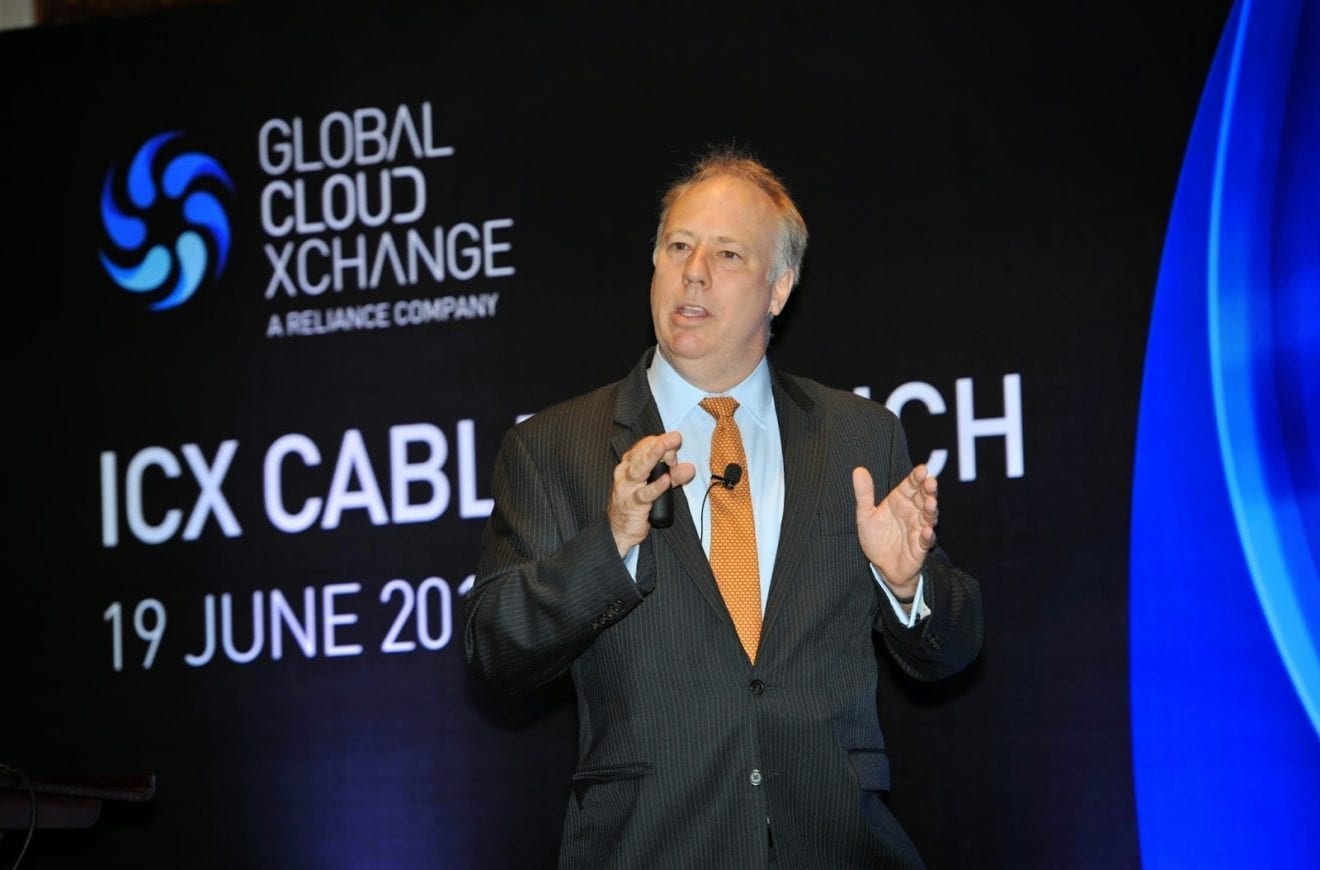
    Reliance Communications subsidiary Global Cloud Xchange (GCX) has expanded its cloud ecosystem with the addition of support for Microsoft Azure ExpressRoute.

    The company is offering access to ExpressRoute via its CLOUD X Fusion service in Chennai.

    CLOUD X Fusion allows enterprises to use Ethernet or MPLS VPN to privately connect their on-premise network or data center directly to Microsoft’s cloud platforms.

    Besides Chennai, CLOUD X nodes have been launched in Delhi, Mumbai, Bangalore and Hyderabad, as well as Hong Kong, California, London and New York.

    “As India enterprises enter a new era of digital globalization, they require sophisticated new levels of support to tap into opportunities from the convergence of Big Data and the IoT, to the latest augmented reality apps,” RCom and GCX SVP of global product management Braham Singh said.

    “Through the interconnection of CLOUD X Fusion and Microsoft Azure ExpressRoute, customers will benefit from the added flexibility and global reach to be more competitive as we look at new opportunities from the ‘Digital India’ initiatives.”

  • Workz Group launches world’s smallest SIM OS

    Workz Group launches world’s smallest SIM OS

    Telecoms subscriber products manufacturer Workz Group has announced the launch of what it says is the world’s most lightweight SIM OS.

    The Z-OS operating system is around 40% smaller than other SIM operating systems on the market, providing operators with greater opportunity to add VAS and revenue-generating features to subscriber SIM cards.

    Z-OS was soft-launched in May and has been tested in various markets, demonstrating the ability to support secure over-the-air management of applications.

    The product complies with major SIM standards defined by the ISO, ETSI, 3GPP, Global Platform, Oracle Java card, SIM Alliance and the GSMA as well as its proposed eSIM specification, and is designed to be compatible with both Java and native products.

    Z-OS is available from all major chipset manufacturers and is interoperable with all mobile network technologies.

    It is being offered in conjunction with Workz’s latest SIM product, the 3-in-1 seamless half SIM, which is designed to use 50% of the plastic of a traditional SIM card and work on any handset by allowing users to select which SIM module size to push out.

    “We’re very proud to develop the world’s most efficient SIM operating system. The Z-OS is a significant technological advancement which allows us to provide network operators with more customized applications on the SIM card to engage subscribers,” Workz CEO Brad Taylor said.

  • Hyundai Motor reaches tentative wage deal with South Korean union

    Hyundai Motor reaches tentative wage deal with South Korean union

    Hyundai Motor reached a tentative wage pact with its South Korean labor union on Wednesday after the worst strikes in the automaker’s history disrupted output at its domestic production base.

    The agreement is subject to a vote by almost 50,000 union members on Thursday, who rejected an earlier deal in August because of it was less generous than the previous year’s package.

    The union has held 24 rounds of full-scale or partial strikes since July 19, preventing the automaker from making 131,851 vehicles worth more than 2.9 trillion won ($2.60 billion), the government said last week.

    “The company and the union have formed a common ground that we should prevent further catastrophe as a prolonged strike has had a substantial impact on not only the company but the regional and national economy,” Hyundai Motor said in a statement.

    Under the latest agreement, Hyundai will increase basic monthly pay by 72,000 won; give each worker a one-off payment of 3.3 million won as well as bonus and incentives payments worth 3.5 times their basic monthly wage; and each worker will also receive 10 Hyundai shares, the company said.

    The deal came after the government threatened to intervene to suspend strike action, criticizing the union for walkouts despite relatively high wages at the automaker.

    The prolonged labor disputes coupled with sluggish domestic demand have prompted some analysts to cut earnings forecasts for the July to September quarter which the company is scheduled to report late this month.

    Twelve out of 25 net profit estimates have been revised down in the past 30 days, pushing the average estimate 12 percent lower, according to Thomson Reuters StarMine.

    Hyundai Motor, which is the world’s fifth-biggest carmaker including affiliate Kia Motors (000270.KS), has been hit by strikes in all but four of the union’s 29-year history though it usually made up for lost production by the end of each year.

  • Nissan recalls 932 units of Datsun redi-Go in India

    Nissan recalls 932 units of Datsun redi-Go in India

    Japanese auto major Nissan is recalling 932 units of entry level car redi-Go from its Datsun brand in India to fix faulty fuel system.

    “Datsun is conducting a voluntary recall campaign on certain India-manufactured Datsun redi-GO vehicles to inspect the fuel hose and fix a clip at no cost to the customer,” Nissan Motor India said in a statement.

    Datsun will start notifying affected owners from this month.

    The recall will affect units manufactured till May 18, 2016, a company official said.

    The redi-GO hit the market on June 7 this year and has sold over 14,000 units.