Author: Mei Ling Tan

  • Malaysia Milk recalls Marigold HL products

    Malaysia Milk recalls Marigold HL products

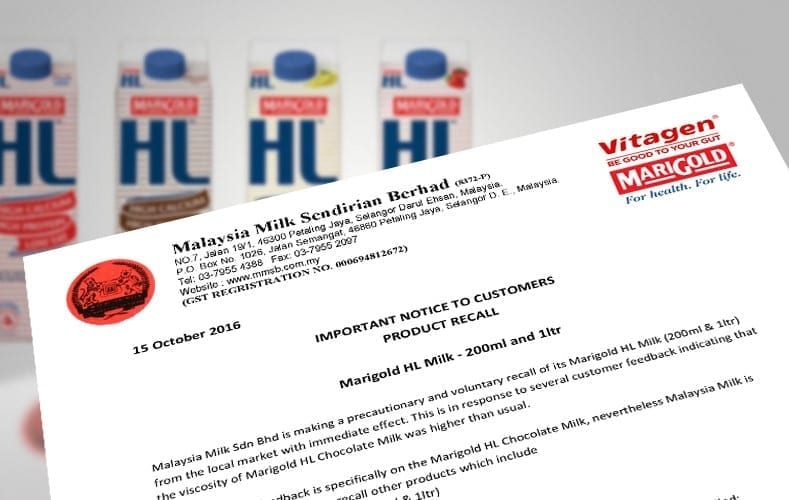
    Malaysia Milk has fully recalled its Marigold HL milk products from Malaysia retail outlets following customer complaints, the company said on Monday (Oct 17).

    The quality of the milk had been compromised due to bacterial contamination, but this has since been rectified, Malaysia Milk added. “Side effects of consuming the compromised quality of milk may include mild stomach discomfort. There are no long-term side effects,” it said in a statement.

    New batches of milk have been delivered to retailers, the company said.

    Malaysia Milk announced on Saturday that all Marigold HL milk products expiring before Nov 7 for Peninsular Malaysia and before Nov 11 for the Sabah, Sarawak and Labuan markets are being recalled, in response to customer feedback that the viscosity of its Marigold HL chocolate milk was higher than usual. Viscosity refers to the “thickness” of a liquid.

    “While customer feedback is specifically on the Marigold HL chocolate milk, nevertheless Malaysia Milk is taking proactive measures to recall other products which include Marigold HL plain milk (200ml and 1L), Marigold HL strawberry milk (200ml and 1L) and Marigold HL with plant sterols (1L),” it said over the weekend.

    Malaysia Milk stressed that customers’ health and safety is its top priority. “We have taken proactive measures and have successfully recalled all our products from retail outlets. An additional and more stringent Quality Control is now in place on finished products to keep a daily check on products to ensure conformity with the highest international standards,” said Malaysia Milk general manager Poh Eng Lip.

    Customers who have purchased the affected products should return them to Malaysia Milk for a replacement or contact its customer service team at 1800-885587 or [email protected].

    The recall does not affect the company’s products in Singapore, local manufacturer Malaysia Dairy Industries said.
  • Lazada stays online

    Lazada stays online

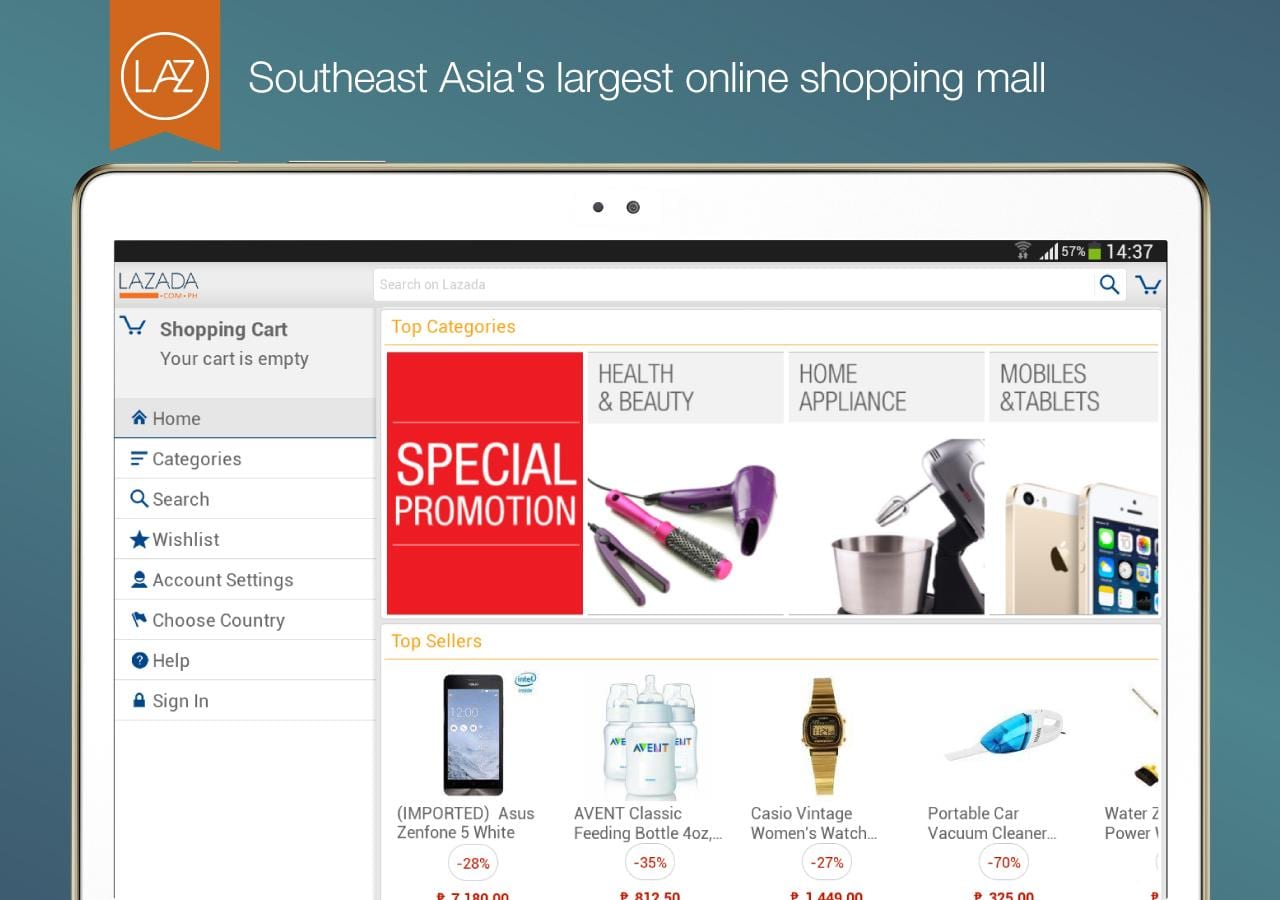
    While some global e-commerce giants, including Amazon Inc, are planning to build brick-and-mortar convenience stores, Lazada Malaysia will focus on things it does best — selling inventory to customers from its warehouses through its online platform.

    Its chief executive officer (CEO) Hans-Peter Ressel said Lazada Malaysia will concentrate on strengthening its online shopping business, rather than building physical stores to complement its online services.

    “We can’t comment on their (Amazon’s) strategy because we focus only on our products,” Ressel said in an interview last week. “We have decided to go this way, and if other players are doing other things, I’m happy to learn and observe how this works for them, but it doesn’t change our strategy.”

    Citing unnamed sources, The Wall Street Journal last week reported that Amazon stores will sell perishable goods, including milk and meats. The Seattle-based retail giant will also build drive-in locations for consumers in a rush where online grocery orders will be brought to the car, the newspaper said.

    Lazada Malaysia, which has achieved more than five million app downloads, is part of the Lazada Group which operates online shopping platforms in Indonesia, the Philippines, Singapore, Thailand and Vietnam. Its product offering covers diverse categories, including electronics, fashion, health & beauty, sports & travel, and groceries.

    Vienna-born Ressel, who is of Austrian and Filipino descent, had served as Lazada Malaysia chief commercial officer and chief operations officer since August 2012, before he became its CEO in March 2015.

    Lazada Malaysia, he said, would continue to collaborate with brand retailers, hypermarkets and offline flagship stores to sell their products.

    “If you want [to operate your own] store, how many stores do you need? What do you want to put on these stores? We don’t believe in doing everything by ourselves. We have partners; we have brands, and it is crucial to have their collaboration, that’s our focus,” he said.

    Notably, Lazada Malaysia this year brought in top brands such as L’oreal, Levi’s and Samsung. It also formed partnerships with giant retailers such as Tesco, Watsons and Senheng.

    Ressel believes e-commerce is the way forward, considering that two-thirds of Malaysians have Internet access, with most of them spending more than four hours a day online.

    “If we didn’t believe in the future growth of e-commerce, we won’t be here. Today, 20 million out of 30 million Malaysians are online. The [Malaysian] e-commerce market will definitely grow towards a size that is similar to Western countries, China and Korea. It’s just a matter of time,” he said.

    According to an estimate by statistics portal Statista, total revenue for the Malaysian e-commerce market this year will hit US$894 million (RM3.75 billion) and revenue is expected to see an annual growth rate of 23.7% in the next five years, to reach US$2.58 billion by 2021.

    Currently, the market’s largest segment is electronics and media, with a market volume of US$380 million. User penetration is at 61.7% this year and is expected to hit 76.8% in 2021.

  • HKIA announces plans for SkyCity development

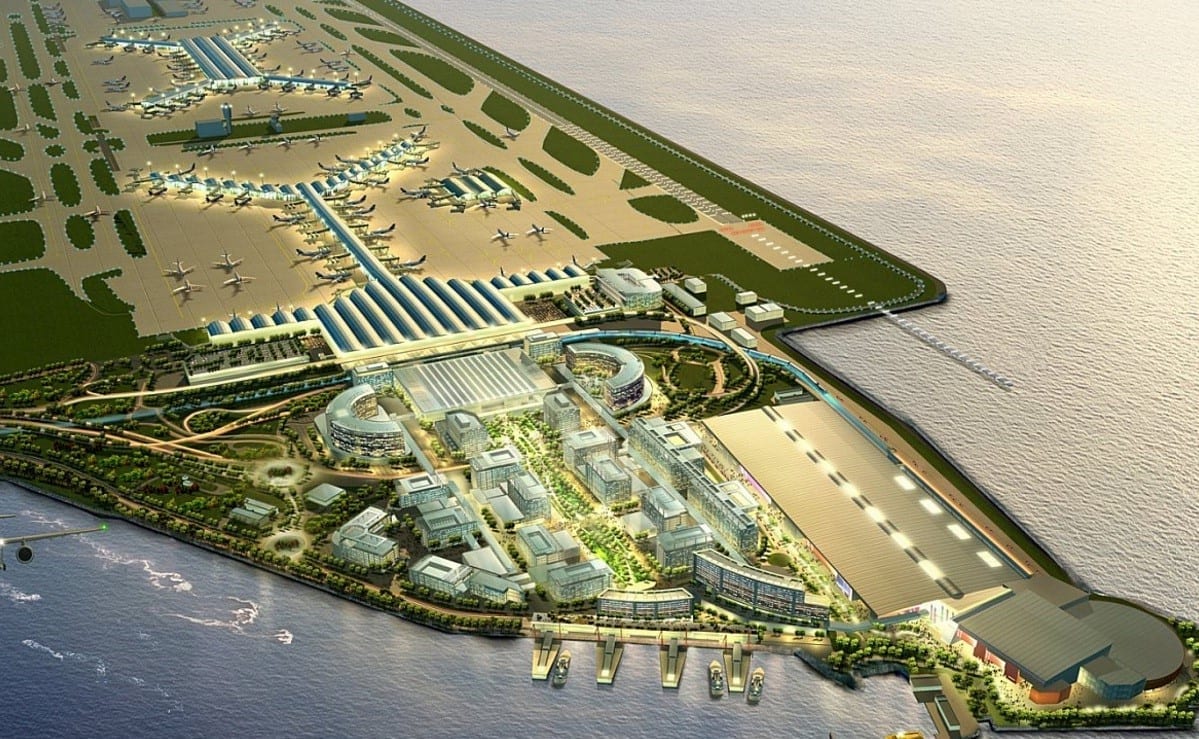
    HKIA announces plans for SkyCity development

    SkyCity will feature retail complexes, entertainment facilities, dining space, hotels, and office towers in approximately 25 hectares of land at the north of the airport island.

    The SkyCity plan was unveiled at “The Future of Shopping Malls” Business Conference and Exhibition hosted today by the AA. More than 300 senior executives from the property development and investment sectors of Hong Kong and major overseas markets, as well as representatives from the HKSAR government, business associations and professional bodies, attended the event.

    Mr Jack So Chak-kwong, chairman of the AA said: “Our vision is to create a new destination that goes far beyond the traditional notion of a shopping mall. Located right next to the airport, SKYCITY aims to capture broad opportunities in tourism and business, while also providing a dynamic lifestyle and family entertainment hub for Hong Kong residents and visitors alike.”

    HKIA’s passenger traffic is projected to rise to more than 100 million by 2030 with the completion of the three-runway system. SkyCity will make use of the Tuen Mun-Chek Lap Kok Link and the Hong Kong-Zhuhai-Macao Bridge, strategic road links.

    Phase 1 of the project will comprise a retail, dining and entertainment (RDE) destination of 195,000 sq. metres, scheduled to open in 2021, and a hotel providing 450 to 750 rooms, expected to be completed in 2020. Invitations for tender submissions for the hotel and RDE developments will be issued in November 2016 and early 2017 respectively.

  • Vietnam’s retail lures foreign capital because of urban population growth

    Vietnam’s retail lures foreign capital because of urban population growth

    JLL released a brief report on Asian and European retailers ready to penetrate the market of more than 90 million people.The report pointed out evidence of the expansion of foreign retailers in Vietnam’s market.

    At the end of 2014, Berli Jucker Plc (BJC) acquired Metro Cash & Carry Vietnam at the cost of 655 million euros, the largest ever M&A deal at that time, which signaled the penetration into Vietnam’s retail market of Thai groups.

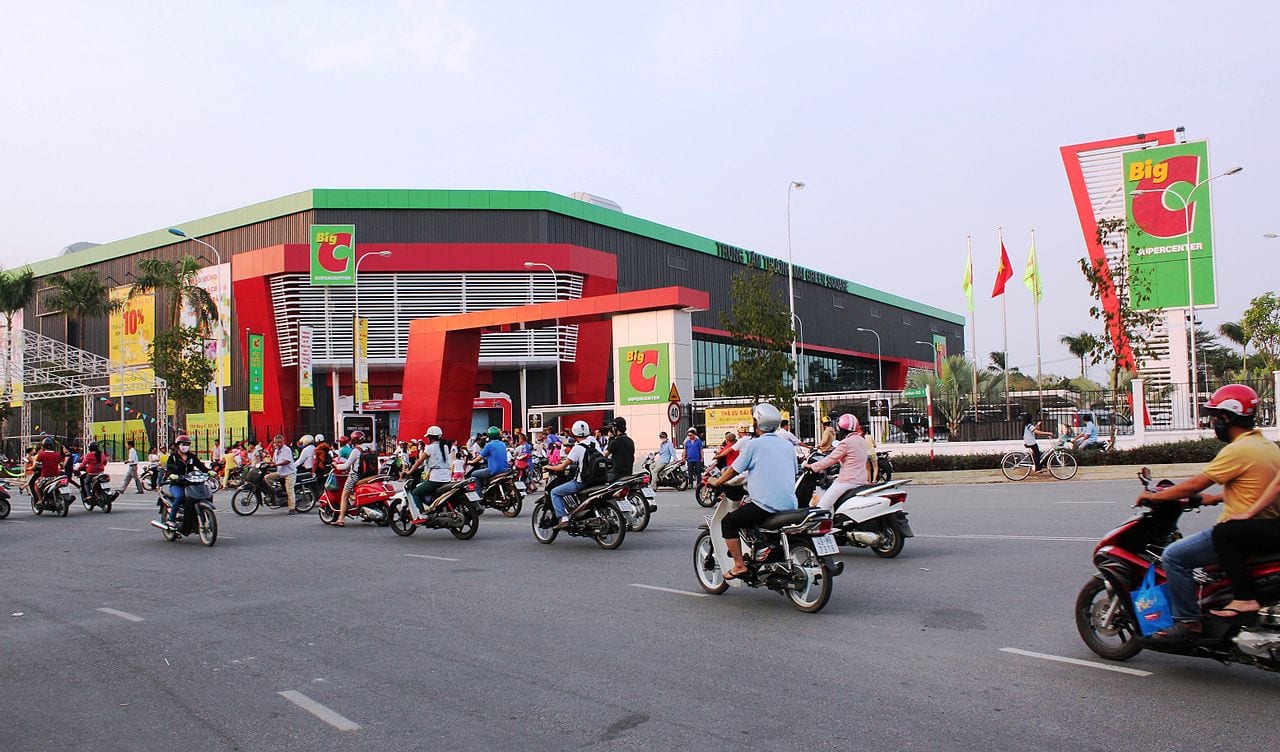
    Shortly after, another giant from Thailand – the Central Group – acquired Nguyen Kim – one of the leading electronics retailers in Vietnam and then Big C.

    In October 2015, Emart – Korean leading retailer – inaugurated a $60 million shopping mall in north Saigon, where another Korean retailer – Lotte Mart – has been successful with 11 supermarkets and expects to increase the number to 60 stores by 2020.

    Most Japanese investors see the success of Aeon in Vietnam as a positive sign for foreign projects. Aeon has opened four trade centers in Vietnam and aims to increase the number to 20 in 2020. By July 2016, another retail giant from Japan –  Takashimaya – opened at Saigon Centre.

    Simply Mart openedthree more stores in Saigon; AuchanSuper – the retail brand from France – also plans to launch another 17 supermarkets by the end of next year in HCM City and 20 stores by 2020 in the north.

    Major fashion brands like Gap, Mango, and Topshop have become the first choice of many young people in Vietnam. In early September this year, Zara opened its first flagship store in HCM City. At the same time, H&M is completing procedures to open its first store in Vietnam early next year.

    According to JLL, a young demographic and high growth potential are the factors attracting foreign investors to Vietnam’s retail market.

    With a population of over 90 million people and 70% of people aged from 15 to 64 and the anticipated annual growth rate of urban population of 2.6% in 2015 – 2020 period, the highest growth rate in Southeast Asia, Vietnam’s retail market is very attractive to foreign investors.

    Increasing disposable income, urbanization rate and living standards have made Vietnam one of the most most dynamic emerging economies in Southeast Asia.

    According to Boston Consulting Group, the upper and middle class in Vietnam are growing at the fastest pace in the region and this number is expected to double from 12 million in 2014 to 33 million in 2020. With income of VND15 million ($700)/month, the consumers of these classes are potential customers for retailers.

    In addition, Vietnam’s e-commerce boom has also contributed to the growth of the retail market.

    A Nielsen report said that that 9 out of 10 consumers in Vietnam (91%) owned smartphones, compared to 82% in 2014.

    Na Son

  • Tesla rents second space in Korea to go Gangnam-style

    Tesla rents second space in Korea to go Gangnam-style

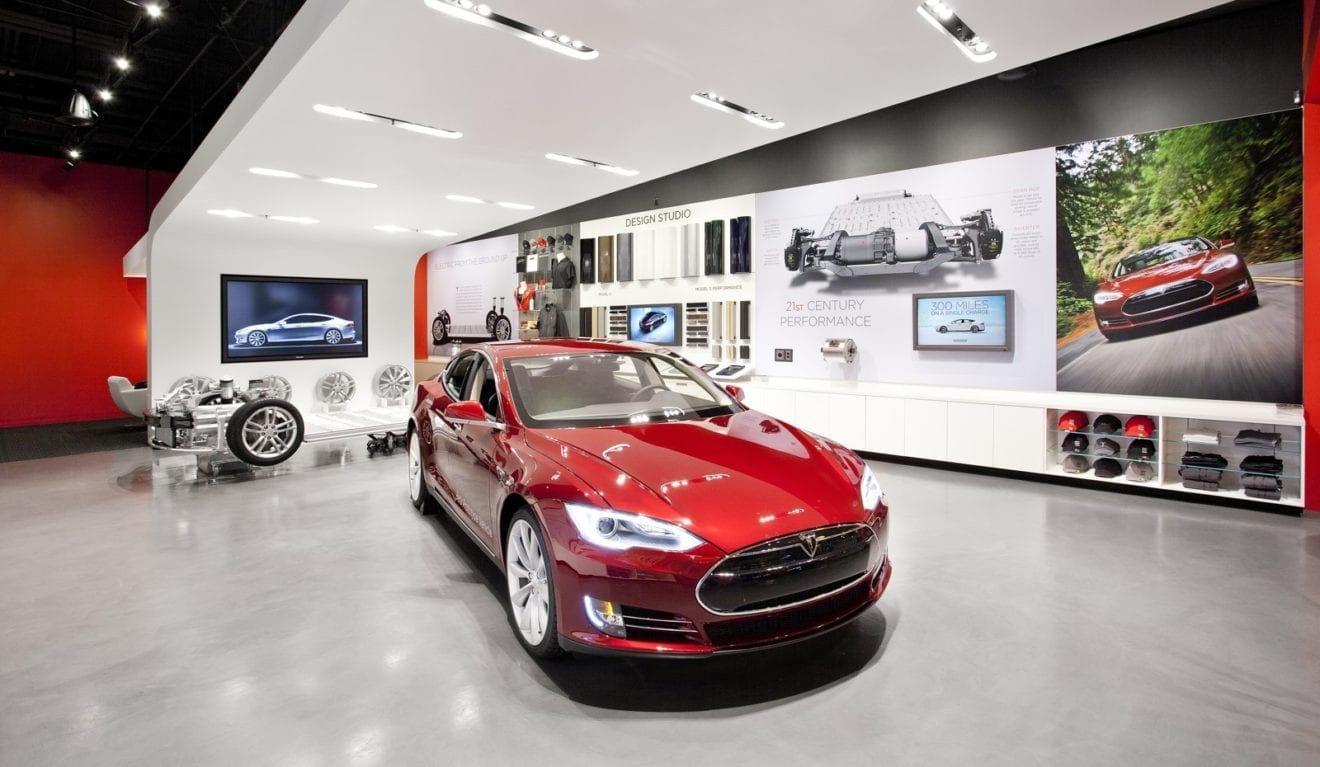
    Tesla Motors is preparing to open a second showroom in Korea in Gangnam, southern Seoul. Its first will open in the Starfield Hanam shopping mall in Gyeonggi in less than two months.

    A lease on three floors of a five-story building in Cheongdam-dong, 131-11, known as Yeongdongdaero 730 under the new address system, was signed by Tesla Motors Korea on Sept. 1. Tesla will rent the building’s basement, first and second floors through Aug. 31, 2021. The rent is 500 million won ($439,059) for the entire period, the document shows.

    The landlord is Bora Trading, a Seoul-based importer of Italian food products including the De Cecco pasta brand.

    Tesla made it official Sept. 2 that it would open its first Korea showroom in Starfield Hanam, a shopping mall that was opened Sept. 9 by retail giant Shinsegae, by December. The announcement came 10 months after the American electric vehicle pioneer opened an office in Samseong-dong, southern Seoul.

    Second showroom for Korea in a building in Cheongdam-dong, 131-11, 

    Tesla confirmed its rental in Gangnam.

    “We have just registered a building on Yeongdong Boulevard,” said Atsuko Doi, Tesla’s head of communications for Asia Pacific, in an email. She added the company hasn’t “planned in detail how we use it.”

    Regarding rumors among auto enthusiasts in Korea that Tesla may choose not to open the showroom in the 212-square-meter (2,281-square-foot) space in Starfield Hanam, she described them as “incorrect.”

    When visited on Monday by the Korea JoongAng Daily, the space Tesla has rented from Bora Trading was already under remodeling. Previously an Italian restaurant, the old interior was torn down completely. One of the workers on the scene said they are working on an automobile showroom without elaborating further. The process is expected to be finished in a month, which would indicate it could open in November at the earliest.

    There is speculation Tesla will open two showrooms simultaneously. The one in Gangnam will be more symbolic of Tesla’s attempt to be considered a luxury brand.

    Cheongdam-dong is Seoul’s swankiest area full of luxury-brand stores including Dior, Cartier and Hermes. Showrooms for Lamborghini, Ferrari and Bentley are less than 1 kilometer from Tesla’s space. Korea’s top automaker, Hyundai Motor, is scheduled to complete by 2021 a 105-story new headquarters just 1.6 kilometers farther down Yeongdong Boulevard.

    The building in Gangnam has been optimized to serve as a car showroom. It was established in 2004 by KUZ Plus, which was the official importer of Ferrari and Maserati until 2006. The floors are framed by huge glass windows to display vehicles.

    In Asia, the California-based company led by business magnate Elon Musk opened its first showroom in October 2010 in Tokyo’s trendy Aoyama district. Now there are three in Japan. Tesla runs 21 stores in China, three in Hong Kong and one in Taiwan, which opened in July.


  • Connecting with the traveling Chinese shopper

    Connecting with the traveling Chinese shopper

    By the end of this year, China’s digital travel sales will amount to more than $95 billion, according to eMarketer. That’senough to rival the revenue of Fortune 500 giant Microsoft. By 2020 this figure will have doubled to around $200 billion.

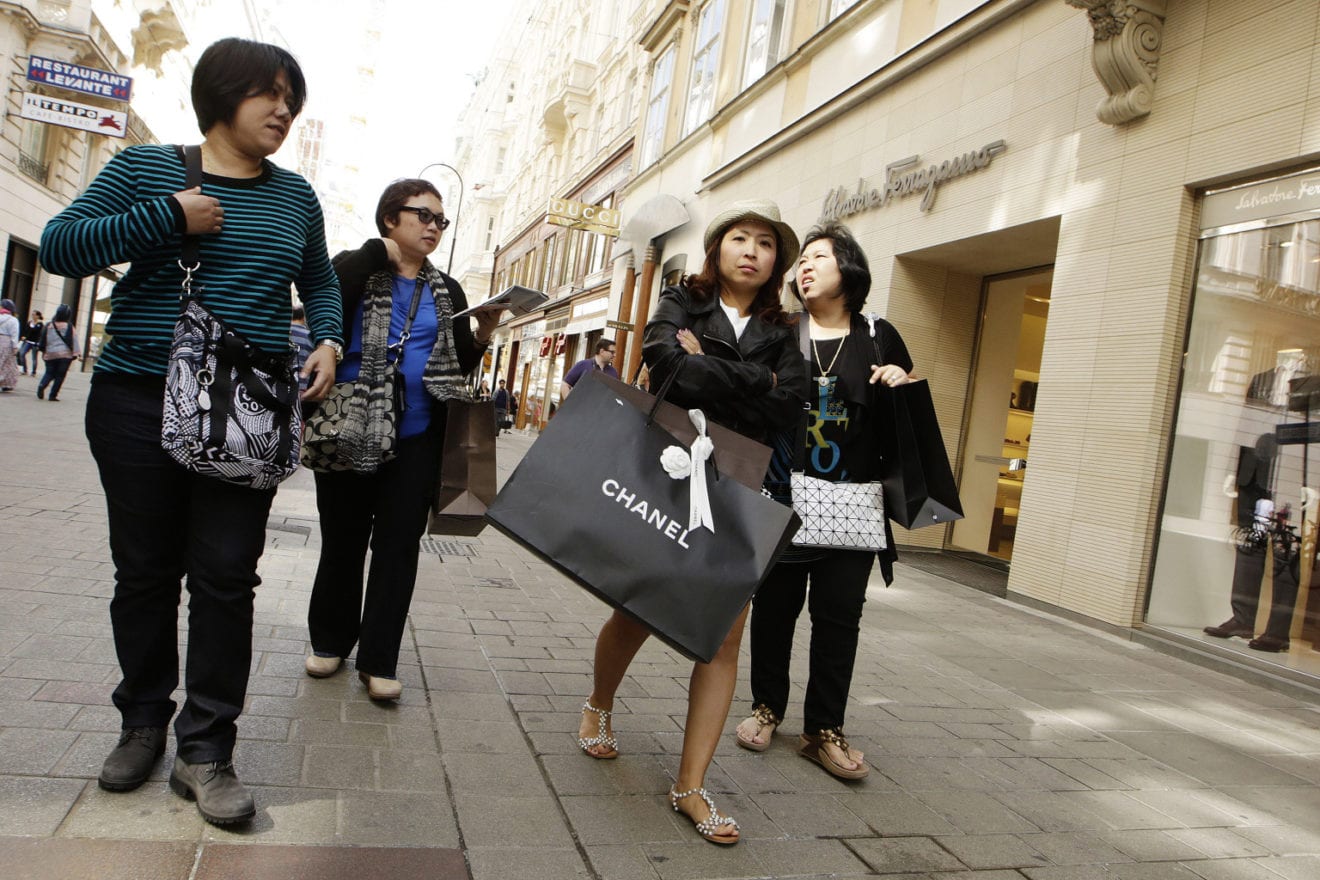
    Retailers and tourism operations globally have been rolling out the red carpet for Chinese shoppers over the past few years. The Australian government introduced a “China 2020” plan in the hopes of bringing $7 billion revenue from Chinese tourist spending.

    In Southeast Asia, the top source of tourism receipts in Singapore and Thailand come from China, as the region remains a top destination due to the historically low prices and geographical proximity.

    With this expected growth, the days of broad-based marketing are over. Competition for the savvy Chinese shopper is more fierce than ever — without personalized and insightful advertising, the shopper would be overwhelmed with companies vying for their attention. Brands that can deliver the best mobile user experience at the heart of their  campaign strategy will be the most trusted among these consumers.

    Mobile-first means user-first Mobile is the most effective channel to reach Chinese shoppers abroad. The IAB reports that 47 percent of Chinese shoppers made purchases with a mobile wallet this year.

    That’s the highest in the world, second only to Norway (42 percent) and the UK (24 percent). The same report reveals APAC has the highest usage of mobile wallet for purchasing products and services of any region in the world.

    To better understand the Chinese consumer, advertisers can analyze their daily habits on their mobile devices. An audience cluster employing real-time and historical data can pinpoint the most receptive users and find the best time to engage them.

    There are many platforms that are more popular in China than other regions—such as WeChat and Weibo — and analyzing this historical data can help isolate the behavior on these devices. Combining real-time data such as device language, network carrier, and operating systems will give a more holistic view of the shopper.

    For example, to profile a Chinese luxury consumer traveling in Singapore, advertisers can identify and group together key indicators, such as the latest iPhone 7 model, connecting through a Chinese mobile carrier and using traditional Chinese language settings.

    Add the potential to pair that with historical location behavioral data identifying them as frequently visiting Singapore, and you can start to build out powerful audience segments. Audience segmentation is becoming increasingly sophisticated and can help advertisers push their branded messages even before the intended customer has departed from China.

    Personalized mobile marketing also allows brands to deliver tailored and timely messages to serve the consumer on their shopping journey. Let’s say, for example, an ideal time to send out an advertisement is in the morning before a shopper heads out of their hotel.

    A helpful campaign indicating the nearest store location and opening hours, combined with a daily coupon, has a higher chance of converting than a non-targeted advertisement.

    With the wealth of mobile data available, advertisers can go one step further and deliver creative campaigns based on device operating system. Most of the time, iPhone ads will lead to a landing page in Safari, and an Android system will take the user into Google Chrome. The ability to tailor each creative format for different user devices can help retailers win over the highly-desired Chinese tourist dollar.

    Brands that want to wow Chinese tourists need to have full visibility of their intended consumers and engage with precise timing to truly encourage purchasing decisions. Given the availability of today’s data, brands that fail to customize their creative message and user experience will only stand to lose out.

  • Macau tourist arrivals rise over Golden Week

    Macau tourist arrivals rise over Golden Week

    Macau’s move to reposition itself from gaming hub to shopping and entertainment destination appears to be paying off already.

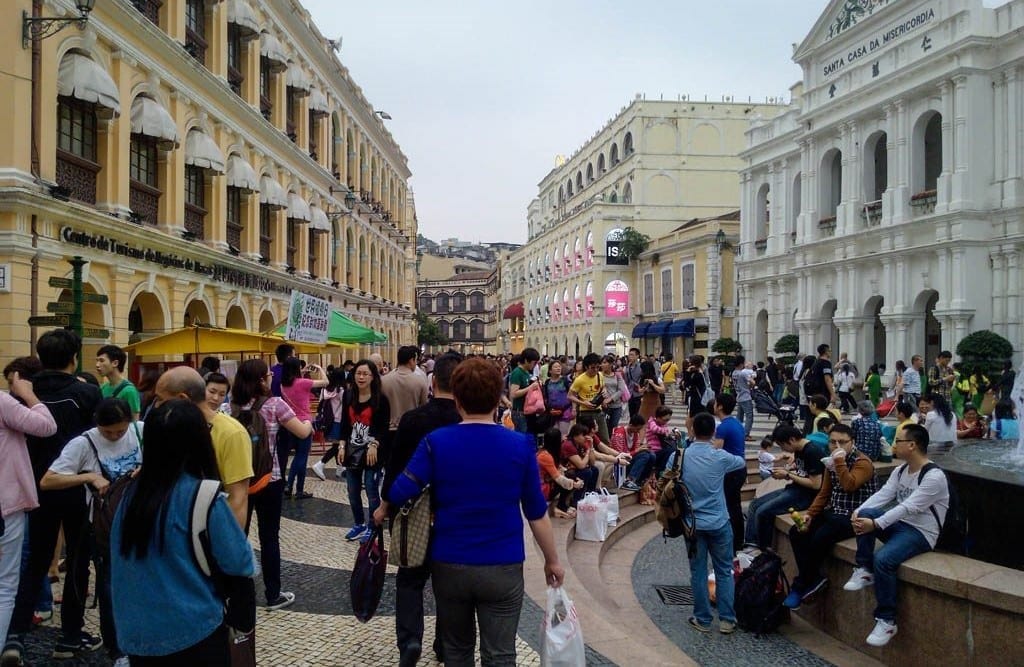
    Tourist numbers rose in Macau over Golden Week as an expanding shopping offer and shows drew 8.45 per cent more visitors than the same period last year.

    During Golden Week – from October 1 to October 10 – 1.61 million people visited Macau according to data from the Public Security Police Force.

    Total border crossings at the city’s seven immigration checkpoints reached 4.7 million for the 10 days: 2,355,720 arrivals and 2,359,090 departures.

    Of the seven border checkpoints, the Border Gate recorded the highest number of arrivals and departures, at 1.15 million and 1.28 million, respectively. The second popular border was the Outer Harbour Terminal on the Peninsula, with 157,211 arrivals and 150,749 departures recorded.

    The busiest day of Golden Week was the third day with 520,386 border crossings registered.

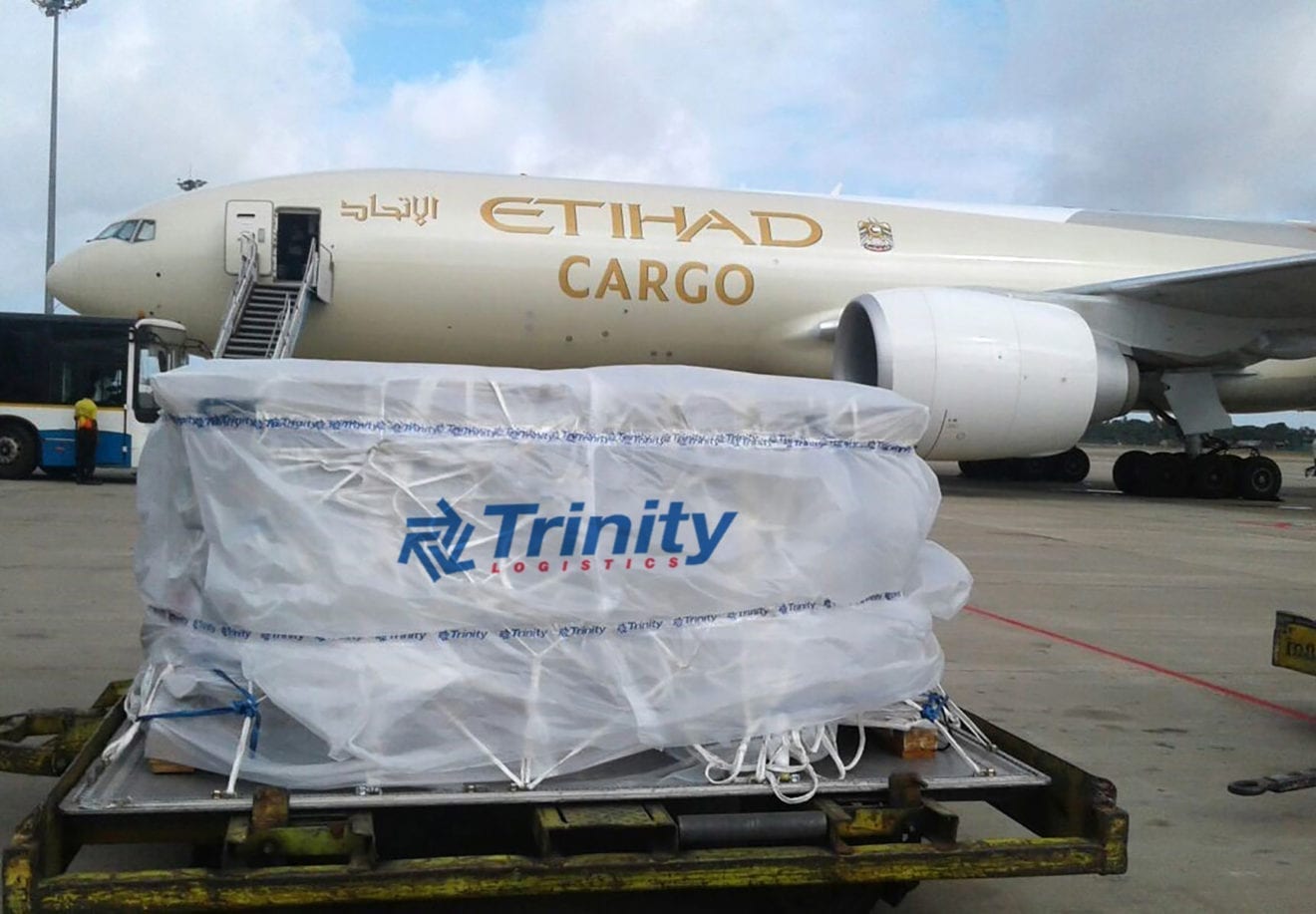
  • Etihad Cargo has signed a multimillion-dollar deal with Trinity Logistics

    Etihad Cargo has signed a multimillion-dollar deal with Trinity Logistics

    Under the agreement, the carrier will fly freighters on behalf of the New York-based forwarder from Colombo, Sri Lanka to Columbus, Ohio and to East Midlands Airport in the UK. The weekly flight will be operated with Etihad’s Boeing 747-8F, which offers a cargo capacity of approximately 135 tonnes, or one of Etihad’s 777Fs, which have a capacity of approximately 103 tonnes.

    “Through our partnership, Etihad Cargo and Trinity Logistics are committed to facilitating this important trade,” said David Kerr, senior vice president of Etihad Cargo. “The flexibility our freighter fleet affords us means we are well placed to serve the fashion industry which is so reliant on a responsive supply chain.”

    According to Trinity Logistics, Etihad Cargo had already operated several charter flights for the company over the summer, and the new service will facilitate the movement of garments manufactured in Sri Lanka for brands such as Abercrombie & Fitch, GAP, Nike and Victoria’s Secret.

    “We select our global carrier partners based on their ability to understand the business of our clients,” said David Pereira, president of Trinity. “With Etihad Cargo, they not only displayed knowledge, but understood the value of creating a sustainable product to a very important cargo zip code in United States.  We expect our clients to benefit greatly from this game-changing solution that guarantees them speed and predictability.”

  • Singtel expands MSS alliance with Akamai

    Singtel expands MSS alliance with Akamai

    Singtel announced it has expended its alliance with Akamai by becoming the world’s first telco provider to have its advanced security operations centre staff certified to deliver Akamai managed security services.

    The two companies teamed up last month to offer DDoS mitigation services based on Akamai’s Intelligent Platform to enterprises across APAC.

    Now this alliance has been expanded, with Singtel’s ASOC staff trained and certified to deliver professional managed and security services for Akamai’s web security portfolio in the region.

    Singtel is launching the capability for Singapore enterprises first before expanding it to other regional APAC markets.

    “This partnership augments our award-winning Managed Security Services by integrating our ASOC in Singapore with Akamai’s best-in-class cyber security solutions,” Singtel Group Enterprise managing director for cyber security William Woo said.

    “The partnership further strengthens our existing relationship with Akamai, taking it to a new level of collaboration to reinforce Singapore as a safe business hub, and the Asia Pacific as a region which is conducive for doing business.”

    Singtel operates a network of eight security operations centers across Asia, Europe and the US, including its advanced security operations center in Singapore.

  • U-Freight welcomes call for global e-trading platform

    U-Freight welcomes call for global e-trading platform

    The U-Freight Group has welcomed the call for the establishment of an electronic world trade platform (eWTP) whose objective would be to reduce barriers to make it easier for small and medium-sized enterprises to expand their trading capabilities worldwide.

    The call was made recently by Jack Ma, executive chairman of e-commerce giant Alibaba Group, who believes that such a platform is going to be very fundamental for the next 20 or 30 years for the world economy, and for this century.

    U-Freight agrees that e-commerce can significantly reduce costs for SMEs and also ease access to customers. It believes that such an eWTP will provide SMEs with a transparent and open platform to sell their goods and services globally, thus facilitating their inclusion in cross-border e-trade.

    In Ma’s vision, businesses would create hubs for e-commerce and governments would create virtual free trade zones for small businesses. The eHubs would allow small businesses in one country to sell to consumers in another, with low or no import duties, speedy customs clearances and better access to logistics. When connected, this would create a global network that becomes the eWTP.

    U-Freight Group ceo, Simon Wong says that his company has been showing its commitment to developing e-commerce logistics and in respect of cross-border e-commerce in China, U-Freight has already been qualified by China Customs and CIQ as a licensed Cross-border E-Commerce Enterprise, as well as a Cross-border E-Commerce Logistics Service Provider.

    “We are now concentrating on leveraging the experience that we have already gained in Chinese cross-border trade to make sure that our other strategic hubs in Asia, Europe and North America are equipped to handle the boom in business that will be associated with ever-growing global e-commerce.

    “What Mr Ma is proposing is a platform that can lower the threshold and enable more people around the world to conduct trade by reducing barriers and making it easier for SMEs to expand their trading capabilities.

    “U-Freight believes that such an eWTP would provide SMEs a transparent and open platform to sell their goods and services globally, thus facilitating their inclusion in cross-border e-commerce and leading to a massive growth in cross-border shipments.

    “That’s why we are making significant investments to make sure that we are ready to deliver the logistics services that will be required.”

  • AIS, Dtac enable cross-network VoLTE calls

    AIS, Dtac enable cross-network VoLTE calls

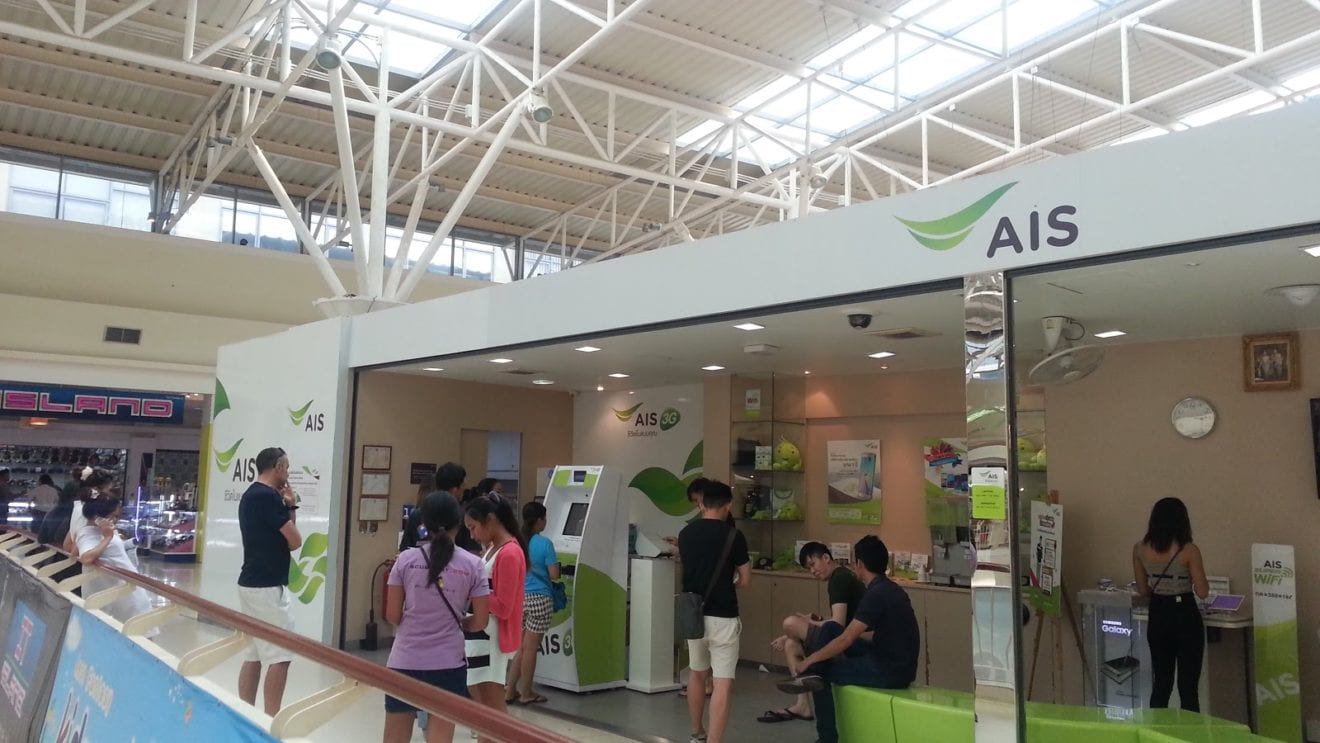
    In a first for the Asean region, Thai operators AIS and Dtac have teamed up to facilitate cross-network VoLTE calls.

    The operators enabled AIS-Dtac VoLTE calls last week and plans to implement cross-network 4G video calls from Tuesday.

    Cross-network VoLTE calls are being made available to both prepaid and postpaid customers at no additional cost.

    While each of Thailand’s top three mobile operators – AIS, Dtac and True Corp – recently launched VoLTE, the functionality had previously only been available for within-network calls.

    Industry watchers believe the move may be an attempt by market leaders AIS and Dtac to fend off competition from fast-growing challenger True Corp. But the Nation quotes True Corp’s chief commercial officer Kittinut Tikawan as stating that the company is confident it can negotiate simila deals with both AIS and Dtac.

    The move will also pave the way for the launch of the iPhone 7 and iPhone 7 Plus in Thailand later this month.

  • Bharti Airtel launches VDSL vectoring

    Bharti Airtel launches VDSL vectoring

    India’s Bharti Airtel has launched a new VDSL vectoring service the company has branded V-Fiber, capable of delivering speeds of up to 100Mbps.

    The company’s new service has been launched in Chennai, and is being rolled out across Airtel’s national broadband network – which spans 87 cities.

    Airtel will offer the service to its existing customers at no additional cost, except for the cost of an upgraded modem. For new subscribers, Airtel will offer an unlimited three month trial offer.

    The operator will now also offer all its fixed broadband subscribers unlimited voice calling at no extra cost, and is providing a rewards program to allow broadband customers to get 5GB of additional mobile data per month if they are also subscribed to Airtel’s mobile services.

    As part of Project Leap, Airtel’s nationwide network transformation initiative, the company is meanwhile augmenting its 550,000km of domestic and international fiber capacity to improve latency and customer service and meet growing demand for data services.

    “India is witnessing an explosive growth in data usage and a lot of in-home data consumption is happening over fixed broadband that offers consistent speeds. Airtel has always innovated ahead of the curve and offered its customers best-in-class broadband technology and experience,” Airtel director of operations Ajai Puri said.

    “With ‘V-Fiber’ and our national optic fiber backbone, we are all set to offer a future ready network for tomorrow’s digitally connected homes. This solution, besides reducing our carbon footprint, offers a very quick and convenient upgrade to the customer.”

    Airtel is bracing for the anticipated impact of the planned entry into the fixed broadband market of Reliance Jio Infocomm, the disruptive pan-Indian 4G service provider with an extensive existing fiber footprint.

  • Take a bite out of the Indonesian digital pie

    Take a bite out of the Indonesian digital pie

    Recent research has highlighted the potential increase in digital ad spend in Indonesia over the next five years. Brands yet to venture into Indonesia’s booming digital ecosystem must expedite their entry strategies to ensure getting a share of this lucrative pie.

    A report has highlighted the growing potential of digital retail from Indonesia. This is attributed to the increasing use of mobile devices, especially with cheaper smartphones enabling a greater population to access the digital sphere. This rapid growth projects digital ad spending to increase to 20.4% of all media ad spending by 2018, up from 10.7% in 2016. This report illuminates the expanse of Indonesia’s digital ad market that could be further developed, and have an emergent interest in the technology amongst local advertisers.

    With the largest population in Southeast Asia, an exponential increase in digital adoption, and a seemingly insatiable appetite for e-commerce and social media, Indonesia is the puzzle every brand wants to solve.

    However, does this mean the death of the traditional advertising and offline retail? Are you as a marketer confident in leaving your brand in the hands of the bots?

    While digitisation has revolutionised the marketing function in Indonesia, brands cannot assume that a digital presence is the solution to building market share. Because of the increase in digital ad spending cited above, the question of effective brand engagement is more crucial than ever.

    So what can brands do to continue engaging their consumers beyond their finger-tips and into their hearts and minds? And more importantly, how can you build loyalty in a competitive market like Indonesia?

    Going beyond Digital

    The consumer journey is not limited to just the digital sphere. Rather than situating offline and online as extreme entities, they should be treated as a continuum. Take the example of Zalora. Marketed as the leading online apparel retailer in Asia, Zalora launched several pop-up stores in order to let consumers try their items before buying, thereby reducing return rates.

    Strategic alliances between logistic services and e-commerce consumer brands like Zalora are revolutionising the customer experience. The traditional is not dead. It is revamped with renewed excitement. Digital is an essential medium for marketers to reach out to their audience. This is more so imperative in the emerging scene of digital marketing in Indonesia to start with the right foot in.

    To take a first-hand look at how leading marketers are tackling Indonesia’s digital frontier, be involved in Digital Marketing Indonesia that is happening on 24th and 25th November at Mandarin Oriental, Jakarta.

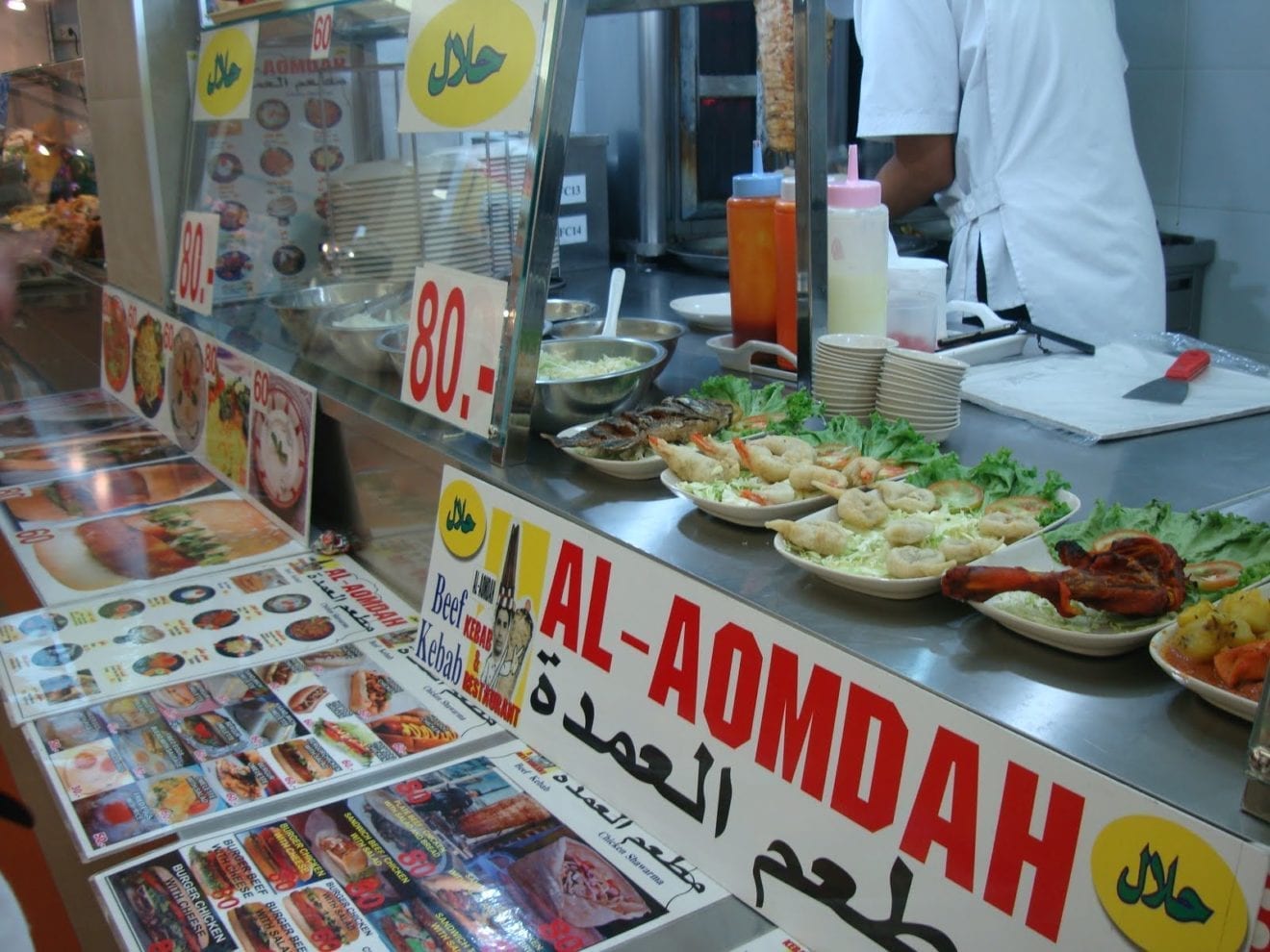
  • Brazil Challenges Indonesia`s Halal Certification Policy

    Brazil Challenges Indonesia`s Halal Certification Policy

    Brazil has filed a complaint against Indonesia to the World Trade Organization (WTO), challenging Indonesia’s halal certification requirements for imported meat.

    The trade dispute has been registered in Indonesia-Measures Concerning the Importation of Chicken Meat and Chicken Products No. DS:484. The second substantive meeting was held on October 11-12 at the headquarters of the WTO in Geneva, Switzerland.

    Ahmad Firdaus Sukmono, head of Trade Advocacy Bureau, the Trade Ministry, said that the policy is implemented as part of the government’s consumer protection efforts. “The dispute is focused on Indonesia’s rights to ensure compliance with food safety and halal requirements,” he said on Friday.

    Brazil has also lodged claims against Indonesia for its import restrictions, namely the positive list, usage requirements, transportation modes in import and suspension of sanitation requirement approval. Brazil claims that such policies have hampered Brazil’s export to Indonesia.

    Being the world’s largest chicken exporter, Brazil sees that the access to Indonesian market has been shut down in the past seven years. Because Indonesia only allows exported halal whole chickens which are slaughtered individually in henhouses. “We suspect that Brazil has yet to implement it,” Firdaus said.

    Firdaus said Indonesia has responded to Brazil’s claims. “Indonesia has been very transparent in import regulations and requirements.”

    Malaysia had also filed complaints about the difficulty in obtaining halal certification in Indonesia even though Malaysia has got its products halal certified by Jabatan Kemajuan Islam Malaysia, according to Malaysia’s International Trade and Industry Minister Dato’ Sri Mustapa Mohamed. However, Indonesia requires imported products to be halal certified by the Indonesian Ulema Council.

  • Indonesia eyes 2017 relaunch for Merpati

    Indonesia eyes 2017 relaunch for Merpati

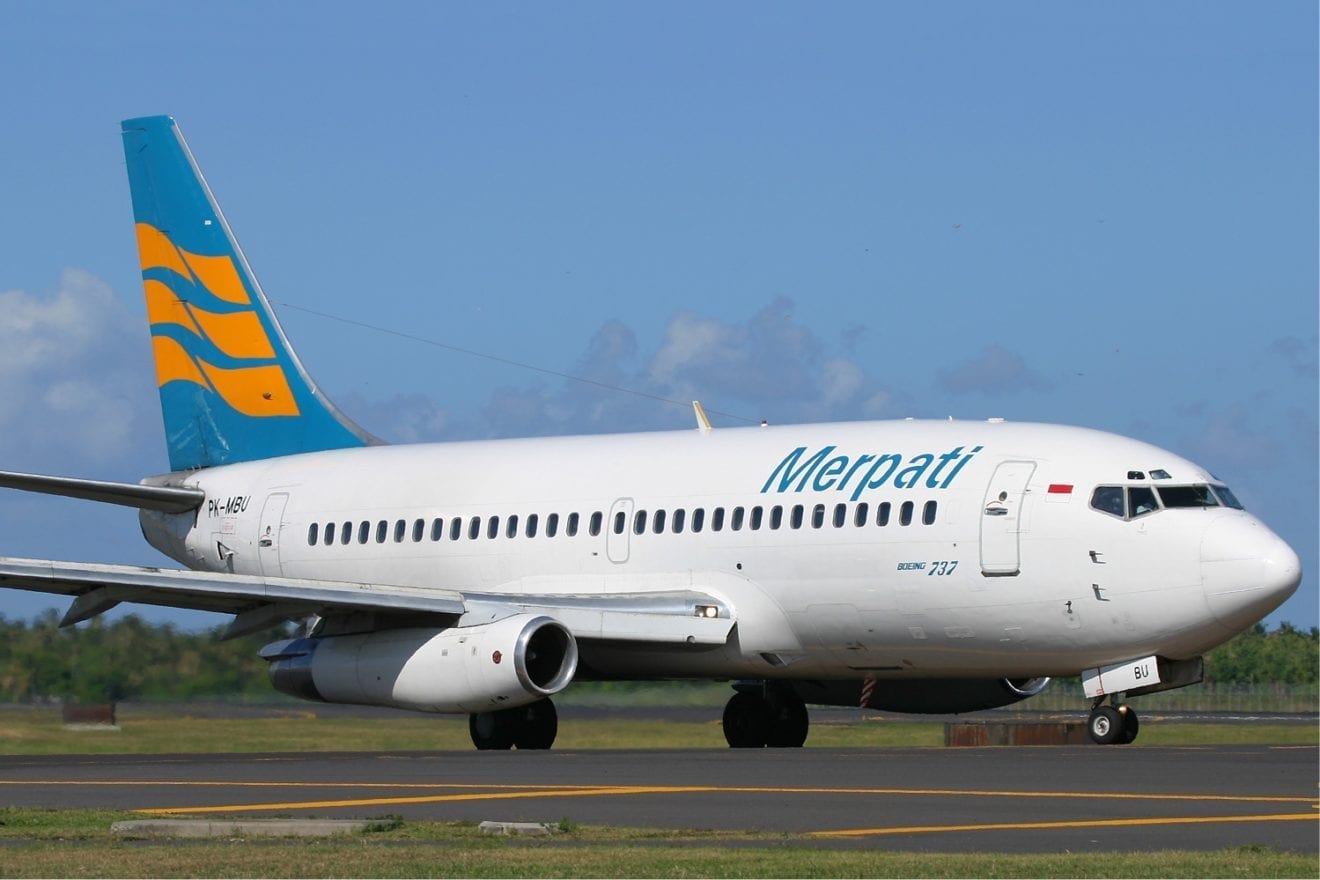
    Merpati (MZ, Jakarta Soekarno-Hatta) is planning to resume commercial operations during the course of 2017 the Deputy for Restructuring and Business Development in the Indonesian Ministry of State Owned Enterprises, Aloysius K. Ro, has announced.

    Merpati ceased operations in February 2014 after it failed to service nearly IDR7 trillion worth of debt owed to other parastatals including airport operators Angkasa Pura I and Angkasa Pura II and energy company Pertamina among others. It specialized in serving the more remote areas of the Indonesian archipelago using B737 Classics, MA-60s, and DHC-6 Twin Otters.

    Speaking to the Tempo news agency, Ro said the relaunch would coincide with the completion of the defunct carrier’s restructuring programme. Thus far, majority shareholder, government, has injected IDR500 billion rupiah (USD38.3 million) into Merpati to cover its debt portfolio while laying off 1,500 staff.

    “We hope it can resume operations in 2017 if in the remaining one year it receives a privatization permit from the Finance Minister and investors are ready to invest in it,” he said. “But it is not easy to find investors to invest in air transport business under normal condition, let alone in a difficult one as experienced by Merpati.”

    Initial operations will likely focus on Papua, Indonesia’s largest and easternmost province, using a fleet of twenty-seater turboprops.