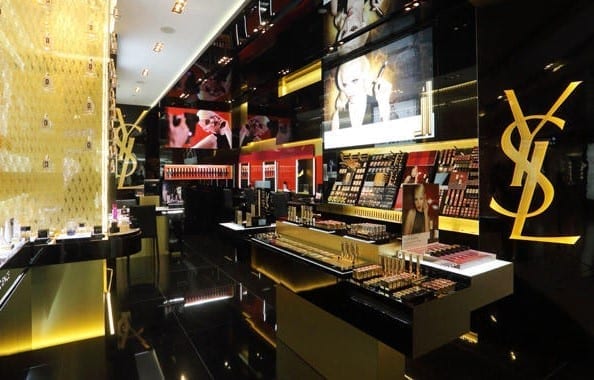
It is a new concept for Saint Laurent, featuring the collection of its newly appointed creative director Anthony Vaccarello, as well as an exclusive envelope chain bag collection available in seven colours and finishes.
Mirrors and marble will be a feature of the interior finish of the store.
Later this year, Saint Laurent plans to open a second store in Kuala Lumpur, in Pavilion KL.
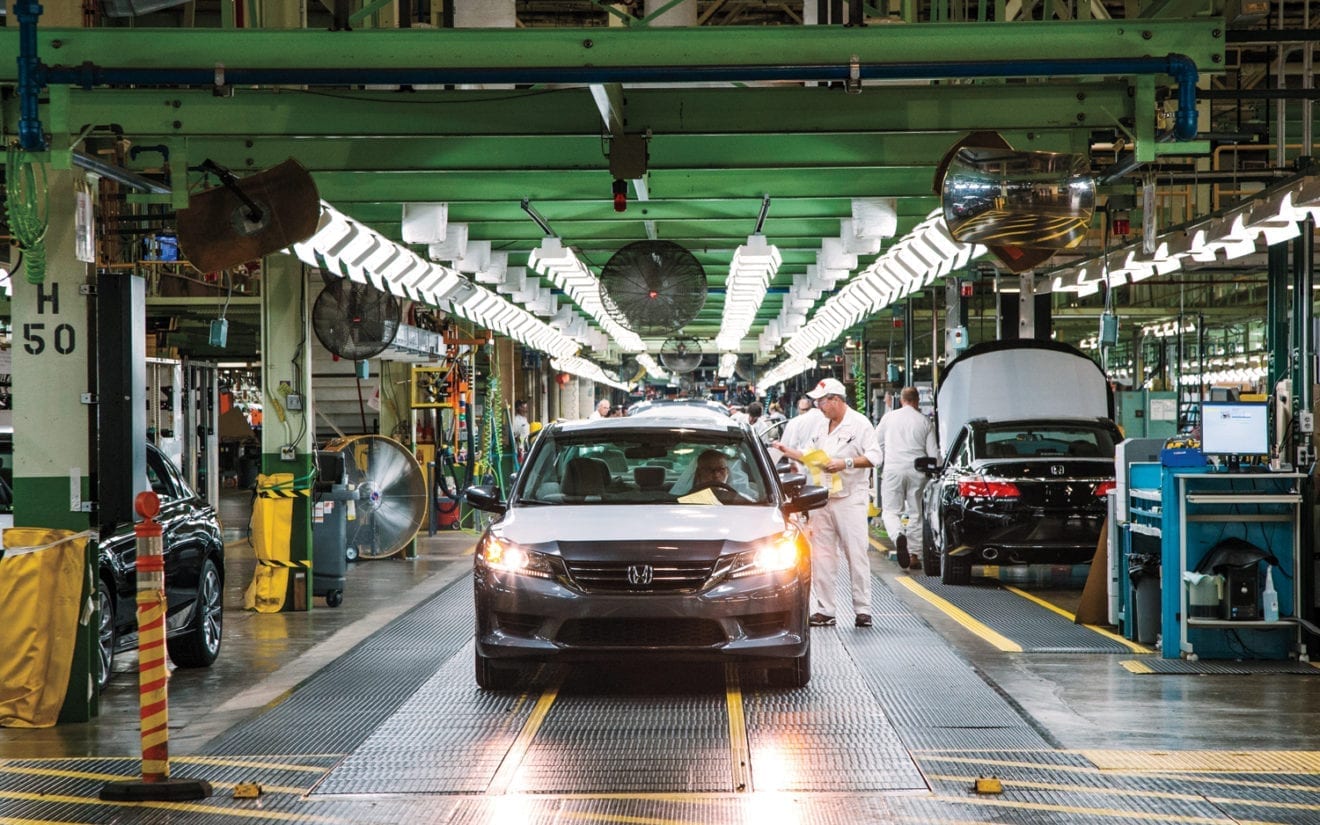
Honda Motor Co plans to build a new factory in China that will produce passenger cars from 2019, boosting its output capacity in the country by about a fifth, two people familiar with the matter said on Tuesday.
Honda and partner Dongfeng Motor Group Co (0489.HK) are experiencing explosive growth in China with sales for their joint venture soaring 48 percent for the year to date thanks to the popularity of the XR-V sport-utility vehicle as well as the recently launched Civic sedan.
At the same time, the venture, Dongfeng Honda, is coming close to its capacity limits at its two factories, targeting sales of 450,000 vehicles for 2016 – not far off current annual capacity of 480,000.
The new factory will be located in Wuhan, central China, a major auto hub. It will initially produce 120,000 cars a year, with capacity likely to double eventually, the sources said, declining to be identified as there had not been a formal announcement by the companies.
Honda confirmed that it was discussing the additional plant in Wuhan with Dongfeng, but that it had nothing official to announce now. A Beijing-based spokesman for Honda said the project had yet to be formally approved by the company or the government.
The plan was initially reported by the Nikkei business daily, which said the venture planned to spend “hundreds of millions of dollars” on the factory.
The new factory would be Honda’s seventh in China. Honda also has a joint venture with GAC Group (601238.SS)(2238.HK) called Guangqi Honda which has three plants. The Japanese automaker also has a separate plant for exports.
Honda said in April it was looking to boost car sales in China to 1.07 million cars this year. It sold 1.01 million vehicles in 2015, a 33 percent jump over the previous year.
Auto sales in China strengthened in September for a consecutive fifth month, rising to a three-and-a-half year high.
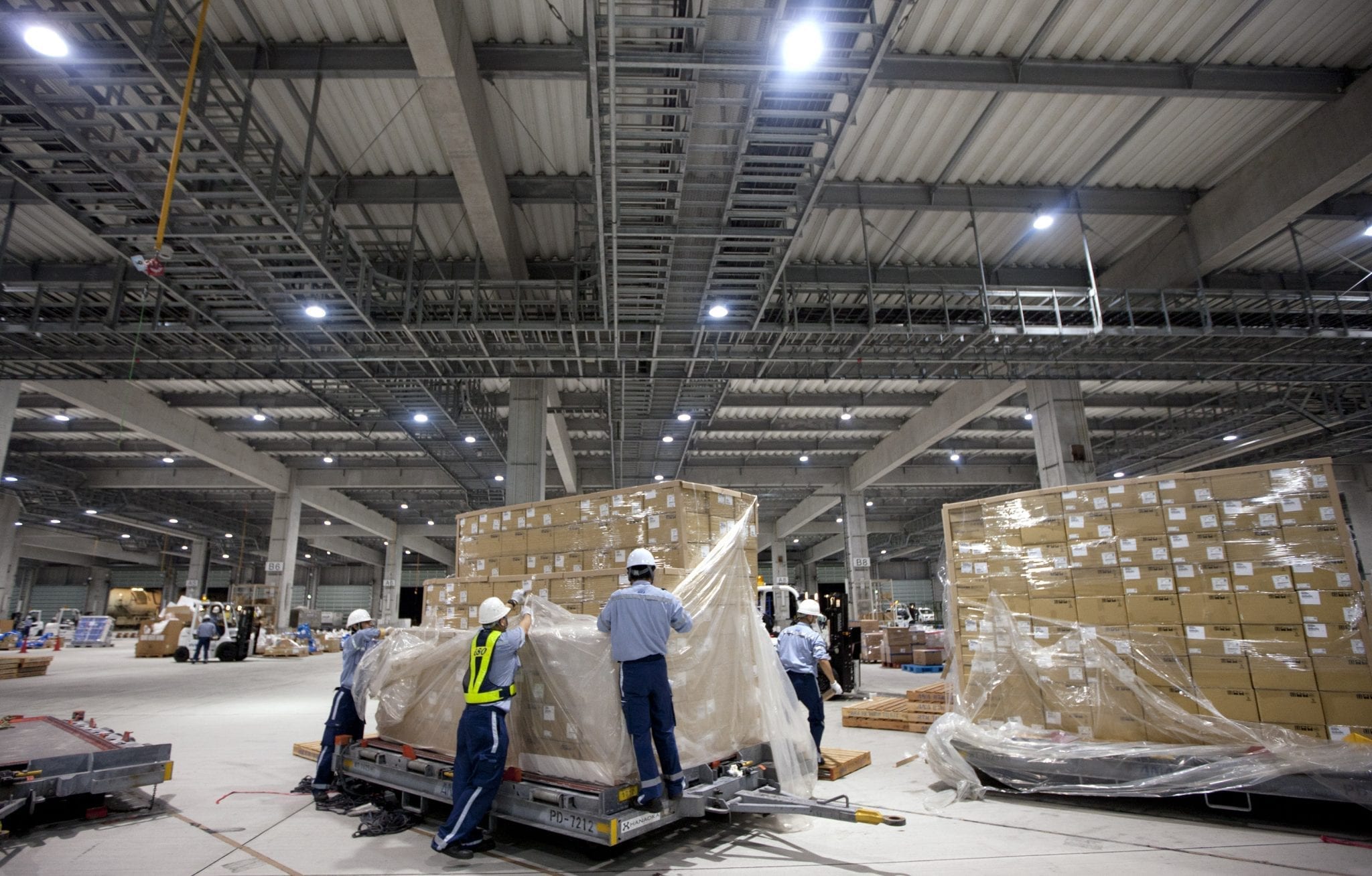
All Nippon Airways’ cargo arm is taking aim at the Asia-US and automotive markets as a way to differentiate itself and to strengthen its overall competitiveness.
“The market situation is not so easy right now,” says Toshiaki Toyama, president of ANA Cargo. “In order to maintain profitability or minimize loss, we need to adjust our freighter capacity in accordance with the market situation. As a combination carrier, we handle a lot of transit cargo between Europe or the US and Asia. We’re looking carefully at the role of each freighter flight and we’re planning to reduce some capacity for the winter season.”
Transit traffic between Asia and the US will increasingly be a major focus of ANA Cargo’s strategy going forward. This was given a large boost in July 2016, when the carrier launched its trans-Pacific joint venture with United Cargo.
“Frankly, we’ve been a little bit surprised because the response has been even better than we expected,” Toyama says. “In particular, we have a lot of manufacturer customers in Kyushu connecting to United’s San Francisco flight at Haneda and they seem to be very satisfied with the shorter lead times.”
The first phase of the joint venture began on July 5, covering eastbound cargo from Japan to Canada and the US.
“From the number of cross bookings between UA and us, we can see that the customers are very supportive of this programme,” says Toyama. “We’re preparing for the next phase for westbound traffic, which is scheduled to be early next year. Phase three will include the rest of Asia.”
Another opportunity exists in the expanded slot arrangement at Haneda Airport. In February 2016, the Japanese and US authorities agreed to give the two countries five day-time slot pairs and one evening slot pair each at Haneda, as opposed to the four evening slot pairs each country used to have. As a result, ANA has already decided to shift a New York and a Chicago flight from Narita to Haneda from late October 2016.
“From Japan to New York and Chicago, more than 50% of the total volume is transit cargo,” says Toyama. “The timing of the two flights enables morning connections at Haneda of about four hours from Shanghai, Singapore, Bangkok, Jakarta, Seoul, Taipei and Hong Kong.”
ANA is the only airline to operate its own cargo facility at Haneda, with an 8,800-square-metre warehouse next to the larger Tokyo International Air Cargo Terminal.
“We actually use TIACT too,” Toyama says. “I think it’s sufficient for now, because there’s a lot of vacant space at TIACT. We also want to minimize costs – Haneda is incredibly expensive and probably one of the most expensive [airports] in the world.”
He adds that ANA is in discussions with Japan Airlines and Nippon Cargo Airlines to jointly develop an e-cargo programme, and that he hopes that project to be at 100% by 2020.
Network expansion on the passenger side will also contribute positively to the cargo business. The airline launched Wuhan in April 2016, Phnom Penh this month, and is due to launch Mexico City in February 2017.
“These destinations are very attractive for the cargo business too,” says Toyama. “Mexico is an automobile manufacturing centre and Japanese manufacturers like Nissan and Honda have factories there. The supply chain doesn’t just include Japan but also major Asian points such as Tianjin, Guangzhou and Bangkok. We still have a few months until the launch but we’ve already received a lot of enquiries from automobile companies and forwarders.”
According to Toyama, Wuhan is an important target area for the carrier because of the Chinese government’s decision to shift development from the coast to inland areas.
“I think it’s a reasonable base but I’m not satisfied yet,” he says. “I expect we’ll be able to gradually increase our load to and from Wuhan. Nissan and a lot of semiconductor companies are there, so we’re talking with them and with forwarders about utilizing our network.”
Not wanting to lose out on growing e-commerce demand to mainland China, ANA Holdings invested in a young Japanese IT company called ACD in June to provide total logistics solutions including special customs clearance services into China. The service started in September. The first phase of the service is targeted at Japanese retailers and began in September, with plans to expand that to Taiwan, Korea and the US.
ANA Cargo’s fleet consists of 12 Boeing 767 freighters, which Toyama says is enough for now.
“In our mid-term strategy, we have plans in place to increase the fleet to 13 or 14 if we need to, depending on the market situation,” he says. “The advantage of the 767 is it allows us to access smaller and medium-sized markets such as Cambodia and Myanmar. Wuhan is also a candidate for the 767F, but it’s not yet at a level that requires a regular freighter. Our 767F network is designed around automobile-related demand. That’s why we’re operating it to Tianjin, Shanghai, Guangzhou, Jakarta and Bangkok.”
The range of the 767F restricts it predominantly to Asia. According to Toyama, ANA is looking carefully at the possibility of operating larger and longer-range freighters, particularly to the US.
“The passenger side is planning network expansion but they’re more aggressive on Asian routes,” Toyama says. “In order to achieve network balance in terms of cargo demand, we need more capacity to and from the US. The JV with United is one of the solutions, but if we can’t cover all the demand we will need to think about trans-Pacific freighters.”
One shouldn’t expect to see ANA Cargo’s blue and white livery on a 747-8F or 777F anytime soon though. And even if the carrier decides to go down the trans-Pacific road, it wouldn’t necessarily have to acquire and operate its own aircraft, with options such as charters or ACMI available.
“Of course, having a large-sized freighter is a dream for us,” says. “But I think we need to be realistic.”
Hong Kong free to air TV broadcaster ViuTV has unveiled its content lineup for 2017 with more “real choices” for Hong Kong viewers as ViuTVsix, an English-language channel, will be launched at channel 96 on March 31, 2017.
ViuTVsix will provide viewers with news and public affairs programs, variety shows, infotainment, classic and latest dramas.
In 2017, ViuTV will continue to bring a wide range of extremely entertaining and compelling programs, including Cuisine in Darkness hosted by I Love You Boyz and veteran chef Gabriel Choy, Being Director, Priceless, a series of microfilm directed by Jim Chim, Christine Ng, Prudence Liew and Kevin Boy, Full Time Mama On Vacation, Train You Mother, Grade6 in University and IQ148.
ViuTV will broadcast different dramas from Monday to Friday, including Ex, Mid-Night Cousin starring by Hong Kong Film Awards Best Supporting Actor Michael Ning, and Urban Legend hosted by David Siu and Queenie Chu.
As an open platform for music lovers, ViuTV will work closely with different music labels to promote “real music” to Hong Kong viewers. For example, superstar Alan Tam will host a nine-episode music program to be aired in 2017.
Also, ViuTV will bring Asia’s hottest drama and variety shows to Hong Kong viewers in 2017, including W, DOCTORS, Love in the Moonlight, Natusko Kira, Crime Scene, Takeshis Medical Check-Up Show and Hometime Pride.
ViuTV will also screen a variety of world-class sports events, including HK Sevens, Hong Kong Marathon and selected LaLiga matches in live.
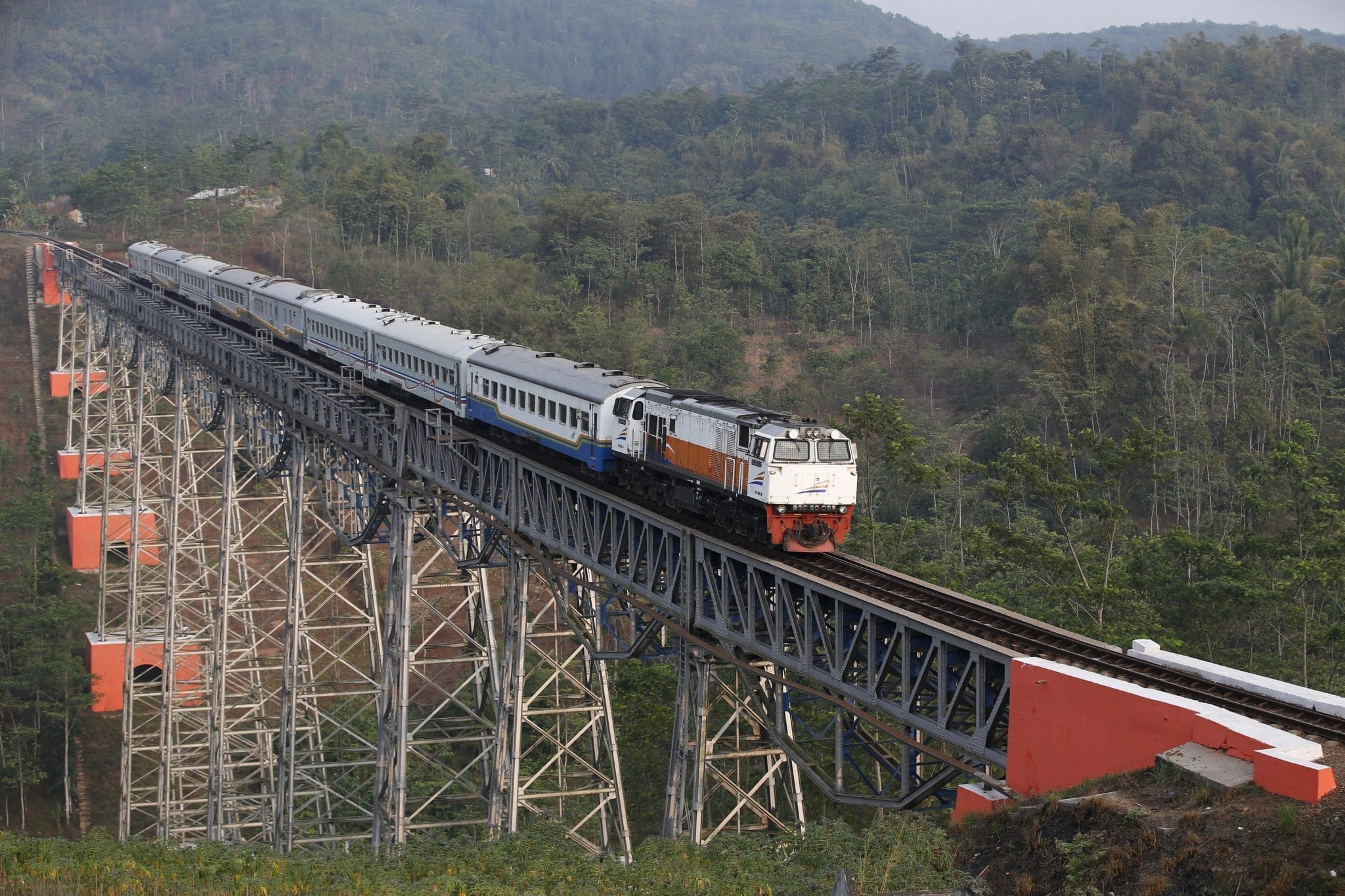
State-owned railway company PT Kereta Api Indonesia (KAI) has offered at least 600 old train cars to Myanmar.
“We have about 600 20-year-old cars. They can run up to 60 kilometers per hour. But they need to be reconditioned,” KAI director of logistics and development Budi Noviantoro said in Yogyakarta.
Budi explained that his company has sent a technical team to Myanmar to conduct a survey. As the company purchased new cars from General Electric, PT KAI had no longer used the old cars for its operations.
The Myanmar Ambassador to Indonesia has offered PT KAI to operate the country’s railway, reflecting a cooperation commitment to realize the mass transportation project.
“Myanmar has had trains. But the speed is limited only to 30 kilometers per hour,” Budi said.
Budi pointed out Myanmar has a huge potential in the railway sector, but the government could not yet optimize the potential, as the situation in the country has just been stabilized.
In addition, KAI has also discussed a cross-border railway project, connecting Kunming, Vietnam, Thailand, Malaysia and Indonesia. Delegations of six ASEAN countries, including Myanmar are currently meeting in Yogyakarta to discuss the cross-border railway project.
KAI president director Edi Sukmoro said that the cross-border railway network can be realized since railway transportation is the most important part in the ASEAN Economic Community era.
“In Europe, a car can be transported by a Ferry. In the future, Indonesia can have this,” he said.
Celestial Tiger Entertainment (CTE) has launched its flagship Chinese movie channel, Celestial Movies, on SK Broadband – a major pay TV platform in South Korea with over 3.8 million subscribers.
The channel is now available on SK Broadband’s linear service “B tv” as well as OTT services “B tv plus” and “oksusu”. The deal marks CTE’s first foray into South Korea.
“This launch in South Korea is a very important milestone for Celestial Tiger Entertainment as this marks the 16th country for our network footprint,” said Todd Miller, CEO of CTE.
Celestial Movies will be fully localized with Korean subtitles. The channel will offer Chinese blockbusters and iconic films covering a diverse range of genres and featuring superstars like Jet Li, Chow Yun Fat, Stephen Chow and Nicolas Tse.
Celestial Movies also airs special programming each month centered around themes such as tribute to stars, special holidays and particular genres. Beyond movies, the channel also presents interviews with renowned Chinese stars and directors.
Celestial Movies is CTE’s flagship Chinese movie channel in Asia. In Malaysia, Celestial Movies, Celestial Movies HD and Celestial Classic Movies continued to dominate the Chinese demographic as the top three most-watched regional movie channels among Astro Chinese 4+ audiences in the first six months of 2016. In Indonesia, Celestial Movies remained among the top four regional movie channels including Hollywood services.
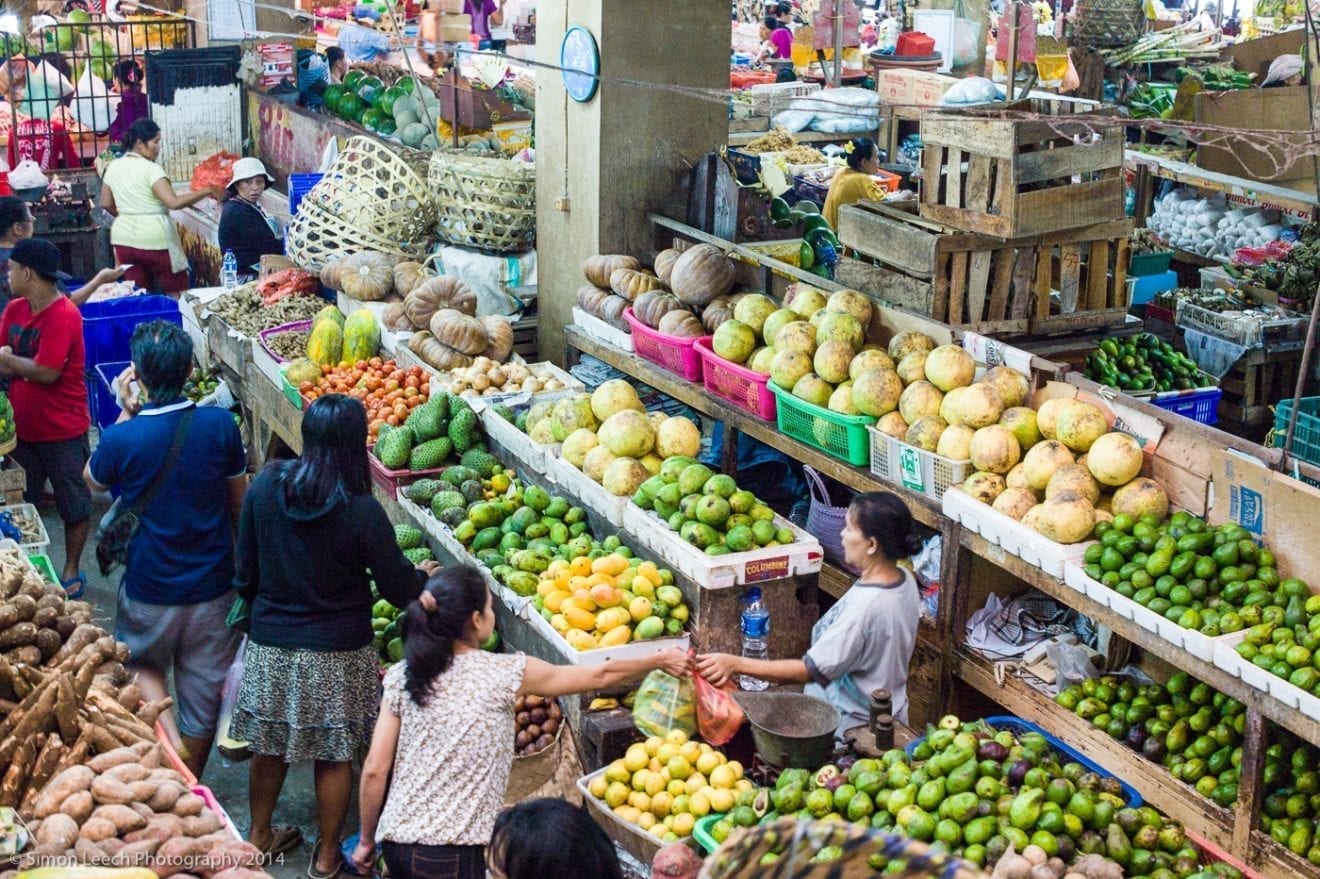
The government will build and revitalize 1,000 traditional market centers in 2017 at a total cost of Rp3.7 trillion Fund.
The Trade Ministry would build and revitalize 272 of the markets with the Aid Task Fund and 52 carry over project from 2016, Trade Minister Enggartiasto Lukita said.
The remaining 728 units would be built and revitalized with the Special Allocation Fund (DAK) and fund from the Ministry of Cooperatives and Small and Medium Enterprises..
Enggartiasto said the trade ministry had carry over projects to be implemented in 2017 was as a result of the cut in the budget for all ministries and government agencies including the trade ministry.
“We will give priority to development of small traditional markets . The development and revitalization program would follow standardization of market and system of management,” he said.
With the system the markets would be well maintained, he added.
“Currently the traders pay fee but there is no accountability of the fee from the market management. The market management charges fee but the fund is not used to improve the service and for the maintenance of the market,” the minister said.
In 2015, the government plans to build and revitalize 1,017 traditional market centers, including 182 units to be financed with TP fund, 770 units with DAK and 65 units with fund from the the Ministry of Cooperatives and Small and Medium Enterprises.
Implementation of the plan in 2016 reached 99 percent with 1,002 units of market built and revitalized.
In 2016, development of traditional markets with TP fund, 168 units with a budget of Rp1.46 trillion and 710 units within DAK of Rp1.006 trillion.
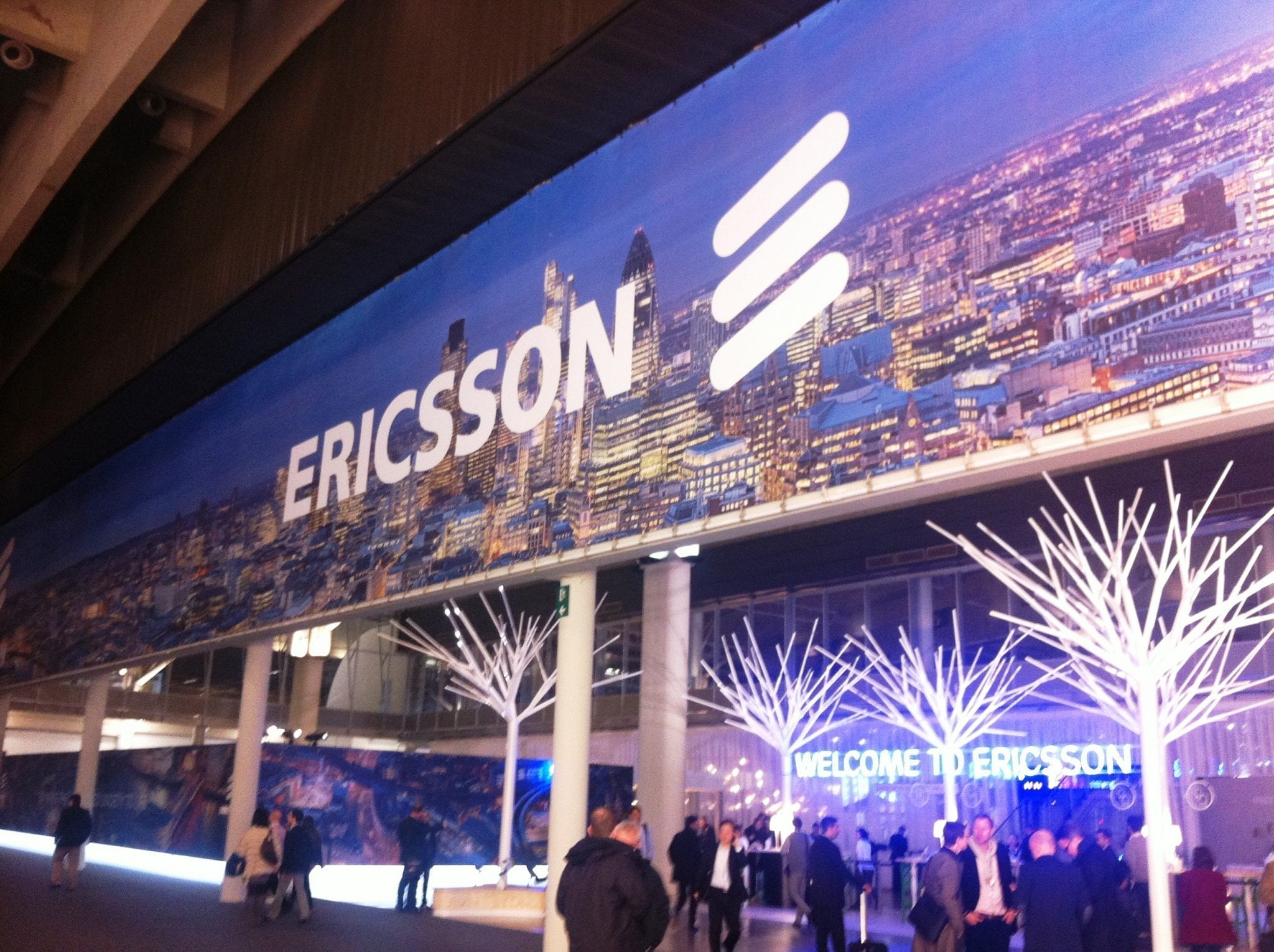
Ericsson has signed a slate of deals with leading content distributors for its subscription video on demand (SVOD) service Nuvu, acquiring more than 2,500 hours of content from international distributors including Viacom (MTV, BET, Nickelodeon), MGM, CBS, Al Jazeera, DHX Media and Mattel.
Titles include globally recognized hit TV franchises such as Hawaii Five-O, Next Top Model, CSI: Miami, Being Mary Jane, SpongeBob SquarePants, Bob the Builder, Vikings and many others along with a raft of premium Hollywood movies.
Ericsson has also licensed dozens of pan-regional and local African TV series and movie content from distributors such as iRoko, Trace and Agwhyte International along with hundreds of music videos from the 960 Music Group, which is home to some of West Africa’s most influential music artists including P-Square, 2Baba and Yemi Alade.
“We created Nuvu to help mobile operators in emerging markets to address a significant untapped market for video content,” said Thorsten Sauer, head of broadcast and media services at Ericsson. “Africa has some of the highest mobile adoption rates globally and there is a high demand for quality content from consumers.”
Nuvu is a complete end-to-end SVOD service developed by Ericsson for mobile operators in emerging markets, which spans both the technology platform and the content licensing. The service leverages the company’s extensive over-the top capabilities based on Ericsson Managed Player and components of Ericsson MediaFirst TV Platform.
Alibaba Cloud announced at its recent Computing Conference that it will provide its AI, deep learning and data analytics capabilities for two new cutting-edge developments in China.
Initiated by the Hangzhou government, the “Hangzhou City Brain” is set to address the city’s urban living challenges. As the hub to consolidate data and provide real-time analysis, the “Hangzhou City Brain” will rely on Alibaba Cloud’s AI program ET and big data analytics capabilities to perform real-time traffic prediction with its video and image recognition technologies.
The project will support transportation departments’ efforts to ease traffic congestion and provide users with real-time traffic recommendations and travel routes.
“By establishing the Hangzhou City Brain, Hangzhou is taking the lead in harnessing artificial intelligence and deep learning technologies to promote greater sustainability and improve the quality of urban living for Chinese citizens. Alibaba Cloud is proud to support and be part of this important development, “said Dr Jian Wang, chairman of Alibaba Group’s technology steering committee.
With automated traffic system capabilities, intelligent adjustments of traffic lights will be performed on the spot; when a vehicle changes direction, the green light will automatically be extended. The pilot of world’s most advanced smart traffic management system in the Hangzhou’s Xiaoshan District, which started in September this year, has since seen an increase in traffic speed by 11%.
The project is being led by the Hangzhou government in coordination with 13 firms including Alibaba Cloud. As part of the project, a research and development team of scientists from various companies has been formed.
Forming the backbone of the “Hangzhou City Brain” data processing and analysis capabilities is Apsara, Alibaba Cloud’s large scale computing operating system, which is able to cluster millions of servers into a super computer and to support a multitude of cloud-based services by analyzing terabytes of data points. This computational engine is one of the largest of its kind in the world and uses propriety algorithms.
Paving the way for astronomical data storage and analytics
Aiming to leverage its technologies for astronomical data collection and analysis, Alibaba Cloud also announced at the Computing Conference its research collaboration with the National Astronomical Observatory of China (NAOC) on deep space exploration.
The plans are to set up a data and research centre for astronomy, as well as a virtual solar observatory which will be supported by Apsara’s massive scalability and advanced capabilities to process astronomical data.
Garuda Indonesia has issued a ban on the Samsung Galaxy Note 7 for all its flights starting from Monday due to safety issues.
This move ensues the recent ban by US Department of Transportation on the device, including its recalled and replaced units, after reports of the smartphone catching fire.
Garuda Indonesia VP corporate communications Benny S. Butarbutar said in a press release Monday that passengers in possession of a Samsung Galaxy Note 7 would not be permitted to board the aircraft. Bringing the device through carry on baggage, checked-in luggage, or cargo was also strictly prohibited.
This is the second ban issued by the airline regarding Samsung Galaxy Note 7. In early September, it banned the use of the device during flights as well as warned passengers not to charge the battery or store the smartphone in checked baggage.
Samsung has already been forced to recall more than 2.5 million devices due to faulty batteries. The company has instructed users to “power down and stop using the device”, and announced the permanent end of its production last week.
Indian startup incubator T-Hub has joined hands with ride sharing pioneer Uber and TiE Silicon Valley to launch a program that will connect Indian startups with global market opportunities and help bring global new-age companies to the country.
A press release issued by the startup incubator T-Bridge said that the program will enable startup communities in India and globally to cross-pollinate ideas, innovate and create channels for knowledge transfer. It will also create a network of mentors, VCs, incubators and accelerators that will support the Indian startup ecosystem.
K T Rama Rao, Telangana Minister for IT on Saturday inaugurated T-Bridge at Uber’s headquarters in San Francisco.
T-Bridge will provide a platform for such fast-track tech companies looking to tap into India’s huge consumer market for technology and help startups access UberExchange-Uber’s flagship startup mentorship program and TiE Silicon Valley’s mentor network.
“We have a strong vision to make Hyderabad one of the top 10 startup cities in the world. T-Bridge is one such move towards opening a channel of investment from the world to the state of Telangana. I am proud to open our first outpost in the US in association with Uber and TiE Silicon Valley and believe that this association will forge new partnerships and spur investment and innovation between the two countries,” Rama Rao said at the launch.
Rachel Whetstone, Uber’s senior vice president for policy and communications, said, Telangana is one of the most progressive states in India; and it has set up a culture of ‘regulatory incubation’ – allowing new ideas and business models to thrive.
“Today more and more people around the world want to build something themselves. Through initiatives like UberExchange, our mentorship program for Indian startups, we hope to spur entrepreneurship. Creative partnerships like T-Bridge will continue to strengthen ties between India and the global startup scene,” Whetstone said.
BlackBerry’s decision to license software and outsource handset production globally represents a win for the Canadian company’s biggest market, Indonesia, which is seeking a larger share of the smartphone value chain.
BlackBerry’s new venture signed last month with an affiliate of PT Telekomunikasi Indonesia, the country’s largest wireless carrier, will see its Indonesian partner produce, promote and distribute all BlackBerry-brand devices in Indonesia.
The venture comes as international phone vendors gear up to comply with the latest “made in Indonesia” regulations to tap growth in what is poised to become the world’s fourth-largest smartphone market by 2020, with total annual sales of nearly $US1 billion ($1.31bn) by then, according to research firm Euromonitor International.
Adopted in July, the latest rules give producers more options when it comes to meeting next year’s 30 per cent quota for “local content” — which previously focused on local manufacturing but can now include software or investment — in their 4G-enabled tablets and smartphones sold in Indonesia, up from 20 per cent this year. The requirement will rise to 40 per cent in 2018.
BlackBerry’s joint venture was “created in support of the Indonesian government’s effort to promote manufacturing of locally sourced products”, said Ralph Pini, general manager of devices at the Waterloo, Ontario-based firm, which said last month it would stop making phones and focus on software.
Indonesia is a crucial market for BlackBerry. Its BBM messaging service is the top messaging platform in the country of 250 million people with nearly 60 million monthly active users as of June, BlackBerry said. WhatsApp and Facebook Messenger trail with about 50 million active users for each app, according to estimates from Britain-based social media consultancy We Are Social.
In 2012, Indonesia introduced regulations requiring importers of mobile phones to set up assembly plants in the country by the end of 2015. In September 2014, the government issued regulations requiring all 4G devices sold in Indonesia to include at least 30 per cent locally-sourced components by 2017.
Analysts say the more-flexible regulations passed in July make it easier for handset makers to meet requirements, given that they allow the quota to be reached via other options in addition to manufacturing.
Alibaba Cloud has selected Datapipe as a global managed service provider partner, to help organizations entering China or Chinese companies venturing abroad adopt cloud environments.
Under the partnership, Alibaba Cloud customers can look to Datapipe to plan, build and run their cloud environments. Datapipe will provide migration, management, and security of Alibaba Cloud solutions for computing, storage, database, CDN and big data.
China-based Joyful Journey Travel is Datapipe’s first managed Alibaba Cloud client and is the first company to provide financial services to travelers in China.
Datapipe’s team worked with Joyful Journey Travel to develop a solution based on Alibaba Cloud services including Elastic Computer Service instances, AsparaDB for Relationship Database Systems and Alibaba’s Cloud based CDN.
“As a pioneer in managed cloud services the addition of Alibaba Cloud to Datapipe’s supported platforms and service capabilities was a natural step,” Datapipe VP of Asia Colin Chan said.
“We look forward to working closely with Alibaba Cloud to help drive the global adoption of best practice enterprise cloud solutions.”
“We’re pleased to welcome Datapipe as our global managed service provider partner,” Alibaba Cloud director of global marketplace alliances Unique Song added.
“Datapipe’s experience in managing cloud environments for customers around the globe makes them well-positioned to help drive Alibaba Cloud deployments for customers in both China and overseas.”
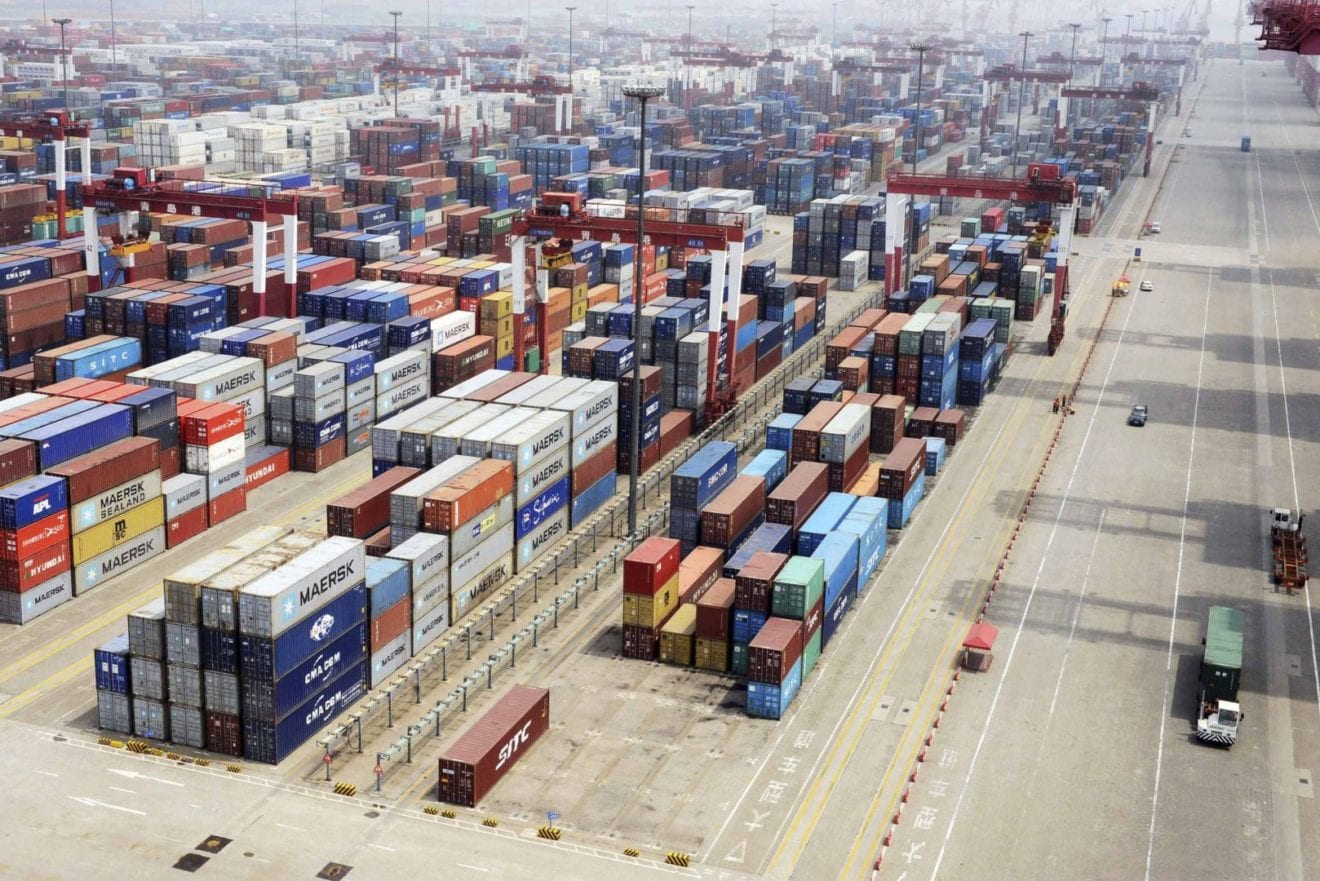
The value of imports in September, which amounted to US$11.30 billion, has dropped by 8.78 percent compared with the previous month, which was US$12.38 billion, the Central Bureau of Statistics (BPS) has said.
“Indonesias imports in September 2016 amount to US$11.30 billion, down 8.78 percent from August, or down 2.26 percent if compared to September 2015,” BPS chief Suhariyanto said at a press conference in Jakarta on Monday.
Suhariyanto said non-oil-gas imports in September were valued at US$9.55 billion, down 9.77 percent compared to the previous month. Compared to September 2015, these imports dropped by 0.95 percent.
Oil and gas imports in September stood at US$ US$1.74 billion, down 2.97 percent compared to the previous month, and down 8.88 percent compared to last September.
In September, cereal commodities such as wheat touched the highest value in import items at US$39.0 million, or 19.17 percent, while the steepest drop was in the machinery and mechanical equipment category, whose value was US$98.9 million or 5.17 percent.
The cumulative value of imports from January to September crossed US$98.69 billion, down 8.61 percent compared to the same period last year. The cumulative value of oil and gas imports was US$13.74 billion, down 29.19 percent; non-oil imports were valued at US$84.95 billion, down 4.10 percent.
The top three countries for non-oil imports in the January-September period were China with a value of US$21.99 billion, or 25.88 percent; Japan with US$9.48 billion, or 11.16 percent; and Thailand with US$6.64 billion or 7.81 percent. “Non-oil imports from ASEAN countries touched 21.82 percent, while from the European Union it was 9.17 percent,” Suhariyanto said.
The import values of auxiliary raw materials from January to September decreased by 9.8 percent and capital goods by 12.66 percent. However, imported consumer goods shot up by 12.80 percent.
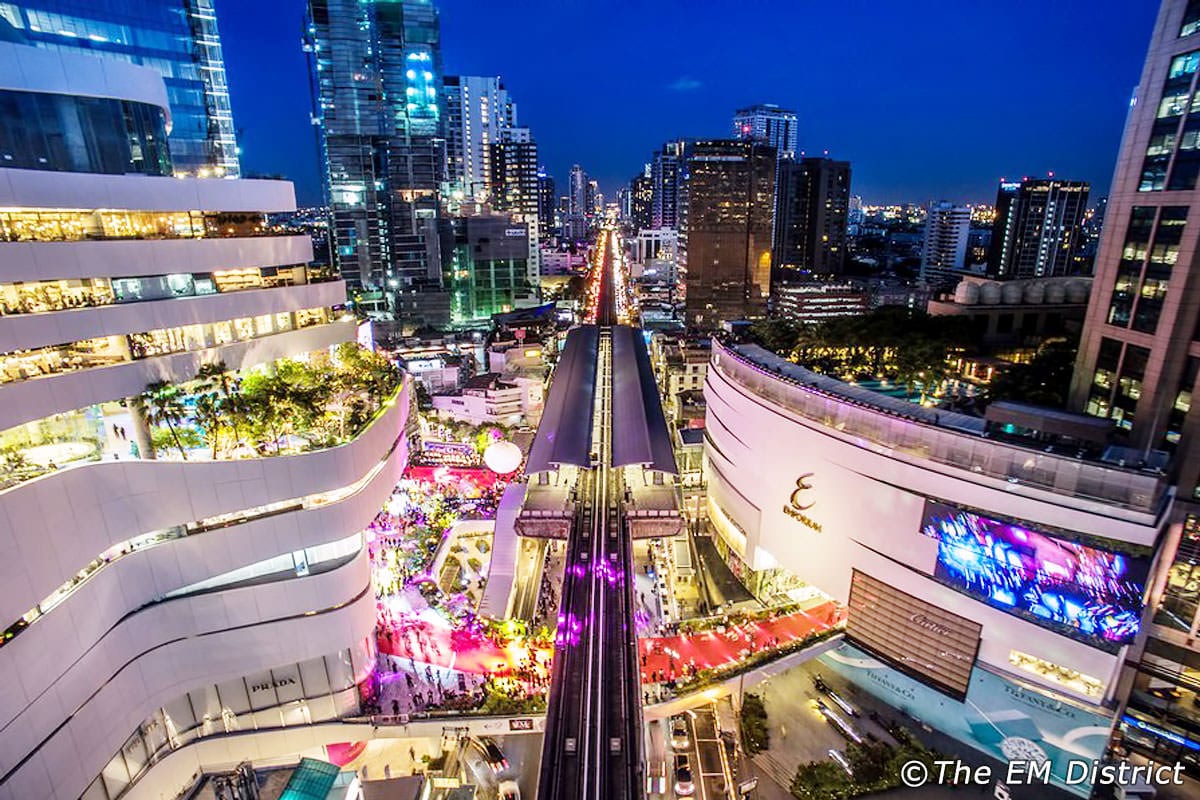
Asia is home to more than half the world’s most dynamic retail hubs, according to new research that reinforces images of the region’s mall-strewn megacities.
The research, by professional services and investment management company JLL, says 12 of the fastest-growing retail cities are in Asia, with eight in China alone — another indication that global economic growth is increasingly driven by the Asia-Pacific region.
JLL lists Dubai as the world’s fastest-growing retail destination, with Shanghai second and Beijing third. Places 9 to 13 are occupied by Bangkok, Chengdu, Kuala Lumpur, Jakarta and Manila, respectively. Only two European cities make the top 20 — Moscow and Istanbul — with none from Africa. Mexico City is the sole city from the western hemisphere, sitting at number 19.
Overall, JLL lists London as the “most attractive” city for retailers, with Hong Kong second and Paris third. Dubai, Singapore, Shanghai, Tokyo and Beijing all make the top 10, with Bangkok, Taipei, Seoul and Osaka in the top 20.
Shanghai at night. The Chinese megacity is projected to be one of the world’s retail hubs in the coming years (Photo: Simon Roughneen)
The study looks at the presence of 240 international retail brands in 140 cities — which altogether make up 36% of the world’s gross domestic product, 13% of the global population and a third of total worldwide consumer spending.
“The search for growth is escalating the penetration of international brands across the world’s most attractive retail cities, especially in Asia,” said David Zoba, chairman of JLL’s Global Retail Leasing Board.
Asia catching up
Many Western economies continue to suffer from slow growth — in stark contrast with Asia, where the International Monetary Fund predicts overall growth of more than 5% in 2016-17 and describes the region as “the engine of the global economy.”
Asia is urbanizing rapidly as economies develop and incomes rise, meaning that big global brands will increasingly look to Asia as a source of consumers. World Bank research shows that nearly 200 million people in the East Asia and Pacific region –excluding India and its heavily populated neighbors such as Pakistan — moved from the countryside to cities during the decade after 2000.
In 1800, only 3% of the world’s population lived in cities, a figure that rose to 13% by 1900. Now more than half the world’s population is urbanized, with projections that 70% or more of the world will live in urban areas by 2050. And while in the 19th and 20th centuries urbanization was mainly a Western and Japanese phenomenon, developing countries are catching up fast, particularly in Asia.
Despite the steady rural-urban shift, only 36% of East Asia’s population had moved to urban areas by 2010, with only Japan, Malaysia, South Korea and Taiwan having larger urban than rural populations.
While China had by far the largest absolute numbers of people moving to cities, smaller countries such as Cambodia, Laos and Vietnam showed higher rates of urbanization. Laos more than doubled its small urban population, while high-growth economies such Cambodia and Vietnam both had between 4% and 4.5% annual urban population growth rates. Retail investors are noticing opportunities even in smaller cities such as Phnom Penh, where Japanese mall operator Aeon opened the city’s first large shopping mall in 2014.
Asia’s cities will continue to grow over the coming decades as the region becomes wealthier. McKinsey Global Institute expects that in the next 15 years, “the center of gravity of the urban world will move south and, even more decisively, east.” According to MGI, half of global GDP in 2007 came from 380 developed world cities, with the 22 biggest cities in developing countries contributing a mere 10%.
However, MGI predicted that by 2025 half of the cities in its 2007 rankings will not make the list, with 136 developing world cities entering its ranking of the 600 biggest urban economies — including 100 from China alone.
“By 2025, developing-region cities of the City 600 will be home to an estimated 235 million middle-class households earning more than $20,000 a year at purchasing power parity (PPP),” MGI reported. The figure is larger than the 210 million such households expected in the cities of developed regions.
Thinktank Oxford Economics said that cities such as Chengdu, Hangzhou and Wuhan “will become as prominent in 2030, in economic terms, as cities like Dallas and Seoul are today.”
Shift east
The thinktank predicted that by 2030 eight European cities will drop out of the global top 50 cities ranking, measured by GDP, while nine Chinese cities will join that group, taking the Chinese total to 17, which will be more than North America and four times more than Europe.
In turn, the thinktank said, this will mean more Asian consumers with money to spend. “Starting from a comparatively low base today, China will boast some 45 million high-income urban households (exceeding $70,000 per annum at 2012 prices and exchange rates) by 2030, putting it well ahead of Europe and hot on the heels of North America. Shanghai will jump from a rank of 69th today to 8th for its number of high-income households in 2030,” Oxford Economics said.
Otherwise, however, the seven megacities with the most high income residents will remain the same as today, with Tokyo leading New York, London, Osaka, Los Angeles, Paris and Chicago.
But Asian cities are set to add tens of millions of middle-income households (incomes between $10,000 and $70,000) to their ranks by 2030. Jakarta will be home to 9.4 million, with 7 million to 9 million more in each of Chongqing, Shanghai, Tokyo and Beijing, the projected top five cities ranked by population of middle-income households, according to the thinktank.
JLL said that for retailers, vying for market share in emerging economies is sometimes risky, but the potential prize — market access to vast populations and rapidly expanding middle classes — outweighs any perils.
For example, China’s anti-corruption crackdown has had “a knock-on effect” on the luxury goods market in the world’s second-biggest economy, said James Hawkey, JLL’s head of retail for China. But retailers are nonetheless “increasingly comfortable dealing with these risks, and generally have their eyes on the long-term prize of establishing a strong position in major world markets.”
Although incomes and spending power remain lower in many Asian countries and cities than in the West, part of the attraction of smaller, less-developed markets is relatively low rental costs.
“Places like Ho Chi Minh City, Jakarta and Bangalore present an opportunity for retailers to establish their brands at rents of less than $2,000 per square meter per year with projected in-store sales increasing by 8% to 10% until 2019,” JLL reported.
Wealthy mid-sized cities or trade-oriented city-states such as Singapore and Hong Kong also benefit from high numbers of visitors such as tourists or business travelers.
But Asia’s urbanization will not mean that rural dwellers will be ignored by retailers, particularly in China.
“Retail potential in Asian hubs is strongly influenced by what is happening in their hinterlands — what is happening in nearby provinces and/or countries,” Steven McCord, JLL’s head of research for northern China, told the Nikkei Asian Review.
“Shanghai exerts a ‘gravity effect’ over its surrounding cities and provinces due to its size and the wealth of its retail offer. Therefore, close to 80 million people within day-trip distance to Shanghai will regularly travel to that city for large shopping sprees,” McCord added.