Author: Mei Ling Tan

  • Modernland finds new stepping stone with Jardine group

    Modernland finds new stepping stone with Jardine group

    Indonesia’s promising property market has attracted multinational real estate firms to collaborate not only with domestic peers but also international partners. An alliance between the Astra group, Hongkong Land and Modernland Realty shows this well.

    Astra Land Indonesia and Mitra Sindo Makmur have created a joint venture to acquire 70 hectares of land in Cakung, East Jakarta, worth Rp 3.4 trillion. The collaboration was marked under an agreement inked on Oct. 12 in Jakarta.

    Astra Land is a joint venture between Astra International (ASII) and Hongkong Land, while Mitra Sindo Makmur is a subsidiary of Modernland Realty (MDLN). The new entity will develop the land for a project dubbed Jakarta Garden City.

    This should provide positive sentiments for Modernland, given the fact that the new partners are well-known firms in Asia. Astra is a well-known Indonesian conglomerate while Hongkong Land is a leading property investment, management and development group in Hong Kong, Singapore and mainland China.

    They are indirectly affiliated companies as Jardine Matheson sits as the main shareholder, owning more than 50 percent of shares in the two companies.

    While Astra has only three years of experience in the real estate business, Hongkong Land has laid foundations in Indonesia for over 30 years. Currently managing US$32 billion of assets in Asia, it has been operating in Indonesia since the 1970s.

    Under a collaboration with Central Cipta Murdaya, Hongkong Land built the WTC Complex in Sudirman, Jakarta, as its first project. It has also developed two other big projects in Indonesia, namely Nava Park (joint venture with Sinarmas Group’s Bumi Serpong Damai) and Anandamaya Residence (joint venture with the Astra group).

    Financially beneficial

    In its latest research report, Mandiri Sekuritas appraised the joint venture as it will provide security for Modernland in terms of marketing sales and earnings, in light of Hongkong Land’s established track record and experience.

    Furthermore, this action could benefit Modernland as the cash inflow from the transaction could reduce its debt ratio, especially as it was sealed amid the economic slowdown.

    * Bloomberg estimate

    As of the first half of 2016, Modernland had booked Rp 1.1 trillion in revenue, down by 18 percent year-on-year from Rp 1.35 trillion last year, due to fewer projects launched this year. This brought down net income by 88 percent to Rp 26 billion.

    Therefore, the newly formed joint venture with Astra and Hongkong Land in Jakarta Garden City will give better prospects for Modernland. As for Jardine Matheson group, the joint venture will augment its portfolio in the largest property market in Southeast Asia.

  • Healthy spread sought in tourism investment

    Healthy spread sought in tourism investment

    The government will likely need to review its strategy in promoting its priority tourist destinations, as data shows that recent tourism investment mainly headed to just two popular regions.

    During the first six months of this year, the country has seen investment worth US$858.7 million coming into the tourist sector. The tourism Ministry’s deputy for destination and tourism industry development Dadang Rizki Ratman, however, said most of the investment only went to Jakarta and Bali, the country’s two main international gateways.

    “This is our challenge — to encourage investors to invest outside those two places,” he said recently.

    Dadang highlighted the importance of infrastructure development and upgrades in many other tourist destinations as it would become a key factor to attract investors to put their money to the industry.

    The government is targeting the arrival of 20 million foreign tourists in 2019. This year, 12 million foreign tourist arrivals has been targeted, with almost half achieved in the first semester.

    To level out the popularity of other places with that of Bali, the country’s most popular resort island, the government has selected 10 destinations to develop to 2019.

    They include Lake Toba in North Sumatra, Mount Bromo in East Java, Mandalika resort area in West Nusa Tenggara, Labuan Bajo in East Nusa Tenggara, Wakatobi in Southeast Sulawesi, Cape Kelayang in Bangka Belitung, Cape Lesung in Banten and Morotai in Maluku.

    Dadang said infrastructure, such as roads, airports and power plants were in the works to support tourism activities and attract more investors. The Kualanamu-Tebing Tinggi toll road, for example, was in progress and scheduled for completion next year. The road would give more access to Lake Toba, the world’s largest volcanic lake.

    Besides accessibility, intensive promotion was also necessary, said Babar Suharso, the head of regional Investment Coordinating Board (BKPMD) of Banten province.

    “People can access Cape Lesung wthin only three hours but we still haven’t got any investors so we’ve asked Kadin [Indonesia Chamber of Commerce and Industry] to introduce us to their network,” he said.

    BKPMD Banten said a number of South Korean investors had expressed their interests to invest in the location, but none have further approached the regional administration. Investors from Kuwait will visit the cape in November for a potential deal, Babar said.

    Meanwhile, Indonesian Tour and Travel Agencies Association (Asita) chairman Asnawi Bahar emphasized accessibility as an important point to attract more investors.

    “It is understandable that investment is still concentrated in Bali and Jakarta because the two have international airports with many international routes. One thing for sure to attract more investors is accessibility,” Asnawi told The Jakarta Post over the phone.

    Recently, the government announced a $300 million loan from the World Bank to expedite infrastructure development in and around Borobudur Temple, Mandalika and Lake Toba.

    Nevertheless, the natural beauty of sites in Indonesia has inevitably swayed a group of businesspeople in Perth, Australia to invest in Manado, North Sulawesi, whose Bunaken island is famous for its diving spots.

    “[The investment plan in] Manado is a very large ambition. It is a big tourism area so this group of companies running different businesses plan to turn it into a new destination,” said Debnath Guharoy, president of Australian Indonesian Business Council (AIBC) said via phone.

    The group will present its detailed plan to North Sulawesi administration in the next few weeks. They are planning to build hotels, power plants and a waste management system, as well as a conservation area for Bunaken underwater park.

    Indonesia boasts 17,000 islands blessed with beautiful coastline and inland potential, plus a big market of more than 259 million people. To propel its tourism industry, the country has also offered free visas to 169 countries and simplified yacht and cruise arrival rules.

  • Great Potential in Indonesia’s Modern Retail, Food & Beverage Sectors

    Great Potential in Indonesia’s Modern Retail, Food & Beverage Sectors

    In 2017 turnover in Indonesia’s processed food and beverage industry is expected to grow by 8 percent (y/y) to IDR 1,400 trillion (approx. USD $108 billion) from an expected IDR 1,300 trillion in 2016. Meanwhile, the nation’s modern retail industry is projected to expand in the range of 10 – 15 percent (y/y) to IDR 225 trillion (approx. USD $17.3 billion).

    Tutum Rahanta, Deputy Chairman of the Indonesian Retailers Association (abbrev. Aprindo), says the combination of accelerating macroeconomic growth and controlled inflation are the main supporters for growth of Indonesia’s modern retail sector. In 2016 Indonesia’s gross domestic product (GDP) is expected to expand by 5.1 percent (y/y) up from the realization of 4.79 percent (y/y) in 2015. Recently, the World Bank announced it sees the Indonesian economy growing further by 5.3 percent in 2017 and 5.5 percent in 2018.

    Aprindo Chairman Roy Nicholas Mandey added that after several years of economic slowdown, the retail sector of Indonesia has been recovering in 2016 on the back of low domestic energy prices (electricity, gas and fuel), the stronger rupiah exchange rate (versus the US dollar), rising government spending (on infrastructure development), low inflation (around 3 percent y/y), and accelerating economic growth. Due to these factors members of Aprindo have been eager to expand their businesses this year.

    Based on a Bank Indonesia (BI) survey, Indonesia’s retail sales grew 14.4 percent (y/y) in August 2016, supported by sales of non-food items, extending the promising trend recorded in the preceding month (retail sales growth at +15.7 percent y/y). However, this survey also signals that retailers expect retail sales to slow in November 2016 due to rising inflation (a seasonal phenomenon).

    Adhi Lukman, General Chairman of the Indonesian Food and Beverage Association (GAPMMI), agrees and expects the processed food and beverage Industry of Indonesia to rise by at least 8 percent (y/y) provided the government will not implement any policies that could undermine this growth (for example, the government once uttered the idea to implement a plastic excise tax). Besides the five above-mentioned factors, Lukman added that rebounding commodity prices also boost people’s purchasing power.

    Lukman is also optimistic that direct investment in Indonesia’s processed food and beverage industry will surpass IDR 50 trillion in 2016, up 16 percent from IDR 43 trillion in 2015. However, investors urge authorities to lower interest rates as that would make business expansion much more affordable. Lukman emphasized that Indonesian authorities need to be consistent and committed (for example through effective implementation of the economic policy packages) in order to support this industry and thus be able to compete with counterparts in Malaysia and Thailand.

    Indonesian Modern Retail Industry:

    2013 2014 2015 2016¹ 2017¹
    Turnover
    in IDR trillion
     148  168  181  200  225

    ¹ indicates forecast

    Indonesian Food & Beverage Industry:

    2015 2016¹ 2017¹
    Sales
    in IDR trillion
    1,209 1,300 1,404

    ¹ indicates forecast

  • More than 20 labor law violations by Indofood alleged in Indonesia

    More than 20 labor law violations by Indofood alleged in Indonesia

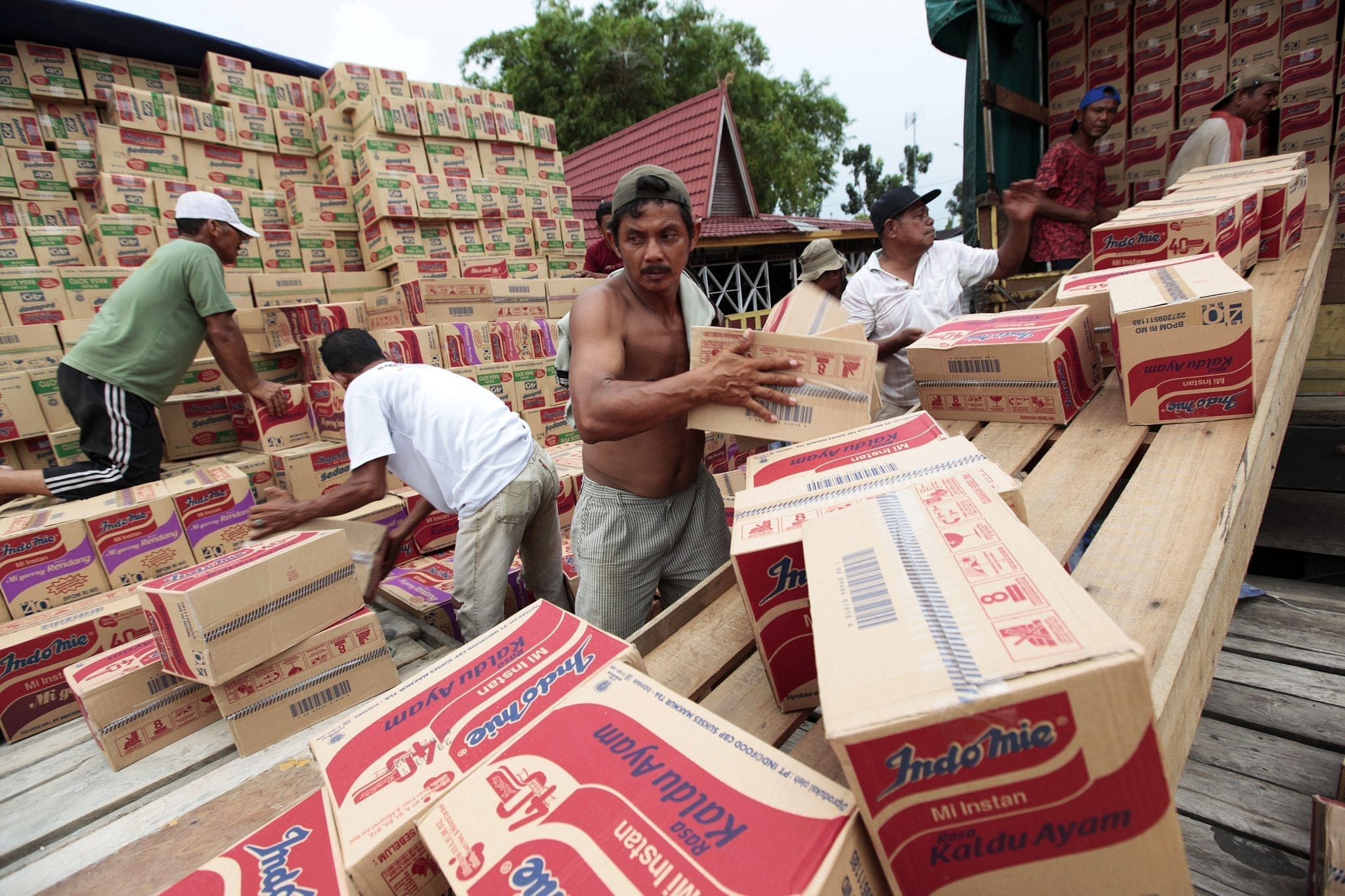
    Amid allegations of widespread abuses on its plantations, including the use of child labor, three NGOs this week lodged a formal complaint against Indonesian palm oil giant Indofood, calling for two of its subsidiaries to be suspended from the industry’s largest certification scheme.

    The complaint, signed by Rainforest Action Network (RAN), Indonesian labor rights advocacy group OPPUK and the International Labor Rights Forum (ILRF), was filed with the Roundtable on Sustainable Palm Oil (RSPO) on Tuesday.Citing numerous violations of the roundtable’s principles and Code of Conduct, the complaint calls for Indofood subsidiaries PT London Sumatra and PT Salim Ivomas Pratama to be suspended from the RSPO “until transparent actions are taken” to resolve the issues.

    The complainants also raise doubts over the RSPO’s own credibility in detecting and responding to labor violations on member plantations — not the first time this has been called into question.

    “It is time for the RSPO to act in the interest of palm oil workers. The evidence is clear: Indofood is systematically violating the fundamental rights of workers on its palm oil plantations,” OPPUK director Herwin Nasution said in a statement.

    Indofood, which operates a joint venture with global snack food brand PepsiCo, is the largest private oil palm plantation company in Indonesia that has yet to adopt a commitment to use only responsibly produced palm oil.

    The complaint comes four months after the NGOs released the results of an investigation into abuses on two Indofood plantations in North Sumatra.

    Their report, The Human Cost of Conflict Palm Oil, included detailed allegations of child labor, exposure to hazardous chemicals, a reliance on temporary workers, below minimum-wage payments and the suppression of independent unions.

    In response to the accusations, an assessment was conducted by the RSPO’s accreditation body, Accreditation Services International (ASI), on a third Indofood operation, the Gunung Mas palm oil mill and supply base in North Sumatra.

    ASI’s report, released last month, found similarly widespread violations of Indonesian labor law and evidence of unsafe practices. Several of the violations had already been identified in a previous audit, but had never been addressed.

    In total, Indofood has violated more than 20 Indonesian labor laws, according to the complaint filed this week, which also highlights violations of the RSPO Code of Conduct requirement that members “commit to open and transparent engagement with interested parties and actively seek resolution of conflict”.

    Indofood’s head of public relations, Stefanus Indrayana, told Mongabay he was out of the office and unable to provide comment. Other Indofood representatives did not respond to questions about the RSPO complaint.

    The company previously said the allegations were unsubstantiated. In a June interview with Indonesian newspaper The Jakarta Post, Indofood director Franciscus Welirang responded to claims that children as young as 12 were working on the plantations.

    “Plantations in Indonesia are usually close to villages and thus there’s a plantation culture based on targets. It’s standard for families to ask for help from their children,” he said.

    “There’s a law in Indonesia and we are in compliance but there’s also a culture that cannot be perceived as the same as Western culture.”

    Emma Lierley, forests communications manager at RAN, said the NGOs hoped Indofood’s suspension from the RSPO, the world’s largest association for ethical production of palm oil, would “force the company to take these findings seriously…and endeavor to clean up its business practices.”

    She added that if Indofood fails to take action, “buyers, business partners and investors must enforce their own policies by suspending relationships” with the company, citing its ties with global brands including PepsiCo, Nestle and HSBC.

    PepsiCo, which is a joint venture partner with Indofood but does not otherwise buy its palm oil, said it was discussing the issues with the company.

    “Are we completely aligned? No, not at this minute. But the conversations are going on. Indofood has been very responsive,” a spokesperson told Mongabay earlier this year.

    But, the spokesperson claimed, the nature of PepsiCo’s relationship with Indofood made it more difficult to force changes.

    “You can be much more demanding with a supplier. A joint venture is much more delicate, especially because the joint venture preceded any discussion about sustainability and what was needed regarding that.”

    Beyond Indofood and the companies it has relationships with, the complaint says the RSPO’s own credibility is at stake.

    “The RSPO’s ‘sustainable’ label means nothing without enforcement. If the RSPO is not willing to uphold its own standards, it threatens its credibility on the market and the brand reputations of all its members,” explained Lierley of RAN.

    “Its standards still have major shortcomings…but this complaint provides an opportunity for the RSPO to demonstrate that it can, and will, take actions to enforce compliance with its standards,” she added.

    Eric Gottwald, legal and policy director at the ILRF, said there is a “culture of non-compliance” on many RSPO-certified plantations regarding both Indonesian labor laws and the RSPO’s own policies.

    “As a first step toward addressing the issues, Indofood should sit down with the RSPO and complainants to discuss the report, audit findings, and necessary reforms to its employment practices,” he said.

  • Google, Facebook to build LA-HK cable

    Google, Facebook to build LA-HK cable

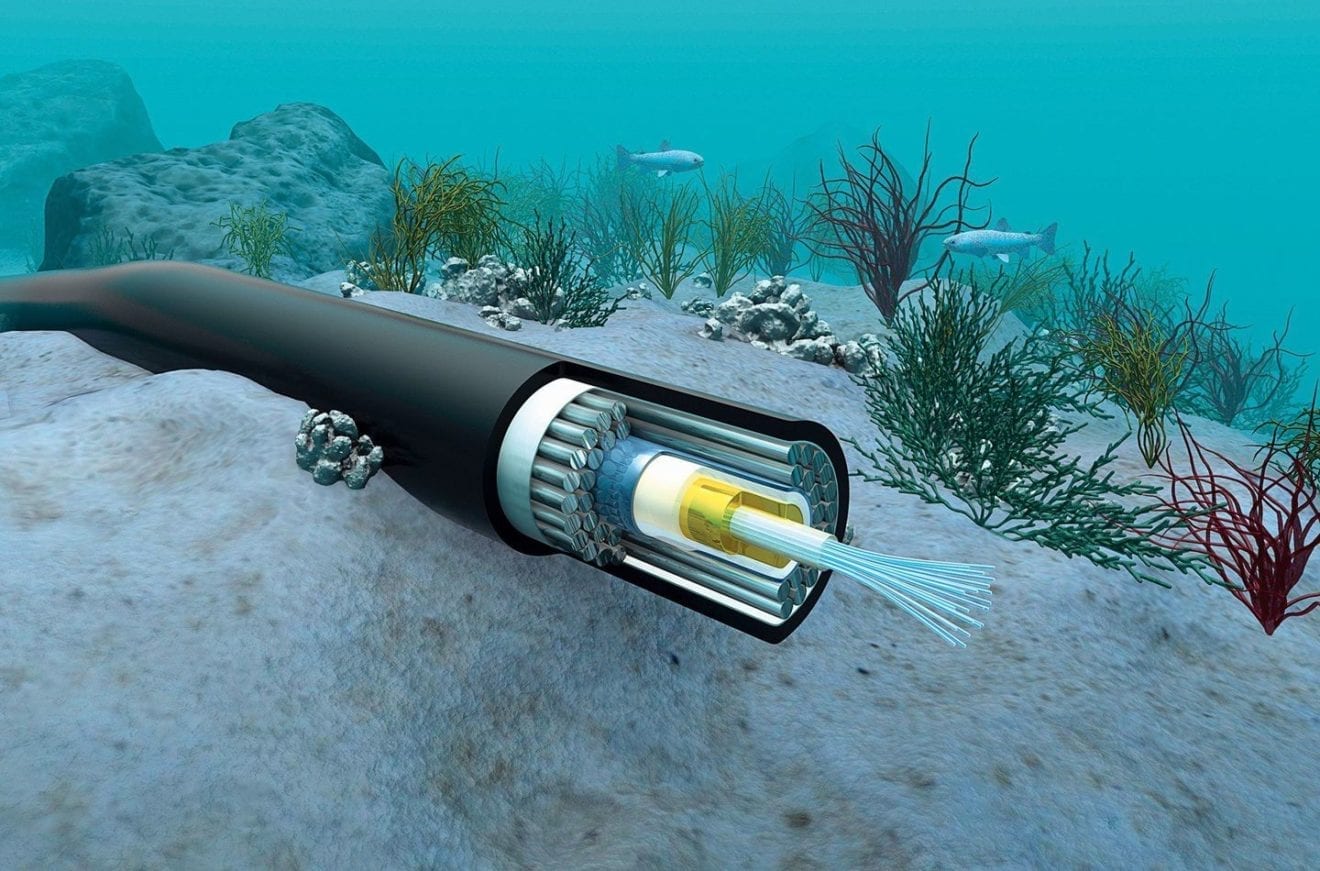
    The internet giants Google and Facebook apparently agree on at least one thing this month: that the world’s infrastructure is in need of another trans-Pacific cable system. They are teaming up with privately held Pacific Light Data Communication and TE Subcom to build the Pacific Light Cable Network, or PLCN.

    The new cable system will be a direct link between Los Angeles and Hong Kong. It will span some 12,800km between the two cities, potentially offering one of the lowest latencies available.

    PLCN will also incorporate the latest optical technologies, which means the total theoretical capacity will be the largest transpacific route so far – up to 120Tbps in all. It is expected to be launched commercially in the summer of 2018.

    It was just a few months or so since the that the FASTER cable, also backed by Google, came online between Japan and Oregon. The PLCN cable system will give them some diversity both by route and by landing station.

    For Facebook, this is the most public position on a transpacific cable they have taken. But in the Atlantic they are part of the group building the Marea cable system between Bilbao and Virginia Beach.

    TE Subcom will be doing the actual laying of the cable, of course. But I wonder who is behind the privately held PLDC over in Hong Kong.

  • Nokia deploys network for Kuala Lumpur rail line

    Nokia deploys network for Kuala Lumpur rail line

    Nokia has deployed a mission-critical advanced communications network for Kuala Lumpur’s new railway line.

    The Kelana Jaya light rail transit (LRT) line extension is now supported by an advanced communications network  supporting high-speed voice, data and video traffic.

    The network the railway operations and passenger services for the line’s 13 new stations, which see a combined 350,000 passengers daily.

    Nokia also provided systems integration services to enhance safety and security through remote diagnostics and automated functions; constant situation awareness with video surveillance; Supervisory Control and Data Acquisition (SCADA); monitoring systems; telephone and radio communications services; automated fare collection (AFC); and public address and passenger information systems.

    The project was completed in conjunction with CMC Engineering Sdn Bhd.

    “As one of the National Key Results Areas (NKRA) under the Malaysian government transformation program (GTP), the Kelana Jaya LRT Line Extension project is another important government initiative to deliver an effective and seamless public transportation system for the Greater Kuala Lumpur area,” CMC Engineering CEO.Hazwan Alif Abdul Rahman said.

    Stuart Hendry, head of global enterprise and public sector for Asia Pacific at Nokia, said railway operations can benefit enormously from modern communications networks.

  • Innisfree Vietnam marks maiden store

    Innisfree Vietnam marks maiden store

    The Korean eco-cosmetics brand Innisfree has officially launched in the Vietnam market.

    The first Innisfree Vietnam store will open at 257 Hai Ba Trung St in District 3, on the edge of Ho Chi Minh City’s CBD on October 29.

    Vietnam is the ninth overseas market that Innisfree has chosen for international expansion.

    Innisfree Vietnam store

    The brand will join a booming Korean cosmetics market in Vietnam along with TheFaceShop, Etude House and Skinfood. For a long while, Vietnamese eco-cosmetics lovers have been buying Innisfree items online and having them brought in by travellers, hand-carried from Korean cosmetics shops.

    Innisfree is founded in 2000, under management of Amore Pacific, the parent company of other brands such as Laneige, Sulwhasoo and Etude House.

    With its mission to bring the most authentic beauty ingredients extracted from Jeju island green tea and volcanic rocks, Innisfree appeals to women who prefer natural beauty methods.

  • Lojel Indonesia flagship opened

    Lojel Indonesia flagship opened

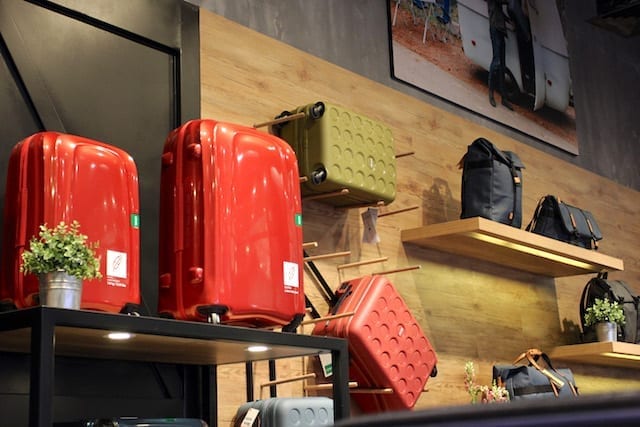
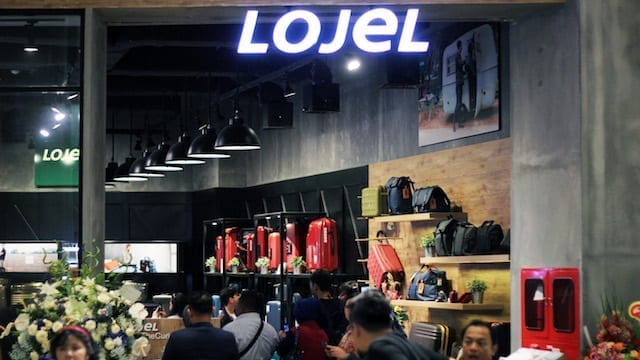
    Lojel has opened a flagship store in Jakarta.

    The first Lojel Indonesia store, it is located on the ground floor of the Lotte Shopping Avenue.

    Founded in 1989, Lojel is now an international brand producing high-quality luggage and travel accessories. It is sold in 30 countries across five continents.

    Lojel Flagship Store 7

    The Lojel Indonesia flagship opened with an exhibition of photography by Jacky Soeharto, to help reinforce the brand’s affiliation with travel.

    “Lojel put its space with a hint of industrial style interior and a warm light display of its colorful products,” observed local blog Neighbourlist.

    lojel-front

    “Lojel has always connected to every modern travelers and adventurers with a young spirit and Indonesia seems to have taken its grasp.”

    See more photos of the new store and its Indonesian range at Neighbourlist.

  • Shanghai Laiyifen IPO to fund expansion

    Shanghai Laiyifen IPO to fund expansion

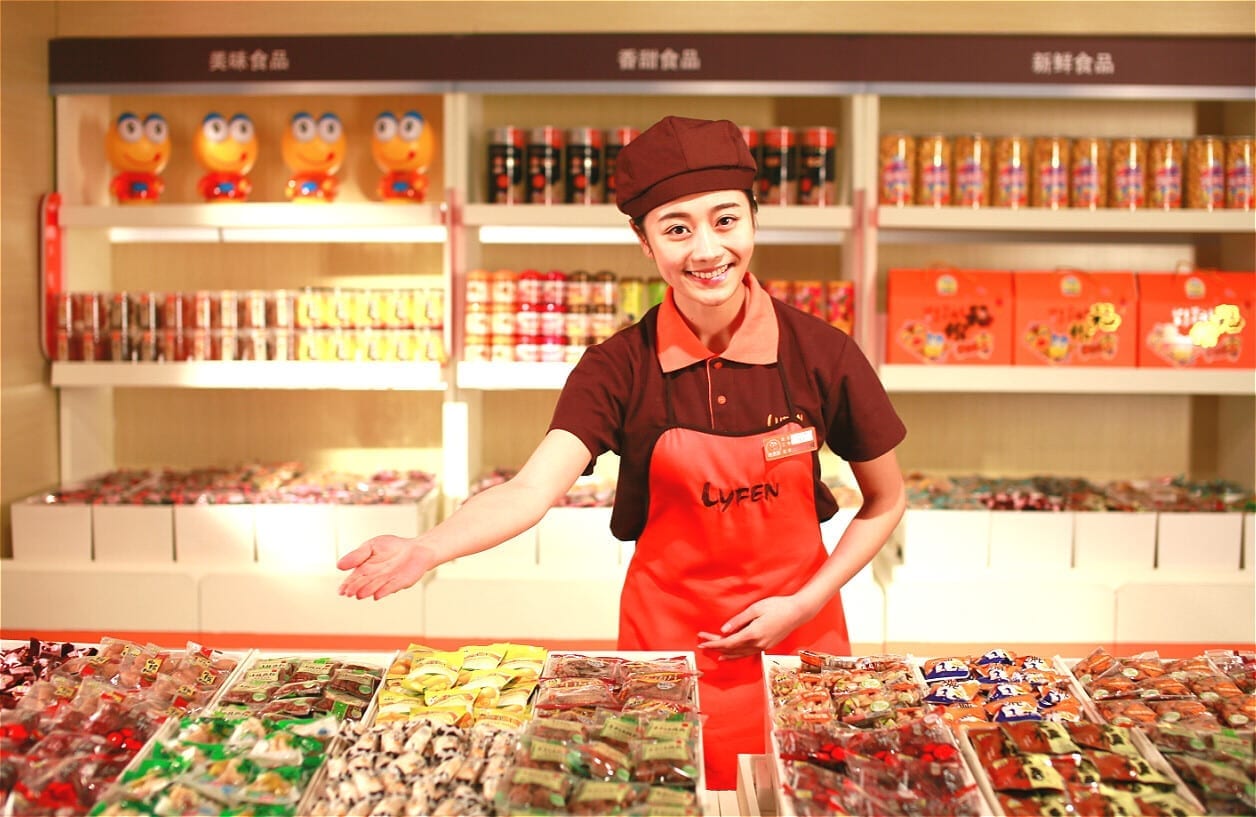
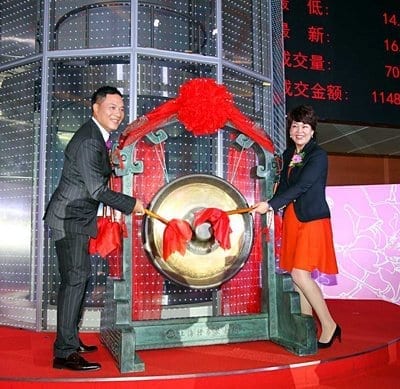
    Shanghai Laiyifen, the owner and operator of a chain of snack food stores in China, has completed an IPO in Shanghai, listing on Wednesday.

    Laiyifen is the first Chinese company specialising in snacks to go public. On the same day its massive advertising hoarding in New York’s Times Square was unveiled.

    shanghai-laiyifen-ipo

    After 17 years, the company has transformed itself from a small snack shop on a Shanghai street into a robust snack foods business, drawing the attention of both domestic and international media organisations by creating a buzz in Shanghai and New York simultaneously.

    Laiyifen opened its first store in 1999 and has since established a network of 2271 outlets across more than 10 Chinese provinces and municipalities, including Jiangsu, Zhejiang, Anhui and Shandong provinces, and the cities of Shanghai, Tianjin and Beijing.

    In addition, the company has deployed an omnichannel marketing model combining online with offline operations. With over 13 million loyal members, Laiyifen boasts annual sales in excess of RMB3 billion (approx. US$450 million) and has served over 450 million consumers in the aggregate.

    Wednesday’s listing raised some RMB660 million (US$98.3 million) by issuing up to 60 million shares (25 per cent of its post-issue share capital), and appointed China Securities as lead underwriter.

    Laiyifen’s controlling shareholders and actual controllers have all made a commitment to restrictions on the number of shares they can hold. The company’s other shareholders have, as well, made a commitment to voluntary lock-up of shares in their possession.

  • Chicco Singapore opening concept store

    Chicco Singapore opening concept store

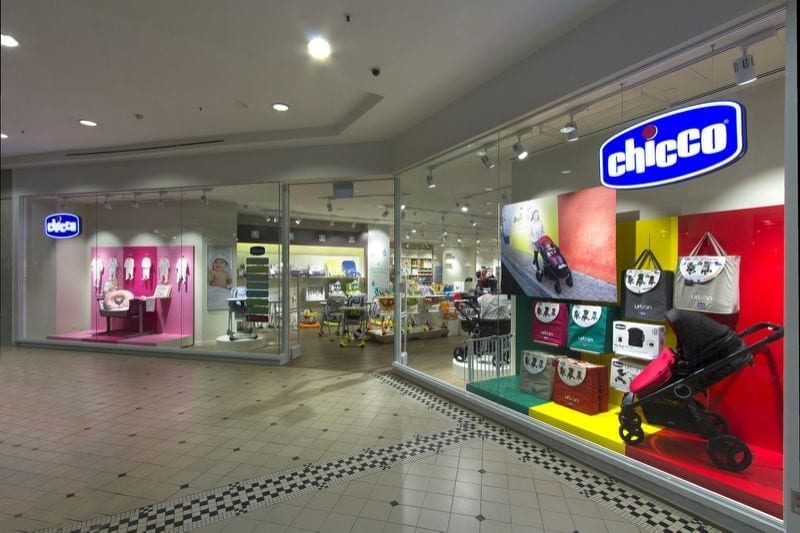
    Baby brand Chicco Singapore launches its first Southeast Asia concept store at Tanglin Mall this week.

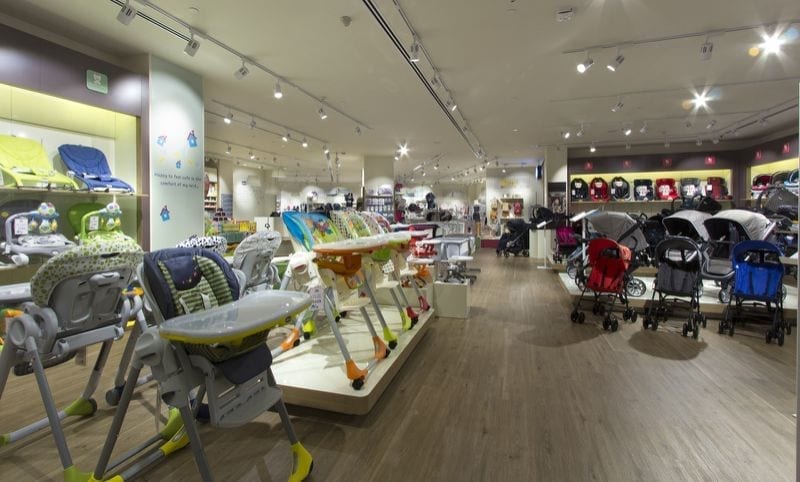
    It is also the largest Chicco store in Asia, covering 4400 sqft (408 sqm), it offers products that cater to the varied needs of children for every stage of their development.

    In a bid to make the shopping experience easy, the Chicco concept store has a guided path with different product categories delineated by colour, icons and imagery.

    The 58-year-old brand offers tiered pricing to ensure products are accessible to all shoppers. Chicco also has a homogenous pricing model, so shoppers in Singapore have similar prices to its stores in Europe for the same products.

    chicco-store

    To understand more about the needs of children during their early stages of development, Chicco has its own R&D centre, known as Osservatorio Chicco. The brand also guarantees the safety of its products.

    Chicco was founded by Pietro Catelli in Como, Italy, in 1958 after the birth of his son Enrico, affectionately nicknamed Chicco. Twelve years earlier, Catelli had founded sales agency Artsana, which specialises in the production and distribution of products for venipuncture and medication.

    Chicco now has a presence in 120 countries.

  • Watsons places products on Lazada Singapore

    Watsons places products on Lazada Singapore

    Healthcare and beauty chain Watsons has formed a partnership with eCommerce company Lazada Singapore.

    As a result of the collaboration, more than 500 Watsons products have been made available on Lazada.

    Formed in 2012, Lazada Singapore offers a wide range of products, from electronics and household goods to fashion apparel and sports equipment. Watsons has more than 100 stores throughout Singapore.

    “The partnership with Lazada is a timely extension to our digital strategy in the region,” says Watsons Singapore GM Dominic Wong.

    The alliance not only ensures convenience, but Lazada has also just introduced a free delivery option with no minimum spend.

  • Yum China aims to triple outlets

    Yum China aims to triple outlets

    Yum China, being spun off at the end of this month by Yum Brands Inc, says it can triple its number of restaurants.

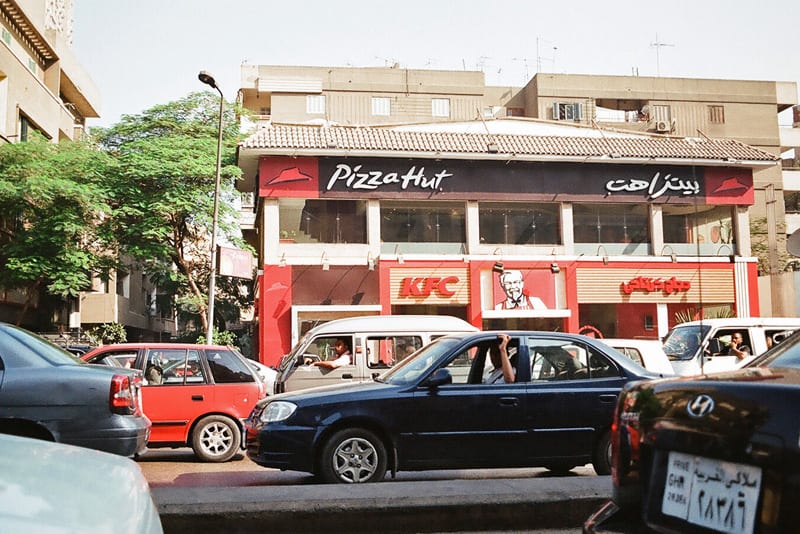
    Yum Brands opened its foray into China with a KFC restaurant in Beijing in 1987. There are now more than 7300 KFC and Pizza Hut outlets.

    “I really don’t see any reason why we cannot have 20,000 restaurants in China,” says Yum China division CEO Micky Pant.

    However, Yum China has had challenges in recent years including marketing blunders, rising competition, bird flu outbreaks, food-safety problems and slowing economic growth. Just this month, executives blamed anti-US protests sparked by political tensions in the South China Sea for a surprise 1 per cent drop in China sales during the latest quarter.

    Pant says those sales are recovering and “the fundamentals of the brands in China are very strong”.

    He says Yum China will have 15 per cent earnings expansion in the world’s fastest-growing economy with plans to  open restaurants in burgeoning mega-cities, major transportation hubs and new shopping malls.

    There are also plans to open Little Sheep and Taco Bell restaurants.

    Partners Primavera Capital and Alibaba Group Holding affiliate Ant Financial, which will buy a US$460 million stake in Yum China, bring competitive advantages such as real-estate market knowledge and digital leadership, Pant says.

    Yum China already is the biggest user of Ant’s Alipay service, and the restaurant group is investing in making its mobile ordering system and loyalty programs even more robust.

    After the separation, Yum China Holdings will become a licensee of Yum! Brands in mainland China with exclusive rights to quick-service restaurant KFC, casual dining brand Pizza Hut and Taco Bell, which is expanding globally but is not yet in China. It will also own the Little Sheep Mongolian hot pot and East Dawning Chinese cuisine concepts. Yum China has more than 400,000 employees in more than 1100 cities, generating more than $8 billion in system sales last year.

    The standalone Yum China is expected to start trading on the New York Stock Exchange on November 1.

  • Kurt Geiger sales soar despite ownership carousel

    Kurt Geiger sales soar despite ownership carousel

    Kurt Geiger should now be focusing on expanding internationally after a solid performance in 2015.

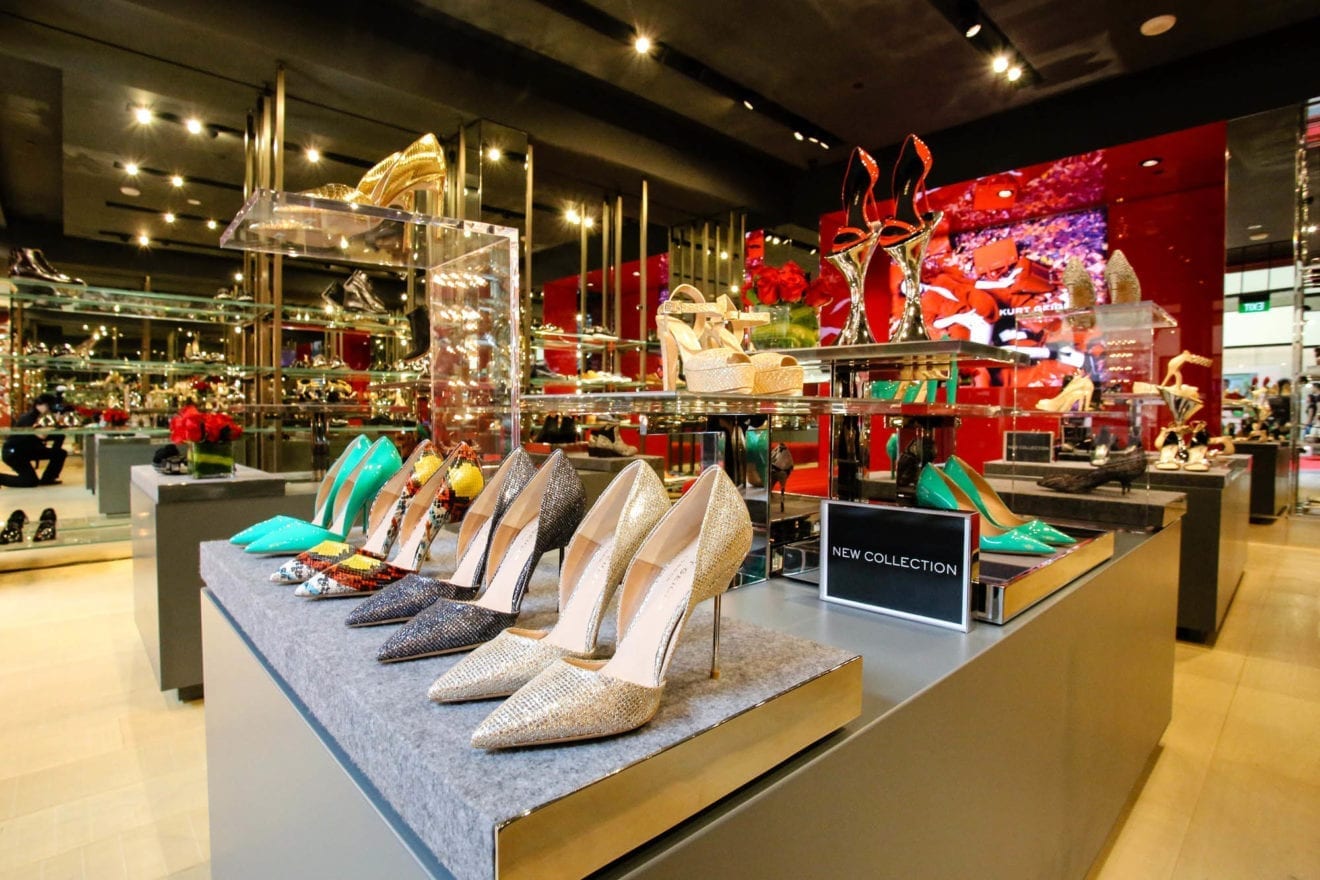
    Despite going round and round the carousel of ownership with three owners in the last four years, Kurt Geiger has maintained sales momentum and posted an impressive set of full year 2015 results, doubling operating profit and growing turnover to £281.6 million. The retailer’s fashion-led proposition, premium – yet accessible – price points and distinct design aesthetic is unrivalled on the high street, and has kept it top of mind of footwear shoppers.

    These results do not reflect its latest change of ownership, as it was sold to European private equity group Cinven in December 2015, and the footwear market in 2016 has been considerably less forgiving than that in 2015. Kurt Geiger has not been immune to the pressures of waning consumer confidence and volatile weather patterns, as evidenced by the fact that it has been discounting heavily over the last few months, even on new season A/W 2016 stock.  The retailer has to be careful to not dilute the Kurt Geiger brand too much, and ensure it remains aspirational and recognised for its quality and design credentials.

    Initiatives such as signing supermodel Karlie Kloss as the face of its brand for S/S 2016 and advertising its celebrity fan following on its website and social media channels through the ‘As Seen On’ function will continue to build its destination appeal and grow brand awareness. Given its robust product proposition and the continuing desirability of its brand, Kurt Geiger is in prime position to benefit from further investment from its new owners, whose focus must now be on nurturing the brand and expanding internationally as its domestic presence matures.

  • Korea convenience store boom causes concern

    Korea convenience store boom causes concern

    Around 15 convenience stores were opened in South Korea every day on average last year.

    And the Korea convenience store boom is worrying a ruling lawmaker, who has urged the nation’s fair trade watchdog to seek measures to avoid excessive competition in the market.

    According to the data compiled by Rep. Yoo Ui-dong of the Saenuri Party, 5508 convenience stores were newly established in 2015 alone, casting concerns over a potential oversupply of such shops in the domestic market.

    Yoo said while the numbers may seem to reflect the boom in the industry, such a sharp gain may have an adverse impact on the livelihoods of the shop owners.

    “Currently, we do not have a law that can regulate the opening of a new convenience store right next to another,” Yoo said.

    “The Fair Trade Commission needs to come up with measures to limit the number of new shops.”

  • Taiwan Cargo Market Stays Flat

    Taiwan Cargo Market Stays Flat

    With the Asian Development Bank lowering its forecast for Taiwan’s economic growth in 2016 to 1.1%, perhaps it shouldn’t come as a surprise that operators in the freight industry have been disappointed with how the market has performed.

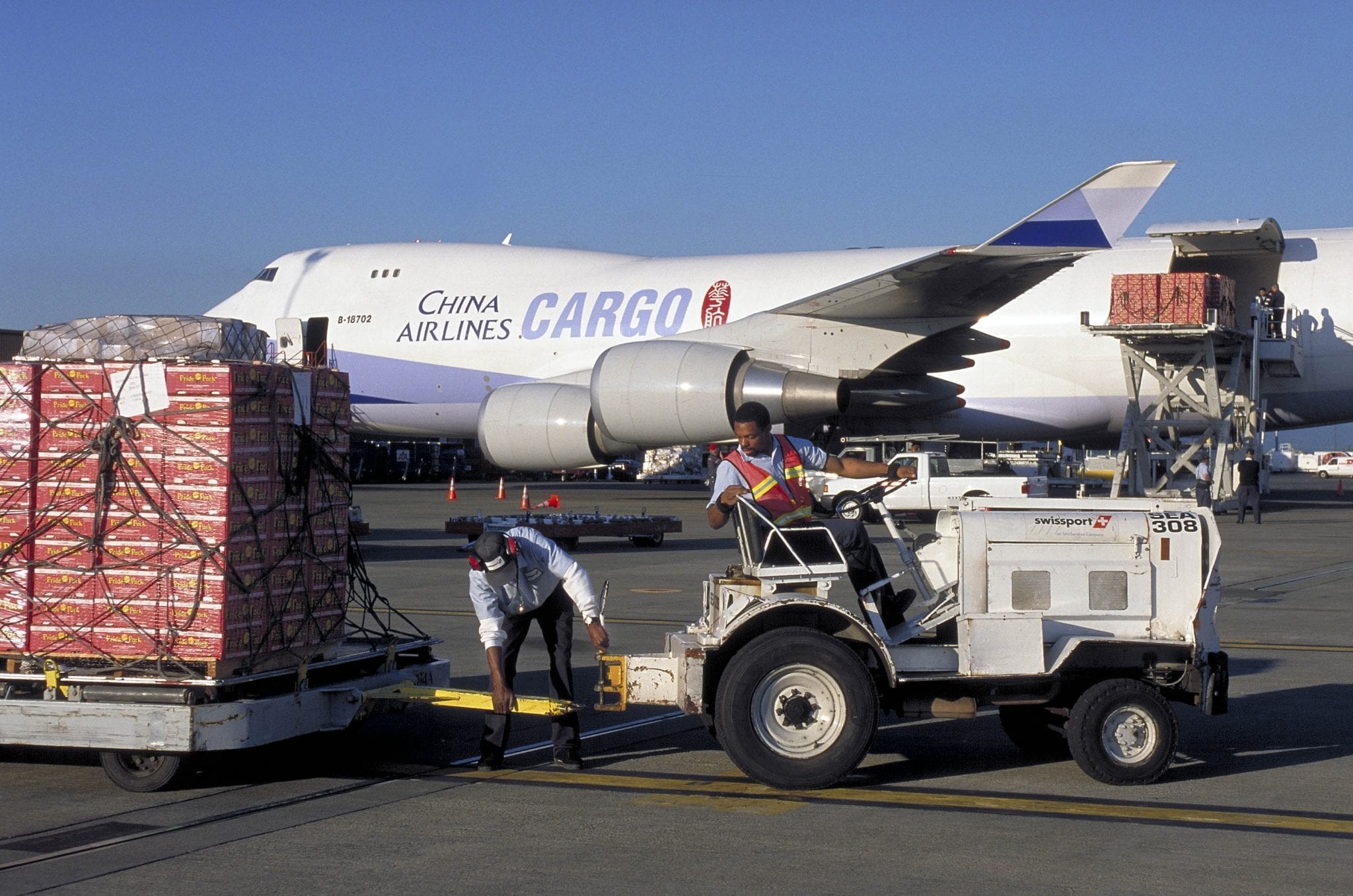
    Eddy Liu, vice president of cargo at China Airlines, says that the company’s first-half results were below expectations.

    “So far, air cargo demand has stayed flat and expansion in available freight capacity continues to outpace the growth in demand,” says Liu. “Under these circumstances, air cargo yields are slowly declining, consistent with persisting weakness in load factors, keeping downward pressure on our cargo business performance.”

    China Airlines is finding ways to address these weakening conditions to remain competitive. “We’re not only making efforts to improve the product mix by expanding the proportion of high-yield freight such as pharmaceuticals, aircraft parts and special cargo, but also focusing on developing and maintaining relationships with freight forwarders,” says Liu. “Furthermore, CI adopts revenue management tools to enhance the sales and space-control functions. In the next 12 months, the aforementioned strategies will still be the main priorities for us.”

    According to the International Air Transport Association, while annual growth in freight tonne kilometres rose to 5% year-on-year in July 2016, FTKs have overall only grown about 3% since the beginning of the year.

    “That’s why we put a lot of focus on the soaring e-commerce market and on strengthening our partnership with post offices and integrators,” says Liu. “Except working closely with postal agencies, particularly China Post and its brokers, Vietnam Post and Malaysia Post, CI also cooperates with UPS, FedEx, DHL, and SF Express to further enhance our revenues and business diversification. In addition, CI has been dedicated to exploring the freight-to-post business since the Taiwan Customs Administration permitted the addition of postal bags to transhipment cargo from March 31, 2015.”

    Another way in which the airline hopes to improve its competitiveness is with its order for 14 Airbus A350-900s. “The A350-900 is fuel-efficient and its payload capability is about 20% higher than other long-range aircraft,” says Liu. “Our new A350-900s will primarily be deployed on long-haul routes to Europe such as Amsterdam, Rome and Vienna, and to the United States, enabling CI to save cost and provide more useful cargo capacity if used on regular passenger operations.”

    The first frame was originally scheduled to be delivered in July 2016, but has since been pushed back to the end of September by Airbus because of production delays.

    “We have temporarily deployed other existing airplanes such as the Boeing 747-400, A330-300 and A340-300 in place of the new A350-900s,” says Liu. “So far there has not been any significant impact on our cargo operations.”

    The carrier is also growing its operations in Southeast Asia and the Indian subcontinent, which Liu says are two main drivers of the global economy and where demands for international shipments are still increasing.

    On top of passenger flights, China Airlines Cargo now serves Hanoi and Ho Chi Minh City four times a week each with 747-400Fs, and resumed dedicated main-deck capacity to Delhi with a weekly 747-400F flight from August 28, 2016.

    Liu says that, given the state of the global economy and the slowdown in the Asian manufacturing sectors, one might expect export growth in Taiwan to flatten out, but that hasn’t necessarily been the case.

    “Fortunately, the increasing global popularity of sports and recreation, as well as growing demand for electric vehicles, means that Taiwan’s functional textiles and electric-vehicle components will become key drivers of air cargo exports,” he says. “Moreover, air shipments of forged wheels, vaccines and semiconductor equipment are also rising.”

    On the other end of the cargo spectrum, the Taiwanese shipping industry has been experiencing similarly challenging conditions.

    “Affected by the slowdown of the world economy, Taiwanese exports suffered 17 straight months of decline, according to statistics released by Taiwan’s Ministry of Finance in early July,” says Lawrence Lee, president of Evergreen Marine Corporation. “In spite of the local market downturn, Evergreen Line managed to secure customer support and achieved a moderate increase in lifting performance during the first half of this year.”

    The first and foremost priority for Evergreen Line in the next 12 months, according to Lee, is to closely watch market developments and optimize service deployment so that company can return to a healthy level of profitability and maintain a sustainable service to its customers.

    Facilitating that is the completion of both the expanded Suez Canal and the expanded Panama Canal during 2016, which has enabled Evergreen to offer more capacity, shorter transit times and improved reliability.

    “We’ve been deploying 8,500 TEU L-type vessels on Far East-US East Coast all-water services since June, replacing Panamax ships of around 4,200 TEUs,” says Lee. “Our internal research indicates that the eco-friendly L-class vessels can offer the equivalent capacity of two traditional Panamax ships while at the same time reducing fuel consumption by 40% and lowering carbon emissions by the same percentage. These efforts are recognized by our customers, especially those who care about the carbon footprint in their supply chains.”

    Evergreen is also counting on its alliance strategy to help it tackle changes in the market. While it is currently still part of the CKYHE Alliance with COSCO Container Lines, “K” Line, Yang Ming and Hanjin, Evergreen announced in April 2016 that it would link up with CMA CGM, COSCO Container Lines and Orient Overseas Container Line to form a new alliance called the OCEAN Alliance, scheduled to begin in April 2017.

    “Our approach is to choose the most suitable partners that can provide complementary services to our network,” Lee says. “Such cooperation can produce synergy, enhance our competitiveness and enable us to cope with changing market demand. Together with the partners of the OCEAN Alliance, we can optimize our service network, expand port coverage, provide more direct sailings and shorten transit times. Most importantly, our service networks can be optimized to enhance our cost competitiveness.”

    In an environment with minimal growth but maximal competition, cost management has become ever more crucial and Lee is wary of how the market will play out in the short term.

    “Low cargo demand and tonnage oversupply have resulted in unsustainable freight rates and imposed heavy pressure on shipping companies,” he says. “Unless the global economy can regain growth momentum and produce sufficient cargo to reduce the gap between capacity demand and supply, the global shipping market, including the local market in Taiwan, is unlikely to pick up in the year ahead.”