Author: Mei Ling Tan

  • Daimler Trucks to increase its sales activities in core market Indonesia

    Daimler Trucks to increase its sales activities in core market Indonesia

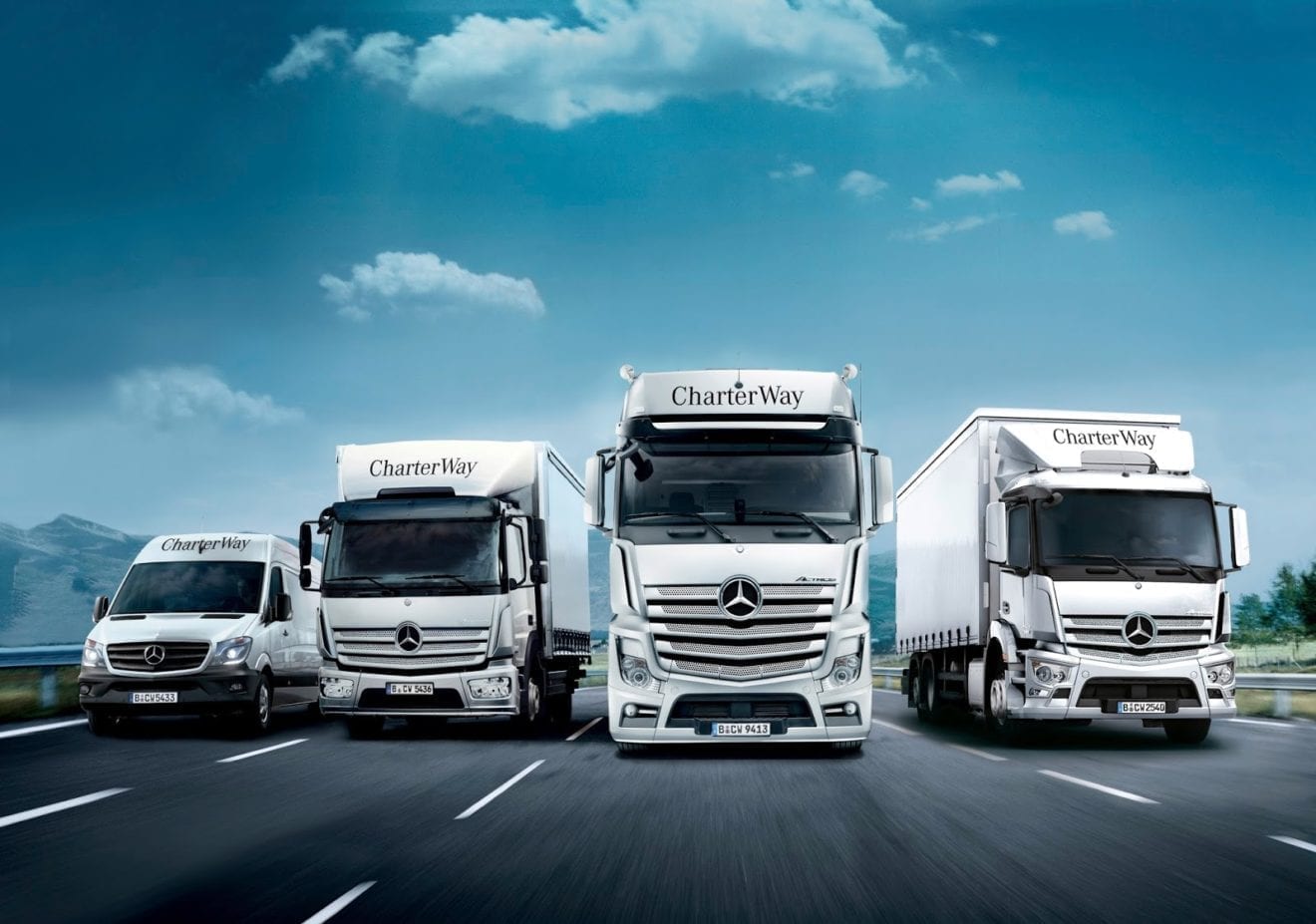
    Daimler Trucks, the world’s leading truck manufacturer with a strong foothold in Asia, is enhancing its position in commercial vehicles in its core market Indonesia. The Daimler Trucks subsidiary FUSO (Mitsubishi Fuso Truck and Bus Corporation, MFTBC), Mitsubishi Corporation (MC), Mitsubishi Motors Corporation (MMC), and the Indonesian company PT Krama Yudha (KY) have signed a respective framework agreement. As part of this agreement, the Indonesian trade and sales partner PT Krama Yudha Tiga Berlian Motors (KTB) will focus exclusively on selling FUSO brand commercial vehicles. KTB’s passenger car business will be transferred to an independent legal entity. At the same time, FUSO will increase its stake in the newly structured company KTB from 18 to 30 percent.

    Dr. Wolfgang Bernhard, Member of the Board of Management of Daimler AG for Daimler Trucks & Buses: “By increasing our stake in our partner KTB, we are underlining the importance of the Indonesian market and can be even more active locally. Concentrating our sales activities completely on the commercial vehicle market fits perfectly into our Daimler Trucks strategy of consistently focusing on the needs of our customers. With this shift, we as market leader are positioning ourselves in order to continue to tap market potential in Indonesia in the best way possible.”

    Marc Llistosella, President and CEO of Mitsubishi Fuso Truck and Bus Corporation and Head of Daimler Trucks Asia: “With our FUSO brand we have been the clear market leader in Indonesia for over 40 years. By increasing our stake in KTB, we can expand on our position even further.”

    With a current market share of about 47 percent, FUSO has been leading the Indonesian market for 46 years in a row since 1970. The country is the largest export market for the FUSO brand. The light duty truck Fuso Canter, which is sold under the name FUSO Colt Diesel, is the absolute top-seller in Indonesia.

    The current restructuring of KTB results in the following shareholder composition: FUSO (MFTBC) holds 30 percent, Krama Yudha (KY) 40 percent and Mitsubishi Corporation (MC) 30 percent. The overall transaction is subject to customary conditions precedent including merger control clearances.

    KTB will serve as dedicated wholesaler and distributor of FUSO vehicles in the Indonesian market and will continue to hold its stake in the related production business, which is responsible for vehicle assembly in Indonesia.

    For Daimler Trucks, this transaction is another important step forward in implementing its strategy of global and consistent orientation towards the requirements of commercial vehicle customers. To this end, Daimler Trucks is partially repositioning its sales and service organizations around the world with a clear focus on the commercial vehicle business. Daimler Trucks is thereby putting regional and national customer orientation at the center of its operations.

    Indonesia has a population of about 250 million people, of which 70 percent are under the age of 40. In 2016, the annual GDP growth rate is at 5.1 percent. The middle class is forecasted to expand to more than 140 million people by the year 2020. Indonesia is the world’s fourth most populous country with growth prospects, which are expected to be supported by a large number of infrastructure projects in the near future. It can be assumed that the infrastructure sector will expand further and result in an increasing demand for commercial vehicles.

  • New Mitsubishi Distributor to Boost Sales Operations in Indonesia

    New Mitsubishi Distributor to Boost Sales Operations in Indonesia

    Mitsubishi Motors Corporation (MMC) and business partners Mitsubishi Corporation (MC), PT Krama Yudha (KY) and Mitsubishi FUSO Truck and Bus Corporation (MFTBC) reached a basic agreement on restructuring MMC-brand vehicle sales operations in Indonesia in order to strengthen their Indonesian operating base.

    Under the basic agreement, the current distributor PT Krama Yudha Tiga Berlian Motors (KTB) will be split into MMC and MFTBC brands and a new distributor dedicated to the MMC brand will be set up. The new distributor will enhance MMC’s passenger car sales organization in Indonesia through promoting areas such as branding, sales personnel training, improving the quality of after-sales services and building up the dealer network. The new company is due to start sales operations in April 2017.

    MMC, in partnership with MC and KY began automobile production and sales in 1970 and since then business has grown focusing mainly on commercial vehicle sales.

    To meet further expected growth in the Indonesian passenger car market, MMC is preparing to commence production in April 2017 in a new factory at Mitsubishi Motors Krama Yudha Indonesia (MMKI). In October 2017, MMC also plans to start production of a new compact MPV segment model for which there is a large demand in Indonesia.

    MMC will work to further expand profits in Indonesia through expanding its model lineup, moving its focus from small commercial vehicles to passenger vehicles, strengthening the sales aspect with the new MMC brand-focused distributor in addition to production through the new factory at MMKI and new product.

  • BNI posts net profit of Rp7.72 trillion in Q3

    BNI posts net profit of Rp7.72 trillion in Q3

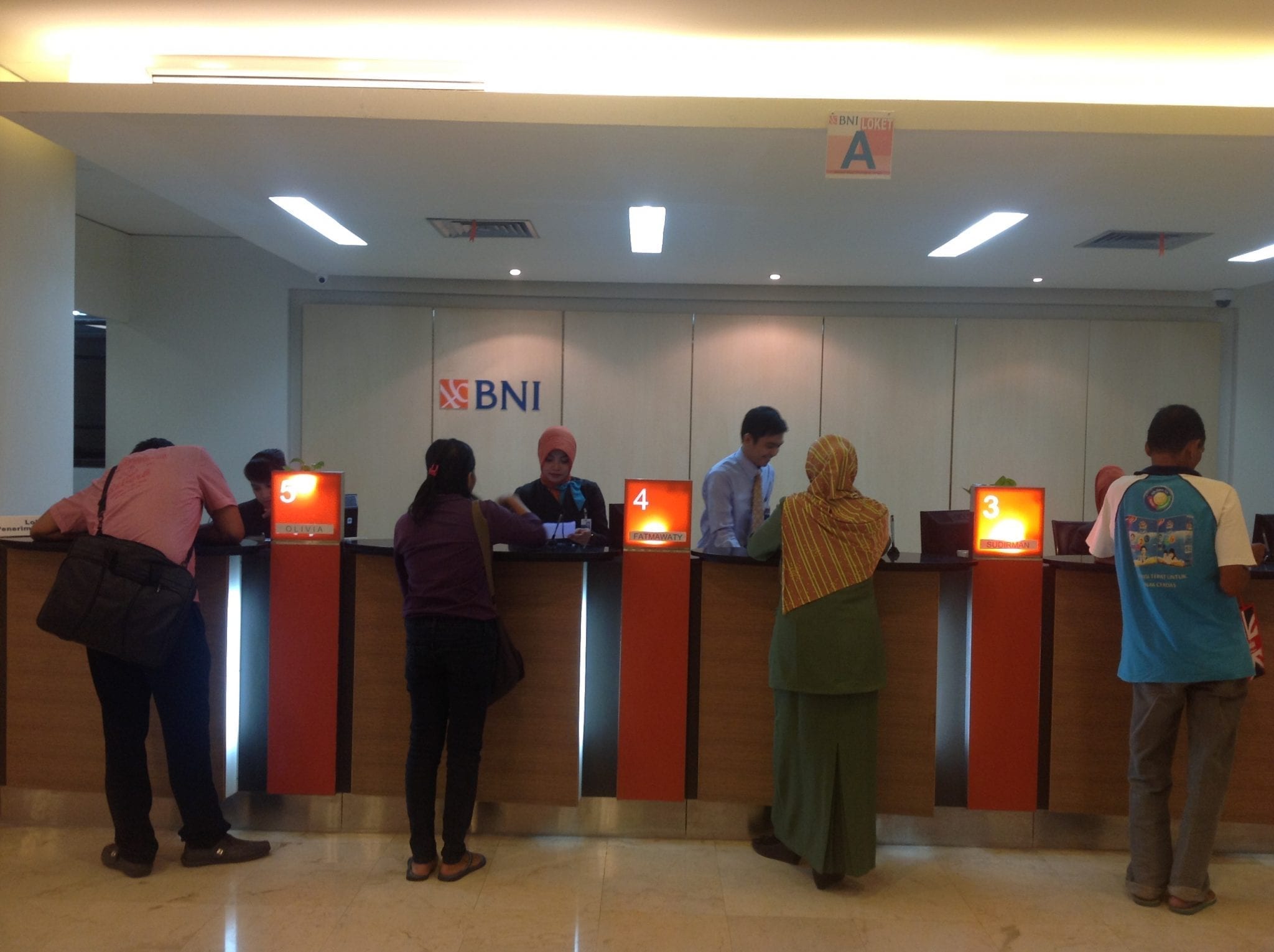
    State lender Bank Negara Indonesia (BNI) posted a net profit of Rp7.72 trillion in the third quarter of 2016, up 28.7 percent from the same period last year.

    The double-digit profit growth was fueled by net interest income after credits grew by 21.1 percent or Rp372.02 trillion year on year, BNI President Director Ahmad Baiquni said here on Thursday.

    The net interest income grew 15 percent to Rp21.87 trillion in the July-September 2016 quarter, up from Rp19.02 trillion in the same quarter a year earlier, he noted.

    Fee-based income, meanwhile, rose 20 percent from the same quarter last year, he added.

    He informed that the BNI recorded a 6.2 percent net interest margin from the amount of credits channeled in the third quarter of 2016 .

    The bank also saw its non-interest income rising 20 percent to Rp6.24 trillion in the third quarter of 2016, fueled by a rise in commission on trade financing, account management and insurance marketing cooperation.

    The amount of credits extended in the third quarter of 2016 grew 21 percent as the bank focused on financing infrastructure projects run by state-owned companies, he pointed out.

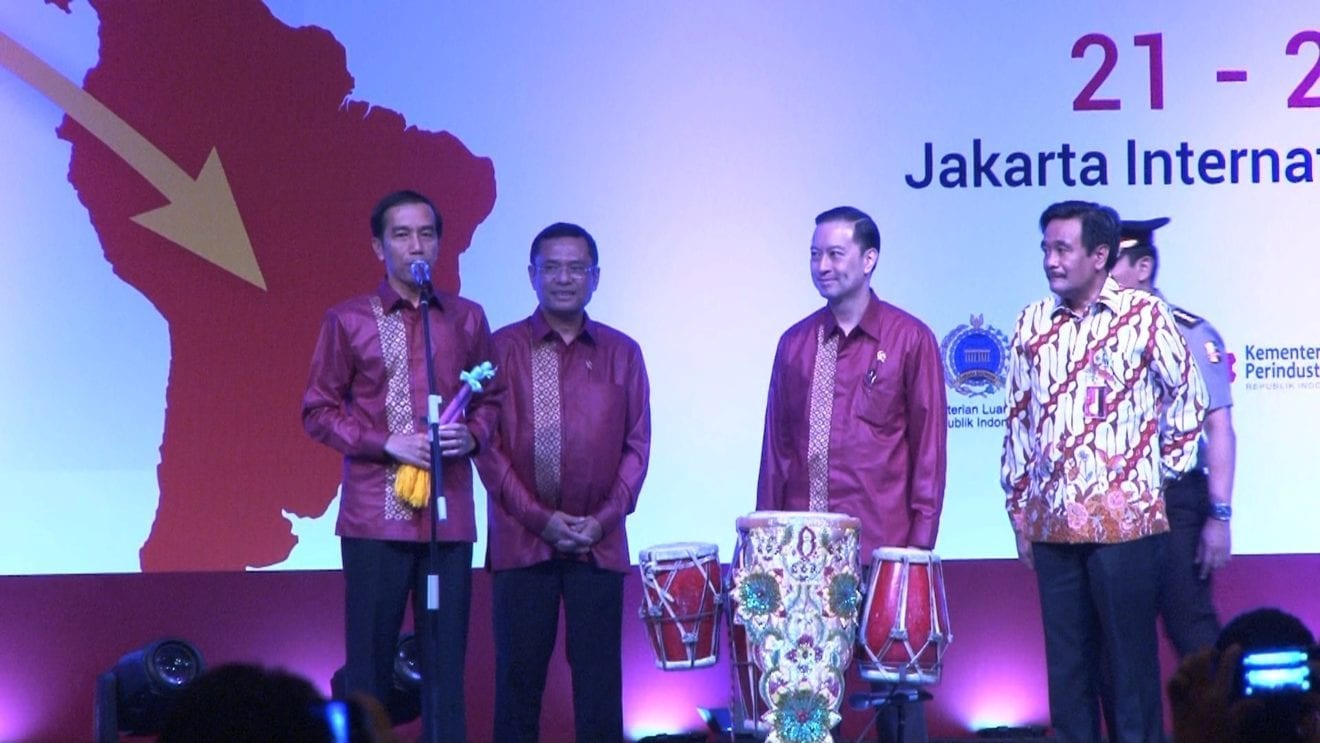
  • Trade Expo Indonesia buying mission generates deals worth US$186.69 million

    Trade Expo Indonesia buying mission generates deals worth US$186.69 million

    Now into its second day, the Trade Expo Indonesia event has generated a total of US$186.69 million worth of transactions in the form of trade contracts.

    “Transactions worth US$178.7 million were signed on the first day while US$7.99 million worth of deals were signed on the second day,” informed the Trade Ministrys Head of National Export Development Arlinda in Jakarta, on Thursday.

    On the second day of the Expo, the buying mission contract signing was dominated by importers of food and beverage products from Australia.

    The signings were witnessed by Suprapto Martosetomo, Indonesias Ambassador to South Africa as well as the Kingdom of Lesotho, the Kingdom of Swaziland and the Republic of Botswana. The deals were signed by six importers from three countries, including Nigeria, Australia and South Africa, and eight local export businesses.

    In the pharmaceutical sector, Nigerias Jeijosh Pharma signed a deal with PT. Phapros, while Sony Trading Pty. Ltd signed a deal with PT. Mayora Indah.

    In the food and beverage products sector, PT. Pondan Pangan Makmur and PT. Sarimunik Mandiri signed a deal with Eastern Cross Trading Pty. Ltd and CV. Intrafood, while Hean Corporation and PT. Dua Kelinci signed a partnership in the same sector.

    Grein Australia Pty Ltd and PT. Sayap Mas Utama signed a deal for food and beverage products as well as consumer goods.

    Lastly, Wemco Investment & Trading Ltd and PT. KMI Wire and cable Tbk. signed a contract for wire products.

    A total of 37 trade contract signings were carried out between 30 importers from 16 countries and 34 local exporter companies based on the buying mission on the Expos second day.

    Essential oils and coconut milk were among the most sought after products and generated the most transactions, along with skilled workforce contracts from the services field.

    Other commodities that were also coveted by foreign importers included coffee, tea, cement, furniture, wires, food and beverage products, seafood, anti-fatigue mats, floor mats, cutting boards and modular tiles.

    Arlinda believes that this event has broadened Indonesias export opportunities in a number of markets, especially non-traditional ones.

    “We continue to work so that the Indonesian trade representatives contribute more overseas, while at the same time encouraging business makers to enhance the quality of their products because export opportunities are now very vast,” Arlinda remarked.

    The Trade Ministry aims for the goods trade transactions to reach US$800 million by the end of this Trade Expo, excluding the investment opportunities and services related transactions.

    It is hoped that overall, the total transactions signed can reach US$1 billion, exceeding the previous year’s figure of US$909 million of deals.

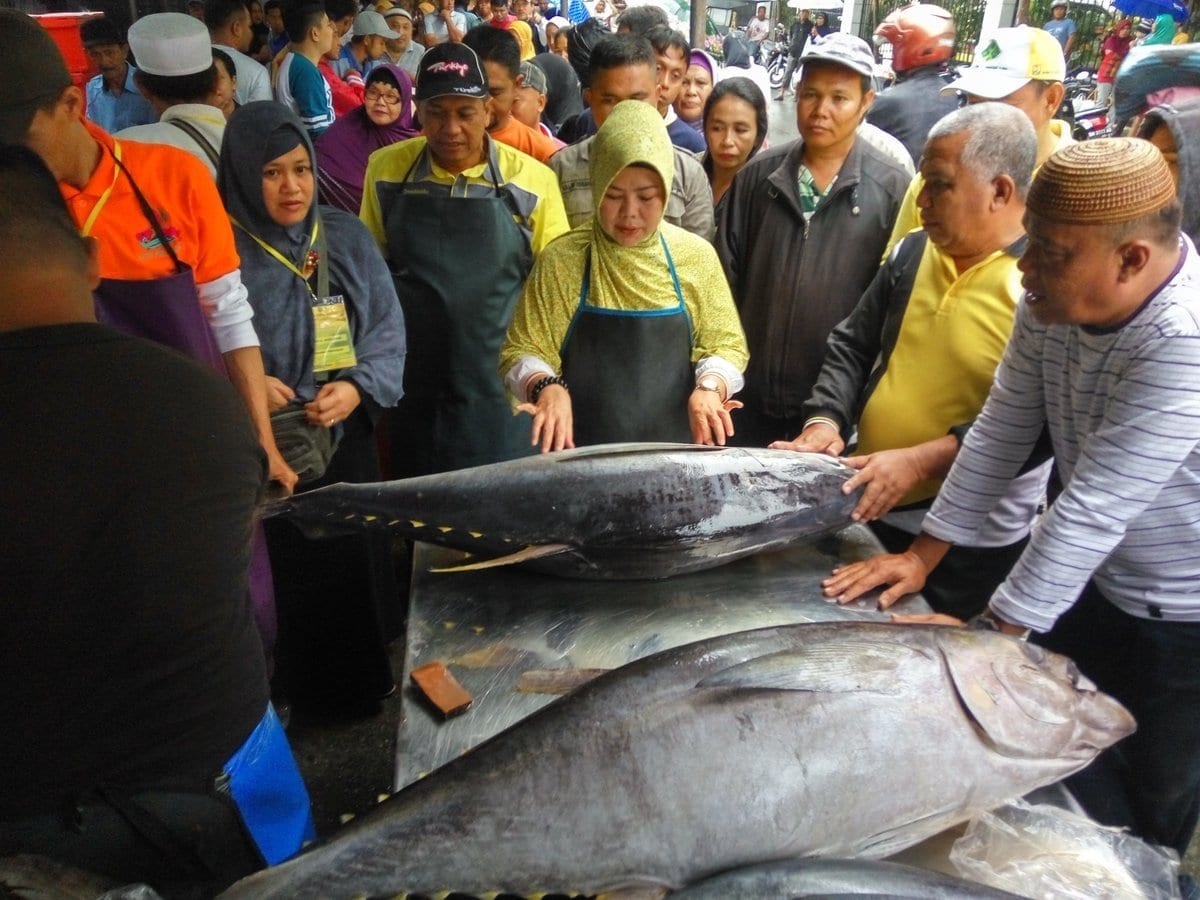
  • Jordanian Investors Buys Gorontalo Tuna

    Jordanian Investors Buys Gorontalo Tuna

    Jordanian investor Iyad Al Shorafa expressed his interest in purchasing class C tuna from Gorontalo, at the amount of 25 tons per day.

    Al Shorafa is a member of the Middle East trade delegation participating in the Indonesian international trade promotional program, which was initiated by the Foreign Affairs Ministry as a part of the 2016 Trade Expo Indonesia.

    Budianto Sidiki, Chief of Gorontalo Regional Development Planning Agency (Bappeda) explained that Al Shorafa is ready to work together with the Gorontalo fishermen union, and to construct a tuna processing factory specifically for export purposes.

    “Production capacity of Gorontalo fishermen for class C fresh tuna is around five tons each day,” Sidiki said.

    To meet the importer demands, the Gorontalo local government will cooperate with city and regency officials in the region.

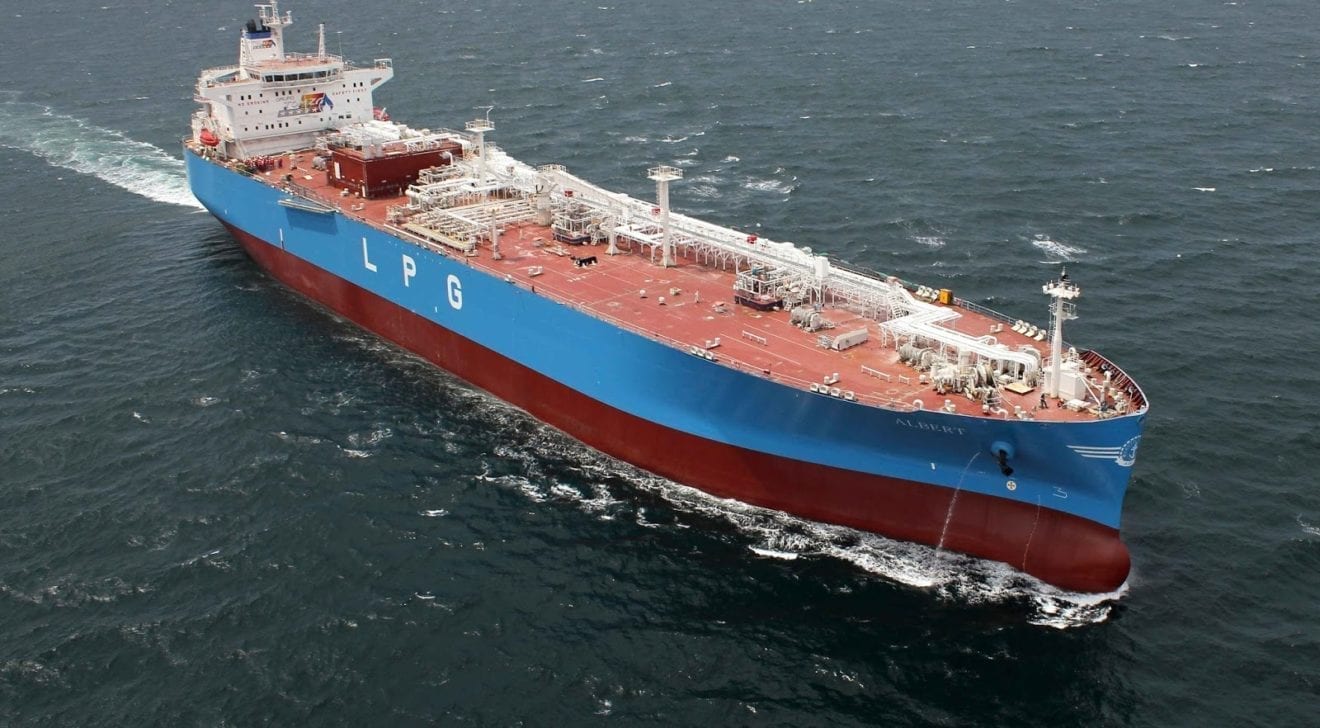
  • Iran’s first LPG cargo for Pertamina arrives in Indonesia

    Iran’s first LPG cargo for Pertamina arrives in Indonesia

    State-run energy giant Pertamina officially received a cargo of liquefied petroleum gas (LPG) from Iran on Thursday, marking Iran’s first shipment as a new supplier of LPG to Indonesia.

    Pertamina president director Dwi Soetjipto welcomed the 44,000 metric tons of LPG transported from Asaluyeh Port in Iran 13 days ago by its VLGC Pertamina Gas 2 vessel, at Kalbut Port in Situbondo, East Java.

    According to him, the LNG shipment from the National Iranian Oil Company (NIOC) would open up other business development opportunities between Pertamina and the NIOC, in both the upstream and downstream sectors.

    “It marks a new chapter of cooperation between Pertamina and the NIOC and makes trade cooperation between Indonesia and Iran more significant,” Dwi said in a statement on Thursday.

    Earlier, the NIOC agreed to supply Pertamina with a total volume of 600,000 tons of LPG for 2016 and 2017.

    Following the arrival of the first cargo, the NIOC will immediately send the next cargo, which is expected to arrive on Nov. 20.

    In addition to the LPG purchase, the two state-run companies signed an agreement to conduct a preliminary study of two giant oil fields in Iran, namely Ab-Teymour and Mansouri, which have an oil reserve of more than 5 billion barrels.

  • Shiseido perfume ambition revealed

    Shiseido perfume ambition revealed

    Japanese cosmetics group Shiseido is aiming to become one of the world’s top five perfume makers in five years, up from its current seventh spot.

    New acquisitions will help Shiseido perfume market share grow – along with a step-up in marketing, especially online.

    Shiseido has beaten Spain’s Puig to win Procter & Gamble‘s Dolce & Gabbana perfume (D&G) licence, which generates 400 million euros ($445 million) in annual revenue. It aims to grow this to 1 billion euros in 10 years.
    Shiseido group chief executive for Europe, Middle East and Africa Louis Desazars, who was previously US head of Shiseido’s Nars make-up brand, says there is a new mindset and energy in the group.

    The D&G licence business will compensate for Shiseido’s loss this year of the Jean-Paul Gaultier perfume licence as part of an agreement with Puig when it bought the French brand in 2011.

    Shiseido says the D&G perfume business helped it more than double its market share instantly to 5.8 per cent from 2.2 per cent. It is aiming to reach 9 per cent in five years.

    On top of its own skincare lines, Shiseido makes perfume under licence for fashion brands Azzedine Alaia, Elie Saab, Issey Miyake and Narciso Rodriguez. The group has created a separate branch for niche brands it has acquired such as Serge Lutens last year, and the skincare and cosmetics brands Laura Mercier and ReVive in July.

    The global perfume market grew 2.9 per cent last year, while niche perfume brands saw their sales surge 15 per cent.

    Estee Lauder has also placed niche perfume brands it has bought, such as Editions de Parfums Frederic Malle and Le Labo, in a separate division.
    Including perfume, skincare and makeup, Shiseido ranks fifth globally behind L’Oreal, Coty, LVMH and Chanel, and is bigger than Clarins. In skincare alone, Shiseido says it aims to join the top three globally, up from its current fifth spot.

  • Discovery Japan Mall opens online

    Discovery Japan Mall opens online

    Tokyo-based craft products retailer DigitalStudio has launched Discovery Japan Mall, a cross-border eCommerce venture.

    Specialising in Japanese brands, the mall’s initial catalogue includes mainly toys, fishing gear, cosmetics, food, watches and fashion. About 100 Japanese companies have opened stores on the mall, offering about 15,000 items.

    Shipping is available to more than 120 countries and regions, and as part of the opening campaign free international shipping is offered for orders worth JPY 20,000 (US$190) or more until the end of this month.

    As well as credit cards, the mall supports payment by AliPay, PayPal, UnionPay and WeChat. The website is available in English, simplified and traditional Chinese, Indonesian, Korean and Thai. Purchases can be made by smartphone, and all orders include tracking and shipping insurance, plus delivery from Japan.

    Discovery Japan Mall representative Norio Itabashi says many hidden Japanese products do not reach the overseas market, and the mall is working with craftsmen and manufacturers to sell unique products.

    DigitalStudio was established in 2003 with the aim of “continuing to bring Japan to the world”.

  • Damiani Malaysia opens in Pavilion

    Damiani Malaysia opens in Pavilion

    Italian luxury jewellery group Damiani Malaysia has opened a boutique store in the Pavilion shopping mall in Kuala Lumpur.

    Damiani Pavilion Malaysia

    Precious materials are used in the store’s interior to create a sophisticated environment to enhance the tradition and modernity of Damiani’s jewellery. The interior features taupe satin wallpaper and bronzed brass details.

    Founded in 1924, Damiani designs, manufactures, distributes and sells jewellery and luxury watches. The company manages 55 direct and 20 franchised points of sale internationally.

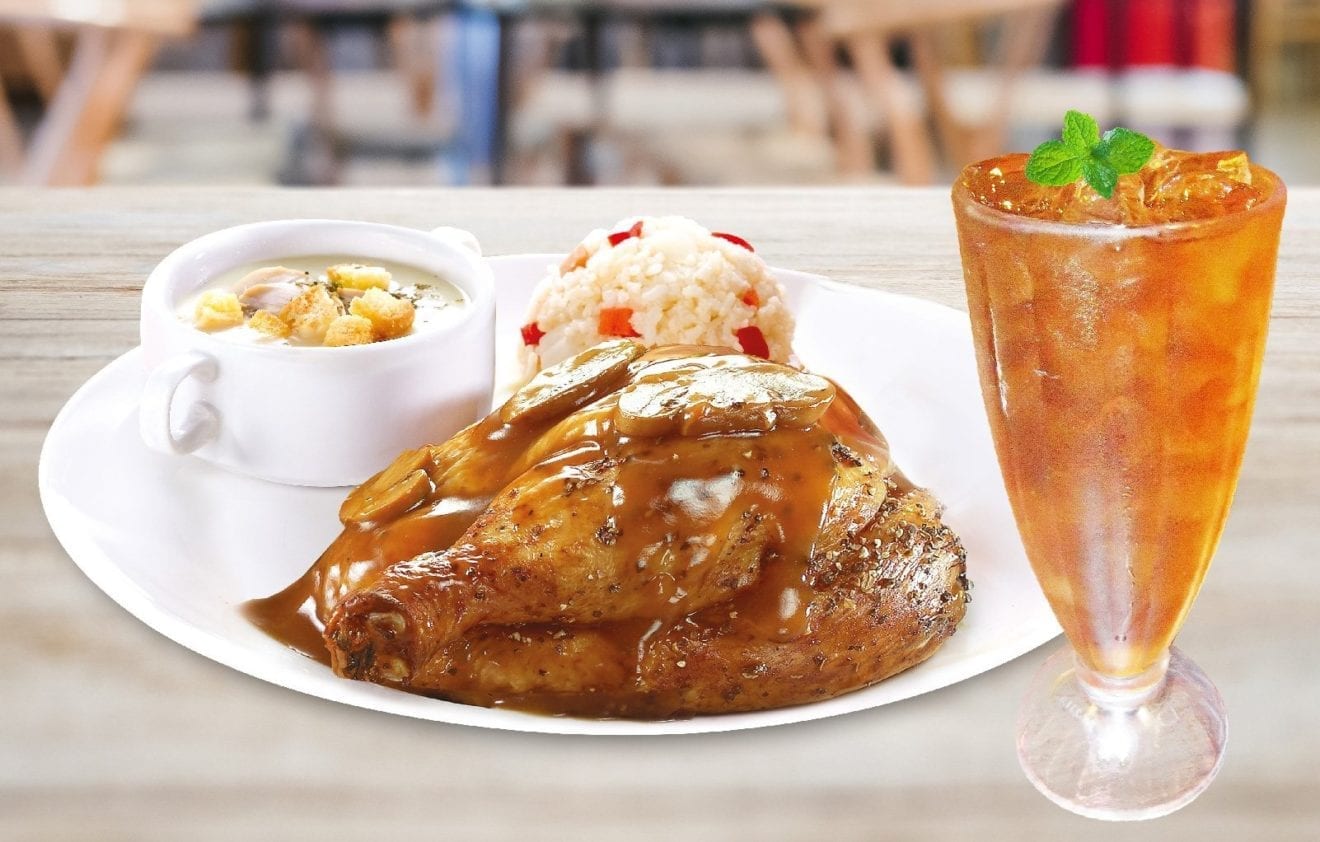
  • Kenny Rogers Roasters arrives in India

    Kenny Rogers Roasters arrives in India

    Malaysia’s chicken-based restaurant chain Kenny Rogers Roasters will open its first outlet in India this month, aiming to expand to up to 50 stores in the next five years.

    Its first restaurant will be in the Gardens Galleria Mall, Noida.

    “We are eyeing a Rs 200-crore [U$30 million] turnover from the Indian market by 2021,” says master franchisee Troika Hospitality India managing partner Rajeev Chawla.

    He says the plan is to open eight to 10 restaurants in north India by the end of next year, after which expansion will cover other parts of India. The stores will be a mix of company-owned and franchises.

    Known for its chicken offerings, Kenny Rogers Roasters will also serve vegetarian food in India, he says.
    Owned by Malaysia’s Berjaya Corporation, there are more than 400 Kenny Rogers Roaster restaurants in 14 countries including China, Malaysia, the Philippines, Singapore and the US.

    Kenny Rogers is an American singer/songwriter and member of the Country Music Hall of Fame who is now 78 years old. He teamed with John Y. Brown, the governor of the state of Kentucky, who had also helped develop Kentucky Fried Chicken, to launch the first Kenny Rogers restaurant in Florida in 1991.

    It expanded to Brunei, China, Indonesia, Malaysia, the Philippines and Singapore, with Berjaya acquiring the group from Nathan’s Famous Inc in 2008.

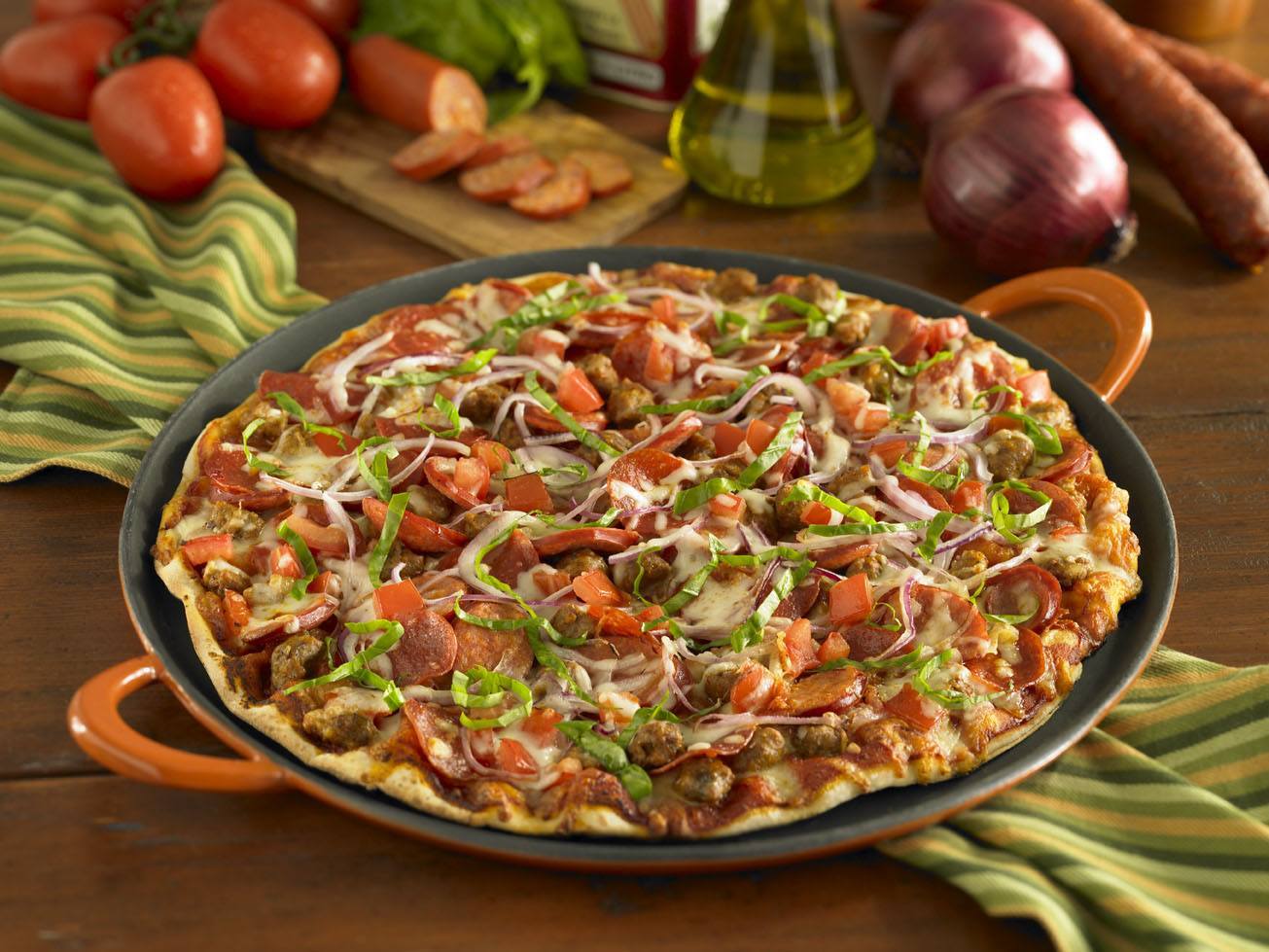
  • Philippines’ Shakey’s Pizza plans $113m IPO

    Philippines’ Shakey’s Pizza plans $113m IPO

    Shakey’s Pizza Ventures (Spavi) aims to raise more than P5.5 billion (US$113 million) through an initial public offering (IPO) in the Philippine Stock Exchange this year.

    The restaurant chain has filed a prospectus with the Securities and Exchange Commission (SEC)
    to sell up to 352 million primary and secondary shares, including 46 million shares at P115.58 apiece, to meet excess demand.

    Spavi seeks to finalise the offer price in November, and targets its projected listing in December.

    “We intend to use the offer proceeds to expand our in-house commissary, meet working capital requirements, look at potential acquisitions and repay debt,” the company says.

    The chain has appointed Deutsche Bank as sole global coordinator and bookrunner for the deal, while BDO Capital and Investment Corp, and First Metro Investment Corp will serve as joint lead managers and underwriters. Evercore is the financial adviser.

    Majority owned by the Po family conglomerate Century Pacific Group (CPGI), Spavi owns the rights to the Shakey’s trademark in the Philippines. CPGI is the parent company of Century Pacific Food(CNPF).

    To create Shakey’s trademark thin-crust pizza, Spavi’s in-house commissary supplies the bulk of its proprietary pizza dough and crust. The global pizza franchise originated in the US in 1954, expanding to Canada, Mexico, Japan and, in 1975, the Philippines. It now has more than 170 stores in the Philippines.

  • Kenzo-H&M collaboration revealed

    Kenzo-H&M collaboration revealed

    The first images have been revealed of the extraordinary range of men’s and women’s designs in the Kenzo-H&M collaboration.

    The Kenzo and H&M collection will go on sale in more than 250 selected H&M stores worldwide from November 3. As with previous H&M collaborations, it is likely to attract huge interest as the fast-fashion giant makes available clothing from a luxury brand unaffordable to many core H&M shoppers.

    Kenzo collection 2

    The Kenzo- H&M lookbook features a key selection of looks from the designer collaboration and stars a diverse cast of talented, passionate and creative ambassadors, each of whom expresses their individuality and values with style. Inside Retail has chosen a small selection of the designs below.

    Kenzo collection 1


    The ambassadors featured in the lookbook are writer and activist Amy Sall, photographer Youngjun Koo, artist and DJ Juliana Huxtable, musician and performance artist Oko Ebombo, fashion editor Harriet Verney, make-up artist Isamaya Ffrench, artist Ingrid, musician Anna of the North, model and rapper Le1f, as well as models Mae Lapres, Hao Liu, Selena Forrest, Tom Gaskin, Julia Banas and Pierre Painchaud.

    The photographer was Oliver Hadlee Pearch.

    Kenzo collection 5

    Kenzo collection 4

  • Denny’s Manila marks restaurant’s Philippines debut

    Denny’s Manila marks restaurant’s Philippines debut

    American diner Denny’s has arrived in the Philippines, opening at Uptown Parade in Bonifacio Global City (BGC).

    The Denny’s Manila restaurant is the first of several planned for the brand’s newest international market.

    Mall owner Megaworld Corporation founder Kevin Tan says on Instagram that the store is one “one of my favorite restaurants in the world”. He was on hand for the store’s ribbon-cutting ceremony.

    Denny’s started out as a coffee and donut stand in 1953. It went public in 1968 and was listed on the New York Stock Exchange.
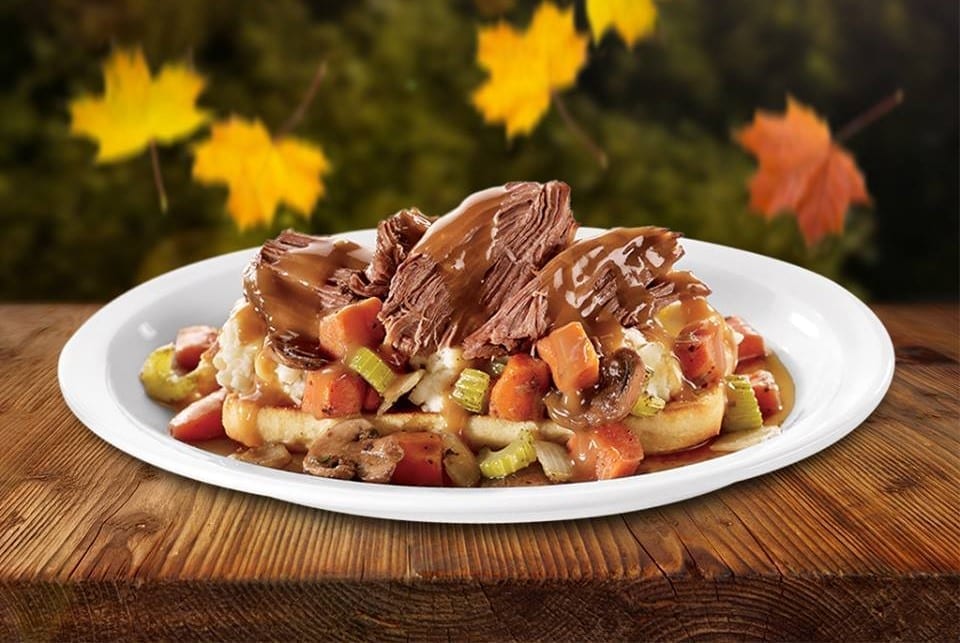
    At BGC, it is open all day every day serving American breakfasts, pancakes and omelettes.

    Denny’s also has stores in China and Korea.

  • FJ Benjamin granted Casio Indonesia rights

    FJ Benjamin granted Casio Indonesia rights

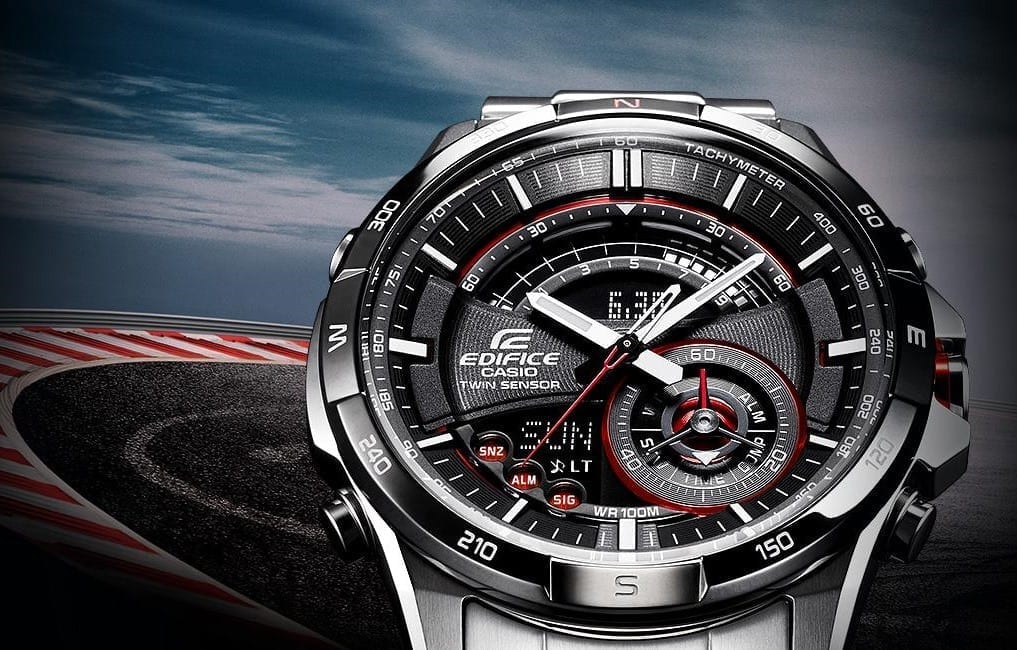
    Singapore-listed fashion and lifestyle group FJ Benjamin has had a celebration to mark it gaining the Casio Indonesia rights to retail the full range of the Japanese watch brand’s watches.

    The brands include Baby-G, Edifice and G-Shock.

    While Casio distributes products to retailers in Indonesia already, only FJ Benjamin has the full range as exclusive retailer for all categories, CEO Nash Benjamin said at a Casio media event at a Jakarta nightclub venue attended by more than 1000 guests.

    He expects the watches to be sold at about 60 sales outlets in the first year. Associate Gilang Agung Persada is setting up G-Shock boutiques and stand-alone counters in malls across Indonesia, as well as selling Casio brands in 30 stores under its two multi-label watch chains, Watch Engine and Watch Zone.

    A G-Shock boutique opened at the end of August at the new St Moritz mall complex, which also houses high-end apartments.

    Benjamin says his company contacted Casio as it has an interest in G-Shock. “Casio came to Indonesia, saw our network of retail stores and was satisfied we could do a good job.”

    Casio senior executive managing officers and senior GM Shigenori Itoh says the company has had double-digit growth in Asia for the past three years.

    Meanwhile, Benjamin says his company could have up to 80 “or maybe even 100” stores in Indonesia in the next four to five years.

    FJ Benjamin has also won exclusive distribution rights in Indonesia for US fashion brand Marc Jacobs.

  • Toyota recalls 340,000 Priuses globally to fix parking brake issue

    Toyota recalls 340,000 Priuses globally to fix parking brake issue

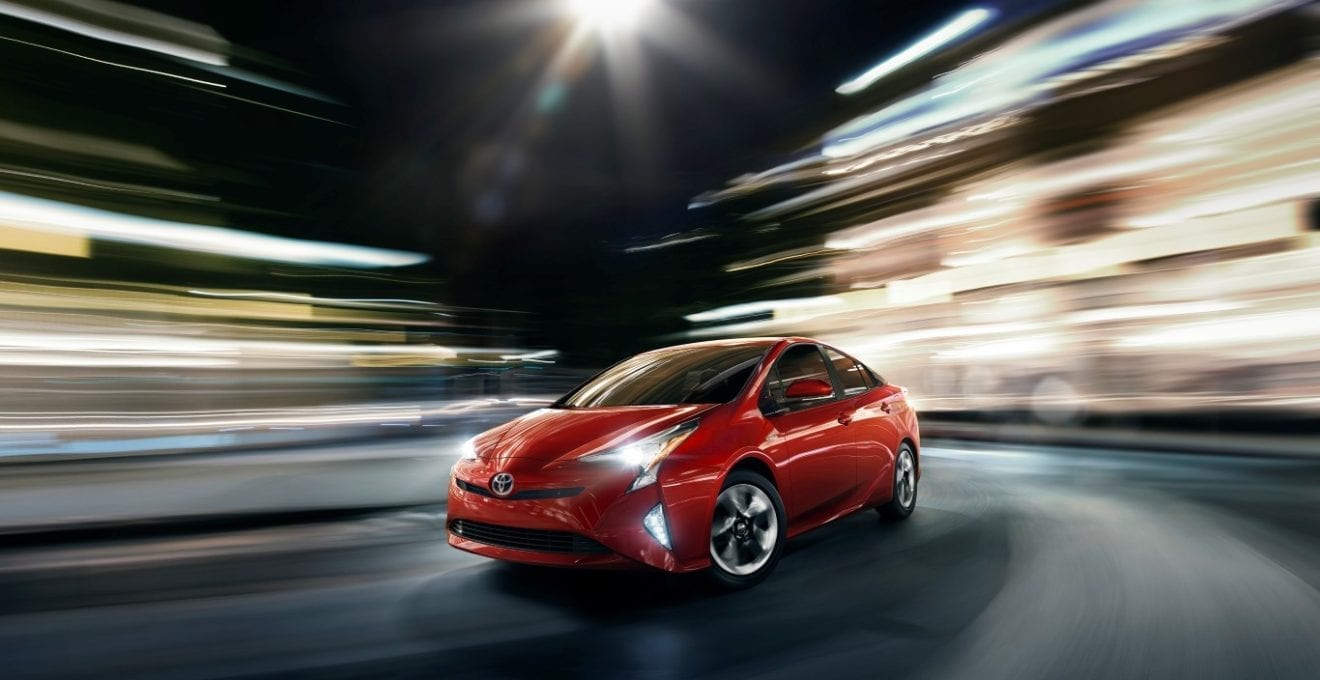
    Toyota Motor Corp said on Wednesday it was recalling around 340,000 of its latest Prius gasoline hybrid model in Japan and overseas to fix a parking brake issue.

    The recall covers models produced between October 2015 and October 2016, and affects around 210,000 vehicles in Japan and 92,000 in North America, Toyota said, adding that the balance would be recalled in Europe, Australia and other regions.

    No accidents have been reported in Japan in connection with the issue, a Toyota spokeswoman said, while declining to comment on whether any accidents had occurred overseas.