Author: Mei Ling Tan

  • Thai Union takes bite of Red Lobster

    Thai Union takes bite of Red Lobster

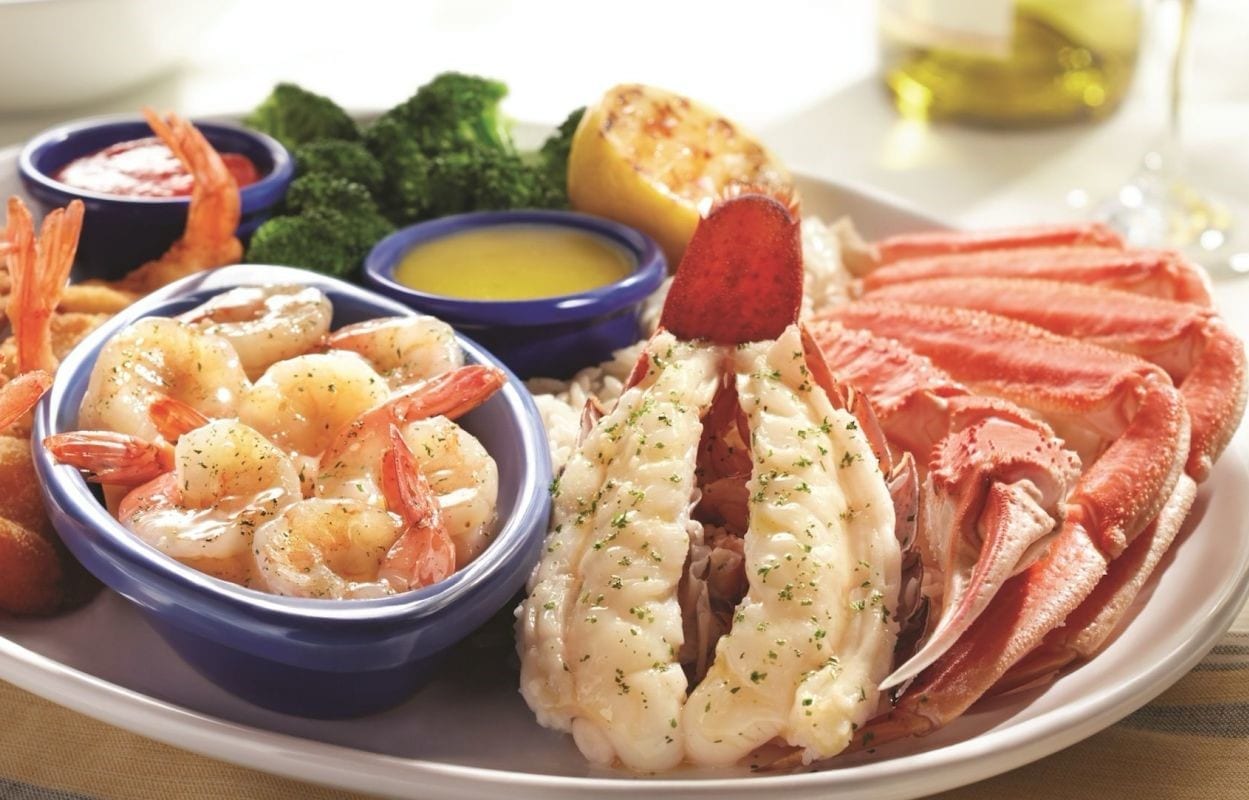
    Seafood producer Thai Union has made a US$575 million strategic investment in US seafood restaurant company Red Lobster.

    Golden Gate Capital retains its majority shareholding in Red Lobster.

    Thai Union is regarded as the world’s largest producer of shelf-stable tuna products with annual sales exceeding THB 125 billion (US$ 3.7 billion) and a global workforce of more than 46,000 people. It says it has taken a 25 per cent interest in the restaurant chain, with the option to acquire an extra 24 per cent through the conversion of preferred shares.

    “Red Lobster is an iconic brand, with a leading market position in seafood casual dining and a world-class management team, and has delivered strong performance since Golden Gate acquired it in 2014,” says Thai Union Group CEO Thiraphong Chansiri.

    “This investment marks a strategic step to build Thai Union’s direct-to-consumer channel, and will enable us to benefit from the extensive restaurant industry expertise of both the Red Lobster management team and Golden Gate.”

    He says Thai Union has worked closely with Red Lobster for more than two decades.

    With 40 years’ industry experience, Thai Union has expanded its product lineup to include lobster, shrimp, sardines, mackerel, tuna, salmon and crab. Its brands include Chicken of the Sea, John West, King Oscar and Petit Navire, and it has production units in 12 countries.

    JP Morgan acted as exclusive financial adviser to Thai Union for the investment.

    Headquartered in Orlando, Florida, Red Lobster claims to be the world’s largest seafood restaurant company. As a private company owned by Golden Gate Capital, Red Lobster has 58,000 employees in more than 700 restaurants in the US and Canada, with a growing international footprint.

    Golden Gate Capital is a San Francisco-based private-equity investment firm with more than $15 billion of capital under management. In addition to Red Lobster, investments sponsored by Golden Gate Capital include California Pizza Kitchen, Pacific Sunwear, Payless ShoeSource and Zales.
  • Harvey Nichols Hong Kong reopens

    Harvey Nichols Hong Kong reopens

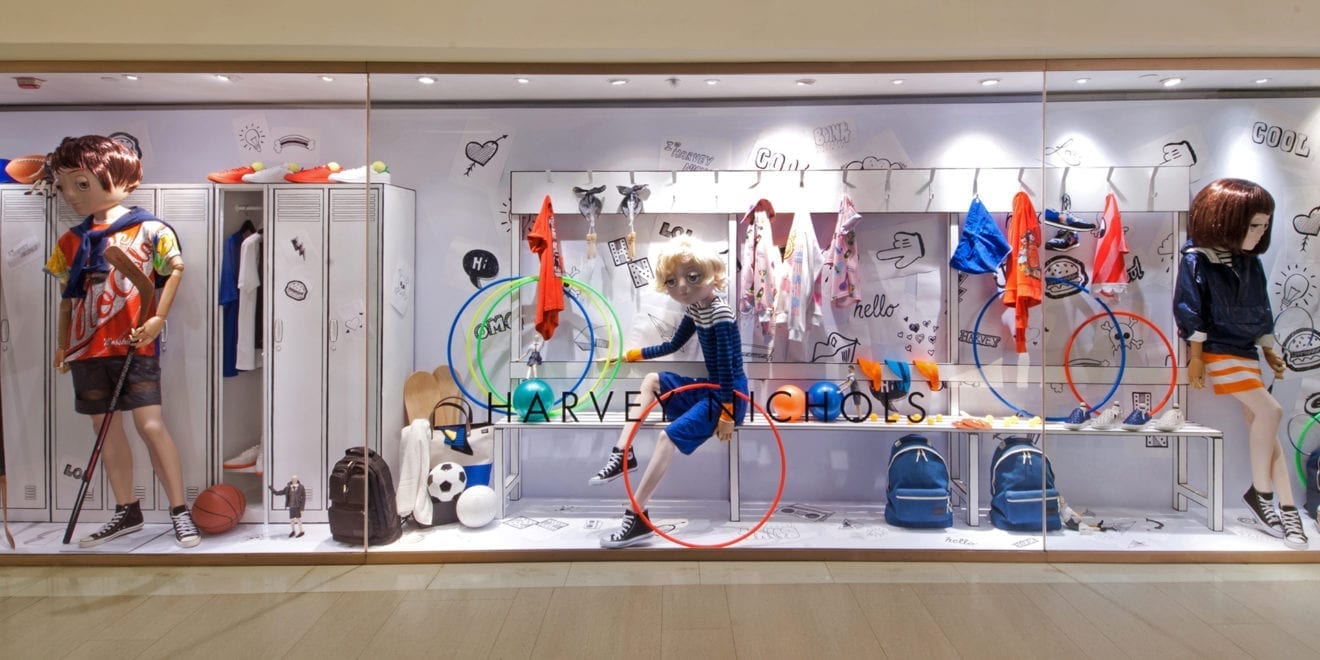
    Harvey Nichols Hong Kong has reopened its store at The Landmark following a three-month renovation.

    Originally opened in 2005, the five-storey store now offers the Style Concierge, a personalised service that helps customers with their wardrobe makeover. It also offers makeovers for every occasion, invitations to events, private sales, special offers, gift suggestions, beauty advice and delivery services.

    Harvey Nichols Hong Kong Landmark

    Also new is Mixology, a permanent pop-up area that features new designer labels and fashion trends. Its first showcase is Korean fashion power houses including Customellow, CY Choi, D-Antidote and Solid Homme.

    Harvey Nichols Hong Kong Landmark 2

    More than 30 makeup and skincare labels have been introduced as well, including Addiction, La Mer, Nail & Lash by Per Face, Tom Ford Beauty and Whoo.

    From Copenhagen Fashion Week, Harvey Nichols has introduced designer labels including Han Kjøbenhavn, Henrik Vibskov and Tonsure. These add to the line-up of labels from other international fashion weeks including Hilfiger Collection, Maison Margiela and Vera Wang for women, and Lavin and Marni for men.

    Harvey Nichols Hong Kong Landmark 3

    The store’s facade is a geometric-faceted floating panel sitting prominently with the inherited adjacent architecture, with the abstracted lines from the “H” and “N” creating a pattern that is illuminated at night.

  • Taiwan’s DaYung’s Tea opening in US

    Taiwan’s DaYung’s Tea opening in US

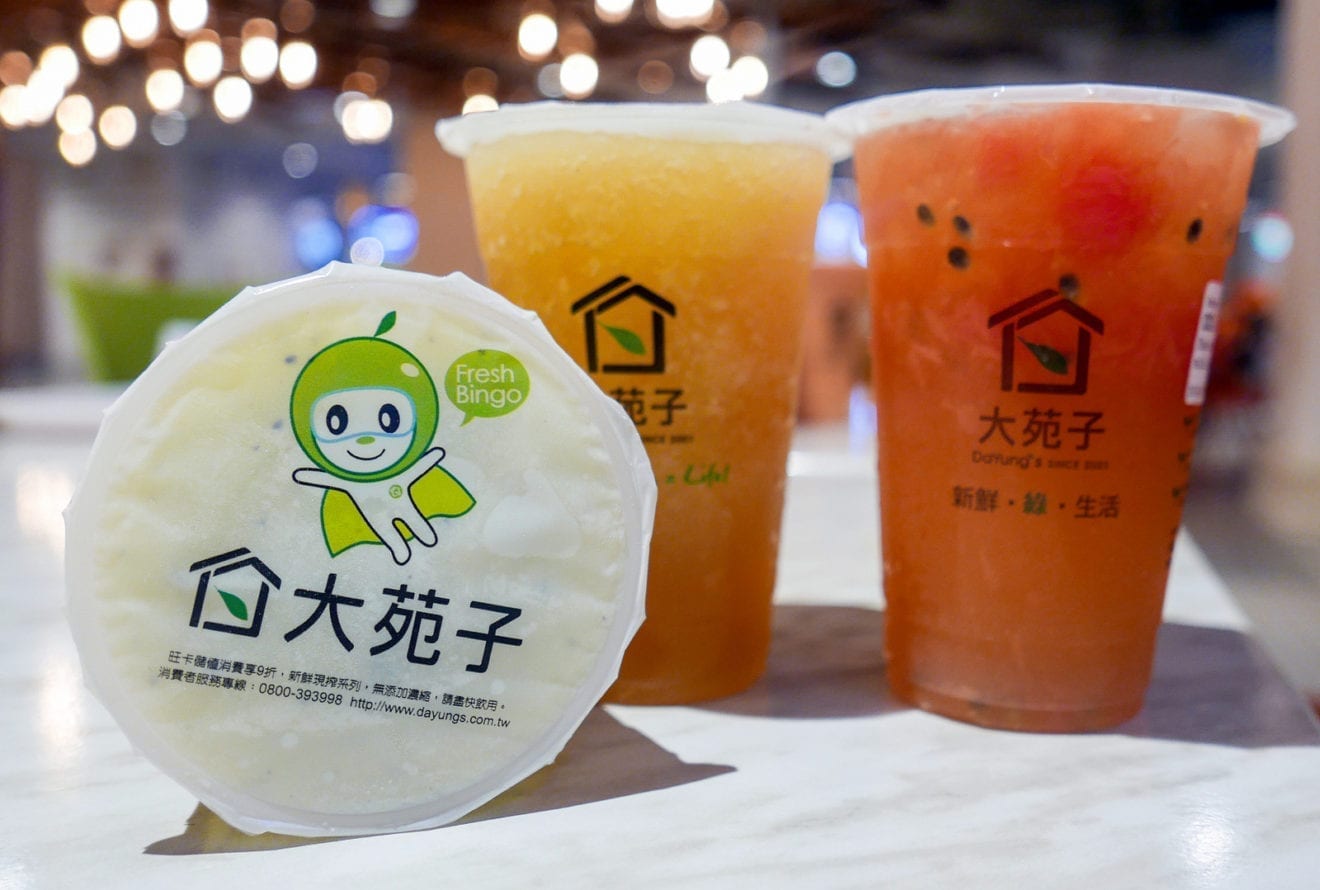
    Taiwan company DaYung’s Tea is about to launch in the US.

    It has leased a 1400 sqft (130 sqm) unit at Mill Plaza in Tempe, in Phoenix, Arizona.

    With 270 stores throughout Asia, DaYung’s offers a mix of fruit tea and smoothie drinks.

    “This hot new concept will blend in perfectly with the other new restaurants at Mill Plaza,” say Judi Butterworth and Lacey Guardado of Orion Investment Real Estate, who represent the tenant. They say the store will be able to serve a huge Asian customer base, as well as a student population.

    More than 61,000 cars drive by the shopping centre each day, according to the Phoenix Business Journal.

  • Inside Starbucks Cambodia flagship

    Inside Starbucks Cambodia flagship

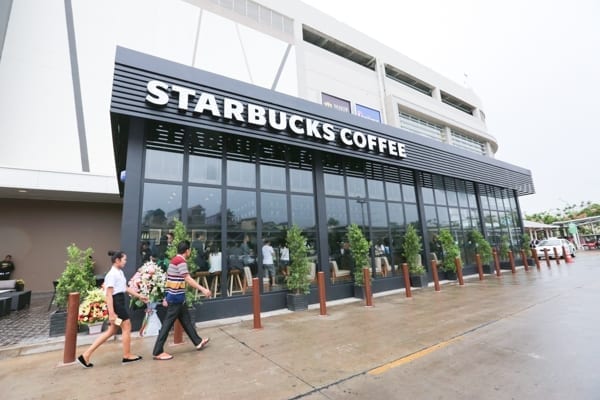
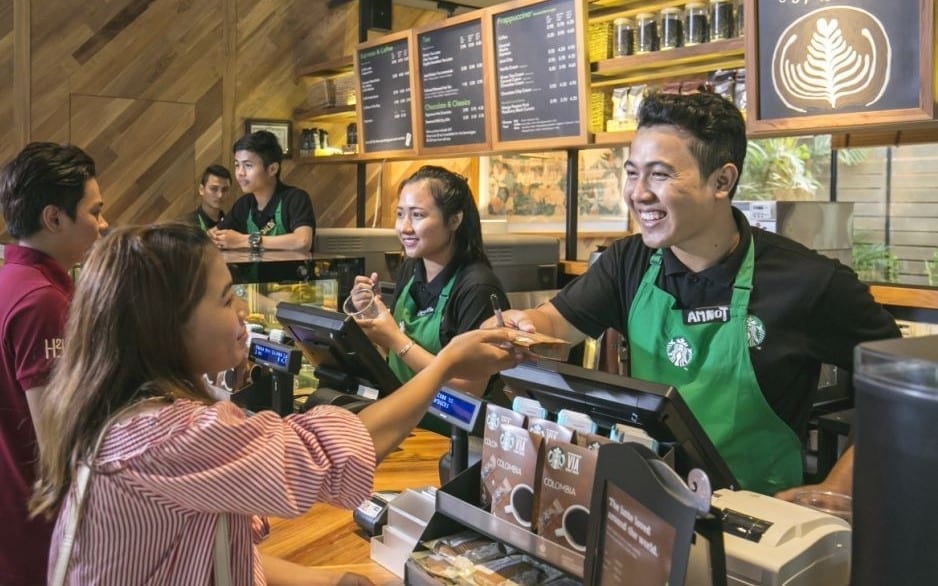
    Starbucks Cambodia has opened a new flagship store in Phnom Penh, in partnership with regional partner Maxim’s Group of Hong Kong.

    Cambodia is Starbucks 16th market in the China/Asia Pacific region, where it has more than 6200 stores. This is the third store in the country. Last month, Starbucks celebrated 20 years since the opening of its first store outside North America – in Japan.

    Starbucks BKK

    The Starbucks Cambodia Phnom Penh flagship, in the Boeung Keng Kang neighbourhood, will introduce Starbucks Reserve coffees to Cambodia, says Starbucks Asia Pacific president Mark Ring. An interactive coffee bar will allow customers to experience a range of brewing techniques including siphon, cold brew, pour-over, coffee press and espresso machine.

    Starbucks BKK

    Inspired by Starbucks’ 45-year history, the flagship store features not only the brand’s core menu but also rare, small-lot coffees. For the store opening, baristas handcrafted two small-lot Starbucks Reserve coffees, Colombia La Union 16 and Papua New Guinea Luoka. Over time, the store will showcase a variety of coffees from small-lot coffee farmers in various countries. All Starbucks Reserve coffee is roasted in Seattle.

    Starbucks BKK

    Starbucks BKK

    Through its licensed partner Coffee Concepts (Cambodia), a subsidiary of Hong Kong Maxim’s Group, Starbucks entered the Cambodian market in December 2015. It has two stores at Aeon Mall and Phnom Penh International Airport.

    Photo: Nick Sells at www.SoShootMeStudio.com

    It latest store covers 650 sqm over two levels and features local craftsmanship as well as iconic global images, including a hand-carved Cambodian sandstone siren, an illustration of Starbucks first store on a textured rattan canvas, a coffee landscape tapestry made of fabric woven on a rattan frame, and a metal sculpture over the bar.

    Starbucks BKK

    The centerpiece is a hand-painted mural over the stairs to the second floor, illustrating the Cambodian folklore of Sovann Maccha, the siren princess with a tail that is transformed into two Naga dragons.

    Starbucks BKK

    Starbucks is working with Cambodian Children’s Fund, a non-government organisation that works with children in one of the most underserved areas of Phnom Penh.

  • Chinese celebs promote ‘K-beauty’

    Chinese celebs promote ‘K-beauty’

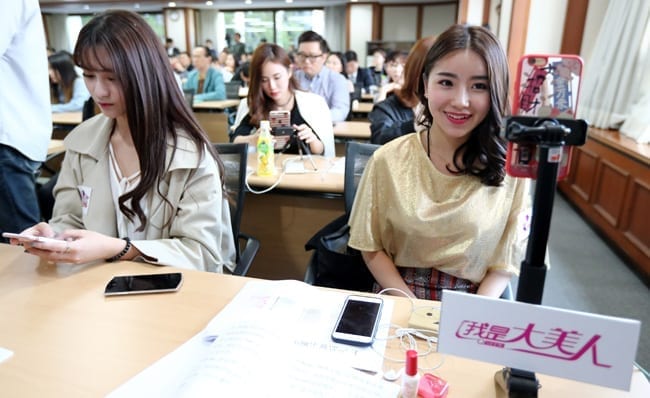
    Internet celebrities in China, known as “Wang Hong” there, have been in the limelight among Korea’s cosmetics and retail industry officials, amid a chilly relationship between the two countries. Bilateral relations have soured since Korea decided to deploy the Terminal High Altitude Area Defense (THAAD) missile system.

    The online stars, who have millions of followers on the internet, exert a strong influence over young Chinese people. According to CBN Data, a commercial data company affiliated with Alibaba, the “Wang Hong economy” is set to be worth 58 billion yuan ($8.7 billion) in 2016, more than China’s box office in 2015.

    Korea’s cosmetics industry officials have recently paid attention to them, as more have promoted K-beauty fever in China, evaluating or recommending Korean cosmetics online.

    Some cosmetics companies have even invited them to Korea to promote their products.

    AmorePacific invited some to Korea in March and September this year to promote its oriental herbal shampoo “Ryoe.” After the invitation, AmorePacific’s shampoo sales in China grew seven times year-on-year. LG Household and Health Care invited nine celebrities to Korea on Sept. 22 to promote its cosmetics brand SU:M37. The Face Shop invited five others and introduced their products to them earlier this year.

    Retail industry officials are looking for opportunities from the celebrities as well.

    Aekyung invited 10 in May to promote its cosmetics brand “Luna,” and HDC Shilla I’PARK Duty Free hosted an overnight trip for five to sightsee spots in Yongsan, central Seoul. Shinsegae broadcasted its “K-beauty fashion week” event to China through the channels of a few of the internet celebrities and Galleria Duty Free Shop employed two to promote the store in China through their social media.

    On Oct. 3, Minister of Culture, Sports and Tourism, Cho Yoon-sun said, “We would like you Wang Hongs, who lead the trend in China, to be a bridge between Korea and China,” meeting six celebrities at Jongno Hanok Village in central Seoul.

  • IPhone 7 to officially launch in Thailand on Oct. 21

    IPhone 7 to officially launch in Thailand on Oct. 21

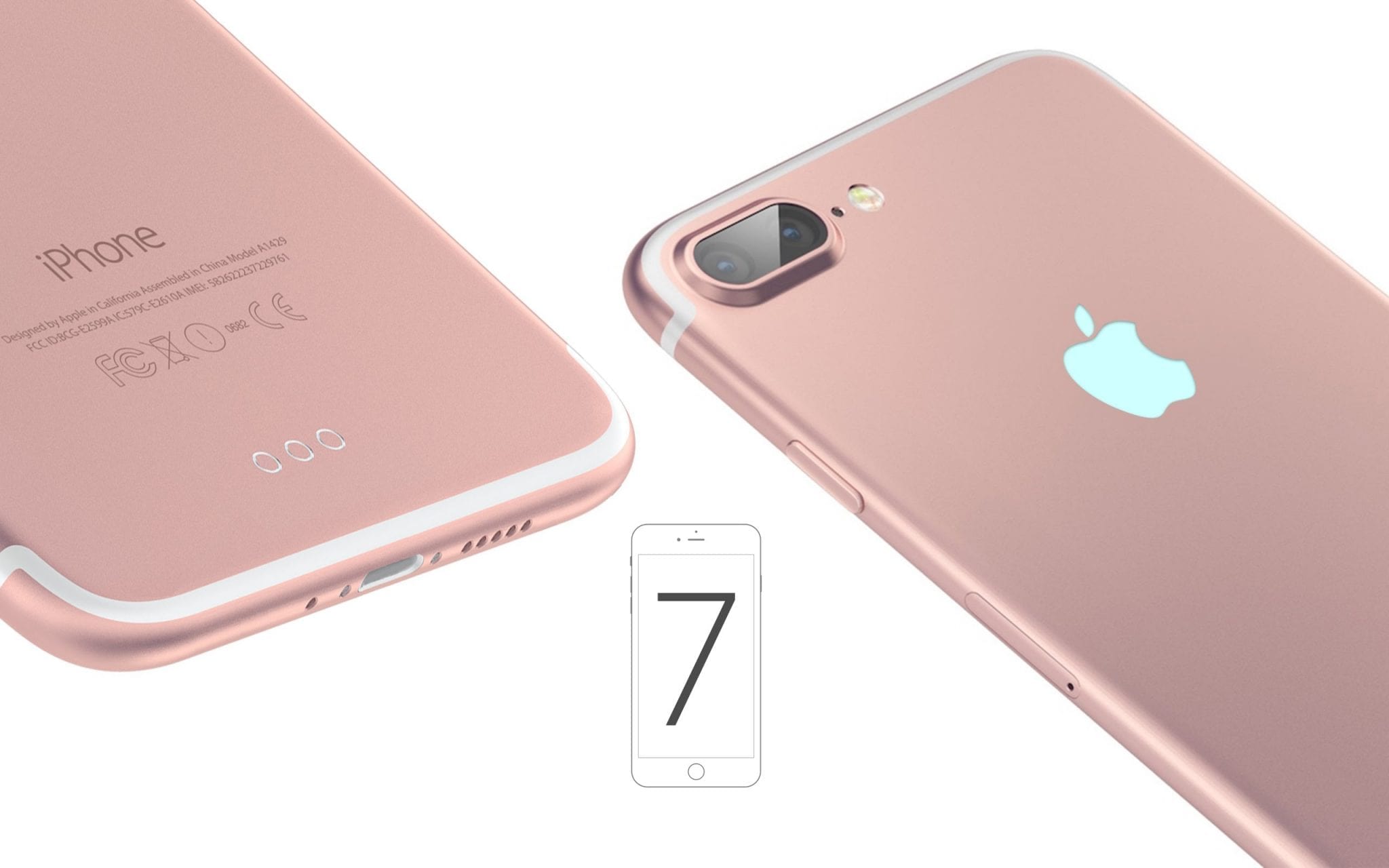
    Three major mobile operators in Thailand including AIS, DTAC and TRUE have announced will begin selling the iPhone 7 and iPhone 7 Plus on Oct. 21.

    While the pre-ordering will start early on Oct. 14 for all three companies, AIS and DTAC have opened a page for interested customers to register and guarantee the chance to pre-order the phones.

    Apple Watch Series 2, a product announced by Apple at the event in San Francisco on the same day as the new iPhone, will also launch in Thailand on Oct. 21.

    Apple has faced controversy by removing the headphone jack in the iPhone 7 in order to offer a waterproof handset. However, the new phone comes with a 12-megapixel camera and optical image stabilization, an impressive upgrade from the camera in iPhone 6s.

    The iPhone 7 comes in Silver, Gold and Rose Gold and the new colors Black and Jet Black.

  • South Korea’s Largest Retailer Joins Hands With Sinar Mas Land in Indonesia

    South Korea’s Largest Retailer Joins Hands With Sinar Mas Land in Indonesia

    South Korea’s largest retailer, GS Retail, opened its first supermarket in Cibubur, East Jakarta, on Friday (07/10) in partnership with Indonesian property developer Sinar Mas Land, to target the country’s upper-middle class.

    “We decided to choose Legenda Wisata for GS Retail’s first supermarket because Cibubur is home to middle- and high-income families,” GS Retail  senior executive Won Yong Kim said in a statement.

    The supermarket offers a wide range of food, household, electronic, beauty and hygiene products, as well as the popular South Korean bakery shop Tous le Jours and Indonesian café Bengawan Solo Coffee.

    The 2,913 square-meter supermarket, which is located inside the Legenda Wisata housing estate, was constructed by Sinar Mas Land.

    In October 2014, Sinar Mas Land was assigned to build a megastore for one of the Southeast Asia’s largest retailers, Courts Asia Limited, in Kota Harapan Indah residential estate in Bekasi, West Java, and in January 2015, to build another in BSD City in Tangerang, Banten.

    Established in 1971, GS Retail has 11,000 convenience stores and 290 supermarkets in South Korea. It booked $5.7 billion in revenue last year.

    The company has had a presence in Indonesia since March 2014.

  • Starbucks Coffee Company opened the doors to its store in Phnom Penh, Cambodia

    Starbucks Coffee Company opened the doors to its store in Phnom Penh, Cambodia

    Starbucks Coffee Company last week opened the doors to its newest flagship store in Asia, located in Phnom Penh, Cambodia, building on its long-term relationship with Hong Kong Maxim’s Group. Cambodia is Starbucks 16th market in the China and Asia Pacific region. In September, Starbucks celebrated 20 years since the opening of its first store outside North America in Japan and today, the company has more than 6,200 stores across the China and Asia Pacific Region.

    “We are proud to bring an elevated experience to Cambodia with the introduction of our Starbucks Reserve™ coffees,” said Mark Ring, president, Starbucks Asia Pacific. “Our new flagship store in Phnom Penh’s vibrant Boeung Keng Kang neighborhood will excite Cambodian customers with a unique coffee experience that showcases our deep passion for some of the finest coffees from around the world, while honoring the country’s rich heritage and culture.”

    At the flagship store, customers can discover exceptional coffees, engage with Starbucks partners (employees) and form a deeper connection with Starbucks coffee heritage. With an atmosphere that invites customers to explore the tastes and flavors of coffees from around the world, they can sit at the interactive coffee bar and experience a range of brewing techniques including Siphon, Cold Brew, Pour-over, Coffee Press and the state-of-the-art Black Eagle espresso machine. In the hands of Starbucks skilled baristas, the Black Eagle espresso machine delivers a smooth quality and consistent taste profile that complements Starbucks® signature handcrafted beverages.

    Inspired by Starbucks 45-year history of sourcing, roasting and serving some of the world’s finest coffees, the flagship store features Starbucks core menu in addition to rare small-lot coffees through its exclusive Starbucks Reserve™ coffee program. For the store opening, baristas are handcrafting two small lot Starbucks Reserve™ coffees: Colombia La Unión 16 and Papua New Guinea Luoka. Over time, the store will showcase a rich variety of coffees that draw on Starbucks relationships with small lot coffee farmers from the world’s coffee growing regions. All Starbucks Reserve™ coffee is roasted at the Starbucks Reserve™ Roastery and Tasting Room in Seattle.

    To further elevate the coffee experience for customers, select partners at the store are Starbucks Coffee Masters. The Coffee Master program recognizes their expertise with the special designation of the black apron after they pass written and taste tests.

    Through its licensed partner Coffee Concepts (Cambodia) Limited, a subsidiary of Hong Kong Maxim’s Group, Starbucks entered the Cambodian market in December 2015 and currently operates two stores at Aeon Mall and the Phnom Penh International Airport.

    “We are pleased to further strengthen the partnership between Maxim’s and Starbucks in Asia and look forward to continuing to deliver the unique Starbucks Experience through coffee leadership, high-quality products, exceptional service and engaging baristas in a welcoming environment to customers across Cambodia,” said Michael Wu, Chairman and Managing Director, Hong Kong Maxim’s Group.

    A Perfect Blend of Cultures

    The design of the new two-story, 650 square-meter (7,000 square-feet) store features local craftsmanship and iconic global images, including a hand-carved Siren made of Cambodian sandstone, an illustration of Starbucks first store at the Pike Place market on a textured rattan canvas, a coffee landscape inspired tapestry made of fabric tightly woven on a rattan frame, and a metal sculpture hanging over the bar inspired by the coffee aroma.

    The centerpiece is a hand-painted mural over the staircase to the second floor, and illustrates the popular Cambodian folklore of Sovann Maccha, the siren princess with a tail that is transformed into two majestic Naga dragons. Illustrated by prominent local urban artists Peap Tarr and Lisa Mam, the artist highlights the distinct beauty and characteristics of urban Khmer art.

    Long-term Community Investments
    As Starbucks continues to expand its store footprint in Cambodia, it is deeply committed to being an active member of the community and a catalyst for positive change. Currently, Starbucks is working with Cambodian Children’s Fund, a non-government organization that works with children in one of the most underserved areas of Phnom Penh. The Cambodian Children’s Fund aims to transform the country’s most impoverished children into future leaders, by delivering education, family support and social development programs to the local community.


  • Duterte may break Philippine telecoms duopoly

    Duterte may break Philippine telecoms duopoly

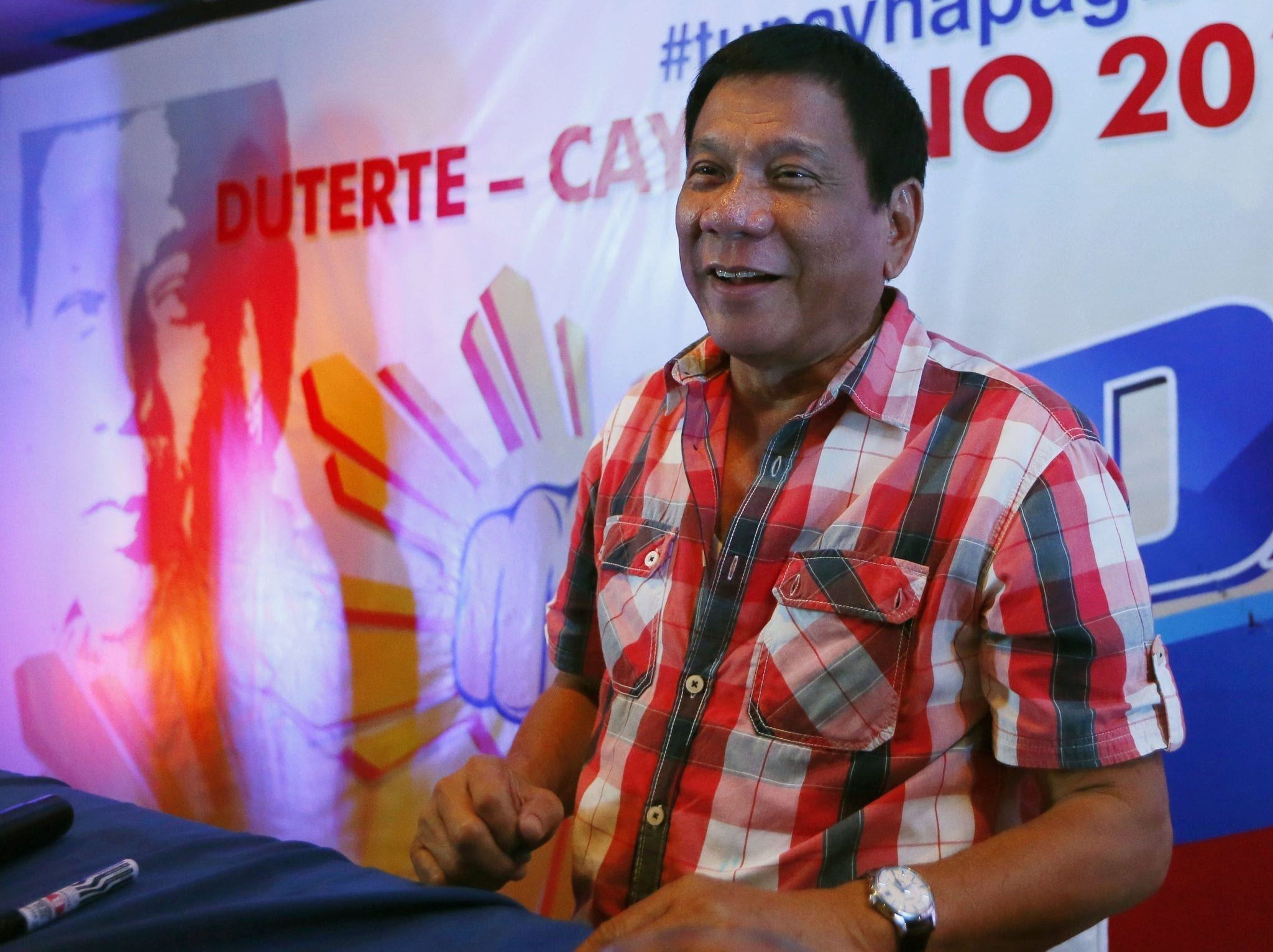
    Philippine president Rodrigo Duterte has threatened to break up the market’s telecoms duopoly if incumbent operators Globe and PLDT do not improve their services.

    Duterte has indicated he may bring in competitors from China unless consumer complaints about poor service quality and slow internet speeds are addressed.

    According to sources quoted in the report, when Australia’s Telstra tried to enter the Philippines market last year, the company was met with a hostile reception from the former Aquino administration, with the company told that the president supports PLDT and Globe and that cases seeking to delay its entry into the market will be filed in court.

    But Duterte has by contrast taken a more antagonistic approach to the oligarchs controlling PLDT and Globe, and is more receptive to disrupting the duopoly.

    China’s state-owned operators are likely to jump at the chance to enter the Philippines market, and if the Philippine Competition Commission blocks the planned sale of conglomerate San Miguel Corp’s 700-MHz spectrum to Globe and PLDT, Chinese operators would have a go-to partner for a Philippine venture.

    Philippine consumers have long complained about the market’s slow internet speeds. Akamai’s recent State of the Internet report measures the Philippines’ average speed at 4.3Mbps, well below the global average of 6.1Mbps.

  • Hang Nadim Airport to serve flights to China, Korea

    Hang Nadim Airport to serve flights to China, Korea

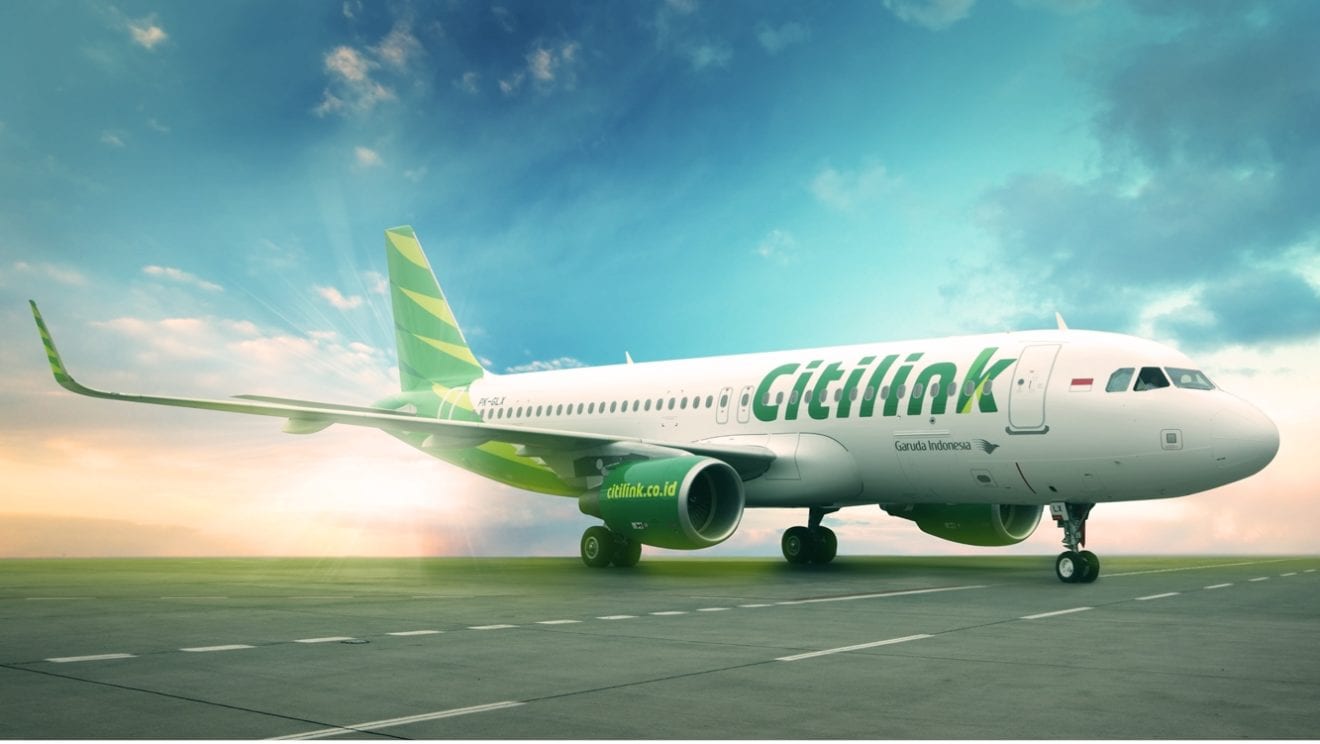
    The Citilink airline company will soon serve flights from Hang Nadim International Airport here to China and South Korea, according to the airports general manager, Suwarso.

    “Two international flights from Batam to China and South Korea have been approved and will soon be launched early next year, probably in February 2017,” Suwarso remarked here on Tuesday.

    According to him, the opening of two routes is part of an effort by the Riau Islands provincial government to increase the number of tourist visits, especially from East Asia.

    With the two new international flights, the Riau Islands provincial government hopes tourist arrivals will increase to enjoy the great tourism potential in the province.

    He said Citilink will operate Airbus A320 aircraft, with the capacity to accommodate 180 passengers, to transport tourists from China and South Korea to Riau Islands Province.

    “The Riau Islands province has formed a partnership with the tour and travel associations in China and Korea. So, with this partnership, these Batam-China and Korea routes could run smoothly,” stated Suwarso.

    He added that Indonesias free visa policy is also applicable to China and South Korea, so tourists from these countries will not need visas when visiting Indonesia.

    “Hang Nadim International Airport is open 24 hours and ready to serve international flights, so there is no problem anymore,” Suwarso noted.

    He said the airport had an international flights lounge area, with a capacity of up to 600 seats.

    International flights from this airport are currently served only by Malindo Air, travelling to Malaysia once per day.

    “If the international flights area becomes crowded, we are ready to increase the capacity of the international waiting room,” remarked Suwarso.

  • Jakarta-Surabaya rapid train to use existing track

    Jakarta-Surabaya rapid train to use existing track

    Coordinating Minister for Maritime Affairs and Acting Minister of Energy and Mineral Resources Luhut Binsar Panjaitan has said the development of the Jakarta-Surabaya rapid train will use the existing track.

    “For the rapid train, we will use the existing network. We will strengthen the bearing pads and make the crossings run over or under, so there will not be any gates that can harm anyone,” stated the minister at the State Palace complex in Jakarta, Tuesday.

    He mentioned that there are a thousand crossing points on the Jakarta-Surabaya railway network.

    The minister hoped the project survey, due to be conducted in partnership with Japanese representatives, could be done in the first quarter of 2017.

    “The Jakarta-Surabaya rapid train, which runs up to 200 kilometers per hour, will have an immense impact on the nations economy,” he remarked.

    The projects investment value is considerably large, reaching US$2.5 to 3 million.

    Minister Panjaitan explained that the agenda of his meeting with President Joko Widodo today includes reporting the results of his trip to Japan, which was a follow-up to the presidents agreement with Japans Prime Minister Shinzo Abe.

    “I met the prime minister along with his ministers and other officials,” he reiterated.

    He pointed out that the notions agreed upon by both country leaders included the Maritime Economic Cooperation, which was initiated last year.

    “We are now pursuing cooperation in a number of locations, including oil explorations in Natuna, economic development in Sabang, Patimbang harbor development in West Java, and farming advances in Merauke, Papua,” he remarked.

    He also mentioned cooperation in the education sector, where Japan will help with vocational training, while sending their professors to a number of technology corporations in Indonesia.

    “Partnerships in strategic industries are also included, which covers the rapid train project to be discussed with the minister of state-owned enterprises,” he continued.

    He added that from the string of agreements, those that will potentially be carried out during the first quarter of 2017 include the development of Patimbang Harbor.

    “Then, we will proceed with a joint survey for the Jakarta-Surabaya rapid train,” he concluded.

  • Trade ministry encourages small, medium industries to utilize e-commerce

    Trade ministry encourages small, medium industries to utilize e-commerce

    Indoensias Ministry of Trade has said it has been encouraging small and medium industries (SMIs) to take benefit of online trade (e-commerce) to market their products.

    “We are pushing the small and medium industries to take their products to various e-commerce platforms. Websites like Tokopedia, Bukalapak, Blibli and Lazada are all local e-commerce platforms and we encourage the SMIs to use them,” the Minister of Trade, Airlangga Hartarto, stated in Jakarta on Tuesday.

    He hoped that once the SMIs start fully utilizing the e-commerce platforms, the industry will start expanding.

    The fourth industrial revolution era hinges on embracing the internet and integrating it with products and services, he added.

    The minister further explained that internet usage is now part of people’s daily lifestyle and it has now become integral to the industrial world also.

    “Germany began doing it in 2013. If we start this year, we will make sure that we are not left behind,” he remarked.

    Additionally, the Ministry of Trade also encourages professional vocational training to enhance the quality of human resources.

    The minister mentioned the importance of undertaking research and forging collaborations with universities in the industrial sector.

    Minister Hartarto also pointed to the progress made in basic materials, and highlighted the fact that natural energy resources cannot last forever.

  • Credit Growth in Indonesia Remained Flat in September 2016′

    Credit Growth in Indonesia Remained Flat in September 2016′

    Slowing credit growth will also make it highly difficult for Indonesia’s overall macroeconomic growth to accelerate more markedly this year (the nation’s GDP is expected to expand by 5 percent this year, up from a growth pace of 4.7 percent last year). Juda Agung, Executive Director at the Economic and Monetary Policy Department of Bank Indonesia, said privately-held companies are now focusing on consolidation rather than on business expansion.

    But on the other hand, Agung added, the nation’s banks have also been more careful to disburse loans as the non-performing loan (NPL) ratio has increased. However (conflicting with Agung’s statement), in a recent Bank Indonesia survey the business community of Indonesia actually indicated that it was easier to obtain credit in Q3-2016 compared to the preceding quarter.

    Bank Indonesia expects credit growth to accelerate in the fourth quarter of the year on the back of the lower interest rate environment, the government’s successful tax amnesty program as well as the easier loan-to-value (LTV) ratio.

    The lender of last resort cut its benchmark interest rate (the 7-day Reverse Repo rate) to 5.00 percent in September 2016, while in late August 2016 it cut the LTV ratio requirement by lowering the minimum down payment that is required for first home purchases (when using credit) to 15 percent for houses sized larger than 70 m2 (from 20 percent previously). Meanwhile, the minimum DP for the purchase of a second home was lowered to 20 percent (from 30 percent previously), while that for a third home was lowered to 25 percent (from 40 percent previously).

    Nelson Tampubolon, Commissioner for Banking Supervision at Indonesia’s Financial Services Authority (OJK), informed that slowing credit growth is actually caused by slowing corporate credit. Consumer credit, on the other hand, has continued to grow, he stated.

  • 60 companies apply for MVNO licenses in India

    60 companies apply for MVNO licenses in India

    India’s Department of Telecom (DoT) has published a list of 60 companies applying for an MVNO license in various cities.

    The companies have between them applied for 70 state, city or sub-district specific licenses across 11 of India’s 22 telecoms circles.

    The DoT is offering MVNO licenses under a unified license arrangement, with an entry fee of 75 million rupees ($1.1 million).

    MVNOs seeking to offer services on a pan-India basis will need to pay a 1.5 million rupee license fee and a 10.25 million rupee fee for a national and international long distance license.

    There were no applications for the Bangalore circle and only one each for Punjab, Maharashra, Rajasthan and Tamil Nadu. By contrast, Gujarat received 22 applications, Mumbai received 12, Uttar Pradesh got 11 and there were eight in Delhi.

    Some companies applied for more than one city or circle specific license, with Mumbai’s Telenet Services making seven applications.

    MVNOs will be able to partner with multiple operators, but with the exception of data services, will be able to have only one MNO provider per access service type.

  • ITU Telecom World 2017 to be held in South Korea

    ITU Telecom World 2017 to be held in South Korea

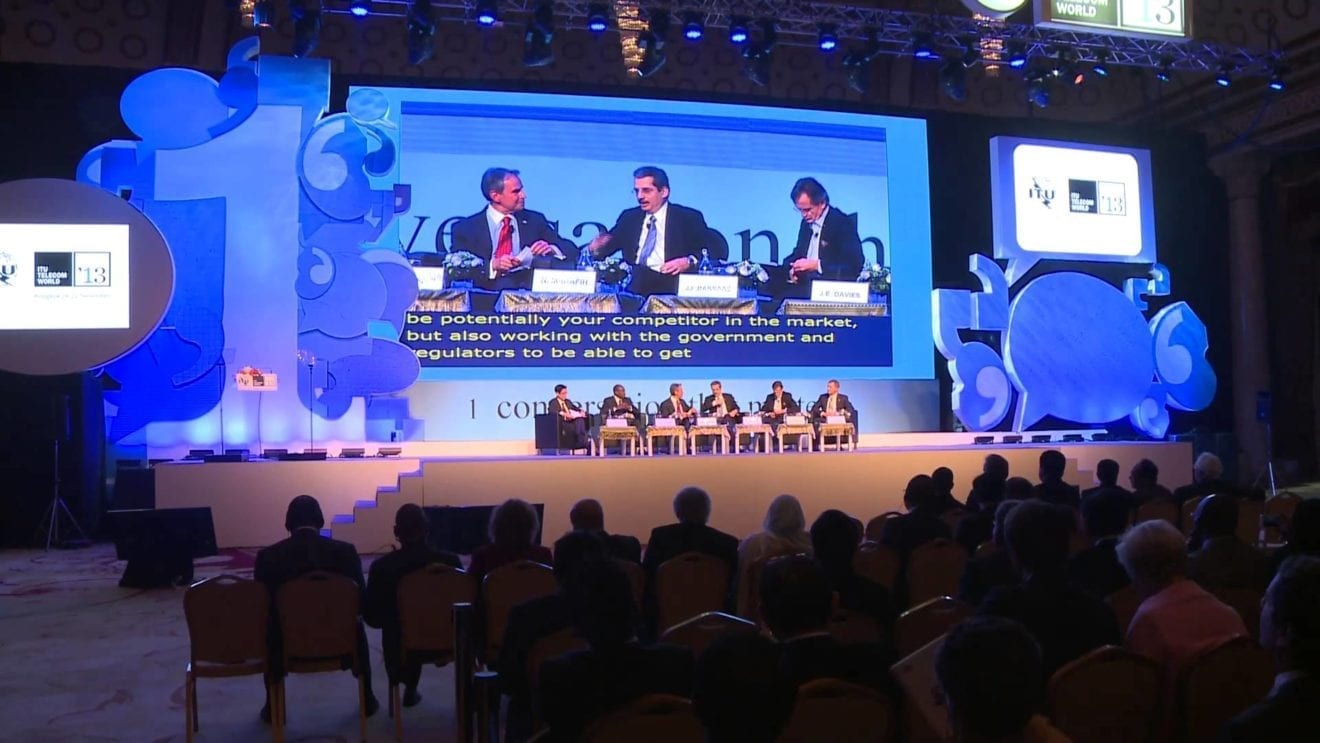
    South Korea’s Ministry of Science, ICT and Future Planning will host next year’s ITU Telecom World conference in the city of Busan.

    The event will take place on September 25-28. It will include an international exhibition designed to showcase new technologies in areas including smart cities, 5G, IoT, automation and AI.

    An accompanying forum will involve high-level discussions exploring the technologies, policies and strategies driving the digital economy, as well as the ICT-related efforts to meet the UN’s Sustainable Development Goals.

    In addition, the annual ITU Telecom World Awards will recognize innovation in ICT solutions with social impact from companies of any size, from SMEs ranging up to large corporations.

    “The Republic of Korea has been a terrific partner of ITU for many years,” ITU secretary-general Houlin Zhao said.

    “Busan will be a great setting for ITU Telecom World 2017 to continue our mission of promoting cross-sector partnerships in ICTs to achieve the Sustainable Development Goals.”

    ITU Telecom World 2016 will take place in Bangkok on November 14-17.