Author: Mei Ling Tan

  • Australia’s second NBN satellite targets remote areas

    Australia’s second NBN satellite targets remote areas

    Last week’s successful launch into orbit of the second broadband satellite of Australia’s national broadband network, Sky Muster II, is expected to provide fast broadband services for rural and remote areas in the country.

    An estimated 400,000 Australian homes and businesses are set to benefit.

    “This service is already helping to improve healthcare outcomes by connecting remote patients to city specialists, delivering access to a new world of educational opportunities for kids in the bush and increasing productivity for local small businesses,” said nbn’s CEO Bill Morrow.

    “We are ensuring that no Australian is left behind by providing access to fast broadband for those who need it the most,” he added.

    Minister for Communications Mitch Fifield and Minister for Regional Communications Fiona Nash welcomed the launch, saying it will help bridge the digital divide between the cities and the country.

    The Australian government has invested $2 billion in two purpose-built broadband satellites and a network of ground stations that make up the Sky Muster service. The first satellite, Sky Muster, was launched in October last year.

    “Services went live in April this year and already, almost 31,000 homes and businesses are experiencing the benefits of nbn’s world-class satellite broadband,” Fifield said.

    The satellites are expected to revolutionize many services that rural Australians rely on, such as distance education for students in remote areas, and will be a game changer for rural business and agriculture.

    “As a farmer from rural NSW myself, I know how crucial fast and reliable broadband is for rural, regional and remote Australia,” Minister Nash said.

    The satellites offer download speeds of up to 25 Mbps and upload speeds of up to 5 Mbps. With a total capacity of 135 Gbps, the new satellites are a vast leap forward from the 4 Gbps of capacity provided by the previous government’s interim satellite service.

  • Korea and Singapore’s broadband lead narrows

    Korea and Singapore’s broadband lead narrows

    South Korea continued to have the highest average connection speed in the world at 27 Mbps while Singapore maintained its position as the country with the highest average peak connection speed at 157.3 Mbps.

    These were among the findings of the Akamai Technologies’ Second Quarter, 2016 State of the Internet Report.

    Both countries, however, registered declines in average connection speed and average peak connection speed, respectively, at 7.2% (South Korea) and 7.1% (Singapore) compared to the first quarter.

    Meanwhile, the global average connection speed decreased 2.3% quarter over quarter to 6.1 Mbps, while the global average peak connection speed increased 3.7% to 36 Mbps. The 10 Mbps broadband adoption rate grew 0.7% quarter over quarter, but 15 Mbps and 25 Mbps broadband adoption rates fell 0.8% and 2.1%, respectively.

    In Asia-Pacific, the report noted that 14 of the 15 surveyed countries had average connection speeds above the 4 Mbps broadband threshold. Indonesia registered a 148% gain in average connection speed in the second quarter and the only country to see its speed double compared to the previous year.

    In the mobile space, Akamai reported that average mobile connection speeds ranged from a high of 23.1 Mbps in the United Kingdom to a low of 2.2 Mbps in Venezuela. The report noted that in the upcoming quarters, it expects to see mobile speeds continue to climb as 4G LTE becomes deployed more broadly worldwide.

    In Asia-Pacific, South Korea (11.1 Mbps) also led the world in average mobile connection in the second quarter of 2016, followed by New Zealand (9.8 Mbps), Japan (9.5 Mbps), Taiwan (9.3 Mbps), Australia (8.9 Mbps), and the Philippines (8.5 Mbps).

  • Bitung ready to play role of Asia Pacific gate

    Bitung ready to play role of Asia Pacific gate

    Bitung Mayor Maximilian Jonas Lomban said he had a vision to make the city into a modern city serving as an Asian Pacific gate for Indonesia.

    The city could play the role of Asian Pacific gate for Indonesia, Lomban said at a meeting on the occasion of the 26th anniversary of the port city here on Tuesday.

    The port city is strategically located on the Pacific rim in North Sulawesi, he said at the meeting attended by the city leaders.

    “The position of the city would be more potential with the governments plan to provide it with facilities and supporting infrastructure that would make it competitive in the Asia Pacific region,” he said.

    He said Bitung would be a knot of various national strategic projects and there would be many national and international investors want to utilize the citys facilities and infrastructure.

    The mayor said among big projects being built and to be built in that area around and in the city include Special Economic Zone (KEK), Manado-Bitung toll road, Bitung International Ocean Going Ship Port and rail track Makasar-Bitung, which will automatically make the city the gate to the Pacific region.

    “The idea of Bitung as a Pacific gate for Indonesia would come to reality especially if Bitung is promoted into one of Indonesia tourist destinations,” Max said.

    Chairman of the Bitung City Council Laurents Supit, Bitung has been awarded a number of tokens of appreciation including from the finance ministry for good financial report and from the Transport Ministry for good service by its container terminal.

    Supit attributed the achievement to the ambition of the city people to transform Bitung into modern marine city.

  • Singapore Website Shutdown After Selling Fake Calvin Klein Products from Taobao

    Singapore Website Shutdown After Selling Fake Calvin Klein Products from Taobao

    Website SGbuy4u was found selling fake Calvin Klein goods after investigators successfully purchased imitation wallets and underwear from the website.

    Calvin Klein’s case against Singapore-based Global PSM marked the first reported suit that involved a summary judgment against a firm selling fake goods online in Singapore.

    Global PSM however, claimed that their business model was customer-to-customer service.

    2

    Users can search for and buy a variety of goods on the website and after a payment for an item has been made, Global PSM then passes on the order to Chinese shopping website Taobao. After the company has transferred payment, and the item has been delivered in China, it will then be shipped to the customer in Singapore.

    Calvin Klein filed cases and asked for summary judgment against Global PSM, freight forwarding company HS International and a Mr. Jeffrey Tan, the owner of the two firms, after two successful purchases.

    “The crux of the dispute lies in the proper characterization of the business and the involvement of each of the defendants in those business activities,” said Justice Chan Seng Onn was quoted as saying.

    Global PSM’s argument claimed that the company merely served as a courier, pointing the blame for the trademark breaches to original sellers on Taobao.

    Prosecution lawyers, however, countered that the SGbuy4u business does more than courier services as it collects payments, buys the fake goods on Taobao and has them delivered to their warehouse.

    While Justice Chan had expressed willingness to hold Global PSM accountable for trademark infringement, he ruled that some issues were needed to be clarified in relation to the involvement of the other defendants.

    “There is a pressing need for intellectual property law to keep up with technological advances in order to ensure that the law continues to protect intellectual property and rights owners in real and relevant ways,”the judge said.

  • Fortis Healthcare to take loan of Rs 77.6 cr from Singapore bank

    Fortis Healthcare to take loan of Rs 77.6 cr from Singapore bank

    Fortis Healthcare said it´s Mauritius subsidiary Fortis Healthcare international Ltd, has will take a loan of SGD 165 mln (Rs 77.6 crore) from Singapore-based Consortium of Bankers.

    “Fortis Healthcare Ltd has being holding the company, is giving guarantee on behalf of FHIL securing the payment of principle and interest thereon.,” said the Indian company.

    Fortis Healthcare Limited is a chain of super speciality hospitals in India.

    Currently, the company operates its healthcare delivery services in India, Dubai, Mauritius and Sri Lanka with 54 healthcare facilities (including projects under development), approximately 10,000 potential beds and 314 diagnostic centres.


  • Tata Motors Jaguar Retail sales up 70% at 17640 units

    Tata Motors Jaguar Retail sales up 70% at 17640 units

    Jaguar Land Rover, the UK’s leading manufacturer of premium luxury vehicles, today reported its best ever September retail sales of 61,047 vehicles, up 28% compared to September 2015. The month’s performance has been driven by strong sales of the Land Rover Discovery, Discovery Sport, the Range Rover Evoque and the Jaguar F-PACE, as well as solid sales in China.

    Jaguar Land Rover delivered solid retail sales growth across all key regions year on year, with China up 50%, Europe up 32%, UK up 30%, North America up 23% and other overseas markets up 3%. Jaguar Land Rover sold 434,025 vehicles in the first nine months of 2016, 24% up on the same period in the prior year.

    Commenting on the performance, Andy Goss, Jaguar Land Rover Group Sales Operations Director said, “September is always an important month for the automotive industry and we are proud of our results. Performance was strong in China and Europe, where collectively we sold almost 23,000 cars this month alone.

    “With the new Discovery launched in Paris this month and sales starting for the first locallybuilt Jaguar in China – the XFL, our British line-up continues to expand and delight in markets across the world.”

    Jaguar recorded its best September ever, with retail sales reaching 17,640 vehicles, up 70% on the previous year, reflecting the strong launch of the F-PACE as well as continued solid sales of the XE. Calendar year-to-date sales for Jaguar were 103,366 up 72% year-on-year.

    Land Rover strengthened its position as a world-leading manufacturer of all-terrain SUVs, with its strongest ever September sales of 43,407 vehicles, up 17% year-on-year. The strong sales were led by the Discovery Sport, retailing 12,838 vehicles, up 50% compared to last September, and Range Rover Evoque retailing 11,761 vehicles, up 53%. Calendar year-to-date sales for Land Rover reached 330,659 vehicles, 14% up on the prior year.


  • China’s National Day holiday retail sales growth slows slightly

    China’s National Day holiday retail sales growth slows slightly

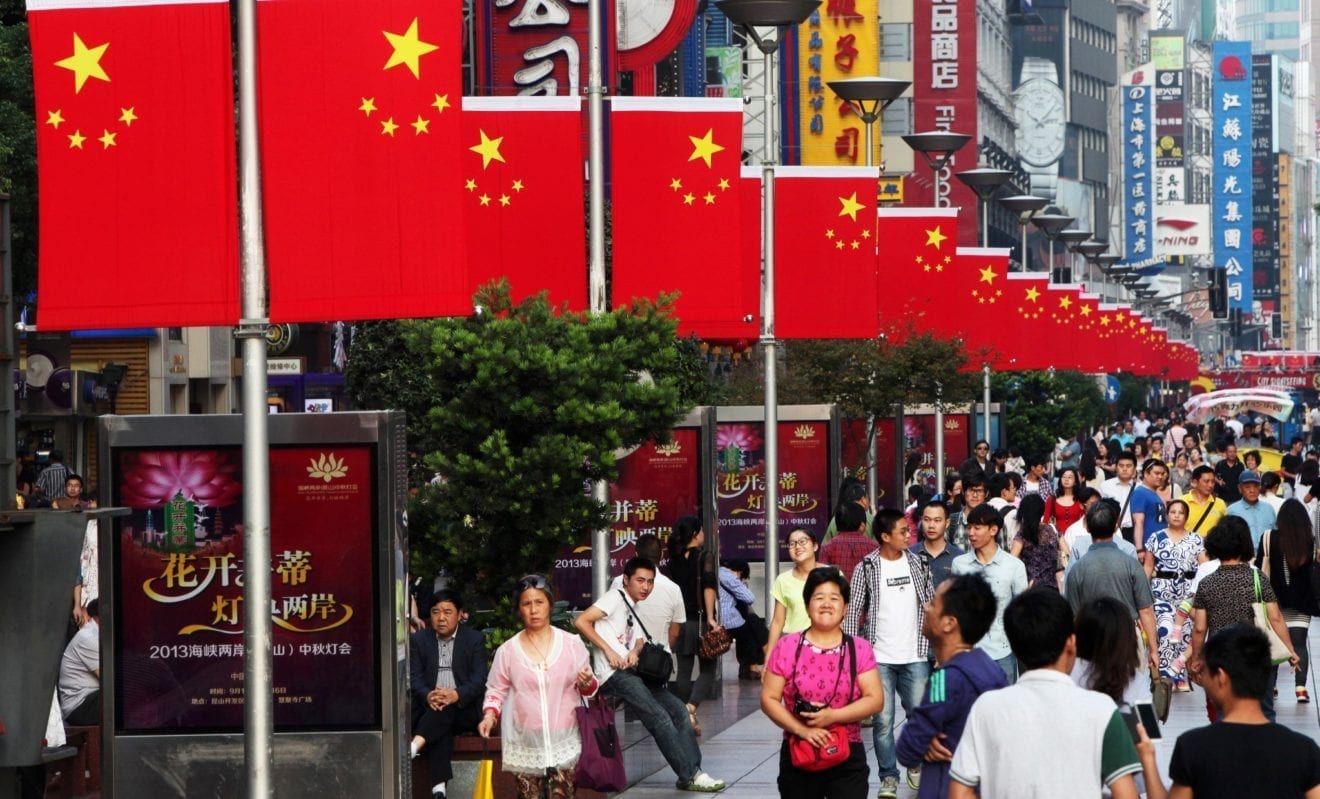
    China’s retail sales rose at a double-digit pace during the week-long National Day holiday in October, data from the Ministry of Commerce showed, but growth slowed slightly compared with last year.

    Sales of retailers and catering firms increased 10.7 percent to 1.2 trillion yuan ($180 billion) during the Oct. 1-7 “Golden Week” holiday, the ministry said in a statement posted on its website late Friday. Revenues grew 11 percent a year earlier.

    In revenue terms, the holiday is more important for retailers than Chinese New Year as they vie for customers with promotions and discounts.

    During the National Day holiday, millions take time off work to travel, get married, and generally spend more money than usual on consumer products such as household appliances, mobile phones, jewellery, clothing and cars.

    Economists are closely watching China’s consumption data as the country’s leaders try to bolster the economy, which expanded at its slowest rate in a quarter of a century last year.

  • Combine all your rewards points and get more out of your luxury shopping

    Combine all your rewards points and get more out of your luxury shopping

    Shoppers can now save money on luxury brands by combining reward points from their different Visa credit cards.

    The “Points for Brands” campaign enables customers with Visa credit cards issued from leading financial institutions in Thailand, including Kasikornbank, Bank of Ayudhya (Krungsri), Krungthai Bank, Krungsri First Choice, Government Savings Bank, and Thanachart Bank to pool reward points for purchase of goods at selected luxury brands at a rate of 1,000 points for THB 100.[1] 

    There are more than 70 participating brands at The Emporium and The EmQuartier, including Coach, Kate Spade, DKNY, DVF, Proenza, COMME des GAçONS, Jimmy Choo, Valentino, EMPORIO ARMANI, Balenciaga, Calvin Klein, Hugo Boss, MCM, and Club 21.

    “This is the first time our cardholders can purchase luxury brands by redeeming points from across their portfolio of Visa credit cards, a rarity for premium categories,” said Suripong Tantiyanon, Visa Country Manager, Thailand.

    Exclusive to Visa cardholders, more information, along with help on how to redeem reward points, can be found at Points for Brands booth on M Floor at EmQuartier

  • Xiaomi opens its first store outside greater China

    Xiaomi opens its first store outside greater China

    Xiaomi phones are finally available offline in southeast Asia as the company has opened a shop outside greater China for the first time ever.

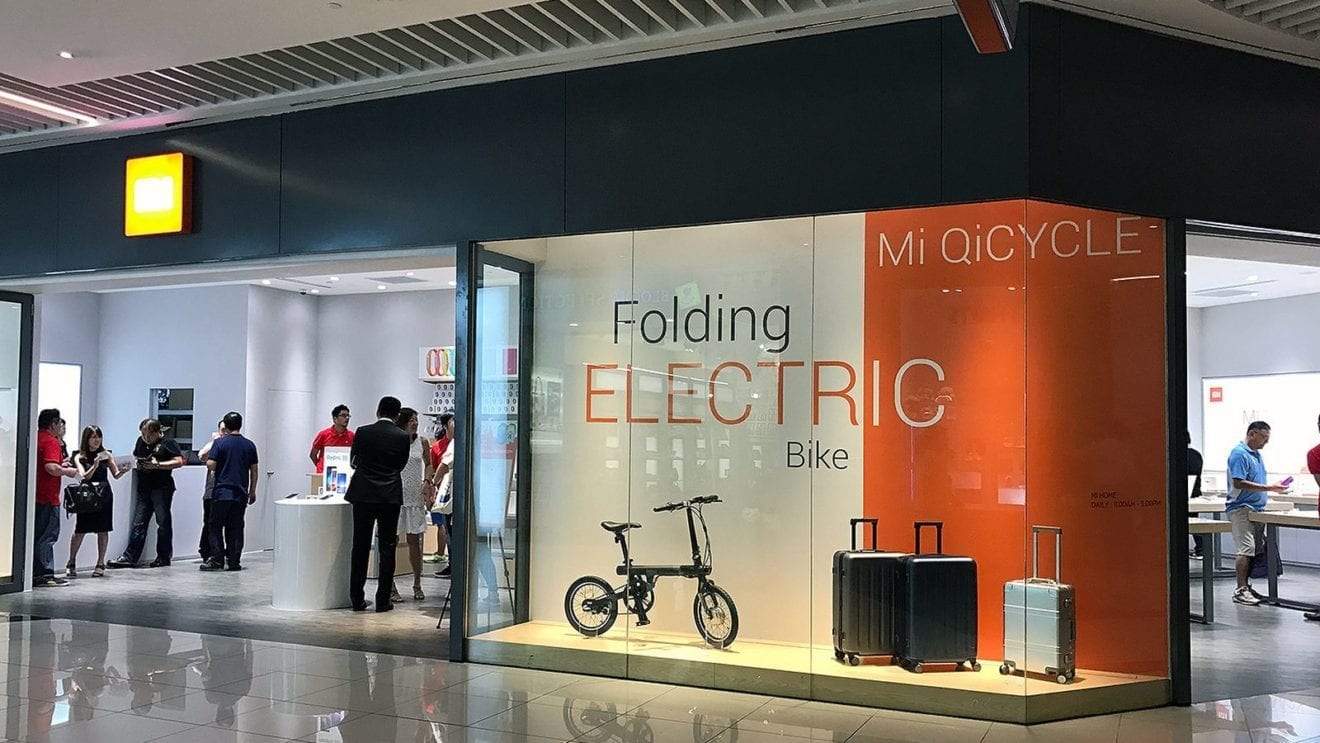
    The sunny island state of Singapore hosts the first Mi Home store to open outside of China, Hong Kong and Taiwan. The Singapore Mi Home store, located at popular shopping mall Suntec City, sells Xiaomi’s line of phones and accessories. But unlike other stores, it doesn’t stock the company’s other Mi ecosystem products such as the Mi TV or the Mi Rice Cooker.

    Xiaomi says that it plans to bring in more of its product lineup in time. But for now, customers will have to make do with the Mi Max, Mi 5, Redmi 3S, Redmi Note 3, Mi Band 2 and other accessories such as portable speakers and power banks.

    The Chinese manufacturer is using a local partner to run the store — unlike the ones in China, Hong Kong and Taiwan, which are run by Xiaomi itself.

    The company is also turning to regional online retailer Lazada to manage its online sales, an area it’s managed by itself in Singapore up to now.

    These moves to divest itself of retail responsibilities in Singapore could point towards a shift in Xiaomi’s current strategy. It’s possible the Chinese giant will focus on its home market to make up for ground lost to rivals Huawei, Oppo and Vivo.

    While the company continues to battle it out for India — the second largest smartphone market in the world after China — it’s likely Xiaomi will use the same retail strategy from Singapore across the Southeast Asian region as the company shifts its focus towards India, China and a possible US launch next year.

  • Macy’s plans to launch an e-commerce site in China in 2017

    Macy’s plans to launch an e-commerce site in China in 2017

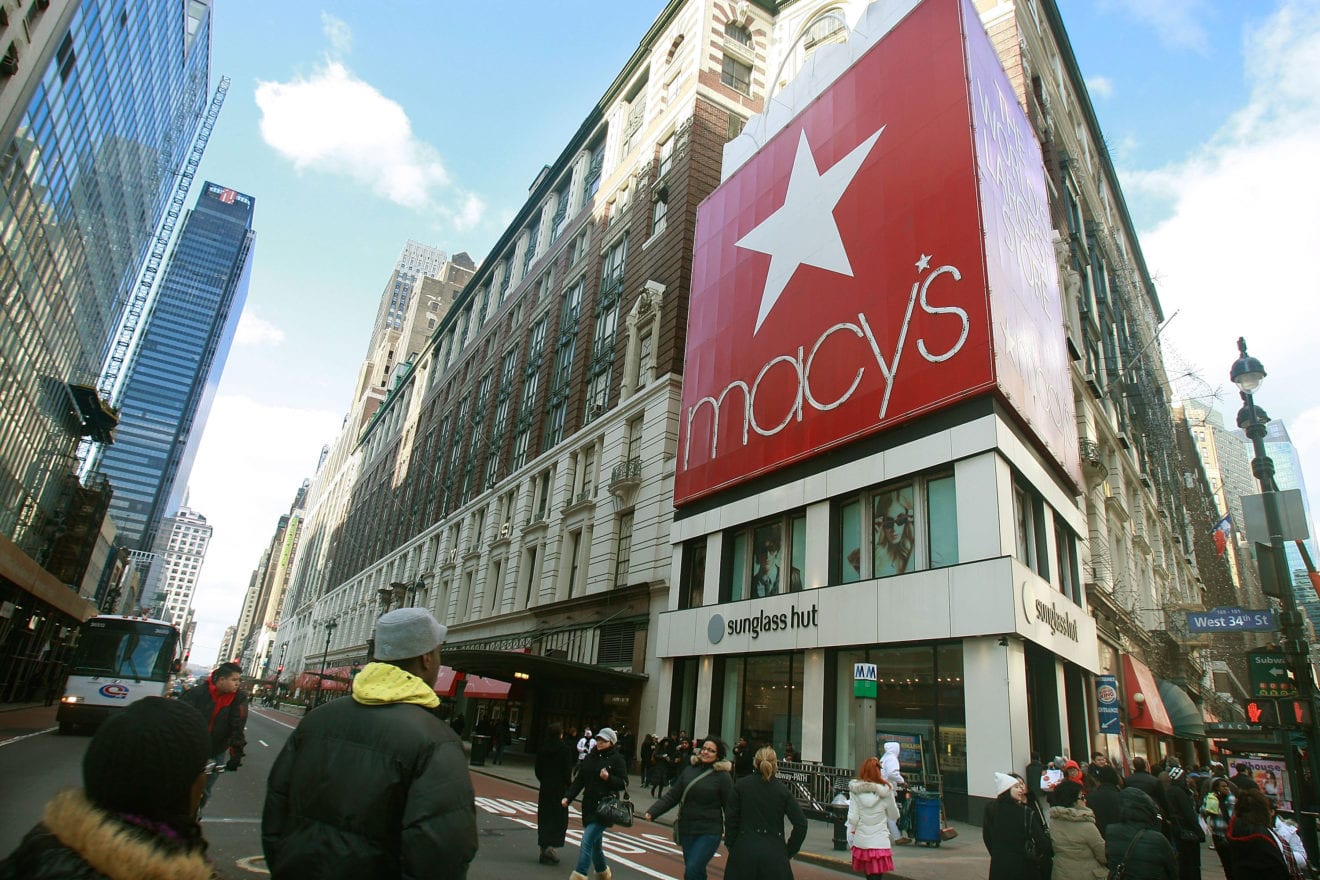
    Macy’s Inc. says it will launch a Chinese e-retail site in 2017 in order to increase its digital presence in the world’s largest e-commerce market. The department store chain announced the plan last week in Shanghai.

    Macy’s began selling online in China last November when it opened a storefront on Tmall Global, a web shopping site for imported products operated by Alibaba Group Holding Ltd. While the retailer did not disclose its sales on Tmall Global, it said more than 300,000 consumers have taken advantage of the social media-like features of Tmall Global to follow Macy’s so they can learn about new products and other information.

    Alibaba says Macy’s has become one of the most popular sellers on Tmall Global where Macy’s sells 1,500 fashion products from such brands as Kipling, Anne Klein, Tommy Hilfiger and Fossil.

    Macy’s also has explored several ways to connect online with young Chinese consumers. For example, the retailer has broadcast live shows online to explain its history and introduce its U.S. stores to Chinese consumers. A Macy’s live online broadcast about last month’s New York Fashion Week attracted about 100,000 Chinese viewers and resulted in some 150 million posts to Chinese social network Weibo, according to Macy’s.

    Many Chinese consumers shop in Macy’s stores when they travel to the U.S. and China is important for the company, the retailer says. However, the Chinese and U.S. markets are very different, Dustin Jones, Macy’s managing director for China, said at the news conference. “Chinese consumers want to know many details, while U.S consumers only want to check out quickly,” Jones said. “We are still learning in China and we will speed up our expansion next year.”

    Macy’s only sells online in China, and does not operate physical stores. Macy’s did not comment on any plans to open stores in China, although Jones said it’s hard to reach Chinese consumers without physical locations.

  • Toyota with Daihatsu gets ready to enter small-car market

    Toyota with Daihatsu gets ready to enter small-car market

    The world’s largest carmaker, Toyota Motor, is finally getting ready to enter the Indian small-car market and challenge the dominance of Maruti Suzuki and Hyundai Motor in their bread-and-butter segment. The Japanese automaker and its unit specialising in small cars, Daihatsu Motor, are expected to drive in a new range of vehicles to India starting 2020-2021.

    A few days ago, Toyota and its fully owned Daihatsu unit announced plans to establish an internal company that will be responsible for compact vehicles for emerging markets, from product planning to production preparation. India is an integral part of this move. The structure of this new internal company is likely to be formed by January, 2017.

    The groundwork has already been done through various studies commissioned over the years, said people in the know of the plans. The Toyota-Daihatsu combine will target the A and B segments, where vehicles are typically priced below Rs 10 lakh. This segment, where Toyota currently has only a limited presence here with the Etios range, is the mainstay for Maruti and Hyundai Motor India.

    The branding for the products is yet to be defined. The new cars under the venture may be branded Toyota or Daihatsu, or it could be an all-new brand in line with how Toyota introduced a ‘Scion’ brand in North America in 2003 — the brand was discontinued this year.

    Through the proposed internal organisation, the objective is to develop and launch competitive compact vehicles in emerging markets based on Daihatsu’s approach to manufacturing affordable, high-quality products. While the small car champion will take the lead responsibility in this new initiative, in India, it will seek to gain from the parent’s understanding of the market.

    Vikram Kirloskar, vice chairman of Toyota Kirloskar, the Indian unit of Toyota, told ET that the initial target of the new company would be Asian countries and that joint decisions would be made to enable the effective use of both companies’ existing bases of operation.

    “We are happy to note that India is among the countries being considered as the responsibility of Daihatsu as the Indian market has strong need for compact vehicles in the B Segment and A Segment which is Daihatsu’s strong point. The priority would be to strengthen operations in each country by first enhancing the collective capabilities of the Toyota Group,” he said.

    More details on the initiative will be known by January of 2017, when the formal structure will be defined, Kirloskar said, while declining to comment on products or timelines.

    A person in the know of the plans said the vehicles would come around 2020 and conform to the BS-VI emission guidelines that would come into effect that year.

    It makes sense for Toyota to launch compact cars in India around 2020, by when the market would grow more than 70% from now and the buying power of the middle class would be much higher, said Gaurav Vangaal, senior analyst for forecasting at IHS Markit Automotive. “But then, countering the already strengthening Maruti and Hyundai won’t be an easy task, though the cars will be from Toyota,” he added.

    Daihatsu will be responsible for the development, procurement and production preparation for compact vehicles for emerging markets based on “DNGA”, a Daihatsu vehicle architecture now being defined, and Toyota will support these efforts by providing knowledge and resources. The business plans will be formulated jointly and, in India, the Toyota-Daihatsu combine is likely to use Toyota’s existing facility on the outskirts of Bengaluru. It factory has an annual capacity to produce 3.1 lakh vehicles and is being underutilised.

    Kirloskar said Toyota is learning about Daihatsu’s strengths, such as its work processes and approach to manufacturing at both its production and development workplaces. Daihatsu, on the other hand, is receiving various kinds of support related to the evolution of automobile manufacturing, such as information related to advanced technologies, starting with hybrids.

    “We are hopeful that by sharing and unifying strategies for the future, mutual synergies will be steadily achieved and result would be seen in India as well,” he added.

    Daihatsu has twice in the past attempted to enter the Indian market — first in late 2000 and then a few years later.

    According a person in the know of Toyota’s plans, the sourcing executives of Daihatsu have already met vendors to discuss a few projects.

    Another said future growth for the company would likely come from Asia. “The needs of these markets are different from the developed world; they can be catered only through Daihatsu’s small car,” he added.

    Daihatsu will launch a new generation Agya or Ayla — a small car sold in Indonesia — by 2019 and it is the same car which is being explored for the Indian market, said year another person. “The company has also studied the possibility of launching the B segment SUV for India.”


  • How 3D printing will shake up the supply chain

    How 3D printing will shake up the supply chain

    Consumers today are already familiar with personalizing their favorite treats by molding them into unique shapes or printing edible messages on cakes, chocolate and flowers, among others. What if you could customize any product in the future to suit your preference – from shoes to even houses? While some may perceive this to be a pipe dream, the fact is that this is actually a reality. New Balance just introduced 3D printed shoes last April, and in China, Huashang Tengda successfully built a two-storey house in just under two days!

    3D printing is also known as additive manufacturing, a process that allows us to seemingly create objects such as bicycle frames and toys out of thin air. Manufacturing and supply chains have typically been all about assembly lines, warehousing and shifting products outwards from the point of manufacture. 3D printing is now revolutionizing the way products are manufactured and distributed.

    With the advent of 3D printing, individualized products can be designed, produced, delivered, and serviced in new ways. To start, organizations can leverage a product innovation platform that supports direct communication with customers and network partners from conceptualization to production. Consumers today love to customize everything and anything, and 3D printing makes this both possible and affordable. Organizations can now evolve beyond demand-driven supply chains to enable demand-driven manufacturing, furthering customer centricity and personalization.

    3D printing is also transforming the manufacturing industry, making it more digitized and in the process throwing out all the traditional rules of the game. Essentially, 3D printing changes who is in control. Analog manufacturing used to be the realm of huge companies that have the resources to invest and produce large quantities of the same good. These companies need to have the capital to support research, prototyping and focus groups to identify products that will please the critical mass, and marketing to promote that same product to large volumes of consumers. On top of that, delivering the products to consumers requires complex supply chain and retail channels.

    In contrast, 3D printing allows complex items to be produced on demand, eliminating the need for assembly lines. With 3D printing, the supply chain has the potential to become more efficient, more local and globally connected. Manufacturers are using 3D to respond to dynamic, real-time customer demands, reduce inventory and slice into transportation costs while dramatically compressing the time needed to ship products.

    Imagine this: Without the need for huge capital outlay, manufacturers do not need to set up factories at permanent locations. All manufacturers need is a 3D printer in local markets or regional production hubs, solving a number of large problems. The ability to bring manufacturing local will provide a way to significantly reduce carbon footprint. If you add the benefits of timeliness, cost reduction, and the freedom to print multiple materials and properties, you start to understand the impact 3D printing can have on society.

    Supply chains have a reputation for being boring, complicated, and uninteresting. But with the advent of the digital economy and 3D printing technologies, all of this is about to change. As the digital supply chains become both disruptive and important within the next few years, supporting the supply chain and the manufacturing floor to boost productivity will have ripple effects throughout any industry. The future of supply chain will be more collaborative and integrated with suppliers, retailers and even product planning and design.

    Where supply chain used to be the most inelastic piece in the journey from manufacturing to customer delivery, 3D printing will be the catalyst and enabler to reimagine a supply chain that can dynamically respond to customer requirements and expectations. In addition, we are going to see more of these advanced efficiencies permeating production activities as 3D printing continues to rise past the hype and into everyday manufacturing.

    In 2013, Wohlers Associates, a consulting firm that specializes in 3D printing, predicted that the sector would grow to $10.8 billion by 2021. The firm now forecasts even greater and faster growth, with the industry reaching $21.2 billion in 2020. That’s because while the firm is skeptical about the value of low-end, consumer-oriented printers, they are positive that more and more industrial clients – especially manufacturers – will be buying and implementing high-end, expensive 3D printers.

  • Launch of Indonesia’s First Samsung Galaxy Studio Experience Center

    Launch of Indonesia’s First Samsung Galaxy Studio Experience Center

    The latest Samsung gadgets that can be connected to handsets are available for customers to view and purchase. Not only Galaxy smartphones and tablets are on display, but also the entire Galaxy ecosystem, such as the Gear VR and Gear S2, as well as other Samsung products. Data packages are also available to provide internet access as well as digital content to make it easier for customers to access the digital world.

    The Galaxy Studio Experience Center, located at Indosat Ooredoo’s store at Sarinah in Central Jakarta, has a new design that has never been used by other network operators. It is also more spacious to allow better interaction between customers, who can enjoy experience a digital lifestyle, such as iflix video streaming on a big screen and music streaming on Spotify.

    IM3 Ooredoo subscribers can also purchase data packages such as Freedom Combo, Freedom Postpaid and Super Plan, to watch TV shows and films on iflix for hours without using their main data quota.

    The experience center is a strategic cooperation between the two companies to support retail sales. Indosat Ooredoo and Samsung both have the vision of giving customers an enjoyable and satisfactory experience with the Studio Experience Center.

    Indosat Ooredoo director Joy Wahjudi said the experience center was established to provide a one-stop service for Indonesians.

    The two companies are both committed to establishing experience centers to enable customers to obtain information and try out the latest products and services.

    “We aim to also establish studio experience centers in other Indosat Ooredoo stores,” Joy said.

  • Indonesia to Extend Ban on Shark Fin Exports

    Indonesia to Extend Ban on Shark Fin Exports

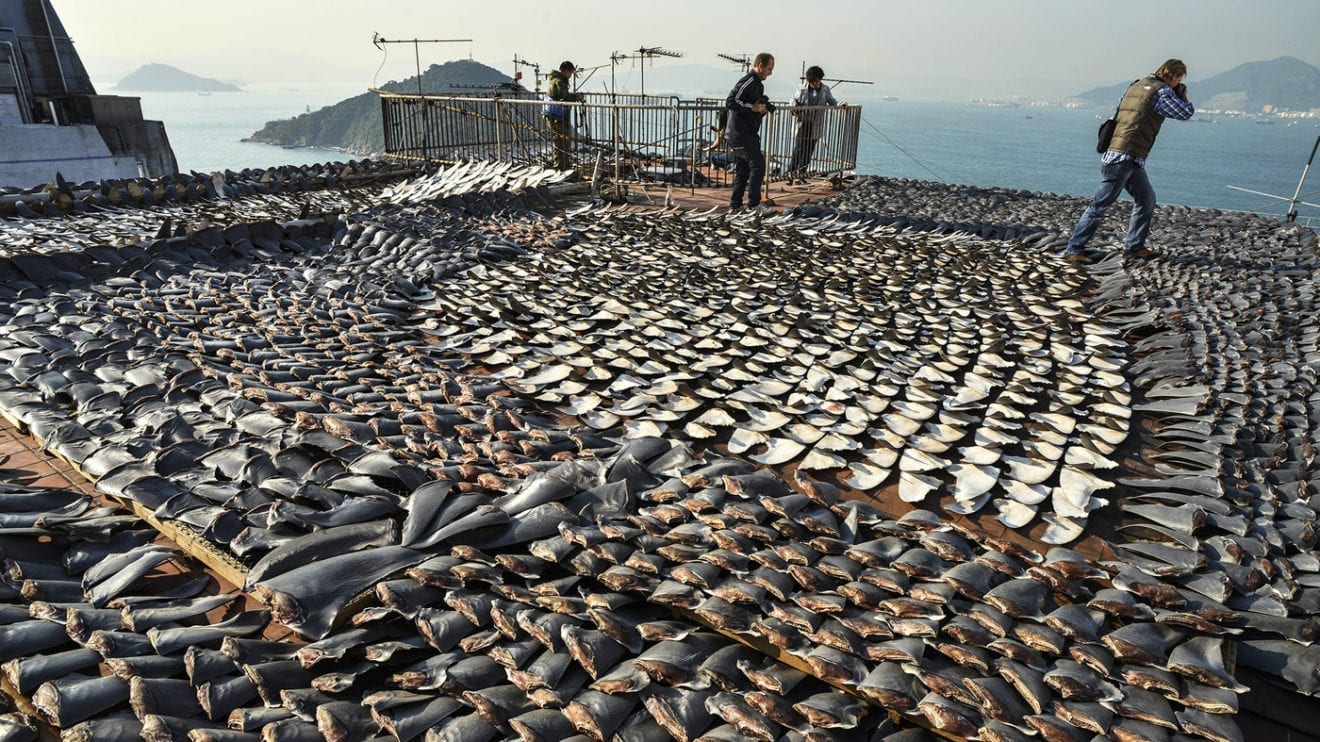
    Marine Affairs and Fishery Ministry will extend the ban on shark fin exports, said the ministry’s directorate general secretary of marine space management Agus Dermawan. “It may be extended, but I don’t know when,” he said Saturday.

    Shark fin export has officially been suspended after Marine Affairs and Fishery Minister Susi Pudjiastuti issued on December 10, 2014, Regulation No. 59/2014 regarding a ban on hammerhead and oceanic whitetip sharks until November 2015. It had since been extended with Marine Affairs and Fishery Ministry Regulation No. 34/2015, which is effective until December 31, 2016.

    According to Agus, Indonesia was the world’s largest shark fin exporter. In 2012, for example, Indonesia exported 434 tons of shark fin worth over US$6 million, the Central Statistics Agency (BPS) recorded.

    He said that the ministry has joined hands with researchers to count the number of endangered shark species left in Indonesia. The regulation about the ban on export and hunting will be based on the outcome of the research. Despite the export ban, hunting and trade of certain shark species for domestic consumption are still allowed.

    Agus said since 2013 five shark species have been listed as endangered, four of which hailed from Indonesia, including hammerhead and oceanic whitetip sharks. Hammerhead sharks include Sphyrna lewini, Sphyrna zygaena, dan Sphyrna mokarran, whereas oceanic whitetip sharks include Carcharhinus longimanus.

    Despite the official export ban, rare shark fin smuggling continues to happen. In February, Directorate of Customs and Excise of Finance Ministry Tanjung Perak office, Surabaya, foiled an attempt to smuggle 20 tons of shark fins and jellyfish to Hong Kong.

    Therefore, Marine Affairs and Fishery Minister Susi Pudjiastuti vows to enhance the Task Force 115, who are tasked with eradicating illegal fishing practices. “We will deploy Custom & Excise and the Task Force personnel to monitor smuggling,” Minister Susi Pudjiastuti said.

    Meanwhile, Oceans Campaigner of Greenpeace Indonesia Sumardi Ariansyah has urged the government to do more than just banning shark imports. According to him, shark fin consumption in Chinese restaurants has also contributed to the declining population of the species, although not as high as foreign demand. “The government must set up and establish better and more comprehensive policies,” he said.

  • Kimia Farma builds pharmaceutical raw material factory

    Kimia Farma builds pharmaceutical raw material factory

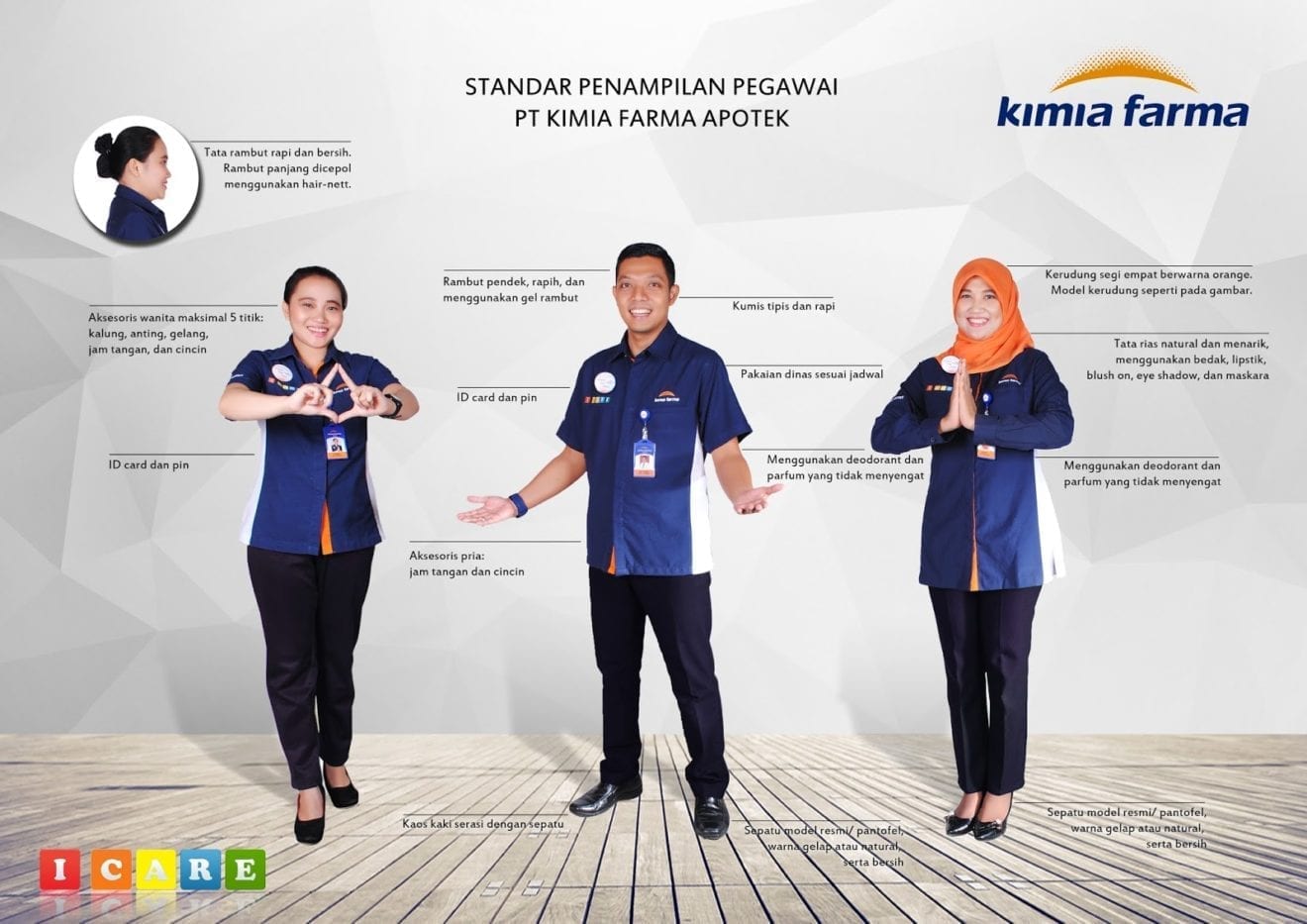
    In cooperation with Sungwun Pharmacopia of South Korea, Indonesias state-owned pharmaceutical company PT Kimia Farma will build the first factory for pharmaceutical raw materials to meet the needs of medicine producers in the country.

    The construction of the pharmaceutical factory was inaugurated on Monday by Health Minister Nila F Moeloek, in the company of Kimia Farma President Director Rusdi Rosman, Food and Drug Regulatory Agency (BPOM) Chief Penny Lukito, and House Commission-IX Chairman Dede Yusuf.

    Rusdi Rosman said the factory, located at the Lippo industrial area in Cikarang, Bekasi, will be built in stages on a six-hectare plot of land and at a cost of Rp132 billion.

    In building the first factory for pharmaceutical raw materials, Kimia Farma will cooperate with Sungwun Pharmacopia Co. Ltd, because of their experience in producing raw materials for medicines.

    Further, the Kimia Farma president director noted that the factory will be built in accordance with the standard of Good Manufacturing Practice (GMP) and is expected to be completed by the end of 2017, while the selling of Active Pharmaceutical Raw Materials (API) is planned to begin in early 2018.

    Rusdi noted that the factory will produce eight types of raw materials, including Simvastatin, Atorvastatin, Rosuvastatin, Pantoprazole, Esomeprazole, Rabeprazole, Clopidogrel and Sarpogrelate, with a production capacity of 30 tons per year.

    Production of the raw materials is to meet 100 percent of the needs of the pharmaceutical industry in Indonesia, as well as for market export.

    Kimia Farma will also manufacture seven types of raw materials that can be used for cosmetics and dietary supplements, and to be exported to Korea, Japan and America.