Author: Mei Ling Tan

  • CapitaLand Mall Asia plans expansion

    CapitaLand Mall Asia plans expansion

    CapitaLand Mall Asia is stepping up its investment in India.

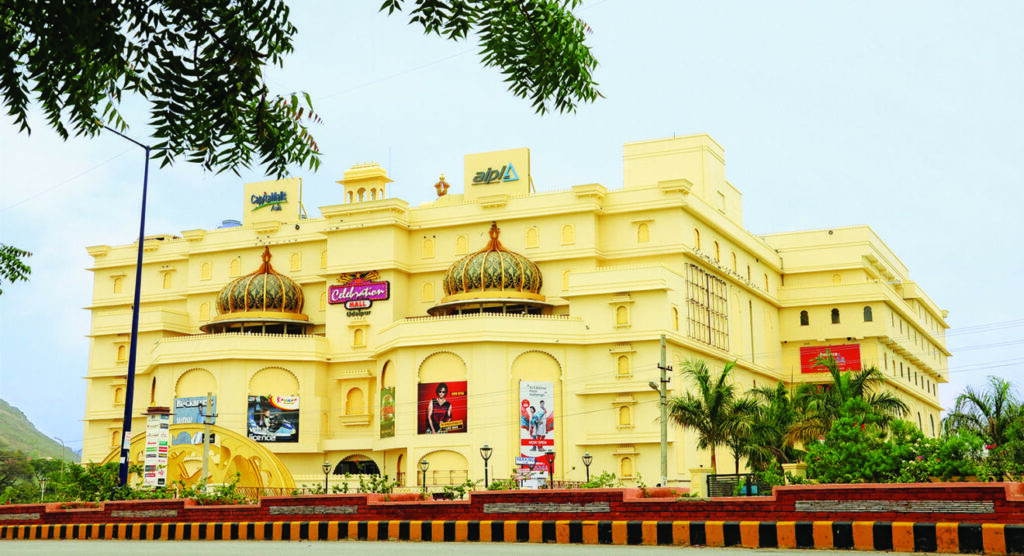
    During a visit by Singapore’s Prime Minister Lee Hsien Loong to The Celebration Mall in Udaipur (pictured) , wholly owned by CapitaLand Mall India Development Fund, CapitaLand Mall Asia announced plans to open two more malls in India over the next three years.

    The group already has four malls in the country.

    CapitaLand president/group CEO Lim Ming Yan says India has been looking to tap Singapore’s experience in urban planning as it plans to upgrade and build 100 cities.
    capitaland-mall-india

    “India thus presents opportunities for CapitaLand to share our expertise in real-estate development and management, particularly in integrated developments where we have established a strategic advantage, as well as in the shopping mall and serviced residence sectors where we have already gained a foothold in the country.

    “With more liberal rules on foreign direct investment in real estate, CapitaLand has been presented with a number of opportunities. We are also in discussion with several parties on management contracts for shopping malls and serviced residences.”

    Partnership

    CapitaLand’s two upcoming malls are opening next year and in 2019 respectively, Forum Mysore, and Forum Cochin.

    Both are being developed in partnership with real-estate developer Prestige, with whom CapitaLand also partners for three other malls, The Forum Neighbourhood Mall, Bangalore, The Forum Sujana Mall, Hyderabad and The Forum Fiza Mall, Mangalore. Including two other malls being developed in Jalandhar and Nagpur, CapitaLand is Singapore’s largest shopping-mall developer and manager in India with a total of eight malls.

    “In Asia, India is the next big retail prize after China,” says CapitaLand Mall Asia CEO Jason Leow.

    “India has a large and growing middle class with aspirations for a better life, and more than 400 million consumers between 15 and 34 years of age who are driving purchases in categories such as mobile phones, fashion, accessories and F&B.

    “Such favourable demographics are drawing retailers’ interest to India’s fast-growing consumer market, which is expected to be worth US$1.3 trillion by 2020.

    “As one of Asia’s leading mall developers, owners and managers, we are able to leverage our retail expertise and industry-leading network of about 15,000 leases to support local and international retailers who are keen to do business in India.”

  • South Korea is world’s top online FMCG market

    South Korea is world’s top online FMCG market

    South Korea was the world’s top market for online grocery sales for the 12 months preceding June 2016.

    This was the conclusion from the third annual Future of e-Commerce in FMCG (Fast Moving Consumer Goods) study by Kantor WorldPanel, a firm that tracks consumer buying behavior worldwide.

    The report noted that sales of groceries through e-commerce platforms reached $48 billion in the 12 months to June 2016.

    E-commerce now accounts for 4.4% of all FMCG sales. However, despite the growth of e-commerce, the growth of the entire FMCG market was flat performance during the same period, increasing just 1.6%.

    “FMCG growth is slowing, but our data shows that people are looking for more convenience, which can be met by shopping online. Grocery e-commerce, although currently small, with only one in four people shopping online, is growing fast,” said Stéphane Roger, the global shopper and retail director at Kantar Worldpanel.

    “We forecast it will grow to 9% of the market and be worth $150 billion by 2025. With new entrants such as Amazon expanding rapidly, the industry is facing a shake-up,” he said.

    E-commerce growth is also unequal, differing from country to country. Although connectivity plays a part, it is not clear whether it is the primary reason for the growth.

    For example, while South Korea is the world’s largest online FMCG market by value share (16.6%), US consumers only bought 1.4% of groceries online.

    Meanwhile, China’s netizens are catching up. The report noted that the country saw the biggest growth in the last 12 months, 47% – to a value share of 4.2%.

    Meanwhile, Europeans have a relatively low adoption of e-commerce in all countries except the UK with 6.9% of the market and France which has 5.3%.

    According to Kantar WorldPanel, France is a relatively unique e-commerce market with their success with the Drive model, where online purchases are collected from the store.

    Other conclusions:

    • Online buyers tend to continue to keep buying online after their first purchase.
    • Online buyers are less impulsive, based on comparative research across UK, France and China.
    • 50% of FMCG purchases in China is on beauty.
    • Online buyers splurge more on a single visit online.
    • 55% of online shoppers tend to use the same shopping list for the next purchase.
  • Huawei achieves 27Gbps 5G speeds with Polar Code

    Huawei achieves 27Gbps 5G speeds with Polar Code

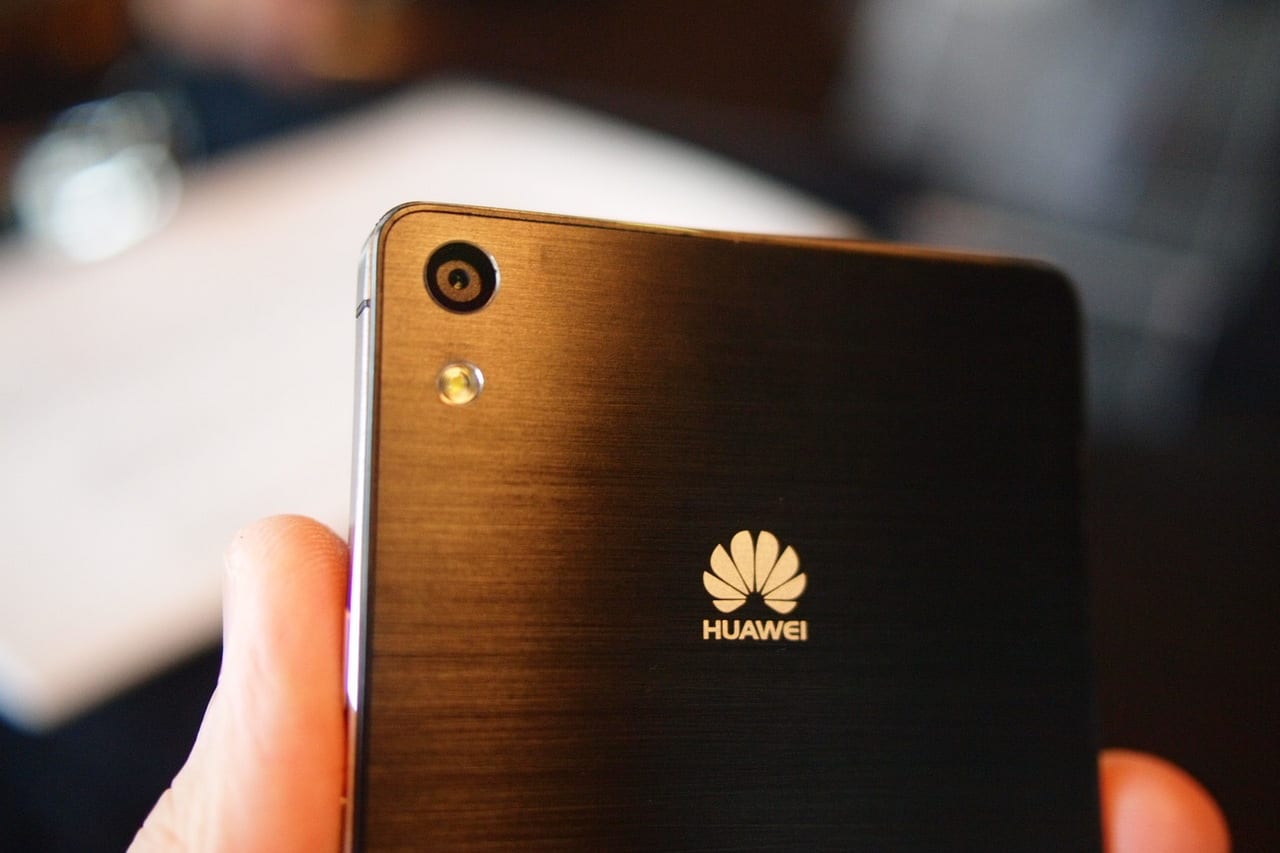
    Huawei announced it has achieved downlink speeds of 27Gbps using Polar Code, a new innovation in 5G channel coding technology.

    During a field trial in both static and mobile environments, Huawei was able to demonstrate that polar code technology can simultaneously meet the typical use cases of the ITU’s 5G definition, which involves speeds in the tens of gigabits, 1ms latency and billions of connections.

    The company said polar code demonstrated three times the spectrum efficiency compared to current RAN networks.

    Polar code is designed to allow significantly higher spectrum efficiency than current cellular access technologies and to enable decoding with linear complexity.

    On the encoding side, polar code can optimize channel capacity close to the Shannon Limit, the theoretical highest capacity of a communications channel before noise introduces faults.

    The field trial also took into account the use of millimeter-wave and multiple parallel sessions based on short and large packet sizes.

    Last week Huawei and Canada’s Telus also announced the results of 5G lab trialsachieving peak speeds of 29.3Gbps, close to 200 times faster than the current LTE standard. The trials at the Telus and Huawei 5G Living Lab in Vancouver were designed to simulate real-world conditions.

  • Smartphone sales growth continues to slow

    Smartphone sales growth continues to slow

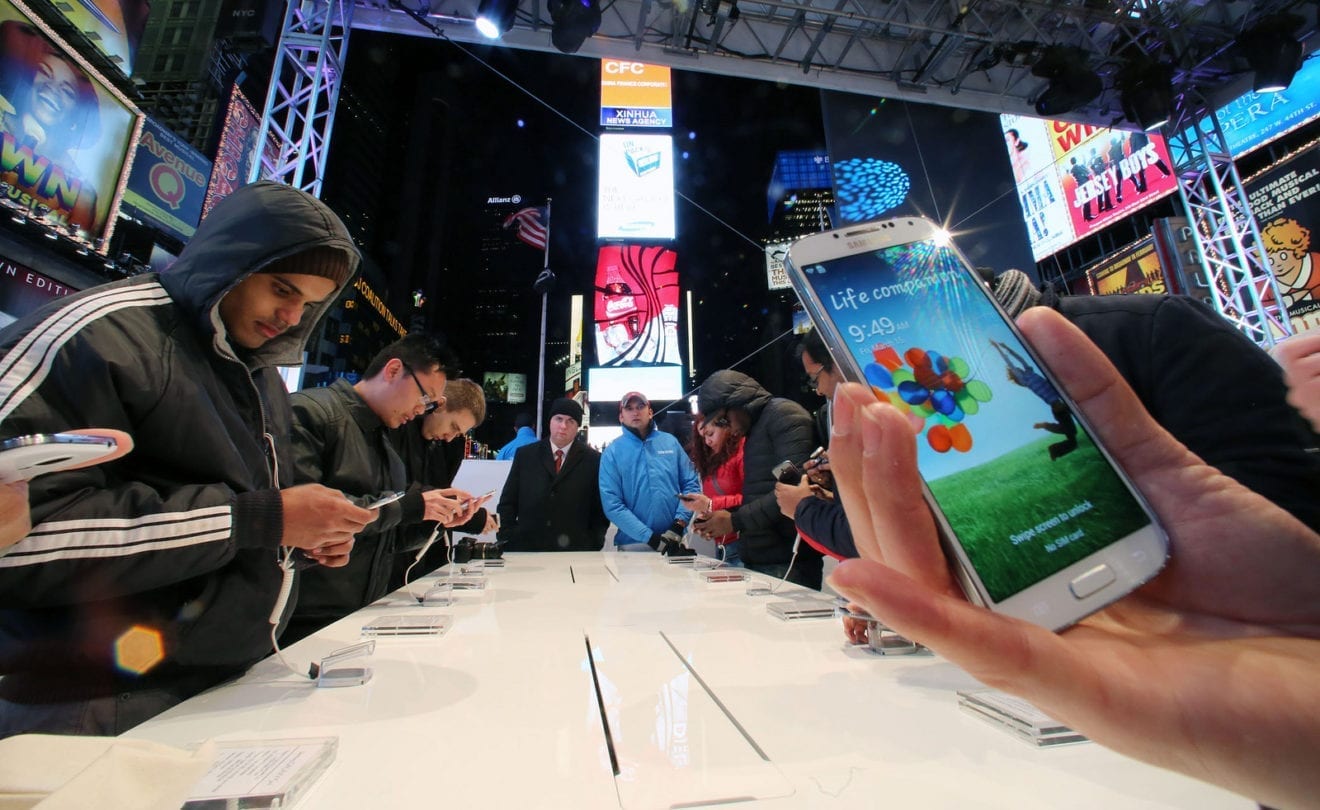
    The global smartphone market is on track to grow just 4.5% during 2016, rocked by a decline in sales in the premium segment, Gartner predicts.

    The research firm estimates that premium smartphone sales will decline 1.1% for the year, with owners having less incentive to upgrade to the latest models.

    Overall smartphone sales are on track to reach 1.5 billion units in 2016. While the market is slowing as smartphones reach global saturation, Chinese vendors are stimulating sales in the Android segment of the market by offering more affordable premium devices.

    But Gartner expects the market for premium smartphones to return to 3.5% growth next year as stronger replacement cycles emerge.

    The predicted upswing is also in anticipation of Apple’s expected launch of a new iPhone with a new design and features attractive enough to convince smartphone owners to upgrade.

    Total mobile phone shipments are meanwhile on place to fall 1.6% in 2016, while tablet sales are set to decline from 196 million units in 2015 to 177 million in 2016.

    Worldwide combined device shipments – which also include PCs, laptops and related devices, are expected to decline for the second consecutive year, falling 3% to 2.34 billion units.

  • BlackBerry Phones Will Live On for Die-Hard Fans in Indonesia

    BlackBerry Phones Will Live On for Die-Hard Fans in Indonesia

    BlackBerry Ltd. may have decided to stop making its iconic handsets, but that doesn’t mean the gadgets will disappear, especially in places where they’re still popular. Case in point: an Indonesian wireless company is already hatching plans to introduce its own version of the keyboard-equipped smartphone for those who can’t live without the device.

    PT Tiphone Mobile Indonesia Tbk, an affiliate of operator PT Telekomunikasi Indonesia Persero Tbk, has struck the first deal with BlackBerry to form a local joint venture called PT BB Merah Putih to make its devices in Indonesia. While the Canadian company is shifting its focus to software, Indonesia remains one of BlackBerry’s biggest markets. BlackBerry in the past launched dedicated phones and apps for the Indonesian market, home to 240 million people.

    Under the preliminary deal, Blackberry phones will be manufactured at a factory owned by a subsidiary of Tiphone Mobile for domestic sales, said Tan Lie Pin, Tiphone’s chief executive officer. Another local company is in talks to join the venture and details are being negotiated, she said in an interview.

    “More than six million people still use BlackBerry in Indonesia and we believe that BlackBerry can still grow in the Indonesian market,” Tan said. “We are very optimistic and excited.”

    BlackBerry CEO John Chen said this week the company would stop making phones and focus its attention on the more profitable and growing software business. The company plans to negotiate manufacturing agreements with multiple overseas partners. While Tan said Tiphone will manufacture phones for the Indonesian market, discussions on the venture are continuing with BlackBerry.

    BlackBerry’s popularity in Indonesia stems from its hugely popular instant-messaging app, BlackBerry Messenger, known as BBM. Many Indonesians still stick to BBM in order to connect with their curated groups of friends and family, even though some of them no longer use BlackBerry devices.

    BBM for iOS and Android devices ranked No. 1 in terms of downloads among chat apps in Indonesia in August, ahead of rival WhatsApp and Line, according to market researcher App Annie. Emtek Group, one of Indonesia’s biggest media and technology companies, signed a licensing agreement with BlackBerry in June in order to bring video content onto BBM and begin developing new applications and services for the messaging app.

  • High-end luxury car market hit hard

    High-end luxury car market hit hard

    The bottom may already be falling out of the high-end luxury car segment because of the gloomy economy, but Indonesia’s tax amnesty scheme seems to be exacerbating the situation.

    This segment groups super sports car and ultra luxury limousine brands, namely Ferrari, Lamborghini, McLaren, Aston Martin, Rolls-Royce and Bentley.

    From January to August this year, a total of 91 of these cars were registered here, according to the Land Transport Authority. This is down 27 per cent or about a quarter from the 125 units registered in the same period last year.

    This is in stark contrast to the total year-to-date registrations for the overall car market, which soared 71 per cent from 33,673 to 57,468.

    According to some dealers, the high-end luxury car segment has been particularly quiet in the past couple of months since the start of the Hungry Ghost Festival, a period when prospective buyers traditionally refrain from making big-ticket purchases.

    Pang Cheong Yan, managing director of Wearnes Automotive, said: “Generally, people are becoming more cautious as they are not sure how long this current economic climate will continue.”

    Mr Pang, who is in charge of the Aston Martin and Bentley brands, added that it did not mean that this group of buyers is “less rich”.

    “They are just not willing to spend on discretionary items.”

    Melvin Goh, chief executive officer of EuroSports Global, said that the wealthy are being “more careful with their spending”. EuroSports distributes Lamborghini and Zonda, among other brands.

    Mr Goh said: “Business sentiment is weak and this has affected the Lamborghini business. Fortunately though, we have the LP580-2 Coupe and Spider priced below S$1 million and these are still selling.”

    Mr Goh explained that the S$1 million mark is a psychological barrier for many people, so anything just below it becomes a “magic number”.

    Besides the economy, however, some dealers said that Indonesia’s tax amnesty scheme is also hurting their business.

    The director of a high-end luxury brand, who declined to be named, said that as many as 30 per cent of his customers are wealthy Indonesians and “this group is gone”.

    He said that many are “scrambling for cash” to pay the taxman after having declared their assets to the authorities.

    “As for the rest who still have spare cash, they won’t spend until they are in the clear.”

    The head of another high-end luxury dealership agreed. He said that while the large majority of his customers – up to 90 per cent – are Singaporeans, some of the remaining 10 per cent are also feeling the heat from the tax amnesty issue.

    “For now, they are not going to be seen spending any of their money on expensive cars.”

  • Garuda Indonesia expects US$25 million from intl cargo

    Garuda Indonesia expects US$25 million from intl cargo

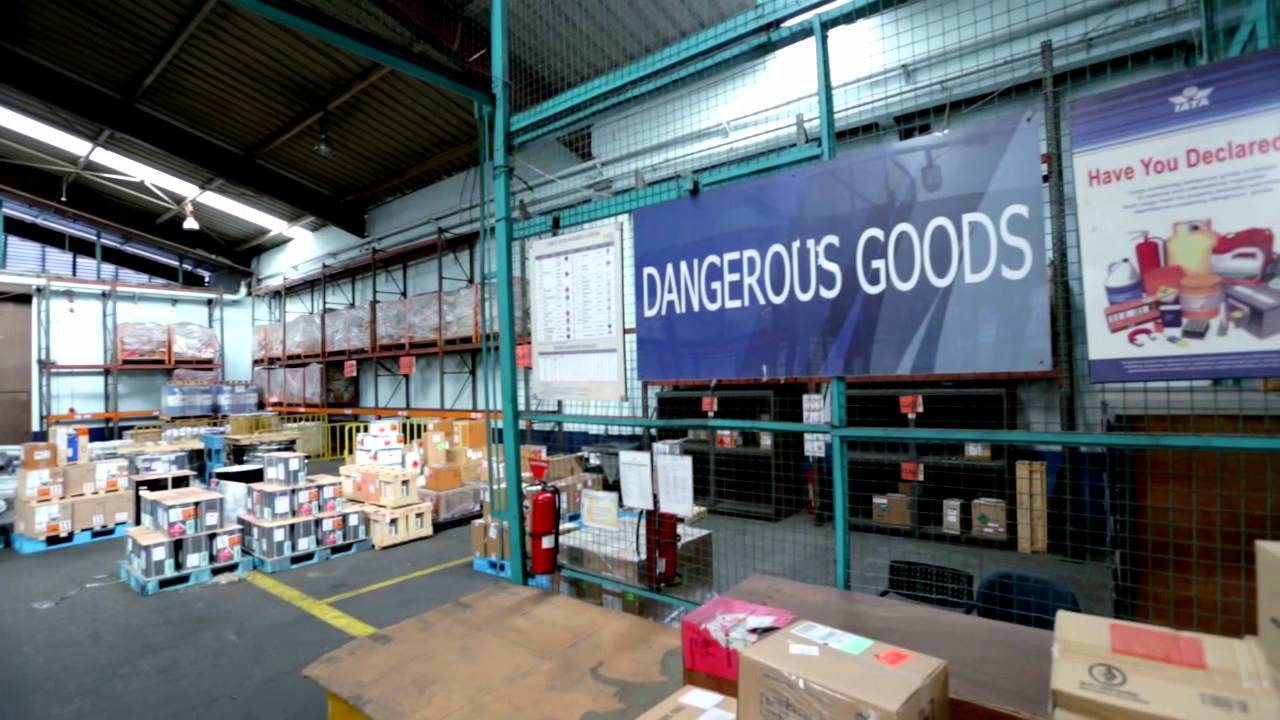
    The Indonesian flight carrier, Garuda Indonesia, is expecting US$25 million from international cargo service by the end of 2016.

    “Currently, the average income from cargo per month is US$21 million. Business cargo, mainly catering to the international market, will continue to support the company’s revenue stream,” President Director of Garuda, Arif Wibowo, said here on Tuesday.

    According to him, one of the strategies developed by the company to increase the cargo capacity is to open international flights.

    “We should explore international markets and also enlarge our cargo capacity on overseas flights,” he added.

    He pointed out that the largest component of cargo business of Garuda currently comes from China, covering Canton and Shanghai, reaching about 20 tons per day.

    Meanwhile, the cargo capacity from Tokyo and South Korea is about 20 tons per day, and from Europe is around 14-15 tons per day.

    To capture the growth opportunity in the cargo business, in particular in the international market, Garuda is opening new routes and adding frequencies of domestic flights to a number of foreign countries.

    For instance, he stated, the Jakarta-Madina flight will be available in December 2016. Also, the Surabaya-Madina route will be opened.

    To support its flight expansion plans, Garuda provides 50 units of Boeing737 MAX, while its subsidiary, Citilink, provides 50 units of Airbus A320.

    Regarding the business expansion to China, Garuda will soon open an international flight on the Denpasar-Chengdu route in January.

  • Household consumption estimated to increase in third quarter

    Household consumption estimated to increase in third quarter

    Bank Indonesia estimated that household consumption rose in the third quarter of this year from 5.04 percent of the countrys Gross Domestic Products (GDP) in the second quarter of this year.

    One of the factors causing the increase was high consumption during Idul Fitri 2016, Executive Director of Statistic Department of the central bank Hendy Sulistiowati said here on Thursday.

    Increase in household consumption was also attributable to higher Consumer Confidence Index (IKK) that rose to 112.5 points from 111.6 points in the second quarter, Hendi said.

    “The quarterly increase in IKK, normally would result in an increase in household consumption,” she said.

    Household consumption has been the largest contributor to the countrys GDP accounting for 55.9 percent, followed by Gross Fixed Capital Formation (PMTB).

    Though rising quarterly, IKK fell monthly . In September IKK was 110 points down from 113.3 points in August.

  • Is it necessary to chase Google income?

    Is it necessary to chase Google income?

    Internet commercials are starting to take over the advertisement business from print and electronic media, especially television. Wide accessibility and ease of use are the internet’s main points of attraction. However, this poses new problems, as online advertisers are not bound by physical presence.

    Google’s business in Indonesia is a case in point, highlighting problems that accompany the advance of the digital economy, where the concept of space itself is being distorted. People can conduct business in places without having any physical presence there. The law of the land is failing to catch up to this new trend, with tax rules being one prominent example.

    Google’s business model allows such phenomena to arise. Payments for advertisements from Indonesia are sent to Google Asia Pacific Pte. Ltd. (GAP), a Singaporean company.

    Because of the tax treaty between Indonesia and Singapore, Indonesia must refrain from taxing the company’s income. Unless GAP has a permanent establishment (BUT) in Indonesia, such income cannot be taxed.

    The Directorate General of Taxation (DJP) claims that GAP’s business activities constitute a dependent agent BUT through the presence of PT Google Indonesia (GI). This view is contested by GI, which says GAP has no BUT in Indonesia. Moreover it refuses to cooperate with the DJP and resists investigation.

    The existence of a BUT as claimed by the DJP is doubtful. A dependent agent BUT exists when the agent (i.e. GI) basically conducts the non-resident taxpayer’s (GAP’s) business activities. The fact that there is an associated company in Indonesia and income sourced from Indonesia is not enough for the DJP to claim there is a BUT as a tax subject. The DJP needs to study the relationship between GAP and GI carefully. Is GI doing its own business or is it doing GAP’s business?

    Furthermore, even if the DJP makes the case that Google has a BUT in Indonesia, that does not mean that all of Google’s income can be attributed to that BUT. The next question is the functions performed by such a BUT. Are significant functions performed in order to generate all of the income?

    Profits attributed to the BUT are based on those significant functions performed there or the contributions of the BUT performed in GAP’s business. The DJP cannot tax profits that cannot be attributed to the BUT if functions related to those profits are not performed there.

    This approach is more or less the same as if the DJP accepted GI’s claim. If the DJP accepts the claim, then GI’s transactions with other members of the Google group will be treated as transactions between independent entities.

    Therefore, such transactions need to be priced properly by transfer pricing analysis. Such analysis will delineate GI’s role and responsibilities in the whole Google business model. From there, its contribution to the profits will be described, and on that basis we can calculate how much profit is attributable to GI.

    At the end of the day, both approaches look at the activities performed in Indonesia by GI. To be more precise, it depends on the company profiles and their roles and responsibilities in the whole business model of Google.

    Those factors determine the share/contribution in creating the value of the products of the group and thus the profit allocation. Creating a new BUT concept alone is not enough, because it does not solve the problem of attributing profits to the BUT.

    If the DJP really wants to capture the income, it should pay more attention to linking GI’s activities to Google’s income and maybe pursue GI through an audit, rather than trying to establish a BUT and attributing the profits later.

  • BlackBerry still exceedingly popular in Indonesia

    BlackBerry still exceedingly popular in Indonesia

    BlackBerry may have decided to stop designing its iconic handsets in-house, but that doesn’t mean the gadgets will disappear, especially in places where they’re still popular.

    A case in point is the Indonesian wireless company that is already hatching plans to introduce its own version of the keyboard-equipped smartphone for those who can’t live without the device.

    PT Tiphone Mobile Indonesia Tbk, an affiliate of operator PT Telekomunikasi Indonesia Persero Tbk, has struck the first deal with BlackBerry to form a local joint venture called PT BB Merah Putih to make its devices in Indonesia.

    While the BlackBerry is shifting its focus to software, Indonesia remains one of the Waterloo company’s biggest markets. BlackBerry in the past launched dedicated phones and apps for the Indonesian market, home to 240 million people.

    Under the preliminary deal, BlackBerry phones will be manufactured at a factory owned by a subsidiary of Tiphone Mobile for domestic sales, said Tan Lie Pin, Tiphone’s chief executive officer. Another local company is in talks to join the venture and details are being negotiated, she said.

    “More than six million people still use BlackBerry in Indonesia and we believe that BlackBerry can still grow in the Indonesian market,” Tan said. “We are very optimistic and excited.”

    BlackBerry CEO John Chen said Wednesday that the company would stop designing phones and focus its attention on the more profitable and growing software business.

    The company plans to negotiate manufacturing agreements with multiple overseas partners. While Tan said Tiphone will manufacture phones for the Indonesian market, discussions on the venture are continuing with BlackBerry.

    BlackBerry’s popularity in Indonesia stems from its hugely popular instant-messaging app, BlackBerry Messenger, known as BBM. Many Indonesians still stick to BBM in order to connect with their curated groups of friends and family, even though some of them no longer use BlackBerry devices.

    BBM for iOS and Android devices ranked No. 1 in terms of downloads among chat apps in Indonesia in August, ahead of rival WhatsApp and Line, according to market researcher App Annie.

    Emtek Group, one of Indonesia’s biggest media and technology companies, signed a licensing agreement with BlackBerry in June in order to bring video content onto BBM and begin developing new applications and services for the messaging app.

  • IDX Suspends Bumi Citra Permai

    IDX Suspends Bumi Citra Permai

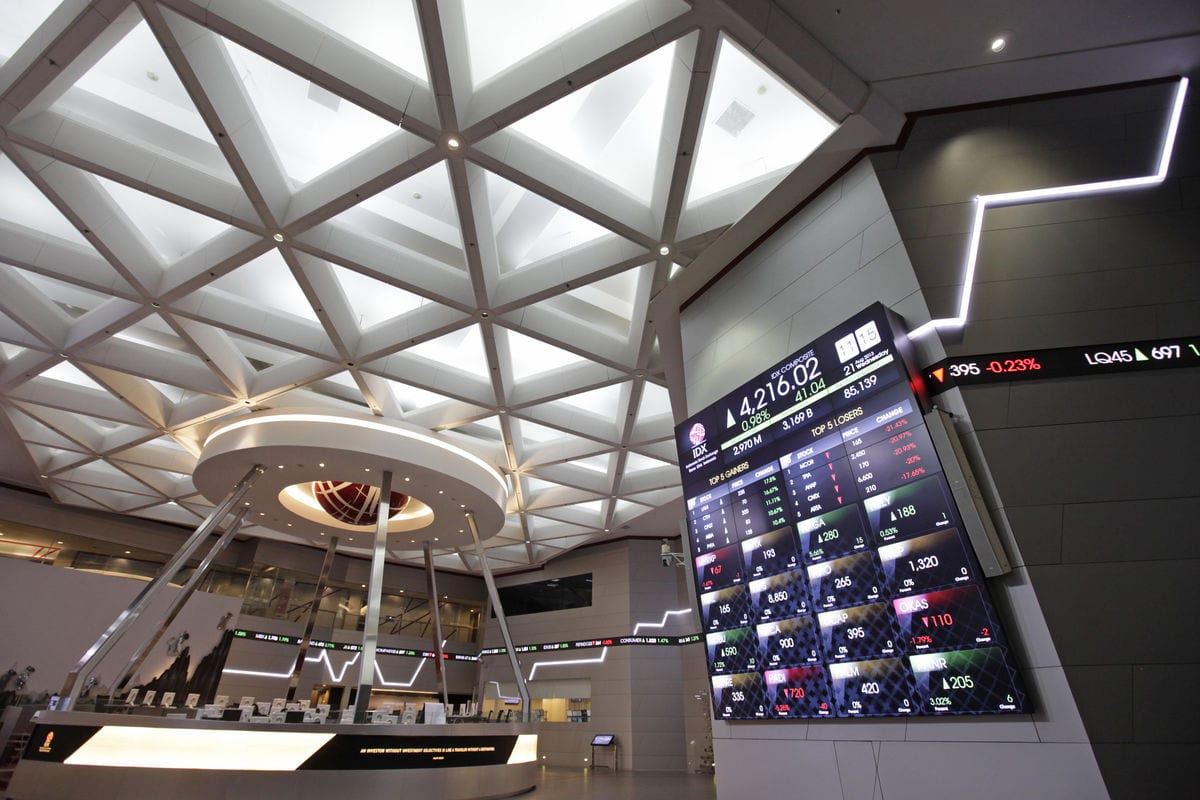
    The Indonesia Stock Exchange (IDX) has suspended the Bumi Citra Permai (BCIP) from trading because of significant, cumulative stock price declines.

    BCIP opened at Rp478 per share before plunging 46 bps (9.62%) to Rp432.

    “With regards to BCIP’s significant, cumulative price drops, the IDX deems it necessary to suspend the stock from being traded,” IDX head for transaction supervision Irvan Susandy said in an exposure on Friday, October 7.

    BCIP is not only suspended from trading in the regular market but also in the secondary market, starting today, October 7. The suspension is aimed at giving investors enough time to make thoughtful considerations in deciding what to do with their BCIP stocks.

    BCIP is an issuer engaged in the field of real estate, construction, trading, mining, services, transportation, publishing, and agriculture. The company’s main businesses are real-estate and water management, operated by subsidiary Milwater Pratama Mandiri.

    BCIP also has two real estate subsidiaries Millenium Power and Citra Permai Pesona.

  • Manila Fame Welcomes Exhibitors, Int`l Buyers To Bigger Show

    Manila Fame Welcomes Exhibitors, Int`l Buyers To Bigger Show

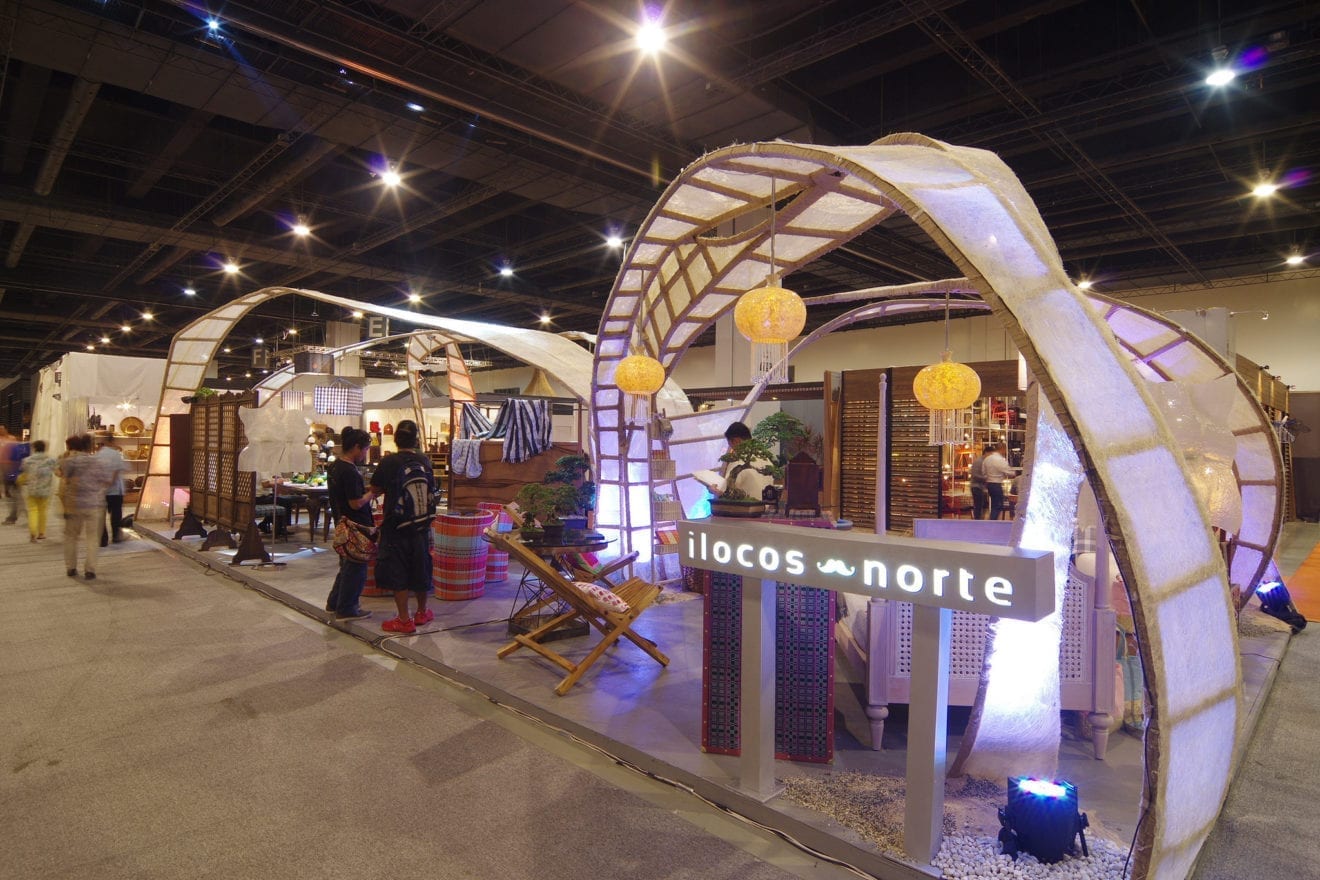
    The Philippines premier design and lifestyle event, Manila FAME 2016, is expanding the show with more venues, extended hours, and more SME exporters, while showcasing new artisans, designers, and products.

    The 64th edition of Asia-Pacifics second-longest running trade exhibition, from October 20 to 22, 2016, will be held in four large venues to accommodate the growing number of participating SME exporters and the deluge of international trade buyers joining every edition to source unique products of the Philippines’ artisans, its embassy said in a statement, here, Saturday.

    The upcoming show will be held at the World Trade Center (WTC) Main Hall, which will house the holiday and home exporters, and the WTC Tent, which will feature fashion, textile, and apparel brands. The Philippine Trade Training Center (PTTC) will exhibit arts and crafts, and start-up and retail companies, while HallONE will be the venue for the Design Week Philippines – (DWP) Creative Marketplace.

    Design Week Philippines, held concurrently with Manila FAME, is a multifaceted fete of arts and design aimed at fostering creativity and spurring innovations. It is overflowing with activities that speak of Filipino ingenuity and design breakthroughs that strengthen the Philippines position as Asias design capital.

    In addition to the special DWP events to be held in HallONE, more activities initiated by the Design Center of the Philippines will take place in Manilas historic center, Intramuros.

    Extended exhibit hours for more buyers, visitors

    Manila FAME will extend its operating hours by an hour to 7.00pm from the original 9:00am to 6:00pm. The change was made in response to requests from trade buyers for longer business hours that would allow them to meet with all their target suppliers, examine new products at the show, and maximize their visit in Asia, which will have other trade events scattered across the region.

    New special showcases and daily events on whats hot

    Exciting showcases to look forward to at the October show include New Generation Weaves, Bamboo and Coconut Special Setting, Lamps and Lighting, and Icon Setting: Peacock Redux.

    Lively daily events to update trade buyers on on-trend designs and products as well as inspiring and creative workshops and business fora will be staged for a multi-sensory, comprehensive, and diverse trade show experience.

    Furthermore, the 64th Manila FAME will be made even more momentous with the celebration of the ASEAN Master Craft Design Festival and the participation of the ASEAN master craftsmen who will present their creations in a special pavilion called ASEAN Crafts to the World.

    The first group of the ASEAN master craftsmen, coming from Indonesia, Malaysia, the Philippines, Thailand, and Viet Nam, will unveil new designs and progressive applications of native materials and traditional techniques in home furnishings, gifts and housewares, garden accessories, and fashion apparels.

    “CITEM is continuously shaping Manila FAME, not just to meet the demands of the changing industry with its new generation of buyers, entrepreneurs, consumers, designers, and artisans, but to exceed expectations, bring new ideas to the table, and most of all to showcase what the Philippine SMEs can do with training and assistance,” CITEM Executive Director Rosvi C. Gaetos said.

    Manila FAME is a bi-annual showcase of craftsmanship in Philippine products. It features finely selected furniture and home furnishings, holiday gifts and accessories, designed and crafted in the Philippines for the global market.

    Organized by the Philippines Department of Trade and Industry (DTI), through the Center for International Trade Expositions and Missions (CITEM), Manila FAME is the only trade event in the Philippines approved by the Union des Foires Internationals (UFI), or the Global Association of the Exhibition Industry, a Paris-based association of trade fair organizers founded 90 years ago in Milan, Italy, on April 1925.

  • Batam to facilitate SMEs export products to Singapore

    Batam to facilitate SMEs export products to Singapore

    The administration of Riau Islands city of Batam will facilitate the export of products manufactured by the Indonesian Micro, Small and Medium Enterprises (SMEs) to Singapore, an official has stated.

    “We are trying to facilitate (the export of products), because the products manufactured by the Micro, Small and Medium Enterprises are being exported to some neighboring countries, including Malaysia and Singapore,” head of the Batam office of the Community Empowerment, Cooperatives and Micro, Small and Medium Enterprises (SMEs), Pebrialin, said here on Monday.

    This October, the Batams administration will consult the Indonesian Embassy in Singapore to explore the market in order to facilitate the export of the SMEs products to Singapore, he added.

    As per a research undertaken by the local administration, many SMEs have shipped their products to Singapore. Unfortunately, the volumes are limited.

    According to Pebrialin, Singapore’s decision to replace the trademarks was detrimental to the Indonesian producers, because they cannot control the market directly.

    In addition, the manufacturers also face difficulty in developing their business, because they become dependent on the trademark of Singapore.

    The Community Empowerment, Cooperatives and Micro, Small and Medium Enterprises (SMEs) will also help the SMEs meet the norms applicable in Singapore and Malaysia, so that their products can be freely distributed in the market, Pebrialin added.

  • Laox opens new Osaka store

    Laox opens new Osaka store

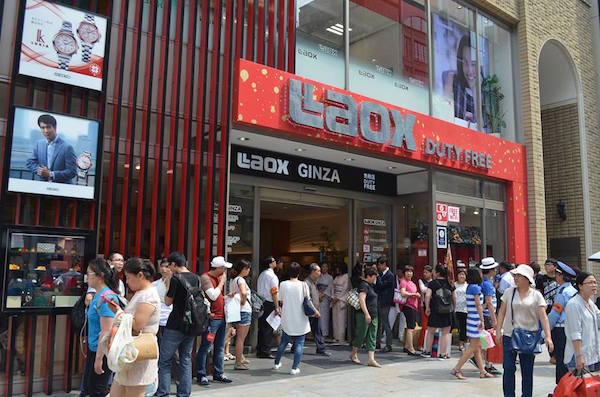
    Japanese duty-free retailer Laox has opened its eighth store in Dragon Gate Building, Osaka.

    Called “Laox Osaka Dotonbori Ebisubashi Store”, the exterior of the first floor and second floor is covered with glass, making this a street-level store with a characteristic design that attracts the attention of passersby.

    The store specialises in personal items such as cosmetics, hair and beauty products, and home electronics, as well as Japanese-made watches, highly popular outside Japan, and collectibles such as figurines.

    Aiming to appeal to a broad international customer base, the store is located on the popular ‘Dotonbori’ nightlife and retail precinct.

  • Surge in Coal Prices Buoys Miners’ Shares

    Surge in Coal Prices Buoys Miners’ Shares

    A recovery in coal prices in recent months has buoyed shares of local coal companies and returned confidence to a sector that has long struggled with low demand.

    Indonesia’s thermal coal benchmark price rose to $63.93 per metric ton in September — its highest in 17 months — continuing a five-month rally after bottoming out in May, according to the latest data compiled by the Ministry of Energy and Mineral Resources.

    China, traditionally Indonesia’s main coal market, has capped its domestic coal mining output, forcing electricity producers to start importing coal once more. Limited stocks from the main exporters, such as Australia and Indonesia — due to a prolonged wet season — also stoked the commodity’s price in the global market.

    Against that setting, shares of Bumi Resources, Indonesia’s largest coal producer, surged by as much as 23 percent this week after the Indonesia Stock Exchange (IDX) lifted a suspension on the company’s shares on Wednesday. The suspension began on June 30 after Bumi failed to submit its first-quarter financial report.

    NH Korindo Securities head research analyst Reza Priyambada said positive sentiment from the commodity’s price has buoyed even a debt-ridden company such as Bumi.

    Shares of state-controlled miner Tambang Batubara Bukit Asam, have risen 70 percent in the past five months. Indo Tambangraya Megah, the local coal mining unit of Thailand’s Banpu, rose 47 percent in the same period.

    However, Reza warned that in the longer term, miners’ share prices would depend on their own fundamental performance.

    “It all depends on how the coal miners are making their next moves. For example, extending or renewing their coal contracts, or diversifying their businesses,” Reza said.

    Indonesia’s coal production fell 14 percent to 241.1 million tons of oil equivalent last year compared to a year earlier, as demand from China and other markets decreased, according to the BP Statistical Review of World Energy 2016.

    For coal producers, the power sector is another business alternative to mitigate their losses from last year’s weak coal prices. The power sector is attracting several coal producers because the government wants to add 35,000 megawatts to the national power grid to boost investment.

    Adaro Energy, whose shares surged 164 percent so far this year, diversified its business from coal production to power generation. Construction of the company’s 2,000-megawatt coal-fired power plant in Batang, Central Java, has finally started and it is expected to generate $80 million per month for the consortium that built and operates it, when it starts operations in 2020.

    Coal will remain the main supply for power plants, which will eventually boost domestic consumption of the resource and provide long-term benefits to miners and producers.

    Oil and gas giant British Petroleum also noted that coal consumption in Indonesia — now the eight-largest coal user in the world — will continue to grow as most of the country’s power under President Joko “Jokowi” Widodo’s 35,000-megawatt program would come from coal.