Author: Mei Ling Tan

  • McDonald’s Malaysia ‘not in hurry’ to sell

    McDonald’s Malaysia ‘not in hurry’ to sell

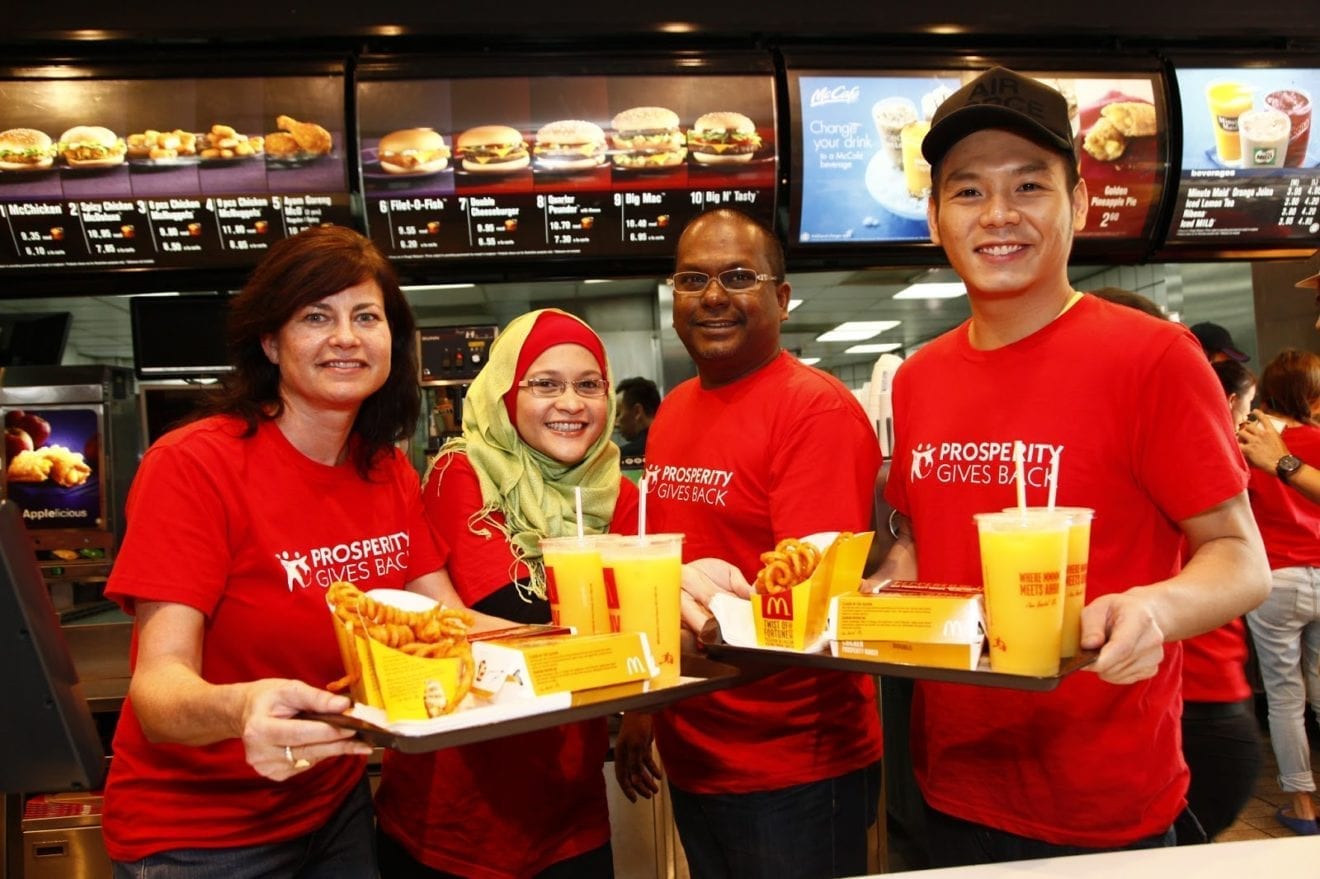
    Despite shortlisting several bidders for the McDonald’s Singapore and McDonald’s Malaysia franchise rights, Malaysian subsidiary Golden Arches Restaurants says it is not in a hurry to sell.

    MD Azmir Jaafar says the deal is being discussed with the shortlisted bidders, but no time frame has been set to complete the transaction.

    “We want to find the right partner who understands the local market and can ensure continuity of McDonald’s value and tradition, as well as be backed by strong capital.”

    He says it has always been the group’s idea to sell the franchise rights to a local partner, which would be more efficient than management by a corporate entity.

    McDonald’s Corp announced a revamp of its ownership models throughout Asia in July, including plans to offload its China, Hong Kong, Malaysia, Singapore and South Korea master franchises.

    CEO Steve Easterbrook’s plan covers about 4000 restaurants with an ultimate goal of having at least 95 per cent of the group’s restaurants franchised.

    Meanwhile, Azmir says that as the Malaysian deal is a business transaction “we will ensure the valuation is done properly”.

    “Still potential”

    There are 260 McDonald’s restaurants in Malaysia, with Golden Arches managing 200 and the rest in the hands of a third party. Though Malaysia has a population of only about 30 million people, which is relatively smaller than China and Indonesia, Azmir still sees huge potential in the market.

    “There are still many underserved areas,” he says. “As the government is improving the infrastructure in Sabah and Sarawak, I think we can expand our footprint into Kota Kinabalu and Kuching and other cities.”

    Azmir says the company intends to open 30 stores in the Klang Valley, Johor, Melaka and Penang as well as Sabah and Sarawak in the next three years. Five to seven new stores are targeted for this year, with one in Presint 2, Putrajaya, and another in Chukai, Terengganu, already open.

    “Our expansion plan is focussed on stand-alone stores as this model works very well, especially in terms of accessibility and convenience. Our ultimate goal is to have 500 stores in the country.”

    Azmir says the company also intends to renovate and remodel up to 30 outlets, each to cost about RM1 million (US$241,700). They have been open for nearly 30 years and will also have their technology upgraded.

    Combined, McDonald’s Singapore and McDonald’s Malaysia have enjoyed record sales in the past few months and is still targeting higher double-digit growth this year.

    Even following the introduction of the goods and services tax in Malaysia in April last year, Azmir says the company raised its selling prices by only about 1 per cent to offset the higher raw-material cost.
    He believes McDonald’s has captured up to 42 per cent market share in the Malaysian fast-food market.

  • Wal-Mart Boosts Stake in JD.com, Expands Further in China

    Wal-Mart Boosts Stake in JD.com, Expands Further in China

    Wal-Mart Stores Inc. has reportedly increased its stake in Chinese eCommerce website, JD.com Inc., to 10.8% from 5.9%, aiming to grab more market share in the world’s largest online market. Shares of JD.com jumped 7.5% in after-hours trading following the news.

    The move comes nearly four months after Wal-Mart inked a deal with JD.com. to sell its Chinese eCommerce business, Yihaodian to JD.com in exchange for a 5% equity stake in the company.

    JD.com is the second-largest online retailer in China after Alibaba Group Holding Ltd. in terms of market cap. The expanded deal with JD.com is expected to offer Wal-Mart a better chance of competing in the cut-throat retail industry in China and expand its reach in the country. Evidently, it expects to generate 25% of global retail growth from the region over the next five years. Further, this will benefit Wal-Mart with JD.com’s huge customer base and its same-day delivery network.

    WAL-MART STORES Price and Consensus

    We note that Wal-Mart has been struggling of late to expand its reach in China. The retailer opened its first store in the country in 1996, but only has about 430 stores there at present. The company has stated various reasons for the sluggish business operations in the region.

    In China, the company has long been dealing with food safety scandals despite trying to maintain high food safety standards. Wal-Mart China too has been facing significant pressure from government austerity measures and deflation. Further, the company faces problems in understanding discerning Chinese consumers as their buying decisions aren’t always price driven.

    Apart from expansion in China, this Bentonville, AR-based company is leaving no stone unturned to acquire a stake in the online business. In this regard, it continues to make huge investments in eCommerce initiatives, including acquisitions. Recently, Wal-Mart completed the acquisition of eCommerce company, Jet.com, Inc., which marked a huge step forward in its quest to dominate ecommerce king, Amazon.com, Inc. Wal-Mart is also in talks to acquire a stake in India’s largest eCommerce firm, Flipkart Online Services Pvt., in order to expand in the fast-growing online retail market.

  • Cartier Japan’s renovated Ginza store reopens

    Cartier Japan’s renovated Ginza store reopens


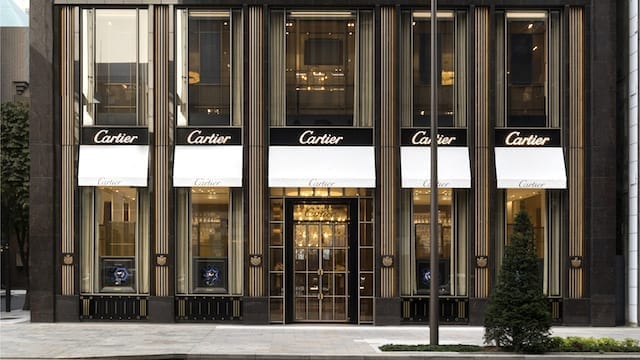
    Following an extensive renovation, the flagship store of luxury jewellery company Cartier Japan has reopened in Ginza, Tokyo.

    Cartier Ginza

    Covering 10,764 sqft (1000 sqm), the boutique houses watch collections on the first floor, diamonds on the second floor, and fashion accessories and leather goods on the lower level.

    Cartier Ginza Japan 2

    Interior designer Bruno Moinard treated each level differently, with the first floor in brown tones and hues of beige, gold and champagne, and the second floor with contrasting hues of ivory and champagne.

    Cartier Ginza Japan

    Cartier-Ginza-Japan 4jpg

    cartier-ginza-japan-front


    Sylvain Dubuisson designed the facade, built in two sections. The lower part features dark brown, orange-toned granite inspired by the company’s Paris boutique on Rue de la Paix. The second section features Japanese screens made from traditional paper and wood cuts arranged to resemble Japan’s national tree, the sugi.

    Cartier Ginza Japan 3

    Cartier first entered the Asian market in 1970 in Hong Kong, opening in Singapore in 1973. A boutique was introduced in Ginza in 1991, with the flagship following in 2003, with an interior design concept by Moinard. The boutique was renovated and reopened in 2007, with its latest renovation taking two years.

  • Ford Philippines retail sales up 32% in Q3

    Ford Philippines retail sales up 32% in Q3

    Retail sales of Ford Philippines surged to 8,244 units in the third quarter of 2016, up 32 percent from a year earlier.

    The demand for the EcoSport, Ranger, and Everest models helped grow the carmakers’s Philippine sales, Ford said in a statement on Thursday.

    Car sales stood at 24,993 units in the year-to-date, up 50 percent year-on-year.

    “Our full lineup of global Ford vehicles is contributing to another exceptional year of growth. EcoSport, Everest and Ranger continue to be the main drivers, but the rest of our showroom, including vehicles like Explorer, Fiesta and Mustang are helping build on the broad-based appeal for the Ford brand in the market,” said Lance Mosley, managing director of Ford Philippines.

    Ford Philippines is the local distributor of America’s Ford Motor Co.

  • Shoopen Malaysia wows locals

    Shoopen Malaysia wows locals

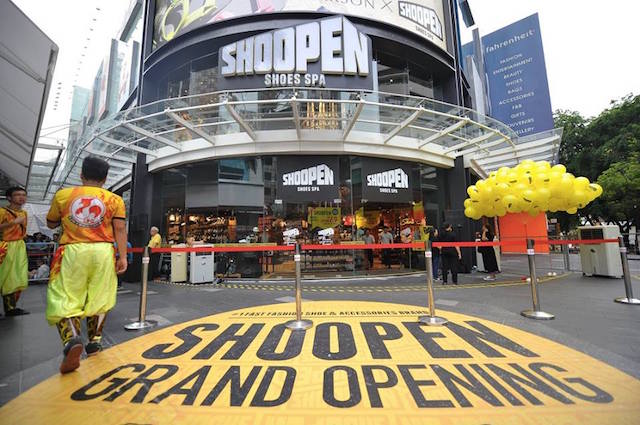
    The official opening of Shoopen Malaysia attracted well over 1000 locals – lured by the chance to meet a celebrity.

    Shoopen Malaysia 3

    The store, which has actually been trading since June this year, is located in Fahrenheit 88 shopping centre in downtown Kuala Lumpur.  It has a prominent corner location facing one of downtown’s busiest streets, leading to the Pavilion shopping centre.


    Shoopen Malaysia 5

    Saturday’s grand opening event was attended by Korean variety show cast member Song Ji Hyo, who posed for selfies surrounded by hundreds of shoppers lining the mall’s balconies, overlooking the central atrium event.

    Shoopen Malaysia 1

    Shoopen Malaysia 2


    Shoopen is Korea’s largest shoe retailer and the Kuala Lumpur store is described as a flagship for the brand.

    Taking up some 11,800 sqft (1096 sqm)of space over two floors, it showcases footwear for men, women and children.

  • Central FamilyMart set to expand

    Central FamilyMart set to expand

    Central FamilyMart plans to double the number of its convenience stores in Thailand from 1116 to more than 2000 within five years.

    President Chiranun Poopat says the company will continuously expand the number of FamilyMarts to cater to a growing market and increase access to consumers in specific locations. The expansion will be achieved by capital investment as well as franchising.

    “We are still confident in the high growth potential of convenience stores in the Thai market as shoppers appreciate convenience and diversity as well as product quality.

    “We will focus on opening more FamilyMart stores in Bangkok and the surrounding areas, as well as cities and destinations visited by foreign tourists,” says Chiranun.

    She says the company will add more than 60 stores this year, and also has a focus on improving existing outlets.

    There are also plans to collaborate with local entrepreneurs and suppliers so the stores can offer products for specific areas, especially tourist destinations.

    FamilyMart’s latest branch opened in Bangkok’s MBK shopping centre last week, offering ready-to-eat foods and beverages.

    For the current Vegetarian Festival, Chiranun says FamilyMart has increased its vegetarian options to 400 items. New offerings include vegetarian onigiri (Japanese rice balls), baked Riceberry with taro, stirfried mixed mushrooms with rice, stirfried soy protein with black pepper, a coleslaw sandwich and a vegetarian bento set.

  • Fast Retailing rolling out GU shops overseas

    Fast Retailing rolling out GU shops overseas

    Japanese retail holding company Fast Retailing intends to have 1000 shops for its low-cost GU brand overseas in 10 years, up from about 10 foreign stores now.

    GU sells clothing often priced at about half that of stablemate Uniqlo.

    Fast Retailing will expand GU first in Asia, where Uniqlo has been successful, says chairman/president Tadashi Yanai.

    After increasing its GU outlets in Taiwan and China, Fast Retailing will turn its attention to South Korea, Hong Kong, Thailand and Singapore for growth in the next five years.

    GU’s first overseas store opened in 2013. In Japan, the brand’s low prices and sensitivity to fashion trends have helped store numbers grow to around 350.

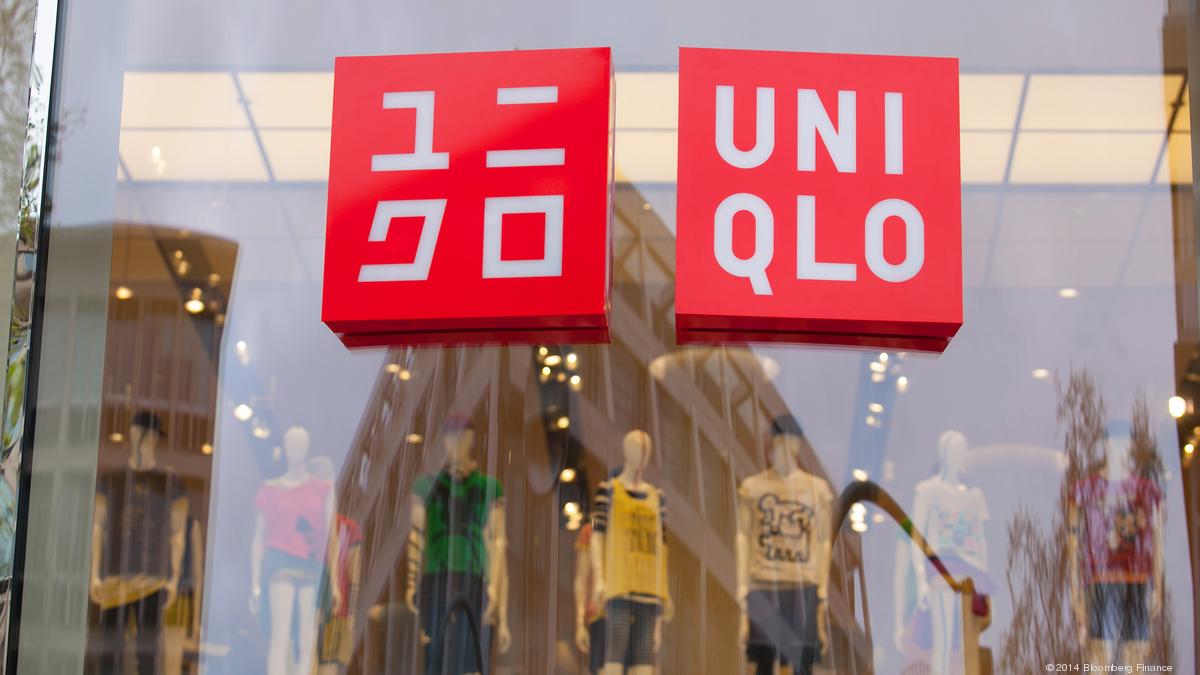
    Meanwhile, Uniqlo now has more stores overseas than in Japan, with plans to set up around 100 shops a year in China.

    Other brands under Fast Retailing’s wing include Comptoir des Cotonniers, J Brand and Princesse Tam-Tam.

  • Foodpanda Indonesia shut down

    Foodpanda Indonesia shut down

    No one wants Foodpanda Indonesia.

    Not enough consumers ordered its delivery service and after as long as a year trying to sell the business as a going concern, Foodpanda’s parent Rocket simply shut it down.

    The last order was taken  at 10pm on Monday October 3, after which the business disappeared from online.

    It’s the latest chapter in a tale of woe for the delivery company in Southeast Asia. It sold its Vietnam business last year and is currently trying to raise $50 million to keep its Indian operations running, as it struggles to gain market share off more successful local rivals. In Hong Kong it closed down an upmarket Foodpanda spin-off last year just weeks after its launch, disguising it as a merger.

    In a statement sent to staff obtained by DealStreet Asia, Foodpanda Indonesia management said the company had ceased all food ordering activities on a permanent basis. “In particular, the company will close its website and mobile application in Indonesia, and terminate cooperation with all restaurant partners.”

    The closure of the business comes as no surprise, despite misleading statements on its future by Foodpanda management earlier this year..

    In August, Techcrunch correspondent said multiple sources had confirmed the business was for sale – for less than US$1 million. Yet a Foodpanda spokesperson said somewhat enigmatically: “Foodpanda has grown very fast in Southeast Asia over the last couple of months and strengthened its market leading position in the region. Driven by our increased dominance in the region we have experienced interest from a variety of different parties to partner or to invest which we are evaluating now.”

    But no one wanted the business, despite Indonesia being the world’s fourth most populous nation.

    Foodpanda Indonesia debuted in 2012 and had built a virtual menu from thousands of local restaurants. Consumers, however, appeared to prefer app-based ride-hailing services offering delivery, such as Grab Bike and Go-Jek.

    Foodpanda CEO Ralf Wenzel says the company will continue to focus on “core markets” such as Singapore, Hong Kong, Thailand, Malaysia and Taiwan.

  • Paris label BA&SH eyes Asia expansion

    Paris label BA&SH eyes Asia expansion

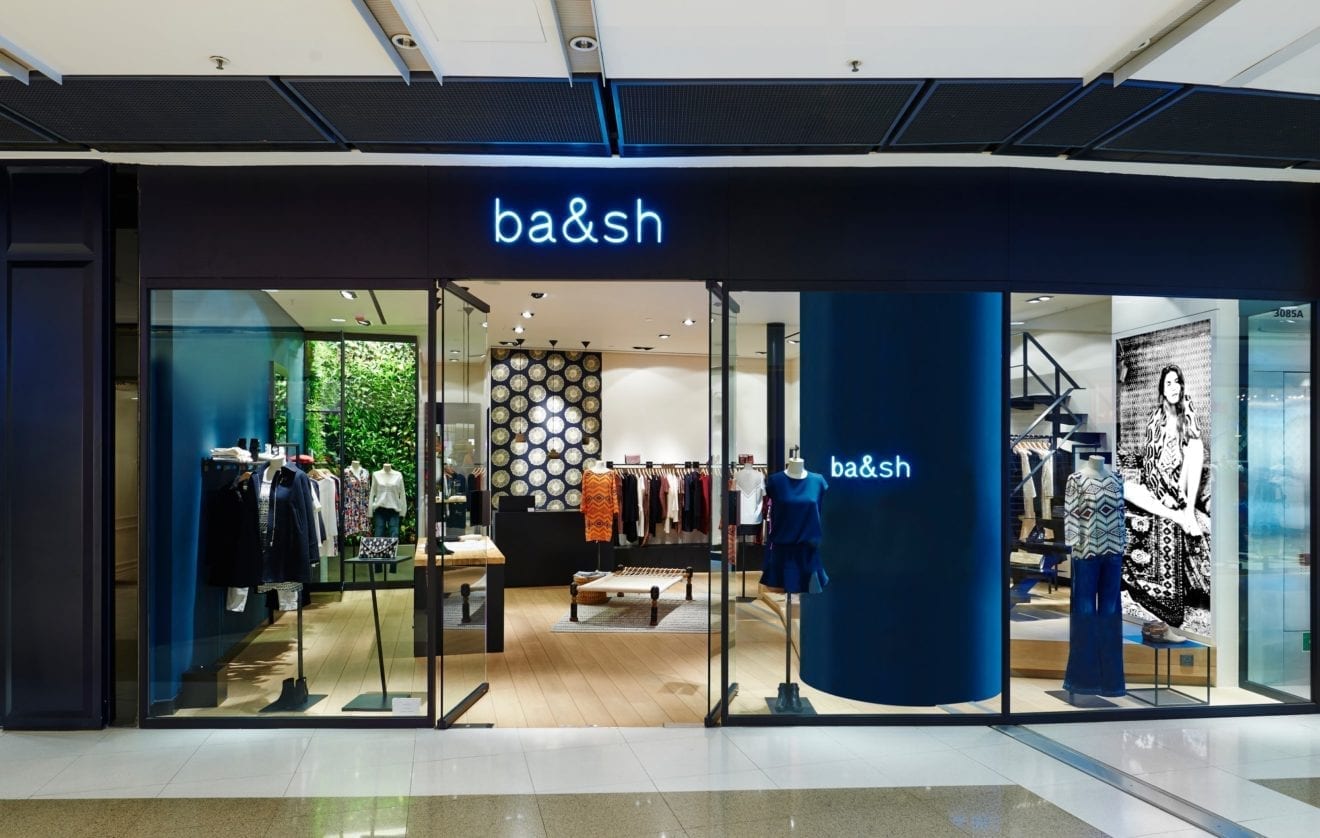
    Parisian fashion house BA&SH has partnered with Hong Kong retail and brand management company ImagineX Group to strengthen its presence in Asia.

    BA&SH has hopes of accelerating its expansion in Hong Kong, Macau, Singapore, Taiwan and China. The label opened its first Asian store at Hong Kong’s IFC Mall in September 2014 and with ImagineX now plans 30 more openings in the region, including a second Hong Kong outlet early next year.

    “Hong Kong customers have taken to our style and our collections,” say designers Barbara Boccara and Sharon Krief. “We are very happy to share our vision of fashion and femininity.”

    Associate general directors Dan Arrouas and Pierre-Arnaud Grenade say the new partnership marks an important and supplementary stage in the company’s development strategy following its establishment in the Middle East and the US.

    They say the ImagineX Group’s expertise in fashion retail and marketing will help BA&SH expand rapidly and contribute to its globalisation.

    ImagineX Group president Alice Wong says the label’s Parisian flair, combined with its unique positioning and price point, make it appealing to Asian customers.

    Childhood friends, Boccara and Krief established BA&SH in 2003 to offer contemporary fashion in the affordable luxury sector. With 91 stores last year, the brand aims to reach 130 stores this year.

    Founded in 1992, ImagineX Group introduced luxury brands such as Cartier, Gucci, Prada and Salvatore Ferragamo to China more than 20 years ago. It represents more than 18 international brands including DKNY, Marc Jacobs and Paul Smith. The portfolio also includes such lifestyle and beauty brands as Apivita, Aveda and Natura Bisse.

  • Yum China has ‘huge potential’

    Yum China has ‘huge potential’

    Yum China is set to exploit “huge potential” after its spin-off from its US parent, says Neil Saunders, CEO of Conlumino.

    Commenting on the parent company’s latest results, the US-based retail commentator said  while the China division once again delivered “an anemic performance” with total system sales declining by 3 per cent over the prior year, the best is yet to come.

    Revenue at both Pizza Hut and KFC fell on a same-restaurant basis.

    “This means that in the year to date, in real terms the China operation has posted no real sales growth. Fortunately, changes to value-added tax in the country allowed Yum! to ease up operating profits across the quarter,” said Saunders.

    “The position of China as a business which has huge potential once it gets through the current patch of slow growth, largely justifies its imminent spin-off into a completely separate operation. The divorce from the rest of the Yum! operation will allow both sides to focus more on their respective priorities and opportunities.”

    He said the overall global result for Yum! Brands suggest the company is making good headway in an increasingly challenging market.

    “However, the reality is far more mixed – mostly because Yum!’s growth figures are flattered by the fact the company strips out exchange rate fluctuations. When these are put back in, total revenue experienced a shrink of 3 per cent over the prior year – a far less impressive outcome.

    “In terms of the core business, the main focus needs to be Pizza Hut which has become something of a problem child for Yum! Over the quarter system sales shrank by 2 per cent in real terms, underpinned by a 1 per cent decline in same-restaurant sales. While there are some markets in which the brand is performing well, these continues to be overshadowed by the US which accounts for the majority of Pizza Hut’s revenue.”

    Saunders said that while admittedly the overall casual dining market, in which Pizza Hut loosely falls, saw customer traffic and spend decline over the third quarter.

    “However, our data also show that Pizza Hut is losing customer share to delivery services like Papa John’s and Domino’s. A defection to cheaper fast-food alternatives, especially among younger families, has also been unhelpful. This is an uncomfortable position and underlines the fact that Pizza Hut still has much work to do in terms of reinvigorating its brand.”

    Taco Bell, meanwhile, had a better quarter with a 5 per cent system-sales growth and 3 per cent same-restaurant growth.

    “While Taco Bell has benefitted from challenges at Chipotle, in our view most of the success is down to a change in marketing which is now more relevant to the younger millennial audience. Menu simplification and focus on popular lines has also helped to drive growth. We think these steps should be seen as part of a longer term upswing in the brand’s fortune.”

    Saunders said that while KFC had a much better quarter than the previous one, especially in the US, Conlumino still harbors concerns about the brand’s longer term growth prospects as younger upstarts like Chick-Fil-A or Popeyes Louisiana Kitchen continue to gain traction.

    “As such, we see KFC’s latest upswing as part of a more turbulent longer term picture.”

  • Hong Kong shines for Sandro Asia

    Hong Kong shines for Sandro Asia

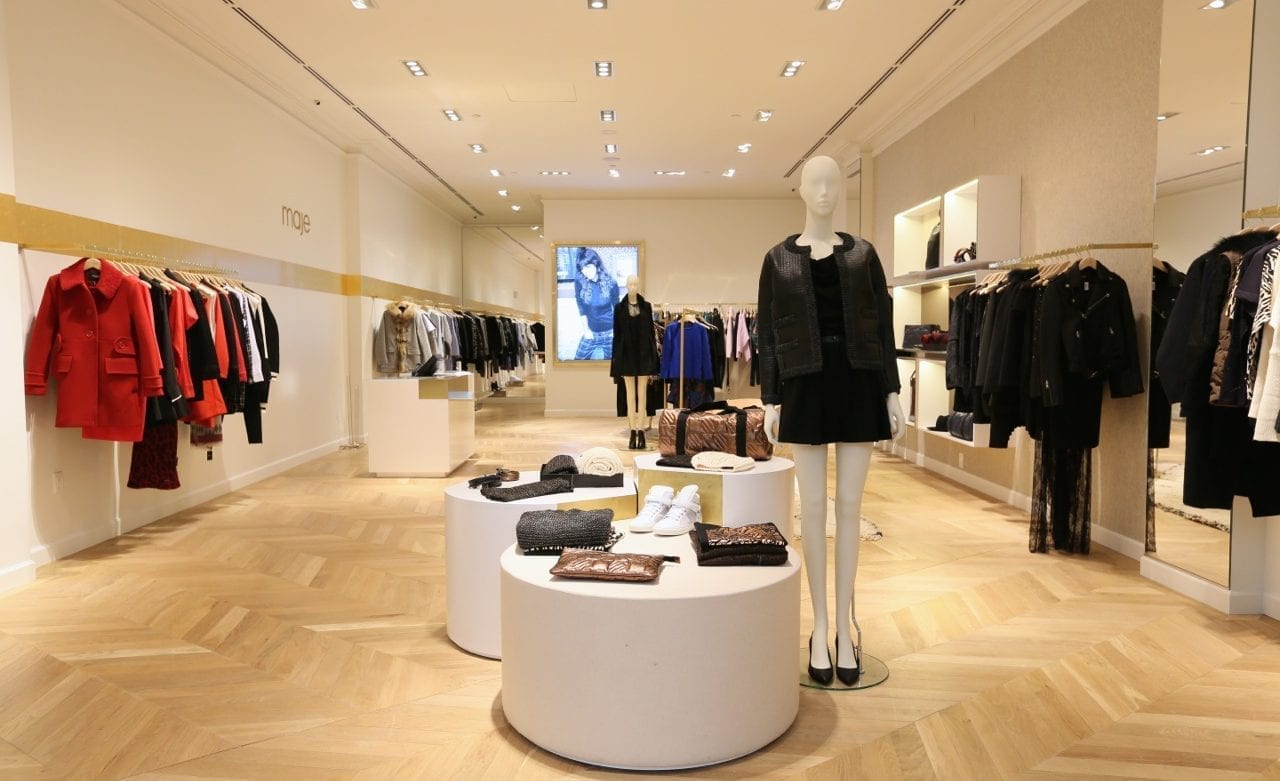
    Paris-based affordable luxury fashion chain Sandro Asia, along with sister brand Maje and Claudie Pierlot, recorded 51 per cent year-on-year growth in Asia Pacific in the first six months of the year.

    Sandro opened its largest Asia flagship store in the heart of Causeway Bay in August, and plans to double the size of its year-old store in Tsim Sha Tsui’s Harbour City.

    This store quickly became the most lucrative of Sandro’s 410 retail outlets worldwide in terms of sales per square metre. In contrast, total tenant sales at Harbour City fell 14.7 per cent to HK$13.3 billion (US$1.7 billion) in the first half, according to financial filings by its parent company Wharf Holdings.

    Sandro now has eight outlets in Hong Kong, and plans to add another two or three more by the end of next year.

    Branding its products as “accessible luxuries”, Sandro’s CEO Jean-Philippe Hecquet says the segment became “very powerful” when people started to look inside their wallets.

    Hecquet, who previously worked for luxury group LVMH, says upper-middle-class consumers still want to enjoy their life even with less money. “They still want to buy luxury products, for sure.”

    Sandro’s launched in Hong Kong in 2012, and Hecquet admits it may have missed the “golden age” when mainland shoppers would queue up outside Chanel, Gucci and Louis Vuitton outlets. But he says that while business is slowing for the traditional luxury brands, “we still see very decent traffic”.

    He believes the emerging young upper-middle class in Asia will be the future powerhouse for luxury goods, and the right time to expand is now. Hong Kong’s retail downturn has freed up more prime retail space and rents are going down. “We have been waiting for a long time to be able to open a flagship,” says Hecquet.

    He says the average age of Sandro’s customers in Hong Kong is between 25 and 30 years, and mainland visitors contribute to a significant portion of sales.

  • Osaka foothold for Asics Tiger Japan

    Osaka foothold for Asics Tiger Japan

    With marble shoe walls and shining white centre tables, Asics Tiger Japan has opened a store in the Shinsaibashi shopping district of Osaka.

    Street elements of the store design include mortar walls and guard rails, with a yellow accent line on the ceiling. A 6m-wide window lets passersby view the store interior in its entirety.

    Asics Tiger has also redesigned its logo, which features in the furniture and facade of the store. Designed by graphic designer Alan Peckolick, the logo adds the word “tiger” in Asics’ iconic typography.

    The store is on the first floor of Shinsaibashi Opa Kirei Kan.

  • FMCG, fashion spur Lazada Indonesia growth

    FMCG, fashion spur Lazada Indonesia growth

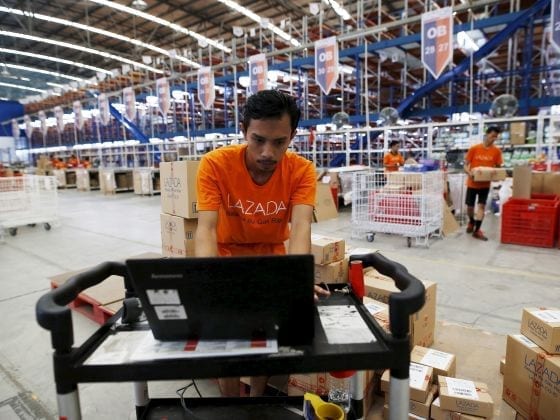
    eCommerce group Lazada Indonesia says its current volume growth has accelerated to more than 150 per cent than at the same time last year.

    Key contributing categories are FMCG and fashion, which are both growing more than three times as much as last year. Also, about 80 per cent of the orders are via mobile devices.

    “Our rapidly growing orders in categories such as FMCG and fashion, being shipped all across the country, further demonstrates that Lazada has truly become the one-stop shopping destination of choice,” says Lazada Indonesia co-CEO Florian Holm.

    This success is also helping SMEs, which can now sell on Lazada free of commission – an initiative that will ultimately also benefit consumers through more competitive pricing, says Lazada. The initiative has helped SMEs achieve up to 10 times growth in sales since the beginning of the year.

    Brands are also benefiting from the growth through partnerships with Lazada Indonesia to offer exclusive products.

    In a recent Lazada collaboration with L’Oreal Paris, the My Superstar Look campaign – endorsed by celebrities Maudy Ayunda and Dian Sastrowardoyo – resulted in a 10-times increase in sales as well as engaging thousands of new customers for the cosmetics giant.

    Levi’s is now working with Lazada to create an onsite experience including product story videos, and fit and size guides to help consumers find the right jeans. This season the companies will run joint marketing campaigns for the Levi’s 511 Slim Fit Jean for men and Levi’s 711 Asia Skinny Jean for women.

    Free shipping

    Meanwhile, Lazada Indonesia has launched a free shipping service, enabled by its last-mile logistics arm and network of reliable delivery partners. The company has also extended its cash-on-delivery option to more products.

    Lazada Indonesia’s strong growth comes on the back of Alibaba Group’s investment, announced in April. To reduce lead-time to the consumer, Lazada has started using Cainiao, a logistics network 47 per cent owned by Alibaba which allows parcels to be picked up from Lazada merchants in China. Lazada has also entered into a partnership with Alibaba subsidiary UCWeb to drive more traffic to the platform.

    For the fourth quarter, Lazada Indonesia is planning more initiatives and preparing for the Online Revolution, an online event involving sellers and consumers. From November 11 to December 12, Indonesian consumers will be offered flash sales, special promotions, attractive deals and engaging activities.

    “Since we created the Online Revolution in 2012 to introduce consumers to online shopping, it has sparked a shopping frenzy that breaks records year after year. No other eCommerce player in Southeast Asia can claim a similar achievement,” says Holm.

  • Barry Callebaut Opens First Chocolate Factory in Indonesia

    Barry Callebaut Opens First Chocolate Factory in Indonesia

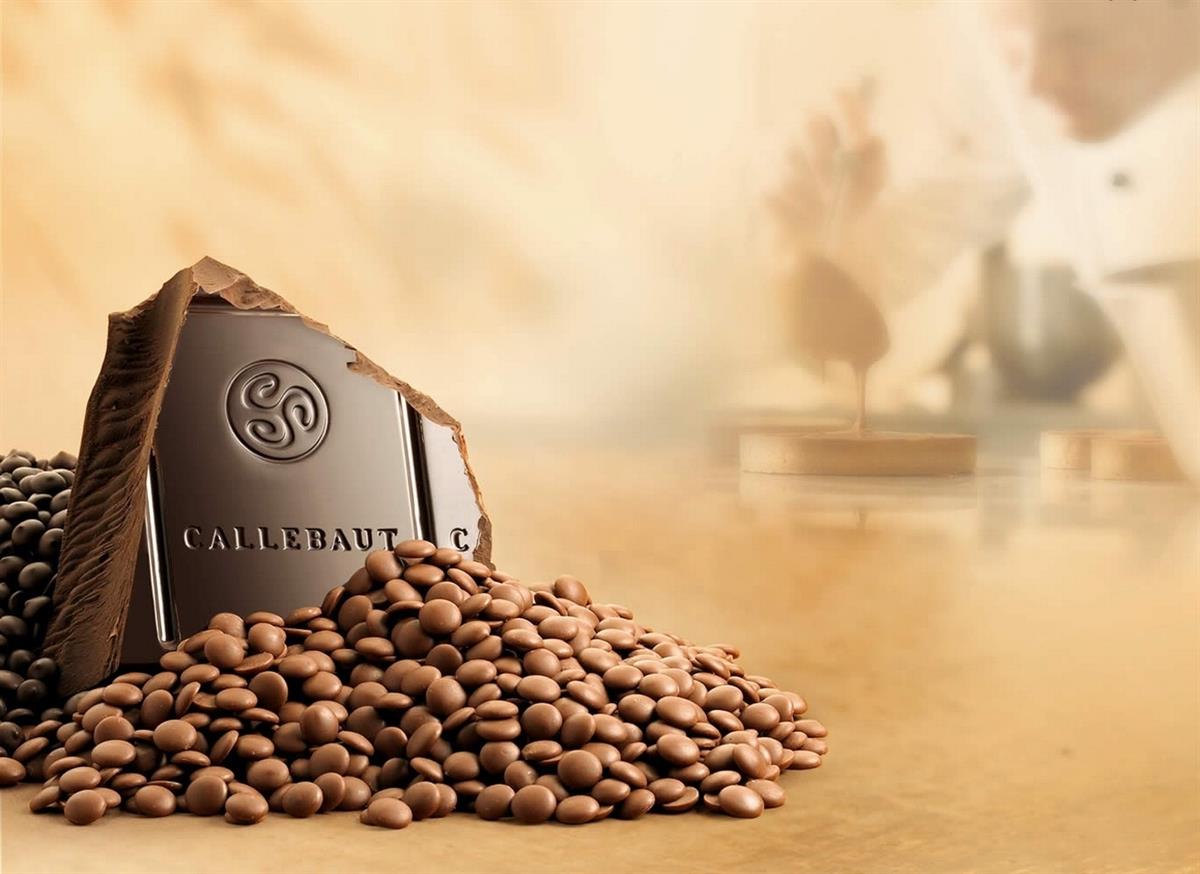
    Swiss chocolate producer Barry Callebaut has expanded its operations in Indonesia with the grand opening of its first chocolate factory in the country.

    Through a long-term outsourcing agreement with GarudaFood Group, one of the largest food and beverage companies in Indonesia, Barry Callebaut built its three-story, 43,000-sq.-ft. factory on the premises of GarudaFood’s biscuit plant in Gresik. Barry Callebaut will also supply GarudaFood with 10,000 tons of chocolate per year.

    Antoine de Saint-Affrique, Barry Callebaut’s ceo, said the new factory, which will employ 50 people, is a “cornerstone” in its strategy to strengthen its position in Asian Pacific markets.

    “It also enables us to grow our already significant presence in Indonesia — an important emerging market with about 260 million people that offers above-average growth opportunities,” he says. “We are truly excited that our strong relationship with GarudaFood and this new factory will provide GarudaFood with the means to differentiate themselves in an increasingly competitive market.”

    GarudaFood CEO Hardianto Atmadja said the partnership will give GarudaFood the opportunity to put emphasis on biscuit production, including its Gery brand.

    “The chocolate production lines at the Barry Callebaut factory allow us to focus our manufacturing facilities in Indonesia on biscuits and strengthen the factory as a key competence center for our biscuits products in Indonesia,” he says. “This move will help us to further develop our successful biscuit brands.”

    Barry Callebaut also operates chocolate grinding facilities in Bandung and Makassar, Indonesia, employing more than 500 people. The company also has chocolate factories in China, India, Japan, Singapore and Malaysia.

  • Bali Airport Sees Passengers Traffic Increase

    Bali Airport Sees Passengers Traffic Increase

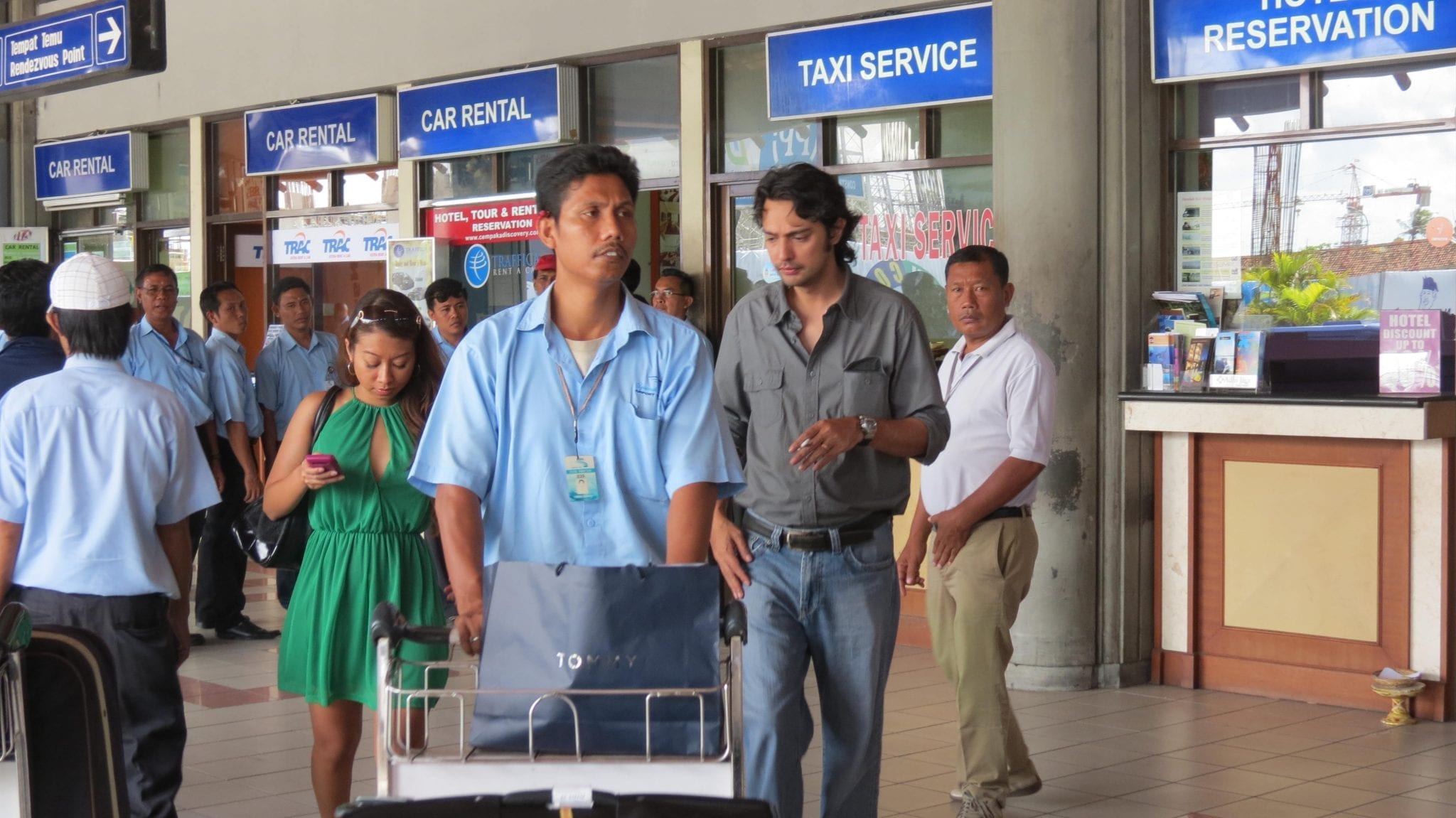
    Bali’s Ngurah Rai International Airport recorded an increase in the number of passengers coming and going through the airport. In September, the airport has seen 14.8 million passengers flying from and to the airport, an increase of 16 percent from the same month last year.

    The airport’s General Manager Yanus Suprayogi said on Thursday that both domestic and international passengers’ traffics are relatively the same with 7.4 million passengers each.

    “In the last four years, the traffic growth in 2016 is the highest. In addition to the number of passengers, we also see an increase in the number of inbound or outbound cargos, as well as aircraft movement,” he said in a press release, October 6.

    Meanwhile, the airport’s cargo volume reached more than 30,000 tons, or up by 39 percent compared to September 2015’s volume. The number of aircraft movements also increased by 10 percent on a year-on-year basis.

    “We are optimistic that the number of passengers, aircraft, and cargo will continue to increase until the end of this year,” Yanus said.

    Meanwhile, the Central Statistics Agency (BPS) of Bali recorded 438,135 foreign tourists’ visits to Bali in August 2016, of which 437,929 came in through the airport.