Author: Mei Ling Tan

  • Industries to enjoy lower gas prices in 2017

    Industries to enjoy lower gas prices in 2017

    More industries will enjoy lower gas prices by the beginning of next year as the government rushes to find a solution to cost issues.

    President Joko “Jokowi” Widodo has demanded that his Cabinet take concrete steps by the end of November to enable gas prices to fall below US$6 per million British thermal units (mmbtu) for 10 industrial sectors and one industrial zone starting in January next year.

    Currently, only seven industries enjoy the lower gas prices, but the government plans to add pulp and paper, food and beverages, and textiles to the list.

    Indonesia’s gas prices are around $9 per mmbtu, higher than most of its Southeast Asian neighbors. Both Malaysia and Singapore, for example, sell gas at around $4 per mmbtu.

    “I calculated it the other day and found that a figure between $5 and $6 [per mmbtu] is possible. Simplify and cut down the supply chain, so that it will be more efficient,” Jokowi said before a closed-door meeting.

    “This will affect the gas sector’s investment climate. Gas prices must remain enticing for investors to continue investing in our upstream sector, which will support the development of infrastructure, transmission and distribution.”

    The government has been trying to lower gas prices for some time to boost income tax through improved industrial productivity.

    High prices have forced many factories in North Sumatra to close down and as many as 20,000 workers have been laid off since 2000, data from the Association of Gas-Consuming Companies (Apigas) shows.

    Industry Minister Airlangga Hartarto said the economic benefit of lower gas prices could reach Rp 31 trillion ($2.39 billion) if prices were cut to $4 per mmbtu, with an additional distribution cost of $1.50 to $2. He added that the 10 industrial sectors contributed around Rp 1,200 trillion, or 10 percent, of gross domestic product (GDP). The gas price cut is expected to increase their contribution to GDP as costs fall.

    The Energy and Mineral Resources Ministry previously issued a regulation that allows companies to obtain an additional price cut of $2 per mmbtu from the minister if gas prices climb higher than $6 per mmbtu.

    However, the regulation only applies to seven industries. Wider coverage for other industries is deemed essential as they expect to use more gas for production in the coming decade. The fertilizer and petrochemical industries use the most natural gas, as it is an essential component of their end products.

    The fertilizer industry used 791.22 million standard cubic feet per day (mmscfd) of natural gas by the end of last year and is projected to need around 1,028.22 mmscfd in 2020.

    Meanwhile, the petrochemical industry used 295 mmscfd in 2015 and is expected to increase its usage to 708 mmscfd in 2020.

    State-owned fertilizer producer Pupuk Indonesia president director Aas Asikin Idat expressed hope that gas prices nationwide could be cut to $3 to $4 per mmbtu from the current price range of $6.50 to $8.50.

    “Any price cuts will be extremely helpful because it is difficult to compete now with the current prices.”

    Aas said that under the current pricing scheme, the production cost difference between Pupuk Indonesia and producers in the US and China could reach $50 per ton. Pupuk Indonesia’s production cost hovers at around $240 per ton at present.

    Separately, state-owned oil and gas firm Pertamina’s executive director Dwi Soetjipto said lowering gas prices in Indonesia even further would be difficult because of geological and cost-related issues. “Indonesia’s gas reserves can be found in small pockets that are found scattered around the country, unlike other countries in the Middle East that have large reserves in one location. This means the transportation per volume cost is higher,” he said.

    “Moreover, the use of high-tech equipment will need more capital expenditure as well.”

  • Nusantara Batik Week expected to see sales of Rp6 billion

    Nusantara Batik Week expected to see sales of Rp6 billion

    The ongoing Nusantara Batik Week is expected to record sales of Rp6 billion, a local official said.

    The target increased from Rp4.5 billion last year, said Supriono, head of the Pekalongan industry, trade and cooperatives and SMEs office, speaking on Tuesday.

    The Eighth Nusantara Batik Week, held Oct. 4-9, offers various kinds of batik and traditional culinary from Pekalongan and other regions.

    The batik expo is organized to celebrate National Batik Day, which falls on Oct. 2.

    Pekalongan is dubbed as “the city of batik” because it is one of the countrys centers of batik production.

    Indonesias batik, along with the Tango of Argentina and Uruguay, the traditional Ainu dance of Japan, and Frances aubusson tapestries, were among the 76 representatives included in UNESCOs Representative List of the Intangible Cultural Heritage of Humanity published ,on September 30, 2009.

    “The techniques, symbolism, and culture surrounding hand-dyed cotton and silk garments, known as Indonesian batik, permeate the lives of Indonesians from beginning to end. Infants are carried in batik slings decorated with symbols designed to bring the child luck, and the dead are shrouded in funerary batik,” is how Indonesian batik has been described by UNESCO.

  • Godiva to Open the First Shop in Bangkok

    Godiva to Open the First Shop in Bangkok

    Months after popular ice-cream brand Ben&Jerry opened their first shop in Bangkok, looks like we will be able to continue to binge on new, sweet treats at Godiva.

    Godiva, the Belgian luxury chocolate store, announced it will launch its first shop in Bangkok at Groove, in CentralWorld.

    Selling an assortment of premium chocolates, biscuits and frappé drinks. Let’s hope they stock their famous chocolate-covered strawberries as well. Godiva has long been one of the premium edible souvenirs that Thai people buy for each other when traveling abroad.

    The opening date has not yet been confirmed.

  • Xiaomi announces its first VR headset

    Xiaomi announces its first VR headset

    Xiaomi is broadening its already expansive range of products by venturing into virtual reality for the first time.

    The company today announced the Mi VR Play, an “entry-level” virtual reality headset that it hopes can open this new exciting medium to new audiences because not everyone has thousands of dollars needed to set up an Oculus Rift or HTC Vive. Democratizing technology is the thesis behind most of Xiaomi’s competitively priced products, including the $550/$750 notebook announced last week that will rival Apple’s Macbook in China.

    This new device recalls Google’s super-cheap and super-simple Cardboard VR headset. It is fairly basic in nature; you pop a smartphone into the lycra-built body then open Xiaomi’s Mi VR app, which contains VR content from selected partners that include Conde Nast Traveler and YouKu, “China’s YouTube.” Xiaomi pledged to invest $1 billion in video content, including VR, last year, so that library is sure to get bigger over time.

    Here’s how Xiaomi describes the headset:

    Mi VR Play has significantly improved upon the design typically used in similar VR products — it is wrapped in lightweight, durable Lycra for long-lasting comfort. In the future, Mi VR Play will also be available in a selection of bold prints and colours for even more stylish options. The unique two-way zipper helps to ensure compatibility, providing a secure grip on a wide range of 4.7- to 5.7-inch smartphones. At the same time, the dual openings on the front allow for slight positioning adjustments and ventilation.

    Here’s the catch — you can’t go and buy one, even if you’re in China.

    Xiaomi is making it available to a limited number of beta test users, who signed up on August 1 when Xiaomi put out a call for volunteers. One million users signed up in just eight hours, the company said, but Xiaomi has selected just a fraction of those — likely “tens of thousands,” a representative told us.

    For those lucky ones accepted into the test program, the Mi VR Play will cost just RMB 1 ($0.15).

    Xiaomi told us that it has plans to make the headset more widely available in the future, but there’s no schedule for that right now. Along those lines, it isn’t clear how much the headset will cost once it is on sale to all. We suspect it won’t be RMB 1, sadly.

  • Uber rival Grab raises $750M led by SoftBank at a $3B valuation

    Uber rival Grab raises $750M led by SoftBank at a $3B valuation

    Grab, the largest company rivaling Uber in Southeast Asia, has confirmed that it has raised $750 million in fresh capital.

    This is the company’s Series F round, and it was led by existing investor SoftBank with participation from undisclosed existing and new backers, Grab said. One of those is almost certain to be China’s Didi Kuaidi, which reportedly made a commitment to this round, but neither side is confirming that right now.

    A source close to the company confirmed that the round gives Grab a $3 billion post-money valuation. That’s consistent with our previous reporting, which pegged Grab’s pre-money valuation at $2.3 billion.

    Grab operates in six countries in Southeast Asia and its previous raise was $350 million in August 2015. This new financing has been sometime coming, and it was reported that Grab was raising upwards of $600 million in August, with some media suggesting the total could reach $1 billion. That hasn’t happened but Singapore-headquartered Grab did claim that it has over $1 billion on its balance sheet courtesy of this new raise.

    Grab said it 400,000 drivers on its platforms and it has seen over 21 million app downloads to date. In an announcement, the company added that it sees “up to 1.5 million daily bookings,” which a Grab spokesperson confirmed means ride requests not completed rides. Uber doesn’t provide business data for Southeast Asia so it is hard to compare them, but we previously reported that Uber is operationally profitable in parts of Southeast Asia and there seems to be little to choose between the two.

    An arsenal of capital is clearly necessary when you are taking on Uber, but Grab did sketch out some areas of priority that it will focus on.

    Indonesia, the world’s fourth most populous country and the largest economy in Southeast Asia, is top of its list. Grab CEO Anthony Tan said in a statement that he believes that Indonesia’s ride-hailing industry is worth $15 billion annually — that goes beyond taxi and cars and into motorbike taxis — which Grab offers there — and services such as food delivery, logistics, and more. Indonesia is no easy market and, alongside Uber, Grab is rivaled by GoJek, a motorbike taxi on-demand service that recently raised $550 million at a valuation of $1.3 billion.

    Beyond a push into services, Grab is also looking to expand its ecosystem into payments. This summer it announced plans to make its in-app payment system — GrabPay — available to third-party services, and this new funding will go towards making that happen. The GrabPay push will initially focus on Indonesia, where Grab has partnered with national bank Mandiri, but it will also be extended into the company’s other focus markets, too.

    Another more obvious area of focus is technology. Grab has R&D centers in Singapore, Beijing and Seattle and its priorities include refining its algorithm to help drivers become more efficient, building out its mapping data and technology, working on demand prediction and user targeting. Grab is also looking to add pooling to its existing vehicle categories, having launched its first pool option in Singapore nearly one year ago.

    There’s no word on autonomous vehicles, however, which Uber is testing in Pittsburgh with a view to rolling out more fully. Self-driving cars aren’t just for the U.S. market though. Nutonomy is running testing in Singapore so you could argue Grab is already playing catchup or might need to get its checkbook out if it wants to enter the race.

    “Grab has grown tremendously over the past year. This round of funding shows the confidence and optimism investors have in Grab’s market leadership and long-term potential in Southeast Asia,” Tan, Grab’s CEO, said in a statement.

    “We are blessed to have great partners like SoftBank, many of whom have unparalleled track records of investing in leading internet businesses in emerging markets, and seeing those companies through to become the core of internet ecosystems in each market,” he added.

    Despite much to be bullish about, Grab is up against a tough rival in Uber and in a market that shows little sign of profitability right now. We previously reported that the company was burning as much as $30 million per month in 2015. While Grab has consistently claimed that it has not touched its Series E round yet, it is looking at a long path to profitability in Southeast Asia. Likewise, Didi’s move to acquire Uber China — and, in doing so, take equity in Uber Global — throws questions on its global alliance with Uber’s other rival companies.

    Nonetheless, this new funding is a major milestone for Grab, and the largest raise for a tech startup in Southeast Asia to date.

  • No Solution yet to Google Tax Issues

    No Solution yet to Google Tax Issues

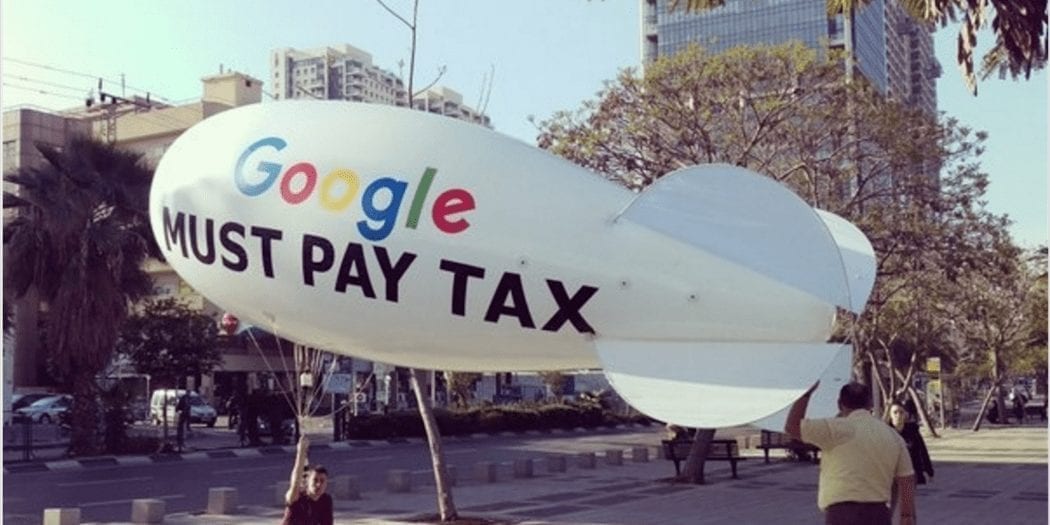
    The Communications and Informatics Ministry said that it has not come up with the best solution in relation to the endeavor of collecting taxes from giant tech company Google, as the regulation on foreign app companies (over the top or OTT) has not been realized yet.

    “No solution yet, and I’m still coordinating with the Finance Ministry. But I keep on pushing to have a playing field level between the national OTT and the International OTT,” Communications and Informatics Minister Rudiantara said in Jakarta on Friday, October 7, 2016.

    Earlier, Rudiantara said that Google Indonesia was not running an advertising business. In addition, Google has not set up a permanent local entity (BUT) in Indonesia, making it difficult for the government to collect taxes from Google.

    Rudiantara called on Google to show its good will to discuss the issue.

    “However, the amount of taxes to be paid by Google remains Finance Ministry’s jurisdiction,” he said.

    Rudiantara had also set a target to finalize regulations on OTT companies in the third quarter of 2016. However, the realization remains sluggish since the Ministry cannot issue a regulation that is not applicable and enforceable.

    Google Singapore, as Google Indonesia’s holding company, refused to be audited by the Tax Directorate General, following a finding that Google gains income from Indonesia, although it has not yet established a permanent local entity in the country. The Tax DG found an indication of criminal offenses and conducted investigation into the company.

    Finance Minister Sri Mulyani has not provided details about steps to be taken to collect taxes from Google. However, Sri said that the government would continue to demand Google to fulfill its tax obligations.

  • Governement expects food self-sufficiency in 2018

    Governement expects food self-sufficiency in 2018

    Food self-sufficiency is expected to be realized in 2018, and there will be no imports in 2016, Vice President Jusuf Kalla asserted.

    “Food-sufficiency is expected to be realized within three years for which the efforts have started a year ago,” Kalla said here Friday.

    In order to reach the target several steps have been implemented, including improvement of irrigation methods, and seedling and fertilizer preparation, he added.

    Food security and resilience have been an issue for Indonesia for some time now. It was once a major rice exporter in Asia but is now relying quite heavily on rice imports to meet peoples staple food requirements.

    Food security is also an important social objective.

    Therefore, relying on food markets outside the country in order to meet the needs of Indonesias growing population is critical.

  • Indonesia offers Japan Jakarta-Surabaya rail project

    Indonesia offers Japan Jakarta-Surabaya rail project

    Indonesia has officially offered Japan the opportunity to take part in the semi high-speed rail construction project connecting Jakarta to Surabaya in East Java, a senior minister said.

    Coordinating Maritime Affairs Minister Luhut Binsar Pandjaitan delivered the official letter offering the project to the Japanese government during his working visit to Tokyo on Friday, according to a statement released by the ministry’s office.

    “Personally, I am sure Japanese technology is suitable for this project,” he said in the statement released on Friday. The semi high-speed railway would have trains running between 180 and 200 kilometers per hour and would shorten the travel time between Jakarta and Surabaya to 3.5 hours, Luhut added.

    The government planned a double track railway so that it could be utilized to support the transfer of containers in dry port between Jakarta, Semarang and Surabaya.

    Should Tokyo accept the offer to work on the project, Luhut further said he hoped that Japan would implement technology transfers with Indonesia and comply with the country’s regulations that prioritized the use of Indonesian-made products.

  • Logistic Operators Become More Green Globally

    Logistic Operators Become More Green Globally

    A combination of external and internal pressures are continuing to drive a ‘greening up’ of logistics operations in Asia and worldwide. Increasingly, though, companies are implementing such developments as part of an overall corporate business strategy rather than a standalone area of activity.

    Some of the key trends in that context were outlined by John Manners-Bell, chief executive of UK-based global logistics industry research and analysis company Transport Intelligence, who spoke on the subject of ethics and sustainability in the supply chain at a recent conference, The Future of Logistics, in London, and is now writing a book on that subject.

    One of the key points to emerge from the conference session which discussed those issues, Manners-Bell told Asia Cargo News earlier in September, was that ethical and environmental logistics practices were now increasingly part of wider corporate sustainability/social responsibility programmes being implemented by companies as an integrated element of their overall business development.

    Another key point to emerge from the conference, he continued, was that ethical behaviour and commitment to environmentally-sustainable practices need not be at the expense of profitability. “In fact, best practices in logistics and supply chain management bring together ethics, sustainability and bottom line performance in a holistic approach,” he argued.

    Expanding on that point, Manners-Bell suggested that going back a decade or so, most manufacturers, retailers and logistics providers still tended to view the development of greener supply chain and other operations as something “nice to have” or a potential additional competitive advantage but basically separate to the actual business of making money.

    “Now, companies increasingly see that they need to get all those elements right in order to prosper. For example, if you are a multinational consumer electronics manufacturer or retailer and one of your suppliers in China is found to be mistreating its workers or releasing large quantities of toxic chemicals into the environment, that could have a huge negative image on the global image of your brand,” he said.

    Commenting specifically on supply chain trends in that context, Manners-Bell confirmed that logistics providers were now focusing both on developments designed to improve the environmental performance of operations for customers and their own internal “green” credentials.

    “Logistics providers are being pushed by their customers to make their supply chains more environmentally friendly, but many are also large corporations in their own right and therefore have a responsibility of their own to operate in a sustainable way,” he said.

    One recent example of the first of those trends saw major Asian region and global logistics provider DHL announce in June that it had launched DHL Carbon Calculator, “a new online application which delivers live data-based emissions calculation for almost all shipment sizes and modes of transport for local, national and international deliveries.”

    Kathrin Brost, vice president, green strategy and customer intelligence at DHL Global Forwarding, which tested the Carbon Calculator together with customers, explained that the calculation was carried out online based on intelligent algorithms.

    “While many other computational tools provide only a rough estimate of the transport emissions and the route, the Carbon Calculator taps into real logistics data,” she said. “That data includes the route to the nearest airport or harbour, the main leg by air or sea and the ‘last mile’ in the destination country.”

    More recently, at the beginning of this month, French global logistics provider Geodis highlighted the ‘environmental’ credentials of a new rail transport operation it had just introduced between Wuhan in central China and the city of Lyon in France for Marseille-based designer jeans manufacturer Kaporal.

    Vincent Allal, head of Kaporal supply chain, claimed the new service enabled that company to reduce its transport time, costs and environmental footprint. “Rail transport is a real alternative to air travel that was previously not considered. The transit is relatively short, we have halved our bill on this transaction and we are very sensitive to the low environmental impact of this solution,” he added.

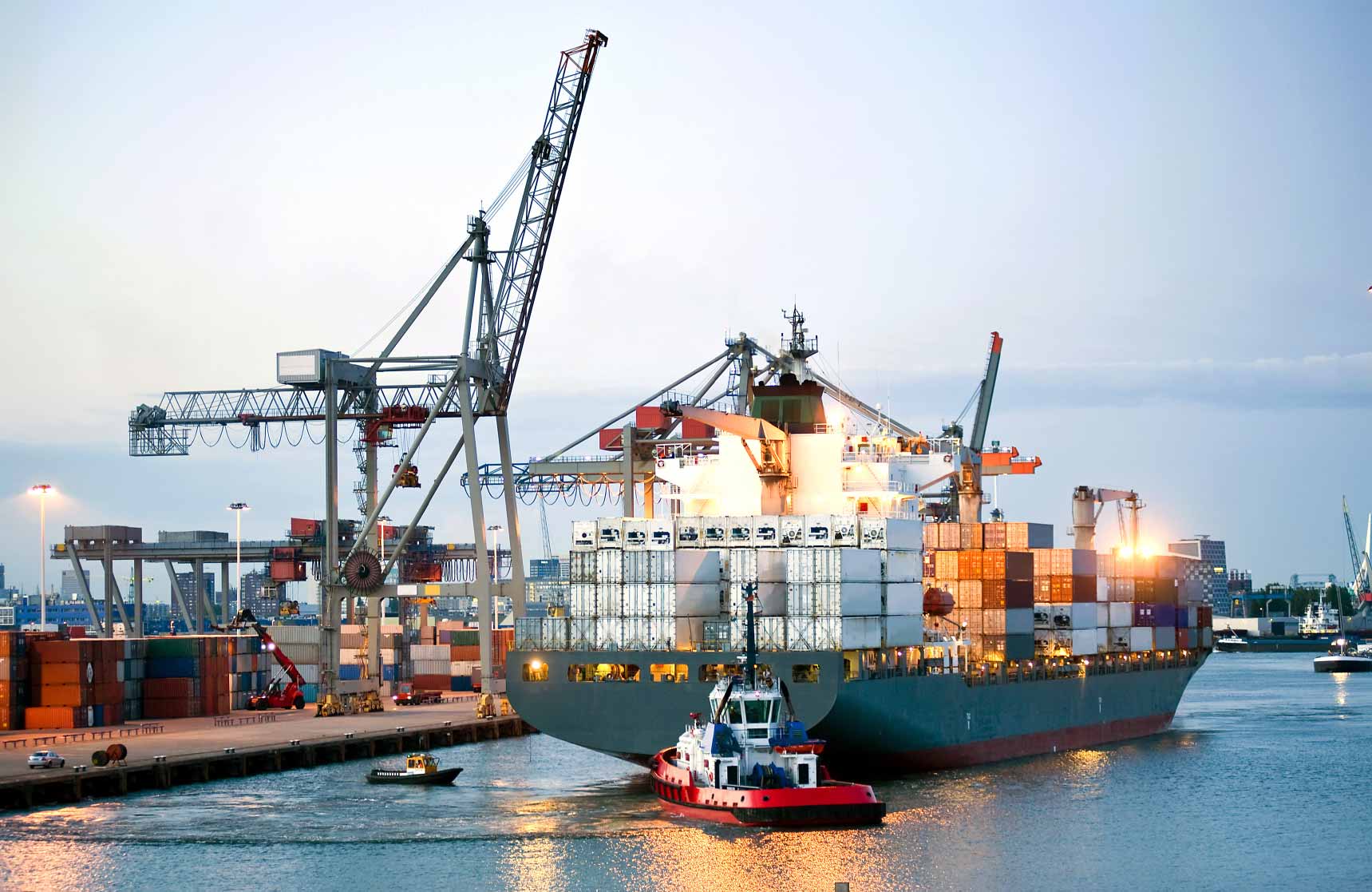
    One of the latest instances of a logistics provider “internal” green development saw Samskip, which operates one of Europe’s largest multimodal container logistics systems, report in August that subsidiary frigoCare had completed the installation of what it claimed was the largest solar panel system in the Dutch port of Rotterdam, a major European gateway for Asian deepsea container traffic, as part of its “sustainability strategy.”

    That initiative, undertaken in partnership with Dutch renewable energy company Zon Exploitatie Nederland (ZEN), comprised the installation of some 3,100 solar panels on the roof of frigoCare’s 14,000 pallet-capacity cold store in that port. The installation covers an area of 7,500 square metres and is said to be capable of generating 750,000kWh of electricity a year.

    “The new solar panel installation is owned by ZEN, while the roof’s surface is provided by frigoCare,” explained Samskip. “In turn, frigoCare benefits from access to a cheaper, and ‘greener’, energy supply. Under the agreement between frigoCare and ZEN, the solar panels will meet around 30% of this requirement. Any excess power will go back into the local electricity grid.”

    FrigoCare managing director Jan Bouman added: “When we upgraded our cold store, which is primarily used to store frozen fish, we wanted to make it as environmentally-friendly as possible. The partnership with ZEN has enabled us to reduce our annual carbon emissions by around 325 tonnes a year.”

  • India passing China as top mobile growth market

    India passing China as top mobile growth market

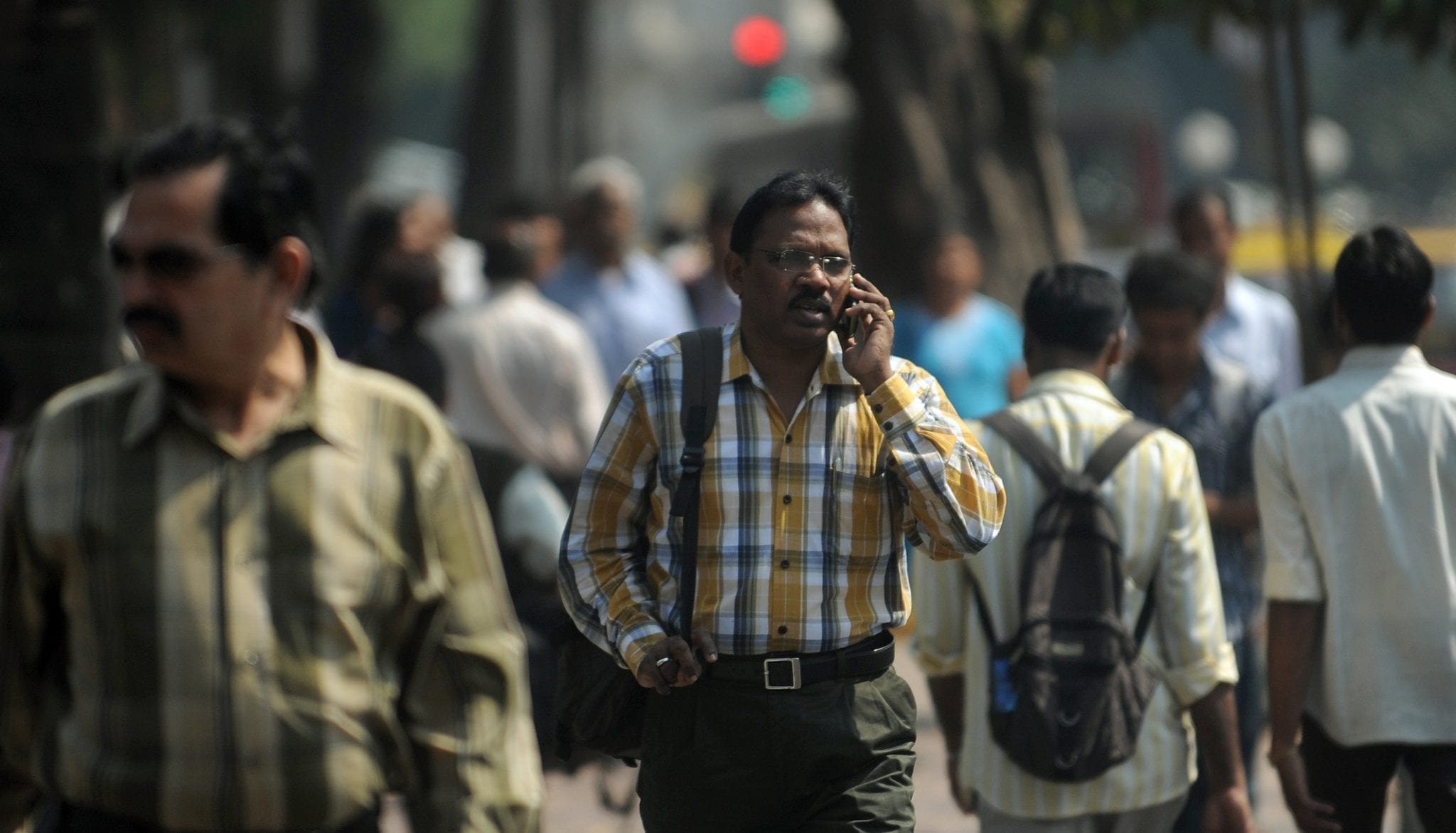
    India is set to overtake China as the most significant mobile growth market worldwide, and Asia is becoming the growth engine of the entire mobile ecosystem, according to the GSMA.

    In a new report, the GSMA predicts that over one billion additional people worldwide will be connected to mobile networks by 2020.

    Around a third of these new users (337 million) will come from India, compared to more than 200 million from China.

    China and India, combined with Indonesia, Pakistan, Bangladesh and Myanmar, will meanwhile collectively account for around 60% of the world’s expected 1.1 billion new subscribers by the end of the decade.

    The report also shows that 46% of the global population is using mobile phones to access the internet, and that this is expected to increase to 60% by 2020. This will make mobile phone ownership the key factor driving global internet penetration.

    Smartphones may also have grown to become the most commonly owned consumer electronics device, with penetration above 80% in some Asian markets including Korea and Singapore. By contrast, smartphone adoption rates in India stand at only 25%, leaving plenty of room for growth.

    Revenue from mobile services worldwide is meanwhile projected to grow by around 2% annually through to 2020, with slowing revenue growth being compensated for with new revenue opportunities resulting from growing mobile internet adoption and the move to higher-speed networks.

  • India’s mega spectrum auction raises just $9.8b

    India’s mega spectrum auction raises just $9.8b

    India’s major spectrum auction has ended after five days of bidding, raising 657.89 billion rupees ($9.86 billion), far less than the up to $83 billion the government had been anticipating.

    Just 40% of the airwaves placed on the auction block were sold, with no bids at all for the expensive 700-MHz and 900-MHz bands, the Economic Times reported.

    Vodafone emerged as the biggest spender in the auction, spending 202.8 billion rupees for 2 x 82.6MHz of FDD and 200MHz of TDD spectrum across the 1800-MHz, 2100-MHz and 2500-MHz bands in all its key telecoms circles. The operator now has 4G capability in 17 of India’s 22 circles.

    Newcomer Reliance Jio Infocomm paid 136.72 billion rupees to build a warchest of 269.2MHz of additional spectrum in the 800-MHz, 1800-MHz and 2300-MHz bands.

    The operator acquired spectrum across all 22 telecoms circles, but in no circle did the company acquire spectrum in all three bands. Jio said its total spectrum footprint has now grown to 1,108-MHz, further cementing its lead in terms of liberalized spectrum holdings.

    India’s largest operator Bharti Airtel paid 142.44 billion rupees for an additional 173.8MHz of spectrum in the 1800-MHz, 2100-MHz and 2300-MHz bands. The operator now has 4G spectrum in all circles. Idea Cellular spent around $1.92 billion.

    All seven participants in the auction acquired at least some spectrum

  • Halal zone to appear in Pulogadung Industrial Area

    Halal zone to appear in Pulogadung Industrial Area

    Halal Zone will soon arrive in Pulogadung Industrial Area, East Jakarta, serving as a showcase for Indonesias halal industrial products, officials said.

    “Halal Zone will have facilities that support halal management and halal product distribution,” Financial and Supporting Director of PT Jakarta Industrial Estate Pulogadung (JIEP) Sitta Izza Rosdaniah stated here on Friday.

    The zone will feature Moslem Fashion Hub, MICE (Meetings, Incentives, Conferences, and Events), Halal Warehouse, Halal Laboratory, Shariah Finance Centre, National Creative Industry and Training Centre, Halal Lifestyle Showcases, National Logistics Centre, Halal Culinary Centre, and Organic Urban Farming.

    “We want establish a halal laboratory in the industrial area,” Sitta noted, adding that the facilitys management will prioritize small and medium enterprises to help them develop their businesses.

    According to her, these enterprises need support to meet halal standards for their products.

    “This is the meaning of a halal zone, where people can get assistance and the opportunity to consult with experts,” Sitta remarked.

    JIEP also provides special facilities for all business sectors in the industrial area.

    On August 2016, in Jakarta, JIEP signed a Memorandum of Agreement (MoA) with the Indonesian Port Corporation (IPC) on the Study of Development and Operation Cooperation in the Pulogadung Industrial Area.

    The agreement was for the preparation of a study of an Integrated Logistics Area for an International Halal Hub in the JIEP area.

    The MoA is aimed at establishing a partnership and synergy between JIEP and Pelindo to develop the International Halal Hub and Halal Port.

  • Cambodia sets final deadline for SIM registration

    Cambodia sets final deadline for SIM registration

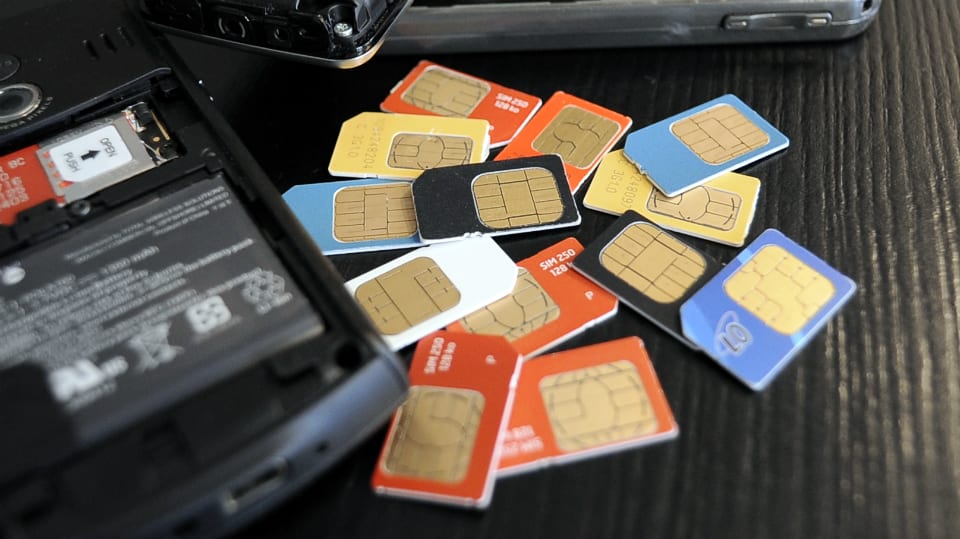
    The Telecom Regulator of Cambodia (TRC) has given operators until the start of next month to register all customers’ SIM cards or disconnect any remaining unregistered SIMs.

    Operators will need to alert customers at least seven times within seven days before deactivation, the Phnom Penh Post reported.

    The TRC gave the order after data submitted by Cambodia’s mobile operators showed that despite the yearlong campaign to crack down on unregistered SIMs, around 1.5 million of the nation’s 19.3 million active SIMs are not properly registered.

    The government also plans to take a more active role in monitoring operators’ databases to ensure they are not allowing unregistered SIMs to be sold, by using an online management system. The TRC has indicated there will be more enforcement activity in the future once this system is in place.

    According to the report, despite the crackdown, unregistered SIMs can still be found in most Phnom Penh markets selling for as little as $0.50. SIM card sales at legitimate outlets have also declined in rsponse to the anticipated crackdown, as customers prefer the convenience of unregistered cards.

    Cambodia has presented the crackdown on unregistered SIMs as an effort to protect national security and reduce crime.

  • India auto sales soar 20% in September ahead of festive seasons

    India auto sales soar 20% in September ahead of festive seasons

    Demand is expected to slowdown in the coming months, however.

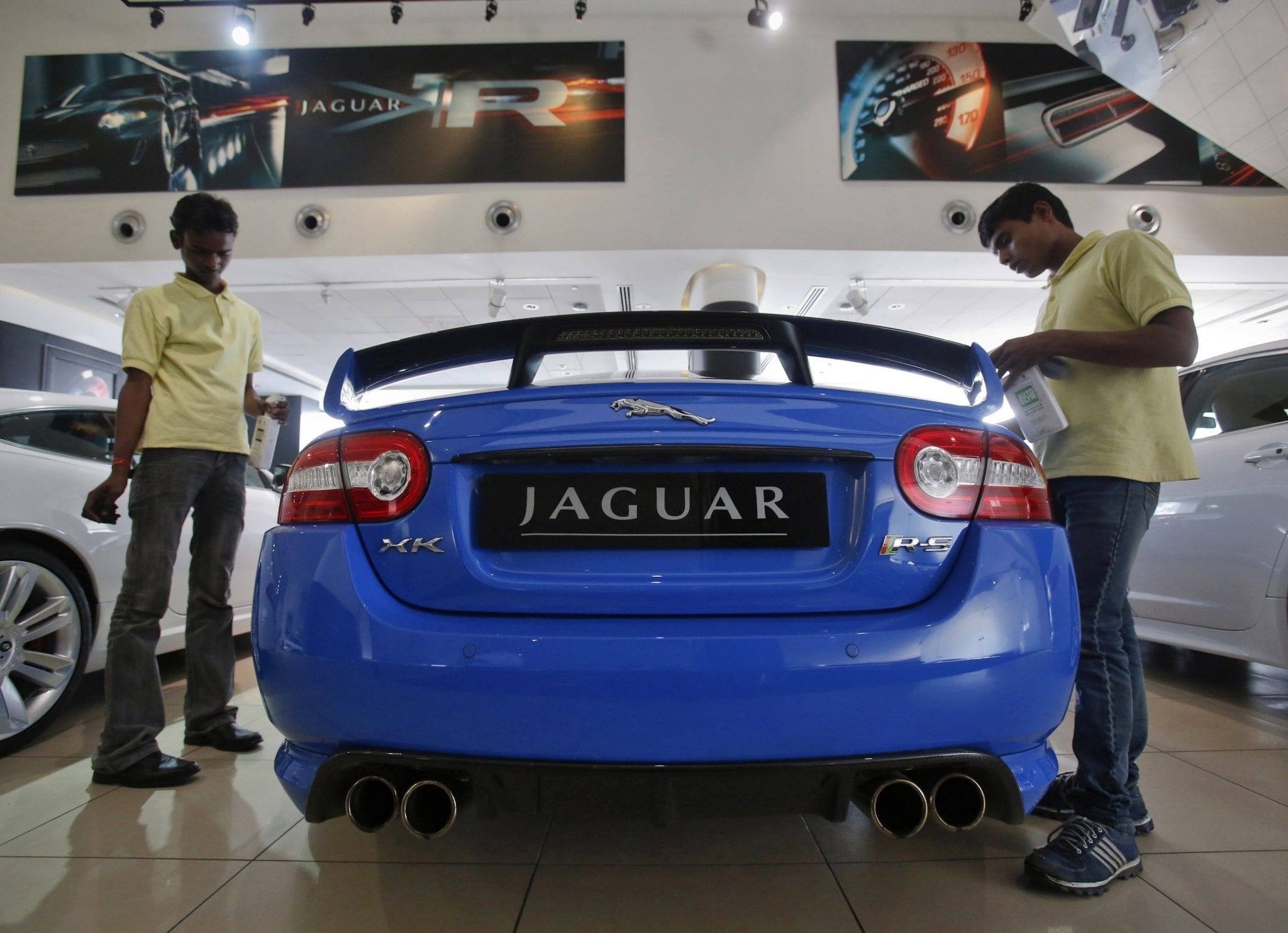
    During Sep-16, domestic sales of passenger vehicles rose 20% YoY and two wheelers grew 22% YoY, ahead of Diwali and Dussera in Oct-16.

    MayBank KimEng’s channel checks suggest the demand for automobiles is 10% more than in the previous two festive seasons.

    “We expect demand to normalize lower in Nov and Dec as dealers start cutting inventories,” it said in a report.

    The Society of Indian Automobile Manufacturers (SIAM) confirmed the uptrend by revising up its sales growth forecast to 10-12% for FY17 from 6-8%.

    “We will wait for two more months of retail sales data before deciding whether to revise up our growth forecasts,” said MayBank KimEng.

  • Hooters Taiwan launch marks Asian expansion

    Hooters Taiwan launch marks Asian expansion

    Atlanta-based operator and franchiser Hooters of America will enter Taiwan with five new locations.

    The Hooters Taiwan restaurants will be opened by Hooters’ Asian partner, Bangkok-based franchisee Destination Resorts.

    The first is scheduled to open in Taipei, with typical menu including wings, burgers and salads. The other four will be in Kaohsiung, Taichung, Taoyuan and Tainan.

    “With existing bustling locations throughout Asia, we’ve seen proven demand for Hooters’ world-famous chicken wings served with iconic Hooters Girl hospitality,” said Gary Murray, CEO, Destination Resorts.

    hooters-hong-kong

    Hooters expects good growth in Taiwan thanks to a robust economy and strong brand recognition in the market.

    Earlier this year the franchisee opened two more Thailand locations, the largest international Hooters in Pattaya, and the nation’s fourth location in Bangkok’s Nana district.

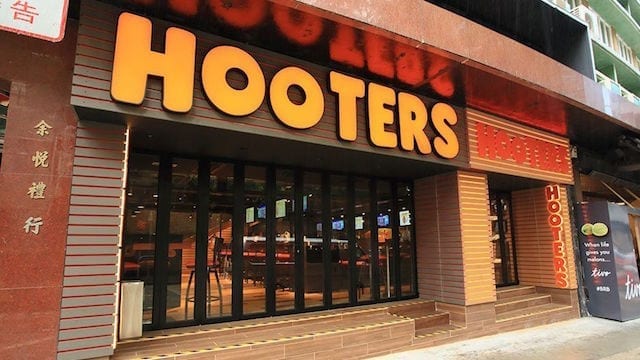
    It also recently opened the first Hooters in Hong Kong. (pictured)

    Four more are planned this year – in Samui, Thailand; Manila Eastwood in Philippines; Marina Bay in Singapore and in Phnom Penh, Cambodia.

    The new locations will incorporate the latest design features that deliver “the familiar, fun-loving persona of the Hooters brand along with contemporary elements that combine to deliver a one-of-a-kind guest experience”.

    Hooters is the franchisor and operator of more than 420 Hooters restaurants in 42 states of the US and 26 countries.