Author: Mei Ling Tan

  • 30 percent of Egyptian coffee from Indonesia

    30 percent of Egyptian coffee from Indonesia

    Indonesia’s Ambassador to Egypt, Helmy Fauzy, said that some 30 percent of the coffee in Egypt comes from Indonesia, which is the leading coffee importer in Egypt.

    “This is the reason we bring potential investors from Egypt to Gorontalo, to meet the coffee suppliers, especially to see Robusta coffee,” said Helmy at the “Indonesia Middle East Update (IMEU) 2016”, held in Gorontalo on Oct 9, 2016.

    He explained that Indonesias relationship with Egypt has always been very close, as there are about 4,500 Indonesian students studying in Egypt.

    According to Helmy, Indonesian products have superior penetration in some markets in Egypt, though the volume remains small, at about 1.42 percent. Conversely, imports from Egypt to Indonesia are just 0.09 percent, but volume continues to increase sharply.

    “In the first half year, the trade volume between the two countries has almost reached one billion US dollars and continues to increase,” he said.

    An official of the Ministry of Foreign Affairs, Ridwan Yasin, explains that IMEU is a concrete form of cooperation between the Ministry of Foreign Affairs and the Middle East Directorate of the Ministry of Foreign Affairs, in cooperation with local governments.

    “This is a concrete manifestation of cooperation between the foreign ministry and the local government, to improve the economy in this area,” he explained.

    He said he hoped this year that the IMEU could provide great benefits and a real contribution to economic development in Gorontalo province, and cooperation with countries in the Middle East.

    He added that the Ministry of Foreign Affairs, through Indonesian embassies abroad, never stops scheduling promotions, which provide an opportunity for the region to offer a variety of investments.

    “But the most important thing to keep the investment climate in the area is changing society’s mindset, so they can accept foreigners and work together here, for the mutual benefit of both sides,” he said.

  • Mastercard Appoints President for Indonesia, Malaysia and Brunei

    Mastercard Appoints President for Indonesia, Malaysia and Brunei

    Now he will also be in charge of encouraging the implementation of digital payment technology.

    Previously based in Kuala Lumpur, Khan and his division will now be headquartered in Jakarta. Mastercard considers this a move towards recognition of Southeast Asia’s developing countries, whose economy has been predicted to be worth billions of dollars.

    The move was also triggered by the formation of ASEAN Economic Community (AEC), where the ongoing economic integration gives a potential for Mastercard to gain influence.

    “AEC stands as a landmark to integrate the region’s economy. Safdar Khan’s appointment would serve as evidence of Mastercard’s focus in building a strong, relevant and influential business in Southeast Asia. This appointment shows our continuing commitment to empower the great leaders who can encourage innovations and inclusion in a meaningful and interconnected way,” Mastercard Asia Pacific co-president Ari Sarker said.

    Sarker also appreciated Khan’s profound knowledge about the customers, regulators and government bodies.

  • Assets of sharia banks increase to Rp305.5 trillion

    Assets of sharia banks increase to Rp305.5 trillion

    The assets of sharia banks rose 18.49 percent year-on-year to Rp305.5 trillion by July, 2016 on growing third party funds.

    Third party funds held by sharia banks rose 12.54 percent to Rp243 trillion in the same period, Chairman of the Board of Commissioners of the Financial Service Authority (OJK) Muliaman Hadad said in a news release received here on Sunday.

    “The rise in third party fund resulted in an increase of 7.47 percent in sharia financing to Rp220.1 trillion from Rp204.8 trillion,” Muliaman Hadad said at a seminar on sharia financing in Washington, the United States, organized by the World Bank and the Islamic Financial Services Board.

    The rise in sharia financing contributed to increase sharia share of the banking market to 4.81 percent in July, 2016 from 4.6 percent in July 2015. The market share rose to 5.13 percent if conversion of the Aseh Development Bank to Sharia bank was taken into account.

    Muliaman said sharia finance could be an instrument to achieve Sustainable Development Goals (SDGs) as called for by the United Nations.

    “The typical principles of sharia finance which give emphasis on equitable income and is oriented to environmental social activities, make development of sharia financial system very relevant with the SDGS goals,” he said.

    Sharia finance covers not only poverty aspect but also health care, education, gender equal treatment, infrastructure development, economic development, anticipation of climate change, etc, he said.

    He said sharia banking industry has grown in Indonesia as indicated by the decline in Non-Performing Financing (NPF) ratio to 4.81 percent by July 2016.

    Return on Assets (ROA) rose to 1.06 percent by July, 2016 from 0.91 percent by July 2015. As for the ratio of operating cost to operating income has improved to 92.78 percent from 94.19 percent.

    In addition, there was an increase in capital adequacy of sharia banks as reflected in the Capital Adequacy Ratio (CAR) to 14.86 percent in July 2016 from 14.47 percent last year.

    The assets of sharia non bank finance industry rose 23.18 percent to Rp80.1 trillion by July 2016.

    Global sharia bonds contributed 23.3 percent or US$10.15 billion to the total value of international sovereign bonds.

    Indonesia is the first country to issue sharia retail bonds.

    Muliaman said sharia capital market could also play a significant role in financing the governments infrastructure projects.

    Separately a member of the OJK board of commissioner Firdaus Djaelani said in Semarang, the country had sharia banks, 22 conventional banks having sharia units and 165 sharia people financing banks.

    Firdaus said based on data in September, 2016, there were 36 investment managers issuing sharia mutual fund (Reksadana), 12 securities companies issuing sharia on line trading system, 326 issuers and public companies with sharia shares and 51 series of corporate sharia bonds and 53 series of state sharia bonds have been issued.

    Assets in sharia products in the stock exchange were valued at Rp3,272.84 trillion consisting of market capitalization of sharia shares, sharia mutual funds and corporate sharia bonds.

  • North Sumatra`s rubber exports down 20 percent

    North Sumatra`s rubber exports down 20 percent

    North Sumatras rubber exports in the year to August 2016 plunged 20.84 percent compared to the same period last year.

    “By August 2016, North Sumatras rubber and rubber product exports fell to US$633.996 million from US$800.864 million in the same period last year,” chief of the production statistic section at the Central Statistics Agency (BPS) office in North Sumatra, Bismark SP Sitinjak said here on Saturday.

    The shortfall in foreign exchange earnings was the result of lingering global crisis, leading to low demand for the commodity in the global market. he said.

    With the decline, the provinces rubber exports will most likely drop throughout this year compared to a year earlier, he said.

  • Hazmat Worries Growing

    Hazmat Worries Growing

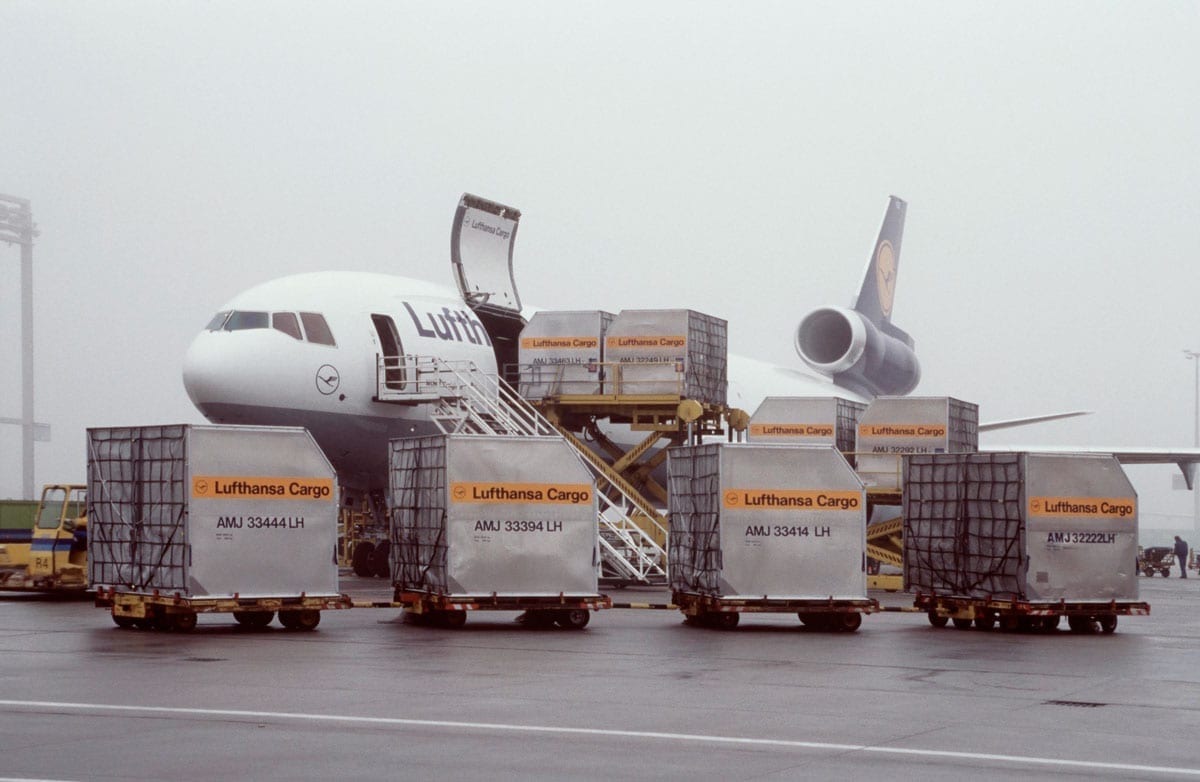
    Concerns are rising about hazardous cargo. Bans on Galaxy Note 7 smartphones by airlines mark the latest flashpoint in a debate on how to reduce risks from carrying dangerous goods, but there are also worries in the maritime sector.

    Troubles with Samsung’s Galaxy Note 7 have reignited the debate on lithium batteries. After faulty batteries on some units went ablaze, several airlines, including Finnair, Qantas, Aeroflot and Air Canada, have banned the smartphone from their cargo holds.

    Samsung has recalled 2.5 million of the smartphones in at least 10 countries and promised to send replacements out as quickly as possible.

    Airlines that knowingly carry the version with potentially defective batteries or shippers that send them as air freight would be breaking IATA’s Dangerous Goods rules, which mandate that “lithium batteries identified by the manufacturer as being defective for safety reasons, or that have been damaged, that have the potential of producing a dangerous evolution of heat, fire or short circuit are forbidden for transport (for example those being returned to the manufacturer for safety reasons).”

    The International Civil Aviation Organization (ICAO) issued an interim ban on lithium-ion battery shipments on passenger aircraft, which came into effect on April 1. According to ICAO, it will stay in force until a new, safer packaging standard has been established.

    The ban has been criticized by battery manufacturers and some shipper organizations. Many airlines have refrained from comment. According to IATA, about 400 million lithium-ion batteries are produced every week. Most of them are shipped by ocean carrier, but a small contingent goes by air.

    Much of the opposition to bans has revolved around the issue of undeclared battery shipments, which are seen to pose a greater risk. In a joint letter sent in early August to ministers of trade, industry and transport, and directors of civil aviation in the world’s largest lithium battery producing countries, IATA, the Global Shippers Forum, the International Air Cargo Association and several battery manufacturer interest groups called for lithium battery safety regulations to be enforced at the point of origin, including the initial shipper and the battery manufacturer.

    The US Federal Aviation Administration (FAA) appears bent on stepping up enforcement. It recently hit a company that had tendered a shipment of 30 four-ounce ‘Fryer Boil-Out Foaming’ tablets made of corrosive sodium hydroxide for air transportation from Florida to North Carolina to UPS with a US$54,000 fine.

    The amount and the fact that a shipper was punished (usually the FAA metes out fines to carriers, who then deal with clients who have tendered hazmat cargo without proper identification) suggest that the administration is sending out a signal, one airline executive commented.

    In June the FAA slapped a US$350,000 penalty on Amazon, after the company had tendered a package containing a one-gallon container of “Amazing! LIQUID FIRE,” a corrosive drain cleaner, for air transport to UPS. DHL was fined US$455,000 for seven hazardous materials violations back in February.

    “It’s like the Wild West where some companies, lacking in logistics expertise, make serious mistakes in the shipping process, such as unwittingly sending hazardous material via air freight without the benefit of knowledgeable, trained shipping professionals who can provide the necessary advice in adhering to regulations and keeping the flying public safe,” remarked Brandon Fried, executive director of the US Airforwarders Association.

    “As e-commerce volumes increase, shippers will likely experience an increase by the FAA in vigorous enforcement of hazardous material regulations to avoid similar occurrences,” he added.

    IATA has warned about hazardous materials being shipped without proper declarations in mail. The rapid growth of e-commerce, drawing in many merchants with scant or no knowledge of hazardous goods regulations, has heightened concerns about this.

    Concerns about misdeclared hazmat shipments are not confined to air cargo. According to mutual insurance association P&I Club, mis-declared cargo is responsible for 27% of incidents on ships, second only to poor packaging.

    Cargo insurance firm TT Club recently issued a warning about hazardous cargo. Peregrine Storrs-Fox, the company’s risk management director, pointed out that risk assessment surveys at ports over the last 12-18 months have found “worryingly little adherence to segregation requirements for dangerous goods.”

    He pointed to the explosion at Tianjin port a year ago, which resulted in insured losses between US$2.5 and US$3.5 billion. “It underlines how cargo in transit, potentially mis-declared, or packed or handled incorrectly, can cause widespread damage and loss of life,” he said.


  • Importing gas will not help deal with rising prices

    Importing gas will not help deal with rising prices

    The Energy and Mineral Resources Ministry has stated that the proposal of the Indonesian Petroleum Association (IPA) to import gas will not help the governments effort to curb gas prices applicable to the industry.

    The proposal is one of the many options to cut gas prices for industries, Director General of Oil and Gas at the Energy and Mineral Resources Ministry, IGN Wiratmaja Puja, said here on Monday.

    “There are many options to bring down the gas prices, from upstream, midstream to downstream levels. But we have to look at the data in detail,” he noted.

    Purchasing gas from other countries will not significantly affect the global gas prices, he added.

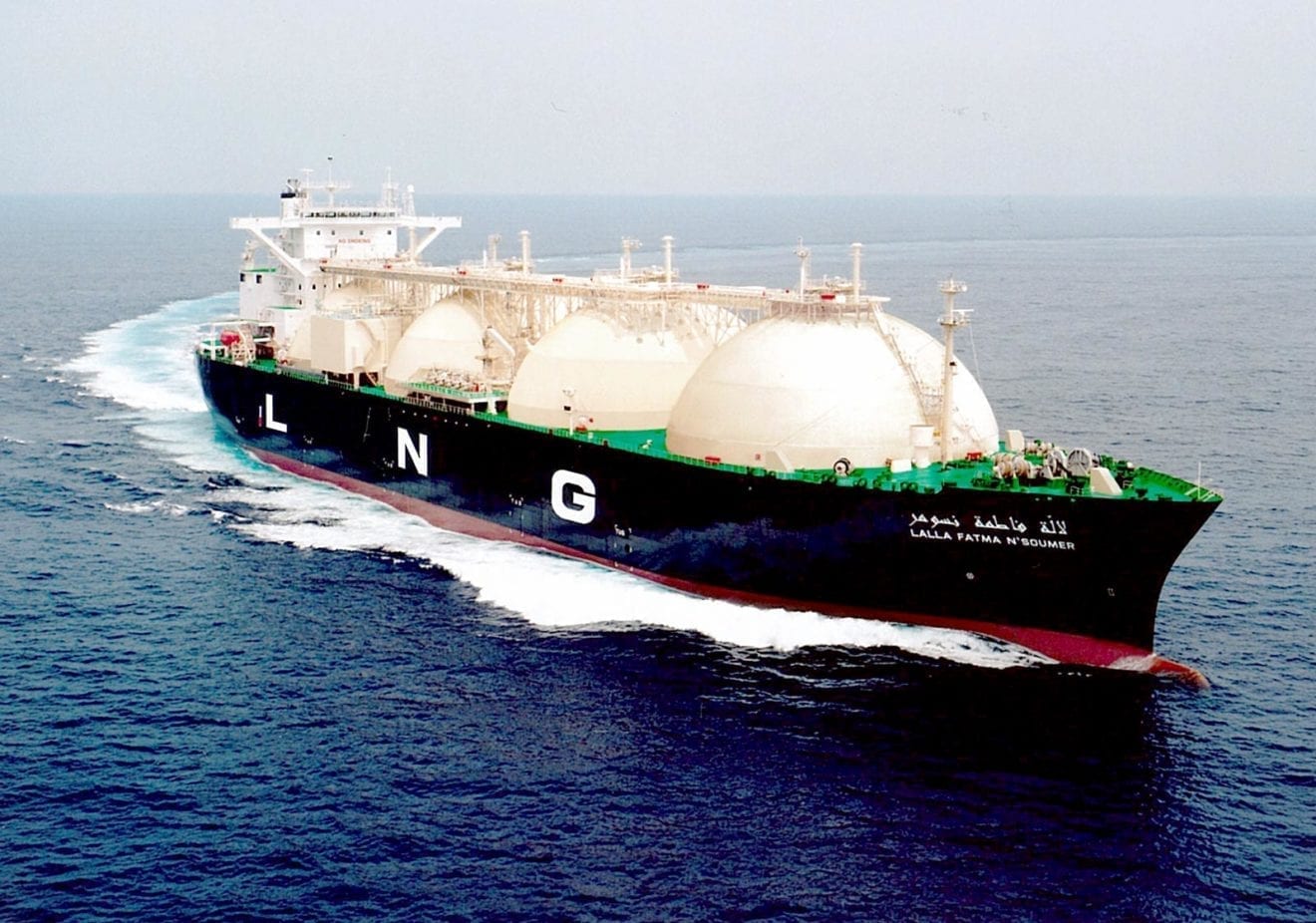
    If Indonesia intends to import gas, it must be far cheaper than the locally produced gas. In addition, the nation must also consider additional charges accrued in transporting gas from abroad and the cost to change it into liquefied natural gas (LNG), he reminded.

    “Admittedly, when bought from Qatar, gas will be slightly cheaper, but if the cost of transportation is added to the price, then it will not be much different from that of local gas. The US gas is currently being sold at US$2.5 per mmbtu but we need to study the cost to change it into LNG to facilitate its shipment to the rest of the country. Clearly, it will not be able to help us very much,” he pointed out.

    He underlined that the policy to import gas must consider the situation on the domestic production front. The concept of supply and demand will prevail. Besides, the policy gas import will not be allowed in case of overproduction.

  • Japan to possibly take part in East Natuna gas exploitation

    Japan to possibly take part in East Natuna gas exploitation

    Indonesias state-owned energy company, PT Pertamina, has hailed a senior minister for proposing to invite Japan to participate in the East Natuna Block gas project in the province of Riau Islands.

    Pertamina, ExxonMobil and PTT Thailand have formed a consortium to develop the gas field in the border region.

    “This is a big investment. The consortium is still to discuss it. I think in view of the big investment needed, it will be good if a number of parties participated. Certainly, the issue will be discussed by the consortium,” Pertaminas President Director Dwi Soetjipto said at the office of the Coordinating Minister for Maritime Affairs here on Monday.

    Coordinating Minister for Maritime Affairs Luhut Binsar Pandjaitan has invited Japan to participate in the project to exploit the East Natuna block in the Sumatran province.

    Dwi pointed out that the profit sharing concept was the crucial point to discuss.

    “What is important now is the formula to share the profits so that the project’s economic value can be realized,” he added.

    The Director General of Oil and Gas of the Ministry of Energy and Mineral Resources, IGN Wiratmaja Puja, underlined that the consortium was still discussing the production sharing contract.

    He admitted that Japan and Malaysia (Petronas) have also been invited to develop the block.

    “Japan has been invited and also Malaysia, and we hope they will be interested,” he noted.

    Malaysias Petroleum Nasional Berhad (Petronas) had indeed been a member of the consortium but later withdrew.

    Petronas joined the East Natuna consortium when the Principle of Agreement for the exploration and exploitation of East Natuna was signed on August 19, 2011.

    At the meeting with Malaysias Deputy Prime Minister Ahmad Zahid Hamidi in Malaysia early in September, Minister Luhut had invited Petronas to participate in the oil and gas exploitation in East Natuna.

    The East Natuna Block plans to first produce oil while gas production will be undertaken after a study in view of the fact that its carbon dioxide (CO2) content can reach up to 72 percent.

    The production sharing contract of the East Natuna Block could be signed even though it was expected to happen in September last year since no agreement was reached regarding the profit sharing formula.

  • McDonald’s Malaysia, Singapore ‘buyer found’

    McDonald’s Malaysia, Singapore ‘buyer found’

    Twenty-year franchise rights for McDonald’s Malaysia and Singapore outlets have been conditionally sold to a Saudi Arabian group for up to US$400 million.

    Reza Food Services, which owns McDonald’s restaurants in Saudi Arabia, is seeking finance from Malaysian bank CIMB to finance the transaction, insiders say.

    McDonald’s is moving to bring in partners as it switches to a less capital-intensive franchise model in Asia, and has said it wants regional family-owned groups and local tycoons as long-term partners.

    Insiders say the basic terms of the agreement with Reza have been finalised, with the deal expected to be completed by the end of the year.

    McDonald’s, which has about 260 restaurants in Malaysia and about 120 in Singapore, is also selling its China and Hong Kong outlets, and has received final bids from at least three groups.

  • Fuji Heavy recalls 100,000 Subaru cars to fix air pump switch

    Fuji Heavy recalls 100,000 Subaru cars to fix air pump switch

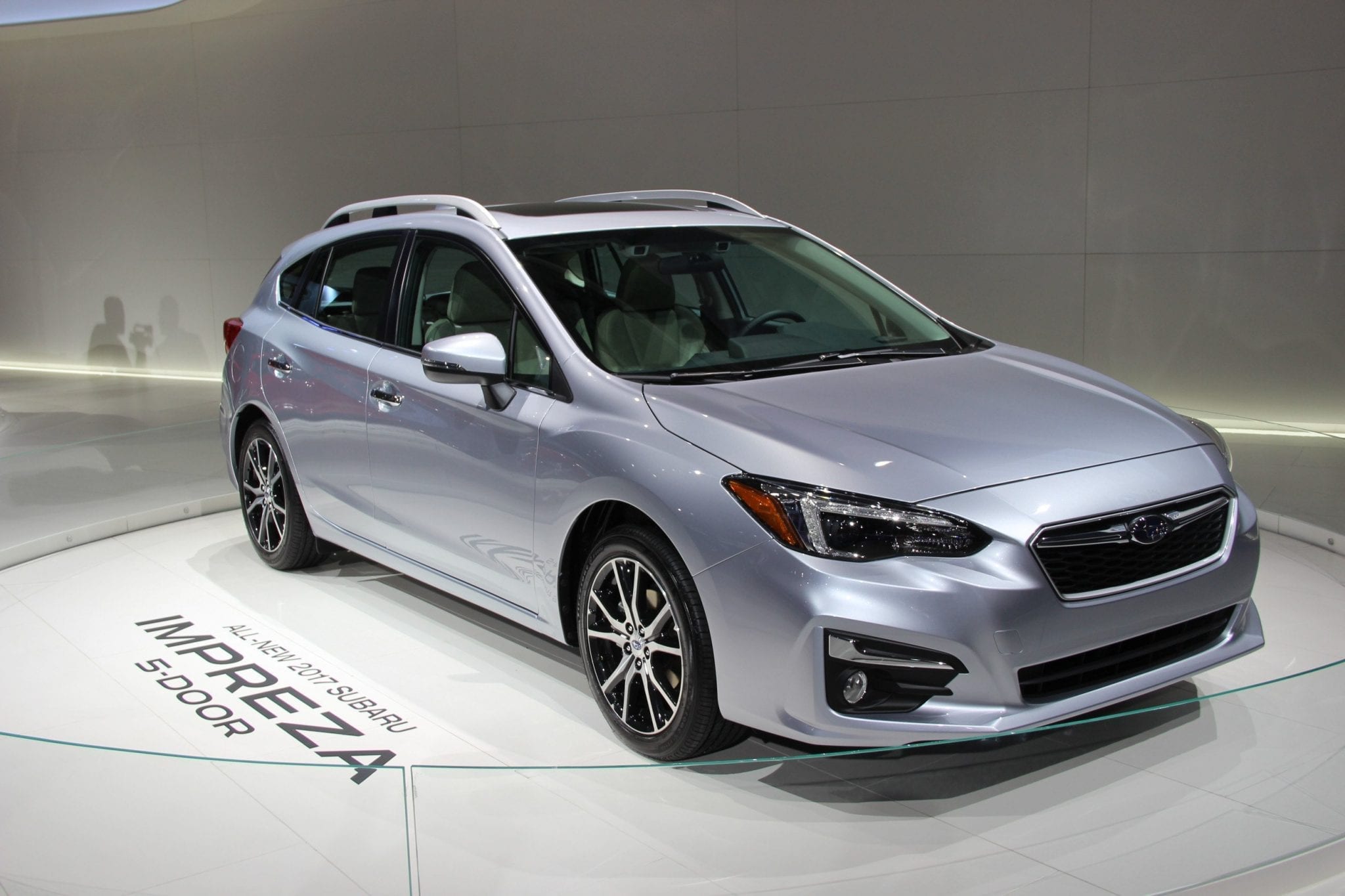
    Japan’s Fuji Heavy Industries said on Thursday it was recalling about 100,000 of its Subaru-branded vehicles in Japan to fix a problem with an air pump switch located in the main fuse box.

    The recall covers models including the Legacy and Imprezza, along with Exiga and Forrester crossover SUVs produced in 2006-2013.

    The Japanese automaker said it was also planning to recall models overseas, but declined to give further details.

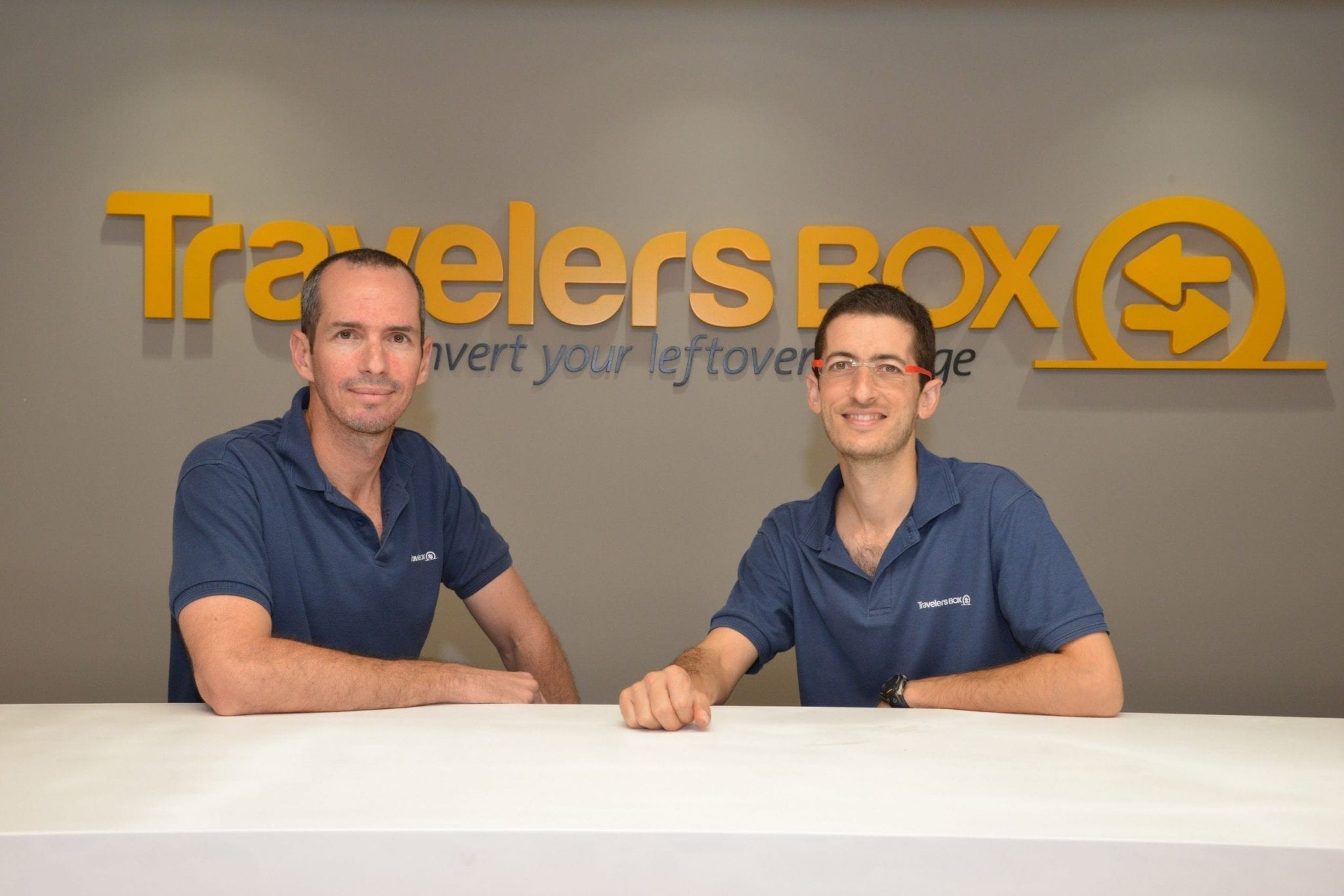
  • TravelersBox rolling out in Asia

    TravelersBox rolling out in Asia

    TravelersBox kiosks are being launched in Asian airports allowing travellers to deposit their leftover foreign coins into their preferred online accounts.

    More than 40 are expected to be service by the end of the year.

    TravelersBox is the first service allowing travellers to convert foreign currency into usable digital currency at airports. First rolled out at Manila airport in the Philippines, the latest kiosks have just come online in Narita International Airport in Japan.

    In parallel to the expansion, the company is also launching additional products and services in the kiosks tailored to the Asian market.

    Baidu wallet is the first offering, specifically aimed at the Chinese market, the largest travelling population in the world.

    “For the Asian market we’ve given specific attention to each traveller’s nationality,” says TravelersBox co-founder/CEO Tomer Zussman. “Services such as Nets FlashPlay Card for Singaporeans, Lazada for Southeast Asian travellers and more will soon be available in the TravelersBox around the world.”

    TravelersBox has more than 75 kiosks internationally where travellers can convert their leftover foreign change into digital money with options including iTunes, PayPal, Skype and gift cards such as Gap or Starbucks. There is also a donation button.

  • Reinvented Siam Discovery wins two awards

    Reinvented Siam Discovery wins two awards

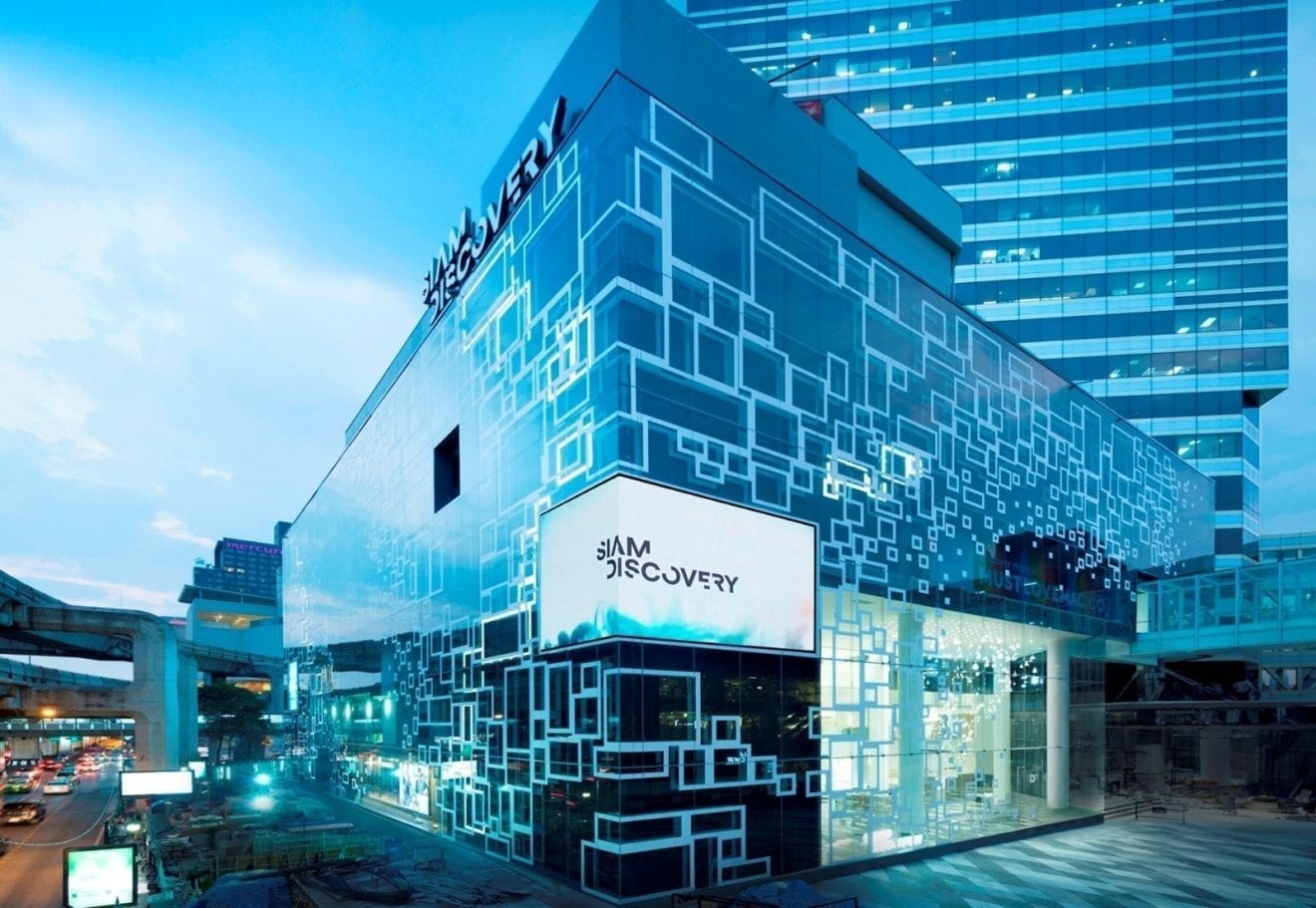
    Siam Discovery – The Exploratorium, Thailand’s first hybrid-retail destination and lifestyle specialty store which opened in May, has won two awards.

    A reincarnation of the old Siam Discovery, the store was named Best Retail Development and Best Commercial Development in the latest Thailand Property Awards.

    Best Commercial Development award from Thailand Property Awards 2016

    Best Retail Development award from Thailand Property Awards 2016

    Siam Discovery is owned by Siam Piwat, which also owns and runs Siam Center, Siam Paragon and Paradise Park shopping centres, and jointly owns megaproject IconSiam.

    “Siam Discovery has broken every rule of Thailand’s retail industry to offer exciting experiences and creativity,” says Siam Piwat CEO Chadatip Chutrakul.

    Chadatip Chutrakul, Chief Executive Officer of Siam Piwat and Oki Sato, Chief Consultant for the overall design inspiration for the new Siam Discovery

    “The awards reflect the success of the distinctive design and the ideas behind it by a team of design experts such as Nendo’s Oki Sato and Urban Architect, who came together and imbued the architecture of the refurbished Siam Discovery with elegance and uniqueness.”

    She says the new concept permeates “every single design detail” across more than 40,000 sqm, including open space.

    Dan Tantisunthorn, Charnchai Cherdchuwongthanakorn, Paiboon Jaikla_ Siam Piwat's Senior Executives collected award from Suwat Liptapanlop_ representative of the judges

    “Even the product displays and stores of more than 5000 brands are decorated to match the personalities of each specific Lifestyle Lab on each floor. This gives our customers the freedom to browse for products that suit their stories and interests, and make shopping both convenient and a fun exploration.”

    In their 11th edition, the Thailand Property Awards aim to boost the stability and efficiency of the country’s real-estate market and encourage entrepreneurs.

  • Singapore retail rents slip over latest quarter

    Singapore retail rents slip over latest quarter

    Singapore retail rents slipped during the last quarter – but experts say the outlook is not too grim.

    According to Edmund Tie & Company Research, average monthly retail gross rents across the island eased by 1.2 per cent quarter-on-quarter to about $29.30 per sqft in the three months to September 30. This was 9.6 per cent lower than its peak in the first quarter of 2015, when the average monthly gross rent was about $32.40 per sqft.

    “The decline was primarily due to a subdued economic growth forecast, as well as job cuts across various industries that led to weaker consumer sentiments,” the company said.

    According to the Ministry of Manpower in September, the total number of workers made redundant in the second quarter of 2016 rose by 2 per cent quarter-on-quarter and 48 per cent year-on-year to 4800 workers.

    Rents in the other city areas led the overall rental decline in the latest quarter, falling by 3 per cent to about $20.10 per sqft per month. This was followed by the suburban areas, with average monthly gross rents declining by 1.5 per cent to $30.60.

    Orchard Rd holds firm

    Retail rents in Orchard and Scotts Rd precinct, however, stayed unchanged at $37.20 per sqft,

    notwithstanding the slower economy and fears over the impact on tourism of the spread of the Zika virus.

    “The resilience of this district was supported by the lack of new retail developments. While retailers in Orchard/Scotts Rd face strong competition for tourist dollars from regional countries, renowned global brands and local retailers are still attracted to set up shops there. The recent opening of several high-profile flagship stores in the area has further enhanced Orchard/Scotts Rd’s position as one of the top shopping attractions in South East Asia,” said Edmund Tie.

    “Overall, we anticipate the decline in rents to moderate in 2017, barring any external shocks. Landlords and retailers are adapting to the challenges by integrating technology with their physical stores to manage manpower constraints and tap on the growing eCommerce market.” The company cited the upcoming OUE Downtown Gallery along Shenton Way which will introduce a 11,000 sqft “trend gallery” comprising pop-up stores and retail counters on the first-storey, and a 4000 sq ft “social kitchen” fitted with 10 cooking stations available for bookings on the third-storey.

    A new F&B concept will also be introduced, whereby diners place their food orders via a mobile app. The food is prepared in a central kitchen and is subsequently placed in an assigned locker for diners to collect at a specified time. This significantly reduces the amount of leasable space required by the food establishment, as well as its reliance on manpower.

    In addition, the upcoming Singapore Post Centre in 2017 and the newly revamped Funan mall in 2019 will be introducing hands-free shopping. Shoppers will be able to browse through the products in-store, purchase the product and arrange for the product to be delivered directly to their homes. Not only does this provide greater convenience for shoppers, it also allows retailers to save on storage space in their physical stores, as logistic arrangements are done in the warehouse.

    “Separately, there is also a trend towards Click-to-Brick, where the shopping is done online and the merchandise is collected in the shops. Retailers that allow consumers to click-and-collect include Harvey Norman, Courts, NTUC, Decathlon, and Tangs.”

    Too early to write off brick-and-mortar

    Despite eCommerce gaining traction, Dr Lee Nai Jia, Edmund Tie & Company’s Southeast Asia head of research, believes it is too premature to write off the brick-and-mortar retail sector.

    “In order to remain competitive, landlords and retailers are continuously looking for ways to improve their business models and remain adaptable to challenges. Many landlords and retailers are making use of big data analytics to understand the underlying purchasing psychology, which helps them to redefine their marketing strategies to better cater to their customers’ needs.

    “Additionally, retailers are introducing experiential shopping and new retail concepts to increase footfall and encourage in-store sales. They offer hands-on activities for customers to experience at their physical stores. For example, Uniqlo’s SEA flagship store at Orchard Central will be reeling in Singaporean creatives and talents to hold a wide range of workshops in its three-storey flagship store. Similarly, K+ at Scotts Square and Naiise outlets at The Cathay, Orchard Gateway and Clarke Quay Central also provide dedicated spaces for workshops within their stores,” said Jia.

    “While it is still too early to judge the effectiveness of experiential retail in increasing footfall and in-store sales in Singapore, the concept has worked well for some brick and mortar retailers in the US, which saw eCommerce gaining an increasing foothold in the retail industry. A case in point was the success of Whole Foods in the US, which built on its success by creating personalised rewards and in-store experiences, including cooking classes, juice and coffee bars and consultations with nutritionists.”

  • Louis Vuitton buys Rimowa luggage

    Louis Vuitton buys Rimowa luggage

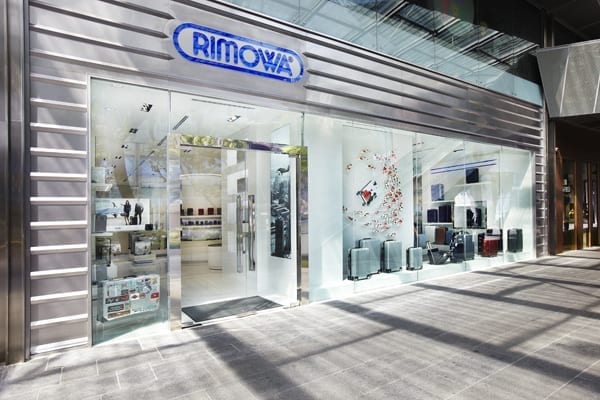
    French luxury group Louis Vuitton has bought a controlling 80 per cent stake in the Rimowa luggage business.

    Dieter Morszeck, grandson of the founder of Rimowa, believes partnering with the LVMH Group will preserve “the spirit of excellence and the long-term vision that have inspired his family and the company’s employees for over a century”.

    Morszeck will sell a majority stake to the LVMH Group while continuing to hold equity in the business and maintaining his leadership functions, resulting in Rimowa becoming the first German Maison of the LVMH Group.

    Upon completion of the transaction, Alexandre Arnault will be appointed co-CEO of Rimowa.

    Founded in Cologne in 1898, luggage and leather goods maker Rimowa has become renowned for innovative, quality luggage over the course of the 20th century.

    Since its creation by Paul Morszeck, innovation has been at the heart of Rimowa’s strategy. In 1937, his son Richard launched the first aluminium suitcase available on the market. The aluminium structure comprising parallel grooves makes the luggage instantly recognisable and has played its part in building the reputation of Rimowa among a sophisticated international clientele. His son Dieter designed the first waterproof metal case in 1976, since which time Rimowa suitcases have become the travelling companion of choice for the greatest filmmakers, photographers and journalists.

    Dieter Morszeck said: “My grandfather founded Rimowa more than a century ago and I joined the company 44 years ago. By entrusting this family venture to the LVMH Group, we are guaranteeing a promising future to all Rimowa employees. Over the past two years I have had the opportunity to establish close ties with the Arnault family, and in particular with Alexandre. Alexandre and I have discussed at length the attractive development prospects available to us and the common values that we share. I am delighted that he is joining Rimowa and I have full confidence in his ability to accelerate the development of the business by my side.”

    Arnault added: “Rimowa is a superb business which I have followed as a loyal customer for many years. It has revolutionised the luggage industry for over a century, its suitcases are renowned for their unique performance, quality and design. I am honored to join Rimowa and to be working alongside Dieter.”

    Morszeck has created the Rimowa Dieter Morszeck Foundation to which a substantial part of the sale proceeds will be donated. The foundation aims to support projects in scientific research, public health, education and humanitarian aid both in Germany and internationally.

  • Lotte, Shinsegae address Korean gender employment issues

    Lotte, Shinsegae address Korean gender employment issues

    Korean retail giants Lotte and Shinsegae are competing to improve employment conditions for women.

    The two companies are pushing forward with efforts to provide more opportunities for women to move up in their corporate hierarchies and implementing women-friendly systems as part of their company policies. Korean gender employment issues are of growing concern in a traditionally male-dominated business culture.

    According to industry watchers, Shinsegae’s discount store franchise E-Mart instituted a shortened work-hour system for all of its pregnant employees starting in April, with employees eligible regardless of whether they apply for the benefits or not, and offering them 100 per cent of their wages. Under the arrangement, pregnant employees have their work day shortened by two hours.

    The system had been difficult for female workers to take advantage of given both the company atmosphere which tended to discourage the practice, as well as reduced wages, said a company official.

    In addition, E-Mart announced in March a new leave of absence policy for employees having difficulties with pregnancy, and it also plans to implement its own maternity leave system that allows employees to take up to a year of maternity leave, on top of the legally-guaranteed period of 20 months (eight months for maternity, 12 for childcare). The latter has already been implemented by another Shinsegae franchise, Shinsegae Department Store.

    In contrast, Lotte’s women-friendly policies focus more on employing a greater number of women as new recruits.

    Since 2006, Lotte has been increasing the number of female employees at its affiliate enterprises by hiring more women through its recruiting process. In 2015, 35 per cent of new recruits were women, a rate that the group plans to increase to 40 per cent this year.

    Furthermore, Lotte also operates a special recruiting platform specific to retired female officers from the military, an endeavor which took off in 2011 with cooperation from the defense ministry.

    As a result, the number of women at Lotte with positions as section chiefs or higher now stands at 870, an increase from 95 in 2008, and 19 of the group’s board members are also female.

    Meanwhile, Lotte established eight additional daycare centers for its employees in the first half of 2016 for working mothers, while allowing women to automatically take their year-long childcare leave right after their maternity leave, so they won’t have to face unnecessary guilt or unwelcome comments from colleagues or bosses.

    “Chairman Shin Dong-bin seems to be taking extra attention to nurture female employees and their talent,” said a Lotte official. “Our goal is to create a work environment where women can work without facing gender discrimination.”

  • Thai police bust fake instant Nestle coffee factory

    Thai police bust fake instant Nestle coffee factory

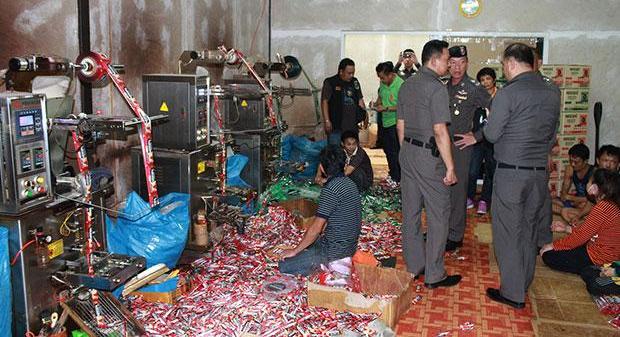
    Thai police have busted a fake Nestle instant coffee factory in Bangkok’s northern suburbs.

    Acting on a tip-off, a team of police descended on a business premises in Pathum Thani on Thursday armed with a search warrant. Inside they found 2 million THB worth of fake Nestle instant coffee, (equivalent to about US$60,000 at retail value).

    fake-nescafe

    They discovered machinery including four mixing machines, four packaging machines and 19 sacks of mixed instant coffee awaiting packaging, falsely branded Nescafe 3-in-1.  More than 89,000 sachets of fake instant coffee destined for distribution were seized, along with 280,000 empty packs.

    The factory was staffed by nine foreign migrant workers, including four Laos nationals.

    Police are now trying to track down the man running the factory, believed to be from Chiang Rai.

    Once caught he will be charged with producing and selling bogus food products and with producing and selling foods with unlicensed labels. The penalty, if convicted, is a prison term of up to 10 years and a fine of up to 100,000 baht ($3000).