Author: Mei Ling Tan

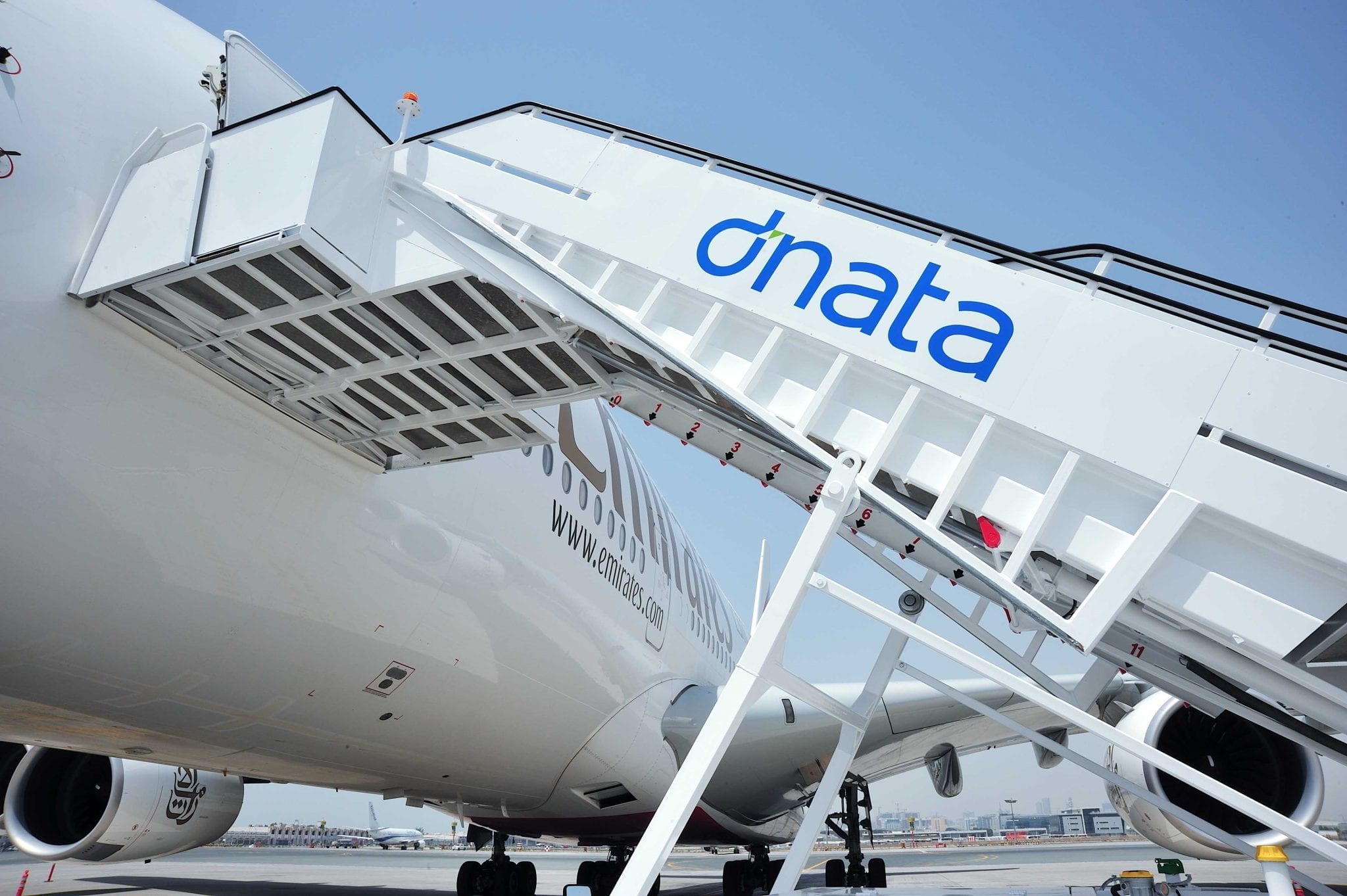
  • Dnata has inaugurated its customer service centre for cargo at Dubai Airport

    Dnata has inaugurated its customer service centre for cargo at Dubai Airport

    According to dnata, the new 5,000m2 facility is located at Freight Gate 5 at the Dubai Airport Free Zone and is expected to handle 25,000 tonnes of export cargo every month.

    “What we see today is the result of meticulous planning, creative thinking and most of all, listening to our customers,” said Gary Chapman, president of dnata and group services. “We are looking to bring about further efficiency, cost-saving and surpass our customers’ expectations.  We take pride in being a leader in cargo handling, and it’s important to constantly raise the bar when it comes to innovation and customer service. I believe this new centre really demonstrates our commitment to providing a secure and efficient environment for our customers’ cargo needs.”

    According to dnata, the service centre features new export counters, government agencies, a special cargo acceptance area, a new office space for airline and freight forwarders, as well as dnata’s new Cargo Integrated Control Centre, which operates 24/7 and simplifies information flow between all stakeholders. The CICC also monitors, troubleshoots and enables quick decision-making to improve efficiency.

    “While we have accomplished a great deal, we are always looking to innovate and offer better service to our customers,” said Chapman. “They have come to expect that of us, and we are constantly looking at ways to improve. We have exciting plans ahead. The evolution of this facility will see the opening of an import customer service centre, as well as additional storage and handling capacity for our export customers.”

  • Public cloud market set to grow 17% in 2016

    Public cloud market set to grow 17% in 2016

    The worldwide public cloud services market is projected to grow 17% in 2016 to $208.6 billion, according to Gartner.

    The highest growth will come from IaaS, which is projected to grow 43% in 2016. SaaS, one of the largest segments in the global cloud services market, is expected to grow 22% in 2016 to reach $38.9 billion.

    “There’s no question there is great appetite within organizations to use cloud services, but there are still challenges for organizations as they make the move to the cloud,” said Sid Nag, research director at Gartner. “Even with the high rate of predicted growth, a large number of organizations still have no current plans to use cloud services.”

    IT modernization is currently the top driver of public cloud adoption, followed by cost savings, innovation, agility and other benefits. The focus on IT modernization indicates a more sophisticated and strategic use of public cloud services.

    Security and/or privacy concerns continue to be the top inhibitors to public cloud adoption, despite the strong security track record and increased transparency of leading cloud providers.

    Most organizations are already using a combination of cloud services from different cloud providers. While public cloud usage will continue to increase, the use of private cloud and hosted private cloud services is also expected to increase at least through 2017.

    The increased use of multiple public cloud providers, plus growth in various types of private cloud services, will create a multi-cloud environment in most enterprises and a need to coordinate cloud usage using hybrid scenarios.

    Although hybrid cloud scenarios will dominate, there are many challenges that inhibit working hybrid cloud implementations. Organizations that are not planning to use hybrid cloud indicated a number of concerns, including integration challenges, application incompatibilities, a lack of management tools, a lack of common APIs and a lack of vendor support.

  • India and Singapore to collaborate on innovation

    India and Singapore to collaborate on innovation

    India and Singapore have signed an agreement to promote innovation, creativity and technological advancement in both markets.

    According to the official statement released, “The MoU will enhance bilateral cooperation activities in the arena of industrial property rights of patents, trademarks and industrial designs. It is intended to give a boost to innovation, creativity and technological advancement in both regions.”

    The agreement covers intellectual property cooperation between DIPP and the Intellectual Property Office of Singapore. The MoU was signed during the visit of Singapore’s Prime Minister to India last week.

    The key initiatives under the pact will be exchange of best practices, experiences and knowledge on intellectual property awareness among the public, businesses and educational institutions of both countries.

    Both the countries will also exchange experts in the field of intellectual property; dissemination of best practices, experiences and knowledge on IP with the industry and universities.

    The MoU will enable India to find out about best practices in the innovation and IP ecosystems that will substantially benefit entrepreneurs, investors and businesses on both sides.

    “The exchange of best practices between the two countries will lead to improved protection and awareness about India’s range of intellectual creations,” the release mentioned.

    It adds that the collaboration is a step forward in India’s journey towards becoming a major player in global innovation and will further the objectives of the National IPR Policy.

  • IIJ, TCCT launch joint cloud services in Thailand

    IIJ, TCCT launch joint cloud services in Thailand

    Internet Initiative Japan and Thai data center and IT infrastructure provider TCC Technology (TCCT) have jointly launched a new cloud service in Thailand named Leap GIO Cloud.

    The new service is being operated by Leap Solutions Asia (LSA), a joint venture between the two companies.

    Targeted at local Thai companies and Japanese enterprises doing business in the market, Leap GIO Cloud encompasses both public and private cloud services.

    The public cloud service can be self-provisioned and billed on an hourly or monthly basis, while the private cloud service is being offered for a monthly fee.

    LSA has also secured SAP certifications for hosting services, cloud services and SAP HANA operations services, and will use these certifications to offer support for implementing and operating SAP BASIS in the cloud.

    LSA was established in April  as a 60/40 joint venture majority-owned by TCCT.  The joint venture aims to become a market leader in Thailand’s cloud sector.

  • Huawei Marine to build backbone network for PNG

    Huawei Marine to build backbone network for PNG

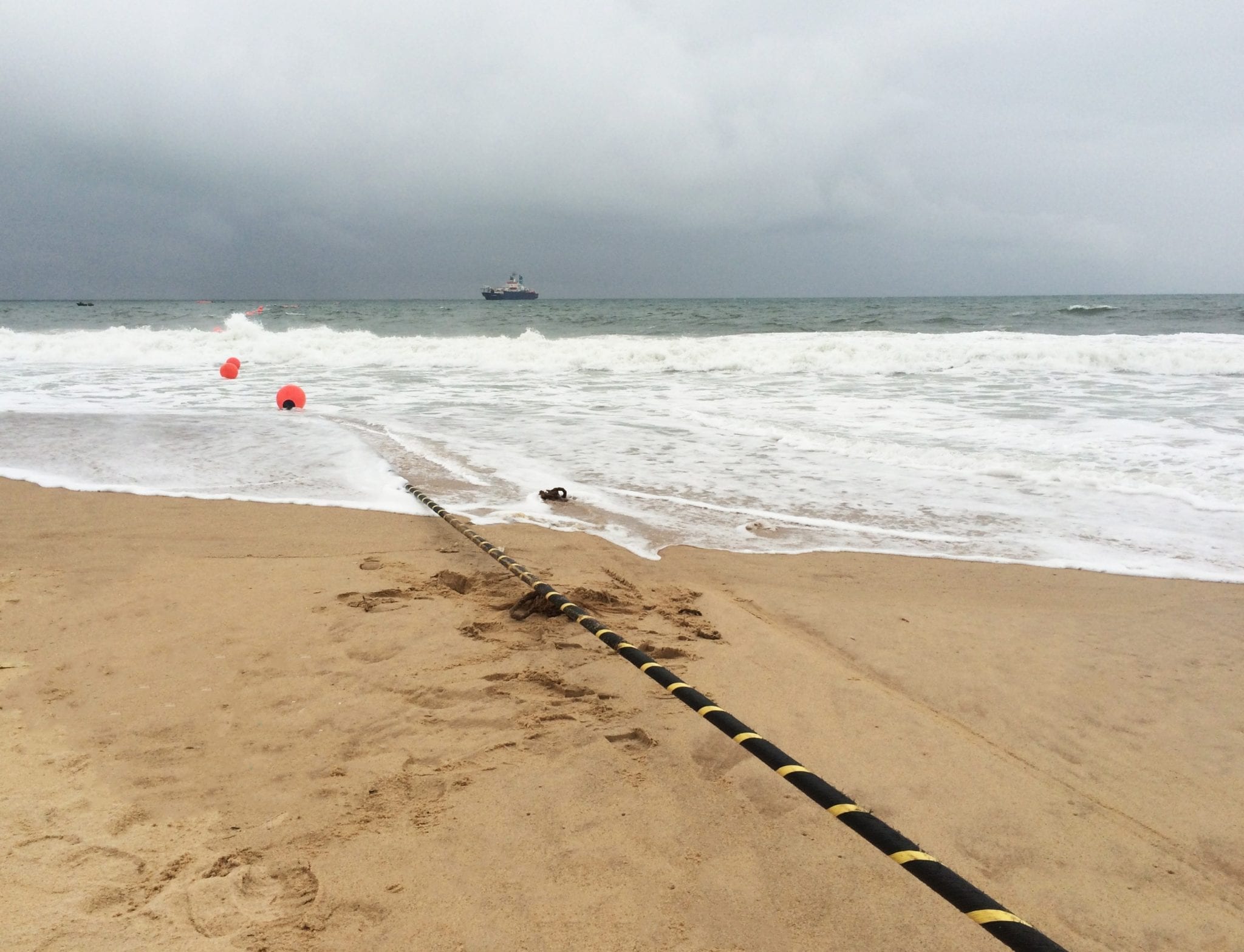
    Huawei Marine has secured a contract to build a national subsea cable backbone network for the Papua New Guinea government.

    The company will work with PNG DataCo, an operator established by the Papua New Guinea government, to construct a national backbone network linking major coastal centers and islands in the nation.

    The 5,457km cable network will provide domestic connectivity across the nation’s 14 largest cities, as well as international connectivity via a link to Jayapura in Indonesia.

    With a design capacity of 8Tbps, the cable will be designed provide more than 70% of Papua New Guinea’s domestic bandwidth requirements. Currently domestic telecoms capacity largely relies on satellite and microwave communications due to the country’s unique geography.

    “This new system is very important to Papua New Guinea as it not only includes a new submarine cable network but also provides internet gateways and data centers,” DataCo managing director Paul Komboi said.

    “This will improve the whole ICT infrastructure in the country and greatly increase network coverage, capacity and the availability of Internet and broadband services to end users.”

    He said Huawei Marine was selected for the project through a competitive tender process.

  • Samsung permanently halts Note7 production

    Samsung permanently halts Note7 production

    Samsung has officially halted production of the Galaxy Note7, following multiple reports of batteries overheating and catching fire even in devices replaced during last month’s recall.

    The company confirmed it has permanently discontinued production of its flagship smartphone, leaving the company without a high-end device to compete against the iPhone 7 with during the holiday shopping season.

    During last month’s major product recall, Samsung had blamed a single battery supplier for the overheating problem that caused the fires, and had switched suppliers for production of the replacement models. But with multiple reports that even replaced devices are catching fire, this explanation is in doubt.

    Samsung is offering Note7 buyers either full refunds, or the option to replace their device with an S7 or S7 Edge and receive a refund for the difference in price.

    Analysts are predicting that permanently ending Note7 sales could cost Samsung up to $17 billion in lost sales, and the potential for reputational damage is arguably even greater.

    Curiously, analysis from mobile application technology company Apteligent suggests that the reports of exploding batteries have done little to deter usage of Note7 devices. As of Sunday, the smartphone reached its highest usage rate since in August launch – 10% higher than the date of the recall. The first reports of replacement devices exploding began circulating days earlier.

  • DHL leverages on China’s Belt and Road

    DHL leverages on China’s Belt and Road

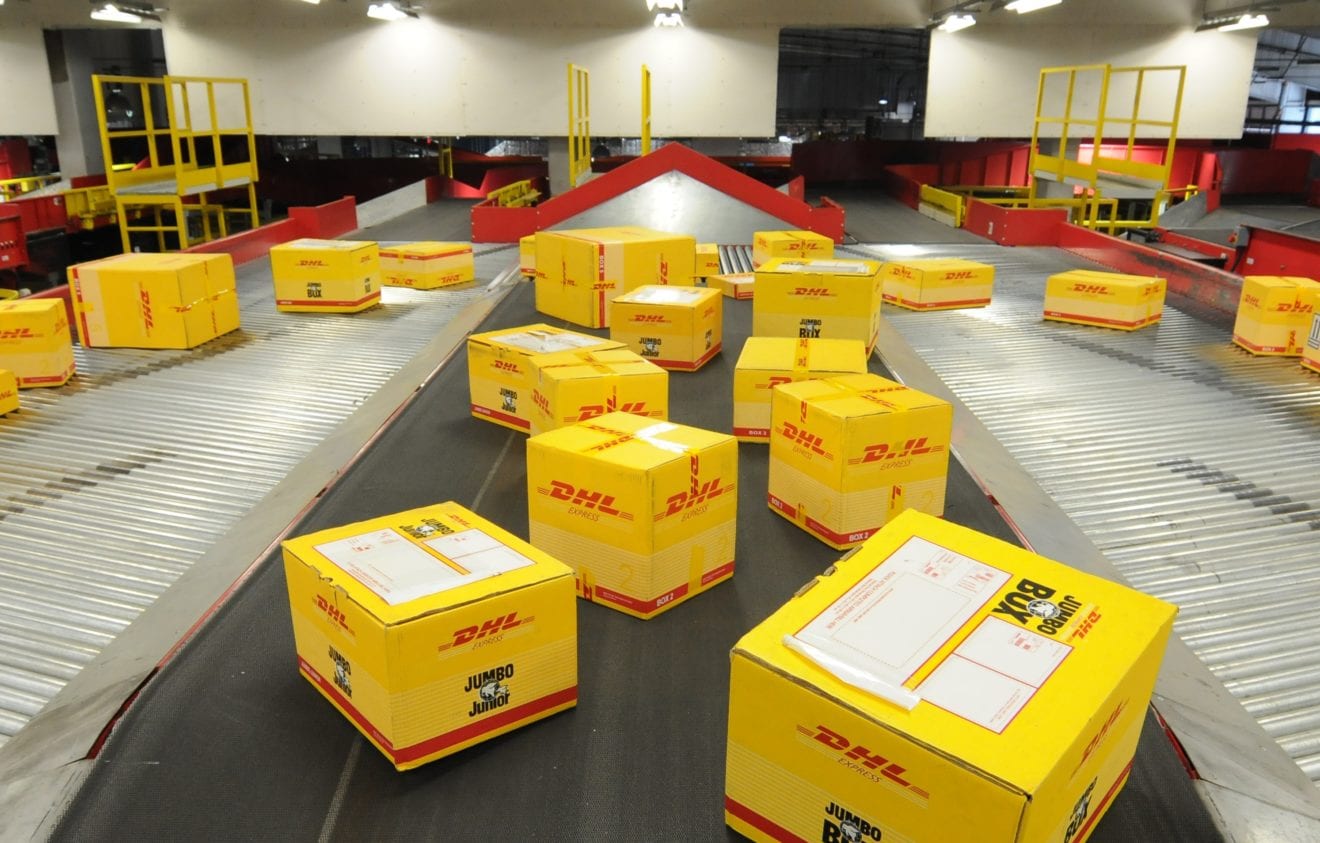
    DHL Global Forwarding continues to enhance its services which leverage infrastructure developed as part of “Belt and Road”, the Chinese trade initiative that could influence up to half of all global trade once completed.

    “Trade is the enabler for greater prosperity and a sustainable future. We believe logistics is the backbone of global trade, and nowhere more than in Asia have we seen the tremendous transformation of the economies as rising standards of living and a growing middle class has fuelled increased consumption and trade,’ said Frank Appel, CEO, Deutsche Post DHL Group.

    Frank Appel was speaking in conjunction with DHL’s Delphi Dialog forum on the implications of “Belt and Road” for international trade. The forum, with renowned experts from the government, business and academia, is the latest in a series which examines trends and developments that shape our world and the logistics industry.

    Making ‘Belt and Road’ accessible for business

    China’s investment in Belt and Road infrastructure – more than US$75bn (Euro 67.5bn) in the 18 months to June 2016 – bolsters regional cooperation and promotes trade. Since 2010 and in line with the vision for “Belt and Road”, DHL has been developing scheduled connections offering rail services across multiple cities in China, and linking it to road solutions throughout South East Asia and ferry services from North Asian cities in Japan and Taiwan.

    From South East Asia and other parts of North Asia, the road and ferry connections feed into China’s rail system which connects into Europe, with final distribution by road across the continent. This intricate connection of rail, road and sea services offers customers an additional logistics route, fostering trade between economic powerhouses of Europe and Asia.

    “We have been focused on building connectivity between China and regional countries, and connections into Europe via all combinations of road, rail and sea services,” said Steve Huang, CEO, DHL Global Forwarding China. “A multimodal solution – combining all modes of transport – enables customers to better manage their supply chains – offering flexibility, cost savings and potentially a reduced carbon footprint.”

    “The new service provides greater flexibility and speed for Japan’s exporters, including sectors like automotive and electronics production which already enjoy market dominance in Europe,” said Mark Slade, President and Representative Director, DHL Global Forwarding Japan.

    “With Less-than-Container Load services to Europe, Japanese businesses can improve the efficiency of fulfillment and inventory management at cost-effective rates, helping them maintain their competitive edge as world-class manufacturers.”

    Broadly, combinations of multimodal services can reduce transport costs by up to six times and up to 90% reduction in carbon footprint as compared with air freight, making it an increasingly attractive option for SME and MNC customers alike.

    DHL launched a further three new multimodal services:

    • Sea & Rail service: A Less-than-Container Load (LCL) service between Japan and Germany which allows businesses to export low-volume shipments for as little as half the cost of standard air freight. With a transit time of about 22 days, shipments are moved from Kobe to Taicang via sea, and by rail to Hamburg through hubs like Duisburg, Lodz, Malaszewicze and Warsaw.
    • Road & Rail service: The Vietnam-Europe service takes Full Container Load (FCL) cargo from Hanoi to Chengdu via road, followed by rail to hubs like Lodz, Duisburg and Hamburg in Europe, arriving in 21 days. An LCL option for the Vietnam-Europe service will commence in Q4 2016.
    • Rail, Road & Sea: Further boosting our Southern rail corridor offering announced last year, the new Chengdu-Istanbul service traverses three Central Asian countries – Kazakhstan, Azerbaijan, and Georgia – as well as two sea transit segments before arriving at Istanbul in 14 days.

    The three new services build on a series of major DHL investments in the last 12 months, including a multimodal service between Japan and Warsaw via Suzhou announced in November 2015; and an MOU signed in May 2016 with Chengdu’s Gateway Logistics Office to upgrade infrastructure and customs processes. DHL has been developing multimodal services along the Belt and Road since 2010, when it launched a suite of five services – International Rail, Rail-Air; Sea/River-Rail; Sea-Air and Cross-Border Road Freight.

  • Mobile Banking Users in Indonesia Remains Low

    Mobile Banking Users in Indonesia Remains Low

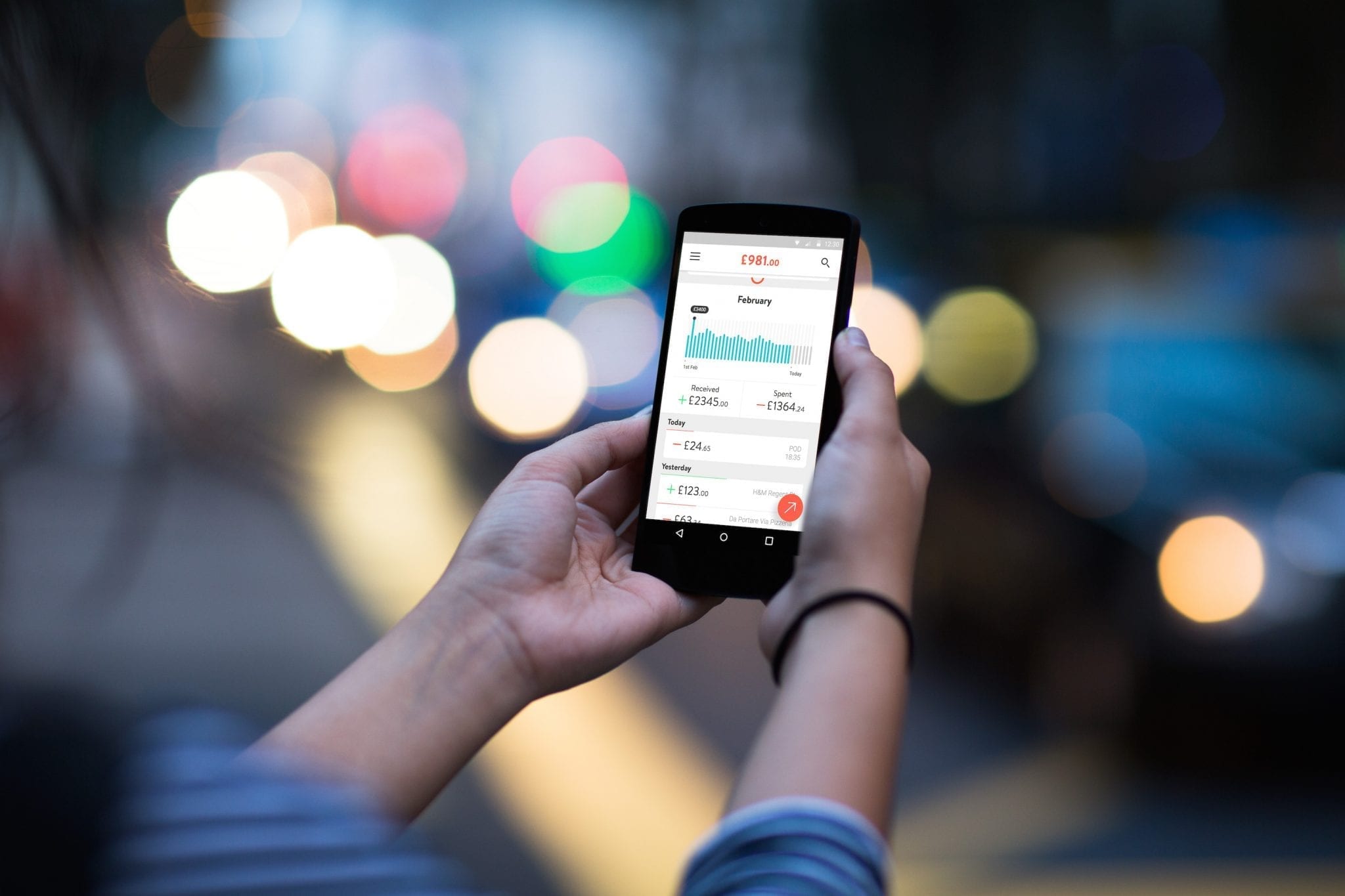
    Research institute Microsave reported that only 0.73 percent of cellphone users in Indonesia have utilized online financial services.

    “The figure is lower than those of Malaysia with 5.79 percent and Cambodia with 2.73 percent,” Microsave Country Development Senior Manager Grace Retnowati said on Wednesday, October 12, 2016.

    Grace revealed that the number of SIM card users in Indonesia stands at almost 200 million. At least 20 percent of them are cellphone users.

    “Mobile device utilization for financial services remains low, although the Internet network coverage has reached 90 percent,” Grace added.

    In addition, Grace pointed out that only 36 percent of Indonesian people own bank accounts.

    “The awareness level for mobile banking services is only 0.3 percent,” Grace went on.

    According to Grace, the digital financial literacy is important for middle-class and low-income people.

    “The digital financial services are expected to boost the annual GDP by US$3.7 trillion in 2025 or six percent when compared to the conventional financial services,” Grace said.

    Grace suggested that payments made via smartphone would reduce the cost of financial services by 80 to 90 percent.

    “The cost efficiency will allow financial institutions to provide low-cost services,” Grace said.

  • Number of Indian tourists to Bali rises by 61.57%

    Number of Indian tourists to Bali rises by 61.57%

    The number of Indian tourists visiting Bali has increased by 61.57 percent — the highest rise among all countries — compared to the same period last year, from 72,969 to 117,897 people.

    “India ranks fifth among the top 10 countries visiting the island, after Australia, China, Japan and the UK,” Adi Nugroho, head of Balis Central Statistics Agency (BPS), said on Wednesday.

    Indian tourists constitute 3.69 percent of the total foreign tourists visiting Bali. About 3.19 million tourists have visited the destination in the first eight months of 2016. This figure is by 22.76 percent higher than the number of visitors seen during the same period last year, which was 2.6 million.

    India tops the list of countries that have seen the highest rise in the number of visitors to Bali, followed by the UK (42.56 percent) and China (35.06 percent), Nugroho said. The number of German tourists has risen by 35.05 percent, French by 31.48 percent, Australian by 18.51 percent and Japanese by 7.98 percent.

    Bali tourism practitioner Made Sudana said Bali is seeing an increasing number of Indian tourists because of the similarity between both places in terms of art, culture and Hinduism. Improved cooperation between India and Indonesia has also had a positive effect. Bali has actively pursued this as it expects more and more Indian tourists to visit the island.

    Earlier, Indonesian Ambassador to India, Rizali W Indrakesuma, said the Indonesian government is seeking direct flights to India and vice-versa. Direct flights are important as they will help increase the number of Indian tourists as well as facilitate business and investment opportunities between both countries.

  • BRI Syariah plans to conduct IPO

    BRI Syariah plans to conduct IPO

    PT Bank BRI Syariah, a sharia compliant subsidiary of state lender Bank Rakyat Indonesia, plans to conduct an initial public offering (IPO) of its shares in 2018 to boost alternative funding sources.

    “During the IPO we will float our shares worth Rp1 trillion to the stock exchange,” BRI Syariah President Director Moch. hadi Santoso said after a press conference here on Wednesday.

    The decision to turn the bank into a publicly listed company was taken to strengthen capital structure particularly at “Tier 1”, he said.

    The bank wants to strengthen its capital through various funding sources to expand its financing business. Moreover, the bank wants to expand its financing portfolio from retail and business segments to infrastructure financing, he said.

    “After the IPO, we will continue to expand our business. This year we have been engaged in infrastructure financing,” he said.

    Also this year, the bank has explored several commitments for infrastructure financing. But its amount is not yet significant to boost the business growth of PT Bank Rakyat Indonesia Ybks subsidiary,” he said.

    The BRI Syariah has set itself the target of boosting its financing growth at 13 percent year on year from to Rp18.8 trillion from Rp16.5 trillion at the end of this year.

  • Jokowi Visits Trade Expo Indonesia

    Jokowi Visits Trade Expo Indonesia

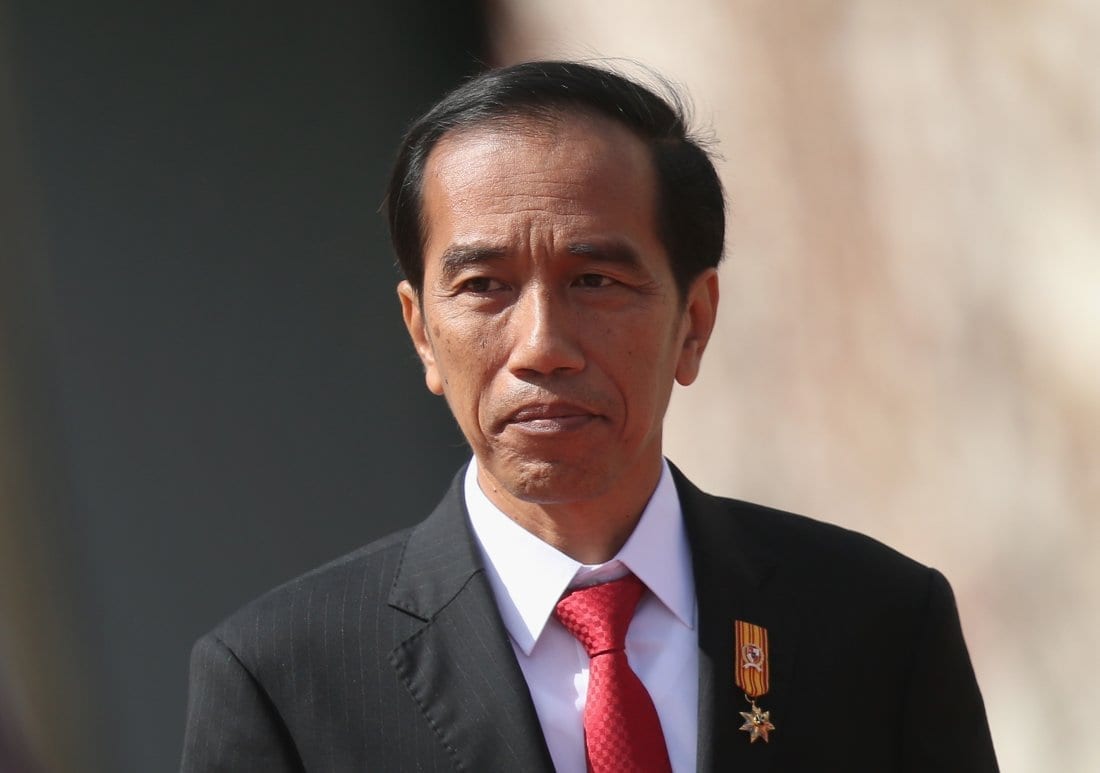
    President Joko Widodo has attended the 2016 Trade Expo Indonesia (TEI) at the Jakarta International Expo, Kemayoran, Jakarta. Jokowi delivered a warm welcome and opened the event.

    Trade Minister Enggartiasto Lukita, also delivering a speech, said that the expo was meant to help boost trade relations. “We aim to gain direct transactions,” he said October 12, 2016.

    Moreover, Enggartiasto said that Indonesia has to have other top products in export, in light of the weakening global economy.

    There are over 1,100 national corporates in the expo, and around 14,700 buyers. The buyers are also coming from abroad, namely from some African countries and the Middle East. The government expects that the buyers can conduct business transactions which the expo aims to score at around Rp2 trillion.

  • Trade Expo lures visitors with prime Indonesian products

    Trade Expo lures visitors with prime Indonesian products

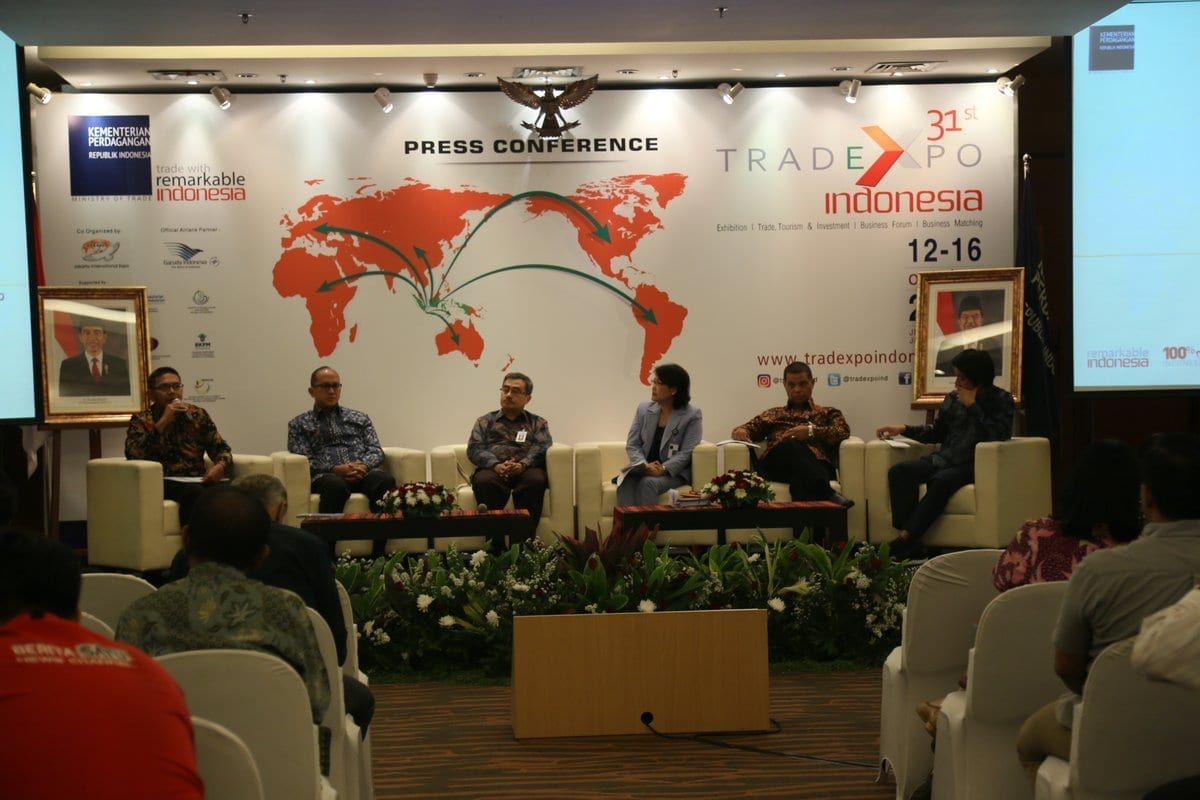
    Visitors to the 31st Indonesia Trade Expo are sounding out the possibility of buying Indonesian products they consider to be of good quality.

    Visiting the Trade Expo on Wednesday, Syrian Mohammed Khair Hadiaf said he was looking for Indonesia-manufactured pharmaceuticals.

    “I work in the medical sector and my specialty is cancer. I came here to seek more information about Indonesia’s medical technology and products,” he told us through a translator application on Wednesday when he visited a booth at the expo, held at the Jakarta International Expo (JIExpo) venue in Kemayoran, Central Jakarta, from Oct.12 to Oct.16 . It was the first time Hadiaf had come to Indonesia.

    In another booth, Palestinian Shokri Zahedah and an Iranian calling himself only Amir were looking for snacks and sweets they could sell in their respective countries. Shokri and Amir frequently visit Southeast Asia to buy products from countries in the region, including Malaysia, but it was the first time they had looked at Indonesian products.

    “You have good products. In Iran, snacks mainly come from Malaysia. Indonesian products need more promotion,” Amir said. He said if he found interesting products he would return on Thursday to make a deal.

    The Foreign Ministry through its diplomatic missions invited 1,200 potential buyers from 70 countries to the expo, including those from small countries.

    Foreign Minister Retno LP Marsudi said 225 buyers from Middle Eastern countries attended the expo, followed by African and South Asian countries, which sent 49 buyers each, Eastern Europe ( 48 ), Afghanistan ( 42 ), Palestine ( 42 ), Latin America ( 35 ) and Fiji ( 22 ).

    Poor communication skills appeared to be the biggest obstacle for buyers from small countries to make deals at the Trade Expo. Most of them could not speak English well while the expo lacked liaison officers who can speak foreign languages besides English, especially Arabic.

  • Indonesia, Romania strengthen economic ties

    Indonesia, Romania strengthen economic ties

    Indonesia and Romania have agreed to boost economic ties through the signing of a cooperation agreement between the chambers of commerce and industry of the two countries during the visit of Romanian Foreign Minister Lazăr Comănescu to Jakarta.

    “The fact is, last night, upon my arrival to Indonesia, the chambers of commerce and industry from both Indonesia and Romania have signed a memorandum of understanding on their cooperation. The agreement has opened up the path for both chambers to diversify contact between business players from both countries,” Comănescu said following a bilateral meeting with his Indonesian counterpart, Foreign Minister Retno LP Marsudi, in Jakarta on Wednesday.

    Comănescu brought a team of business delegates from various industries, including energy, construction, customer goods and agriculture. While in Indonesia he is also participating in the Trade Expo Indonesia 2016. Trade between Indonesia and Romania reached US$117.64 million in 2015.

    Comănescu’s visit to Indonesia is the first from a Romanian foreign minister since relations between the two countries were established 66 years ago.

    Both Retno and Comănescu highlighted the potential for strengthening cooperation in infrastructure development.

    “There is a possibility for our two countries to strengthen bilateral relations in infrastructure because it is one of the priorities of the Indonesian government,” Retno said.

    Comănescu is set to meet with Transportation Minister Budi Karya Sumadi to discuss possible forms of cooperation.

    The two countries have expressed mutual support for a non-permanent seat on the UN Security Council. Indonesia hopes to secure a seat for the 2019-2020 term, while Romania is eyeing a seat for the 2020-2021 term.

  • Indonesian President Inaugurates Trade Expo Indonesia (TEI) 2016

    Indonesian President Inaugurates Trade Expo Indonesia (TEI) 2016

    President Joko Widodo inaugurated Trade Expo Indonesia (TEI) 2016, which opened today at the Jakarta International Expo Kemayoran. Accompanied by Enggartiasto Lukito, Minister of Trade, and Djarot Saiful Hidayat, Vice Governor of Jakarta, the President also awarded the Primaduta Award and Primaniyarta to the best 30 Indonesian exporters.

    Widodo also urged Indonesian exporters to expand to new markets, such as African countries and India, despite the unpredictable global economic conditions. “We have to start to turn our heads to the markets we used to overlook, the markets like India and Africa that offer a huge business opportunities from populations that reach over 60 million people,” stated the President at the opening ceremony.

    Not only Africa and India, which provide lucrative opportunities for Indonesian products, the President also noted that other developing markets like South Asia and Latin America hold great potential for Indonesian exporters to expand markets and distribution of their products. “I urge Indonesian exporters to make moves toward the markets we have previously overlooked,” added President Widodo.

    The President also mentioned that design and packaging play an important role in grabbing the consumer’s attention. “I highly appreciate the Ministry of Trade and the Creative Economy Agency’s initiatives in helping our SMEs to design attractive packaging for their products,” stated Jokowi.

    In addition to showcasing the quality Indonesian export products, TEI 2016 also serves as a trade making platform for businesses, both local and foreign. Trade Minister Enggartiasto said that the event would see approximately 1,100 exhibitors, including SMEs, and expects 15,562 potential buyers from 152 countries. He added that business commitments already sealed totaled Rp 2.6 trillion from 14 countries.

  • Indonesia’s Indosat Ooredoo & XL Axiata Suspected of Cartel Practices

    Indonesia’s Indosat Ooredoo & XL Axiata Suspected of Cartel Practices

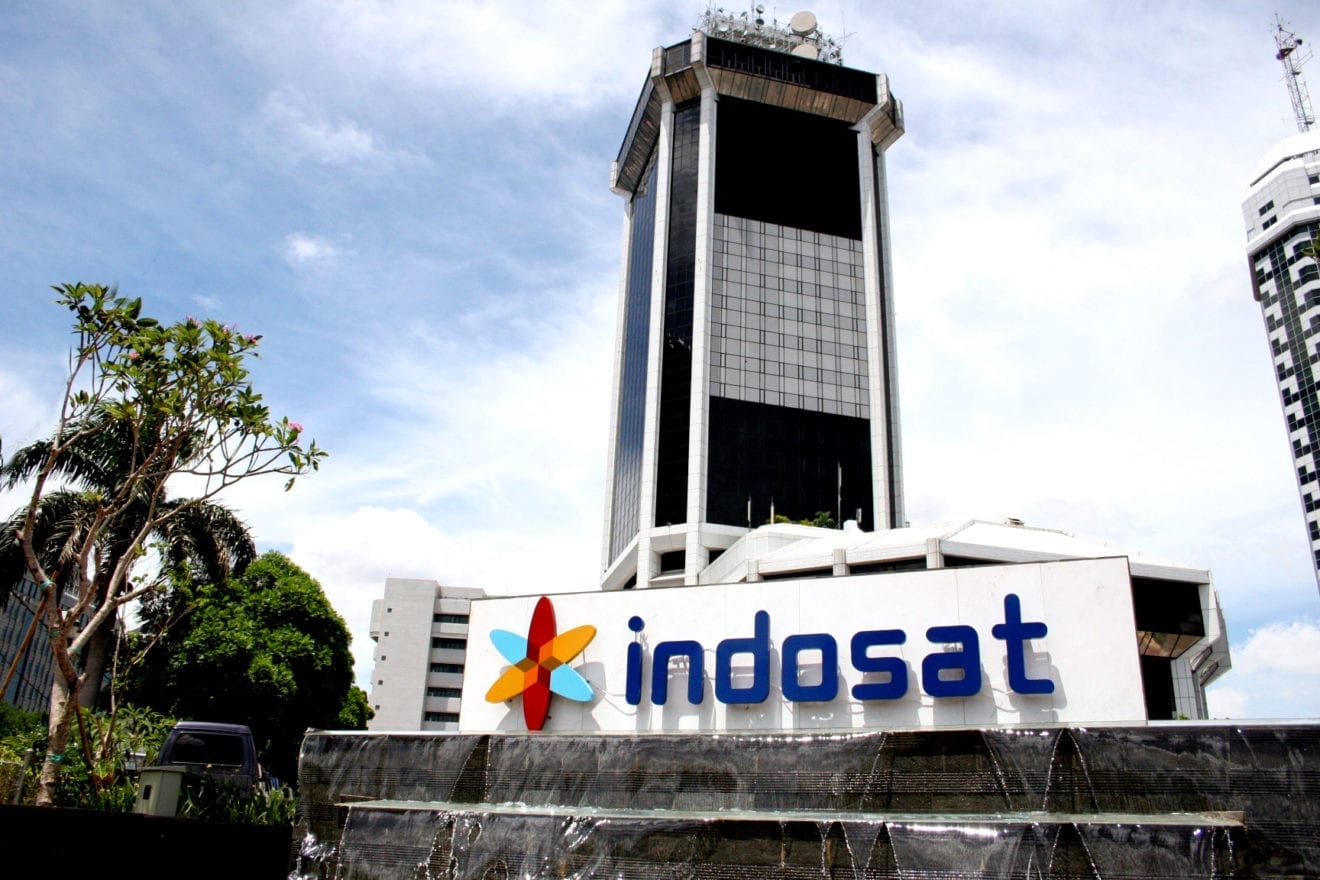
    Muhammad Syarkawi Rauf, Chairman of the KPPU, informed that there are indications that both telecommunication operators – both listed on the Indonesia Stock Exchange (IDX) – are (1) coordinating to determine prices, (2) coordinating to divide geographical areas for their products, and (3) coordinating to restrict the output of their products. These allegations are the result of the establishment of their joint venture One Indonesia Synergy.

    Turina Farouk, Vice President Corporate Communication of XL Axiata, said the company cannot respond yet to the KPPU’s summon as XL Axiata is yet to receive the full details of the case. However, regarding One Indonesia Synergy Farouk said this joint venture is not a vehicle used to engage in cartel practices but is part of cost efficiency efforts for the development of their 4G LTE network. Farouk added that One Indonesia Synergy is not operational yet as it awaits several permits from authorities.

    Cooperation is a strategy of Indosat Ooredoo and XL Axiata to make their operations more efficient in the future. Indonesia’s telecommunication sector is dominated by state-controlled Telekomunikasi Indonesia.

    Indosat Ooredoo and XL Axiata each own a 50 percent stake in joint venture One Indonesia Synergy. Alexander Rusli, President Director and CEO of Indosat, said One Indonesia Synergy will offer consultation services for both companies’ cooperation in telecommunication networks, for example the so-called multi operator radio access network.