Author: Mei Ling Tan

  • Nagra, Samsung debut TVkey USB device

    Nagra, Samsung debut TVkey USB device

    Nagra, a Kudelski Group company, has launched the TVkey USB device, the direct-to-TV security solution for pay TV operators that allows consumers to sign up for pay TV services directly on selected new Samsung TVs, while meeting all key MovieLabs requirements for Enhanced Content Protection (4K UHD, HDR, early release).

    With TVkey, consumers will be able to enjoy premium content in 4K UHD quality directly on new TV sets through a simple sign-up process and with a single remote control unit.

    The TVkey approach offers a fast, secure and low entry barrier route to market for pay TV operators launching 4K services directly to new consumer TV sets.

    The cost optimized form factor of TVkey USB devices will enable innovative and low-touch consumer logistics including bundling the device with the TV set. Such an approach can radically simplify the customer acquisition process with pay TV services working straight out of the box.

    Through a simple sign-up process, either via a TV app, a web portal or a call center, consumers can easily sign up for a pay TV service package. Operators can also use free preview periods in order to entice consumers into becoming loyal customers. And because no additional set-top box or installation is required, the customer acquisition costs and CAPEX can be dramatically lowered.

  • AirAsia to lease two aircraft from Indonesia AirAsia Extra

    AirAsia to lease two aircraft from Indonesia AirAsia Extra

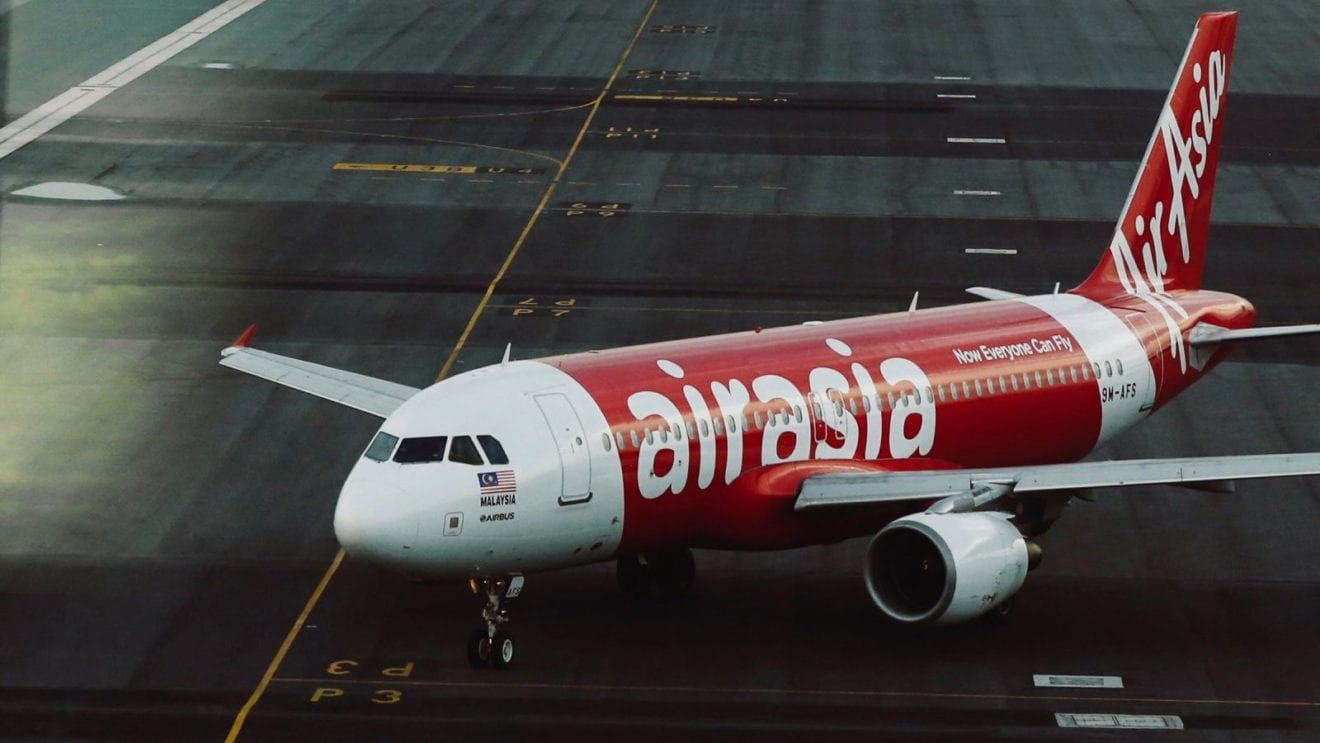
    AirAsia Bhd has entered into a wet lease agreement with PT Indonesia AirAsia Extra (IAAX) to lease two Airbus A330 widebody aircraft for US$12.9mil (RM52.5mil).

    In a filing with Bursa Malaysia on Tuesday, AirAsia said one aircraft would be leased from Sept 16, 2016 till March 15, 2017 for US$9.8mil (RM39.9mil).

    The other’s lease would be from Oct 1, 2016 till Nov 30, 2016 for US$3.1mil (RM12.62mil), it said.

    AirAsia said the leasing was due to operational requirements.

    “The lease of the aircraft is in the form contained in the agreement which shall include the flight crew, all maintenance of the aircraft and insurance,” it said.

    AirAsia said the agreement provided up to additional six crew sets daily to AirAsia’s manpower supply.

    “Additionally, extra capacity from the A330s allows AirAsia to rationalise its network by reducing flight frequencies, which results in lesser crew requirement,” it said.

    It said the additional capacity from A330s will also allow for AirAsia to overcome slot constraints in some airports as well as enable AirAsia to better manage its network.

    “For routes with low load factor, AirAsia could reduce frequency, thus reducing fixed costs required to operate them. Whereas additional capacity could be added for routes with high load factor to capitalise on the high demand,” it said.

  • IOC eyes petroleum retailing in Myanmar

    IOC eyes petroleum retailing in Myanmar

    The state-run firm currently has marketing subsidiaries in Sri Lanka, and West Asia. IOC, as part of its overseas expansion, is set to come up with its first international product pipeline to Nepal.

    “We have submitted a bid to start retail outlets and also to set up plants in Myanmar,” said Anish Aggarwal, director (pipelines) of IOC, on the sidelines of a summit organised by Project Management Institute.
    The concept of this pipeline was first proposed in 2006 as a joint venture between and Oil Corporation (NOC). However, it never took off as was not keen on the project.
    “We are awaiting the statutory clearance from the government. Once it is in place, the project can be commissioned with in 30 months,” Aggarwal added.

    India exports $1.1 billion worth of petroleum products to annually.

    It was in 2015 that signed a memorandum of understanding with to lay the pipeline between Raxaul in Bihar to Amlekhganj in at a capacity of 1.3 million tonnes per annum. The project would cost about Rs 275 crore and cover 41 km.

    Currently, all petroleum products are trucked from IOC’s depot in Bihar to Nepal. The project includes expansion of the Amlekhgunj Amlekhganj depot.

    Thirty-nine km out of the 41-km pipeline lie in India. Currently, supplies petroleum products to from Haldia, and refineries.

  • Sony Pictures acquires Zee’s Ten Sports

    Sony Pictures acquires Zee’s Ten Sports

    Sony Pictures Networks India (SPN) and its affiliates have entered into definitive agreements to acquire TEN Sports Network from Zee Entertainment Enterprises and its subsidiaries for $385 million.

    The TEN Sports channels being acquired include TEN 1, TEN 1 HD, TEN 2, TEN 3, TEN Golf HD, TEN Cricket, TEN Sports that operate in several countries including the Indian sub-continent, Maldives, Singapore, Hong Kong, Middle East, Caribbean.

    TEN Sports holds broadcast rights to major cricket boards (South Africa, Pakistan, Sri Lanka, West Indies and Zimbabwe). In addition, Ten Sports holds rights to wrestling (WWE), football (UEFA Champions League, UEFA Europa League, French League, English Football League Cup), tennis (WTA Events, ATP events), golf (European Tour, Asian Tour, Ryder Cup, US PGA Championship, LPGA Tour, Professional Golf Tour of India and Golf Channel Block), athletics (Asian Games, Commonwealth Games), motor sports (Moto GP) and cycling (Tour de France) events.

    “The acquisition of TEN Sports Network will strengthen SPN’s offering for viewers of cricket, football and fight sports, complementing our existing portfolio of international and domestic sporting properties,” said NP Singh, CEO, Sony Pictures Networks India.

    “It also aptly demonstrates SPN’s commitment to providing a broad range of sporting entertainment to fans across India and the sub-continent,” said Singh.

  • Telkom launches innovation services in Indonesia

    Telkom launches innovation services in Indonesia

    Multimedia Nusantara (TelkomMetra), a unit of Telekomunikasi Indonesia (Telkom), has launched innovative service MediaHub to support the content and advertising industry in Indonesia.

    “Telkom is offering an integrated solution, not limited to telecoms but also takes part as the platform that delivers value to content that is delivered through its main connectivity business,” said Muhammad Awaluddin, director of enterprise and business service at Telkom Indonesia.

    MediaHub is said to be the first one to facilitate content providers, advertising agencies, Ministry of Communication and Informatics (Kominfo), the Indonesian Broadcasting Commission (KPI) and pay TV operators in developing safe and convenient contents.

    The service will also support in a new way of generating revenue and cost efficiencies for content providers and pay TV operators.

    Supported by over than 20 years of experience in playout technology from SmartCast, MediaHub through Metrasat, provides practical solutions as content aggregation and distribution services to overcome the obstacles over content distribution and its monetization in Indonesia.

    As a partner for the Indonesian Broadcasting Commission, MediaHub with its playout and ad-insertion system enables the selected content in dedicated feed to comply the regulation of broadcasting in Indonesia and ready to distribute them in any required formats to pay TV operators.

    Through its plug and play system, MediaHub provides efficient process to be the only pay TV ad network to support content business and local productions.

  • Indonesia to overtake Brazil and Mexico as 4th largest smartphone market in 2020

    Indonesia to overtake Brazil and Mexico as 4th largest smartphone market in 2020

    Global prospects for wearable electronics continue to be strong with retail value sales projected to grow by 138% to become a US$45 billion dollar industry in 2021, remaining the worlds second best-selling product behind smartphone

    Euromonitor International’s new data released Tuesday on the global consumer electronics industry also said new products like smart wearables and wireless speakers and innovations like Ultra HD and convertible laptops resonate with the shift in consumer preferences.

    These products command higher retail selling prices, helping boost profit margins of manufacturers and retailers, says Head of Consumer Electronics at Euromonitor International, Wee Teck Loo.

    While wearable electronics demand is growing, Emerging markets like India and Indonesia provide plenty of untapped opportunity for smartphones due to the huge pool of feature phone upgrades.

    Indonesia is projected to overtake Brazil and Mexico as the fourth largest smartphone market reaching almost $1 billion dollar sales in 2020, adds Loo.

    The top-10 smartphone markets in 2021 are projected to be: 1. China 2. India 3. US 4. Indonesia 5. Brazil 6. Russia 7. Mexico 8. Japan 9. Philippines 10. United Kingdom

  • India is world’s third biggest startup hub

    India is world’s third biggest startup hub

    India is the third biggest home to tech startups, following the US and the UK, a study indicates.

    The study, conducted by Assocham in association with Thought Arbitrage Research Institute, also indicates that Bengaluru hosts the largest share of technology startups in the country, followed by Delhi NCR and Mumbai. Hyderabad and Chennai are also popular destinations for prospective tech entrepreneurs.

    “In the technology driven startups, India has moved up to third position with the US occupying the top position with more than 47,000 and the UK with over 4,500. India’s tech startups were to the tune of 4,200 up to 2015,” the report states.

    India also figured among the top 5 largest hosts in the world, along with China (10,000 each) in terms of the total number of startups, comprising both tech and non-tech areas. US leads with 83,000 startups.

    IT hub Bengaluru is host to 26% of domestic tech startups, followed by Delhi NCR (23%) and Mumbai (17%). In the ‘catching up’ category were Hyderabad (8%), Chennai and Pune (6%).

    “The disruptive innovation in technology and process is creating newer Indian startups and foreign investors, including some of the well-known venture capital funds, are showing immense interest in these startups,” Sunil Kanoria, President, Assocham said.

    The awareness that a startup is a vehicle of rapid growth through technological disruption and innovation, has to spread across the economy, the report said. Otherwise, if any small traditional business is treated as a startup, then the ecosystem will never develop properly, it added.

    The study recommended that aligning ‘Startup India’ with ‘Make in India’ and ‘Digital India’ campaigns had the potential to expand the domestic ecosystem for new entrepreneurs.

    It also suggested tax exemption for research and experimentation to encourage fresh ideas without fear of failure. Recommending a Stanford University model in various Indian universities, the Assocham-Thought Arbitrage paper said courses on creation of small businesses should be encouraged in campuses.

  • M1 adds three managed security partners

    M1 adds three managed security partners

    Singapore’s M1 has added three cybersecurity vendors to its list of managed security partners, as part of efforts to enhance its suite of cloud-based cybersecurity offerings.

    The three vendors are Red Sentry, Palo Alto Networks and Proficio, who join Trend Micro, Blackberry and Radware as partners in M1’s cybersecurity solutions suite.

    Red Sentry will provide cyber security consultancy services including vulnerability assessment and penetration testing while Palo Alto Networks will offer its next-generation firewall.

    Proficio will provide a 24/7 network monitoring service, courtesy of its recently opened security operations centre (SOC) in Singapore. The cloud-based services are hosted out of M1’s data center in Singapore.

    The offerings are available to M1’s business fiber broadband customers, with SMEs expected to benefit most from the cybersecurity suite’s pay-as-you-use model.

    According to M1’s chief corporate sales and solutions officer Willis Sim, customers who sign up for services in the cybersecurity solutions suite need only deal with a single M1 client servicing representative, regardless of the number of services subscribed to.

    To encourage uptake, M1 is offering promotional packages for early adopters. Registered businesses who either recontract or sign up for 24-month business fiber broadband contracts will be offered free VSA and three months subscription to Palo Alto’s virtualized next-generation firewall.

    A free 12-month subscription to Proficio’s SOC service will also be offered to customers on 24-month contacts.

    Customers will be able to opt out of any managed security service at any time without incurring financial penalties.

  • Myanmar’s Golden 11 taps eSites to power fiber nodes

    Myanmar’s Golden 11 taps eSites to power fiber nodes

    Myanmar wholesale telecoms infrastructure provider Golden 11 will deploy a hybrid power system from Flexenclosure to support the deployment of fiber transmission nodes in remote areas.

    Golden 11 constructs fiber networks, towers and data exchange facilities across the nation. The company will use Flexenclosure’s eSite technology to power and integrate the company’s fiber network where needed.

    The eSite hybrid power system is designed for base station sites in areas where grid power is unreliable or unavailable, using any available combination of battery, grid, renewable and genset power sources.

    The eSites Flexenclosure is providing for the contract have dedicated space for fiber transmission equipment, which will allow Golden 11 to take advantage of the technology.

    “In the remote areas of Myanmar where grid power must be complemented with innovative power solution to ensure resilience and permanence of telecommunication services, we needed a tried and tested solution to ensure consistent power for our network transmission nodes,” Golden 11 director of service delivery Clement Larroque said.

    “With Flexenclosure’s strong local team in place and eSite proven in the Myanmar market, they were the clear and undisputed choice for us.”

  • Indonesian house in Russia`s Vladivostok opened

    Indonesian house in Russia`s Vladivostok opened

    Indonesian Ambassador to Russia and Belarus Wahid Supriyadi has opened Indonesian House in the easternmost Russian city of Vladivostok to promote Indonesian products.

    The opening of the Indonesian House took place on the sidelines of Eastern Economic Forum, the second largest economic forum in Russia, the embassy said in a press statement released on Tuesday.

    Supriyadi said the Indonesian House is the second of its kind held in Vladivostok after his predecessor, Djauhari Oratmangun, opened the first such an event in 2015.

    Unlike the first Indonesian House which focused on coffee commodity, the second Indonesian House focused on promoting furniture, antique goods and interior products for hotels and restaurants, he pointed out.

    On the occasion, the ambassador held talks with 20 local businessmen who have done business and are interested in doing business in Indonesia.

    In his address to the opening of the Indonesian House, Supriyadi praised businessmen in Vladivostok for their desire to make investment and do business in Indonesia.

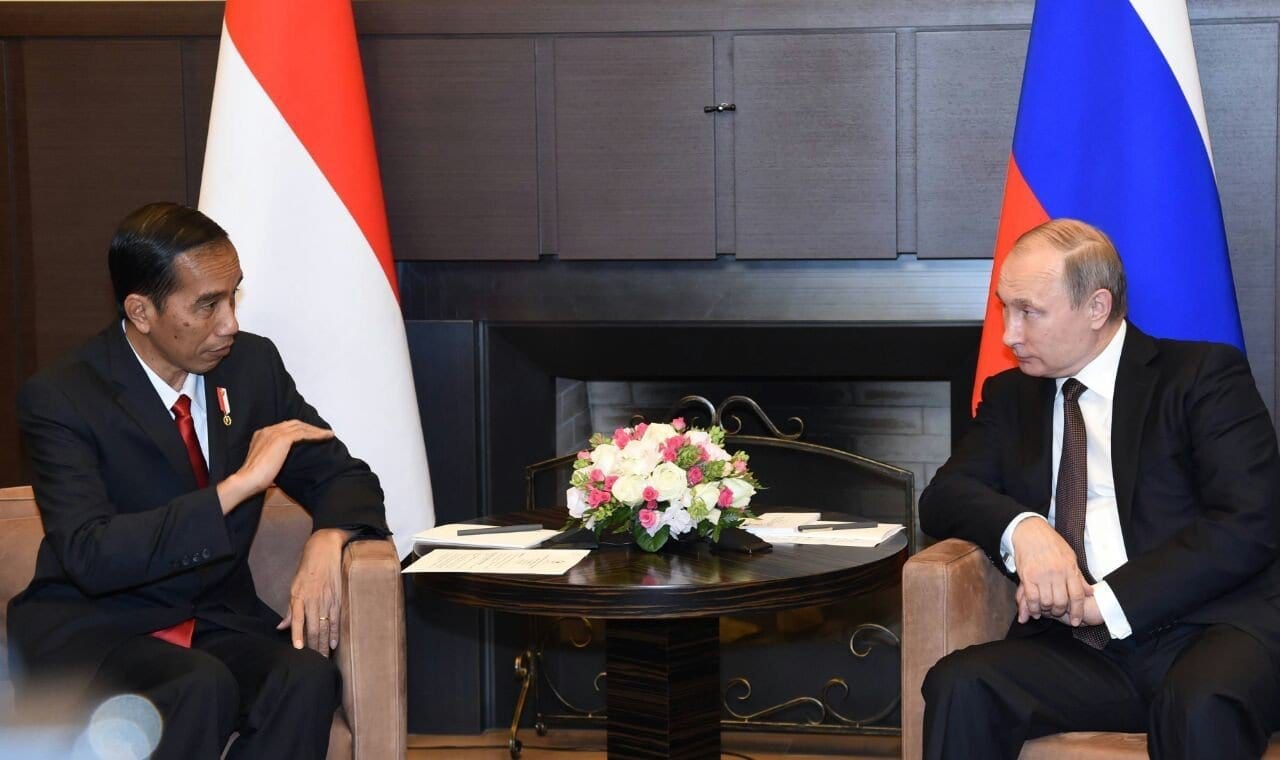
    “This is the right momentum. Since President Joko Widodo (Jokowi) visited Sochi last May, businessmen from both countries have shown high interest to do business. The Indonesia Festival held on August 20-21 proves it (the high interest),” he said.

    Despite the sluggish global trade, bilateral trade between Indonesia and Russia in the first quarter of this year rose 17 percent, while the number of Russian tourists visiting Indonesia in the January-June 2016 period also increased 17.5 percent, he said.

    Since the first Indonesian House was opened in 2015, Indonesias export of furniture and antique goods to Russia reached US$23 million.

  • Central Java to build high quality salt factory

    Central Java to build high quality salt factory

    The Central Java administration plans to build factories to produce high quality salt to improve the welfare of the local salt farmers.

    “Currently five pilot projects of salt factory are being prepared,” Central Java Governor Ganjar Pranowo said here on Tuesday.

    Ganjar said factories to produce high quality salt need to be built immediately in Central Java as the province is a potential producer of salt especially its northern coastal areas.

    Unfortunately the quality of farmers salt in that area is relatively low that the price is also low, he said.

    The provincial administration has discussed the plan with a number of relevant experts, the governor said.

    “There has been talk on the possibility of producing high quality salt,” he said.

    He said so far the price of farmers salt in northern coastal area of Central Java has been very low at around Rp350 per kilogram.

    With the factories the quality of salt would be improved and the price could rise to an ideal level of Rp650 per kg, he said.

    Deputy chairman of the regional legislative assembly Yudi Sancoyo asked the regional administration to address the condition of the salt farmers in the region.

    “It is feared that the price of farmers salt would drop in this years grand harvest. Instead of gaining from the grand harvest the farmers would likely suffer losses,” he said.

  • Taiwan invited to take part in maritime development in Indonesia

    Taiwan invited to take part in maritime development in Indonesia

    Indonesia has invited Taiwan to invest in the maritime sector to help bring to reality the governments vision of making the country a world maritime axis.

    Director of Investment Planning in the Agribusiness and Natural Resources of the Capital Investment Coordinating Board (BKPM) Hanung Harimba Rachman said the maritime sector is a priority in the countrys 5 year development program.

    “The maritime sector is a priority in our strategic plan for 2015-2019,” Hanung said in a maritime seminar here on Tuesday.

    Investment in the maritime sector is open in shipbuilding, fisheries and cold storage sectors, he added.

    Other areas open for investment in Indonesia by Taiwan include in infrastructure sector such as seaport and deep sea energy development, he said.

    “In January 2016, the government issued a policy to accelerate implementation of national strategic projects with 225 projects offered under the scheme of government private cooperation,” he said.

    Hanung said participation of Taiwan in investment is important for Indonesia, in its program to enter the phase of industrialization.

    Taiwan is known to be strong in the manufacturing industry as it has high technology, he added.

    “Indonesia wants to develop its maritime sector with high technology,” he said.

    Representative of Taipei Economic and Trade Office (TETO) in Indonesia Liang Jen Chang said he welcomed Indonesian offer for cooperation in the maritime sector.

    “Taiwan and Indonesia already have close relations for years , but the good relations are no longer enough with the changing condition especially in the maritime sector,” Chang said.

    Based on data at BKPM, Taiwan is among major foreign investors in the country . In the first half of 2016, Taiwan investors implemented US$816 million worth of projects in paper industry and US$400 million in metal industry in Indonesi8a.

  • Hanjin Bankruptcy Causes Global Shipping Chaos, Retail Fears

    Hanjin Bankruptcy Causes Global Shipping Chaos, Retail Fears

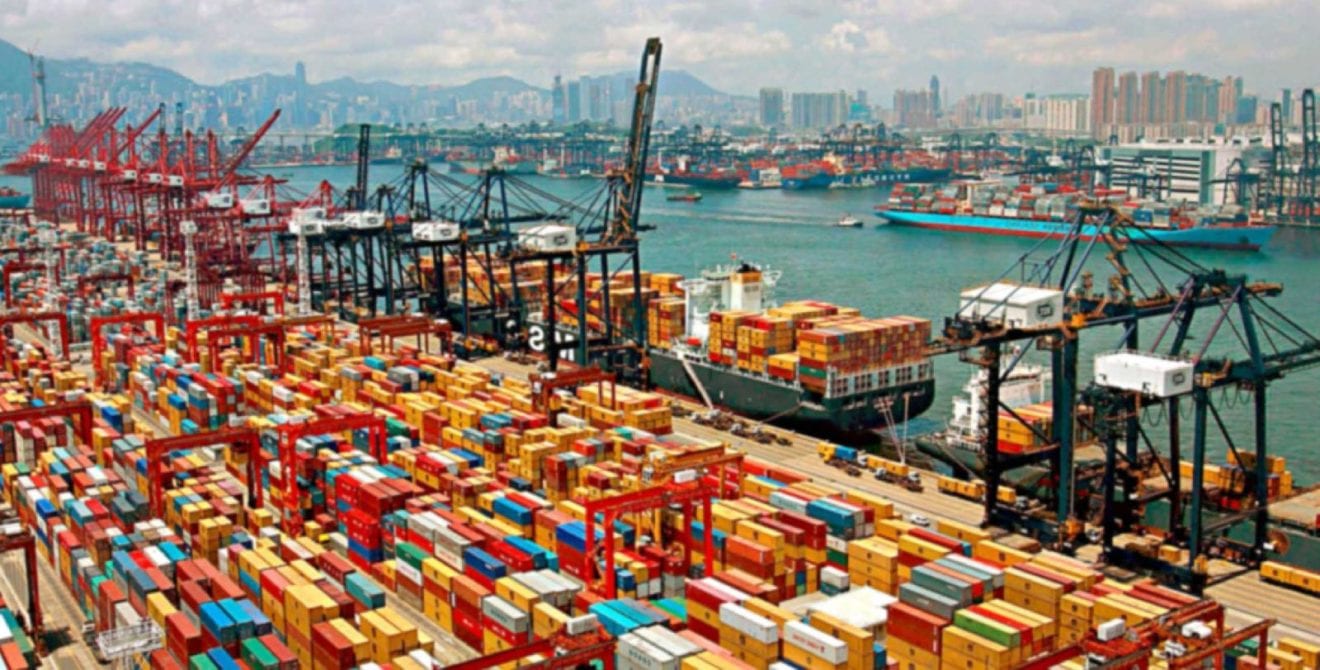
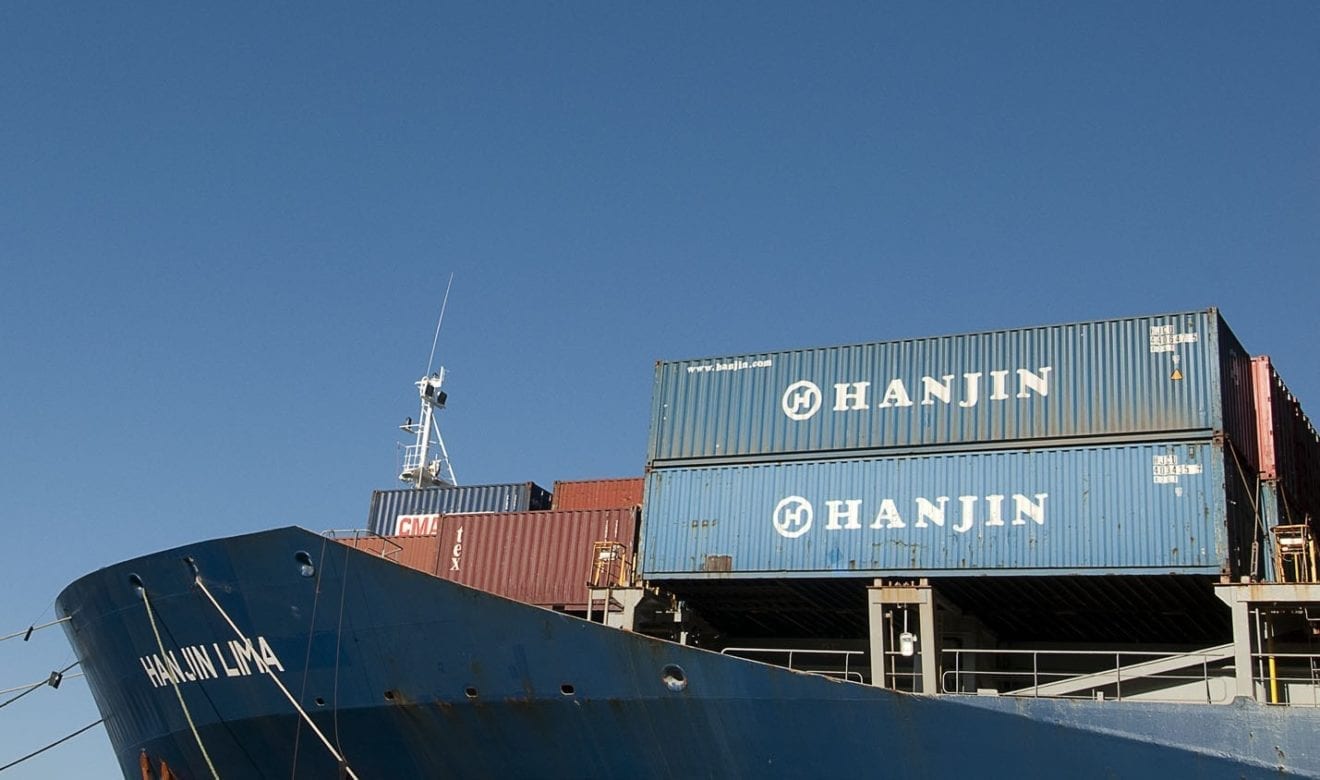
    The bankruptcy of the Hanjin shipping line has thrown ports and retailers around the world into confusion, with giant container ships marooned and merchants worrying whether tons of goods will reach their shelves.

    The South Korean giant filed for bankruptcy protection on Wednesday and stopped accepting new cargo. With its assets being frozen, ships from China to Canada found themselves refused permission to offload or take aboard containers because there were no guarantees that tugboat pilots or stevedores would be paid.

    “Hanjin called us and said: ‘We’re going bankrupt and we can’t pay any bills — so don’t bother asking,’ ” said J. Kip Louttit, executive director of the Marine Exchange of Southern California, which provides traffic control for the ports of Los Angeles and Long Beach, the nation’s busiest port complex.

    Three Hanjin container ships, ranging from about 700 feet to 1,100 feet (213 meters to 304 meters) long, were either drifting offshore or anchored away from terminals on Thursday. A fourth vessel that was supposed to leave Long Beach on Thursday morning remained anchored inside the breakwater.

    The Seoul-based company said Friday that one ship in Singapore had been seized by the ship’s owner. Hanjin Shipping spokesman Park Min did not confirm any other seizures.

    As of Friday, 27 ships had been refused entry to ports or terminals, she said.

    That left cargo headed to and from Asia in limbo, much to the distress of merchants looking to stock shelves with fall fashions or Christmas toys. “Someone from the garment industry called earlier today asking: ‘How long is this going to go on, because I’ve got clothing out there,’” Louttit said.

    The Korea International Trade Association said about 10 Hanjin vessels in China were seized or likely to be seized by charterers, port authorities or other parties.

    Kim Byung-hoon, a director at the KITA, said the association had confirmed that about 10 Hanjin vessels also had been turned away from Chinese ports or were waiting offshore.

    South Korea’s maritime ministry said in a statement that Hanjin’s troubles would affect cargo exports for two to three months, given that August-October is a high-demand season for deep-sea routes. It said 540,000 TEU of cargo already loaded on Hanjin vessels would face delays.

    Hanjin, the world’s seventh-largest container shipper, represents nearly 8 percent of the trans-Pacific trade volume for the U.S. market.

    The National Retail Federation, the world’s largest retail trade association, wrote to U.S. Secretary of Commerce Penny Pritzker and Federal Maritime Commission Chairman Mario Cordero on Thursday, urging them to work with the South Korean government, ports and others to prevent disruptions.

    The bankruptcy is having “a ripple effect throughout the global supply chain” that could cause significant harm to both consumers and the U.S. economy, the association wrote.

    “Retailers’ main concern is that there (are) millions of dollars’ worth of merchandise that needs to be on store shelves that could be impacted by this,” said Jonathan Gold, the group’s vice president for supply chain and customs policy. “Some of it is sitting in Asia waiting to be loaded on ships, some is already aboard ships out on the ocean and some is sitting on U.S. docks waiting to be picked up. It is understandable that port terminal operators, railroads, trucking companies and others don’t want to do work for Hanjin if they are concerned they won’t get paid.”

    The confusion might sink some trucking firms that contract with Hanjin to deliver cargo containers carrying everything from electronics to car parts from ports to company loading bays.

    “They’ve got bills to pay — they could literally close their doors over this,” said Peter Schneider, Fresno-based vice president of T.G.S. Transportation Inc.

    Hanjin has been losing money for years. It filed for bankruptcy protection a day after its creditors, led by a state-run bank, refused to prop it up.

    Other shipping lines may take on some of Hanjin’s traffic but at a price. Since vessels already are operating at high capacity, shippers may wind up paying a premium to squeeze their cargo containers on board, said Jock O’Connell, international trade adviser to Los Angeles-based Beacon Economics.

    The price of shipping a 40-foot container from China to the U.S. jumped up to 50 percent in a single day, said Nerijus Poskus, director of pricing and procurement for Flexport, a licensed freight forwarder and customs broker based in San Francisco.

    The price from China to West Coast ports rose from $1,100 per container to as much as $1,700 on Thursday, while the cost from China to the East Coast jumped from $1,700 to $2,400, he said.

    Hanjin’s bankruptcy was a major factor, he said, although rates also were affected by the upcoming Chinese National day holiday, which will close factories, and by shipping lines sidelining vessels to reduce overcapacity.

    Global demand and trade have suffered since the 2008 recession, while steamship lines continued to build more and larger vessels — immense ships that were conceived as cost-effective when freight costs were higher several years ago.

    But weaker trade and overcapacity have sent ocean shipping rates plunging in recent years. A few months ago, Poskus said, prices hit historic lows globally — down to as much as $600 per container from Shanghai to Los Angeles.

    That wouldn’t even cover fuel costs for the huge ships, he said.

    Poskus expects the current spike in prices to last only a month or two. With about 5 percent of ships in the global trading fleet sitting idle, there is plenty of room to take over Hanjin’s capacity and carriers already are discussing the possibility of adding ships, he said.

    However, prices will have to rise somewhat in order to be sustainable, he said — perhaps to about $1,000 per container.

  • More protection to be offered to wealthy Singapore investors

    More protection to be offered to wealthy Singapore investors

    Wealthy investors in Singapore may soon be able to choose to be covered by the same protections as retail investors under proposals from the Monetary Authority of Singapore (Mas).

    First announced by the regulator in September 2015, Mas intends to table amendments to the legislation in Parliament by the fourth quarter of 2016, reports Bloomberg. If passed, the changes would come into force in 2017.

    Current framework

    Under Singapore’s current law, it is assumed that wealthy (accredited) investors are better informed and have greater means to protect their own interests. Therefore, banks are exempt from having to provide as much information about financial products as they would to retail investors.

    Accredited investors

    Currently, an individual with personal assets exceeding S$2m (£1.1m, $1.5m, €1.3m) or an annual income of at least S$300,000 is classified as an accredited investor. The ‘opt-in’ regime proposed by Mas would require those meeting accredited investor status to make a conscious decision to be treated as such, with the full knowledge of the lower level of regulatory protection afforded to accredited investors.

    Investors opting to be treated as accredited investors would sacrifice the benefits of stronger regulatory safeguards to have easier access to a wider range of complex and risky products.

  • Cover up, stay in: Singaporeans wary as Zika spreads

    Cover up, stay in: Singaporeans wary as Zika spreads

    Many of Singapore’s five million people are covering up and staying indoors to avoid mosquito bites as health experts warned that the outbreak of the Zika virus in the tropical city-state would be difficult to contain.

    One of the world’s leading financial hubs, Singapore is the only Asian country with active transmission of the mosquito-borne virus, which generally causes mild symptoms but can lead to serious birth defects in pregnant women.

    Authorities say they have found over 150 cases since the first locally contracted infection was reported a week ago, and with the virus spreading beyond the cluster where it was initially detected, more people are taking precautions.

    “I’m not going to let her go outside much until Zika dies down,” said Nat Bumatay, a self-employed mother, of her six-year-old daughter Sunshine. “Usually during short holidays, we go outside to the parks, go cycling, but now I will refrain.”

    A warm, tropical climate, forested areas and a network of public parks make outdoor activities popular across Singapore, especially during school holidays like the ten-day break that began on Friday.

    Authorities have stepped up spraying insecticide and clearing stagnant water to prevent mosquito breeding, but many people said they were also avoiding the city’s popular outdoor food centres and dousing themselves in repellent to avoid getting bitten.

    “Prevention is better than cure,” said Tomas Quong, a Filipino who has been working in Singapore for five years. “That’s why I am wearing long sleeves.”

    Some fans of Nintendo’s Pokemon Go mobile game are also becoming more cautious and crowds at outdoor Pokemon hotspots around the city are likely to be thinner. “I am still okay with outdoors, just not damp and dirty parks,” said Nelson Ho, a 19-year-old gamer.

    Pharmacies and supermarkets have reported a surge in mosquito repellents over the past week, with some running out of stock. Online retailers Lazada and Qoo10.sg have set up a Zika shop, while other enterprising Singaporeans trying to cash in are advertising mosquito net tents and “anti-bite” jewellery.

    SLOWING ECONOMY

    The outbreak coincides with a slowdown in trade-dependent Singapore. Worries about Zika could further crimp overall retail sales, United Overseas Bank economist Francis Tan said. “If it continues, people will generally not want to go out, so all the retail sectors will be slowing down,” Tan said.

    Zika could also increase concerns about tourism, a mainstay of the economy, especially with the city-state’s key annual attraction – the floodlit Formula One Grand Prix race – due to start in two weeks. Several countries, including the United States and Australia, have advised pregnant women or those trying to conceive not to visit.

    “It will certainly create a bit of caution in the minds of tourists and they may think about it twice,” said Jonathan Galaviz, partner at consultants Global Market Advisors. “But I don’t see Zika standing in the way of a successful F1 event or tourism flows in the short term.”

    Tourism arrivals topped 8 million in the first half of this year, around 1 million more than a year ago.

    The Tourism Board has said it is premature to consider any impact on the industry, with at least two international chain hotels contacted by Reuters reporting business as usual. The promoters of the Grand Prix have also said planning for the event is going ahead “as per normal”.

    Several of those initially infected by the virus were foreigners, many believed to be among the thousands of migrant workers in Singapore’s construction industry.

    The latest tally includes two pregnant women, and officials and experts say the number of cases is likely to increase as the virus is likely to spread.

    “The virus is extending beyond the square that was drawn out,” said Leong Hoe Nam, an infectious disease specialist at Mount Elizabeth Novena hospital in Singapore. “We have re-draw the battle lines. We have to first admit defeat to Zika and accept that the whole country is at risk.”