Author: Mei Ling Tan

  • SMCP vows to continue China roll-out

    SMCP vows to continue China roll-out

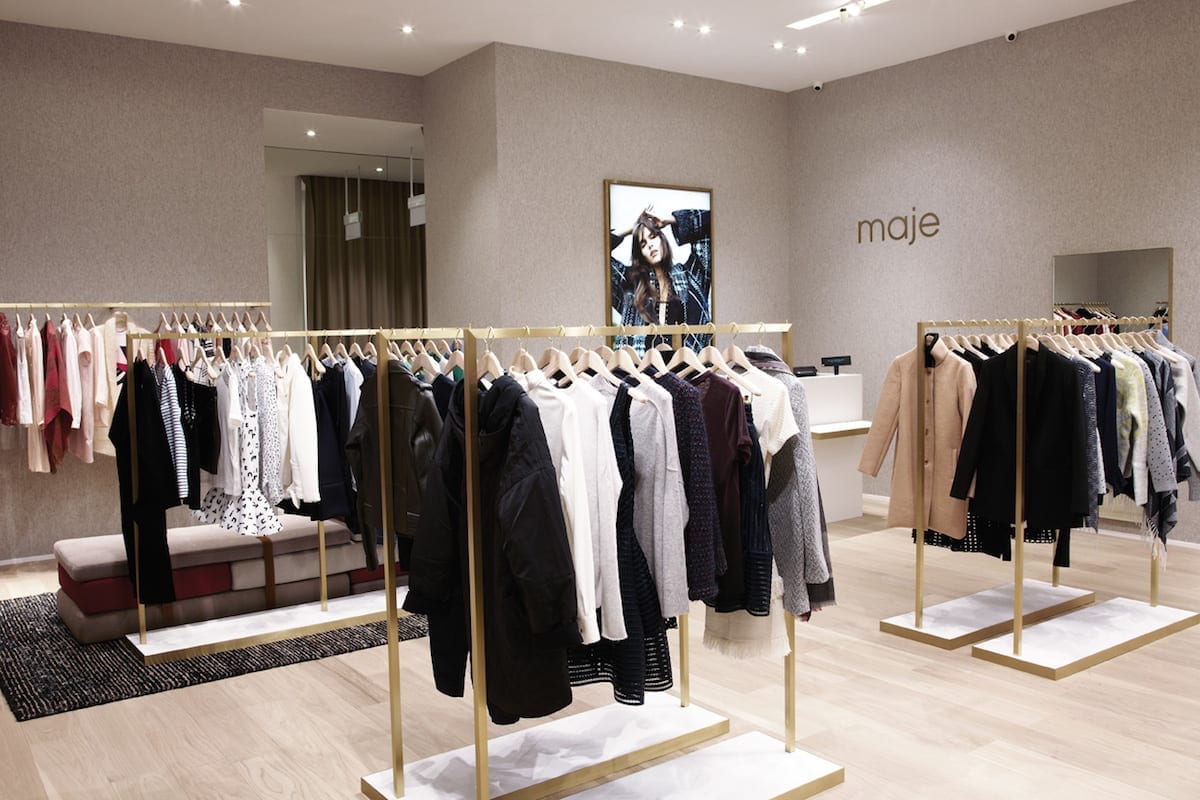
    SMCP, the group behind French fashion brands Claudie Pierlot, Maje and Sandro plans to pursue its international expansion, particularly in China, where it will continue to open about 30 shops a year.

    SMCP president/CEO Daniel Lalonde says the strategy has not changed after majority owner KKR agreed to sell control to China’s Shandong Ruyi in a €1.3 billion (US$1.4 billion) deal that made the company cancel its application for a Paris flotation.

    Shandong Ruyi will own 80 per cent of SMCP while KKR will retain a 10 per cent stake. The balance will be held by founders Evelyne, Ylan Chetrite and Judith Milgrom shared with management.

    Meanwhile, SMCP has bucked the global fashion industry’s sluggish sales growth trends with a 9.3 per cent increase in like-for-like revenue in the first half.

    Including the impact of foreign exchange and new stores, first-half sales were up 19.2 per cent at €377.2 million globally.

    Lalonde says SMCP’s digital strategy is paying off with online sales making up 10 per cent of total revenue, up from 6 per cent last year.

  • Alibaba Wine & Spirits Festival planned

    Alibaba Wine & Spirits Festival planned

    An inaugural 9.9 Alibaba Global Wine & Spirits Festival will be held next week through Tmall.com.

    Alibaba Group will bring 100,000 international wines, cognacs, whiskeys and other beverages from 50 countries to Chinese consumers through Tmall.com.

    Brands such as Gallo Family Vineyards and Robert Mondavi Winery of the US, France’s Lafite and Japan’s Suntory Yamazaki will join winemakers from Australia, Italy, New Zealand and Spain in the first of what is expected to be annual shopping event on Tmall.

    Alibaba says hundreds of brands will make their China debut during the festival.

    Once a trend among China’s wealthy elite, wine has since caught on with the country’s estimated 152 million middle-class consumers. Growth is being driven by consumers in first-tier cities such as Beijing and Shanghai, as well as Chinese in their 20s, according to market researcher Wine Intelligence. The UK firm estimates that 48 million people in China bought imported wine last year, up 26 per cent from 38 million in 2014.

    Greater choice

    Wine Intelligence says eCommerce is bringing greater choice for wine buyers in a country where wine shops and other outlets are not common. Online distribution channels, as well as tariff-reducing trade deals with countries like Australia and Chile, have helped boost imported wine sales to 43.7 million nine-litre cases last year, a jump of 37 per cent over the previous year.

    Consumers are also drinking wine more frequently, says Wine Intelligence, with 35 per cent partaking on a weekly basis last year versus 23 per cent in 2014.
    Alibaba says Tmall saw the number of active buyers in the wines and spirits category climb five times to 10 million consumers between 2013 and 2015.

    Italian winemaker Gruppo Mezzacorona launched a flagship store on Tmall in June, five years after establishing brick-and-mortar sales channels in China including restaurants, hotels and supermarkets. Its country manager Nick He says that selling online via Alibaba marketplaces allows the company to reach parts of China otherwise not possible.

    Live video

    “We believe Tmall will really help us to reach every corner of China,” he says, Also, consumers who would typically have a smaller selection of wines at physical stores have access to most of the company’s wine inventories when shopping online.

    Gruppo Mezzacorona is planning to live-stream video from its wineries in Italy in the run-up to the sale, showing Chinese consumers how grapes are picked and the wine is made. There will also be tips on wine drinking as an interactive component allowing consumers to ask questions.

    Tmall has already launched marketing campaigns to generate buzz around the festival, including live auctions of rare and limited labels and live-streamed broadcasts with experts such as Château Valandraud founder Jean-Luc Thunevin and American wine critic James Suckling.

    Offline, about 5000 bars and pubs in China will support the festival with free tastings and distribution services.

  • The Great Singapore Sale 2016 Registers 15% Growth in Spend

    The Great Singapore Sale 2016 Registers 15% Growth in Spend

    UnionPay, the Official Card for The Great Singapore Sale (GSS) 2016, has revealed that total spend in Singapore by UnionPay Cardholders grew 15 percent during the 10-week-long event held from 3 June to 14 August 2016. The increase was contributed by the surge in UnionPay card usage by both locals and tourists during the GSS 2016 period, and boosted by the rise in card issuance in Singapore, and around the world.

    Locally, UnionPay registered significant growth in spend among locally-issued cards. Total spend by locally-issued UnionPay cards and transaction count doubled over the same period last year. The growth in spend can be attributed to the rise in acceptance of UnionPay cards by merchants in Singapore, which has improved from over 70 percent merchant coverage last year, to over 80 percent now.

    On the overseas Cardholders’ front, tourists from China, Hong Kong, Macau, Korea and Indonesia contributed to the bulk of the growth, signifying that UnionPay’s expansion across key markets in Asia has helped to boost tourist spending in Singapore during GSS 2016. Comparing performance across retail categories, the Supermarket and F&B categories registered the largest percentage growth.

    “We are delighted to see positive spending momentum among our local and overseas UnionPay Cardholders during GSS 2016. This growth marks the continued appeal of Singapore as a choice shopping destination for locals and visitors, and puts us on the right track to continue the growth momentum in our partnership with the Singapore Retailers Association for GSS. We are committed to further improving our acceptance coverage in Singapore to better serve our Cardholders here,” said Mr. Wenhui Yang, General Manager of UnionPay International Southeast Asia.

    “Singapore Retailers Association is glad that our new partnership with UnionPay International has generated increased spending among its overseas and local cardholders at the Great Singapore Sale 2016. The numbers are indeed encouraging, and show that the collective efforts of SRA, UnionPay and the industry to give UnionPay Cardholders more reasons to spend during the GSS have brought new growth opportunities to participating retailers. Looking ahead to the GSS 2017, we look forward to working with UnionPay and the industry to continue to grow the appeal of the GSS to both tourist and local consumers,” said Mr. Anthony Gan, Executive Director, Singapore Retailers Association. 

    UnionPay International focuses on supporting the growth of UnionPay’s global payments business. With an acceptance footprint covering 160 countries and regions globally, UnionPay serves the world’s largest cardholder base by providing quality, cost-effective and secure payment services to over 5.4 billion Cardholders worldwide.

    In Singapore, UnionPay enables efficient and cost-effective payment services that are tailored to the needs of local businesses and consumers. UnionPay cards are issued by Bank of China (BOC), DBS Bank (DBS), Industrial and Commercial Bank of China (ICBC) and United Overseas Bank (UOB) in Singapore, and are accepted at over 80 percent of retail, lifestyle and food and beverage establishments locally, as well as at almost all automated teller machines (ATMs) across the island. In May 2016, UnionPay announced its partnership with Singapore Retailers Association announced as the new Official Card for the Great Singapore Sale from 2016 to 2018.

  • Ksubaka’s media network surpasses 5,000 playSpots installed across China

    Ksubaka’s media network surpasses 5,000 playSpots installed across China

    Ksubaka today announced that it has broken through the 5,000 barrier of installed playSpots across China. Ksubaka has the fastest growing direct-to-consumer media network in China with over 10 million shoppers engaging with the network each month. Importantly for brands, each shopper is engaged with a bespoke interactive experience for over one minute.

    Ksubaka’s media network addresses the issue of how to connect with consumers at the physical point of purchase – in-store. Interactive kiosks called ‘playSpots’ provide fun mini games that take the consumer on a branded game journey. Key brand messages and information are played out through game play with rewards and offers redeemable once the session has been completed. A typical fun game session lasts for one minute – Ksubaka calls this a ‘Moment of Joy’ (MoJo). Games are provisioned to the network over-the-air.

    To support Ksubaka’s rapidly growing network of playSpots is a sophisticated real-time analytics platform providing campaign owners with deep data-driven insight into activity results. Campaigns can be tweaked and optimised in a matter of minutes across the entire network, providing full control and a level of understanding, right at the point of purchase. Ksubaka’s network provides an opportunity for brands which was never previously available. The likes of Coca-Cola, Colgate, Head & Shoulders, Kellogg’s and many others are already taking this opportunity to better engage in-store with consumers.

    “Our rapid roll out across Asia and unique ability to connect with consumers at the moment when they are in ‘purchase mode’ gives us one of the most powerful new media networks available to brands and retail,” said Julian Corbett, CEO and Co-Founder, Ksubaka. “Brands get access to incredible engagement stats, which are both reliable and meaningful, and significantly a demonstrable uplift in sales. The feedback we get from retailers is that shoppers play and afterwards they have a smile on their face. We are creating Moments of Joy for shoppers and brands alike.”

  • David Beckham film heads Biotherm Homme campaign

    David Beckham film heads Biotherm Homme campaign

    A David Beckham film is spearheading a campaign to promote Biotherm Homme’s Force Supreme skincare range.

    Celebrating the sportsman’s life story, a video documentary Force Supreme: The Story of My Life was put together by Swedish director Johan Renck, known for his music videos and commercials.

    In his 40s, Beckham is still a fashion and grooming icon, and in the skincare movie he tells how his life is still evolving.

    He says he uses Force Supreme serum to improve his skin, and says the range’s new Life Essence “is really a booster in the morning”.

    French luxury skincare brand Biotherm launched Biotherm Homme in 1985 and offers more than 80 products for different skin types and concerns. Biotherm Homme is a brand in the L’Oreal Luxe portfolio.

  • Miniso signs up to enter US

    Miniso signs up to enter US

    China’s fast-fashion designer brand Miniso has signed a comprehensive strategic co-operation agreement to enter the US.

    A signing ceremony in Guangzhou was attended by Miniso global co-founder Ye Guofu and Asia Pacific VP Li Minxin as well as a representative from Miniso’s US partner, Matthew Liang.

    Miniso has opened 1400 stores internationally in the past three years, with its global revenue hitting RMB5 billion (US$750 million) last year.

    After focusing on markets in China and Japan, Miniso has successively signed strategic co-operation agreements with 36 other countries and regions.

    Ye says Miniso and its US partner will further co-operate in areas such as product research and development, model updating and talent training.

  • LINE explores more opportunities to expand user base

    LINE explores more opportunities to expand user base

    Japanese messaging app LINE is seeking to develop new features and establish a partnership with a major bank to seize a larger user base in Indonesia.

    LINE’s new Indonesia country director Ongki Kurniawan said on Thursday that it would try to develop new features, such as live video streaming, which has already been tested on several levels. One notable example of that is the recent broadcasting of a concert by Indonesian pop band Kahitna, which drew 3 million viewers on the LINE stream.

    The video streaming feature, however, is still in its conceptual phase as the company needs to figure out how to properly get around the obvious problem of Indonesia’s weak internet infrastructure.

    “LINE has to wait and work together with local telecom operators as they are the ones that have the ability to properly address the infrastructure and network issues,” said Ongki, who previously served as digital officer at telecommunications operator XL Axiata.

    In the near future, the app plans to also announce a partnership with a major bank that will fall short of being a “financial technology” service. However, no details were immediately available regarding the upcoming partnership.

    Ongki insisted that the key to becoming the “most notable and popular communication app” was to focus on closing the distance between users located across the archipelago as well as for businesses who use LINE to peddle their wares to expand their customer range.

    Content-wise, the application has steadily evolved from being a messaging app to becoming a platform where news, entertainment and business collide in one package: A target that had been achieved since the company started its Indonesian operations in 2013.

    It has gradually tried to enter the news and shopping sectors, with the LINE Today news aggregator service launched in February and the LINE Shopping Marketplace being launched just last Thursday.

    “To increase our user base, which is our primary goal at the moment, we need quality and diverse content. From there, even brands that use our service can benefit from our larger user base as it gives them more value to collaborate with others,” Ongki said.

    As for the fate of its messaging service, the company claims that its diverse functionality has given LINE the higher ground compared to other messaging services operating in Indonesia as the app boasts a majority of millennial users that make up more than 70 percent of its Indonesian user base.

    At the same time, Ongki said localization in terms of content through its widely used Stickers and its trademark LINE Webtoon comics platform have also given it an edge in the market. LINE is reportedly present in about 70 percent of all smartphones active in Indonesia.

    LINE recorded a total of 220 million monthly global active users in the second quarter of 2016, with Indonesia listed as its largest market with estimated 90 million users.

  • Citilink recruits 70 new pilots for business expansion

    Citilink recruits 70 new pilots for business expansion

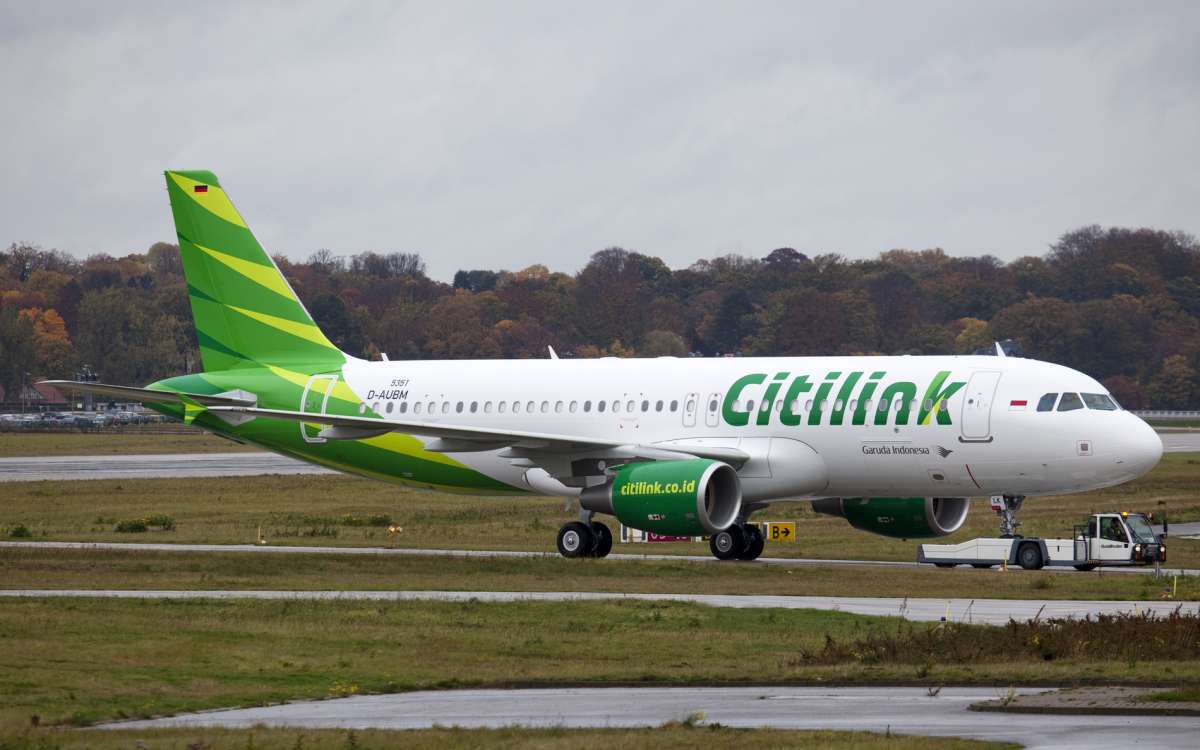
    Low-cost carrier Citilink, a subsidiary of national flag carrier Garuda Indonesia, recruited 70 candidate pilots to boost the company’s business expansion after a three-month enrollment process from June to August this year.

    Citilink president director Albert Burhan said that the company had chosen the candidates out of 897 applicants from across country.

    “We need to recruit more pilots to undertake our expansion and open new routes,” Albert said at the Garuda Indonesia Training Center (GITC) in Jakarta on Monday.

    The recruited pilots will undergo a series of training at the GITC and at the Airbus training centers in Toulouse, France, and Florida, US, for at least six months. They will exercise to achieve a “type rating” as is required to operate an Airbus A320.

    Garuda Indonesia human resources director Linggarsari Suharso warned the candidate pilots that working as a pilot was a difficult job. A pilot must prioritize the safety of passengers over other considerations, he said.

    “Safety is the top priority in the transportation business,” he said at the training center on Monday.

    According to data from the Transportation Ministry last year, Indonesia needs at least 600 new pilots every year. Meanwhile, 24 pilot schools across the country graduate from 15 to 24 students each annually.

  • Indonesia asks Alibaba’s Jack Ma to advise its e-commerce development

    Indonesia asks Alibaba’s Jack Ma to advise its e-commerce development

    Indonesia has asked the chairman of China’s Alibaba Group Holding Ltd, Jack Ma, to act as adviser in the development of the Southeast Asian country’s nascent e-commerce industry, according to a video released by the government.

    Indonesia has the world’s fourth-largest population, boasting a young, internet-savvy demographic, and a thriving e-commerce market that is increasingly attracting global investors.

    Earlier this year, Alibaba bought a controlling stake in Southeast Asian online retailer Lazada Group for around $1 billion, while a group of investors led by private equity firms KKR & Co LP and Warburg Pincus LLC poured more than $550 million into Indonesian ride-hailing start-up Go-Jek.

    To promote growth in the e-commerce industry, the government is setting up a “steering committee” consisting of 10 ministers for which it has asked Alibaba’s Ma to be an adviser, Communication and Information Minister Rudiantara said.

    “The thinking behind this is to make Indonesia’s positioning in the international marketplace more prominent,” Rudiantara said in a video released by the state secretariat. The minister, like many Indonesians, only uses one name.

    Rudiantara is part of President Joko Widodo’s delegation attending the G20 summit in the Chinese city of Hangzhou.

    An Alibaba spokeswoman confirmed that Ma was asked to be adviser to Indonesia’s e-commerce steering committee, but declined to say whether he had accepted the offer.

  • Millennials to Decide Future of TV in Indonesia

    Millennials to Decide Future of TV in Indonesia

    As of 2016, according to the Central Statistics Agency’s estimations, Indonesian millennials  born between the 1980s and early 2000s  make up about 41 percent of the 258.8 million population.

    “The future will be in OTT and many want to capture this market. The number of millennials is going to be big in Indonesia and infrastructure is now being prepared. The government has rolled out 4G and smartphone prices are getting lower each year,” Greeny said.

    Genflix offers its customers thousands of videos, Japanese cartoons and other exclusive content. Genflix currently has three million subscribers, 60 percent of whom are paying customers. Most of them access the service via their smartphones.

    The catch

    Hendy Lim from the Redemption Entertainment said this is the moment for the local talents and content creators as the content-hungry OTT services will keep on coming to tap into the growing Indonesian middle-class. But there is a catch.

    Hendy, who has just left his position as the vice president of the media company MNC Group, said the OTT services need to compete with the deep-pocketed free-to-air televisions.

    “These free-to-airs can pay up to $30,000 per episode. I can’t tell the exact number, but I think [the OTT] can pay only 5 percent of it,” he said, adding that free-to-air revenues are high because many people still watch television.

    The on-demand services will also have to face uncertain regulations with regard to corporate establishment, taxes and censorship.

    Communications and Information Technology Minister Rudiantara promised that this year the government will produce a regulation governing the OTT services. The regulation will take into account the international tax treaty and censorship measures similar to those applied for televisions.

    Desmond Poon, chief technology officer of the listed internet service provider Link Net, said during the summit that censorship as such is against the idea of the internet.

    Despite the challenges posed by censorship and the not yet fully available broadband connectivity, especially in the easternmost part of the country, Poon remains optimistic the OTT business will continue to grow.

  • Mobile and Internet Usage Propels Southeast Asia’s Retail Ecommerce Sector

    Mobile and Internet Usage Propels Southeast Asia’s Retail Ecommerce Sector

    Southeast Asia has all the ingredients for a promising ecommerce market—rising internet and mobile penetration, a growing middle class with greater discretionary spending, and an increasing supply of digital platforms. Still, many challenges continue to hamper ecommerce growth in the region, as explored in a new report, “Ad Fraud in the US: How More Sophisticated Methods Are Hurting Mobile, Video and Performance Measurement”

    Retail sales in the six largest economies in Southeast Asia—Indonesia, Malaysia, Philippines, Singapore, Thailand and Vietnam—will total $786.45 billion this year, representing 3.6% of worldwide sales. Indonesia, the most populated country in Southeast Asia, will also have the largest retail market, with $245.86 billion in sales. Thailand and Vietnam will follow, at roughly $190 billion and $161 billion, respectively.

    Retail potential in Southeast Asia is determined in large part by population size and purchasing power. Collectively, these six nations benefit from having a population of over 561 million people as of 2016, according to estimates from the US Census Bureau. And that number will continue to expand, growing to nearly 583 million people in 2020, adding about 21.7 million new consumers over the next four years.

    Robust economic growth in these markets is giving way to rising incomes and expanding middle classes. Data from the International Monetary Fund (IMF) shows that total GDP rose from $1.824 trillion in 2010 to $2.462 trillion in 2016. These figures, which account for inflation, are forecast to rise even further, topping $3.346 trillion by 2020.

    Southeast Asia is also experiencing a boom in urbanization, which will also help drive further retail expansion across the region. Generally, retail players focus on urban areas because they have the greatest opportunity (i.e., large population sizes) and favorable conditions for development—such as developed transportation systems, supply chains and technology. Several of the most densely populated cities in Southeast Asia are also the ones growing quickly in population size and retail infrastructure.

    Additionally, rapid ecommerce growth continues to increase in Southeast Asia. eMarketer estimates that the digital retail market—including retail products ordered online via mobile—will reach $14.04 billion in 2016, up from $10.50 billion in 2015, an increase of 33.6% year over year

    Nonetheless, ecommerce’s contribution to retail sales in Southeast Asia is still relatively small. In the six countries tracked by eMarketer, digital retail sales will make up 1.8% of total retail sales in 2016, with the lowest ecommerce share in the Philippines (0.9%) and the highest in Singapore (4.5%). These figures stand in sharp contrast to the more developed ecommerce markets in China and South Korea, where digital retail will represent 18.4% and 12.1%, respectively.

    Southeast Asia is on the cusp of an ecommerce boom, as fast-growing mobile and internet usage propels consumer spending. There are over 262 million internet users residing in these six markets. And many of these consumers are mobile-first internet users, or people who primarily access the web through their mobile phones. eMarketer estimates that about 177 million people—or 67.5% of internet users—will own and use a smartphone in 2016.

  • July Sees Record-high Tourist Arrivals to Indonesia

    July Sees Record-high Tourist Arrivals to Indonesia

    The Central Statistics Agency (BPS) recorded 1.03 million foreign tourist arrivals to Indonesia in July 2016. The number represents a 17.67-percent year-on-year increase from July 2015.

    Compared to June 2016, the increase is 20.42 percent.

    “This is a new record, with the number foreigners entering Indonesia reaching more than a million in one month,” BPS deputy for Statistic and Distribution Sasmito Hadi Wibowo said in Jakarta Thursday, September 1.

    The achievement, he said, is largely thanks to the Tourism Ministry’s intensive campaigns in many parts of the world and the many promotional events held in domestic travel destinations.

    Sasmito said the biggest number of tourists came from China, Saudi Arabia, and Australia.

  • Video to account for 75% of 4G traffic by 2020

    Video to account for 75% of 4G traffic by 2020

    By 2020, mobile video usage will have increased to about 75% of total 4G traffic, from 15% in 2016, according to Huawei and Ovum.

    A paper from the companies predicts that 4K UHD video, social media video, mobile video, VR/AR applications, 5G/FTTx network penetration will be among the driving forces of increased video usage.

    Also contributing will be the latest IT technology trends, including cloud computing, bid data and Telco OS.

    Enterprise video is also becoming a major factor of this growing video trend. On top of existing incumbent provided video services such as training, meetings with clients and remote medical services, a series of new video conferencing tools is being broadly deployed in various industries.

    Video conferencing is quickly shaping the strategic infrastructure business of telcos. Major players are exploring new ways to implement successful strategies for enterprise video, striving to be the leaders in the field amidst the video business transformation opportunities.

    Important steps to success

    Since big video has already been identified as a strategic imperative, the paper points out that IPTV, SVOD and the broad application of video services will influence how telcos build their big video business strategies. Three important steps to success are:

    First, telcos will need to fully capitalize on the opportunities offered by targeted bundled services: identify individual, family and enterprise groups as the three major markets into which telcos should provide target-oriented and innovative bundled services, such as aggregated online or mobile video services and TV entertainment offerings.

    Second, telcos should strive to ensure customer loyalty and retention by exploring new video business monetization models from simply paying for services to paying for a differentiated, high-quality video user experience.

    Third, yet as important, telcos should attempt to drive integration across the entire video industry ecosystem to maximize the market opportunities for all participants in the video distribution value chain.

  • Australia may require mobile network sharing

    Australia may require mobile network sharing

    Australian competition regulator ACCC has launched an inquiry into whether to mandate the establishment of a wholesale mobile roaming service, particularly in regional areas.

    The regulator is considering declaring a wholesale domestic mobile roaming service, which mobile providers could use to provide coverage in areas where they do not operate their own network.

    The inquiry will seek to evaluate how consumer demands for mobile service are evolving and whether this differs in regional and urban areas.

    In addition, the ACCC will evaluate the likely investment plans of established mobile operators absent a declaration, as well as whether there are any barriers to extending the reach of mobile networks.

    While the ACCC has previously considered mandating the provision of mobile roaming in regional areas in 1998 and 2005, ACCC chairman Rod Sims said much has changed since this time.

    “Network coverage is clearly a key feature of a mobile service, and each of the mobile network operators has extended its networks since we last looked at this issue in detail,” he said.

    “We do think it’s time we look at the issue again in detail, and examine some of these key matters, including consumer demand, network investment, and barriers to competition. We consider the most efficient way to do that is to consider all of the issues carefully through a declaration inquiry.”

    But he stressed that the regulator has not yet formed any opinion as to whether the declaration is needed, and that the inquiry could instead find that consumers would be harmed by the introduction of such a requirement because it could give mobile operators less incentive to invest in expanding their networks.

  • Samsung issues recall over exploding Note7s

    Samsung issues recall over exploding Note7s

    Samsung plans to conduct a global recall of its Galaxy Note7 following reports that the device can overheat and even explode due to a faulty battery.

    The company announced it has stopped sales of the device and will voluntarily replace it for existing customers over the coming weeks.

    As of September 1 there had been 35 reported cases of battery malfunctions globally, Samsung said. The company is conducting a thorough inspection with suppliers to identify possible affected batteries in the market.

    But sales of the device have not been suspended in every marke. In a statement, 3 Hong Kong said it has learned from Samsung Hong Kong that sales of the device will not be affected by the recall, and the device launched in the market as scheduled last week.

    By contrast, the Philippines’ Globe will participate in the recall, and announced it will replace existing Note7 devices as soon as Samsung is able to provide replacement units, or customers can select another replacement device instead.

    Bloomberg has estimated that it may cost Samsung as much as $1 billion to replace all 2.5 million Note7 phones shipped since the device’s launch two weeks earlier. The company could also face reputational damage a a precarious time for smartphone vendors.