Author: Mei Ling Tan

  • Indonesia encourages direct trade with Cuba

    Indonesia encourages direct trade with Cuba

    The Indonesian government will encourage direct trade contact with Cuba to increase the value of the two countries bilateral trade, Indonesian Deputy Foreign Minister A.M. Fachir has said.

    “Indonesia will encourage direct trade contact with Cuba in order to increase the volume of bilateral trade between the two countries and appreciate the significant economic development in Cuba,” Fachir said here over the weekend.

    The deputy foreign minister made the remarks in connection with his meeting earlier with Cuban Director General for Bilateral Relations Affairs of the Foreign Ministry of Cuba, Ambassador Gerardo Penalver Portal.

    During the meeting, Fachir discussed various issues of mutual concerns, both, at bilateral and multilateral forums.

    “On the bilateral basis, the political relations of the two countries had been closely established. Yet this closeness should be translated into a concrete form of cooperation, among others in the fields of trade, health and agriculture,” he said.

    In the multilateral context, Indonesia and Cuba shared similarities in views and cooperation regarding various international issues, the deputy foreign minister said.

    “In the bilateral aspect, Cuba pays attention to direct trade contact to increase trade relations by among others planning a Cuban trade mission to Indonesia and that of Indonesia to Cuba,” Fachir said.

    Meanwhile, Gerardo Penalver Portal expressed appreciation for the establishment of good cooperation between the two countries at various international forums.

    Cuba appreciates Indonesias big contributions to the Non-Aligned Movement so that the movement remains relevant to the present conditions, he said.

  • India becomes Honda’s biggest 2 wheeler market

    India becomes Honda’s biggest 2 wheeler market

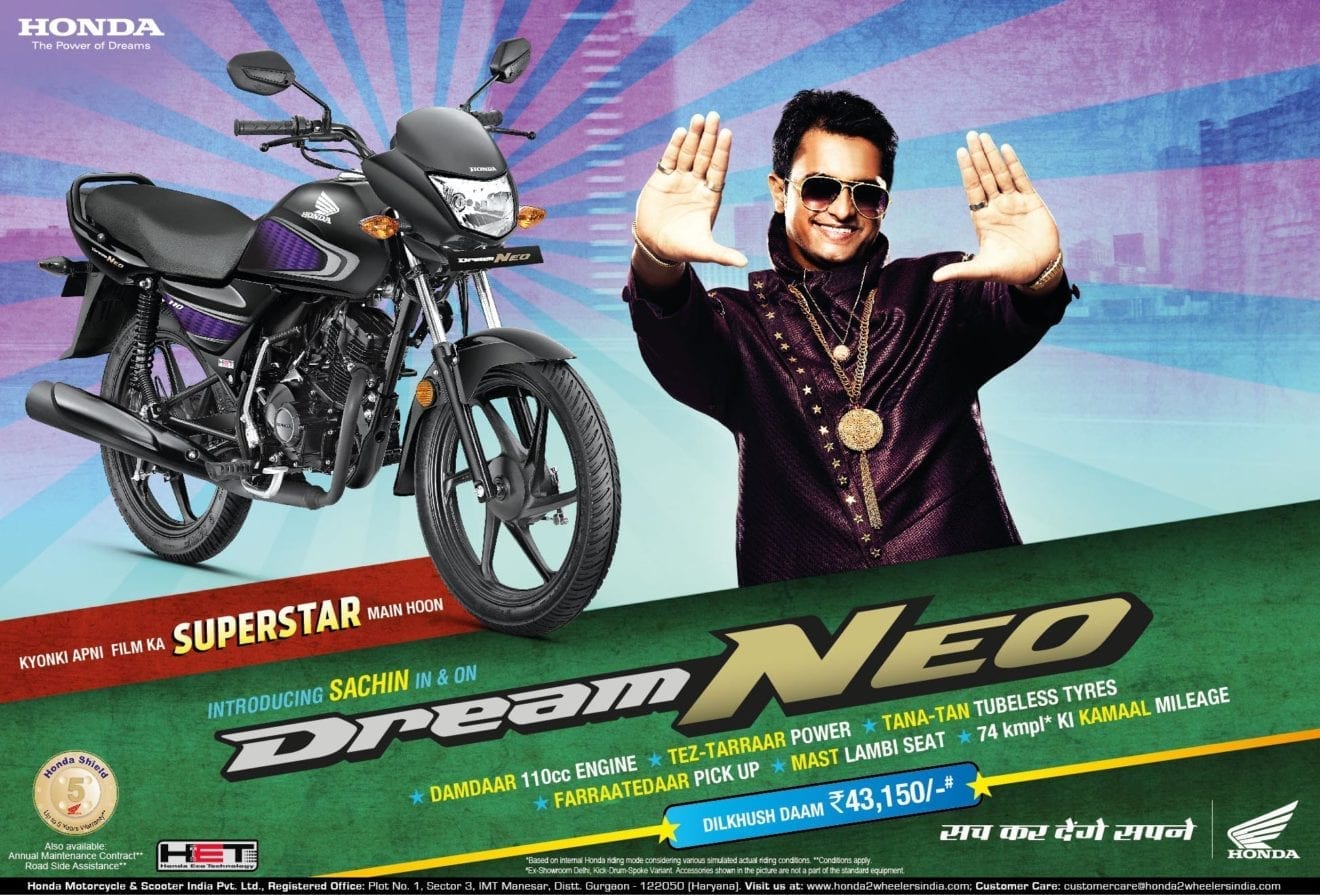
    Riding on a sustained double-digit growth in scooter volumes, Japanese auto major Honda has seen India emerge as its biggest two-wheeler market this financial year.

    Honda Motorcycle and Scooter India (HMSI) recently overtook the company’s volumes from the Indonesian market.
    Into the sixth year of the split with its Indian partner Hero, HMSI has sold 1.23 million units during the April-June quarter, 16 per cent more than the 1.06 million units sold in Indonesia.
    The corresponding volumes for India and Indonesia last year was 1.01 million and 1.03 million units, respectively. With this increased volume, India now brings 29 per cent of Honda’s global two wheeler sales compared to 25 per cent a year ago.
    In Indonesia, for instance, it commands 80 per cent share; the share in Vietnam is 70 per cent of the market.

    “Considering the low two-wheeler penetration in India, we believe that it will continue to lead the global two-wheeler market, as new demand will continue to come from rural and semi-urban areas in the future. The road infrastructure is increasing rapidly while public transport is not able to meet daily commuting needs of millions,” said Y S Guleria, senior vice-president, sales and marketing, HMSI.

    Honda is the second-biggest two-wheeler player in the Indian market.

    It is also present in the passenger vehicle market, where it is the sixth-largest player and has a five per cent share.

    In the two wheeler market, however, Honda enjoys a 28-per cent market share though Hero MotoCorp is the leader with a 37-per cent share. In the scooter segment, Honda sits on a strong 59-per cent share. It is this segment that is driving the company’s India volumes.

    Scooters account for two-thirds of HMSI’s India sales, up significantly from 54 per cent a year ago. The scooter market has grown 24 per cent this year so far on a rising base, helped by double digit growth for last two consecutive years. Motorcycles, as a segment, did not do well for last two years due to weakness in rural markets on sub normal monsoon. That is set to change this year.

    Improved sentiments in rural markets due to good rainfall and higher wages of the government employees will be positive growth triggers for the industry. Guleria said the Indian market has been showing constant growth in recent years while other big markets such as Indonesia and Brazil have been showing downtrend due to their economic slowdown.
    HMSI saw a capacity addition in June this year with the opening of its dedicated scooter plant in Gujarat that added 1.2 million unit annual production capacity. HSMI aims to end this year with total sales of 5.4 million units, up 26 per cent from last year’s 4.28 million units. Honda globally is expected to sell 18 million units this year.
  • Indonesia to export chicken due to overproduction

    Indonesia to export chicken due to overproduction

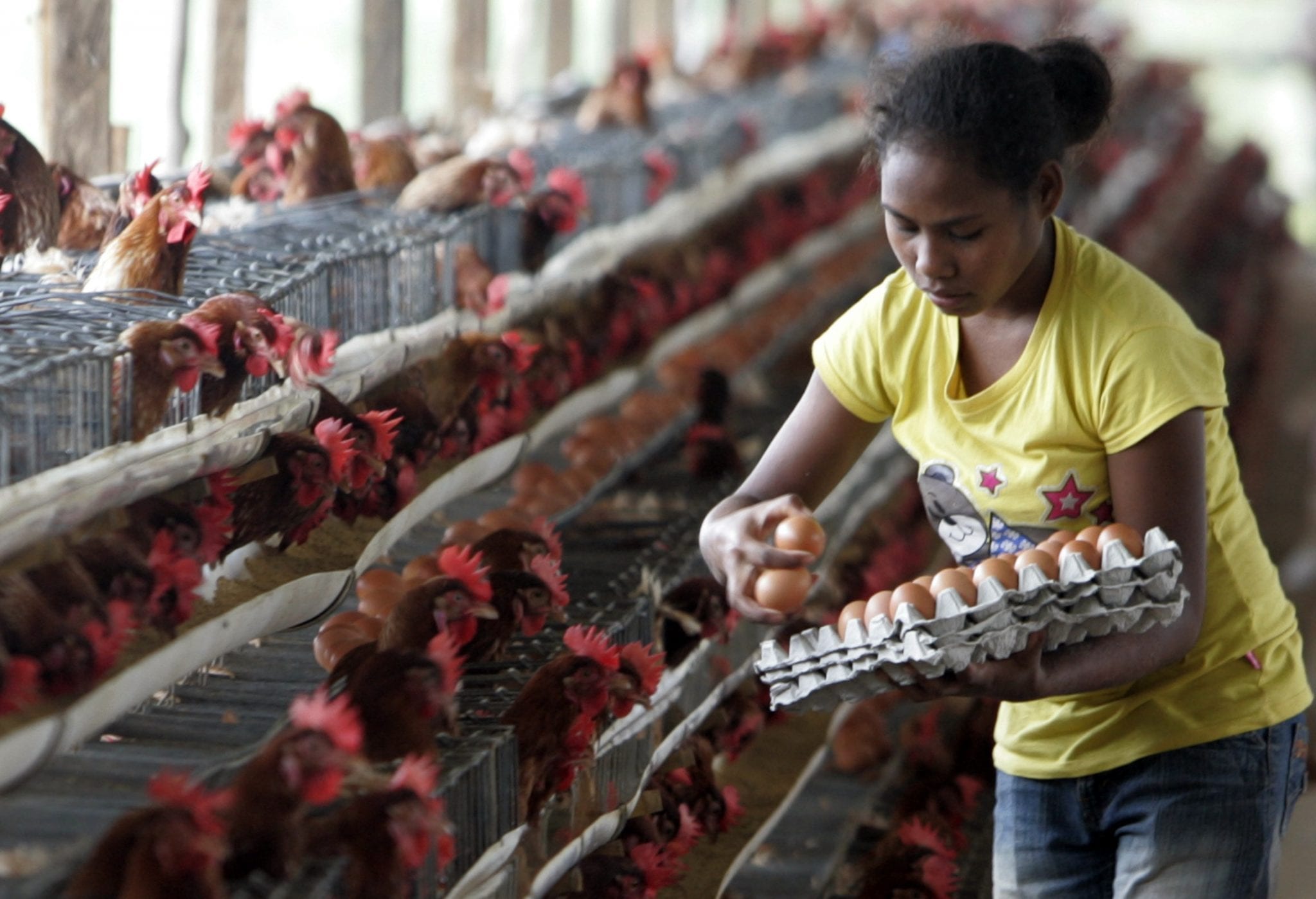
    Indonesia will soon export chicken as production has doubled, Agriculture Minister Amran Sulaiman said.

    “Right now, we are campaigning for self-reliance in protein which is found in abundance in our husbandry and fishery commodities,” he stated here on Saturday.

    Amran Sulaiman, along with Chief of the Business Competition Supervisory Commission (KPPU) Syarkawi Rauf and Deputy Chairman of the House Commission IV Viva Yoga, was in Makassar to address a workshop, titled, “Developing Husbandry Industry in Pursuit of Self Reliance in Animal Protein.”

    The minister underscored the importance of maintaining food stocks in support of the country self-reliance.

    The Agriculture Ministry has made various breakthroughs and innovations along with other parties to support the governments program to achieve self-reliance in food production, thus adding to national resilience, he added.

    He believed that Indonesia would achieve the goal of self-reliance in animal protein by the time the country celebrates the 100th anniversary of its independence.

    Livestock and marine products have already helped achieve self-reliance in animal protein, he reminded.

    “We have changed our policy so that we are no longer self-reliance in meat but are self-reliance in protein. In fact, we have exported chicken to Vietnam and Japan,” he noted.

  • Alfamart sales strengthen

    Alfamart sales strengthen

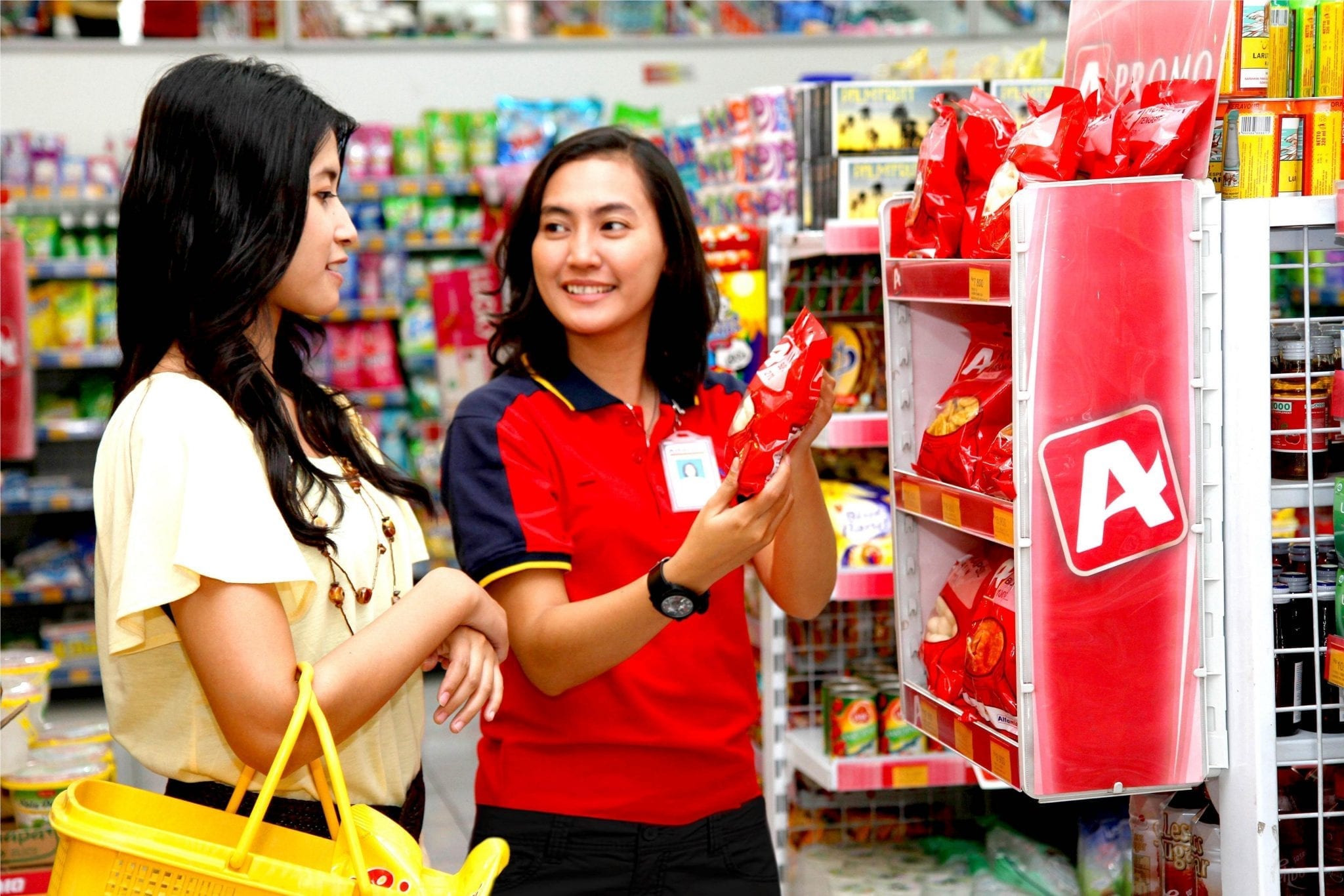
    Indonesia’s Alfamart has reported a healthy first half year’s performance.

    Alfamart sales rose by 21.5 per cent to IDR36,870 billion (US$2 billion) thanks to an aggressive store expansion program.

    The company’s unaudited gross profit increased 20.6 per cent.

    With a network total of 12,971 stores, Alfamart group remains narrowly behind competitor Indomaret, with 13,099, records research house IGD.

    Alfamart added 713 new stores from end of 2015, across the Lawson, Alfa Midi, Alfamart and Dan Dan (health and beauty) banners, compared to 889 reported by Indomaret.

    The new stores are mainly located outside of Greater Jakarta, which still accounts for 35.6 per cent of Alfamart’s stores, IGD reported.

    During the second quarter, the group added a warehouse in Serang, Java to support the Alfamart banner. As of June 2016, the retailer managed 40 warehouses in Indonesia (32 for Alfamart, seven for Alfamidi and one for Dan Dan).

  • SCB Easy Application on the Fritz Pending Upgrade

    SCB Easy Application on the Fritz Pending Upgrade

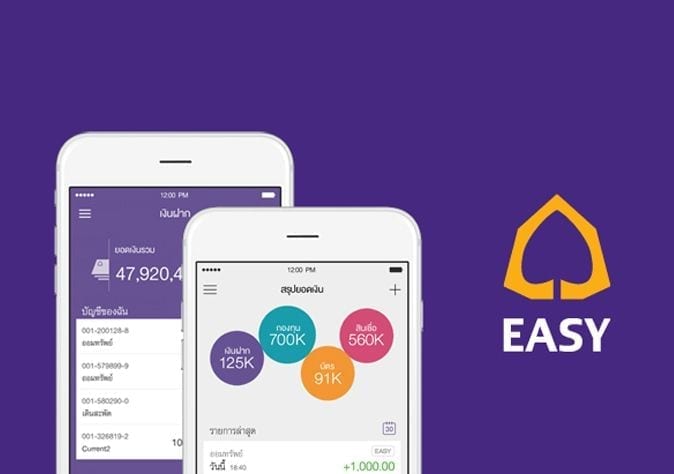
    Customers of Siam Commercial Bank (SCB) might have recently found out the hard way that the SCB Easy App is on the fritz and hasn’t been working as properly as it should’ve been.

    SCB has already suspended the service of the app yesterday, in order to be able to properly update the system.

    According to SCB, the disruption of service was due to the increased use of system for financial transactions. However, the app will hopefully be up and running again by Sept. 10 after the system upgrade.

    Customers, fortunately, are still able to use the bank’s services through other channels, including their website: www.scbeasy.com

  • In China’s electric car boom, global automakers select different gear

    In China’s electric car boom, global automakers select different gear

    By 2020, Beijing says automakers must meet tough new green standards to cut epic pollution in China’s cities. As domestic firms bet heavily on electric cars to meet that goal, foreign peers are set to stay in a different, petrol-driven gear.

    In the latest sign of caution from global automakers in China, Germany’s Audi last week unveiled a new factory for high-efficiency transmissions in Tianjin, to be used in petrol-powered cars. While Chinese firms go electric in the world’s biggest auto market, Audi is intent on petrol engines that can run farther, cleaner, in tandem with hybrid technology.

    As China’s electrified vehicle production booms, some international industry officials warn in private that the ambitious electric goals of domestic firms could prove too costly, too risky, too far from what consumers actually want – and not a good fit with their operations elsewhere. Still, China doled out $4.5 billion last year alone in green car subsidies.

    “In 2020, most cars we will sell will be combustion engines, so to fulfill (fuel consumption targets) you have to improve the consumption of each and every car of the Audi model range,” Audi China chief Joachim Wedler said at the opening of the new plant. Wedler didn’t comment on Chinese peers’ electric car plans.

    Automakers globally have struggled to agree on what a greener future will hold for the industry. In China, Beijing and state-linked automakers have thrown their weight behind electric vehicles – despite the fact that the electricity they need may be generated from burning coal.

    Under Beijing’s 2020 requirements, on average cars must consume less than 5 liters of petrol per 100 kilometers – nearly 30 percent below current standard levels.

    Beijing has rolled out a raft of incentives to push domestic automakers – foreign brands generally aren’t eligible – to build more electric and plug-in hybrid vehicles, spurring a quadrupling in sales of these so-called “new energy vehicles” (NEVs) in 2015. Even with that surge, just 1.4 percent of cars sold in the first seven months of 2016 were NEVs, as concerns linger over driving range and home charging.

    HYBRID COMPROMISE

    A powertrain manager at a major foreign automaker’s China joint venture said domestic companies’ smaller scale made them nimbler. Many are also state-linked, therefore obliged to support government policy, the manager said, declining to be named as he was not authorized to speak to the media.

    For example, Geely – controlled by Li Shufu, a member of the government’s political consultative body – wants 90 percent of all sales to be NEVs by 2020. Meanwhile, state-backed GAC Motor plans to be able to produce up to 400,000 green energy cars annually by the end of this year.

    Foreign automakers, who must form joint ventures with local partners to produce cars in China, have to consider a different dynamic – how manufacturing strategies on the mainland correlate with their traditional businesses and customers elsewhere.

    The powertrain manager said his company, like Audi, is focusing on a more gradual strategy, developing more efficient engines as well as plug-in petrol-electric hybrids: an interim solution that will please a government intent on cutting harmful emissions.

    Of course, foreign automakers aren’t avoiding NEVs entirely.

    General Motors’ China venture last year pledged to spend $4 billion on electrification, developing 10 new energy models by 2020.

    In Tianjin, Audi China chief Wedler said the German firm and partner China FAW Group plan to launch their first locally produced plug-in hybrid vehicle this year, with a new imported car based on the same principle on the way next year.

    But Wedler acknowledged that as China’s massive auto market evolves, automakers alone won’t determine future directions.

    “The whole picture is driven by legislation,” Wedler said.

  • Three apply for Singapore’s fourth cellco auction

    Three apply for Singapore’s fourth cellco auction

    Singapore’s MyRepublic has been joined by Australian ISP TPG Telecom and the recently-formed airYotta in submitting bids to become Singapore’s fourth mobile operator.

    The three companies have submitted expressions of interest in participating in an upcoming new entrant spectrum auction.

    MyRepublic has been clear in its intentions of bidding for the license for some time, but TPG Telecom is a surprise entrant.

    The new airYotta meanwhile has been formed by former executives from Consistel subsidiary OMGTel, which had previously expressed an interest in taking part in the auction but had not done so by the deadline.

    In a statement airYotta said it is backed by a fund fully financed by an investor dedicated to wireless ventures, and plans to deploy Singapore’s first LTE-A Pro network if its bid is successful.

    MyRepublic meanwhile aims to deploy a “pre-5G” network using HetNet technologies such as small cells, to help improve speeds, connectivity and latency.

    In a stock market filing, TPG confirmed it has applied to take part in the auction.

    “If TPG successfully prequalifies it will be able to bid for 2 lots of 2×5 MHz of 900-MHz spectrum and 8 lots of 5MHz of 2.3-GHz spectrum,” the company said.

  • Grab adopts Adyen for payment platform

    Grab adopts Adyen for payment platform

    Ride hailing platform Grab has adopted Adyen to extend the capabilities of its payment platform in Indonesia, Philippines, Thailand and Vietnam.

    The two companies aim to deliver a consistent, frictionless payment experience for customers traveling across markets regardless of device or payment method.

    Grab customers will be offered both traditional cards and, over time, country-specific payment methods, using Adyen’s expertise and data to expand payment options. Adyen supports around 250 payment methods globally.

    “As part of Grab’s drive to make ride-hailing even safer, easier and more accessible to everyone in Southeast Asia, providing trusted, seamless mobile payments is crucial for the overall customer experience. Grab wanted a partner who could support a variety of traditional and alternative payment methods to support our growth across the region,” Grab head of payments and commerce Joel Yarbrough said.

    Business travelers who work within the region can also easily tabulate their business ride spending with Grab through the Grab for Work portal, and companies can automatically pay for their employees’ rides through the use of corporate cards.

    “Southeast Asia is a diverse and highly fragmented region and there is no one preferred method of payment. However, mobile penetration in the region remains high and drives several key trends including the rise of mobile payments and platforms as a service,” Adyen president Warren Hayashi said.

    “Partnering with a fellow innovator and disruptor such as Grab, we are eager to empower commuters in Southeast Asia with the same convenience of hailing a ride seamlessly as paying for their Grab ride with equal ease.”

  • Indofood commissions instant noodle factory in Serbia

    Indofood commissions instant noodle factory in Serbia

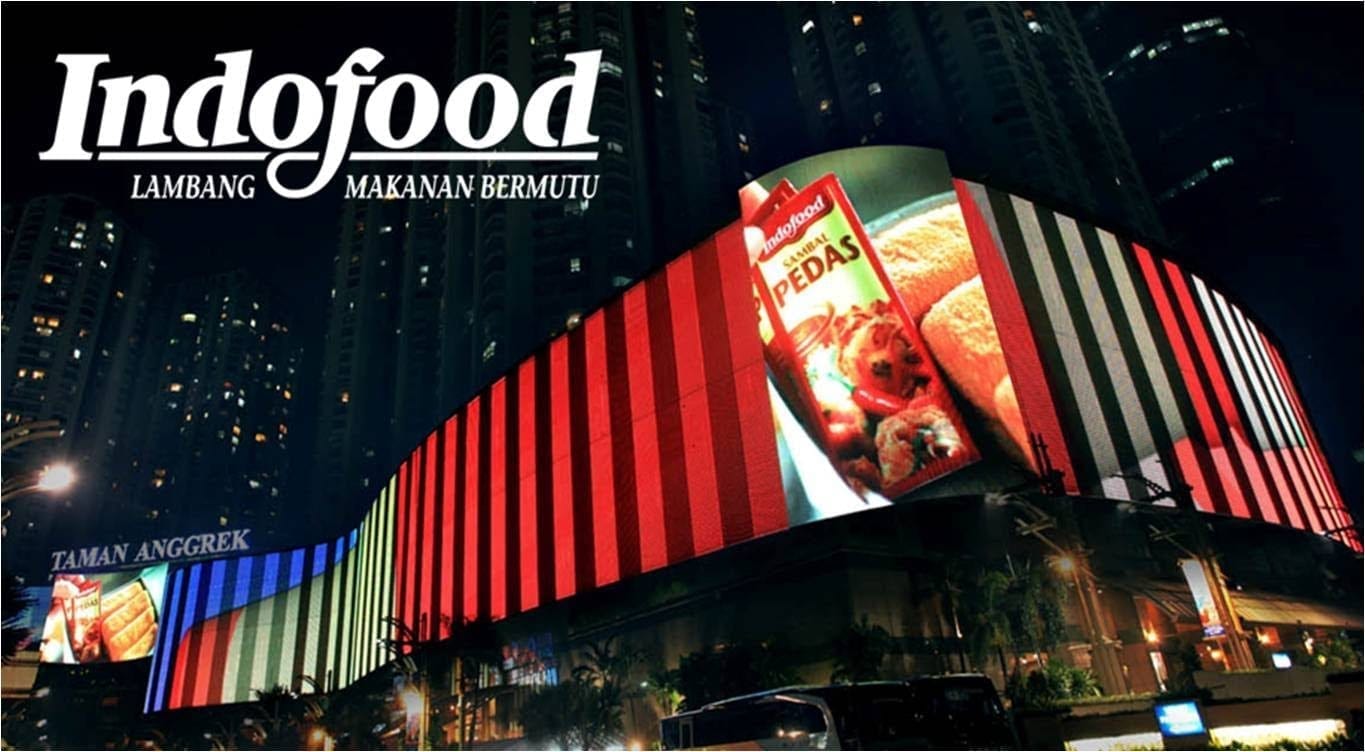
    PT. Indofood Sukses Makmur, the largest instant noodle producer in Southeast Asia has expanded operation to Europe setting into operation its factory in Serbia.

    Serbian President Tomislav Nikolic officially commissioned the factory in Indjija, around 80 kilometers from Beograd on Friday, the Indonesian embassy in the Serbian capital city said.

    The factory, which produces ready for consumption Indomie noodles, was already operational in August opening hundreds of jobs for the Serbians .

    Construction of the factory in Serbia, would be the first step of the company in market expansion in Europe, an embassy official said.

    The factory, occupying a five hectare plot of lands was built with an investment of 11 million euro. It has a production capacity of 500,000 carton boxes per month for distribution not only in Serbia but also to other countries Europe.

    Free trade adopted by Serbia with various other countries in Europe would facilitate the company in market expansion giving it greater optimism in its ambition to dominate the European market of instant noodle.

    The official commissioning ceremony was attended by other Serbian leaders, members of the diplomatic Corps , business leaders and local journalists.

    Support shown by the Serbian government is a big factor in the success of the Indofood investment in that country.

    President Tomislav Nikolic said he appreciated and supported the Indonesian investment in Serbia as a concrete step to expand economic cooperation between the two countries.

    Indonesian Ambassador Harry R.J. Kandou said the presence of Indofood in Serbia constituted a concrete proof of Indonesian initiative in strengthening economic cooperation between the two countries.

    Anthony Salim, the Executive Director of the Salim Group, which owns Indofood, said he hoped that factory would provide gateway for the Indofood to reach the rest of Europe.

  • Kiosk uniting with Taiwan Posiflex

    Kiosk uniting with Taiwan Posiflex

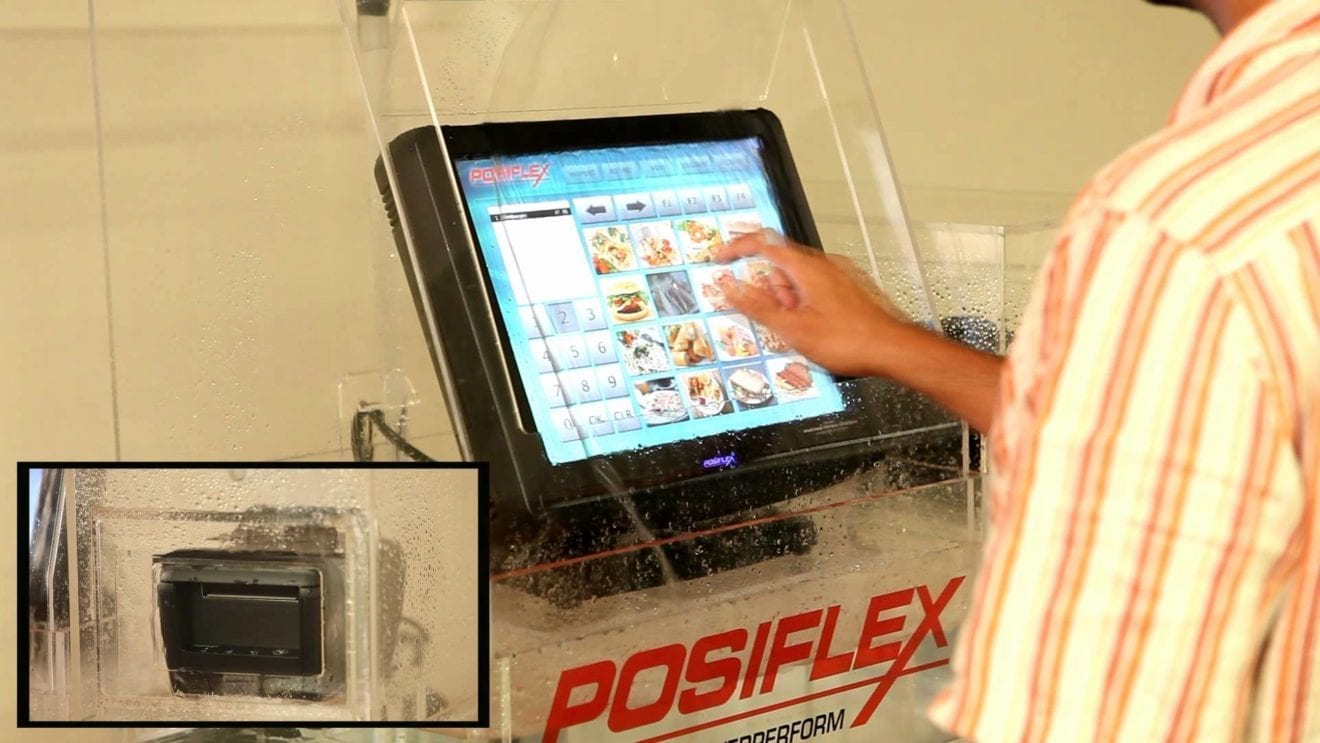
    Taiwanese Point-of-Sales terminal brand Posiflex announced that they have entered into a purchase agreement with Kiosk Information Systems (Kiosk), a provider in self-service solutions.

    Posiflex will offer Kiosk a cash purchase for all outstanding ordinary shares, for a total consideration of approximately US$105 million. Both companies are industry forerunners known for best-in-class POS and self-service platforms. Combining these complementary strengths positions Posiflex for continued growth tied to emerging “Internet of Things” (IoT) applications within the service automation industry.

    Retailers, financial service providers, hospitality and logistics service providers are key among an even wider industry audience driving steady and steep demand in transaction automation.

    Deployers are increasingly incorporating self-service as a “must-have” element of today’s Omnichannel consumer experience; increasing touch points, reducing costs – all while simultaneously collecting valuable transaction data.

    Kiosk is unique among its’ competitors in its ability to provide a complete end-to-end solution encompassing custom design engineering, manufacturing, software development, field services, and highly secure managed services. This “total solution” approach to services has fueled Kiosk’s continued growth and reinforced analyst’s rankings of Kiosk as the dominant North American provider and #3 globally.

    As the IoT is driving improved asset utilization, better logistics management, and better customer experiences, self-service automation platforms become an increasingly integral element of Omnichannel sales strategies.

    Utilizing IoT data from transactions provides valuable insight for customer-specific data collection and enables customized point of sales marketing. Posiflex CEO Owen Chen adds that, “By combining Posiflex and Kiosk’s dual-value proposition in this domain, we are confident in emerging as a distant leader in this growing market.”

  • Combo card will be tested in 40 cities

    Combo card will be tested in 40 cities

    The combo card that promotes non-cash social assistance will be tested in 40 cities until the end of 2016, Bank Indonesia (BI) has stated.

    If the trial goes off well, on January 1, 2017, the entire social assistance from the government can be channeled through the Family Welfare Card (KKS) Red and White combo device, Director of Elektronifikasi Program and Financial Inclusion of Bank Indonesia Pungky Purnomo Wibowo said Friday (September 2) night.

    “January 1, 2017, we apply all of the Family Hope Programs and the rice prosperous social assistance (Rastra). Further, the student aid program and the School Operational Assistance (BOS) will be around that time as well,” he said.

    The combo card can be used to avail the Rastra, and family expectations (PKH) aid, Pungky explained in the demonstration project or the pilot project.

    The combo card used in the “e-waroeng” (electronic shop and gotong royong/mutual help) are also agents of Financial Services Digital (LKD).

    The beneficiaries of social grants (bansos) bring the Cards Family Welfare (KKS) issued by the Bank to the new joint four, namely Bank Mandiri, Bank Rakyat Indonesia, Bank Negara, and Bank Tabungan Negara, and exchange it at “e-waroeng”.

    With the KKS, the public can receive Rastra basic foodstuffs such as rice, sugar, flour, and oil at subsidized prices.

    Furthermore, the combo cards can not only be used to get help in the LKD functions, but can also be used for transactions such as cash withdrawals or transfers, as well as saving money, such as bank function nirkantor (branchless banking), Pungky said.

    This combo card can make the distribution of social aid meet the rules of 6T – the right target, the right amount, the right price, right time, right quality, and right administration, Deputy Governor of BI Ronald Waas said on the occasion.

    The government budget for social protection in 2017 reached Rp158 trillion, the BI recorded. With that budget, social protection assistance would be effective and appropriate.

  • Silver consumers driving convenience push

    Silver consumers driving convenience push

    Look for more, but smaller, neighborhood stores, an increase in local delivery trucks and changing store layouts as retailers accommodate aging populations, says The Silver Series IV: Retail Reconfiguration for Seniors.

    The report is the latest in a series of analyses from Fung Global Retail & Technology on the impact of the growing 65-and-over population  – silver consumers – on global economies, industries and retail.

    With smaller households and appetites, seniors shop more frequently, but make smaller purchases, favoring the convenience store sector, the report says. The trend is already being seen in Europe, where large-format retailers such as Tesco and Carrefour are opening smaller stores. While this has yet to take place in the US, ignoring this population segment is unwise, as silvers are growing in number and driving a disproportionate amount of consumer spending.

    “The era of the silver generation has arrived,” writes Deborah Weinswig, MD of Fung Global Retail & Technology.

    The global population silver consumers – aged 65 and older – will account for over one-third of population growth through 2035, according to the United Nations, and will comprise more than 20 per cent of the population overall in Japan, South Korea, Western Europe, North America and China. These households tend to be wealthier, and in the US, senior households spend well above the national average on household supplies and books, though less on apparel and footwear, which could be due to limited choice.

    Long thought to be the province of the young and tech savvy, eCommerce also is a growth market for seniors, who will enjoy or require the convenience of home delivery.

    Not all stores and product manufacturers are accommodating silvers’ changing needs. Seniors can find large-format stores and regional malls overwhelming, and product packaging may need to be redesigned in order to make it easier for seniors to read and open, Weinswig notes.

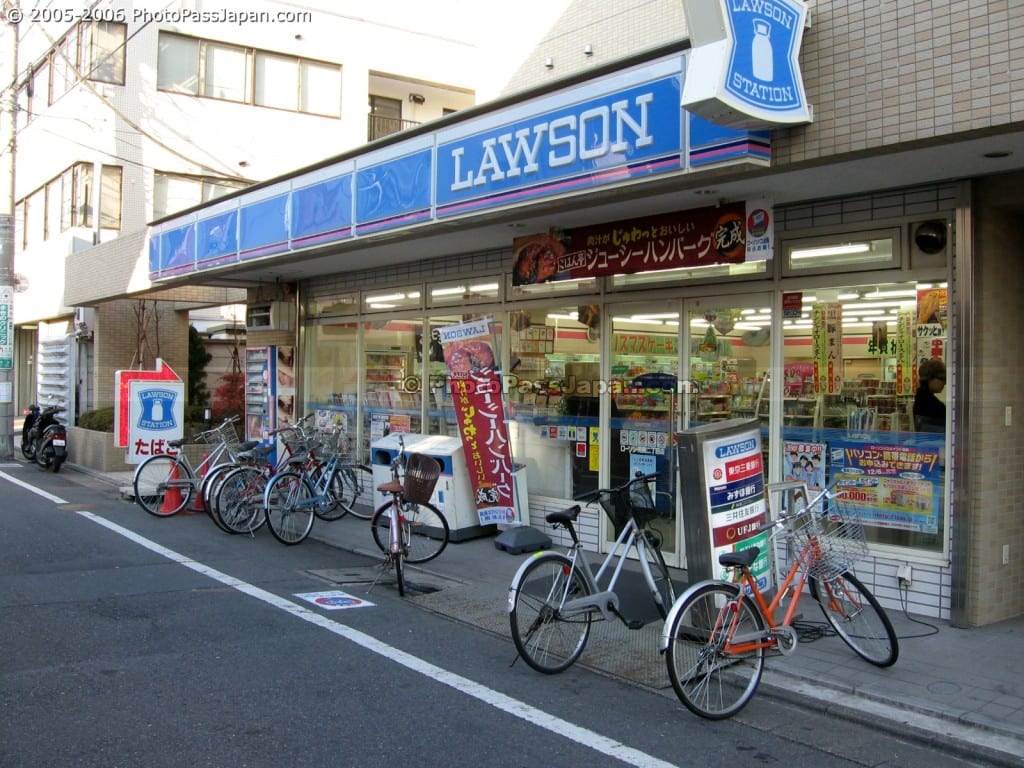
    But some retailers around the globe are adapting. Japan’s Lawson convenience store chain has renovated units in areas with a high concentration of silvers, widening aisles, lowering shelves and stocking more products that appeal to older shoppers. The 7-Eleven chain in Japan offers a meal delivery service to seniors, while the Aeon Mall offers medical facilities, leisure activities, a concierge and other services for its senior shoppers. Supermarket chains in Germany and Austria have widened aisles, provided customised shopping carts and added nonskid flooring, while in the US, drugstores CVS and Walgreens are adapting store layouts to minimise high- and low-shelving, and have carpeted floors in some stores and even added magnifying lenses to shelves so shoppers can read labels with small print more easily.

    “It is no coincidence that Japan, which is well ahead of most countries in terms of the aging of its population, has a major convenience store sector,” Weinswig writes. “We are now seeing other markets follow Japan in a convenience boom: in France and the UK, for instance, major retailers are pushing into the format as the segment outpaces the wider grocery market.”

    The full report can be found here.

  • Pizza Hut parent eyes French Connection sale

    Pizza Hut parent eyes French Connection sale

    The parent of the Pizza Hut business in the UK appears to be an unlikely bidder in the French Connection sale.

    Private equity company Rutland Partners is reported by the Sunday Times to have been in talks to buy the troubled UK fashion brand since early this year.

    French Connection, a decade ago infamous for its branding FCUK, has struggled for the last several years as its designers failed to capture consumers imagination with its offer. The brand seems caught in a rapidly shrinking middle market between fast fashion brands and the European-led luxury sector, its pricing aligned with neither end of the spectrum.

    The company is thought to have been unofficially on the market for more than a year, although Rutland is thought to be offering as little as £40 million

    A source told the Sunday Times it could not justify paying more than 40p a share for the business, which extended its losses five-fold last year on sales down 9 per cent to £164.2 million.

    Besides Pizza Hut, Rutland also owns electronics chain Maplin and the Bernard Mathews turkey brand.

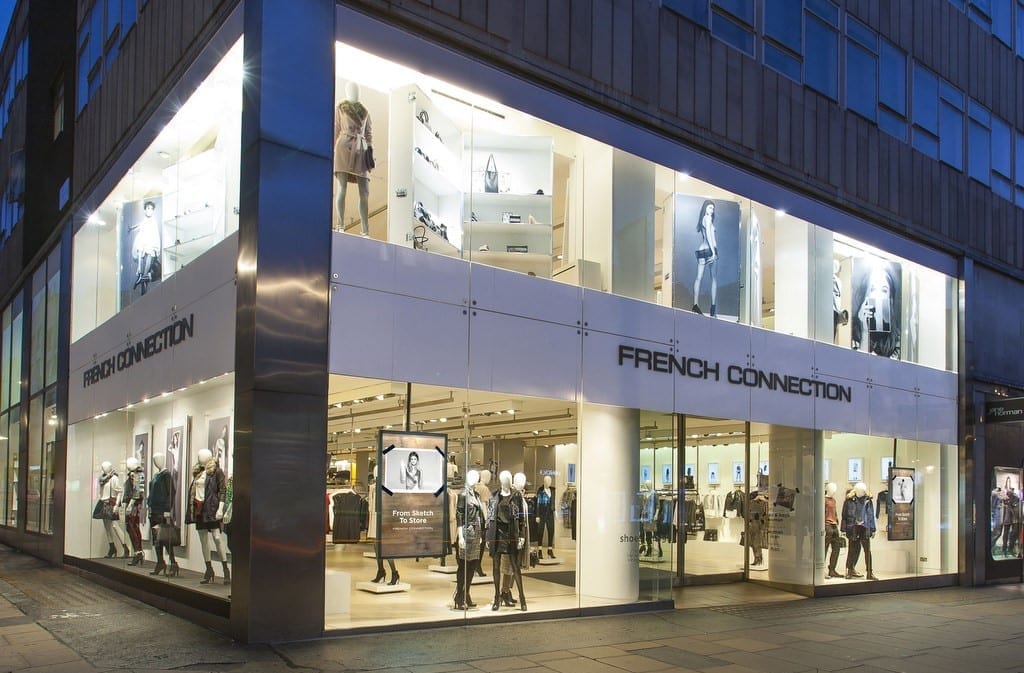
    French Connection dates back to 1992 when it was founded as a womenswear brand by Stephen Marks, a year after the cult film of the same name was released. Menswear was added in 1976 and Marks grew the business to the point where its float in 1984 made him Great Britain’s 15th richest man. By the late 1980s it was in trouble and he bought back control of the business in 1991, launching the controversial FCUK brand and advertising campaign. That drove it back into a new era of success before consumers grew tired of the joke and it reverted to French Connection in 2005. By 2014 the retailer had 131 stores in the UK and Europe and it wholesales stock and supplies franchises internationally.

    Ten years ago the company’s shares traded at £2.40 each, and Gatemore Capital Management, which holds 8 per cent, values the stock at £1.50.

    Robert Stockdill

  • Asian online shoppers habits uncovered

    Asian online shoppers habits uncovered

    Asian online shoppers research, locate, engage with and purchase products and services in entirely different ways in different markets, according to a new report.

    For example, almost all consumers in Indonesia knowingly provide brands with wrong details, including name (93 per cent), phone number (94 per cent), and email address (95 per cent) when researching or shopping online

    And the biggest driver of online-to-offline (O2O) conversions is with email in Singapore; SMS in Indonesia; chat apps in China; social media in Malaysia and Thailand and video ads in Hong Kong.

    And 27 per cent of consumers in China and 10 per cent of consumers in Singapore unknowingly input wrong payment details, breaking the region’s eCommerce’s momentum.

    Those are among many takes from The Digital Consumer View 2016 (Asia) report, released by global information services specialist Experian today, containing research from International Data Corporation (IDC), aimed at helping businesses better understand digital consumers in Asia.

    The report reveals how consumer behaviour varies across the key Asian markets of Singapore, Malaysia, Indonesia, Thailand, Hong Kong, and China, based on surveys with over 1200 digital consumers.

    Differences exist across channels (SMS, app notifications, email, social media, chat apps), devices (smartphone, feature phone, Wi-Fi/cellular tablet, wearable) and content (ads in email, ads in mobile apps, ads in social media, video ads on websites, and search ads). The findings highlight the complexity of reaching digital consumers in Asia across many channels, but also highlight how crucial that is, says Jeff Price, MD of Southeast Asia at Experian.

    “While the region is fast-growing, consumer behaviour in each market has unique disparities. Businesses today cannot succeed without intelligent insights based on consumer data,” he advises.

    “Asia is in the midst of a great digital revolution, with an explosion of smart devices, social media interactions and eCommerce transactions. While this evolution has greatly enabled and empowered both sides, it has also challenged businesses to be more effective and targeted in the way they communicate and market to this modern, digital-savvy consumer.

    “For companies to keep up with digital consumer behaviours – how they act on information – it’s absolutely vital to adopt and leverage what their consumers are providing them with every day – invaluable data. Businesses slow to act on this data will see their competitive advantage erode.”

    Key findings

    Experian - DCV - Region - Key findings

    • Search and discovery: Social media is the top channel in Singapore (31 per cent), Malaysia (49 per cent), Indonesia (67 per cent) and Thailand (58 per cent). It’s equally important as chat apps in China (47 per cent); in Hong Kong, video ads (63 per cent) trumps all.
    • Triggering product interest: Social media, once again, is the key driver in Singapore (28 per cent), Malaysia (44 per cent), Thailand (49 per cent) and Hong Kong (25 per cent). However, in Indonesia it’s SMS (62 per cent), and in China it is chat apps (48 per cent).
    • Triggering purchase intent: Email is the biggest driver of online to offline conversion in Singapore (27 per cent); SMS tops in Indonesia (57 per cent); chat apps in China (45 per cent); social media in Malaysia (44 per cent) and Thailand (51 per cent); and video ads tie with social media in Hong Kong (23 per cent).
    • Finding good deals: For unplanned purchases stemming from promotions, email leads in Singapore (34 per cent); social media in Malaysia (50 per cent), Indonesia (68 per cent) and Thailand (58 per cent); SMS in Hong Kong (36 per cent), and social media in China (51 per cent).
    • Brand engagement: Email is key for marketers to build engagement in Singapore (58 per cent) and Thailand (60 per cent); chat apps in Malaysia (62 per cent) and China (70 per cent); banner ads in Indonesia (56 per cent), and SMS in Hong Kong (61 per cent). While email is important, marketers need to be wary: more than 70 per cent of consumers reported receiving too many emails, up from 52 per cent in 2015.

    Experian - DCV - Region - The rise of omni-channel engagement 1

    Shiv Putcha, associate director, consumer mobility and telco strategy with IDC Asia Pacific, says businesses and brands cannot afford to ignore Asia’s multi-trillion-dollar digital commerce market. China alone is now the world’s largest retail market.

    “The challenge lies in the fact that the region has extraordinary differences – language, economy, purchasing power – and consumer behaviours, especially with the digital generation. That uniqueness will not diminish over the next few years and may even increase, making it challenging for marketers not using data-driven insights to research, plan and execute effectively. The Digital Consumer View 2016 (Asia) will hopefully serve as a valuable guide to deciphering some of these key trends, mapping the path forward for brands and their connected consumers.”

    Experian - DCV - Region - Top 3 types of ads that influence consumer's buying behavior

    Key Learnings for marketers in Asia

    • Over-reliance on a single marketing channel will not work. Depending on the country and its current state of digital sophistication, marketers need to think carefully about the right mix of channels to employ.
    • Quality over quantity. Consumer preferences for receiving promotional material varies from market to market, and by specific use cases. On a broader level, more is not necessarily better. A relevant and targeted message will ensure better conversion. Too much, and consumers are inclined to unsubscribe, delete, or mark content as spam.
    • The quality and integrity of data is crucial for marketers to find success. A significant number of consumers across the region either knowingly or unknowingly provide inaccurate information, which in turn causes errors and inaccuracies in marketer’s data sets. Around 27 per cent of consumers in China but only 10 per cent in Singapore unknowingly input wrong payment details; 40 per cent of consumers in China, and over 20 per cent of consumers in the rest of the region provide a wrong address at online checkout.

    Asia comprises 49.6 percent of the world’s Internet users, according to Internet World Stats (2016), digital commerce in the Asia-Pacific (excluding Japan) region will rise to US$17 trillion by 2019, up from US$7 trillion in 2015 according to International Data Corporation (IDC). The combination of rising incomes, increased consumption, acceleration of internet use, and the proliferation of mobile broadband access continues to unlock tremendous opportunities for marketers across the continent.

  • Tourists taint Abercrombie & Fitch sales

    Tourists taint Abercrombie & Fitch sales

    After a short lived rally at the back end of its previous fiscal year, US apparel group Abercrombie & Fitch is now firmly back in negative territory with a weak set of sales figures at both the total and comparable level.

    It is particularly disappointing that sales growth has deteriorated since the prior quarter with much worse comparable numbers coming through for the US market.

    Once again, Abercrombie led the way with a decline of 7 per cent in same store terms; Hollister fared a little better but also slipped into negative territory with a comparable sales slide of 2  per cent. In the US both brands suffered from weaker traffic to malls and from lower tourist spend at flagship stores in key locations. This was offset, in part, by a more robust performance from the online channel which continues to show signs of life.

    Thanks to tighter inventory control, discounting was not particularly pronounced across the period which allowed A&F to produce a stronger margin outcome than might otherwise have been the case. Even so, higher product costs, relatively higher store and distribution expenses – which include the impact of lower margin eCommerce orders – and an asset impairment charge all helped push the company to an operating loss of US$10.8 million over the period. This is a marked deterioration on last year’s profit of $1.9 million.

    As disappointing as these numbers are, they are not entirely unexpected. The second quarter was expected to be fairly weak before a slight recovery of fortunes during the fall and winter seasons when stronger ranges should help drive more consumer interest. Since the previous update, however, the dollar has strengthened and this will take some of the edge of both sales growth and the profit line across the remainder of this year.

    As much as A&F is still in a period of correction, the company continues to move in the right direction. The decision to shutter 60 stores in the US over the course of this fiscal year reflects the changing dynamics of shopper behavior and will reduce A&F’s exposure to weaker malls and retail centres. The company’s emphasis on eCommerce will ensure that some of these sales are recouped.

    The company’s efforts around eCommerce are not just confined to the US. In Europe A&F’s new partnership with Zalando is encouraging, allowing it to bolster volumes and sales across Europe in a cost effective way. This gives the company and its brand extensive reach without the associated costs of opening and operating a vast number of stores.

    All that said, A&F still has much work before its brands are restored to full health. Its new ranges are better and much more appealing to core customers as well as a slightly older demographic. However, the brands still need a stronger sense of identity and focus in what remains a very crowded and competitive marketplace.