Author: Mei Ling Tan

  • HSBC appoints new wealth chief in Singapore

    HSBC appoints new wealth chief in Singapore

    Anurag Mathur will become HSBC’s new head of retail banking and wealth management in Singapore as of mid-September.

    He will replace Matthew Colebrook, who is taking charge of the bank’s equivalent business in the Middle East.

    HSBC

    Mathur has most recently worked as head of international markets for HSBC’s retail banking and wealth management arm in Asia.

    This has seen him oversee Bangladesh, Brunei, Macau, Mauritius, New Zealand, Philippines, Sri Lanka and Vietnam.

    Mathur has most recently worked as head of international markets for HSBC’s retail banking and wealth management arm in Asia.

    This has seen him oversee Bangladesh, Brunei, Macau, Mauritius, New Zealand, Philippines, Sri Lanka and Vietnam.

  • Hong Kong Housing Prices to Fall a Further 10%, Nomura Says

    Hong Kong Housing Prices to Fall a Further 10%, Nomura Says

    Hong Kong home prices will fall a further 10 percent as a pipeline of new developments is met by stalling income growth and looming interest rate hikes, Nomura Holdings Inc. said in a report.

    “We are bearish on the physical property market, on a weakening economy, deteriorating affordability, declining retail sales and stagnant real household income growth,” analysts led by Jeffrey Gao wrote in a note Tuesday. Prices will decline over the medium term, the analysts said, without being more specific.

    Gao said in an interview earlier this month that a rebound in property prices during the second quarter was just a pause in a multi-year correction. Hong Kong home prices are 9.4 percent below their September peak, having fallen as much as 12.8 percent at the end of March, according to data from Centaline Property Agency Ltd.

    Mortgage rates in Hong Kong, which are linked to the Federal Reserve rate via the pegged currency, may rise after Fed Chair Janet Yellen said last week the case to raise interest U.S. rates is getting stronger.

    Nomura also sounded a bearish note on Hong Kong’s retail property market, predicting a 5 percent drop in rental returns in fiscal 2017, as tourist arrivals decline and sales fall. Office rents may also fall as much as 5 percent as leasing demand slows, the report said.

    Despite the negative outlook, Nomura remains “positive on HK property names overall,” citing their healthy debt levels, solid balance sheets and potential for share buybacks. The analysts’ top picks are Sun Hung Kai Properties Ltd. and Kerry Properties Ltd., which are both trading at a discount to their net asset value.

    Sun Hung Kai Properties shares have risen 17 percent this year and Kerry Properties have gained 6.9 percent, outperforming an 11 percent increase by the Hang Seng Property Index.

  • ALODD by Aldo Lipari Steps Out in Singapore

    ALODD by Aldo Lipari Steps Out in Singapore

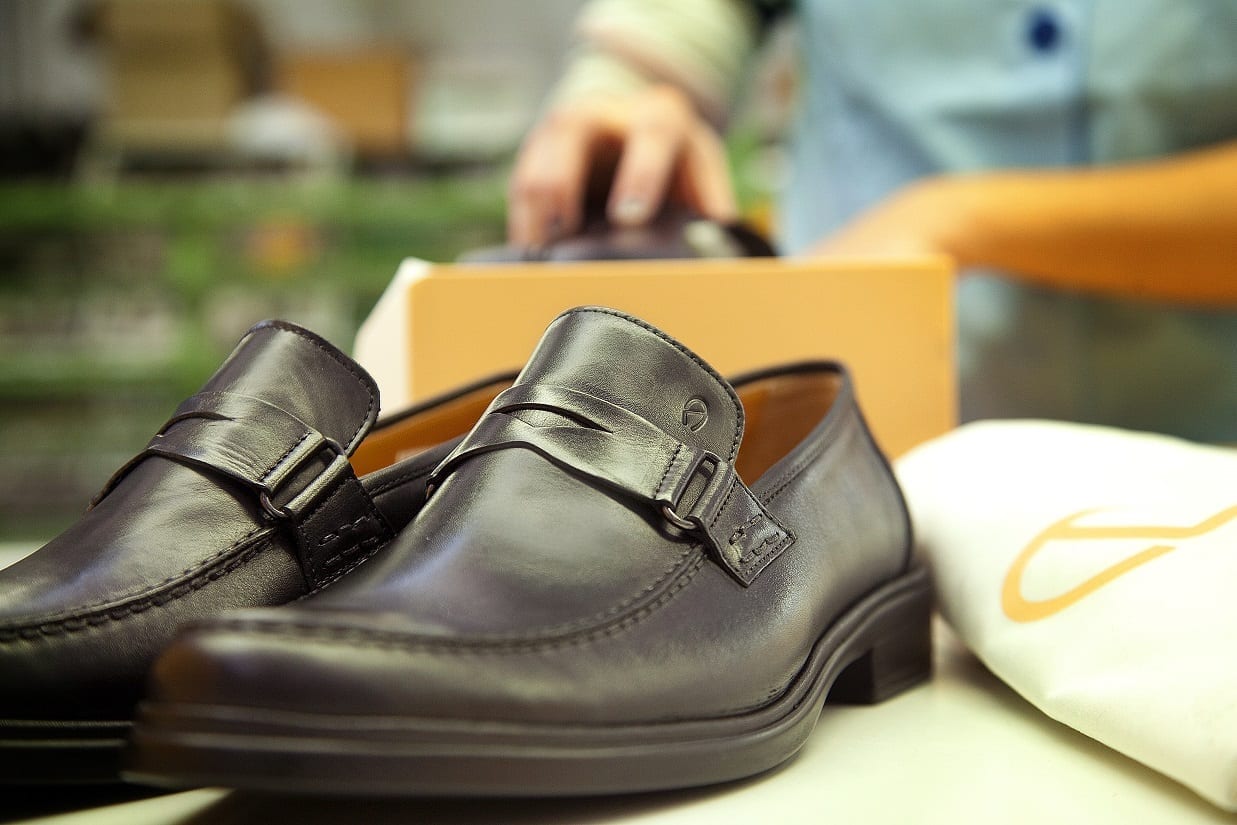
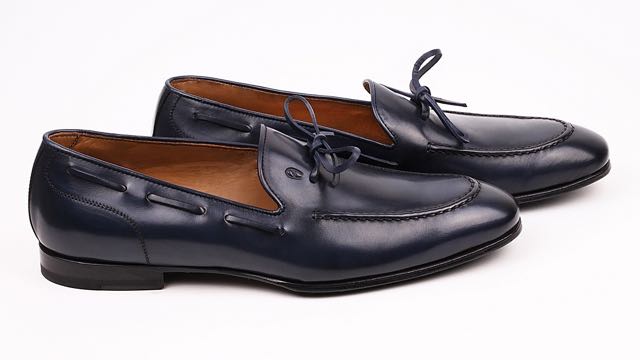
    ALODD by Aldo Lipari is a new Singapore-based label to step out into the retail scene in Singapore.

    The footwear brand is founded by Aldo Lipari, who brings his wealth of experience as the former  CEO of Bally Southeast Asia / Oceania, drawing on his know-how on the market and what consumers want, in setting up his own venture.

    A resident of Singapore for the past six years, Lipari first relocated to the city-state to run Bally’s operations in the region, serving as the Swiss luxury brand’s CEO of Southeast Asia and Oceania from 2009 to 2014

    I’m very much at home in the Asia Pacific / Southeast Asia region and have a strong understanding of what the customer here wants, what the climate and lifestyle require. But I’m also Italian, with an immense appreciation for quality and craftsmanship,” explains Aldo.

    The flagship store for ALODD by Aldo Lipari opens in the newly-opened annex of The Centrepoint on Orchard Road, and sits opposite the popular Ministry of Food and soon-to-be opened, Din Tai Fung.

    Our beautifully designed shoes are handmade in Italy to the absolute highest standards,”

    “By eliminating many of the unnecessary overheads that major brands are subject to, we’re able to deliver a product that presents far greater value than what you’d find on the shelves at most ‘luxury’ boutiques.”

    ALODD’s footwear is exquisitely crafted by Italian artisans, utilising time honoured, traditional shoemaking techniques.

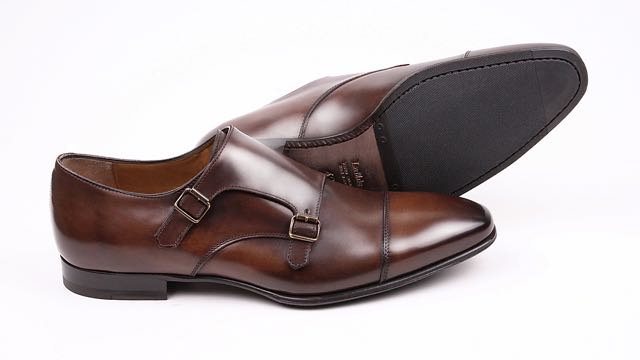
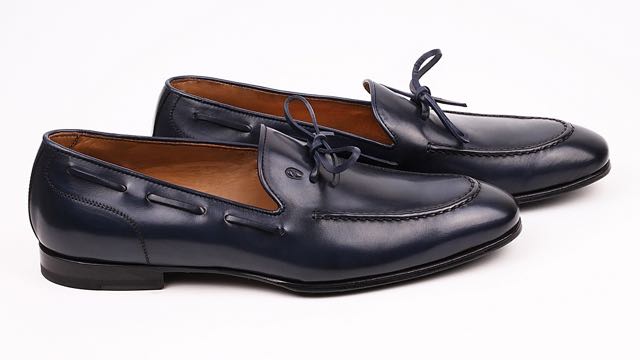
    The ALODD range is priced from $397 to $496, and staples for the working man include classic loafers, lace-ups and slip-ons, to a Derby, Oxford and Double Monkstrap.

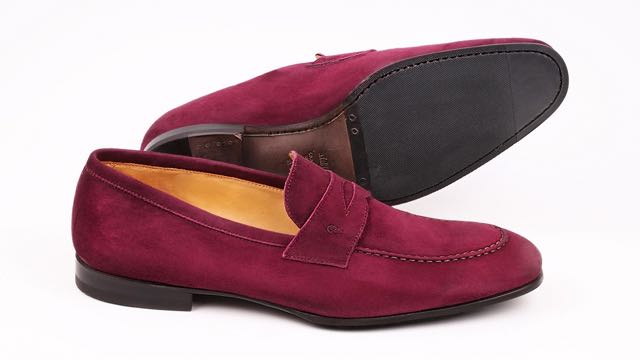
    For the weekend, driver moccasins, suede loafer and the woven loafer make excellent choices.

    Lastly the label’s unique Comfort Line which is a hybrid of sneaker meets Italian footwear, features the California construction.

    Although its name suggests American origins, the ‘California’ technique of shoe construction actually originated in Italy.

    As is the case with all of ALODD’s footwear, Comfort Line shoemaking is carried out entirely in Italy, by skilled Italian craftsmen.

    ALODD by Aldo Lipari The Centrepoint
    #02-50 The Centrepoint, 176 Orchard Road
    Singapore  238843

    ALODD by Aldo Lipari Takashimaya
    391 Orchard Road, Takashimaya Shopping Center Level 3
    Singapore 2238873

  • Menswear milestone: Hugo Boss opens 200th airport store

    Menswear milestone: Hugo Boss opens 200th airport store

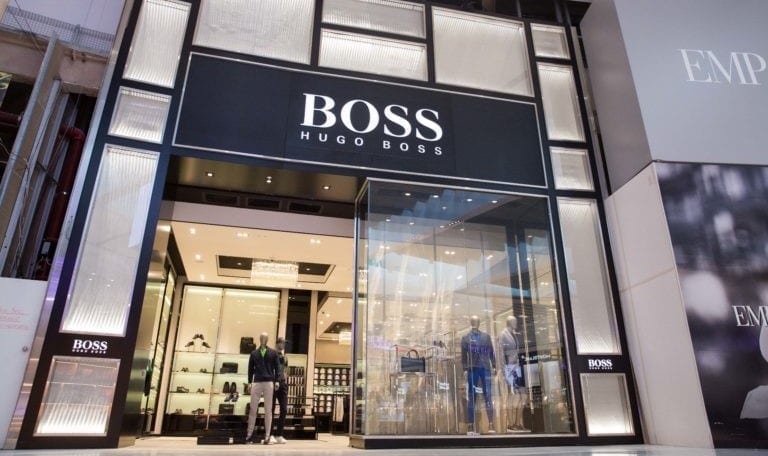
    Luxury menswear specialist Hugo Boss opened its 200th airport store earlier this year at Sydney Airport, as the brand maintains its strong focus on growth in travel retail.

    The store, which opened in April, measures 187sq m and is located at Sydney Airport Terminal 1. It offers Boss menswear including ready-to-wear, shoes, accessories as well as sportswear lines such as Boss Green.

    The opening takes the brand’s total number of airport stores in Asia Pacific to 47.

    Hugo Boss entered travel retail in the 1990s and has four lines: Boss, Boss Green, Boss Orange and Hugo. The company has a dedicated global travel retail team, with offices in Zürich, New York and Hong Kong.

    The company said growth in the channel over the years has been stable apart from 2001/2002 and 2008/2009 when the travel retail and fashion industries were shaken by global events such as 9/11 and the financial crisis.

    Hugo Boss Travel Retail Director Jesper Gustafsson said Hugo Boss had proven a success in travel retail because it offers all three product pillars in men’s fashion: formalwear, sportswear, shoes and accessories. “The share among the three pillars is equal today, with shoes and accessories the fastest growing product segment for the past two to three years.”

    Gustafsson continued: “Last year’s exceptional growth of fashion and accessories in the travel retail industry was mainly driven by womenswear and by the accessories category in particular. For Hugo Boss, this has been a blessing in disguise. On the one hand, it has given us tough times as some airport authorities have been chasing the accessories segment for women blindly, sometimes deciding to dedicate 100% of the available stores in their airports to this product category.

    Hugo2_32 - Copy

    Hugo Boss Travel Retail Director Jesper Gustafsson says there is limited competition in men’s fashion in travel retail

    “On the other hand, it has given us little competition in our area of expertise, namely fashion for the male customer at the airports. Our strategy has always been to be the number one menswear brand in travel retail, a vision we have kept and fulfilled for several years now.”

    The importance of travel retail to Hugo Boss’ business is highlighted in the brand’s investments in new stores and renovations, he said. “On average we finalise between 40 to 50 store projects per year, with a strong distribution network as a result,” noted Gustafsson.

    “We develop both through franchise partners and directly operated stores, which enables us to act fast and balance our distribution in a way that we can learn from direct contact with the traveller. It is imperative to learn how the needs of the travelling customer develop and how we can adapt as a brand to become better, and more responsive in the way we develop our business.”

    Opening Photo

    According to Gustafsson, fashion is not considered a priority by many male travellers. “Fashion, especially for men, often comes after the core categories, food & beverage and sometimes also behind technology. This means that a clear, powerful message is needed in your offer as well as good customer service to enable the purchase to happen within the restricted time limit for the customer.

    “Another important factor is omnichannel. If we can start the buying process before our customer leaves his home, we have a head-start and our airport conversion rates will be affected positively.

    “Like many other fashion companies out there, Hugo Boss is investing heavily in this area and in due time several functions such as click & collect for example will be available at our airport stores.”

    So, where does Gustafsson see Hugo Boss’ travel retail business in five years’ time? “Having 200 airport stores is certainly a milestone, but the road ahead is filled with more opportunities, which does not necessarily have to be more stores. It can also mean new ways of connecting to the customer through an omnichannel approach, or, for example, to offer a deeper customer service with tailoring at the airport and free home delivery of an altered suit.”

    Gustafsson continued: “Airports will develop more and more towards downtown shopping centres, where customer experience takes precedence rather than the spur-of-the-moment or last-minute approach used today by airport authorities when they develop their retail areas.

    “I also think that we will see the fashion & accessories category continue to outpace the traditional airport categories in growth, leading to a welcome shift in focus from how the main duty free stores should develop separately from the rest of the stores and cafes/restaurants, to how the entire airport shopping area should develop to give the customer a better experience.”

    “A brand like Hugo Boss can make gains as there’s still a mismatch between demand and supply for men’s and women’s fashion at airports today if you compare it to downtown,” concluded Gustafsson.

  • Malaysia’s retail industry may grow by 6% this year

    Malaysia’s retail industry may grow by 6% this year

    Malaysia’s retail industry is expected to grow by 5.9% in the third quarter of this year, boosted by the timing of the Hari Raya holidays, according to Retail Group Malaysia (RGM) in the latest Malaysia Retail Industry Report.

    RGM said the projected growth would also be spurred by the Minimum Wages Order 2016 that was implemented on July 1.

    “For civil servants in Malaysia, the minimum wage increased to RM1,200 per month. This has raised the average purchasing power of the Malaysian working population to some extent,” RGM said.

    It added that the Pokemon Go app launched in Malaysia this month had also attracted more visitors to shopping centres and retail outlets throughout the country.

    “Nevertheless, it is not expected to contribute significantly to retail sales. Food and beverage outlets and grocery stores located near to Pokestops will benefit the most from this craze.”

    Mall operator Sunway Malls, in a recent statement, said Pokemon Go had resulted in a surge in traffic and sales numbers at its shopping centres locally.

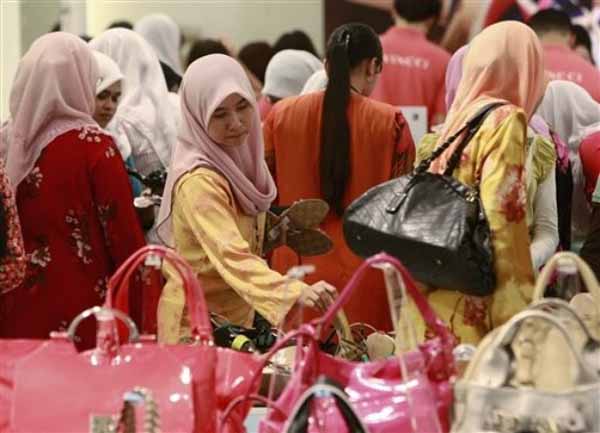
    “To date, we have seen traffic increase by an average of 10% for Sunway Pyramid (pic), 8% for Sunway Giza, 6% for Sunway Putra Mall, and 4% for Sunway Carnival Mall,” said Sunway Malls chief operating officer Kevin Tan.

    “It is widely known that malls in general have high traffic during the festive period and school holidays, but the introduction of Pokémon Go has certainly spiked up the footfall for the non-peak season.”

    Meanwhile, RGM said retailers in the fashion and fashion accessories sector expected their business to slow down again, with a positive growth of only 0.2% during the third quarter of this year.

    “Retailers in the pharmacy and personal care sub-sector are expecting to maintain their recovery with a growth of 11.4% during the third quarter of 2016.”

    MIDF Research, in a report earlier this month, said it was optimistic that the launch of the new Perodua Bezza and Proton’s new batch of models, combined with the launching of new smart devices, will boost retail sales in the second half of 2016.

    Moving forward, RGM said the Malaysian retail industry’s fourth-quarter growth rate estimate remained at 5.5%, taking into consideration the growth of 1.3% achieved during the same period a year ago.

    “The projected retail sales growth rate of Malaysia’s retail industry in 2016 by RGM stays at 3.5% or RM99.5bil in values.”

    The Malaysian retail industry reported a lower-than-expected growth rate of 7.5% in the second quarter of this year compared with the same period last year.

  • A bonfire of the Swiss watches

    A bonfire of the Swiss watches

    Ever since the Chinese government cracked down on “gift giving” as part of its anti-corruption campaign, Swiss watch exports have taking a beating.

    Here’s the trend, courtesy of a UBS European luxury note out Wednesday:

    As the analysts note, that slump follows a more than 100 per cent rise in the value of Swiss watch exports over 2010 and 2011.

    Ground zero for the demand destruction, meanwhile, is Hong Kong. And it’s there that UBS got some insight on the scale of the downturn from three major retailers:

    We recently met three Hong Kong/ China watch retailers: Hengdeli, Oriental and Emperor Watch & Jewellery. All three companies commented that current trading remains tough, and there is not expected to be any significant recovery this year. Destocking continues as retailers reduce replenishment rates on weaker brands and adjust inventory price mix. More store closures are also ahead with the only silver lining that there appears to be a little more room for rent reductions in Hong Kong of ~10%-40%.

    Recent company commentary has continued to be weak: Swatch reported H1 results on 21st July. Organic sales declined -12.5%, with multi-brand retailers cautious to re-order or cancelling orders. CEO Hayek commented that own retail was better than wholesale and retail in Hong Kong has potentially bottomed out with sales between +10% and -10% depending on the stores. Local Hong Kong retailers, however, do not see the same trends. These results again confirm the difficult market conditions, and follow Richemont reporting April sales -15%.

    Unsurprisingly, for a market where the perception of scarcity underpins all value, the likes of Richemont have even taken to buying back inventory. According to UBS, the new Cartier CEO has specifically looked to clean out high end inventory from the Hong Kong market. This, we’d argue, is quite something. (Or at the very least a new asset purchase idea for QE?) From UBS:

    We estimate that Cartier watches declined -25% in H2 to March 2016 (~€240m) decelerating from closer to a -10% decline in H1. How much of this was “negative sales” due to the buy in is unclear. A rebasing of stock levels in the channel remains key for a medium term reacceleration. Stock levels have been high in the channel in the industry notably in Greater China.

    Hong Kong retail sales figures for watches, jewellery and clocks, meanwhile, registered a 26 per cent year-on-year decline in July following a 20 per cent decline in June:

    A comparable trend can also be seen in the diminishing number of visitor arrivals to Hong Kong from the Chinese mainland:

    The situation seems to be desperate enough for some Chinese luxury retailers to be breaking lease agreements and closing up shops, says UBS. On the up side, however, mainland sales seem more robust of late than Hong Kong, with Cartier watches seeing growth in the last quarter. Nevertheless, since luxury spending in mainland China is a small portion of the total of Chinese sales (about 25-30 per cent), the improved sales picture there is not necessarily offsetting the slowdown in other areas.

  • Xiaomi Mi Robot Vacuum for home cleaning launched in China

    Xiaomi Mi Robot Vacuum for home cleaning launched in China

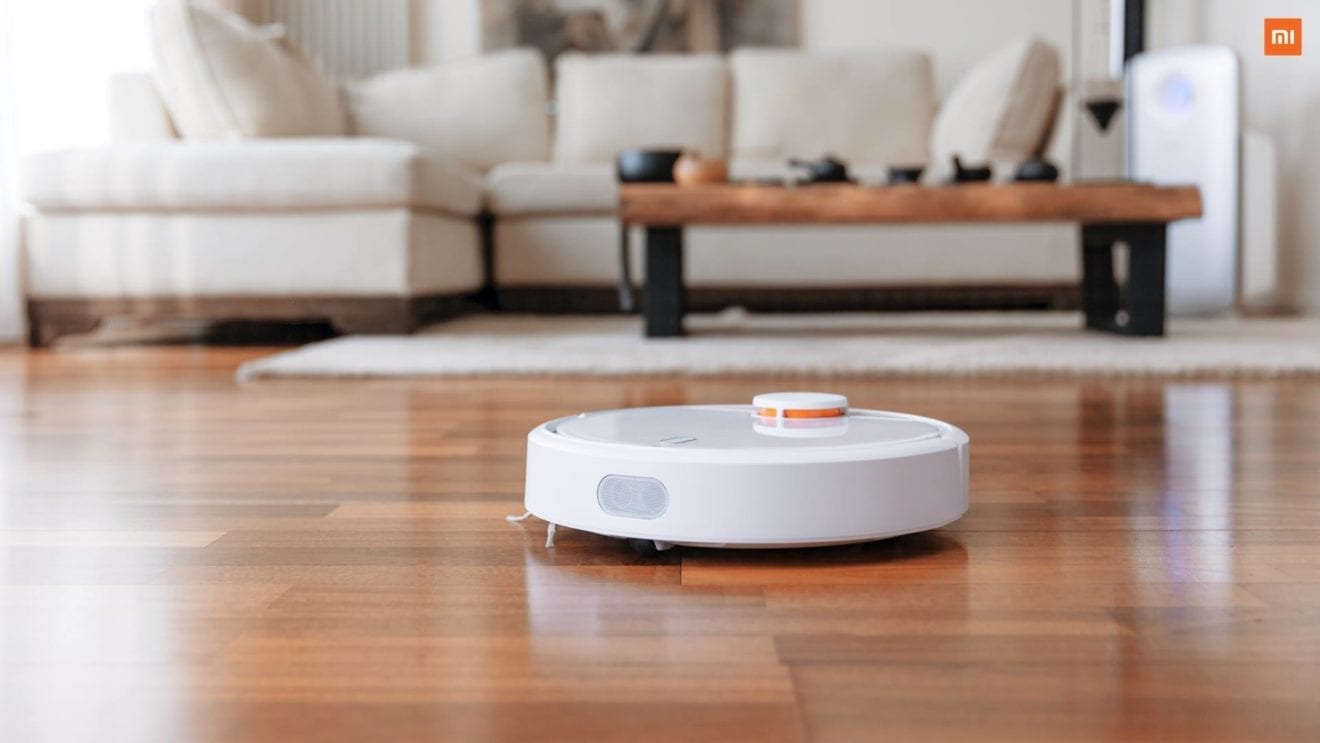
    Xiaomi has announced Mi Robot Vacuum, its latest Mi Ecosystem product. The device has been developed by Mi Ecosystem company Rockrobo. Mi Robot Vacuum is an intelligent robot with Laser Distance Sensor (LDS). The LDS feature allows Mi Robot Vacuum to scan its surroundings 360 degrees, 1,800 times per second. There’s also Simultaneous Localization and Mapping (SLAM) algorithm, which enables the device to map out how the house is laid out and calculate the best cleaning path. Xiaomi’s Mi Robot Vacuum is equipped with 12 sensors.

    Xiaomi Mi Robot Vacuum integrates with the Mi Home app and allows users to control Mi Robot Vacuum remotely. The main brush in Mi Robot Vacuum automatically adjusts height to create tight seal with floor for dirt pick-up on uneven surfaces. It maintains 1cm distance from walls for the side brush to effectively clean near walls. There’s a 5,200 mAh battery, which the company claims will provide 2.5 hours of cleaning. Mi Robot Vacuum will be available in China starting September 6. It will retail for 1699 yuan ( Rs 17,000 approx) on Mi.com and at Mi Home stores in China.

    Xiaomi introduced its Mi Ecosystem sub-brand in March with the launch of Mi induction heating pressure rice cooker. The Mi Ecosystem covers a range of products manufactured by Xiaomi’s ecosystem partners. These include smartphones, smart TVs and smart routers. Xiaomi has invested in 55 companies for designing and manufacturing products for this ecosystem. Mi induction heating pressure rice cooker is WiFi-enabled and can be controlled via the Mi Home app. It sells for 999 Yuan (approx Rs 10,000).

  • Dunnhumby strives to deliver innovative state of the art “media planning”

    Dunnhumby strives to deliver innovative state of the art “media planning”

    Dunnhumby, a leading customer science company, today announces a 29.8% year-on-year growth in gross revenue, as it continues to be an innovator in retail business by significantly expanding its retail media services over the past few years.

    Analyzing data on consumer spending behavior, Connect Media from dunnhumby is able to understand the customer decision-making process, and therefore better tailor marketing and advertising, both online and offline, to enhance customers’ decisions in buying products, while at the same time earn brand loyalty.

    “We’re able to offer a seamless customer journey, through-the-line, from home, when customer on the moves, on mobile, to the point of sales,” said Teeradet Dumrongbhalasitr, Head of TESCO Commercial South East Asia, dunnhumby Thailand. “dunnhumby begins with understanding the customer’s mind, then we pick the right knowledge to match media that suits the campaign’s objectives. We then choose the right touch point on the customer’s journey to communicate with them.”

    Over the past couple of years, Connect Media from dunnhumby has supported many of Thailand’s leading brands to successfully deliver their message to customers and build their brands at Tesco Lotus. 

    “dunnhumby strives to create new execution, new platform, new measurement to deliver innovative state of the art media. This makes Connect Media clearly different from other media in the market,” said Mr. Teeradet.

    It isn’t just the new innovations like its ibeacon on-location technology, or its unique approaches, like personalized opportunities, that is responsible for Connect Media’s success in “Return on Customers” for companies, though, but also its combination of innovative media solutions for ultimate impact and penetration in the market.

    “Of course, digital channels and platform synergy are becoming increasingly important in empowering customers’ shopping experiences and targeting individual customers, but we should also not neglect ‘point of sales media’, and advertising on the sales floor in its ability to influence customers at their moment of truth” added Mr. Teeradet. “Although customers may very well have a clear idea of what they want before they enter the store, the influence of promotions and media at point of sales can always change their purchase intention.”

    Connect Media from Thailand shows no sign of slowing in terms of growth and expansion, and in the coming months seeks to better “humanise” online interactions, and continue to evolve the shopping experience through creative offline platforms.

    “We will be focusing on as of yet untapped markets in the coming months, while strengthening key categories,” said Mr. Teeradet.

     In line with Connect Media’s history of leading the retail industry in innovation, Connect Media will also be focusing on business opportunities in other sectors, and looking at ways to solidify their position in the marketplace by potential data partnerships.

  • CapitaLand Mall Asia inks its first third-party management contract in China

    CapitaLand Mall Asia inks its first third-party management contract in China

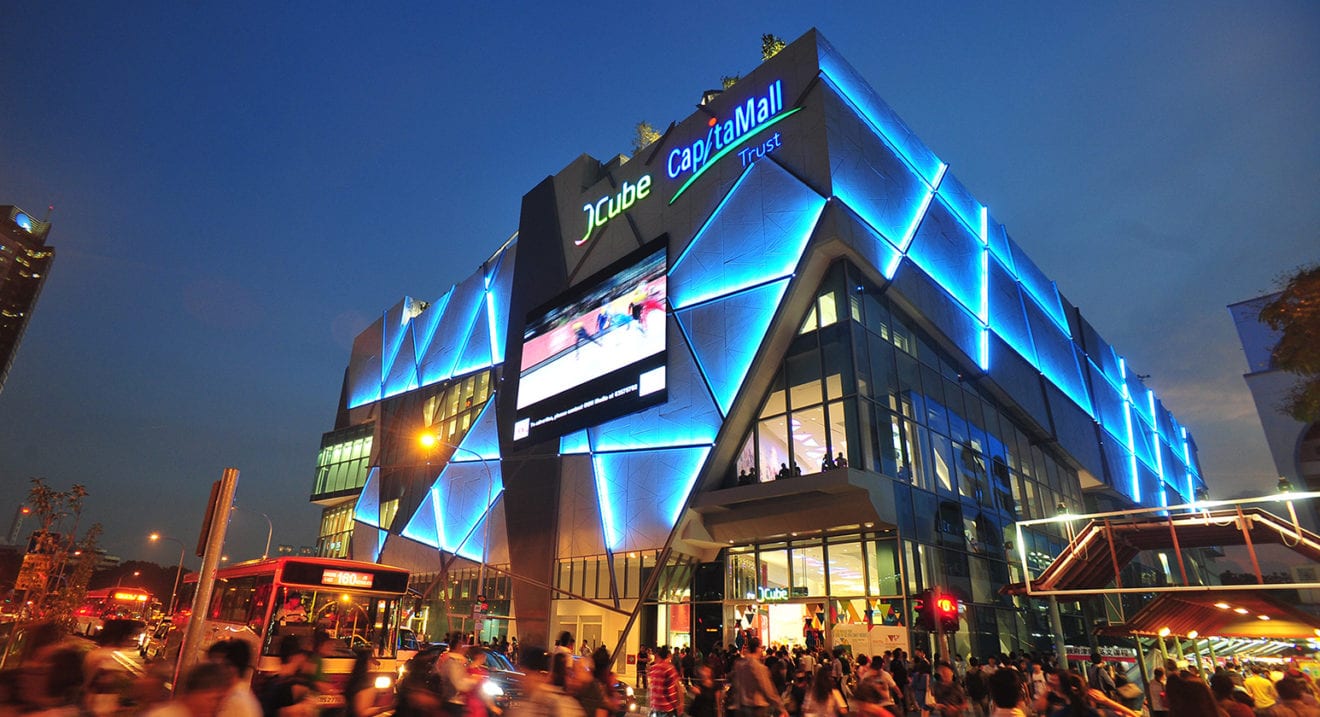
    The contract with Changsha Pilot Investment Holdings Group Co is for Fortune Finance Center, an integrated development in Changsha, the provincial capital of Hunan in central China, CapitaLand announced on Wednesday (Aug 31).

    It said the deal marks the beginning of an enhanced asset-light strategy to enlarge its mall network through third-party management contracts to complement its core strategy of developing, owning and managing malls.

    The scope of the contract covers asset planning, pre-opening and retail management for a total gross floor area, excluding car park, of 95,000 square metres (about 1 millio square feet) that spans seven levels – five levels above ground and two basement levels.

    Currently under construction, the mall is targeted to commence operations in end 2018. It is owned by Changsha Pilot Investment Holdings, a Chinese state-owned developer which currently has seven projects in Changsha.

    Said Mr Jason Leow, CEO of CapitaLand Mall Asia: “We continue to be on the lookout for suitable acquisition opportunities to grow our mall portfolio even as we seek to enlarge our network through third-party management contracts. By managing quality third-party malls for which we have a right of first refusal to acquire, we are also paving the way for future acquisitions.

    “Through this multi-pronged approach, we will be able to maximise opportunities to expand our mall and retailer network, increase recurring income and further strengthen our leadership in the shopping mall sector in the region.”

    With this contract, CapitaLand doubles its presence in Changsha, where it currently owns and manages CapitaMall Yuhuating, a 62,000 sqm mall, approximately 10 km) from Fortune Finance Center.

    It is also expanding its presence in China, where it has a network of 65 malls. Across Asia, CapitaLand now manages a total of 104 malls in Singapore, China, Malaysia, Japan and India.

  • Australia sues Volkswagen over alleged emissions fraud

    Australia sues Volkswagen over alleged emissions fraud

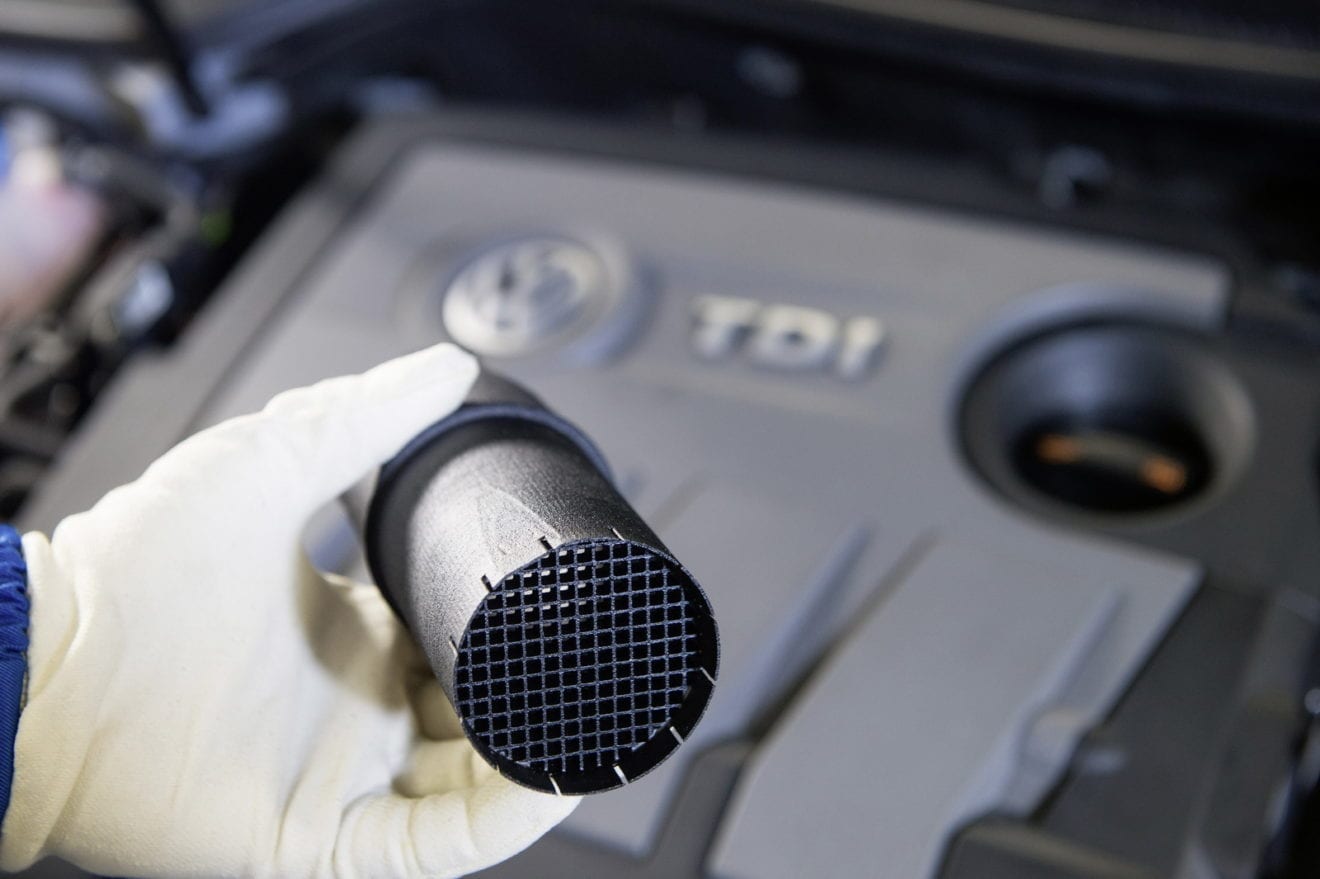
    The Australian consumer watchdog on Thursday said it had sued the Australian arm of world No. 2 carmaker Volkswagen AG (VOWG_p.DE) for intentionally selling more than 57,000 vehicles with software which lied about levels of toxic emissions.

    “These allegations involve extraordinary conduct of a serious and deliberate nature by a global corporation,” Australian Competition and Consumer Commission Chairman Rod Sims said in a statement.

    The Federal Court action adds to what is already proving to be costly legal fallout for the German company as it faces class action lawsuits in Australia and around the world over emissions fraud, as well as penalties from antitrust authorities.

    Already in Australia, law firm Maurice Blackburn is seeking more than A$100 million ($75 million) from the company, including the full replacement cost of some 90,0000 vehicles, while the auto giant has agreed to pay its 650 U.S. dealers $1.2 billion in compensation.

    In Australia, the ACCC said it wanted the company to make public declarations of misconduct, pay unspecified financial penalties and issue corrective advertising in relation to its actions over five years.

    “Volkswagen engaged in multiple breaches of the Australian consumer law by concealing software in their vehicles to cheat emissions testing and misleading consumers about the vehicles’ compliance,” Sims said.

    “Consumers rightly expect that their vehicle’s emissions would operate as advertised during their day-to-day use and we allege that this was not the case.”

    Volkswagen Group Australia said in a statement that it doubted the ACCC’s action would benefit consumers since it planned to give them software which corrected the emissions data as soon as it was approved by the government – likely by year-end.

    The Volkswagen unit, which is defending the private class action, said it was reviewing the ACCC’s claims.

  • JDA expands in Australia

    JDA expands in Australia

    JDA Software Group, Inc. announced the opening of a new North Sydney office that expands on the company’s Australia and New Zealand (ANZ) presence, which includes an office in Melbourne.

    JDA opened its first office in Sydney in 1994 and now counts more than 100 customers across retail, manufacturing, third-party logistics and wholesale distribution.

    “Since its beginning in 1994, JDA’s ANZ presence has continually grown and we’re proud to count so many customers across industries and solutions that count on JDA to power their supply chains,” said Amit Bagga, regional vice president for Asia-Pacific, JDA.

    “The move to a new office in Sydney represents a commitment by the business to continue to build on the success that our team has achieved.”

    JDA offers a rich portfolio of solutions that have been delivering great value for its customers for more than 30 years, including technology from its merger with RedPrairie (2012), and acquisitions of i2 Technologies (2010) and Manugistics (2006).

    “The Australian and New Zealand market is unique globally. In all of our target market segments, customers face a highly competitive landscape and high operating costs. In addition, their consumers are rapidly embracing omni-channel and demanding a more personalized experience. In such a market, our customers are continuously looking to reduce inventories, increase supply chain velocity, and use their people and capital assets efficiently,” said Bruce How, vice president of sales, ANZ, at JDA.

    “JDA’s solutions are backed by years of experience and driven by continuous customer feedback and research thereby enabling success for our customers. Looking ahead, we plan to continue our focus in empowering customers and driving profitable customer commerce, adaptable manufacturing, and intelligent fulfillment,” continued How.

    The new office is located at Level 3, 60 Miller St, North Sydney.

  • VMware launches cross-cloud architecture

    VMware launches cross-cloud architecture

    VMware launched its Cross-Cloud Architecture at VMworld 2016, along with a partnership with IBM Cloud and plans to extend to Google, Microsoft Azure and Amazon Web Services.

    The architecture is designed to let network operators manage, provide uniform policies for and secure applications running across public, private and hybrid clouds.

    Cross-Cloud Architecture is available in two main parts:

    • The VMware Cloud Foundation is designed to allow network operators to launch private clouds and extend them to the public cloud. It is an integration that VMware says will combine some of its existing compute, storage and networking virtualization offerings, helping organizations run and manage existing on-premises applications on both private and public clouds.
    • Cross Cloud Services, announced as a technology preview, runs applications across multiple public clouds, including IBM, AWS, Microsoft Azure and Google, as well as VMware’s vCloud Air hybrid cloud architecture and the vCloud Air Network of 4,000 service providers.

    The new Cross-Cloud strategy sees the company focusing more on selling products that work with existing leaders, rather than trying to establish itself as an alternative to AWS, Google or Azure. It will also provide an essential orchestration layer that helps network operators coordinate cloud applications

    As more companies run applications on rented infrastructure over the internet rather than their own data centers, providing the link to the different technologies customers use is a growing opportunity for VMware and something that it can also provide to partners like IBM.

    Earlier this year, IBM and VMware set out to tackle one of the industry’s most pressing challenges: extending existing VMware workloads from on-premises environments to the cloud without incurring the cost and risk associated with retooling operations, re-architecting applications and re-designing security policies.

    During a presentation, Guido Appenzeller, chief technology strategy officer of networking and security at VMware and Robert LeBlanc, senior vice president, IBM Cloud said that Cloud Foundation will “automatically provision pre-configured” software-defined data centers on IBM Cloud “in hours versus weeks or months.”

  • Alibaba Cloud, IIPL to support Singapore startups

    Alibaba Cloud, IIPL to support Singapore startups

    Alibaba Cloud and Infocomm Investments (IIPL) have announced plans to collaborate to drive technology innovations in Singapore, built upon Alibaba Cloud’s support network and suite of cloud infrastructure services.

    The announcement was made at the Create@Alibaba Cloud Start-up Contest (CACSC).

    The collaboration will combine Infocomm Investments’ existing initiatives for local startups and technology innovations and Alibaba Cloud’s cloud computing resources.

    It will focus on extending sophisticated networking solutions and big data intelligence to a broader base of Singaporean start-ups under Alibaba Cloud’s first global startup program, Create@Alibaba Cloud.

    Alibaba Cloud will also pave way for start-ups in Singapore to leverage Alibaba Cloud’s ecosystem and to gain access to the China market as well as multiple business network resources and funding opportunities.

    In addition, the collaboration will foster innovative exchanges between Singapore and China’s startup ecosystems by inviting accelerators, incubators, and start-ups in Singapore to participate in startup activities in China and vice versa.

    This marks the start of a long term collaboration between both ecosystems to drive innovation, the companies said.

    “We are very proud to work with Infocomm Investments to build a more robust start-up ecosystem in Singapore,” said Sicheng Yu, vice president of Alibaba Group and general manager of Alibaba Cloud Global.

    “This underscores our on-going commitment to drive technology innovation in Singapore, as well as to support local start-ups in their business growth through our cloud capabilities and extensive support network in both local and global markets.”

    The Create@Alibaba Cloud Start-up Contest (CACSC), organized in partnership with Infocomm Investments, is Alibaba Cloud’s first ever global start-up competition, which is aimed at championing start-ups and maximizing their potential.

  • Iflix wants to become a social media platform for TV

    Iflix wants to become a social media platform for TV

    Emerging subscription-based streaming video service iflix intends to set itself apart from Netflix by becoming a social media platform for television, according to company executive.

    “Netflix is very much into an original production base… they are really focusing their investment on content and user experience and interface,” Cam Walker, chief executive of iflix Indonesia, told telecomasia.net at the sidelines of Communic Indonesia and Broadcast Indonesia 2016, which kicked off Wednesday at the Jakarta International Expo in Kemayoran, Central Jakarta.

    “We have just most recently decided to venture beyond entertainment into becoming a truly social platform for television.”

    To do that, Walker said the company is planning to introduce more social media components and interactive features to the service. For instance, the company will offer a social feature later this year where users can chat with others or interact with local celebrities who have drawn up movie playlists for them.

    Iflix launched its service in Indonesia in mid-June this year and garnered 250,000 activations in about two-and-a-half months.

    Walker said the Indonesian market is relatively new from an OTT perspective and doesn’t see other streaming services as competitive, as they are all heading in different paths.

    “We’re the new kid on the block. We started a couple of years as a cool internet TV concept, with a vision to provide a better service to piracy and a viable alternative at an affordable price point,” he said.

    iflix is now offering 2,000 seasons of 900 programs, 5,000 episodes of 200 kids programs and local content acquired from partners for its Indonesian viewers.

    Walker said iflix will soon produce its first local Indonesian content that will open more opportunities for local actors, producers, directors, scriptwriters and “the new breed of Indonesian talents.”

    “We’re going to be investing heavily in local productions and local acquisitions as well, which I think will differentiate us from the major international players,” he said.

  • Ericsson to launch 5G New Radio in 2017

    Ericsson to launch 5G New Radio in 2017

    Ericsson has announced plans to commercially launch the first 5G New Radio (NR) equipment in 2017, a key enabling technology for future 5G networks.

    The 5G NR radio supports Ericsson’s Massive MIMO and Multi-User MIMO 5G plugins. It uses advanced antennas and a large number of steerable ports to support these new technologies, as well as beamforming, another expected component of 5G networks.

    In addition to being 5G ready the 5G NR supports LTE, so it will be deployable in today’s networks. They support Gigabit speeds for LTE and advanced TDD beamforming.

    New network builds will be supported by Ericsson’s new Industrialized Network Rollout Services offering, which involves providing configuration, installation, integration, shakedown and handover in a single site visit.

    China Mobile Research Institute deputy head Huang Yuhong has welcomed the planned launch.  “Massive-MIMO, also known as 3D MIMO, is an important milestone in China Mobile’s technology roadmap from 4G to 5G,” he said.

    “We are very happy that Ericsson’s new radio product is coming to market soon to meet our needs and enable us to integrate 5G technologies into our existing networks.”

    “Mobile operators, today, are clearly focused on the race to 5G commercialization, while also continuing to invest in their existing LTE networks,” Current Analysis VP of consumer and infrastructure services Peter Jarich added.

    “With a new 5G radio and LTE offerings which echo key 5G concepts – small cells, licensed-unlicensed band combinations, Cloud RAN, network densification, spectrum optimization – Ericsson’s new portfolio additions and Ericsson Radio System innovations provide a compelling way forward.”