Author: Mei Ling Tan

  • Philippine court freezes PCC probe into SMC sale

    Philippine court freezes PCC probe into SMC sale

    The Philippines’ Court of Appeals has halted the Philippine Competition Commission’s (PCC) investigation into Globe and PLDT’s joint acquisition of San Miguel Corporation’s telecoms assets.

    The court has agreed to a request by PLDT to grant temporary relief while the case is before the courts, issuing a preliminary injunction against the competition regulator’s proe.

    Accordingly the PCC will be prohibited from continuing the investigation into the acquisition until further notice.

    The court agreed with PLDT’s assertion that the “deemed approved” status assigned to the acquisition gives PLDT a right to be protected from the investigation.

    But before the injunction can take effect, PLDT will be required to submit a 1 million peso ($21,500) cash bond to address any damages the regulator will suffer if the court decides that PLDT is not entitled to an injunction.

    Globe and PLDT arranged in May to acquire San Miguel’s telecoms assets for a combined $1.5 billion, finally giving the incumbent operators access to the 700-MHz spectrum they had been seeking for a long time.

    But the PCC announced in July it plans to conduct a full investigation into the deal to evaluate the potential impact on competition. Both PLDT and Globe responded by petitioning the court seeking to have the “deemed approved” status upheld, and these actions were later consolidated into one case.

    Despite the ongoing case, the operators have wasted no time taking advantage of the new spectrum, with Globe recently announcing it had deployed more than 150 compatible 700-MHz base stations in the past three months.

  • Manulife in upbeat mood after first half surge

    Manulife in upbeat mood after first half surge

    Manulife Indonesia president director and chief executive officer (CEO) Indren S. Naidoo (right) and Manulife Aset Manajemen Indonesia chief economist and investment strategist Katarina Setiawan talk on the sidelines of a press briefing in Jakarta on Wednesday.

    Despite the country’s weak economy, life insurer Manulife Indonesia enjoyed a sharp increase in new business premiums during the first semester of the year on the back of surging wealth and insurance sales.

    Its total new business premiums soared by 28 percent year-on-year (yoy) to Rp 1.8 trillion (US$135 million) in the first semester, according to Manulife’s unaudited financial results for the first semester of 2016.

    During the January and June period, Manulife’s wealth sales rose 27 percent yoy to Rp 1 trillion from
    Rp 785 billion, while its insurance sales increased 17 percent yoy to Rp 764 billion from the corresponding period in 2015.

    As of June, Manulife’s total premium and deposits amounted to Rp 9.1 trillion, a 12 percent hike from Rp 8.1 trillion recorded in the same month last year. The number of the company’s in-force policies, meanwhile, grew steadily to 2,297,305 from 2,250,210 recorded in June last year.

    “We are confident that our business will book positive growth over this year,” Manulife’s newly appointed president director and chief executive officer Indren S. Naidoo told a press briefing on Wednesday.

    Indren, who assumed his position in May, said he was optimistic that the company could tap into the growing insurance market in Indonesia, which is the most populous country in Southeast Asia, but has low insurance penetration.

    Indonesia’s economy expanded an annual 4.92 percent in the January-March quarter, below analysts’ expectation of 5.05 percent. Growth weakened for the fifth straight year in 2015, to 4.8 percent, amid poor commodity prices and contracting exports.

    Financial Services Authority (OJK) data showed that conventional insurance premiums accounted for just 2.37 percent of the country’s gross domestic product (GDP) during the first quarter of the year. Life insurance penetration rates, meanwhile, reached 0.93 percent of the GDP in the January-March period.

    “Compared to some other markets in Asia, we are actually quite low. So, the opportunity is there,” said Indren, who previously assumed CEO positions at Manulife units in the Philippines, Thailand, Vietnam and Cambodia prior to his current position.

    Indren said Manulife would continue to expand its unit-linked products, which have become the main driver of the company’s business growth.

    The contribution of Manulife’s unit-linked products, which combine insurance and investment products such as government bonds and stocks, “was close to 80 percent of our business”, Indren said, explaining that the insurer would continue to promote the instrument as customers still expected double-digit returns on their investment amid the downward trend in banks’ deposit interest rate.

    In the first half of the year, Manulife launched unit-linked product Mi Wealth Insurance to further boost its investment-linked insurance products.

    He expressed his optimism that the burgeoning middle-income segment in the country, expected to reach 100 million of people by 2020, would be a boon for Manulife’s unit-linked products, which are aimed to higher-end customers.

    The CEO said Manulife would continuously educate potential customers on life insurance, as well as its unit-linked instruments by leveraging its 8,000 agents in 25 branches across the country and its bankassurance service, for which the insurer has forged partnerships with three lenders in the country: DBS, Bank Danamon and sharia-based Bank Muamalat.

    “We are here not to sell, but to teach [the customers]. At the end of the day, you, as a customer, will make the decision [on whether to buy Manulife’s products],” Indren said.

  • Indonesia’s inflation rate at seven-year low

    Indonesia’s inflation rate at seven-year low

    Indonesia’s inflation slowed to the weakest in almost seven years and fell below the central bank’s target, bolstering the case for further interest rate cuts by Bank Indonesia (BI).

    Consumer price gains eased to 2.79 per cent last month from a year earlier, compared with economists’ 3.02 per cent estimate.

    Prices fell 0.02 per cent in August from the previous month, the National Statistics Office said yesterday, adding that the annual rate was the lowest since December 2009.

    “If you ask me now whether there is room for (monetary) easing, the room is more open. But whether it would be used or not, it is up to BI,” Coordinating Minister for Economics Darmin Nasution said after the lower-than-expected data was announced.

    Mr Nasution said BI had wanted to cut the benchmark rate “since last month” but then decided to delay to better introduce its new policy rate, the seven-day reverse repo rate, which stands at 5.25 per cent.

    The authorities have set their 2016 inflation target at 3 per cent to 5 per cent and expect consumer price gains to end the year at around 3.5 per cent.

    “Easing inflation – along with stability in both the current account deficit and exchange rate – has created policy space for rate cuts,” said economist Ng Weiwen at Australia & New Zealand Banking Group (ANZ).

    “The degree of easing will be dependent on the size of tax amnesty inflows.”

    ANZ expects the Indonesian central bank to lower its new benchmark rate by another 25 basis points to 5 per cent as soon as its September meeting, Mr Ng said.

    Indonesia’s 10-year bond yield slid four basis points to 7.07 per cent yesterday afternoon in Jakarta, set for the biggest daily gain in three weeks. Shares fell, with the Jakarta Composite Index extending its drop to 0.9 per cent and set for the lowest close since Aug 15.

    Falling airfares, inter-city transport costs and cheaper food were the biggest factors driving the monthly drop in prices, said National Statistics Office deputy Sasmito Hadi Wibowo.

  • Minister sees off organic rice export to Belgium

    Minister sees off organic rice export to Belgium

    Agriculture Minister Andi Amran Sulaiman here on Thursday saw of the shipment 40 tons of organic rice produced by a farmer group of Simpatik in Mekar Wangi village, West Java to Belgium.

    The shipment marked eight years of organic rice export from the farmer group to Belgium.

    The exported rice was packed in airtight plastic that can last for months. One pack of rice weighed five kilograms with a label of Indonesia Rice on it.

    In addition to Belgium, the other importer countries are Singapore, Italy, United States, and United Arab Emirates.

    The rice price at the farm level reaches Rp 20 thousand per kilogram, but in Belgium it is Rp90,000 per kilogram.

    At the farmers level, the price of the rice is Rp20,000 per kilogram, while in Belgium it reaches Rp90,000 per kilogram.

    Amran said every year Indonesia is able to export 100 thousand tons of organic rice, so that it will be the future of Indonesian agricultural products.

    “It is a smart agriculture. I have asked the Research Agency to support the organic rice farming. This is the future of rice exports. We just improve the regulation to make this sector competitive,” he said.

    The minister said that in addition to Java, Sumatra and Kalimantan also have potential in the rice organic agriculture.

  • Pelican BioThermal expands in Asia

    Pelican BioThermal expands in Asia

    Pelican BioThermal, providing temperature-controlled packaging solutions serving the life sciences industry, has expanded its operations in Asia with the launch of a new network of distribution partners in the region.

    Pelican BioThermal announced it has joined forces with the region’s distinguished distributors, Pharmaserv Express of the Philippines and CMC Element of China, to further enhance its operations offering in Asia.

    Pharmaserv Express works closely with national health services to skillfully transport pharmaceutical products throughout the complex geography of the Philippines.

    CMC Element distributes a variety of health care products, including pharmaceuticals protected in temperature controlled packaging, across the vast Chinese market using their extensive network.

    The latest development demonstrates Pelican BioThermal’s continued growth in Asia and follows the company’s recent launch of its new operational facility in Singapore.

    The new industry partnerships with these key distributors signals another major development in it’s expanding presence and support network in Asia, further enhancing the extending range of products and services offered by the company in the region.

    In particular, the new distributors enhance customer support for global customers shared with Pelican BioThermal, by offering local hours, local language and local service and inventory at the point of final distribution of pharmaceuticals.

    Pelican BioThermal’s growing global network supports customers wherever they are located and establishing productive partnerships with reliable, reputable, dedicated distributors further strengthens the Asia based business offering.

    The increasing network of distribution partners complements the company’s newly established Asia headquarters, which is co-located with Pelican BioThermal’s authorized distributor for Singapore, Enviropac.

    Benson Teo, Pelican BioThermal’s Senior Director of Sales for Asia, said: “We are delighted to announce the latest additions to our expanding network of dedicated distributors. We welcome Pharmaserv Express and CMC Element to our Asia operations; these well-established partners will play a pivotal part in our expansion efforts in Asia.

    “As the global cold chain logistics industry continues to thrive we want to further demonstrate we have the critical capabilities to support the growing Asia pharma marketplace.”

    The region continues to be an area of pronounced growth for Pelican BioThermal and forging links with these well-established distribution partners will increase the company’s global reach and support network for customers.

  • DJI Hong Kong opening flagship in Causeway Bay

    DJI Hong Kong opening flagship in Causeway Bay

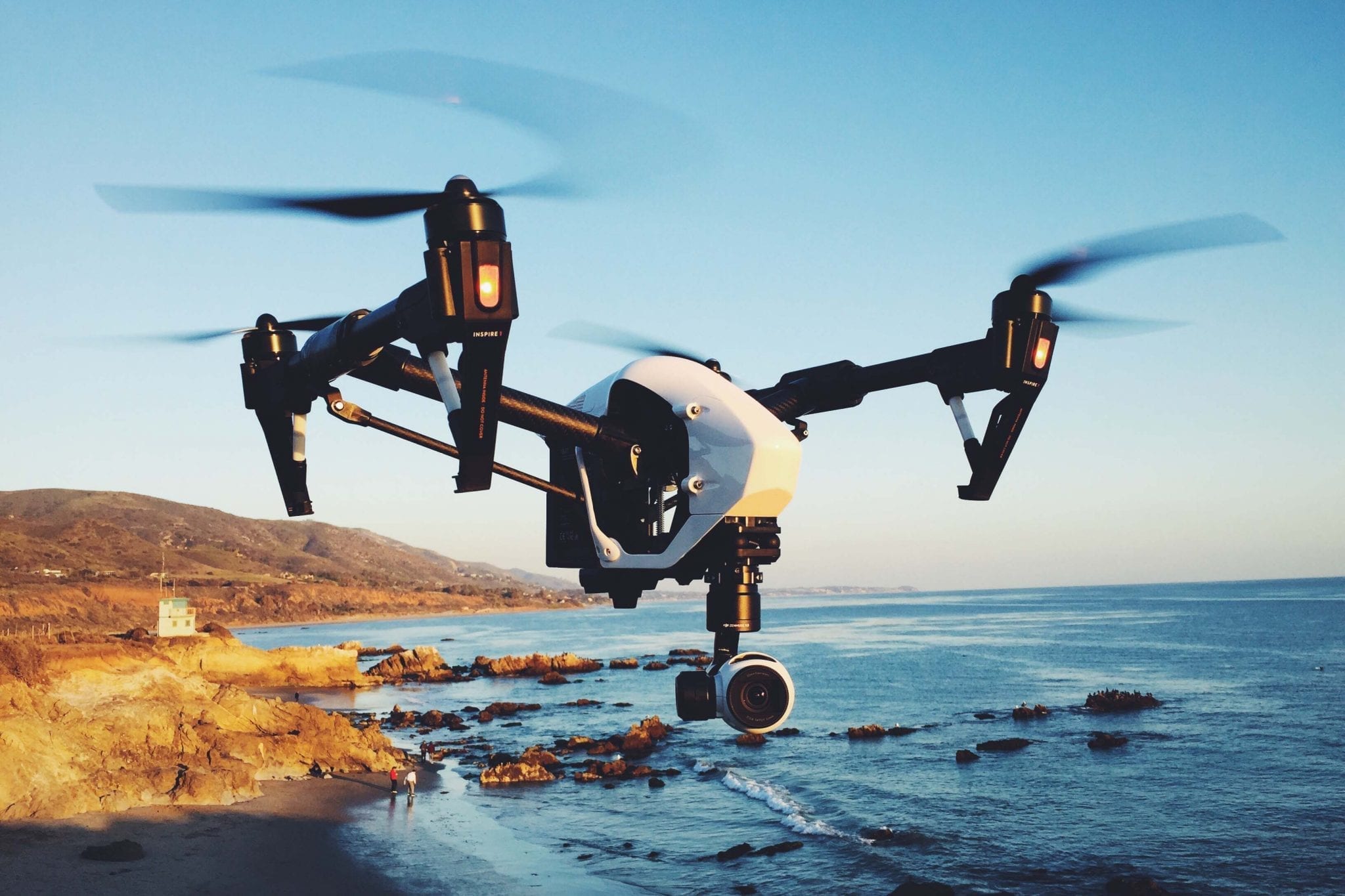
    Unmanned aerial vehicle (UAV) technology company DJI Hong Kong is about to open a flagship store featuring flight cages, experience zones, an aerial photo gallery, technical support centre and its full range of consumer and professional products.

    In Causeway Bay, the three-storey store, covering more than 10,000 sqft (930 sqm) will open at the end of next month. It will display animated DJI and drone silhouettes to add to the Victoria Harbour evening backdrop.

    Its ground floor will feature the company’s full range of aerial and handheld products, while the SkyPixel Gallery on the first floor will showcase UAV photography from around the world. The technical support centre is on the second floor along with a space for workshops, seminars and special events.

    DJI HKFS 1st Floor

    “Discovery is an important part of the learning process, and when people understand how easy it is to use the technology they will find ways to incorporate it into their lives or for their businesses,” says DJI founder/CEO Frank Wang.

    DJI HKFS

    This will be the company’s third foray into retail following the December opening of its first flagship store in in Shenzhen, followed by a Seoul flagship in March.

    DJI’s global network spans the Americas, Europe and Asia, with customers in more than 100 countries using its products for such purposes as filmmaking, construction, emergency response, agriculture and conservation.

    DJI HKFS 1st Floor

  • More stores in Asia for Guzman y Gomez

    More stores in Asia for Guzman y Gomez

    Australia’s Mexican food chain Guzman y Gomez (GYG) has done so well in Japan and Singapore it is planning to open more outlets in both countries this year.

    It opened its first taqueria in Singapore in 2014, since adding three more, plus a second in Tokyo. It plans to open at least five more in Japan this year, plus two in Singapore.

    Guzman y Gomez Japan 1

    “We have outstanding partners in both Japan and Singapore who are incredibly experienced in introducing Australian brands into their local markets,” says CEO Mark Hawthorne. “They are executing the brand to a very high standard.”

    GYG opened its first restaurant in Sydney in 2006, and now has 73 outlets across Australia. It was named Australia’s fastest-growing fast-food brand in the latest Consumer Report on Eating Share Trends.

  • Isetan to open Japan Store Kuala Lumpur

    Isetan to open Japan Store Kuala Lumpur

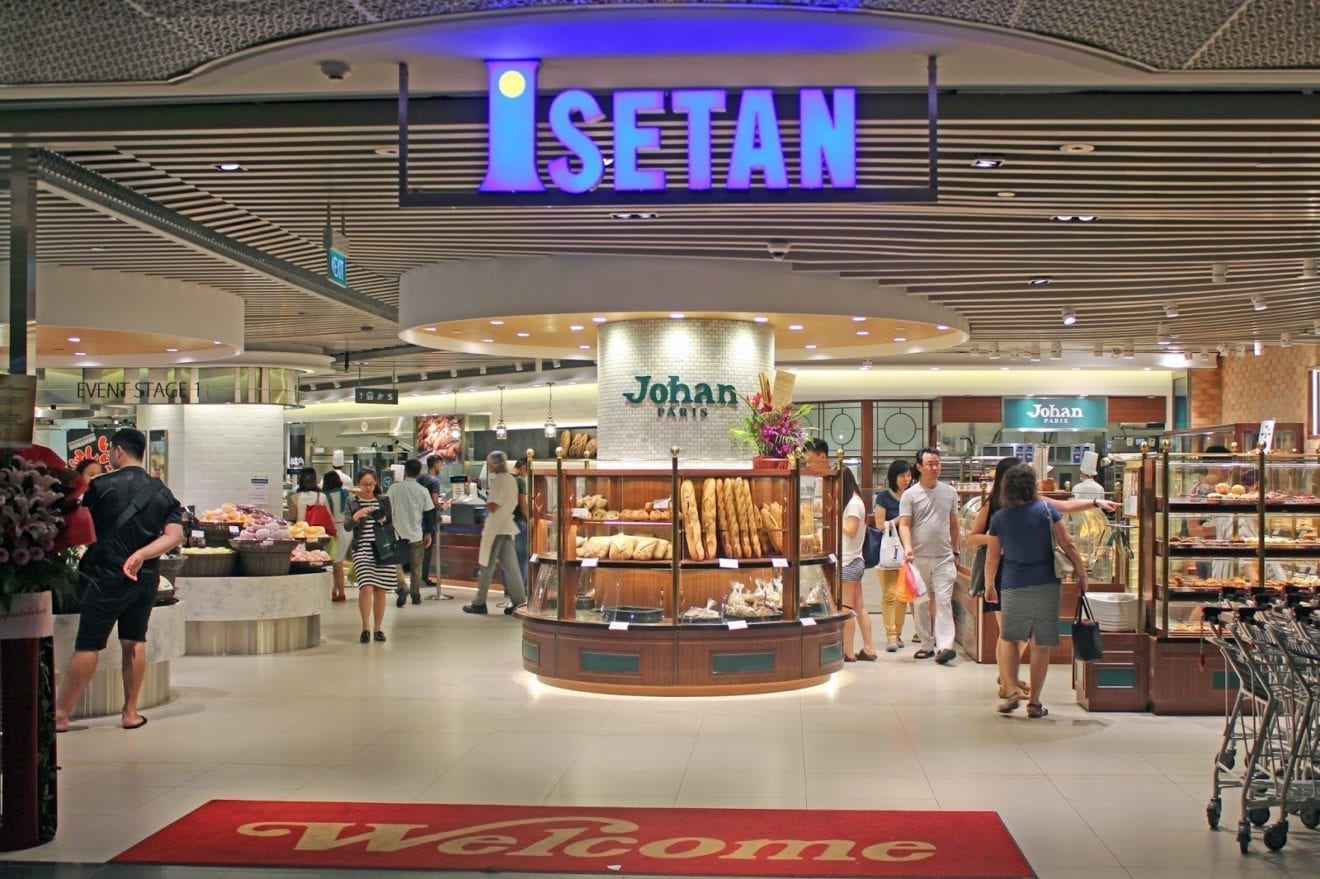
    The Isetan Mitsukoshi Group will open a new specialty store, Isetan The Japan Store Kuala Lumpur in Malaysia at the end of October.

    “As global interest in Japan continues to grow, we are pleased to introduce Japanese history, culture, technology, diversity and lifestyle designs,” the company said, announcing the initiative.

    “The new store will deliver Japanese lifestyles and aesthetics to customers. We will bring not only the best of Japan, but authentic Japanese experiences as well.”

    The venture has the support of the government-financed Cool Japan Fund Inc.

    Comprising 11,000 sqm of floor space, Japan Store Kuala Lumpur will be located in the renovated Lot 10 and have six storeys introducing high-quality products, experiences and services:

    • LGF: New dining style based on authentic Japanese tastes and technologies – groceries, sake, beer & whisky, Japanese and Western sweets and green tea, delicatessen, eat-in dining space, fresh foods, etc.

    Isetan Japan store KL - LGF

    • GF: Fashion, art, technology.

    Isetan Japan store KL - GF

    • 1F: Japan’s fashion culture, a melting pot of unique combinations.

    Isetan Japan store KL - 1F

    • 2F: A collection of products featuring unique Japanese materials and technology to “enhance beautiful, healthy lifestyles”.

    Isetan Japan store KL - 2F

    • 3F: Experience Japanese culture – bookstore, culture academy, photo lounge, etc.

    Isetan Japan store KL - 3F

    • 4F: Restaurant floor featuring authentic Japanese cuisine to open in January 2017.

    Hiroshi Ohnishi, Isetan Mitsukoshi president and CEO said the company will introduce Japan’s exceptional products, experiences and services to the world.

    “In 2011, Japan’s Ministry of Economy, Trade and Industry (METI) launched Cool Japan, a program promoting the introduction of regional products, fashion and other content to the world. In this context, the Isetan Mitsukoshi Group has promoted the Japan Senses campaign, introducing to our customers remarkable traditional crafts from all over Japan, styling them with a newborn originality. Now, to more clearly convey the spirit of Cool Japan, we are ready to show the world the exceptional craftsmanship Japan is proud to offer.”

  • Apple slugged with $19 billion tax bill

    Apple slugged with $19 billion tax bill

    The European Commission is ordering Apple Inc to pay Ireland unpaid taxes of up to €13 billion euros (A$19.15 billion), after ruling the firm had received illegal state aid.

    Apple and Dublin said on Tuesday the US company’s tax treatment was in line with Irish and European Union law and they would appeal the ruling, which is part of a drive against what the EU says are sweetheart tax deals that usually smaller states in the bloc offer multinational companies to lure jobs and investment.

    The US feels its firms are being targeted by the EU and a US Treasury spokesperson warned the move threatens to undermine US investment in Europe and “the important spirit of economic partnership between the US and the EU”.

    Starbucks Corp has been ordered to pay up to €30 million to the Dutch state, while Amazon.com Inc and McDonald’s Corp are also under investigation by the Commission, the EU’s executive arm.

    EU Competition Commissioner Margrethe Vestager questioned how anyone might think an arrangement that allowed Apple to pay a tax rate of 0.005 per cent, as Apple’s main Irish unit did in 2014, was fair.

    “Tax rulings granted by Ireland have artificially reduced Apple’s tax burden for over two decades, in breach of the EU state aid rules. Apple now has to repay the benefits,” Vestager told a news conference.

    Analysts said the size of the claim underlined the Commission’s aggressive stance, but since each case involves different circumstances and tax rules, lawyers said it was hard to see if further big claims were any more or less likely.

    Apple, which had more than US$200 billion (A$266 billion) in cash and readily marketable securities at the end of June, is likely to see the case drag out for years in EU and possibly Irish courts.

    The EU’s ruling challenges the way that Ireland agreed to tax the profits of Irish registered Apple subsidiaries, through which most of its non-US profits flowed.

    Apple Inc licences the rights to technology designed in the United States to Irish subsidiaries.

    These then hire contract manufacturers to make devices which they sell to Apple retail subsidiaries around Europe and Asia.

    Since the manufacturing cost is a small portion of device sales prices and retail subsidiaries are allocated a small operating margin, Apple Ireland is very profitable.

    In 2011, it earned US$22 billion after paying US$2 billion to its US parent in relation to the rights to Apple intellectual property.

    However, the Irish tax authority agreed only €50 million of this was taxable in Ireland, the European Commission said.

    Under the terms of Apple’s tax deal, first agreed in 1991 and renewed in 2007, Apple could allocate most of the profits earned by its Irish operating units to a “head office” that did not have any employees or own any premises.

    The Commission said this agreement had no basis in tax law and was not available to others, and so represented state aid.

    Irish Finance Minister Michael Noonan said he profoundly disagreed with the decision and in order to preserve Ireland’s attractiveness for investment he would appeal.

    Ireland’s low corporate tax rate has been a cornerstone of the country’s economic policy for decades, drawing investors from multinational companies whose staff account for almost one in 10 of the country’s workers.

    For many technology firms like Google and Facebook, a key attraction is that Ireland allows companies to adopt tax structures which see them pay much less than the 12.5 per cent headline rate. The companies say they follow all tax rules.

    Apple said it was confident of winning an appeal.

  • C. Banner details plans to open first flagship Hamleys store in Nanjing, China

    C. Banner details plans to open first flagship Hamleys store in Nanjing, China

    C. Banner International has detailed its plans to open its first Hamleys flagship store in Nanjing, China this October.

    The announcement follows the retail group’s latest 2016 interim results in which it saw revenue and gross profit increase 6.1 per cent and 2.2 per cent respectively.

    C. Banner acquired the iconic toy brand Hamleys last year in a bid to maintain its lead of competitors to become the leading international integrated retailer and the second largest retailer in the world.

    The firm believes that the expansion plans for Hamleys will help the retailer enhance its overall brand value, image and exposure.

    Chen Yixi, chairman of C. Banner, said: “Although the global economy and retail industry remained weak in the first half of 2016, china still recorded a GDP growth of 6.7 per cent.

    “To gain a head start over competitors, we had acquired the Hamleys brand last year, which is one of the most famous toy brands in the world.

    “We are planning to open its first Hamleys flagship store in Nanjing this October and expect the addition of Hamleys brand will provide a great boost to enhance the company’s overall brand value, image and exposure.”

  • A Battle of 2 of Singapore’s Largest Real Estate Investment Trusts

    A Battle of 2 of Singapore’s Largest Real Estate Investment Trusts

    Singapore’s stock market is gaining popularity as a centre for real estate investment trusts.

    The first REIT here appeared some time back in 2002. But even in recent years, Singapore has seen the listing of some huge billion-dollar REITs such as Frasers Logistics and Industrial Trust.

    In this piece, I want to take a look at two of the largest REITs listed here in Singapore and compare them. Meet the contenders, CapitaLand Mall Trust and Ascendas Real Estate Investment Trust.

    Asset class

    The most obvious difference between the two REITs is their area of focus. CapitaLand Mall Trust, as its name suggests, focuses on retail properties (it dabbles a little in some commercial assets as well).

    Ascendas REIT on the other hand, deals with industrial properties such as business & science parks, factories, data centres and more.

    Going international

    Another area of divergence between the two is their geographical focus.

    Ascendas REIT has invested in overseas properties over the years and now has assets in China and Australia. It seems the trust would continue to pursue international investments going forward. Today, Australia and China contribute roughly 11% and 2%, respectively, to the REIT’s overall portfolio value. The rest comes from Singapore.

    CapitaLand Mall Trust, on the other hand, only owns properties in Singapore. That said, it also has a 14.55% stake in CapitaLand Retail China Trust, which invests in retail properties in the Greater China region.

    Both CapitaLand Mall Trust and CapitaLand Retail China Trust are sponsored by the local real estate giant CapitaLand Limited.

    CapitaLand has stakes in other REITs and even private property funds that invest outside Singapore. This means that CapitaLand Mall Trust would most likely not invest directly in international markets since its sponsor would be heading any overseas venture.

    A long history

    Now, CapitaLand Mall Trust and Ascendas REIT do have things in common.

    They mostly have assets located in Singapore; they have market capitalisations of around S$7.0 billion each; and they both were listed in 2002 and so have long histories of growth as a listed REIT.

    Since their IPOs, CapitaLand Mall Trust and Ascendas REIT have generated total returns (where gains from reinvested dividends are factored in) of more than 420% and 554%, respectively.

    Summary

    Both Ascendas REIT and CapitaLand Mall Trust have proven themselves in the market by providing strong returns for their unitholders. But, the two trusts have significant differences related to their asset classes and growth strategies. This thus results in different risk profiles and that’s something investors would have to keep in mind.

  • How brands are using VR to improve customer experience in China

    How brands are using VR to improve customer experience in China

    Tech-enhanced customer experiences have always had a very receptive audience in China, and as a result, VR technologies are being widely embraced by both brands and platforms.

    China has the world’s biggest ecommerce market and by 2020, it will dominate the retail sector also, according to PwC. The sheer size of the country’s retail consumer market is one reason why the rest of the world sits up and takes notice when China adopts new technologies in this sector.

    And while the rest of us have been dipping our toes in the VR pool, trying out Oculus Rift headsets at trade shows and testing the low-tech, low-cost Google Cardboard on the relatively limited VR apps available via smartphone, China has been forging ahead with this new technology, putting it to practical use and building a market for virtual retail experiences.

    It’s no coincidence that China’s big three Internet platforms (Alibaba, Tencent and Baidu) have all invested significantly in VR, in what is expected to become a market worth $8.5 billion by 2020. these figures suggest that VR is no mere novelty to the businesses that shape the country’s economy.

    Alibaba

    Alibaba’s Buy+, launched last month, is a virtual reality shopping programme, which allows users to choose clothes and accessories via the headset, assisted by a virtual shopping assistant. It will give Alibaba’s 400 million users access to a VR shopping experience with 3D renderings for hundreds of products, and will eventually allow retailers to create their own VR stores.

    China_VR_Alibaba_Buy+_Alizila_600

    *Source: Alizila

    While it’s still in concept mode, Alibaba anticipates that the technology will become as central to the shopping experience as smartphones are today, picking up on and exploiting consumers’ appetite for ever-evolving and exciting experiences.

    Tencent

    Tencent has taken a different approach in its quest to dominate the VR market by launching its own operating system (Tencent OS) and VR console project – the miniStation. Tencent is focused on China’s gaming community to kick start user interest, and plans to integrate all of its services and apps into the platform, including WeChat and QQ. This will undoubtedly open up all kinds of opportunities for retailers to engage with customers in entirely new ways.

    China_VR_Tencent_miniStation_600

    *Source: Tencent’s miniStation for QQ and WeChat.

    As these ecommerce giants lay the foundations for a vibrant and viable VR market, physical retailers also have their sights set on the growing interest in this technology and how it can work for them.

    Suning + Gome

    For example, Chinese electronic retailers Suning Commerce Group and Gome Electrical Appliances Holding Ltd have done a deal with HTC to set up around 10,000 VR experience sites across China by the end of this year, including virtual rollercoasters and other adventurous in-store experiences.

    OnePlus

    Another example is smartphone manufacturer OnePlus. It developed a VR space station to launch its latest handset. As part of the campaign, 60,000 people were ‘beamed up’ to the space station where they learnt about the phone and its features. Within six hours, the conversion rate was an impressive 30%, giving a very promising return on investment.

    Takeaways

    What these pioneering retailers and retail platforms have learned is that VR has a number of advantages as an experience mechanism:

    • It allows them to showcase multiple products in a very cost-effective way – around 80% of the cost of building a traditional, brick-and-mortar showroom

    • There’s no physical limit to what VR can do – it’s possible to develop truly innovative and extraordinary experiences which would usually be out of reach. Going into space, on a rollercoaster, under the sea or any one of an almost endless list of scenarios can be developed and delivered to customers

    • There’s a huge appetite for VR experiences in China – according to industry analysts Canalys, the country will account for 40% of all VR headset shipments this year, and people are queuing up to try out local offerings from DeePoon, Pico, Pimax, Idealens and, most recently, Xiaomi.

    China_VR_DeePoon_600

    *Source: DeePoon homepage.

    As the market continues to develop, industry insiders say VR in China is reaching a game-changing tipping point. Yang Tao, general manager of Beijing-based VR startup SweetTech, told the China Daily in March: “The market feels like it did on the eve of the first iPhone when it was unveiled in 2007”. Given what happened to the smartphone market in the years since then, this is something retailers can’t afford to ignore.


  • Hong Kong retail sales plunge for 17th month in a row

    Hong Kong retail sales plunge for 17th month in a row

    HK retail sales 07 16

    Things are not exactly looking up.

    The bad news continues for Hong Kong’s downtown duty free and travel retailers such as DFS as the latest retail sales statistics show another month-on-month decline.

    July government data provisionally indicate that the value of total retail sales in July fell by -7.7% to $34.6bn/$4.46bn, compared with July 2015. This means that for the first seven months of 2016, the value of total retail sales decreased by -10.1% compared with the same period in 2015.

    The trend in department stores was slightly better: in July they fell by -6.9% and by -8.7% in the first seven months of the year.

    The graph above shows the rate of change on a monthly basis for all retail sales in Hong Kong and it suggests that since the second quarter of 2015 there has been continuous downward, negative pressure on sales [the spikes reflect the timings of Chinese New Year].

    HIGH-VALUE ITEMS HAMMERED

    By those product categories most relevant to duty free, the figures showed a very mixed performance in July. Value sales of jewellery, watches and clocks, and ‘valuable gifts’ took a beating, decreasing by -26.2% as did electrical goods and photographic equipment (-21.8%), while footwear, allied products and other clothing accessories held their ground at (-1.1%).

    The tourism trend this year looks worse than in 2015 which is a worry.

    The overall negative trend has been attributed to the depressed tourist traffic coming to Hong Kong, particularly from China. While the July figures are not yet available, in the half-year to June visitor arrivals fell by -7.4% to 27.16m, with mainland Chinese traffic falling by over -10%.

    This follows an inbound decline of -2.9% to 59.3m in 2015, but a spending decline of -7.5% to HK$332.3bn. Of the 59.3m, Mainland China continued to be the largest visitor source market accounting for 77% of total arrivals.

  • KinerjaPay Launched “I Love Indonesia” Campaign

    KinerjaPay Launched “I Love Indonesia” Campaign

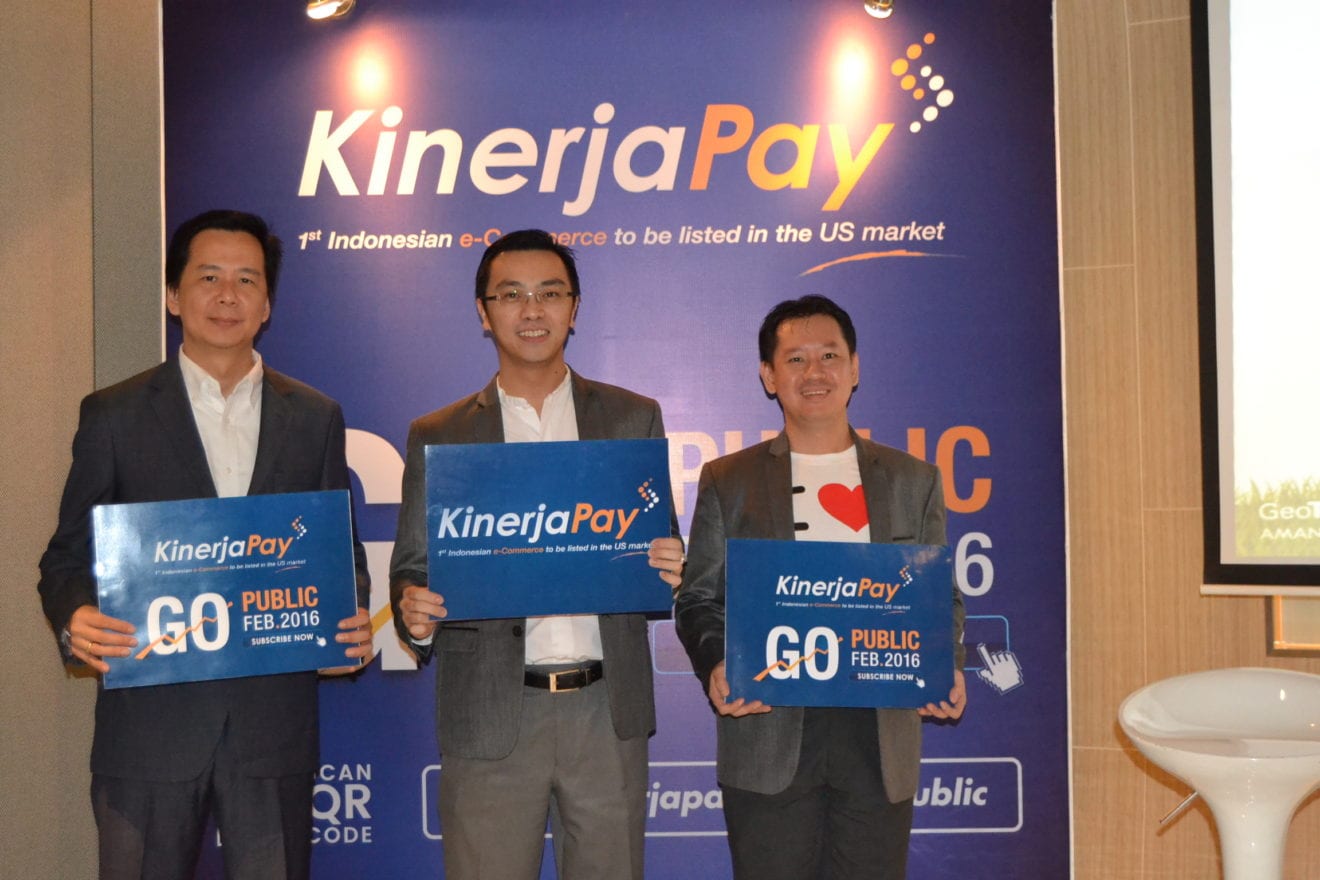
    KinerjaPay launched “I Love Indonesia” Campaign to promote selected premium local products in its marketplace. This campaign is also to celebrate Indonesia’s 71st Independence Day anniversary on 17 August 2016. It is also designed to increase people’s love for domestic products and stimulate domestic consumption.

    Indonesia is a country of big numbers and big opportunity. With 252 million inhabitants it is the world’s fourth most populous country and the largest in south east Asia. Indonesia has 18,307 islands, over 742 different languages and a middle class larger than the population of Malaysia or Australia. Currently the 16th largest economy in the world, it is projected to be the seventh largest economy in the world by 2030. Catching the hype and realizing that a young population embracing the Internet faster than ever before. Mr. Sofyan Djalil as the Indonesia State Enterprise Minister once said he supported any form of program that boost love for the country’s products. “So far, people are not aware that the quality of Indonesian products is already good. I appeal to all state-owned companies to really take the opportunity, provide funds and put up the logo in their ads. They must do whatever they can to make the campaign effective,” he said.

    On the other hand, this campaign also means to promote national products abroad. In making an effective on this goal, The Company is also collaborating with overseas partners such as in Singapore to assist SMEs to expand their businesses internationally especially in South East Asia (SEA). The idea is to leverage strategic values and locations of Indonesia and Singapore, running many regular and ad-hoc events such as monthly networking events, trainings, site visits, and trade exhibitions.

    Mr. Deny Rahardjo, CEO for PT KinerjaPay Indonesia stated “We are very excited and optimist on the success of this campaign to promote Indonesia’s selected local prominent and unique merchants such as Batik, Indonesian coffee bean and handcrafted products. There are currently already more than 418 premium products and 14 prominent merchants have agreed to join the campaign that is planned to run until end of 2016. We do hope that this will bring positive impact towards local economy while promoting KinerjaPay as brand of trust.”

    Notice Regarding Forward-Looking Statements

    This press release may contain forward-looking statements, about KPAY’s expectations, beliefs or intentions regarding, among other things, its product development efforts, business, financial condition, results of operations, strategies or prospects. In addition, from time to time, KPAY or its representatives have made or may make forward-looking statements, orally or in writing. Forward-looking statements can be identified by the use of forward-looking words such as “believe,” “expect,” “intend,” “plan,” “may,” “should” or “anticipate” or their negatives or other variations of these words or other comparable words or by the fact that these statements do not relate strictly to historical or current matters. These forward-looking statements may be included in, but are not limited to, various filings made by KPAY with the U.S. Securities and Exchange Commission, press releases or oral statements made by or with the approval of one of KPAY’s authorized executive officers.

    Forward-looking statements relate to anticipated or expected events, activities, trends or results as of the date they are made. Because forward-looking statements relate to matters that have not yet occurred, these statements are inherently subject to risks and uncertainties that could cause KPAY’s actual results to differ materially from any future results expressed or implied by the forward-looking statements. Many factors could cause KPAY ‘s actual activities or results to differ materially from the activities and results anticipated in such forward-looking statements, including, but not limited to, the factors summarized in KPAY ‘s filings with the SEC. In addition, KPAY operates in an industry sector where securities values are highly volatile and may be influenced by economic and other factors beyond its control.

    KPAY does not undertake any obligation to publicly update these forward-looking statements, whether as a result of new information, future events or otherwise. Please see the risk factors associated with an investment in our securities which are included in our Annual Report on Form 10-K as filed with the U.S. Securities and Exchange Commission on February 11, 2016.

  • Blackmores spreads wings in Indonesia

    Blackmores spreads wings in Indonesia

    Blackmores chief executive Christine Holgate is in Jakarta today to launch the company’s expansion into the Indonesian market.

    The Sydney-based vitamin and supplements company has been operating in China, Singapore, Malaysia and Thailand for some years but has held back from the Indonesian market as it searched for the right partner.

    It has now partnered in a joint venture with Indonesia’s Kalbe Farma, one of the largest health care companies in South East Asia.

    “We will be launching with eight products and have 25 products by the end of the year,” Ms Holgate said yesterday.

    “It is quite a complex registration process in Indonesia compared with Australia. But we are used to the different Asian markets where it can take six months to a year to get registered.”

    She said Blackmores had chosen to partner with Kalbe as it was a major supplier of the nutritional supplements market in Indonesia.

    “It’s a market worth around $2 billion in Indonesia and it’s growing really fast,” she said.

    “The country has one of the fastest growing middle classes in the world and it’s predicted to be the third biggest economy in the world by 2030,” she said.

    She said Indonesians were increasingly interested in more Western versions of natural health products. She said Kalbe had a strong “common shared sense of purpose” with Blackmores including having an institute to train people in natural health care products.

    She said Blackmores would be able to leverage Kalbe’s training processes and its strong representation in shopping centres throughout Indonesia where it has health centres giving advice on natural health products.

    Ms Holgate has been in Indonesia for the past week at the Australian-Indonesian dialogue which is aimed at boosting trade between Australia and Indonesia. Federal Trade Minister Steve Ciobo has been negotiating a free trade agreement with Indonesia, reviving a process which stalled in 2013.

    Ms Holgate said only 2 per cent of Australia’s trade was done with Indonesia and added there were business opportunities in areas such as health, education and financial services. She said Australian companies needed to negotiate partnerships with Indonesian companies to expand into the market.

    Blackmores’ business in Indonesia was “not going to be a huge overnight.”“But you need to plant seeds to grow trees and this is an important next step in our history of growing in Asia.”