Author: Mei Ling Tan

  • Airtel Q1 profit falls 30.8%

    Airtel Q1 profit falls 30.8%

    India’s Bharti Airtel posted a 30.8% slump in net profit for the June quarter, as a steep 42.1% decline in the value of the Nigerian Naira reduced contributions from the operator’s African operations.

    Airtel reported a net profit for its fiscal first quarter of 14.62 billion rupees ($218 million). Consolidated revenues increased 8.4% year-on-year to 255.46 billion rupees, with India revenues up 10.3% to 191.55 billion rupees.

    Indian mobile broadband customers increased by 68.3% to 36.6 million, with data ARPU increasing by 21 rupees to 202 rupees. Total mobile data revenues grew 35.1% year-on-year to 35.25 billion rupees

    “The year has begun well with revenue growth of 10.3%Y-o-Y and continued revenue market share gains,” Airtel MD and CEO for India and South Asia Gopal Vittal said.

    “In continuation of our Project Leap announcement, we have now transparently opened up our entire mobile network to our customers so as to partner them in striving to deliver a world class experience.”

    African revenues adjusted for tower and operating unit sales meanwhile grew 3.8% year-on-year in constant currency terms, with data revenues increasing to $154 million, or 16.5% of overall revenues.

    Over the past 24 months, Airtel has sold tower assets in 11 African countries and divested its operations in Burkina Faso and Sierra Leone, raising a total of $3.25 billion.

  • Pokemon fever too good to resist for struggling HK retailers

    Pokemon fever too good to resist for struggling HK retailers

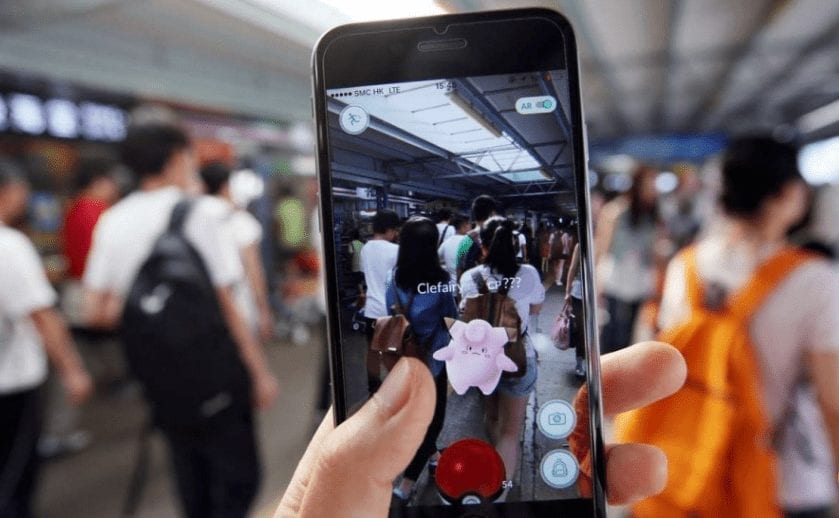
    Major Hong Kong tourism and shopping hotspots have been rushing to cash in on the citywide Pokemon Go craze with numerous events being organised, centred entirely around the smash-hit mobile game, to reinvigorate the city’s lacklustre retail sector.

    Three park and shopping mall operators — Ocean Park, Sun Hung Kai and Swire Properties — told the Post they were in talks with Pokemon Go’s developer Niantic over potential cooperation on future campaigns themed with the augmented reality game.

    Niantic is part-owned by Japanese videogame giant Nintendo.

    Since its launch in the city on Monday, Pokemon Go, which allows players to use their phones’ GPS and camera to capture virtual Pokemon in the real world, has been all the rage across the city’s most bustling districts.

    “We are seeking collaboration opportunities with the game’s creator, with more details to be announced soon,” said Maureen Fung, director with Sun Hung Kai Development (China).

    “We expect to see a double digit growth in our traffic and an 8-10 per cent leap in retail sales during the Pokemon Go event period,” Fung said.

    A spokesman for SHKP’s APM mall in Kwun Tong said it had implemented more “Lure Modules” — a function that makes it easier for players to find and catch the Pokemon — around the shopping centre, and updated the whereabouts of the virtual monsters on its social media pages “on a frequent basis.”

    Fung said the developer now plans to roll out Pokemon-related events at 12 of its shopping complexes.

    The Pokemon Go mania comes as traditional retailers continue to struggle against their online counterparts, both in Hong Kong and around the world.

    Terence Chan, head of retail, Hong Kong, at real estate consultant JLL, said the sudden rush in interest offered a great opportunity for outlets to cash in.

    “It is a nice marketing tool for stores and restaurants, particularly those looking to attract youngsters,” he added.

    Another leading property developer, Swire Properties, is utilised its Facebook and Instagram accounts to help customers spot Pokemon at its three flagships Cityplaza, Pacific Place and Taikoo Place.

    “We have a large number of Pokestops and a few Pokegyms,” said a Swire Properties spokesperson.

    “Additionally, we have approached Niantic Labs for further potential collaborations.”

    Pokestops and Pokegyms are where players can train and battle their Pokemon.

    Elsewhere, six shopping arcades operated by Sino Group, including Olympian City in Kowloon and Citywalk in New Territories, are running promotions.

    While a spokeswoman for Ocean Park revealed that the 39-year-old theme park had already become involved in discussions with US-based Niantic before the game even landed in Hong Kong.

    “The talks are currently underway and may take into account issues like copyright,” she added.

    But at least one leading retail site owner said he would not be relying on luring and accommodating gamers to turnaround its fortunes.

    Chiu Kwok-hung, chairman of Fortune Real Estate Investment Trust told local media on Tuesday that his malls did not intend to join hands with Pokemon Go as “an influx of people who don’t actually shop in the malls will in turn hinder your business”.

  • ‘Pokemon Go’ boosts local businesses in Sokcho

    ‘Pokemon Go’ boosts local businesses in Sokcho

    South Korean retailers are capitalizing on the explosive popularity of Nintendo’s augmented-reality mobile game “Pokemon Go” with new products and services targeting local Pokemon game enthusiasts and fans.

    From a sudden rise in consumer spending at select Pokemon-appearing cities in Korea to the launch of Pokemon-inspired hotels, tour packages and goods, the smash-hit game appears to be leaving a notable imprint on the local retail sector.

    Pikachu is surrounded by children during a Pokemon festival in Tokyo on July 18

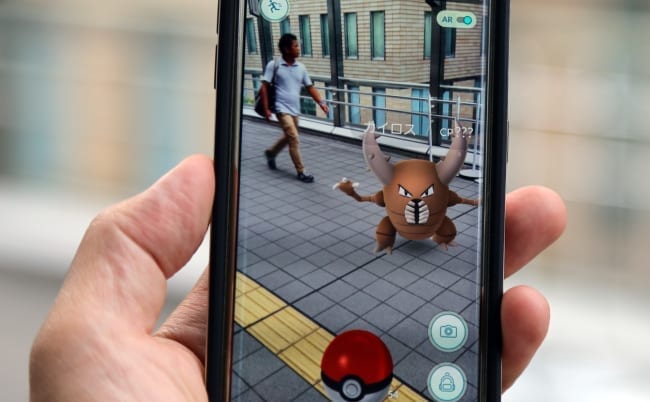
    “Pokemon Go,” produced jointly by Nintendo and U.S.-based Google spinoff Niantic, Inc., is a GPS-based mobile game that has users running through real-life locations to discover and collect virtual monsters, such as the all-famous Pikachu, via their smartphones.

    Though the game has yet to officially launch in Korea, it has been operational in parts of the country, including Sokcho of Gangwon Province since mid-July and most recently parts of Ulsan and Busan, where the game’s GPS signal is active due to technical glitches.

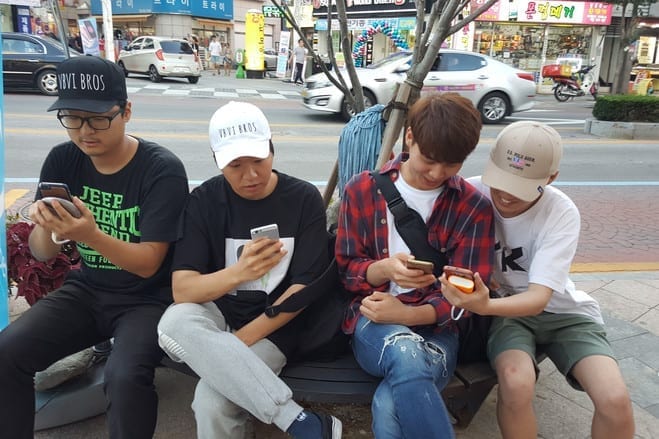
    Eager to play, thousands of avid Pokemon fans here have been flocking to such locations in the past few weeks, boosting business at local retailers in the region and prompting online retailers to introduce an array of Pokemon-inspired products.

    A sign welcoming Pokémon Go players hangs inside at a convenience store inside Sokcho, Gangwon Province, one of the few cities in Korea where the mobile game is active.

    Among the biggest beneficiaries are convenience stores in Sokcho which have been enjoying a sudden sales boom thanks to peaking demand for cell phone battery charging services as well as portable battery chargers.

    CU, the nation’s top convenience store operated by BGF Retail, said its outlets in Sokcho saw their sales from July 11-17 almost double compared to the previous week, thanks to the legions of “Pokemon Go” players in the area.

    During the period, sales of “battery charging” services at CU stores in Sokcho rose by 388 percent from the week before while sales of small electronic devices including portable batteries and earphones rose by 82.4 percent, BGF Retail said.

    A smartphone case featuring Pikachu on sale at Gmarket (Gmarket)

    Game players in Sokcho have been frequenting convenience stores in the area to rest and stock up on necessities such as ice, ice cream and water to fight the summer heat as well, boosting the stores’ daily sales, a CU official said.

    Joining other smaller businesses which have embraced unique forms of “Pokemon Go” marketing, discount supermarket chain E-mart’s Sokcho branch said it has begun offering free ice water to “Pokemon Go” players who capture a Pokemon on its premises.

    Targeting Sokcho-bound travelers, scores of mobile-commerce companies including Ticket Monster, 11st Street, Gmarket and Auction began organizing day-trip bus services from Seoul to Sokcho starting from July 12.

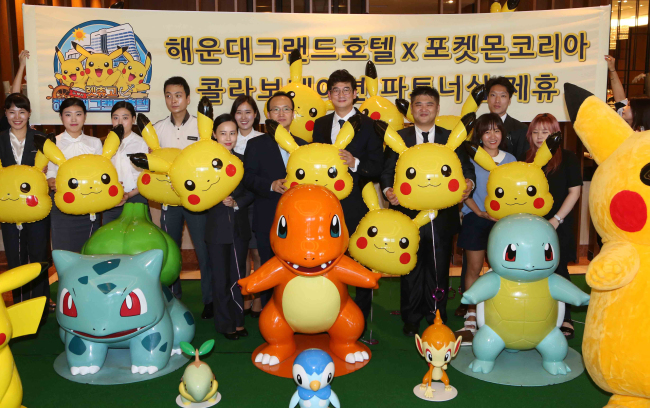
    The Haeundae Grand Hotel in Busan and Pokémon Korea celebrate their partnership during a ceremony held at the hotel on July 21. The hotel is offering diverse Pokémon-themed rooms, merchandise and eateries this summer as part of its joint promotion with Pokémon Korea.

    Meanwhile in Busan, the beachside Haeundae Grand Hotel has partnered with Pokemon Korea Co., in charge of all Pokemon merchandising in Korea, to offer specialized Pokemon-themed rooms, merchandise and eateries that tug at the hearts of local fans.

    Reflecting Pokemon’s resurgent appeal, sales of Pokemon-related toys, stationery and mobile accessories have surged as well. 11st Street saw sales of Pokemon items during July 11-17 rise by 57 percent compared to the previous week while Ticket Monster said sales of such products rose by 211 percent during the same time frame.

    Online retailer 11st Street is even holding a promotional event inspired by “Pokemon Go” — dubbed the “11Mon Go,” in which users can find and collect “11Mon” character while shopping on the website. Those who collect all the characters are eligible for prizes including round-trip bus tickets from Seoul to Sokcho, according to 11st Street.

  • ‘Pokemon Go’ catapults c-store sales in Korea

    ‘Pokemon Go’ catapults c-store sales in Korea

    Convenience stores in some areas in South Korea are enjoying a boom in sales brought by the latest mobile game craze ‘Pokemon Go’.

    ‘Pokémon Go’, an augmented reality app developed by Niantic, requires players to walk around and catch creatures called Pokémon using one’s smartphone.

    The hit game is not yet available in the country but a technical glitch made it accessible in a few locations such as Sokcho, Ulsan, and Busan driving people to flock to these areas, according to The Korea Herald.

    Top South Korean c-store operator CU reported that its outlets in Sokcho saw a jump in sales notably in battery charging services which rose by 388 percent and mobile accessories such as portable batteries and earphones by 82.4 percent.

    A rise in demand for ice cream and cold beverages due to summer heat has also been seen so the Sokcho branch of retail chain E-mart offers free ice water, as part of its marketing campaign, to ‘Pokémon Go’ players who can catch Pokémon creatures on its premises.

    Travel agencies, hotels, and retailers selling Pokémon merchandise are also cashing in on the game phenomenon.

  • JDC picks up gold award for effective marketing

    JDC picks up gold award for effective marketing

    The government-owned Jeju Free International City Development Center (JDC) – parent company of Jeju Duty Free – has won a Gold Prize at the recent Asia Tourism Marketing Festival, for its success in attracting Chinese visitors through its highly effective marketing efforts.

    JDC subsidiary, Jeju Duty Free operates at Jeju International Airport, the second largest airport in South Korea, behind Incheon International Airport.

    The company offers liquor and tobacco, perfume and cosmetics, watches, luggage and leathergoods, accessories, sunglasses, confectionery, ginseng, stationery and toys. Apparently Jeju Duty Free lists over 10,000 items in total from 190 different brands.

    The JDC entity aims to promote tourism, elevate the public image of Jeju and attact both domestic and foreign investment for business, public relations and marketing activities.

    JDC-Asia-Tourism-Festival-Awards

    JDC executives receive the gold prize for the company’s effective marketing efforts.

    Operating according to the South Korean government’s Special Act on Jeju Free International City, the corporation is affiliated with the Ministry of Construction and Transportation.

    On 11 June, JDC picked up the gold prize at the Asia Tourism Marketing Festival.

    JDC says that the company’s duty free shops make a concerted effort to offer customers a variety of activities and promotions, every season which has seen Jeju Duty Free obtain a high evaluation by ATMF.

    Attracting Chinese visitors to Jeju and into its duty free shops is of paramount importance to JDC, a Marketing Manager said.

    Jeju International Airport already benefits from healthy passenger traffic and in fact in the past has suffered from congestion, which has prevented some retail expansion.

    According to Korea Airports Corporation (KAC), JDC’s Domestic Terminal store, which covers almost 3,000sq m, recorded sales of KRW.338bn ($310m) in 2013.


  • Shilla Duty Free downtown and off-shore stores contradiction performance

    Shilla Duty Free downtown and off-shore stores contradiction performance

    The Shilla Duty Free posted a +29.0% year-on-year rise in second-quarter revenues for its Korean downtown duty free operations, reflecting a strong rebound from the MERS-ravaged corresponding period last year.

    Downtown store revenue climbed to KW538.2 billion (US$473.6 million) for the quarter, with growth outstripping the +23.5% increase in the total Korean duty free market (see Mirae Asset Daewoo chart below) for the period – encouraging news for Shilla given the increase in competitors following last year’s government licence additions.

    However, Korean airport sales fell -19.2% to KW198 billion (US$174.2 million), driven by a downturn in Incheon International Airport revenues caused by reduced floor space in the wake of last year’s tender results.

    Overseas duty free revenues (principally Singapore Changi Airport and Macau International Airport) rose by +16.3% year-on-year to KW121.3 billion (US$106.7 million). More pertinently, however, Shilla posted a KW12.3 billion (US$10.8 million) operating loss on those operations, reflecting in particular the high cost of entry at Changi.

    The offshore losses put a big dent in The Shilla Duty Free’s overall operating profits, which fell -51.4% to KW15.4 billion (US$13.6 million). Even profits on the more lucrative Korean downtown business fell sharply, down -39.0% to KW27.7 billion (US$24.4 million).

    A key factor in that decline has been, as we reported recently, the rocketing costs of commissions to Chinese travel retail agents – up from between 7% and 100% to around 23% since the advent of new duty free retailers last year. As one leading luxury brand executive told The Moodie Davitt Report recently, “The real winner in Korean duty free is the Chinese travel agent.” These numbers bear out that view.

    shilla July 2016 2

    shilla July 2016 3

    shilla July 2016 6The Shilla Duty Free is the key revenue and profits contributor to parent Hotel Shilla, whose consolidated revenues rose +13% year-on-year to KW954.1 billion (US$839.6 million), while operating profits tumbled -36.04% to KW18.7 billion (US$16.5 million).

    Group operating profit margin was 2.0%; with travel retail overall at 1.8%, Korean travel retail at 3.8% (6.1% downtown) and offshore duty free operations -10.1%.

    shilla_changi_opening_10feb2015_shilla5

    The Shilla Duty Free’s overseas airport operations once more posted heavy losses. The major problem lay with the heavy concession fees at Singapore Changi Airport (above). Pictured below is Shilla’s smaller operation at Macau International Airport, a joint venture with Hong Kong’s Sky Connection.

    NWS_Holdings_shop_0216_600_2MIXED REACTION FROM ANALYSTS

    MIRAE ASSET DAEWOO : Regina Hahm, Equity Analyst (Cosmetics, Hotels & Leisure, Fashion) at Mirae Asset Daewoo Research Center, said: “2Q earnings were way weaker than the market estimates.

    “However, I do think that it is positive that Shilla has further strengthened its existence in the market. It seems pretty apparent that group tourists have been absorbed by the Jangchung store [Shilla’s flagship Seoul shop -Ed], especially since the absence of Lotte World and WalkerHill.”

    In a review of Hotel Shilla’s results, Ms Hahm noted: “The domestic duty free business, which was hurt by the impact of MERS, resumed robust growth. Revenue from the downtown duty-free operation [of Shilla] climbed +29.0% YoY to KW538.2 billion during the quarter, meeting our expectation (+27.7% YoY). In the corresponding period, the overall duty free market saw revenue growth of 23.5% YoY, even as new entrants began full-fledged operations.

    “We think this shows the performance gap between major duty free players and less competitive, new players is widening further, which is natural given the importance of scale effects, the quality of sourced products, as well as experience in the duty free industry.

    Looking forward to Q3, typically a peak season for both inbound and outbound tourism demand, Ms Hahm foresees strong growth potential in Shilla’s duty free business, particularly given the low base line from the MERS-hit comparative quarter in 2016.

    She commented: “Airport revenue is likely to turn around in 3Q16, aided by the dissipation of high base effects.”

    Commenting on the group share price, she concluded: “Hotel Shilla shares have long been weighed down by a series of negatives, such as controversies over domestic duty free industry policies, the loss of licences by a few major players, and MERS.

    “In 2H, with the performance gap between new entrants and major existing players widening further, we expect Hotel Shilla to solidify its position as a leading player. Also, in our view, the stock could see a re-rating, given peak-season effects and strengthened market dominance.”

    Accordingly, Mirae Asset Daewoo maintained its ‘Buy’ rating on Hotel Shilla with a target price of KW110,000 (currently US$96.80), the stock brokerage and investment bank company’s top pick in tourism. By mid-afternoon today (26 July) it was trading at KW61,700, off by -0.80%.

    NOMURA: Analysts Cara Song and Jiun Im took a very different view, downgrading the stock from a buy to a reduce, and cutting their target price from KRW100,000 a share to just KRW47,000.

    In comments quoted by Barron’s Asia, they noted: “Operating profit margins at the domestic downtown duty free stores (Hotel Shilla’s sole profitable business) declined sharply to 6.1% in 2Q16 (vs. 8.8% in 1Q16, 10.3% in FY15). The company attributed this to a bigger contribution from lower-margin group tourists (from 70% in FY15 to 85% in 2Q16).

    “Considering that it is easier to attract group tourists than individual travellers by: 1) paying higher sales incentives to travel agencies; 2) more aggressive price promotions, Hotel Shilla’s customer mix has deteriorated, in our view.”

    HDC_Shilla_600_004 (1)

    Shilla IPark duty free is a stunning addition to Korea’s travel retail landscape. But Shilla’s overall reliance on group tourists, as opposed to higher-spending FIT customers, concerns Nomura.

    The analysts were particularly alarmed by the airport losses in Singapore, commenting: “Contrary to company guidance, Changi Airport DFS continued to struggle, with persistent losses in 2Q16. With the [Korean] government’s plan to issue additional DFS licences in 4Q16F, the DFS business environment could be dampened further.

    “Reflecting this, we cut our net profit estimate by 49.5%/36.5% respectively for FY16F/17F. Our FY16F/ 17F net profit estimates are c.33% lower than Street expectations (Fig.11).”

    Nomura also suggested there could be an added hit to earnings if Hotel Shilla’s planned part-acquisition of Miami-based DFASS Group in the third quarter falls through. The Moodie Davitt Report understands that constructive dialogue continues on that deal, though it is still some way from closing.

    shilla July 2016 1


    shilla July 2016 4

    shilla July 2016 5


  • Public Bank to Launch UnionPay Card in Malaysia

    Public Bank to Launch UnionPay Card in Malaysia

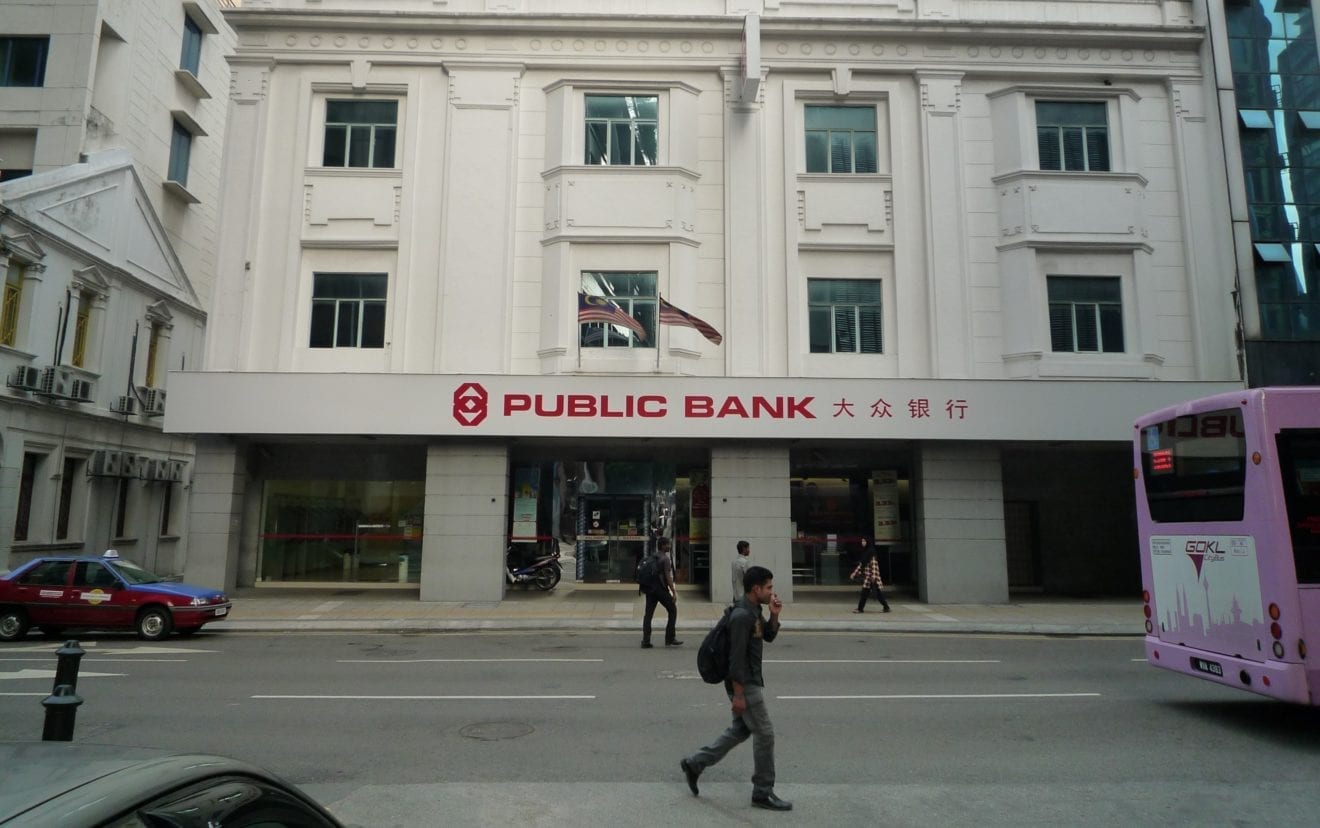
    Public Bank, Malaysia’s third largest bank and UnionPay International, a global payment network signed an agreement for UnionPay Debit Card Issuing Business today. With this partnership, Public Bank will be the first local bank to issue UnionPay card in Malaysia by Quarter 4 of year 2016.

    PB UnionPay Lifestyle Debit Card and PB UnionPay Savings Account will be launched to cater to the needs for customers and businessmen who frequently travel to China with the convenience of cards over carrying large amounts of cash.

    UnionPay’s acceptance across 160 countries and its full acceptance in China encourage Malaysian who travels often, expatriates and inbound students and workers from China to take up these bundled products.

    In Malaysia, UnionPay cards issued locally and overseas are accepted at over 90% of ATMs whilst 60% of merchants accept payments by UnionPay cards.

    The agreement was signed between Public Bank’s Managing Director, Tan Sri Dato’ Sri Tay Ah Lek and UnionPay International’s Chief Executive Officer, Mr Cai Jianbo at Menara Public Bank with the presence of other management staff of Public Bank and officials of UnionPay International.

    Commenting at the launch, Tan Sri Dato’ Sri Tay said, “Being the first local bank in Malaysia to launch UnionPay card once again proves that Public Bank is focused in progressing and improving our core retail business to enhance our customers’ banking experience. It is also a great pleasure in partnering with UnionPay International to offer our customers another new payment option.”

    Concurring on the significance of this partnership, Mr Cai Jianbo said, “Malaysia is one of the most important market for UnionPay, with 90% UnionPay card acceptance on ATM, and 60% at POS. This MOU signing with Public Bank Berhad will serve to provide a strong foundation as we continue to localise our business in Malaysia. UnionPay will enable more merchants and increase UnionPay POS acceptance to 90% by end of 2017. We will also issue more cards with local banks, provide more local privileges to improve services and convenience for Cardholders. For innovative payment, we will expedite the launch of e-wallet payments and build an 020 payment ecosystem.”

  • Award-winning Singaporean jewellery brand expands to Hong Kong

    Award-winning Singaporean jewellery brand expands to Hong Kong

    Singaporean contemporary jewellery brand Luvenus Jewellery announced today (July 26) that it has opened its first overseas outlet at Hong Kong International Airport to showcase its designs to the millions of travellers that pass through the airport each year.

    Launched in 2012, Luvenus is an award-winning company specialising in pure 22-karat and 24-karat gold jewellery with diverse and unique product designs. It also carries a collection of fully certified diamond jewellery, said the Managing Director, Mr Parthiban Murugaiyan.

    He said that the newly opened store at Hong Kong International Airport is the brand’s fourth outlet worldwide and first outside Singapore. Luvenus has been recognised for its quality service and has received several awards from Singapore’s Changi Airport.

    “Hong Kong is a major tourist and business travel destination for both Mainland and international visitors. Having a retail outlet at Hong Kong International Airport is part of our strategic plan for expansion into the Mainland. We will be using Hong Kong as our regional base from which to grow our business and better serve the needs of our customers,” he added. Luvenus Jewellery hopes to expand further in Hong Kong and the Mainland market and would consider various models including franchising.

    Associate Director-General of Investment Promotion Dr Jimmy Chiang said, “Hong Kong International Airport is one of the world’s busiest airports in terms of international passenger traffic. It is an excellent showcase for retailers. I wish Luvenus Jewellery every success in our city and look forward to its continued expansion from Hong Kong.”

  • 7-Eleven, Amazon UK test drone deliveries

    7-Eleven, Amazon UK test drone deliveries

    On opposite sides of the Atlantic, two major global retailers are testing delivery by drone.

    In the UK, eCommerce giant Amazon has partnered with the government to test some aspects of its drone delivery parameters.

    And in the US, 7-Eleven has partnered with Flirtey, an independent drone delivery service, to complete the first fully autonomous delivery to a customer’s residence to advance research toward integrating drones into the US national airspace system.

    The Amazon tests include piloting the machines beyond the line of sight of its operators, testing sensor performance to make sure the drones can identify and avoid obstacles and flights where one person operates multiple highly-automated drones are to begin immediately with the support of the UK Civil Aviation Authority.

    Amazon drone

    “The UK is a leader in enabling drone innovation; we’ve been investing in Prime Air research and development here for quite some time,” said Paul Misener, Amazon’s VP of Global Innovation Policy and Communications.

    “This announcement strengthens our partnership with the UK and brings Amazon closer to our goal of using drones to safely deliver parcels in 30 minutes to customers in the UK and elsewhere around the world.”

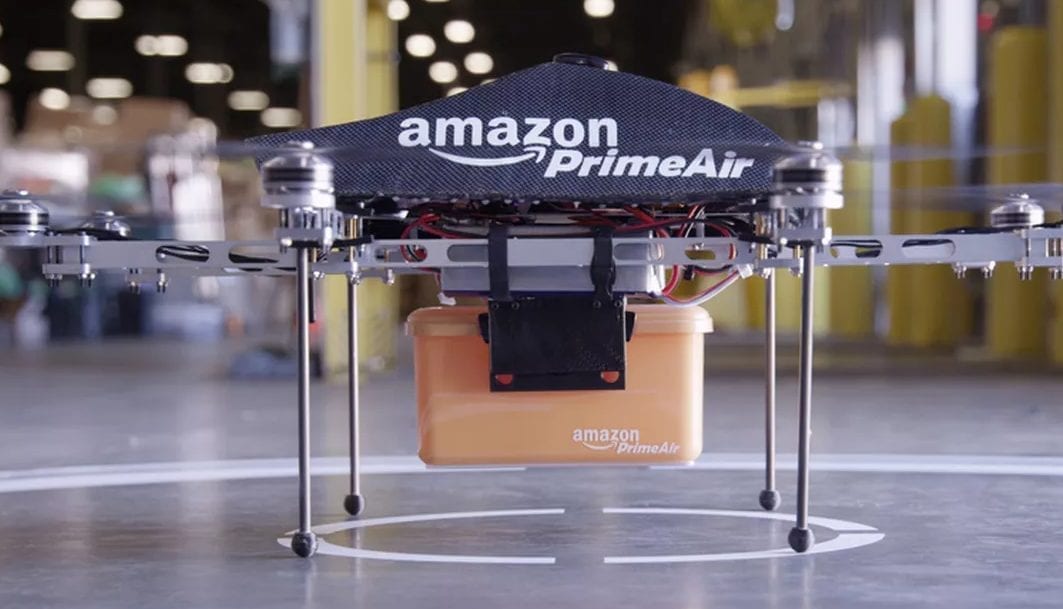
    Amazon’s Prime Air is a future delivery system designed to safely get packages up to 2.5kg to customers in 30 minutes or less using small drones.

    Amazon and the UK government said the partnership will enable them to understand how drones can be used safely and reliably in the logistics industry. It will also help identify what operating rules and safety regulations will be needed to help move the drone industry forward.

    “Using small drones for the delivery of parcels will improve customer experience, create new jobs in a rapidly growing industry, and pioneer new sustainable delivery methods to meet future demand,” said Misener.

    “The UK is charting a path forward for drone technology that will benefit consumers, industry and society.”

    Meanwhile, in Reno

    Meanwhile, at a Reno, Nevada 7‑Eleven store, two deliveries were successfully completed.

    The 7-Eleven drone delivery is the first time a US customer has received a package in their home via drone. The delivery coincides with the celebration of the convenience store chain’s 89th birthday.

    https://www.youtube.com/watch?v=_sysBQ5-tZA


    “This delivery required special flight planning, risk analysis, and detailed flight procedures ensuring residential safety and privacy were equally integrated,” said Chris Walach, director of operations for Nevada Institute for Autonomous Systems (NIAS).

    7‑Eleven merchandise – including hot and cold food items – were loaded into a unique Flirtey drone delivery container and flown autonomously using precision GPS to a local customer’s house. Once at the family’s backyard, the Flirtey drone hovered in place and gently lowered each package.

    The purchases were delivered to the family in the span of a few minutes. Products included Slurpee drinks, a chicken sandwich, donuts, hot coffee and 7-Select candy.

    In the future, both companies expect drone packages to include “everyday essentials” such as batteries and sunscreen.

    The deliveries also mark Flirtey’s largest commercial relationship to date and bring the drone delivery startup even closer to its vision of reinventing the delivery process for humanitarian, online retail and food delivery industries.

    Building on this initial collaboration, the two companies have plans to expand drone delivery tests and work closely together, according to 7‑Eleven EVP and chief merchandising officer Jesus Delgado-Jenkins.

    “Drone delivery is the ultimate convenience for our customers and these efforts create enormous opportunities to redefine convenience. This delivery marks the first time a retailer has worked with a drone delivery company to transport immediate consumables from store to home. In the future, we plan to make the entire assortment in our stores available for delivery to customers in minutes,” he said.

  • NYDC Vietnam closes last store

    NYDC Vietnam closes last store

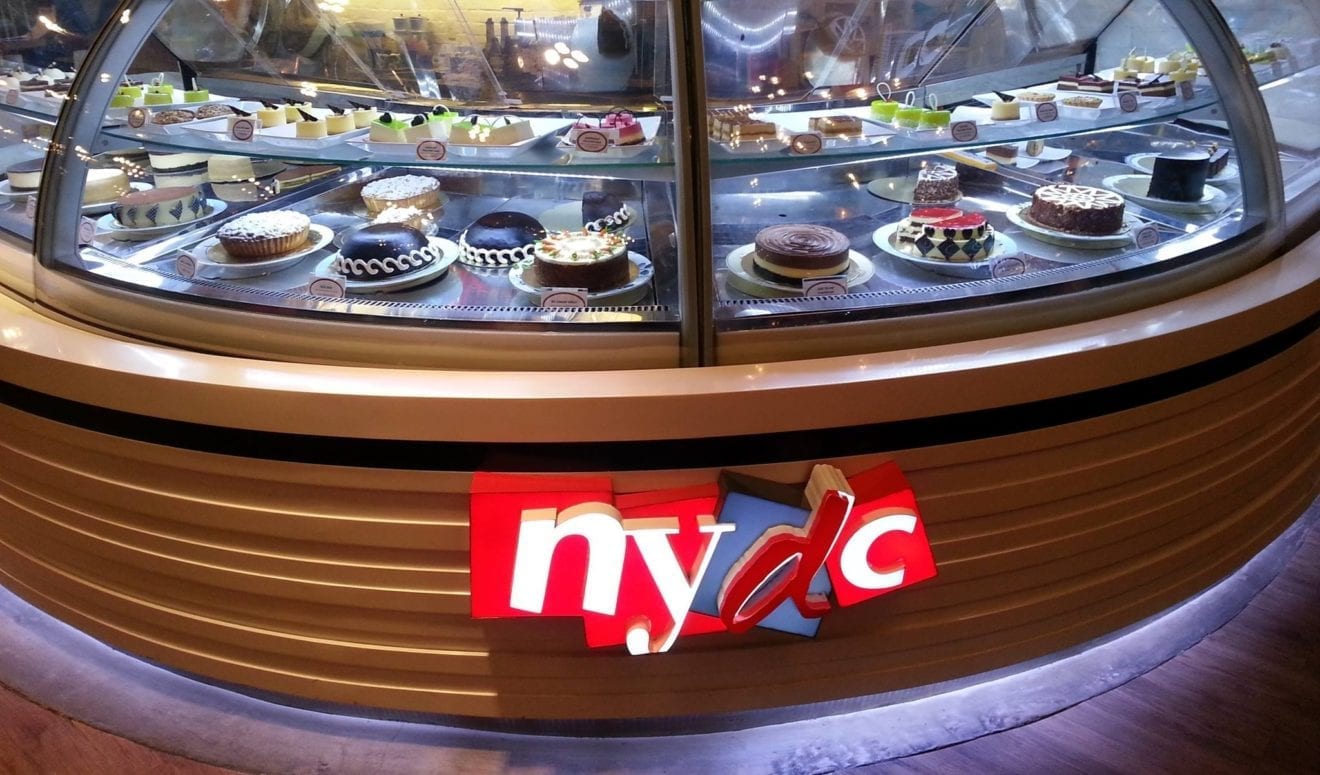
    The last NYDC Vietnam dessert and cafe restaurant has closed its doors after months of struggling to stay viable.

    The chain sent its goodbyes to its customers via its Facebook page last Wednesday, promising to “return someday”.

    NYDC’s struggles first became apparent in May when it closed three stores in a row – Nguyen Trai, Cantavil, and Crescent stores in Ho Chi Minh City. It continued to operate its highest-profile store inside the Metropolitan Tower in the city’s CBD. However, after six months trying, finally they decided to close their last store.

    Two factors likely led to the demise of NYDC Vietnam: First, the increasing dominance of  local cafe chains such as The Coffee House, Phuc Long, Urban Station, Trung Nguyen, Kafe and Highlands, which offer affordable prices and comfortable spaces. The second is the more recent arrival of international chains, such as Starbucks. Before Starbucks arrived in Vietnam in 2012, NYDC’s main competitors were Gloria’s Jeans and Coffee Bean and Tea Leaf.

    Many foreign food chains have struggled to gain momentum in Vietnam market. Both Gloria’s Jeans and Coffee Bean and Tea Leaf had to close larger outlets about three years ago due to rising rentals. Burger King launched in 2012 with ambitious plans for about 60 stores within five years. It has recently closed several and as of February its network stood at just 16.

    Sean T Ngo, CEO of VF Franchise Consulting, said that even though Vietnam is one of the hottest franchising markets in Southeast Asia, the exit of NYDC from Vietnam clearly demonstrates the challenges that many foreign firms face when entering a developing market like Vietnam.

    “Clear differentiation and positioning from competitors and near perfect execution is required if any foreign brand is to do well in this market place.”

    Brought to Vietnam in 2009 by Singapore’s SUTL Group, NYDC used to be one of the most popular foreign cafe chains in HCMC. The first two outlets were opened in the center of the city, at Metropolitan tower and Now Zone shopping mall, followed by Vincom, Nguyen Trai, Cantavil, and Crescent mall stores. The original plan was to open 20 outlets in five years with more than US$300,000 investment reportedly required for each.

    Opposite to NYDC, SUTL has been successful with its investment in KFC, which now operates more than 140 stores across Vietnam.

  • Amazon India rolls out Prime

    Amazon India rolls out Prime

    Online retailer Amazon India has rolled out the global Prime membership service, giving customers access to unlimited free one- and two-day delivery on more than 100,000 products.

    It is also introducing its Prime video service, giving members access to movies and TV shows from India and around the world.

    “Prime provides unlimited convenience all year long,” says Amazon India VP and country head Amit Agarwal.

    Offering a free two-month trial period, Amazon.in has revamped its on-site and app experience.

    Members can also use Prime Early Access to buy top deals 30 minutes early every day.

    “Since its international inception, Prime continues to evolve as we add millions of additional items that can be delivered incredibly fast and free,” says Amazon Worldwide Prime VP Greg Greeley.

  • Miss Sixty parent plans IPO

    Miss Sixty parent plans IPO

    Miss Sixty parent in Asia, Chinese fashion house Trendy International Group, is planning a domestic initial public offering, probably by the end of next year.

    The Guangzhou-based company hopes to achieve a valuation of about US$5 billion before selling an undisclosed stake, insiders say. Trendy International will join other Chinese clothing retailers such as Modern Avenue Group, owner of the Canudilo brand, and Shanghai La Chapelle Fashion in funding expansion by selling shares.

    Altogether, 25 apparel companies have held IPOs in China and Hong Kong during the past three years, raising a combined $2.2 billion, according to Bloomberg.

    Investment firm L Capital Asia, backed by French luxury group LVMH, bought a minority stake, estimated at about 10 per cent, in Trendy International for nearly $200 million in 2011.

    Founded in 1999, Trendy International owns women’s brands Five Plus and Ochirly as well as male casualwear line Trendiano. It later acquired the Asian business of Miss Sixty, known for its skin-tight retro jeans, as well as the Energie and Killah denim brands.

    The fashion group has more than 3000 shops, and last year set up a joint venture with UK clothing chain SuperGroup to introduce its Superdry brand into China.

  • Spar International Expands to Mongolia

    Spar International Expands to Mongolia

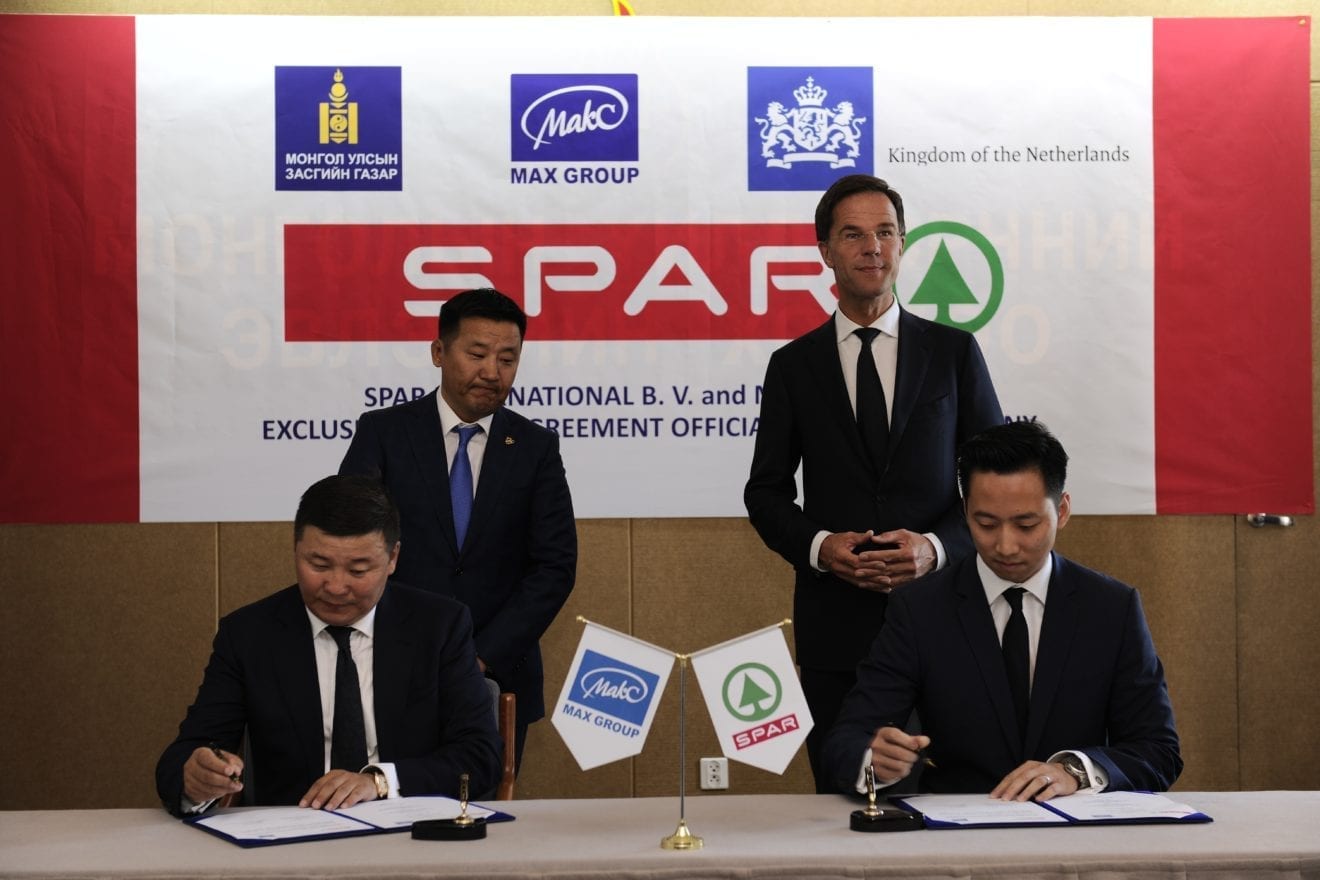
    SPAR, the world’s largest food retail voluntary chain, has announced a new partnership with conglomerate Max Group LLC, to open its first stores in Mongolia. The partnership, which will see up to 60 SPAR-branded multi-format stores in Mongolia by 2020, was made at an official signing ceremony which took place during the visit of the Dutch Prime Minister, Mark Rutte, to Mongolian capital Ulaanbaatar. 

    Max Group is one of Mongolia’s leading retailers operating the existing chain of Max Food Supermarkets.  The new partnership will see these stores transfer to the SPAR brand, and the opening of new SPAR supermarkets from 2017 onwards. The Netherlands-based SPAR International reported global retail sales in 2015 of €33 billion from over 12,100 stores across four continents. Mongolia brings to 43 the number of countries where SPAR has operations globally.

    Prime Minister Rutte was visiting Mongolia to attend the 11th Asia-Europe Meeting (ASEM) Summit and to promote trade with the Netherlands in the region. Speaking at the signing of the contracts between SPAR and Max Group, the Prime Minister Rutte, said, “It is greatly encouraging to see a company like SPAR, which started as a partnership of Dutch retailers and wholesalers more than 80 years ago, helping bring retail best practice to the Mongolian marketplace.”

    SPAR International Managing Director, Tobias Wasmuht said “SPAR is delighted to be launching in Mongolia in partnership with the Max Group.  We see Mongolia as a dynamic and rapidly developing consumer market with a growing demand for modern world class food retail. We are highly confident that we can build on our strong presence in the region by leveraging our scale with the SPAR operations in neighbouring Irkutsk, Russia and Inner Mongolia, China. This collaboration combined with our modern retail formats, supply chain and international sourcing as well as investing in the training and development in people locally will act as a significant support structure for the growth and development of SPAR in Mongolia. I would like to take the opportunity to thank the Ministry of Foreign Affairs of the Netherlands who were instrumental in facilitating the partnership between SPAR and the Max Group.” 

     Max Group LLC is a family business established in the 1990s which has a wide variety of operations and business interests including supermarkets, fast food restaurants, department stores, real estate, precious metal mining and is the country’s largest dairy producer and milk bottler. Max Group LLC already employs over 2,500 people in Mongolia. Max Group President, Ganbaatar Dagvadorj said “Bringing the words leading retail chain, SPAR, to Mongolia is not just beneficial to Max Group it is a big opportunity for Mongolia as well and I am very excited about this partnership. Max is dedicated to bringing the SPAR’s commitment to excellence in fresh, passion for quality, outstanding service and exceptional value to consumers in Mongolia.”

  • 7-Eleven Malaysia Opens Historic 2000th Store in Malaysia

    7-Eleven Malaysia Opens Historic 2000th Store in Malaysia

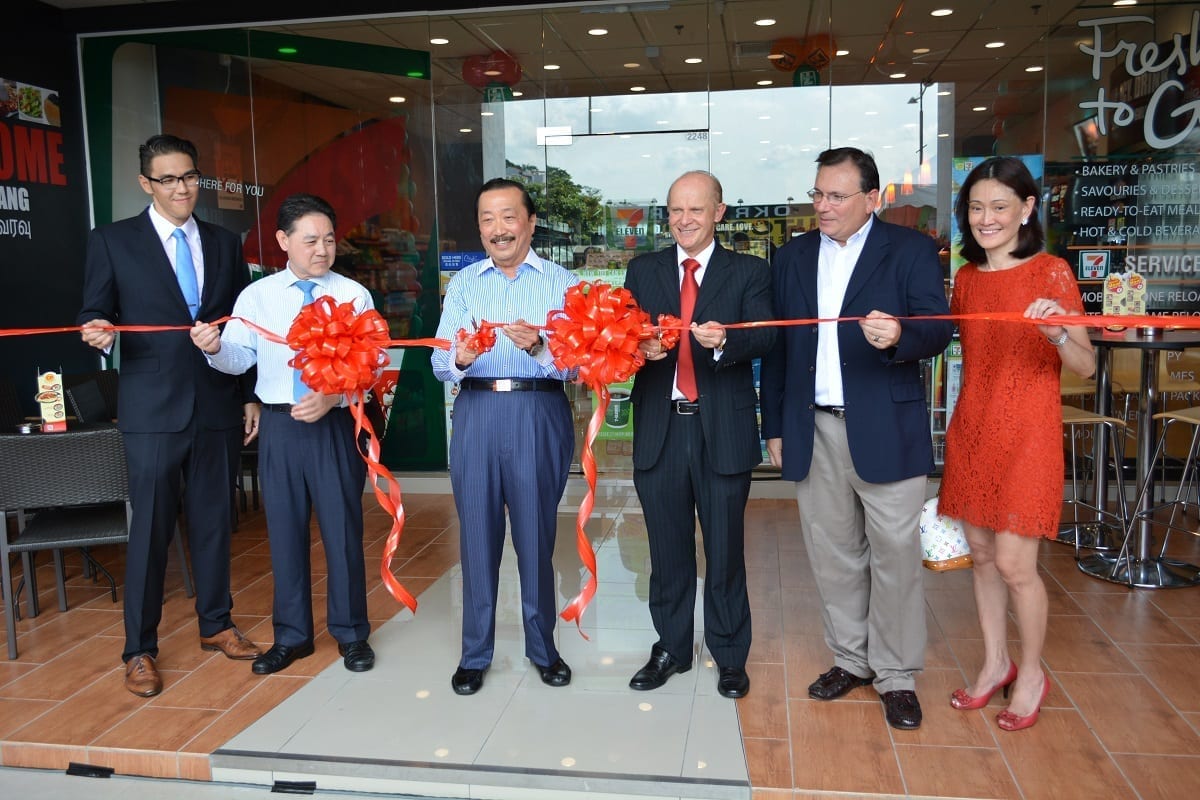
    7-Eleven Malaysia, a wholly owned subsidiary of 7-Eleven Malaysia Holdings Berhad, the No.1 standalone convenience store chain in the country, is proud to announce that it has launched its 2000th store in Malaysia at an opening ceremony held at The Scott Garden in Old Klang Road. This landmark store reflects the current 7-Eleven convenience store format, which is being rolled out across Malaysia via a programme of store refurbishments and new stores since late 2013.

    Speaking at the ceremony, Mr. Gary Brown, CEO of 7-Eleven Malaysia Sdn. Bhd. commented, “At our listing in 2014, we discussed our expansion plans and our intention to increase our number of new stores by 600 over the next three years from 2014 to 2016. We are very pleased to have reached this historic milestone of 2000 stores but it’ll be business as usual as we have no intention of stopping here and will continue with our rapid store expansion. We are also pleased to be able to showcase here today our latest product and service innovations which sets us apart from other convenience stores in Malaysia with a strong emphasis on best in class fresh food and beverage such as our well-received RM2 Fresh to Go hot beverages.”

    During the opening ceremony, there was a tour and brief on the current innovation of the stores. The current generation 7-Eleven convenience stores is to encourage customers to see 7-Eleven as a lifestyle concept, where they can enjoy the range of products on offer by spending time at the store, similar to a neighborhood café. In addition to this, 7-Eleven Malaysia has increased its range of product and services to customers by providing Touch ‘n Go reload services, bill payment for utility providers, online purchases payment through MOLPay, point-of-sales activated (“POSA”) gift cards and parcel locker services in partnership with BoxIt.

    Mr. Brown continued, “It is important to us to continue to innovate on not only our product offering, but to also play more of a role in the daily lives of our customers. By offering these services, we can offer a whole new level of convenience in Malaysia and we continue to be the leader for the convenience sector. We are enthusiastic about the future and will continue to deliver the best possible product, services and promotional offerings at our stores based on what our consumers want.”

    7-Eleven Malaysia is the largest stand-alone convenience store-chain nationwide, with 2000 outlets across the country and continuously aspires to elevate customers’ shopping experiences and to scale greater heights as the largest stand-alone convenience store operator in Malaysia. To meet today’s expectations in providing convenience to customers; 7-Eleven Malaysia opts to stay close to its customer’s heart by staying true to its motto, Always There for You.

  • ICONSIAM teams up with True Group to build True ICONSIAM Hall

    ICONSIAM teams up with True Group to build True ICONSIAM Hall

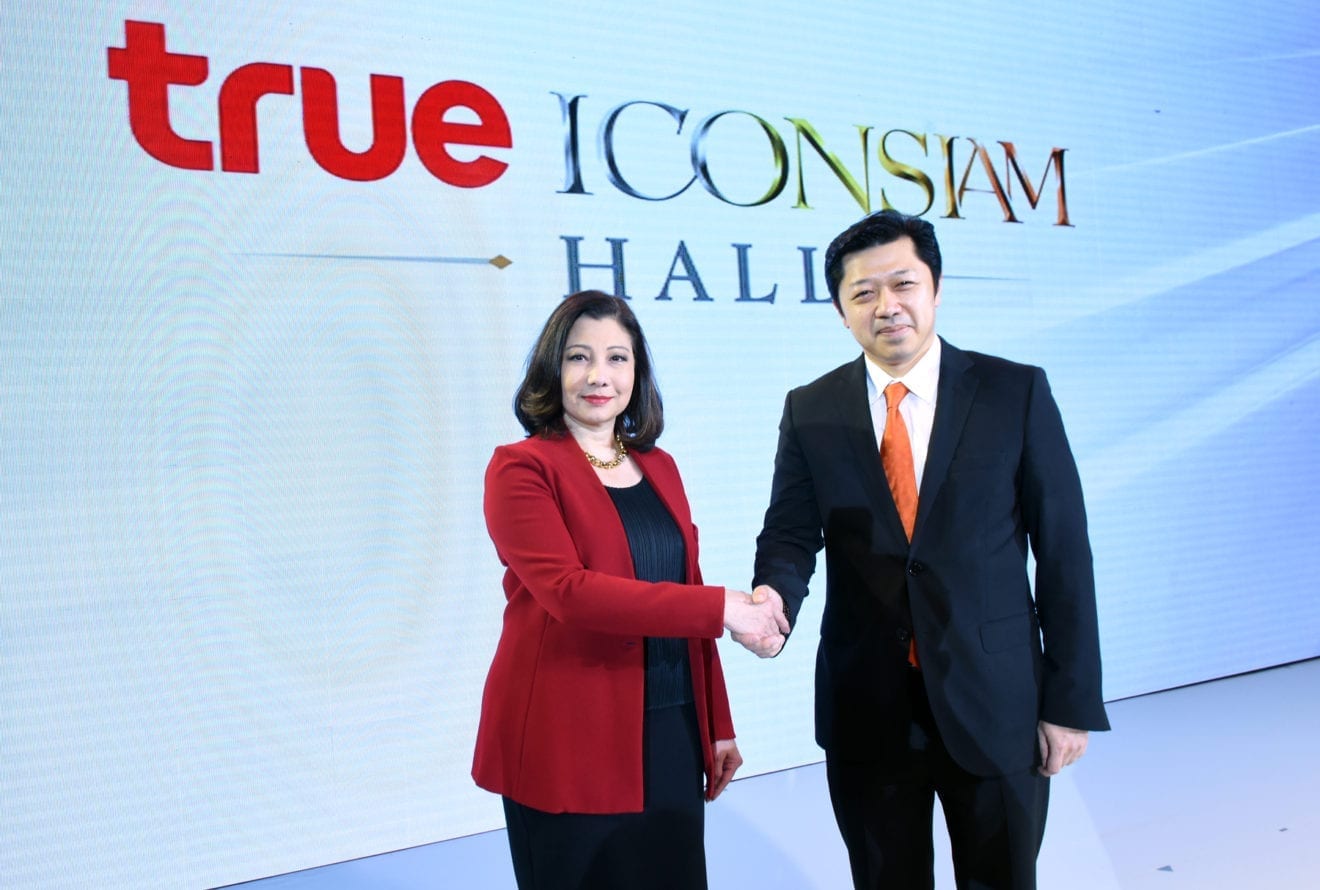
    ICONSIAM Co., Ltd., the developer of ICONSIAM – the iconic new landmark of Thailand, and True Group, the convergence lifestyle leader which offers a full range of communication services and solutions, today, is building “True ICONSIAM Hall” , an advanced world-class venue complete with the best innovation and technology and world-class international standard design worthy of being called 1 of the 7 Wonders of ICONSIAM – a first-in-Thailand and a first-in-the-world phenomenon.

    True ICONSIAM Hall was born out of the vision of ICONSIAM and True Group, one a leader in the real estate and retail industry, and the other a leader in technology, which never ceases to introduce innovations to their national-scale projects and businesses in order to promote Thailand’s reputation on the world stage.  This time, they joined together to bring the best of Thailand to the world with the creation of “True ICONSIAM Hall”, an advanced, world-class international conference and exhibition centre, the first of its kind on the Chao Phraya River, in the ICONSIAM project.

    H.E. Mrs. Kobkarn Wattanavrangkul, Minister of Tourism and Sports, said, “In Thailand, MICE is a service sector that brings in a lot of quality tourists and generates enormous revenues for the country.  It also has a major role in income distribution to related sectors such as hotels, restaurants, conference centres and exhibition centres.  Foreign travellers for MICE activities in Thailand, on average, spend two to three times more than tourists in general.  The partnership between ICONSIAM and True Group to build “True ICONSIAM Hall” is a good sign that the private sector has joined the government sector to support and promote tourism and MICE in order to stimulate revenue generation for the country and give the economy a driver in line with the government’s policy to synergize all stakeholders to make Thailand a MICE destination of the region and the world.”

    Mrs. Chadatip Chutrakul, Director of ICONSIAM Co., Ltd., said, “ICONSIAM has a commitment to give Thailand an important position on the world stage. ICONSIAM then joins forces with True Group to create “True ICONSIAM Hall” aiming to promote and elevate the standard of MICE and show business in Thailand as we work to make the country a hub for world conference and show performance – a fully integrated one with the highest potential and the most outstanding in Asia.

    “True ICONSIAM Hall” which is worth more than Bht 2,000 million investment has an area of 12,000 square metres and a capacity of 3,000 seats and is situated on ICONSIAM’s Floor 7 and 7M overlooking the beautiful scenery of the Chao Phraya River. It will be an advanced world-class venue for international conference and show performance complete with the best innovation and technology comprises:

    – The First Time Ever Retractable Seating System in Thailand:  seats are automatically folded away by the latest advanced technology to suit all ranges of customer’s venue requirements and save time for all event arrangements. Each seat has the best view and is equipped with all sorts of communication such as advanced translation system, Wifi system, Microphone etc.

    -The Best Acoustic Tri-wall Panel System, the First Time in South East Asia: With automatically adjustable wall panels and ceiling panels in 3 types being equipped with the aesthetic sound absorbing system to accommodate all types of performance and assembly such as conference, world class performance, and concert will offer each audience seating enjoyable experience for watching and listening to the most sophisticated ever seen before.

    – Stage Rigging System for scene changes of the world’s performance and special wall which is movable to meet the platform edge of the stage to create the most completed atmosphere of the performance and to provide a different experience every time it shows.

    “True ICONSIAN Hall” will be an international conference hub of Asia and will attract world-class performances to Thailand supporting all event arrangements as follow:

    1. International Conference such as G20 Summit, ASEAN Summit, APEC, OPEC, medical meetings and conferences, to accommodate up to 3,000 attendees. There are also medium and small meeting rooms to accommodate small meetings.
    2. World Class Performance such as Broadway show, musical show, Opera, ballet and Thailand’s cultural performance which is Royal Khon Performance.
    3. World Class Concert such as Orchestra and concerts by leading Thai and international artists.
    4. International Exhibition After conference chairs are kept automatically supporting by fully public utility system, this will be the first time in Thailand to accommodate proudly a global fair such as Maison Object, Millionaire Show, Luxury Lifestyle Exhibition.
    5. Special Event such as major sporting tournaments (sport show), Haute couture fashion shows, international competition, awards ceremony, product launches, international film festival etc.
    6. Catering can accommodate all types of catering up to 3,000 attendees and is fully equipped with food preparation rooms and banquet facilities such as various party occasions, wedding receptions etc. among the spectacular views of the Chao Phraya River.

    “True ICONSIAM Hall” is situated on a prime landmark location of the world on the Chao Phraya River surrounded by 3-5 star hotels with more than 10,000 rooms and is connected with the most complete transportation (road-rail-river) system in Thailand, which will make it convenient for a large number of visitors.  In particular, waterway transportation on the Chao Praya River from the surrounding hotels is easily reached “True ICONSIAM Hall” in a short time, within no more than 20 minutes and is also commuted from Siam Area by BTS Sky Train’s Green Line and Gold Line with less than 18 minutes.

    Mr. Suphachai Chearavanont, Chief Executive Officer of True Corporation Plc, said the partnership is one True is proud of because it allows True to play a part in strengthening the country’s MICE industry to make it outstanding and a pride of the nation in the world community. “True ICONSIAM Hall” clearly reflects the vision of the two organizations, both ICONSIAM and True Group, in committing to bring their expertise and leadership in the business to jointly create the best thing to happen in Thailand. “True ICONSIAM Hall” will open a new dimension for the era’s most advanced world-class centre for international conferences and exhibitions with exceptional location, special and superior functions, the most modern technology in communication and the content leader and wide variety of media of True Group will combine experience and impression for exhibitors and visitors. We are confident that “True ICONSIAM Hall” will be able to attract the exhibitors for MICE and tourists from around the world in order to stimulate revenue generation for the country and give the economy a driver in line with the government’s policy to synergize all stakeholders to make Thailand a MICE destination of the region and the world. Moreover, it will also reflect the potential of Thailand with its readiness to be a hub of regional tourism helping drive Thailand to be an outstanding country in Asia in hosting all kinds of world-class events.

    True ICONSIAM Hall will be ready to open within 2018.