Author: Mei Ling Tan

  • Pokemon Go promotion backfires

    Pokemon Go promotion backfires

    Involving a celebrity with the Pokemon Go obsession may seem like a golden marketing opportunity, but for one Hong Kong shopping mall the combination has been a screw-up.

    Chrissie ChauWith the game not yet officially available in Hong Kong, actress Chrissie Chau claimed on her Facebook site that she would be the first to catch the augmented-reality (AR) game fever. With the heading “Exclusive Pokemon Go Real Live”, she announced she would do a live stream on Facebook.

    However, it turned out to be a video of Chau dressed in a Pokemon costume, pretending to be Pikachu. Later, some net users discovered that it was a promotional event Chau was working on with a shopping mall.

    This prompted an angry reaction from more than 10,000 internet users in Hong Kong, disappointed that it was just a gimmick and criticising the marketing stunt. Many used Facebook’s “angry” expression, and many left comments describing the the event as a “prank” and even a “PR disaster”.

    Meanwhile, McDonald’s Japan will be the first paying sponsor of Pokemon Go as the game launches there. It will be the first advertiser to test out Pokemon Go’s new sponsored location feature, reports Marketing magazine.

    With the fast-food chain confirming the collaboration, the game in which players use smartphones to search for virtual creatures layered over images of the real world is officially stepping into advertising. In return, McDonald’s Japan will host more than 3000 of its outlets as “gyms” or battle sites for players.

  • Eagle Gates Group plans Asia expansion

    Eagle Gates Group plans Asia expansion

    Eagle Gates Group plans to further expand its Asian retail business in the next five years. Eddy McClough, chief executive officer at Eagle Gates Group, says the group will continue to look at retail opportunities in Asia, with possible plans to establish new offices in the region.

    Eagle Gates Group’s history spans almost a decade and through careful stewardship and intelligent investment, the group has expanded to become one of the leading financial services groups across America and Europe.

    Eddy is positive about the outlook for the Asian market.

    “I see tremendous growth opportunities in the Asia Pacific region, especially the likes of China and Thailand. A number of partnership discussions are already underway. The foray into the Asian market reflects our commitment to growing the global footprint of Eagle Gates Group and gives us access to such an important investment market,” he said.

    Eagle Gates Group provides exchange traded funds and other products investing in indices, infrastructure and real estate. Eagle Gates Group also serves institutional investors who need to invest insurance or pension funds.

    In Asia, Eagle Gates Group has a Tokyo office which has been operational since 2013 but Eddy admitted its Asia business should be bigger.

    “The business in Asia Pacific now represents only single digits of our global business asset size. We are targeting a double digit in the next five years. Asia has a young population and a growing segment of wealthy individuals which would support future growth for the asset management industry,” he said.

    SOURCE Eagle Gates Group

  • End of the Line for Singapore Investors

    End of the Line for Singapore Investors

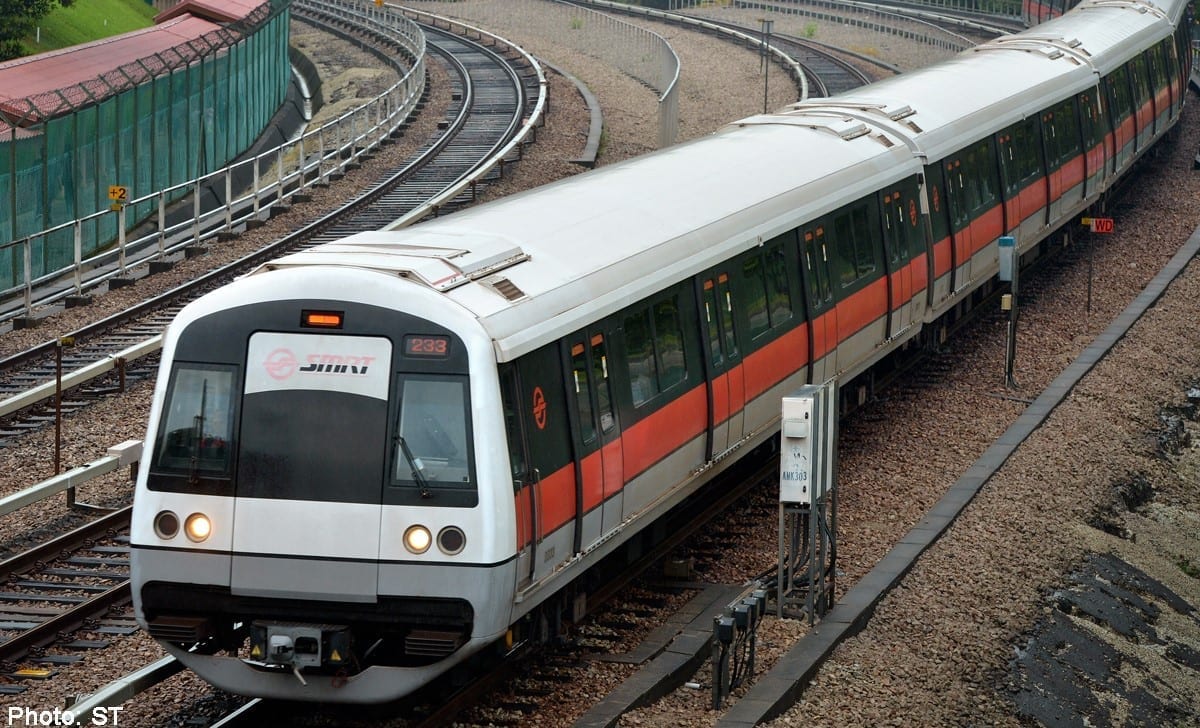
    This is where shareholders in Singapore’s subway network get off. And it doesn’t matter if some of them can’t quite see the platform. Leaving people stranded has become a hallmark of their company’s operations in recent years. Like back in January 2008, and then twice over three days in December 2011 when two passengers fainted, and again in July last year.

    Decent Ride

    Singapore subway operator SMRT has returned almost 600% since the SARS epidemic of 2003. But the ride is over. State investment firm Temasek, which owns 54 percent of SMRT, has offered S$1.68 ($1.24) to buy out the remaining shares. Minority shareholders should be grateful for the 8.7 percent premium over the last closing price. Considering the island’s transport regulator is taking away SMRT’s trains and signaling system for S$991 million ($730 million), which — after paying taxes and retiring debt — won’t even leave enough for a special dividend, the rump isn’t worth much more.

    Besides, as Smartkarma strategist Crispin Francis notes, the Land Transport Authority’s nationalization plan will see SMRT having to share with the government the outsize profit margin of about 60 percent it earns from rental income and advertising. That would be in exchange for a boost to the profitability of its core rail operation business, from a measly 1.1 percent to a more respectable 5 percent. Hardly a sweetheart deal.

    Temasek, though, should still come out okay. It owns 41 percent of the nation’s largest property developer CapitaLand, 25 percent of retailer A.S. Watson, and all of MediaCorp., the Singapore broadcaster with a large outdoor advertising arm.

    As Singapore upgrades its rail network to close the gap with Hong Kong, the value of the city-state’s droopy residential property could get a lift; there would be more underground locations for retail; and plenty of new walls for LCD displays. Temasek will indirectly reclaim at least some of what SMRT’s other shareholders will lose from nationalization. Since a part of Temasek’s returns are used to finance the government’s budget, this will complete a virtuous cycle.

    Maintaining the status quo would have created a vicious cycle. Private capital is loath to finance massive investments from which gains are likely to be so diffuse they can only be captured by a government or large, diversified investor such as Temasek. So while it’s been a good ride for SMRT shareholders, it’s time they got off. They can use the S$1.68 they’re getting for their shares to hail a ride home.

    *Originally posted at Bloomberg.

    To contact the editor responsible for this story:
    Katrina Nicholas at [email protected]

  • Boots to launch in south korea

    Boots to launch in south korea

    Walgreens Boots Alliance, Inc. (Nasdaq: WBA), the first global pharmacy-led, health and wellbeing enterprise, today announced that it has signed an agreement to form a franchise partnership with Emart Company Ltd (a member of Shinsegae Group), South Korea’s number one hypermarket retailer. Together, they will create a Boots branded pharmacy-led, health and beauty retail franchise in South Korea.

    Under the terms of the agreement, Boots branded stores will be opened in shopping malls, on high streets and within the outbound areas of Shinsegae department stores and Emart hypermarkets. The Boots stores will each feature an independent pharmacy and a range of Boots owned products and ‘exclusive to Boots’ brands as well as leading Korean brands.

    “South Korea is considered a leading market for skincare and cosmetics products in Asia today.  We believe there is a significant opportunity to extend the reach of Boots own brands into this market and are thrilled to be doing so with Emart,” said Ornella Barra Co-Chief Operating Officer of Walgreens Boots Alliance. “Emart is the preeminent retailer in South Korea and their strong experience as well as their marketing expertise gives us great confidence in the long-term potential of this partnership.”

    “We are delighted to have the opportunity to introduce the Boots brand, and offer pharmacy care as well as acting as a beauty and healthcare destination by also offering a wide range of both Korean and Boots product brands.” said Gab-Soo, Lee, CEO of Emart Inc.

    The first stores are expected to open before the end of the first half of calendar year 2017 and will include Boots highly regarded and exclusive No7 and Soap & Glory products.

  • Lotte Department Store to Introduce 3D Foot-Measuring Device

    Lotte Department Store to Introduce 3D Foot-Measuring Device

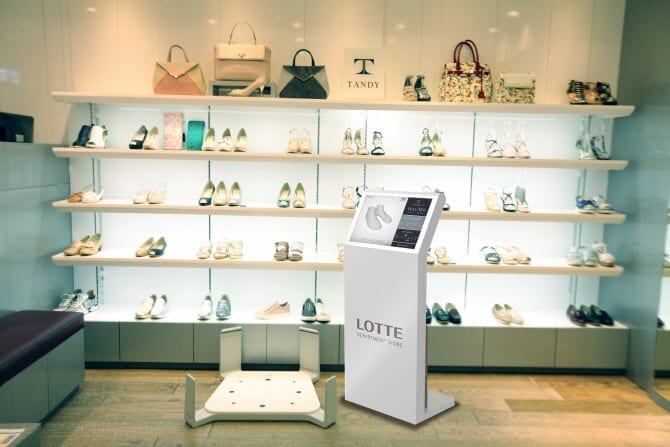
    Korean retail giant Lotte Department Store revealed Thursday that it will implement a new 3D foot-measuring device at its stores starting Friday, to provide quick and accurate measurements for custom shoe orders.

    By placing his or her foot on the device, a customer will able to obtain not only their foot’s length, but its overall shape, including width and height, to gather more accurate sizing information.

    The conventional foot-measuring process can make customers feel uncomfortable, and usually takes two to three minutes. But the new device will shorten the process to two seconds using 3D scanning technology, according to a Lotte official.

    After having their feet measured, customers will select the shoe design of their choice, and a final pair of handmade shoes will be delivered to their doorstep in about two weeks. Upon request, customers can even have their foot size information mailed to them or saved in the store’s computer system, so they can place more orders in the future without having to re-measure their feet.

    The 3D device was developed in collaboration with Swedish start-up Volumental, and will first make its debut at the Tandy shoe store in Lotte’s flagship department store in Myeongdong. The service will expand to other shoe brands in department stores across the country starting July 29.

    Lotte Department Store also plans to launch a 3D virtual fitting service in the latter half of the year. The service uses a special mirror that provides a virtual reflection of the customer wearing clothing by applying a 3D image of the product to the customers’ body.

  • Mobifone deploys 300Gbps packet-optical backbone

    Mobifone deploys 300Gbps packet-optical backbone

    Vietnam’s second largest mobile operator Mobifone has constructed its fist high-capacity converged packet-optical backbone network using equipment from Ciena.

    The operator has deployed a network spaning more than 1,400km from Hanoi to Ho Chi Minh City. The network currently has a capacity of 300Gbps.

    Mobifone plans to use the network to provide high-speed mobile broadband services to businesses and consumers in more than two dozen provinces.

    “Ciena’s cutting-edge optical platforms enable us to have a state-of-art backbone system. Demand for high-speed fixed and mobile data services, video content and the move to the cloud mean that network services in Vietnam have never been more important,” Mobifone chairman Le Nam Tra said.

    “With Ciena supporting the next evolution of the MobiFone backbone we can provide the scale and reach our consumer and business customers need for regional and international connectivity.”

    MobiFone is currently a state-owned operator but is undergoing a privatization process. The company is seeking an international partner to take up to a 49% stake as part of this process, and international operators including Australia’s Telstra, Norway’s Telenor and Sweden’s Comviq have reportedly expressed an interest in making the investment.

    A recent report  from the Australian Financial Review indicates that Telstra is seen as a good fit as a formerly state-owned operator that has gone through the privatization process.

    Sources told the publication that Telstra met with Vietnamese officials in May to discuss a potential deal.

  • Apple Pay makes its debut in Hong Kong

    Apple Pay makes its debut in Hong Kong

    Visa, MasterCard and American Express have all introduced support for Apple Pay in Hong Kong.

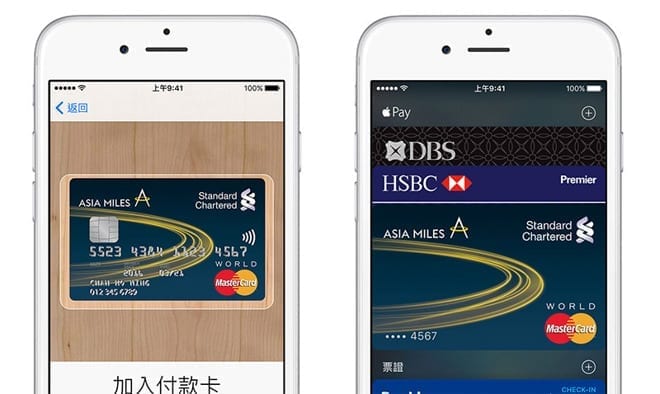
    Holders of credit and debit cards from the three companies issued by Bank of China, DBS Bank, HSBC, Standard Chartered, and Hang Seng Bank are now able to take advantage of the mobile contactless payment service.

    Apple’s Hong Kong website states that support for Bank of East Asia and Tap & Go cards is also “coming soon.”

    17613-15292-160719-Apple_Pay-HK-l

    In Hong Kong, Apple Pay is currently available in Apple’s own stores, as well as those from 39 other major chains, including 7-Eleven, APITA, KFC, McDonalds, Starbucks and Genki Sushi. It is also supported by a number of apps including Cathay Pacific, Deliveroo and Foodpanda. Support for Uber is coming soon.

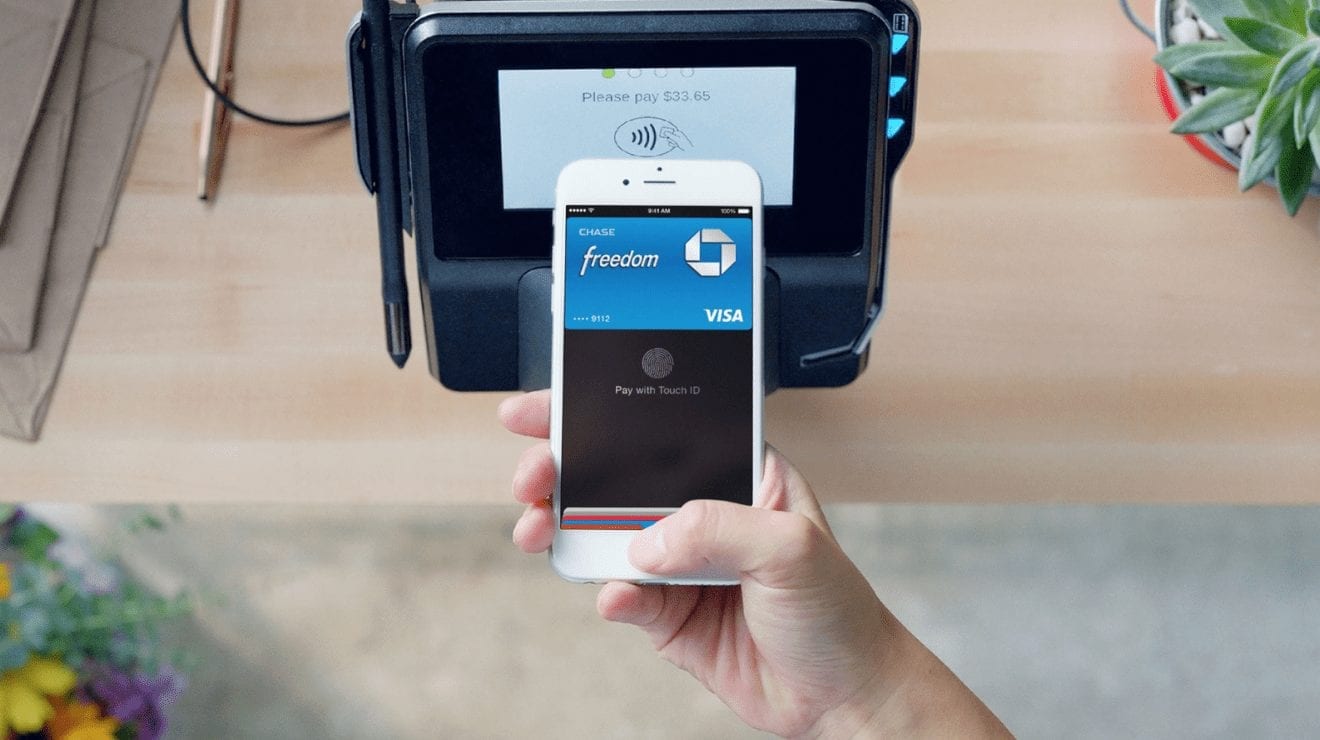
    Apple Pay’s contactless payment technology aims to improve security by not storing credit card numbers on the device or sending credit card details to merchants. Payments can be authorized using the Touch ID fingerprint authentication system.

    Apple Pay is supported by the iPhone 6s and newer, the Apple Watch paired with an iPhone 5 or newer, as well as the iPad Pro, iPad Air 2 and iPad mini 3 and 4.

    “In Hong Kong contactless payments have become a necessity for everyday life, consumers and retailers realize the greater convenience and faster checkouts for busy people on the go,” Visa Hong Kong and Macau country manager Caroline Ada said.

    She said research from the company shows that 77% of respondents are willing to try out or adopt new ways of paying, and 78% are ready to use smartphones as the device for making everyday payments.

  • CSL to offer free unlimited data for Pokemon GO

    CSL to offer free unlimited data for Pokemon GO

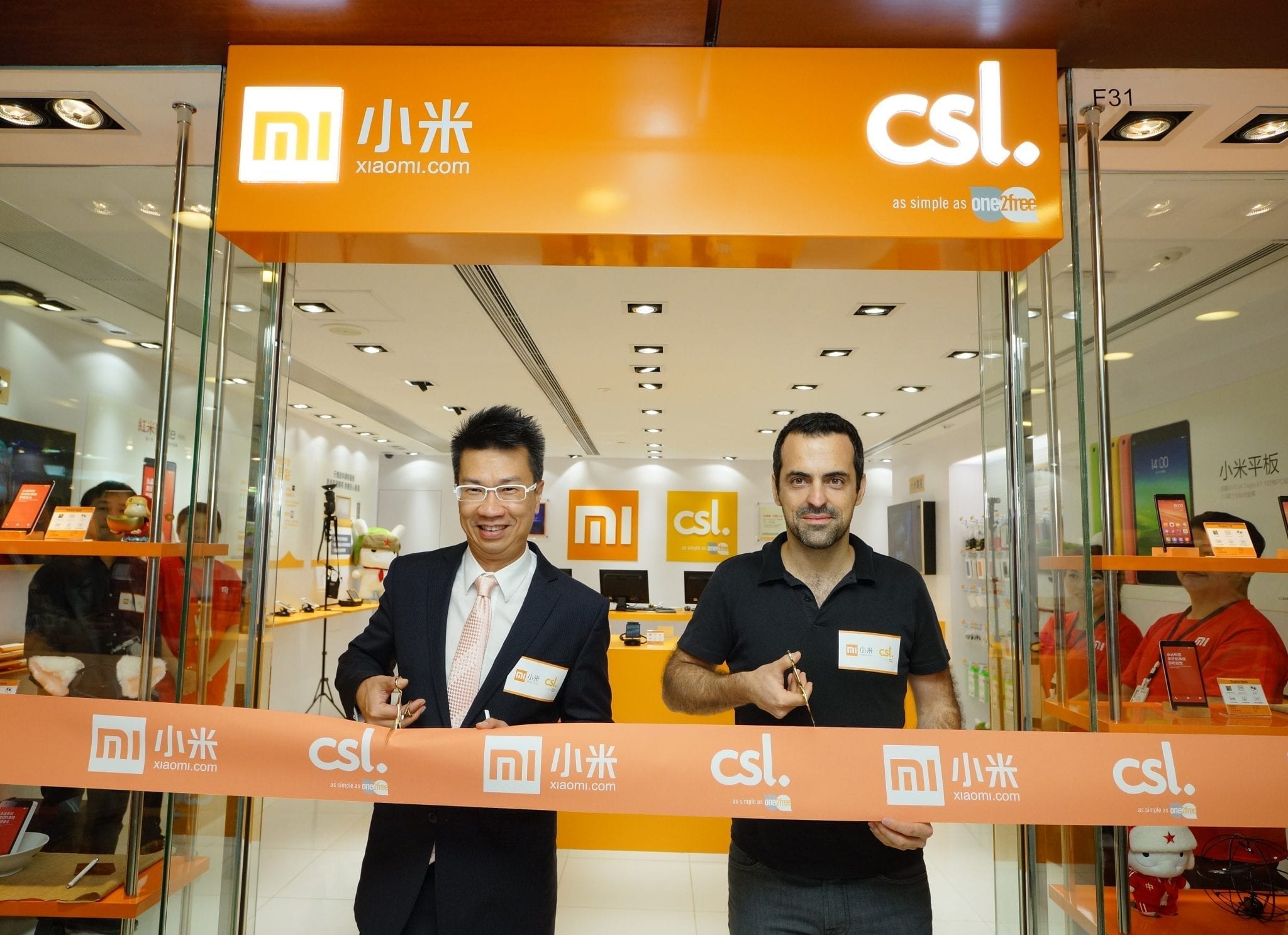
    Hong Kong’s CSL aims to take advantage of the global buzz around the augmented reality game Pokemon GO by offering free unlimited mobile data for the app as a promotional exercise.

    Once the game launches in Hong Kong, customers of both the CSL and 1O1O mobile brands will be able to use the game without incurring data charges.

    The offer appears to be an attempt to attract or retain customers from the younger segment. In line with this, the offer is applicable to CSL’s student plans, which are tailored for users aged between 11 and 17.

    Mobile customers in Hong Kong will also be able to use the Tap & Go mobile payment service to purchase Pokecoins from Google Play and the Apple App Store.

    “As the leading mobile operator in Hong Kong, we foresee that Pokemon GO popularity would take off once this new sensation is launched in Hong Kong,” CSL chief marketing officer Bruce Lam commented.

    “ And we are making this offer available so our customers can play the game for hours on end without having to worry about mobile data consumption.”

  • China Telecom said to be interested in Egypt 4G license

    China Telecom said to be interested in Egypt 4G license

    China Telecom has reportedly expressed an interest in expanding into Egypt through the acquisition of a 4G license in the market.

    The operator, along with Saudi Telecom Company, have been in contact with the communications ministry regarding potentially securing licenses in Egypt, a ministry official told.

    But neither operator has yet submitted a formal request, and 4G licenses will only be offered to new entrants if existing players reject the terms of the licenses, the report states.

    Incumbent operators have reportedly been slow to accept the terms offered by the government for 4G licenses. In an example of these terms, Orange’s Egyptian affiliate has been asked to pay 3.54 billion Egyptian pounds ($398.6 million) for a license, and to decide whether to agree by August.

    The fact that international operators are interested in acquiring licenses could increase pressure on the existing entrants to agree to the terms.

    At least some analysts believe that all of Egypt’s existing players will ultimately apply for 4G licenses, which would mean the government would not have sufficient reason to approve the entry of a newcomer. It is therefore uncertain whether China Telecom will be entering the Egyptian market.

  • GSMA launches Mobile Connect in India

    The GSMA has launched its Mobile Connect authentication service across India, in collaboration with six mobile operators.

    Bharti Airtel, Idea, Aircel, Vodafone India, Tata Teleservices and Telenor India have all started offering Mobile Connect services.

    A range of Indian digital service providers in sectors including commerce, finance and banking, health services, media and entertainment, travel and hospitality and B2B have agreed to make use of the system

    GSMA director general Mats Granryd said the Indian launch marks the culmination of a year-long collaboration with the Indian mobile operators to introduce a single, secure mobile-based authentication system to the market.

    “With Mobile Connect, mobile operators are fulfilling an important role in the digital identity space, giving users control over their own data and enabling Indian consumers, businesses and governments alike to interact and access online services in a convenient, private, and trusted environment,” he said.

    Mobile Connect  employs a user’s unique mobile number and combines it with a unique PIN for more secure use cases to verify and grant online access to services.

    The system is now being implemented by 42 operators in 22 countries worldwide, making it available to nearly 3 billion customers.

  • Thailand’s TOT and CAT won’t be merged

    Thailand’s ICT minister has insisted that there will not be a merger between the two state-owned operators TOT and CAT even as the companies are under pressure to consolidate their operations.

    Minister Uttama Savanaya has ruled out a merger on the grounds that the organizational structures of the two companies are incompatible.

    But he said the two companies will partly consolidate some of their similar core businesses to help avoid duplication of investment spending.

    Thailand’s State Enterprise Policy Commission has ordered both TOT and CAT to restructure to survive, terminating their unprofitable businesses and focusing on their core operations.

    Both are under pressure now that the nation has moved from a concession model – whereby private operators paid a share of their revenue to the state operators in exchange for use of spectrum assets – to the conventional licensing model.

    The commission has approved in-principal proposals involving consolidating the operators’ transmission, fiber, subsea cable network and internet data center operations.

    But Uttama said that other core areas of the two operators, including fixed broadband, mobility and network rental services, will remain separate.

    He noted that TOT and CAT will need to quickly adjust their organizational and business structures to ensure their survival. TOT has revealed it expects to face an operating loss of 1 billion baht in 2016.

  • A force in the property market

    A force in the property market

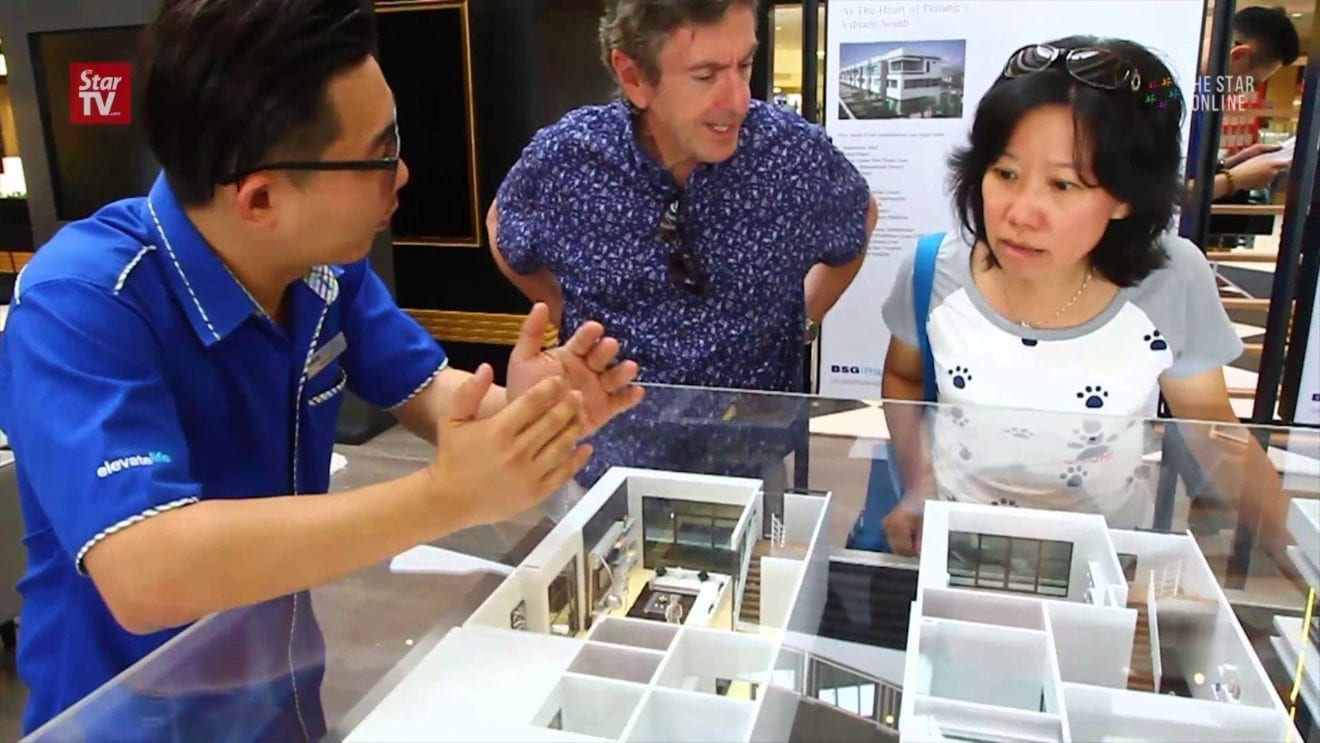
    ZEON Properties Group, the exclusive event partner of the StarProperty.my Fair 2016 that opens in Gurney Plaza and Gurney Paragon Mall in Penang today, is a real estate powerhouse.

    Among the most recognised brands in the industry in Malaysia, it has a dynamic 500-strong team of operations personnel and agents in several countries throughout South-East Asia.

    The company has based its international headquarters in Penang at the Maritime Automall in Persiaran Karpal Singh and there are many other branches and broker offices also established in major cities.

    It is spearheaded by group CEO Leon Lee (pic), a visionary and resourceful leader who also founded the group and is leading it towards success both in Malaysia and internationally.

    Lee is a civic-conscious citizen, having contributed substantially towards society as the incumbent Penang Chinese Chamber of Commerce (Young Entrepreneur section) state chairman-cum- director and deputy chairman of the National Young Entrepreneur Committee.

    He is also the Penang state advisor for the Malaysia Entrepreneurs’ Development Association and deputy chairman of the ASEAN Retail-Chains and Franchise Federation Northern State Liaison.

    His other accomplishments include being a past president of JCI United Penang and Assistant District Commissioner George Town (North) 2007 of the Scout Association of Penang.

    Lee was named Young Entrepreneur of the Year (2013) in the McMillan Woods Global Awards.

    Zeon Properties Group is also the preferred marketing arm for over 10 projects in Malaysia which property buyers and investors can check out at the fair.

    Besides real estate and marketing, the company also specialises in real estate investment advisory, foreign direct investment, international project marketing, and retail planning and consultancy.

    It is also involved in the Malaysia My Second Home programme plus property development and management, offering the best of services with the highest professionalism and efficiency.

    Zeon Properties Group’s subsidiaries encompass Zeon Properties Kuala Lumpur, Zeon Properties Singapore, Zeon Properties Indonesia, Zeon Properties Hong Kong, Zeon Properties China, Zeon Properties Taiwan, Zeon Properties MM2H International Sdn Bhd, Zeon Land Sdn Bhd, Zeon Computer Sdn Bhd and Zeon Online Sdn Bhd.

    Meanwhile, its retail division engages in a number of different businesses which include the Hairstory chain, Karpal Singh Drive Food Court, Macau Street restaurant, Iyara Thai Restaurant, and entertainment outlets like The Bank, Wine and Cigar, Whisky and Champagne, Levels and Studio Room.

    As a new age integrated property and infrastructure solutions provider, Zeon Properties Group is proud of its brand that is built on core values of passion and excellence that resonate with brokers, agents and consumers.

    Its global reach and understanding of property enables it to achieve the best outcomes for all stakeholders.

    To find out more about its offerings, visit the company’s booths at the fair that runs until Sunday and is open from 10am to 10pm.

  • ‘Thailand Shopping Festival’ to offer discounts

    ‘Thailand Shopping Festival’ to offer discounts

    “The economy in the second half should grow more strongly than in the first half. The government will launch many measures to stimulate growth, including the shopping festival to provide discounts for shoppers, and organise a low-price fair to help lower the cost of living,” Commerce Minister Apiradi Tantraporn said.

    The Thailand Shopping Festival will be set up at department stores, modern trade outlets, and retail and wholesale shops nationwide. Discounts of 20-40 per cent will be offered to consumers.

    Meanwhile many Otop (One Tambon, One Product) items and those made by small or medium-sized enterprises will be on sale at tourist destinations including Bangkok, Chiang Mai, Udon Thani, Nakhon Ratchasima, Ubon Ratchathani, Phuket, Surat Thani and Songkhla.

    The ministry will also organise a “Thong Fa Therd Phra Kiat” low-price fair to celebrate Her Majesty Queen Sirikit’s 84th birthday at Impact Muang Thong Thani. The event will offer discounts of 20-40 per cent for consumer goods, food, fresh fruits and vegetables, Otop and SME products, and those from projects initiated by His Majesty the King.

    The low-price fair will take place from August 4-7.

    Moreover, the ministry’s Support Arts and Crafts International Centre of Thailand will hold an “Innovation Craft Fair” as part of the Queen’s birthday celebrations from August 4-12 at SACICT in Bang Sai, Ayutthaya.

    Also next month, in a further bid to promote economic growth as well as help lower the cost of living, the ministry will work with the Employee Council of Thailand to conduct events selling cheap food and fast-food dishes at factories, industrial estates and government agencies.

  • Apple Pay Launched in Hong Kong With American Express, Mastercard Support

    Apple Pay Launched in Hong Kong With American Express, Mastercard Support

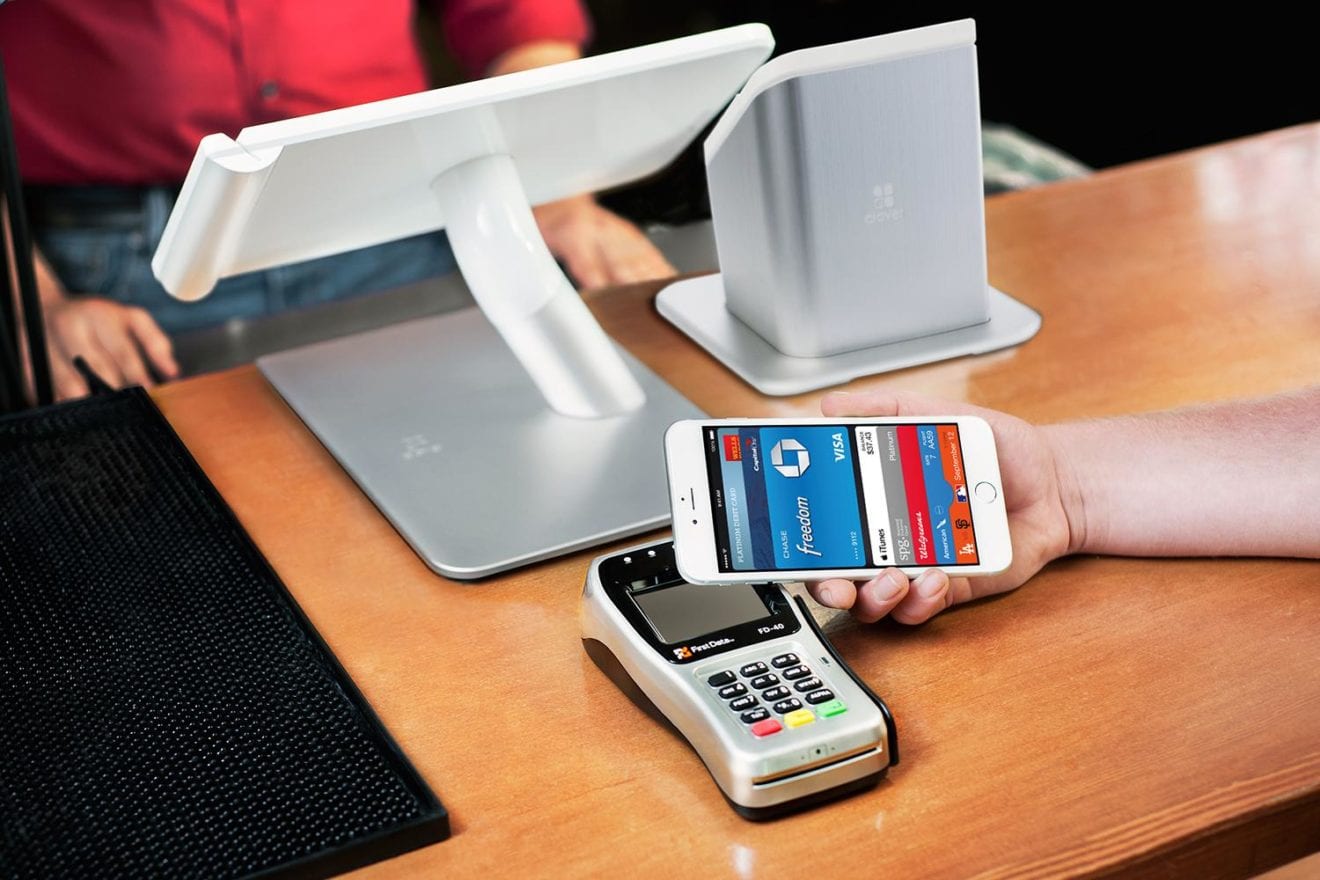
    Apple Pay has arrived in Hong Kong, allowing the Apple users to use the company’s mobile payment system.

    Apple’s payment system has been rolled out to American Express, Visa and MasterCard cardholders in Hong Kong. Other participating banks are Standard Chartered, DBS, Hang Seng Bank, HSBC, Bank of East Asia, and BOC Credit Card, a subsidiary of Bank of China (Hong Kong). Apple’s website notes that the system would be compatibile with BEA and HKT touchless payment network Tap & Go in the future, as reported.

    Apple users can add their cards to Apple Pay by just tapping “Add Credit or Debit Card” option in the Wallet app on devices running the iOS 8.1 or higher. Hong Kong’s Apple Pay works fine with the iPhone 6, iPhone 6s, iPhone 6 Plus, iPhone 6s Plus, and iPhone SE. It is also available on the iPad Air 2, iPad mini 3, iPad mini 4, and both iPad Pro models. However, iPhone 5, 5c, and 5s users need an Apple Watch to make Apple Pay work.

    Greg Hingston, the head of retail banking and wealth management at HSBC in Hong Kong, said the number of HSBC’s active mobile banking customers has increased by almost 50 percent over the past three years, according to the South China Morning Post.

    “We expect this to rise as customers continue to migrate to digital banking and as we roll out innovative offerings such as Apple Pay. Digital is an integral part of our strategy as technology and mobility are changing the way our customers access information, products and services,” Hingston said.

    In Hong Kong, Apple Pay can be used where contactless payment is accepted and at a wide range of retail partners, including 7-Eleven, KFC, McDonald’s, Pizza Hut, Pacific Coffee, Su-Pa-De-Pa, Taste, ThreeSixty, Uny, and more.

    The Cupertino-based company’s payment system has also debuted in France, which is compatible with Mastercard and Visa credit and debit cards issued by Carrefour Banque and Ticket Restaurant as well as Banque Populaire and Caisse d’Epargne, an assemblage that includes France’s second largest banking group.

    Apple Pay is now available in nine countries including the United States, the United Kingdom, China, Australia, Canada, Switzerland, and Singapore. In addition, Apple plans to launch Apple Pay to Spain through a partnership with American Express later this year.

  • 7-Eleven Malaysia launches 2000th store

    7-Eleven Malaysia launches 2000th store

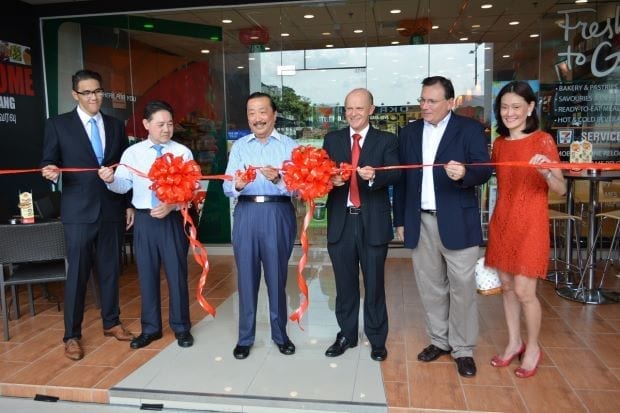
    7-Eleven Malaysia Holdings Bhd’s wholly owned subsidiary has launched its 2000th store in Malaysia.

    7-Eleven said the store at The Scott Garden in Old Klang Road reflected the current 7-Eleven convenience store format, which was being rolled out across Malaysia via a programme of store refurbishments and new stores since late 2013.

    “At our listing in 2014, we discussed our expansion plans and our intention to increase our number of new stores by 600 over the next three years from 2014 to 2016.

    “We are very pleased to have reached this historic milestone of 2000 stores but it’ll be business as usual as we have no intention of stopping here and will continue with our rapid store expansion,” 7-Eleven Malaysia Sdn Bhd CEO Gary Brown said in a statement.

    “We are also pleased to be able to showcase here today our latest product and service innovations which sets us apart from other convenience stores in Malaysia with a strong emphasis on best in class fresh food and beverage such as our well-received RM2 Fresh to Go hot beverages,” he added.

    2000th store opening image

    In the statement, 7-Eleven said during the opening ceremony, there was a tour and brief on the current innovation of the stores.

    It noted that the current generation 7-Eleven convenience stores was to encourage customers to see 7-Eleven as a lifestyle concept, where they can enjoy the range of products on offer by spending time at the store, similar to a neighborhood café.

    In addition to this, 7-Eleven Malaysia has increased its range of product and services to customers by providing Touch ‘n Go reload services, bill payment for utility providers, online purchases payment through MOLPay, point-of-sales activated (POSA) gift cards and parcel locker services in partnership with BoxIt.

    “It is important to us to continue to innovate on not only our product offering, but to also play more of a role in the daily lives of our customers. By offering these services, we can offer a whole new level of convenience in Malaysia and we continue to be the leader for the convenience sector.

    “We are enthusiastic about the future and will continue to deliver the best possible product, services and promotional offerings at our stores based on what our consumers want,” Brown said.