Author: Mei Ling Tan

  • PepsiCo brings Doritos Cool Ranch back to Australia

    PepsiCo brings Doritos Cool Ranch back to Australia

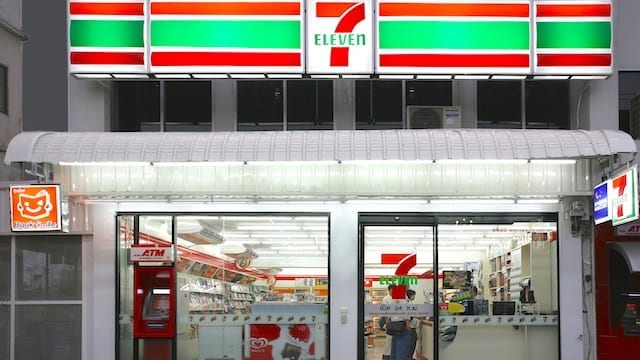
    PepsiCo has announced the triumphant return of Doritos Cool Ranch to the Australian snacking scene after a six-year hiatus. Ahead of a nationwide launch scheduled for September, these flavorful chips will be exclusively available at select 7-Eleven stores starting from July 30.

    Iconic Flavor Makes a Comeback

    According to Kathryn Miller, Doritos’ marketing manager, Cool Ranch has been one of the most sought-after flavors from the brand’s fan base. Miller expressed the intent to make the return of this beloved flavor a memorable event, thus the creation of a unique treasure hunt designed to satiate the snack cravings of their consumers. She emphasized that this re-release is targeted towards snack enthusiasts who enjoy bold flavors and the thrill of the so-called FOMO (Fear of Missing Out) experience.

    A Digital Treasure Hunt

    To enhance the excitement surrounding the flavor’s comeback, Doritos has crafted a digital campaign which revolves around a national treasure hunt. Clues will be released on popular social media platforms, TikTok and Instagram, urging participants to solve a code that will unveil hidden stashes of the returning Cool Ranch flavor. The grand prize includes a year’s supply of the coveted Cool Ranch chips, adding a tantalizing incentive for Doritos fans to partake in the digital endeavor.

    Availability

    The Cool Ranch flavor will be available for a limited period, with a national rollout planned across major supermarket chains like Coles and Woolworths, as well as leading convenience retailers, from September onwards.

    Questions & Answers

    When will Doritos Cool Ranch be available in Australian stores?
    Starting from July 30, the chips will be exclusively available at select 7-Eleven stores. A broader release is planned across major retailers from September onwards.

    What is the marketing strategy for the return of Doritos Cool Ranch?
    Doritos has planned a digital campaign revolving around a national treasure hunt on TikTok and Instagram. Participants can solve a code to discover hidden supplies of the returning flavor.

    What is the prize for the Doritos treasure hunt?
    The grand prize for the treasure hunt is a year’s supply of Cool Ranch chips.

  • Taiwan’s Retail Sales Suffer Third Consecutive Month Of Decline Amidst Auto Sector Slump

    Taiwan’s Retail Sales Suffer Third Consecutive Month Of Decline Amidst Auto Sector Slump

    Retail activity in Taiwan took a hit in June, as sales dropped by 2.9% to approximately NT$390 billion or US$13.3 billion, marking the third consecutive month of decline.

    Industry Specific Declines

    The slump was consistent with the projected range of a 0.4% to 3.4% decrease in sales. The most significant dip was observed in the automotive sector, with car, motorcycle, and auto parts and accessories sales plummeting by 17.3% year on year. This industry-wide slowdown was exacerbated by customers holding off on purchases while awaiting the outcome of Taiwan’s tariff discussions with the United States.

    Meanwhile, the fabric and clothing industry also suffered, recording a 6.3% drop in sales. This decline was partly due to a reduction in the number of holidays in June. Similarly, department stores experienced a 3.6% drop in sales.

    Food and Beverage Sector

    The food and beverage industry, which had previously enjoyed three months of consecutive growth, reported a 2% decrease in sales. According to the Ministry of Economic Affairs, this decline was largely driven by a slump in restaurant sales.

    Overall Retail Landscape in Taiwan

    Cumulatively, the country’s retail sales slid by 1.6% for the second quarter and 0.4% for the first half of the year. Looking ahead, the Ministry of Economic Affairs predicts that retail sales growth in July could range from a 2% decline to a 1% increase.

    Questions & Answers

    What was the overall decline in Taiwan’s retail sales in June?
    Sales fell by 2.9% to approximately NT$390 billion or US$13.3 billion.

    Which sector experienced the most significant sales decline?
    The automotive sector, which includes cars, motorcycles and auto parts and accessories, experienced the most steep decline with a drop of 17.3%.

    What are the projected retail sales for July as per the Ministry of Economic Affairs?
    The Ministry expects the retail sales growth for July to range between a decrease of 2% and an increase of 1%.

  • DFI Retail Group Surmounts Static Sales With Strong Profit Growth: Health And Beauty Sectors Lead The Way

    DFI Retail Group Surmounts Static Sales With Strong Profit Growth: Health And Beauty Sectors Lead The Way

    Despite relatively stationary sales figures, Hong Kong’s DFI Retail Group has reported robust profit growth in the first half of the fiscal year. Sharing profits with shareholders saw an impressive rise of 39 per cent to US$105 million in the six months concluding on June 30. Additionally, subsidiary profits also marked an increase by 3 per cent, reaching $75 million.

    Growth Drivers

    The management cites several reasons for this significant growth. Enhanced profitability in health and beauty sectors, increased contributions from associates, and steady revenue growth trends are the primary contributors to this success. For the first half of the year, subsidiary revenue totalled $4.4 billion, a marginal increase of 0.3 per cent on a comparable basis. This figure excludes the impact of the increased cigarette tax in Hong Kong and the sale of the Hero Supermarket business in Indonesia the previous year.

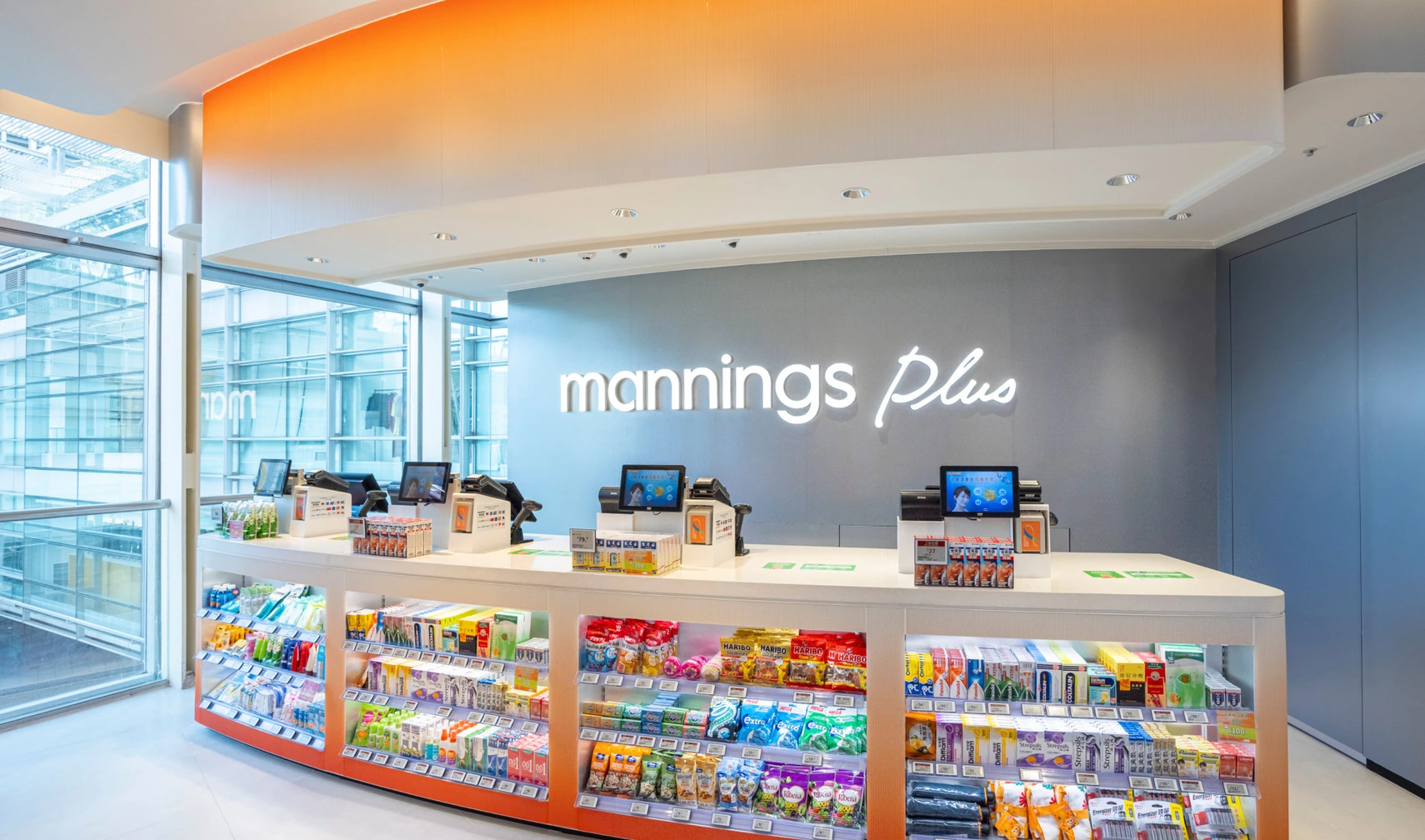
    Total revenue, accounting for 100 per cent of associates and joint ventures, noted a 1 per cent rise to $8.2 billion. The health and beauty division experienced a 4 per cent rise in sales, highlighting the growing brand value of Mannings and Guardian.

    Revenue Fluctuations

    On the other hand, the convenience segment, operating 7-Eleven stores in Hong Kong, Macau, Guangdong province, and Singapore, saw a 4 per cent revenue decline. The food division registered a slight dip in sales, not considering the sale of the Hero Supermarket.

    The home furnishings division, which runs Ikea in Hong Kong, Macau, Taiwan, and Indonesia, continues to face challenges due to fierce competition and changes in consumer purchasing patterns.

    CEO’s Remarks

    “Our ongoing portfolio evolution allows us to focus resources on high-profit businesses and growth initiatives. It also provides strategic flexibility for non-organic opportunities,” remarked Group CEO Scott Price.

    Despite lowering its revenue outlook for the full year, DFI has upgraded its profit guidance. Revenue growth is now anticipated to rise between 0.5-1 per cent, as opposed to the previously estimated 2 per cent. In contrast, an underlying attributable profit is expected to be within the range of $250-270 million, compared to the previously estimated $230-270 million.

    The group asserts its confidence in navigating the evolving market landscape, backed by strategic initiatives designed to increase market share and profit growth across all businesses.

    Questions & Answers

    What was the reason for the significant profit growth?
    Enhanced profitability in health and beauty sectors, higher contributions from associates, and steady revenue growth trends were the primary contributors to the growth.

    How did the convenience segment perform?
    The convenience segment, which operates 7-Eleven stores in various locations, reported a 4 per cent revenue decline.

    What are the expectations for the full-year revenue growth and profit?
    Revenue growth is now anticipated to rise between 0.5-1 per cent, while an underlying attributable profit is expected to be within the range of $250-270 million.

  • 7-eleven Eyes Nationwide Expansion: 5000 Stores In Philippines By Next Year

    7-eleven Eyes Nationwide Expansion: 5000 Stores In Philippines By Next Year

    Philippine Seven Corp (PSC), the company that operates 7-Eleven stores domestically, has plans to significantly increase the number of outlets across the country by next year. The ambitious goal is to expand their current network to an impressive 5000 branch total.

    Ambition for Expansion

    During a recent press briefing, PSC Chairman Jose Victor P Paterno confirmed that the company is well on its way to reaching this considerable goal. He expressed confidence by stating it was “safe to say” that the 5,000-store landmark will be achieved by next year.

    As it stood at the close of last year, PSC was operating 4,130 7-Eleven stores throughout the Philippines. This indicates an intent to open between 450 and 500 new outlets over the course of this year.

    Funding the Growth

    The expansion will be facilitated by a PHP5.5-billion (US$97 million) capital expenditure program. Although this is somewhat less than the previous PHP6-billion allocation, it is by no means a small investment.

    Strategic Expansion

    The planned growth of 7-Eleven outlets is not just about increasing numbers. PSC’s strategy is to target areas that are currently underserved in terms of retail, responding to the growing nationwide demand for retail options that are both accessible and convenient.

    Questions & Answers

    What is the goal of Philippine Seven Corp (PSC) for their 7-Eleven outlets by next year?
    The company aims to expand its current network to a total of 5000 stores nationwide.

    How many new 7-Eleven stores does PSC plan to open this year?
    PSC plans to open between 450 and 500 new outlets over the course of this year.

    What is the strategy behind PSC’s expansion of 7-Eleven outlets?
    The expansion is part of a broader strategy to reach underserved markets and respond to increasing demand for accessible and convenient retail options nationwide.

  • South Korea’s ‘mallcations’ Trend: Unprecedented Weather Boosts Indoor Retail Sales

    South Korea’s ‘mallcations’ Trend: Unprecedented Weather Boosts Indoor Retail Sales

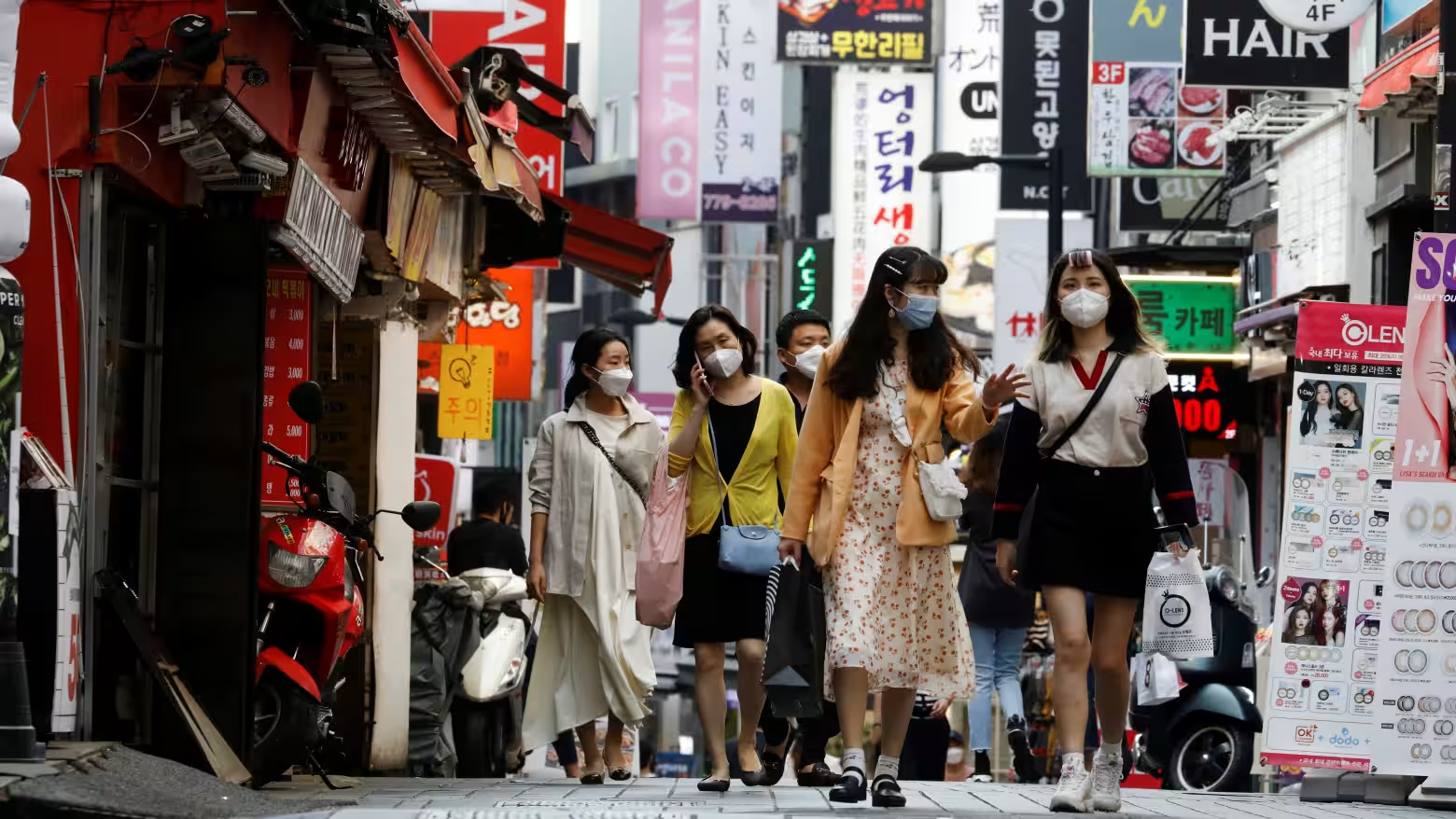
    As South Korea experiences an intense summer marked by unprecedented heatwaves and monsoon downpours, there’s been a noticeable uptick in customers choosing to spend their leisure time indoors. This trend, known as “mallcations,” is resulting in a significant surge in sales for department stores and outlet malls.

    Increased Footfall and Sales

    Major retailers have reported a sharp increase in foot traffic from July 1 to 17, compared to the same time frame last year. Lotte Department Store noted a 10% surge in visitor numbers, while Shinsegae and Hyundai Department Store registered increases of 14% and 13% respectively, translating into sales growth of 11.1% and 10.7%. Meanwhile, Hyundai Premium Outlet, which boasts an underground parking feature, saw its sales skyrocket by 21.2%.

    This changing consumer behavior is largely attributed to the unpredictable weather conditions, making air-conditioned indoor spaces far more appealing than outdoor venues. Notably, families are driving an increase in food and beverage (F&B) sales: Lotte observed a 10% rise, while Shinsegae and Hyundai reported increases of 15.8% and 12.4% in F&B revenue respectively.

    Seasonal Products and Experiences

    As the summer vacation season looms, seasonal product categories have also shown strong sales performance. Sales of swimwear at Lotte have jumped by 15%, supported by a government tax incentive for cultural activities. Appliance sales have increased by 10% under an energy efficiency rebate program.

    Cooling bedding has emerged as another hot-selling item. Shinsegae saw a 33.7% surge in its bedding category, while Hyundai recorded growth of 23.9% in sportswear and 18.8% in home living products.

    In addition to the increase in sales, retailers are also rolling out immersive, summer-themed experiences to capitalize on the increased footfall. Lotte is set to launch a “Summer Gourmet Week” across all its locations, complete with sweepstakes for F&B customers. The retail chain will also host a “Summer Wine Festa”, offering discounts on spirits, and pop-up jewelry boutiques catering to seasonal accessory shoppers.

    Shinsegae, on the other hand, has introduced pop-ups featuring surfing gear and is hosting art exhibitions. Hyundai Department Store is revamping its spaces with a Hawaiian resort theme under the “Hu’i Hu’i Maui” campaign which will run through August 21.

    Reinventing Retail

    With the Korean climate becoming increasingly erratic, retailers are adopting climate-proof leisure strategies. They are redefining malls as not just shopping centers, but as cool and curated summer destinations.

    Questions & Answers

    What is a “mallcation”?
    A “mallcation” refers to the trend of consumers spending their leisure time indoors at malls due to unfavorable weather conditions.

    What factors have contributed to the growth in foot traffic and sales for retailers?
    Unpredictable weather conditions, the appeal of air-conditioned indoor spaces, and the introduction of immersive, summer-themed experiences by retailers have contributed to the increase.

    How are retailers capitalizing on the rising trend of “mallcations”?
    Retailers are rolling out immersive, summer-themed experiences and pop-up shops, hosting art exhibitions, and transforming their spaces to provide a more engaging and enjoyable shopping experience for consumers.

  • Revolutionary Satellite Technology Launches to Combat PM2.5 Pollution with Advanced Burn Tracking Solutions

    Revolutionary Satellite Technology Launches to Combat PM2.5 Pollution with Advanced Burn Tracking Solutions

    The Thai government, in collaboration with the Office of the Cane and Sugar Board (OCSB) and Thaicom Public Company Limited, has launched an ambitious technological initiative aimed at combating sugarcane field burning. This innovative platform leverages satellite technology, geospatial data, and artificial intelligence (AI) to monitor and track burning activities. Remarkably, it’s not just limited to sugarcane; future applications may address various agricultural pollution sources, particularly those that contribute to PM2.5 levels.

    Economic Impact of the Sugar Industry

    In 2024, the sugarcane and sugar industry made a significant dent in the Thai economy, contributing over THB 184 billion. As of mid-2025, the industry had already generated more than THB 92.5 billion, underscoring its importance. The International Sugar Organization (ISO) notes that Thailand produces 5% of the world’s sugar, making it the fifth largest producer globally and accounting for a noteworthy 9% of sugar exports.

    The Burn Tracking Platform: A Game Changer

    The newly unveiled Burn Tracking platform offers a comprehensive analytical system designed to monitor sugarcane field burning. Utilizing satellite-based space and geospatial technology, the platform provides a user-friendly dashboard that allows for quick access to data regarding burning activities. Users can monitor cultivation areas, crop yields, and forecasts for cane delivery to sugar mills. The system has a particular knack for identifying heat spots and burned areas, making the data not just accessible but also actionable.

    Government Commitment and Measurable Results

    Mr. Bainoy Suwanchatree, Secretary General of the OCSB, emphasized the government’s commitment to transforming the industry into a modern and eco-friendly sector. “A major focus has been tackling PM2.5 pollution caused by sugarcane burning during the 2024/2025 harvesting season,” he stated. To this end, the OCSB has introduced six measures aimed at reducing emissions. These include promoting advanced agricultural technology and machinery, along with supporting satellite-based research and development.

    These initiatives have yielded impressive results: fresh cane accounted for an astounding 85% of the total crushed volume, translating to 78.3 million tons, while burned cane made up a mere 15% (or 13.68 million tons). This significant drop from the previous year’s 29% reflects a concerted effort to reduce reliance on burning practices.

    Looking Ahead: Thailand’s Bio Hub Vision

    Looking forward, Mr. Suwanchatree outlined an ambitious vision to boost farmers’ incomes and support downstream industries, aiming to position Thailand as the Bio Hub of ASEAN by 2027. Strategic plans include developing bioplastics to tackle environmental issues, further decreasing sugarcane burning, and curbing carbon emissions. The OCSB will also spearhead the establishment of a national network of BioExcellent Centers to promote innovations in sugarcane farming and production efficiency — think of it as planting the seeds for a vibrant green future.

    The Role of Satellite Technology

    Mr. Patompob (Nile) Suwansiri, CEO of Thaicom Public Company Limited, remarked on the platform’s potential: “By melding space technology with satellite data and AI analysis, we’ve created a formidable tool that not only improves air quality but also helps in minimizing PM2.5 pollution.” While the platform’s immediate application is in the sugarcane sector, its capabilities can easily be adapted for use across various agricultural landscapes.

    Questions & Answers

    What is the Burn Tracking platform?
    The Burn Tracking platform is an analytical system that uses satellite technology and geospatial data to monitor and track sugarcane field burning, with plans to expand its application to other agricultural pollution sources.

    How has the Thai sugar industry performed financially in recent years?
    In 2024, the sugarcane and sugar industry contributed over THB 184 billion to the economy, with more than THB 92.5 billion generated by mid-2025.

    What measures are being taken to reduce PM2.5 emissions?
    The OCSB has implemented six key measures, including promoting advanced agricultural technology, which have resulted in a substantial reduction of PM2.5 pollution attributed to sugarcane burning.

  • Swiss Banks Face Growing Concerns: A New Challenge on the Horizon

    Swiss Banks Face Growing Concerns: A New Challenge on the Horizon

    The New Challenge Facing Swiss Banks: Operational Resilience

    Swiss banks are currently grappling with a pressing issue: operational resilience. This concern has intensified, not only due to tightening regulations emanating from the EU but also because of real-world events that have shaken confidence in banking infrastructure. A recent blackout in Spain and Portugal highlighted vulnerabilities in modern banking systems, shifting the conversation from hypothetical scenarios to stark realities.

    Operational resilience, while a cumbersome term, has become a focal point in the IT departments of Swiss financial institutions. These banks are now tasked with shielding themselves from an array of technical risks, such as cyberattacks—think DDoS attacks targeting e-banking—outdated legacy systems, and a growing reliance on cloud providers. As new regulatory requirements for data protection and overall resilience come into effect, the pressure is mounting.

    Blackout: A Wake-Up Call for Banks

    The implications of power outages have taken on new significance. Historically viewed as an unlikely disaster, the blackout that struck Spain and Portugal on April 28 changed the game. “This is no longer a theoretical risk; banks have finally realized such an event could very well occur in our region,” says Henning Gebert, a digitalization expert at Capco, a management and technology consulting firm that assists financial institutions in their digital transformation efforts.

    Since the blackout, numerous Swiss banks have sought Gebert’s expertise. They urgently require stress tests to assess their vulnerabilities. The incident underscored several critical shortcomings:

    Firstly, many branches either lacked adequate uninterruptible power supplies (UPS) or were not prepared for short outages, leading to significant disruptions. With cash availability being a crucial backup during severe crises, it’s vital that contingency plans for cash logistics are established ahead of time. Secondly, during the blackout, redundancy systems seemed to be the privilege of larger institutions; many branch offices were left paralyzed when mobile and internet connections failed, crippling point-of-sale systems. Finally, while banks’ core payment infrastructure remained intact, customer access was gravely limited, effectively nullifying cash withdrawal capabilities at ATMs and branches.

    “In such situations, it’s critical that systems can autonomously restart without relying on external authentication, which typically falters during a blackout,” Gebert explains, emphasizing the need for robust internal systems.

    New Regulations Adding Pressure

    The stakes are high for banks that fail to bolster their IT security measures. Not only do they risk operational outages, but they also face the potential of hefty fines and substantial reputational damage. The Digital Operational Resilience Act (DORA) implemented in January, has brought forth stricter regulations for banks, insurers, and asset managers across the EU. It mandates rigorous ICT risk management, standardized incident reporting, resilience testing, and stringent guidelines for outsourcing IT services.

    Swiss Banks Caught in the Crossfire

    Though Swiss banks are not directly bound by DORA, they are nevertheless affected. They must adapt their governance frameworks, IT contracts, and processes to comply with these evolving standards or risk exclusion as third-party providers in the future. DORA’s cross-border implications are undeniable, even without a direct EU mandate.

    Gebert notes a marked increase in awareness among banks post-blackout. The clarion call for action has become too loud to ignore, and it appears Swiss institutions are finally ready to plot a more resilient path forward. After all, in the world of finance, it’s always wise to be prepared for the unexpected—even if that means wrestling with the jargon of operational resilience.

    Questions & Answers

    Why is operational resilience becoming a critical issue for Swiss banks?
    Operational resilience is under scrutiny due to increasing regulatory pressures, highlighted by recent power outages that exposed vulnerabilities in banking infrastructure.

    What were some key challenges faced by banks during the recent blackout?
    Banks struggled with inadequate uninterruptible power supplies, reliance on outdated systems, and failed connectivity that left many customers unable to access cash or banking services.

    How are new EU regulations impacting Swiss financial institutions?
    The Digital Operational Resilience Act (DORA) compels Swiss banks to adapt governance and IT protocols to avoid exclusion as third-party providers, even though they are not directly mandated to follow it.

  • Just 4% of Insurers Fully Trust AI Agents Amid Rising Enthusiasm for Technology

    Just 4% of Insurers Fully Trust AI Agents Amid Rising Enthusiasm for Technology

    In a revealing new report from the Capgemini Research Institute, the insurance industry finds itself at a crossroads regarding the adoption of AI technology. While the potential for transformation remains vast, with a $450 billion opportunity on the horizon, the current implementation is far from robust. Shockingly, only 10% of insurance organizations have partially or fully deployed AI agents, and a further 20% are merely dipping their toes into pilot projects.

    AI Adoption Left in the Dust

    A significant portion of the industry—42% of insurers—has yet to define a formal strategy for integrating AI agents into their operations. As excitement brews within the sector for what is termed Agentic AI, many firms still grapple with the early stages of adoption, revealing a pressing need for clear implementation roadmaps.

    Where Insurers Expect AI to Shine

    Despite the rocky terrain, there is optimism about the role AI could play in daily operations. Sales and customer service emerge as frontrunners, with 52% and 57% of insurers, respectively, anticipating that AI agents will manage at least one process daily in these areas. Yet, despite these lofty expectations, trust in AI technology remains disturbingly low. Only 4% of organizations report full confidence in AI agents, and overall trust has dipped from an average of 54% in 2024 to 47% in 2025.

    Concerns Rising Among Insurers

    Chief concerns identified by insurers highlight critical issues surrounding privacy, bias, and transparency, each garnering concern from half of the surveyed firms. As these risks loom large, the path forward for AI integration remains fraught with caution.

    The Future of AI in Insurance

    Looking ahead, 26% of insurers believe that AI agents will begin augmenting human work within the next one to three years, while 35% foresee these agents operating independently under human oversight. The demand for skilled personnel also rises sharply; 67% of employers indicate that programming and software development skills will be crucial, while 60% emphasize the importance of decision-making as a key soft skill.

    Yet, the ethical landscape appears murky; only a mere 8% of insurance organizations have successfully embedded ethical AI principles into their operations, significantly trailing the global average of 14%. As the financial sector increasingly embraces digital transformation, one can’t help but wonder: will insurers be quick enough to catch up, or will they find themselves left in a behind-the-times conundrum?

    Questions & Answers

    What does the Capgemini report reveal about the current state of AI adoption in the insurance industry?
    The report indicates that only 10% of insurance organizations have fully implemented AI agents, with another 20% in pilot stages, while 42% have no formal strategy for deployment.

    Which areas within insurance are most expected to benefit from AI agents?
    Sales and customer service are identified as the primary areas, with a significant number of insurers believing AI will manage daily processes in these functions.

    What are the main concerns regarding the implementation of AI agents among insurers?
    Insurers are particularly worried about privacy, bias, and transparency, with half of respondents expressing concern over these risks.

  • Pack More, Pay Less with Limited-Time Offer: Vietjet Launches SGD86 Fares and 20kg Free Checked Baggage Promotion

    Pack More, Pay Less with Limited-Time Offer: Vietjet Launches SGD86 Fares and 20kg Free Checked Baggage Promotion

    This summer, Vietjet is making international travel more exciting and affordable with a major promotion: Eco tickets from just SGD86/one-way (inclusive of taxes and fees) for all Singapore-Vietnam routes, plus 20kg of free checked baggage on all international flights to and from Vietnam (terms and conditions apply)

    Perfect for savvy travellers seeking unbeatable value and flexibility, Singapore-based passengers can enjoy convenient direct flights to Phu Quoc, Ho Chi Minh City, Hanoi, and Da Nang, with more room in their luggage and their budget.

    The promotion runs from 01:00 on 23 July to end of 26 July 2025 (GMT+8). Thousands of promotional Eco tickets will be available for sale. The discounted fares also apply to all Vietjet domestic and international routes for travel between 4 September 2025 and 20 May 2026 (terms and conditions apply), giving travellers plenty of time to plan their dream escapes and enjoy exceptional savings. 

    Adding to the value, Vietjet is offering an extra 20kg of free checked baggage for Eco ticket holders on all international flights. This generous offer helps travellers avoid additional costs while enjoying more comfort and convenience on their journeys.

    Passengers flying with Vietjet can expect a joyful and seamless travel experience aboard a modern, fuel-efficient fleet operated by professional and friendly cabin crews. Onboard, travellers are treated to a rich inflight menu featuring iconic Vietnamese dishes such as Pho, Banh mi, Vietnamese iced coffee, Milo shake, milk tea, and more. 

    Whether it’s a relaxing getaway, a culinary exploration, or a new adventure across the Asia-Pacific region, Vietjet continues to be the trusted travel partner offering value-packed deals and excellent service. This summer, Vietjet invites travellers to discover new destinations, reconnect with loved ones, or simply take a well-deserved break, with irresistible ticket promotions and a seamless travel experience that begins the moment you book.

    A whole new world, a whole new me. Let’s Vietjet!

    Vietjet’s Singapore – Vietnam flight schedule: 

    • Singapore – Hanoi – Singapore: VJ916/VJ915: 1 return flight/day 
    • Singapore – Da Nang – Singapore: VJ970/VJ973: 1 return flight/day 
    • Singapore – Ho Chi Minh City – Singapore: VJ812/VJ813, VJ814/VJ811, VJ816/VJ815: 3 return flights/day 
    • Singapore – Phu Quoc – Singapore: VJ984/VJ983: 1 return flight/day

    The new-age carrier Vietjet has not only revolutionized the aviation industry in Vietnam but also been a pioneering airline across the region and around the world. With a focus on cost management ability, effective operations, and performance, applying the latest technology to all activities and leading the trend, Vietjet offers flying opportunities with cost-saving and flexible fares as well as diversified services to meet customers’ demands.

    Vietjet is a fully-fledged member of International Air Transport Association (IATA) with the IATA Operational Safety Audit (IOSA) certificate. As Vietnam’s largest private carrier, the airline has been awarded the highest ranking for safety with 7 stars by the world’s only safety and product rating website airlineratings.com and listed as one of the world’s 50 best airlines for healthy financing and operations by Airfinance Journal in many consecutive years. The airline has also been named as Best Low-Cost Carrier by renowned organizations such as Skytrax, CAPA, Airline Ratings, and many others.

  • Australian Real Estate Sees 13% Dip in Transaction Volumes, Totaling $8.2B in First Half of 2023

    Australian Real Estate Sees 13% Dip in Transaction Volumes, Totaling $8.2B in First Half of 2023

    In a notable shift, Dexus Research recently highlighted that the unlisted real estate sectors in Australia have experienced a much-anticipated recovery, with significant returns reported for the year ending in June. Retail and industrial funds showcased impressive returns of 7.6% and 6.2% per annum, respectively, while office funds also demonstrated a degree of resilience, closing at -0.6% for the year.

    A Turning Point for Returns

    The report emphasizes a pivotal moment for diversified funds, noting that positive capital returns in June suggest that the valuation cycle bottomed out in the first half of 2025. Analysts predict an optimistic trajectory ahead, with returns across all sectors projected to surpass 7% per annum within the next year as revaluations trend positive.

    The Transition from FATE to FOMO

    As the recovery unfolds, it will be fascinating to witness how quickly the Fear of Acting Too Early (FATE) transitions to the Fear of Missing Out (FOMO). The findings clearly indicate that real estate markets have hit their nadir, with strong income growth pointing to value recoveries in the coming years. The emergence of positive returns is expected to bolster confidence, paving the way for increased transaction activity.

    Market Dynamics and Trends

    This resurgence in returns is coming at a time when Australian shares have also shown resilience, bouncing back to deliver a robust return of 13.8% after an April slump fueled by tariff impacts. Australian Real Estate Investment Trusts (AREITs) fared equally well, rallying to a return of 15.4%. This rise in AREIT pricing suggests a growing confidence in the potential for appreciation in the underlying asset values.

    Transaction Volumes Reveal Mixed Signals

    However, the landscape isn’t without its challenges. In the first half of 2025, real estate transaction volumes dipped by 13.4% year-on-year, totaling $8.2 billion. This decline is attributed to sellers reluctant to part with properties for lesser amounts, compounded by geopolitical uncertainties that have made buyers skittish. Interestingly, retail transaction volumes defied the trend, rising by 3.0%, while office transactions fell notably, down 16.8%. Furthermore, the number of office buildings sold for over $100 million in the past year has dropped to less than half of pre-pandemic levels.

    Looking Ahead: Positive Outlook

    Despite the current volatility, there is optimism on the horizon. With interest rates projected to ease and a general uptick in sentiment as valuations increase, market activity is expected to regain momentum in the year ahead. Who knows? The retail sector might turn out to be the Cinderella story of the real estate ball.

    Questions & Answers

    How are the returns for the retail and industrial funds in Australia performing?
    The retail and industrial funds reported solid returns of 7.6% and 6.2% per annum, respectively, marking a significant recovery after previous weaknesses.

    What factors have contributed to the decline in overall real estate transaction volumes?
    The decrease can be attributed to vendors holding out for higher prices and the broader geopolitical uncertainties that have made buyers hesitate.

    What is the outlook for the Australian real estate market moving forward?
    The market is expected to strengthen due to easing interest rates and improving sentiment, with returns likely to exceed 7% per annum within the next year.

  • UBS Launches Review of Client Advisors Amidst Rising Standards in Wealth Management

    UBS Launches Review of Client Advisors Amidst Rising Standards in Wealth Management

    The Ripple Effect of Risky Currency Derivatives

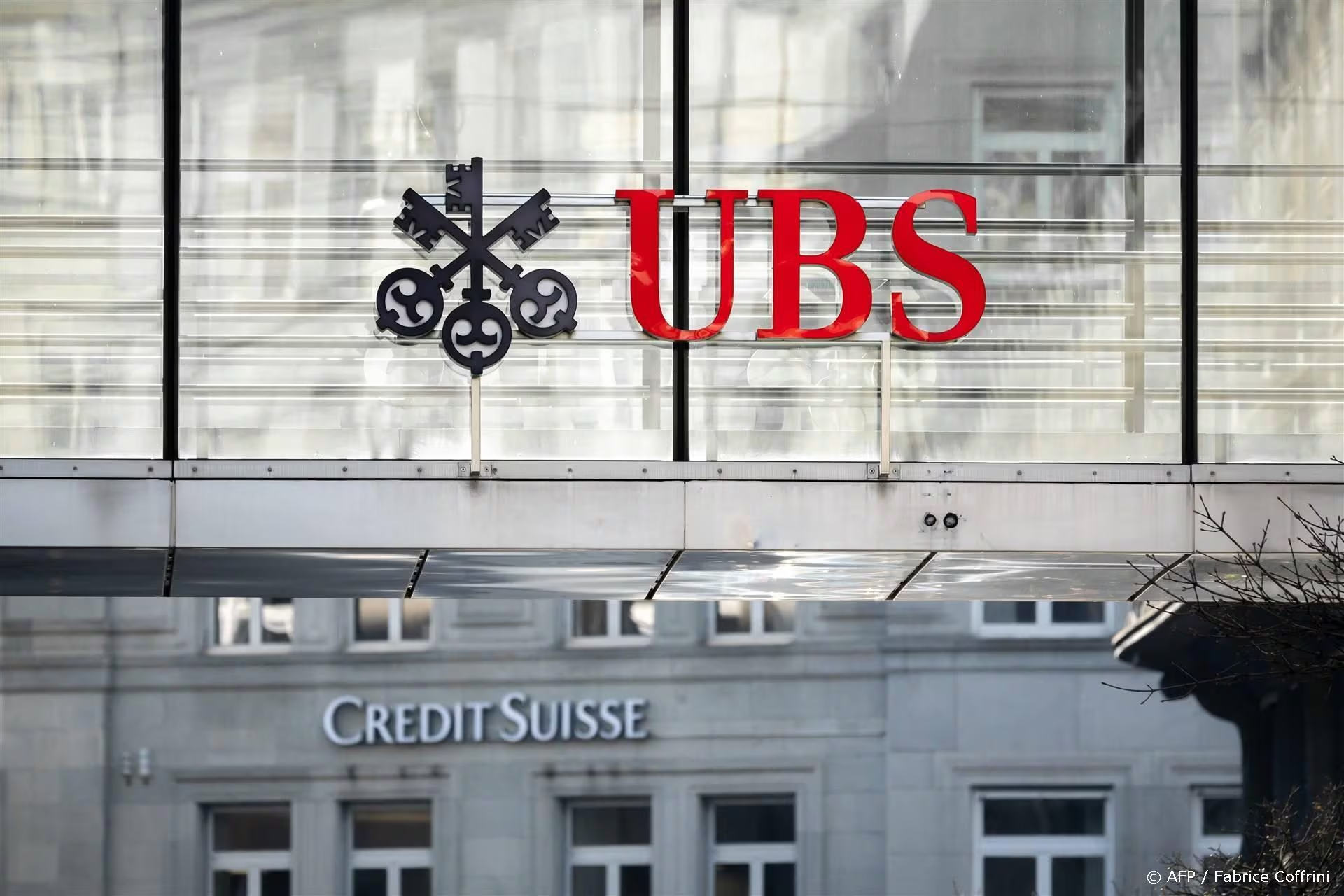
    The fallout from the sale of high-risk currency derivatives is prompting UBS to scrutinize the actions of several of its client advisors. Reports from Bloomberg reveal that the bank is investigating six relationship managers who allegedly sold these complex financial products to Swiss clients, many of whom may not have grasped the risks involved.

    Sources indicate that the advisors are under the microscope due to concerns they did not ensure clients fully understood the intricacies and potential consequences of their investments. While some of the advisors have already departed from the institution, the fates of those remaining hang in suspense as the review unfolds.

    UBS previously communicated its proactive stance on this issue, confirming that it conducted a thorough examination of each individual case. “We have completed a review of this matter and found that a very small number of clients at a few locations in Switzerland experienced unexpected effects due to tariff-related market volatility in the U.S. in April 2025,” a spokesperson for UBS stated. The bank emphasized its commitment to addressing the situation seriously.

    In response to the concerns, UBS has reportedly settled with some clients, offering “goodwill payments” in approximately 100 cases, according to the Financial Times. It seems the only thing winding tighter than financial markets these days is the internal oversight at UBS.

    Questions & Answers

    What prompted UBS to review the actions of its client advisors?
    The review is a response to the sale of high-risk currency derivatives to Swiss clients, whom the advisors allegedly did not adequately inform about the risks involved.

    How many client advisors are under investigation?
    UBS is currently examining the activities of six relationship managers linked to the sale of these complex financial products.

    What measures has UBS taken regarding client settlements?
    The bank has reached settlements with some clients, making “goodwill payments” in around 100 cases as part of its efforts to address concerns stemming from the situation.

  • Downtown HCMC Retail Rents Soar to $300 per Square Meter: What It Means for Shoppers and Retailers

    Downtown HCMC Retail Rents Soar to $300 per Square Meter: What It Means for Shoppers and Retailers

    In a recent overview of Ho Chi Minh City’s retail landscape, property consultancy Avison Young highlighted that the minimum rent in the downtown area remains stable at $45 per square meter for the second quarter, unchanged from the previous quarter. Luxury shopping destinations have seen significantly higher rates; Saigon Centre and Vincom Center Dong Khoi charge rents between $200 and $250, while Times Square tops the charts at $300 per square meter.

    In sharp contrast, retail spots in non-central neighborhoods only fetch $20 to $117, illustrating the premium placed on properties in the bustling city center. Yet, despite these steep prices, foot traffic in downtown areas remains robust, with occupancy rates soaring to 96% in the heart of the city and 86% in outer zones. CBRE corroborated these figures, noting that only 5% of retail space is unoccupied in prime districts and 8% elsewhere.

    David Jackson, CEO of Avison Young Vietnam, attributed the upward pressure on rents to an influx of global brands setting up shop in the city. American coffee giant Starbucks has recently increased its footprint, opening a new outlet at the Bitexco tower and securing additional space at Diamond Plaza. Meanwhile, Japanese retail giant Uniqlo is also moving into the market with a new store at Vincom Le Van Kiet, further indicating the growing international interest in Ho Chi Minh City.

    Popular malls like Saigon Centre and Vincom Dong Khoi continue to shine, boasting impressive occupancy rates between 98% and 100%. Jackson noted that with limited new supply coming to market, these established retail spaces are leveraging their prime locations to maintain high occupancy levels. Fashion and food-and-beverage brands are particularly strong in leasing, especially in vibrant, high-traffic areas.

    The evolving landscape of retail has heightened the importance of consumer experience, with the design and layout of spaces, integrated amenities, and after-sales services gaining traction as critical factors influencing rental prices. Mai Vo, director of retail services at CBRE HCMC, remarked on the surge of Chinese brands such as Oh!Some and Polarpopo entering this dynamic market.

    Responding to these trends, mall developers are reimagining tenant layouts, merging smaller units into larger spaces to accommodate burgeoning lifestyle brands. This transformation aims to turn shopping centers into “one-stop shops,” providing an array of services and amenities to enhance the overall customer experience.

    Looking ahead to the latter half of 2025, Vo anticipates the addition of around 25,000 square meters of new retail space within two central projects, signifying ongoing growth in Ho Chi Minh City’s retail sector. As consumers become increasingly discerning, often researching prices and seeking out deals, retailers are being pushed to adopt omnichannel strategies, blending digital and in-store experiences to capture this elusive market.

    Questions & Answers

    What are the current rental rates in Ho Chi Minh City’s downtown area?
    The minimum rent in the downtown area is $45 per square meter, with high-end shopping centers charging significantly more, ranging from $200 to $300 depending on the location.

    How are occupancy rates in Ho Chi Minh City’s retail spaces?
    Occupancy rates are notably high in the downtown area, reaching 96%, while non-central areas show an occupancy rate of 86%, indicating a robust demand for retail space.

    What strategies are mall developers employing to attract customers?
    Mall developers are restructuring tenant layouts by combining smaller units into larger ones to better accommodate lifestyle brands, aiming to transform shopping centers into integrated hubs that enhance customer experiences.

  • Bayer Vietnam Shines Bright at 2025 Top 50 Corporate Sustainability Awards!

    Bayer Vietnam Shines Bright at 2025 Top 50 Corporate Sustainability Awards!

    During the recent CSA 2025 award ceremony hosted by Nhip Cau Dau Tu Magazine, Bayer Vietnam earned recognition as a trailblazer among foreign direct investment (FDI) companies excelling in Environmental–Social–Governance (ESG) practices, particularly in agriculture and healthcare.

    The CSA 2025 award stands out for its rigorous assessment criteria, which are scrutinized by an expert panel comprising representatives from HSBC, PwC Vietnam, Schneider Electric, Talentnet, the Institute for Circular Economy Development at Vietnam National University in Ho Chi Minh City, and VinaCapital.

    On the panel discussion, “Decoding the Power Trio: Nature – Society – People,” Nguyen Hoang Son, Field Solutions Lead at Bayer Crop Science Vietnam, outlined the company’s journey in sustainable agriculture and its commitment to community well-being, in line with its mission: Health for all, hunger for none.

    Son underscored that agriculture faces severe disruptions from climate change, which alters weather patterns and jeopardizes crop yields. With food security hanging by a thread and demand skyrocketing amid dwindling resources, the stakes couldn’t be higher.

    He referenced the catastrophic drought and salinity intrusion that struck the Mekong Delta between late 2015 and early 2016, leading 11 provinces to declare a state of emergency as saltwater encroached up to 85 km inland, wreaking havoc on crops and local economies.

    Concrete ESG Actions Taking Root in Vietnam

    As a leader in the agricultural sector, Bayer aims to cut greenhouse gas emissions from its farming operations by 30% by 2030, compared to baseline emissions. Additionally, it plans to support 100 million smallholder farmers globally by providing access to innovative farming technologies.

    In Vietnam, Bayer has launched flagship initiatives such as ForwardFarming and Better Life Farming through collaborative public-private partnerships. These programs are designed to encourage sustainable, low-emission agricultural practices across key regions like the Mekong Delta and the Central Highlands, while boosting productivity to meet export standards.

    Data from the Mekong Delta Rice Institute reveals remarkable achievements after five seasons with the Bayer ForwardFarming model, including up to a 24.7% reduction in greenhouse gas emissions, a 50% cut in water usage, and profit increases ranging from 13% to 55%.

    The model’s impact on durian and coffee farming in the Central Highlands has been equally impressive, enhancing both productivity and quality while maintaining pesticide residue controls and ecological balance. Who thought farming could make such a splash?

    A People-Centric Approach Fueled by Digital Innovation

    Bayer prioritizes human development as much as agricultural advancements. “People are at the heart of every program and solution. Even cutting-edge technology needs passionate individuals to drive impact,” Son stated.

    The company actively engages in field visits, crop care training, and technical workshops, partnering with national and local agencies to elevate technical expertise. Leveraging digital platforms like YouTube and TikTok, Bayer delivers engaging agronomy content to millions of farmers, widening access to essential farming knowledge.

    Fostering Gender Equality and Community Health

    Bayer is committed to promoting gender equality as a strategic focus. Initiatives like the Women Ambassador in Sustainable Coffee Cultivation Community in the Central Highlands empower women farmers with essential agricultural skills and health education. Remarkably, over 800 women in the Mekong Delta have benefited from these training programs.

    As a leader in pharmaceuticals and healthcare, Bayer is also working with partners to strengthen Vietnam’s healthcare system through public awareness campaigns and support for critical public health initiatives. In the wake of Typhoon Yagi last year, Bayer acted swiftly, providing care packages, agricultural supplies, and financial aid to help rural communities recover and rebuild their lives.

    Questions & Answers

    What recognition did Bayer Vietnam receive at the CSA 2025 awards?
    Bayer Vietnam was honored as a pioneering FDI enterprise for its effective implementation of ESG goals in agriculture and healthcare at the CSA 2025 award ceremony.

    What are Bayer’s goals for greenhouse gas emissions by 2030?
    Bayer aims to reduce its on-field greenhouse gas emissions per mass unit of crop produced by 30% by 2030 compared to baseline emissions.

    How does Bayer support gender equality in agriculture?
    Bayer promotes gender equality through initiatives like the Women Ambassador in Sustainable Coffee Cultivation Community, empowering female farmers in areas like the Mekong Delta with training in agricultural techniques and health education.

  • Gold Prices Soar to Three-Month High, Spark Excitement in the Retail Market

    Gold Prices Soar to Three-Month High, Spark Excitement in the Retail Market

    Vietnam gold prices surged to a three-month high on Wednesday morning, coinciding with a global retreat in bullion rates.

    Record Highs for Local Gold Prices

    In the heart of Ho Chi Minh City, gold prices at Saigon Jewelry Company climbed by 0.57% to reach VND122.7 million (US$4,694.85) per tael. This marks the highest rate observed since April 22, when gold prices peaked at a historic VND124 million.

    The Global Context

    Gold rings also saw an uptick, priced at VND118 million per tael, reflecting a 0.43% increase. Interestingly, while Vietnam experienced a gold rush, international prices were easing. As reported by Reuters, spot gold dipped by 0.2% to $3,423.44 per ounce, after initially reaching its highest level since mid-June earlier that day. Similarly, U.S. gold futures followed suit, sliding 0.2% to $3,437.70.

    Market Dynamics at Play

    The fluctuations can be traced back to a surge in risk appetite, sparked by U.S. President Donald Trump’s announcement of a trade agreement with Japan just ahead of a looming tariff deadline. A weaker dollar, coupled with declining U.S. Treasury yields, cushioned the blow for bullion prices. As the dollar index hovered around a two-week low, gold became more affordable for international investors—talk about a golden opportunity!

    Looking Ahead

    Market analysts are divided on future trends. Tim Waterer, Chief Market Analyst at CM Trade, noted that the signing of further trade agreements before August 1 could boost risk appetite, potentially diminishing gold’s allure. However, if the U.S. dollar continues to face pressure, a resurgence to $3,500 per ounce could remain within reach for this precious metal.

    Questions & Answers

    What has driven the recent increase in gold prices in Vietnam?
    Gold prices in Vietnam have increased due to a combination of local demand and international market dynamics, including positive trade news from the U.S. which has momentarily eased demand for gold.

    How did global gold prices react during the same period?
    Globally, gold prices dipped slightly as risk appetite was bolstered by U.S. trade news, indicating a fluctuating relationship between domestic and international market sentiments.

    What could affect gold prices in the near future?
    Future gold prices may be influenced by any new trade agreements and the strength of the U.S. dollar, with a weaker dollar potentially pushing prices higher.

  • Emirates Unveils Exclusive Luxury Lounge Experience for Discerning Travelers

    Emirates Unveils Exclusive Luxury Lounge Experience for Discerning Travelers

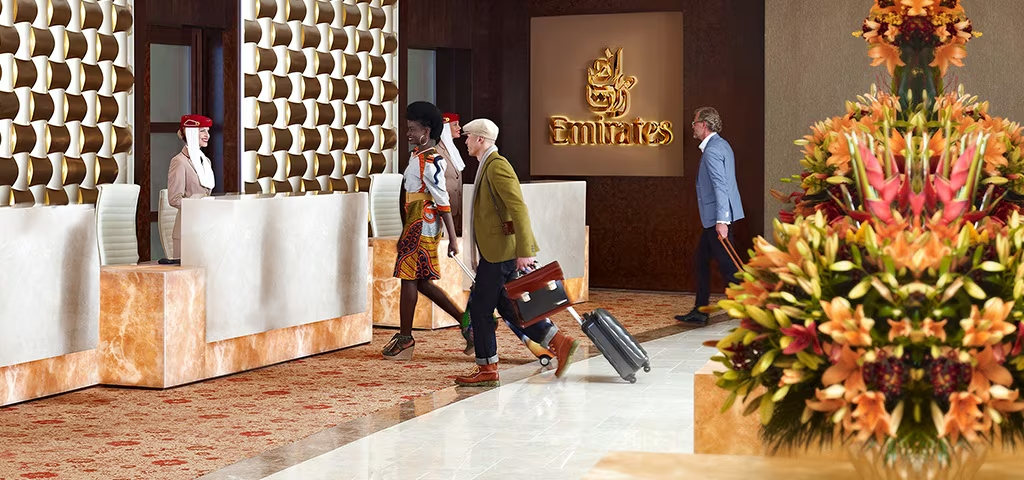
    Dubai’s state-owned Emirates Airline has rolled out a new gem for its affluent travelers with the launch of the Emirates First Lounge in Terminal 3 at Dubai International Airport (DXB). Since mid-July, this luxurious haven has been welcoming well-heeled passengers, showcasing Emirates’ determination to maintain its edge amid rising competition in the Gulf region.

    The whispers of First Class’ demise during the pandemic seem to have been greatly exaggerated. Contrary to predictions, this lucrative segment is experiencing a resurgence—especially in the prosperous Gulf area, where Emirates stands at the forefront of this revival. The Emirates First Lounge promises its top-tier fliers, as well as Platinum members of its Skywards frequent flyer program, an exceptional airport experience that begins well before takeoff.

    A Luxurious Departure Experience

    With an upgraded check-in area featuring elegant private seating and an exclusive check-in process, the Emirates First Lounge sets a new standard for luxury travel. This is complemented by the airline’s 43 exclusive lounges worldwide, designed for those traveling on premium tickets. Rolex clocks adorn the walls, ensuring that affluent passengers can keep time—though, given that DXB operates as a “silent airport,” they may find themselves enjoying the lull rather than rushing for their gates.

    Charting a Unique Course

    While other airlines may be trending away from First Class, Emirates is carving its own path. Aviation analysts at Cirium report a dramatic reduction in global First-Class seats, dropping to 12.6 million in 2024—a staggering 40% decrease from 21.05 million in 2019. Despite this, overall airline capacity across all classes has risen slightly from 5.7 billion to 5.9 billion seats.

    “Our customers can now enjoy a comfortable ride to the airport with our chauffeur service, check in quickly in the exclusive Emirates First area, relax in a premium lounge before their flight, and then experience our award-winning in-flight service,” shared Adel Al Redha, Deputy President & Chief Operating Officer of Emirates. He also announced a new daily flight to Zurich starting February 1, 2026, employing the Airbus A380 superjumbo to replace the Boeing 777 currently in use.

    Facing New Competition

    Marking a timely investment in luxury, Emirates is now bracing for competition from the upstart Riyadh Air, set to launch in 2025 as Saudi Arabia’s new state airline. Equipped with petrodollars and a mission to cater to an upscale clientele, Riyadh Air has already placed substantial orders for Boeing 787 Dreamliners, transforming the air travel landscape. Its CEO, Tony Douglas, formerly of Etihad Airways, is clearly signaling that Riyadh aims to compete aggressively in the premium sector.

    Alongside these developments, the Maldivian airline BeOnd has also taken flight in 2023, enhancing travel connections between Zurich and the Gulf through charming stopovers, ensuring that competition in the Middle Eastern skies remains vibrant and relentless. A game of high stakes is unfolding, and it’s clear that the first-class cabin remains a coveted and competitive space.

    Questions & Answers

    What is the significance of the Emirates First Lounge at Dubai International Airport?
    The Emirates First Lounge enhances the travel experience for premium customers, offering exclusive check-in, luxurious amenities, and a tranquil atmosphere, reflecting Emirates’ commitment to maintaining its excellence amid growing competition.

    How does the current landscape of First Class travel compare to pre-pandemic levels?
    The global number of First-Class seats has significantly decreased by 40% since 2019, yet Emirates is bucking this trend, bolstering its services and further investing in luxury travel as others scale back.

    What competition is Emirates facing in the luxury travel market?
    Emirates is now competing with the newly announced Riyadh Air, which plans to launch in 2025 and aims to attract high-end travelers with upscale offerings, as well as the Maldivian airline BeOnd, which facilitates luxury connections in the region.