Author: Mei Ling Tan

  • US Cherry Prices Plummet to Historic Lows in Vietnam’s Market

    US Cherry Prices Plummet to Historic Lows in Vietnam’s Market

    Across Vietnam, American cherries have emerged as a surprising star on the supermarket scene, captivating shoppers with their enticing prices. Currently, retailers are offering these sought-after fruits for around VND299,000 per kilogram, with certain major chains slashing prices to an astonishing VND189,000—less than half of last year’s rates.

    This year marks a strategic shift for online retailers and supermarkets embracing a substantial influx of cherries from the U.S., departing from their previous reliance on Chilean imports. WinCommerce, the operator behind the WinMart chain, is promoting the fruit at VND299,000 per kilogram from July 8 to July 23—a dip of VND160,000 from its earlier pricing.

    Meanwhile, MM Mega Market reports a price of VND189,000, achieving remarkable demand spurred by a whopping 140% increase in cherry purchases compared to last year. The Vietnam Fruit and Vegetable Association notes that cherry imports have surged, making it one of the fastest-growing imports in 2023, with an impressive year-on-year growth of 43%.

    As import tariffs on U.S. cherries decline, the market is poised for even more competitive pricing. The U.S. Department of Agriculture highlights a favorable shift in conditions, revealing an 8% increase in sweet cherry production from 2024, reaching an estimated 383,000 tons.

    However, the U.S. must navigate a challenging landscape as exports to China, once a major market, are stifled by a formidable 58% import tariff. While China has temporarily suspended additional tariffs, the baseline tax rate still leaves American cherries trailing behind Chilean competitors, who benefit from preferential trade agreements.

    On a positive note, Vietnam is actively negotiating with the U.S. for a zero-tariff regime on American goods, which could revitalize market access. In light of recent tariffs imposed by China, U.S. cherry exporters have turned their focus toward new markets, including Vietnam, South Korea, and Japan, with the wholesale price in the U.S. dropping by 10-15% during June and July compared to last year.

    Questions & Answers

    What factors have contributed to the rising demand for cherries in Vietnam?
    Cost reductions, strategic imports from the U.S., and targeted promotions at retail chains have all played roles in increasing cherry demand by 140% from last year.

    What challenges do U.S. cherry exporters face in the Chinese market?
    U.S. cherry exporters contend with a steep 58% import tariff imposed by China, which has caused them to seek opportunities in alternative markets such as Vietnam, South Korea, and Japan.

    How are local stakeholders responding to the decline in U.S. cherry exports to China?
    Local stakeholders are adjusting by leveraging negotiations with the U.S. government to eliminate import tariffs, aiming to enhance the accessibility of U.S. fruits in the Vietnamese market.


  • Times Square Hong Kong’s Radical Retail Revamp: Creating A New Era Of Shopping Experience

    Times Square Hong Kong’s Radical Retail Revamp: Creating A New Era Of Shopping Experience

    In a bold move aimed at redefining the shopping experience, Hong Kong’s renowned Times Square is preparing to welcome a fresh wave of retail tenants, promising to revitalize the center’s appeal amid evolving consumer preferences. Opening next month, these new outlets will feature a mix of both local and international brands, ensuring that the shopping hub continues to cater to diverse tastes.

    A New Vision for Retail

    As Times Square embarks on this transformation, its management has expressed a clear intention to create a space where innovation meets a unique customer experience. As a pinnacle of Hong Kong’s shopping landscape, Times Square has long been an iconic destination, and it seems that exciting changes are on the horizon. Store redesigns and an upgraded tenant lineup aim to shake off the cobwebs of the past as it catches the eye of a generation grown increasingly discerning about their shopping options.

    Consumer-Centric Retailing

    The new tenants, carefully selected to align with contemporary consumer values, will bring an eclectic blend of retail experiences. From trendsetting fashion brands to bespoke lifestyle shops, the roster is designed to create an atmosphere that feels more like a curated collection than a traditional mall. This is more than just a shopping destination; it’s a community space primed for discovery and connection, inviting shoppers to explore and engage with brands in novel ways.

    Adapting to Trends and Tastes

    The shift in strategy comes at a time when many retail spaces face challenges from e-commerce, leading some to wonder if bricks-and-mortar shops can ever truly compete. However, Times Square seems to be taking this head-on by prioritizing the in-store experience. “Retail is not just about products; it’s about creating moments,” remarked the center’s development director, expertly capturing the essence of the change. “We’re aiming to make Times Square a true destination, where shopping becomes a delightful and engaging experience.”

    Who wouldn’t want to browse through shops that feel like a treasure hunt? With local art displays and interactive installations lined up, shoppers can expect a few surprises along the way — perhaps even an Instagrammable moment or two!

    Embracing Sustainability and Innovation

    Moreover, sustainability is set to be a cornerstone of the new retail phase. Tenants are encouraged to incorporate eco-friendly practices into their operations, reflecting a broader trend towards responsible consumerism that resonates strongly with today’s shoppers. This isn’t just a trend; it’s a movement, shaping how brands present themselves and engage with customers.

    The changes at Times Square indicate a broader renaissance within the retail landscape of Hong Kong as brands adapt to meet evolving consumer expectations. A fresh narrative is unfolding, transforming the shopping experience from transactional to experiential, and Times Square is at the forefront of this exciting evolution.

    Questions & Answers

    What types of tenants will be featured in the new Times Square lineup?
    The new lineup will include a vibrant mix of local and international brands, ranging from trendy fashion outlets to unique lifestyle shops, all aimed at enhancing the shopping experience.

    How is Times Square adapting to competition from e-commerce?
    By focusing on creating an engaging in-store experience, incorporating art and interaction, and offering moments of surprise, Times Square aims to make shopping a delightful adventure rather than a mere transaction.

    What sustainability practices are being implemented by new tenants?
    New tenants are encouraged to adopt eco-friendly practices, aligning with the growing consumer demand for brands that prioritize sustainability in their operations.

  • Indian Apple Reseller Ample Announces Ambitious Growth Plan, Aims For 35% Revenue Surge By 2026

    Indian Apple Reseller Ample Announces Ambitious Growth Plan, Aims For 35% Revenue Surge By 2026

    Ample, an Indian reseller of Apple products, has outlined ambitious growth plans aimed at achieving a 35 percent surge in revenue by the fiscal year 2026, according to the company’s Chief Executive Officer (CEO).

    Expanding Footprint and Brand Portfolio

    Based in Bengaluru, Ample supplies a variety of tech products, including Apple computers, to a large and diverse client base of over 1500 entities. Key clients include high-profile names such as SAP, Broadcom, Infosys, and Wipro. Currently, the firm operates more than 120 stores across India, with nearly 50 of these outlets dedicated to Apple products. Other brands, such as Under Armour and Asics, are also showcased in the company’s stores.

    CEO Rajesh Narang revealed plans to increase the company’s footprint to around 175 stores across various brands within the next three years. However, no specific target for the expansion of Apple-only stores was provided.

    Financial Performance and Growth Strategy

    As of the fiscal year that ended on March 31, Ample reported a revenue of 17 billion rupees (equivalent to US$197.33 million). Going forward, the company plans to focus on forging partnerships with global capability centers. These centers are operational hubs that manage various aspects such as operations, finance, and research for large multinational companies.

    Notably, Apple, which itself reported nearly $8 billion in sales in India for the year ending March 2024, operates its own stores in New Delhi and Mumbai. Despite this, Narang believes that Apple’s plans to further expand its presence in India will be beneficial for partners like Ample, as the market tends to expand in line with the brand’s presence.

    Future Plans and Investment Needs

    To fund its ambitious growth strategy, Ample plans to list on stock exchanges within the next five years. “Considering our growth ambition, there will be a requirement for capital,” Narang stated.

    Questions & Answers

    What is Ample’s future growth strategy?
    Ample plans to expand its store footprint to around 175 outlets across various brands within the next three years. The company also intends to forge partnerships with global capability centers to drive growth.

    How will Ample fund its growth plan?
    Ample plans to list on stock exchanges within the next five years to raise the necessary capital to fund its growth strategy.

    What is the anticipated impact of Apple’s expansion in India on Ample’s business?
    Ample’s CEO, Rajesh Narang, believes that Apple’s expansion in India will be beneficial for partners like Ample, as the market often grows in tandem with the brand’s presence.

  • Von Dutch Diversifies: Fashion Brand Ventures Into Food, Beverage, And Hospitality Sectors

    Von Dutch Diversifies: Fashion Brand Ventures Into Food, Beverage, And Hospitality Sectors

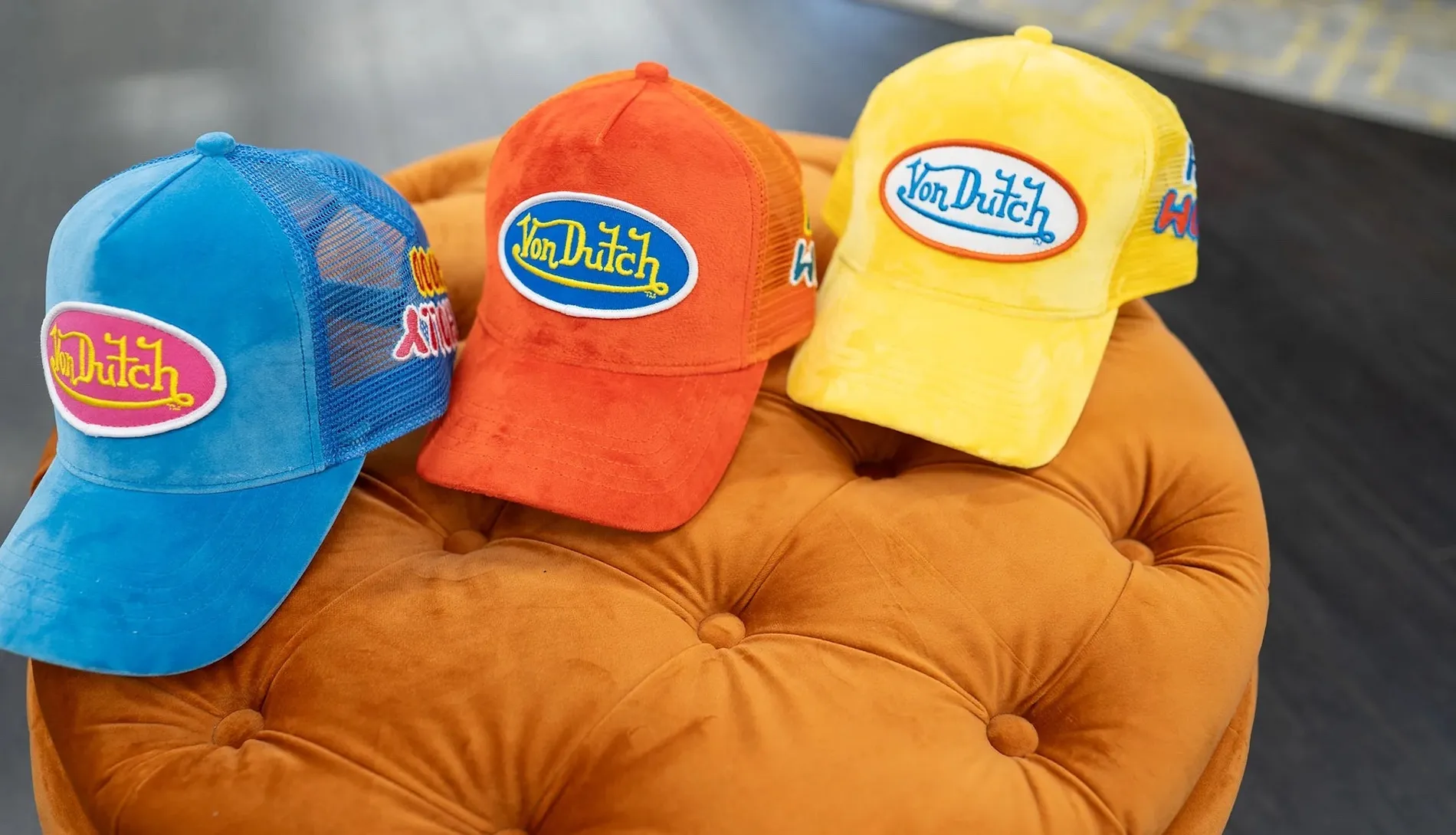
    Fashion label, Von Dutch, is broadening its horizons by venturing into sectors of food, beverage, and hospitality. The company has officially disclosed a worldwide food and beverage licensing agreement. As a result of this agreement, the brand will introduce a collection of drinks, snacks focussed on health and wellness, and a blend of cafe-lounges under the name of Von Dutch F&B. This initiative is under the leadership of CEO Joe Wallace, a seasoned executive known for securing millions in funding and pioneering a variety of products in food tech, consumer goods, and hospitality.

    As expressed by Wallace, the vision is to create an empire far beyond just a food brand. The brand’s philosophy will hinge on entertainment, authenticity, wellness, hospitality, and a fresh vitality.

    New Product Launches

    In partnership with beverage incubator Flavor House, Von Dutch F&B will launch an organic, plant-based line of sodas and mocktails. Other exciting ventures include a new alcohol line featuring vodka, tequila, beer, and hard seltzers. This move complements the brand’s existing product – Von Dutch Water, known as a high-quality hydration product that has gained popularity across various outlets from convenience stores to bars and music festivals.

    Von Dutch Cafes and Sub-Brand Launch

    Von Dutch plans on opening its brand-new cafes in New York and Los Angeles over the next year. These spaces will transition from being daytime hubs for coffee and snacks to after-hours hotspots featuring cocktails, mocktails, and live entertainment.

    The brand, which was taken over by the White Space Group (WSG) in 2024, also plans on launching an engaging sub-brand called ‘Von Dutch Loves.’ This sub-brand will highlight music, nightlife, and underground culture through exclusive releases, artist partnerships, festival collaborations, and community-centered events.

    WSG CEO Jack Cheika expressed his excitement about the partnership, stating that the goal is to create cultural relevance in every aspect of people’s lives, from how they dress to how they dine, drink, and socialize.

    Questions & Answers

    What is the new venture of Von Dutch?
    Von Dutch is expanding its brand into the food, beverage, and hospitality sectors under the name Von Dutch F&B.

    What products will Von Dutch F&B be launching?
    Von Dutch F&B plans to launch a range of organic, plant-based sodas and mocktails as well as a new alcohol line including vodka, tequila, beer, and hard seltzers.

    What is the aim of the ‘Von Dutch Loves’ sub-brand?
    The ‘Von Dutch Loves’ sub-brand is designed to highlight music, nightlife, and underground culture through exclusive releases, artist partnerships, festival collaborations, and community-centered events.

  • Li & Fung Acquires Uk’s Orrsum In Strategic Move Towards Platform-based Growth

    Li & Fung Acquires Uk’s Orrsum In Strategic Move Towards Platform-based Growth

    Renowned supply chain management firm, Li & Fung, headquartered in Hong Kong, has recently announced the acquisition of Orrsum, a prominent UK-based supplier specializing in hosiery and underwear. The financial details of the deal remain undisclosed at this point.

    Orrsum’s Stature and Future Plans

    Established in 1998, Orrsum has an impressive record of producing more than 50 million pairs of socks annually, distributing to over 5,000 retail outlets on a global scale. The company’s reputation is solidly backed by its product expertise, innovative development model, and robust customer relationships.

    As part of the acquisition agreement, Orrsum will continue to operate under the umbrella of Li & Fung Europe. The leadership will remain unchanged with William Orr at its helm. It aims to capitalize on Li & Fung’s advanced AI-driven digital infrastructure and expansive sourcing network spread across 40 economies. This strategic move is expected to enhance supply chain agility, facilitating entry into new markets and channels.

    Significance of the Acquisition

    Destan Bezmen, who serves as the president of Europe, emphasized that this acquisition is a critical move in the company’s expansion strategy. He expressed confidence that integrating Orrsum’s category leadership and product development capabilities with Li & Fung’s digital infrastructure and global reach will enable them to scale high-demand categories. Furthermore, it will expand their customer offerings and lead to faster, more flexible execution across different markets.

    This agreement signifies Li & Fung’s first acquisition in more than 10 years and the maiden one since it turned private in 2020. The company shared that this transaction is a part of its strategic shift towards platform-based growth. This new direction places a strong emphasis on scalable product categories, digital integration, and the development of resilient supply chain solutions.

    Li & Fung has previously partnered with US apparel brand, Sanctuary, in October of last year. This collaboration aimed at the creation and distribution of a new women’s denim line under a licensing agreement.

    Questions & Answers

    What is the significance of Li & Fung’s acquisition of Orrsum?
    This acquisition marks a critical step in Li & Fung’s expansion strategy, allowing the company to scale high-demand categories, broaden customer offerings, and facilitate faster, more flexible execution across markets.

    How will Orrsum operate following the acquisition?
    Orrsum will continue its operations under Li & Fung Europe and maintain its existing leadership led by William Orr. The company will leverage Li & Fung’s AI-enabled digital infrastructure and extensive sourcing network to boost its supply chain agility and facilitate expansion into new markets and channels.

    What is the strategic shift Li & Fung is aiming for with this acquisition?
    The acquisition is part of Li & Fung’s strategic pivot towards platform-based growth, focusing on scalable product categories, digital integration, and the development of resilient supply chain solutions.

  • Reliance Industries Expands Consumer Durables Reach With Electrolux’s Kelvinator Acquisition

    Reliance Industries Expands Consumer Durables Reach With Electrolux’s Kelvinator Acquisition

    Reliance Industries, a prominent Indian retailer, has recently acquired Swedish firm Electrolux’s Kelvinator, which is known for selling electronics such as refrigerators, washing machines, and air conditioners. This acquisition was carried out by the retail division of Reliance, demonstrating its ongoing expansion in the rapidly growing consumer durables market.

    Boosting Presence in Home Electronics and Appliances

    Reliance Retail is not only widening its presence in the consumer durables market but also extending its private-label portfolio of home electronics and appliances. This growth has been propelled by increased income levels, urbanisation, and sharpening competition in the market.

    The Background of Kelvinator

    Kelvinator, originating in the United States, had a significant international presence during the 1970s and 1980s, including a strong foothold in India. However, the brand experienced a downturn around the 1990s due to increased global competition and shifts in consumer preferences.

    Electrolux’s Profit from the Divestment

    Electrolux, in its latest quarterly report, disclosed that it had realised a profit of US$18.5 million from the sale of the Kelvinator brand.

    Questions & Answers

    What is the significance of Reliance Industries’ acquisition of Kelvinator?
    The acquisition signifies Reliance Industries’ commitment to expanding its presence in the burgeoning consumer durables market.

    What contributed to the expansion of Reliance Retail’s private-label portfolio?
    The expansion of Reliance Retail’s private-label portfolio has been driven by rising incomes, urbanisation, and increased competition in the market.

    What led to the decline of Kelvinator’s prominence in the market?
    Kelvinator’s market prominence declined around the 1990s due to heightened global competition and shifts in consumer preferences.

  • Chinese Milk Tea Giant Chapanda Breaks Into Singaporean Market With Two Prime Location Outlets

    Chinese Milk Tea Giant Chapanda Breaks Into Singaporean Market With Two Prime Location Outlets

    ChaPanda, a renowned Chinese milk tea brand, is making its daring entry into the Singaporean market by launching two new stores in prime locations.

    The First Two Outlets

    The brand’s inaugural outlet in Singapore has already opened its doors at Scape, a shopping complex located on Orchard Link. The second store is also set to make a grand entrance soon at Northpoint City South Wing, a popular shopping mall in northern Singapore.

    These new outlets continue the brand’s tradition of featuring adorable panda mascots and offering an impressive range of drink options. Customers can look forward to indulging in popular favourites such as Taro Ball Milk Tea and Mango Pomelo Sago.

    ChaPanda’s Rapid Growth

    ChaPanda, also known as ChaBaiDao, was established in 2008 in Chengdu, China. Following its inception, the brand has experienced tremendous domestic and global growth.

    Today, ChaPanda is recognized as the third-largest freshly made milk tea chain in China. The company operates an expansive network of over 8000 stores across the globe, enjoying a significant presence in several key markets including Hong Kong, South Korea, Australia, Malaysia, and Thailand.

    Major Milestone for ChaPanda

    In a significant achievement in 2020, ChaPanda’s founder, Wang Xiaokun, ascended to the prestigious ranks of the world’s billionaires. This significant milestone followed a successful funding round that catapulted the company’s valuation to an impressive US$2.1 billion.

    Questions & Answers

    What is ChaPanda?
    ChaPanda, or ChaBaiDao, is a Chinese milk tea brand established in 2008. It is the third-largest freshly made milk tea chain in China with over 8000 stores globally.

    Where will the ChaPanda stores be located in Singapore?
    The first ChaPanda store in Singapore is located at Scape on Orchard Link, and the second outlet is set to open at Northpoint City South Wing soon.

    Who is the founder of ChaPanda?
    ChaPanda was founded by Wang Xiaokun, who became a billionaire following a funding round that valued the company at US$2.1 billion.

  • Louis Vuitton hit by massive Hong Kong data breach

    Louis Vuitton hit by massive Hong Kong data breach

    Louis Vuitton’s Hong Kong branch faces scrutiny following a significant data breach that may have left the personal details of approximately 419,000 customers exposed.

    Investigation Launched

    The luxury brand’s Hong Kong office reported a data breach to the Office of the Privacy Commissioner for Personal Data (PCPD) on July 17. This was over a month after the company’s French head office first identified suspicious activity on June 13. The PCPD confirmed receipt of the report the following day.

    The initial analysis indicates that the compromised data includes personal information such as names, passport numbers, birth dates, addresses, email addresses, phone numbers, and detailed customer transactions including purchase history and product preferences.

    Despite not yet receiving any complaints or inquiries about the incident, the PCPD announced that a formal investigation had been initiated. The investigation will follow established procedures and will also look into whether there was a delay in reporting the breach.

    Swift Response

    Louis Vuitton Hong Kong has confirmed that an unauthorized entity accessed its customer data. However, it promptly responded by launching an investigation into the issue and taking steps to contain the breach, bringing in external cybersecurity professionals for assistance.

    In a statement, the company clarified that no payment information was included in the accessed database. The company also stated: “While our investigation is ongoing, we can confirm that no payment information was contained in the database accessed.”

    Louis Vuitton further affirmed its commitment to enhancing its security systems and ensuring communication with both relevant regulatory bodies and affected customers. “We sincerely regret any concern or inconvenience this situation may cause,” the company added.

    The PCPD also confirmed that it has begun an investigation into the incident at Louis Vuitton Hong Kong, giving particular attention to whether the company reported the breach in a timely manner. The PCPD reiterated that it has yet to receive any relevant complaints or inquiries in relation to the issue.

    Questions & Answers

    What personal information was exposed in the data breach at Louis Vuitton Hong Kong?
    The compromised data includes personal details such as names, passport numbers, birth dates, addresses, email addresses, phone numbers, along with purchase history and product preferences.

    Has Louis Vuitton Hong Kong received any complaints or inquiries related to the data breach?
    As of the current report, no complaints or inquiries have been received in relation to the data breach.

    What measures has Louis Vuitton taken in response to the data breach?
    Louis Vuitton has launched an investigation with the help of external cybersecurity experts. It is also working on upgrading its security systems and has promised to keep regulators and affected individuals updated.

  • Shinsegae Duty Free Unveils Stunning Renovation of 11th Floor at Myeongdong Flagship Store

    Shinsegae Duty Free Unveils Stunning Renovation of 11th Floor at Myeongdong Flagship Store

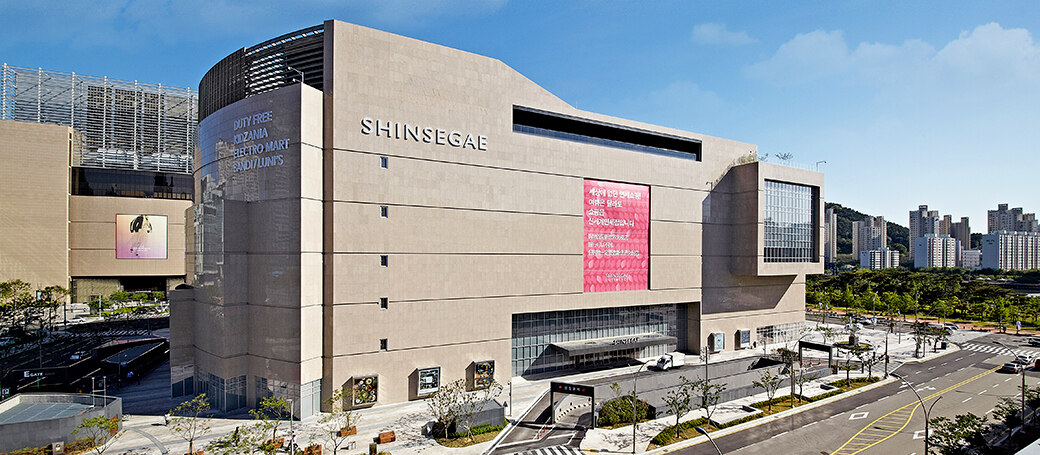
    Shinsegae Duty Free has unveiled a revitalized 11th floor at its flagship Myeongdong store, highlighting South Korea’s vibrant culture and its appeal to global travelers. This extensive renovation has culminated in an impressive collection of over 100 carefully selected brands spanning food, fashion, liquor, K-pop, and character merchandise.

    A Culinary Adventure: The Taste of Shinsegae

    At the heart of the floor lies the “Taste of Shinsegae,” a new zone devoted to showcasing the best of Korean snacks, desserts, health supplements, and regional delicacies. It’s a culinary adventure that promises more than just shopping; it’s a flavor festival!

    Shoppers can explore four distinct sections: the Dessert Zone, where trendy treats like ‘Bricksand’ financier cookies and vegan ‘Grains Cookie’ take center stage; the Pop-Up Zone, which highlights the latest buzz-worthy brands from areas like Hongdae and Seongsu including Mannadang yakgwa and Super Matcha goodies; the Food Market Zone, brimming with favorites like Samcheongdong Egg Rolls and Bibigo meals; and the Wellness Zone, featuring esteemed supplements from brands like Red Ginseng and GNC. Enthusiasts of fine spirits will find excitement in the liquor section, with rare whiskeys and engaging tasting events.

    Fashion Forward with Exclusive Offerings

    The fashion segment has not been overlooked, introducing unique boutiques from renowned labels such as GUESS and Mmlg, alongside streetwear from National Geographic and Acme de la vie, expanding on the impressive array available on the 9th floor.

    Interactive Experiences at the Space of BTS

    Notably, the ‘Space of BTS’ has relocated to the 11th floor and has been upgraded with fresh merchandise and interactive experiences celebrating the solo endeavors of each member. A dedicated gift zone features popular Korean character brands like Kakao Friends and Zanmang Loopy, making it a delightful stop for fans and gift-seekers alike.

    Shinsegae reports a remarkable 40% surge in food category sales during the first half of 2025, a trend attributed to growing international interest in Korean cultural products and a resurgence in global travel. It seems that the world can’t get enough of Korean flavors and fashion!

    Questions & Answers

    What notable new feature is included in Shinsegae’s revamped 11th floor?
    The standout feature is the “Taste of Shinsegae,” which focuses on Korean snacks, desserts, health supplements, and regional specialties.

    How has the food category sales performed for Shinsegae in 2025?
    Shinsegae has reported a significant 40% increase in food category sales, driven by heightened global interest in Korean products and a recovery in international travel.

    What unique shopping experiences can visitors expect on the 11th floor?
    Visitors can enjoy various curated sections including trendy desserts, rotating pop-up brands, a comprehensive wellness zone, and an upgraded ‘Space of BTS’ featuring interactive content.

  • China Everbright Bank Faces Rising Threat from New Bad Loan Formation

    China Everbright Bank Faces Rising Threat from New Bad Loan Formation

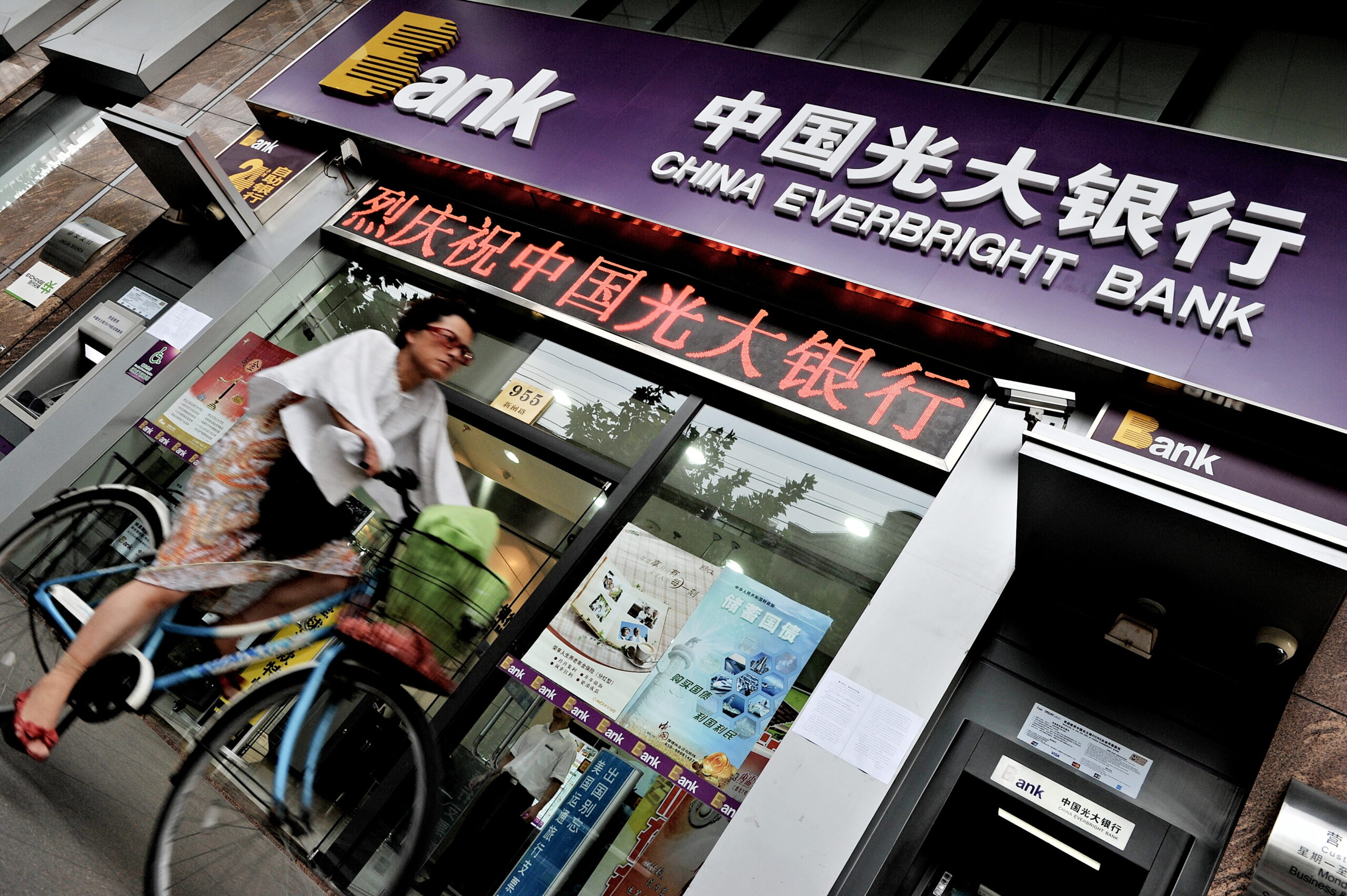
    China Everbright Bank (CEB) is navigating a complex landscape, facing the challenge of potential new nonperforming loans (NPLs), but recent assessments indicate that its financial health remains robust. According to Moody’s Ratings, the bank has built adequate buffers, with reserves covering a formidable 174.4% of its NPLs, ensuring a steady foundation as it maneuvers through changing economic tides.

    As the country transitions economically, CEB grapples with unseasoned risks, particularly in financing that shift along with evolving nonlending credit challenges stemming from its investment portfolio. Despite these hurdles, Moody’s analysis suggests that CEB can maintain its asset quality, capitalisation, profitability, and liquidity in the upcoming 12 to 18 months.

    Shifts in Loan Growth Trends

    In recent months, overall loan growth has experienced a slowdown, dropping to 3.9% in 2024 from 6% the previous year. However, the bank has seen a notable surge in specific areas, with green loans skyrocketing by 41% and inclusive financing loans rising by 15%. This shift highlights a pivot towards sustainable and responsible banking, setting the stage for a future where eco-conscious lending becomes a norm—perhaps enough to make even Mother Nature smile.

    Moody’s forecast remains optimistic regarding the bank’s asset quality over the next year and a half. Their analysis attributes this stability to CEB’s measured growth strategy and the significant buffers it has established in anticipation of market fluctuations. As of March 31, 2025, the NPL ratio has held steady at 1.25%, marking four consecutive years of stability.

    Robust Capitalisation Prospects

    Looking ahead, CEB’s capitalisation is projected to remain sufficient through 2026, bolstered by subdued asset growth. With profitability, gauged by return on average assets (ROAA), anticipated to stabilize around 0.6% over the next 12 to 18 months, the bank appears to be on solid ground. While a narrowing net interest margin (NIM) could pose challenges, the decline in deposit costs is likely to alleviate some pressure, supporting net interest income, which currently constitutes 71.3% of total revenues.

    Questions & Answers

    What is the current status of China Everbright Bank’s nonperforming loans?
    China Everbright Bank has reserves that cover 174.4% of its nonperforming loans, and the NPL ratio has remained stable at 1.25% for the past four years.

    How has loan growth changed at CEB recently?
    Overall loan growth has slowed to 3.9% in 2024 from 6% in 2023, but green loans and inclusive financing loans have seen significant increases of 41% and 15%, respectively.

    What does Moody’s predict for CEB’s financial stability moving forward?
    Moody’s expects that CEB will maintain adequate asset quality, capitalisation, profitability, and liquidity over the next 12 to 18 months, aided by a careful growth strategy and existing financial buffers.

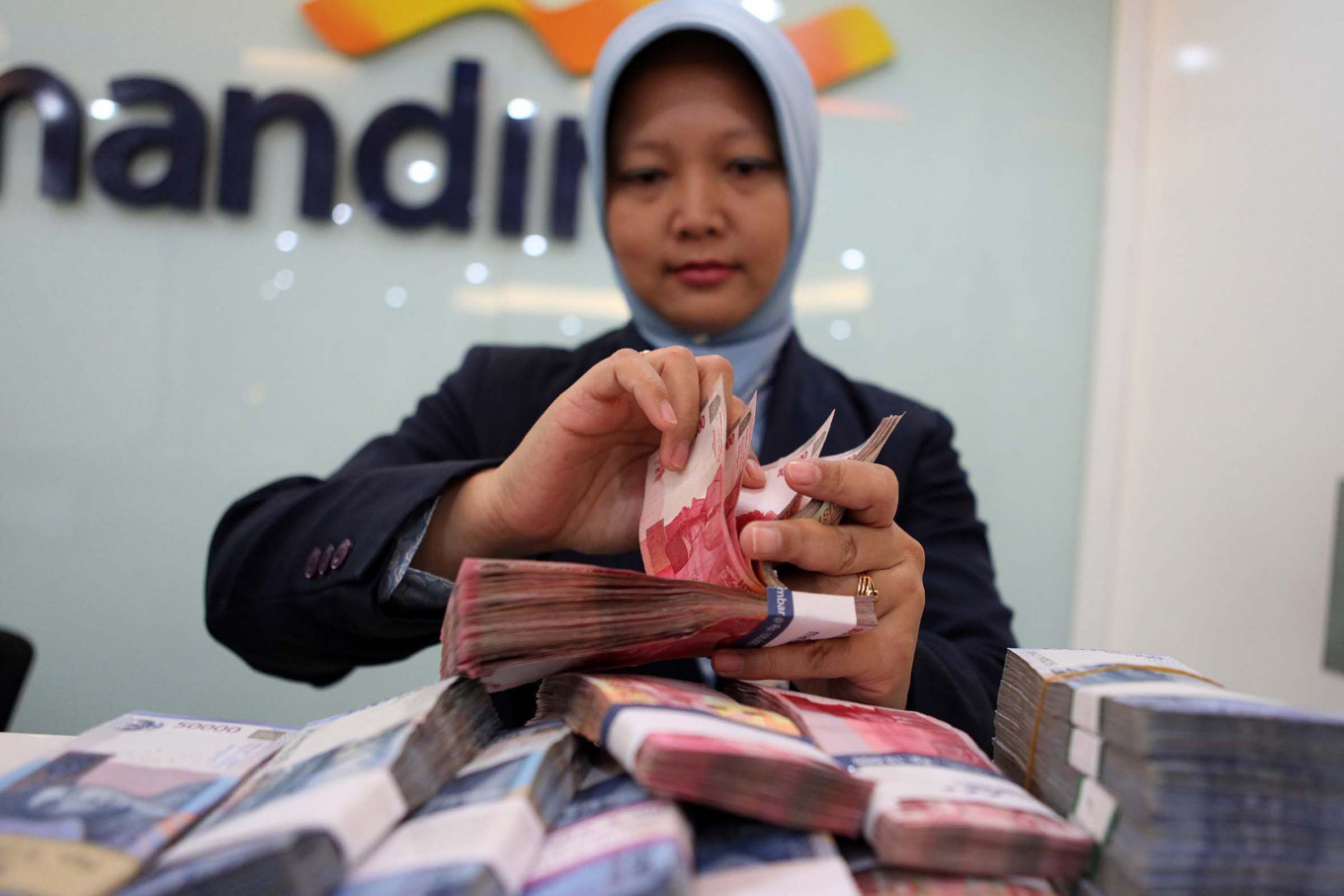
  • Indonesia’s Consumer Loan Growth Faces Headwinds as Banks Reinforce Risk Management Strategies

    Indonesia’s Consumer Loan Growth Faces Headwinds as Banks Reinforce Risk Management Strategies

    As Indonesia moves into the second half of 2025, the outlook for consumer loan growth appears to be weakening. A recent report from CGS International emphasizes that banks are tightening their lending practices, which could spell trouble for borrowers seeking loans. Stakeholders are taking note as rejection rates for applications rise and down payment requirements for auto loans increase.

    Banking Sector Tightens Lending Practices

    According to CGS International, raw data from their on-the-ground checks reveals a noticeable tightening in risk parameters across banks. “We have also seen consecutive increases in mortgage rates from Bank Central Asia (BBCA), the market leader in consumer loans, over the past few months since end-FY2024,” noted analysts Handy Noverdanius, Owen Tjandra, and Elizabeth Noviana. When a bank as influential as BBCA adjusts its rates, it’s usually a signal that something larger is at play in the economy.

    Non-Performing Loans on the Rise

    The issue of non-performing loans (NPLs) is becoming increasingly pressing. CGS International reports that NPLs for consumer loans have crept up since 2024, with Q1 2025 figures showing an increase to 2.08%. This marks a rise of 28 basis points compared to Q1 2024 and a 19 basis points uptick year-to-date. Disturbingly, mortgage NPLs are experiencing an even sharp uptick, reaching their highest levels since October 2020, which calls into question the stability of this segment.

    In the broader banking landscape, a similar trend is evident among major banks, albeit at a lower magnitude, with an increase of 22 basis points year-on-year and 14 basis points year-to-date as of Q1 2025. CGS International attributes this to soft macroeconomic conditions, fueling fears of a knock-on effect within the consumer loan sector.

    Future Implications for Consumer Loans

    The analysts forecast a lag of 6 to 12 months for the repercussions of rising NPLs to fully express themselves, potentially constraining growth in consumer loan segments significantly. As the landscape evolves, growth in consumer loans was recorded at 1.9% year-to-date and 8.7% year-on-year as of May 2025. However, as lending conditions tighten, these figures could soon morph from optimistic to fraught with caution, making the future of consumer spending on borrowed money in Indonesia uncertain.

    Questions & Answers

    What key changes in lending practices have been observed by CGS International?
    CGS International has noted a tightening of risk parameters among banks, leading to increased rejection rates for loan applications and higher down payment requirements for auto loans.

    How are non-performing loans affecting the consumer loan market in Indonesia?
    Non-performing loans in the consumer segment have risen to 2.08% as of Q1 2025, with mortgage NPLs experiencing significant increases, reaching levels not seen since October 2020.

    What are the projections for consumer loan growth moving forward?
    Analysts estimate that the impact of rising NPLs will cause a slowdown in consumer loan growth over the next 6 to 12 months, with current growth rates at 1.9% year-to-date and 8.7% year-on-year as of May 2025.

  • Globe Telecom Aims for 100% Renewable Energy in Over 3,000 Cell Sites by 2028

    Globe Telecom Aims for 100% Renewable Energy in Over 3,000 Cell Sites by 2028

    Globe Telecom is set to revolutionize its energy sourcing by transitioning more than 3,000 cell sites in Metro Manila and the Calabarzon region to renewable energy by 2028. This ambitious initiative aims to eliminate approximately 5.5 million kilograms of greenhouse gas (GHG) emissions annually while tapping into around 80 million kilowatt-hours of clean electricity each year. Talk about a telecom company with an environmental conscience!

    Yoly Crisanto, Globe’s Chief Sustainability and Corporate Communications Officer, emphasized the significance of this move. “By expanding our sourcing of renewable energy to thousands of additional sites, we are taking deliberate steps toward our net-zero goals and proving that clean energy is not only viable but necessary across all operational levels,” she stated.

    Pioneering the telecom sector, Globe has become the first operator in the Philippines to embrace the Energy Regulatory Commission’s Retail Aggregation Program (RAP), which allows companies to merge their energy demand across multiple facilities within the same franchise area. By participating in RAP, Globe gains greater flexibility in selecting its power supplier, accelerating its clean energy transition.

    The company has teamed up with ACEN Renewable Energy Solutions (ACEN RES), part of the Ayala Group, to facilitate this extensive shift toward sustainable energy.

    Irene Maranan, Senior Vice President and Head of Communications & Sustainability at ACEN, remarked, “By enabling the shift of over 3,000 sites to renewable energy, we are not only accelerating Globe’s Scope 2 emissions reduction but also advancing our collective net-zero ambition as a group.”

    Since 2019, Globe has ramped up its decarbonization strategy, becoming a participant in the Green Energy Option Program (GEOP) and the Retail Competition and Open Access (RCOA) framework. The company currently powers 33 high-consumption facilities with renewable energy, 22 of which operate under power purchase agreements (PPA) with ACEN RES.

    In a concrete demonstration of its commitment, Globe sourced 24% of its electricity from renewable sources in 2023. Moreover, it has deployed over 38,000 green network solutions, including energy-efficient hardware and alternative fuel systems, to enhance operational efficiency and reduce emissions.

    With ambitious sustainability goals, Globe aims to cut both direct and indirect emissions by 42% and reduce emissions from its value chain by 25% by 2030, using 2021 as a baseline. By 2050, the company is targeting a staggering 90% reduction in its total carbon footprint.

    Questions & Answers

    How does Globe Telecom plan to reduce its greenhouse gas emissions?
    Globe aims to transition over 3,000 cell sites to renewable energy by 2028, which is projected to eliminate around 5.5 million kilograms of greenhouse gas emissions annually.

    What is the Retail Aggregation Program, and how does it benefit Globe?
    The Retail Aggregation Program allows Globe to consolidate its energy demand across facilities, providing flexibility in energy sourcing and accelerating the move to clean energy.

    What sustainability targets does Globe have for the coming years?
    Globe aims to cut direct and indirect emissions by 42% and reduce value chain emissions by 25% by 2030, with a long-term goal of achieving a 90% reduction in its total carbon footprint by 2050.

  • Retail Sales Soar in Shanghai as Visa-Free Access Opens New Opportunities

    Retail Sales Soar in Shanghai as Visa-Free Access Opens New Opportunities

    China’s new visa policies and tax refund reforms are having a transformative impact on international travel and retail in Shanghai, according to a recent report by Savills. The city has seen a remarkable increase in international arrivals and shopper engagement, driven by enhanced accessibility and an appealing cultural landscape.

    Since December 2023, China has opened its doors wider, implementing visa-free entry for citizens from 43 countries and extending transit periods to 240 hours for 54 others. These changes have led to an impressive 2.6 million international arrivals in Shanghai during the first trimester of 2025—marking a 37.1% year-on-year increase. Notably, visitor numbers surpassed pre-COVID levels in both December 2024 and April 2025, signaling a vibrant revival of tourism.

    This influx has not only extended tourists’ stays but has also sparked a shopping spree in the city. Leveraging its well-developed infrastructure, affordable flight options, and rich cultural offerings, Shanghai has positioned itself as a prime destination for both leisure and business travelers alike.

    In April, the government took additional steps to encourage spending by lowering the minimum tax refund threshold to $28 (RMB200) and significantly increasing the annual reimbursement cap to $2,785 (RMB20,000). More stores and malls are now included, with visitors able to claim an immediate 11% refund at over 3,300 participating tax refund outlets, including major shopping havens along East and West Nanjing Road, Xujiahui, and Zhuyuan.

    The impact of these reforms has been palpable. During the Labour Day holiday in 2025, inbound tourist spending soared to $63.39 million (RMB455 million), an astonishing 211.6% increase compared to the previous year.

    Retailers are eager to capitalize on this growth, adopting high-quality, immersive experiences to meet the evolving needs of consumers. Visitors are increasingly drawn to Chinese brands, shopping fervently for fashion, designer bags, themed toys, and food—reflecting a diverse and vibrant retail landscape.

    South Korea, Japan, and Thailand emerged as the top three origin countries for tourists in Q1 2025, with notable increases in visitors from Thailand (+242.75%), South Korea (+142.37%), and Indonesia (+118.51%). The profile of these travelers is skewing younger; approximately 40% of incoming tourists are between the ages of 20 and 35, according to Mastercard.

    These “digital natives” are not just wandering the aisles; they’re active on social media throughout their shopping journeys, making seamless online-to-offline engagement crucial for brands seeking to connect with them meaningfully.

    Brands such as SHUSHU/TONG and Songmont report that nearly half of their clientele now consists of international visitors. Meanwhile, brands like Pop Mart and Miniso are capitalizing on trendy IP partnerships and social media buzz to attract attention and drive sales.

    The dining scene is also thriving, with restaurants like Haidilao and Long Time Ago experiencing higher foot traffic from foreign patrons than locals during peak hours. To cater to this diverse clientele, many establishments have introduced multilingual menus and AI translation tools, ensuring that no one is lost in translation, or worse, in flavor.

    Despite this positive momentum, some caution remains as consumer sentiment is tempered by broader economic uncertainties, with value-for-money becoming a deciding factor for many shoppers.

    Nonetheless, the marketplace is energized by emerging brands, particularly in sectors like outdoor apparel, pet services, and global bistros. Additionally, themed malls focusing on ACG (anime, comics, games) culture and immersive experiences are rapidly gaining popularity among niche audiences.

    As major attractions such as Lego and Harry Potter theme parks loom on the horizon, expectations are high for these developments to further enhance Shanghai’s reputation and stimulate cross-sector consumption in retail, hospitality, and tourism.

    Questions & Answers

    How have China’s visa policies impacted tourism in Shanghai?
    China’s recent visa-free entry policies have resulted in a significant rise in international arrivals, with 2.6 million tourists flocking to Shanghai in just the first four months of 2025—a 37.1% increase from the previous year.

    What measures have been taken to encourage foreign spending in Shanghai?
    In April, the government lowered the minimum tax refund threshold to $28 and doubled the annual cap to $2,785. This allows more tourists to enjoy immediate tax refunds at over 3,300 designated stores, driving a substantial increase in visitor spending.

    Which demographics are primarily driving tourism in Shanghai?
    Younger travelers, particularly those aged 20 to 35, make up about 40% of all inbound visitors. This group tends to engage heavily with social media, making their shopping experiences intertwined with digital interactions.

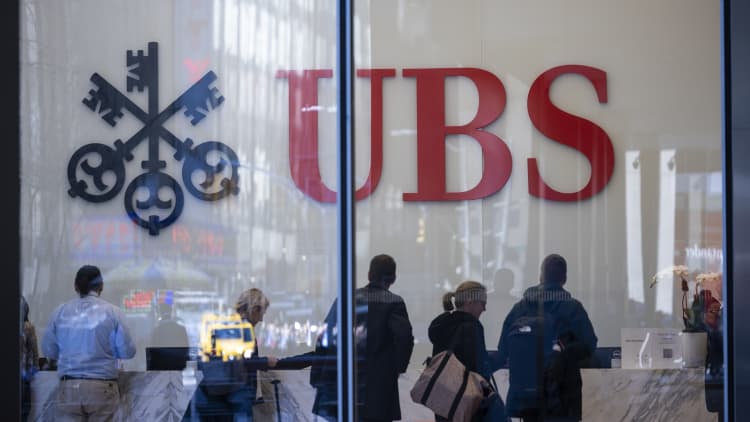
  • UBS Clients Explore Legal Action to Amplify Their Demands for Change

    UBS Clients Explore Legal Action to Amplify Their Demands for Change

    In the wake of UBS’s goodwill settlements with select clients affected by losses on dollar derivatives, a wave of discontent is surging among other investors, leading some to consider legal action. The Financial Times recently reported that UBS has made goodwill payments to a subset of these clients, yet many are finding the resolution far from satisfactory, as highlighted in a report from the NZZ.

    Sources indicate that a few hundred clients in Switzerland have been impacted, with negotiations still underway for additional goodwill payments. Yet, as frustrations mount, several are moving toward legal recourse. The Zurich public prosecutor has acknowledged receiving criminal complaints citing violations of the Unfair Competition Act, and these are currently under preliminary review. Simultaneously, three law firms are gearing up to file civil lawsuits against the bank.

    A Case of Unfinished Business

    Attorney Dominik Elmiger from the law firm Lalive, representing several disgruntled UBS clients, asserts, “The bank is acting as if the matter is nearly resolved, when in fact it is just beginning.” Many of the clients seeking recourse are elderly investors, staring down the barrel of significant losses that could run into millions of dollars if they are forced to sell their financial instruments without proper compensation. Alarmingly, these clients have yet to receive any settlement offers from UBS, prompting fears they might be left high and dry.

    Pressure Builds for UBS

    This environment of rising tension has led clients to escalate their response legally. The very threat of litigation could compel UBS to revisit its negotiating stance. Elmiger explains, “If UBS’s negotiations with clients are not successful, the clients will have to pursue the matter in court.” At the heart of the complaints is the allegation that UBS and its advisors did not sufficiently inform clients about the inherent risks associated with loss and margin calls tied to these products.

    Questions & Answers

    What prompted UBS clients to seek legal action?
    Frustrated by unsatisfactory goodwill settlements, several clients affected by losses on dollar derivatives are now preparing to initiate legal proceedings against UBS.

    How many clients in Switzerland are impacted by the situation?
    Reports indicate that a few hundred clients in Switzerland have been affected, with ongoing negotiations for additional goodwill payments.

    What are the primary allegations against UBS?
    Clients claim that UBS and its advisors failed to adequately inform them about the risks associated with loss and margin calls linked to their financial products.

  • Ikea Sparks Green Revolution With Sustainable Retail Space In Shanghai

    Ikea Sparks Green Revolution With Sustainable Retail Space In Shanghai

    Retail giant IKEA is intensifying its commitment to sustainability by launching a dedicated retail space in China that prioritizes environmental responsibility. The new venture, a part of their larger strategy to embrace sustainable practices, features a remarkable assortment of eco-friendly home goods designed to appeal to the Chinese consumer who is increasingly conscious of their environmental footprint. This innovative store isn’t just a shopping destination; it’s a step towards reshaping consumer habits in one of the world’s most populous countries.

    A Green Revolution at IKEA

    The heart of this initiative lies in the selection of products that incorporate sustainable materials and offer solutions to reduce energy consumption at home. IKEA aims to inspire its customers by showcasing not only products but also ideas on how to lead a more sustainable lifestyle. “We want to help our customers make conscious choices in their homes, and that begins with the products we offer,” announced IKEA’s regional director in a recent press conference, emphasizing the brand’s environmentally friendly ethos.

    Location and Features

    Situated in the bustling metropolis of Shanghai, the new store will spotlight a range of innovative designs, from energy-efficient appliances to furniture made from recycled materials. This flagship location is designed to encourage sustainable living, featuring interactive exhibits that demonstrate how everyday choices can lead to a smaller carbon footprint. Notably, the showroom will even include a live demonstration of how to create a rooftop garden, which is bound to intrigue urban dwellers looking to bring a piece of nature into their lives.

    Consumer Response and Future Plans

    Early feedback indicates that shoppers are excited about this fresh approach. One enthusiastic customer, who refers to IKEA as their “second home,” expressed delight at the potential for their favorite retailer to lead the charge on sustainability. As digital engagement continues to grow, IKEA’s push towards a greener retail model could set a precedent across Asia, enticing consumers to reconsider their purchasing decisions. Beyond this Shanghai location, the brand is planning additional eco-focused stores throughout China as part of a larger expansion strategy, aiming to make sustainability mainstream.

    The Bottom Line: An Enhanced Brand Experience

    With this bold step, IKEA is not just selling products but weaving a narrative about responsible consumption and eco-conscious living. It’s a delicate balancing act, transforming retail into a platform for change while continuing to engage with customers on a personal level. As consumers increasingly seek brands that reflect their values, IKEA’s new sustainable focus could very well ignite a green revolution in retail, giving shoppers a reason to rethink the way they furnish their homes – and maybe even their lives. Who knew that shopping at IKEA could take on a mission to save the planet?

    Questions & Answers

    What sustainability initiatives is IKEA implementing in their new Shanghai store?
    IKEA’s Shanghai store will feature a selection of eco-friendly home goods, including products made from sustainable materials, and will emphasize energy efficiency through innovative designs.

    How does IKEA plan to engage consumers with sustainability?
    The store will showcase interactive exhibits and demonstrations, such as creating rooftop gardens, encouraging consumers to adopt a more sustainable lifestyle through practical ideas and inspirations.

    What are IKEA’s future plans for sustainable retail in China?
    Following the launch in Shanghai, IKEA aims to expand its sustainable retail model by opening additional eco-focused stores throughout China, making sustainability a core part of their brand experience.