Author: Mei Ling Tan

  • Beauty Spaces” Redefine Consumer Habits Amid Stagnant Product Usage In 2024

    Beauty Spaces” Redefine Consumer Habits Amid Stagnant Product Usage In 2024

    The beauty landscape is witnessing a seismic shift in 2024, as consumers increasingly tailor their product choices to fit specific daily activities. Gone are the days of rigid beauty routines; today’s buyers are embracing flexibility, informed by their real-life experiences. According to Kantar’s Face Value report, individuals are selecting beauty products based on unique moments they face throughout the day, termed “Beauty Spaces.” These include categories such as “Work Mode,” “Sweat & Reset,” and “Evening Exhale.”

    While global beauty spending is on the rise, much of this growth can be attributed to pricing increases rather than an uptick in product volume. Countries like Brazil, India, and France reported impressive spending gains of 16.8%, 12.7%, and 8.9% respectively, yet actual product usage remains stagnant or is even declining. In China, for example, beauty spending fell by 4% year-over-year, with a corresponding 1% dip in volume.

    Traditional beauty routines, including the once-popular “Rise & Shine,” are seeing negligible growth rates between 0% and 2%. In contrast, newer categories such as “Brunch Beauty” are on a rapid upward trajectory, boasting over 5% year-over-year growth in markets like the U.S., U.K., and Germany. Consumers are increasingly gravitating towards versatile, quick-acting products, with micellar waters, mists, and gels gaining particular popularity in India, France, and Indonesia.

    As shoppers seek out efficiency and adaptability, hybrid products that mix elements of skincare, haircare, and makeup are gaining traction. For instance, post-workout scalp serums and overnight hair oils are becoming staples across multiple Beauty Spaces. Notably, younger consumers are at the forefront of this trend, particularly engaged in “Sweat & Reset” and “Night Out Glow” moments.

    The report highlights a significant shift in shopping behavior, where traditional category-based selections are yielding to experience-driven layouts both online and in physical stores. Social media platforms like TikTok and YouTube Shorts are revolutionizing the way consumers discover products, focusing on not just what to buy, but also when and how to use them. In Taiwan and China, digital sales of personal care products have surged to account for 59% and 56% of their respective beauty markets. The Philippines has also seen remarkable growth, jumping from 8% in 2022 to 18% in 2024.

    Retailers are responding creatively to these changes, introducing mood-based pop-ups and interactive experiences—think scratch-and-sniff billboards—to enhance customer engagement.

    Questions & Answers

    How are consumers redefining their beauty routines in 2024?
    Consumers are moving away from rigid, traditional beauty routines and opting for flexibility, choosing products that fit specific daily moments, or “Beauty Spaces,” such as work, exercise, or relaxation.

    What is driving growth in the beauty industry despite declining product usage?
    While overall spending on beauty products is rising, much of this growth is attributed to price increases rather than increases in product volume, highlighting a possible disconnect between spending and actual usage rates.

    Which regions are experiencing significant online sales growth in the beauty category?
    Taiwan and China are leading the charge, with digital sales of personal care products making up 59% and 56% of their markets, respectively. The Philippines has also seen a dramatic increase from 8% to 18% in just two years.

  • Understanding Market Sentiment: How Speculators Influence Oil Prices

    Understanding Market Sentiment: How Speculators Influence Oil Prices

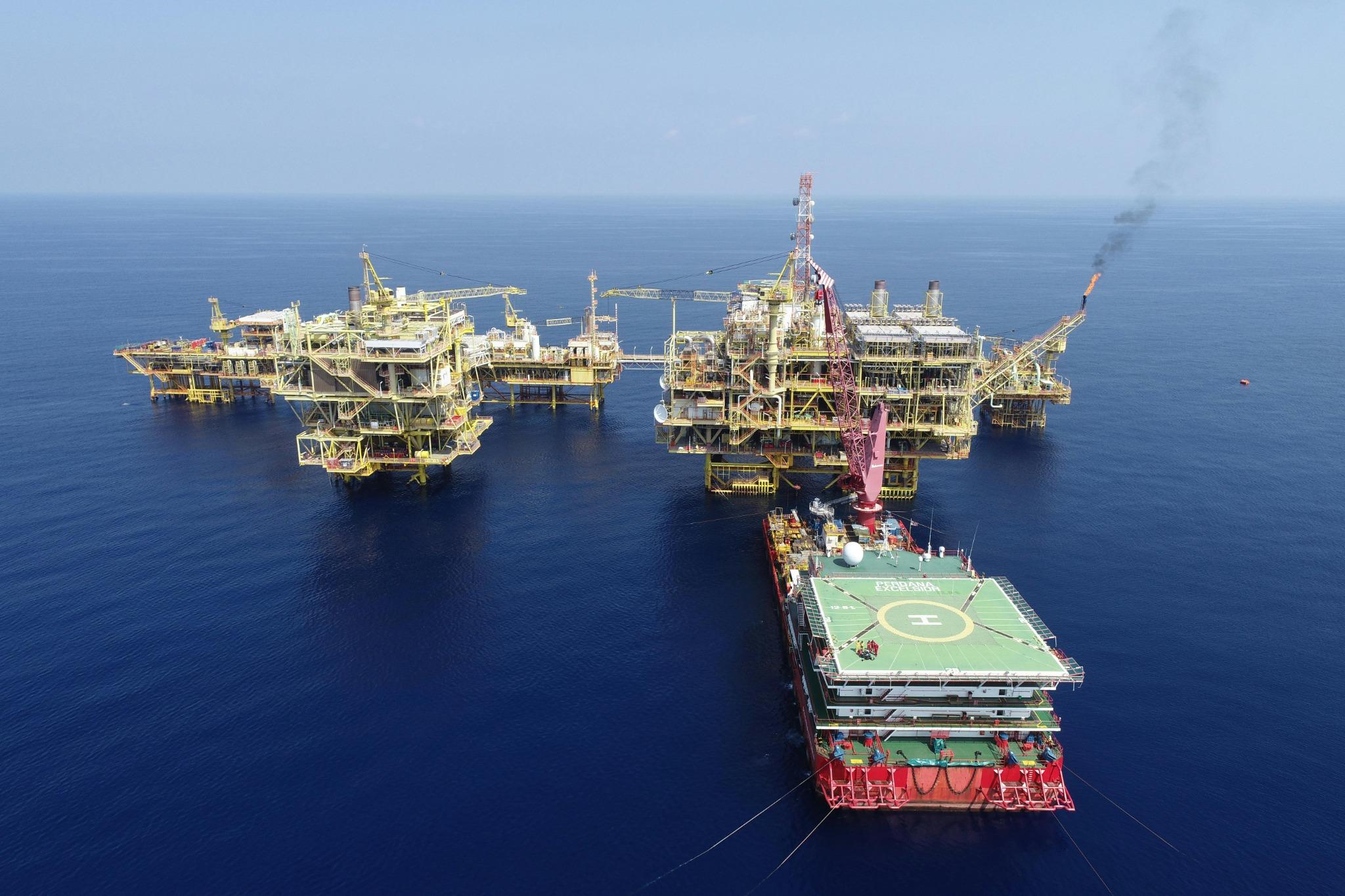
    The global oil market isn’t just about supply and demand anymore. While physical factors like production levels and geopolitical tensions certainly matter, there’s another powerful force: market sentiment driven by speculators. These financial players can send crude prices soaring or plummeting based on little more than gut feelings and educated guesses about the future.

    The Psychology Behind Oil Trading

    Market sentiment in oil trading is the collective mood of investors and traders. When optimism runs high, prices climb without fundamental supply or demand changes. Conversely, pessimistic sentiment can drag prices down regardless of actual market conditions.

    Speculators — ranging from hedge funds to individual traders – don’t typically take physical delivery of oil. Instead, they’re betting on price movements through futures contracts and other financial instruments. Their decisions are heavily influenced by news headlines, economic indicators, and even social media chatter. A single tweet from a world leader or an unexpected inventory report can trigger massive buying or selling sprees.

    How Speculation Amplifies Price Movements

    The speculative element adds a layer of volatility that wouldn’t exist in a purely physical market. When speculators collectively believe oil prices will rise, they pile into long positions, creating upward pressure that can become self-fulfilling. This momentum trading can push prices well beyond what supply and demand fundamentals would suggest.

    Take the oil price spike in 2008, when crude briefly touched $147 per barrel. While there were genuine supply concerns, speculative activity significantly amplified the move. Similarly, during the COVID-19 pandemic, speculative selling contributed to the historic collapse that saw oil futures briefly trade in negative territory.

    The Role of Algorithmic Trading

    Modern oil markets are increasingly dominated by computer algorithms that can execute thousands of trades per second. These systems often react to sentiment indicators, news sentiment analysis, and technical patterns rather than fundamental oil market data. When algorithms all move in the same direction simultaneously, the resulting price swings can be dramatic and seemingly disconnected from physical market realities.

    Regulatory Responses and Market Structure

    Regulators have implemented position limits and increased reporting requirements to monitor speculative activity more closely. However, the global nature of oil trading and the sophistication of financial instruments make it challenging to control speculative influences completely.

    The Commodity Futures Trading Commission in the US and similar bodies elsewhere regularly publish data on trader positions, helping market participants gauge speculative sentiment. These reports often become market-moving events, as traders adjust their positions based on what others are doing.

    The Double-Edged Sword of Speculation

    While speculation can create unwanted volatility, it also provides crucial liquidity to oil markets. Speculators help ensure buyers and sellers are always available, making it easier for genuine commercial users to hedge their exposure to oil price movements.

    The challenge for market participants is distinguishing between price movements driven by genuine supply and demand factors versus those fueled purely by sentiment and speculation. Understanding this dynamic is crucial for anyone navigating the complex world of oil pricing, whether they’re industry professionals, policymakers, or consumers wondering why petrol prices seem to move independently of obvious market fundamentals.

  • Motorbike Sales Surge 6.4% in First Half of the Year: A Thriving Market Trend

    Motorbike Sales Surge 6.4% in First Half of the Year: A Thriving Market Trend


    In a promising start to 2025, members of the Vietnam Association of Motorcycle Manufacturers recorded a 6.4% year-on-year sales increase, totaling 1.28 million motorbikes sold in the first half of the year.

    Motorbike Sales Surge, But Faces Seasonal Hurdles

    Despite the optimistic overall growth, the landscape shifted in the second quarter, where sales dipped significantly by 9.2%, landing at 611,236 units. This drop contrasted with the brisk pace of 4.9 vehicles sold every minute in the first half, a slight uptick from 4.6 during the same timeframe last year.

    Industry Giants and Emerging Players in the Mix

    The sales figures were driven largely by industry stalwarts Honda, Yamaha, Piaggio, Suzuki, and SYM, who dominate the market. Notably, other manufacturers like VinFast, BMW Motorrad, Triumph, Kawasaki, and Harley-Davidson remain tight-lipped about their sales figures, leaving many wondering just how many bikes are purring on the roads. Meanwhile, VinFast, Vietnam’s own electric motorcycle producer, hit an impressive milestone with an estimated 71,000 units sold in the first half alone, matching its total output for all of 2024, according to a reliable source. The rest of the manufacturers are often considered peripheral players in this thriving market.

    Future Mobility Directions in Hanoi

    In a forward-thinking move, Hanoi’s government, under the directive of Prime Minister Pham Minh Chinh, has set ambitious targets to phase out fossil fuel-powered motorbikes by July 1, 2026. This initiative will extend further, with plans to ban personal petrol and diesel vehicles in specific urban areas by 2028 and again by 2030 for broader ring roads. This policy is anticipated to give a significant boost to electric vehicle sales, stimulating growth in a rapidly changing automotive landscape.

    Questions & Answers

    What was the total number of motorbike sales in Vietnam during the first half of 2025?
    Vietnam’s motorcycle manufacturers recorded sales of 1.28 million units in the first half of 2025, marking a 6.4% increase from the previous year.

    Which companies are leading the motorcycle market in Vietnam?
    The primary players in Vietnam’s motorcycle market include Honda, Yamaha, Piaggio, Suzuki, and SYM, who collectively make up the Vietnam Association of Motorcycle Manufacturers.

    What are Hanoi’s plans for electric vehicles?
    Hanoi aims to phase out fossil fuel motorbikes by July 1, 2026, with plans to restrict petrol and diesel cars further by the end of the decade, potentially increasing demand for electric vehicles.

  • Vietnamese Airlines Soar Ahead with New Direct International Flight Initiatives

    Vietnamese Airlines Soar Ahead with New Direct International Flight Initiatives

    Ngoc Yen is buzzing with excitement as she returns to Bali after a three-year hiatus, remarking that this time her journey was significantly more affordable and convenient thanks to a direct flight from Ho Chi Minh City. “It’s more manageable now: ticket changes are easy, the flight attendants speak Vietnamese, and the meals hit just right,” she shared, contrasting her previous experiences that often required lengthy layovers in Singapore, racking up unexpected costs along the way.

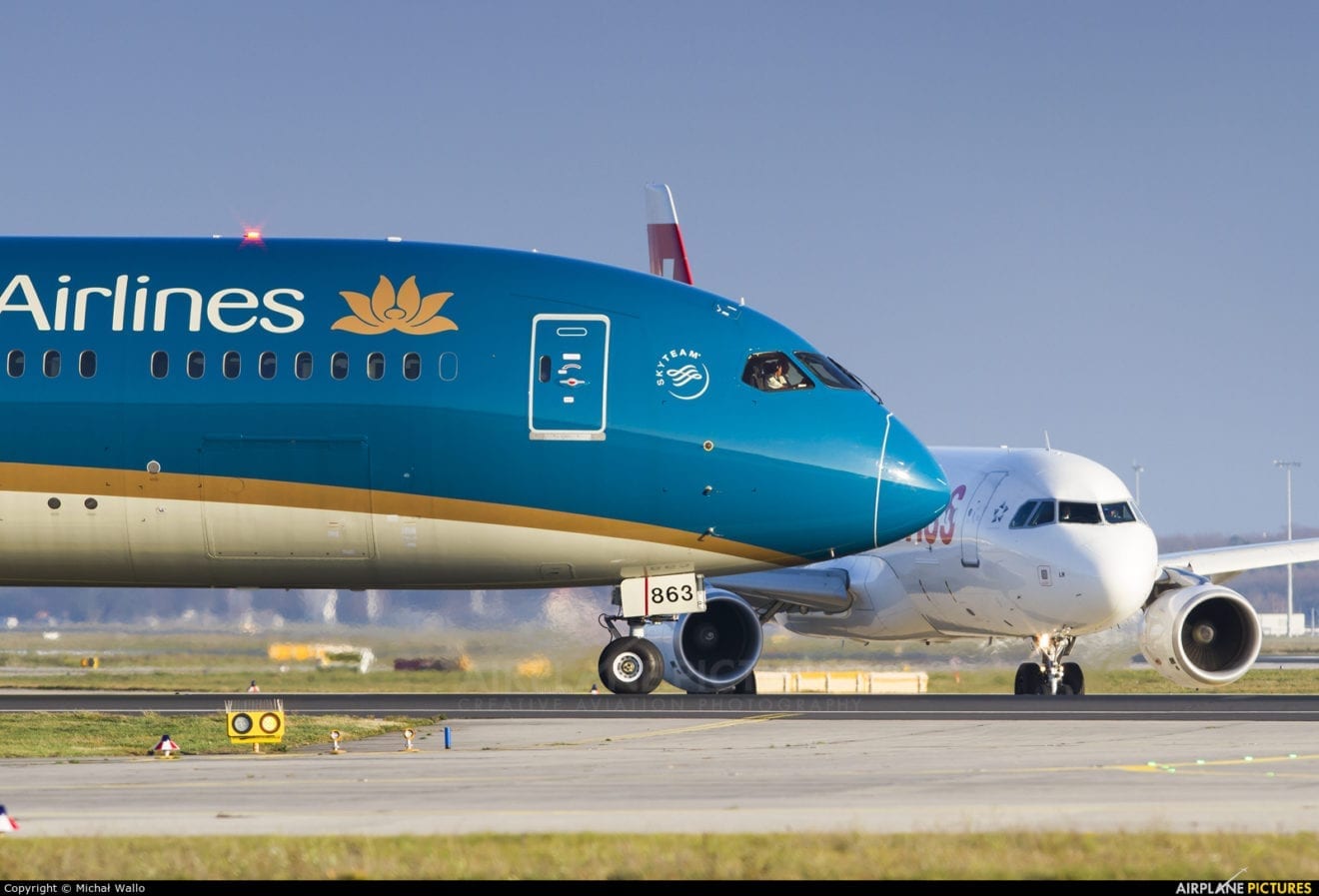
    Leading the charge in this travel renaissance, Vietnam Airlines has introduced an impressive 13 new international routes since early 2024. Among these, the cities of Ho Chi Minh and Bali, Copenhagen, Bengaluru, Hyderabad, and Milan are now just a short flight apart. This expansion includes its inaugural service to Denmark and the revival of crucial routes such as Hanoi to Moscow and Ho Chi Minh to Osaka.

    Today, Vietnam Airlines operates on 69 international routes—a notable 13% increase from pre-pandemic levels—connecting travelers to 37 destinations across 21 countries. A spokesperson for the airline highlighted its rapid recovery and expansion as “unprecedented.” The international routes have not only boosted airline connectivity but also contributed significantly to its financials, with revenues up by 10.6% year-on-year in the first half of 2025, accounting for 60% of total transport service revenues.

    Meanwhile, budget carrier Vietjet Air is setting its sights on the Indian market with flights to major cities like Mumbai, Ahmedabad, and Hyderabad. The airline recently kicked off new services from Nha Trang in Vietnam to Vladivostok, Khabarovsk, and Blagoveshchensk in Russia, and connected Hanoi with Chengdu in China. Looking ahead, Vietjet plans to add flights to Auckland, New Zealand, in September, part of a broader strategy for sustained growth.

    Bamboo Airways, on the other hand, is focusing its efforts on short-haul routes, allowing it to easily adjust flight frequencies to popular destinations like Bangkok, Taipei, and Seoul. In a unique twist, Vietravel Airlines is broadening its horizons in charter flights, appealing to high-end travelers with luxurious all-inclusive tours to destinations in South Korea, Japan, and Thailand.

    The Civil Aviation Authority of Vietnam has noted a resurgence, revealing that Vietnamese airlines are now operating across more than 150 international routes, surpassing numbers seen before the pandemic. This aggressive expansion is driven by a desire to retain slots at major airports as demand for air travel rebounds. Airlines are also gearing up to increase international flights to attractive Vietnamese tourist destinations such as Da Nang, Nha Trang, and Phu Quoc, signaling a strategic effort to reinforce Vietnam’s position in the global transport ecosystem.

    “We’re not merely chasing numbers; we’re selecting destinations with strong connectivity that serve both passenger and cargo needs,” stated a representative from one carrier, emphasizing the balance between growth and practicality. Routes like Hanoi-Hyderabad are gaining popularity due to competitive pricing, and travel agents in Hanoi report soaring demand for direct flights to India and Bali, particularly among independent and business travelers. As optimism swells, airlines are planning to continue this trend of international expansion, buoyed by the encouraging response to their new services.

    Questions & Answers

    What new international routes has Vietnam Airlines added recently?
    Vietnam Airlines has launched 13 new international routes including those to Bali, Copenhagen, Bengaluru, Hyderabad, and Milan.

    How has Vietjet Air expanded its operations?
    Vietjet Air has targeted the Indian market with flights to major cities like Mumbai and has also initiated new services to Russian cities and plans to connect to Auckland, New Zealand.

    What strategic moves are Vietnamese airlines making post-pandemic?
    Vietnamese airlines are rapidly expanding their international services to secure airport slots and respond to rising travel demand, focusing on destinations that enhance both passenger and cargo connectivity.

  • Hanwha Group Mulls Sale Of Fg Korea, Operator Of Five Guys Franchise In South Korea

    Hanwha Group Mulls Sale Of Fg Korea, Operator Of Five Guys Franchise In South Korea

    The South Korea-based conglomerate, Hanwha Group, is reported to be contemplating the sale of FG Korea, the operator of the American burger franchise Five Guys in South Korea.

    FG Korea and Hanwha Group

    FG Korea functions as a fully-owned subsidiary of Hanwha Galleria, which is the retail division of Hanwha Group. The company recently disseminated documents to private equity firms via a local accounting firm, Samil PwC. This action is seen as an indicator of a possible sale. It is anticipated that if a sale does occur, it would likely result in the complete transfer of ownership of the company.

    FG Korea’s Expansion

    FG Korea was instrumental in introducing Five Guys to the South Korean market in 2023, with the inaugural restaurant opening in the Gangnam district of Seoul. Since then, the chain has grown to include seven branches, with plans for an eighth location to open later this month in Yongsan, central Seoul.

    In the previous year, FG Korea had entered into an agreement with Five Guys International to spearhead the brand’s expansion into Japan, with an ambitious goal of establishing more than 20 outlets within the span of seven years.

    FG Korea’s Financial Performance

    In the past fiscal year, FG Korea reported significant sales of 46.5 billion won (approximately US$33.4 million) and a net income of 2 billion won.

    This potential sale is understood to be part of Hanwha Galleria’s attempts to optimize its portfolio and reduce expenses.

    Questions & Answers

    What is the relationship between FG Korea and Hanwha Group?
    FG Korea is a wholly-owned subsidiary of Hanwha Galleria, which is the retail branch of Hanwha Group.

    What has been FG Korea’s role in the expansion of Five Guys?
    FG Korea brought Five Guys to South Korea in 2023 and has since helped the brand grow to seven locations. Furthermore, they have also signed a memorandum of understanding with Five Guys International to lead the brand’s expansion into Japan.

    What is the financial performance of FG Korea in the past fiscal year?
    FG Korea reported 46.5 billion won (approximately US$33.4 million) in sales and a net income of 2 billion won in the last fiscal year.

  • Acne Studios Unveils Pink Granite-adorned Flagship Store In Tokyo’s Aoyama District

    Acne Studios Unveils Pink Granite-adorned Flagship Store In Tokyo’s Aoyama District

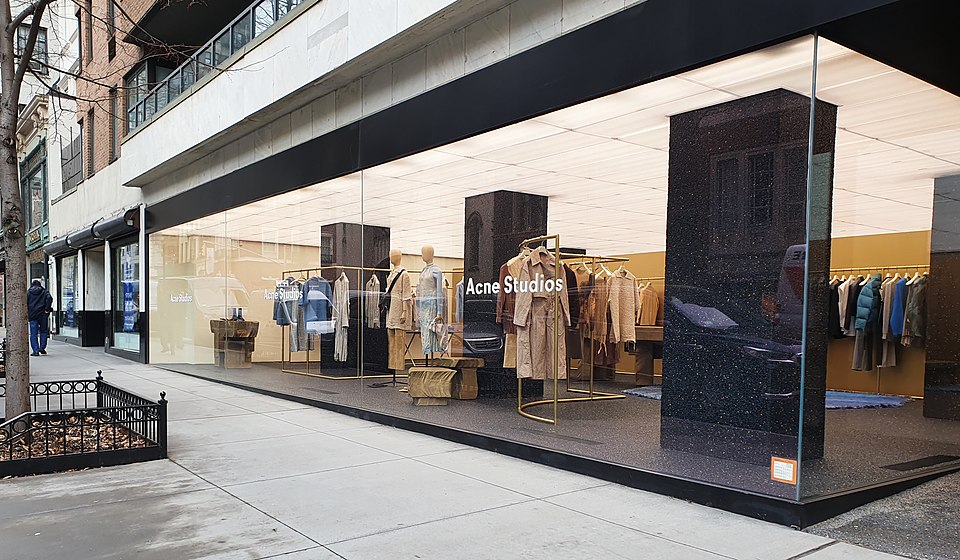
    Acne Studios, a renowned fashion brand from Sweden, has unveiled its flagship store in the Aoyama district of Tokyo.

    Designing the Flagship Store

    The store occupies three levels and was crafted in association with Hallerod, an architecture firm based in Stockholm and a long-term collaborator of the brand. The store’s interior is predominantly adorned by pink granite, a signature material in Acne’s retail settings, employed throughout the store’s floors, walls, and fixtures.

    Max Lamb, a London-based designer, contributed matching pink sofas made of leather and fabric, adding to the store’s distinctive aesthetic. The lighting was designed by Parisian Benoit Lalloz, further enhancing the store’s unique ambiance.

    Collaborations & Collections

    The basement of the store features ceramic works by Takuro Kuwata, a renowned Japanese artist. These pieces were curated as part of a collaboration spearheaded by Acne’s creative director, Jonny Johansson. This partnership also resulted in a capsule collection that reimagines traditional Acne pieces. The collection includes denim, bags, and small leather goods.

    Store Offerings

    The flagship store houses the complete range of Acne Studios products. Shoppers can find men’s and women’s clothing, footwear, accessories, jewelry, and eyewear, offering a comprehensive Acne Studios shopping experience.

    Questions & Answers

    Who designed the interior for Acne Studios’ flagship store in Tokyo?
    The space was designed in collaboration with Stockholm-based architecture firm Hallerod. The interior is characterized by pink granite, used throughout the store’s floors, walls, and fixtures.

    What is unique about the basement of the store?
    The basement displays ceramic works by Japanese artist Takuro Kuwata. These were curated as part of a project led by Acne’s creative director, Jonny Johansson.

    What types of items does the store sell?
    The store carries the full Acne Studios range, including men’s and women’s apparel, footwear, accessories, jewelry, and eyewear.

  • Onitsuka Tiger Announces 2027 North American Comeback As Part Of Global Expansion Strategy

    Onitsuka Tiger Announces 2027 North American Comeback As Part Of Global Expansion Strategy

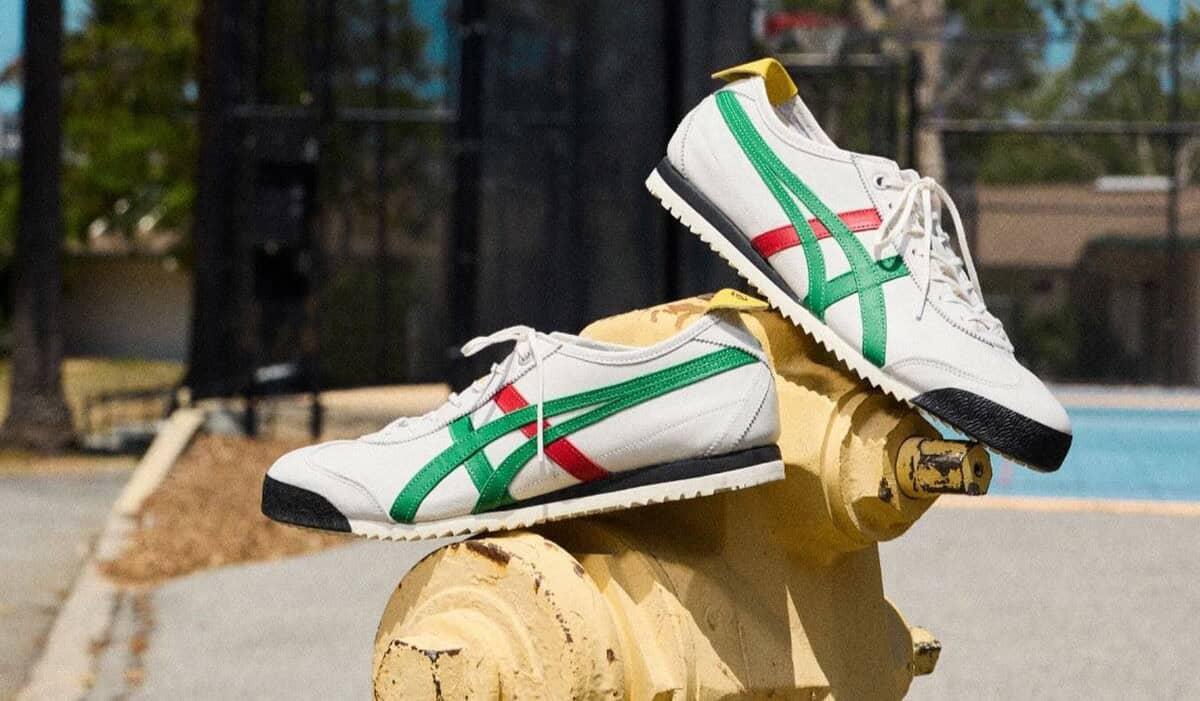
    Japanese footwear label Onitsuka Tiger has unveiled its plans to make a comeback in the North American market by 2027, signifying a critical phase in the company’s international growth strategy.

    Onitsuka Tiger, which is managed by sports apparel titan Asics, had previously closed its retail stores in the United States in 2023. In a recent announcement, a representative of Onitsuka Tiger revealed their plans of utilizing their worldwide e-commerce platform to penetrate new regions and reestablish their presence in the U.S.

    The spokesperson said, “Our initiatives are geared toward not just enlarging our business scope but also towards constructing a enduring brand value in the international marketplace, in line with Onitsuka Tiger’s principles and artistic sensitivity.”

    At present, Onitsuka Tiger operates in over 150 locations globally and has a dominant presence in Japan, Greater China, South Korea, and Europe. In a recent move to reinforce its high-end positioning, the company launched a new global flagship store in Paris on the renowned Avenue des Champs-Elysees.

    By the year 2030, the company has set its sights on setting up more than four large-scale stores, each spanning approximately 1500 square meters, in key cities around the world.

    Questions & Answers

    When is Onitsuka Tiger planning to return to the North American market?
    Onitsuka Tiger plans to re-enter the North American market by the year 2027.

    How does Onitsuka Tiger plan to expand its global presence?
    Onitsuka Tiger plans to use its global e-commerce platform to venture into new regions and reestablish its presence in markets it previously operated in, such as the U.S.

    What are the company’s expansion goals by 2030?
    By 2030, Onitsuka Tiger aims to open more than four large-format stores, each around 1500 square meters, in major global cities.

  • Taiwanese Beef Noodles Specialist Duan Chun Zhen Expands Footprint to ELEMENTS Unveiling its Storied Comfort Food

    Taiwanese Beef Noodles Specialist Duan Chun Zhen Expands Footprint to ELEMENTS Unveiling its Storied Comfort Food

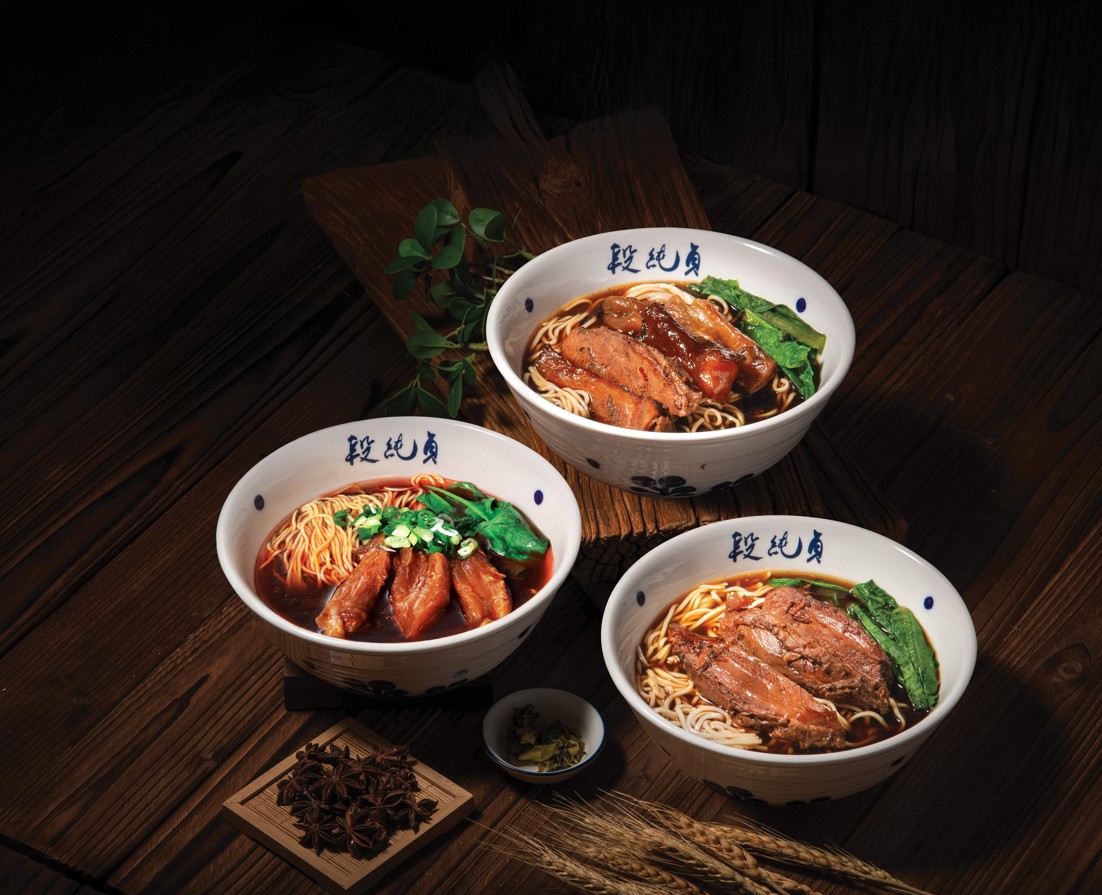
    Duan Chun Zhen, renowned for its sumptuous classic Taiwanese beef noodles, welcomes the opening of its fifth location in Hong Kong, at ELEMENTS in West Kowloon. This new branch of the beloved international chain upholds a family legacy of authentic Sichuan flavours while capturing the vibrant essence of Taiwan’s night-market culture, presenting irresistible beef noodles, popular rice bowls and signature street snacks.

    Seating 80 diners, the ELEMENTS outlet is conveniently located next to the cinema, luring film buffs and foodies into inviting interiors for bowls of aromatic comfort food. Chinese tradition meets contemporary elegance in warm wooden tones, with bamboo features lining the walls and criss-crossing the ceiling, and wooden floors and subtle wooden accents adding a sense of natural charm.

    To celebrate the opening of its latest Hong Kong location, Duan Chun Zhen will gift an exclusive facial mask daily to its first 20 customers who order any noodle dish from 19-25 July 2025. Launched in Taiwan earlier this summer, the skin-nourishing Green Pepper Flavour Beef Noodle Mask is infused with Damask rose extract, collagen, vitamin B8 and the delightful aroma of green Sichuan pepper. Extending the brand’s artistry beyond the kitchen, this uplifting keepsake for lucky diners is ideal for pampering skin during the sweltering summer months.

    As an additional limited-time offer, patrons of Cafe Deco Pizzeria can present their receipt at Duan Chun Zhen in ELEMENTS within 7 days to enjoy HK$30 off the bill (with a minimum spend of HK$100 or more between 19 July and 18 August 2025). Both restaurants are managed in Hong Kong by Cafe Deco Group.

    The story of these celebrated Taiwanese beef noodles begins with Duan Chun Zhen, a passionate home cook who arrived in Taiwan from Sichuan in 1945. She supported herself by making the traditional seasonings of her province – bean paste, pickled pepper, spicy bean curd, sweet fermented rice – as well as aromatic Sichuan braised dishes, and selling them from a bicycle stall at Hsinchu Air Base. Her grandson, Fan Kwong Zhi, heir to her culinary expertise, opened the family’s first noodle shop in 2007 to honour her memory. Connecting Taiwanese cuisine to the world with beef noodles, the brand has grown to embrace 11 outlets in Taiwan, 5 in Hong Kong, and 2 in California, USA.

    The soul of Duan Chun Zhen’s house-special classic beef noodles is the broth that takes 18 hours to perfect, starting with an intricate 8-hour process of stir-frying raw fatty beef together with 23 different spices and herbs, including Da Hong Pao (big red) Sichuan peppercorns and Pixian doubanjiang (broad-bean paste). This intense, fragrant base is used to braise beef, which then simmers for hours with beef bone to make a moreish, mouth-tingling broth.

    Diners can choose from 2 kinds of noodles – thin noodles or wider, chewy handmade noodles – both designed to soak up the delicious house soup. During a traditional vermicelli production process, the thin noodles are punctured by multiple air holes, increasing their ability to absorb the flavours of the liquid. The handmade noodles benefit from repeated dough sheeting that not only keeps them firm and elastic but also results in an uneven thickness so they too can better ingest the soup.

    A whole chicken is simmered for 6 hours for the flavoursome and fragrant soup base of Rich Chicken Broth Noodles with Drumstick (HK$88) and Chicken Drumstick Noodles in Pepper Soup with Pickled Greens (HK$88). Among a selection of dry noodle dishes, Shredded Chicken with Garlic Flavoured Dry Noodles & Peanut (Thin Noodles) (HK$78) and Shredded Chicken with Green Pepper Flavoured Dry Noodles & Peanut (Thin Noodles) (HK$78) swaps the rich and fragrant soup for a dry, spicy punch. Satisfying rice dishes are also available, including Taiwanese Braised Minced Pork Rice (HK$78) and Vegan Minced Pork Rice with Organic Mushroom (HK$68).

    The authentic Taiwanese dining experience extends to signature items such as Sanxing Scallion Pancake (HK$48), whose crusty exterior reveals a soft, aromatic interior and the sharp, peppery taste of Taiwan’s best scallions. Taiwanese Fried Chicken (HK$48) and Deep-fried Pork Chop (HK$48) are other favourite choices. For a unique twist, guests are invited to savour the slightly salty Pork Intestine with Thin Noodles (HK$48) and the huangjiu-infused chicken treat of Chinese Yellow Rice Wine Boneless Chicken with Red Date (HK$78). Shrimp & Pork Wontons in House Special Chili Oil (HK$68) and Spicy Duck Blood Cellophane Noodles (HK$88) also deliver the spicy essence of Grandma Duan’s life-long love and creativity.

    To cater to the ELEMENTS business crowd, Duan Chun Zhen presents a convenient Combo Set at lunch, priced from HK$118 to HK$158 for a noodle or rice course, plus a complimentary snack of either Taiwanese Fried Dumplings (3pcs), Taiwanese Fried Chicken (3pcs), or Deep-fried Pork Chops (3pcs), and a refreshing drink. Options include Ginger Tea, Winter Melon Tea, Ginger Ale or another soft drink. For an additional HK$12, lunchers can upgrade to a selected house-speciality drink.

    The beverage menu showcases classic Taiwanese favourites, starring the flavoursome and textural Winter Melon Barley Delight (HK$36), sweetly fresh Peach Jasmine Green Tea (HK$34), and tropical Passion Fruit Pineapple (HK$34). Each beverage offers a unique flavour profile, perfect for complementing the restaurant’s vibrant dishes.

  • Chagee’s Return To Vietnam Spurs Renewed Criticism Amid Expansion Plans

    Chagee’s Return To Vietnam Spurs Renewed Criticism Amid Expansion Plans

    Despite facing an earlier boycott due to its utilization of a contentious ‘nine-dash line’ map in its mobile application, Chinese milk tea franchise Chagee has made a return to the Vietnamese market.

    New Store Opens

    Recently, Chagee set up shop in Tan Huong Ward, a location which was previously part of District 7 prior to the administrative reorganization implemented in Ho Chi Minh City on the first of July. In an effort to regain customer trust and loyalty, the company has been offering promotional discounts.

    In an official statement shared on its fanpage, Chagee expressed its commitment to its mission “Chagee Together!”. The company also outlined its goal to “bring a complete tea experience closer to Vietnamese customers”.

    Renewed Criticism

    Nevertheless, the company’s reintroduction into the Vietnamese market has provoked a renewed wave of public criticism. A number of Vietnamese consumers continue to be skeptical of Chagee due to the brand’s link to the unlawful maritime claim represented in its former mobile application.

    One Facebook user stated, “Vietnam has no shortage of great milk tea brands. We should be supporting local businesses.” Following this renewed backlash, Chagee has deactivated comments on its social media platforms.

    Expansion and Controversy

    Additionally, Chagee has developed a website catered to the Vietnamese market, showcasing a beverage menu with prices varying from approximately US$1.65 to $3.35. The company reportedly has plans for further expansion by setting up numerous stores throughout Ho Chi Minh City in the forthcoming period.

    Chagee, established in 2017 in Shanghai, has swiftly expanded throughout Southeast Asia. Earlier this month, it inaugurated its first Philippine outlet.

    Chagee’s original foray into Vietnam was marked by the opening of a flagship store located at the crossroads of Dong Khoi and Nguyen Thiep streets in downtown Ho Chi Minh City, an area formerly part of District 1, now known as Saigon Ward.

    However, this initial launch rapidly fell apart after internet users identified a map on the Chagee app that represented China’s controversial “nine-dash line”. After this revelation, the company deactivated its social media platforms without providing a public explanation.

    Questions & Answers

    Why did Chagee face an earlier boycott in Vietnam?
    Chagee faced a boycott due to the use of a controversial ‘nine-dash line’ map in its mobile application, representing China’s contentious maritime claim.

    How is Chagee handling the renewed criticism and backlash?
    Chagee has responded by disabling comments on its social media platforms to mitigate the negative feedback.

    What are Chagee’s plans for the Vietnamese market?
    Chagee has launched a website targeted at the Vietnamese market and is reportedly planning to establish multiple stores across Ho Chi Minh City.

  • Popeyes Expands In The Philippines: New Franchising Program Launched Amid Record-breaking Performance

    Popeyes Expands In The Philippines: New Franchising Program Launched Amid Record-breaking Performance

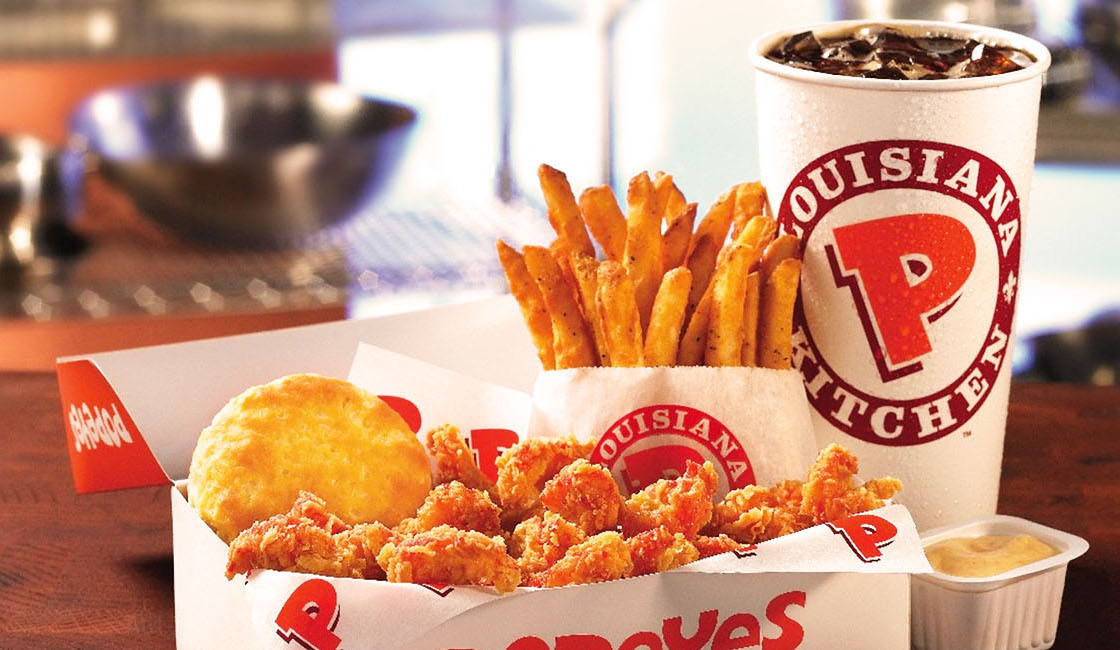
    Popeyes, the renowned American fast food brand, has initiated its franchise program in the Philippines. This move comes in the wake of the country’s stellar performance, making it the leading global market for Popeyes in terms of transactions, as reported by the company’s parent organization, Restaurant Brands International (RBI).

    Franchising: The Logical Next Step

    Dustin Ngo, the Managing Director for Popeyes Philippines, expressed his views on the new franchising initiative. According to Ngo, franchising was the logical next phase in the company’s growth trajectory. He lauded it as a lucrative investment opportunity that aligns perfectly with Popeyes’ expansion plans over the next three years.

    Franchise investment for a 1000sqm drive-thru store varies between PHP$45 million and $50 million, equivalent to US$793,000 to $800,000. The investment package encompasses construction, equipment, training, and a 10-year franchise fee. The continued costs include an 8 per cent royalty and a 5 per cent advertisement fee, calculated based on sales.

    Comprehensive Support for Franchise Partners

    RBI, along with the local team, will offer comprehensive support to ensure a smooth and efficient setup and operation for the franchise partners. The objective is to make the operation of Popeyes franchises as hassle-free as possible.

    Dan Hayton, the Chief Operating Officer of Popeyes Philippines, further elucidated this point. He expressed the company’s desire for franchise partners to run their Popeyes franchise effortlessly, with the operation starting up as easily as turning a key.

    Questions & Answers

    What is the investment range for opening a Popeyes franchise in the Philippines?
    The investment for a 1000sqm drive-thru store ranges from PHP$45 million to $50 million (US$793,000 to $800,000), which includes costs for construction, equipment, training, and a 10-year franchise fee.

    What are the ongoing costs for a Popeyes franchise?
    The ongoing costs include an 8 per cent royalty and a 5 per cent advertisement fee, calculated based on sales.

    What kind of support does Popeyes provide to its franchise partners?
    Popeyes, in collaboration with RBI and the local team, provides comprehensive end-to-end support. The focus lies on ensuring a fast setup and operational efficiency for the franchise partners.

  • Central Pattana Unveils Plans For Mixed-use ‘central Park’ In Bangkok’s Heart

    Central Pattana Unveils Plans For Mixed-use ‘central Park’ In Bangkok’s Heart

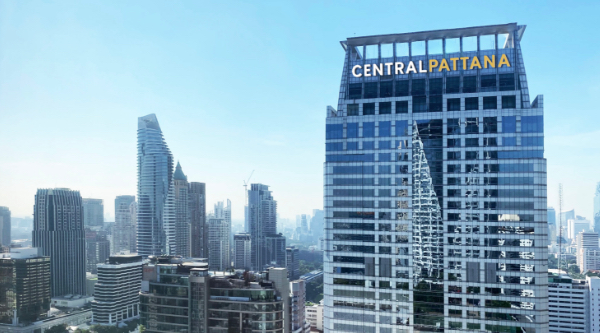
    Central Pattana, based in Thailand, has announced plans to launch a new shopping centre named Central Park in Bangkok this September. This move constitutes a significant portion of a widespread mixed-use development.

    About the Project

    With a vast area of 130,000 square meters, the project encompasses retail space, a rooftop park, and a high-end office tower. Its design is intended to merge commercial, lifestyle, and environmental features within a central urban location.

    The forthcoming shopping centre will boast an array of Thai and international fashion brands. It is predicted to cater to both local consumers and overseas visitors.

    The Rooftop Park

    One of the development’s distinguishing features is an 11,200 square meter rooftop park. Touted as the largest of its kind in Thailand, this elevated green space will offer panoramic views of the Bangkok skyline.

    Inspiration and Location

    Situated at the crossroads of Silom and Rama, Central Park Bangkok is inspired by the likes of Central Park in New York and Hyde Park in London.

    The project also includes a 43-story office tower situated next to Lumpini Park. The building is striving for LEED Gold, Well Platinum, and WiredScore Gold certifications.

    The offices, which are directly linked to the shopping centre, are devised to foster a mixed-use environment catering to urban professionals.

    In the words of Central Pattana, this flagship project is “geared to become a world-class retail destination in the heart of Bangkok,” with the aim of promoting Thailand’s retail sector onto the international stage.

    Questions & Answers

    What is the anticipated date for the opening of Central Park Bangkok?
    Central Park Bangkok is slated to open in September.

    What elements does the Central Park Bangkok project incorporate?
    The project combines a shopping centre, a rooftop park, and a high-end office tower, aiming to blend commercial, lifestyle, and environmental facets in a central urban location.

    What kind of brands will the shopping centre feature?
    The shopping centre will showcase a variety of Thai and international fashion brands, targeting both local customers and international tourists.

  • Former H&M CEO, Helena Helmersson, Joins Mango’s Board In Strategic Sustainability Shift

    Former H&M CEO, Helena Helmersson, Joins Mango’s Board In Strategic Sustainability Shift

    The Spanish fashion giant, Mango, has recently announced the addition of Helena Helmersson to its board of directors as an independent member. This move is designed to enrich the corporate governance of the company through a management approach directed by seasoned expertise.

    Helmersson, a distinguished professional, brings to the table an extensive international perspective and vast experience within the fashion industry. Mango’s CEO and Chairman, Toni Ruiz, expressed his confidence in her ability to steer the company towards greater success.

    Helmersson’s illustrious career in the fashion industry spans over two decades, during which she gained considerable experience in global operations, production, and sustainability. Her past roles include serving as the CEO of H&M and holding board positions at companies such as On and Quizzr. Currently, she holds the position of Chairperson at Circulose.

    Helmersson expressed her enthusiasm about joining Mango, praising the brand’s ambitious plans for development and global expansion. She recognizes and appreciates Mango’s commitment to leading sustainability practices in the industry and is excited to contribute to the future success of the company.

    Her appointment to Mango’s board is an integral part of the company’s 2024 to 2026 strategic plan, known as the 4E. This plan is set to shift the company’s focus towards innovation and sustainability while simultaneously aiming to increase sales through broadened realms of operation.

    Questions & Answers

    Who has recently been appointed to the board of directors at Mango?
    Helena Helmersson has been appointed as a new independent member of the board of directors at Mango.

    What is the purpose of Helena Helmersson’s appointment to the board of directors at Mango?
    Her appointment is intended to strengthen the company’s corporate governance structure through her expert-led management approach.

    What does Mango’s 2024 to 2026 strategic plan entail?
    The 4E strategic plan aims to shift the company’s focus towards innovation and sustainability while boosting sales through expansion.

  • Luxury Brand Loro Piana Under Judicial Administration Amidst Labour Exploitation Allegations

    Luxury Brand Loro Piana Under Judicial Administration Amidst Labour Exploitation Allegations

    Luxury fashion brand Loro Piana, a subsidiary of LVMH, has been placed under judicial administration for one year by a Milan court following allegations of labour exploitation within its Italian supply chain.

    Labour Exploitation Allegations

    The court ruled that Loro Piana had failed to properly supervise its subcontractors, leading to labour violations through indirect suppliers. This makes Loro Piana the fifth luxury label to face such allegations since last year, joining the ranks of Dior, Valentino, Armani, and Alviero Martini.

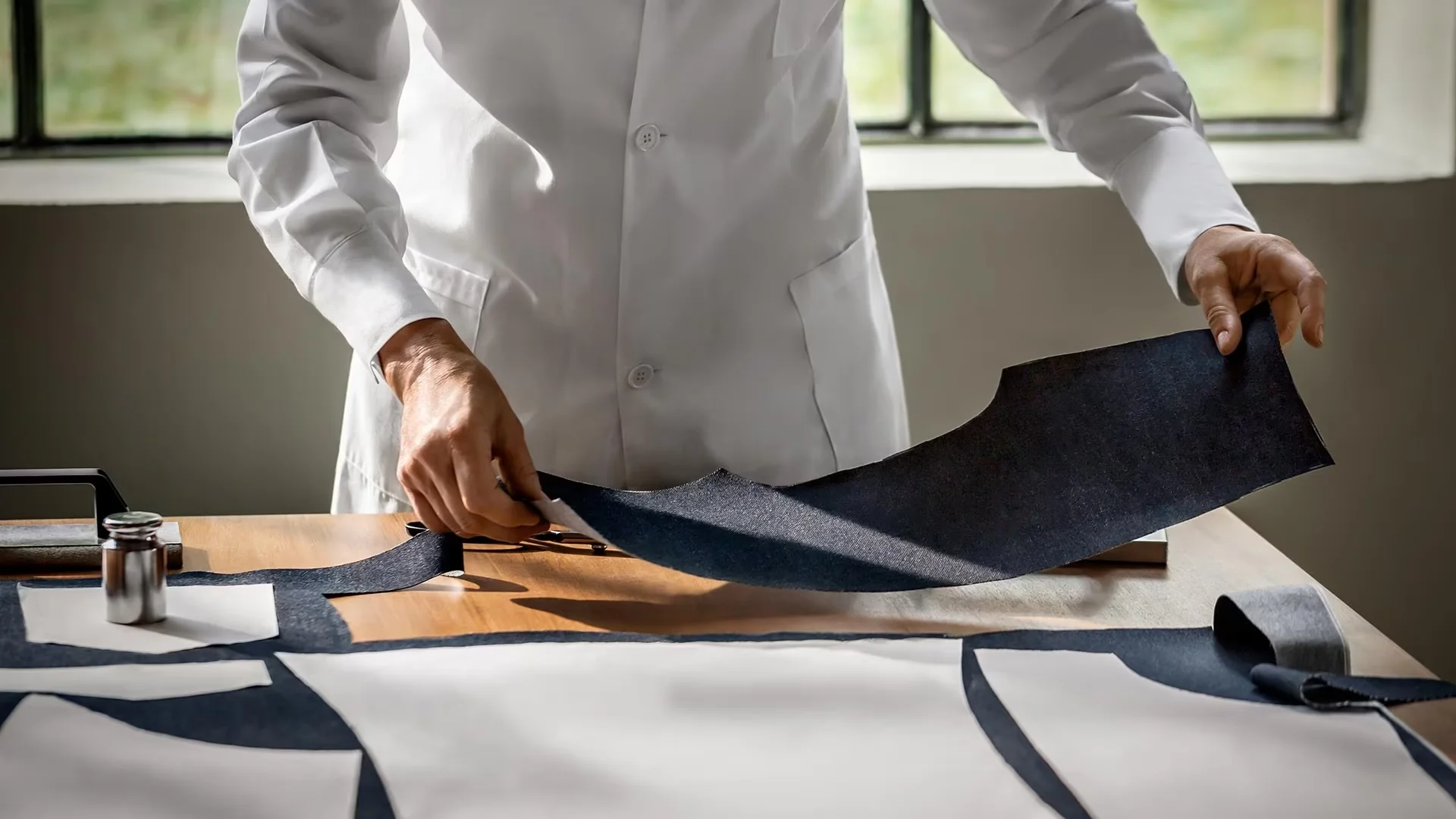
    Investigations conducted by Italy’s Carabinieri labour protection unit unveiled that one of the workshops had employed 10 Chinese workers, five of whom were undocumented. These workers were allegedly forced to work up to 90 hours per week and were paid only EUR4 per hour (US$4.6). They were also illegally housed at the site.

    These allegations surfaced when a worker reported being assaulted over unpaid wages, leading to the arrest of the workshop owner and the closure of the facility.

    Judicial Administration

    Although Loro Piana is not subject to a criminal investigation, the court has appointed an external administrator to oversee improvements to the brand’s supply chain oversight. If the company demonstrates substantial progress, the judicial administration could be lifted early, as has happened in similar cases involving Dior and Armani.

    Loro Piana has attributed these violations to unauthorised subcontracting. It was discovered that the company had outsourced work via two front companies to Chinese-owned workshops in Milan. These workshops lacked the necessary capacity for manufacturing.

    The company has since severed ties with the supplier and pledged to reinforce its control and audit activities as a means of ensuring compliance with its ethical and quality standards.

    Company Background

    Loro Piana, acclaimed worldwide for its luxury cashmere and wool products, was acquired by LVMH in 2013. The founding family still retains a 20% stake in the company. This past June, Frederic Arnault, son of LVMH’s chairman and CEO Bernard Arnault, was appointed as the company’s CEO.

    Questions & Answers

    What led to the legal action against Loro Piana?
    A worker reported being physically assaulted over unpaid wages, sparking an investigation that revealed labour violations within the company’s supply chain.

    What measures has the court imposed on Loro Piana?
    The court has appointed an external administrator to supervise reforms to the brand’s supply chain oversight. The company has also been placed under judicial administration for a year.

    What steps has Loro Piana taken since the allegations surfaced?
    Loro Piana has ended its relationship with the implicated supplier and committed to enhancing its control and audit activities to ensure compliance with its ethical and quality standards.

  • Cos, H&m’s High-end Fashion Brand, To Debut In India With New Delhi Store

    Cos, H&m’s High-end Fashion Brand, To Debut In India With New Delhi Store

    Cos, the fashion brand owned by H&M and renowned for its “Collection of Style,” is set to make its debut in India later this year.

    Store Location and Offerings

    The inaugural store will be situated in New Delhi, India’s capital. It will exhibit the brand’s trademark contemporary aesthetic, featuring ready-to-wear collections along with accessories. The product range will cater to women, men, and children, thereby covering all demographics.

    Cos is globally recognized for its minimalist design, with a strong emphasis on craftsmanship. The brand is eager to bring its approach of creating long-lasting, durable fashion pieces to the new Indian market.

    Company Vision

    The company expressed its excitement for the new venture stating, “We are excited to introduce Cos to the Indian market and bring our emphasis on craftsmanship and innovative materials to a new audience.”

    Established in 2007, Cos has grown into a significant global presence. The brand operates 239 stores across 48 physical markets and holds an online presence in 38 markets. Apart from running its own outlets, the brand also sells through wholesale and franchise channels, marking its omnipresence in the fashion industry.

    Questions & Answers

    Where will Cos open its first store in India?
    The first Cos store in India will be opened in New Delhi.

    What is Cos known for?
    Cos is globally recognized for its minimalist design and a strong emphasis on craftsmanship.

    How does Cos distribute its products?
    Cos operates physical stores, has an online presence, and sells through wholesale and franchise channels.

  • Lululemon Partners With Tata Cliq To Expand Global Reach Into India

    Lululemon Partners With Tata Cliq To Expand Global Reach Into India

    Lululemon, a prominent Canadian athleisure brand, is preparing to penetrate the Indian market. This development comes as a result of a franchise agreement with domestic distributor Tata Cliq, signaling a crucial phase in Lululemon’s strategy for global expansion.

    Brick-and-Mortar Store Set to Launch in India

    The first physical Lululemon store in India is expected to open its doors in the latter half of next year. To complement this physical presence, the athleisure brand will also carve out a digital space on Tata Cliq Luxury and Tata Cliq Fashion.

    Gopal Asthana, in his capacity as CEO of Tata Cliq, expressed his excitement about the partnership. He emphasized that the collaboration is aimed at acquainting the Indian consumer with Lululemon’s superior-quality athletic wear and lifestyle products.

    Lululemon’s Product Range

    Asthana further elaborated on the range of products Lululemon will introduce in India. These include innovative athletic and lifestyle apparel, shoes, and accessories. The brand’s high-performance items are designed for a variety of activities, including yoga, running, training, tennis, and golf.

    Lululemon’s Global Presence

    Since its inception in 1998, Lululemon has spread its wings to operate over 760 stores across the globe. Its presence is felt in North America, Europe, and the Asia-Pacific region.

    The upcoming launch in India aligns with the broader vision of Lululemon’s CEO, Calvin McDonald. He anticipates expanding the brand’s global reach to a total of 1,000 locations.

    Questions & Answers

    Who is Lululemon partnering with to break into the Indian market?
    Lululemon has entered into a franchise agreement with Tata Cliq, a local distributor, to make inroads into the Indian market.

    What range of products will Lululemon be introducing in India?
    Lululemon will present an array of products to the Indian consumer, including innovative athletic and lifestyle apparel, shoes, and accessories designed for activities such as yoga, running, training, tennis, and golf.

    What is the broader vision of Lululemon’s CEO, Calvin McDonald?
    Calvin McDonald has expressed his goal of expanding Lululemon’s global footprint to encompass 1,000 locations.