Author: Mei Ling Tan

  • Bangkok Bank Set to Fall Short of 2025 Net Interest Margin Goals: What This Means for Investors

    Bangkok Bank Set to Fall Short of 2025 Net Interest Margin Goals: What This Means for Investors

    Bangkok Bank is bracing for a challenging financial landscape as it navigates potential interest rate cuts in the latter half of 2025. According to a recent report by UOB Kay Hian, the esteemed Thai bank is expected to fall short of its target net interest margin (NIM) as it faces the prospect of two rate reductions: a 25 basis point cut in October and another in December.

    A Daring Forecast Amid Rate Cuts

    While Bangkok Bank is forecasting that the December cut will hold its NIM steady above 2.8%, UOBKH analysts predict a dip, projecting the ratio to settle at approximately 2.7% by year-end. For context, the NIM reflects the net interest income from loans after accounting for interest paid to depositors, a crucial metric for banks in assessing profitability.

    A Mixed Bag of Earnings Results

    In its latest financial report, the bank announced a flat year-on-year earnings result for Q2 2025, logging THB11.8 billion—a figure that was also down by 6% compared to the previous quarter. Surprisingly, this outcome beat UOBKH’s estimates, offering a glimmer of hope amid the forecasted challenges. Corporate loans stood as the sole bright spot in an otherwise stagnant loan growth landscape, revealing a complex interplay of sectors within Bangkok Bank’s operations.

    Non-Interest Income Shows Resilience

    On a more upbeat note, the bank’s non-interest income surged by 22% year-on-year to THB12.7 billion. However, it did experience an 8% decline quarter-on-quarter, illustrating the pressure on various income streams. Adding to the caution, credit costs and the nonperforming loan (NPL) ratio registered an uptick in the second quarter, compelling Bangkok Bank to set aside THB10.7 billion in provisions.

    Looking Ahead With Caution

    UOBKH analyst Thanawat Thangchadakorn expressed a cautious outlook on the rising NPL trend, suggesting it might mirror last year’s patterns. Although Bangkok Bank maintains its credit cost target at 1% for 2025, it acknowledges the possibility of exceeding this level, estimating a year-end credit cost of approximately 137 basis points. As the bank charts its course through an uncertain financial environment, all eyes will be on its ability to adapt and navigate these impending challenges.

    Questions & Answers

    What interest rate cuts is Bangkok Bank anticipating for late 2025?
    Bangkok Bank is expecting two rate cuts in the final months of 2025, specifically a 25 basis point cut in October and another in December.

    How did Bangkok Bank’s earnings perform in Q2 2025 compared to expectations?
    The bank reported a flat earnings outcome of THB11.8 billion for Q2 2025, surpassing UOBKH’s estimates despite being 6% lower than the previous quarter.

    What challenges is Bangkok Bank facing regarding its nonperforming loans?
    Bangkok Bank is experiencing an increase in nonperforming loans, prompting it to set aside THB10.7 billion in provisions to address this issue, aligning with a trend seen in the previous year.

  • SeaCube Cold Solutions Partners with The Wonderful Company to Establish Primary California Depot in Shafter

    SeaCube Cold Solutions Partners with The Wonderful Company to Establish Primary California Depot in Shafter

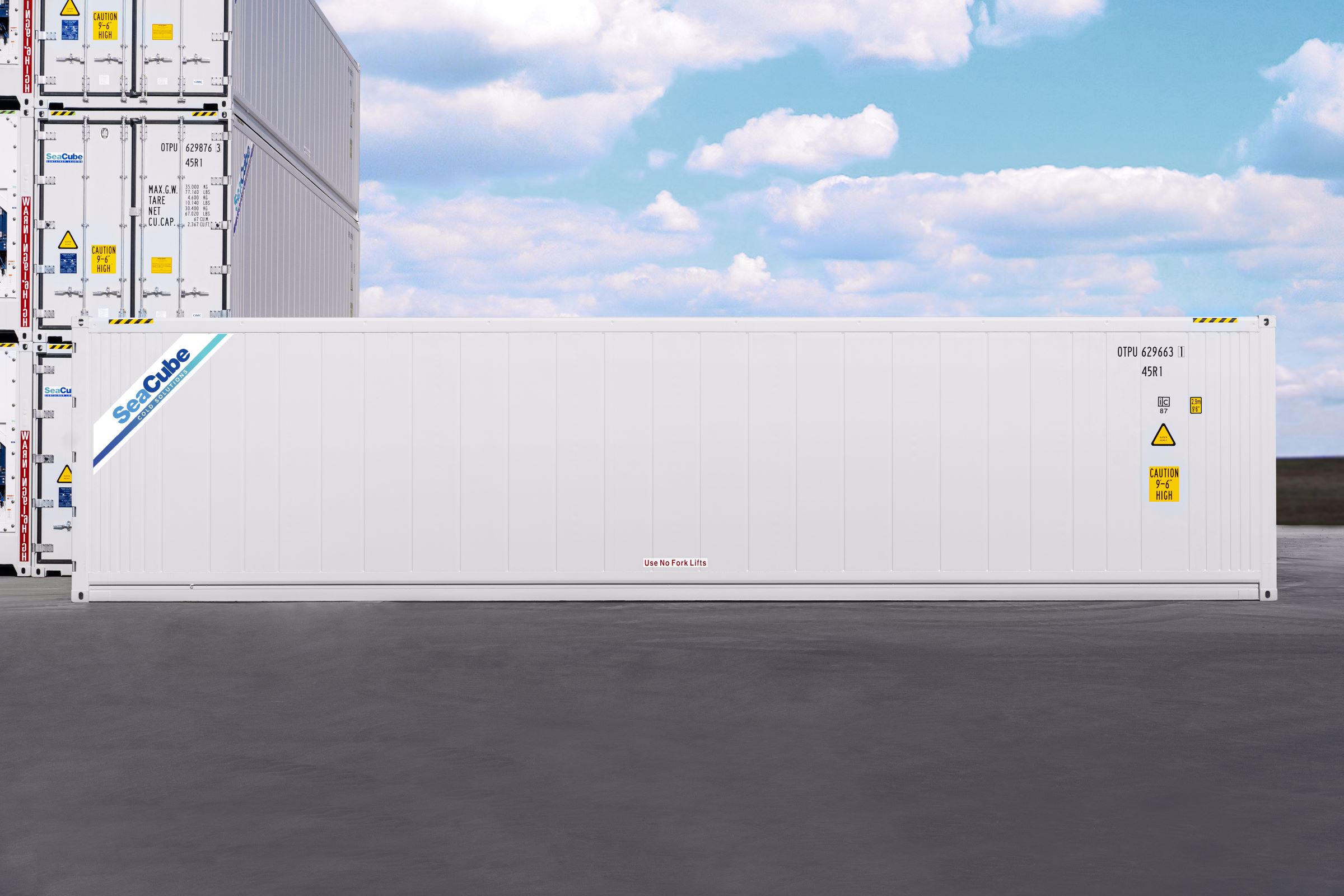
    SeaCube Cold Solutions (SCS), an affiliate of SeaCube Container Leasing and a leading provider of portable cold storage, announces a new partnership with The Wonderful Company. Under this agreement, The Wonderful Company’s Shafter facility will serve as the primary California depot for SCS, providing reefer storage and maintenance and repair services in the region.

    As part of SeaCube Container Leasing, SCS is backed by over 30 years of experience in refrigerated equipment, providing unmatched reliability and innovation in cold chain logistics. This new facility in Shafter represents a significant step forward in SeaCube’s investment in strategically located infrastructure to support its growing SCS customer base.

    “Partnering with The Wonderful Company at the Shafter depot marks a significant step in strengthening our presence in a key logistics corridor,” said James Armstrong, Senior Vice President of SeaCube Cold Solutions. “We’re excited to launch operations at the Shafter, California depot, where we are establishing a significant refrigerated container presence to support not only California’s Central Valley but also a 250-mile radius.

    This location strategically extends our reach across the West Coast, including Arizona and Nevada. With the addition of Shafter, SeaCube Cold Solutions now has full coverage over the entire Southwest Region.”

    The Shafter depot will serve as a hub for both storage and maintenance of SeaCube refrigerated containers. Its strategic location offers direct access to key customers in California’s Central Valley, while its position within a less congested logistics park provides efficient transportation routes to the Los Angeles basin, Arizona, and Nevada. SeaCube is the first—and currently the only—reefer operation at the facility.

    “SeaCube’s portable cold storage solution offers tremendous flexibility during seasonal market fluctuations. We are pleased to have their support and involvement in the Wonderful Logistics Center,” said Sepehr Matinifar, Vice President of Logistic Services at the Wonderful Company.

  • Reliance Jio Surpasses 213 Million 5G Users: A Milestone in Connectivity!

    Reliance Jio Surpasses 213 Million 5G Users: A Milestone in Connectivity!

    Reliance Jio Infocomm has made impressive strides in the 5G landscape, wrapping up June 2025 with a staggering 213 million 5G subscribers, a sharp rise from 170 million at the close of 2024. This growth surge, detailed in its latest quarterly report released by parent company Reliance Industries, underscores the effectiveness of Jio’s innovative in-house 5G technology stack, which has now positioned itself for expansion into international markets. Notably, 5G accounted for an impressive 40% of Jio’s wireless traffic by the end of last year.

    A Noteworthy Expansion in Fixed Services

    In parallel, Reliance Jio has made considerable advancements in the fixed services segment, achieving over 20 million connected premises through its broadband network. The firm’s JioAirFiber service has emerged as the world’s largest fixed wireless access (FWA) platform, currently catering to nearly 7.4 million users — a feat that would surely make tech aficionados raise an eyebrow in surprise.

    Leadership’s Vision: Embracing Next-Gen Technologies

    Akash Ambani, Chairman of Reliance Jio, expressed his enthusiasm about the company hitting significant milestones. “We have delivered a milestone quarter at Jio with our 5G and home subscriber base crossing the 200 million and 20 million marks, respectively,” he stated. Ambani further emphasized Jio’s commitment to rolling out next-generation services, including the recently launched JioGames Cloud and the JioPC bundle, aimed at accelerating digital service adoption across India. He noted the company’s role in developing unparalleled technology infrastructure, crucial for driving the country’s artificial intelligence (AI) adoption.

    IPO Delay: A Strategic Move for Growth

    Despite these accolades, Jio Platforms has opted to postpone its initial public offering (IPO) beyond 2025. The aim is to bolster revenue growth and expand its user base further. Analysts estimate the company’s valuation at over USD 100 billion, with a significant 80% of its USD 17.6-billion annual revenue generated by its telecommunications unit.

    Bumps on the Road: Navigating 5G Challenges

    Last year, Jio faced challenges in its 5G rollout, which was slowed down by low capacity utilization and delays in monetization. Currently, reported 5G usage hovers around 15%, although insiders claim actual figures are likely much higher. The network operates using equipment from established providers like Nokia and Ericsson.

    Looking ahead, future investments in 5G will hinge on market demand, as analysts and industry watchers anticipate the next phase of expansion to unfold in response to intensified competition from rivals such as Bharti Airtel.

    Questions & Answers

    What factors contributed to Reliance Jio’s significant subscriber growth in 2025?
    The surge to 213 million 5G subscribers is attributed to Jio’s innovative in-house technology stack and the strategic positioning of its cloud-native core network, which is eyeing international markets.

    How has Reliance Jio performed in the fixed services segment?
    Reliance Jio surpassed 20 million connected premises through its broadband network, with its JioAirFiber service emerging as the largest fixed wireless access platform globally, catering to approximately 7.4 million users.

    What is the rationale behind the delay of Jio Platforms’ IPO?
    Jio Platforms has decided to postpone its IPO to 2025 to concentrate on enhancing revenue and expanding its user base, despite the firm’s high valuation estimated over USD 100 billion.

  • HSBC Global Private Banking Expands Teams to Elevate Services in Southeast Asia and Australia

    HSBC Global Private Banking Expands Teams to Elevate Services in Southeast Asia and Australia

    HSBC Global Private Banking (GPB) is making waves in Southeast Asia and Australia with exciting leadership changes designed to strengthen its client services. The firm has appointed Joanne Ng as the new desk head for its Singapore operations, a strategic move that signals its commitment to the region.

    A Dynamic Trio Takes the Helm

    Joanne Ng, a seasoned professional with 22 years of experience, transitions from OCBC Premier Private Client to lead a dedicated team of relationship managers focused on high-net-worth clients in Singapore. Her extensive background in the financial sector positions her well to elevate HSBC’s private banking offerings.

    Joining Ng in this leadership expansion is Tim Morse, who steps in as senior business development manager for HSBC GPB in Australia, set to begin in August 2025. With a wealth of experience from top-tier financial institutions like Citi, J.P. Morgan, and Deutsche Bank, Morse will be pivotal in fostering collaboration between HSBC’s onshore services and offshore private banking teams.

    New Faces in Private Banking

    Completing this dynamic trio is Tom Kinnear, appointed as a relationship manager to oversee operations in Australia and international markets. Kinnear will report directly to Kapil Khanna, contributing his expertise to enhance client relations across the board.

    Moreover, HSBC is not just focused on leadership in Singapore and Australia—there are also significant additions in Indonesia and Malaysia. Le Hong Sie joins as a senior relationship manager in Indonesia, bringing more than three decades of experience at HSBC. Her transition from Corporate and Institutional Banking to private banking coverage promises to enrich the firm’s offerings in the region.

    Leonard Eggert also steps into the Indonesia team as a relationship manager, having previously worked at KfW, while in Malaysia, Rayner Wong joins from Julius Baer and Samuel Chi Hao Kee makes the move from HSBC Premier, both taking on the role of relationship managers.

    With these strategic appointments, HSBC is clearly positioning itself to not only meet but anticipate the needs of its affluent clientele in a rapidly evolving market landscape. After all, who wouldn’t want a financial institution that knows you better than your favorite barista?

    Questions & Answers

    What experience does Joanne Ng bring to HSBC?
    Joanne Ng has 22 years of experience in the financial sector, most recently serving at OCBC Premier Private Client, and will lead a team focused on high-net-worth clients in Singapore.

    What role will Tim Morse play at HSBC GPB in Australia?
    Tim Morse is appointed as senior business development manager, responsible for fostering collaboration between HSBC’s onshore franchises and offshore private banking teams, starting in August 2025.

    Who are the new relationship managers joining HSBC in Indonesia?
    Le Hong Sie, with over 30 years of experience at HSBC, and Leonard Eggert, formerly of KfW, are the new additions to the relationship management team in Indonesia.

  • Bangkok Condo Supply Hits 16-Year Low, Signaling Major Shift in the Real Estate Market

    Bangkok Condo Supply Hits 16-Year Low, Signaling Major Shift in the Real Estate Market

    Thailand’s property market is navigating a turbulent landscape, with new condo launches plummeting by a staggering 94% year-on-year, resulting in only 373 units introduced in the first half of the year. This downturn marks the lowest level since 2009, a year when the market was still shaking off the effects of the subprime mortgage crisis, surpassing even the declines experienced during the peak of the Covid-19 pandemic, according to a recent report by property service firm Colliers Thailand.

    This alarming trend has prompted a crucial reassessment of strategies among property developers and market analysts alike. “This is not merely a seasonal slowdown but rather a pronounced reflection of buyer hesitation and a cautious approach from developers,” stated Pattarachai Thaweewong, director of research at Colliers International Thailand. He emphasized that, despite a slight uptick in the market between 2022 and 2023, there is still a long way to go before it regains its pre-crisis momentum.

    The downturn in 2025 is particularly stark when viewed against the historical backdrop, where the second quarter typically sees an average of 8,000 to 12,000 new condo launches each year. The supply crisis has persisted from the previous quarter, evidenced by the installation of 6,306 new condo units in Bangkok—an impressive 72% increase compared to last year, but a troubling 35% decline from the fourth quarter of 2024, as reported by Bangkok Post.

    Thaweewong attributes this substantial drop to several key factors: high interest rates are significantly impeding the purchasing power of genuine buyers, while rising costs for construction materials and land are squeezing developer profit margins. Furthermore, ongoing economic uncertainty paired with an unclear government policy direction continues to erode confidence in the market.

    In light of these challenges, many developers are opting to delay new project launches, shifting their focus towards mitigating existing inventory while bolstering cash flow—a prudent but perhaps surprising strategy in a market where fresh launches are typically anticipated. Interestingly, as the Bangkok market cools, property developers are pivoting towards Thailand’s vibrant southern island, Phuket. This shift aims to capitalize on the burgeoning demand from tourists and retirees primarily from China and the U.S.

    Colliers reports that around 10,000 new flats are set to hit Phuket’s market this year, with new project launches taking place weekly, creating a scenario reminiscent of a frenetic game of real estate Tetris, as developers scramble to align their offerings with market demand, as mentioned by South China Morning Post.

    Questions & Answers

    What caused the significant decline in new condo launches in Thailand?
    High interest rates, escalating development costs, and ongoing economic uncertainties are primary factors leading to buyer hesitation and developer caution.

    How does the current condo launch situation compare to previous years?
    The current figures show a 94% year-on-year decline, marking the lowest level of new launches since 2009, significantly less than the second quarter average of 8,000 to 12,000 launches seen over the last decade.

    Where are developers focusing their efforts amid the downturn in Bangkok?
    Developers are increasingly targeting Phuket, with plans for around 10,000 new flats this year, catering to rising demand from tourists and retirees from abroad.

  • India Boosts Renewable Energy with 22 GW Capacity Surge in First Half of 2023

    India Boosts Renewable Energy with 22 GW Capacity Surge in First Half of 2023

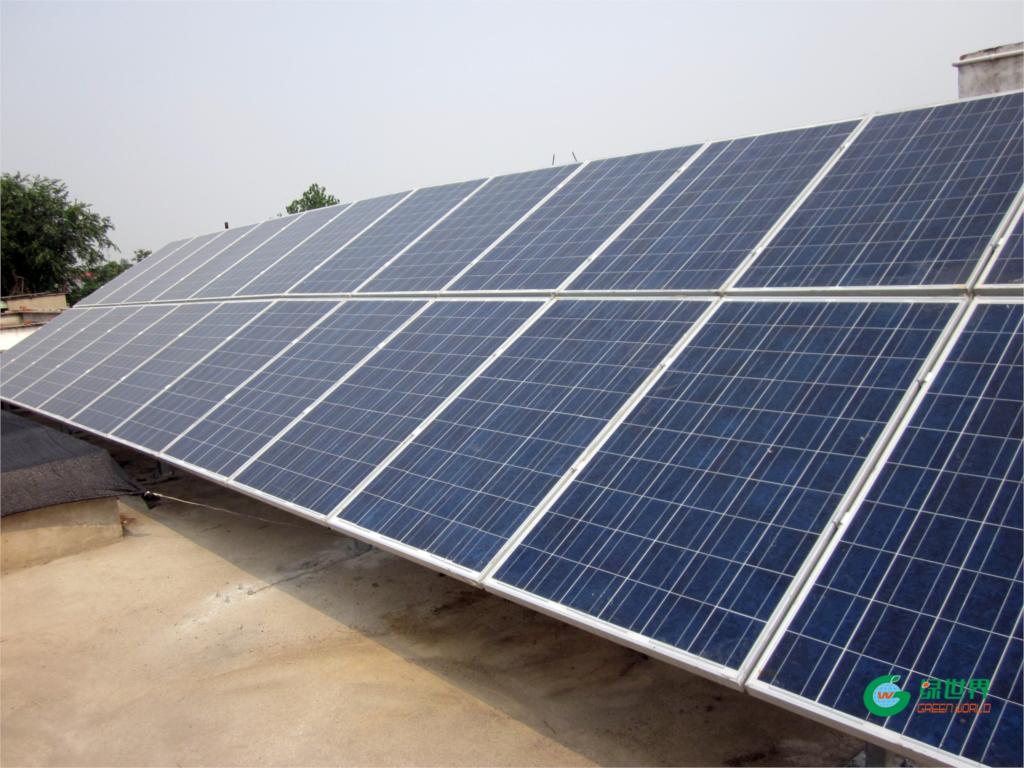
    India has achieved a remarkable milestone, adding 22 gigawatts (GW) to its renewable energy capacity in the first half of 2025—its highest six-month boost to date. According to an analysis by Rystad Energy, this represents a staggering 57% increase from the 14.2 GW installed during the same period last year. The latest expansion includes 18.4 GW of solar energy, 3.5 GW from wind, and 250 megawatts (MW) of bioenergy.

    Government Policies Drive Renewable Momentum

    The surge in renewable capacity is largely attributed to developers racing to capitalize on the government’s Interstate Transmission System (ISTS) charge waiver. This incentive starts with a 25% discount that will increase annually, fully implemented by June 2028, effectively slashing project costs and spurring immediate action among developers, according to Rystad.

    A Step Closer to Clean Energy Goals

    This rapid expansion brings India closer to its ambitious target of sourcing 50% of its installed power capacity from clean energy sources, now reaching a total of 234 GW. Nuclear power is also gaining traction, highlighted by the commissioning of Unit 7 at the Rajasthan Atomic Power Project and the recent approval for the country’s first small modular reactor, set to rise in Bihar. However, the journey forward isn’t all smooth sailing; reliance on coal remains a significant hurdle, and the safety, cost, and waste management debates surrounding nuclear energy persist.

    Battery Energy Storage: An Integral Component

    In another notable advance, India has allocated 5.4 GW of collocated solar-battery energy storage systems (BESS) and 2.2 GW of standalone BESS to developers, marking its highest capacity allocation to date. Major players like Jindal Group secured 990 MW of collocated solar and BESS capacity, while NTPC and ReNew both captured 900 MW in the same area. In the standalone BESS sector, JSW Energy was granted 625 MW, and Reliance Power achieved 525 MW of collocated capacity.

    The Leaders of Renewable Capacity in India

    Geographically, India’s western states are leading the renewable energy charge, with Rajasthan topping the list at 37.4 GW of installed capacity, closely followed by Gujarat at 35.5 GW, and Tamil Nadu with over 20 GW. As India gears up to transform its energy landscape, it appears that the sun is shining ever brighter on its renewable aspirations.

    Questions & Answers

    What has driven India’s recent surge in renewable energy capacity?
    The surge is primarily due to developers moving quickly to take advantage of the government’s Interstate Transmission System (ISTS) charge waiver, which significantly reduces project costs and incentivizes timely action.

    How much renewable energy capacity has India installed recently?
    In the first half of 2025, India added 22 GW of renewable energy, marking a 57% increase from the previous year, with a strong emphasis on solar energy.

    What role does nuclear power play in India’s energy strategy?
    Nuclear power is increasingly being integrated into India’s energy mix, highlighted by the commissioning of new facilities; however, it faces ongoing debates about cost, safety, and waste management.

  • Switzerland’s Shocking $900,000 Bitcoin Bank Loss: What Happened?

    Switzerland’s Shocking $900,000 Bitcoin Bank Loss: What Happened?

    How Switzerland Lost a 900,000 Bitcoin Bank

    Once on track to be Switzerland’s first Bitcoin bank, Xapo, founded in Silicon Valley, has found a new home in Gibraltar after confronting regulatory challenges in the Swiss market. Now, as a fully licensed digital private bank, Xapo serves clients across the globe, with CEO Seamus Rocca shedding light on its journey during an exclusive interview with finews.com. Today, the only remnant of Xapo in Switzerland is a high-security vault nestled deep within the Gotthard Massif.

    Xapo began its journey in 2013, founded by Argentinian entrepreneur Wences Casares as a secure vault service for Bitcoin. Fueled by a vision that Bitcoin could stabilize global economies, Casares established ultra-secure cold storage solutions, including a vault set within a former army fortress high in the Swiss Alps.

    In 2015, the company moved its headquarters to Zug, Switzerland’s Crypto Valley, aiming to secure a banking license and bringing in former UBS and Barclays executive Olga Feldmeier to bolster its efforts.

    Regulatory Hurdles Derail the Swiss Dream

    However, the optimism surrounding a Swiss domicile quickly evaporated as the harsh reality of regulation set in. “Switzerland was promoting itself as crypto-friendly, but the reality was different when dealing with regulators,” remarked Rocca. Swiss authorities required servers to be located within the country and enforced a board structure that Rocca described as “going back in time,” highlighting how outdated these requirements felt amid a tech revolution reliant on global cloud setups.

    Simultaneously, regulatory tensions in the U.S. prompted Xapo to reassess its global aspirations. After selling its institutional custody segment to Coinbase in 2019, Rocca noted, “We decided to simplify our operational, regulatory, legal infrastructure.” This strategic retreat from both Switzerland and the U.S. was aimed at shielding clients from prohibitive regulatory costs. Rocca wryly mused that perhaps they should have kept that custody business given Coinbase’s subsequent fee hikes.

    Finding Solid Ground in Gibraltar

    In 2021, Xapo set its sights on Gibraltar, a jurisdiction that embraced blockchain businesses. Rocca characterized this pivot as establishing Gibraltar as “the new Switzerland—private banking in the realm of crypto.” Unlike its Swiss counterpart, Gibraltar’s regulatory environment allowed Xapo to maintain a global, remote-first structure—a necessity for a fintech-driven bank. “We’re more tech than fin,” Rocca declared, reinforcing the need for a more supportive jurisdiction.

    Today, Xapo boasts a full banking license and a distributed ledger technology license as a virtual asset service provider in Gibraltar. With a workforce of approximately 200 employees, it stands among the largest crypto-focused banks worldwide, paralleling Swiss entities Sygnum and Amina Bank, both granted banking licenses in 2019.

    Retail Focus: A Unique Approach

    What sets Xapo apart, however, is its distinct business strategy. Aimed entirely at retail clients, it operates much like a traditional private bank but with a focus on cryptocurrency holders. New members are charged a $1,000 onboarding fee—a conscious decision to attract serious investors. “If that fee feels expensive, you probably don’t have enough bitcoin,” Rocca quipped, setting a tone for their exclusive clientele.

    Clients enjoy a suite of banking products including deposit accounts, payment cards, savings, loans, and investment options—all incorporated under Bitcoin’s umbrella. Imagine holding a U.S. dollar account with an IBAN for wire transfers, while simultaneously storing bitcoins securely within Xapo’s vault and earning interest. Rocca emphasizes that clients can engage with Bitcoin just as they would with traditional currencies.

    Innovative Offerings: Bridging the Old and New

    Clients of Xapo can use a debit card linked to USD accounts, creating a seamless experience that converts Bitcoin into dollars at the point of sale. Rocca explains, “Every time you use your card on Bitcoin, we buy the Bitcoin off you, sell it into dollars, and settle with the merchant.” So, while merchants may see dollars only, clients are utilizing their Bitcoin balance.

    Looking Ahead: New Financial Products on the Horizon

    Xapo’s Bitcoin savings account allows users to earn interest by depositing BTC, functioning as a fund generating yield, all while providing users with a straightforward interest-bearing experience. The bank also offers bitcoin-backed loans, letting clients leverage their BTC as collateral while ensuring it remains securely housed within its vault. Rocca noted that this approach secures clients’ assets, invoking images of the Swiss mountains where they are stored.

    Excitingly, Xapo is integrating the Bitcoin Lightning Network for expedited transactions, with plans to introduce new features—one being the capability for clients to invest in stock indices using Bitcoin. “We’re going to allow you to buy stocks in the S&P 500 with Bitcoin,” Rocca revealed.

    Exclusive Clientele: A Strategy for Stability

    All of these products come via a user-friendly app that merges the elegance of private banking with the convenience of fintech. Rocca explains their mission of recreating traditional banking functions for Bitcoin users, emphasizing that “we’re not in the mass market; we’re in the premium banking business, pretty much like a Swiss private bank.”

    Assets Under Management: An Impressive Track Record

    Xapo’s assets have reportedly peaked at around 900,000 bitcoins, nearing 90 billion francs at current valuations, before the company chose to reshape its business strategy. Rocca noted an intention to sustain profitability, sharing that the bank experienced its first profit in 2023. Unlike Sygnum and Amina, focusing on institutional clients, Xapo’s gamble lies in appealing to high-net-worth individuals, particularly in regions where local banking systems may inspire distrust.

    The Future: Navigating Regulatory Waters

    The evolution of Xapo illustrates the importance of regulatory arbitrage within the crypto finance sector. Gibraltar’s adaptive regulations stand in stark contrast to the stifling environment Xapo left behind in both Switzerland and the U.S. Rocca observes an emerging trend where the U.S. appears more crypto-friendly as European markets become increasingly cautious, “We never quite seem to strike that balance where the main economic superpowers are all aligned.”

    Revisiting the U.S. Market

    This uneven landscape explains why Xapo still abstains from onboarding U.S. clients but remains open to reconsideration. Rocca has hinted at potential plans for a U.S. presence, gauging the viability of re-entering the market if conditions become favorable.

    Security Meets Innovation: A Unique Proposition

    While Xapo has shifted its headquarters, it retains its Swiss vault—an impenetrable fortress shielded by thick granite and biometric security. By fusing legendary Swiss security with the flexibility of modern fintech, Xapo offers clients both safety and cutting-edge banking functionalities. As the crypto industry experiences another wave of optimism, fueled by rising Bitcoin prices, Rocca remains vigilant, aware that “winter will come again.”

    Forecasting the Future: Cycles of Change

    “If you’re in the Bitcoin space, we’re riding high,” Rocca reflects. However, acknowledging the cyclical nature of Bitcoin, he speculates that the current bullish market might carry through to 2025 before potentially facing a downturn. The eventual “crypto winter” may arrive, and his insight encourages investors to stay informed. In the meantime, Xapo continues to ride this wave, navigating the ever-shifting sands of the crypto landscape.

    Questions & Answers

    What prompted Xapo to move its operations from Switzerland to Gibraltar?
    Xapo faced stringent regulatory requirements in Switzerland that stifled its growth and operational flexibility, whereas Gibraltar offered a more accommodating environment.

    How does Xapo differentiate itself in the competitive crypto banking market?
    Xapo focuses entirely on retail clients, providing traditional private banking services tailored for Bitcoin holders, unlike many peers targeting institutional clients.

    What future plans does Xapo have regarding its operations in the U.S.?
    Xapo is currently assessing the possibility of re-entering the U.S. market, evaluating regulatory conditions to determine if it makes sense to onboard American clients again.
  • Titan Acquires 67% Stake In Damas Jewellery: A Strategic Move To Expand Beyond Gulf Market

    Titan Acquires 67% Stake In Damas Jewellery: A Strategic Move To Expand Beyond Gulf Market

    The Indian lifestyle retail giant, Titan, known for owning the Tanishq jewellery brand, has recently made a significant acquisition. The company bought a 67% stake in Damas Jewellery, which is based in Dubai, for a total of US$189 million (AED695 million). This purchase from Qatar’s Mannai Corporation is the second-largest acquisition Titan has made thus far and represents a major strategic move for the company to grow beyond its principal customer base in the Gulf region.

    Damas Jewellery Background

    Damas Jewellery has a long and storied history that began in 1907. The company currently operates 146 stores in six Gulf Cooperation Council (GCC) countries, including the UAE, Saudi Arabia, Qatar, Oman, Kuwait, and Bahrain. However, the British brand Graff’s franchise business is not part of the acquisition agreement with Titan.

    The Impact of Acquisition

    Titan’s Managing Director, C K Venkataraman, has been quite vocal about the benefits of this acquisition for the company. According to him, this strategic move not only opens up significant new global opportunities but also boosts the company’s standing in the GCC’s jewelry market.

    “After successfully establishing Tanishq in the GCC and the US, our ambition for global jewelry play is moving to the next stage,” Venkataraman said. “With the Damas acquisition, Titan is expanding its focus beyond its traditional diaspora customers to target other nationalities and ethnicities.”

    Transaction Details

    The acquisition transaction was based on Damas’ enterprise valuation of $283 million. Additionally, it includes a provision for Titan to buy the remaining 33% stake from Mannai after December 31, 2029, subject to certain conditions.

    Titan, a joint venture between the Tata Group and the Tamil Nadu Industrial Development Corporation (TIDCO), first entered the GCC market in 1993 with Tanishq. Today, it operates 15 stores across the region, with a flagship store in Dubai that was launched in 2020.

    Questions & Answers

    What is the significance of Titan’s acquisition of Damas?
    The acquisition enables Titan to expand its customer base, enhance its position in the GCC jewelry market, and increase its global market opportunities.

    What does Damas bring to the table?
    Damas, founded in 1907, brings longevity and a strong presence in the GCC region with 146 stores in six countries.

    What future options does the acquisition offer?
    The agreement includes an option for Titan to acquire the remaining 33% stake in Damas from Mannai after December 31, 2029, subject to certain conditions.

  • Vuori Plans Asian Expansion: New Stores In Seoul And Beijing, E-commerce Platform Reaching 11 More Countries

    Vuori Plans Asian Expansion: New Stores In Seoul And Beijing, E-commerce Platform Reaching 11 More Countries

    Performance and lifestyle brand Vuori has announced plans to extend its reach in Asia, with new retail locations set to open in Seoul, South Korea, and Beijing, China, later this year.

    Vuori’s expansion plans include the launch of a store in Seoul through a franchise partner in September, followed by the opening of its inaugural store in Beijing in October. This move is part of the company’s broader aim to strengthen its international presence and increase brand recognition in key Asian markets.

    E-commerce Growth

    In addition to its physical store expansion, Vuori will extend its e-commerce platform to 11 more countries. These include Japan, Sweden, Norway, Denmark, Finland, Switzerland, Spain, Italy, Belgium, Austria, and Portugal. This online growth strategy will allow the retailer to explore and adapt to these new markets in a responsive and efficient manner.

    Previous Successes

    These expansion plans come on the heels of successful store openings in London and Shanghai, as well as a robust start to wholesale operations in Japan and Europe. Senior Vice President of International, Andy Lawrence, commented on the company’s strategic, patient, and long-term approach to international growth, emphasizing their commitment to building brand equity across all key channels where their customers shop.

    Upcoming Milestones

    Vuori has set ambitious goals for the near future. The brand aims to surpass the milestone of 100 stores globally by the end of the year, and plans to operate 15 stores outside the US by next year. Vuori’s products are already available in more than 18 countries worldwide.

    Questions & Answers

    What are Vuori’s plans for international expansion?
    Vuori plans to open new stores in Seoul, South Korea, and Beijing, China, later this year. In addition, the company will launch its e-commerce platform in 11 additional countries.

    What is Vuori’s approach to international growth?
    Vuori adopts a strategic, patient, and long-term approach to international growth. It aims to build brand equity across all key channels where its customers shop.

    What are Vuori’s goals for the near future?
    Vuori aims to surpass the milestone of 100 stores globally by the end of this year, and plans to operate 15 stores outside the US by next year.

  • Singapore’s Castlery Expands European Footprint With Uk E-commerce Launch And London Pop-up Store

    Singapore’s Castlery Expands European Footprint With Uk E-commerce Launch And London Pop-up Store

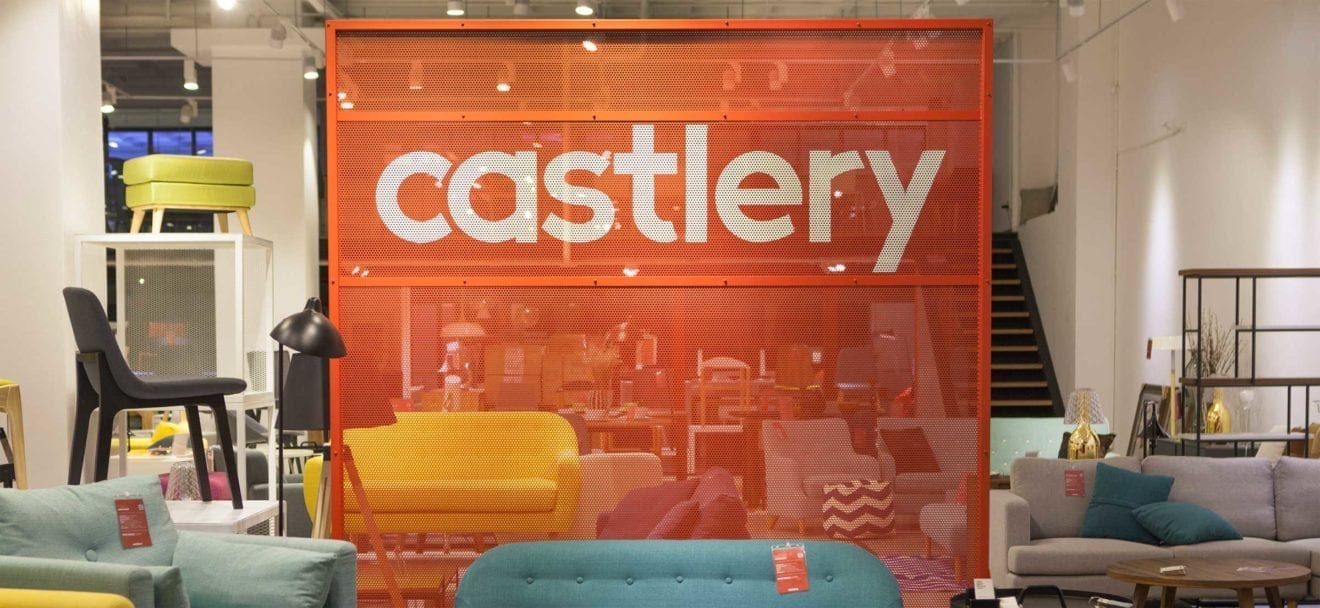
    Singaporean home furnishings company, Castlery, has extended its reach by opening an e-commerce store in the United Kingdom. This move signifies the brand’s initial foray into the European marketplace.

    The online store showcases an extensive variety of Castlery’s furniture offerings, inclusive of sofas, dining tables, beds, storage solutions, and items crafted with children in mind. In addition, Castlery is preparing to introduce a pop-up store at the London Design Festival in September.

    Co-founder Declan Ee summed up Castlery’s ethos, stating, “In essence, Castlery offers furnishings for those who value well-designed pieces, but are not prepared to sacrifice their financial stability for an expensive coffee table.”

    Furthering their expansion, Castlery is also set to inaugurate a physical storefront in Brisbane on the 26th of August. This follows the successful establishment of their Sydney store in the previous year.

    Since its inception in 2013, the Singapore-based company has been operating its e-commerce platform across a staggering 100 cities worldwide. These include locations in Singapore, Australia, the United States, Canada, as well as the United Kingdom.

    Questions & Answers

    When and where was Castlery founded?
    Castlery was founded in Singapore in 2013.

    Where is Castlery set to open its next physical store?
    The next physical store will be opened in Brisbane on August 26.

    In which cities does Castlery operate its e-commerce site?
    Castlery operates its e-commerce site in 100 global cities, spanning regions such as Singapore, Australia, the United States, Canada, and the United Kingdom.

  • Techcombank Reports 1.48% Drop in H1 2025 Profit, Reaching $472.75 Million

    Techcombank Reports 1.48% Drop in H1 2025 Profit, Reaching $472.75 Million

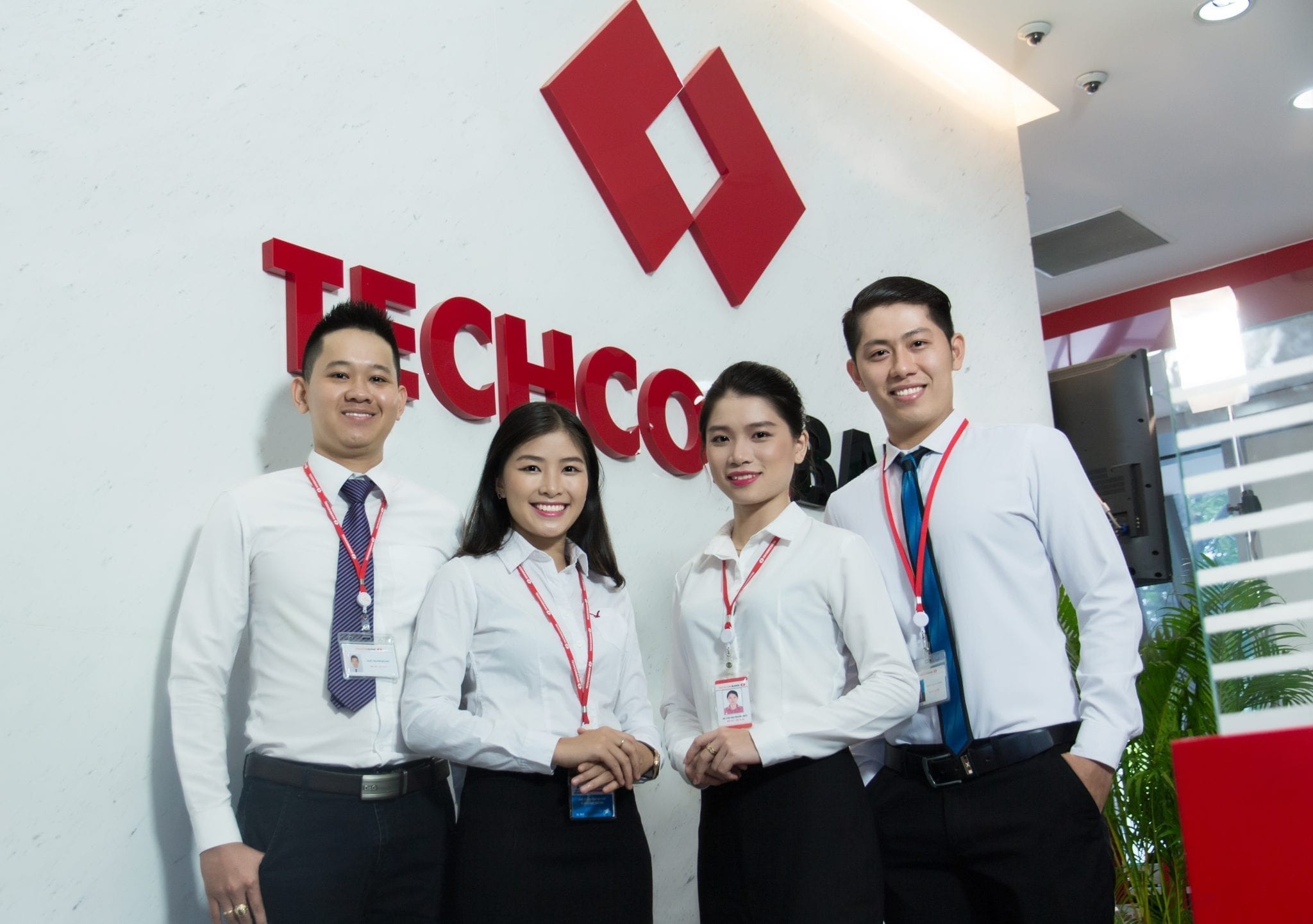
    In a financial landscape marked by challenges, Vietnam Technological and Commercial Joint Stock Bank (Techcombank) has unveiled a profit after tax of $472.75 million (VND12.36 trillion) for the first half of 2025. This figure represents a modest decline of 1.48% compared to the approximately $480 million (VND12.55 trillion) reported during the same timeframe last year.

    Operating Income Experiences a Dip

    Techcombank’s total operating income took a downturn in H1 2025, amounting to $931.34 million (VND24.35 trillion), down from VND25.68 trillion in H1 2024. Despite the overall income decline, the bank observed a small silver lining as net interest margin (NIM) edged upward to 3.8% by the end of Q2 2025, compared to 3.7% in Q1, even as net interest income (NII) fell to $665.51 million (VND17.4 trillion), a 3% year-on-year decrease.

    Net fee income also slipped, totaling $210.37 million (VND5.5 trillion), a 5.4% decline from last year, primarily due to lower earnings from letters of credit, remittances, and card fees. However, a standout performer was the investment banking sector, where fees surged by 30.2% year-on-year to reach $89.11 million (VND2.33 trillion), bolstered by a strong issuance in previous quarters.

    The second quarter of 2025 painted a more vibrant picture for Techcombank. Investment banking fees alone rose to $53.93 million (VND1.41 trillion), marking a remarkable 35.5% year-on-year increase and a 53.3% surge compared to Q1. This uptick was spurred by robust activity across multiple business lines, including brokerage and agency management, margin lending, and bond underwriting.

    Teetering Trade Activities

    In contrast, earnings from letters of credit, remittances, and cash settlements plummeted by 40.6% year-on-year to $49.72 million (VND1.3 trillion), attributed to changes in accounting treatment and subdued customer demand. Nonetheless, these figures saw an 11.4% improvement from Q1, thanks to a newly adopted trade financing solution known as ‘LC purchase without recourse.’

    Card Income Declines, But QR Code Dominance Shines

    Card-related income fell sharply by 24.7% year-on-year to $29.43 million (VND769.4 billion). Techcombank noted this decline aligns with a broader industry trend toward alternative payment methods like QR codes. Indeed, the bank proudly claims the top market position for QR code transactions in H1 2025, as reported by VietQR.

    A Flourishing FX Segment

    On a brighter note, foreign exchange sales skyrocketed by 57.7% year-on-year, reaching $22.34 million (VND584 billion). This growth indicates a notable shift in consumer and business behavior towards FX trading.

    Questions & Answers

    What contributed to Techcombank’s profit decline in H1 2025?
    The bank reported a 1.48% decrease in profit mainly due to lower total operating income and a decline in net fee income, particularly from letters of credit and card fees.

    How did investment banking perform for Techcombank in this period?
    Investment banking fees saw significant growth, rising by 30.2% year-on-year to $89.11 million, driven by increased activity in several business lines.

    What payment trend is Techcombank capitalizing on?
    The bank is leading the market in QR code transactions, reflecting a broader industry shift away from traditional debit cards towards modern payment methods.

  • E-commerce Surge Fuels Expansion in Taiwan’s Credit Card Payments Market

    E-commerce Surge Fuels Expansion in Taiwan’s Credit Card Payments Market

    Taiwan’s credit card payments sector is on the brink of substantial growth, projected to see an impressive 7% increase by 2025, reaching a staggering $156.2 billion (TWD 5 trillion), as evidenced by findings from GlobalData. This upward trajectory is propelled by an insatiable appetite for cashless transactions, a booming e-commerce landscape, and the rising adoption of contactless technology.

    The trend is already apparent, with credit card transaction values surging by 19.9% in 2023, followed by a robust 11.9% increase in 2024, pushing the total to $145.9 billion (TWD 4.7 trillion). Surprisingly, despite global economic instability and the looming specter of U.S. tariffs, credit card popularity shows no signs of waning.

    “While debit cards dominate in terms of sheer numbers, consumers still prefer credit cards for payments,” noted Ravi Sharma, Lead Banking and Payments Analyst at GlobalData. “In 2025, the average number of transactions per card will hit 66.1, while debit cards lag behind with only 5.2.”

    This dramatic shift is attributed to several factors: a burgeoning middle class, a dynamic young workforce, enhancing payment infrastructure, and the escalating trend of e-commerce and contactless payments.

    Remarkably, credit cards accounted for 93.1% of total payment card transaction values in 2024. Major financial institutions are cashing in on this trend, with banks like Taipei Fubon Bank offering enticing installment plans, including a six-month interest-free option on select purchases. The digital marketplace plays a pivotal role here, with online transactions representing a noteworthy one-third of all credit card activity.

    Innovative partnerships are also making their mark; for instance, Cathay United Bank has teamed up with the online platform Shopee to create a co-branded credit card that rewards purchases with Shopee’s Shrimp Coins—who knew shopping could come with its own little treasure hunt?

    Public transport initiatives are aligning with this growth momentum too. In November 2023, Metro Taipei collaborated with Thales Group and MiTAC to roll out contactless payment options leveraging both cards and digital wallets, making travel smoother for the cashless commuter.

    Looking ahead, GlobalData anticipates continued expansion in this market, projecting a reach of $211.3 billion (TWD 6.8 trillion) by 2029, achieving a remarkable CAGR of 7.8% amid evolving consumer preferences and technological advancements.

    Questions & Answers

    What factors are driving the growth of credit card transactions in Taiwan?
    The growth is fueled by rising consumer demand for cashless payments, a burgeoning middle class, enhanced payment infrastructure, and the boom in e-commerce and contactless technology.

    How significant are online transactions within the credit card market?
    Online transactions now account for one-third of total credit card transaction value, underscoring the vital role of e-commerce in driving credit card usage.

    What innovative partnerships have emerged in Taiwan’s credit card market?
    A notable collaboration is between Cathay United Bank and Shopee, which has introduced a co-branded credit card that rewards consumers with Shrimp Coins for purchases, adding an engaging twist to the shopping experience.

  • F&F Engages Goldman Sachs For Potential Acquisition Of Taylormade Amid Legal Tensions

    F&F Engages Goldman Sachs For Potential Acquisition Of Taylormade Amid Legal Tensions

    South Korean apparel company F&F Co announced on Monday that it had engaged Goldman Sachs as its advisor on the prospective purchase of TaylorMade. The company also stated that it would pursue legal action if the current owner of TaylorMade proceeds with an independent sale process.

    The Context of the Acquisition

    Earlier this year, Centroid Investment Partners, a private equity firm headquartered in Seoul, initiated a sales process for TaylorMade, which it had acquired in 2021. The company, based in Carlsbad, California, could potentially be sold for as much as $3.5 billion, according to those familiar with the transaction.

    F&F Co was a pivotal player in the 2021 acquisition of TaylorMade, participating as a strategic investor. As the most significant investor, F&F secured written Consent Rights over major business decisions, which included borrowing, key management decisions, and sales of equity. However, F&F has not approved Centroid’s current attempt to sell TaylorMade, and it views this action as a considerable violation of its contractual consent rights.

    Despite the potential acquisition, F&F stated that it is fully prepared to use all available legal and contractual measures to hold Centroid accountable for any violations. The company is carefully preparing to exercise its Right of First Refusal (ROFR) if necessary, to ensure alignment with its original investment thesis.

    Investment Breakdown

    F&F’s investment in the acquisition of TaylorMade by Centroid was substantial, contributing 358 billion won ($258 million) of a total subordinated equity investment of 619.2 billion won. This made F&F the primary equity investor as a limited partner (LP).

    Additionally, F&F contributed 195.7 billion won to a mezzanine investment of 471.5 billion won. The fashion company had already expressed its intent to acquire TaylorMade last month, explaining that its significant investment in TaylorMade in 2021 was made with the ultimate aim of acquiring the company.

    Centroid’s Sale Process

    According to insiders, Centroid’s advisors have sent confidential memoranda and process letters concerning the sale of TaylorMade to potential buyers. However, no official process has been initiated yet. Responding to a request for comment, Centroid confirmed it was in the process of selling TaylorMade to maximize its LPs’ return on investment.

    In the private equity sector, a GP, or General Partner, refers to the manager of a fund who is responsible for making investment and operational decisions. In contrast, LPs, or Limited Partners, are investors in the fund who usually have a passive role in individual deals. F&F is an LP investor in a fund managed by Centroid as the GP.

    Centroid confirmed that F&F holds the right of first refusal, which it guarantees. However, it pointed out that this right does not preclude a sale process from occurring.

    TaylorMade Overview

    Established in 1979, TaylorMade produces golf clubs, balls, and other golf-related accessories. The company has offices in Canada, China, Japan, South Korea, and Australia, in addition to its U.S. base.

    Questions & Answers

    What is F&F Co’s role in TaylorMade’s acquisition?
    F&F Co participated as a strategic investor in the 2021 acquisition of TaylorMade and is the largest equity investor as a limited partner (LP).

    What are the potential legal actions that F&F Co might take?
    F&F Co stated that it is fully prepared to use all available legal and contractual measures to hold Centroid accountable for any violations of its contractual consent rights.

    What is the right of first refusal that F&F Co holds?
    The right of first refusal allows F&F Co to decide whether or not to match the terms of a sale determined through the auction process.

  • South Korean Eyewear Innovator, Gentle Monster, To Launch Flagship Store In Canada

    South Korean Eyewear Innovator, Gentle Monster, To Launch Flagship Store In Canada

    South Korean eyewear brand, Gentle Monster, is poised to make its debut in Canada with a flagship store set to open later this year at the Yorkdale Shopping Centre in Toronto. The store, which will span over 5,300 square feet, is located in the luxury wing of the mall, keeping company with other high-end brands such as Louis Vuitton, Thom Browne, and Acne Studios. The brand, known for its bold, trendsetting eyewear and unconventional store designs, is expected to bring a unique shopping experience to the Canadian retail landscape.

    A Unique Retail Experience

    Founded in Seoul in 2011 by Hankook Kim, Gentle Monster treats each of its stores as a standalone creative installation. Every location showcases a distinctive theme, emphasizing the brand’s commitment to providing not just a shopping venue, but a complete immersive experience for its customers. The upcoming Canadian flagship is anticipated to follow this creative trend, offering an art gallery-style environment that marries fashion, design, and immersive experiences.

    Product Offering

    Gentle Monster’s eyewear is typically priced between US$200 to $500. The brand launches over 20 new styles annually, maintaining a catalogue of more than 50 silhouettes. This steady stream of new products, along with the brand’s distinctive designs, helps to ensure Gentle Monster stays at the forefront of the fashion industry.

    Global Presence

    Gentle Monster currently runs 78 flagship stores across 13 countries, and its products can be found in over 200 partner retail locations worldwide. The brand’s expansion into Canada demonstrates its continuing ambition to increase its global reach.

    Questions & Answers

    What is Gentle Monster known for?

    Gentle Monster is recognized for its innovative, fashion-forward eyewear and unique store designs. Each store is treated as a unique creative installation, offering an immersive shopping experience for its customers.

    Where is Gentle Monster’s Canadian flagship store located?

    Gentle Monster’s Canadian flagship store will be located at the Yorkdale Shopping Centre in Toronto.

    What is the price range for Gentle Monster’s eyewear?

    Gentle Monster’s eyewear is typically priced between US$200 and $500. The brand launches over 20 new styles annually, maintaining a catalogue of more than 50 silhouettes.

  • Qantas Faces Cyberattack: Personal Data of Six Million Customers Breached in Major Security Incident

    Qantas Faces Cyberattack: Personal Data of Six Million Customers Breached in Major Security Incident

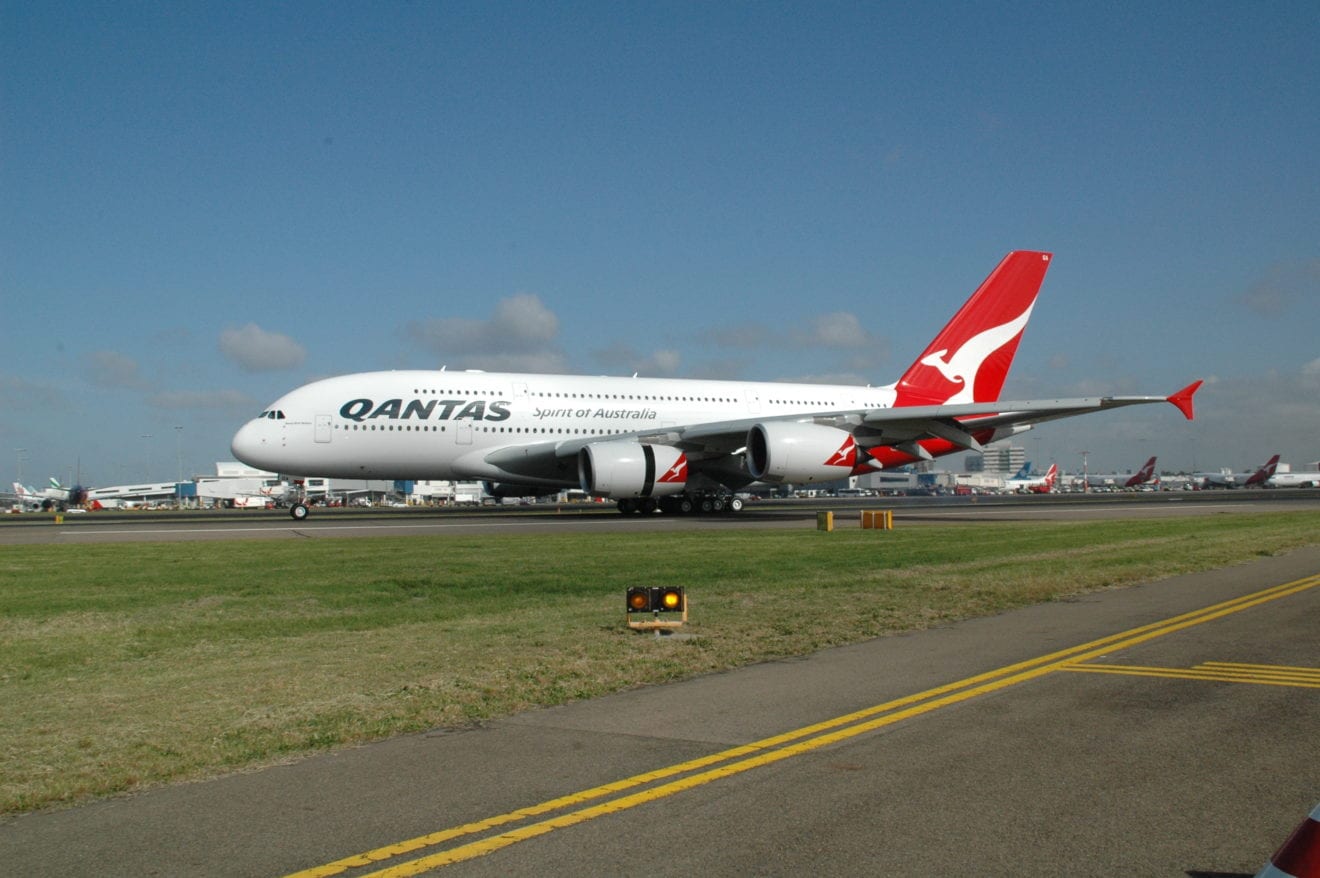
    In an alarming development, Australian airline Qantas has confirmed a significant data breach that has jeopardized the personal information of up to six million customers. This breach came to light following a cyberattack on a third-party customer service platform linked to a call center based in Manila, Philippines.

    A Shocking Vishing Attack

    The cyber intrusion, detected on June 30, involved a sophisticated form of voice phishing known as vishing, where malicious actors masquerade as trusted entities over phone calls to extract sensitive information from unsuspecting victims.

    Exposed Information and Assurances

    The compromised customer service platform housed a trove of personal data, including customers’ names, email addresses, phone numbers, birthdates, and frequent flyer numbers. However, Qantas has reassured customers that no financial information, credit card details, or passports were stored within the affected system. Additionally, the integrity of frequent flyer account credentials, passwords, and PINs remains intact.

    Robust Response and Investigation

    Operations and flight safety have not been compromised, as the airline emphasized. In response to this breach, Qantas has notified Australian intelligence agencies, including the Australian Cyber Security Centre, and law enforcement agencies such as the Australian Federal Police. The Office of the Australian Information Commissioner has also been apprised of the situation.

    To bolster customer assurance, the airline has initiated a comprehensive investigation and established a dedicated support line and website to keep affected customers updated. Those impacted will receive direct communication from the company.

    A Heartfelt Apology

    Qantas Group CEO Vanessa Hudson publicly addressed the situation, offering an apology to customers. “Our customers trust us with their personal information, and we take that responsibility seriously. We are contacting them directly and offering necessary support,” Hudson stated. It’s clear that trust, once broken, can be harder to mend than a wing on a seasoned aircraft.

    Questions & Answers

    What was the cause of the Qantas data breach?
    The breach stemmed from a cyberattack on a third-party customer service platform in the Philippines, involving a voice phishing scheme known as vishing.

    What type of personal information was compromised in the breach?
    The exposed information included customers’ names, emails, phone numbers, birthdates, and frequent flyer numbers, but no financial data or passwords were at risk.

    How is Qantas responding to the breach?
    Qantas has launched a full investigation and established a support line for customers while notifying relevant authorities and directly contacting affected individuals.