Author: Mei Ling Tan

  • Pop Mart Anticipates a Whopping 350% Surge in Profits Thanks to Labubu Plush Toy Success!

    Pop Mart Anticipates a Whopping 350% Surge in Profits Thanks to Labubu Plush Toy Success!

    Pop Mart International Group, the acclaimed Chinese toymaker renowned for its whimsical Labubu plush characters, is poised to report an astounding 350% surge in profits during the first half of the year. This dramatic uptick is underscored by a projected revenue increase of at least 200%, as outlined in the company’s latest report.

    The sharp rise in profitability can be credited to several factors, including enhanced brand recognition, strategic cost optimization, and rigorous expense management. Pop Mart’s Labubu toys, characterized by their furry designs and playful sharp-toothed expressions, have captivated fans globally. Customers are often found queuing for hours, eager to snag the latest and most elusive models, which have become prized collectibles.

    Each Labubu toy is packaged in a blind box, adding an air of mystery to the shopping experience and heightening the thrill of collecting rare figures that can later be sold for profit. This intriguing retail strategy has helped Pop Mart stand out in a crowded market, and in turn, has propelled the company’s market valuation to an impressive US$40 billion. Its stock has soared by an astonishing 588% over the past year, according to Bloomberg.

    Pop Mart has achieved a remarkable feat by successfully tapping into Western markets, boasting one of the highest retail profit margins among Chinese companies with significant international footprints. The company’s gross profit margin reached nearly 67% last year, dwarfing that of competitors like Miniso Group Holdings, which reported a 45% margin.

    With the continuing meteoric rise of the Labubu phenomenon, it appears Pop Mart is not just cashing in on a fad but building a lasting legacy within the global toy industry. Who knew a plush toy could inspire such fervent loyalty and profit?

    Questions & Answers

    What fueled Pop Mart’s impressive profit growth?
    The company’s profit growth can be attributed to heightened brand recognition, cost optimization, and effective expense control.

    How do Labubu toys enhance the shopping experience?
    Each Labubu toy is sold in blind boxes, creating a sense of mystery and excitement around the collection of rare figures.

    What sets Pop Mart apart from its competitors in the toy market?
    Pop Mart has achieved one of the highest retail profit margins among Chinese companies with a substantial global presence, showcasing its successful penetration into Western markets.


  • Citi Projects Vietnam’s 2025 GDP Growth at an Impressive 7%: A Bright Future Ahead!

    Citi Projects Vietnam’s 2025 GDP Growth at an Impressive 7%: A Bright Future Ahead!

    Citi has painted a nuanced picture of Vietnam’s economy, indicating that stricter enforcement of rules regarding origin certification might create hurdles for the country’s export growth in the coming months. With the Vietnamese government issuing directives in April to enhance inspections and supervision of goods’ origins, the implications of these changes remain a bit foggy. As a result, companies may face delays as stricter post-deal inspections take effect, leading to a potential slowdown in the anticipated rebound of export growth come Q3.

    In June, year-on-year export growth saw a minor decline to 16%, down from May’s 17%, prompting Citi to adjust its forecast for Vietnam’s GDP growth in 2025 to 7%, up from an earlier estimate of 6.6%. This optimistic adjustment is bolstered by Vietnam’s robust economic performance in the second quarter of the year.

    Vietnam experienced impressive GDP growth of 8% year-on-year in Q2 2025, surpassing expectations and improving from the 7% growth registered in Q1. This acceleration was primarily fueled by manufacturing, which contributed an additional 0.5 percentage points, likely spurred by frontloading activity from the U.S. While manufacturing shines, Citi underscores that intensified growth was also supported by domestically-focused sectors, demonstrating a balanced economic foundation.

    Minh Ngo, Citi’s Vietnam Markets Head and Country Treasurer, explained that the bank is keen on bridging global clients with local markets and vice versa. “Our commitment to supporting Vietnam’s growth is evident in our cutting-edge solutions in FX hedging, rates and commodities derivatives, liquidity management, and structured funding for a diverse clientele which includes corporate, commercial, public sector, and investor clients,” stated Ngo.

    He added, “With our expansive global network and international footprint, we provide clients a considerable edge, empowering them to navigate the ever-evolving market landscape and refine their operations and supply chains to meet the challenges of dynamic external conditions.” In a vibrant market like Vietnam, there’s always the potential for surprising twists — who knew navigating regulations could become the economy’s newest sport?

    Questions & Answers

    What factors are currently affecting Vietnam’s export growth?
    Stricter enforcement of origin certification and enhanced inspections are leading to potential delays and hurdles in export growth.

    How has Citi adjusted its economic forecast for Vietnam?
    Citi has increased its forecast for Vietnam’s GDP growth in 2025 from 6.6% to 7% following strong performance metrics from Q2.

    What is Citi’s strategy for supporting its clients in Vietnam?
    Citi aims to connect global clients with local markets and offers solutions in FX hedging, liquidity management, and more to help navigate the complex market landscape.

  • Rakuten Partners with Japan’s GENIAC Project to Propel Generative AI Innovation

    Rakuten Partners with Japan’s GENIAC Project to Propel Generative AI Innovation

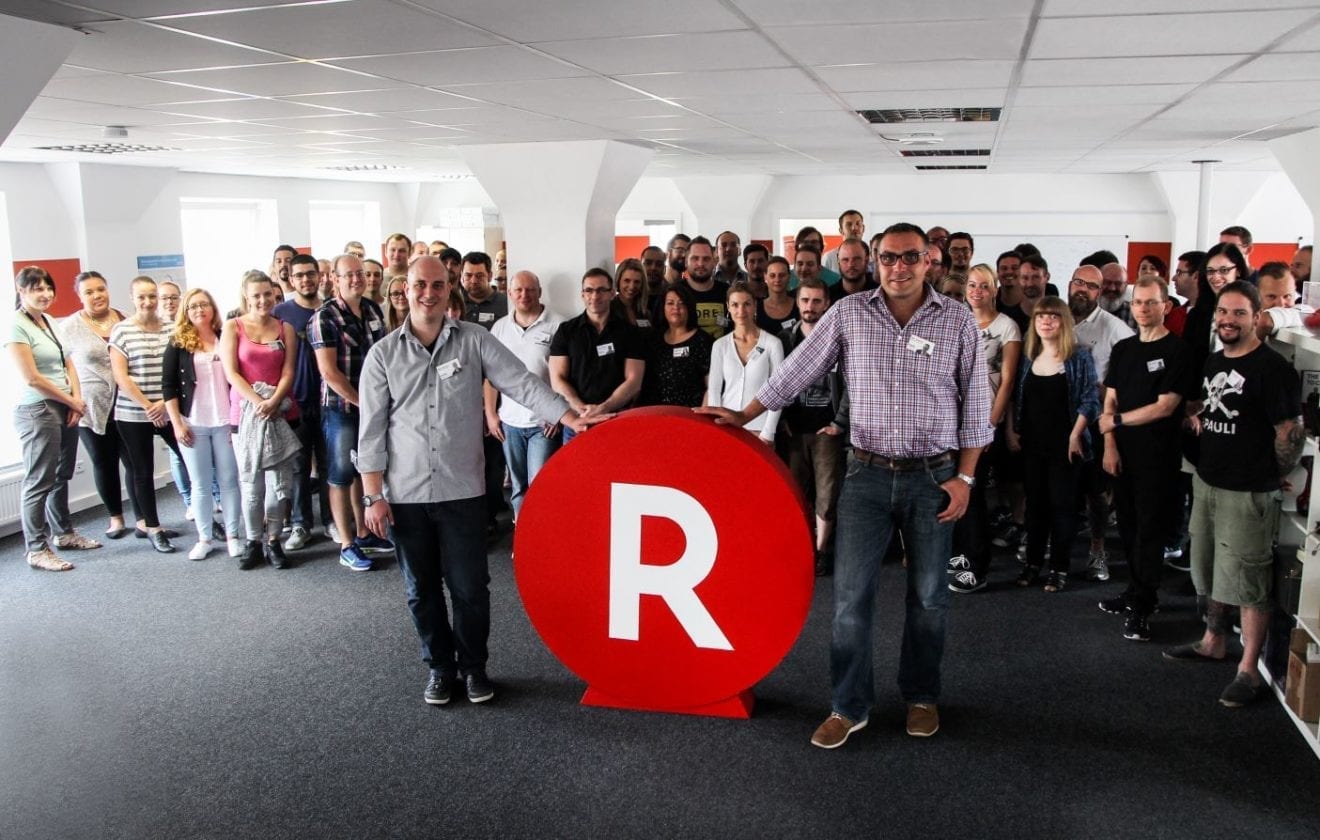
    Rakuten Group, Inc. has recently been selected to participate in the third term of the Generative AI Accelerator Challenge (GENIAC), an initiative backed by Japan’s Ministry of Economy, Trade and Industry (METI) and the New Energy and Industrial Technology Development Organization (NEDO). This collaboration is part of a larger effort to foster the development of generative AI within Japan.

    Empowering AI Development Through Collaboration

    The primary goal of the GENIAC project is to provide critical computing resources that facilitate the advancement of generative AI technology. By fostering collaboration around the latest trends and technologies, the program encourages knowledge sharing among developers, enhancing the landscape for AI innovation.

    Since its inception, R&D support has been available for earlier terms of the program, with the first becoming accessible in February 2024 and the second in October 2024. Rakuten’s project was selected during the application phase of the third term, which commenced in March 2025. The company has been proactive in developing and releasing AI models optimized for the Japanese language within the open-source community since March 2024.

    Leading the Charge with Innovative AI Models

    From the outset, Rakuten has emphasized cost efficiency in its AI initiatives, opting to create smaller, highly efficient models like Rakuten AI 2.0. This model employs a mixture of experts (MoE) architecture, allowing only relevant subsets to activate during query processing, resulting in significantly lower operational costs compared to traditional dense models.

    As part of its commitment to the project, Rakuten is set to kick off research and development in August 2025 on an advanced open-weight AI foundation model. This model aims to incorporate groundbreaking techniques that will greatly enhance memory capabilities, thus improving information retrieval when generating responses. The end goal is to tackle existing limitations of generative AI models concerning memory recall and overall performance—a worthy challenge for any ambitious AI research team.

    Personalization Takes Center Stage

    Looking ahead, Rakuten is paving the way for a more personalized AI experience, focusing on memory retention in user interactions. By enabling large language models (LLMs) to recall past conversations, Rakuten plans to foster long-term relationships with users empowered by predictive suggestions. This approach represents a significant leap beyond the constraints of current transformer architectures, which often grapple with maintaining extended context. Who knew memories could be a primary feature in AI?

    In addition to bolstering memory, Rakuten plans to enhance operational efficiency through improved training and inference algorithms. These advancements will open new avenues for personalized AI applications across the expansive Rakuten Ecosystem, elevating customer experiences and streamlining business operations.

    Yu Hirate, Vice General Manager at Rakuten Group’s AI Research Supervisory Department and Rakuten Institute of Technology Worldwide, expressed enthusiasm for this cutting-edge project, stating: “I am very pleased to be able to work on the development of a cutting-edge generative AI foundation model with the support of NEDO and the METI. Through this cost-effective AI model, we hope to contribute to the realization of AI agents that are best optimized for the Japanese language and are highly personalized, as well as empower local businesses and boost the economy.”

    As it moves forward, Rakuten plans to leverage its vast data resources, extensive channels, and growth strategies to create new value not just in Japan, but for customers around the globe.

    Questions & Answers

    What is the Generative AI Accelerator Challenge (GENIAC)?
    GENIAC is an initiative supported by METI and NEDO, focused on fostering the development of generative AI in Japan by providing essential resources and promoting collaboration among developers.

    What innovative features is Rakuten introducing in its new AI model?
    Rakuten’s advanced AI foundation model will incorporate enhanced memory capabilities, allowing it to better recall previous interactions, fostering a more personalized user experience.

    How does Rakuten plan to improve AI efficiency?
    Rakuten aims to enhance operational efficiency through advanced training and inference algorithms, which will unlock new opportunities for personalized AI throughout the Rakuten Ecosystem.

  • Vietnamese Shoppers Enthralled by Irresistible Chinese Golden Plums at $19/kg

    Vietnamese Shoppers Enthralled by Irresistible Chinese Golden Plums at $19/kg

    The golden-yellow Chinese plum has burst onto the Vietnamese fruit scene, boasting a subtle fragrance, crisp texture, and a hint of delicate sweetness. Its size surpasses that of traditional Vietnamese plums, positioning it as a rival to pricier fruits like seedless lychees and milk grapes, which once ruled the marketplace.

    At a premium fruit shop in downtown Ho Chi Minh City, owner Tuyet shared her enthusiasm after selling over 200 kilograms of this new plum variety within just two weeks of importing it. “Customers often return after their first try,” she remarked, alluding to the fruit’s growing popularity.

    As if on cue, online vendors have ramped up their marketing efforts for this specialty fruit. Le Thoa, an importer of exotic fruits, praised the unique qualities of the Chinese plum, comparing it favorably to her past offerings from Chile and Australia. “It has golden flesh and is as crisp as Vietnamese plums with a mild sweetness that’s easy to enjoy without overwhelming the palate,” she explained, perhaps envisioning a fan base of budding plum enthusiasts.

    Currently, these plums are either hand-carried or imported in small quantities due to the lack of a formal trade agreement between Vietnam and China. Nguyen Lien, a trader in the border province of Lao Cai, revealed that the wholesale prices have skyrocketed, reaching VND300,000 per kilogram.

    Cultivated predominantly in regions like Yunnan, Xinjiang, and Miyun County, this plum variety has a substantial agricultural footprint. In Yunnan and Xinjiang alone, the golden plum occupies thousands of hectares, while in Miyun, approximately 660 hectares are designated for premium plum cultivation.

    The plum’s primary harvest season occurs from late June to August, a window that Vietnamese consumers will likely be eagerly watching. According to customs data, Vietnam imported $402 million worth of fruits and vegetables from China in the first half of this year, capturing 33.5% of total imports in this category. This statistic cements China’s position as Vietnam’s largest supplier of fresh produce, and it looks like the golden plum is ready to take its rightful place on the fruit crown.

    Questions & Answers

    What makes the golden Chinese plum stand out in the Vietnamese market?
    The golden Chinese plum is larger than traditional Vietnamese plums and offers a unique flavor profile with its crisp texture and mild sweetness, appealing to consumers looking for something new.

    How has the reception been for this fruit among consumers?
    Retailers like Tuyet have reported strong sales, with returning customers indicating that the plum is becoming a popular choice among fruit lovers.

    What are the challenges faced in importing these plums to Vietnam?
    Imports are currently limited to hand-carried shipments or small volume imports due to the absence of a formal trade agreement between Vietnam and China, impacting the supply chain for this fruit.

  • Da Nang Retailer Faces $3,800 Penalty for Peddling Counterfeit Gucci and Chanel Goods

    Da Nang Retailer Faces $3,800 Penalty for Peddling Counterfeit Gucci and Chanel Goods

    A store in the central city of Da Nang faced significant penalties for hawking counterfeit luxury goods, including popular brands like Gucci, Chanel, and Dior.

    The Mega Premium Shopping Mall, a family-operated establishment located on Tran Phu Street, was slapped with a fine exceeding VND100 million (approximately US$3,825) after market inspectors uncovered a trove of 232 counterfeit items valued at over VND183 million. The fakes not only featured high-end names such as Bottega Veneta and Celine but also found their way into the hands of unsuspecting tourists.

    Authorities took swift action, destroying the counterfeit goods after seizing them during a series of raids. These operations, which took place in May, targeted several shops in the bustling downtown area where counterfeit items were rampant. Just a stone’s throw from the beach, these unassuming storefronts capitalized on the tourist influx, offering cheap imitations of luxury products.

    Notably, during an inspection at The Black Label shop at 156 Tran Phu, staff took the not-so-subtle approach of barricading the doors, continuing to sell to foreign customers inside. Meanwhile, CoCo Accessory & Bag at 144 Tran Phu offered goods priced from a mere few hundred thousand dong up to VND2 million, luring bargain-hunting shoppers looking for designer labels.

    Two other outlets, Gu at 27 Hung Vuong and Mirror Shop at 15 Nguyen Thai Hoc, were caught displaying an assortment of goods of dubious legitimacy. Collectively, nearly 2,000 counterfeit items were seized, and multiple businesses faced fines. Gu was fined VND77.5 million for selling knockoffs and an additional VND45 million for dealing in unverified products. The Black Label Shop, on the other hand, faced a hefty VND111 million fine and an order to destroy 127 fake items.

    This crackdown comes at the behest of the Ministry of Industry and Trade, which is zealously working to combat smuggling, commercial fraud, and the prevalence of counterfeit goods across Vietnam. In a market where luxury brands should signify quality and prestige, the presence of these knockoffs serves as a cautionary tale for both consumers and the industry alike.

    Questions & Answers

    What prompted the crackdown on counterfeit goods in Da Nang?
    The Ministry of Industry and Trade ordered the crackdown as part of a broader initiative to combat smuggling, commercial fraud, and counterfeit goods across Vietnam.

    How much was the Mega Premium Shopping Mall fined for selling counterfeit items?
    The store faced fines exceeding VND100 million, which is approximately US$3,825, for selling counterfeit luxury goods.

    What types of counterfeit products were being sold in Da Nang?
    The inspected stores offered a range of counterfeit luxury items, including brands like Gucci, Chanel, Dior, Bottega Veneta, and Celine, luring unsuspecting shoppers with the promise of high-end fashion at low prices.

  • TikiNow Hit with $7,600 Fine for Misleading Advertising Practices

    TikiNow Hit with $7,600 Fine for Misleading Advertising Practices

    Express delivery company TikiNow Smart Logistics has been fined VND200 million (US$7,645) for making misleading claims about its services to poach customers from competitors.

    Misleading Claims Land TikiNow in Troubling Waters

    TikiNow Smart Logistics, once an exclusive arm of the e-commerce giant Tiki, is facing scrutiny after the National Competition Commission imposed a fine for deceptive advertising aimed at attracting customers from rival delivery services. The company’s claims, highlighted on its website, included assertions of “100% nationwide delivery coverage; up to 1,000,000+ orders delivered daily; and 100,000+ orders processed daily,” which the commission deemed misleading.

    Kick-Starting Change: TikiNow Adjusts Its Messaging

    In response to the commission’s findings, TikiNow amended its messaging to reflect more accurate figures: “delivery coverage expanded to 34 localities; up to 1,000,000+ orders processed monthly; and 100,000+ orders can be processed daily.” This shift reveals the company’s intent to maintain transparency while still marketing its substantial reach in the competitive logistics landscape.

    A Cooperative Approach Amidst Controversy

    Despite the gravity of the situation, TikiNow’s cooperation during the investigation has not gone unnoticed. The commission recognized the delivery firm’s willingness to provide essential data and implement corrective actions, including the updated information on its website. Since becoming independent in 2019, TikiNow has broadened its services to include warehousing, packaging, and delivery, positioning itself as a multifaceted player in the logistics game.

    As the dust settles from this financial hiccup, TikiNow’s adjustments signal a commitment to ethical practices in an increasingly cutthroat market. Because let’s be honest—the delivery business can sometimes feel like a high-stakes game of chess, where even a single rogue pawn can shake things up dramatically.

    Questions & Answers

    How much was TikiNow fined for its misleading advertising?
    TikiNow Smart Logistics was fined VND200 million, equivalent to approximately US$7,645.

    What specific claims did the National Competition Commission find misleading?
    The commission flagged TikiNow’s assertions of “100% nationwide delivery coverage; up to 1,000,000+ orders delivered daily; and 100,000+ orders processed daily” as misleading.

    What corrective actions has TikiNow taken in light of the commission’s findings?
    TikiNow revised its claims to state “delivery coverage expanded to 34 localities; up to 1,000,000+ orders processed monthly; and 100,000+ orders can be processed daily,” indicating a shift toward greater accuracy and transparency.

  • Rakuten Launches E-Commerce Platform, Empowering Singapore Sellers to Reach a Global Audience

    Rakuten Launches E-Commerce Platform, Empowering Singapore Sellers to Reach a Global Audience

    In a significant move poised to reshape cross-border retail, Rakuten Group, Inc. has opened the doors of its Rakuten Ichiba platform to Singaporean businesses, allowing them to sell directly to Japanese consumers. This expansion, which removes previous geographical restrictions for sellers, now invites merchants from Singapore to join the ranks of those in Japan, South Korea, China, select European nations, the United States, and Canada.

    What’s remarkable about this leap is that Singaporean sellers can list their products on Rakuten Ichiba without the burden of maintaining a physical presence or inventory in Japan. This flexibility not only simplifies the selling process but also allows for seamless shipping from Singaporean warehouses straight to Japanese customers’ doorsteps. Think about it: e-commerce has gone truly global, and Singapore businesses can now help fulfill Japan’s unique shopping desires without ever leaving their island!

    To support these newcomers, Rakuten is rolling out a suite of resources, including dedicated E-Commerce Consultants and advanced tools designed to enhance product visibility and streamline storefront management. Merchants will also benefit from Rakuten’s diverse ecosystem, featuring AI-driven sales enhancements, exclusive promotional events, and the widely popular Rakuten Points program, which keeps customers engaged and coming back for more.

    The scale of Rakuten Ichiba is nothing short of impressive, boasting over 100 million registered users and generating nearly 6 trillion yen in gross merchandise sales in 2024 alone. With a commanding 27% share of Japan’s e-commerce market, the platform’s expansion signifies a strategic move that could alter the landscape of online shopping in the region.

    Questions & Answers

    How does Rakuten Ichiba’s expansion benefit Singaporean sellers?
    Singaporean sellers can access one of Japan’s largest e-commerce platforms without needing a physical presence in Japan, allowing for direct shipping from their local warehouses, thereby simplifying the logistics.

    What support will Rakuten provide to these new sellers?
    Rakuten will offer dedicated E-Commerce Consultants and advanced tools to enhance product visibility, streamline storefront management, and promote customer engagement through their ecosystem.

    What is the significance of Rakuten Ichiba in Japan’s e-commerce market?
    With over 100 million registered users and a 27% market share, Rakuten Ichiba is a dominant player in Japan’s e-commerce scene, making it an attractive platform for international sellers looking to tap into Japanese consumer demand.

  • JD Super Boosts Blueberry Offerings Through Exciting New Partnership with Camposol

    JD Super Boosts Blueberry Offerings Through Exciting New Partnership with Camposol

    JD Super has partnered with Camposol, a leading fruit exporter from Peru, to kick off the 2025 Peruvian blueberry season, marked by the arrival of the first shipment in Shanghai on July 4. This direct collaboration means JD Super can now source premium blueberries directly from northern Peru’s lush orchards, resulting in lower costs and a fresher product for consumers in China.

    This season, JD Super aims to import over 1,000 tons of blueberries, targeting a robust 10% share of the total 72,000 tons expected to arrive in the country—a notable leap from last year’s figures. The initial shipment features the prized Madeira variety, meticulously graded to ensure it meets the highest standards of size and quality, promising a delectable taste experience for buyers.

    Strict quality control measures are in place, with Camposol experts monitoring the fruit from its origin and JD Super committing to rigorous ongoing checks. The blueberries travel via a carefully sanitized cold chain—a logistical effort that features refrigerated transport courtesy of JD Logistics, ensuring the fruit maintains its freshness during its journey to over 300 cities across China.

    Since venturing into the imported blueberry market in 2018, JD Super’s direct sourcing model has driven a surge in the popularity and affordability of Peruvian blueberries in China. This rapidly-growing market reflects a remarkable transformation in Peru’s agriculture, where blueberry production has skyrocketed from just 80 hectares in 2012 to an impressive 20,500 hectares today. Who knew blueberries could tell such a remarkable tale of agricultural evolution?

    Questions & Answers

    What new partnership is JD Super launching this season?
    JD Super has partnered with Camposol, a fruit exporter from Peru, to kick off the 2025 Peruvian blueberry season with the arrival of fresh shipments in China.

    How much blueberries does JD Super plan to import this season?
    JD Super aims to import over 1,000 tons of blueberries this season, targeting 10% of the total 72,000 tons expected from Peru.

    What has driven the increase in blueberry production in Peru?
    The rapid growth in Peru’s blueberry production, which expanded from 80 hectares in 2012 to over 20,500 hectares today, can be attributed to increased demand and the efficiency of direct sourcing partnerships like the one with JD Super.

  • Optus and Partners Set to Unveil Sovereign LEO Satellite by 2028, Revolutionizing Connectivity!

    Optus and Partners Set to Unveil Sovereign LEO Satellite by 2028, Revolutionizing Connectivity!

    Optus is set to spearhead an ambitious consortium aimed at launching a sovereign low-Earth orbit (LEO) satellite by early 2028. This initiative represents a significant leap for Australia’s space and communications landscape, merging local expertise with cutting-edge technology.

    A Significant Investment in Space Innovation

    Valued at AUD 50 million (USD 32.8 million), the project unites several key players in the local industry, including Inovor Technologies, HEO, the iLaunch Trailblazer program, and the Defence Science and Technology Group (DSTG). Together, they will contribute to what could be a game changer in national and regional connectivity.

    Building the Future in South Australia

    Inovor will construct the satellite in Adelaide, while its operations will be managed from Optus’s Belrose Space Operations Centre in Sydney. The mission’s goals are as ambitious as they are vital: to enhance space-based connectivity, bolster sovereign capability, and deliver indispensable data to defense, government, and commercial sectors.

    A Peek into the Payload: Innovation at Its Best

    The forthcoming LEO satellite will be equipped with two pivotal payloads. First, a state-of-the-art space telescope designed for non-Earth imaging will provide high-resolution images of space objects, enhancing transparency in orbit and helping customers effectively manage their space assets. Second, the satellite will host a compact optical communications terminal, aimed at facilitating high-speed laser data transfer between satellites and ground stations. Additionally, a radio frequency (RF) system will enable DSTG’s ongoing research into optical and LEO satellite communications.

    Connecting Australia Like Never Before

    Nick Leake, Head of Satellite and Space Systems at Optus, emphasizes the crucial role connectivity plays in Australia’s economy. “Whether it’s supporting small businesses in remote towns or large enterprises with geographically dispersed teams, we must continually seek innovative ways to deliver essential services,” Leake stated. He elaborated on the collaborative approach that marks this venture, bringing together leaders from various sectors to drive technological advancements that will address pressing challenges and stimulate growth across the telecom landscape.

    Looking Ahead: A Vision for the Cosmos

    Not content to stop at this significant milestone, Optus is also engaging in discussions with potential partners to explore future space capabilities, including the development of multi-orbit satellite systems. It seems that Australia’s journey into the cosmos is just beginning; after all, who wouldn’t want a front-row seat to the stars?

    Questions & Answers

    What is the primary goal of Optus’s LEO satellite project?
    The project aims to enhance space-based connectivity, bolster sovereign capabilities, and provide crucial data for defense, government, and commercial use.

    Where will the satellite be built and operated?
    The satellite will be constructed by Inovor Technologies in Adelaide and will be operated from Optus’s Space Operations Centre in Belrose, Sydney.

    What are the key features of the satellite’s payloads?
    The satellite will carry a space telescope for high-resolution non-Earth imaging and an optical communications terminal for high-speed laser data transfer, along with a radio frequency system for research purposes.

  • Reliance Retail Ventures Expands Global Footprint with Strategic Investment in UK’s Facegym

    Reliance Retail Ventures Expands Global Footprint with Strategic Investment in UK’s Facegym

    Reliance Retail Ventures Limited (RRVL) is making waves in the beauty and wellness market with its recent minority investment in UK-based FACEGYM, a brand that has carved out a niche in non-invasive facial workouts combined with advanced skincare. Founded by Inge Theron, FACEGYM has garnered an impressive global following, melding the worlds of beauty, fitness, and wellness in an innovative approach that could leave traditional skincare routines in the dust.

    FACEGYM’s Entry Into the Indian Market

    With a keen eye on expansion, Reliance’s Tira will spearhead the launch of FACEGYM in India, taking charge of local operations and market development. This partnership is not just transactional—it’s transformational. Over the next five years, Reliance aims to introduce FACEGYM’s compelling offerings through standalone studios and curated spaces within select Tira stores in critical urban centers.

    Leveraging a Strong Retail Network

    This expansion strategy plays to Reliance’s strengths, tapping into its extensive retail ecosystem, deep market expertise, and detailed consumer insights. It’s a calculated move to ensure that FACEGYM’s innovative concept resonates with Indian consumers who are increasingly blending wellness with beauty routines.

    A Vision for the Future of Beauty

    This partnership signifies more than just an investment; it underscores Reliance Retail’s commitment to expanding its beauty and personal care vertical, with Tira poised as India’s fastest-growing omnichannel beauty destination. The growing portfolio now includes brands like Akind, Dream, Immerse Play, and Nails Our Way, each contributing to a dynamic retail landscape.

    As Reliance ushers in this unique blend of fitness and skincare, one can’t help but wonder: will the idea of working out your face catch on like wildfire, or is it a workout trend best left for gyms? Only time will tell.

    Questions & Answers

    What is FACEGYM, and how does it differ from traditional skincare?
    FACEGYM is a beauty brand that integrates non-invasive facial workouts with advanced skincare, creating a unique blend of fitness and beauty that sets it apart from conventional skincare routines.

    How will Reliance Retail facilitate FACEGYM’s entry into India?
    Reliance’s Tira will manage the launch by developing local operations and establishing FACEGYM’s presence through standalone studios and dedicated spaces in select Tira stores across major cities.

    What does this partnership mean for Reliance’s beauty strategy?
    This partnership enhances Reliance Retail’s strategy to expand its beauty and personal care vertical, reinforcing Tira as a leading omnichannel destination and complementing its existing portfolio of innovative brands.

  • Levi Strauss & Co. Projects Revenue Surge, Boosting Fy25 Forecast Amid Strong Q2 Performance

    Levi Strauss & Co. Projects Revenue Surge, Boosting Fy25 Forecast Amid Strong Q2 Performance

    Levi Strauss & Co. anticipates a brighter financial future following robust sales and profit increase in the second quarter. The company has revised its net revenue growth forecast for FY25, projecting a rise of 1-2% compared to the earlier prediction of a 1-2% decline.

    Projected Organic Revenue Growth

    The expected organic growth in revenue has also been adjusted. Levi Strauss & Co. now projects an increase of 4.5-5.5%, a significant improvement from the earlier estimate of 3.5-4.5%. These expectations are centered on the company’s continuing operations, excluding the Dockers business, which was divested earlier in May.

    Implication of Tariffs on Outlook

    The company’s forecasts take into consideration the current tariff rates. It anticipates that the US tariffs on imports from China will persist at 30%, and the remaining global tariffs will remain at 10% for the rest of the year.

    Harmit Singh, Chief Financial and Growth Officer of Levi Strauss & Co., expressed confidence in the company’s future, asserting, “We are fundamentally evolving into a higher growth, higher margin organization, with enhanced cash flows and returns on invested capital.”

    Second Quarter Performance

    The second quarter, which concluded on June 1, was a strong one for Levi Strauss & Co. The company achieved a 6% increase in net revenues on a reported basis and a 9% increase on an organic basis, culminating in a total revenue of US$1.4 billion.

    Regionally, organic sales rose 9% in the Americas and 15% in Europe. However, sales remained stagnant in Asia. Net income from continuing operations also witnessed a remarkable increase, rising from $17 million in the previous year to $80 million.

    Looking Ahead

    The company’s President and CEO, Michelle Gass, expressed optimism about the company’s future. She stated that Levi Strauss & Co. is entering the second half of 2025 with a strong foundation. The company continues to strive towards becoming a leading denim lifestyle brand and a top direct-to-consumer retailer. Gass is confident that Levi’s future is brighter and its legacy larger, and the company is steadily building towards this vision quarter by quarter.

    Questions & Answers

    What is the revised net revenue growth forecast for Levi Strauss & Co. for FY25?
    The company now expects a 1-2% increase in net revenue, a reversal from the previous prediction of a 1-2% decline.

    What is the projected organic revenue growth for the company?
    The revised estimate for organic revenue growth is 4.5-5.5%, up from the earlier forecast of 3.5-4.5%.

    How did Levi Strauss & Co. perform in the second quarter?
    The company reported a 6% increase in net revenues on a reported basis and a 9% increase on an organic basis. Net income from continuing operations rose to $80 million, a significant increase from $17 million in the previous year.

  • On Unveils Flagship Store In Singapore: More Than Retail, It’s A Community Hub For Running Enthusiasts

    On Unveils Flagship Store In Singapore: More Than Retail, It’s A Community Hub For Running Enthusiasts

    Swiss-based shoe company, On, has marked its entry into Southeast Asia with the launch of its premier store at Jewel Changi Airport in Singapore. Covering an impressive 9300 square feet over two levels, the retail space is designed to reflect the brand’s ‘Dream On’ ethos, presenting an environment that is simultaneously practical and inviting.

    The Vision Behind the Store

    On’s CEO, Martin Hoffman, expressed that the store is not simply a retail outlet, but rather a fusion of innovation and community. The exterior of the store draws its inspiration from Singapore’s picturesque coastal running tracks, while the interior introduces customers to the brand’s unique technologies through interactive displays.

    Highlights of the store include a modular ‘Magic Wall’ designed for quick shoe try-ons, and an introduction to On’s patented innovations such as their CloudTec cushioning and Speedboard technologies. The ground floor of the store is dedicated to the Performance Zone, which showcases technical footwear and clothing items. This includes popular models like the Cloudmonster and Cloudrunner shoes, as well as the upcoming ‘Zendaya x On’ ‘Zone Dreamers’ collection and the LightSpray material innovation.

    More Than Just Retail

    The upper level of the store houses the Lifestyle and Expansion Zones, offering a diverse range of products. Customers can explore a tennis section co-created with tennis legend Roger Federer, a lifestyle wall featuring popular styles like the Cloudtilt and Cloud 6, and an outdoor section presenting travel-ready designs, including the Cloudultra and Cloudrock models. Customers can also get a sneak peek at On’s upcoming kids’ range.

    In addition to the retail offering, the store aims to become a community hub, hosting weekly group runs, training sessions, and workshops. The store will also serve as the headquarters for the On Run Club in Singapore.

    Hoffman stated that the ambition is to create an environment that not only showcases their cutting-edge products but also fosters a community of running enthusiasts. He believes that this commitment to community connection resonates with Singapore’s dynamic fitness culture and strengthens their presence in the region.

    Questions & Answers

    What is the concept behind On’s new store in Singapore?
    The new store is based on On’s ‘Dream On’ concept. It aims to be more than just a retail space, serving as a place where innovation meets community. The goal is to showcase their innovative products while also nurturing a community of passionate runners.

    What unique features does the store offer?
    The store offers a modular ‘Magic Wall’ for quick shoe try-ons and interactive displays introducing On’s proprietary technologies. It also houses a Performance Zone, Lifestyle and Expansion Zones, and will host weekly group runs, training sessions, and workshops.

    How does the new store align with Singapore’s culture?
    The store’s focus on community connection aligns with Singapore’s vibrant fitness culture. It aims to foster a community of running enthusiasts, thereby strengthening On’s regional presence.

  • Chinese Tea Giant Chayanyuese Debuts In North American Market With Unique Beverage And Snack Line

    Chinese Tea Giant Chayanyuese Debuts In North American Market With Unique Beverage And Snack Line

    Chayanyuese, a renowned Chinese tea brand, has announced its expansion into the North American market via various e-commerce platforms. The Changsha-based tea company has launched an exclusive online store on Shopify while simultaneously opening official outlets on Amazon, TikTok Shop, and Walmart.

    Chayanyuese’s initial product assortment comprises approximately 40 items. Included in this range are intriguing snacks such as Jasmine Green Tea Flavored Potato Sticks, as well as an array of tea sets and brewing paraphernalia.

    Chayanyuese was established in 2013 and has since become a household name in China, operating more than 900 stores across the country. The company manages these outlets under its primary and subsidiary brands, which include names such as Yuanyang Coffee, Gudemoning, and Xiaoshenxian Tea House.

    The company’s unique tea beverages and snack offerings have gained significant popularity nationwide, resulting in stores being opened in major Chinese cities such as Changsha, Wuhan, and Chongqing.

    Questions & Answers

    Which e-commerce platforms is Chayanyuese using for its North American expansion?
    Chayanyuese has launched its North American venture using a dedicated online store on Shopify, in addition to official storefronts on Amazon, TikTok Shop, and Walmart.

    What types of products is Chayanyuese offering initially to the North American market?
    The brand’s initial product line includes about 40 items, featuring snacks like Jasmine Green Tea Flavored Potato Sticks and a variety of tea sets and brewing utensils.

    Where does Chayanyuese operate its stores in China?
    Chayanyuese operates over 900 stores across China, including in major cities such as Changsha, Wuhan, and Chongqing.

  • Porsche Macan Review: A Testament to Zuffenhausen’s Enduring Legacy in Luxury SUVs

    Porsche Macan Review: A Testament to Zuffenhausen’s Enduring Legacy in Luxury SUVs

    Driving the Future: Porsche’s All-Electric Macan Takes Center Stage

    Porsche has long carved a niche for itself not through flamboyant stunts but by meticulously refining its craft. The new all-electric Macan is a testament to this philosophy, setting out to elevate the driving experience while adhering to the brand’s storied heritage.

    In an automotive landscape often overshadowed by bold designs and revolutionary technology, the Zuffenhausen-based manufacturer sticks to its roots. Instead of chasing after trends, it concentrates on the qualities that have earned the loyalty of its fans: flawless steering precision, exceptional cornering stability, and an exhilarating connection between driver and machine.

    A Poised Beast, Even at Rest

    Anyone familiar with Porsche understands that even when at a standstill, these cars emanate an electrifying energy — as if they’re coiled and ready to spring into action. The fully electric Macan represents an ambitious leap for the brand, aiming to distill the essence of a sports car into a battery-operated SUV. Far from being a mere experiment in silence, this model embodies Porsche’s commitment to providing a thrilling driving experience, proving that it’s not just about getting from point A to B.

    Confidence Redefined

    For electric vehicle enthusiasts, the figures behind the Macan are impressive: an impressive range of up to 641 kilometers, cutting-edge 800-volt technology, and a robust 100 kWh battery. But what truly sets the Macan apart becomes evident with the first turn of the wheel. Its uncompromising craftsmanship fills drivers with confidence; you can sense the precision in every detail. With steering so direct, each bend invites a rewarding challenge, while the body remains rigid and responsive, even during swift directional changes.

    Effortless Power at Your Fingertips

    The Macan feels remarkably nimble, even in its entry-level version. With a punchy output of up to 360 hp (Overboost) and 563 Nm of torque, this 2.2-ton SUV accelerates from 0 to 100 km/h in a commendable 5.7 seconds. Instead of a jarring burst, the power delivery feels smooth and measured, catering to driving enthusiasts. For those craving an extra dose of performance, Porsche offers higher-spec variants known as Macan 4, 4S, and Turbo.

    The Dance of Technology and Design

    The Macan doesn’t just perform; it captivates visually with its design choices that honor Porsche’s legacy. Sporting a sleek front hood, pronounced fenders, and elegant frameless doors, it commands attention without being ostentatious. Even with its striking 22-inch wheels, the SUV maintains a lean profile that remains unmistakably Porsche, capturing the essence of style and aerodynamics with a drag coefficient of 0.25.

    A Cutting-Edge Cockpit Awaits

    Stepping inside the Macan reveals a glimpse into the future, featuring a 12.6-inch curved display for the driver and a 10.9-inch screen for the passenger, complemented by a head-up display with augmented reality. Porsche ensures that despite the digital advancements, the cabin retains an intuitive layout; everything operates seamlessly from the get-go—forget the frustrating fumbling of wireless connections many drivers have encountered elsewhere.

    Charging: Fast and Efficient

    The Macan boasts an impressive 800-volt structure, allowing charging speeds of up to 270 kW. This technological marvel translates into charging from 10 to 80 percent in a mere 21 minutes. If that doesn’t sound like a pit stop: quick pause, rapid recharge, and back on the track—then what is? The craftsmanship of Porsche’s engineers ensures that electric mobility is delivered with the excellence the brand is known for.

    In summary, Porsche has successfully extended its reputation into electric mobility with the Macan, combining sportiness, practicality, and efficiency into a striking automotive experience—all at a relatively accessible entry point.

    Questions & Answers

    What are the standout features of the Porsche Macan?
    The Macan features impressive specifications including up to 641 kilometers of range, a powerful 100 kWh battery, and advanced 800-volt technology for fast charging capabilities.

    How does the Macan compare with traditional Porsche sportscars?
    While the Macan embraces its SUV form, it incorporates traditional Porsche qualities such as precise steering feedback and robust acceleration, ensuring it is still a driver’s car at heart.

    What is the expected range of the Macan on a single charge?
    The Macan is projected to provide a range of up to 641 kilometers, with real-world tests achieving around 540 kilometers comfortably under normal driving conditions.

  • Singapore Emerges as Asia’s Most Accessible Housing Market, New Report Reveals

    Singapore Emerges as Asia’s Most Accessible Housing Market, New Report Reveals

    Last year, the median price of apartments in Singapore stood at a formidable 4.3 times the median annual household income, according to the recently published 2025 Asia Pacific Home Attainability Index from the Urban Land Institute (ULI), a distinguished global non-profit research and education organization. This statistic paints a vivid picture of the ongoing housing challenges faced by residents in urban areas across Asia.

    The report emphasizes that throughout the years of the Home Attainability Index, Housing Development Board (HDB) apartments have emerged as the most feasible pathway to homeownership in major Asian cities. This study evaluated 51 market segments across 41 cities in the Asia-Pacific region, defining “attainable” housing as those with a price-to-income ratio below five.

    While urban housing costs continue to escalate across the region, resale prices for HDB flats in Singapore have remained within reach for median-income earners, a stark contrast to the skyrocketing costs in other major cities such as Hong Kong, Tokyo, and Sydney.

    With a median price of US$439,348 (or $4,609 per square meter), HDB apartments are relatively accessible, especially when considering Singapore’s median annual household income of $101,666—the highest among the cities analyzed. Notably, about 80% of Singapore’s residents live in HDB units, reflecting their pivotal role in the city-state’s housing landscape.

    Apart from Singapore, only Kuala Lumpur in Malaysia and Melbourne in Australia reported segments with a price-to-income ratio of five or lower in 2024. Notably, Perth, Australia, led the pack with the lowest price-to-income ratio at 4.1, revealing intriguing variations in housing affordability across the region.

    In stark contrast, private homes in Singapore top the charts in terms of average price per property, with costs soaring to $1.7 million and a price-to-income ratio of 16.9. However, if one dives deep into price-per-square-meter costs, Hong Kong claims the crown for the most expensive city for private homes, averaging a staggering $16,915 per square meter and sporting a price-to-income ratio of 23.4. It seems that luxury can really add up—who knew living in Hong Kong could cost as much as a small yacht?

    Questions & Answers

    How does Singapore’s housing market compare to other major cities in the Asia-Pacific region?
    Singapore’s housing market, particularly HDB apartments, is more attainable for median-income earners compared to cities like Hong Kong, Tokyo, and Sydney, where housing prices have soared beyond reach.

    What percentage of Singapore’s population lives in HDB units?
    About 80% of Singapore’s population resides in HDB units, highlighting their significance in the city’s housing framework.

    Which city has the highest per-square-meter cost for private homes in the region?
    Hong Kong ranks as the most expensive city for private homes by average cost per square meter, reaching an astonishing $16,915, with a price-to-income ratio of 23.4.