Author: Mei Ling Tan

  • Ferrero Group Acquires Wk Kellogg In $3.1 Billion Deal, Bolstering North American Presence

    Ferrero Group Acquires Wk Kellogg In $3.1 Billion Deal, Bolstering North American Presence

    The Ferrero Group, a major player in the confectionery industry, has recently announced its acquisition of WK Kellogg in an all-cash transaction amounting to US$3.1 billion. This significant development marks a critical milestone in Ferrero’s ongoing expansion in the North American market.

    In exchange for WK Kellogg’s manufacturing, marketing, and distribution operations in the US, Canada, and the Caribbean, Ferrero will pay $23.00 per share. Ferrero, a company employing over 14,000 individuals across 22 plants and 11 offices in North America, has plans to maintain WK Kellogg’s historical headquarters in Battle Creek, Michigan as the central hub for its North American cereal operations.

    Gary Pilnick, Chairman and CEO of WK Kellogg, believes that this merger with Ferrero will afford his company greater resources and flexibility, thus facilitating the growth of its iconic brands in a highly competitive and dynamic market. He stated, “As a family-owned private company with values in line with our founder, WK Kellogg, Ferrero provides a great home for our people and has a track record of supporting the communities where it operates.”

    Established nearly 120 years ago, WK Kellogg became an independent entity in October 2023 after parting ways with the Kellogg Company. The company owns several popular breakfast cereal brands, including Kellogg’s Frosted Flakes, Kellogg’s Froot Loops, Kellogg’s Frosted Mini Wheats, Kellogg’s Raisin Bran, Kashi, and Bear Naked.

    Lapo Civiletti, CEO of the Ferrero Group, expressed enthusiasm for the acquisition, asserting that it would play a significant role in extending Ferrero’s reach across more consumer occasions. He added, “This also reinforces our commitment to delivering value to consumers in North America.”

    The transaction is slated to be finalized in the second half of this year, contingent upon the necessary regulatory approvals and customary closing conditions.

    Questions & Answers

    What is the significance of the Ferrero Group’s acquisition of WK Kellogg?
    The acquisition represents a major development in Ferrero’s expansion in North America.

    What does the acquisition mean for WK Kellogg’s operations?
    Ferrero plans to maintain WK Kellogg’s historical headquarters in Battle Creek, Michigan as the central hub for its North American cereal operations, thereby preserving WK Kellogg’s operational continuity.

    What is Ferrero’s ultimate aim with this acquisition?
    Ferrero sees this acquisition as a means to extend its reach across more consumer occasions and reinforce its commitment to delivering value to consumers in North America.


  • Savage Rabbit Vodka: Eastern European Tradition Meets Australian Market

    Savage Rabbit Vodka: Eastern European Tradition Meets Australian Market

    Slovakia-based Savage Rabbit has officially introduced its premium vodka into the Australian market.

    The Vodka’s Unique Composition

    Savage Rabbit’s vodka is a harmonious blend of winter wheat and rye, paying homage to Eastern European vodka-making traditions while incorporating modern practices. The spirit is noteworthy for its distinct taste profile, featuring notes of apple and juicy melon, underscored by almond with a touch of white pepper.

    Ian Head, the co-founder of Savage Rabbit, noted that the brand aims to combine a premium product’s purity and smoothness with a playful and social appeal in tune with modern consumers’ preferences.

    Inspired by Nature

    The vodka, distilled in Slovakia, draws inspiration from the glacial spirit of the Tatra Mountains. It offers a unique aromatic bouquet of grapefruit and pecan, culminating in a smooth, silky, buttery mouthfeel.

    Exceptional Production Process

    The production process of Savage Rabbit vodka involves a meticulous triple-filtration process. After cooling the spirit to below three degrees Celsius, it’s filtered through charcoal, silver, and platinum to ensure a pristine final product.

    Availability

    Savage Rabbit Vodka is now available for purchase in selected stores and venues across Australia, retailing at a standard price of $69.

    Questions & Answers

    What is the flavor profile of Savage Rabbit Vodka?
    Savage Rabbit Vodka combines taste notes of apple and juicy melon, layered with almond and a hint of white pepper. It also features aromatic tones of grapefruit and pecan.

    What is unique about Savage Rabbit’s production process?
    Savage Rabbit Vodka undergoes an intricate triple-filtration process through charcoal, silver, and platinum after being cooled to under three degrees Celsius, which contributes to its purity and smoothness.

    Where can Savage Rabbit Vodka be purchased in Australia?
    Savage Rabbit Vodka is available in select stores and venues across the nation.

  • Auto Producers Set to Benefit from New Favorable Import Tariff Policies

    Auto Producers Set to Benefit from New Favorable Import Tariff Policies

    A new decree taking effect on July 8 has introduced changes to the minimum production volume requirements for automotive companies looking to enjoy preferential import tariffs on components. This policy aims to bolster the capabilities of domestic vehicle manufacturers and assemblers, especially those investing in eco-friendly models.

    The decree modifies prior regulations, allowing manufacturers of petrol or diesel vehicles that also produce electric cars, fuel cell vehicles, hybrids, and vehicles powered by biofuels or natural gas to have their environmentally friendly vehicle outputs factored into both overall and model-specific production calculations. This combined output will play a crucial role in determining eligibility for preferential import tariffs related to petrol and diesel categories.

    Streamlining Production to Boost Eco-Friendly Vehicles

    In a notable provision, companies holding more than 35% of the charter capital in affiliated automotive firms, recognized by the Ministry of Industry and Trade, can consolidate the production figures from these associated entities. This collective output will be counted toward satisfying the minimum production volume needed for the preferential tariff program. The parent company carries the responsibility of verifying total eligible production and ownership percentages throughout the assessment period.

    Customs authorities at the local level will handle tax refunds based on the number of vehicles fabricated and assembled during the eligibility timeframe. However, firms making inaccurate declarations risk facing tax recovery actions and penalties as specified in tax regulations.

    Shifting Tax Structures for a Competitive Edge

    Accompanying this decree is an increase in export and preferential import taxes for certain commodities. Notably, yellow phosphorus will see a steep rise in export duties, launching from a current rate of 5% to 10% starting January 1, 2026, and further increasing to 15% by January 1, 2027. This vital input material, instrumental in sectors from fertilizer production to high-tech applications like semiconductors and lithium-ion batteries, is critical for Vietnam’s strategic industries.

    The updated tariff policies reflect a concerted effort to protect national resources, minimize environmental impacts, and support the development of industries focused on chip production, electric vehicle battery manufacturing, and advanced industrial chemicals.

    Meanwhile, the import duty on tin-mill blackplate—used in tin-coating—will remain at 0% until August 31, 2025, when it will jump to 7%. Additionally, a new 2% import duty has been enacted for various polyethylene categories, which previously enjoyed a 0% rate.

    In short, these regulatory adjustments represent a balancing act, aiming to propel domestic automotive growth while safeguarding environmental concerns—a move that highlights the complexity and dynamism of the industry.

    Questions & Answers

    What new incentives does the decree provide for manufacturers of environmentally friendly vehicles?
    The decree allows manufacturers of petrol and diesel vehicles that also produce eco-friendly models—like electric and hybrid vehicles—to combine their production outputs when calculating eligibility for preferential import tariffs.

    How will the changes affect tax rates for yellow phosphorus?
    Starting January 1, 2026, the export duty on yellow phosphorus will increase from 5% to 10% and then to 15% in 2027, reflecting the government’s intent to manage key resources while boosting industries reliant on this critical material.

    What changes have been made regarding import duties on polyethylene products?
    Several polyethylene categories, which had a 0% import duty, are now subject to a new 2% import duty, showcasing an immediate shift in the cost structure for these materials.

  • Seven & I Reports Soaring Profits Driven by International Convenience Store Expansion

    Seven & I Reports Soaring Profits Driven by International Convenience Store Expansion

    In a significant financial update, Japan’s Seven & i Holdings reported a 9.7% rise in operating profit for the quarter spanning March to May, surpassing analysts’ expectations due to stronger results from its international convenience store operations. The company, best known for its 7-Eleven franchise, is navigating a challenging landscape as it comes under scrutiny following a $47 billion takeover bid from Canada’s Alimentation Couche-Tard.

    The first-quarter profit hit 65.1 billion yen ($445.19 million), which was markedly higher than the 58 billion yen anticipated by a poll of six analysts conducted by LSEG.

    Recently, Seven & i has implemented a strategic share buyback, divested non-core assets, and is preparing to float its North American convenience store segment. However, the domestic 7-Eleven stores have seen a downturn in profits, although the overall net profit was bolstered by the asset sales from subsidiary Ito-Yokado.

    In the competitive U.S. market, the company credited enhanced gross profit margins to the successful rollout of private-label products and improved labor cost management. But it wasn’t all good news; Seven & i shares slipped by 1.6% on the day of the earnings announcement, contributing to a 13% decline this year. Perhaps it’s a case of “no news is good news,” but in the volatile world of retail, even the smallest hiccup can set off alarm bells.

    As an indicator of its proactive measures, the retailer reported spending around 156 billion yen on share repurchases by the end of last month, while maintaining its earnings forecast amid these turbulent times.

    Questions & Answers

    What contributed to the rise in Seven & i Holdings’ operating profit?
    The increase in operating profit was primarily attributed to improved performance from its overseas convenience stores, particularly in the U.S., where the company benefited from enhanced gross profit margins and optimized labor costs.

    How is Seven & i responding to the pressure from Alimentation Couche-Tard’s takeover bid?
    To bolster its financial standing amid the takeover bid, Seven & i has initiated a share buyback program, sold off non-core assets, and is planning to list its North American convenience store business.

    What recent financial actions has Seven & i taken to strengthen its position?
    The company has reported spending approximately 156 billion yen on share repurchases and has maintained its earnings forecast, signaling confidence in its strategic plans despite recent challenges.

  • Exclusive Singapore Club 1880 Set to Reopen Next Month After Brief Closure

    Exclusive Singapore Club 1880 Set to Reopen Next Month After Brief Closure

    Singapore’s exclusive members’ club 1880 is gearing up for a surprising comeback this August, just weeks after announcing its sudden closure. Nestled along the scenic Robertson Quay, a bustling destination along the Singapore River, 1880 will reestablish its presence at the same locale, as confirmed by a spokesperson. This unexpected turnaround brings a glimmer of hope to fans who thought they had seen the last of the club, which had a reputation for hosting prominent events and guest speakers.

    In a reassuring sign of continuity, over 90% of the staff from the previous iteration of 1880 are expected to return to their roles. However, fans will notice a significant absence: the three original co-founders—Marc Nicholson, Jean Low, and Luke Jones—will not be involved in the new venture.

    The shuttering of 1880 in mid-June ended nearly eight years of operations. “The club and all its operations will cease immediately. Please do not come to the premises as the doors will be locked,” Nicholson informed staff at that time, as reported by The Straits Times. The abrupt closure stemmed from declining member spending and failed efforts to attract new investors or buyers.

    With dwindling funds to cover employee and supplier payments, the club had no choice but to call it quits. Notably, 1880 had previously hosted illustrious figures, including former Foreign Affairs Minister George Yeo and Netflix’s Mind Your Manners host Sara Jane Ho. Sadly, the club’s closure echoes a broader trend, as its Hong Kong branch similarly folded shortly after opening, facing debts estimated at HKD20 million (US$2.5 million) due to unpaid rents and salaries for its 100 employees, according to the South China Morning Post.

    Questions & Answers

    What prompted the original closure of 1880?
    The closure was primarily due to a decline in member spending and unsuccessful attempts to find investors or buyers, leading to insufficient funds to cover operational costs.

    Will the founding team be involved in the new iteration of 1880?
    No, the original co-founders—Marc Nicholson, Jean Low, and Luke Jones—are not part of the reopening venture.

    What significant events did the original 1880 host?
    Throughout its operation, the club hosted notable speakers, including former Foreign Affairs Minister George Yeo and Sara Jane Ho, the host of Netflix’s Mind Your Manners, showcasing its prominence in social and cultural conversations in Singapore.

  • Vietnam Unleashes 5G Surge: 11,000 New Base Stations Set to Transform Connectivity

    Vietnam Unleashes 5G Surge: 11,000 New Base Stations Set to Transform Connectivity

    Vietnam’s leading mobile operators—Viettel, VNPT, and MobiFone—are accelerating their 5G expansion, deploying a total of 11,000 base stations throughout the country. This ambitious rollout, which accounts for approximately 7.7% of Vietnam’s existing 4G infrastructure, now brings 5G connectivity to around 26% of the population. It’s a tech treasure trove unfolding, one that promises to enhance how millions of Vietnamese connect and interact.

    Viettel, the nation’s largest operator, is at the forefront of this 5G race. With about 6 million 5G subscribers already on board, the company aims to boost this figure to 10 million by year’s end. Chairman and Director General Tao Duc Thang revealed plans for an additional 20,000 5G base stations in 2025, significantly enhancing data transmission speeds over two-fold to accommodate evolving, data-hungry applications.

    VNPT’s mobile arm, VinaPhone, is also making strides, currently boasting approximately 3 million active 5G users. The company is focusing its network expansion efforts in provincial centers and bustling public venues like airports and parks, aligning with the country’s digital transformation initiatives. Collaborations with global giants such as Nokia and Ericsson are set to explore innovations in data transmission and artificial intelligence platforms, broadening the horizons of Vietnamese telecommunications.

    MobiFone, with around 2.5 million 5G subscribers, is working diligently to improve service in major urban areas and key provincial hubs. Their ambitious plans include deploying an additional 10,000 base stations, aiming for full coverage across all communes in the near future.

    The Ministry of Information and Communications (MIC) is pushing for the commercial launch of nationwide 5G services this year. Their ambitious goal? To reach 99% coverage by 2025, ensuring a minimum data speed of 100 Mbps, revolutionizing connectivity for businesses and consumers alike.

    Operators are also positioned to benefit from the National Assembly’s Resolution 193, which allows telecom companies to receive subsidies covering 15% of equipment costs if they install and activate at least 20,000 base stations by the end of the year. The urgency to blanket Vietnam in digital connectivity is palpable, and the stakes couldn’t be higher.

    Questions & Answers

    What is the significance of the 5G rollout in Vietnam?
    The 5G rollout is pivotal for Vietnam as it enhances connectivity and supports the country’s digital transformation efforts, impacting how millions of people engage with technology across various sectors.

    How many 5G subscribers does Viettel currently have?
    Viettel currently serves around 6 million 5G subscribers and is targeting to increase this number to 10 million by the end of the year.

    What incentives are telecom operators receiving for expanding 5G coverage?
    Under Resolution 193, operators can receive subsidies covering 15% of their equipment costs if they successfully install and activate at least 20,000 base stations by year-end, incentivizing rapid expansion.

  • Uniqlo’s Parent Company Chooses the Netherlands as Its Strategic European Distribution Hub

    Uniqlo’s Parent Company Chooses the Netherlands as Its Strategic European Distribution Hub

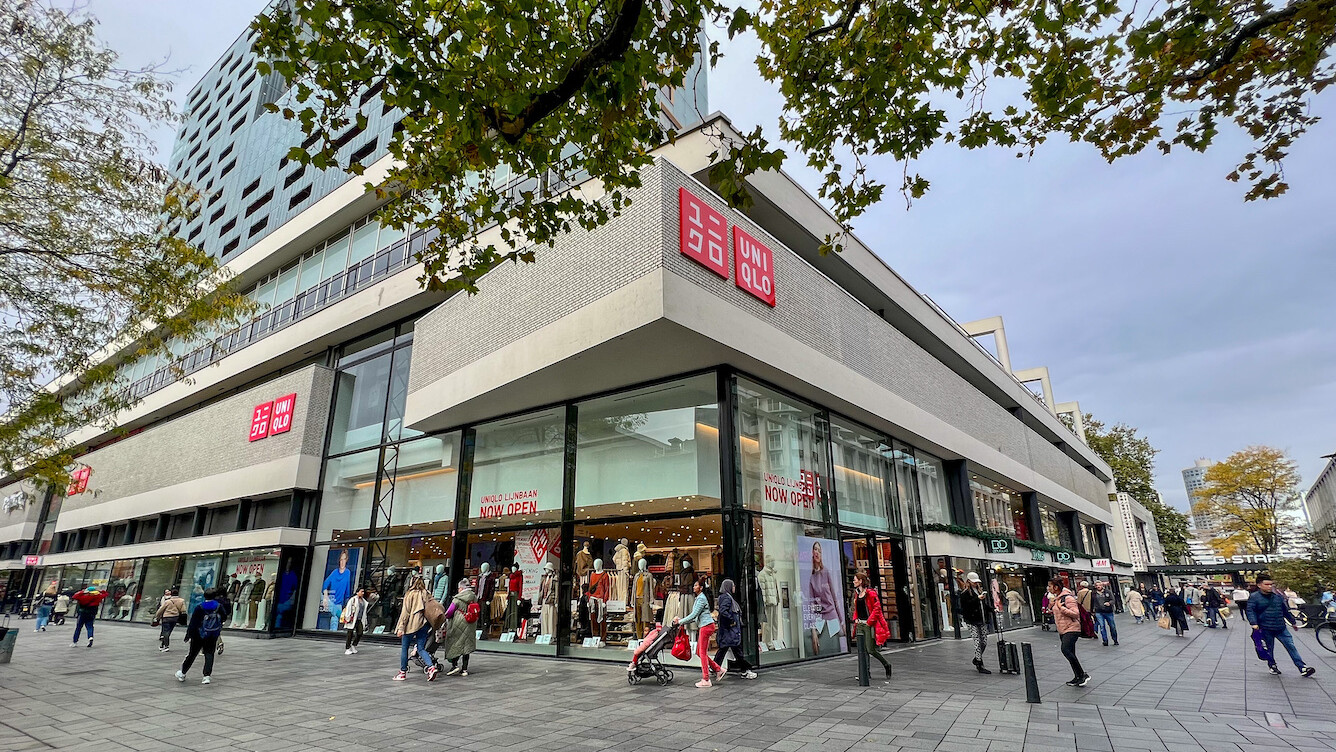
    Fast Retailing, the parent company of the popular Uniqlo brand, has unveiled one of its largest automated warehouses globally, strategically located in the Netherlands. This ambitious move aims to streamline distribution across Europe, a market the retailer has identified as ripe for expansion.

    A New Hub for European Operations

    The state-of-the-art distribution center in Rotterdam represents a significant investment, totaling 10 billion yen (approximately $69.2 million). Spanning an impressive 110,000 square meters on a 145,000 square meter site, the facility mirrors the dimensions of a similar warehouse that Fast Retailing launched in the United States in 2021. With this new hub, the company is poised to enhance its logistics capabilities in the region, setting the stage for accelerated growth.

    Meeting Market Demand

    As demand for Uniqlo’s affordable yet high-quality clothing continues to rise, this latest venture reflects the company’s strategy to bolster supply chain efficiency. By consolidating its European distribution efforts, Fast Retailing not only enhances its operational capabilities but also positions itself to better serve customers in a rapidly evolving retail landscape. After all, who wouldn’t want to get their favorite wardrobe staples delivered faster and more reliably?

    The Future Looks Bright

    With increased automation and a focus on sustainability, Fast Retailing’s new facility aligns perfectly with its long-term goals. As the retail sector continues to innovate, the company’s proactive investment in logistics is likely to pay dividends, fostering growth in the European market while ensuring that shoppers can enjoy Uniqlo’s offerings with even greater convenience.

    Questions & Answers

    What is the significance of the new distribution center for Fast Retailing?
    The new center in Rotterdam enhances Fast Retailing’s logistics capabilities in Europe, allowing for greater efficiency and improved customer service as demand for Uniqlo products grows.

    How does this facility compare to others that Fast Retailing has built?
    The Rotterdam facility, at 110,000 square meters, is comparable in size to a warehouse Fast Retailing opened in the United States in 2021, showcasing the company’s commitment to large-scale investments in automation.

    What are Fast Retailing’s long-term goals with this investment?
    The company aims to optimize its supply chain, boost sustainability efforts, and ensure quicker delivery of its products, positioning itself for significant growth in the European retail market.

  • Uniqlo Sees 3% Dip in China Profits for Q3, While North America Thrives with Solid Growth

    Uniqlo Sees 3% Dip in China Profits for Q3, While North America Thrives with Solid Growth

    TOKYO – Fast Retailing, the parent company of Uniqlo, has reported a modest uptick in operating profit growth, which edged up by 1.4% for the three months ending in May. This figure, while positive, reflects a slowdown in growth that is making analysts sit up and take notice. The company is navigating a complex landscape as it adjusts to the economic ripples caused by tariffs introduced by former U.S. President Donald Trump.

    Tariffs: Not as Wild as Expected

    Despite initial concerns, Fast Retailing clarified that the impact of these tariffs on its fiscal 2025 profits will be more limited than feared. Company representatives noted that they currently hold a “considerable” volume of products in their U.S. warehouses, effectively cushioning them from the immediate consequences of the tariffs. This tactical inventory management could prove to be a smart move, leaving room for speculation about what other strategies they might employ to keep their momentum.

    Eyes on the Future

    As the retail giant looks ahead, all eyes remain on how it can sustain growth in an unpredictable market. The slow profit increase is a signal to stakeholders that while the brand remains resilient, there are challenges on the horizon. With fierce competition and economic pressures, it will be intriguing to see how Fast Retailing adapts—after all, in retail, fortune favors the flexible!

    Questions & Answers

    What was the operating profit growth percentage for Fast Retailing in the recent quarter?
    The operating profit growth for Fast Retailing was 1.4% for the three months ending in May.

    How is Fast Retailing addressing the impact of U.S. tariffs?
    Fast Retailing indicated that the impact of tariffs on their fiscal 2025 profits will be limited because they already have a substantial volume of merchandise in their U.S. warehouses.

    What might the future hold for Fast Retailing in the competitive retail landscape?
    Fast Retailing faces several challenges but remains focused on adapting its strategies to sustain growth amid competition and economic fluctuations.

  • Natixis CIB Strengthens APAC Investment Banking Team with Notable New Additions

    Natixis CIB Strengthens APAC Investment Banking Team with Notable New Additions

    The bustling streets of Seoul are set to witness an unprecedented surge in foot traffic, all thanks to a new partnership between Shinsegae Department Store and technology giant LG. This collaboration aims to redefine the shopping experience, blending the charm of in-person retail with innovative digital solutions. With nearly 130 years of retail expertise, Shinsegae has long been a staple in the South Korean shopping landscape, and now it is stepping into the digital age with gusto.

    Shinsegae’s Ambitious Vision Comes to Life

    The unveiling of Shinsegae’s flagship store in the heart of Gangnam promises to be a game changer. This new retail haven will not only house luxury boutiques and high-end fashion but will also feature interactive displays powered by LG’s cutting-edge technology. Picture this: as customers stroll through the store, they’ll engage with AI-driven kiosks that personalize their shopping journey. It’s a bit like having a virtual shopping assistant, minus the awkward small talk.

    Furthermore, Shinsegae plans to integrate augmented reality (AR) experiences within the store. Shoppers will have the chance to visualize products in their intended settings, making decision-making easier and more entertaining than ever. As if shopping in a virtual wonderland wasn’t enough, the department store will also offer exclusive workshops and events that make it a community hub, enriching the overall consumer experience.

    The Tech Revolution in Retail

    This partnership with LG is not just about sleek displays and cool tech; it represents a strategic shift in how traditional retailers can leverage digital tools to enhance customer engagement. The marriage of Shinsegae’s retail expertise with LG’s technological prowess sets a new benchmark for what consumers can expect in retail spaces across Asia.

    As the retail sector continues to evolve, particularly in urban centers where competition is fierce, Shinsegae’s initiatives signal a crucial step toward sustaining relevance in a digital-first world. These transformations reflect a growing recognition that today’s shoppers not only demand quality products but also experiences that resonate on a personal level.

    Consumer Engagement: The Future of Retail?

    Shinsegae’s move aligns perfectly with broader trends in consumer behavior. Recent studies reveal that shoppers are increasingly drawn to brands that offer interactive and engaging experiences. By prioritizing technology-driven interaction, Shinsegae is poised to attract a new demographic of tech-savvy consumers who favor convenience alongside high-quality offerings. It’s a smart pivot that marries nostalgia with modernity, ensuring that every shopping trip feels like an adventure.

    This transformation could not come at a better time. With global retail struggling in the wake of pandemic disruptions, innovative approaches like Shinsegae’s are needed to reinvigorate the shopping landscape, making it not just a chore but a delightful outing that consumers look forward to.

    Questions & Answers

    What can shoppers expect from the new Shinsegae Department Store?
    Shoppers can look forward to luxurious product offerings coupled with interactive displays and AR experiences designed to enhance the shopping journey, making it both personal and engaging.

    How does the partnership between Shinsegae and LG benefit consumers?
    This collaboration allows Shinsegae to leverage LG’s advanced technology, offering personalized experiences that meet the modern consumer’s expectations for interaction and engagement in retail.

    What trends in consumer behavior is Shinsegae responding to with these changes?
    Shinsegae is adapting to a growing preference among consumers for brands that provide interactive experiences, recognizing that modern shoppers value convenience and personalized service alongside product quality.

  • Gold Prices Edge Up Slightly Amid Market Fluctuations: What’s Next for Investors?

    Gold Prices Edge Up Slightly Amid Market Fluctuations: What’s Next for Investors?

    In a market marked by subtle shifts, Vietnam’s gold prices crept upward on Thursday morning, reflecting a slight rise in global rates. The Saigon Jewelry Company saw its gold bars increase by 0.17%, bringing the price to VND120.8 million (approximately US$4,626.58) per tael. In a similar vein, gold rings rose by 0.18%, now priced at VND117.2 million per tael.

    So far this year, gold prices in Vietnam have soared by an impressive 43.5%, showcasing the metal’s resilience amidst economic fluctuations.

    On a global scale, gold prices dipped into positive territory on Thursday. This uptick was bolstered by a mild retreat in the dollar and bond yields, as investors remained vigilant following U.S. President Donald Trump’s expansion of tariff measures, according to reports from Reuters.

    Spot gold prices increased by 0.3%, reaching $3,322.46 per ounce, while U.S. gold futures mirrored this rise, also climbing 0.3% to $3,331.

    As market analyst Matt Simpson from City Index aptly noted, “The market impact of tariffs seems to lessen with each new headline. Tariff fatigue is here, and traders need a new catalyst to awaken volatility from its lull.”

    Lower bond yields diminish the appeal of holding non-yielding bullion, and a weaker dollar further makes gold an attractive purchase for investors using alternative currencies.

    Questions & Answers

    How have gold prices performed in Vietnam this year?
    Vietnam has seen a remarkable 43.5% increase in gold prices in 2023, highlighting the metal’s growing allure amid economic uncertainties.

    What factors are influencing the rise in global gold prices?
    Global gold prices are currently benefitting from a slight decline in the dollar and bond yields, which makes the metal more appealing to investors.

    What did market analyst Matt Simpson suggest about current market conditions?
    Simpson indicated that traders are experiencing “tariff fatigue,” expressing a need for a new catalyst to reignite volatility within the market.

  • Indosat Business Unveils Vision AI: Revolutionizing Next-Gen Surveillance Solutions for Enhanced Security

    Indosat Business Unveils Vision AI: Revolutionizing Next-Gen Surveillance Solutions for Enhanced Security

    Indosat Ooredoo Hutchison is stepping into the future of security with the launch of Vision AI, an innovative surveillance solution tailored for businesses throughout Indonesia. Unveiled by the company’s enterprise division, Indosat Business, this AI-driven system is designed not just to enhance security, but also to improve operational efficiency and enable smarter decision-making based on real-time data analysis.

    Revolutionizing Surveillance with AI

    At the heart of Vision AI is its capacity for real-time video analytics, utilizing advanced AI and deep learning technologies. This cutting-edge system analyzes live footage, identifies patterns, and issues early warnings—allowing businesses to respond rapidly and accurately. Importantly, it emphasizes operational intelligence while ensuring data privacy and adherence to regulatory standards.

    Muhammad Danny Buldansyah, Director and Chief Business Officer of Indosat Ooredoo Hutchison, characterized the launch as a significant shift in the surveillance landscape. “AI isn’t the future anymore; it’s the present,” he declared. “Vision AI proves that technology can create surveillance systems that are more responsive, efficient, and still prioritize privacy protection.” It’s a sentiment that might make traditional security systems feel a bit like yesterday’s newspaper.

    A Solution for Every Business

    With a modular design, Vision AI caters to a wide array of industry needs. The system comprises AI-ready cameras, an AI box, 3D stereo sensors, and a customizable training platform, which allows for easy integration with existing CCTV setups. According to Indosat, this technology is scalable, making it accessible for businesses ranging from startups to large corporations.

    This versatile platform is ideal for numerous applications, such as monitoring restricted areas, analyzing traffic, enhancing public safety, and studying customer behaviors in retail and public service environments. Vision AI processes data locally and in real time, all while utilizing a secure infrastructure that safeguards sensitive information.

    Innovation Meets Compliance

    Built upon a robust foundation of sovereign cloud technology, local data centers, and strong partnerships with tech providers, Vision AI complies with Indonesia’s national data security and sovereignty regulations. By storing data within the country, Indosat Business addresses concerns regarding cross-border data exposure, all while fostering innovation within a secure framework.

    Questions & Answers

    What features does Vision AI include to enhance surveillance?
    Vision AI includes real-time video analytics, AI-ready cameras, 3D stereo sensors, and a customizable AI training platform, making it adaptable to various industries.

    How does Vision AI ensure compliance with data protection regulations?
    The system utilizes local data centers and sovereign cloud technology to comply with Indonesia’s national regulations on data security and sovereignty.

    Who can benefit from using Vision AI?
    Businesses of all sizes, from small enterprises to large corporations, can easily adopt Vision AI to enhance security and operational efficiency.

  • Krungthai Bank Announces Upcoming ATM System Maintenance: What You Need to Know

    Krungthai Bank Announces Upcoming ATM System Maintenance: What You Need to Know

    As Asia continues to be a global retail powerhouse, new strategies and trends are emerging that are reshaping the landscape. One of the most talked-about phenomena in the region is the rise of omnichannel retail, which has transformed how businesses engage with consumers. Retailers are increasingly blending online and offline experiences, recognizing that today’s shoppers crave flexibility, convenience, and a seamless journey from browsing to purchasing.

    Unlocking the Power of Omnichannel Retailing

    In major Asian markets, brands are embracing technology to fortify their omnichannel strategies. Retailers are deploying innovative solutions like mobile apps, augmented reality, and personalized marketing to capture the ever-elusive, tech-savvy consumer. In China, for example, businesses are taking advantage of super apps that combine shopping, social media, and payment systems all in one platform, making it easier than ever for consumers to navigate their buying decisions.

    The pandemic has accelerated this shift. Consumers, now accustomed to the convenience of digital shopping, are less loyal to brands that fail to meet their expectations. As a result, retailers are rethinking their strategies, finding ways to integrate their physical stores with digital platforms to create a more engaging shopping experience. This shift is not without its challenges; inventory management, consistent branding, and rapid order fulfillment are just a few of the hurdles that retailers must overcome in this new digital age.

    The Growing Importance of Sustainability

    Sustainability is no longer just a buzzword in retail; it’s becoming a critical factor influencing consumer choices across Asia. As awareness around environmental issues grows, brands are finding that adopting sustainable practices can significantly enhance their appeal. Companies are now looking at everything from ethically sourced materials to eco-friendly packaging, which resonates particularly well with younger consumers.

    In Japan, for instance, retailers are focusing on recycling initiatives and reducing plastic waste, showcasing their commitment to sustainability as a core aspect of their business identity. This trend is more than just ethical; it’s financially savvy, as studies indicate that consumers are willing to pay a premium for products they perceive as environmentally friendly.

    Surprising Retail Innovations on the Horizon

    The future of retail in Asia is not just about adapting to current trends; it’s also about anticipating the next big thing. One surprising innovation gaining traction is the rise of social commerce, where platforms like TikTok are turning into virtual marketplaces. Imagine scrolling through a feed filled with videos and discovering you can buy that stylish jacket or trendy gadget without ever leaving the app—it’s an exciting prospect that could redefine shopping.

    Retailers are also exploring the potential of artificial intelligence and machine learning to predict consumer behavior, manage supply chains, and personalize marketing efforts. This technologically driven approach not only streamlines operations but also fosters deeper connections with customers by offering tailored experiences.

    As the retail landscape evolves, one thing is clear: adaptability is key. Brands that are willing to embrace change and innovate will not only survive but thrive in the dynamic Asian retail market.

    Questions & Answers

    What is omnichannel retailing, and why is it important in Asia?
    Omnichannel retailing refers to the seamless integration of online and offline shopping experiences. It’s crucial in Asia due to the region’s tech-savvy consumers who expect a flexible and convenient shopping journey.

    How are brands in Asia addressing sustainability?
    Many Asian retailers are adopting sustainable practices, such as using eco-friendly materials and reducing plastic waste, to appeal to environmentally conscious consumers, especially younger shoppers who prioritize sustainability.

    What are some innovative trends shaping the future of retail?
    Trends like social commerce, where platforms like TikTok facilitate shopping, and the use of AI to personalize shopping experiences are at the forefront of innovation, promising to transform how consumers interact with brands.

  • South Korean Banks See Growth in Deposits and Household Loans in June

    South Korean Banks See Growth in Deposits and Household Loans in June

    In a striking shift within South Korea’s banking landscape, deposits and household loans surged in June 2025, surpassing previous month’s figures, according to the latest data released by the Bank of Korea (BOK). This trend reflects an increasing consumer confidence amid dynamic housing market activities.

    Deposits Take the Lead

    June saw South Korean banks enjoy a robust increase in transferable deposits, which rose by $19.88 billion (KRW 27.3 trillion). This marks a notable jump from the $14.7 billion (KRW 20.2 trillion) expansion observed in May. Such a significant uptick suggests that households are not just saving — they are preparing for something big.

    Household Lending on the Rise

    When it comes to lending, banks extended an additional $4.5 billion (KRW 6.2 trillion) to the household sector in June, continuing from a healthy increase of $3.78 billion (KRW 5.2 trillion) in the prior month. This momentum indicates a thriving demand for loans, particularly in the mortgage market, which has been buoyed by a recent wave of housing transactions.

    Corporate Lending Struggles

    Yet, not all areas of the banking sector are flourishing. In a somewhat ironic twist, corporate lending took a downturn, with banks issuing $2.62 billion (KRW 3.6 trillion) less in loans to businesses. While large corporations faced a setback, small and medium enterprises (SMEs) managed to hold their ground with a slight increase in funding.

    Asset Management Funds Take a Hit

    Adding to the mixed signals, funds managed by asset management companies experienced a decline of $946 million (KRW 1.3 trillion). This drop underscores a cautious outlook among investors, perhaps reflecting a general uncertainty in market conditions.

    As South Korean banks navigate this uneven landscape, the growing consumer deposits and household loans inject a sense of optimism, even as corporate sectors reel from decreased lending. In this balancing act, only time will tell how these trends evolve.

    Questions & Answers

    What drove the significant increase in household loans in June 2025?
    The increase in household loans can be attributed to the rising demand for mortgages amidst an uptick in housing transactions across the market.

    How did corporate lending perform in June 2025?
    Corporate lending saw a decline of $2.62 billion (KRW 3.6 trillion), indicating challenges within the business sector, particularly for large corporations.

    What does the decline in asset management funds suggest?
    The reduction of $946 million (KRW 1.3 trillion) in asset management company funds may point to a cautious investment sentiment among consumers, reflecting broader market uncertainties.

  • Singapore Emerges as Asia’s Premier Offshore Hub for Wealthy Investors

    Singapore Emerges as Asia’s Premier Offshore Hub for Wealthy Investors

    Saving for that dream vacation has officially eclipsed financial security as the leading aspiration for wealth among investors. In a revealing study by HSBC, Singapore is crowned as Asia’s premier offshore wealth destination.

    Singapore’s Winning Streak in Wealth Management

    The study, featured in HSBC’s 2025 Affluent Investor Snapshot, surveyed 10,797 individual investors from 12 different markets, highlighting Singapore as the top location in Asia for opening overseas investment accounts. This further cements the city-state’s reputation as a trusted and stable hub for international wealth management.

    Affluence and Confidence Among Investors

    Notably, Singapore also ranks alongside the USA and Hong Kong as one of the three premier destinations for wealthy investors worldwide. Confidence among Singaporean respondents is striking; two-thirds believe they can achieve their long-term financial objectives. Gen Z and Millennials especially shine in this regard, with nearly 70% expressing assurance about reaching their goals. Older generations, including Gen X and Baby Boomers, remain optimistic as well, with 60% conveying similar sentiments.

    Shifting Financial Priorities

    Interestingly, the pursuit of leisure now takes center stage. A noteworthy 47% of Singaporean investors prioritize saving for vacations and leisure ahead of traditional concerns like financial security. Despite this shift, affluent investors continue to prioritize wealth building (46%) and retirement planning (47%).

    Preferred Avenues for Wealth Guidance

    When it comes to wealth management services, Singaporeans have clear preferences. A significant 65% of investors turn to relationship managers and wealth specialists for guidance. In a surprising twist, stockbrokers are the second most favored option, chosen by 28% of respondents, diverging from the global trend where friends and colleagues hold that position with 29%.

    Questions & Answers

    What financial goal is currently prioritized by Singaporean investors?
    Investors in Singapore are now prioritizing saving for vacations and leisure, which has surpassed financial security as their top objective. About 47% of respondents report this as their main focus.

    How does Singapore rank among global wealth destinations?
    Singapore stands alongside the USA and Hong Kong as one of the top three destinations worldwide for investors seeking offshore wealth management options.

    Who do Singaporean investors prefer for wealth management guidance?
    A clear majority of 65% of Singaporean investors prefer to consult with relationship managers and wealth specialists for their wealth management needs, contrasting with global investors who lean more towards friends and colleagues.

  • Chagee: Chinese Tea Giant Set To Brew Success In The Philippine Market

    Chagee: Chinese Tea Giant Set To Brew Success In The Philippine Market

    Chagee: The Chinese Tea Brand Poised to Enter Philippine Market

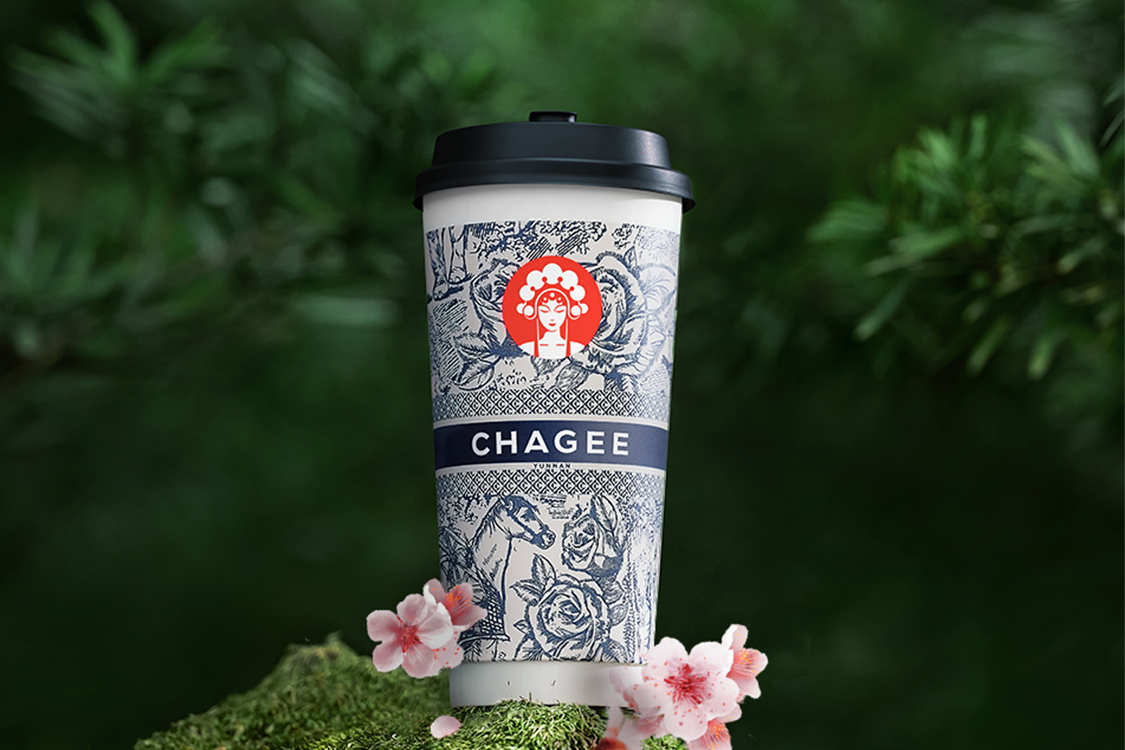
    Chagee, a renowned Chinese tea brand, is poised to infiltrate the Philippine market. This expansion is earmarked for August, with three branches slated for unveiling in Metro Manila.

    The fresh outlets will be strategically located at notable locales such as SM North EDSA, Robinsons Galleria, and Venice Grand Canal Mall.

    A Modern Take on Traditional Tea

    Chagee has carved a niche for itself as a contemporary tea bar that fuses traditional Chinese tea-making techniques with an emphasis on natural ingredients.

    The brand’s signature concoctions are milk-based tea beverages, expertly brewed using whole tea leaves from a variety of plants including green, black, and oolong. These teas are free from artificial sweeteners or flavorings, underscoring the brand’s commitment to all-natural products.

    Chagee’s Global Footprint

    With its roots in Yunnan, China, Chagee has successfully extended its reach across Asia and beyond. The company presently boasts of over 6000 stores worldwide. Its international presence can be felt in a number of markets such as Malaysia, Thailand, Singapore, and the United States among others.

    Questions & Answers

    What is Chagee?
    Chagee is a Chinese tea brand that is recognized for infusing modern flavors with traditional Chinese tea-making methods.

    Where are the new Chagee outlets in the Philippines going to be located?
    The new Chagee outlets in the Philippines are planned to be located at SM North EDSA, Robinsons Galleria, and Venice Grand Canal Mall.

    What distinguishes Chagee’s tea beverages?
    Chagee’s signature tea beverages are milk-based and are brewed using whole tea leaves from a variety of plants such as green, black, and oolong. These teas are free from artificial sweeteners or flavorings.