Author: Mei Ling Tan

  • Jollibean Commits to Paying Salaries for 22 Employees Amid Ongoing Challenges in Singapore’s Soya Milk Market

    Jollibean Commits to Paying Salaries for 22 Employees Amid Ongoing Challenges in Singapore’s Soya Milk Market

    In a troubling turn for employees at Jollibean, 29 workers are currently receiving assistance for unpaid salaries, as reported in a joint statement from the Tripartite Alliance for Dispute Management and the Ministry of Manpower on July 12. These salary disputes are not a recent development; they have been cropping up intermittently since December 2024.

    Drastic Downsize at Jollibean

    Once a dominant presence with over 30 outlets across Singapore, Jollibean’s store count has dwindled to just five locations. The company’s director, Shahrul Nazrin Mohd Dahlan, now navigating the firm under new ownership, has assured that they are working closely with authorities to resolve the salary issues by the end of this month. However, specifics regarding the delayed payments remain murky.

    Voices of Concern: Employees Speak Out

    An employee, revealed her distress over unpaid wages for May and June, with her December 2024 salary delayed by nearly three weeks. “It’s like being in a suspense thriller—you never know what’s going to happen next. I’ve had to dip into my savings just to handle rent and other bills,” she said, highlighting the struggles faced by her and other front-line staff. “It would have been helpful if management had given us a heads up about the company’s struggles instead of leaving us in the dark.”

    Ongoing Investigations and Future Prospects

    As the situation unfolds, the Ministry of Manpower is conducting an investigation into Jollibean for possible violations of the Employment Act and is committed to assisting impacted employees. Jollibean was established in Singapore back in 1995, becoming a beloved brand known for its soya milk and traditional pancake snacks, conveniently located in bustling shopping malls and MRT stations.

    However, the company’s fortunes began to wane during the Covid-19 pandemic, with a steady decline in brand popularity detailed in Berjaya Food’s annual reports after the Malaysian F&B operator acquired Jollibean in 2012 for SGD7.5 million (USD 5.86 million). Once the post-pandemic world opened up, Jollibean faced a challenging landscape marked by weakened consumer sentiment, dwindling foot traffic in the Central Business District, rising living costs, and a persistently uncertain economic climate.

    Questions & Answers

    What led to Jollibean’s financial difficulties?
    Jollibean has struggled due to various factors, including decreased consumer sentiment during the pandemic, lower foot traffic from flexible work arrangements, and increased living costs, all compounded by an uncertain economic outlook.

    How many employees are currently affected by unpaid wages?
    Currently, 29 workers are seeking assistance for unpaid salaries, as reported by the Tripartite Alliance for Dispute Management and the Ministry of Manpower.

    What actions are being taken to address the salary issues?
    Jollibean’s new ownership is collaborating with authorities to resolve outstanding salary payments, and the Ministry of Manpower is investigating the company for potential violations of the Employment Act.
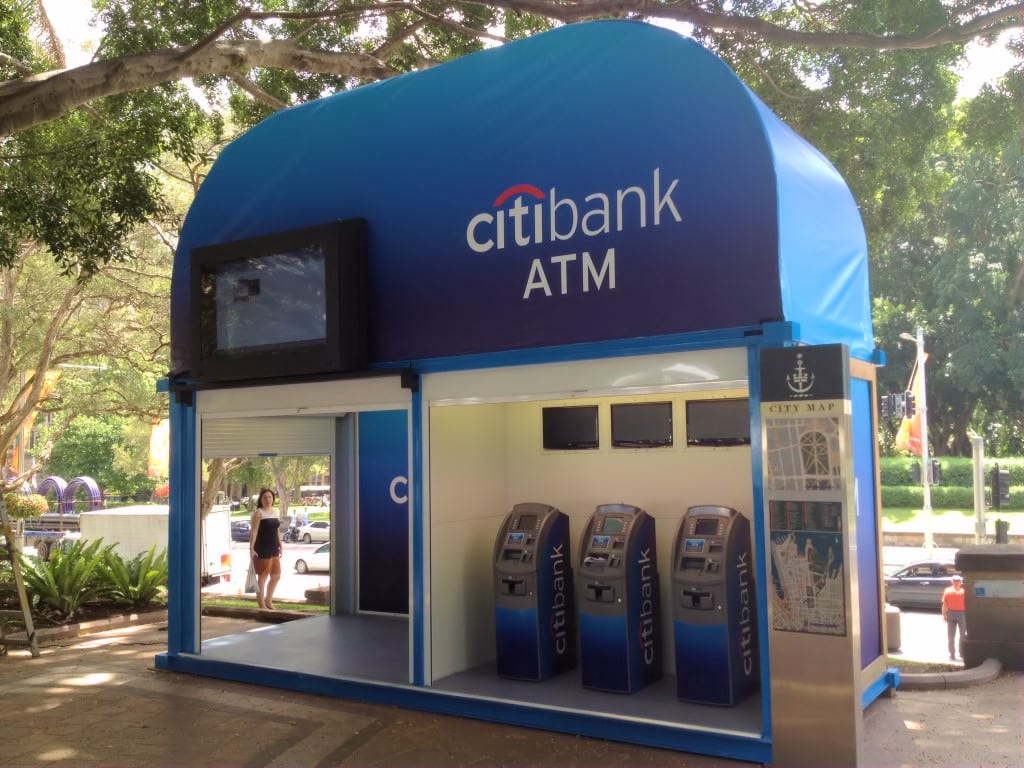

  • Citi Singapore Sees Wealth Transactions Skyrocket After Innovative Digital Transformation

    Citi Singapore Sees Wealth Transactions Skyrocket After Innovative Digital Transformation

    Citibank Singapore has seen a remarkable uptick in digital wealth management transactions, surging by an impressive 165% over the past two years. This surge is largely attributed to the bank’s significant overhaul of its mobile app and website, which now boasts over a hundred new features designed to enhance users’ wealth management experiences. According to Gourab Kundu, head of digital growth for Asia South at Citi Wealth, the initiative was motivated by a clear goal: to ensure that Citi’s digital ecosystem communicates effectively in the language of wealth.

    Revamping the Digital Landscape

    “We recognized the need to completely revamp the way we engage with our clients through our digital platforms,” Kundu shared during a recent Zoom call. This insightful overhaul seems to be paying off; four out of five clients now use Citi’s mobile app on a regular basis, indicating a widespread embrace of the bank’s digital offerings.

    Streamlined Investment Processes

    Among the standout changes to Citi’s digital interface is the introduction of an auto top-up feature, specifically for brokerage clients who wish to invest in US dollars. This innovative feature allows real-time currency conversion, effectively eliminating a previous hurdle where clients had to convert Singapore dollars into US dollars before initiating transactions. “Seventy percent of our brokerage transactions occur in the US markets, according to our Singapore data,” Kundu noted, highlighting a pivotal shift in user experience. Now, over 90% of brokerage transactions are executed digitally, signaling a clear move towards more efficient trading.

    Engaging with Wealth Management

    Citi’s efforts also extended to the mutual fund sector, where the bank doubled transaction volumes by simplifying the investment process and introducing a visualizer that allows clients to easily track the performance of their portfolios. Kundu described wealth management at Citi as entering a hybrid era, where clients enjoy the convenience of digital platforms while still having the option to consult with relationship managers.

    Digital Meets Human Touch

    To stay ahead in an increasingly competitive market, Citi has embraced a dual approach that blends digital access with human interaction. Clients can now swiftly authorize transactions without needing to speak face-to-face with an advisor. “Our platform sends alerts to clients about products, allowing them to review and authorize transactions seamlessly within the app,” Kundu explained.

    Furthermore, a secure WhatsApp channel has been established for relationship managers to communicate with clients, emphasizing Citi’s commitment to maintaining personal connections, even in a digital-first environment.

    Looking Ahead: Real-Time Payment Solutions

    As the bank sets its sights on the future, real-time payment processing looms large on CIS’s agenda. “One of Citi’s biggest advantages is our global reach,” Kundu emphasized, noting that the availability of payment corridors in real time is particularly beneficial. Recently, the company successfully launched real-time payments in India, the UK, and Thailand, unveiling new opportunities for cross-border transactions. “We’re excited to see solid improvements in the uptake of this cross-border payment facility,” he concluded, hinting at a bright future for Citi’s digital wealth management services.

    Questions & Answers

    What recent changes has Citibank Singapore made to its digital platforms?
    Citibank Singapore revamped its mobile app and website, launching over a hundred new features, which contributed to a 165% increase in digital wealth management transactions over the past two years.

    How has Citi improved the brokerage client experience?
    Citi introduced an auto top-up feature that enables real-time currency conversion for US dollar investments, simplifying the transaction process and allowing over 90% of brokerage transactions to be completed digitally.

    What is on the horizon for Citi’s wealth management services?
    Citi is focusing on implementing real-time payment processing, leveraging its global presence to facilitate efficient cross-border transactions, with successful launches in countries like India, the UK, and Thailand.

  • Reliance Jio Postpones IPO to Enhance 5G Investments and Accelerate Digital Growth

    Reliance Jio Postpones IPO to Enhance 5G Investments and Accelerate Digital Growth

    Reliance Jio Platforms has decided to postpone its much-anticipated initial public offering (IPO) until after 2025, focusing instead on bolstering its financial health and expanding its array of digital services. The company is intent on enhancing its revenue streams and subscriber base prior to making its public debut.

    Valuation Soars as Digital Ventures Thrive

    With analysts currently estimating the value of Jio Platforms at over USD 100 billion, the subsidiary of Reliance Industries Limited (RIL) is rapidly diversifying. At the forefront of its endeavors is Reliance Jio Infocomm, its telecom operator, which generates around 80% of the company’s staggering USD 17.6 billion in annual revenue.

    Cautious Approach to 5G Expansion

    In a surprising turn of events, Jio has adopted a measured strategy towards its nationwide 5G rollout. The company slowed its expansion in October 2024, citing low utilization and delayed monetization as factors. Instead of racing ahead, Jio is prioritizing the transition of its existing 4G users to the more lucrative 5G services, aiming to maximize revenue from its current customer base.

    5G Utilization Numbers Raise Questions

    While equipment vendors suggest that the current 5G network utilization sits at around 15%, insiders from Jio argue that actual usage is, in fact, more than double that figure. Working with industry giants like Nokia and Ericsson for its 5G infrastructure, Jio is continually evolving its strategy, tailoring it to meet customer demands in an increasingly competitive landscape.

    Leading the 5G Race

    As it stands, Jio services approximately 130 million 5G users, putting it ahead of rival Bharti Airtel, which has close to 90 million users. During the company’s 47th annual general meeting (AGM), RIL Chairman Mukesh Ambani revealed that Jio now operates over 85% of India’s 5G radio cells, solidifying its dominant position in the telecommunications sector.

    Bold Moves in AI and Digital Services

    Diversifying its portfolio further, Jio is making significant strides in the realms of digital technology and artificial intelligence (AI). At the Mobile World Congress (MWC) 2025, the company unveiled its plans to develop an Open Telecom AI Platform in collaboration with AMD, Cisco, and Nokia. This ambitious platform aims to provide AI-driven solutions for telecom operators and service providers — a feat that could shake up the industry’s landscape.

    Integrating AI for Enhanced Network Operations

    Jio’s strategy includes seamlessly integrating AI and automation throughout its network operations. The forthcoming platform will leverage open application programming interfaces (APIs), agentic AI, large language models (LLMs), and traditional machine learning (ML) to facilitate intelligent, end-to-end telecom services. Talk about giving ‘smart’ a whole new meaning!

    Questions & Answers

    What is the primary reason for Jio’s IPO delay?
    The delay in Jio Platforms’ IPO until after 2025 is primarily focused on strengthening its financial profile and expanding its digital services to enhance revenue streams and subscriber base before going public.

    How does Jio’s 5G user base compare to its competitors?
    Jio currently serves around 130 million 5G users, significantly more than its nearest rival, Bharti Airtel, which boasts approximately 90 million users.

    What differentiates Jio’s approach to its 5G rollout?
    Jio has taken a cautious approach to 5G expansion, prioritizing the migration of 4G users over aggressive expansion due to issues surrounding low utilization and delayed monetization.

  • Casetify Unveils Innovative Collaboration With Artist Takashi Murakami: The Kaikai And Kiki Collection

    Casetify Unveils Innovative Collaboration With Artist Takashi Murakami: The Kaikai And Kiki Collection

    In a collaboration between Casetify and Takashi Murakami, an exciting new collection featuring the renowned Japanese artist’s characters, Kaikai and Kiki, has been unveiled. This collection, building on the triumph of the previous Murakami World collection, comprises a variety of tech accessories, travel gear, and collectibles.

    New Range Highlights

    The new collection includes an array of items such as phone cases, trading card holders, watch bands, AirPods holders, and phone charms. Central to the assortment is the Travel Bounce Carry-On in an enticing Primrose Pink hue, adorned with Kaikai and Kiki artwork.

    The collection also sees the Cherry Red and Matte Black travel series revamped, now featuring these enchanting characters. The brand has also offered customization options for selected products, allowing customers to add a personal touch to their items.

    Pioneering Products

    In addition to the aforementioned products, Casetify is also introducing its first pink camera ring under its Icons series. This product launch coincides with the introduction of a 29-inch Bounce Check-In Trunk, which holds the distinction of being the brand’s largest luggage product so far.

    Takashi Murakami expressed his enthusiasm for the new collection, stating that it provides a fresh medium for the expansion of Kaikai and Kiki, his single pair of twin characters. The duo, according to Murakami, symbolizes a wide range of emotions. The characters’ names, interestingly, were inspired by a phrase used to describe the painter Kano Eitoku and now form part of Murakami’s studio, Kaikai Kiki.

    Emphasis on Innovation

    Wesley Ng, Casetify’s co-founder and CEO, remarked that this collaboration underscores the brand’s commitment to continued product innovation. He expressed the brand’s excitement about offering their fans something they have not seen before. This collaboration is seen as a continuation of Casetify’s efforts to foster meaningful collaborations.

    The Kaikai and Kiki collection is now accessible to customers globally, available for purchase both on Casetify’s website and in retail stores.

    Questions & Answers

    What does the new collection launched by Casetify and Takashi Murakami include?
    The collection includes a variety of tech accessories, travel gear, and collectibles featuring the characters Kaikai and Kiki.

    What are the unique features of this collection?
    The collection includes a pink Travel Bounce Carry-On with Kaikai and Kiki artwork, a pink camera ring, and a 29-inch Bounce Check-In Trunk, which is the largest luggage product of Casetify to date.

    Where can customers purchase items from this collection?
    Customers can purchase items from the Kaikai and Kiki collection on Casetify’s website and at retail locations across the globe.

  • Leadership Shakeup At Nike: Aaron Cain Steps Up As Converse CEO Amid Sales Slump

    Leadership Shakeup At Nike: Aaron Cain Steps Up As Converse CEO Amid Sales Slump

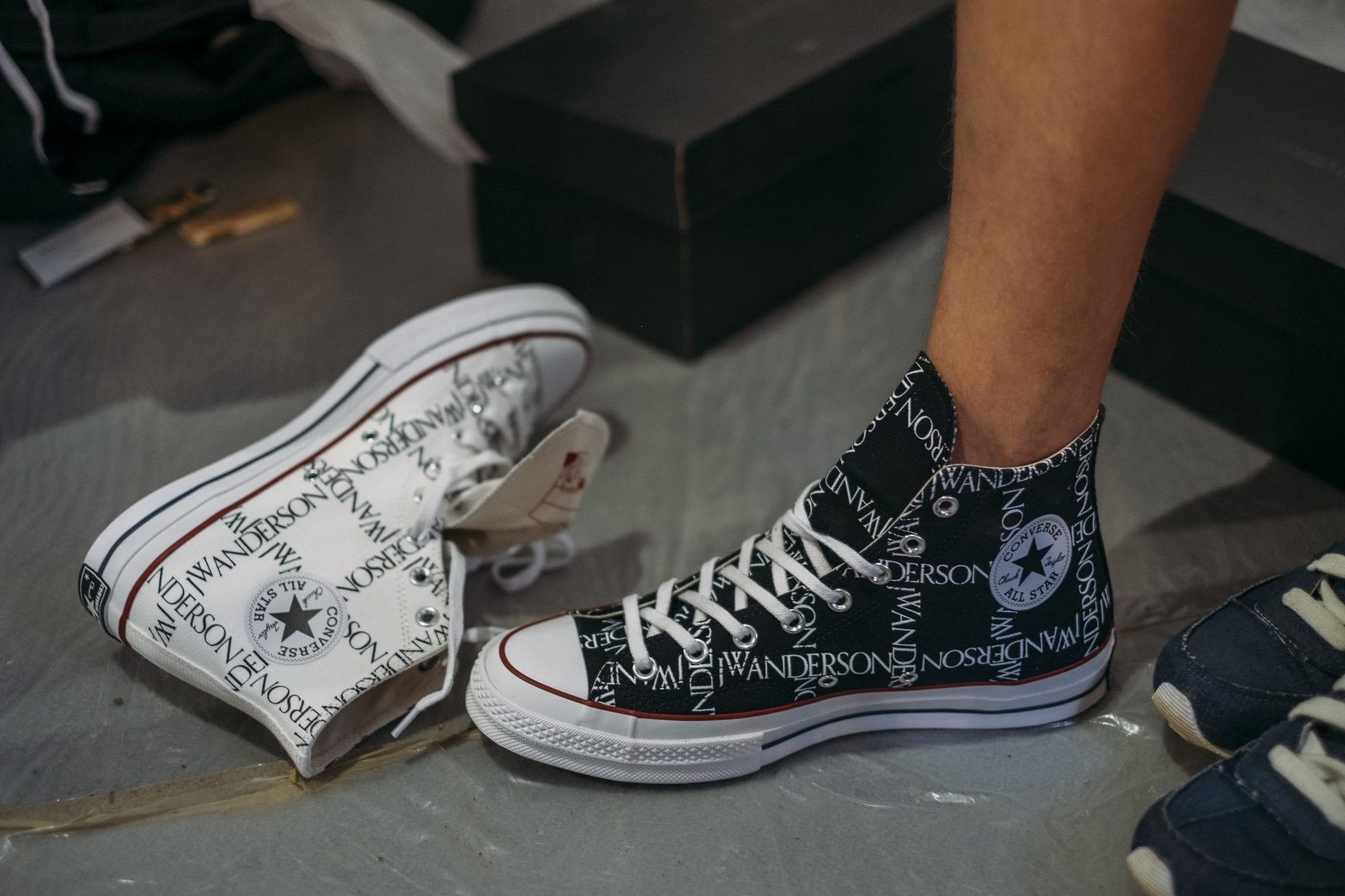
    Nike’s Converse division is set to undergo a change in leadership as Aaron Cain steps into the role of CEO, succeeding Jared Carver who has served in the position for the past two years.

    A veteran of Nike for over two decades, Cain has contributed to the company in a variety of roles, most recently as Nike’s Vice President and General Manager of Global Men’s Business.

    Financial Performance

    Nike’s recent annual results in June revealed a 9% decrease in sales, with Converse suffering a more significant slump of 19%. Despite these figures, Nike’s CEO and President, Elliot Hill, remains optimistic about future performance, citing the company’s ‘Win Now’ strategy as a catalyst for improvement.

    Executive Shakeup

    The appointment of Cain as CEO of Converse is just one move in a series of recent executive changes within the brand. Tony Bignell has assumed the role of Chief Operating Officer, while Amy Montagne has been named Nike’s Brand President. Additionally, Jennifer Hartley has been designated as the new Chief Strategy Officer.

    To ensure a smooth transition, Cain and Carver will overlap in their roles until the end of July.

    Questions & Answers

    Who has been appointed as the new CEO of Nike’s Converse division?
    Aaron Cain has been appointed as the new CEO of Nike’s Converse division.

    What were the recent changes in Nike’s sales performance?
    Nike reported a 9% decrease in its annual sales, with the Converse division experiencing a 19% decrease.

    Who are the new executives appointed in Nike?
    Apart from Aaron Cain, Tony Bignell has been appointed as the new COO, Amy Montagne as Nike’s Brand President, and Jennifer Hartley as the Chief Strategy Officer.

  • Pandora Eyes Strategic Overhaul Amid Falling Sales In China: A Turnaround In Sight?

    Pandora Eyes Strategic Overhaul Amid Falling Sales In China: A Turnaround In Sight?

    Pandora, the Denmark-based jewellery manufacturer known for its charm bracelets, is considering a strategic overhaul of its operations in China due to a sustained downturn in sales, according to insider sources. These measures may include licensing its brand and assets, including its current inventory, to China-based funds and e-commerce partners for a five-year period.

    Pandora, like many other multinational consumer-focused companies operating in the world’s second-largest economy behind the United States, has been negatively impacted by the aftermath of the global pandemic and a property crisis that has sent shockwaves through the economy. The company has struggled to compete with local, tech-savvy brands in the crowded e-commerce sector and has also been affected by a consumer trend towards gold and high-value jewellery.

    Addressing Challenges

    In a statement, Pandora acknowledged its need to reposition its brand in the increasingly challenging Chinese market and confirmed its commitment to implementing a turnaround strategy. “While this process will undoubtedly take time, China represents the world’s largest jewellery market and we remain completely dedicated to our business operations there,” commented Pandora.

    Over the past five years, Pandora’s revenue in China has plummeted nearly 80%, dropping to 416 million Danish crowns (approximately US$65.10 million) in 2024, down from 1.97 billion crowns in 2019. The company’s contribution from its China operations has also significantly reduced, falling from 11% to around 1% during the same period.

    Leadership Changes and Future Plans

    There have been several leadership changes within Pandora’s China operations since 2022, with the current Managing Director, Thomas Knudsen, joining the company at the beginning of this year. Shortly after his appointment, Pandora announced plans to shut down 50 stores in China later this year.

    There may be challenges in finding an investor or a licensing partner given the downward trends in performance and broader consumer challenges, according to Jonathan Yan, a principal at a leading consultancy firm in Shanghai. Yan stated that financial investors may not be interested in the asset, while e-commerce partners interested in owning higher-margin brands may be potential candidates.

    Speculations and Expectations

    Pandora’s e-commerce division has faced a steeper decline in sales than its physical stores, an insider revealed. Therefore, a takeover by an operator with the know-how to compete in the Chinese e-commerce market could be a positive development, although the cost of any turnaround would be significant to whoever assumes responsibility for the company’s operations.

    Yan commented, “Any successful turnaround will necessitate significant investment and the introduction of highly innovative strategies, and even then, success is far from guaranteed.”

    Questions & Answers

    What potential measures is Pandora considering for its Chinese operations?
    Pandora is reportedly contemplating licensing its brand and assets to China-based funds and e-commerce partners for a five-year period.

    How has Pandora’s revenue in China changed over the past five years?
    From 2019 to 2024, Pandora’s revenue in China has fallen nearly 80%, from 1.97 billion Danish crowns to 416 million Danish crowns.

    What challenges does Pandora face in turning around its operations in China?
    Pandora faces competition from local, tech-savvy brands, a shift in consumer preferences toward gold and high-value jewellery, and the broader economic impact of the global pandemic and property crisis.

  • Tokyo Lifestyle Sees Sales Surge Thanks To Global Expansion: Eyes Middle East, Vietnam, Australia Next

    Tokyo Lifestyle Sees Sales Surge Thanks To Global Expansion: Eyes Middle East, Vietnam, Australia Next

    Tokyo Lifestyle, a retailer listed in the US but with its roots in Japan, has seen a boost in sales over the past fiscal year due to its steady growth in all markets. The company reported a revenue increase of 7.4 per cent during the year that ended on March 31, reaching a total of US$210.1 million.

    Growth Through Expansion

    The company’s management team has credited this surge in growth to the expansion of its existing network and branching out into new territories. Throughout the relevant year, Tokyo Lifestyle launched five new directly operated stores in the US, Canada, and Hong Kong. Additionally, the company added three franchise stores and 54 wholesale partners to its network, contributing significantly to its growth.

    Revenue derived from directly operated physical stores showed an impressive increase of 14.4 per cent, while sales from franchise stores and wholesale customers rose by 9.1 per cent.

    Despite this, Tokyo Lifestyle’s bottom line didn’t fare as well. The gross profit rose by 2.3 per cent, reaching $23.9 million, but net income fell from $7.5 million to $6.6 million, primarily due to losses from foreign currency exchange and changes in the fair value of warrants.

    Ambitious Expansion Strategy

    Mei Kanayama, the principal executive officer of Tokyo Lifestyle, expressed confidence in the company’s potential for long-term growth. She attributed this optimism to their ambitious yet thoroughly planned expansion strategy. She further stated, “We believe that our profitability will continue to improve steadily as our global footprint becomes more established with the addition of more distribution points.”

    On its expansion journey, the company revealed it has established a new subsidiary in Australia and has plans to launch stores in Vietnam, Australia, and the Middle East.

    Tokyo Lifestyle currently offers an array of Japanese products including beauty and health items, sundries, luxury items, electronic products, collectible cards, and trendy toys in Hong Kong, Japan, North America, Thailand, and the UK.

    Questions & Answers

    What contributed to Tokyo Lifestyle’s growth in the past fiscal year?
    The company attributes its growth to the expansion of its existing network and entry into new markets.

    What is Tokyo Lifestyle’s future expansion plan?
    Tokyo Lifestyle plans to establish more distribution points globally, with a particular focus on Vietnam, Australia, and the Middle East.

    What range of products does Tokyo Lifestyle offer?
    Tokyo Lifestyle offers a diverse range of Japanese products, encompassing beauty and health items, sundries, luxury items, electronic products, popular toys, and collectible cards.

  • Thailand Braces for $6B Export Setback as US Considers Tariff Increase

    Thailand Braces for $6B Export Setback as US Considers Tariff Increase

    Thailand could face a staggering loss of up to 200 billion baht (approximately US$6.14 billion) in export revenue this year if the United States moves forward with proposed tariffs ranging from 25% to 36% on Thai goods, warns a forecast from the University of the Thai Chamber of Commerce (UTCC).

    Tariff Hurdles Ahead

    Thanavath Phonvichai, the President of UTCC, highlighted a critical window for Thailand to negotiate a more favorable tariff outcome, aiming to reduce these rates to 20% before the tariffs are set to be implemented on August 1. However, Phonvichai cautioned that reaching a final deal with U.S. officials remains uncertain, adding an extra layer of uncertainty to the already precarious situation.

    Political Instability Threatens Economic Stability

    The stakes are further raised by Thailand’s internal political landscape. Phonvichai indicated that potential political unrest, including a possible dissolution of parliament or delays in passing an economic stimulus budget, could slash GDP growth by up to one percentage point. If such outcomes unfold, economic growth might dip below 1% for the year, significantly lower than the previously projected 1.7%.

    Impact on Exports and Consumer Confidence

    If the 25% to 36% tariffs are implemented for the entire year, the UTCC projects that exports valued between 400 billion and 600 billion baht could be adversely impacted. This anticipated setback comes in the wake of a significant decline in consumer confidence, with the index dropping to 52.7 in June, marking its lowest point in 28 months. Public optimism appears to be wilting, perhaps just like a garden in the harsh heat of the Thai summer.

    Questions & Answers

    What are the potential consequences of the U.S. tariffs on Thailand’s economy?
    Thailand could lose up to 200 billion baht in export value, which could push its GDP growth below 1% for the year.

    When are the potential U.S. tariffs set to take effect?
    The tariffs are scheduled to be implemented on August 1, leaving Thailand limited time to negotiate more favorable rates.

    How has consumer confidence been affected recently in Thailand?
    The consumer confidence index fell to 52.7 in June, the lowest level in nearly two and a half years, reflecting widespread public concern about the economic outlook.

  • Vietnam’s Gold Prices Soar to Two-Month High: What This Means for Retail Investors

    Vietnam’s Gold Prices Soar to Two-Month High: What This Means for Retail Investors

    Gold prices in Vietnam have soared to a two-month high following a surge in global rates prompted by new import tariffs announced by the U.S. government.

    On Saturday morning, gold bars from the Saigon Jewelry Company increased by 0.41% to reach VND121.5 million per tael (approximately US$4,652.59), marking the highest price since May 10. Meanwhile, gold rings saw a modest rise of 0.25%, ending the day at VND118.2 million per tael. Since the start of the year, gold prices have surged by an impressive 44%.

    This recent climb is largely attributed to a global uptrend in gold prices, which rose over 1% on Friday. Investors are flocking to safe-haven assets in response to U.S. President Donald Trump’s announcement of new tariffs, prompting silver to reach its highest price in more than 13 years, according to Reuters.

    Spot gold saw an increase of 1% to $3,356.93 per ounce, peaking earlier in the session at its highest level since June 24. U.S. gold futures closed at $3,371.20, up 1.4%.

    The global equities market took a hit as President Trump intensified his tariff offensive against Canada, declaring a staggering 35% tariff on imports set to commence next month, with plans to apply blanket tariffs of 15% to 20% on most other trading partners.

    “We are witnessing the return of the uncertainty premium to the market, leading to increased interest in gold as a safe haven,” explained Aakash Doshi, global head of gold strategy at State Street Global Advisors. He anticipates that gold prices will likely range between $3,100 and $3,500 in the third quarter, stating, “It’s been a remarkable first half of the year, and now we seem to be entering a phase of consolidation,” as reported by Reuters.

    Questions & Answers

    What factors are contributing to the rise in gold prices in Vietnam?
    The surge in gold prices is primarily due to increased global rates following the announcement of new U.S. tariffs, which have led investors to seek safe-haven assets.

    How much have gold prices increased since the beginning of the year?
    Gold prices in Vietnam have risen by an astonishing 44% since the start of the year, reflecting a strong demand amid market uncertainty.

    What are experts predicting for gold prices in the near future?
    Analysts, including Aakash Doshi from State Street Global Advisors, suggest that gold prices are likely to range between $3,100 and $3,500 in the third quarter, indicating a phase of consolidation after a robust first half.

  • Dollar Sees Slight Dip Against Dong in Black Market Exchange Rates

    Dollar Sees Slight Dip Against Dong in Black Market Exchange Rates

    In a curious twist of the foreign exchange market, the U.S. dollar has lost a bit of its footing against the Vietnamese dong on the black market this past Saturday morning. The greenback slipped 0.04% to VND26,490 at unofficial exchange points, while Vietcombank held its rate steady at VND26,290. The State Bank of Vietnam maintained its reference rate at VND25,128, keeping a steady course amid fluctuating markets.

    On a global scale, however, the U.S. dollar appeared to regain strength against other major currencies, bolstered by renewed trade frictions as President Donald Trump announced new tariffs aimed at Canada and other nations. This development reignited fears among traders that might ripple through international relations and global trade patterns.

    The dollar made a notable gain of 0.79%, reaching 147.4 against the Japanese yen—setting it on a trajectory for nearly a 2% rise for the week, marking its largest weekly gain since early December. And while it remained flat against the Swiss franc, trading at 0.79695 franc, the situation was more dynamic elsewhere.

    In Europe, the euro fell by 0.1% to $1.1688 as Trump’s tariff threats cast a long shadow over trade discussions between the European Union and Washington, potentially threatening the delicate balance of ongoing negotiations. Against the yen, the dollar edged up by 0.6% to 147.05 yen.

    The Canadian dollar also felt the pinch, dropping 0.11% to C$1.3672 after a sharp decline of over 0.5% in the wake of Trump’s tariff announcement. The Brazilian real followed suit, depreciating by 0.26% against the dollar, illustrating the sweeping influence of the U.S. currency market.

    Questions & Answers

    How is the U.S. dollar performing against the Vietnamese dong?
    The U.S. dollar has declined slightly, slipping 0.04% to VND26,490 on the black market, while official rates remained unchanged at VND26,290 for Vietcombank and VND25,128 for the State Bank of Vietnam.

    What recent events are influencing the U.S. dollar’s value globally?
    The U.S. dollar has gained strength against major currencies due to President Donald Trump’s announcement of new tariffs on Canada and other trading partners, which revived trade tensions and uncertainty.

    What are the implications of rising tariffs for investors?
    Rising tariffs can lead to increased volatility in the currency markets, creating opportunities but also risks for investors as trade relations shift and economic forecasts become more uncertain.

  • Singapore and Malaysia Casinos Set to Flourish Amid Rising Wave of Chinese Gamblers

    Singapore and Malaysia Casinos Set to Flourish Amid Rising Wave of Chinese Gamblers

    Gross gaming revenue in Singapore, Malaysia, and the Philippines is on track to match or even surpass pre-pandemic levels, thanks to a surge in visitation and a thriving domestic market, as revealed in a recent report by S&P Global. The research underscores the enduring resilience of the gaming sector in these Southeast Asian nations, with a special nod to the influence of returning Chinese tourists.

    The influx of visitors, particularly from China, has been a game-changer for the region, with arrivals in both Malaysia and Singapore rebounding to pre-pandemic levels. Analyst Ong Hwee Yee from S&P Global emphasizes the importance of the premium mass gaming sector as a key revenue driver. “Affluent players are generally less affected by economic downturns compared to lower-income groups,” she noted, reflecting an optimistic outlook for engagement in this segment.

    A noteworthy shift occurred when Singapore lifted visa restrictions for Chinese travelers in February 2024, which led to a remarkable 50% increase in gaming revenue year-on-year during the first quarter. Not wanting to miss out, Malaysia introduced a similar visa policy only ten months later as it seeks to capitalize on the renewed interest.

    Genting Bhd, one of the region’s titans in hospitality and gaming, is also making headlines with its ambitious venture to establish a casino in New York City. Analysts at S&P Global have flagged this as a potential “event risk,” suggesting that success in securing a full casino license could solidify Genting’s standing in the competitive U.S. market, especially by leveraging the existing Resorts World New York City infrastructure. However, not obtaining this license could dampen its New York prospects significantly.

    Elsewhere in the Asia-Pacific, the casino landscape is facing challenges. While Singapore and Malaysia thrive, S&P Global warns that Cambodia’s gaming industry will see a slow recovery, largely due to a crackdown by China on junket operators involved in money laundering and corruption. These operators accounted for about 70% of Cambodia’s gross gaming revenue as of 2019, a stark reminder of how external factors can ripple through local economies.

    The legalization of casinos in Thailand has hit a roadblock as the government recently withdrew a flagship proposal put forth by suspended Prime Minister Paetongtarn Shinawatra. With betting remaining largely illegal, some lawmakers continue to advocate for legal casinos as a potential lifeline for the struggling tourism sector. Ong describes Thailand’s casino market as “massive” in potential, yet she cautions that such a development might impact neighboring markets.

    In the digital sphere, online gambling in the Asia-Pacific region is projected to soar to US$20.9 billion this year, representing a growth of 12.8% from the previous year. Factors such as technological advancements and changing consumer preferences are propelling this growth, while the region’s considerable population, rising smartphone penetration, and increasing disposable incomes signal a robust compound annual growth rate of 12.77% anticipated between 2025 and 2033.

    Questions & Answers

    What key factors are driving the recovery of gaming revenue in Southeast Asia?
    The recovery is largely attributed to increased visitation from Chinese tourists and a robust domestic market, along with the premium mass gaming sector, which remains a strong revenue driver.

    How is Genting Bhd positioning itself in the U.S. market?
    Genting Bhd is exploring the establishment of a casino in New York City, which could enhance its competitiveness in the U.S. if it successfully secures a full casino license, leveraging its existing Resorts World New York City infrastructure.

    What challenges do Cambodia’s casinos currently face?
    Cambodia’s casinos are grappling with a slow revenue recovery, particularly due to China’s crackdown on junket operators tied to money laundering, which had previously accounted for a significant portion of their gross gaming revenue.

  • Temu’s Price Surge: 300% Increase Fuels Controversy Over New Tax in Pakistan

    Temu’s Price Surge: 300% Increase Fuels Controversy Over New Tax in Pakistan

    In a significant shift, Temu, a rising star in the Chinese e-commerce sector, has jacked up prices for Pakistani consumers by as much as 300%. This steep increase comes on the heels of the Pakistani government’s recent decision to impose new taxes on online sellers, a move that has sent ripples across the country’s digital marketplace.

    Industry analysts are concerned that these tax measures could dampen consumer spending and stifle the burgeoning digital economy in Pakistan. With prices soaring, one has to wonder if shoppers still have the appetite for online bargains, or if they’ll be forced back to traditional markets — a twist that would surely turn the tables on the e-commerce revolution.

    As online platforms like Temu adapt to this fiscal landscape, consumers find themselves at a crossroads. The new tax burdens could hinder the growth of digital commerce just when it was beginning to flourish, raising questions about the long-term implications for businesses and buyers alike.

    Questions & Answers

    How has Temu’s pricing policy changed in Pakistan?
    Temu has increased prices for its products in Pakistan by up to 300%, attributed to the government’s new taxes on online sellers.

    What impact might these tax measures have on consumers?
    Experts believe that the new tax measures could negatively affect consumer spending and slow the growth of Pakistan’s digital economy.

    Are there concerns about the future of e-commerce in Pakistan?
    Yes, there are significant concerns that the tax increases could stifle the rapid growth of digital commerce, limiting options for consumers and affecting overall market dynamics.

  • DCS Launches Innovative Web3 Payment Platform, Revolutionizing the Retail Experience

    DCS Launches Innovative Web3 Payment Platform, Revolutionizing the Retail Experience

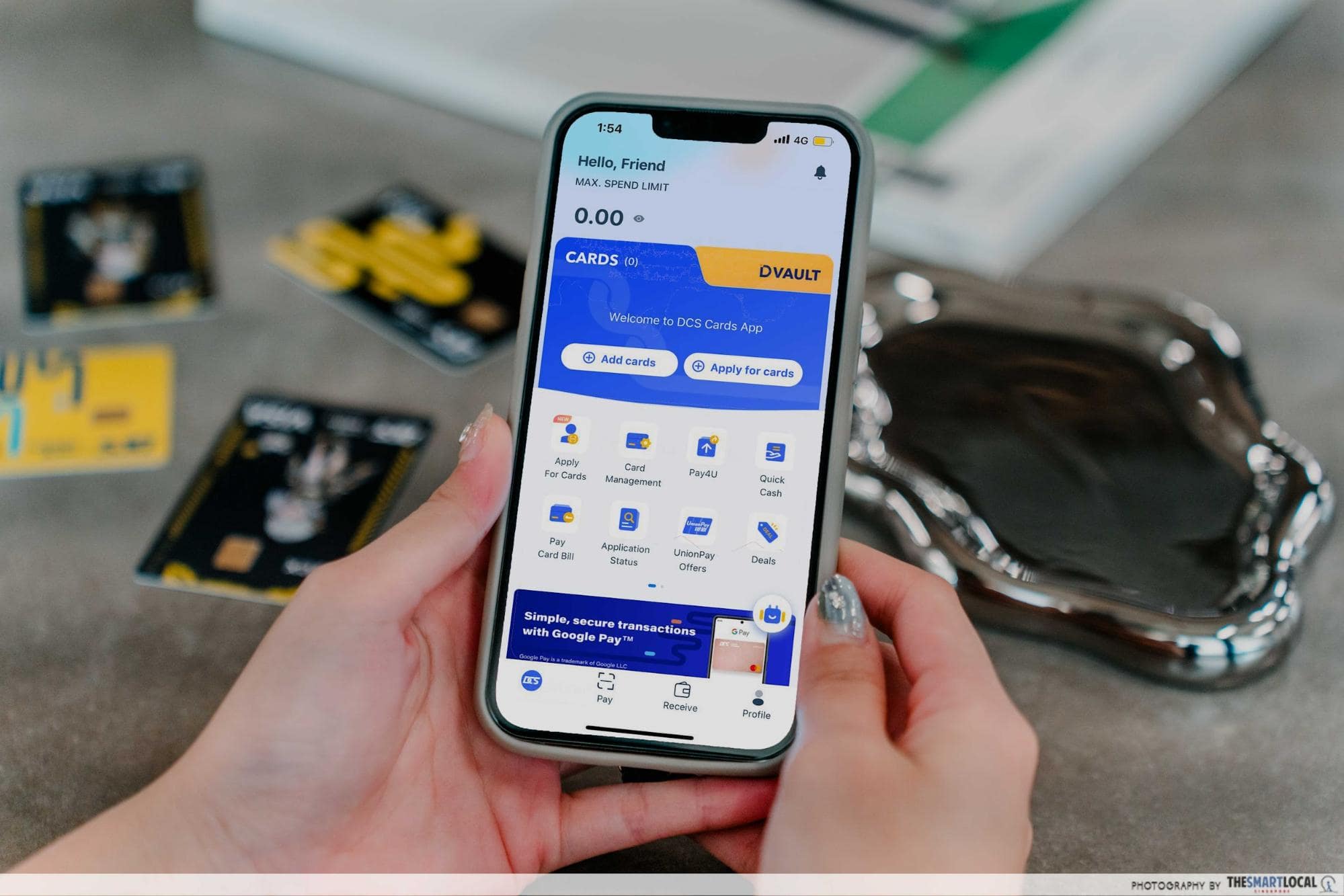
    DCS Card Centre is on the fast track to redefine its role in the financial landscape, transitioning from a traditional card issuer to a comprehensive global payments enabler. This transformation underscores a larger ambition to seamlessly connect the realms of Web2 and Web3 finance.

    Milestone Moments in Embedded Finance

    The company will showcase this evolution as the official payment provider for GastroBeats 2025. Dayna Leng, Chief Marketing Officer at DCS, stated, “This year, DCS has evolved into a global payments enabler, leading innovations that breach traditional finance and Web3 economies to facilitate everyday spending.”

    Once primarily identified with the Diners Club brand, this Singapore-based institution has significantly broadened its partnerships to include major players like Visa, MasterCard, and UPI. DCS’s evolution mirrors a broader regional trend, with embedded finance across the Asia Pacific projected to soar to US$255 billion by 2029.

    Redefining Payments for a New Era

    For DCS, the strategy now transcends simply issuing cards; it includes merchant acquisition and advanced payment services. “Card payments have undergone significant evolution,” Leng noted. “We’ve transitioned from debit to credit, to mobile and digital, moving from the confines of traditional finance to enabling real-time transactions across both physical and Web3 ecosystems.”

    Today’s consumers demand instant gratification, expecting payment solutions to be agnostic, borderless, and unhindered by limitations. This heightened expectation is prompting businesses to adopt innovative tools like virtual cards. These tools streamline accounting processes by consolidating expenses across teams, vendors, and merchants while also enabling multi-currency transactions, ultimately reducing foreign exchange costs.

    The Future is Regulated Yet Flexible

    “At the core of everything is the need for regulatory compliance,” Leng emphasized. She foresees a rapidly evolving digital payments landscape shaped by significant institutional involvement aimed at fostering a responsible digital lifestyle. One might say that while the future of finance is fast-paced and flexible, it must also tread carefully in regulatory waters — a balancing act reminiscent of walking a tightrope culinary experts skillfully navigate at a fine dining restaurant.

    Questions & Answers

    What is DCS Card Centre’s new role in the payments landscape?
    DCS Card Centre is shifting from a traditional card issuer to a global payments enabler, bridging traditional finance and Web3 ecosystems.

    How crucial is regulatory compliance in DCS’s strategy?
    Regulatory compliance is foundational for DCS, as the evolving digital payments landscape will require responsible frameworks to support new technologies.

    What is the significance of DCS’s partnership with GastroBeats 2025?
    DCS’s role as the official payment provider for GastroBeats 2025 marks a significant milestone in its ambition to integrate innovative payment solutions into everyday spending.

  • OCBC Bank Hong Kong Launches Dedicated Team to Empower Local Entrepreneurs

    OCBC Bank Hong Kong Launches Dedicated Team to Empower Local Entrepreneurs

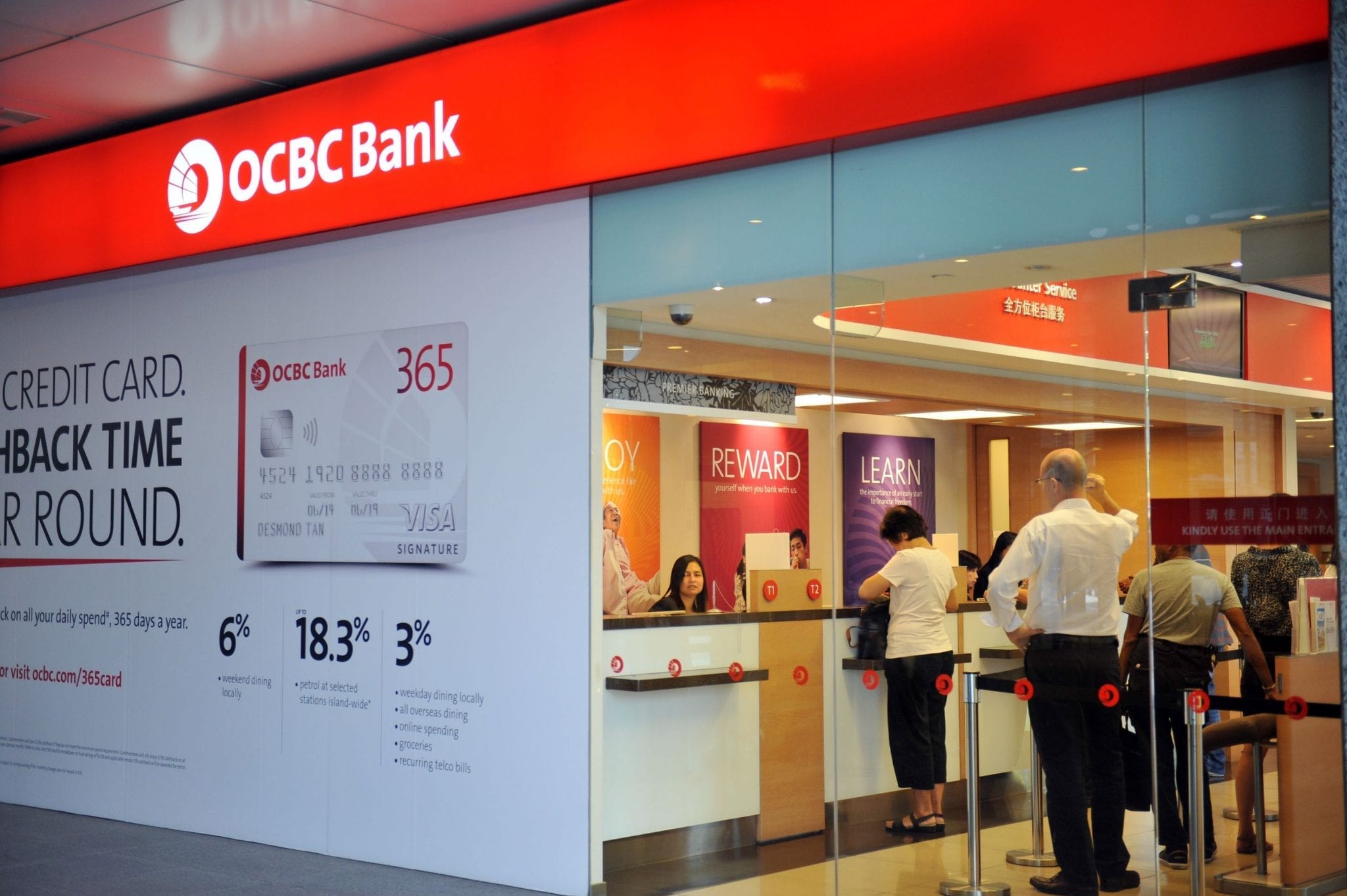
    OCBC Bank (Hong Kong) has embarked on an ambitious journey, establishing a new department dedicated to providing loans for serial entrepreneurs in the bustling city. This strategic move aims to bolster support for the thriving entrepreneurial ecosystem in Hong Kong, with expectations to launch a comprehensive financing proposition by the end of 2025.

    A Holistic Approach to Entrepreneurial Lending

    In a bold departure from traditional banking practices, OCBC Hong Kong plans to assess potential borrowers through a holistic lens, considering their entire portfolio, including operating experience, track record, and strategic vision. This not only highlights the importance of individual entrepreneurial journeys but also allows the bank to tailor its offerings to meet diverse needs.

    Comprehensive Support Network for Entrepreneurs

    Entrepreneurs who secure financing from OCBC will find themselves supported by an integrated network that features a dedicated relationship manager and specialists in areas like cash management, corporate advisory, and wealth management. This multifaceted support is designed to empower entrepreneurs to navigate the complexities of business growth seamlessly.

    Sector-Specific Solutions on Offer

    OCBC’s offerings extend beyond standard loans, encompassing working capital loans, venture loans, cross-border expansion assistance, sustainable finance options, and corporate finance advisory services, particularly for mergers and acquisitions. It’s a buffet of financial solutions that aims to cater to the unique challenges faced by entrepreneurs, proving that financing can be as nuanced as the ventures themselves.

    Ambitions for the Future

    This initiative is part of OCBC’s broader goal to lend S$5 billion to the serial entrepreneur segment across Singapore, Hong Kong, Malaysia, and Indonesia by 2028. To date, since 2019, the bank has successfully financed 1,800 entrepreneurs in Singapore and Malaysia, disbursing S$1.5 billion. Looking ahead, an impressive S$3.5 billion in loans is expected to be extended between 2025 and 2028.

    A Commitment to Fostering Entrepreneurial Growth

    Ruby Yiu, head of emerging business at OCBC Hong Kong, articulated the bank’s commitment to facilitating entrepreneurs in navigating their journeys: “This new banking initiative showcases our dedication to enabling founders to expand and manage their ventures with ease.” Yiu further emphasized that the newly established department, created in July, is focused on providing tailored support necessary for the ongoing success of serial entrepreneurs.

    “Through this initiative, we hope to set a new standard in the market and gain widespread recognition for our efforts in fostering entrepreneurial growth,” she added, hinting at OCBC’s ambition to not just be a lender but a key player in enhancing the entrepreneurial landscape.

    Questions & Answers

    What is the main focus of OCBC Bank’s new department in Hong Kong?
    The new department is dedicated to providing tailored financial support to serial entrepreneurs, evaluating their entire portfolio to tailor solutions effectively.

    How much does OCBC aim to disburse in loans by 2028?
    OCBC aims to lend S$5 billion to serial entrepreneurs across Singapore, Hong Kong, Malaysia, and Indonesia by 2028.

    What kinds of financing options are available for entrepreneurs?
    Entrepreneurs can access working capital loans, venture loans, cross-border expansion support, sustainable finance, and corporate finance advisory services through OCBC.

  • Starlink Gains Final Nod for Satellite Internet Launch in India: A New Era of Connectivity Awaits!

    Starlink Gains Final Nod for Satellite Internet Launch in India: A New Era of Connectivity Awaits!

    Starlink, the satellite broadband arm of Elon Musk’s SpaceX, has garnered final regulatory approval to operate commercially in India, marking a pivotal moment for satellite-enabled connectivity in the nation. The Indian National Space Promotion and Authorization Centre (IN-SPACe) has issued Starlink a five-year license, effective until July 7, 2030, granting the company the go-ahead to deploy its Gen1 satellite constellation across India.

    Joining the Ranks of Elite Providers

    This license positions Starlink alongside Eutelsat’s OneWeb and Reliance Jio, making it one of the select operators authorized to deliver satellite-based internet services in the country. Such advancements are crucial to advancing India’s burgeoning space-tech landscape and enhancing its digital connectivity framework.

    Moving from Approval to Action

    However, approval is merely the first chapter. Starlink must lay significant groundwork before launching its services. The company faces several essential steps, including the establishment of local ground infrastructure, securing spectrum allocation from the Indian government, and proving its compliance with IN-SPACe’s security protocols through rigorous trials and testing. Insiders suggest that the commercial rollout could commence by the end of this year or early 2026, contingent on the speed of deployment and necessary approvals. It’s a race — but don’t forget to pack your patience!

    Innovative Connectivity through Satellite Technology

    Starlink sets itself apart from traditional fiber-based internet service providers (ISPs) by utilizing a low-Earth orbit (LEO) satellite constellation. This innovative approach enables high-speed internet delivery without the need for extensive terrestrial infrastructure. The result? Unmatched coverage, even in India’s most remote and challenging terrains, presenting a formidable competitor to conventional broadband providers.

    Strategic Partnerships to Boost Market Entry

    In anticipation of its Indian market launch, Starlink is reportedly collaborating with Reliance Jio for distribution and installation services. As part of this arrangement, Jio will sell Starlink hardware through its retail outlets while facilitating deployment and activation. Additionally, discussions are underway between Bharti Airtel and SpaceX to explore potential collaborations aimed at enhancing satellite connectivity in India’s underserved regions.

    Local Players Join the Satellite Race

    As Starlink prepares to make waves, India’s satellite internet sector is also witnessing increased momentum from homegrown players. State-owned BSNL is advancing its ambitious ‘Direct-to-Device’ initiative, which seeks to harmonize satellite and terrestrial mobile networks. This initiative gained attention during a recent demonstration where BSNL successfully transmitted a message from a commercial Android phone to a Viasat satellite orbiting 36,000 kilometers above the Earth, showcasing the compelling potential for hybrid satellite-mobile connectivity in underserved areas.

    Questions & Answers

    What is the significance of Starlink’s approval to operate in India?
    Starlink’s approval signifies a crucial step for satellite-based internet services in India, offering a modern alternative to traditional broadband, particularly in underserved areas.

    What must Starlink accomplish before it can launch services in India?
    Before launching, Starlink needs to establish local ground infrastructure, secure spectrum allocation, and demonstrate compliance with security protocols through trials and testing.

    How is Starlink partnering with local companies in India?
    Starlink is forming partnerships with Reliance Jio for distribution and installation, and is also in discussions with Bharti Airtel to enhance satellite connectivity, reflecting a collaborative approach to market entry.